Memorable Moments: What Shook The Watch World In 2025?

What shook up the watch industry in 2025? There are plenty of things, I suppose, but since the watch industry is a multifaceted entity, I think I should elaborate. In terms of innovative watchmaking, 2025 proved to be an interesting year. Many prominent brands released technical innovations that demonstrate how the universe of mechanical timepieces is continually evolving.
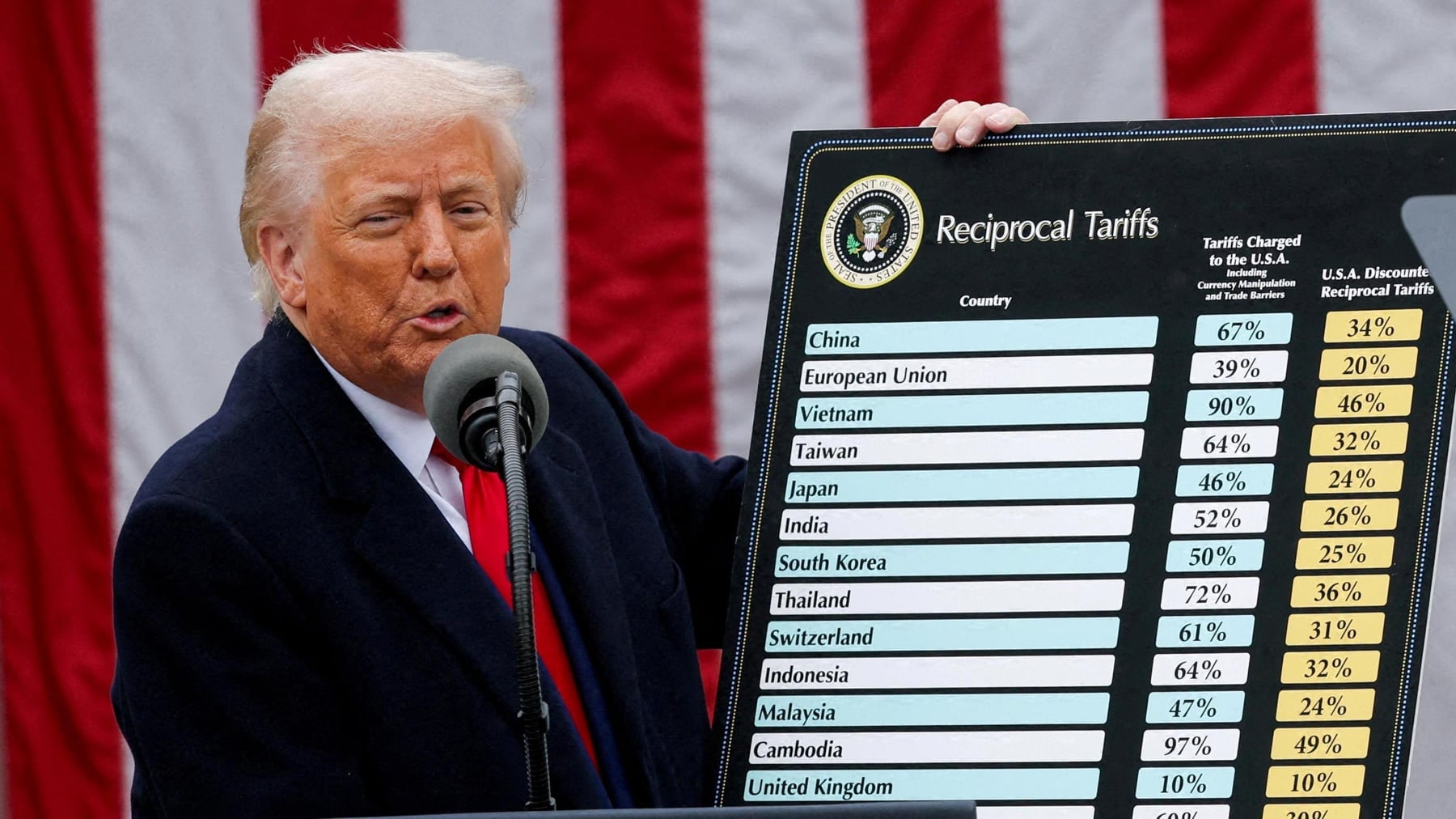
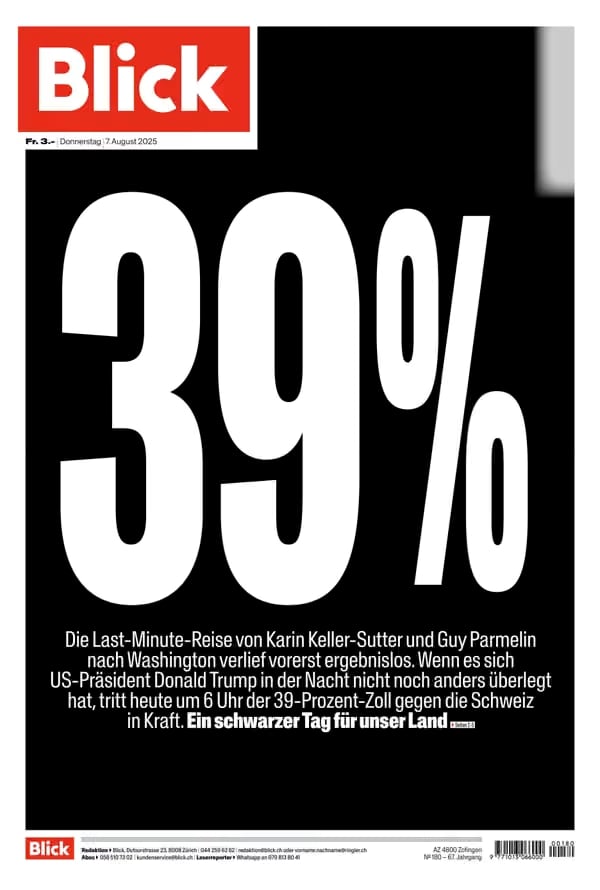
August 1st, 2025, will forever be a memorable day for people working in the Swiss watch industry. It won’t necessarily be in a celebratory way, though. August 1st is Swiss National Day, commemorating the formation of the core of Switzerland in 1291 by the three cantons of Uri, Schwyz, and Unterwalden. However, on August 1st, 2025, the Swiss watch industry received a harsh “happy birthday” message in the shape of Trump’s tariff agenda. It served as a reminder that there are no certainties in life, not even in a parallel universe that seemed untouchable. So, instead of having enjoyed the traditional festivities, like music, bonfires, and fireworks, watch execs stared at the wall in disbelief or made frantic phone calls about the 39% tariff imposed on Swiss timepieces. Unfortunately, Swiss National Day became the day that shook up the watch industry the most in 2025.
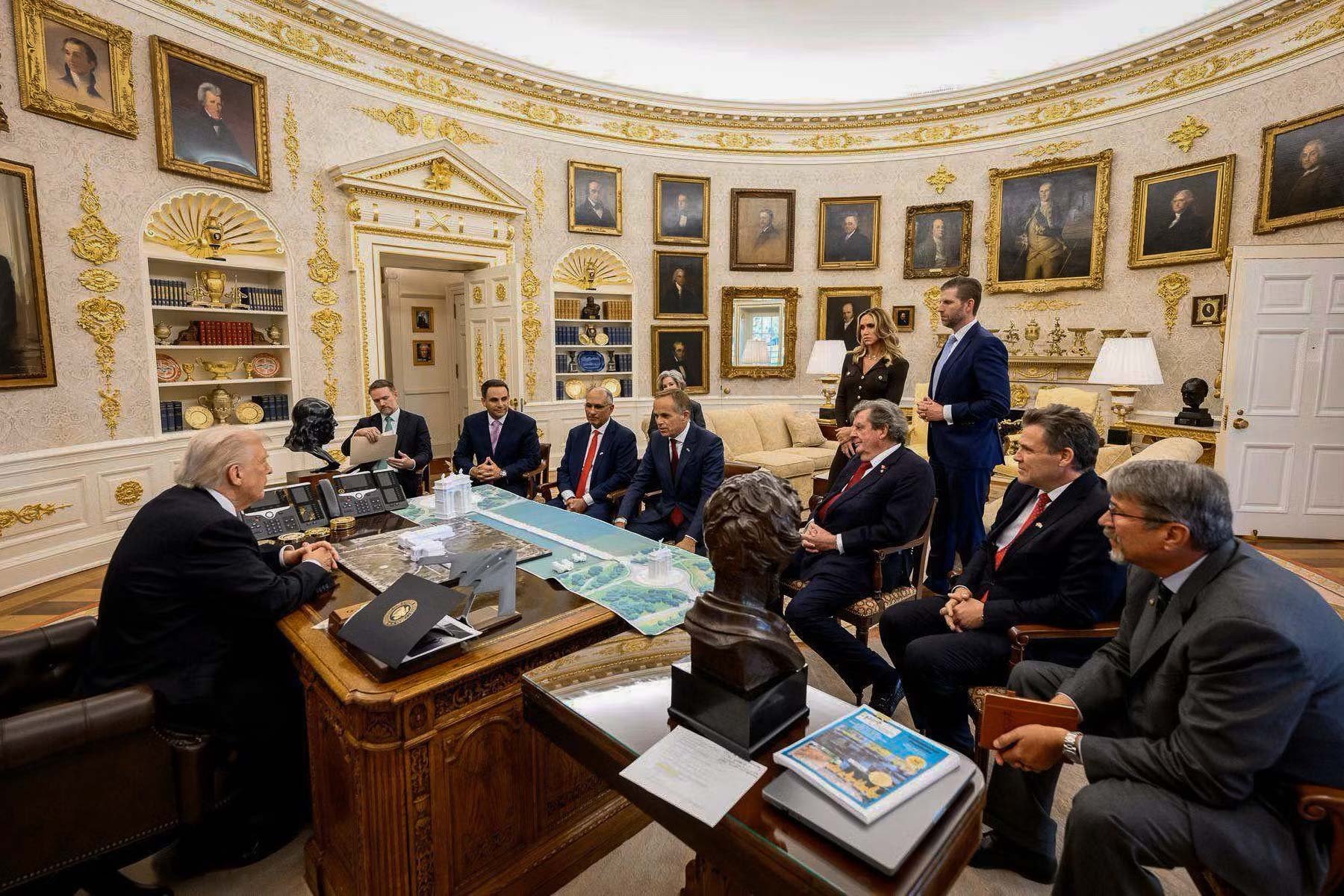
Rolex CEO Jean-Frederic Dufour and other swiss executives visiting the White House
What shook the watch world in 2025?
It took a delegation of heavyweights from the watch industry to persuade the US president to lower the tariff rate. On November 14th, the United States announced that the country-specific additional tariff for Switzerland would be limited to 15%, thus bringing it in line with EU levels. A sigh of relief could be heard in watch brands’ facilities around the country, but it was also a moment of realization — the Swiss watch industry must adapt to a new reality in which prices in its largest market are still set to rise. It is important to note that the deal has not yet been approved. In early December, the Swiss government approved the draft mandate for negotiating a trade agreement with the United States. The relevant parliamentary committees and the cantons will now review the proposal.
But let’s think back to the start of 2025. Swiss watch brands entered the year with lofty expectations for the US watch market. And although expectations were not met, even with months of uncertainty and on-again, off-again tariffs, things could have been much worse. Despite the unstable situation, sales of Swiss luxury watches in the US remained robust, according to half-year results from the Watches of Switzerland Group — the UK-listed retailer is the country’s largest seller of Rolex, Omega, and Cartier in the US. Watches of Switzerland posted half-year group revenue of £845 million (€967 million) for the 26 weeks leading up to October 26th, 2025, an increase of 10% at constant currency (8% reported).
What may have contributed to those surprisingly high figures is that many brands, including Swatch, rushed additional inventory to the US earlier in the year to get ahead of the higher tariffs. This makes sense when you consider that the US accounts for nearly 20% of all Swiss watch exports.
Optimism and skepticism for 2026
It’s safe to say 2025 was a shocker for the Swiss watch industry. A 39% tariff rate is life-threatening for many brands, but while 15% is uncomfortable, it’s an inconvenience they can deal with. How consumers will deal with it, though, is a question we will see answered in 2026. US import tariffs on Swiss watches remain a looming concern and continue to cloud the industry’s growth forecasts. Meanwhile, 36% of luxury watch buyers say they’re concerned about rising living costs and inflation, factors that could discourage even high-spending consumers and push aspirational buyers away. Also of importance is the rising cost of raw materials, which continues to hit record highs.
Despite the dark clouds, headwinds, and unpredictable situations, the market as a whole has shown signs of resilience, with average purchase intent rising. It would be beneficial, though, if the legally non-binding declaration of intent between Switzerland and the US, dated November 14th, were ratified by the Swiss committees and cantons soon. This would ensure that a flat rate of 15% replaces the current additional tariffs of 39%. A Swiss watch industry that struggles to sell its products due to rising prices in the US market also affects the rest of the world. Watch brands like to charge more or less uniform prices worldwide, so other markets will also pay for the tariffs.
What do the Swiss people think?
Interestingly, and perhaps surprisingly, more than two-thirds of Swiss people have reservations about the recent tariff deal struck with the United States, a survey suggests. A poll commissioned by the Swiss newspaper Blick found that 69% of respondents oppose the new agreement. The poll, conducted by the research institute Sotomo at the end of November, gathered responses from roughly 9,300 people.
Most respondents viewed Switzerland’s concessions outlined in the memorandum of understanding unfavorably. Eighty percent said the decision to lift restrictions on data transfers to the US went too far. Other commitments — including pledging not to introduce a digital tax, allowing duty-free imports of limited amounts of US meat, promising CHF 200 billion in Swiss investment in the US, and permitting oversized American pickup trucks on Swiss roads — also received little support.
Confidence in the US government appears low as well. When asked whether they believe Washington will maintain tariffs at the reduced 15% level in the long term, skepticism was strong among left-leaning respondents. Seventy-one percent of Green Party supporters answered “no” or “rather no.”
© FDFA, Presence Switzerland 2022
Let’s vote on it
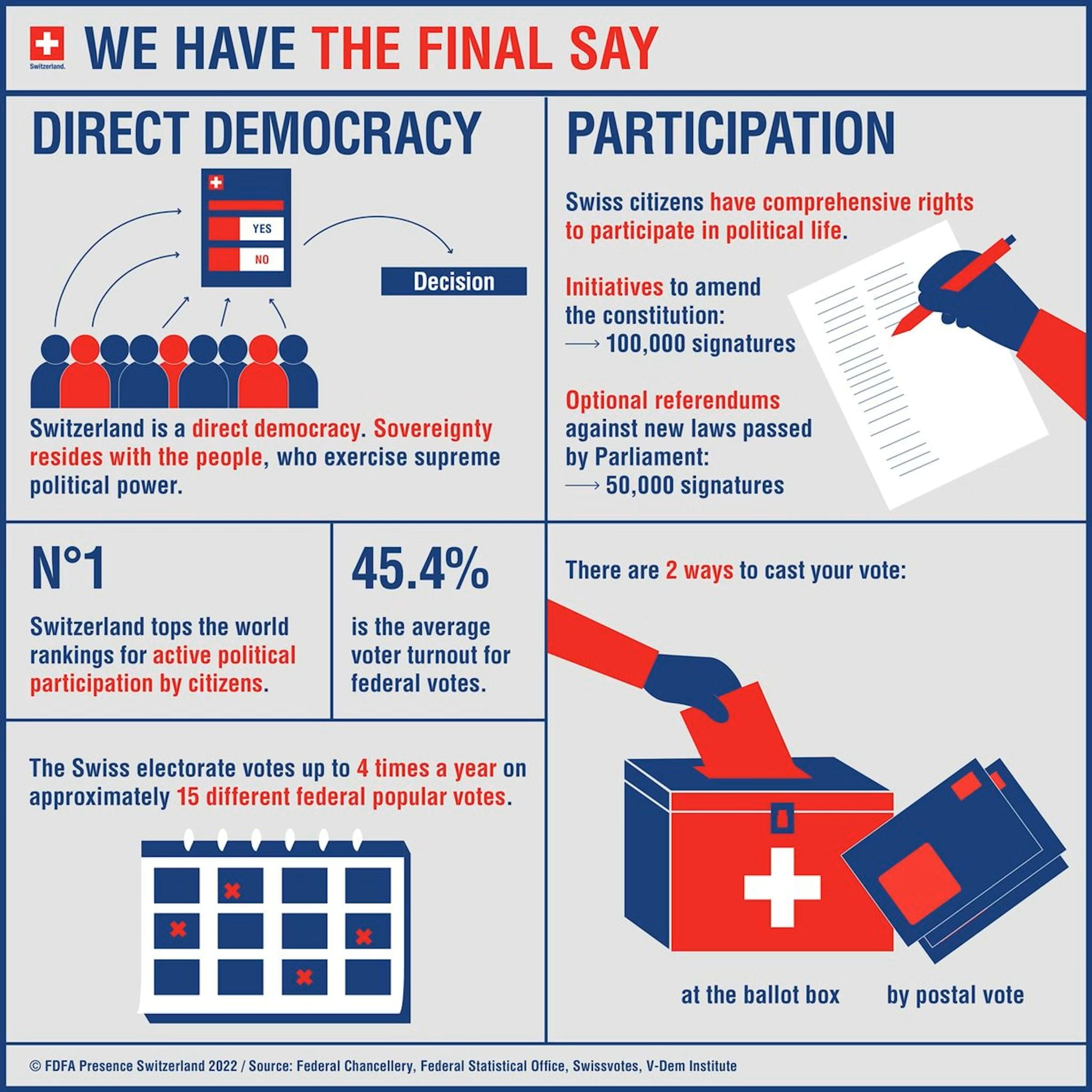
That’s important to know because powerful instruments of direct democracy complement Switzerland’s system of representative democracy. No other country in the world conducts as many popular initiatives as Switzerland. The first such votes were held more than a century ago, and Swiss citizens are still regularly called to the polls today to weigh in on local, regional, and national matters. The tariff deal with the US could also be subject to a referendum. But whether Swiss voters will ultimately have a say on a US agreement remains unclear.
The declaration of intent must first be translated into a binding treaty, State Secretary for Economic Affairs Helene Budliger Artieda told the Neue Zürcher Zeitung. On Wednesday, December 10th, the Swiss government announced the retroactive implementation, applying from November 14th. Guy Parmelin, the economy minister, said Switzerland got the backdated start only because it agreed to begin lowering its tariffs from the day the deal was made. Because the trade deal isn’t final yet, the lower tariff only applies if Switzerland and the US can agree on the remaining details. Those talks are still happening, and both sides hope to finish them in the first quarter, the White House said in a joint statement.
The Swiss federal parliament will decide on the agreement once the negotiations conclude. “A referendum would also be possible, which would give the public the final word,” Budliger Artieda said. As you understand, the process takes time and will leave the watch brands in a state of limbo, maybe for months to come, meaning 2026 will start under a cloud of uncertainty.
Innovation marks 2025
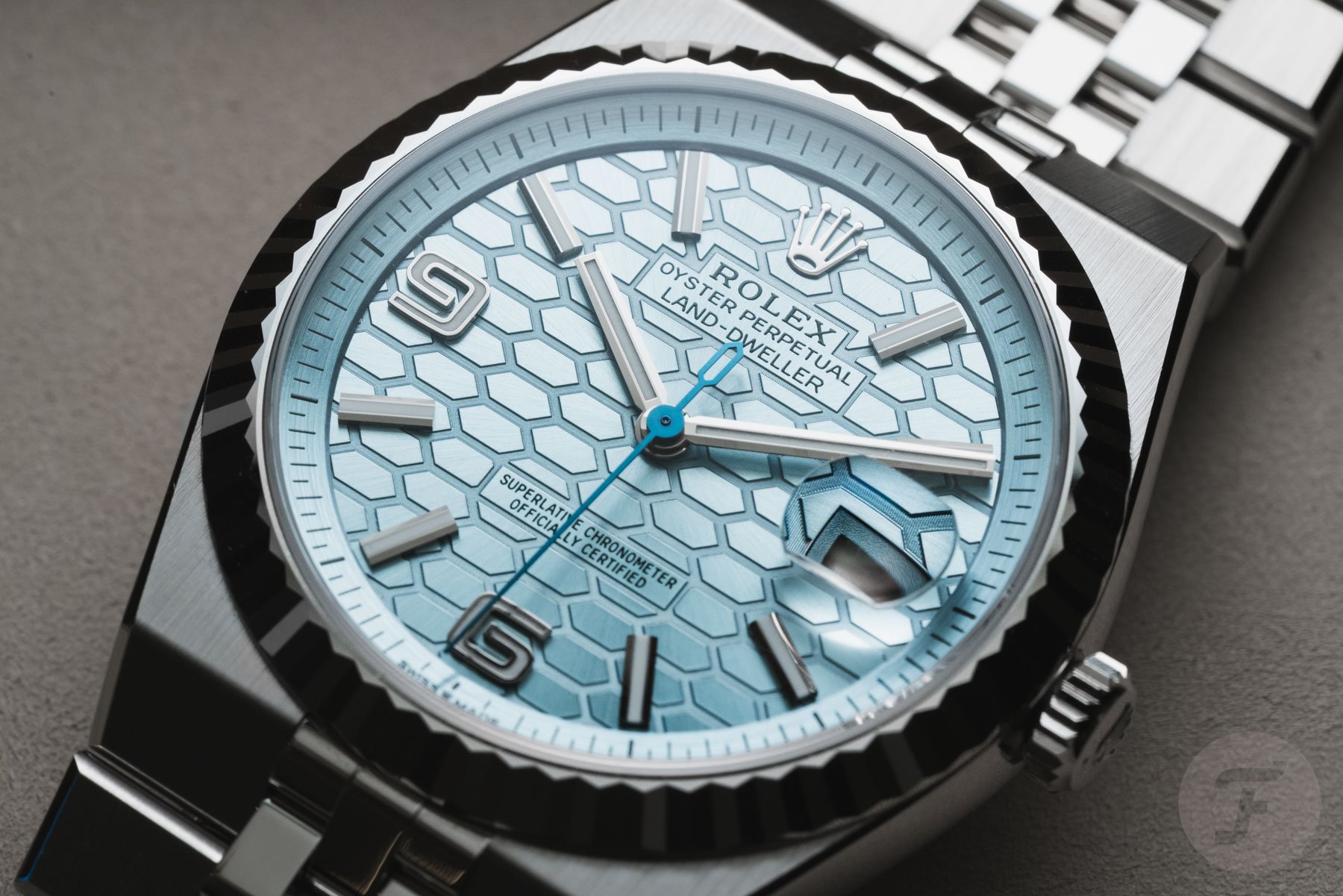
Let’s not end 2025 on a low note, though. Instead, let’s remember the remarkable innovations that debuted. Rolex introduced the Land-Dweller featuring the new caliber 7135. This chronometer-certified automatic movement may be a tweaked 7140, but the differences are monumental. This high-beat (5Hz) caliber, visible through the case back — also a notable feature — incorporates a silicon hairspring, a ceramic balance staff, and the new Dynapulse escapement.
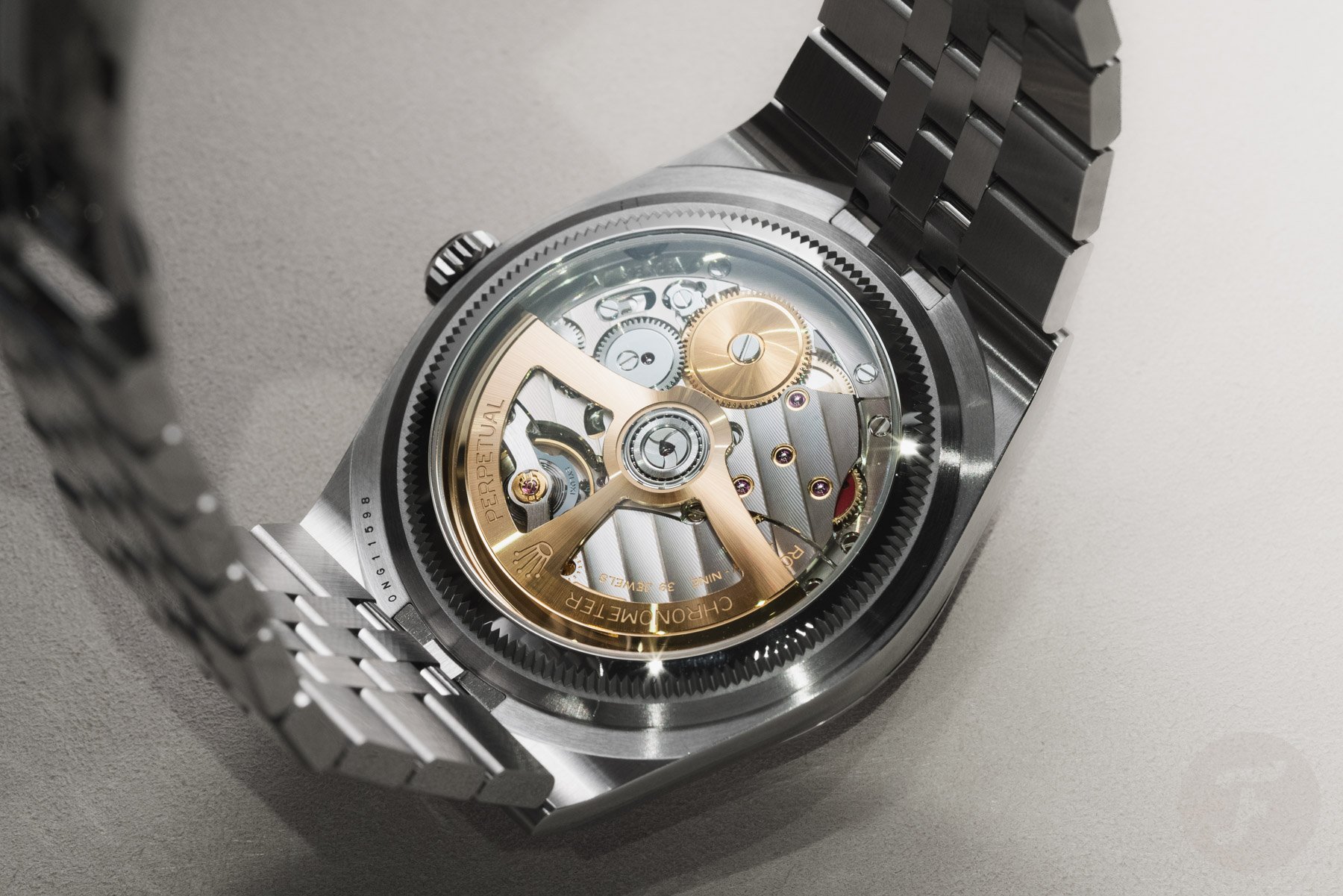
The new caliber 7135 inside the Rolex Land-Dweller
On the topic of escapements, Breguet, which is celebrating its 250th anniversary in 2025, introduced a magnetic escapement this year. The Expérimentale 1 features a high-frequency (10Hz) tourbillon with a magnetic escapement, which delivers constant force to the balance.


This watch, which marks the launch of a new range of innovative timepieces, features a movement that beats with two escape wheels. Each wheel is fitted with a magnetic track that works in conjunction with a lever featuring magnetized pallets. The concept draws inspiration from constant-force escapements. When torque falls below a certain threshold, the tourbillon stops almost immediately. And when it exceeds that threshold, the balance oscillates at full amplitude.
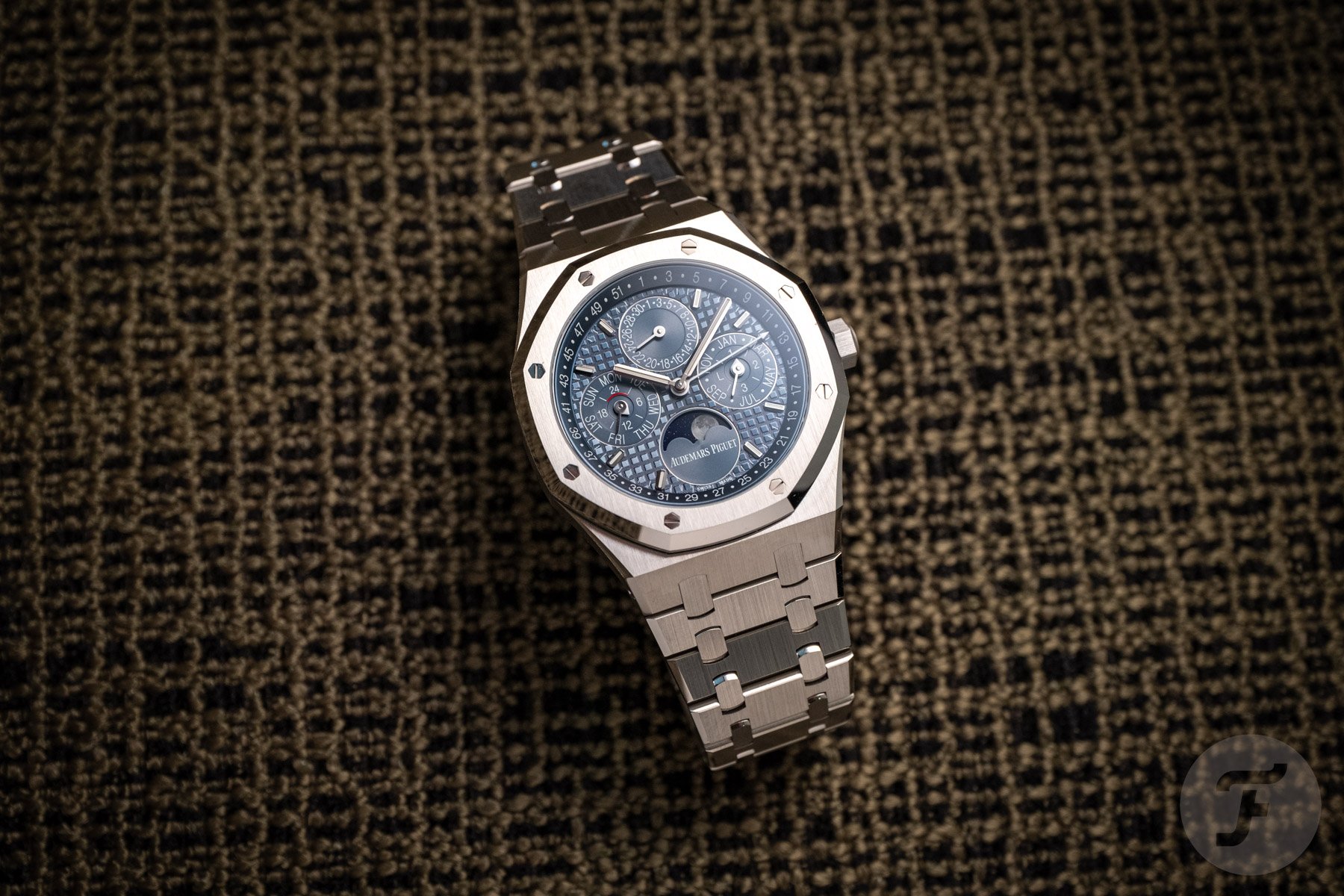
Audemars Piguet Royal Oak Perpetual Calendar ref. 26674SG.OO.1320SG.01 in sand gold
An easy-to-use QP and a soft-touch chronograph
Audemars Piguet celebrated its 150th anniversary by introducing an easy-to-use perpetual calendar movement that features a clever crown, working almost like a gearbox, which enables foolproof setting. The automatic caliber 7138 is available in the Royal Oak and Code 11.59. The brand from Le Brassus also reinvented the chronograph with its caliber 8100. This movement is inside the Royal Oak “Jumbo” Extra-Thin Selfwinding Flying Tourbillon Chronograph RD#5, the last of the RD watches.


The movement eliminates the traditional heart-shaped cam and utilizes an innovative rack-and-pinion mechanism instead. The new patented mechanism stores energy in the rack and keeps it under tension, preventing the chronograph hand from vibrating. Also, a friction spring, a component that acts as a constant brake when operating and resetting modern chronographs, is no longer necessary. The result is comparable energy consumption, but the energy, a rare and therefore cherished commodity in a mechanical movement, is now stored instead of dissipated. Another nice detail is the use of soft-touch pushers.
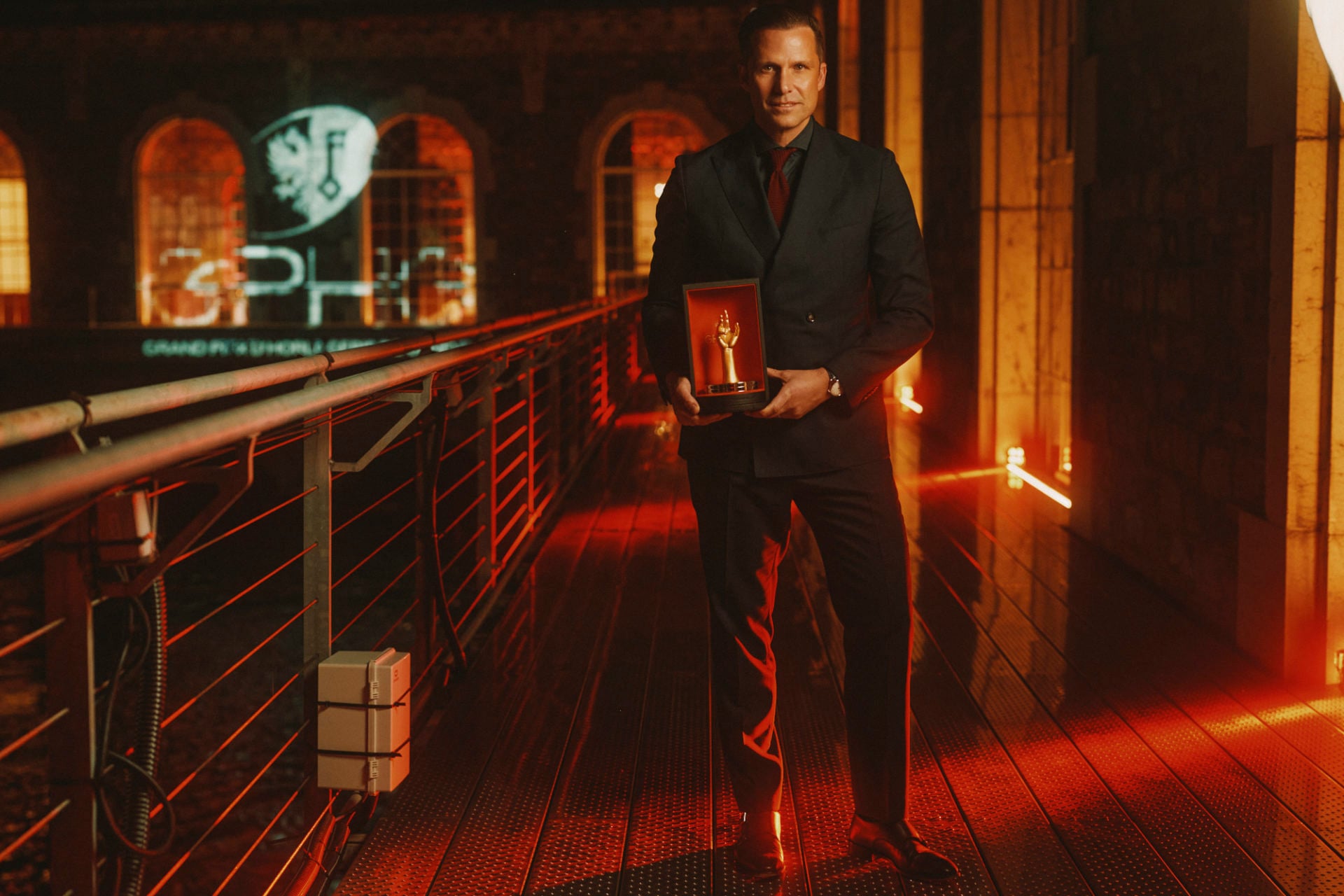
Breguet CEO Gregory Kissling with the “Aiguille d’Or” Grand Prix at the 2025 edition of the Grand Prix d’Horlogerie de Genève
And the award goes to…
Neither the clever and practical “gearbox” nor the completely new, simplified, and smooth-to-operate chronograph helped AP bag the biggest watch award, the “Aiguille d’Or” Grand Prix at the 2025 edition of the Grand Prix d’Horlogerie de Genève. This year, the “Golden Hand” went to a watch with just one hand, the Breguet Classique Souscription 2025. Some say this watch is way too simple to win a watchmaking “Oscar,” a prize won last year by IWC’s groundbreaking Eternal Calendar. Still, the Souscription 2025 is the “poster watch” of a revival that must lead Breguet back to the top of the watchmaking pyramid, and it does so in a historically correct and relevant way.
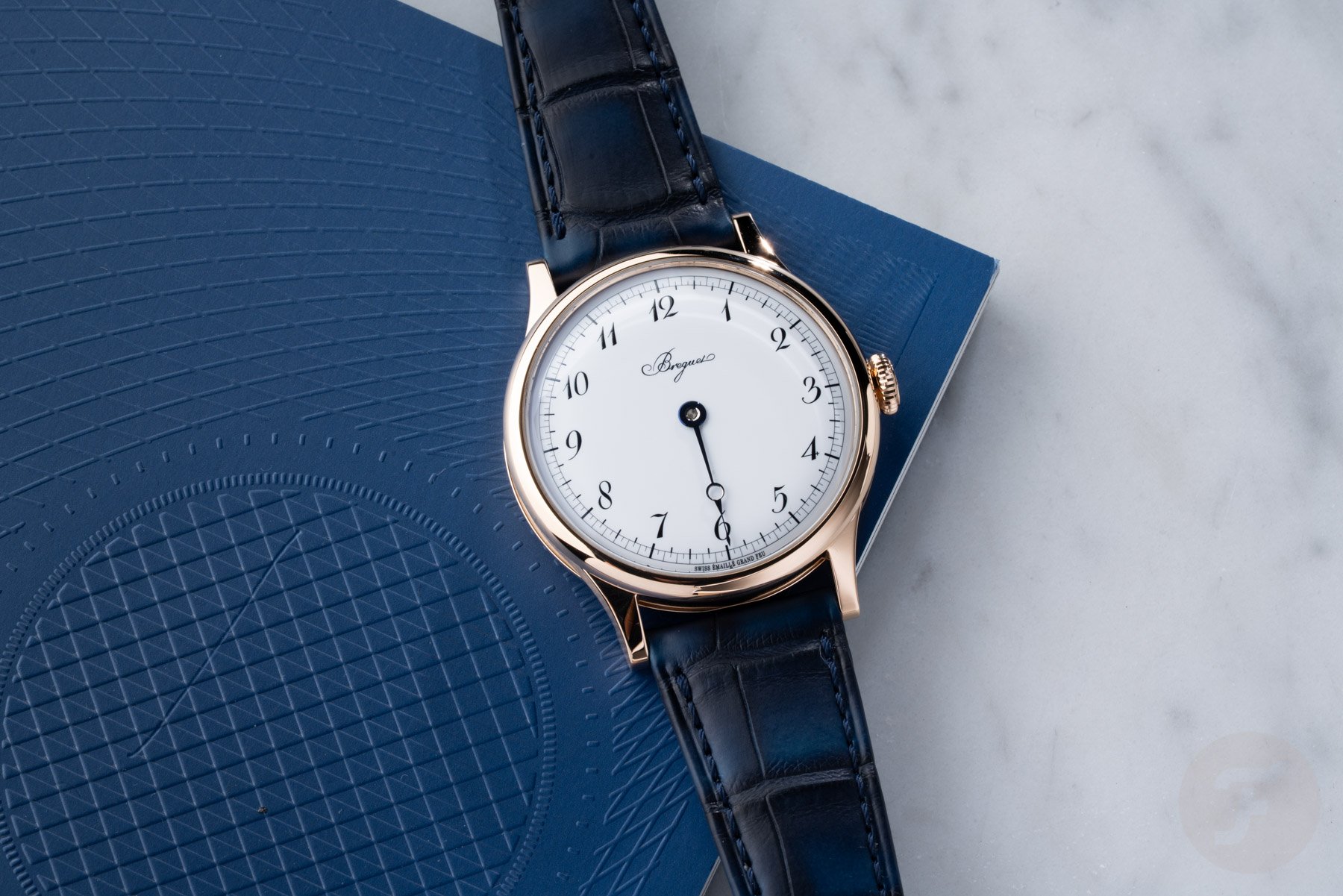
Breguet Classique Souscription 2025
AP’s QP, however, did receive a consolation prize by winning the Iconic category. Apart from the birthday brand Breguet, the biggest winner of the award night was LVMH’s watch division, which won a total of six awards. It signals that the enormous efforts and investments in luxury watchmaking pay off for the biggest luxury conglomerate in the world. Both the big brands and the smaller ones under LVMH’s umbrella are constantly in the news and receive high praise from clients and industry professionals.
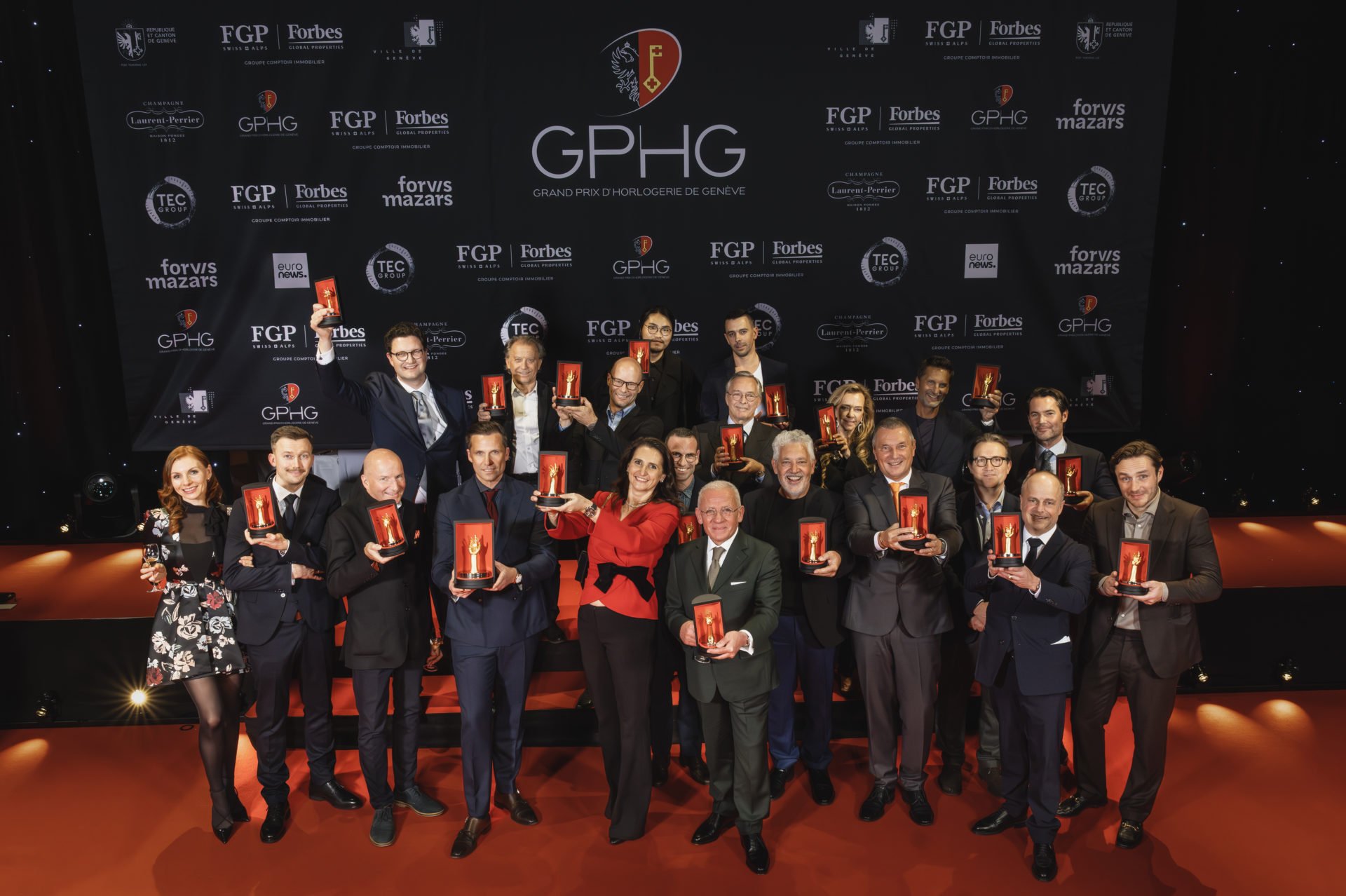
All the winners of this year’s GPHG, including six LVMH brands
It appears that 2025 will be the lead-up to a new year in which LVMH will become an even more significant force in the luxury watch industry, with exclusive, collector-loved brands like Gérald Genta and Daniel Roth, as well as its solid core of established brands like TAG Heuer and Zenith, and by positioning Dior as a solid alternative to Hermès and Chanel timepieces.
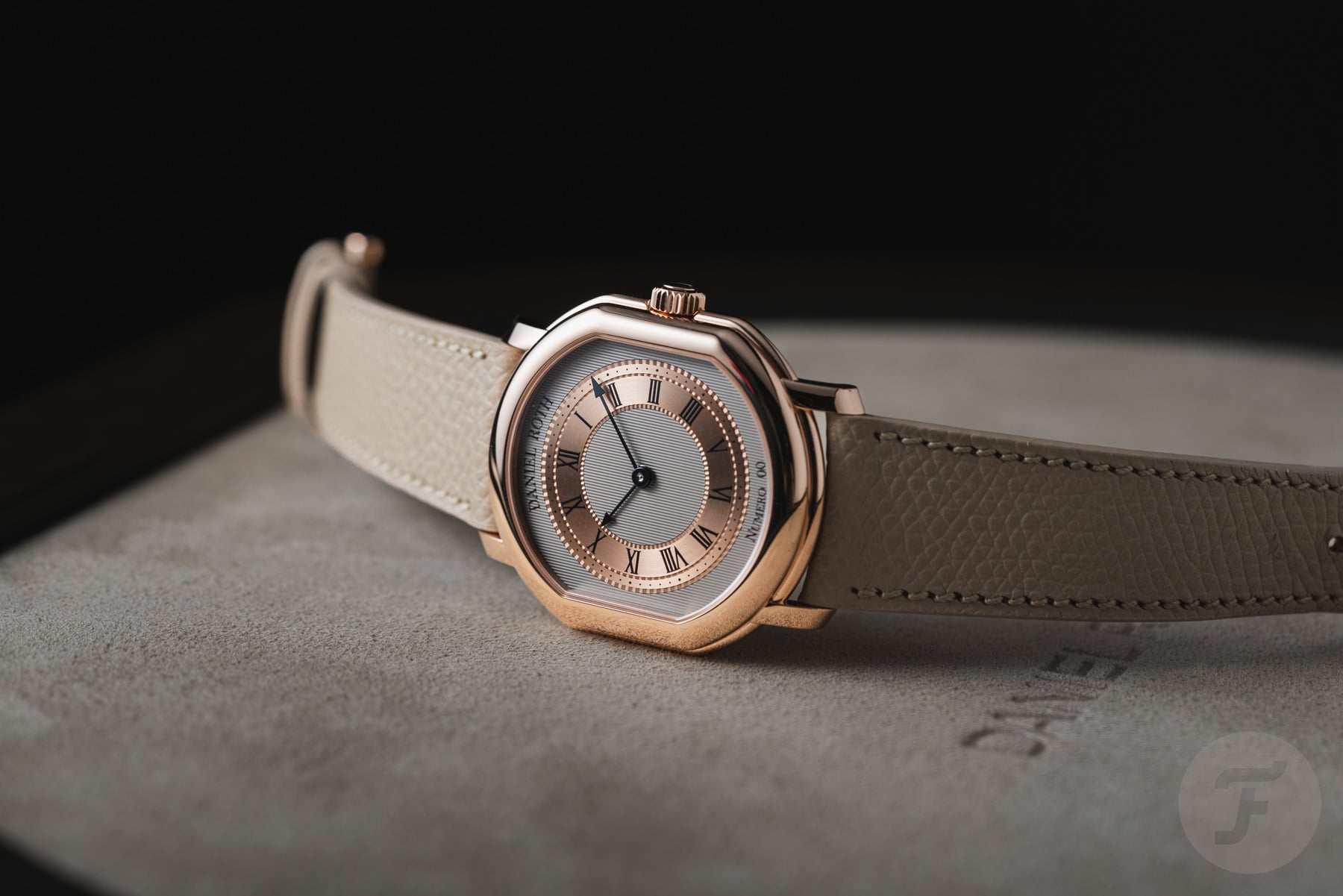
Daniel Roth Souscription Extra-Plat Rose Gold
Ending 2025 with a strategic move
Do you want more proof of Louis Vuitton Moët Hennessy’s grand ambition? In the penultimate month of 2025, the LVMH Watches Division announced a new strategic move by acquiring a minority stake in the Swiss movement manufacturer La Joux-Perret. LVMH’s investment in Citizen-owned La Joux-Perret represents a logical next step in its long-term strategy to consolidate movement production across the group. It’s a familiar move. Hermès and Chanel, for example, have taken minority stakes in movement specialists Vaucher and Kenissi, respectively. And the Swatch group has ETA in its portfolio, while Richemont can rely on its ValFleurier movement production site. Already in 2024, Frédéric Arnault — then-head of the group’s watch division and the son of LVMH’s big boss, Bernard Arnault — floated the idea of expanding Zenith’s manufacture to supply movements to other LVMH brands.
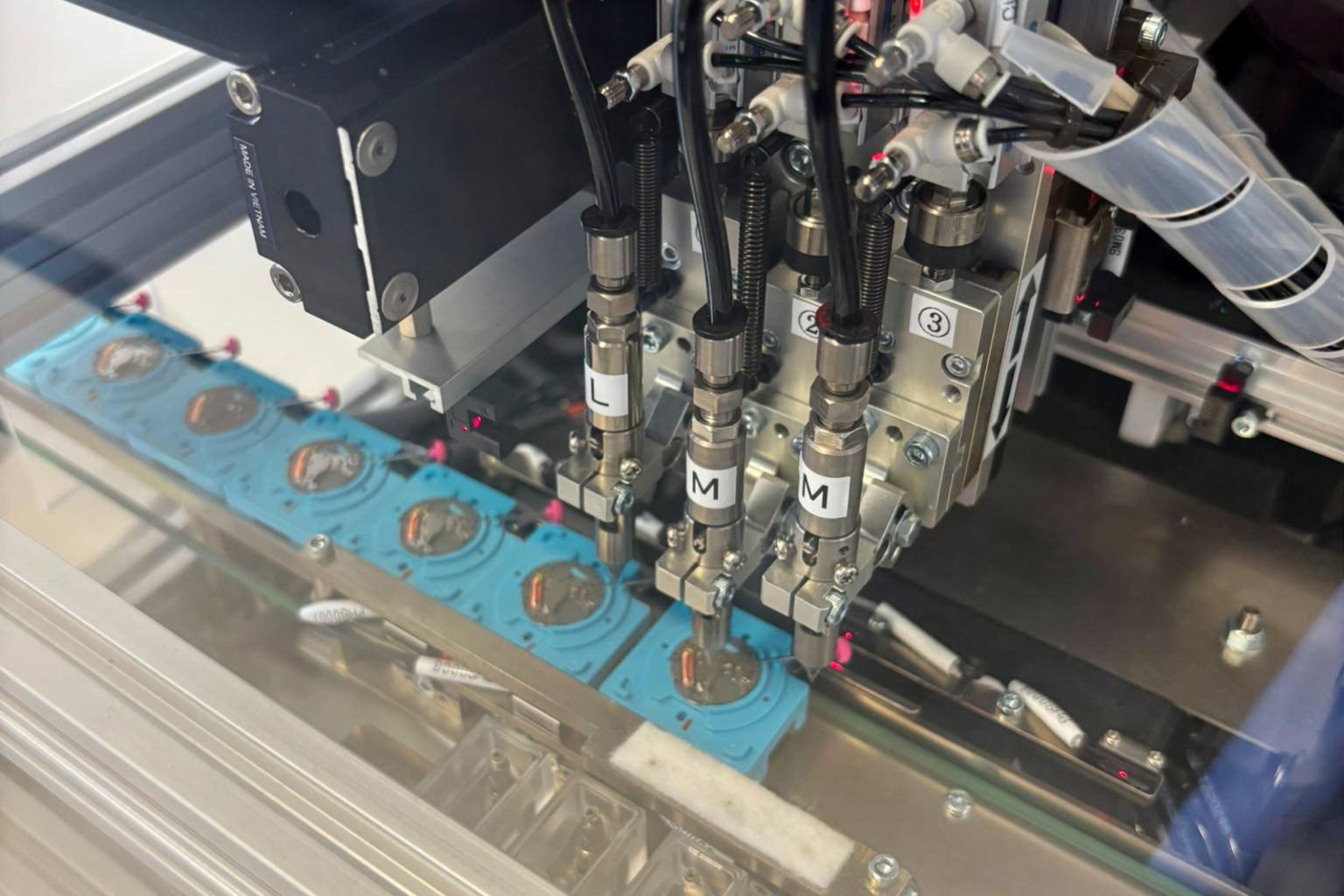
Solar-powered quartz movements being made by La Joux-Perret for TAG Heuer
Today, Zenith produces Bvlgari’s Solotempo movement, but it can’t supply a high-volume brand like TAG Heuer. By acquiring a stake in La Joux-Perret, the specialist movement maker, TAG Heuer has gained access to its solar-powered movement technology, which is now valuable to the group’s most important watch brand, both in terms of revenue and volume. Also, La Joux-Perret supplies components and subassemblies to several LVMH brands, including Louis Vuitton, another sleeping giant slowly but surely waking up on the watch market.


That was 2025 for the watch world from a more corporate angle. Do you have any thoughts on the matter or predictions for 2026? If so, please share them in the comments section below.