Who Was Raymond Weil? Fratello Talked To His Grandson To Learn More About The Brand’s Founder

He might not have been a watchmaker by training, but Raymond Weil (1926–2014) did start an eponymous watch brand. Remarkably, he did so at the age of 50 in 1976. The timing is defiant. Cheap quartz watches were already wreaking havoc on the Swiss watch industry, and a man in his 50s, especially back then, should have been starting to focus on his retirement, not thinking about launching a new business by himself. These facts are more than enough reason to ask, “Who was Raymond Weil?”
Elie Bernheim welcomes me into his office, and as I expected, a guitar is standing in the corner behind him; it’s a Gibson SG, to be precise, a guitar closely linked to AC/DC’s lead guitarist, Angus Young. Now, why did I expect to see a musical instrument at the headquarters of a Genevan watch brand? Because music plays an important role in Raymond Weil’s 50-year history. Its founder and namesake was passionate about classical music and decided to name his watch collections, such as the Parsifal, Othello, Nabucco, and Fidelio, after his favorite compositions. I need to know more about the man, his passions, and his ambitions, and what better way to find out more than by asking his grandson, Elie, who helms Raymond Weil today?
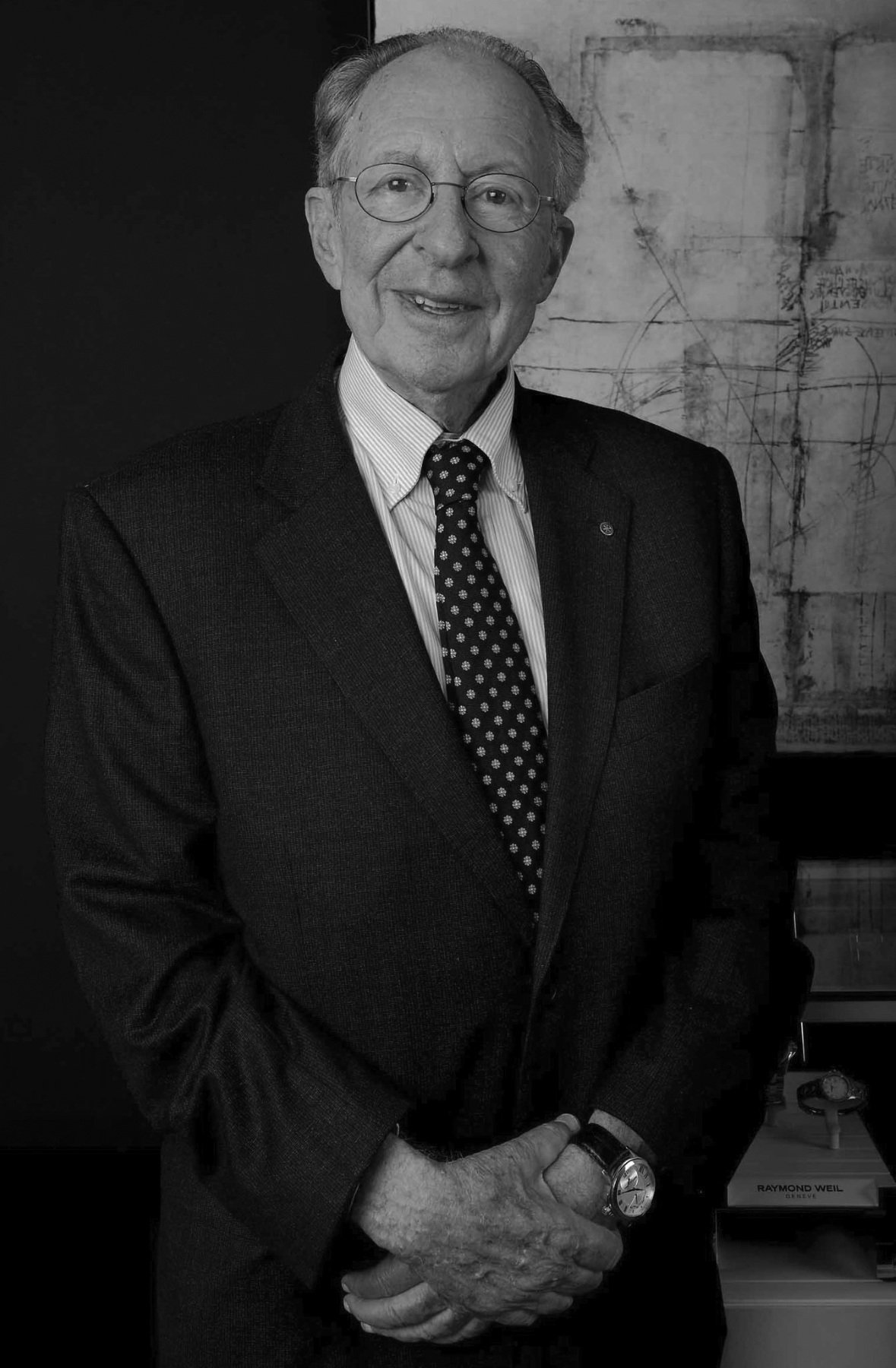
Raymond Weil (1926–2014)
Who was Raymond Weil? His grandson will tell us
Elie Bernheim, the current CEO of Raymond Weil, started in this position in April 2014. He took over from his father, Olivier Bernheim — the founder’s son-in-law — who led the company from 1996 to 2014. The brand was founded in 1976 by Raymond Weil, who either led or was active in the company until his retirement in 2002. Furthermore, Raymond Weil held key roles across the watchmaking industry. He served as the president of the Union of Watch Manufacturers of Geneva, the vice-president of the Watch Industry Training Centre (CFH) in Lausanne, and a member of the Federation of the Swiss Watch Industry (FH) and several employers’ associations. Weil also chaired the Exhibitors’ Committee of Baselworld until 1995. To this day, the Raymond Weil brand remains a family-owned, independent Swiss watchmaker.


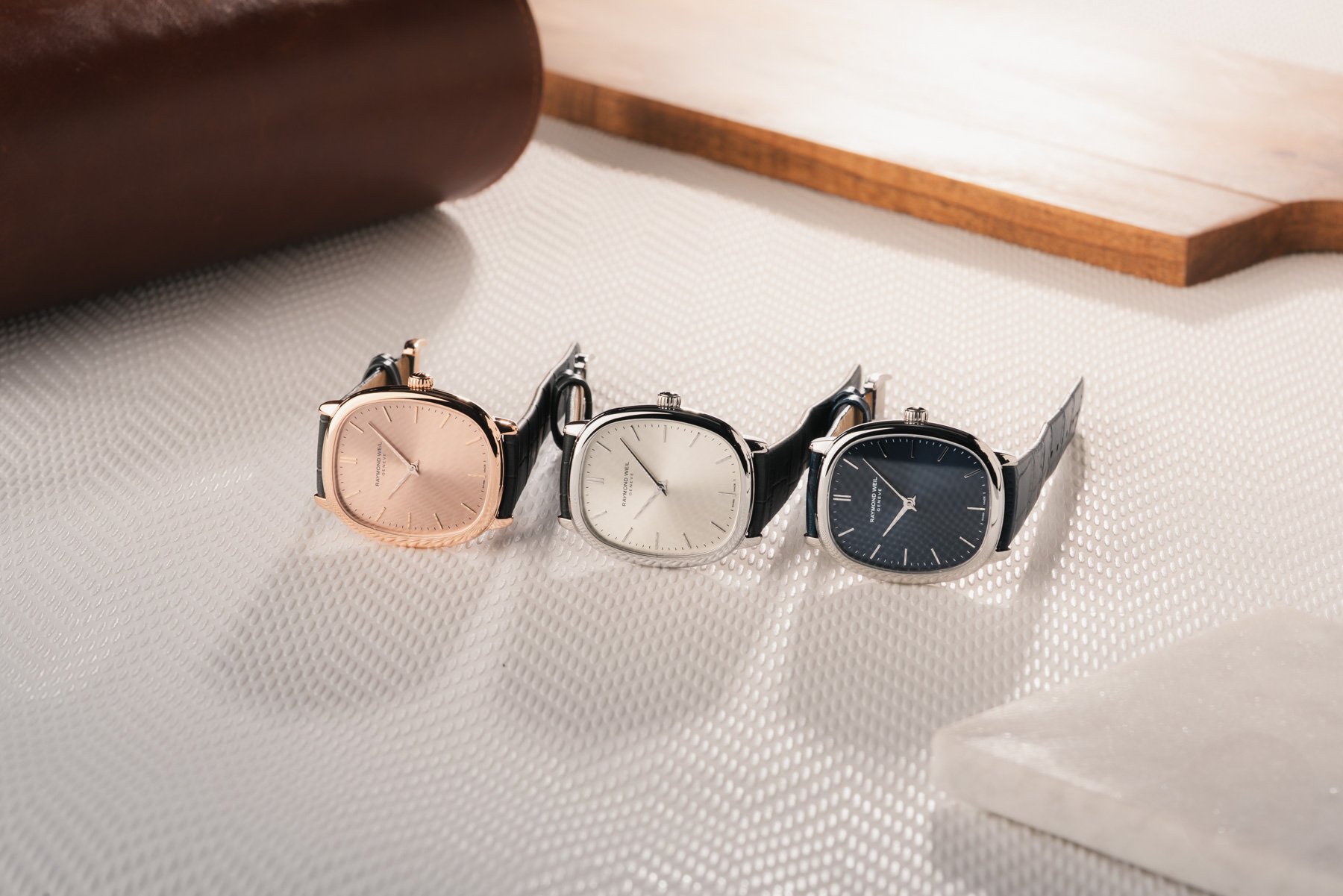
Back to Elie, who joined the company in 2006. His father was tasked with modernizing the company’s structure before handing over the steering wheel to his son in 2014. Under Elie’s leadership, Raymond Weil continues to focus on affordable luxury watches, with a strong emphasis on music- and art-inspired design, all in the spirit of his grandfather.
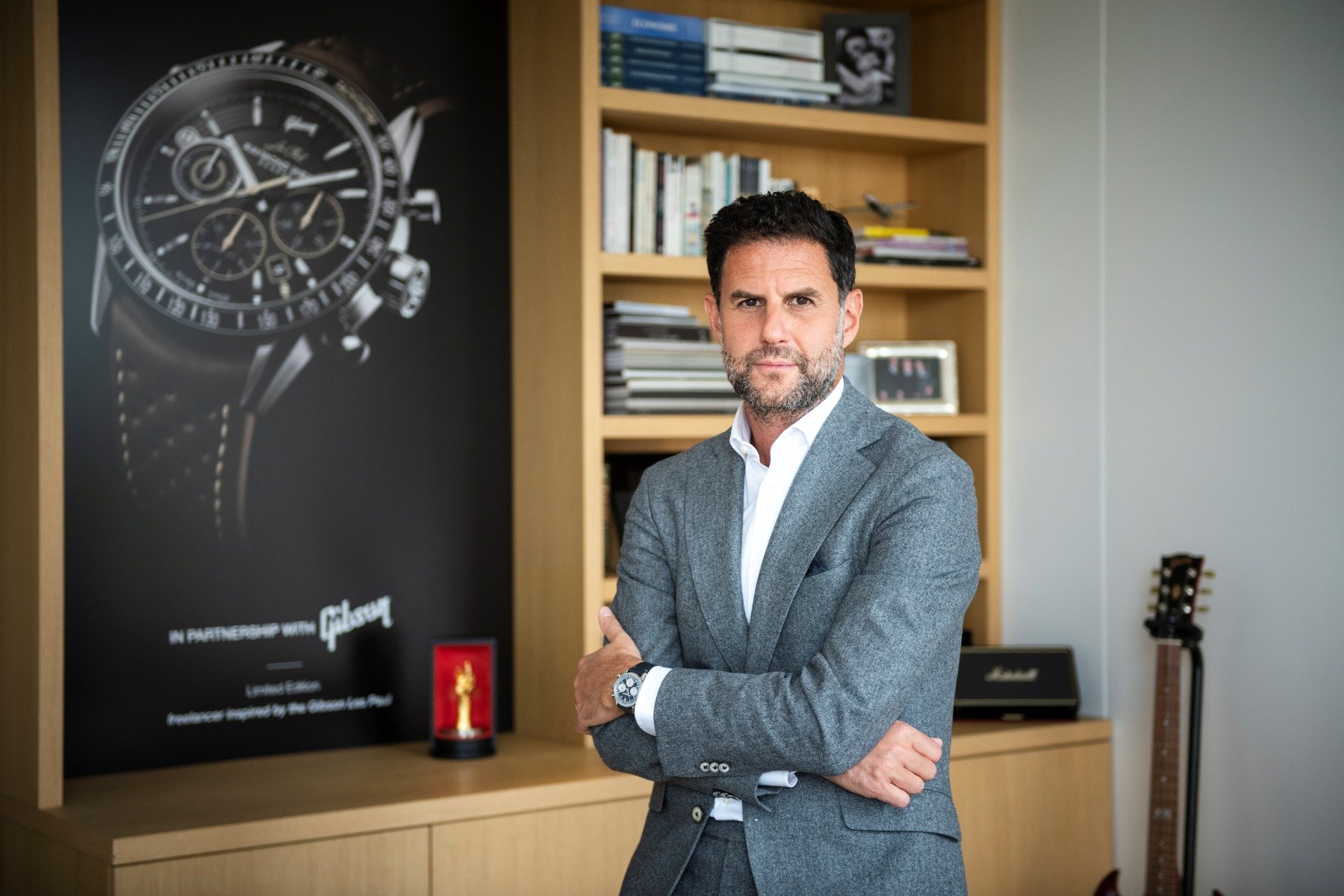
Elie Bernheim, the current CEO of Raymond Weil
Fratello (F): Please tell us about your grandfather. What was he like?
Elie Bernheim (EB): “My grandfather, Raymond Weil, was born in Geneva on October 10th, 1926, making 2026 the year of his 100th birthday. We will do something to commemorate that in the fall of this year, but we’re focusing on the brand’s 50th anniversary. As you know, Raymond Weil was founded in 1976 by my grandfather, who was 50 years old at the time, but we’ll get to that later. First, some more on the man I knew as an extraordinary grandfather.”
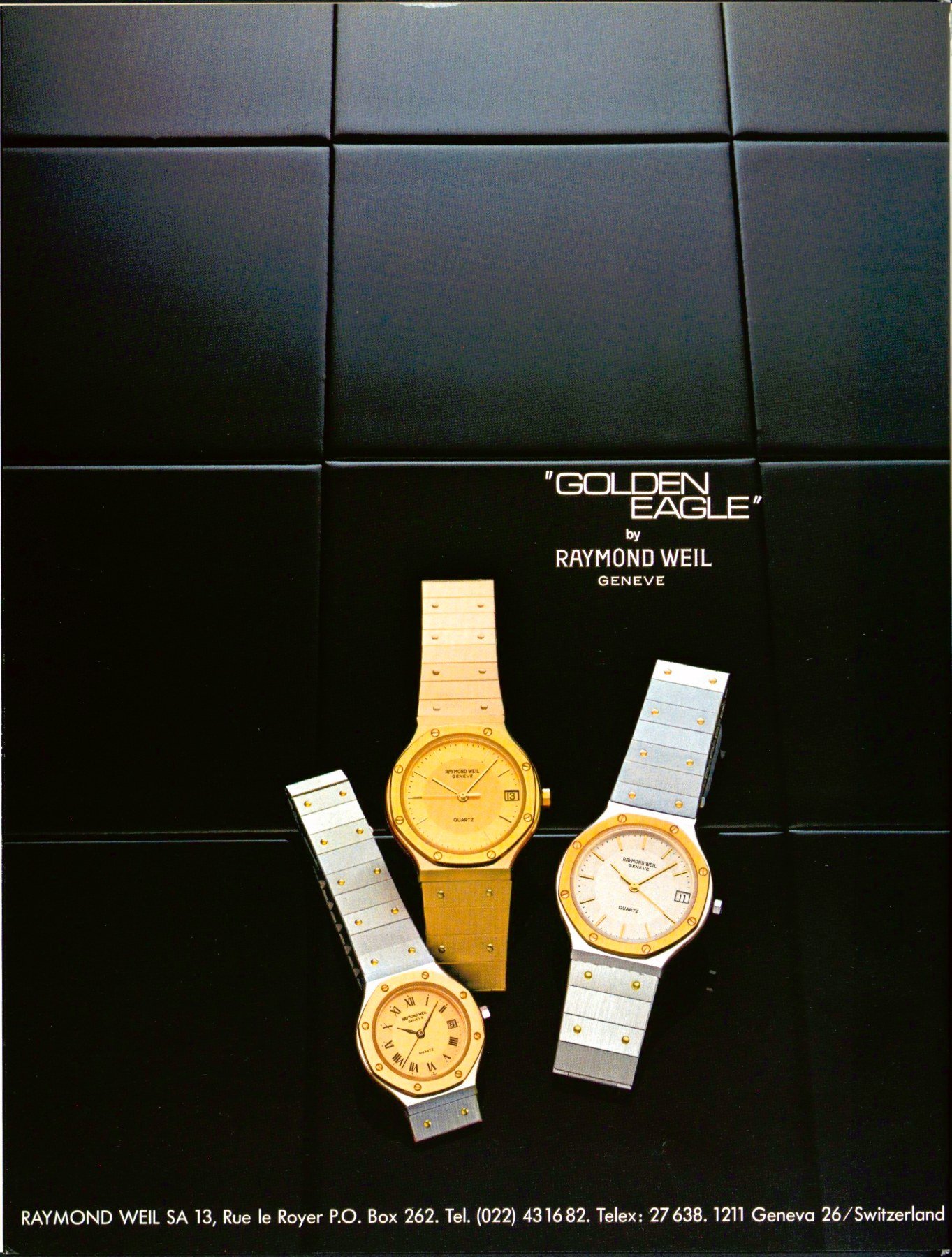
Golden Eagle advertisement from 1980
“It must have been a terrifying adventure for a Jewish family to sneak out of Vichy France”
EB: “He had a very interesting life. He was born in Geneva but spent part of his childhood in France, in Salon-de-Provence, where his parents, Alfred and Berthe Weil-Levy, worked as representatives for a company specializing in edible oils and related products. The family returned to Switzerland at the beginning of the Second World War. How exactly they managed to come back to Switzerland remains a mystery. It must have been a terrifying adventure for a Jewish family to sneak out of Vichy France and into Switzerland, avoiding controls.
After studying at the Neuchâtel School of Commerce, my grandfather worked for the Société Générale de Surveillance in England. Later, in 1949, he joined the brand Camy Watch, which no longer exists. He worked there for over 26 years, eventually becoming its director.”
F: Raymond Weil had a great career, it seems, but he still took a big risk by starting a watch brand of his own.
EB: “He felt he had to do it. Despite the challenging international economic climate at the time, following the oil crisis, and despite having a wife and two teenage daughters, he took the plunge. And it’s not that he wasn’t a family man; he was. He was very close to his family, to his wife, to his daughters, and, later in life, also to his six grandchildren, of which I was the first. But he had the dream and vision to found and own a watch company. He was confident, and so were three of his best friends, who said they would support him at least in the beginning. He never needed their help.”
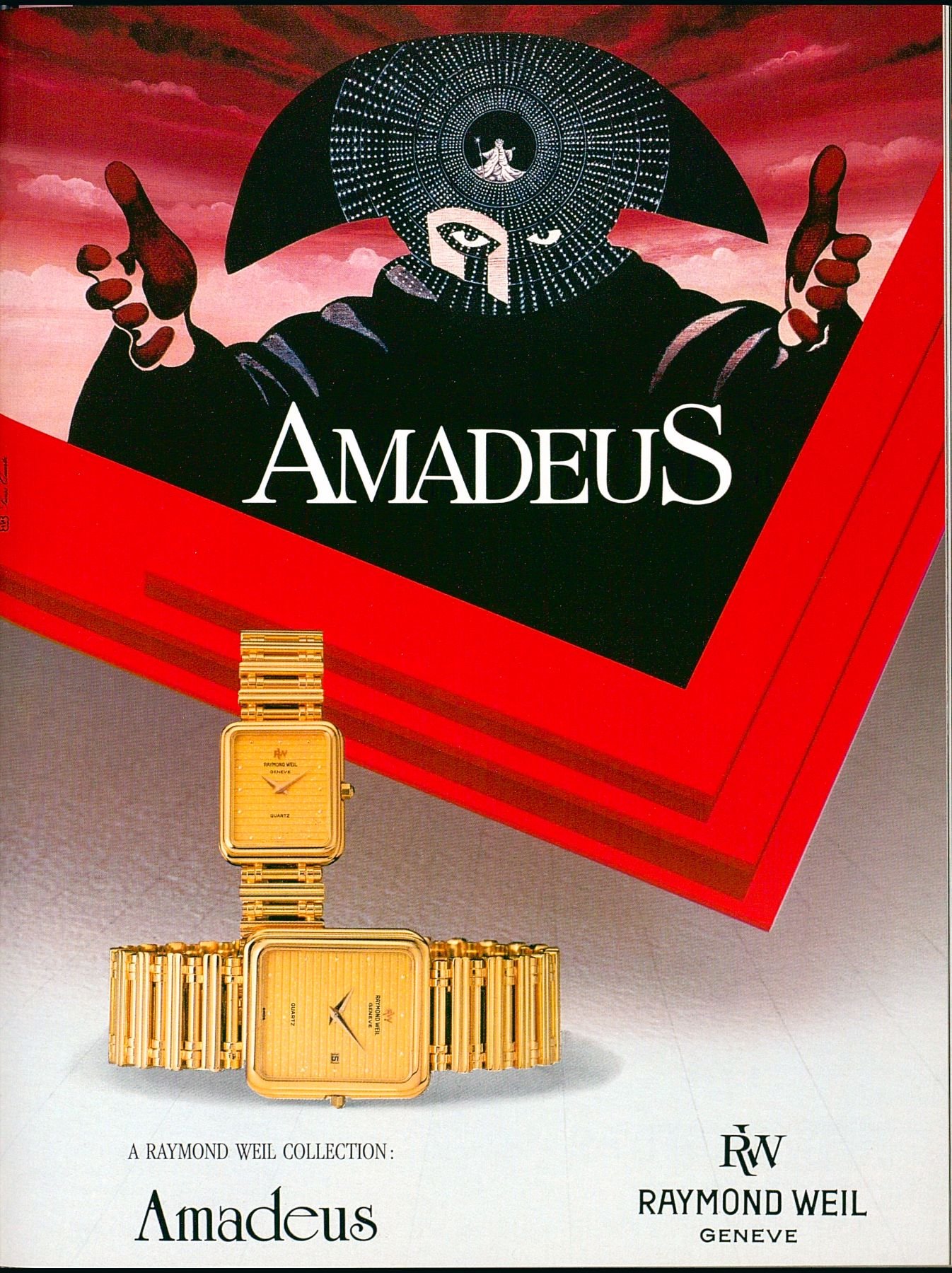
Amadeus advertisement from 1985
“Although he was not a trained watchmaker, watches were his number-one passion”
EB: “At first, the company was called Dinita, a combination of his daughter’s first names, but it was soon renamed after the founder. Although he was not a trained watchmaker, watches were his number-one passion. Even when he was running his brand, he made time to visit his children and grandchildren because family was so important to him. I had the privilege to spend a lot of time with him, and he taught me a lot.
He was very humble and generous. And I think the most important thing for him was spending time with his family. On his way home from the office, he often stopped by to see us, sometimes for just 30 minutes. I remember him asking me if my sister, brother, and I were reading enough books. It was an obsession. He wanted us to read and learn.”
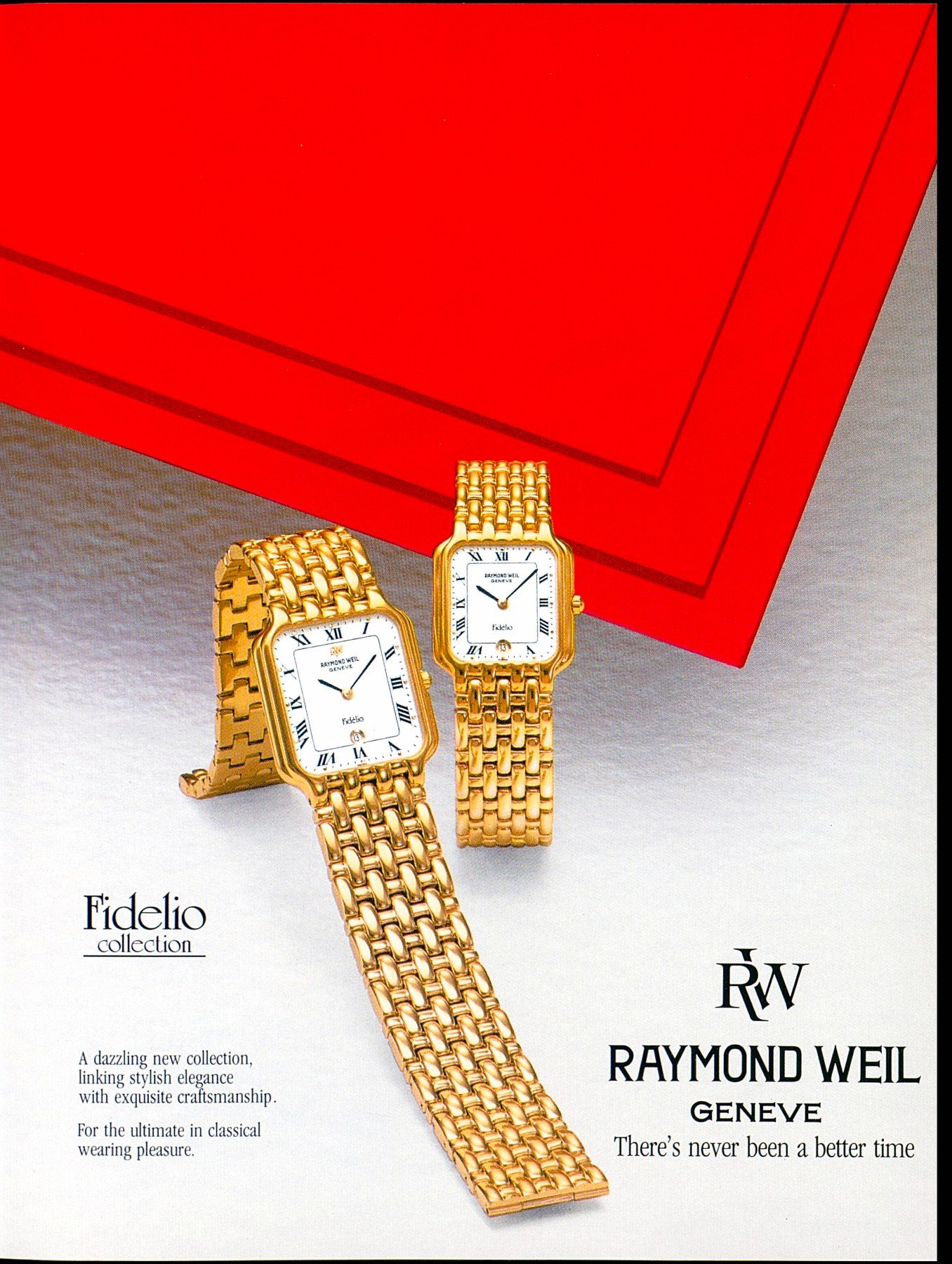
Fidelio advertisement from 1987
“It was necessary to promote the Raymond Weil brand and spend money on marketing and advertising”
EB: “He was also a passionate lover of classical and operatic music, as well as contemporary art. In the beginning of the company, marketing didn’t play the role it does today. It wasn’t that important, so I mean, it was more about product and pricing than about finding attractive names for collections. During the Quartz Crisis, it was all about cost, and it was challenging. Still, the company steadily grew bigger. And at some point, marketing also began to play a bigger role. It was necessary to promote the Raymond Weil brand and spend money on marketing and advertising.
I was talking with my father about that period the other day, and he told me that people around my grandfather were saying to put money in some kind of sport — Formula One, for example, or something. But the thing was, my grandfather had no interest in sports. He knew nothing about that world. So he said, ‘Okay, it’s my brand with my name, so I’m personally involved. It would be better to put money into the development of my brand and things I know about and love.’”
F: Is that why there are now so many collections with names linked to music?
EB: “For my grandfather, the art and culture world was his universe. Although he was not a musician, music was a great source of inspiration. It materialized in 1984 with our very first sponsorship of — or should I say ‘association with’ a movie, Miloŝ Forman’s Amadeus, a film about the life of Mozart. That was the starting point, and it led to ‘musical’ collections, like Fidelio, Parsifal, and Nabucco, all named after famous operas.”
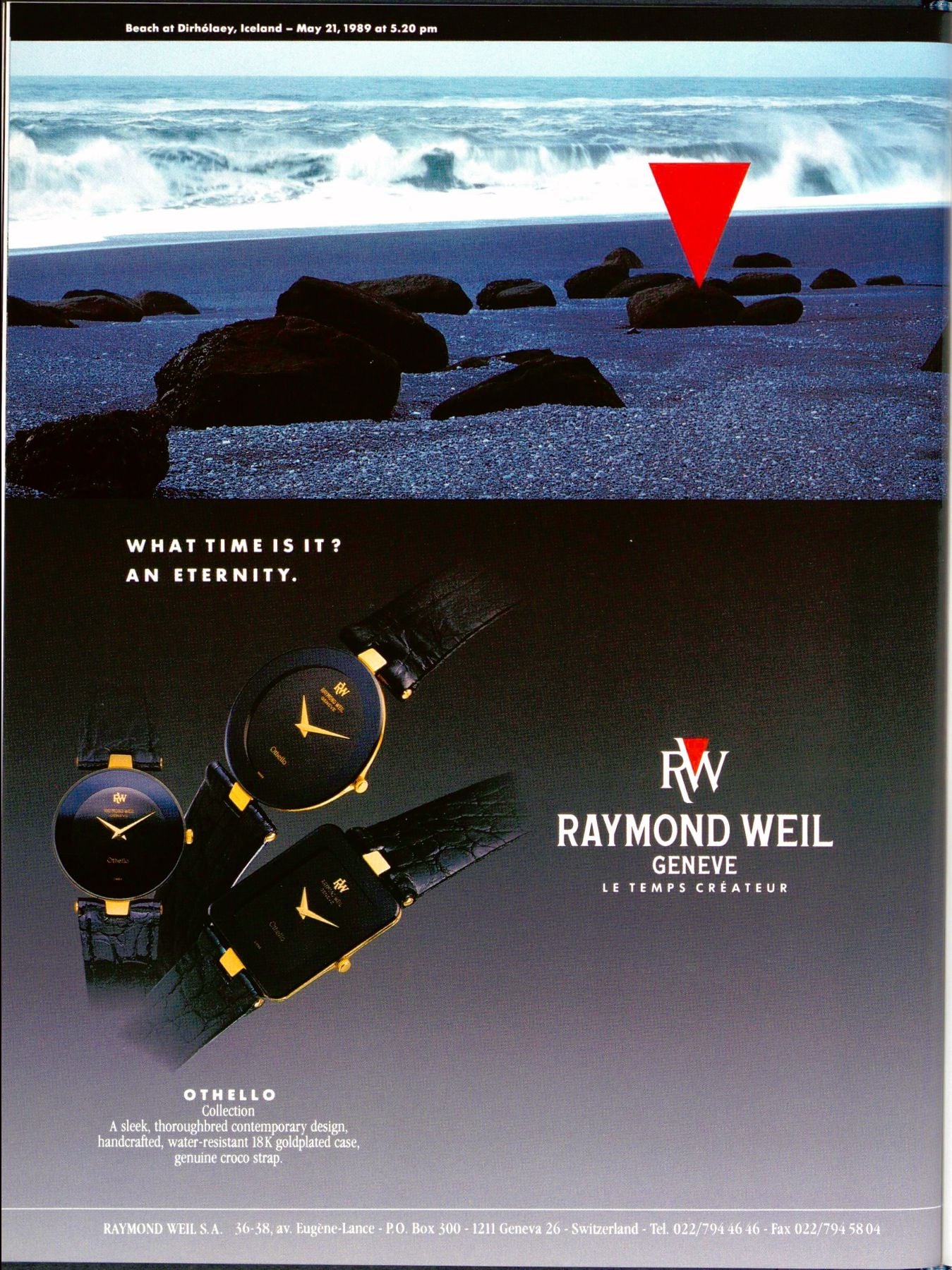
Othello advertisement from 1991
“The link with music continues to play an important role at Raymond Weil today.”
F: What was his favorite opera and collection?
EB: “Fidelio, named after Beethoven’s only opera. The Fidelio collection was important because it marked a clear design distinction. It didn’t look like the competition. For us, Fidelio was a real jumping base in the ’80s. It marked the start of a period of strong growth. As you know, the link with music continues to play an important role at Raymond Weil today. It is part of our heritage, our DNA. We started with classical music, but in more recent times, we launched special watches in our Art & Music Icons series with artists like The Beatles, David Bowie, AC/DC, and Bob Marley, as well as with guitar brand Gibson and Marshall, the famous maker of amplifiers. Having said that, our latest release is named Toccata (a musical composition for a keyboard instrument, written to exhibit the performer’s talent and skills, ed.), so we’re not abandoning the world of classical music.”
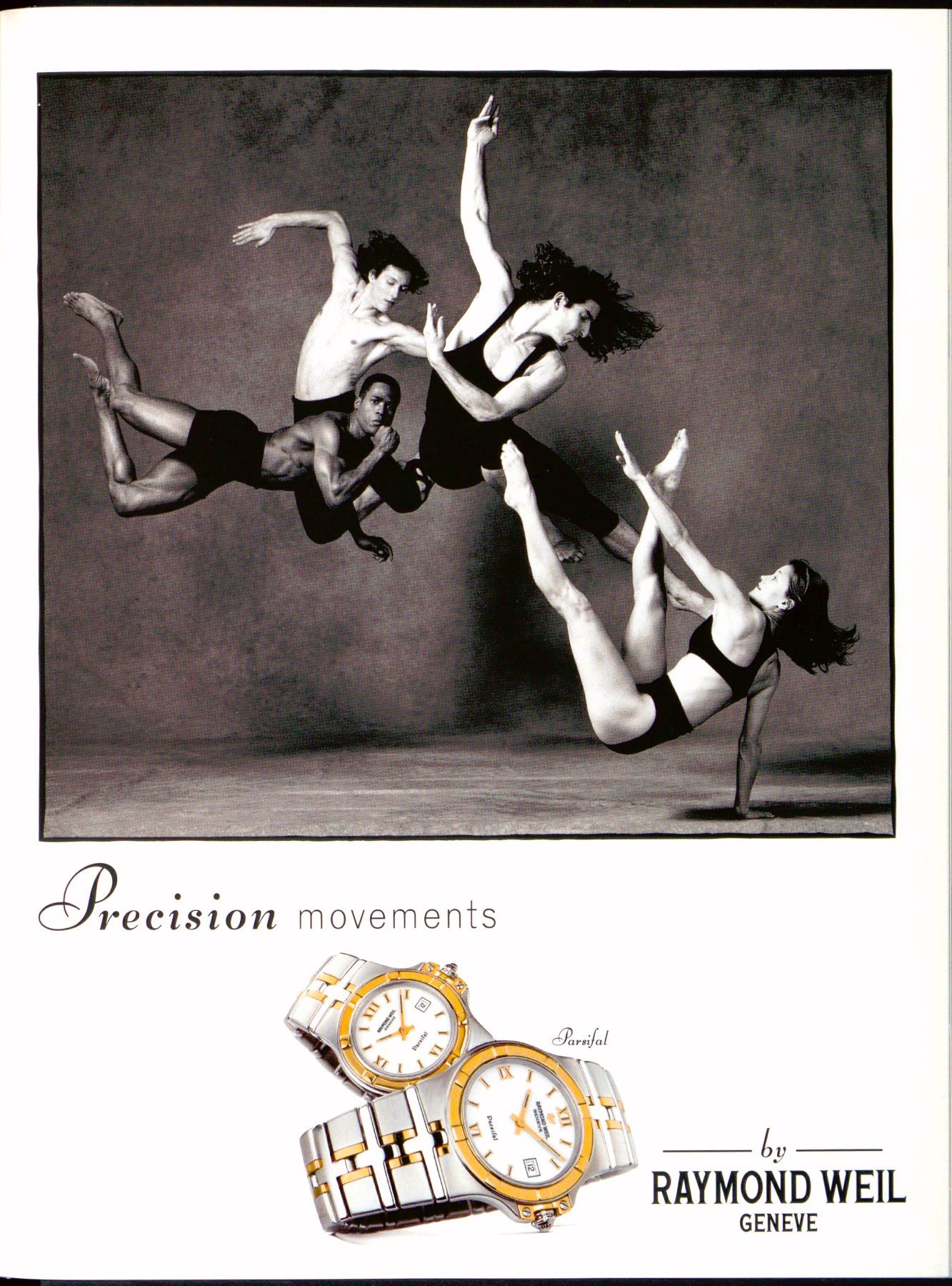
Parsifal advertisement from 1996
“He was 56 when he got his pilot’s license”
EB: You know what’s also interesting? My grandfather had another great passion — aviation. He was 56 when he got his pilot’s license, and he and two of his very close friends bought a small plane together. This is a passion I don’t share, but my brother does, and they flew a lot together.”
F: Do you run Raymond Weil as your grandfather did?
EB: “One thing I have in common with him is how much time I spend in the R&D department, where we develop and design the watches. Not a single day goes by that I’m not involved with the development of a watch. I also go there to give feedback on a new watch we launched and on what I’ve heard from the market. Since we’re an independent, family-owned company, we can also adapt quickly if necessary. Flexibility is and has always been our biggest strength. We can react without worrying about shareholders.
I also feel that the brand’s history is rooted in a very natural culture. The link to music, for instance, was always there. So even when we do AC/DC instead of Mozart, it’s not a made-up story; it’s just an evolution of an ongoing association with music.”
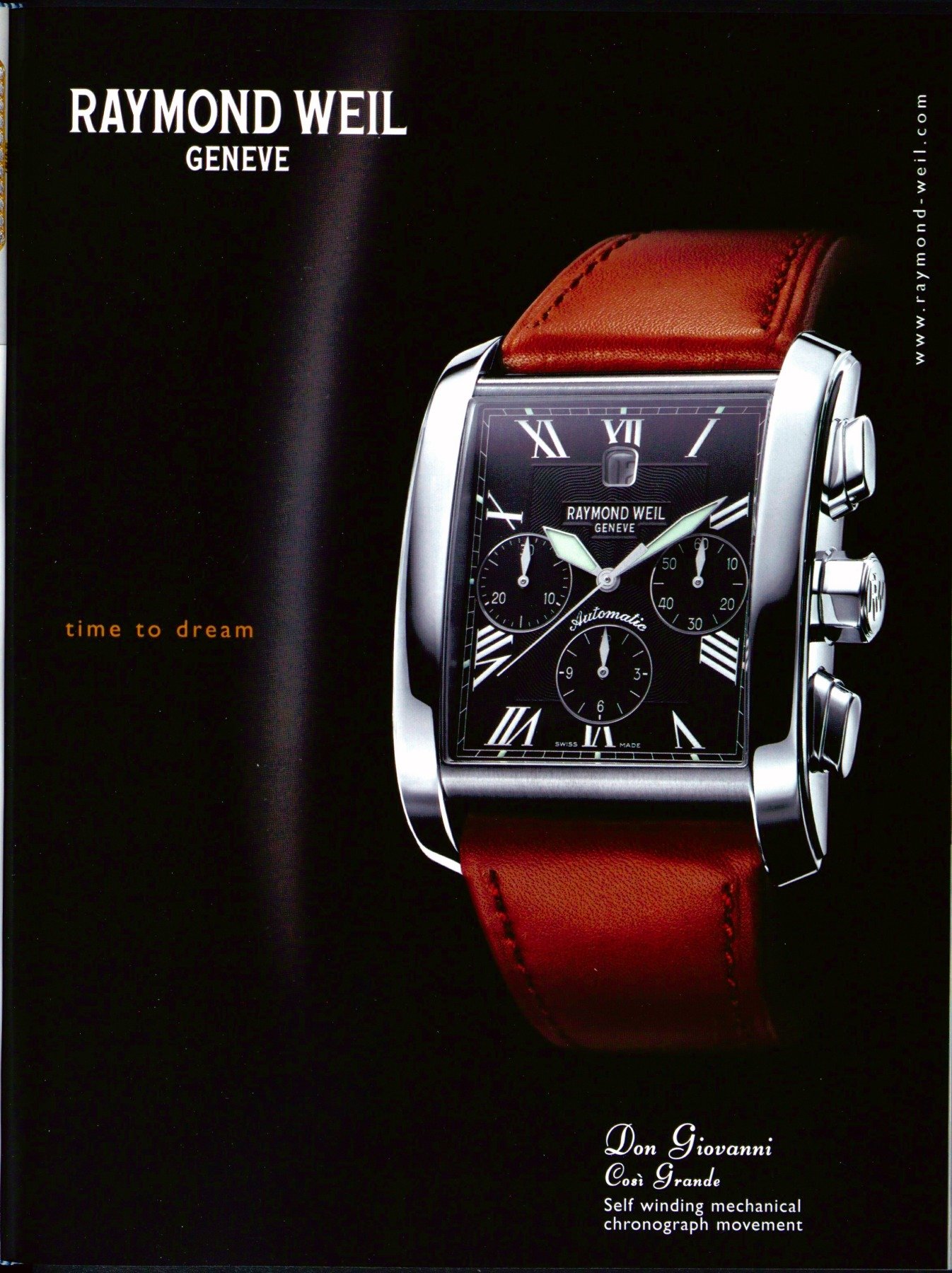
Don Giovanni advertisement from 2002
“We’re a healthy company, producing around 80,000 watches a year”
“Consistency is also crucial. What I learned from both my grandfather and my father, who was the CEO before me, is that the luxury watch market is volatile. It’s part of this product’s history. As I said before, the good thing is that I have no shareholders to satisfy at the expense of the family. I mean, the main objective was never very high profitability, just enough to keep the brand going and realize new ideas. So if we stay conservative and rational, this will allow me to dream about the fourth generation taking over my position in time. That would be a dream come true.
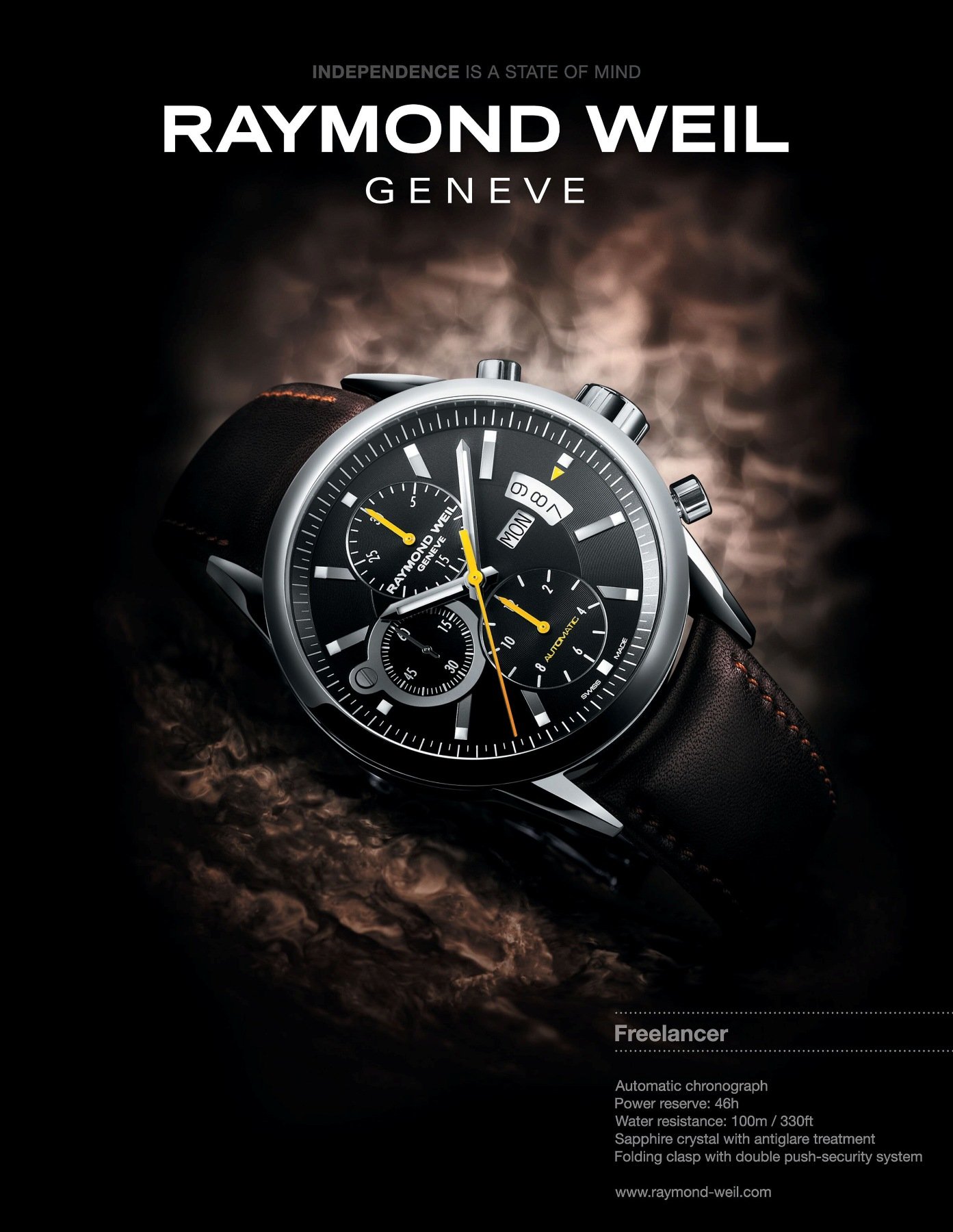
Freelancer advertisement from 2010
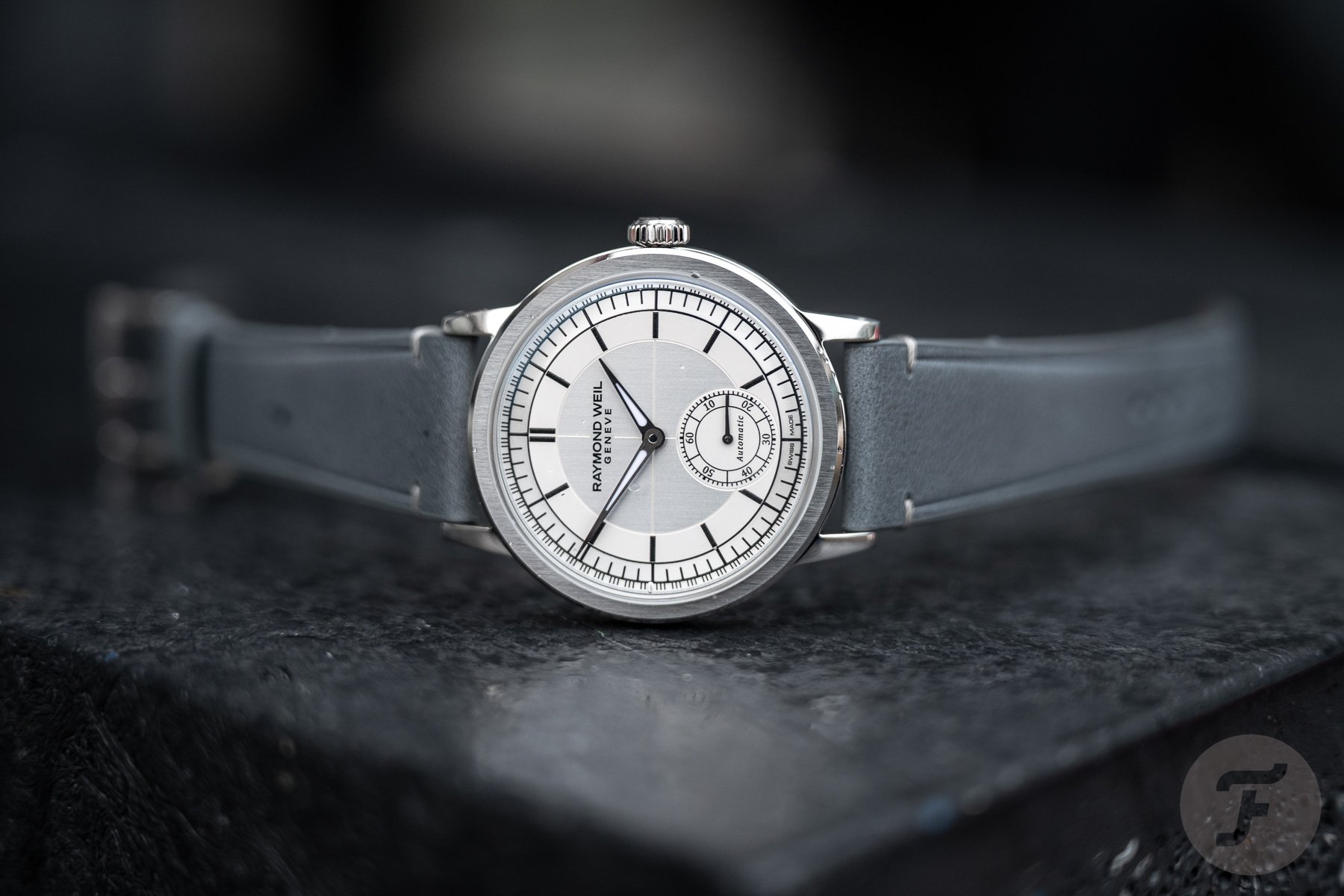
We’re a healthy company, producing around 80,000 watches a year. Even after 50 years in a challenging industry, we’re still independent, meaning we’re doing something right. We have a clear positioning and a good understanding of the market. We developed the Millesime during COVID when I was completely desperate and depressed, to be very honest. The collection struck a chord with European watch fans, it helped us gain a stronger position in Europe, and it won a Grand Prix d’Horlogerie de Genève award.”
F: Could you elaborate on how Raymond Weil is doing today?
EB: “We had a good, solid 2025, and I’m just hoping that we’ll be on the same track this year. And when I say that last year was good, it doesn’t mean we saw double-digit growth. No, but it was a growing year for the company. Yes, 2026 is going to be unpredictable. We’ll have to manage our expectations and focus on our strengths. Being consistent with pricing is a strength, for instance. We know we’re strong in a price segment from, let’s say, 1,000 to 4,000 Swiss francs. This is where we have legitimacy. We don’t pretend we’re something we’re not. We’re not a manufacture, for instance, and we’re very clear and honest about that. That’s very much in the spirit of my grandfather. He taught me it’s all about knowing yourself and also being satisfied with that.”