Back To Basics: What Is An In-House Movement, And How Does It Affect Your Ownership Experience?

Welcome back to another installment of Back to Basics, our series aimed at newcomers to the watch hobby. This time, we have a closer look at in-house versus ébauche calibers. What, exactly, is an in-house movement, and why should you care? Hopefully, by the end of this article, you will know the answer and whether or not it is for you.
As always with Back to Basics, I invite our more experienced readers to share their experience in the comments section below. Let’s make this as useful a resource for newcomers as we can together. Let’s dive in!
What is an in-house movement?
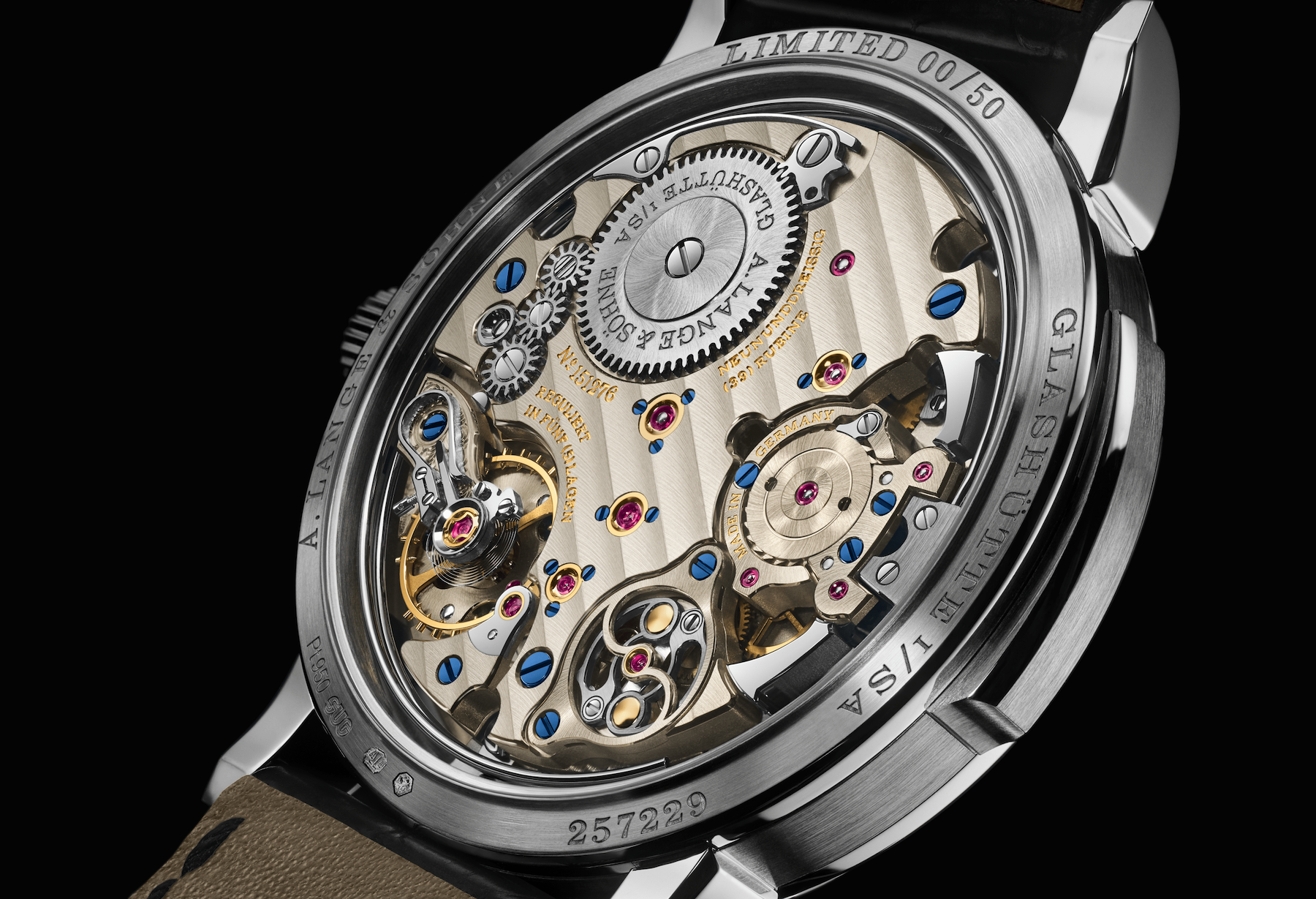
Let’s start with the basic definition of an in-house movement. We immediately run into trouble here because there is no single set definition. A purist will probably tell you that a watch movement is “in-house” if it is fully designed, developed, and produced by the manufacturer whose name is on the watch’s dial. Such movements are referred to as “in-house” or “manufacture.”
Unfortunately, reality isn’t quite so simple. In practice, very few watch brands can truly produce every part in-house. Most brands procure certain parts externally. Think, for instance, of shock-absorption systems or, most commonly, hairsprings. Naturally, this tells you nothing about quality. After all, wouldn’t you prefer a better externally sourced part over a worse in-house alternative? In essence, you could regard the distinction as a badge of honor for the brands capable of doing everything.
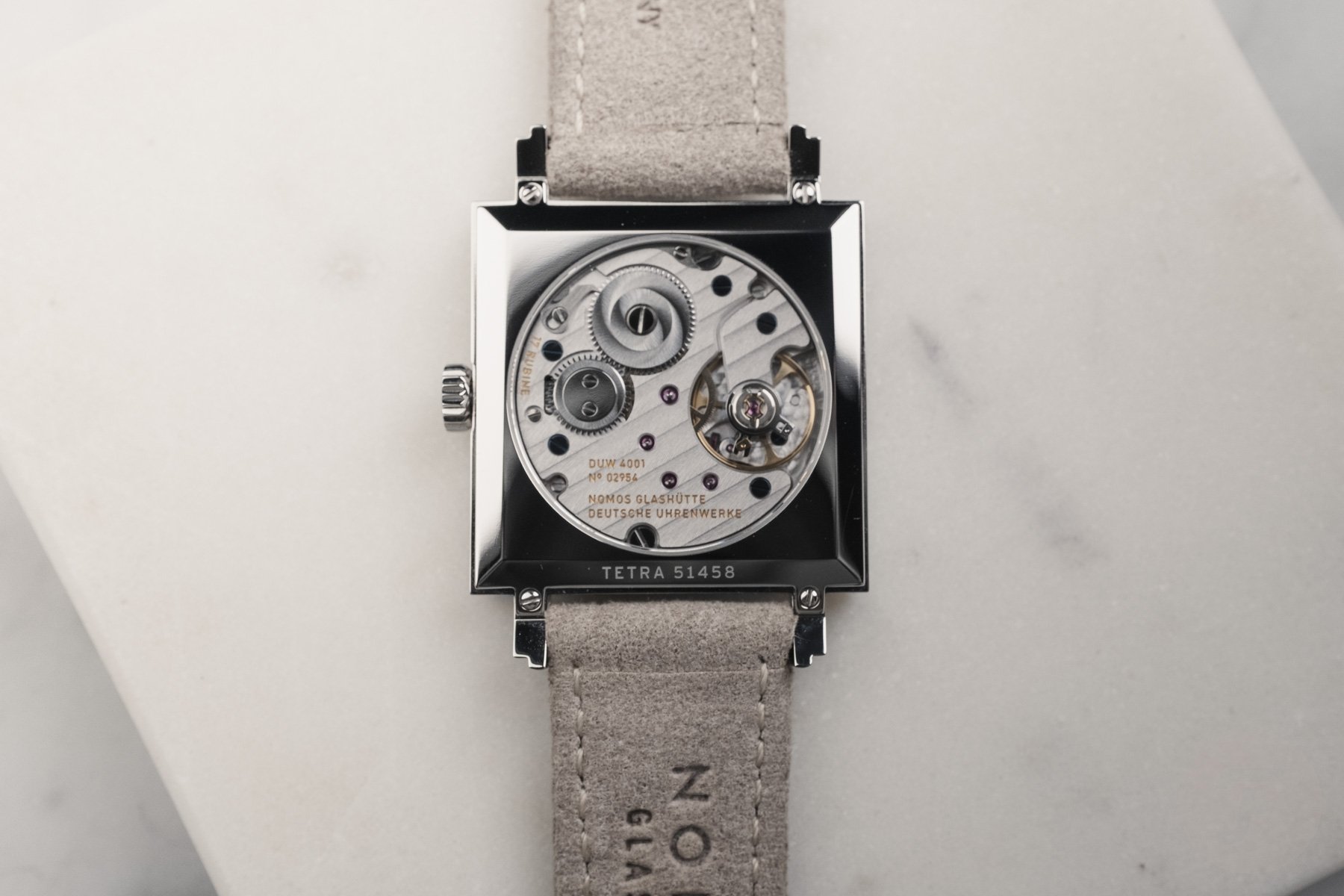
As you zoom in, you will find that the discussion basically becomes moot. Where do you draw the line between raw material and a ready-made part? This isn’t always so clearly defined. Also, when a brand acquires its suppliers, it becomes vertically integrated and capable of a higher degree of in-house production. It doesn’t, however, change the product in any meaningful way, except perhaps philosophically.
In-group and proprietary movements
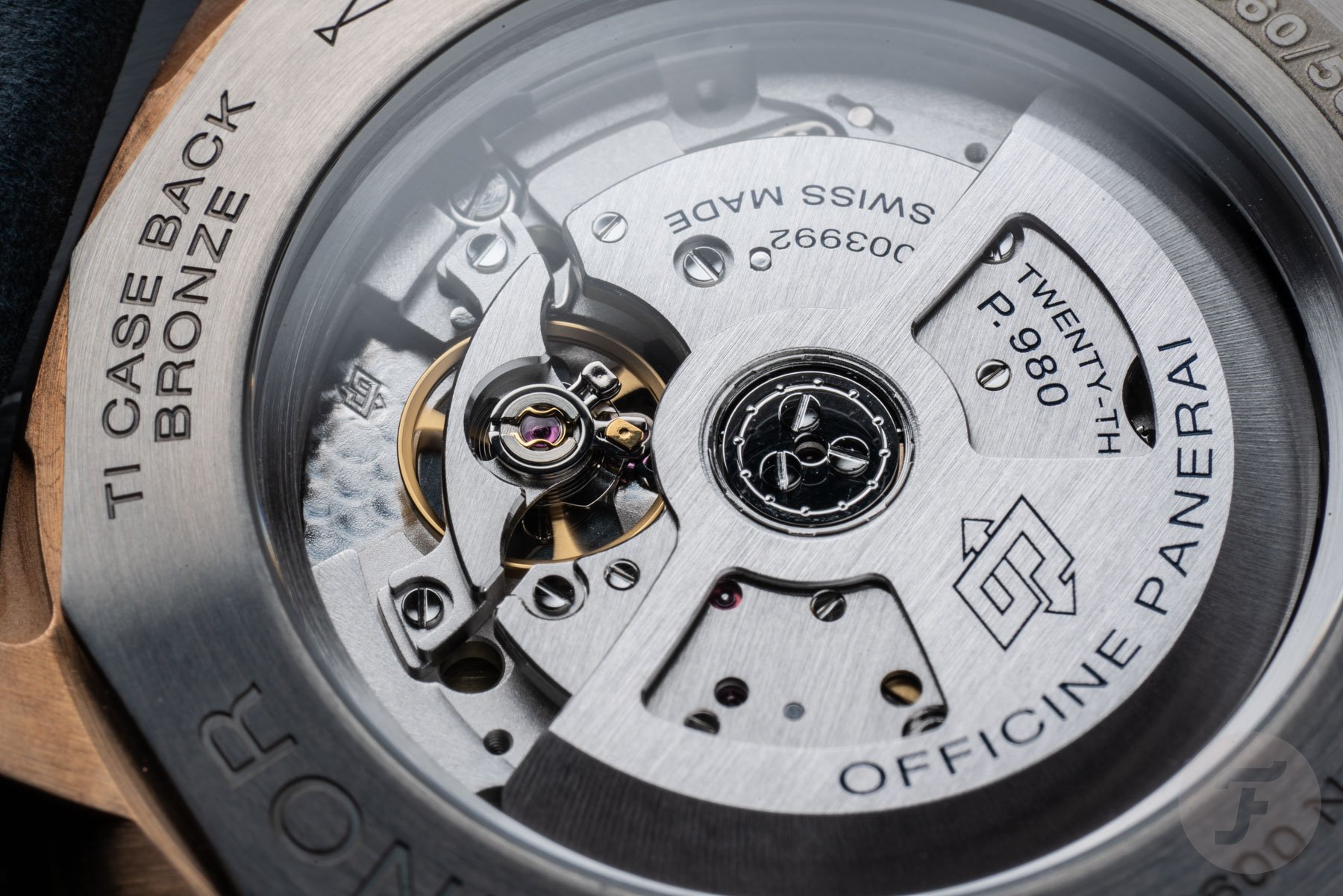
As you may know, many big watch brands fall under one of a few groups, such as the Swatch Group and Richemont. Such groups often have dedicated movement manufacturers under their wings. Think, for instance, of ETA within the Swatch Group or ValFleurier for Richemont. These movement manufacturers often produce calibers for several of the group’s brands. Sometimes, these calibers are named differently and customized to some extent for each brand. This is what we call “in-group” calibers.
Next, we have proprietary calibers. These movements are sourced externally, but the brand owns the exclusive rights. Again, you get a spectrum of variations on this theme, from in-house-developed but externally produced movements to those externally developed and produced according to specific brands’ wishes and specifications.
Ébauche calibers
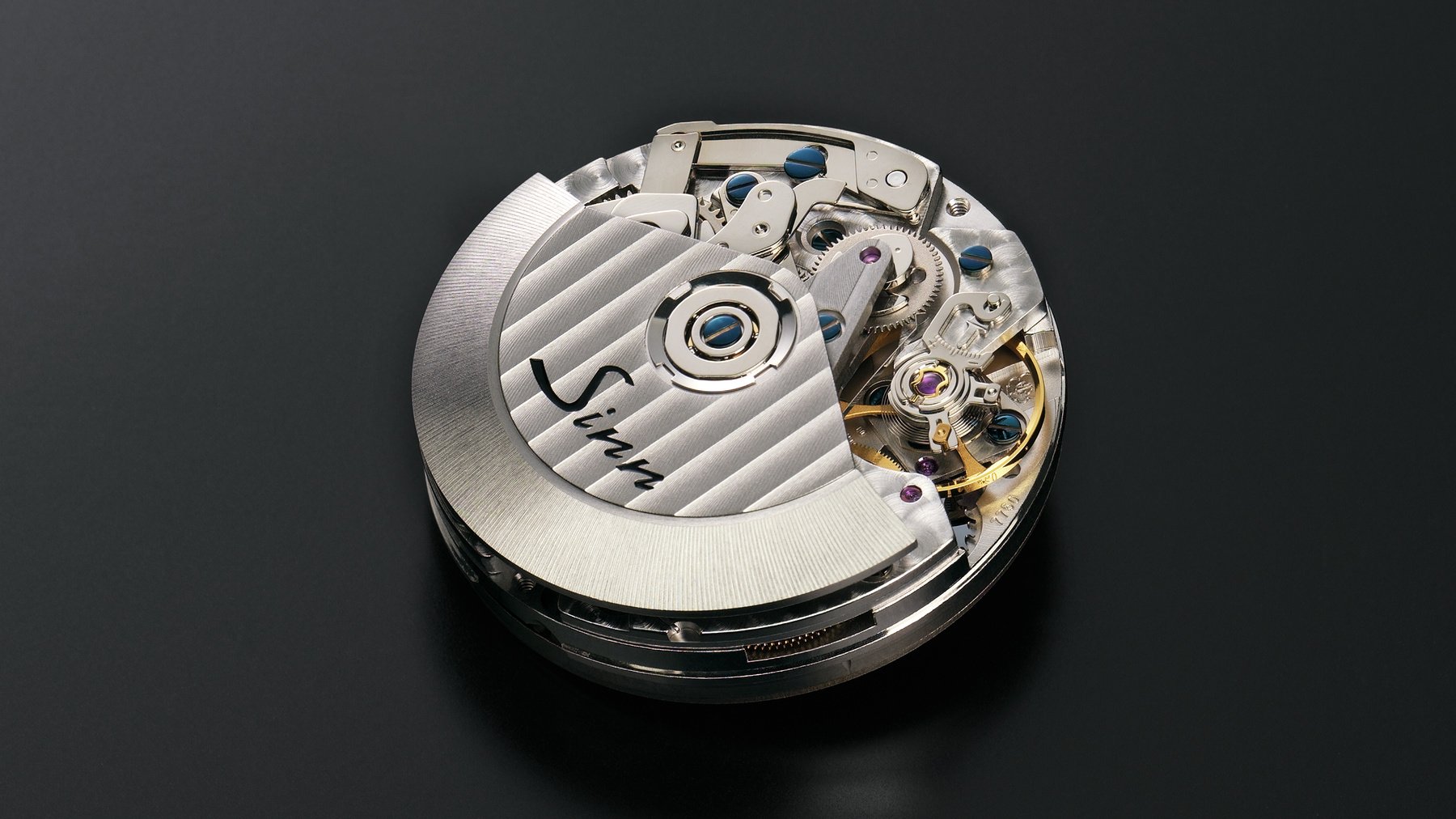
The final category is ébauche calibers. These are externally developed and externally sourced. In short, these are the standard calibers shared across many independent and group-owned brands.
You will find examples from Sellita, La Joux-Perret, Miyota, Seiko, Soprod, STP, and several others. These manufacturers often offer customization options for brands to make the calibers more specific to them. Think, for instance, of customized branding on the winding rotor or custom finishing and plating. Some, such as Sellita’s skunkworks, AMT, offer much greater customization options beyond mere aesthetics, expanding into the functional and structural aspects.
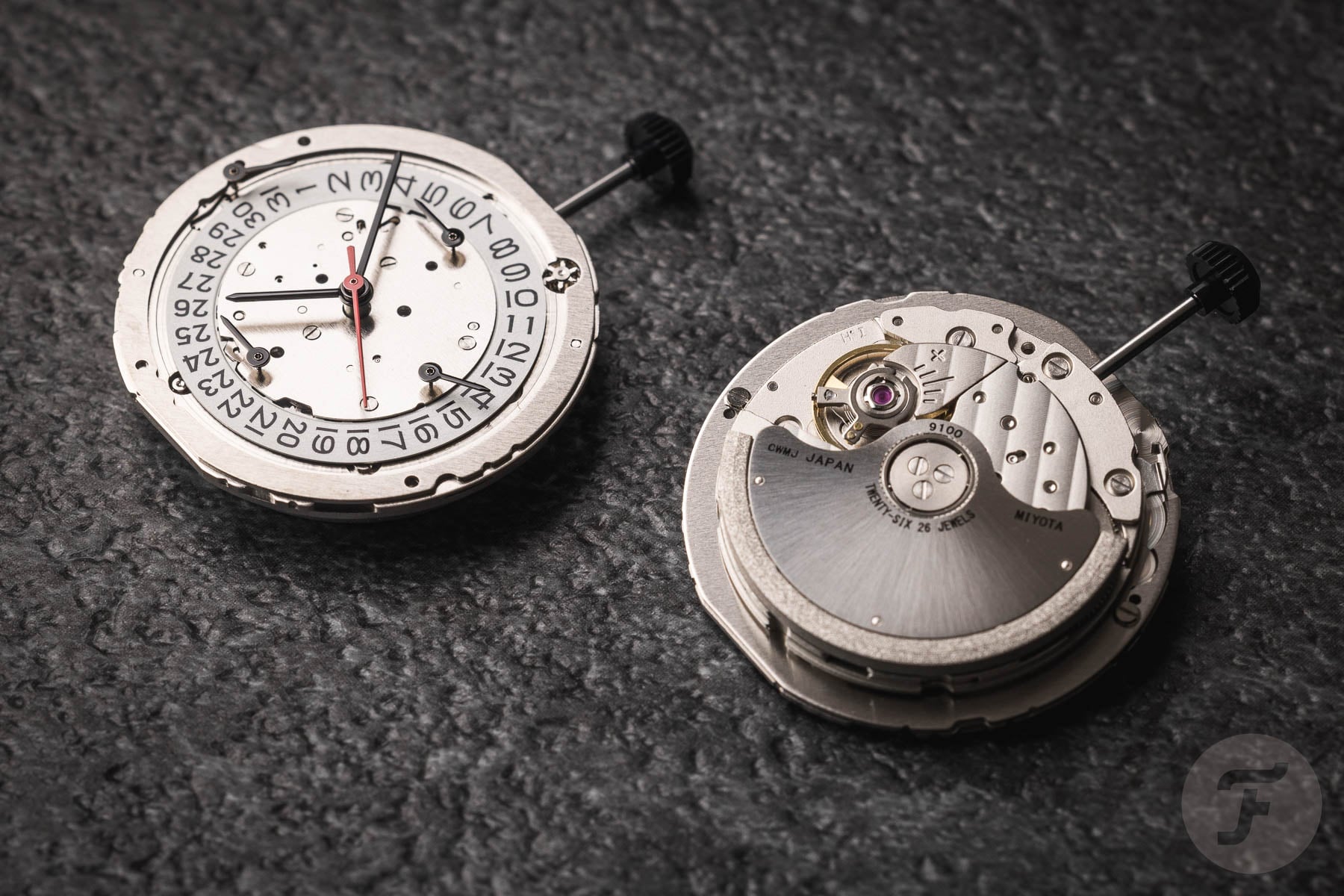
I recently published a more comprehensive Back to Basics article about the most popular ébauche calibers on the market. In case you want to dig deeper, you can find it here. The great advantage of ébauche calibers is that they often have a tested track record and are produced in massive numbers. This reduces costs, boosts reliability, and makes it easier to source parts and have them serviced anywhere. The downside is that it can feel a bit more generic and less special.

How to know if you are dealing with an in-house movement
As you can probably already tell from the above, it isn’t always obvious whether you are dealing with an in-house movement or not. Unfortunately, many brands obscure the source of their calibers. You will find ébauche calibers listed under brand-specific names, making it appear like they are proprietary or in-house.
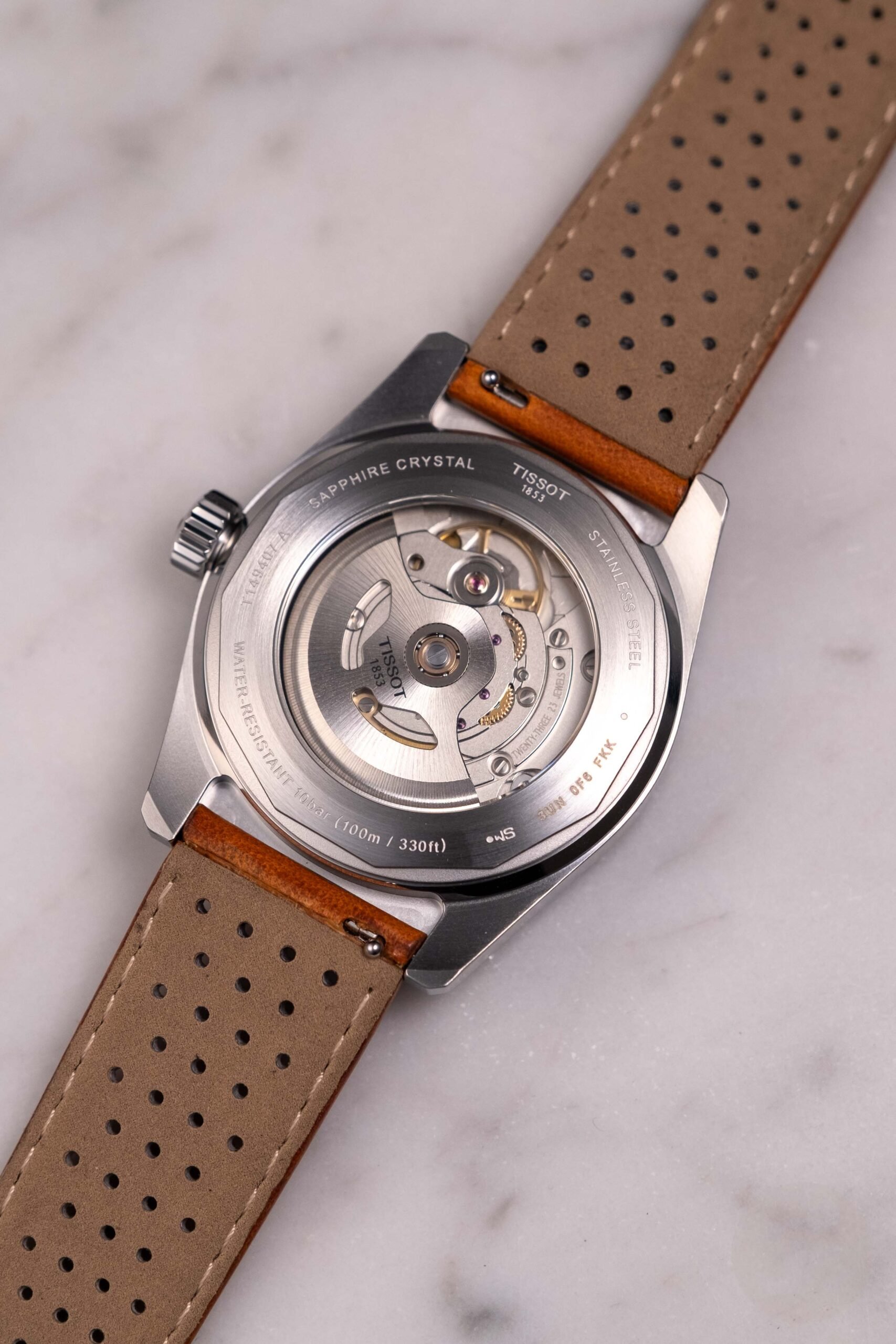
Similarly, in-house calibers usually don’t come with explanations about the degree to which they are actually in-house to the purist’s definition. Bottom line: you have to do a little bit of research. If you search online for the caliber as specified by the brand, you will often find specialized websites, such as Caliber Corner and WatchBase, that list the movement’s origin. For instance, if you search for info on the Hamilton caliber H-10, you will quickly find that this is an in-group caliber known as the Powermatic 80.
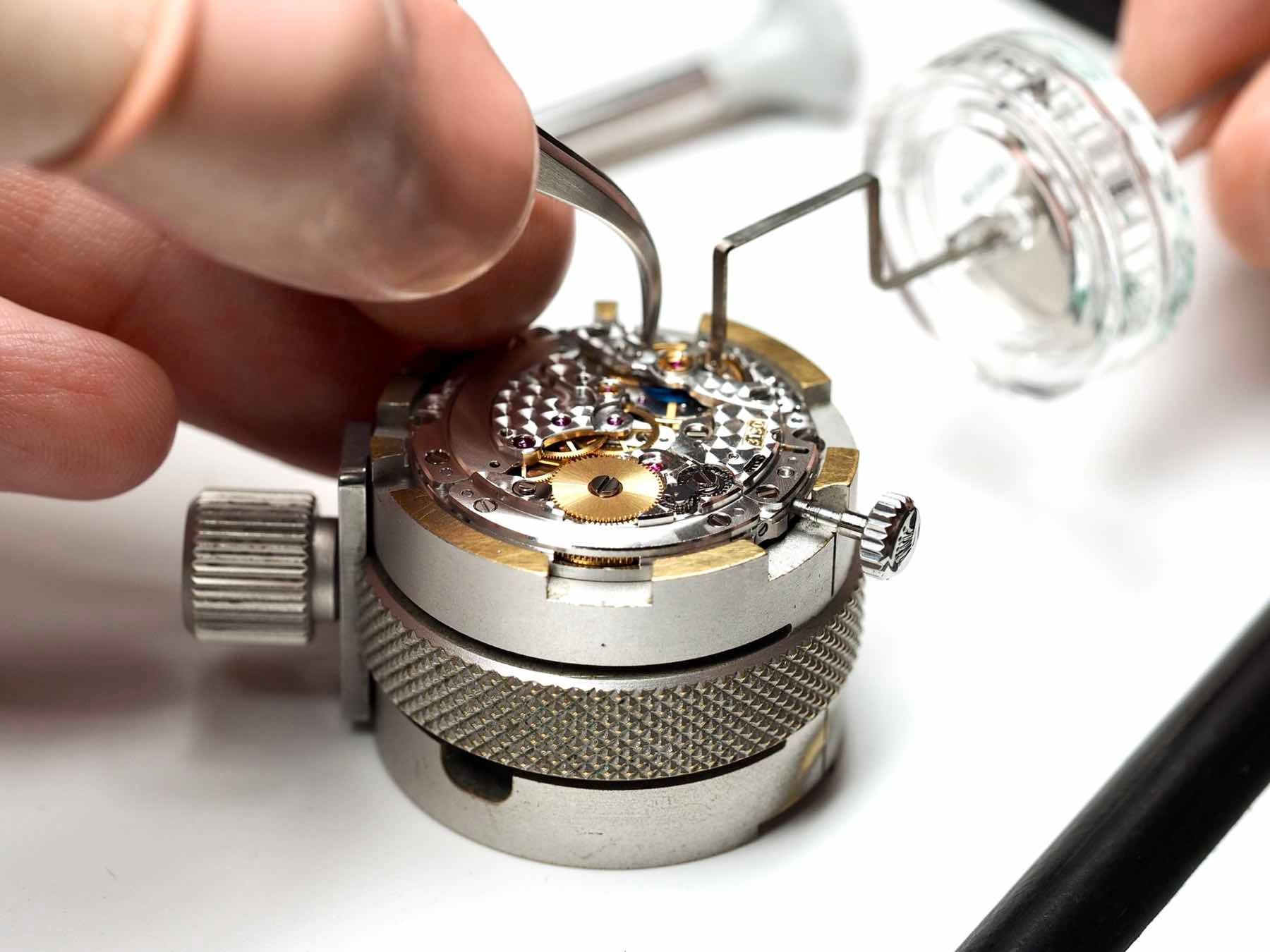
Servicing a Rolex caliber — Image: Tempus
So, which is better, an in-house or an ébauche movement?
Here, we finally get to the gist of it: why would we care about whether something is an in-house movement or not? In the end, this is a matter of prestige for watch brands. After all, you could argue that a manufacturer that can do it all is superior to one that cannot. Also, with the movement being the beating heart of every watch, you could argue that true watchmaking should include making the caliber yourself.
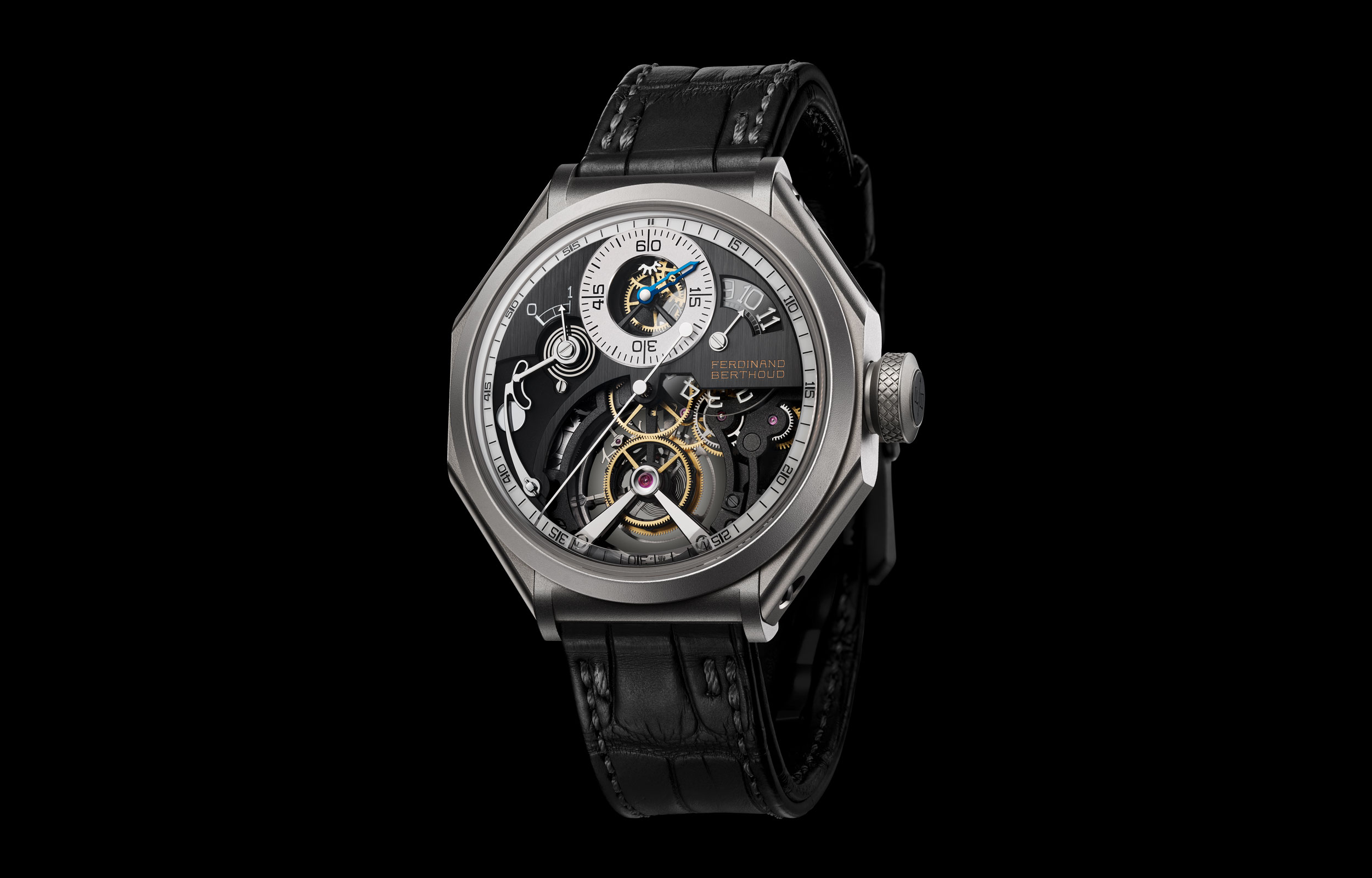
In practice, it depends on what kind of watch you are looking for. In certain segments, each brand’s unique watchmaking solutions to mechanical challenges are the core of their appeal. Why is it interesting to compare a chronograph by Patek Philippe and one by A. Lange & Söhne? That’s because they represent different watchmaking philosophies and ways of thinking. Such watches exist by the grace of their in-house movements. If they both housed the same ébauche calibers, you wouldn’t find them side by side in collectors’ watch boxes.

Meanwhile, in an everyday-wear tool watch, you could argue that it matters much less. Your hardcore dive watch or stylish daily wearer leans on different characteristics, such as design, build quality, durability, and ease of use.

The implications of going proprietary/in-house or ébauche
So, why are more and more manufacturers moving toward proprietary and in-house movements? Again, it depends. In some cases, it is because it offers greater independence, creative expression, and freedom. It also serves as another way to distinguish oneself from competitors.
In other cases, it offers a way to obscure value. Watches with proprietary calibers are harder to compare, and so are their prices. Additionally, these in-house calibers lock you into the brand’s service network, meaning you cannot just let your local watchmaker service your watch. While this all makes sense when you are talking about haute horlogerie, it doesn’t always compute when you’re talking about a nice everyday or tool watch.
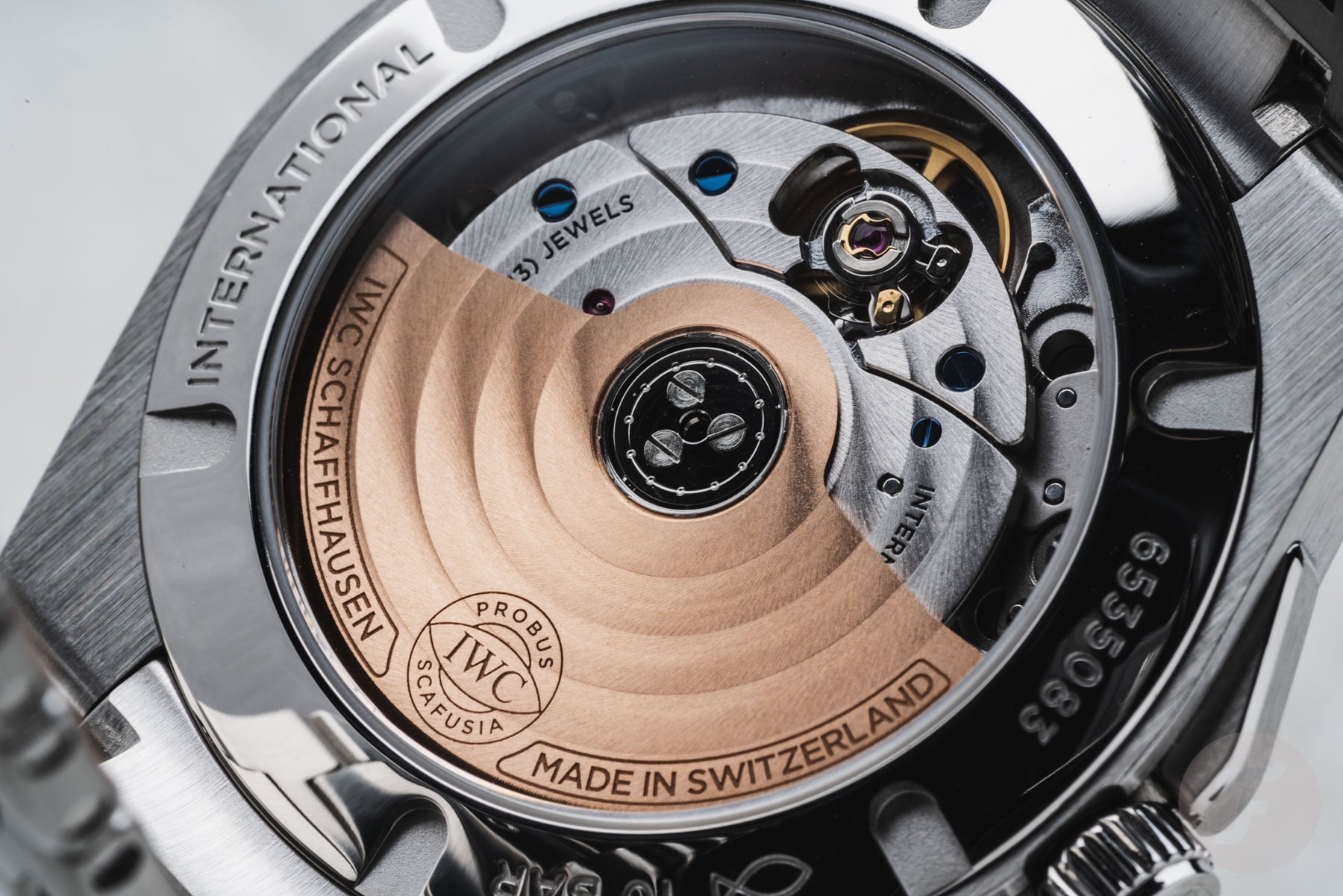
Also, the degree to which a movement is in-house or sourced tells you nothing about quality. You will find good and bad examples of both, even within the same manufacturer.
Closing thoughts
If I sound ambivalent, it is because I am. As you see, the topic is a bit vague and hard to grasp fully. You get a full spectrum of options and reasons for brands to pursue in-house movements. Some of this is great and exactly why watchmaking is so fascinating. At the same time, some of it isn’t so pretty and deserves a critical note or two.
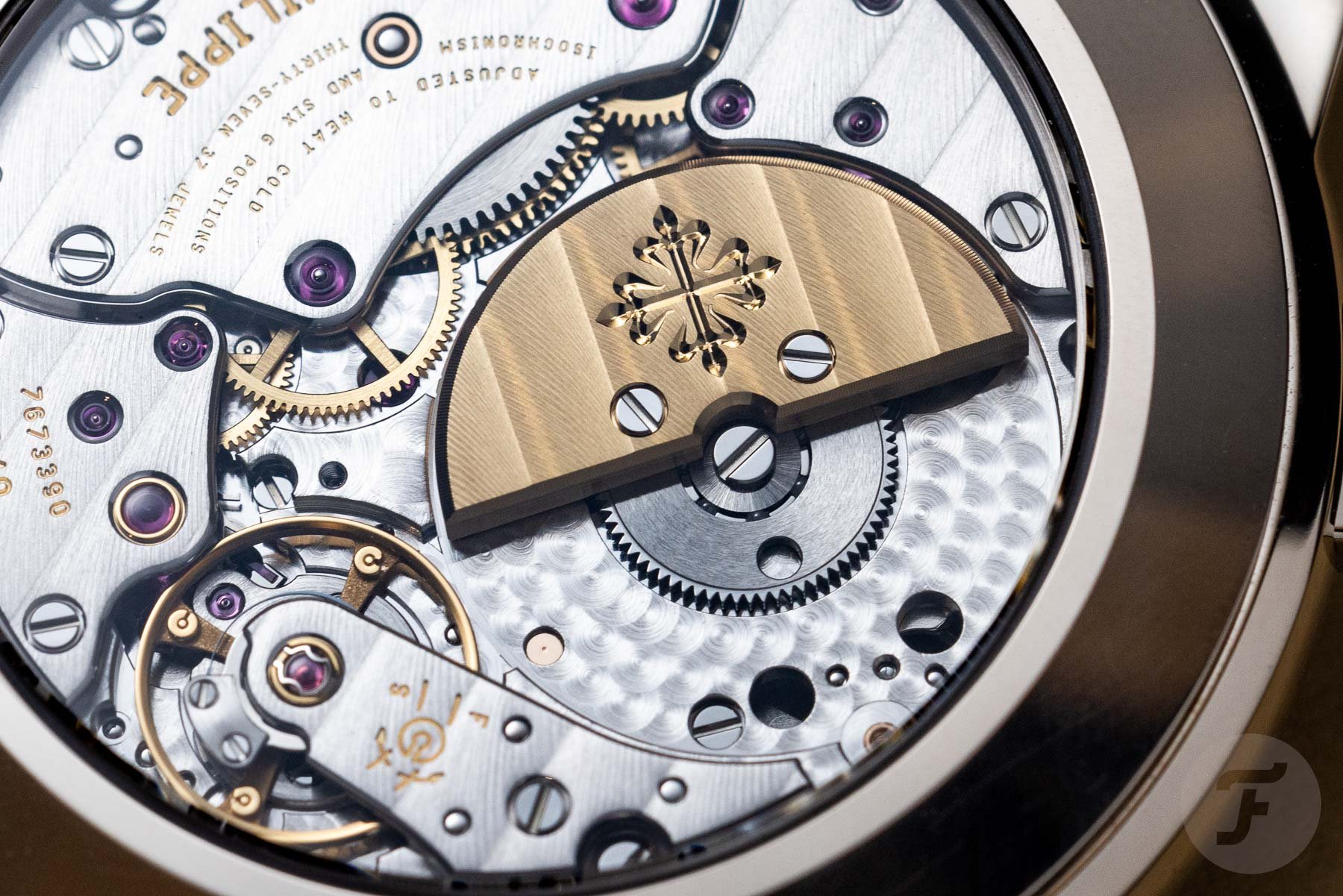
My advice, then, would be not to drink the in-house Kool-Aid but carefully consider what suits your wishes and needs. Sometimes you want the exotic, unique vibes of truly special in-house movements. Other times, you want the tried-and-true reliability and easy serviceability of ébauche calibers. With the growing range of watches operating somewhere between these two clear extremes, you need to be a bit more careful.
What is your stance on in-house versus ébauche calibers? Let us know in the comments section below!