Battle Of The Black Bays: Tudor Black Bay 54 Vs. Black Bay 58

In the second half of 2023, Tudor quietly dropped what would turn out to be one of its most interesting modern dive watches, the Black Bay 54. This 37mm watch instantly became the smallest Black Bay diver in the lineup and slotted in neatly alongside the Black Bay 58 and its standard 41mm counterpart. My first reaction was a shrug. “Big deal,” I thought. “They finally made a unisex Black Bay — a watch that won’t look like it’s about to snap people’s wrists in half if they happen to have smaller arms.”
Honestly, in my head, it was just another Black Bay I’d look at, nod at, and move on from. For years, one of the questions I’ve gotten so often is some variation of, “Hey, I’ve got around €3,000, and I want a great pre-owned watch that will last me forever. What should I buy?” My answer, without even pausing to think, has long been the same — the Black Bay 58.
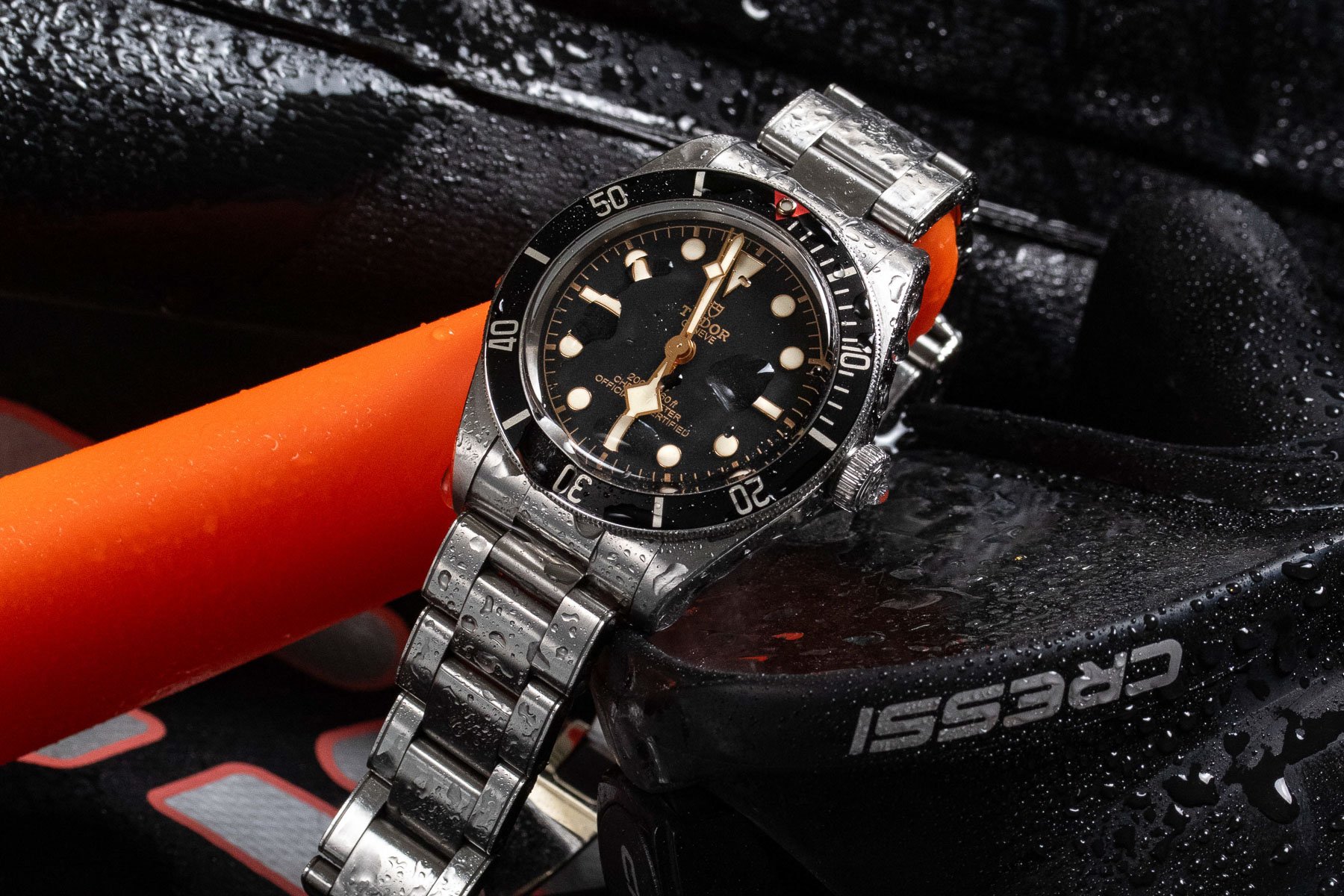
The Tudor Black Bay 58
I reviewed that watch back in 2022, and it stuck in my mind as Tudor’s absolute best buy in the dive segment. If you want something that looks and feels like a vintage Submariner, but you don’t want the headaches that come with vintage mechanics and fragile parts, the BB58 is the obvious solution. It gives you the look without the drama. The Black Bay 58 is, on paper and on the wrist, a pretty perfect mix — gilt details (I know, they’re not for everyone), a big “heritage” crown, a little red triangle on the bezel, and a 39mm case size that hits the Goldilocks zone between too big and too small.
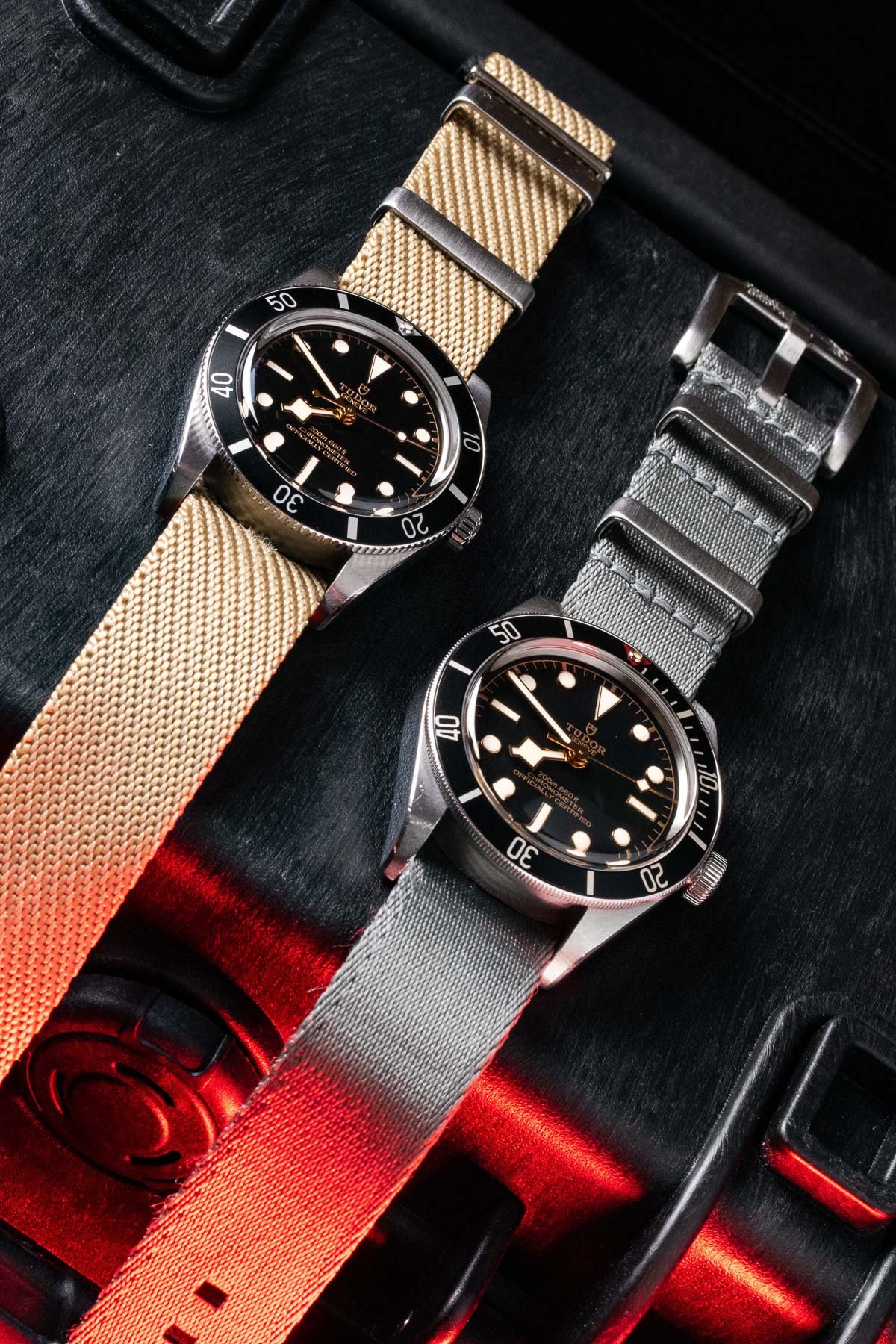
It works on everything — leather, rubber, steel bracelet, NATO — and looks just as at home with jeans and a T-shirt as it does peeking out from under a jacket cuff. In the watch world, we call such a piece a GADA (Go Anywhere, Do Anything) watch. For a long time, the BB58 was exactly that for me. And then, quite suddenly, things got more complicated.
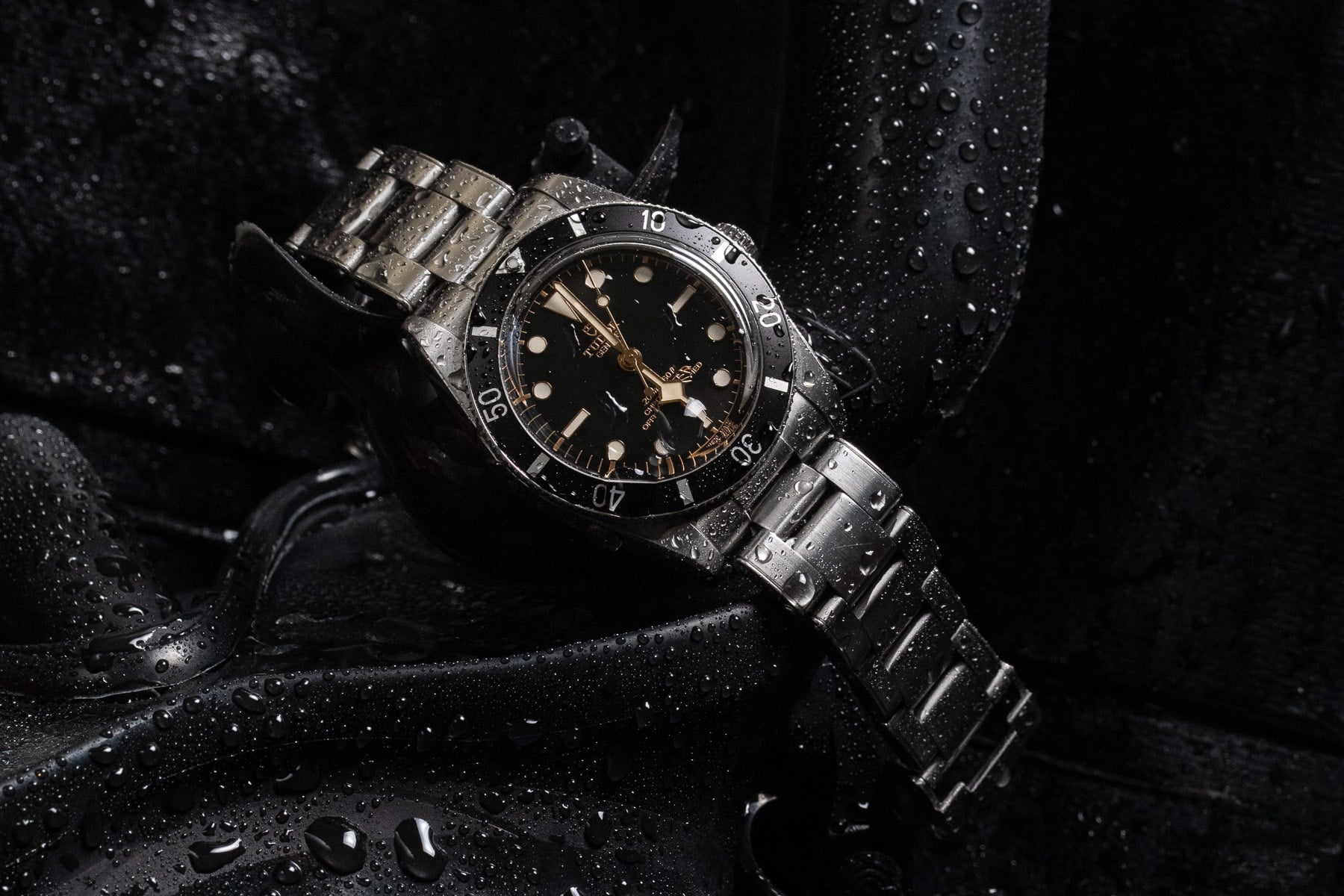
The Tudor Black Bay 54
My first real encounter with the Black Bay 54 came one summer morning over coffee with a friend. I glanced at his wrist and, without thinking, mentally filed his watch as a Black Bay 58. But no — this was the new Black Bay 54. Hold on a second… The 54 was supposed to have just a 37mm case. So why didn’t it look tiny on the wrist? I tried it on, expecting the usual “small watch” feel, and my brain simply refused to accept what my eyes were seeing.
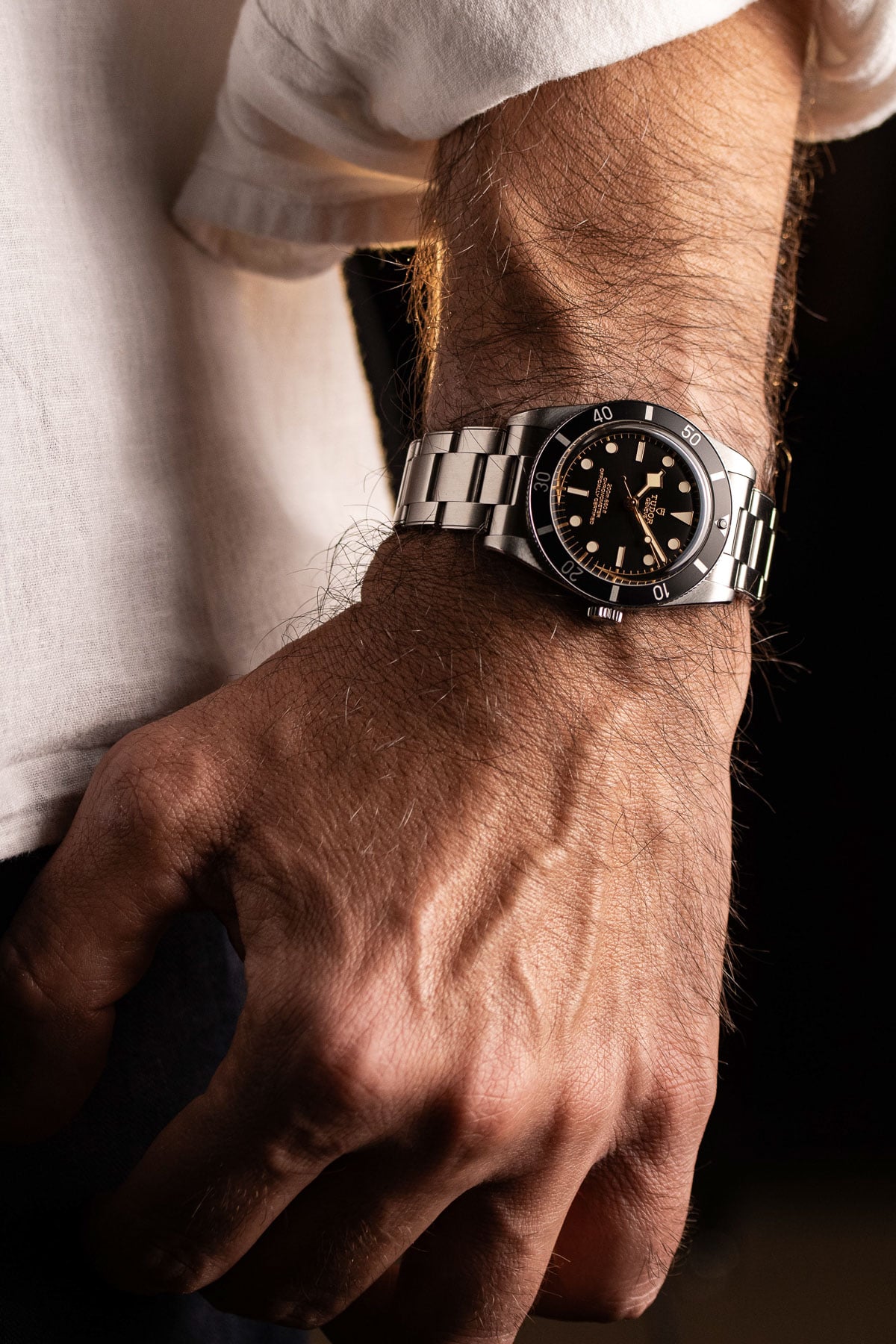
The numbers on paper and the experience on the wrist didn’t line up. That disconnect bothered me enough that I had to dig in and figure out exactly where the magic was hiding. If you search “Tudor Black Bay 54” online, you’ll find an ocean of reviews, spec sheets, and press-release copy. I’m not going to repeat the same bullet points you’ve seen a hundred times. Instead, I want to focus on the key differences between the Black Bay 58 and the Black Bay 54 and, more importantly, how you decide which one actually belongs on your wrist.
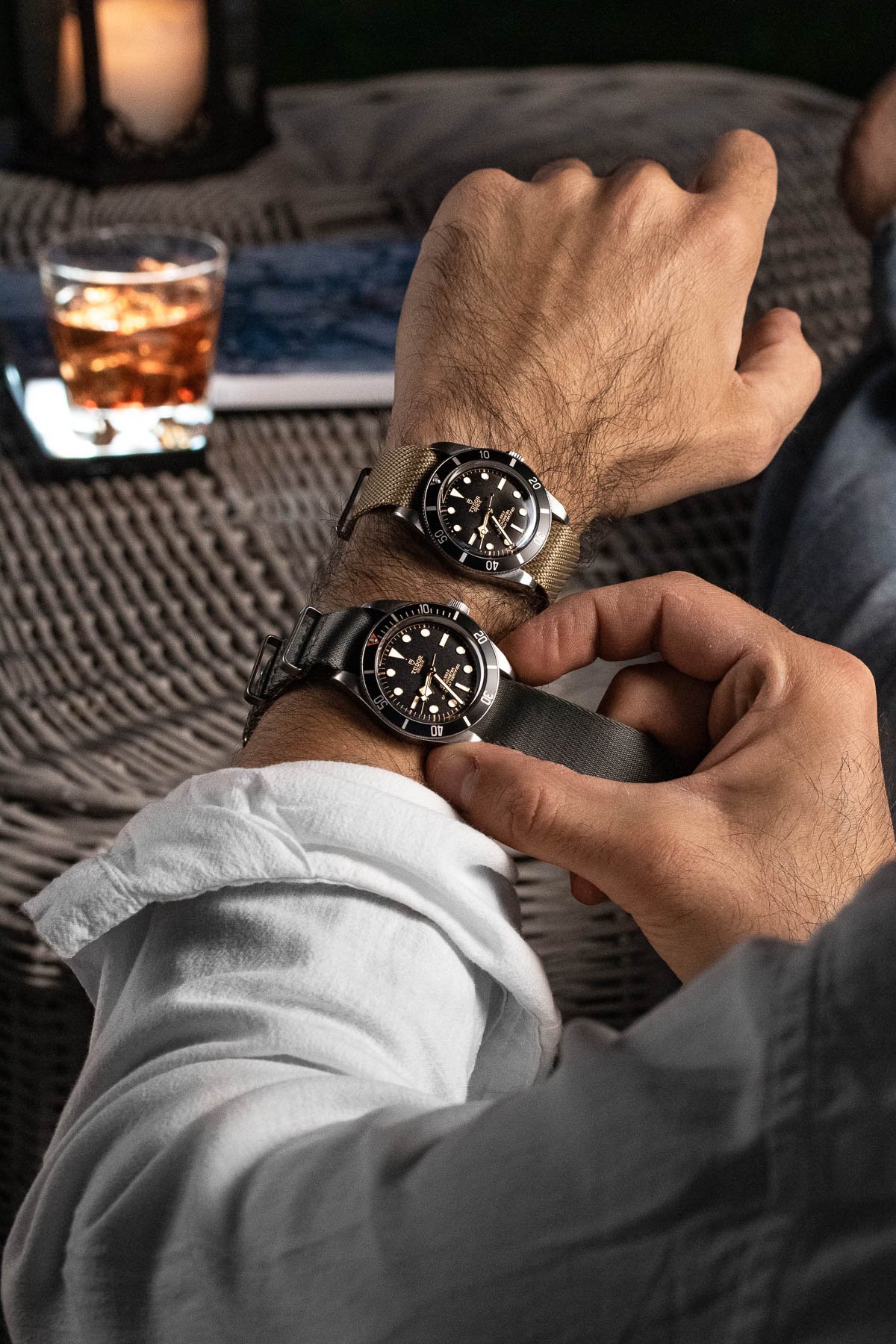
How do they compare?
At first glance, it’s easy to dismiss the Black Bay 54 as a shrunken-down 58. But that’s a lazy explanation. The Black Bay 58 itself was conceived as a partial interpretation of the 1958 Submariner ref. 7924 — hence, the “58” in the name. I say “partial” because it only shares a portion of the original’s DNA: there are no Mercedes hands, the charming “smiley dial” disappeared with the end of the ETA era, the bezel has gold-tone markings, the case shape is different, and it has a larger 39mm diameter. Despite those liberties, the BB58 cleaned up in the market because it hit the sweet spot for most enthusiasts seeking a modern, vintage-inspired dive watch.
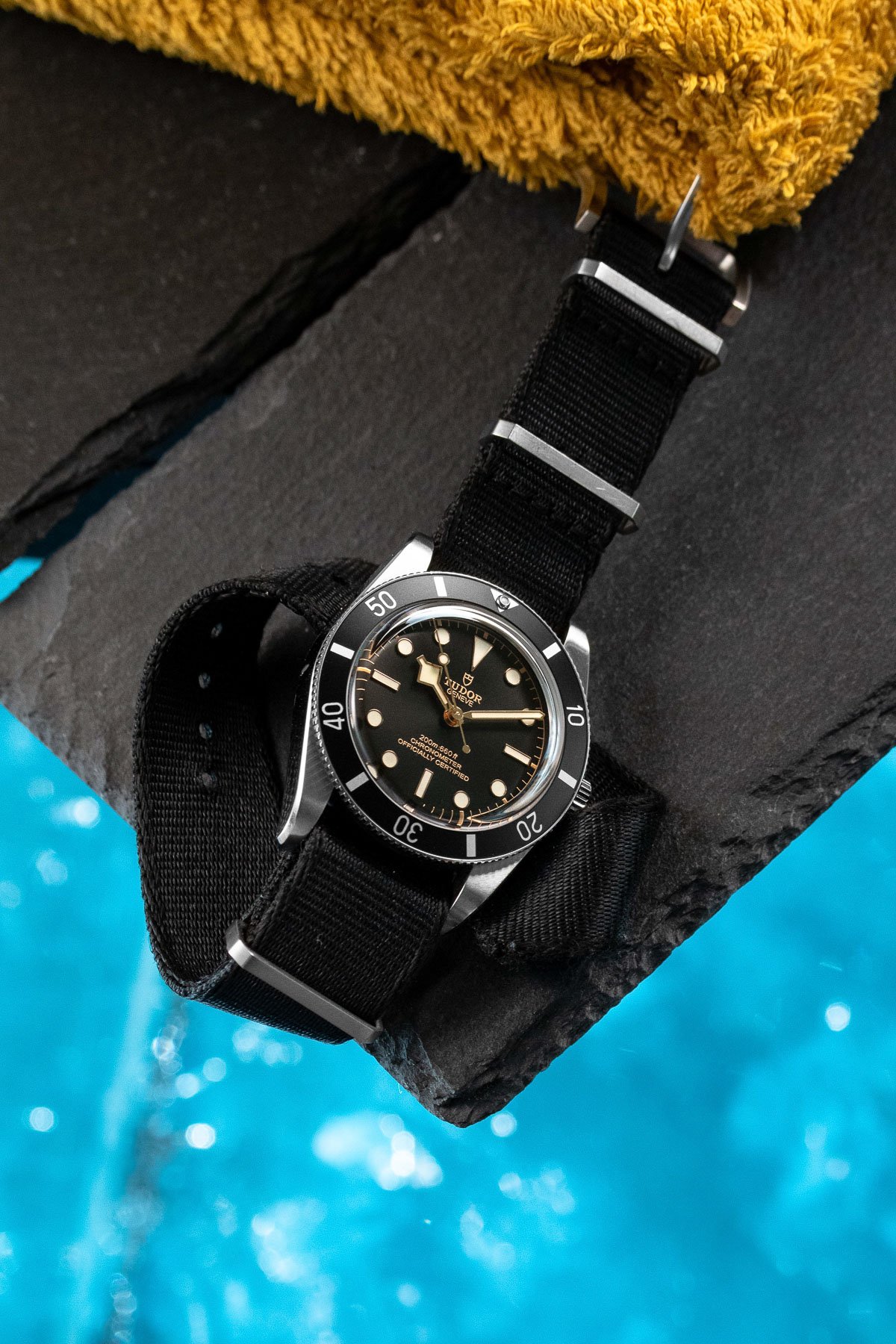
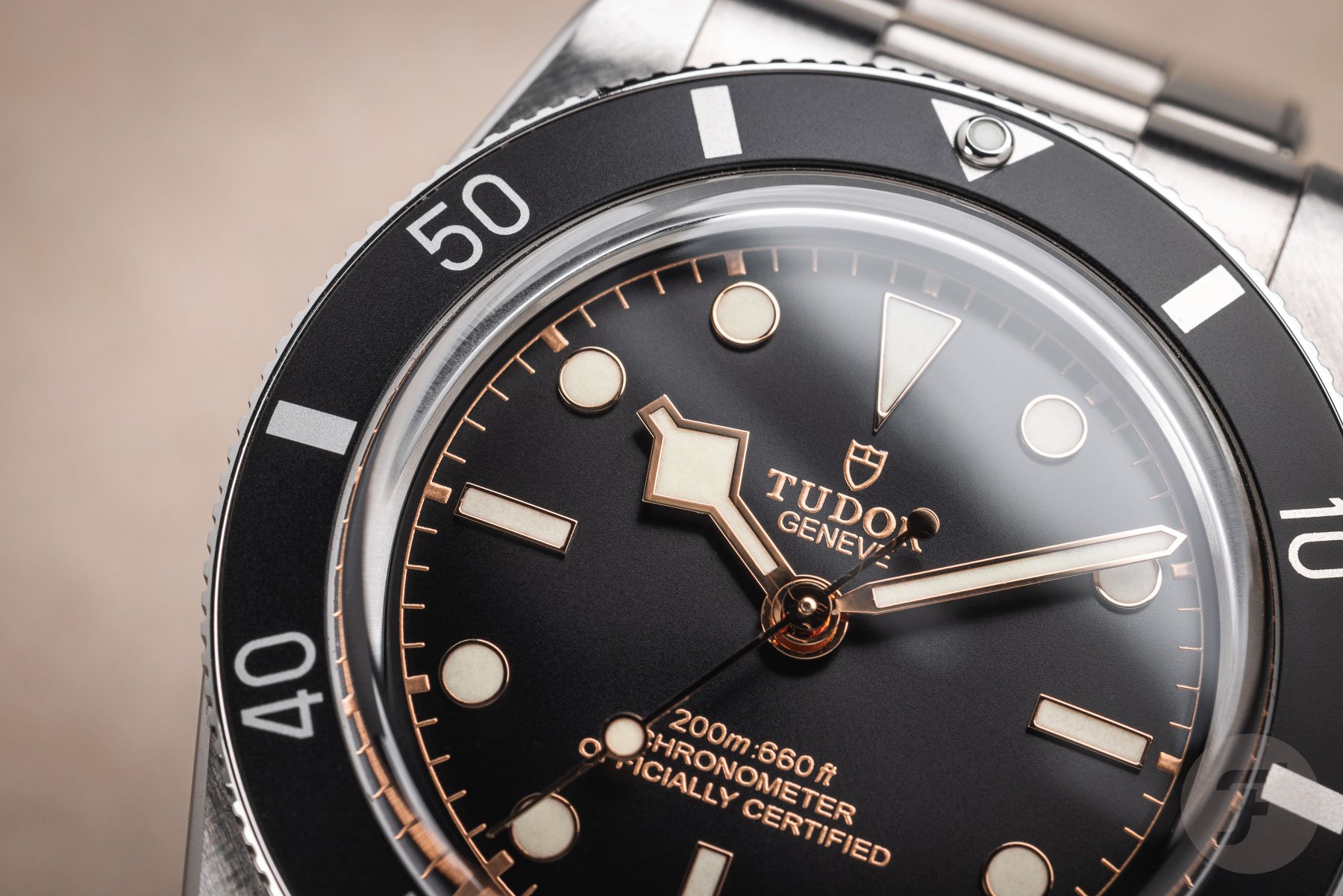
The Black Bay 54, on the other hand, is the closest Tudor has ever come to a truly faithful reinterpretation of an original vintage model — specifically, the Submariner ref. 7922 from 1954. The aluminum bezel insert eschews full markings for the first 15-minute segment and uses simple five-minute markers instead, just like the early dive watches that inspired it. The hands, indexes, and text on the dial are rendered in a warm gold tone, but the gilt is confined to these parts so that the watch doesn’t look like it’s been dunked headfirst into a vat of faux-vintage patina.

More key features and specs
Water resistance remains a serious 200 meters, despite the case being thinner and smaller overall and the crown being almost half the size of the one on the BB58. The crystal is sapphire rather than acrylic, but it still has the vintage-style dome and the lovely edge distortion that makes old divers so charming to look at from an angle. It’s a nod to the past that doesn’t sacrifice modern robustness.
Another immediately noticeable quality-of-life improvement is the bracelet clasp: the Black Bay 54 comes standard with Tudor’s T-fit system. If you’ve ever worn a steel bracelet in summer, you’ll know how much your wrist can swell and shrink during the day. With T-fit, a single click is all it takes to fine-tune the fit on the fly. It’s the kind of detail you don’t think about until you have it — and then you don’t want to live without it.
On the matter of looks
On the dial side, there are no Mercedes hands, no “smiley” text, and no Tudor rose logo. Instead, the now-iconic Snowflake hands, the visual signature of the Black Bay line, remain firmly in place along with straight text and the Tudor shield. Compared with the completely matte black dial of the BB58, the BB54 introduces a very subtle sunburst effect. Most of the time, it looks pure black, but when sunlight hits it at just the right angle, you get a gentle play of light that adds depth without screaming “sunburst” at you. Under the dial of the Black Bay 54 ticks the Kenissi MT5400, a COSC-certified chronometer regulated to -2/+4 seconds per day, with a 72-hour power reserve and a 4Hz frequency. In practice, it’s a proper modern workhorse: wind it, set it, and you can forget about it until the power reserve finally runs down.
Time on the wrist
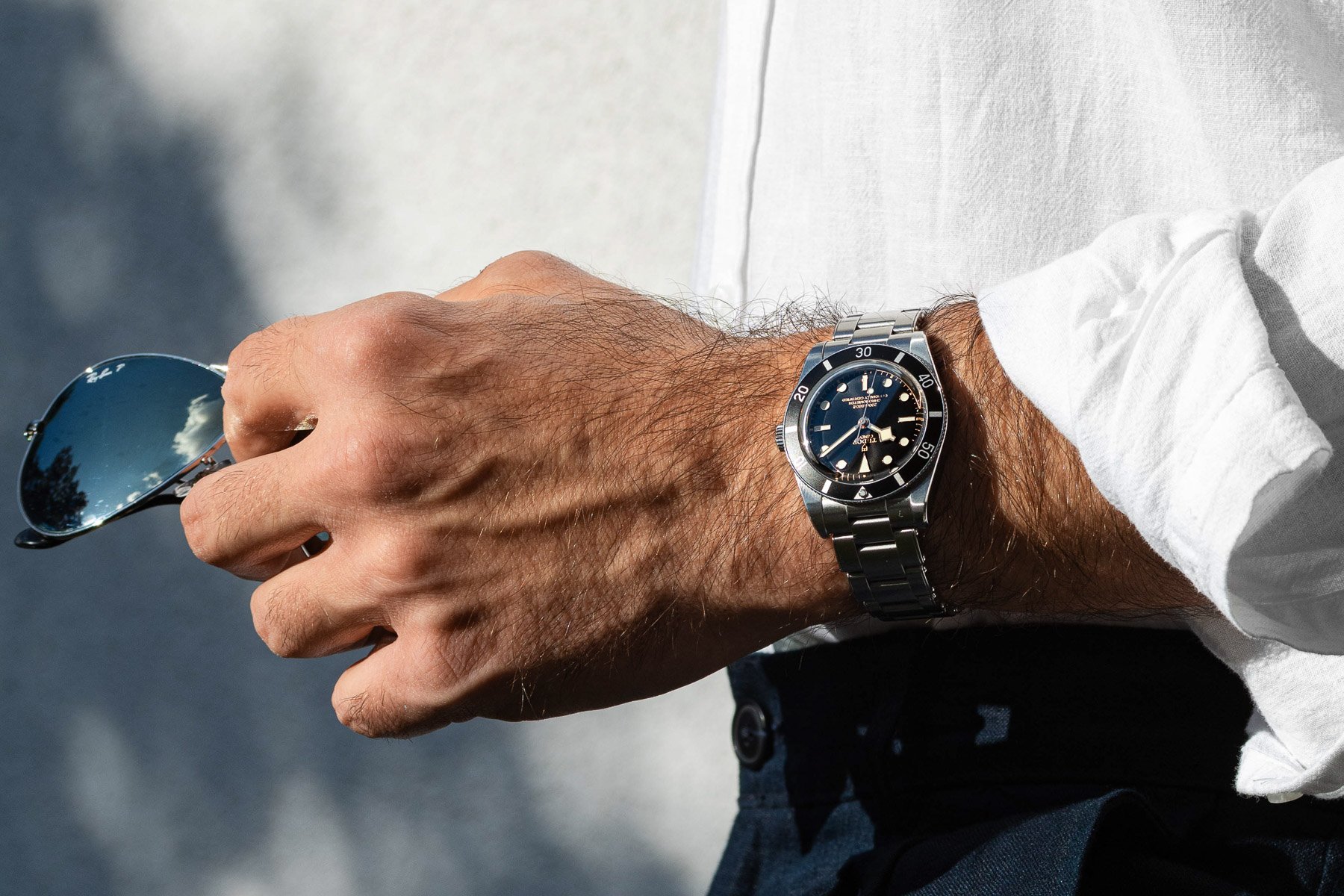
After a few hours of wearing the Black Bay 54, a nagging thought started turning over in my head: how is it that this “little” watch feels better on the wrist than my so-called ideal-on-paper Black Bay 58? To answer that question honestly, I borrowed a BB58 from another friend and did a proper comparison in real life, not just reading spec sheets.
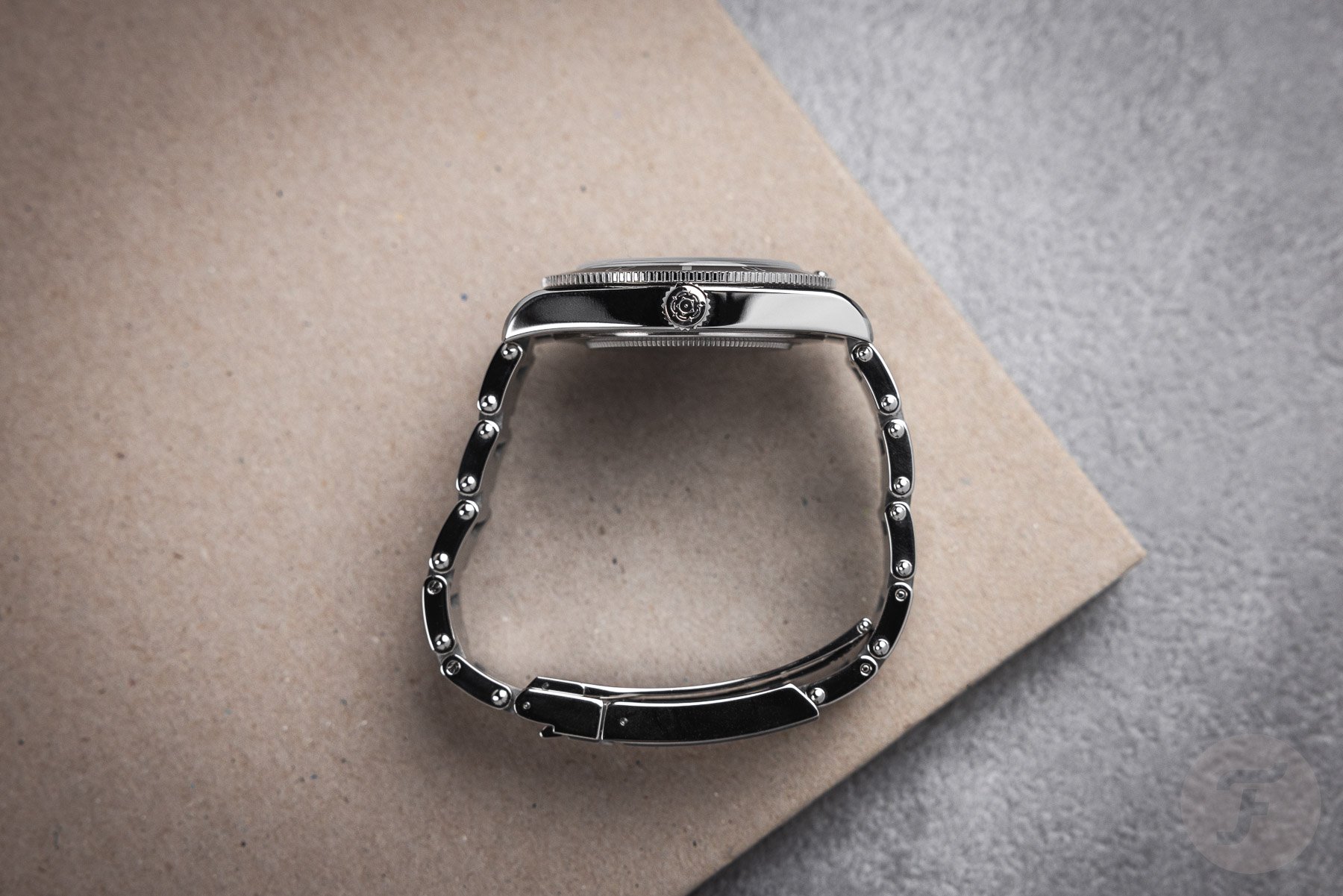
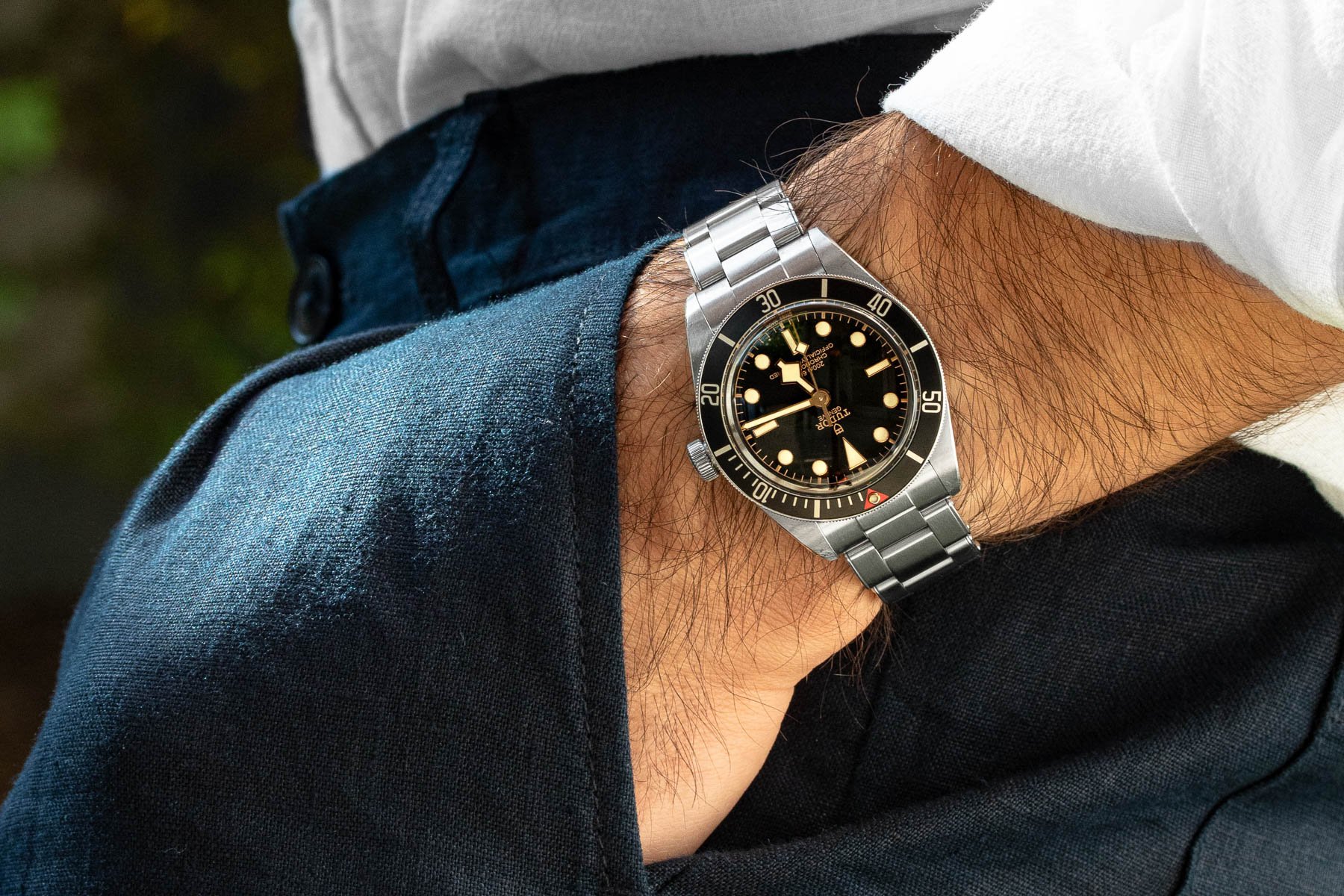
The answer comes down to three factors — thickness, weight, and bracelet style. On paper, the case of the BB54 is only about half a millimeter thinner than that of the BB58, but on the wrist, the difference is immediately apparent, especially since the sapphire crystal is also thinner. The watch sits lower, hugs the wrist more naturally, and carries less visual and physical bulk. It’s lighter and more compact, and after a while, you genuinely forget it’s there. After two days of wearing the BB54 exclusively, putting the BB58 back on felt a bit like swapping from lightweight sneakers to hiking boots. Both have their place, but the contrast is impossible to ignore.
Subtle contrast
For context, I’m a 190cm, 100kg guy with a 19cm (7.5″) wrist. I’m not small by any means, and as I’m used to wearing 43mm and larger watches, I fully expected the 37mm Black Bay 54 to look like a kid’s watch on me. It doesn’t. And a lot of that comes down to proportions. It maintains the Black Bay 58’s 20mm lug spacing, which keeps the visual architecture from bezel to end links balanced.
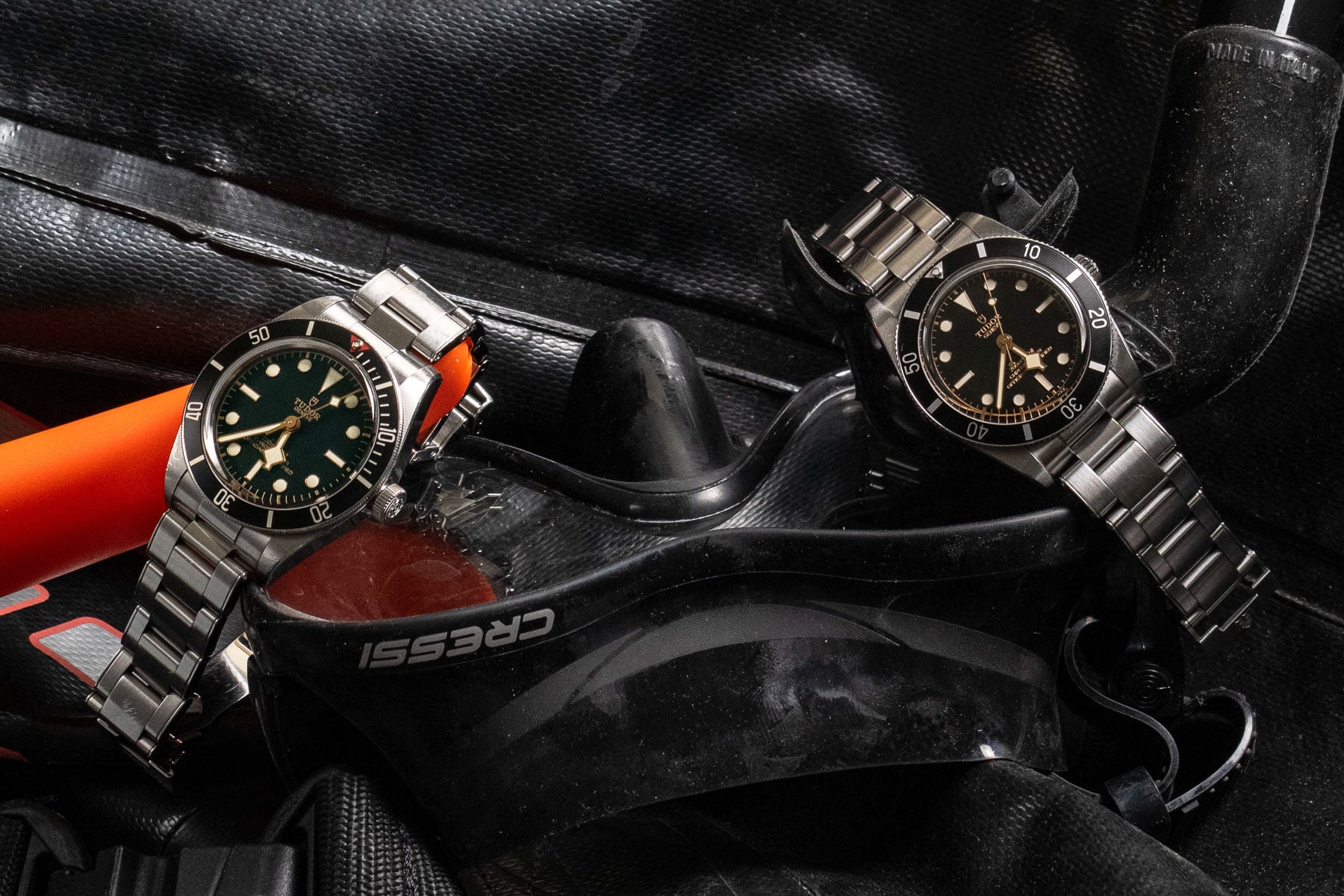
Put the two watches side by side on a table, ignore the bezel triangle for a moment, and it’s surprisingly hard to tell which is the 37mm and which is the 39mm watch without measuring them. On the wrist, the BB54 feels like a well-sorted vintage-inspired diver rather than a shrunken novelty.
Final thoughts
So, where does that leave us? In my opinion, the Tudor Black Bay 54 is the most successful retro-style dive watch the brand has produced to date. The crown, hands, and case all feel like they belong together; nothing looks like an afterthought. While the vintage vibe is undeniable, it never feels forced or exaggerated. The T-fit clasp adds a layer of everyday practicality that feels almost luxurious in use. Additionally, the finishing and overall execution are precisely at the level we’ve come to expect from Tudor — brushed where it matters, polished where it makes sense, with crisp transitions and a reassuring solidity.
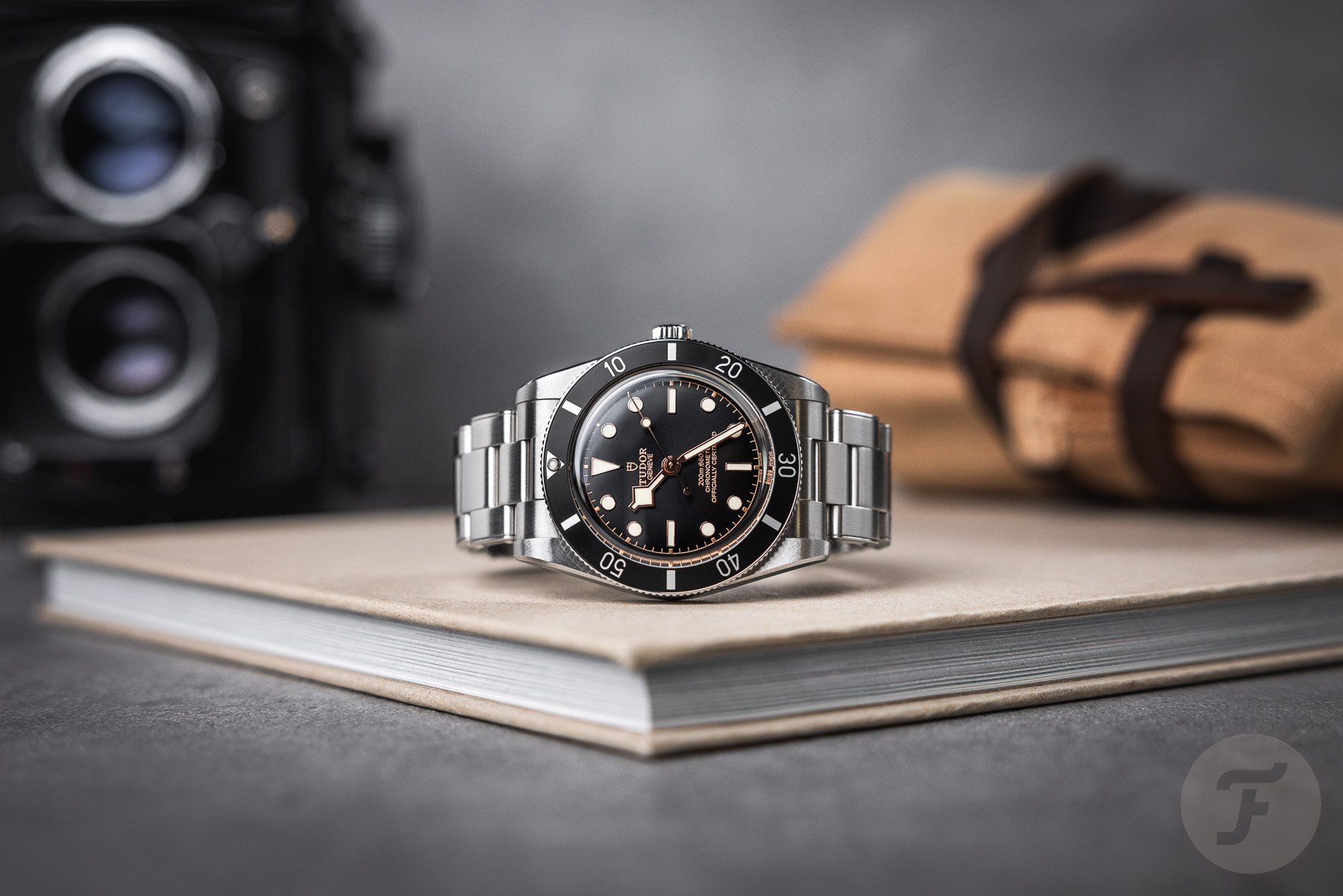
There is, however, one non-negotiable caveat: you have to genuinely enjoy vintage aesthetics. If you do, the Black Bay 54 is going to hit the sweet spot for you. If you already own a 39mm or 41mm Black Bay and are happy with it, there’s no pressing need to “upgrade” unless you’re specifically chasing that slimmer, more historically faithful treatment.


This raises an interesting question: where will Tudor take the Black Bay line from here? The Black Bay 54 may indeed remain the “purest” and most faithful reinterpretation of the original Tudor divers, while the larger models may continue to serve as playgrounds for color, complications, and more contemporary design twists. We’re already seeing lighter, playful color variants enter the range. Whatever direction Tudor ultimately chooses, one thing is clear: anyone looking for a vintage-inspired Tudor dive watch now has a genuinely difficult (but very enjoyable) decision to make between the Black Bay 58 and the Black Bay 54. And that’s not a bad problem to have.
Special thanks to Zvonimir Svalina for the story. You can follow him on Instagram @portalsatova.