Hands-On: The Temporal Works Series A

What happens when sartorialists Mark Cho and Elliot Hammer (respectively, the founder and the creative director of The Armoury) come up with a watch brand of their own? Let’s find out in this hands-on review of the Temporal Works Series A line.
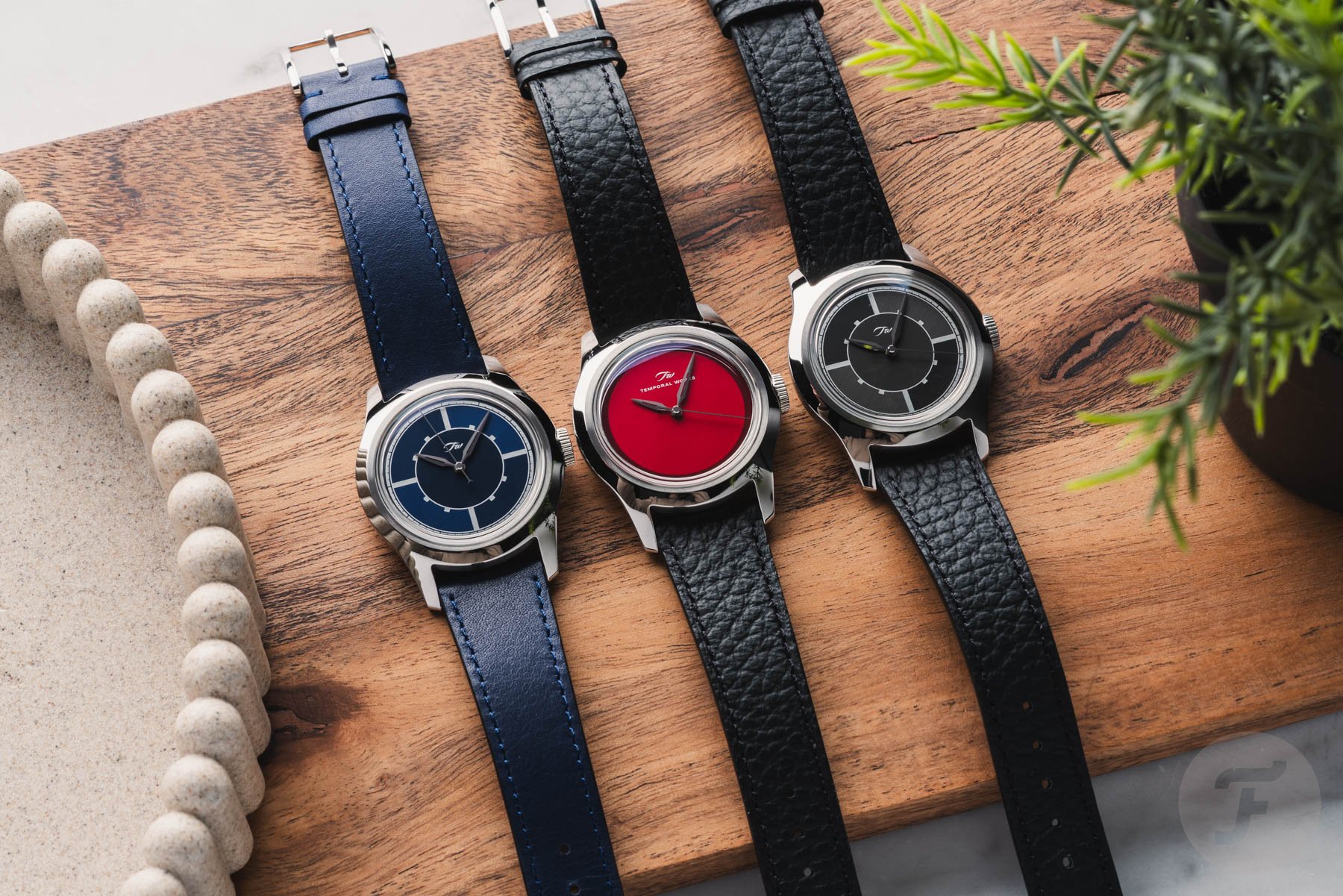
The Armoury’s Temporal Works
In case you are unfamiliar with The Armoury, it’s a menswear retailer in Hong Kong and New York, offering a wide selection of ready-to-wear, bespoke, and custom clothing. You can visit the company’s website here.
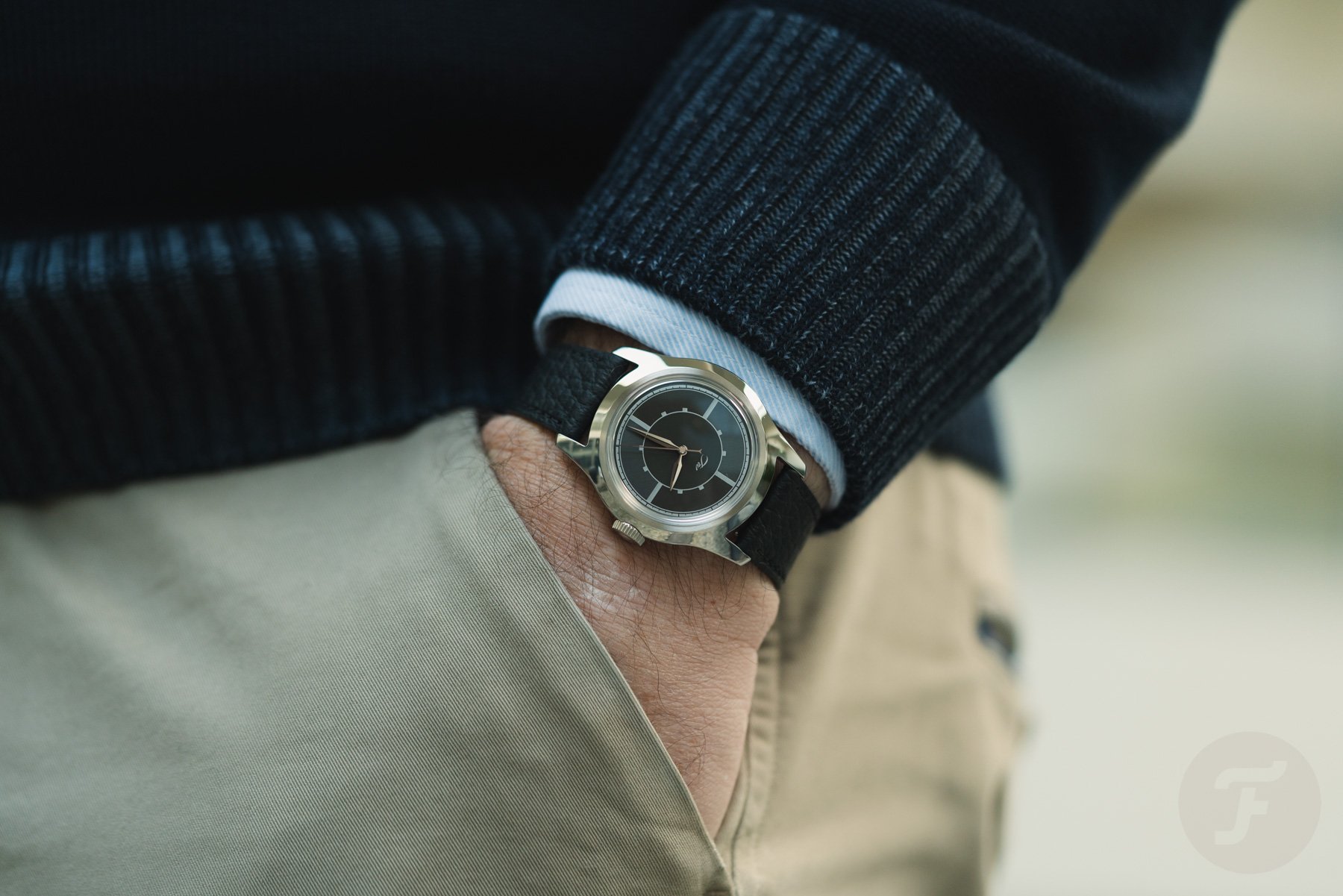
Anyway, when the folks from The Armoury come up with a new watch brand after doing several collabs with existing ones, including Ressence, Cartier, Naoya Hida & Co., H. Moser & Cie., and Unimatic, you’d think they know what needs to be done. Temporal Works is the brand, and it debuts with the Series A collection of three watches.
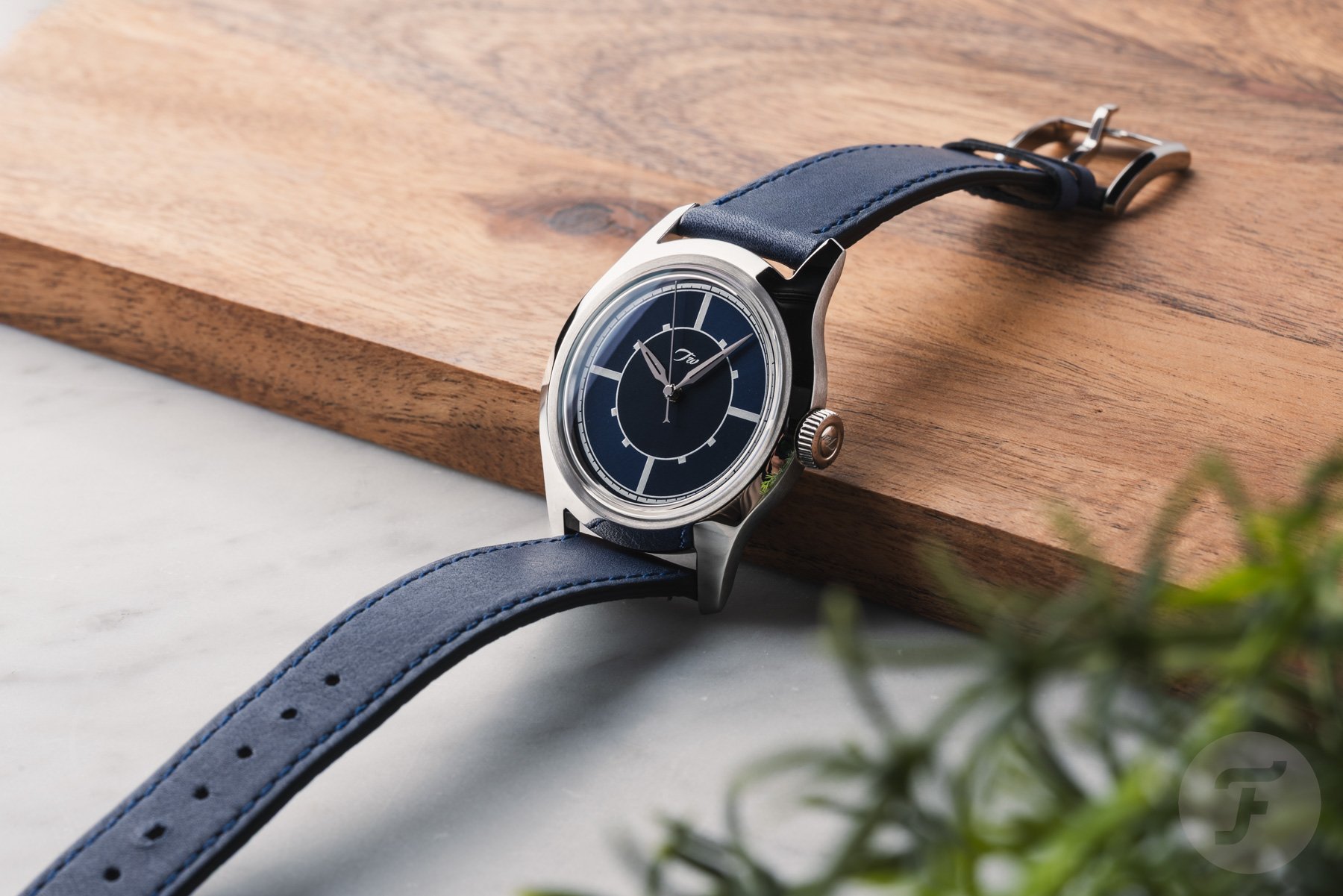
The Series A model
When you first lay eyes on the Temporal Works Series A, two things may happen: 1) you see a familiar case design, or 2) you overlook it because it might appear as the next small independent brand releasing a new watch.
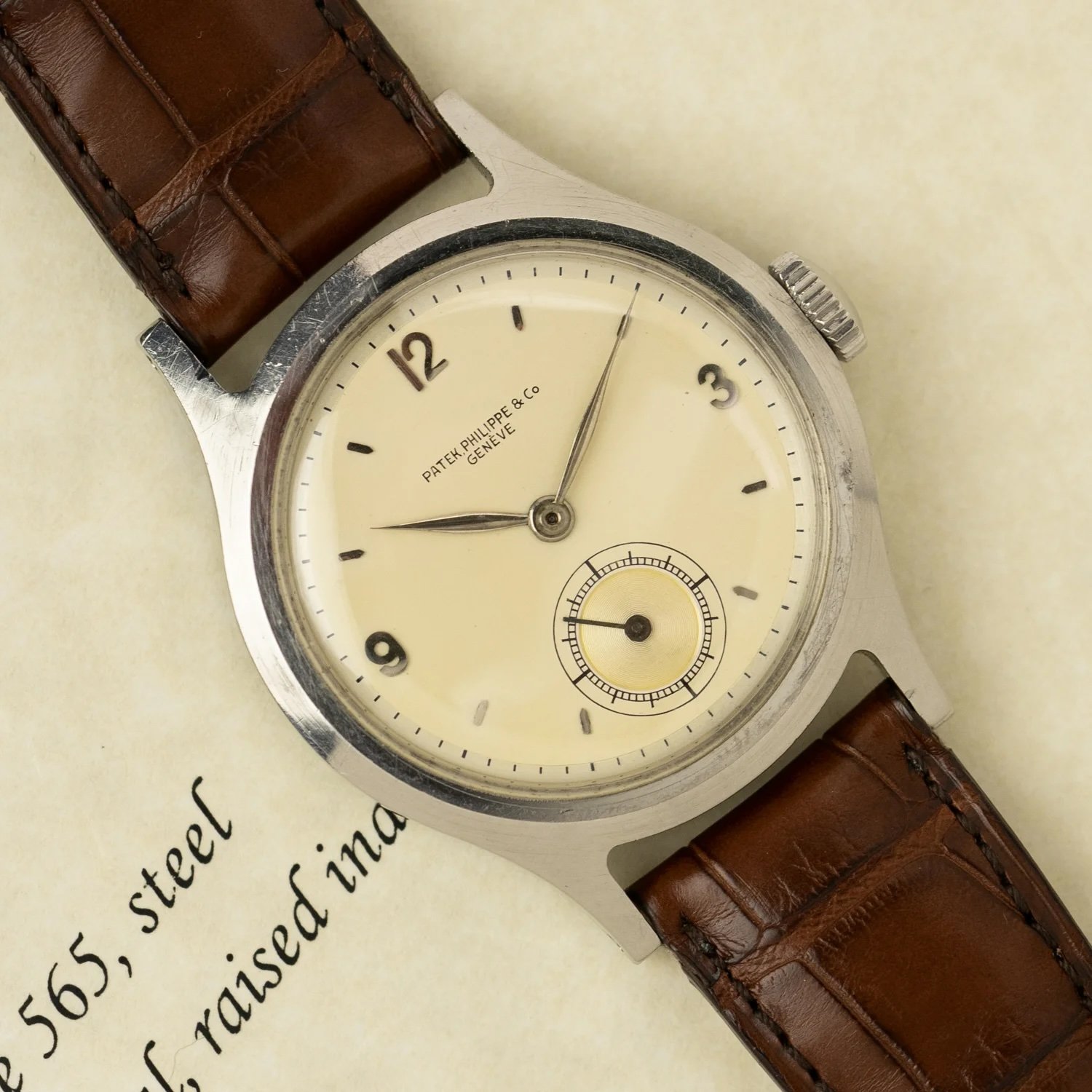
Patek Philippe Calatrava ref. 565 — Image: Amsterdam Vintage Watches
Inspired by the classic Patek ref. 565
In the first scenario, you’re absolutely correct! Even if the case design does not ring a bell immediately, it probably looks like something you’ve seen but can’t pinpoint. The curved case and polished top resemble a watch from the 1940s or 1950s, and upon closer examination, you might recognize the top view of a Patek Philippe Calatrava ref. 565.
Introduced in 1938, this classic Calatrava stayed in Patek’s catalog until the 1950s. The 565 is an extremely sought-after and highly respected reference among collectors, available in both steel and gold. The polished top, flat crown, and satin-finished case profile of the Temporal Works Series A seem to be a tribute to the 565 or, at least, watches from that era with a similar mid-century design.
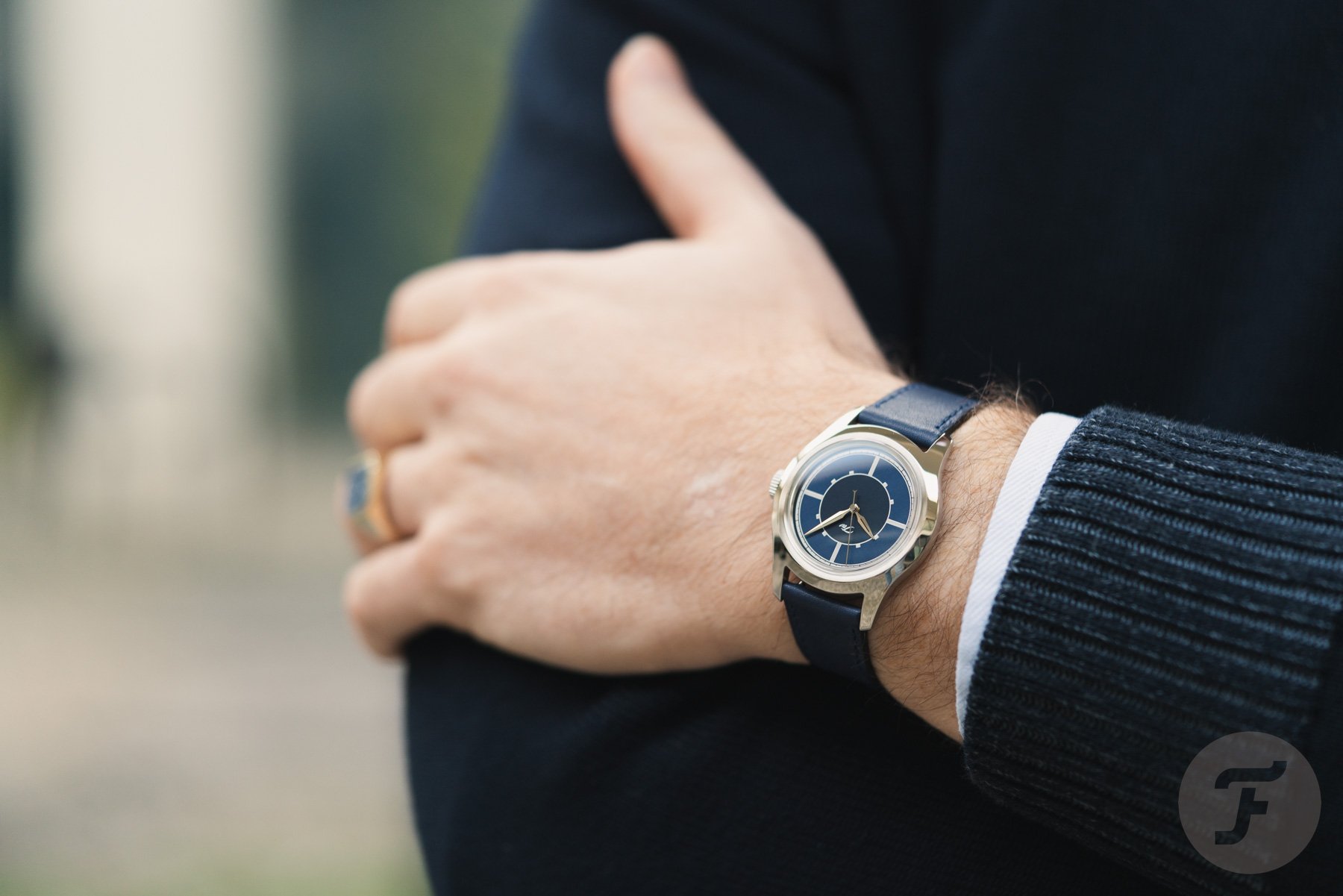
A 37mm dress watch
In the second scenario, you have overlooked the design reference and think it’s just a nice 37mm dress watch. That’s also correct, but now you know what inspired the guys at The Armoury and Temporal Works. Importantly, though, what distinguishes the Series A from many small brands’ offerings is that the production of these watches took place in Japan.
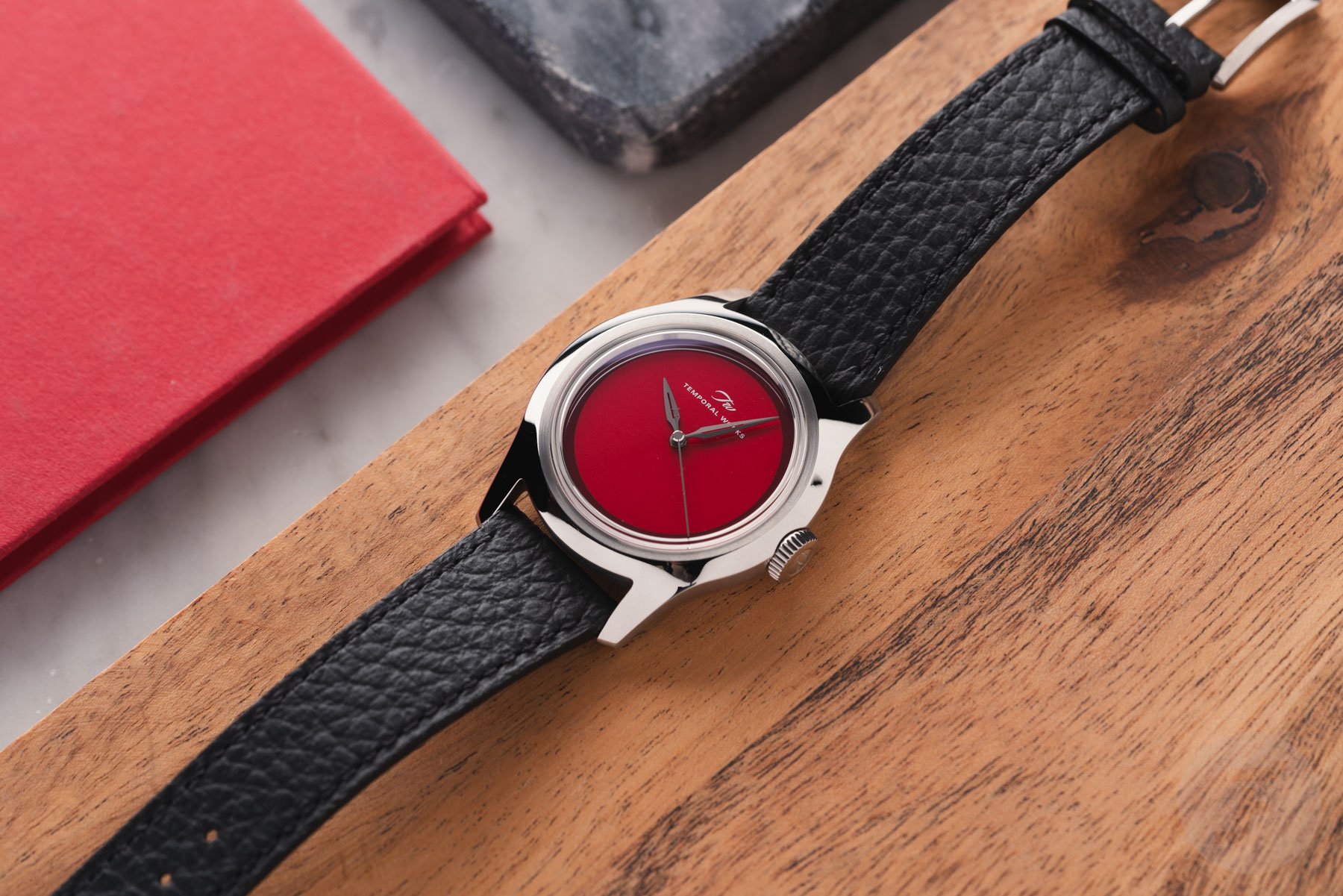
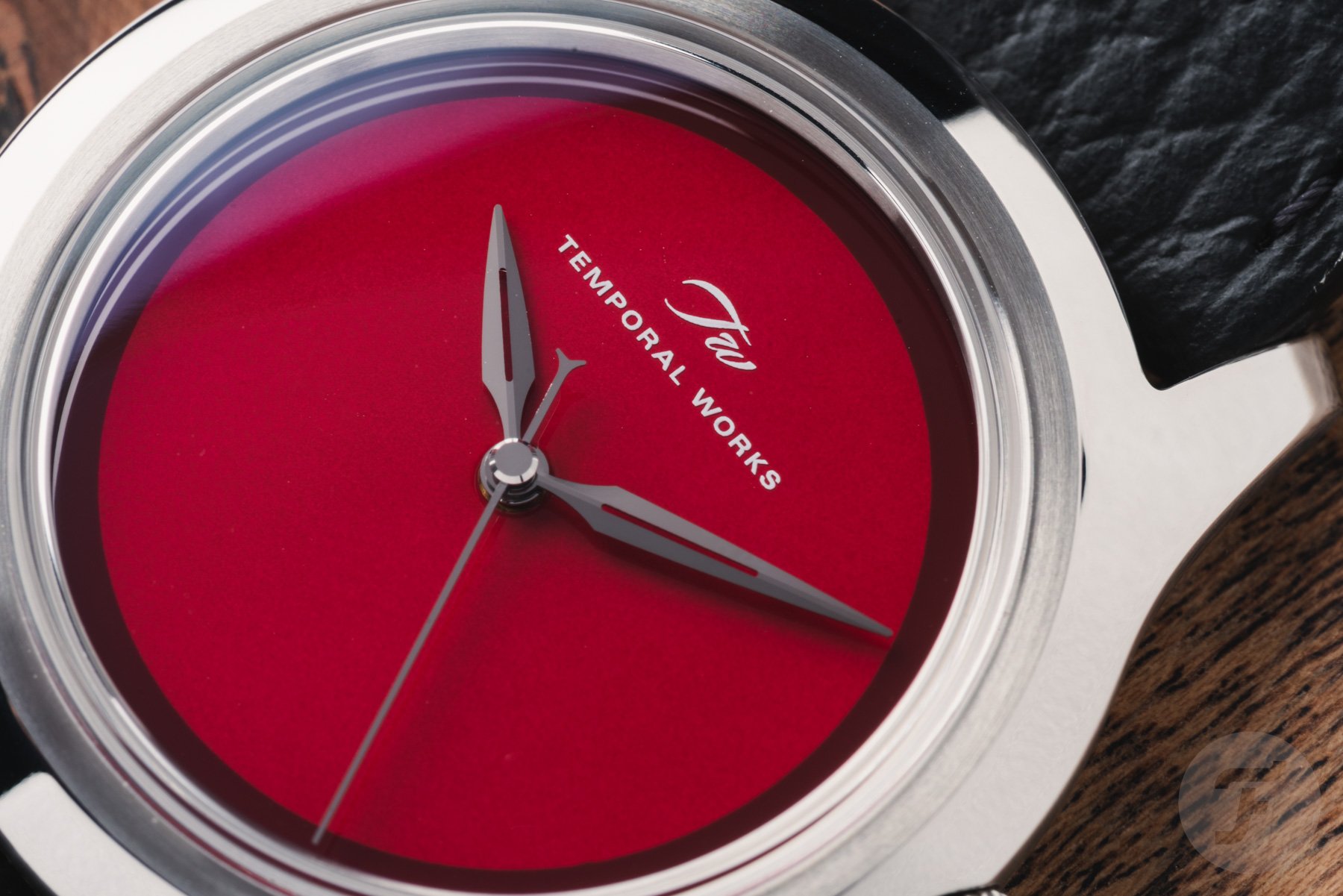
Aside from the movement, most components are made and finished in Japan. The case and dial originate from Japan, where high standards were applied to the finishing of these components, including the lacquered red Fortune dial. The other two options are sector dials, one in blue and the other in black and gray. I know some have grown allergic to the term, but Zaratsu polishing (diamond polishing done on specific German Sallaz equipment that is referred to as “Zaratsu” by Japanese speakers) has been applied to the top part of the case.
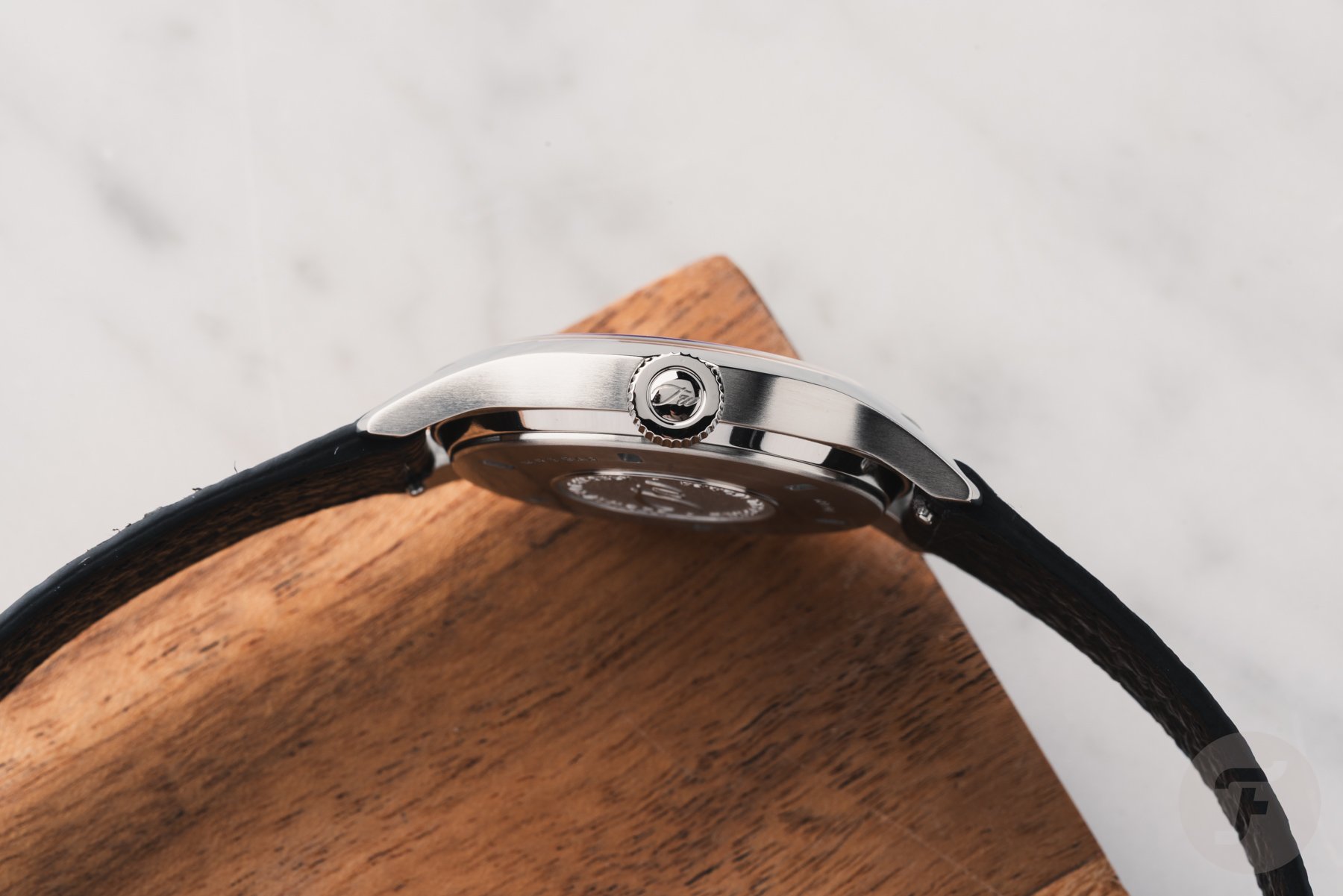
Curved profile
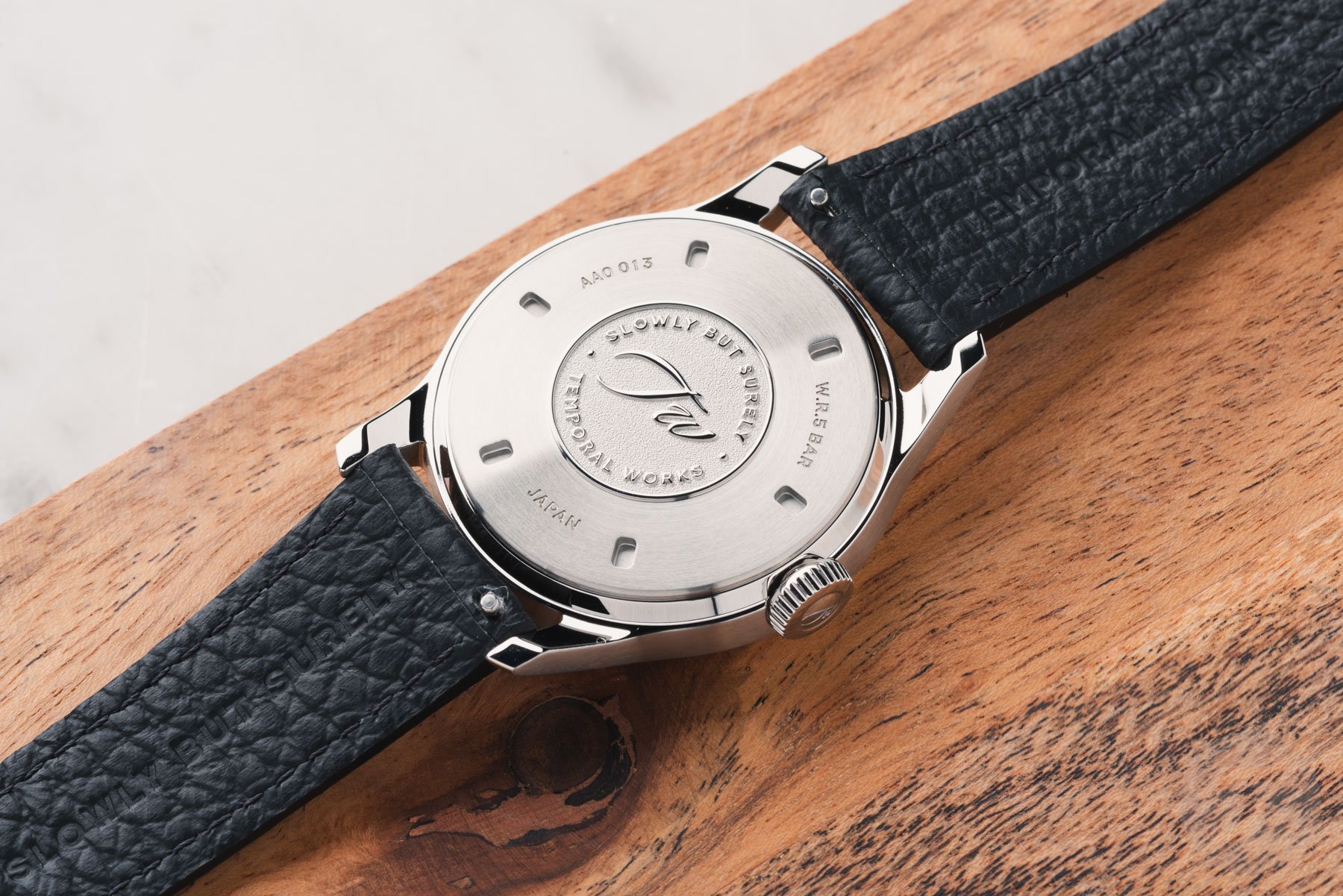
Returning to the case design of this Series A, the profile is actually nicer than on the Patek Philippe 565, which is a bit too “straight,” while the lugs of the Series A curve a bit more to the wrist. Temporal Works calls the stainless steel case “monobloc,” as it has no bezel, but it does have a screw-in case back. In my book, it wouldn’t qualify as a monobloc design, but I can imagine that some people use this term for a watch with no bezel.
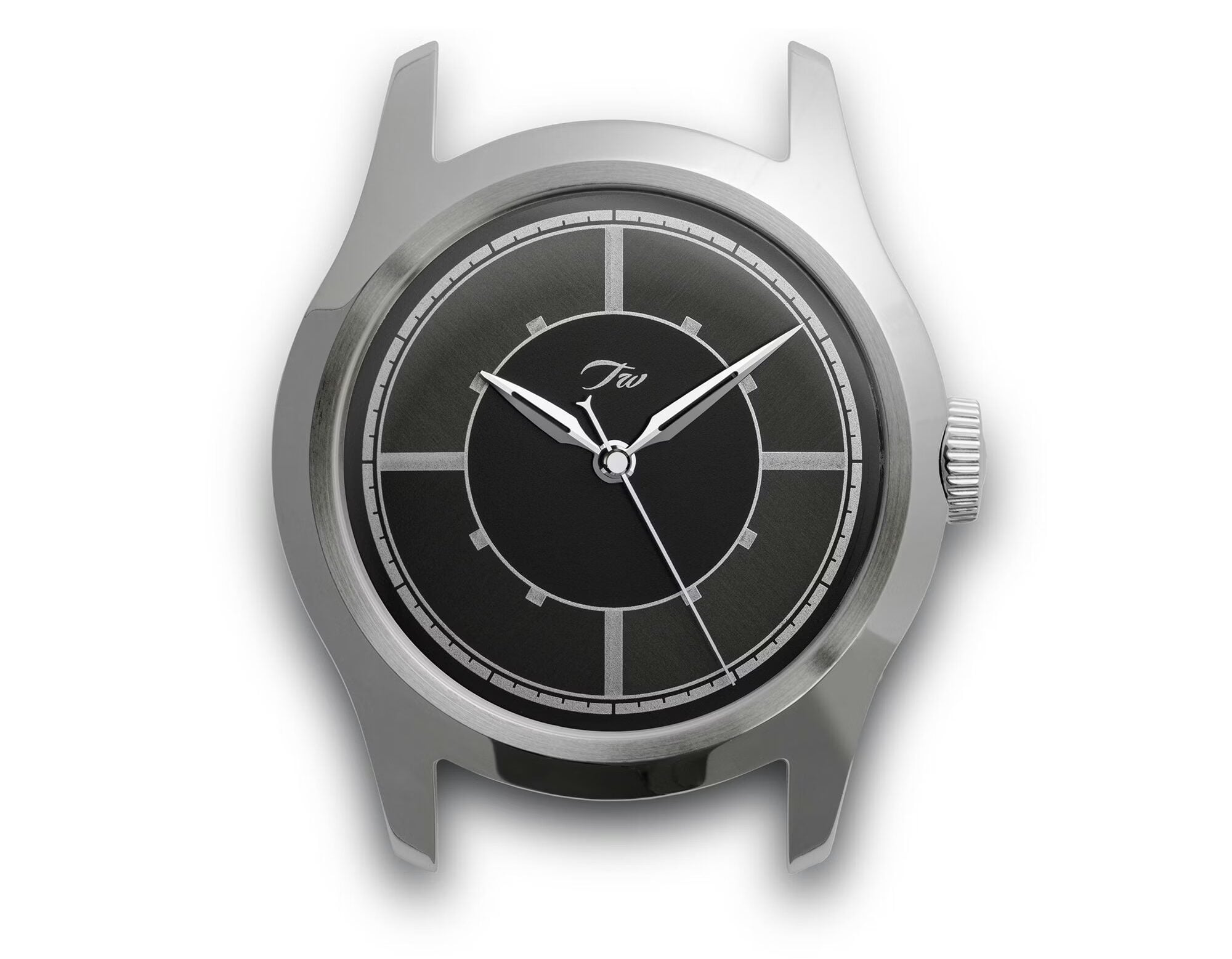
Two sector dials and a red lacquered dial
Aside from the case design, the dial and hands are very attractive to me. I’ve been wearing the black-dial version with great pleasure, as the sector dial has a stunning effect when the light changes. The diagonal satin-finishing on the sectors at 2 and 8 o’clock is in the opposite direction to the sectors at 10 and 4 o’clock.
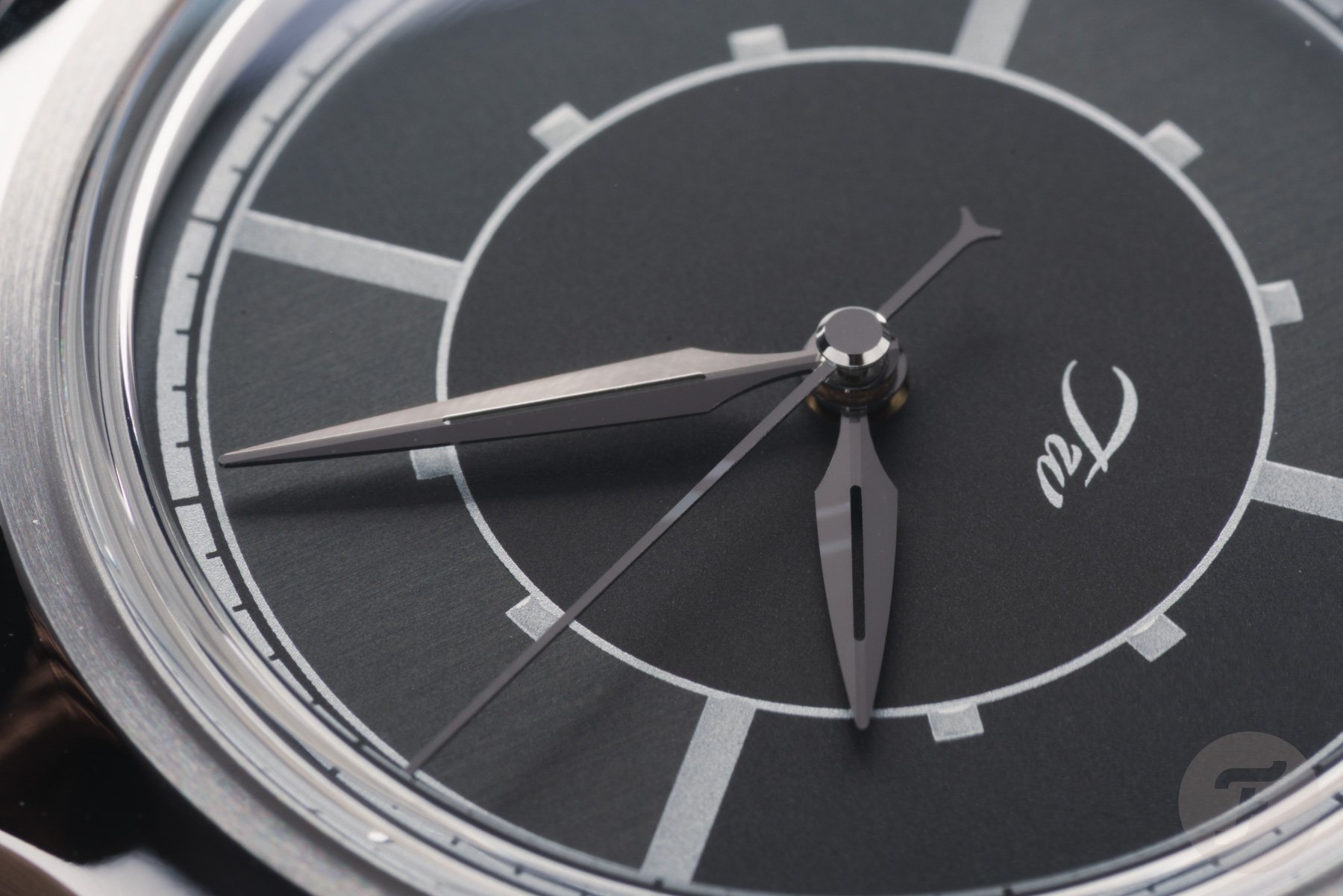
This creates a visual effect of two black and two anthracite sectors on the dial, and their positions seem to change with one’s viewing angle. The central part of the dial is also anthracite, taking on a darker tone under certain lighting conditions.
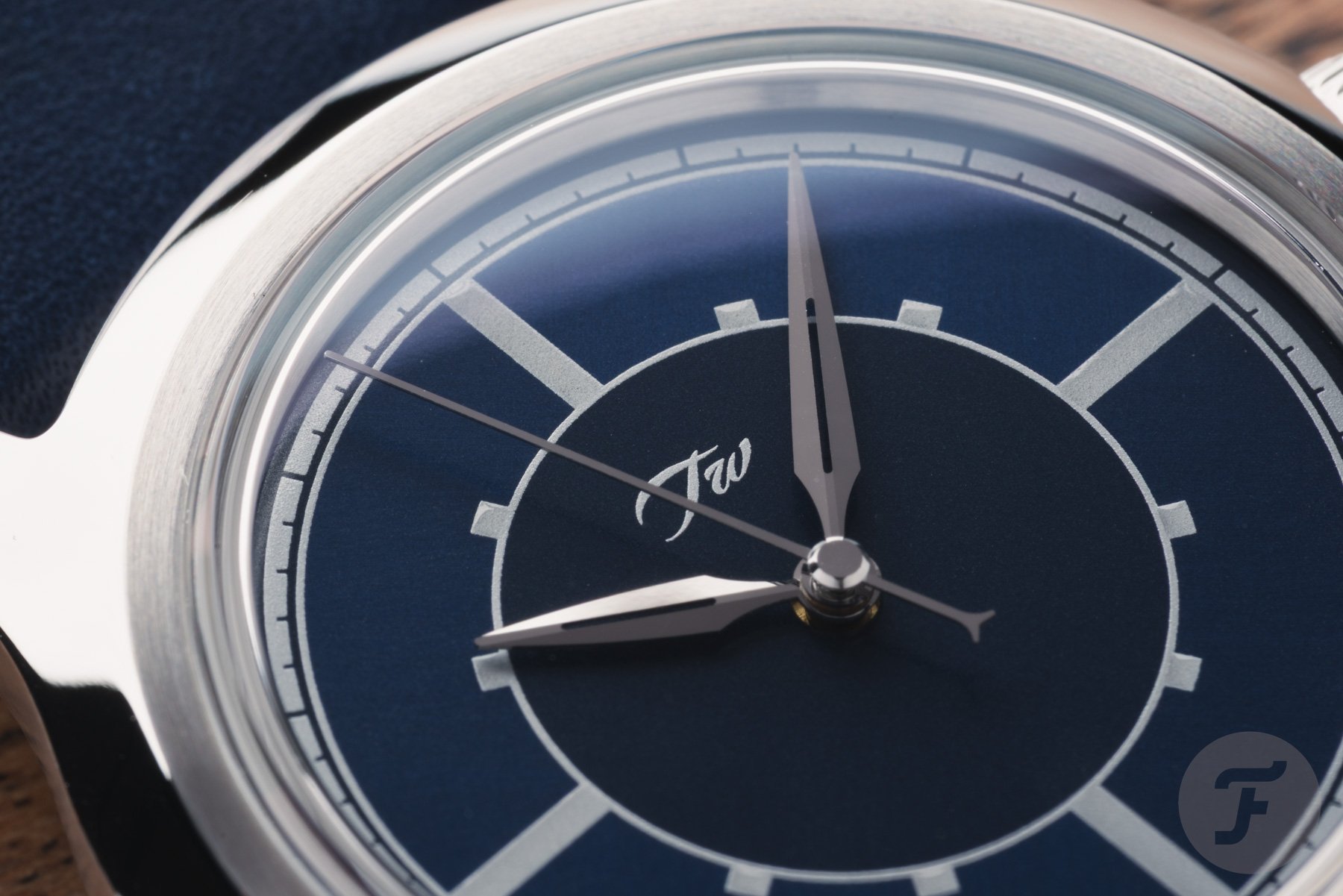
The same effect applies to the blue version of this watch. Then, there’s the Fortune version, which has a red lacquered dial also produced in Japan.
Now, as a collector of fountain pens, I can also appreciate the nib-inspired hand design. The faceted hands are polished and perfectly readable, even in low-light conditions. The minute hand touches the sector dial’s minute track, and the hour hand touches the hour track on its markers.
Sellita SW210-1 D4 movement
The movement inside the Temporal Works Series A is Sellita’s SW210-1. This hand-wound caliber has a 42-hour power reserve and ticks at 28,800 vibrations per hour. Additionally, Temporal Works ensured the use of the D4 iteration of the SW210-1. Sellita uses the D1 to D4 designations to indicate the level of finishing and decoration of its movements, with D1 being the most standard. D4 is the most elaborate, featuring Côtes de Genève on the bridges, perlage decoration on the base plates, and brushed wheels. Last but not least, the SW210-1 D4 iteration also uses blued screws. The movement is not visible, as Temporal Works decided to use an all-steel case back; however, at least you know that this movement has undergone some additional work.
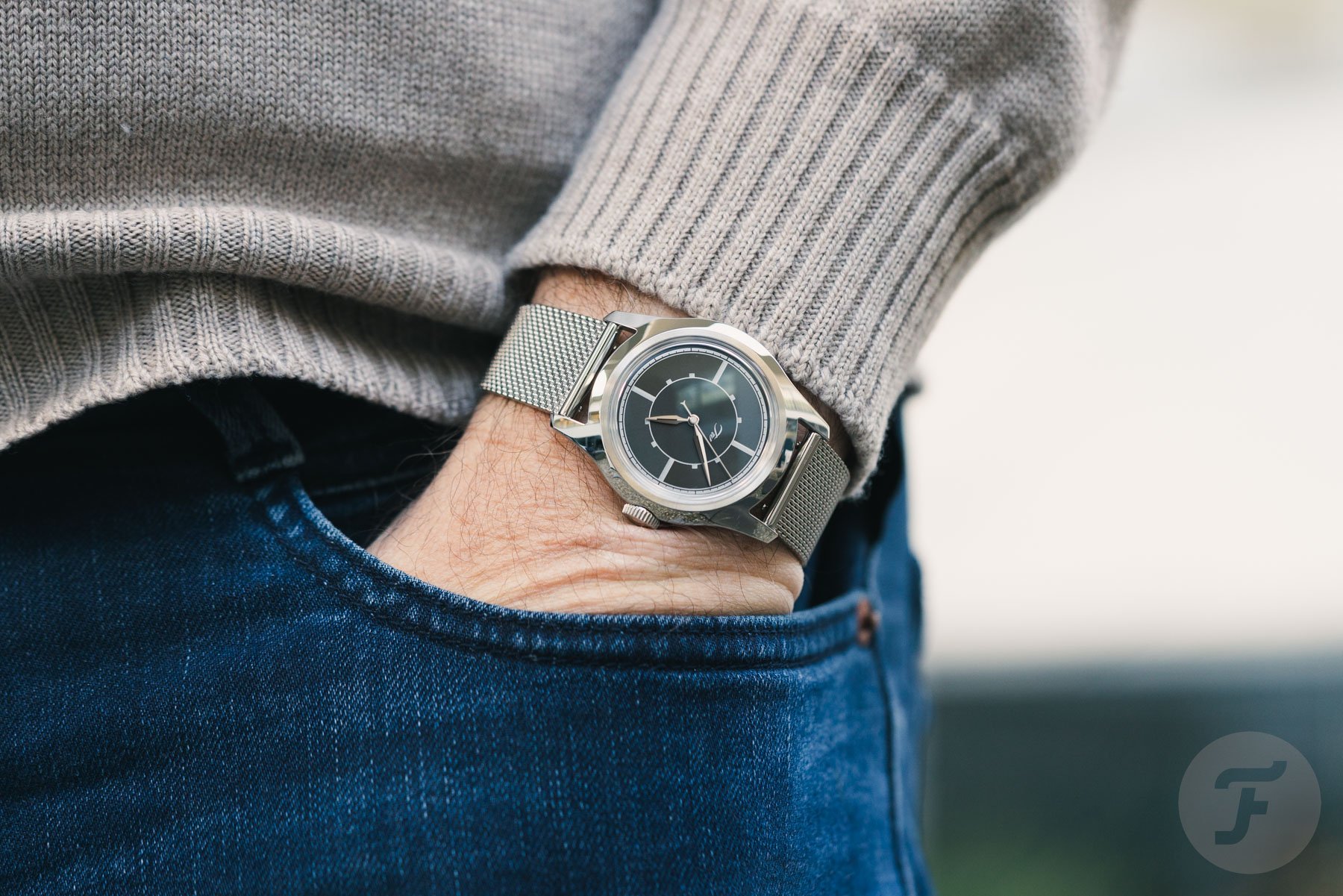
An optional, resizable mesh bracelet
All three watches come with a calf leather strap made by Jean Rousseau, a company founded in 1954 that is well known in the watch industry. Temporal Works didn’t take any shortcuts here either. The same applies to the optional 19mm stainless steel mesh bracelet, which features a butterfly clasp. This bracelet comes in three sizes — you can see the medium here, which fits my 18cm (7.1″) wrist perfectly —and includes removable links, making it easy to resize by yourself.
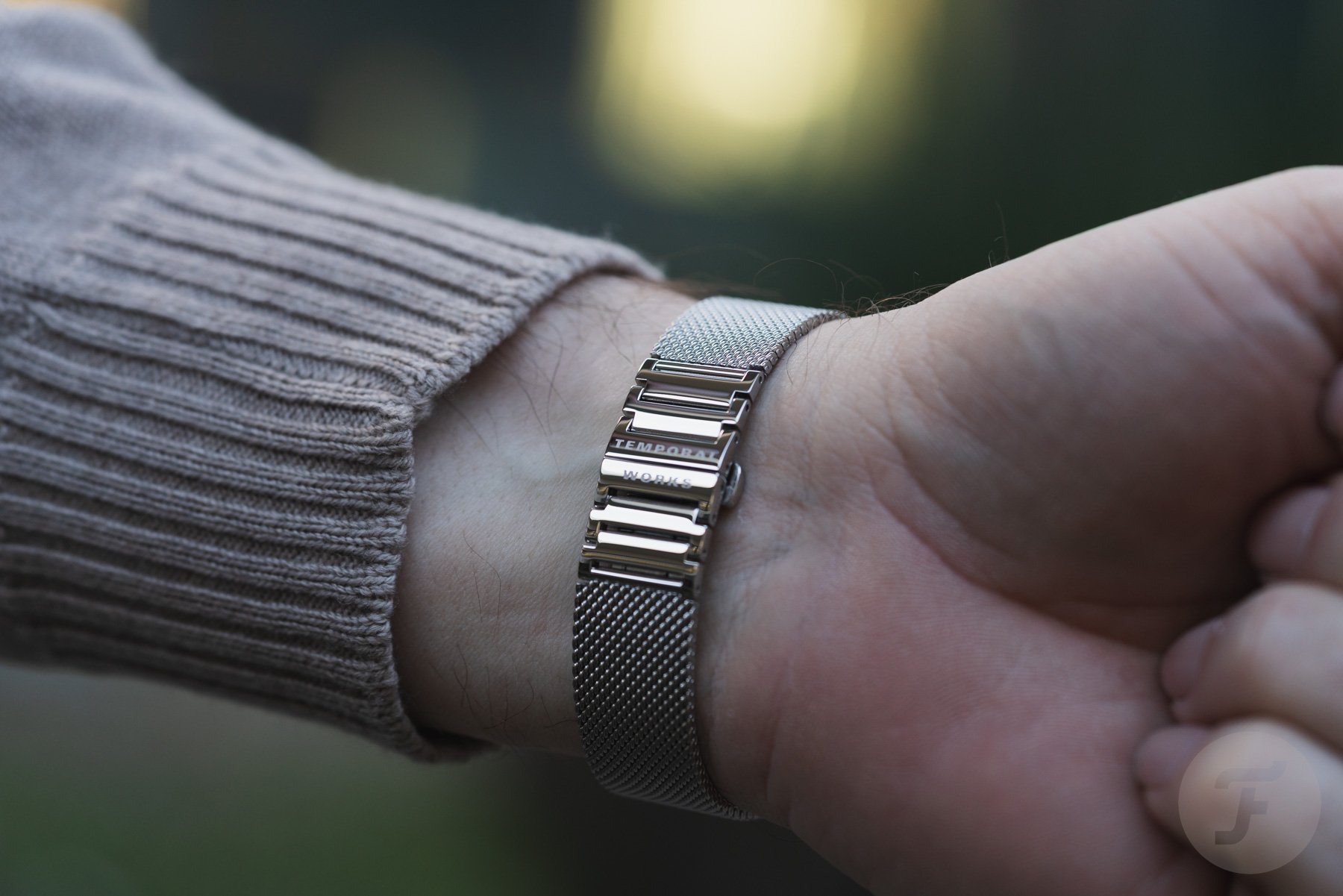
Developed with Staib
There are four 4.5mm-long links on each bracelet. Temporal Works developed this bracelet in collaboration with Staib, a renowned producer of mesh bracelets. Breitling, Omega, and several other brands have collaborated with the German-based Staib company. For an additional US$250, getting the bracelet for the Series A is a no-brainer.
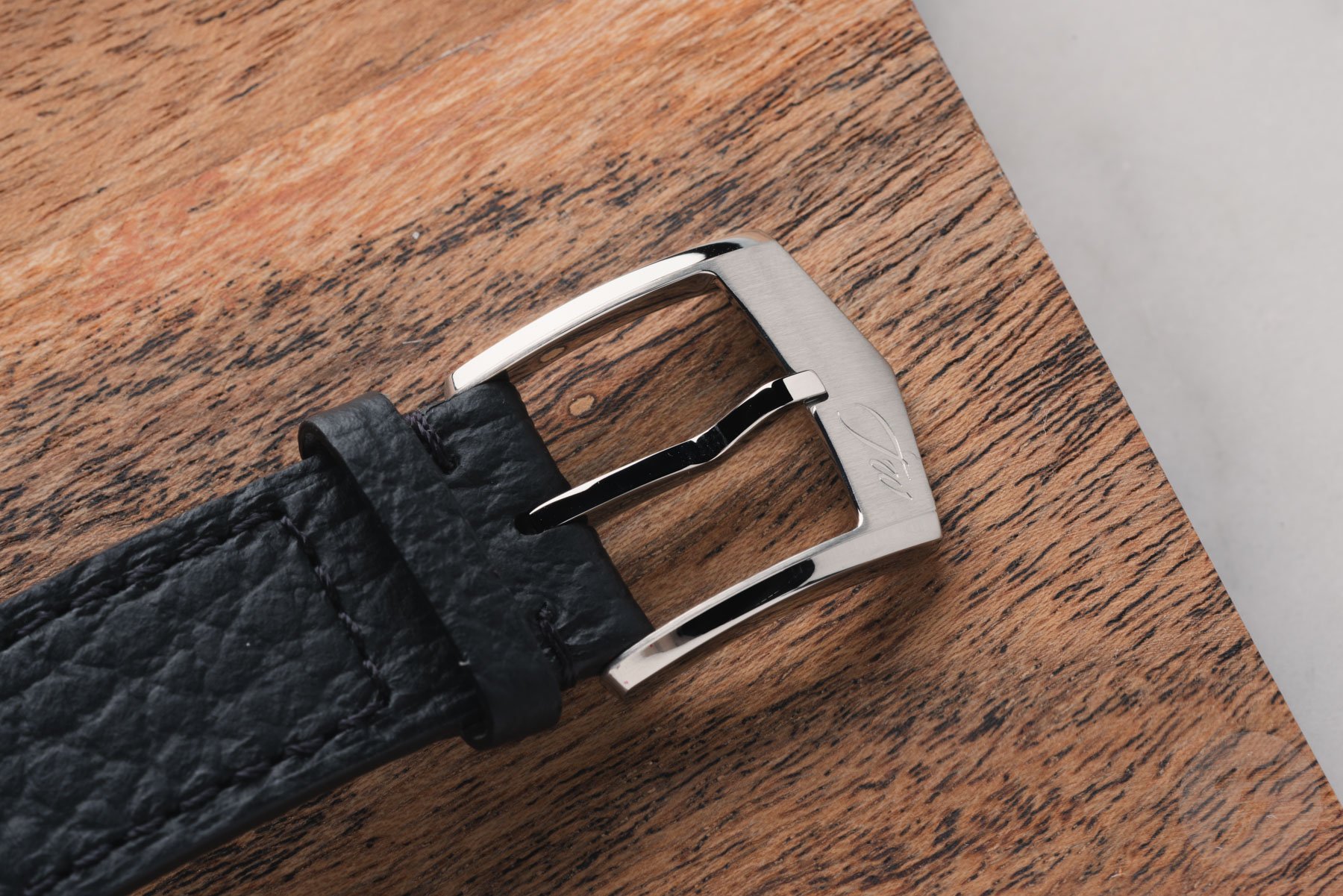
I am not a big fan of mesh bracelets in general, but the 3.6mm-thin bracelet wears comfortably. I prefer to wear the Series A on the supple calfskin strap, though, which includes a signed pin buckle.
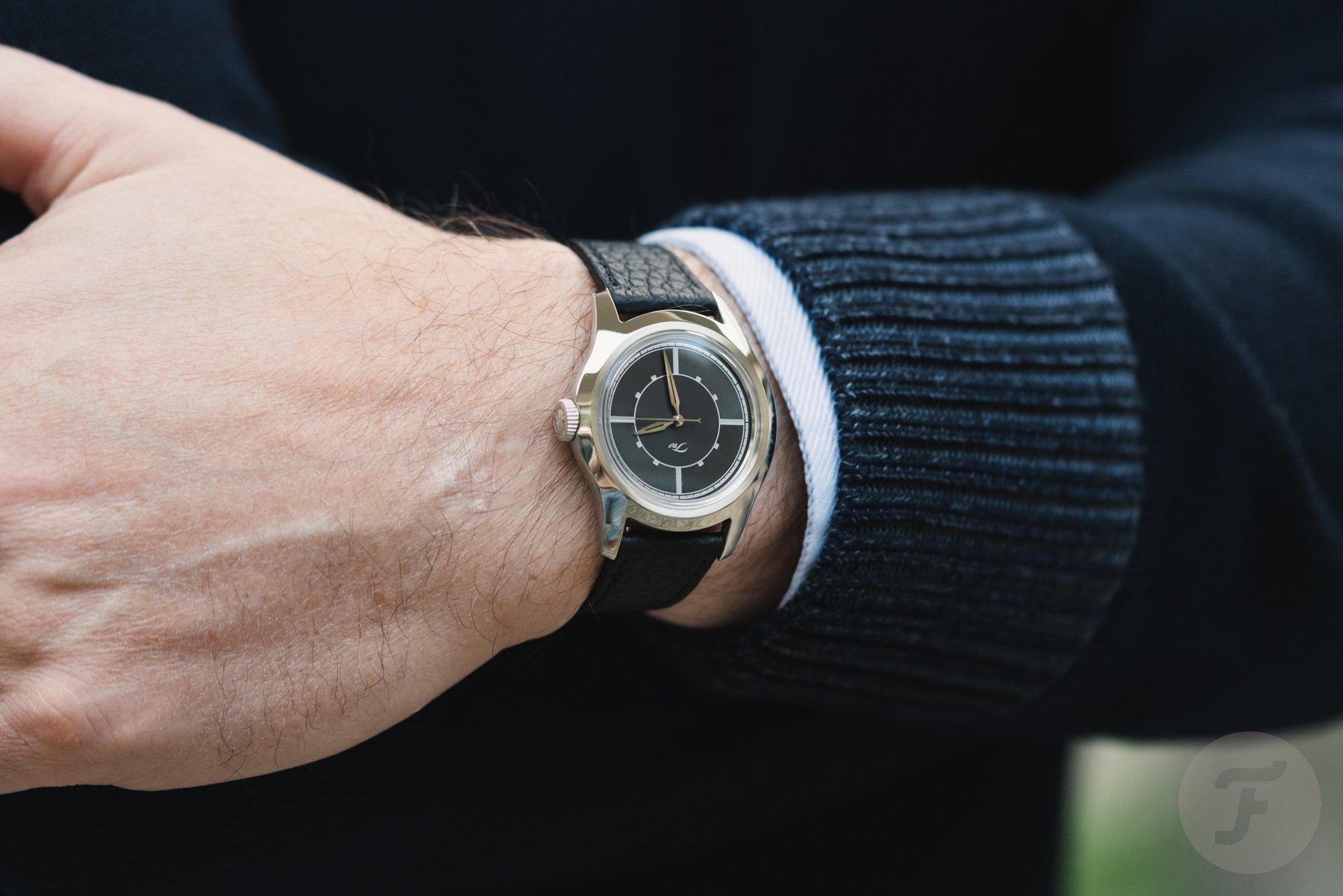
The retail price of the Temporal Works Series A, regardless of the dial variation, is US$2,500. Aside from the design, which speaks to me, the Swiss SW210-1 D4 movement and the Japanese level of finishing on the hands, dial, and case are things you won’t get from many other brands, big or small, at this price point. And let’s not forget about the Jean Rousseau strap with a nicely finished pin buckle. Temporal Works’ Mark Cho and Elliot Hammer surely know their stuff when it comes to watches and did not want to make any noteworthy concessions here, it seems.
It’s simply a matter of whether you like this “565” design with either a sector dial or a red lacquered one, which is, as always, a personal thing. I am curious about a Series B!
You can find more information on the Temporal Works Series A here.