Introducing: The Bianchet UltraFino Rotondo — The Brand’s First-Ever Round Watch

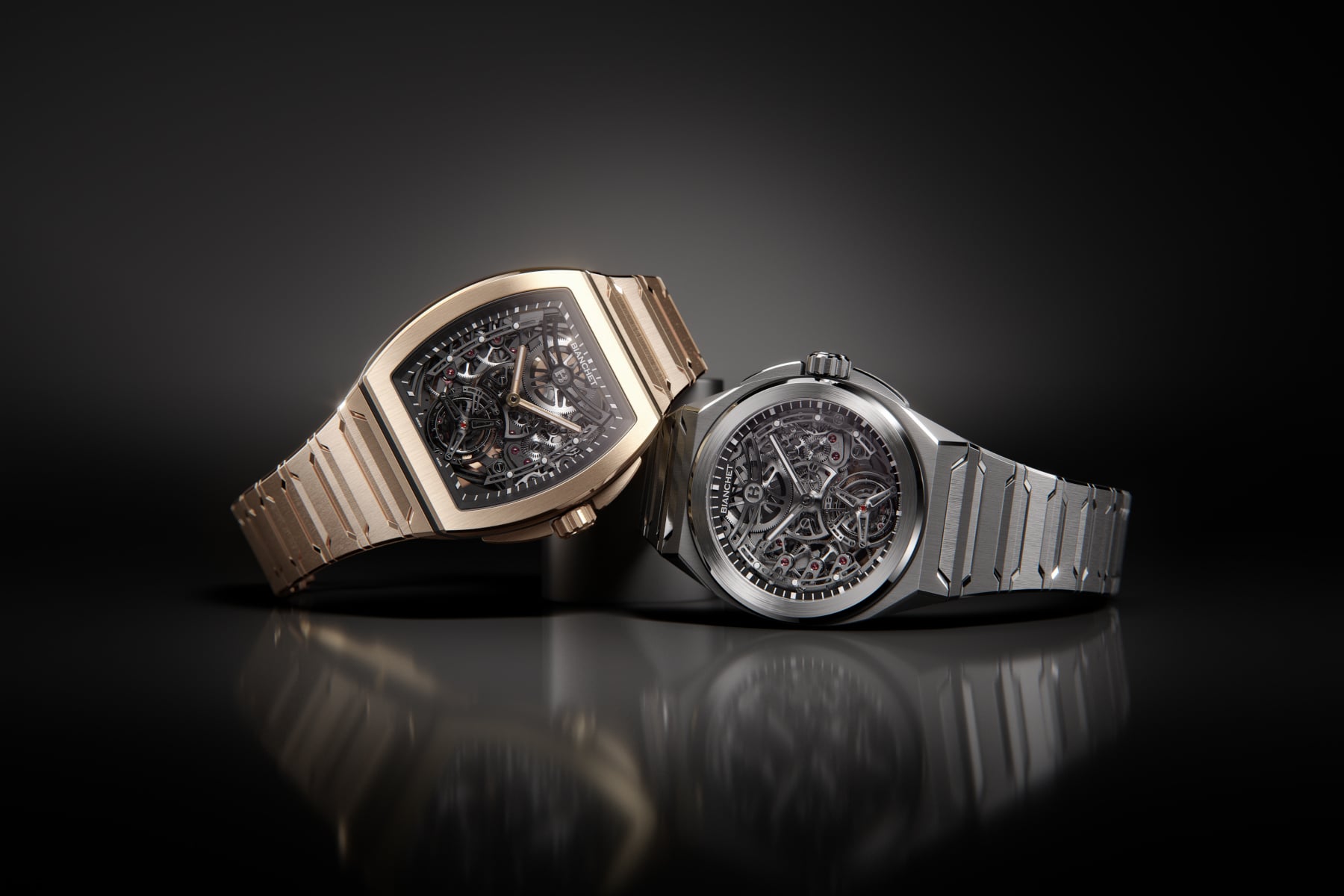
A round case is hardly a radical idea in watchmaking. For Bianchet, though, it absolutely is. At Watches and Wonders 2026, the brand will present the UltraFino Rotondo, and while it clearly belongs to the same family as the watch we’ve previously known as the UltraFino, this isn’t just a simple reshaping exercise. It marks the first time Bianchet has stepped away from its signature tonneau case shape, and with that comes something even more significant — a round case and round movement architecture for the first time in the brand’s history.
That alone makes the Rotondo feel important. It still looks and feels like a Bianchet watch in the details, proportions, openworked architecture, and clear emphasis on performance-driven high horology, but it also feels like a line in the sand. Up until now, the brand’s identity has been closely tied to the tonneau shape. From here on, that original direction continues as the UltraFino Tonneau, while the Rotondo opens the door to something broader. And honestly, I think that matters for another reason too…
A new shape — and a meaningful one
Ever since Bianchet first started gaining traction, there has been a predictable comparison that tends to follow the brand around. I’ve addressed that before, and I still feel the same way now. In my opinion, people are often too quick to flatten the conversation into a surface-level reading, as if a tonneau case, skeletonized movement, and lightweight materials automatically meant the brand was chasing someone else’s ideas. To me, that feels a little lazy and shortsighted.
I never bought into that argument. For me, the overlap started and ended with the case shape. Beyond that, Bianchet’s intent always seemed different to me; the execution felt distinct, and most importantly, the watches themselves felt rooted in something more traditionally horological. The UltraFino never struck me as a machine-first object dressed up as a watch. It felt like a watchmaker’s watch expressed in a modern way.
Now, with the Rotondo, that old argument is weaker than ever. The tonneau case is gone, and what remains is the part that always mattered more. It still brings the skeletonized architecture, the flying tourbillon, the focus on lightness, and the performance-led engineering, but all of this is now framed in a round watch that makes the brand’s identity easier to see for what it is. If anyone still wants to reduce Bianchet to imitation after this, I’m not sure what else the brand is supposed to do. I guess the haters are still gonna hate.
The movement is still the real story
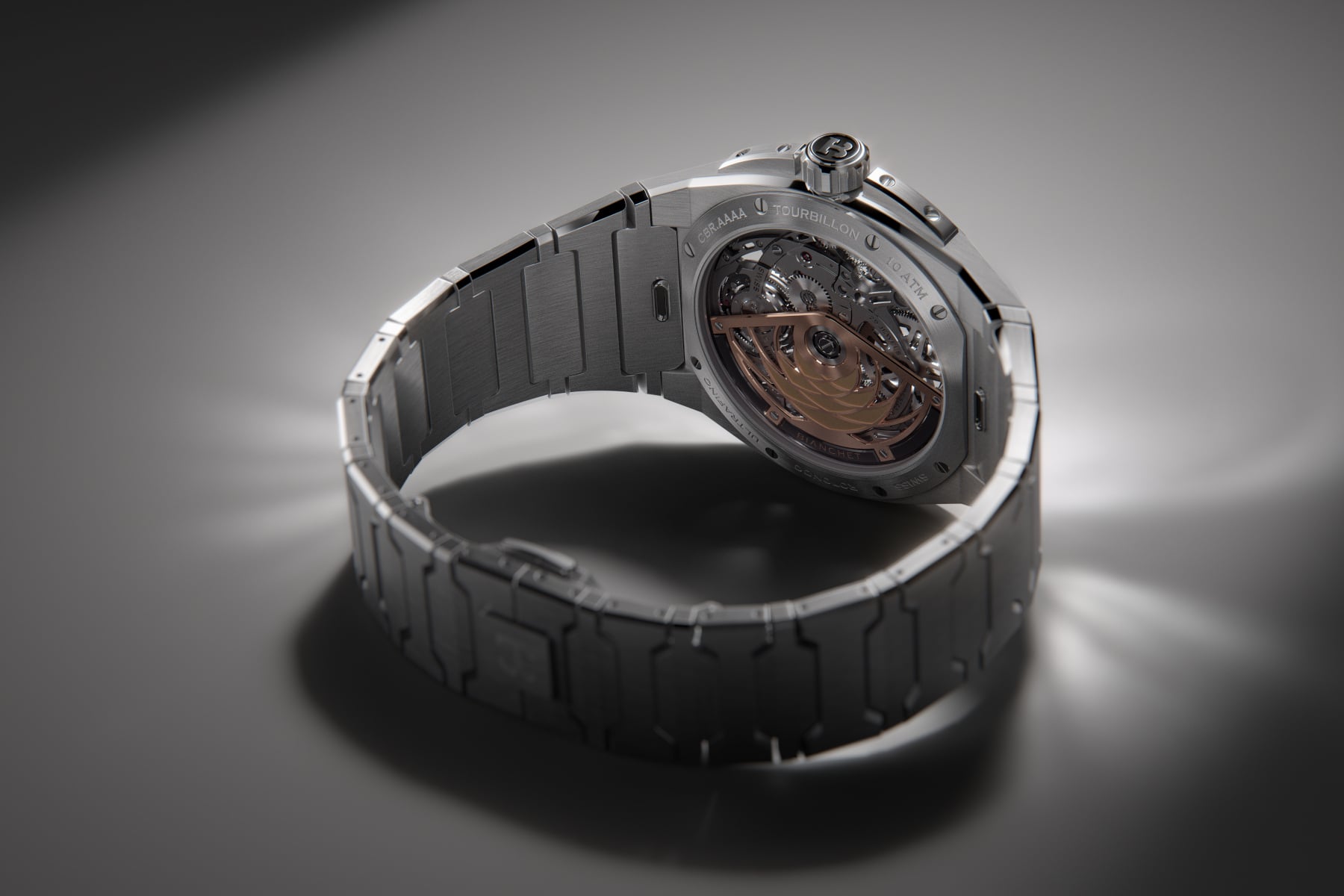
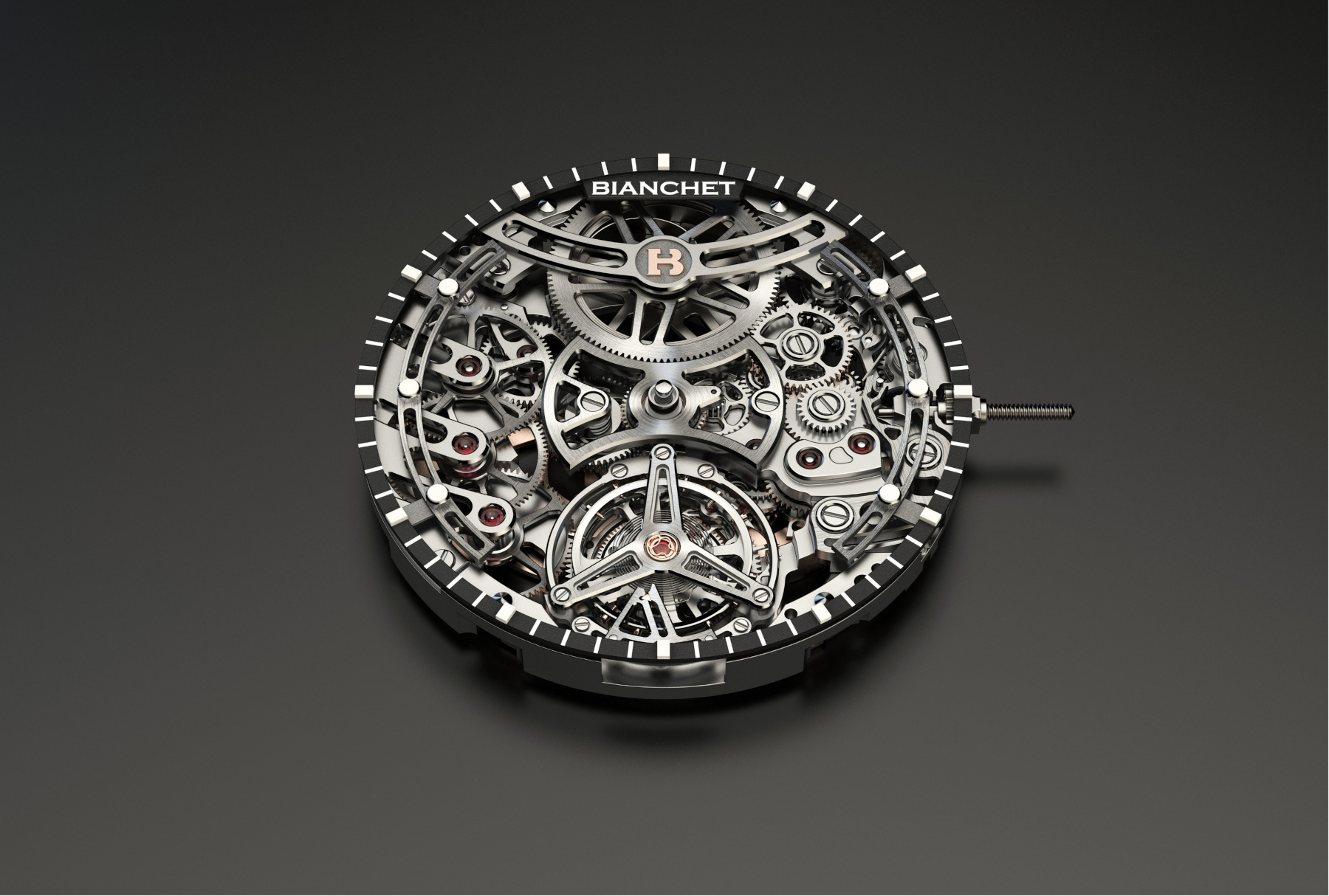
That’s because the real substance here has never just been visual. At the heart of the UltraFino Rotondo is the in-house caliber UR01, an ultra-thin, automatic flying tourbillon movement with a lithe 3.85mm profile. That alone is significant. Add a 60-hour power reserve, a suspended barrel, a screw balance wheel, a solid 18K rose gold rotor, and a claimed shock resistance of 5,000 g, and it starts to look even more impressive.


This is where Bianchet deserves more credit than it often gets. Making an ultra-thin automatic tourbillon is one thing. Making one that’s this thin, this light, and supposedly capable of putting up with genuinely active wear is something else. That’s not marketing fluff to me; that’s a serious technical proposition. The idea that a sub-4mm-thick movement can still be built around that kind of resilience is exactly the sort of thing that should make people pause and pay a bit more attention.
It also matters that Bianchet is doing more than just casing up an attractive movement and talking a good game. The brand develops and produces its calibers within the maison and finishes them in its atelier in La Chaux-de-Fonds. The bridges and mainplate are Grade 5 titanium, as is the tourbillon cage, and Bianchet says more than 30 hours go into hand-beveling alone. Again, this is not styling-led watchmaking pretending to be deep. This is deep.
Slim, light, and still built for real wear
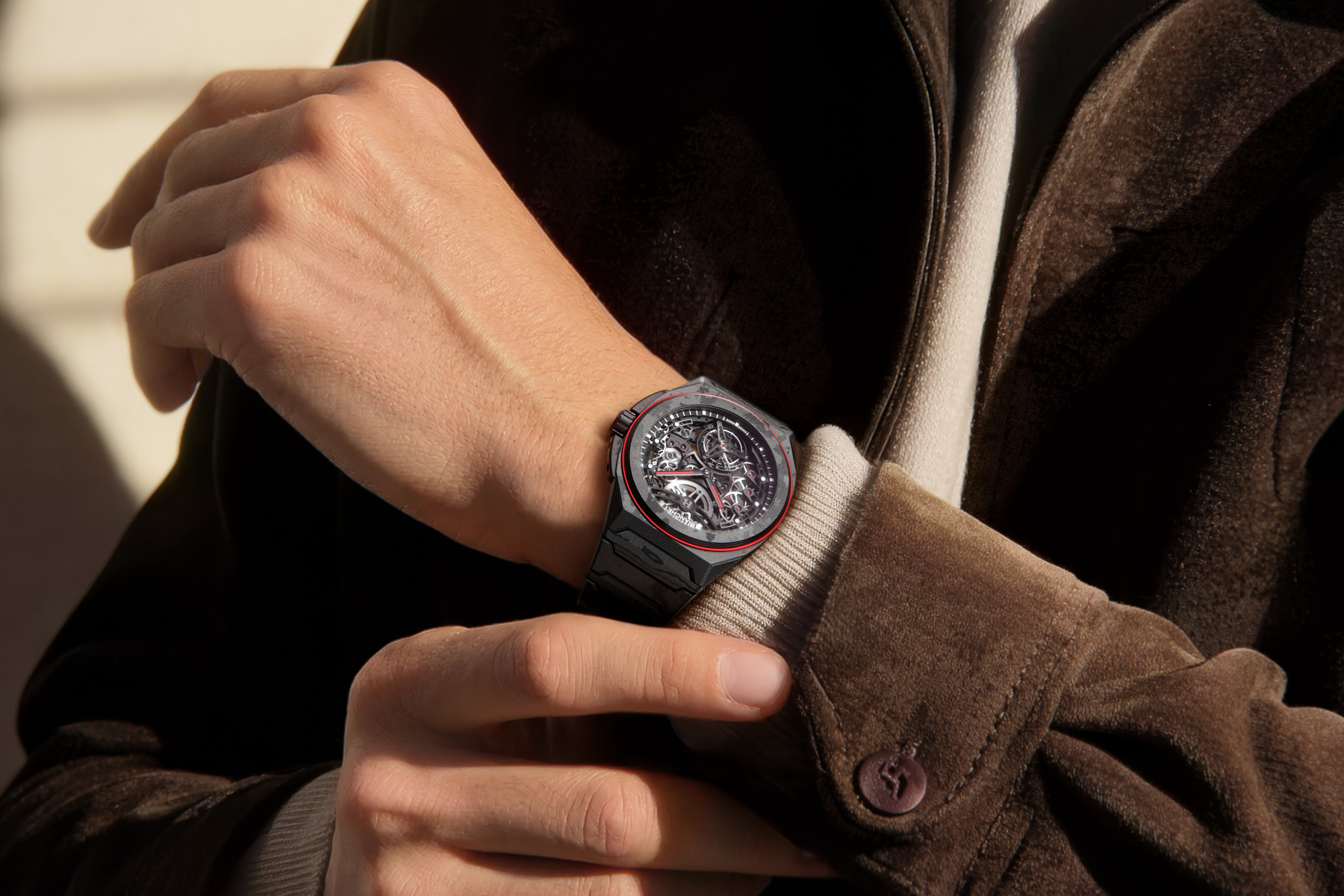
The rest of the watch backs that up nicely. The UltraFino Rotondo features a 39.5mm × 8.9mm case, which sounds almost absurd when considering the automatic flying tourbillon and 100m water resistance. That profile alone will be enough to interest a lot of people, especially those who liked the technical ambition of the earlier UltraFino models but never fully connected with the tonneau form.
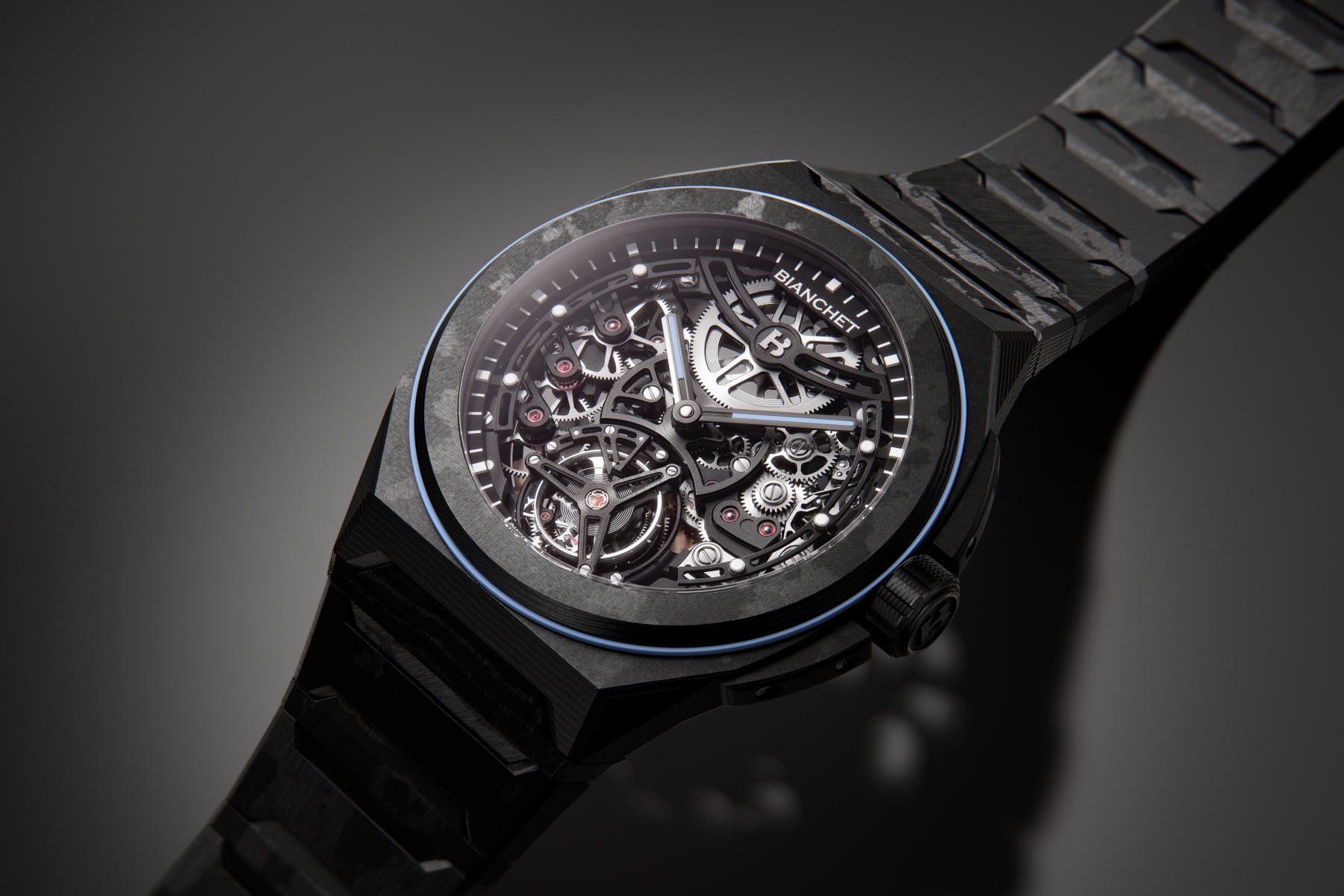
There will be two versions at launch. One comes in Grade 5 titanium and the other in forged carbon fiber. Both feature integrated bracelets matching the case material and come with an additional rubber strap and a titanium folding clasp. The titanium version weighs 30 grams without the strap, while the carbon model drops to just 26 grams. Even with the bracelet fitted, we are still talking about 75 grams for titanium and 48 grams for carbon. While not record breakers, those are wild numbers for a watch in this category.


Visually, the Rotondo looks clean without feeling too plain. The bezel is free of screws, the case flanks and bracelet surfaces keep that slightly architectural tension Bianchet likes to play with, and the skeletonized movement has the room to do what it should. The brand hasn’t abandoned its design language here; instead, it has translated it into a different geometry.


Early thoughts on the new Bianchet UltraFino Rotondo
Of course, I need to see the UltraFino Rotondo in the metal (or carbon) before making any hard judgments on the wearing experience, presence, and execution. I’ll be keen to compare the Rotondo with the Tonneau side by side. Bianchet’s watches have consistently benefited from that in-person experience, and I’d be surprised if this one were any different. Still, even at this stage, it feels like one of the more meaningful launches the brand has made. That’s not because it suddenly becomes interesting now that it’s round. Rather, it’s because the move to a round case makes it harder to miss what was already there. The Rotondo makes the same argument Bianchet has been making for a while now, just in a form that strips away the easiest lazy comparison. What you’re left with is a brand making genuinely ambitious, technically impressive, beautifully finished modern watches.
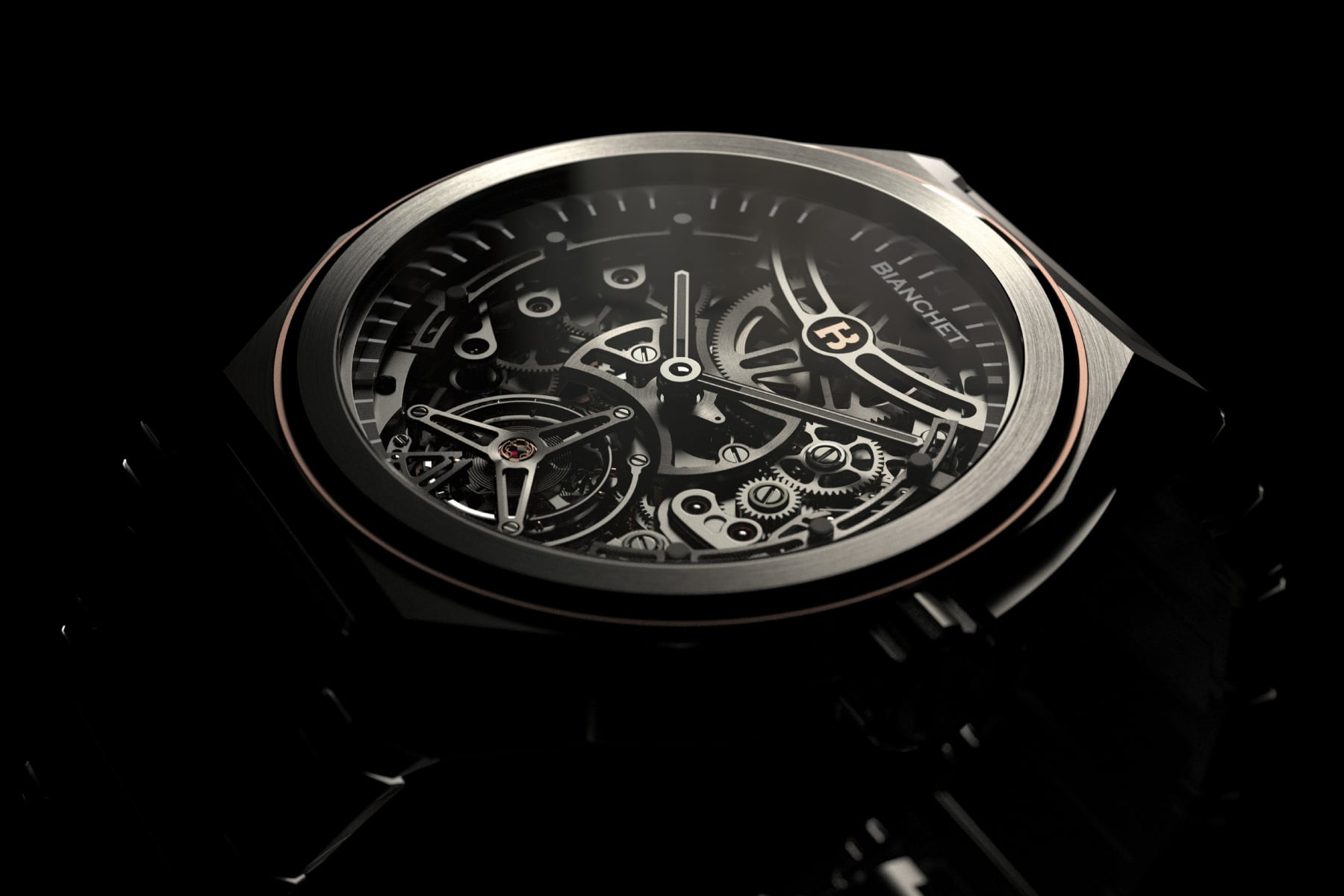
That’s why this launch feels like a milestone to me. The UltraFino Rotondo may be a close sibling to the original UltraFino Tonneau, but it also feels like the watch that could help more people finally understand what Bianchet is truly about. And if that happens, it’ll have done more than introduce a new case shape; it’ll have clarified the brand itself.
The Bianchet UltraFino Rotondo will retail in titanium for CHF 62,500 and in carbon for CHF 67,500, both excluding taxes. Let me know what you think of it in the comments below.