Introducing: The Niton Prima — A Historical Watch Brand Returns To The Scene

Not too long ago, we saw almost a flurry of historic watch brands revived. Just when this trend seems to have died down somewhat, here we have Niton. A house originally dating back to 1919 and since lost to history (more on that later) makes a comeback today. This debut results in the aptly named Niton Prima, limited to 19 pieces of each of the two available versions.
Now, if you fear you’ll see more retro-styled, cheaply made, sentimental reissues, don’t worry. Niton takes a different route. These are high-end indie watches with an evolved design language. As you may know, that’s right up my alley. So, join me for a closer look!
Niton’s history
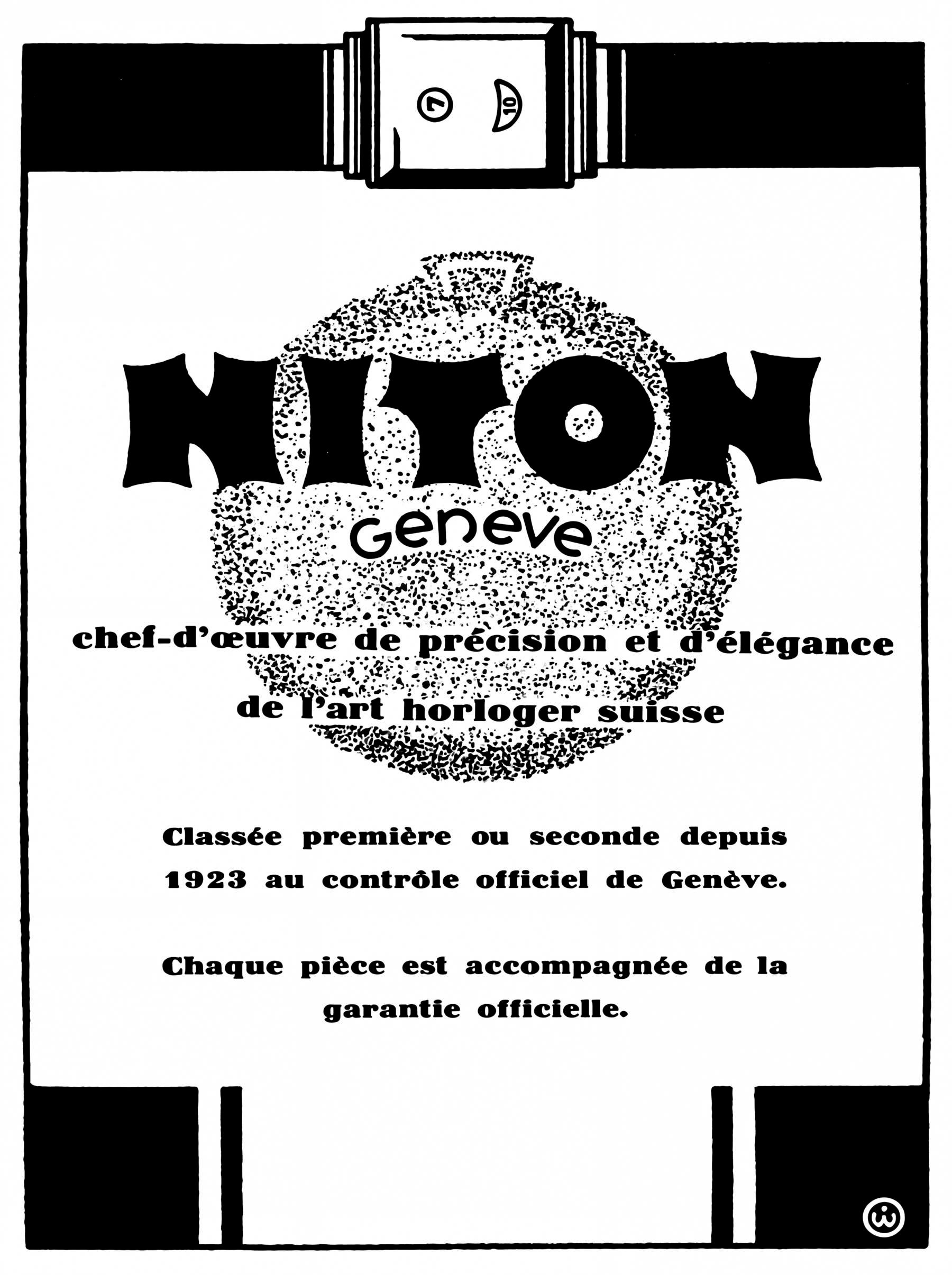
Founded in Geneva in 1919 by Auguste Jeannet and former Vacheron & Constantin employees Alfred Bourquin and Edouard Morel, Niton quickly built a reputation for innovative movements. The manufacture specialized in ultra-thin calibers and shaped movements, pairing mechanical ingenuity with elegant finishing.
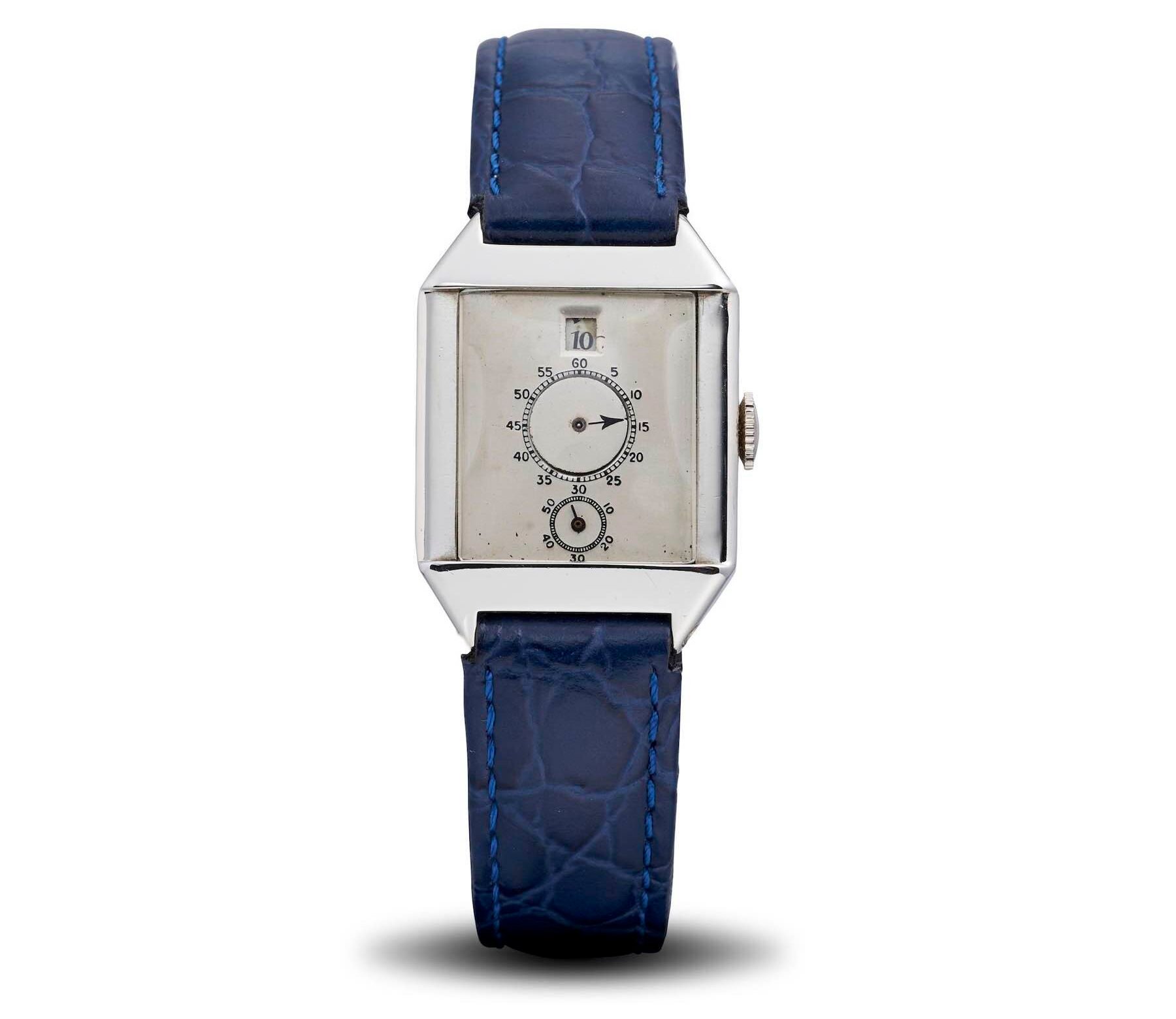
During the 1920s and 1930s, Niton supplied movements to some of the most respected names in watchmaking, including Patek Philippe, Cartier, Chopard, Van Cleef & Arpels, and Gübelin. At the same time, it produced complete bespoke timepieces for prestigious jewelers across Europe and the United States. The brand submitted one of the highest numbers of movements for Geneva Seal certification and consistently ranked among the top three in chronometry competitions. In 1928, Niton introduced a registered jump-hour display.
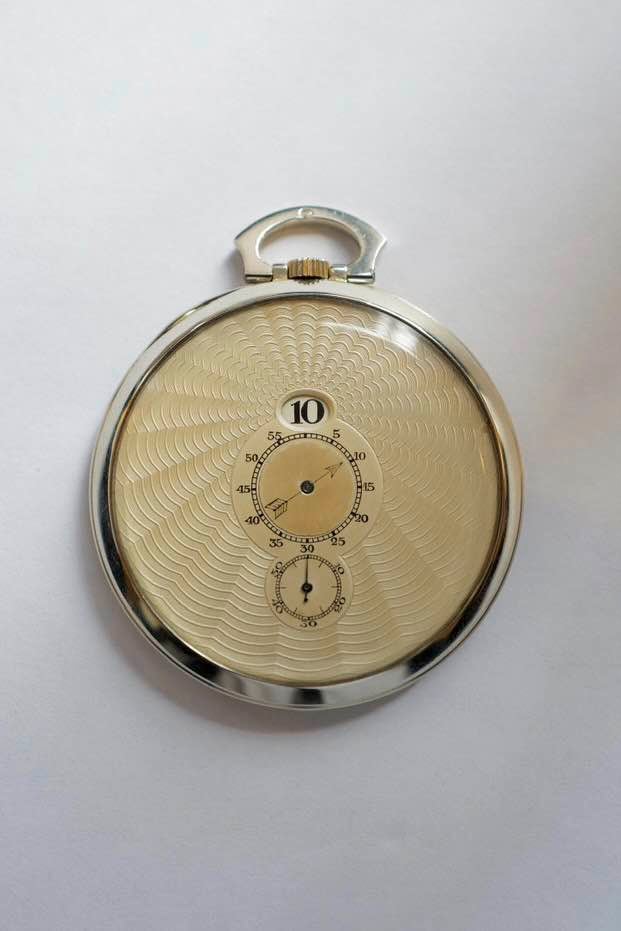
The name Niton derives from the Pierres du Niton, the rocks in Geneva’s harbor that serve as a national geodetic reference point, a fitting symbol of stability and precision. Like many Swiss manufactures, the company faced economic headwinds in the late 1930s. Production rights were sold to Ébauches S.A. in 1938, the brand was acquired by Carlo Sarzano in 1957, and in 1971, Niton merged with Sarcar, quietly disappearing from the market. Fascinatingly, the brand was recently rediscovered by Yvan Ketterer, who stumbled upon his relative George Ketterer during genealogical research. George was once the president of Vacheron Constantin, and he was involved with Niton. I can be so jealous of people like Yvan Ketterer and Nicholas Bowman-Scargill, the latter of whom had a similar experience with Fears. How awesome it must be to find a dormant watch brand in your family history!
Reviving the brand with the Niton Prima
Yvan Ketterer teamed up with Leopoldo Celi. Both have enjoyed long careers in the watchmaking world, and now they join forces for Niton. They share bold ambitions, as proudly displayed in their debut model, the Niton Prima. The design language takes the original aesthetic and evolves it into the 21st century. This is a clever move to avoid the common pitfall of locking yourself into a historical cage.
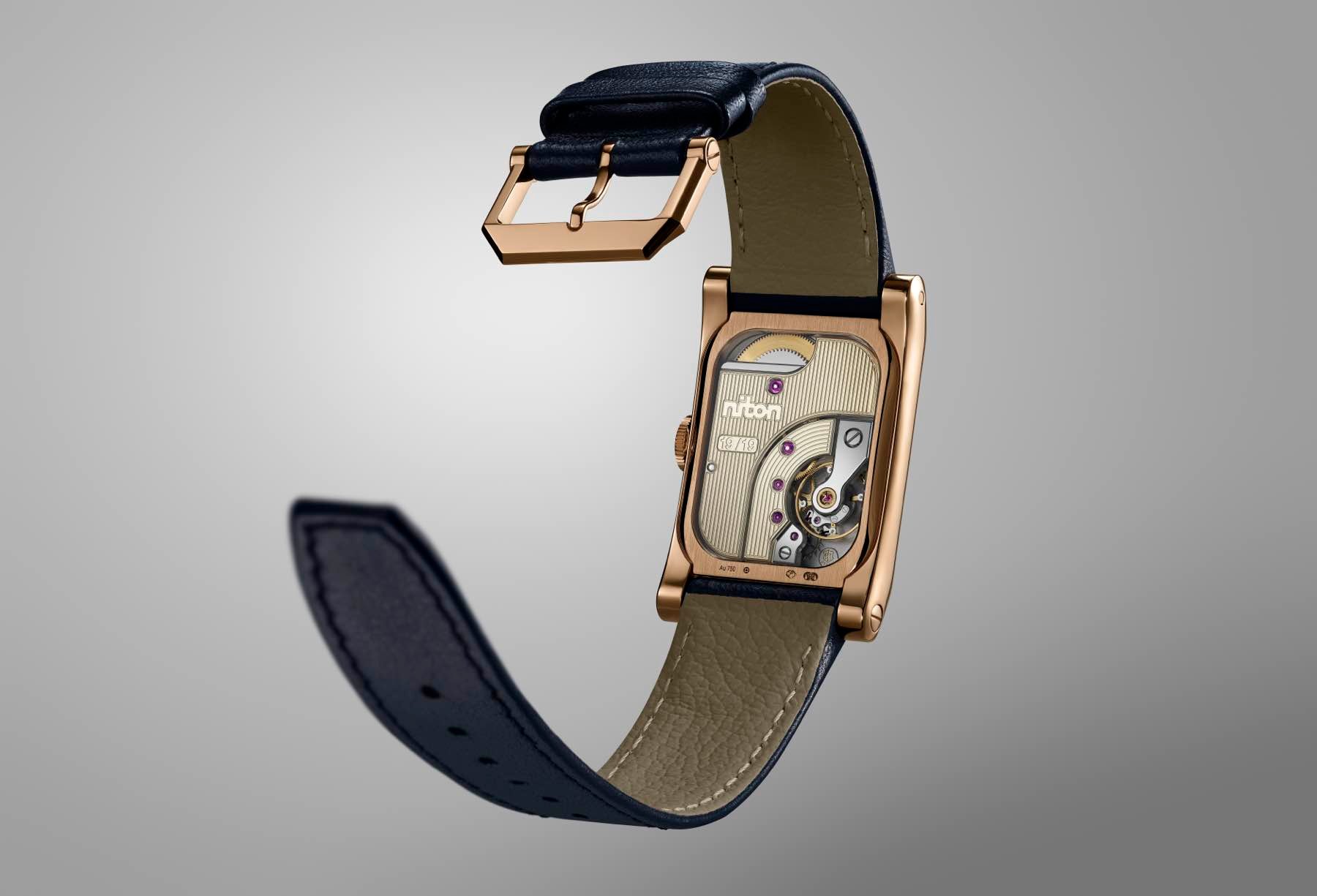
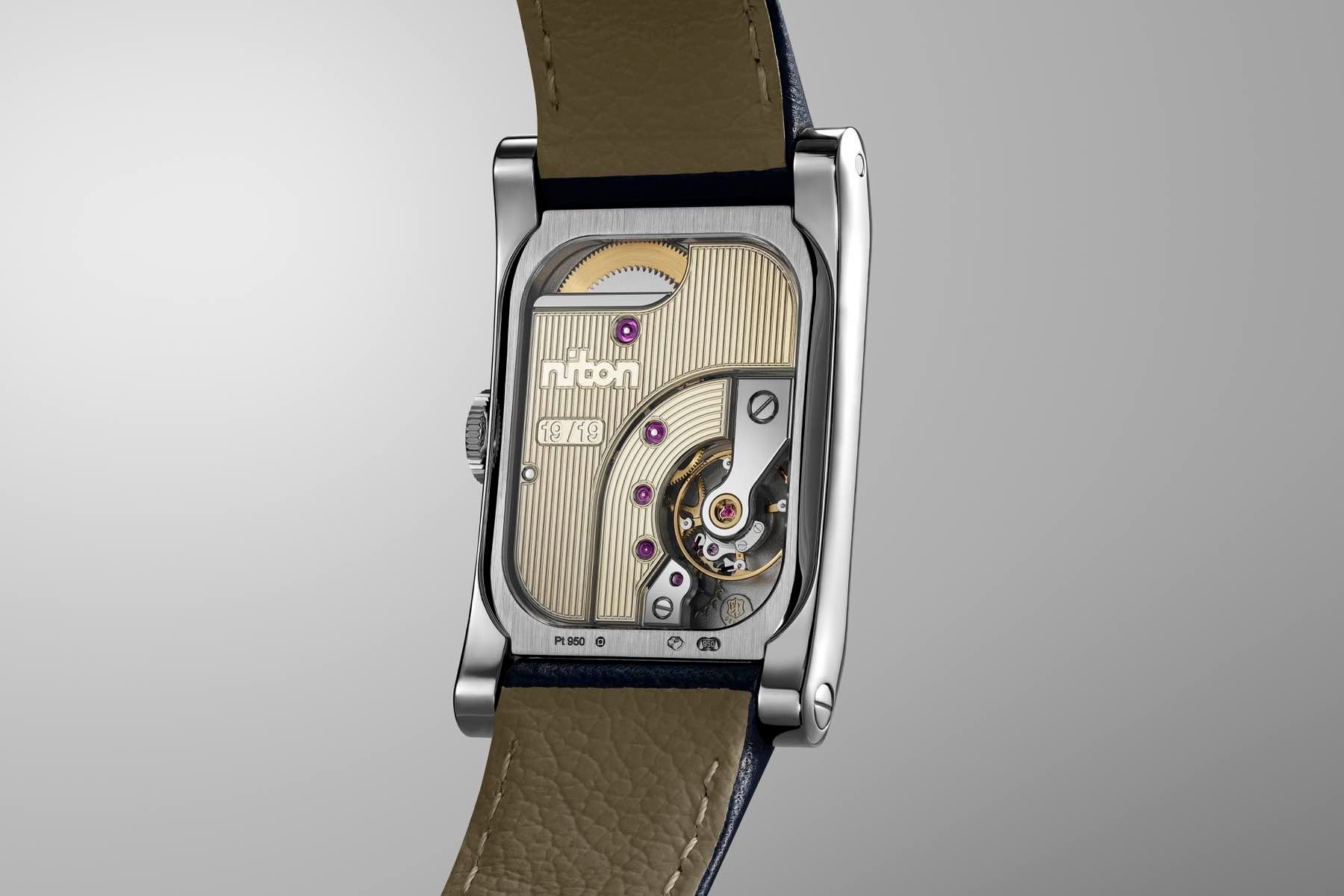
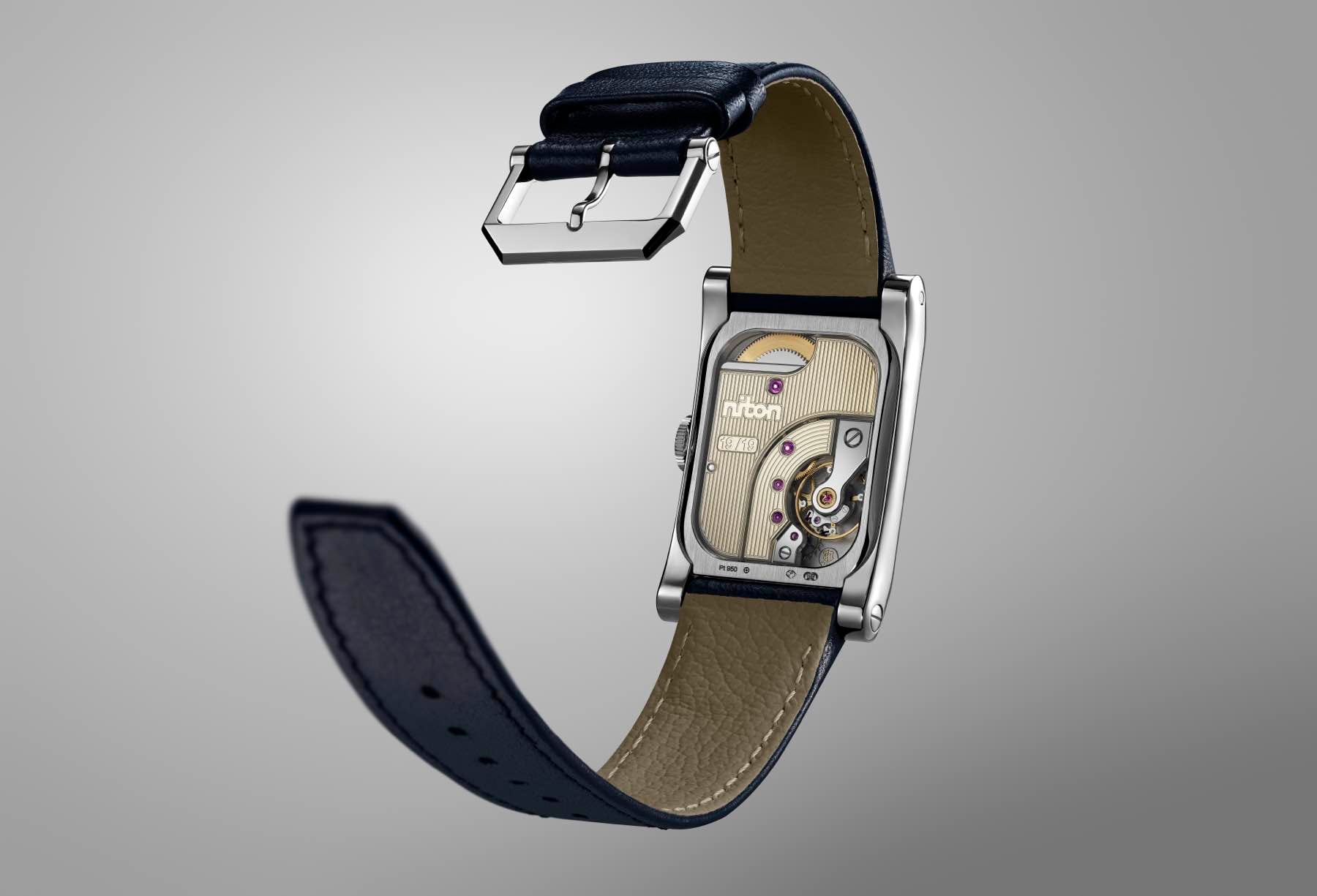
Crucially, the Niton Prima features a fully proprietary, shaped caliber. As the owners put it, this is right on-trend, with watches seemingly moving towards shaped cases and design-heavy style. Niton, interestingly, always specialized in shaped movements. I am curious to see how the brand evolves, though. I don’t assume Niton will release fully proprietary calibers for each new model. So, to start, I would expect more rectangular watches based on the architecture of this NHS01 movement. Then again, perhaps I underestimate the team, and new shapes are already on the drawing board.
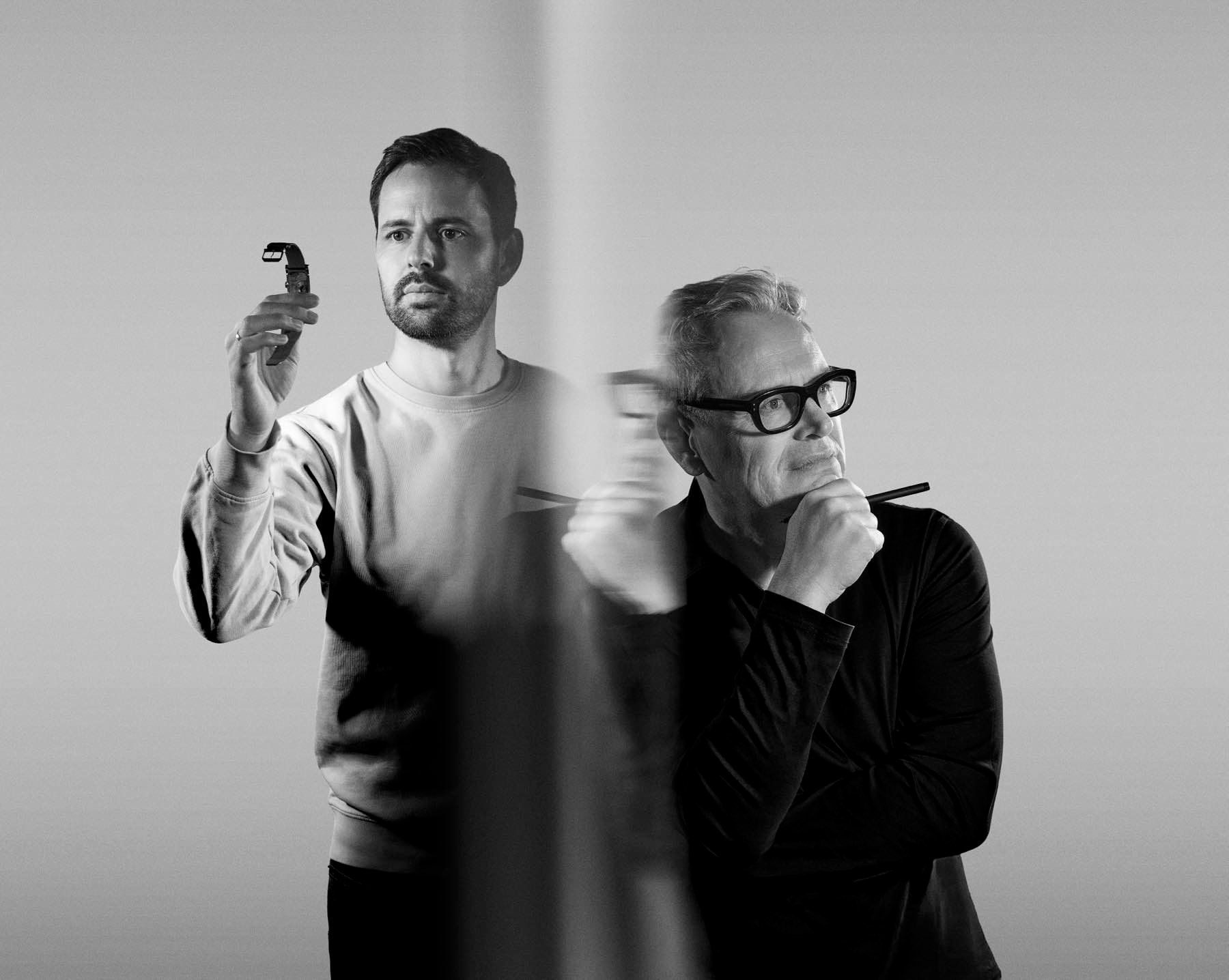
Leopoldo Celi and Yvan Ketterer
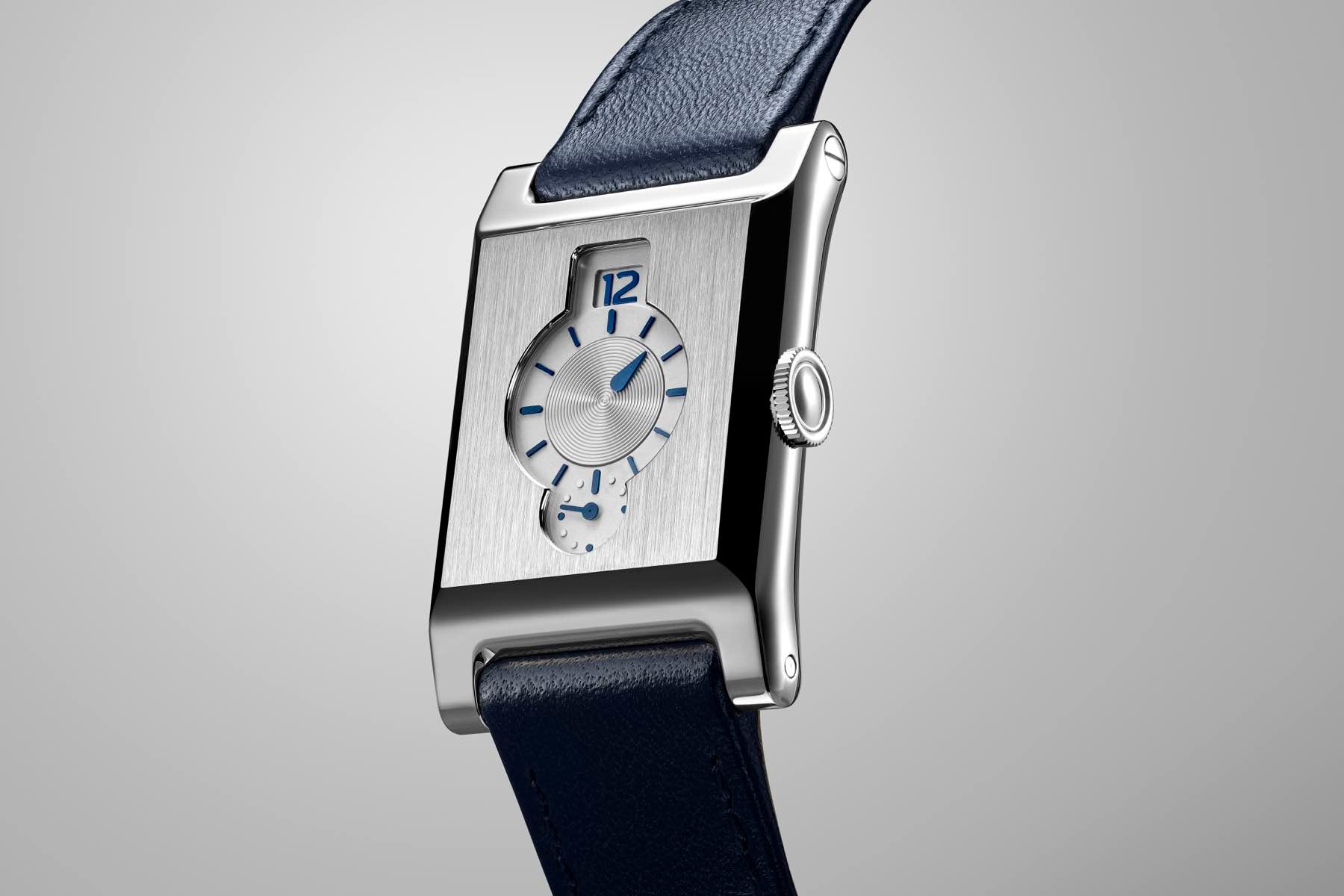
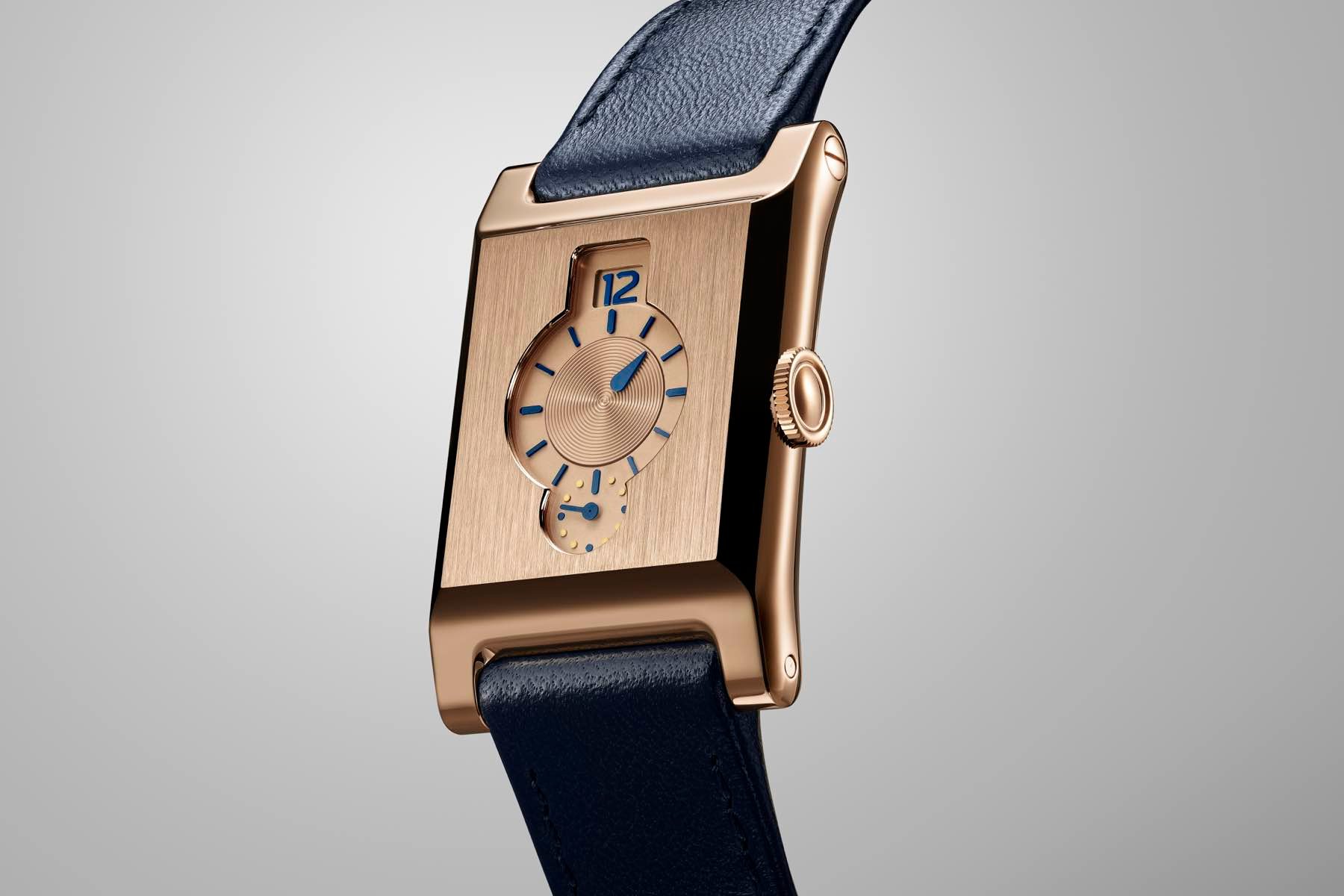
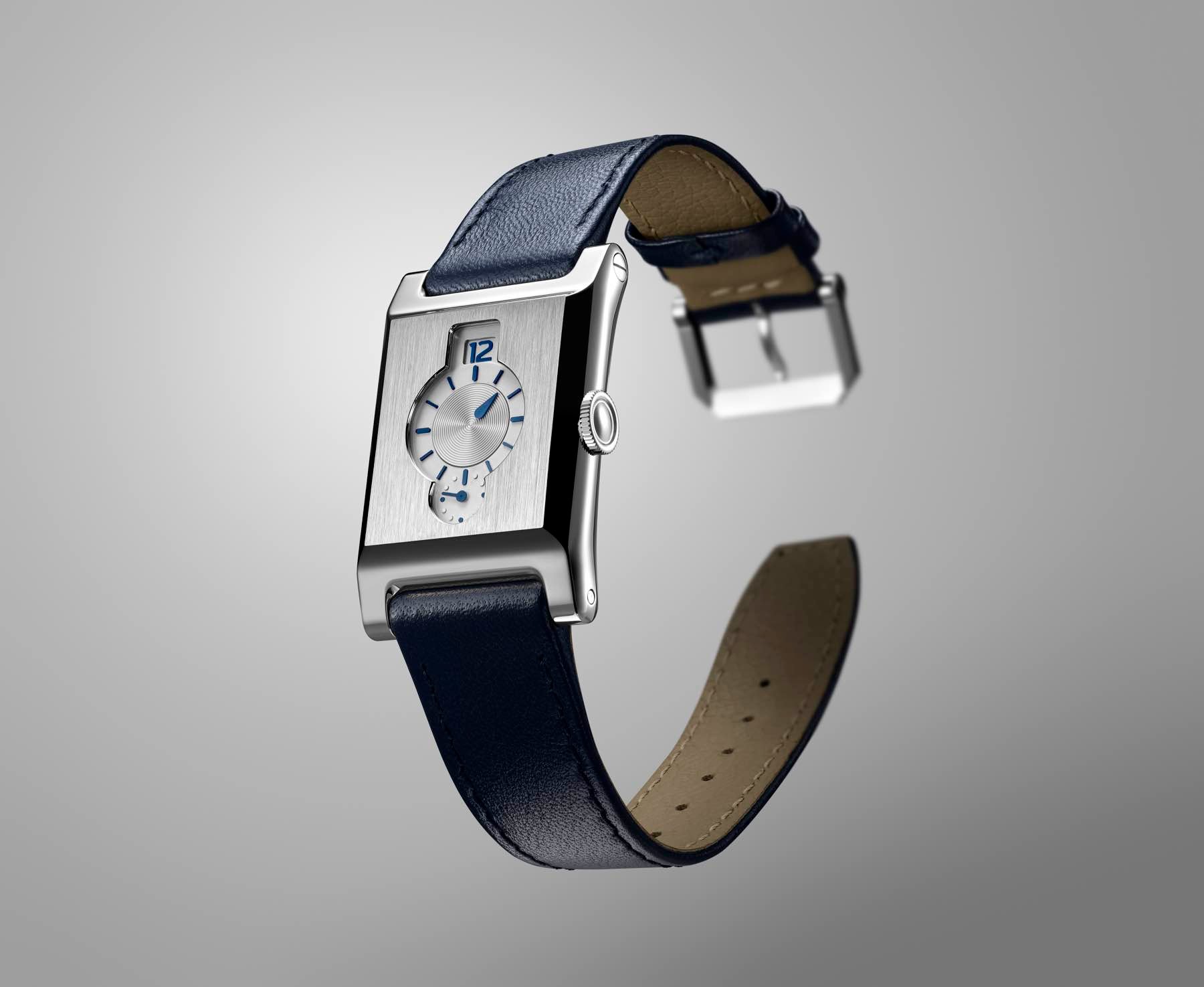
The watch features a layout that Niton describes as “Totem,” with the jumping hours at 12. In the center, we find a rotating dial with a blued hand indicating the minutes, and below that is a running seconds display. All of this sits on a grainy main dial, visible through a sapphire-filled cutout in the watch’s top surface.
The horologically ambitious Niton Prima
The duo’s ambitions for the Niton Prima aren’t limited to the shaped proprietary caliber. You get two complications on top. For starters, you get a striking jump hour. This means that, at the change of the hour, you hear a hand-soldered copper gong struck by a hammer. Note that this complication marks the hour change; it doesn’t sound out the actual time.
The other function many will appreciate is a zero-reset mechanism. When you pull out the crown to set the time, the watch jumps to the next minute and freezes there. This allows for more precise time-setting with less effort.
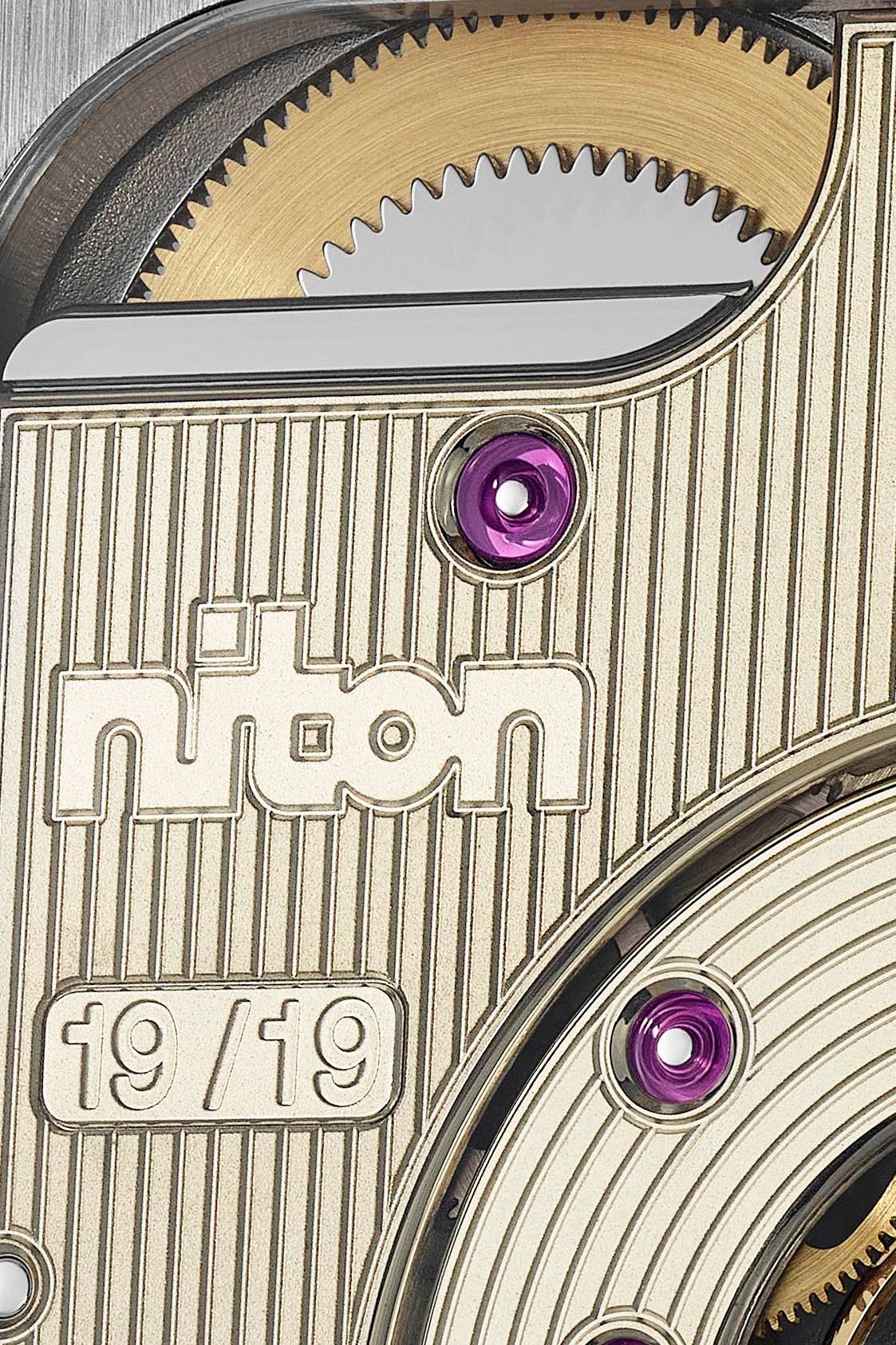
Next, Niton strives to get both COSC certification and a Geneva Seal for the Niton Prima. Consider this another statement of intent, instantly putting the watch in exalted company. Lastly, we see a very distinct aesthetic in the movement. Niton’s caliber NHS01 breaks with tradition, with its sweeping, striped bridges. I get a distinct ’70s-graphic-design vibe, which is a refreshing break from the traditional shapes and finishes. The caliber runs at 28,800 vibrations per hour and offers an ample 72-hour power reserve.
The exterior
The Niton Prima is available in either 18K rose gold or 950 platinum. The brand will produce 19 in each metal, a nod to the 1919 birth year of the company’s first era. The case measures 27mm across by 42mm from lug to lug. Crucially, the entire thing is no thicker than 7.9mm. Niton gives it a 3atm water resistance rating. While it is always hard to guesstimate a shaped watch’s (or any watch’s, actually) fit by its dimensions, the numbers sound good.
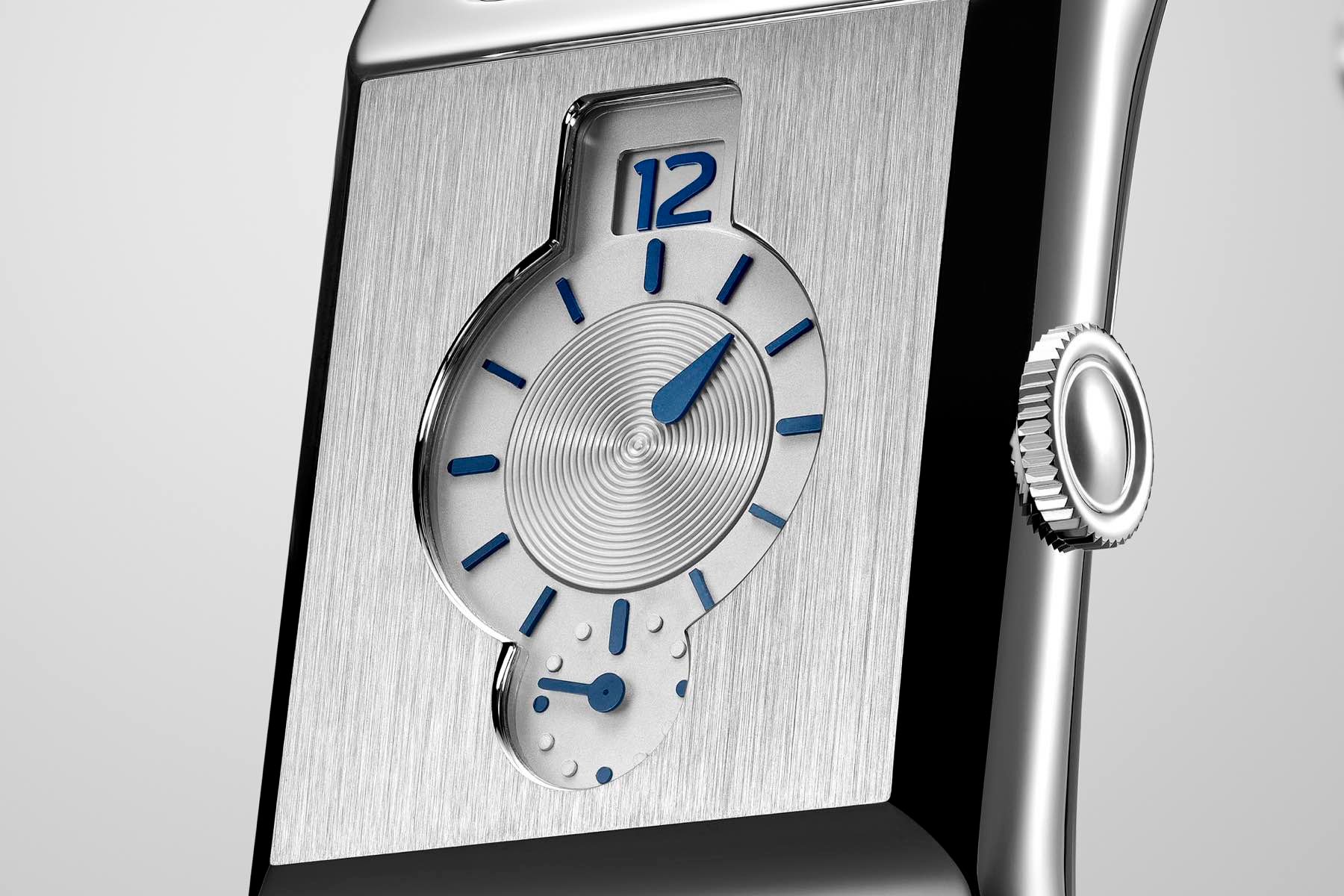
The front of the case features classical vertical brushing. This forms a clean, stylish backdrop to the totem of time displays along the centerline. The flat top surface falls off to rounded, fully polished sides. While the shapes lean on tradition, they clearly feature subtle modern and characteristic cues. There is plenty here for Niton to build on in terms of design language.
This applies especially to the dial elements. The blued markers, all applied, follow a rounded form language. I’d love to see more numerals than only the “12” displayed in the press photos. As it stands, I have little to evaluate the typography on. I have seen the logo and movement styling compared to snowboard branding online, and I get it. While that might sound a tad derogatory, I think the association is justified.
Closing thoughts on the Niton Prima
The Niton Prima can be ordered via the Niton website. The platinum model costs CHF 47,750, while the rose gold variant costs CHF 44,750, both excluding VAT. Those interested are asked to leave their details on the Enquire page, and they will receive a “formal proposal.” A 50% deposit is then required, and I assume an estimated delivery window will be provided.
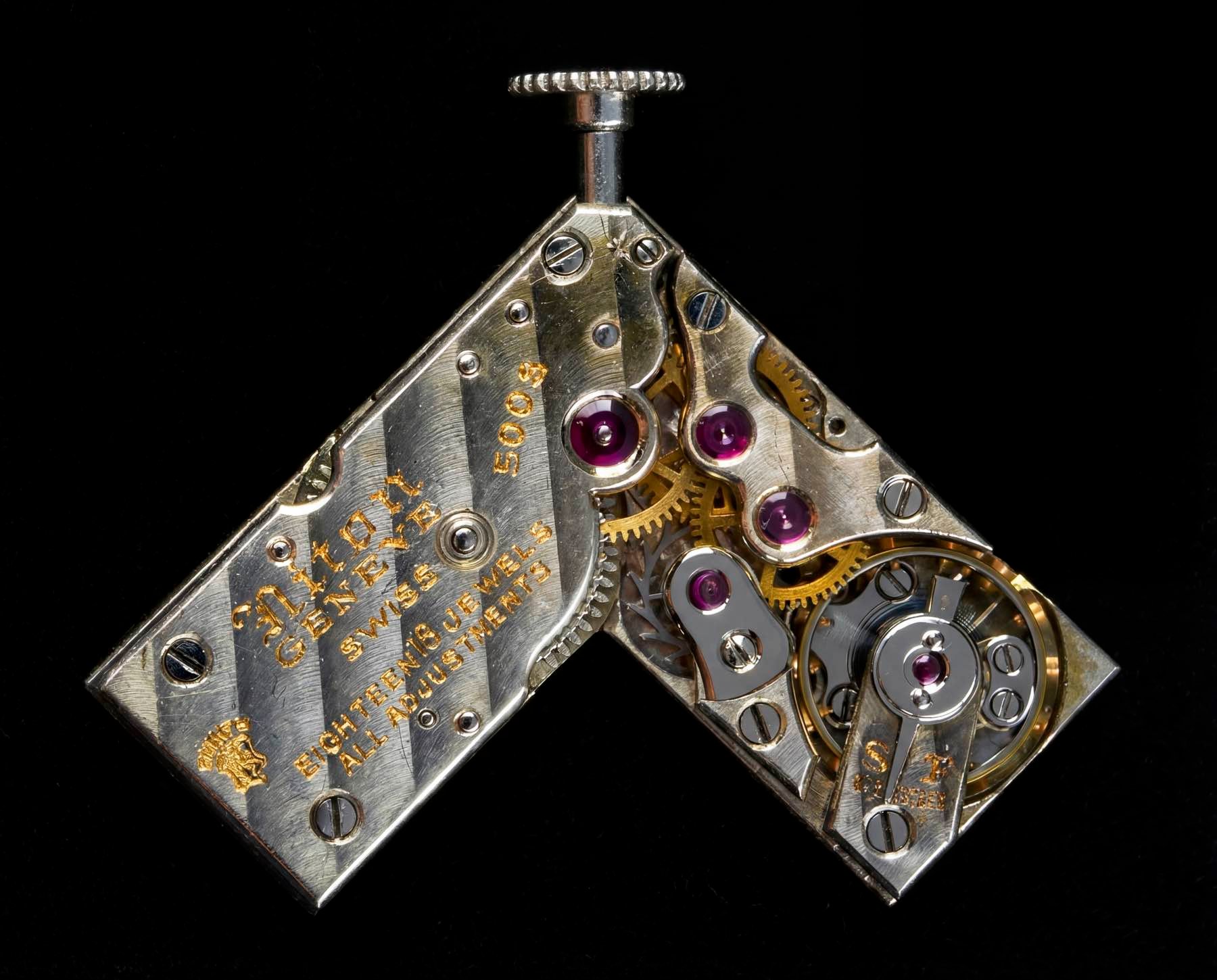
A V-shaped vintage Niton caliber
I can only applaud new initiatives like Niton. While more cynical watch enthusiasts might lament the ever-growing number of watch brands, I welcome it. At the very least, it broadens the scope of the creativity out there. Brands like Niton aren’t built to be universally loved but, instead, to find a specific niche of people with whom they resonate strongly. At the same time, they might push the bigger players too. Not many of the bigger brands bother to build shaped calibers anymore, for instance. An effort like the Niton Prima is a statement in that sense.


What do you think of the new Niton Prima? Let us know in the comments section below!