Jaeger-LeCoultre Is Trapped Between Status (Rolex) And Prestige (Patek Philippe)

Perhaps “caught between a rock and a hard place” is a bit of an exaggeration, but it seems that Jaeger-LeCoultre is trapped between status and prestige. A Rolex on the wrist is a status symbol, and a Patek Philippe is the prestigious choice. But what does a JLC on the wrist say about its owner? That the wearer knows a thing or two about watchmaking, that’s what. People don’t call the brand from Le Sentier “The Watchmaker’s Watchmaker” for nothing. What the JLC doesn’t signal is status; it’s not flashy enough. Nor does it symbolize ultimate collectibility and prestige. How can JLC break free from a tight spot in the world of watches? We have a few ideas.
It’s not Jaeger-LeCoultre’s accomplishments that get in the way of the brand being “up there” with Patek Philippe, arguably the world’s most coveted and prestigious watch brand. With around 1,300 calibers under its belt and the capacity to create not only highly complex, original watches but also artistic, artisanal timepieces, JLC can walk the walk and talk the talk. Yet, somehow, with a Polaris on the wrist, you’re not making a power move like you would with a GMT-Master II “Pepsi,” and Nautilus owners won’t stare at you with envy. How can JLC unstick itself from this strange middle ground?
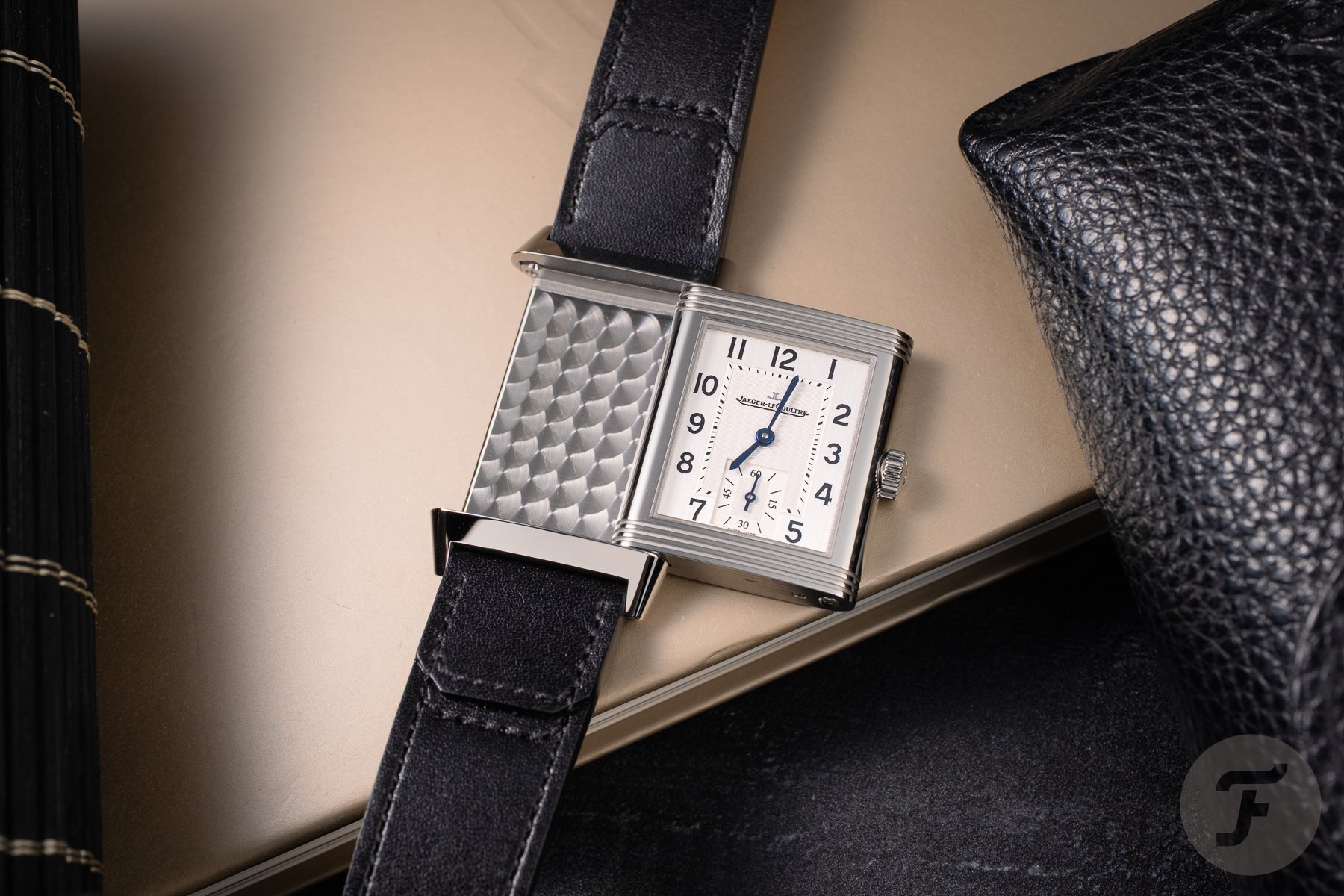
Reverso Classic Monoface Small Seconds in steel
Jaeger-LeCoultre is trapped between status and prestige, but there should be a way to escape
Jaeger-LeCoultre is best known for the Reverso, but the watch is also more famous than the brand. Does that mean JLC is a one-trick pony? Far from it. JLC holds the unofficial position of technical artist in Haute Horlogerie, combining high complications with artisanal craftsmanship. The brand has shown its capabilities through different types of Reversos, as well as watches in the Duometre and various Master collections. There are plenty of ultra-thin movements, minute repeaters, tourbillons, and perpetual calendars to admire. And as a bonus, there’s the Atmos clock, which runs on temperature changes. There are classical and more modern-styled watches to choose from, but still, what do you choose in a world where Rolex is king and Patek Philippe represents something even higher?
The best way for JLC to distinguish itself from a robust, aspirational status symbol with a crown on the dial or the ultimate prestige of a Patek on the wrist is to communicate the brand’s unique qualities. JLC’s uniqueness lies in the combination of technical mastery and artistic craftsmanship. But in which shape should that uniqueness be available to the public? Well, both rectangular and round watches would be ideal. Crucially, though, the brand should reduce its catalog.

Duometre Chronograph Moon in platinum
Nobody’s watching
Jaeger-LeCoultre can do everything, but maybe it shouldn’t. “The Watchmaker’s Watchmaker” sometimes flexes its muscles, but nobody seems to be watching. Here are two examples. In 2015, the brand launched the four-watch-strong Geophysic collection. These sporty-chic watches featured deadbeat seconds, appreciated only by watch fans who went deep down the rabbit hole, and the movement also featured the uniquely designed Gyrolab balance wheel. Sadly, the watches were only in production for a short time; misunderstood, they quietly faded to black.
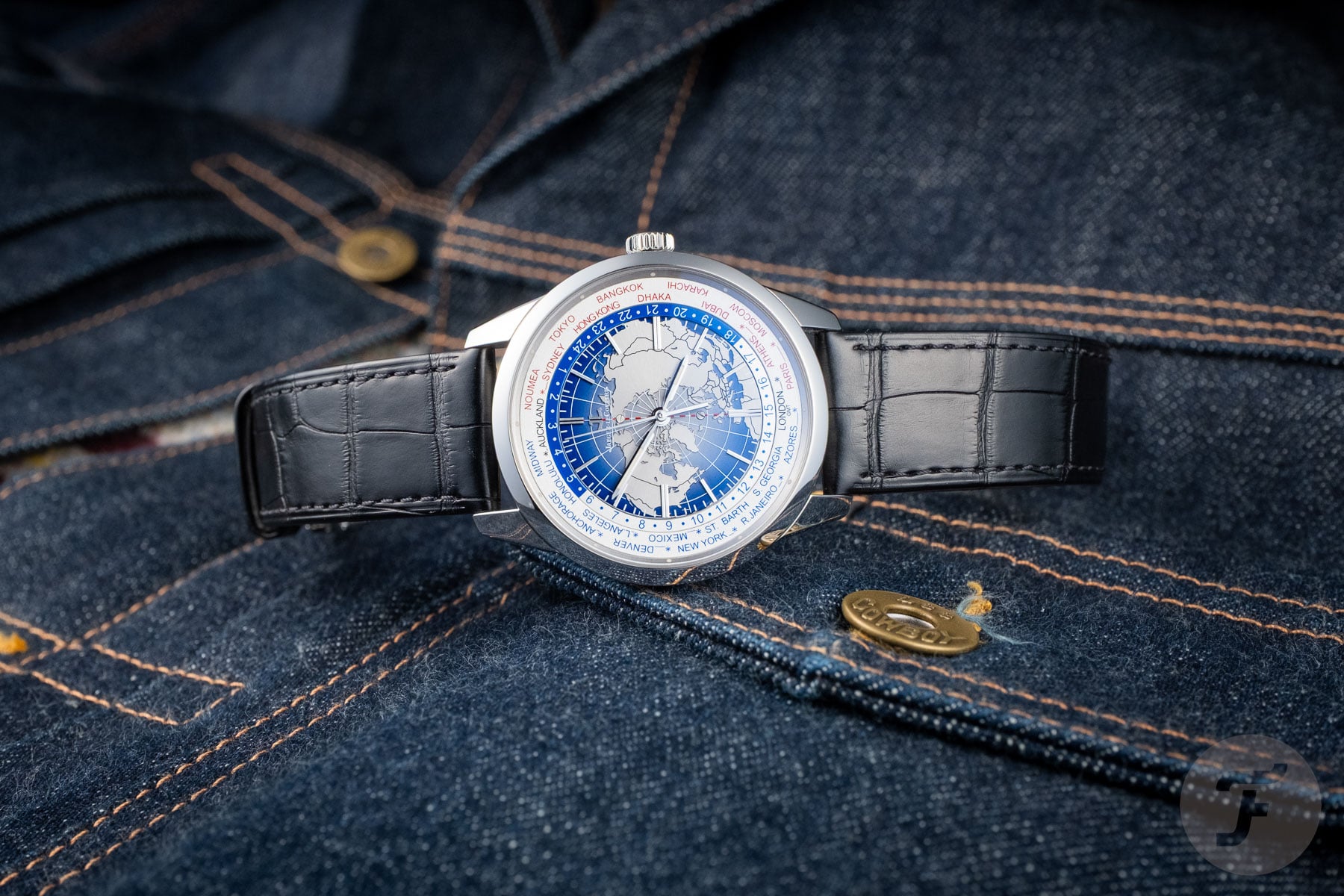
Geophysique Universal Time True Seconds
Another unsung hero is in the current collection. It’s the Duometre, with its movement featuring two separate barrels and two independent gear trains. The Duometre debuted in 2007, and in 2024, it made some semblance of a comeback. The complicated and original complication never made the waves it deserved. I can’t help but wonder if it also wouldn’t have rocked the watch community’s boat if Patek Philippe, Vacheron Constantin, or Audemars Piguet had devised something like a Duometre. Maybe not; indeed, looks and logos, not complications, now dominate the watch world. The fact that, on the secondary market, a steel Patek Philippe Nautilus sells for more than a precious-metal calendar watch from the same Genevan brand is evidence of this.
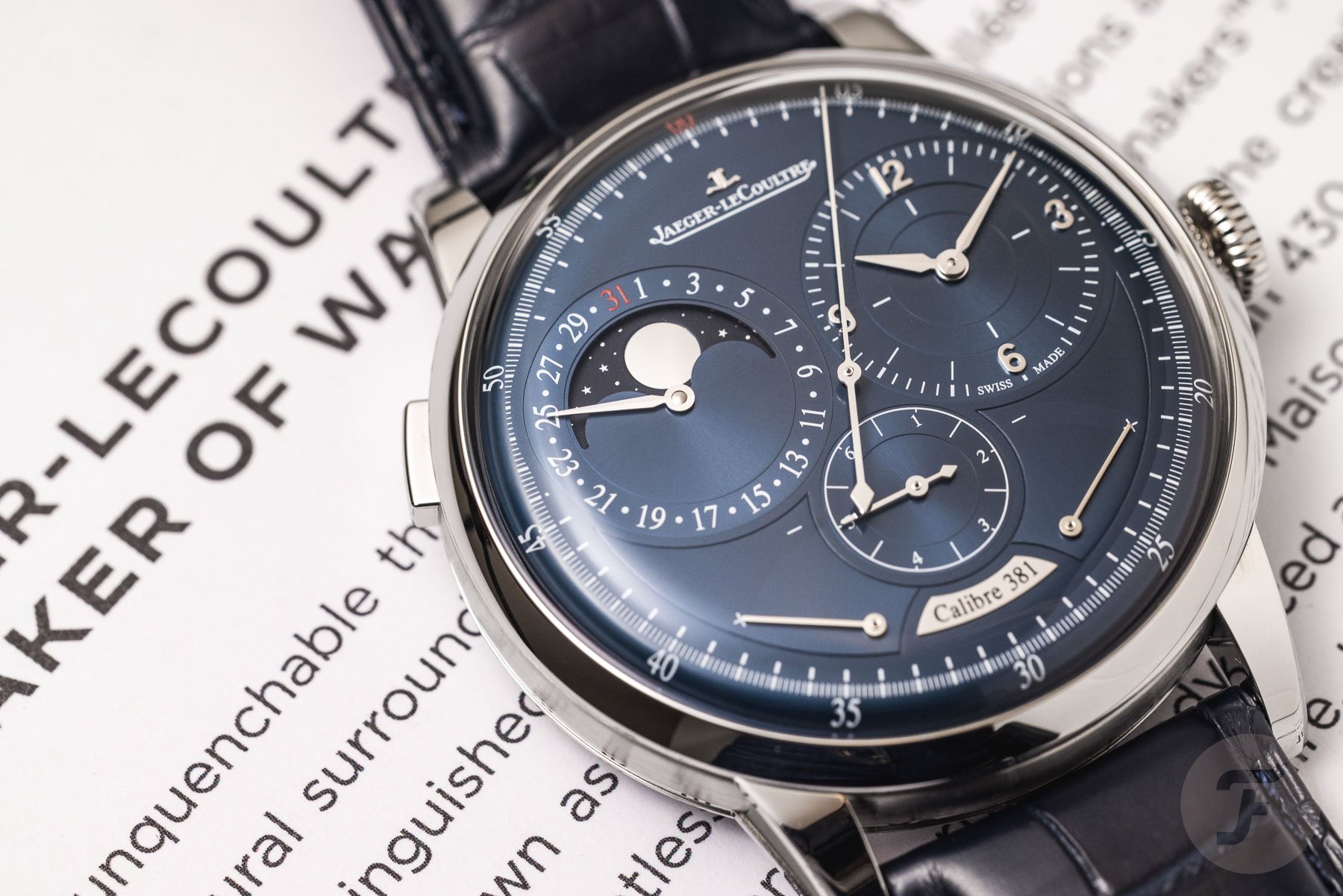
Duometre Quantieme Lunaire
In the wake of the hype
Speaking of the Nautilus, that watch’s hype also helped Vacheron Constantin sell many more Overseas models and sparked the birth of the Historiques 222. Meanwhile, the popularity of the Royal Oak powers AP. Along with the GMT-Master II “Pepsi” and the Daytona from Rolex, these watches created hype that continues to linger; in that sense, it’s not so much hype or a trend as it is an era. These are luxurious sports watches, all with long histories and most with integrated bracelets, that are notoriously hard to get nowadays. JLC doesn’t have a watch like that in its back or current catalog. Creating a high-end integrated-bracelet sports watch from scratch was never on the table either. Maybe there was hope that the Polaris Chronograph could position itself as an alternative to an unattainable Daytona, but I think JLC’s management is realistic enough to understand it could never do that.
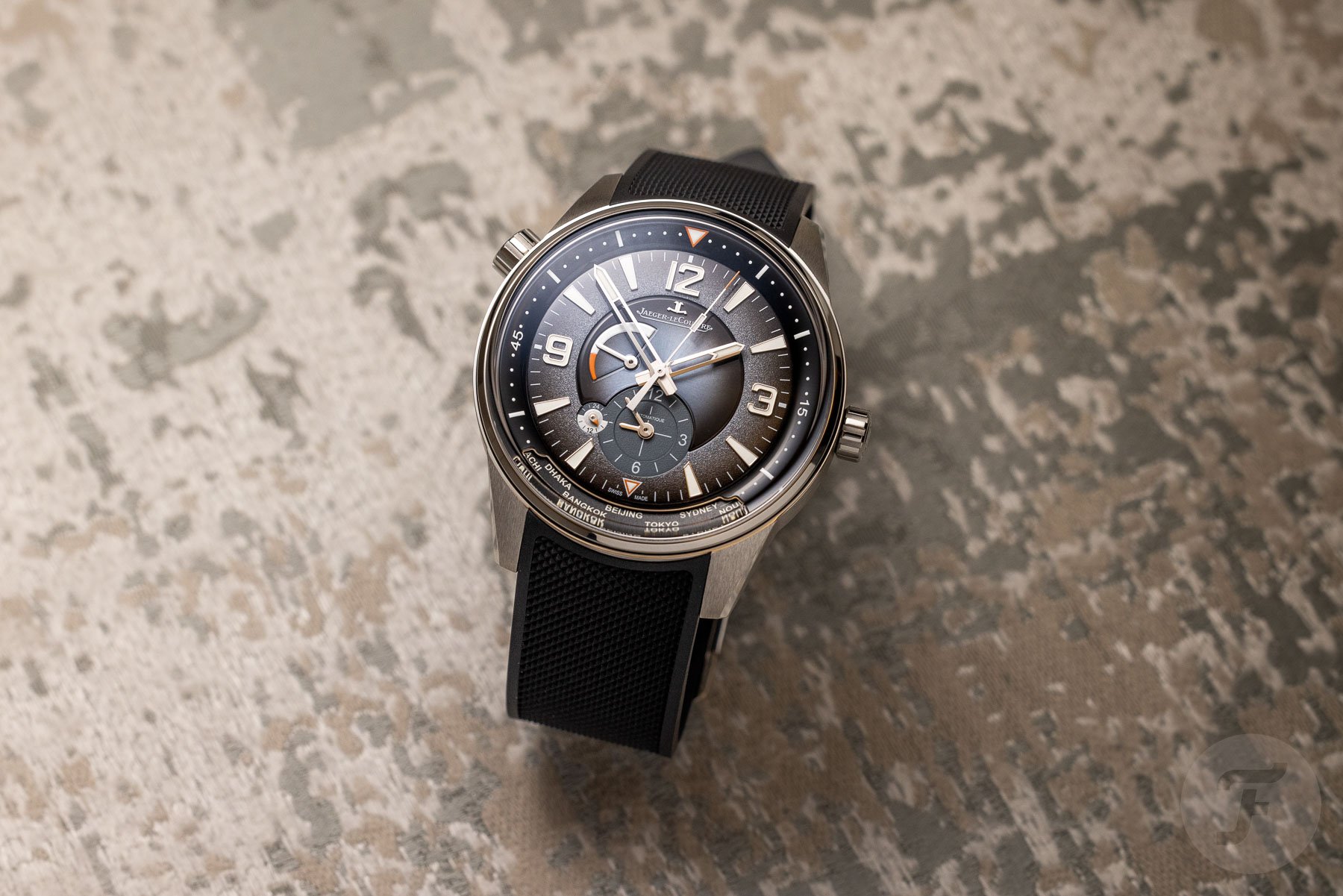
Polaris Geographic
Kill your darlings
The trouble with the icon in the JLC collection, the Reverso, is that it lacks the characteristics of trendsetting watches. Also, which Reverso is the Reverso? If you know, please tell me in the comments section below. Nevertheless, the Reverso seems immortal, largely thanks to its unique features and timeless Art Deco appeal. The Reverso proves that Jaeger-LeCoultre is first and foremost a classic brand. That’s why the Polaris has to go. The sportiest collection has an interesting history, but it’s not widely known, which affects the watches.
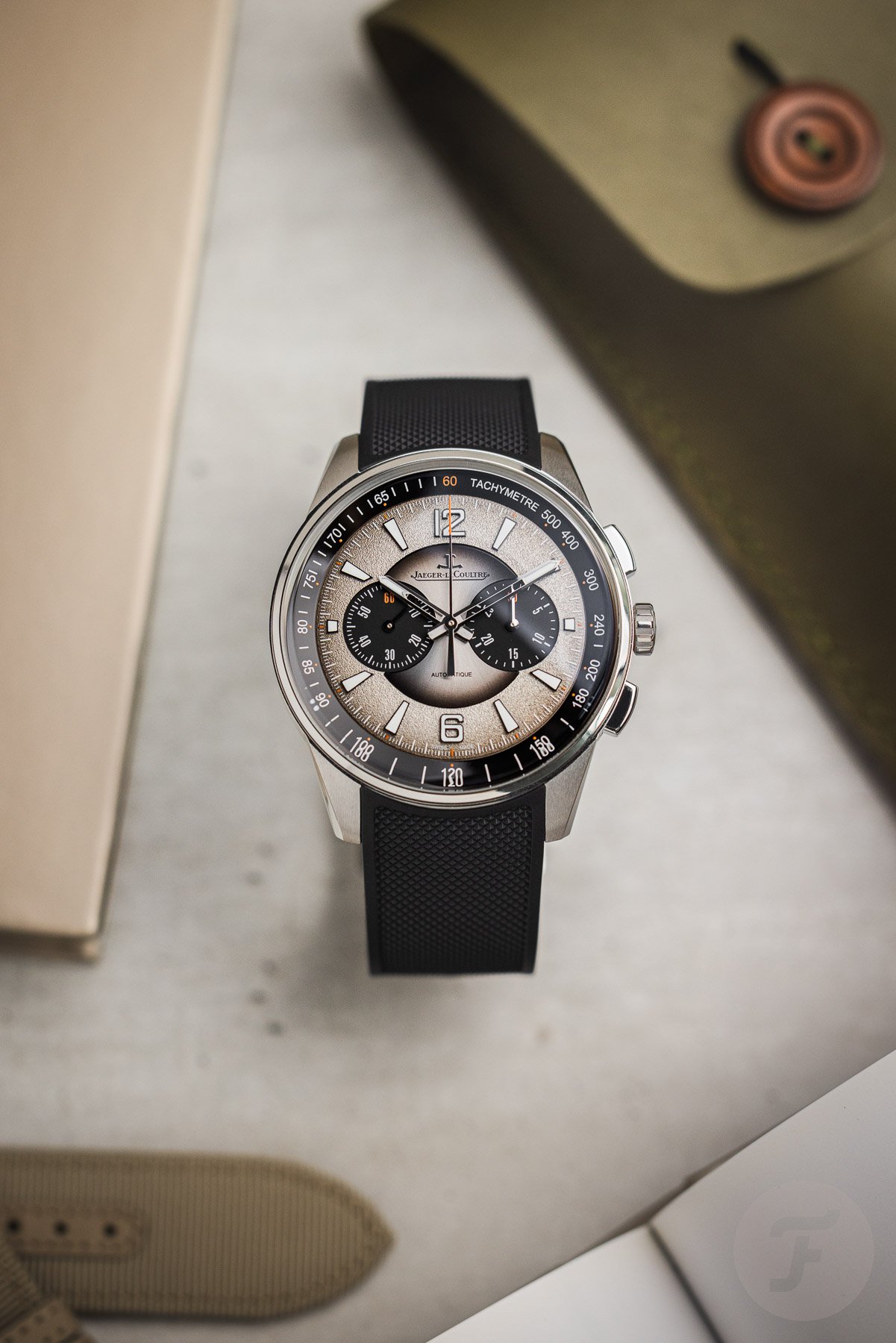
Polaris Chronograph
The combination of a secret history and a relatively introverted look makes it hard for the Polaris to be an aspirational sports watch that we could honestly consider an alternative to a Rolex. It is no secret that watch brands succeed with recognizable icons. Industry leaders rely heavily on signature models, and so should JLC. The Duometre is now a collection, but why not put those complicated movements in the Master collection or even the Reverso if technically possible?
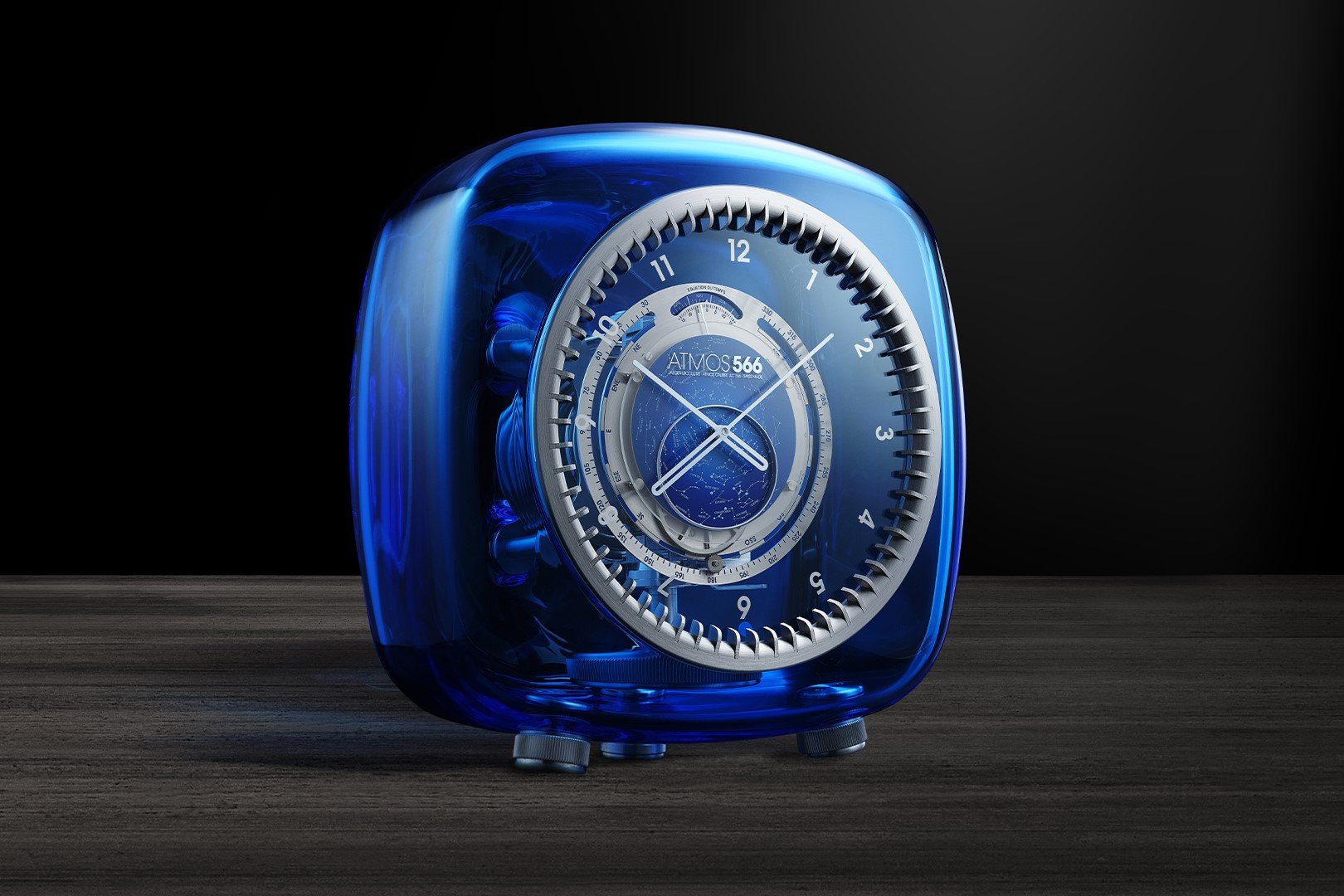
A modern Atmos clock designed by Marc Newson
In other words, kill your darlings, JLC. The Rendez-Vous, Polaris, Duometre, and the three collections with “Master” in the name should blend into the Master collection. This collection would offer a round alternative to the rectangular Reverso. Oh, the Atmos can stay as well. It’s much too special to be discontinued.
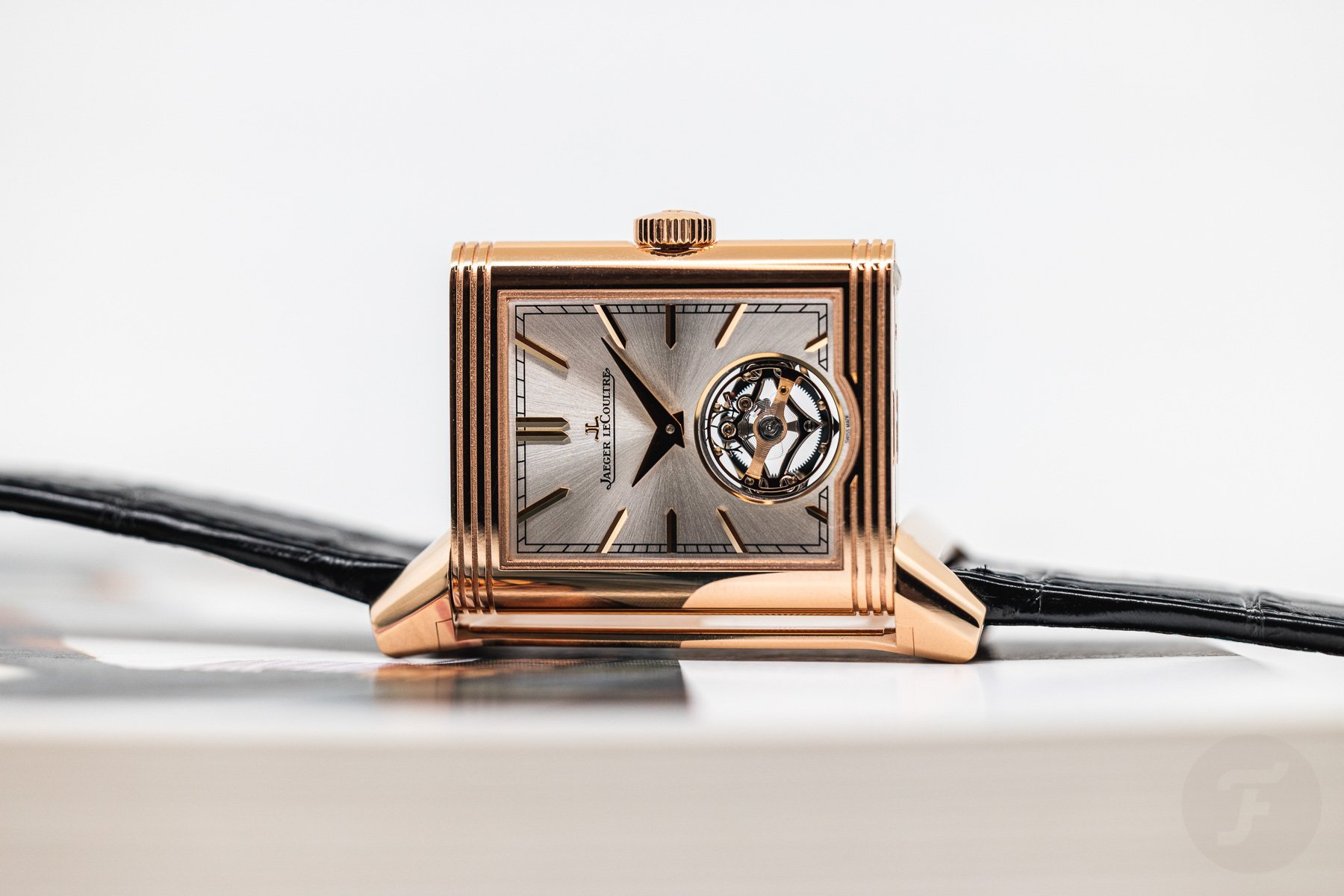
Reverso Tribute Duoface Tourbillon
Jaeger-LeCoultre, the clever and cultured choice
So, reduce the number of references and strengthen the two core collections. But that’s not all. A JLC might be the choice of watchmakers, but that just won’t cut it. There is strength in being a little nerdy, though, with a twist of “if you know, you know.” The fact that some people know and therefore value a JLC creation should become an inside thing everybody wants to know and learn about. Instead of being “The Watchmaker’s Watchmaker,” Jaeger-LeCoultre should be a symbol of culture, pure watchmaking, and intellect. The Reverso is the ideal canvas for the brand’s artistic Made of Makers program, and JLC should expand that. Collaborating with artists, designers, and architects is the way to present this house of horology as a cultural entity. The brand should also create watchmaking exhibitions and immersive experiences to position watches as cultural objects rather than just products.

Steel and rose gold versions of the Reverso Geographic
The strategy would help reach a new (younger) audience while simultaneously losing traditional enthusiasts. Being a cultured brand brings depth, and so does technical mastery, which JLC has in abundance. The combination means that a JLC watch is a creation of the heart and the mind; in other words, Jaeger-LeCoultre is the brand that marries intellectual curiosity and fine watchmaking. JLC is the brand of a cultured, intellectual audience — people who value and understand mechanical watchmaking. When Jaeger-LeCoultre doubles down on its technical and creative watchmaking heritage with the Reverso, its instantly recognizable icon, and the Master collection for a simplified catalog, it can position itself uniquely as the artistic engineer of Haute Horlogerie.
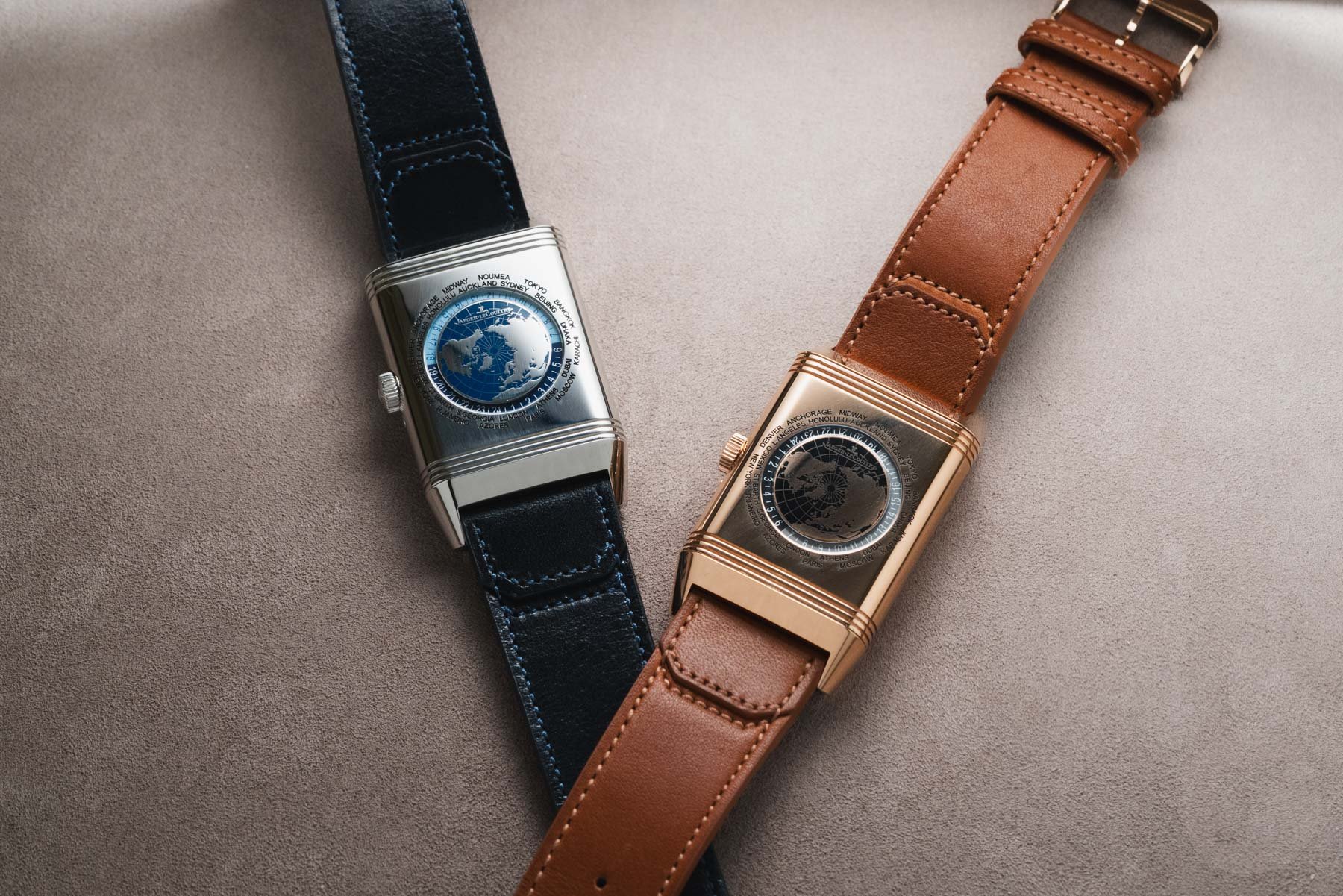
Worldtime side of the Reverso Geographic
Jaeger-LeCoultre, the intellectual timekeeper
With the Reverso as an intellectual-luxury watch icon, JLC would no longer have to compete with prestige or status because it would own technical creativity. By hammering home that message while also presenting signature watches with ultra-thin movements, mechanical alarms (indeed, the Memovox should not be forgotten), minute repeaters, and multi-axis tourbillons, the name Jaeger-LeCoultre will become synonymous with original mechanical genius with an artistic twist, not just prestige and certainly not status. A JLC should be the first watch a serious collector buys and the start of a lifelong journey in the world of high horology. Mechanical artistry offers more satisfaction than a display of status. Maybe it is also more real than the feeling of prestige that is more about the name than the timepiece itself.
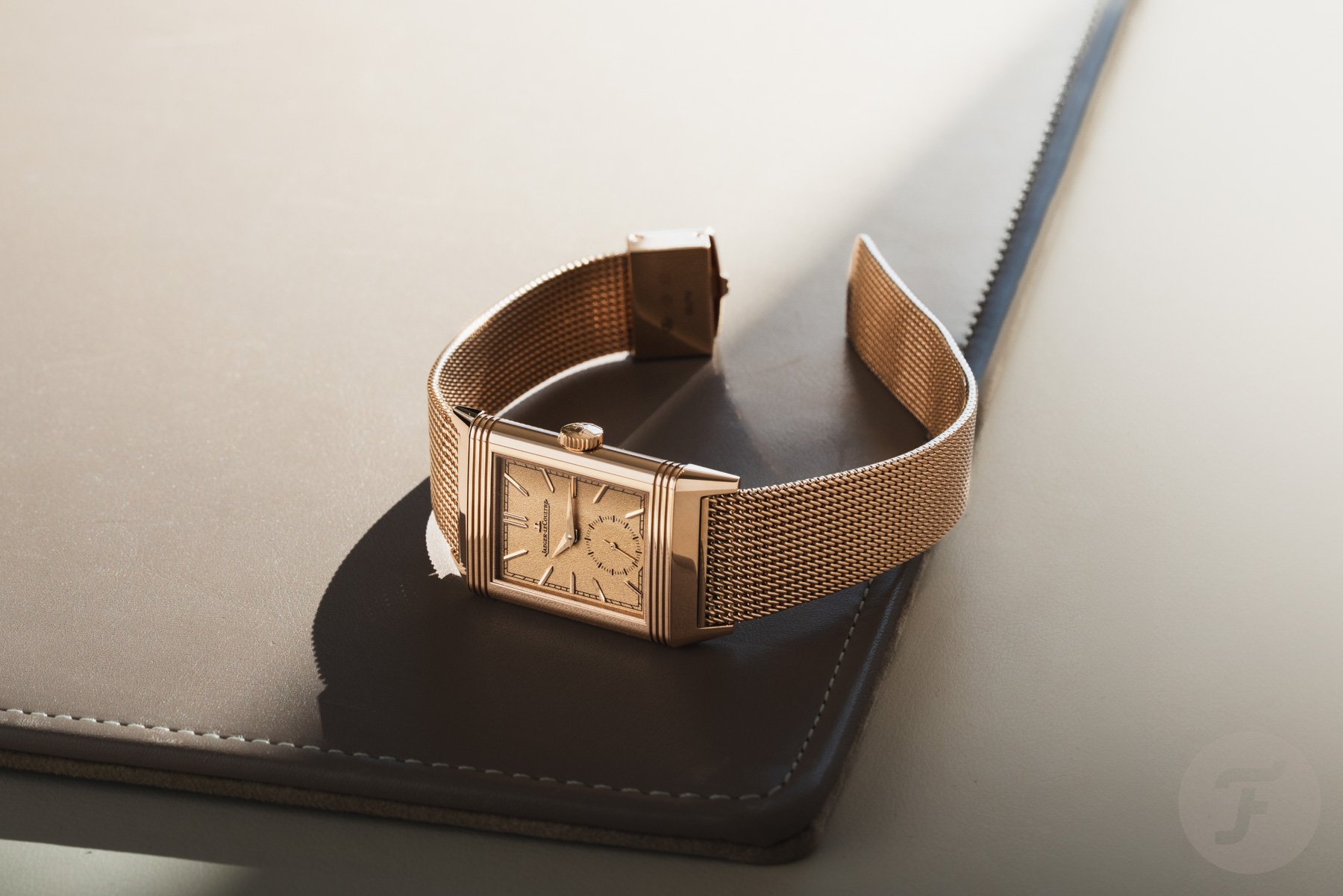
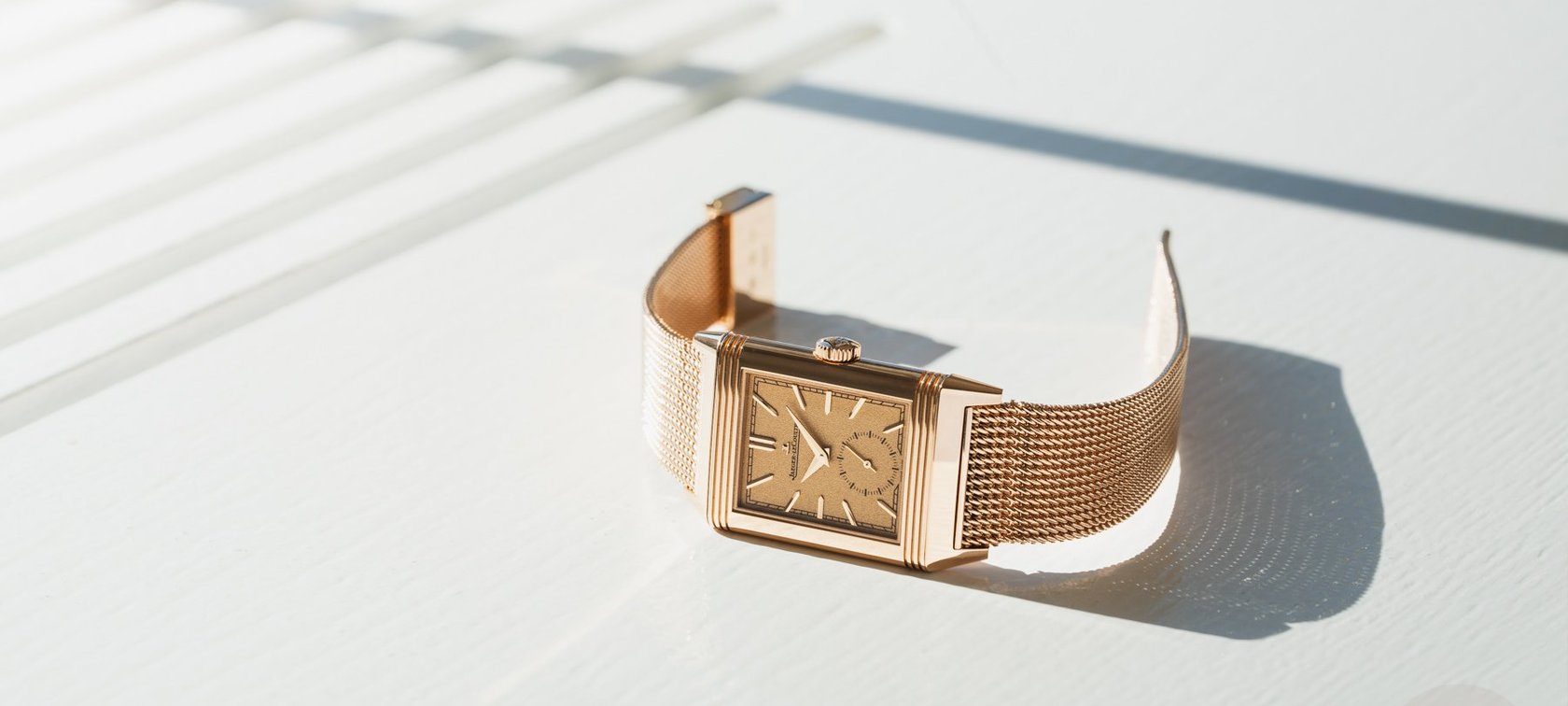
The pink gold Reverso Tribute Monoface on a Milanese bracelet
Once Jaeger-LeCoultre starts preaching the message of mechanical artistry and that it creates timepieces for watch intellectuals, it will become extremely powerful. Sure, it may be a bit on the cocky side, but it would be intriguing and provoking. You see, you don’t wear a Jaeger-LeCoultre watch for the people in the bar, nor do you wear one for the next generation. You wear a Jaeger-LeCoultre for yourself because you know exactly what it is and what it stands for — one-of-a-kind mechanical artistry.