Chronometer Watches Matter — Why The World Of Luxury Needs Accuracy

Having the exact time on hand is nothing special nowadays. Almost always, you’re connected to satellite time (GPS), which is based on atomic clocks in satellites that measure time to 100 billionths of a second. Optimizing accuracy through mechanical parts is a whole other matter and an age-old quest. A chronometer — the word derives from the Greek chronos (time) and metron (measure) — is the materialized reflection of its essential purpose, the precise measurement of time. Once of great instrumental value, chronometers are now prestigious items. But creating a watch that runs without losing or gaining time is also watchmakers’ holy grail; it’s the essence of their vocation. You might not realize it, but in today’s world, chronometer watches matter. Chronometers remind us of the essence of watchmaking and connect us to its long-standing history.
Do you remember the telephone time signal? In the Netherlands, it still exists. Dialing 0900-8002 results in a pure nostalgic sensation. For those who have no idea what I’m talking about, you can call a phone number and hear the time. When you dial the number, a female voice says, “On the next tone, it will be…” and then tells you the exact time down to the second. For decades, the telephone time signal was the second-most-dialed number in the Netherlands. Before mobile phones and computers, around 60 million Dutch people per year called the number to find out the exact time. It might not be necessary today, but for some reason, the service still exists. We also don’t really need mechanical chronometer-certified watches, but they also still exist and must continue to be produced and valued.
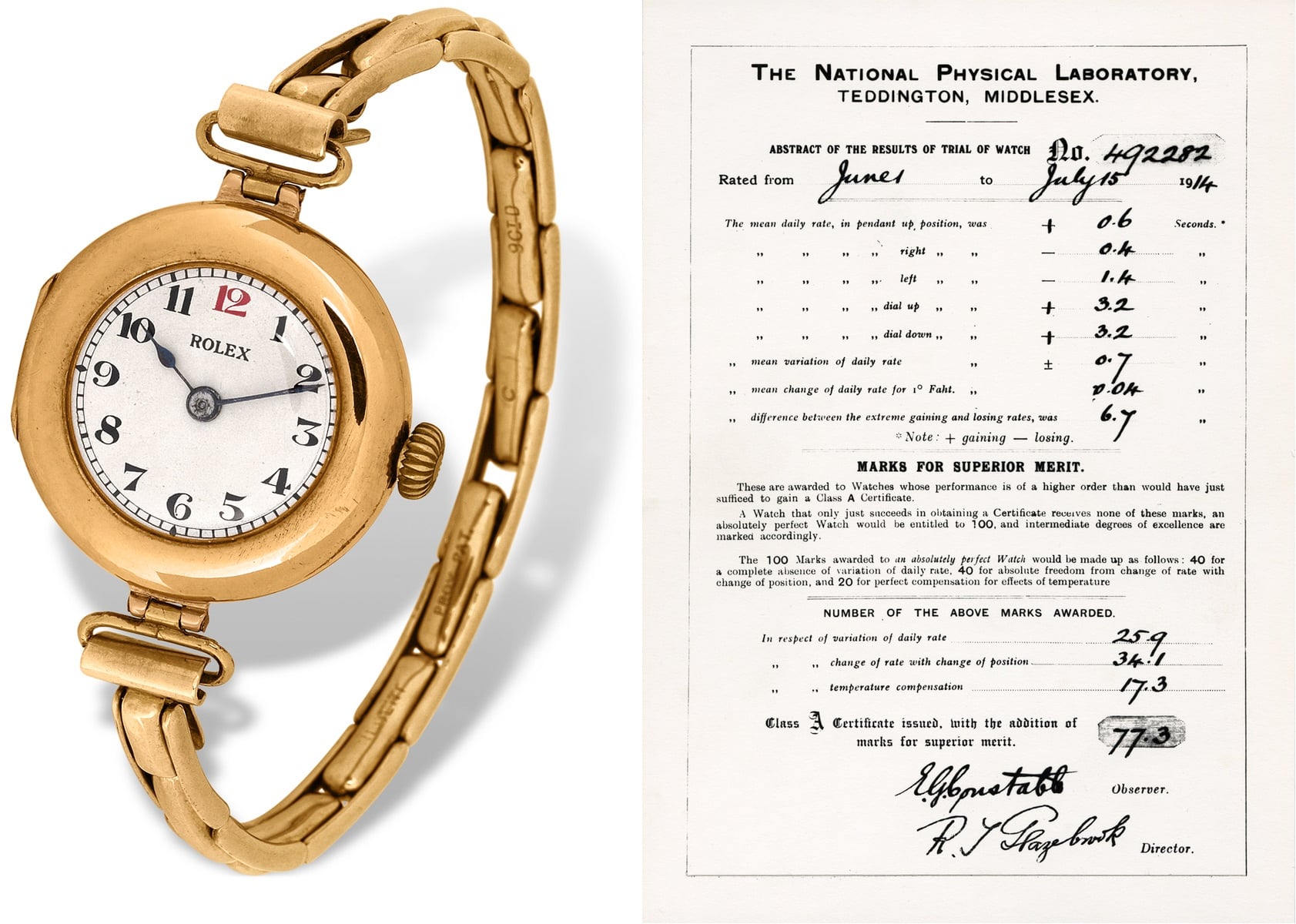
The world’s first wristwatch to have obtained an official chronometer certificate
Chronometer watches matter, and this is why
Not too long ago, I wrote about why people wear analog watches in a digital world. As if an archaic piece of technology in a world that runs on bits is not enough, I would like to make a case for the ultimate in analog watches, the chronometer. The modern chronometer is an evolved piece of time-measuring equipment that dates back to the 18th century. Confronted with the challenge of determining longitude at sea, the British government offered a hefty reward to anyone who could devise a reliable solution. Accurate timekeeping enables accurate navigation, saving money and even precious cargo. To give you an idea, for every 15 degrees a vessel travels east, local time advances by one hour; for every 15 degrees it travels west, it shifts back an hour.
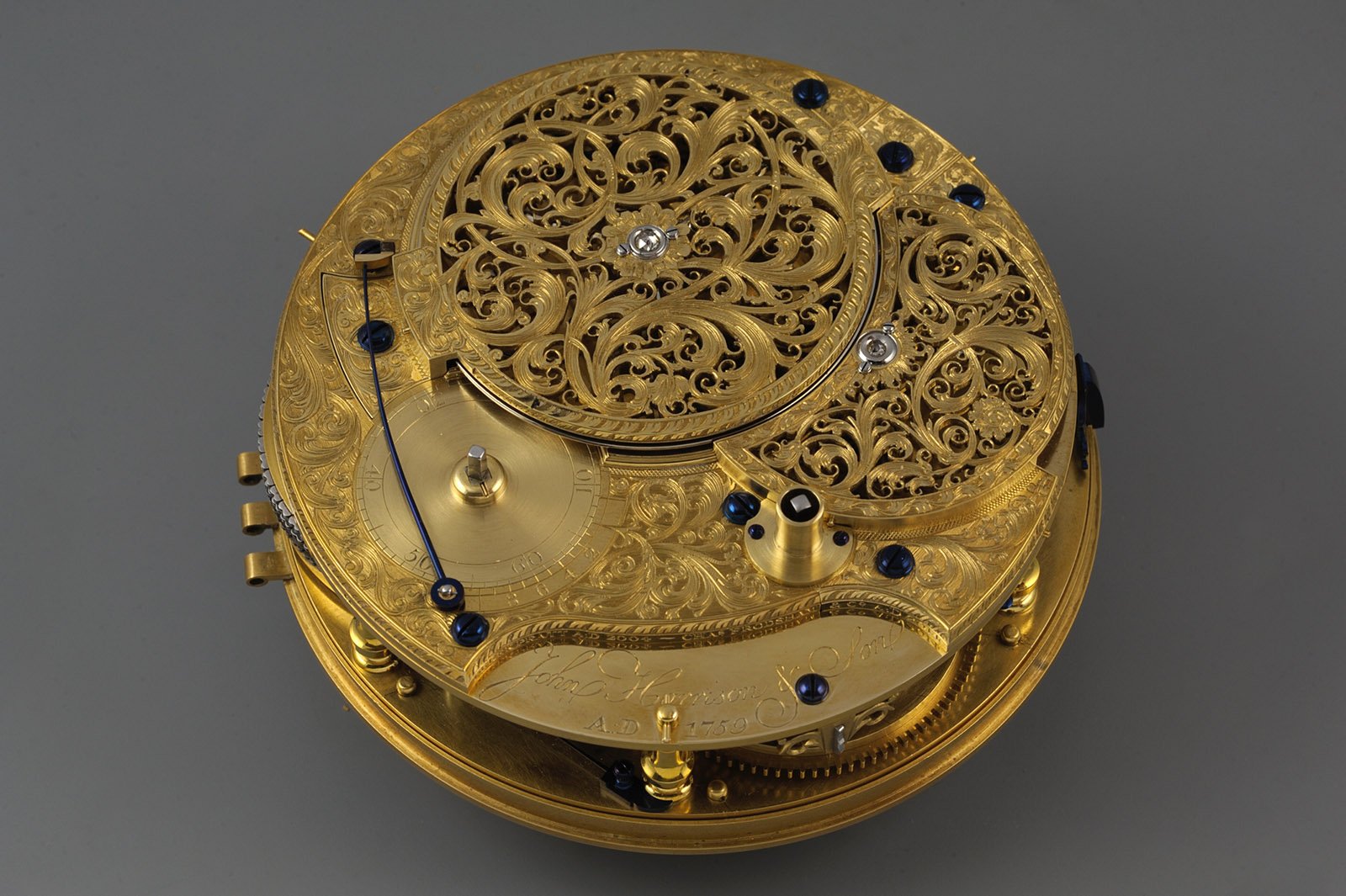
Movement of John Harrison’s H4 chronometer from 1759
Watchmaker John Harrison answered the call and ultimately developed the H4 in 1759, a marine chronometer that demonstrated remarkable accuracy even during demanding sea trials. Thanks to the chronometer on board, sailors knew the precise time at Greenwich (GMT), and by comparing it with local solar time observed at sea, they could calculate how far east or west they had journeyed. Harrison’s breakthrough marked a turning point in maritime navigation, transforming ocean travel and firmly establishing the chronometer as a cornerstone of horological innovation.

COSC headquarters
Tested time
You can’t just call any watch a chronometer when it’s a matter of life and death — and, indeed, money. That’s why, as time and technology advanced, chronometer certification became a significant issue. Once pocket watches began to be mass-produced in the late 19th century, brands started competing through marketing-driven claims of superior quality, and independent testing, control, and certification became important. In response, official controlling authorities were established around the 1880s, including certification offices and, more importantly, chronometric observatories, such as those in Geneva, La Chaux-de-Fonds, and, later, Besançon in the French part of the Jura. These institutions aimed to provide higher-end timepieces with formal horological legitimacy, reinforcing their status and price.
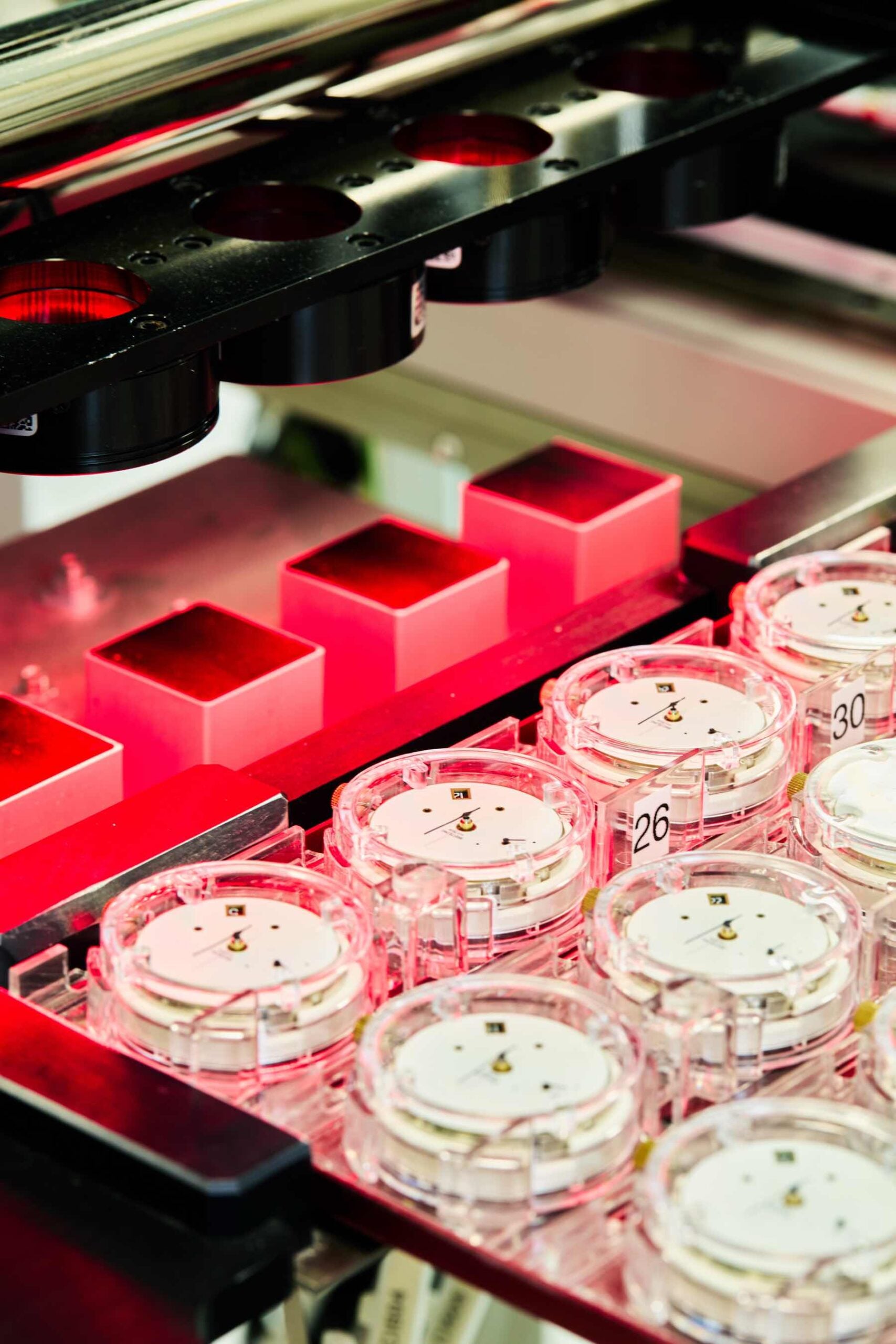
COSC chronometer testing
When wristwatches became mass-market products in the 1930s, gradually replacing pocket watches, chronometric precision — and the methods used to measure and certify it — remained a central concern for watch brands. At the time, brands strongly emphasized the watch as a precise instrument or practical tool.
Nowadays, Contrôle Officiel Suisse des Chronomètres (COSC) is the largest Swiss independent testing facility for watch movements. Founded in 1973, this non-profit foundation aims to guarantee the precision of Swiss watches through a neutral, independent, and rigorous method.
Accurate despite the challenges
Knowledge of the history of watches, how they function, and the obstacles watchmakers face and overcome is essential not only for people to enjoy a lifelong love affair with mechanical timepieces but also for the brands selling them. Only a well-informed and captivated audience will keep coming back for more. Knowing about and understanding chronometers and their role in watchmaking history is an educational foundation. You can define a chronometer as a very accurate mechanical timepiece that’s capable of displaying hours, minutes, and seconds with a movement tested by independent third-party laboratories, but there’s more to it than that. For instance, the fact that mechanical watches are vulnerable to gravity and friction makes official chronometer certification all the more interesting and valuable.
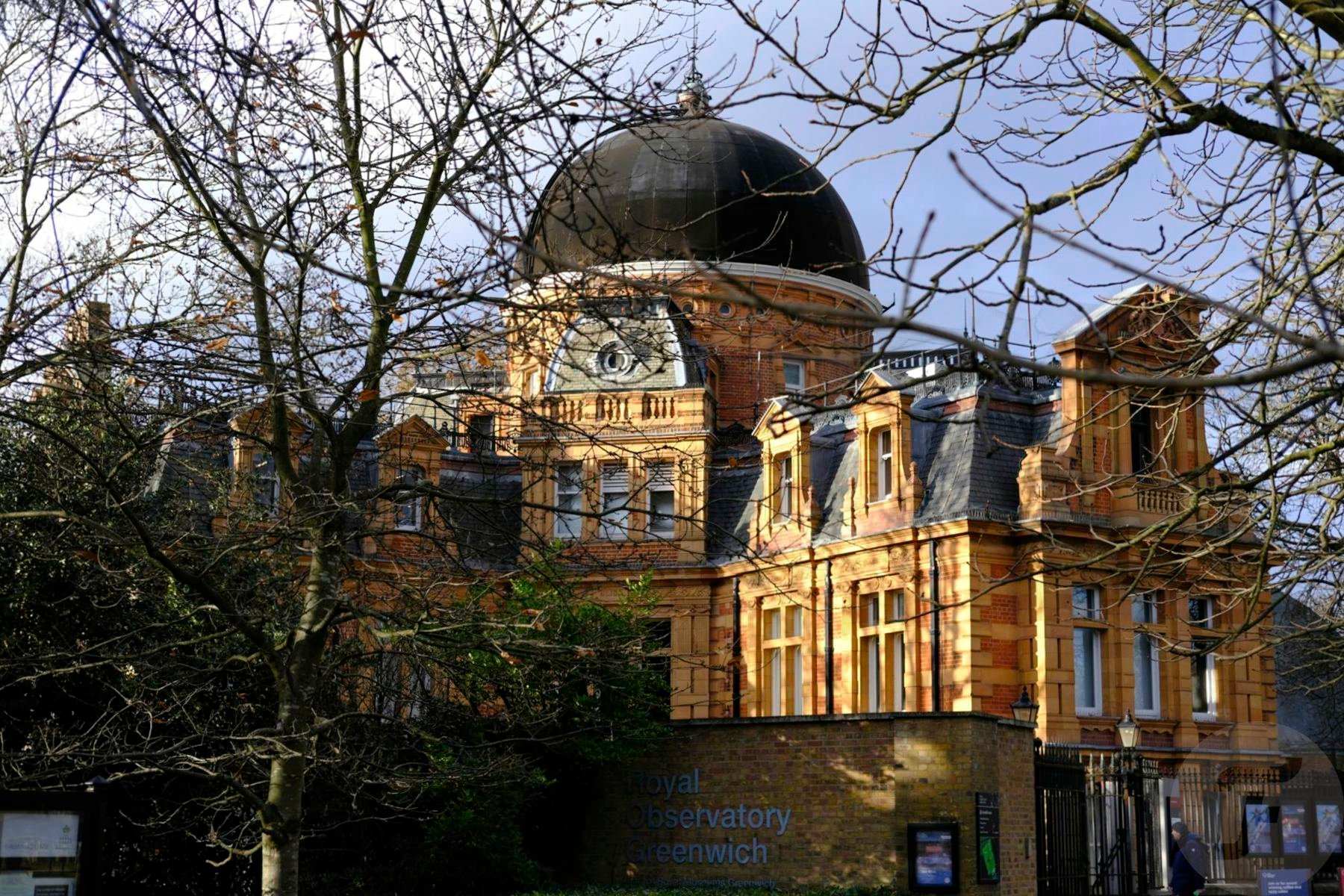
The Royal Observatory Greenwich
Competing for accuracy
The (old) Olympic motto is Citius, Altius, Fortius (Faster, Higher, Stronger), and it also applies to creators of mechanical timepieces. Driven by a commitment to improvement, they continue to strive for better watches. Practical reasons have nothing to do with it. Some sports require a measuring tape, and to determine whether a watch is a chronometer, specialist “referees” are involved. The Geneva Observatory, for instance, conducted chronometer competitions from 1872 to 1968. The observatory at Neuchâtel did so as well, from 1866 to 1975. The competitions are gone, but the chronometer testing remained.
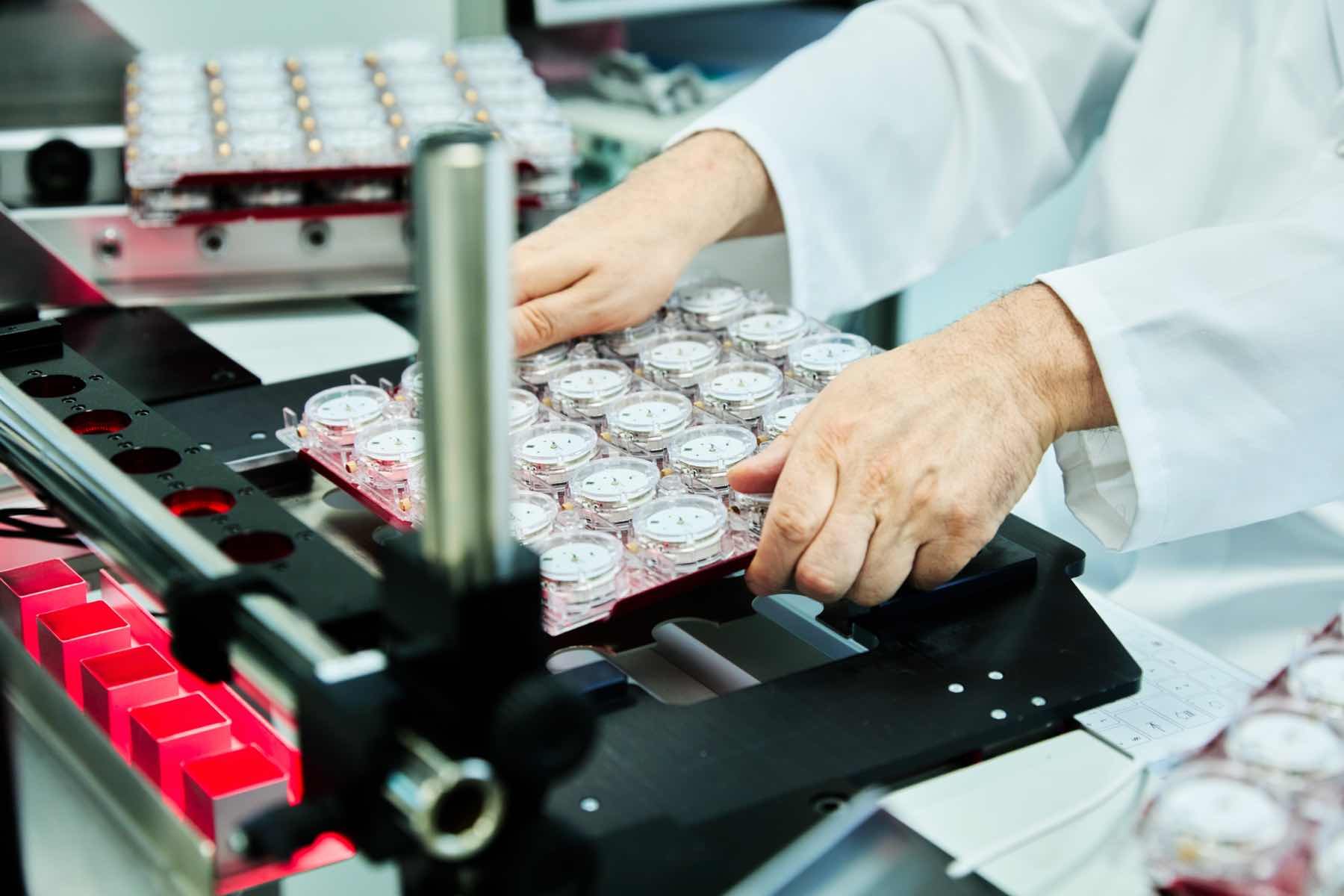
There’s COSC, whose seal attests to the precision of chronometer movements manufactured exclusively in Switzerland. COSC performs these tests on about 40% of all Swiss watches, including those from Rolex and around 60 other brands. Movements are shipped to COSC, where they undergo testing for 12 to 20 days using seven criteria defined by ISO 3159, which was first implemented in 1976 as the first true international standard for watch precision; the standard was last updated in 2009.
These seven criteria are the mean daily rate, mean variation in rates, maximum variation in rates, difference in rates between horizontal and vertical positions, greatest deviation in rates, variation in rates as a function of temperature, and resumption of the rate. Most famously, the mean daily rate should be between -4 and +6 seconds. A movement either passes or fails; it is that harsh. If it succeeds, it receives an engraved number, an official certificate, and the title of “COSC-certified chronometer.”
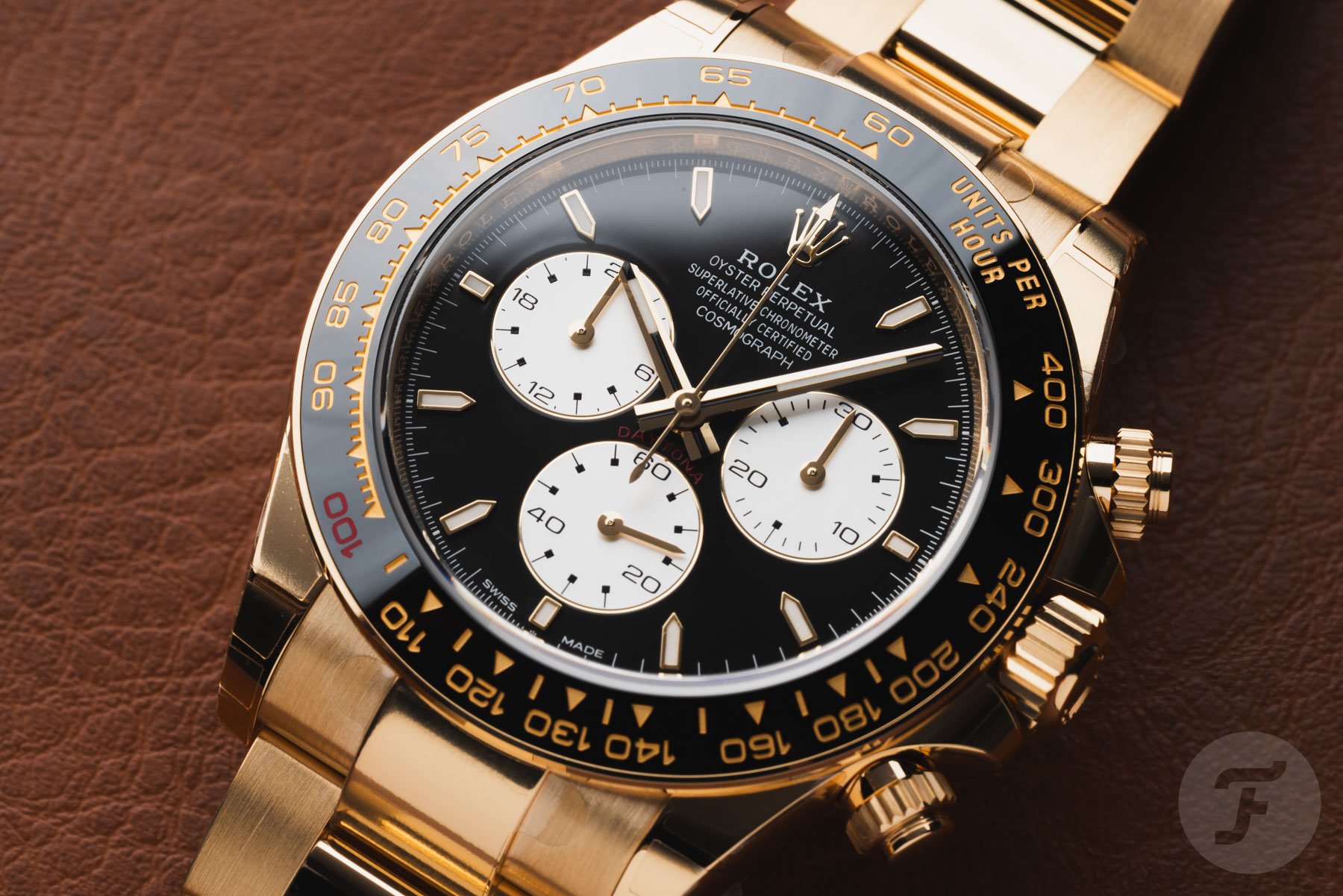
Rolex Daytona Le Mans
COSC ups its game
Recently, COSC introduced Excellence Chronometer Certification, which Thomas wrote about. This new level of certification does not replace the original chronometer certification. Instead, it sits as a new tier above those tests, raising the bar for mean deviation to -2 /+4 seconds per day. The new certification is not the most stringent available. Rolex’s Superlative Chronometer and METAS (Federal Institute of Metrology) Master Chronometer certifications are stricter. A Superlative Chronometer watch is accurate to within -2/+2 seconds per day. And a METAS-certified Omega or Tudor Master Chronometer has an accuracy rating of 0/+5 seconds per day.
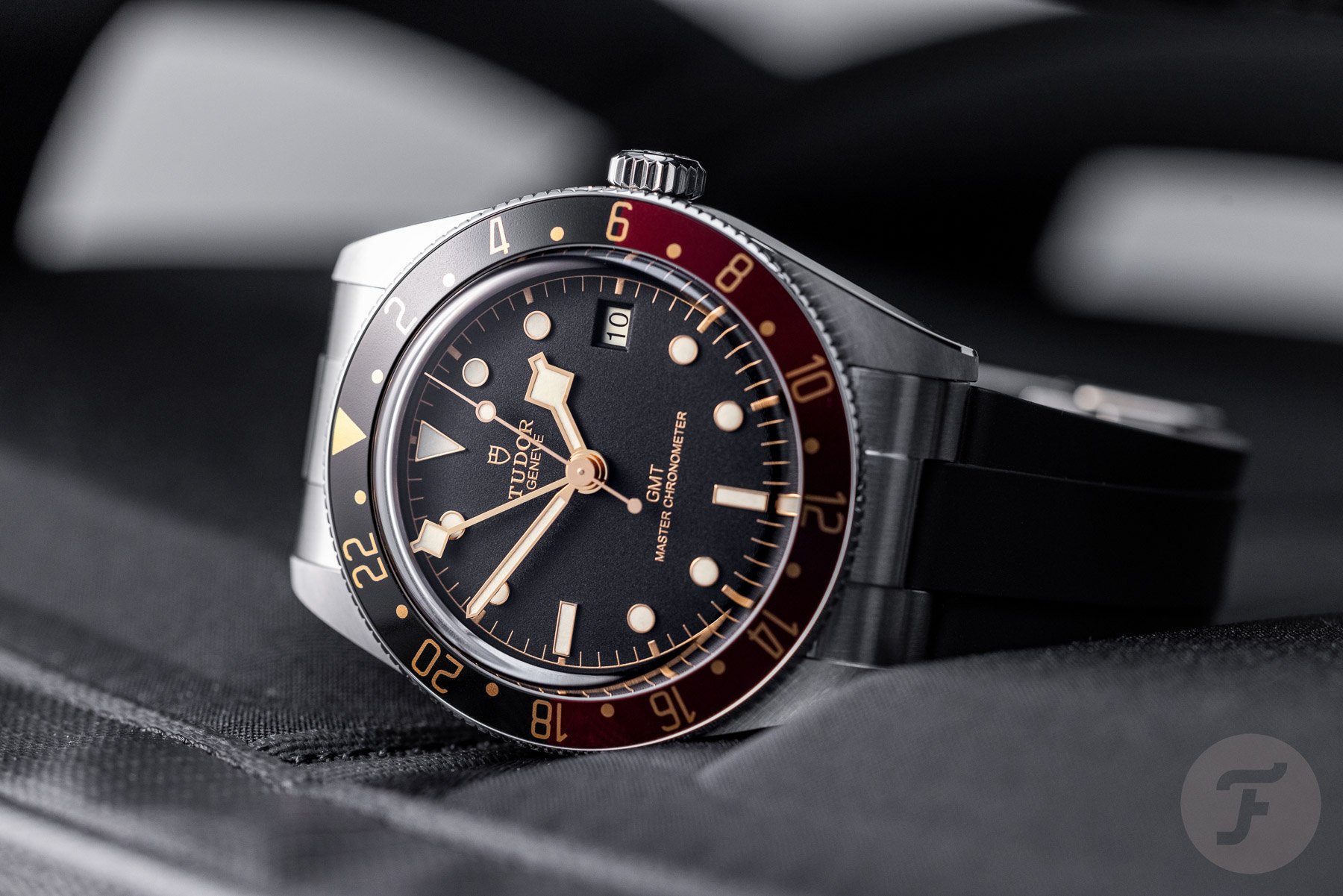
Tudor Black Bay 58 GMT Master Chronometer
Chronometers are not just a Swiss product. Chronometer certification in Germany is primarily conducted at the Glashütte Observatory and is based on the DIN 8319 standard. Unlike Swiss COSC tests, which certify uncased movements, the German standard requires fully assembled watches to be tested over 15 days with a daily rate deviation of -4 to +6 seconds.
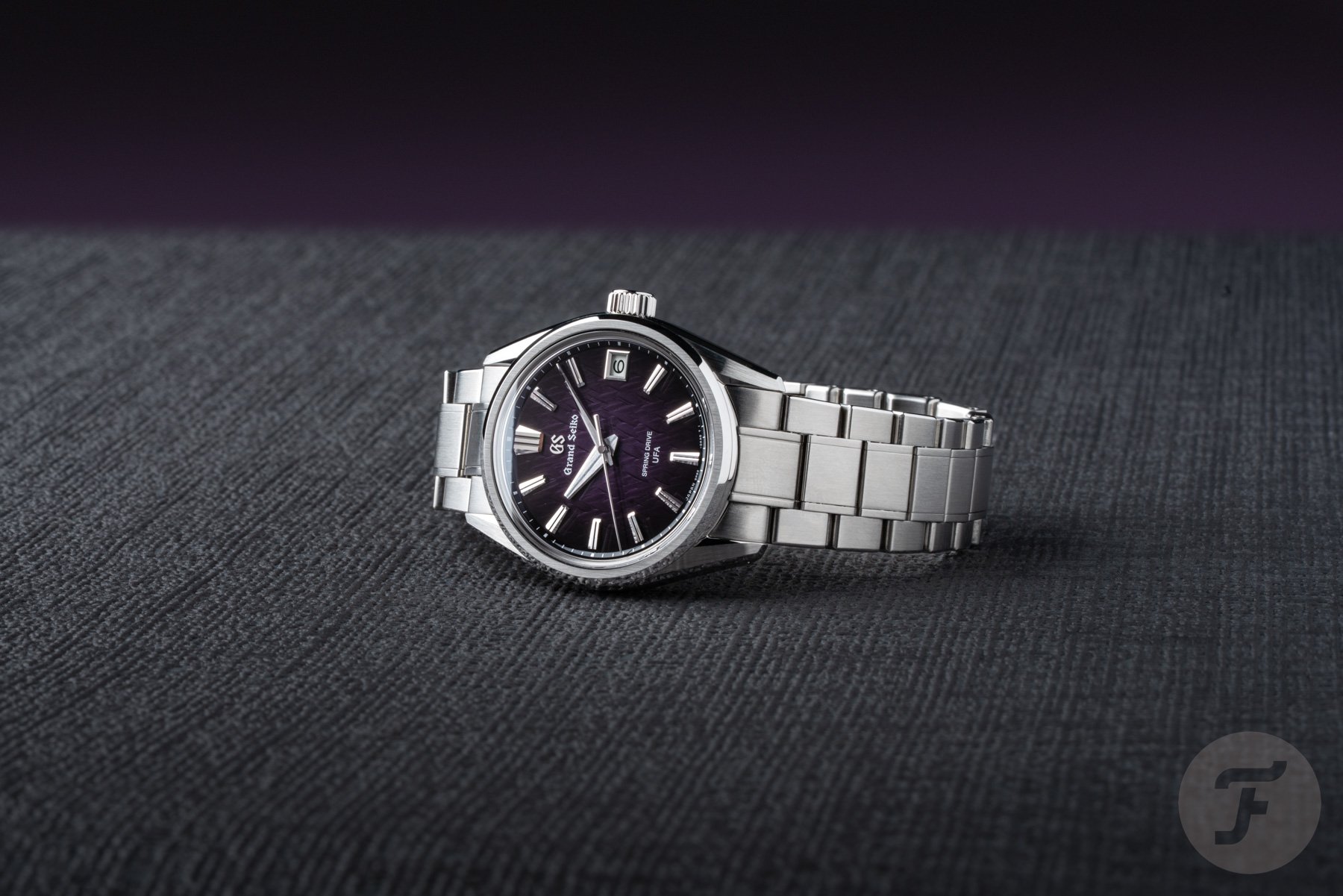
Grand Seiko SLGB005
Japanese brand Grand Seiko is also obsessed with accuracy. In the late 1960s, Grand Seiko released its first V.F.A. (Very Fine Adjusted) models and continued to produce a small number of these accurate watches until the mid-1970s. This year, the story continued with the release of the new Ultra Fine Accuracy (U.F.A.) models, including the SLGB005 with a purple dial. Inside these watches, the new 9RB2 Spring Drive caliber is at work. This remarkably accurate movement is accurate to ±20 seconds per year or approximately ±3 seconds per month. As you would expect, it will appear in more watches soon.
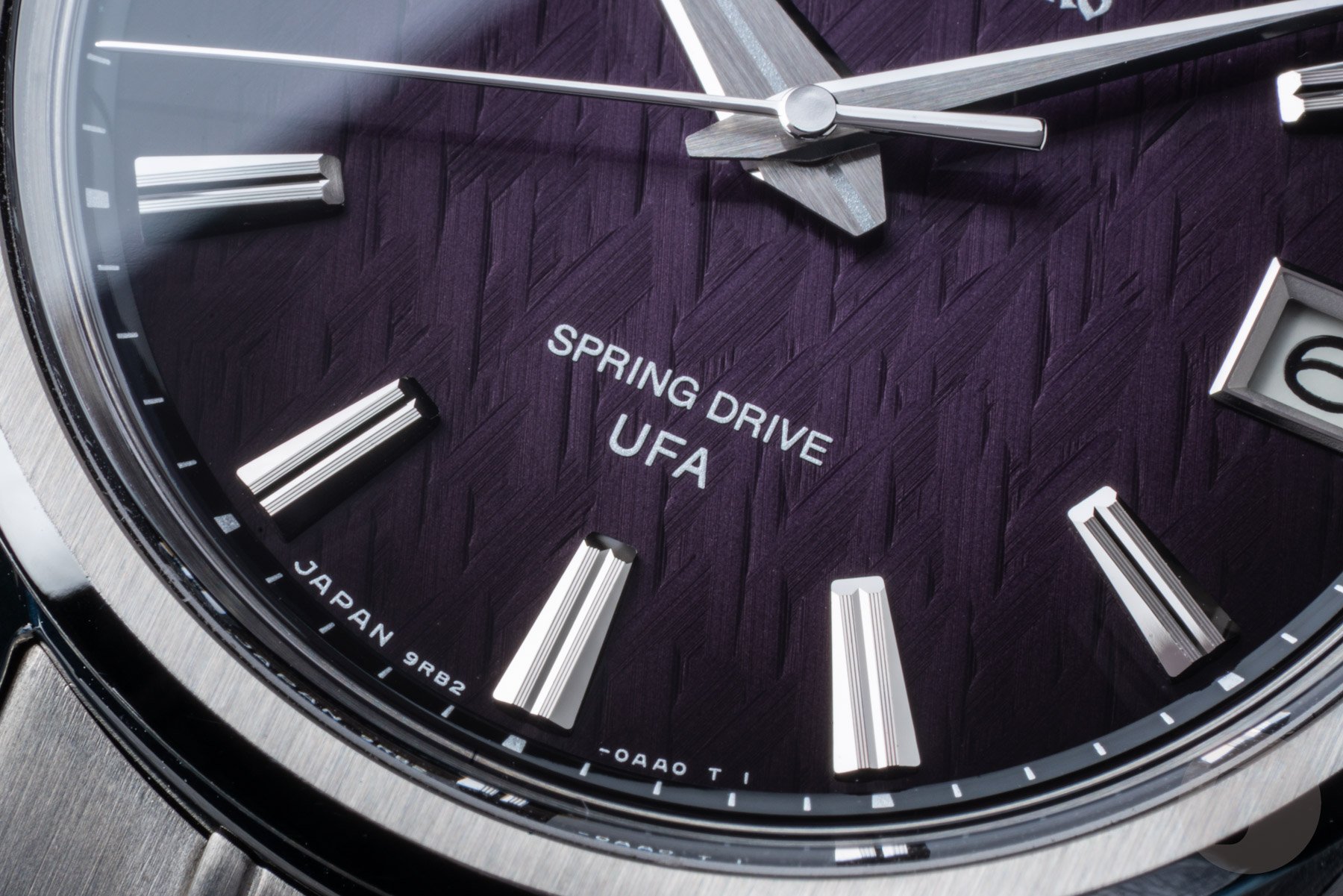
Why would you and brands care about accuracy?
In 2012, Audemars Piguet introduced the slogan “To break the rules, you must first master them,” which inspired this article’s subtitle, “To squander time, you must first measure it.” A chronometer can be seen as a test of competence. If a brand can produce chronometers, that only makes it look better. It shows respect for the craft, understanding of the history of timekeeping, and a willingness to go the extra mile. That only makes sense when the target audience cares about it, though. Therefore, education of all kinds on the long history of watchmaking is important. A chronometer certification won’t resonate with an audience that doesn’t know or care about accuracy.
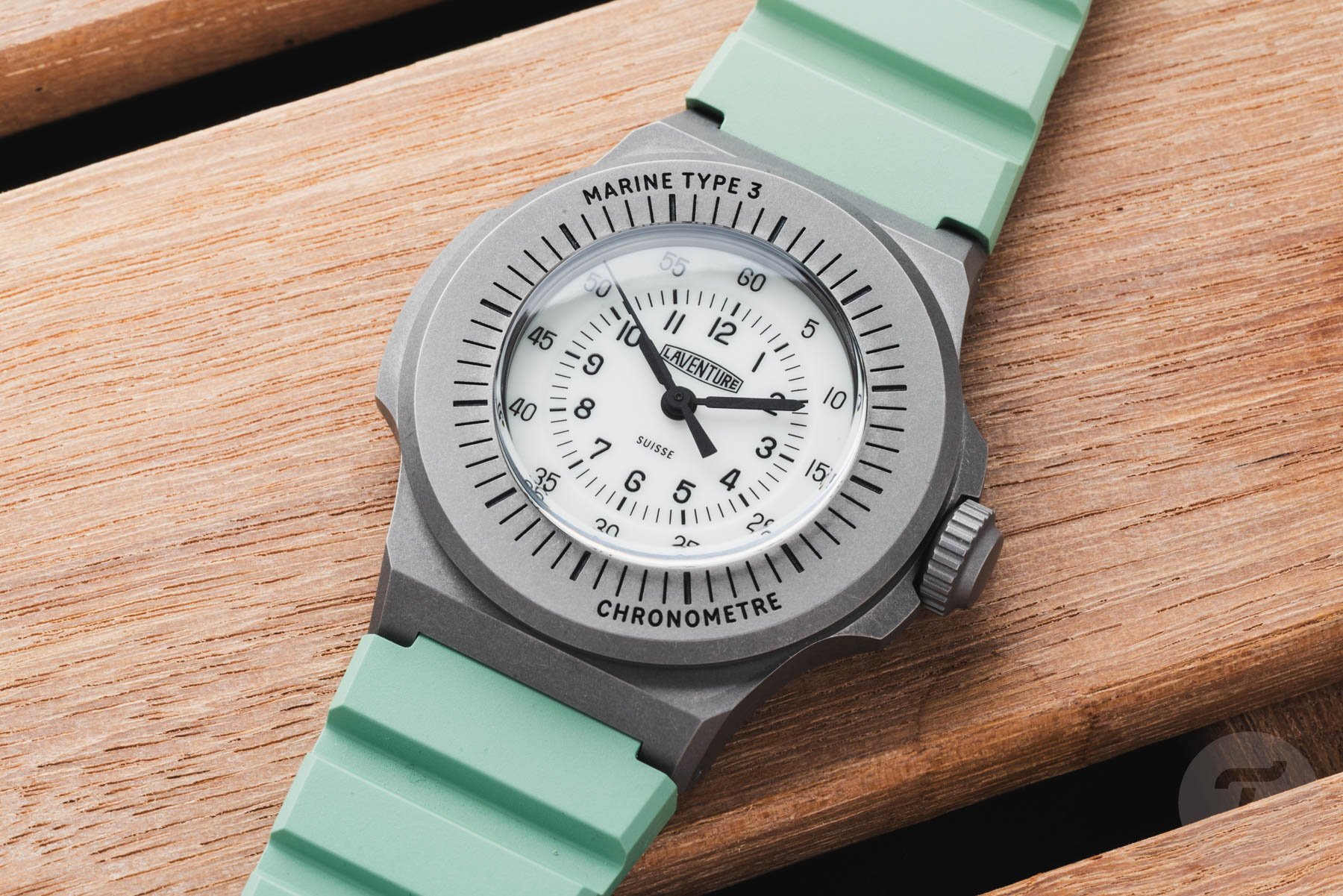
Laventure Marine Chronometer
Watch brands that produce chronometers, and the people who buy them, can be considered Guardians of Time. Historical values need to be protected, cherished, cultivated, explained, and developed; that’s the important role of these protectors. In a world like watchmaking, which has no functional necessity, other rules apply. If the world of watchmaking lets go of its fundamental principles, it could spin out of control. It would start to make no sense and disappear into a black hole. Watches would become ornamental by nature; a horror scenario that would not result in the demise of watchmaking.
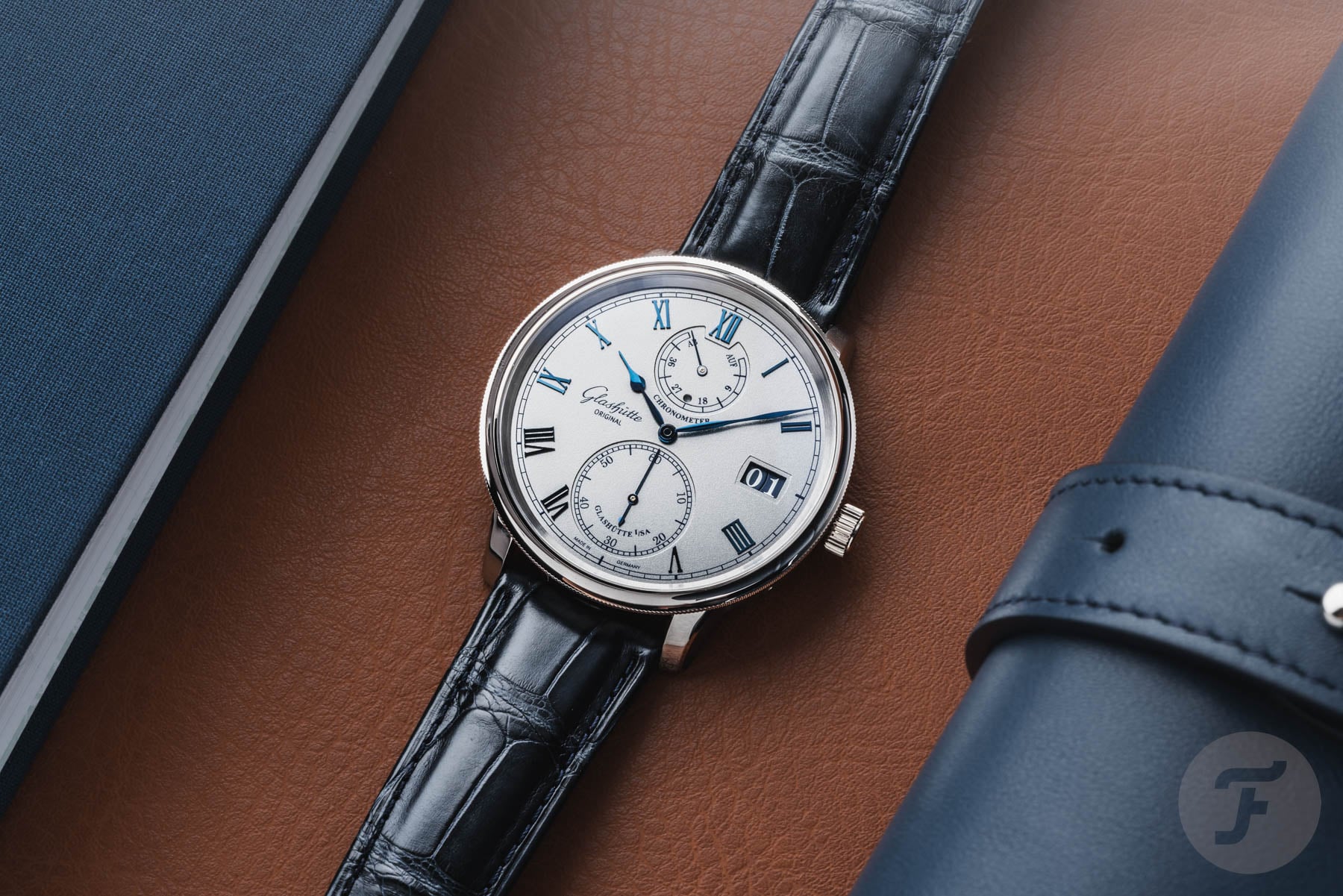
Glashütte Original Senator Chronometer
The essence of timekeeping
That is why chronometer watches matter so much. It’s not simply because you can experience how a delicate mechanical construction can measure time very precisely every day without noticeable deviation, and this realization blows your mind. More importantly, it’s because chronometers represent the essence of timekeeping like no other watch. Producing a chronometer is an act of respect to watchmaking history, and so is buying one.
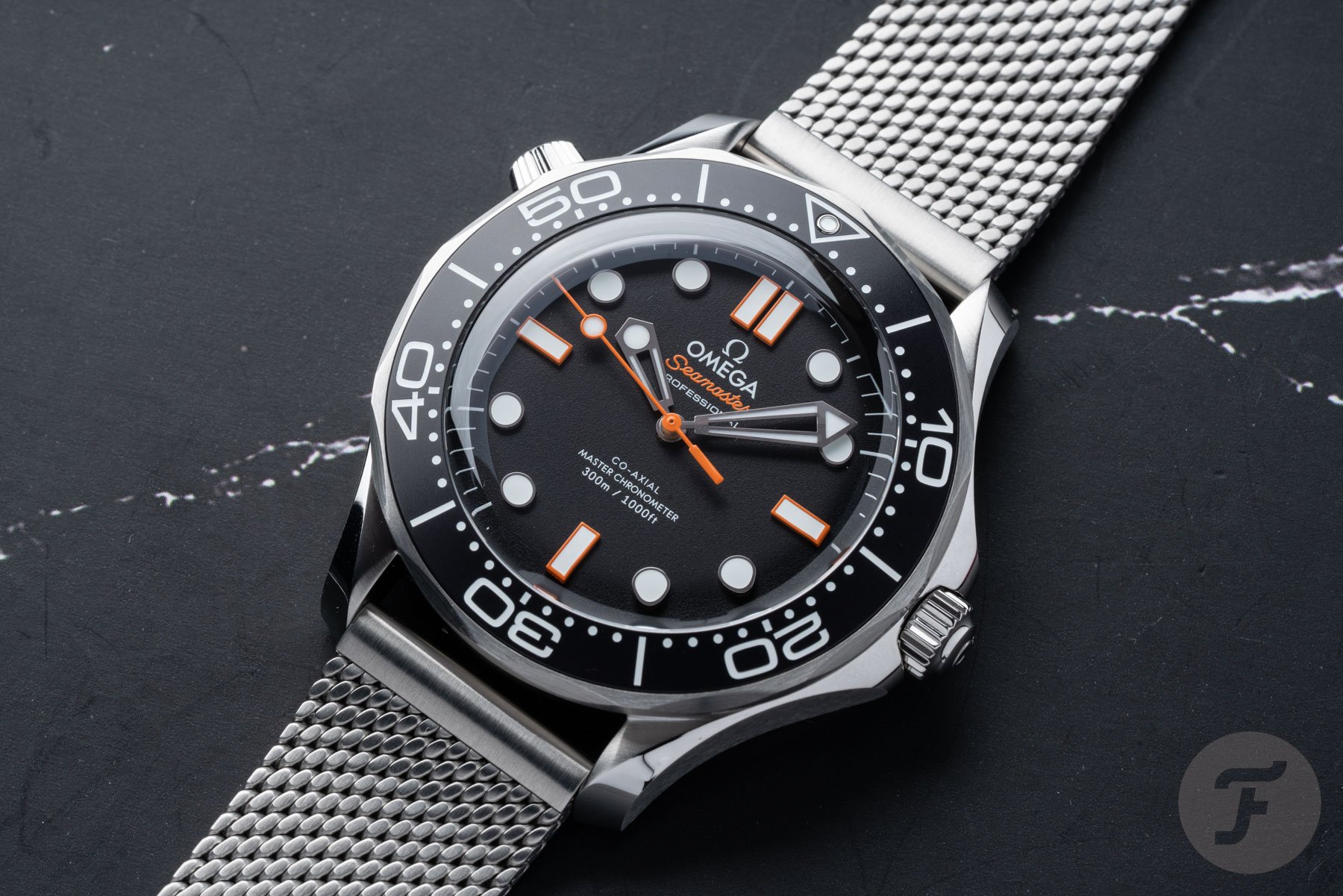
Omega Seamaster Diver 300M ref. 210.30.42.20.01.018
Do you care deeply about accuracy? Are you willing to pay more for a watch with a chronometer certificate? If so, you could unknowingly be a Guardian of Time, and I would like to read your reaction. If not, please let me know why not. Your opinion matters as well.