A Closer Look At COSC’s New Excellence Chronometer Certification

Contrôle Officiel Suisse des Chronomètres (COSC) is the largest Swiss independent testing facility for watch movements. Founded in 1973, this non-profit foundation aims to guarantee the precision of Swiss watches through a neutral, independent, and rigorous method. Watches with movements that passed the tests can be called “COSC-certified chronometers,” accurate to within -4/+6 seconds per day. The world has changed, though, and so have the standards for higher-end watches. To keep up with the times, COSC now goes a step further by introducing the new Excellence Chronometer certification.
This new level of certification does not replace the original chronometer certification. Instead, it sits as a new tier above, competing with the likes of Rolex’s Superlative Chronometer and METAS Master Chronometer certifications. Let’s have a closer look at what this all entails.

COSC headquarters
The original chronometer certification
Let’s start with the original chronometer certification that COSC has been issuing for decades. COSC performs these tests on about 40% of all Swiss watches, including Rolex and around 60 other brands.
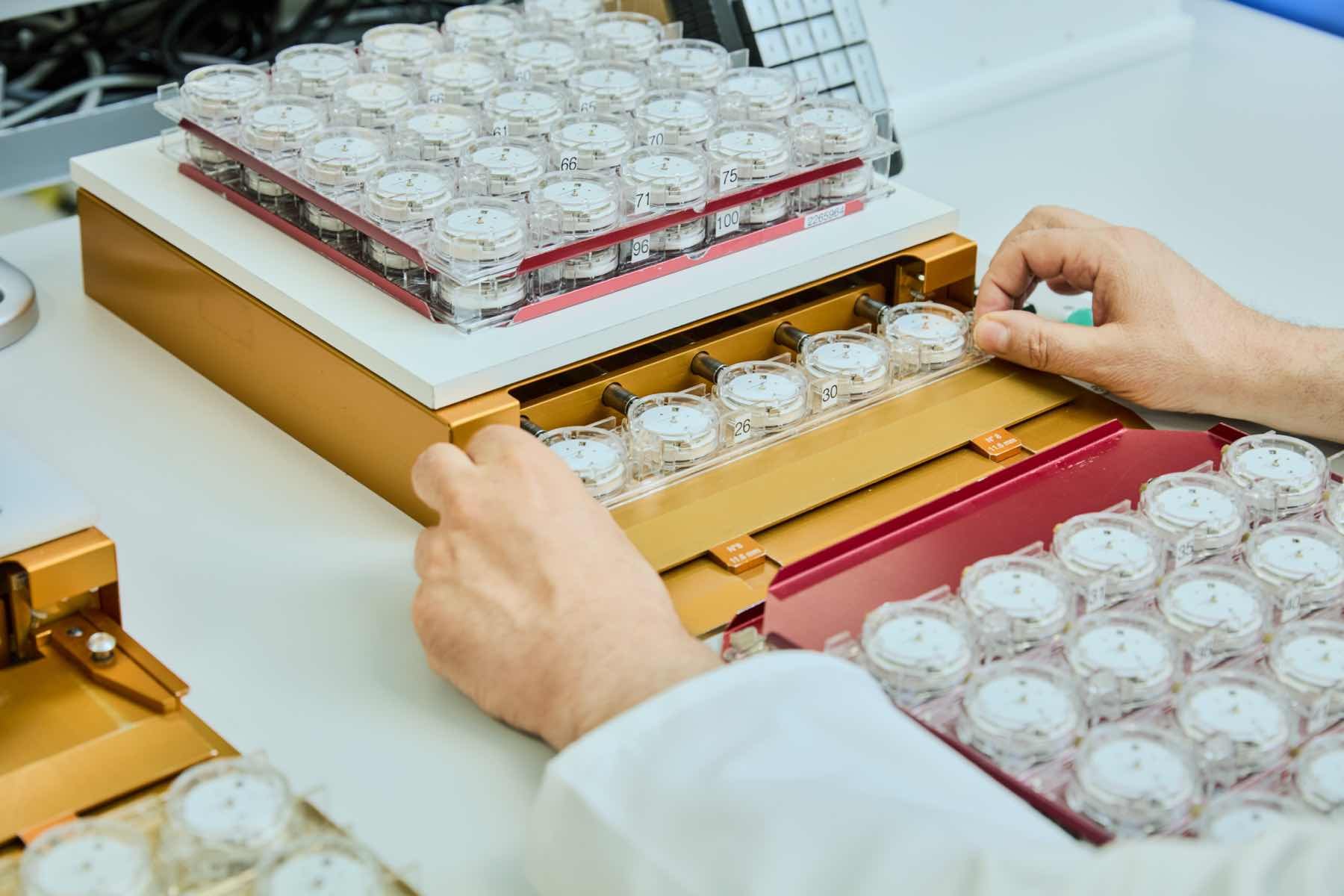
These brands supply their movements to COSC, where they undergo 12 to 20 days of testing. COSC uses seven criteria as dictated by the ISO 3159 standard. These criteria are the mean daily rate, mean variation in rates, greatest maximum variation in rates, difference between rates in horizontal versus vertical positions, greatest deviation in rates, variation in rate as a function of temperature, and resumption of the rate. Most famously, the mean daily rate should be between -4 and +6 seconds.

All movements are individually tested before receiving their certification. Next, COSC returns them to the manufacturer to be cased. Some brands, such as Rolex, then perform additional tests after casing.

The new Excellence Chronometer certification
Feeling the pressure from, for instance, METAS, COSC now adds a higher level of certification. Crucially, each uncased movement still undergoes regular chronometer testing. Next, it is sent back to the manufacturer for casing and returned to COSC for additional tests.
These tests raise the bar of mean deviation to -2/+4 seconds per day. Next, the deviation under typical human wear is tested by mounting the watch on a moving robot for 24 hours. After that, the watch is exposed to a magnetic field of 200 gauss to see if it remains unaffected. This level makes sense, as it is about the maximum you would be exposed to in an average modern daily life, from strong headphones or loudspeaker magnets. Computers, MagSafe, refrigerator magnets, and smartphones typically all fall below this threshold.
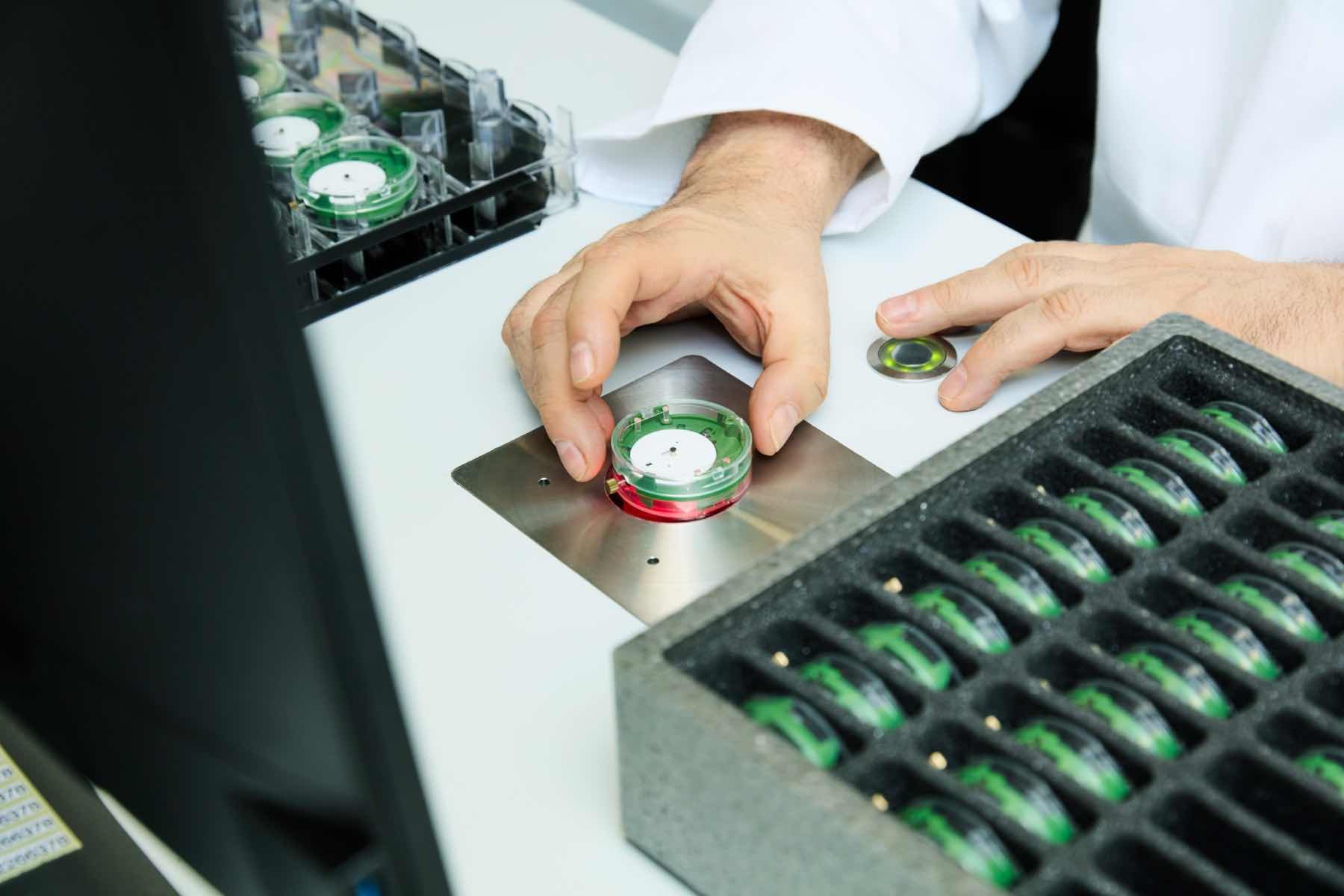
Finally, COSC tests whether the cased movement provides its specified power reserve. In short, Excellence Chronometer certification guarantees increased accuracy, performance under realistic movement, resistance to everyday magnetism, and power reserve.

What does Excellence Chronometer certification mean for the watch world?
I think this is a sensible move from COSC, and I am sure it is based on customer feedback. After all, with Rolex, Omega, and Tudor raising the bar, other brands will want to keep up. It seems much more logical to add this to COSC’s portfolio than for brands to branch out on their own, as Rolex does.
One might wonder why, if this competes with METAS, the accuracy level (-2 to +4 s/d) is set lower than the METAS standard (0 to +5 s/d). I have seen discussions online among enthusiasts wondering why COSC wouldn’t just outdo everyone else with an even tighter margin. I would not be surprised if these limits were set with popular movements in mind. After all, the narrower the margins, the fewer calibers will be able to achieve them. This new norm should probably be considered a happy medium between ambition and achievability.

You could also wonder whether the back-and-forth of movements and watches is the most efficient route. After all, the bulk of the costs of chronometer certification comes from the required additional regulation and, crucially, logistics. COSC informed me that the fee for Excellence certification is approximately 3–3.5 times higher than that of regular chronometer certification. Then again, COSC’s fee isn’t the costliest factor in the overall process. A higher number of watches will also likely fail and need adjustment and retesting under these more stringent demands, in addition to the already more complicated and time-consuming logistics. One can only assume the effect on the final retail price will be significant.

Would you (or do you already) pay more for greater certified performance?
At this point, I think it is valid to ask ourselves: what are we striving for? Accuracy and reliable performance are key and valid ambitions in watchmaking. However, many people forget that certification merely represents a single moment in time. Even the fanciest of certifications only prove how the watch performed when it left the testing facility. Just sitting in stock for a while can push it outside of those ambitious limits.
Additional money spent on finishing or other specifications adds lasting value to a watch. Money spent on certification is much less tangible and more temporary in value. These are very real questions for brands and consumers alike. I, for one, am curious to see which brands will adopt the Excellence Chronometer certification and how it will affect their perceived positioning.
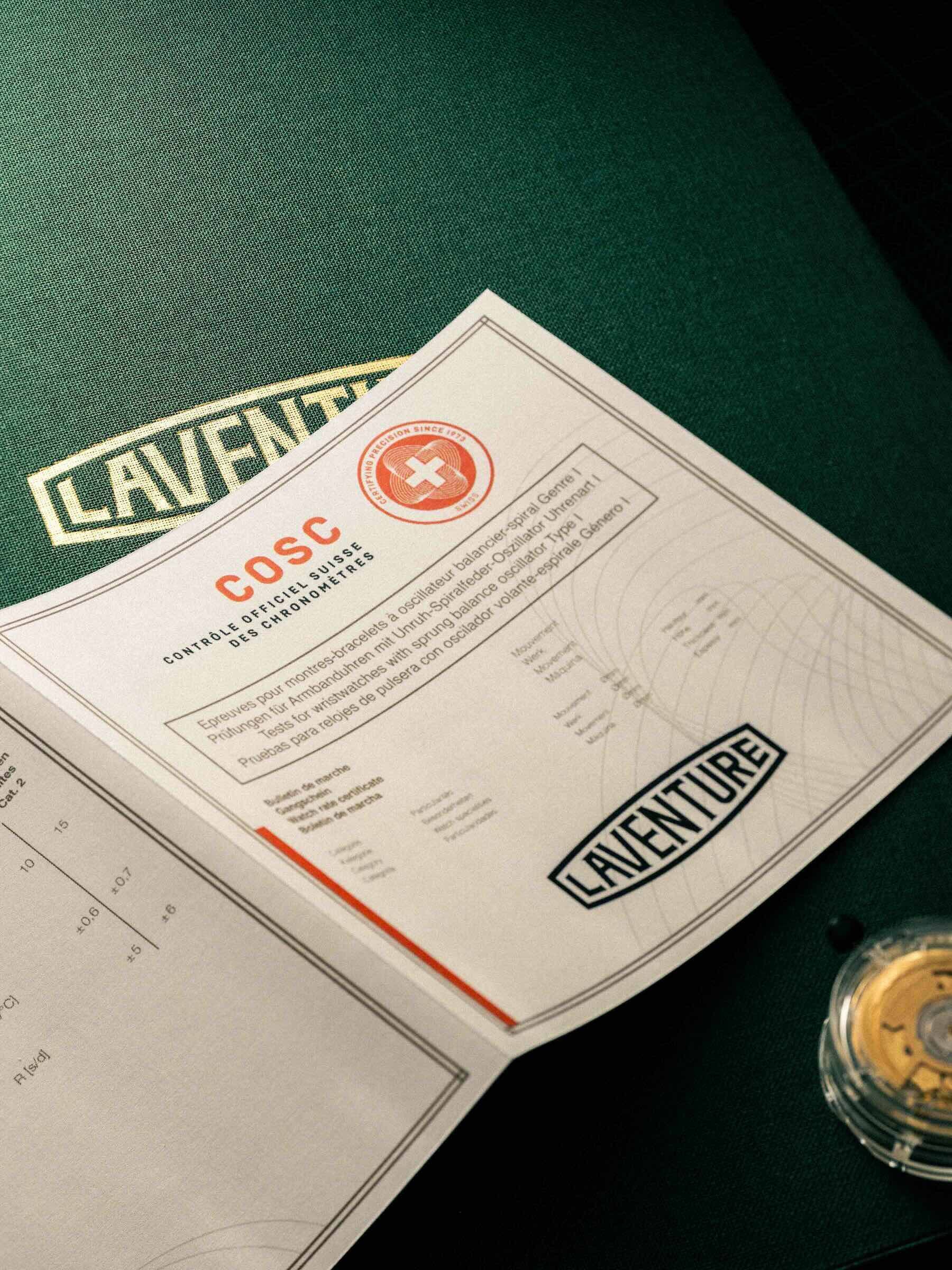
COSC has already been preparing its testing facilities for Excellence Chronometer testing. The institute will start pilots with select brands in March. A big, public announcement will take place during Watches and Wonders in April. The service should be openly available to all COSC customers starting in October 2026.
What do you think of COSC’s new Excellence Chronometer certification? And how much of a premium would you be willing to pay for a COSC EC-certified watch? Let us know in the comments section below!