Fratello Talks: The Forces Redefining The Watch Industry’s Future

As 2025 draws to a close, it’s a natural moment to pause, take stock, and look ahead at what the coming year may hold for the watch industry. In this week’s episode of Fratello Talks, Nacho is joined by Daan and Lex for an in-depth conversation about the various factors and forces that are actively reshaping the watch world. The discussion covers a broad range of topics, from emerging players in traditionally untapped markets to shifts in design approaches and production methods, as well as evolving expectations from collectors who increasingly seek connection, personalization, and originality in the pieces they acquire. Nacho, Daan, and Lex explore how these changes might influence both independent and established brands, and what they could mean for the broader industry landscape. But before diving into that conversation, we’ll start with a quick wrist check.
Wrist check
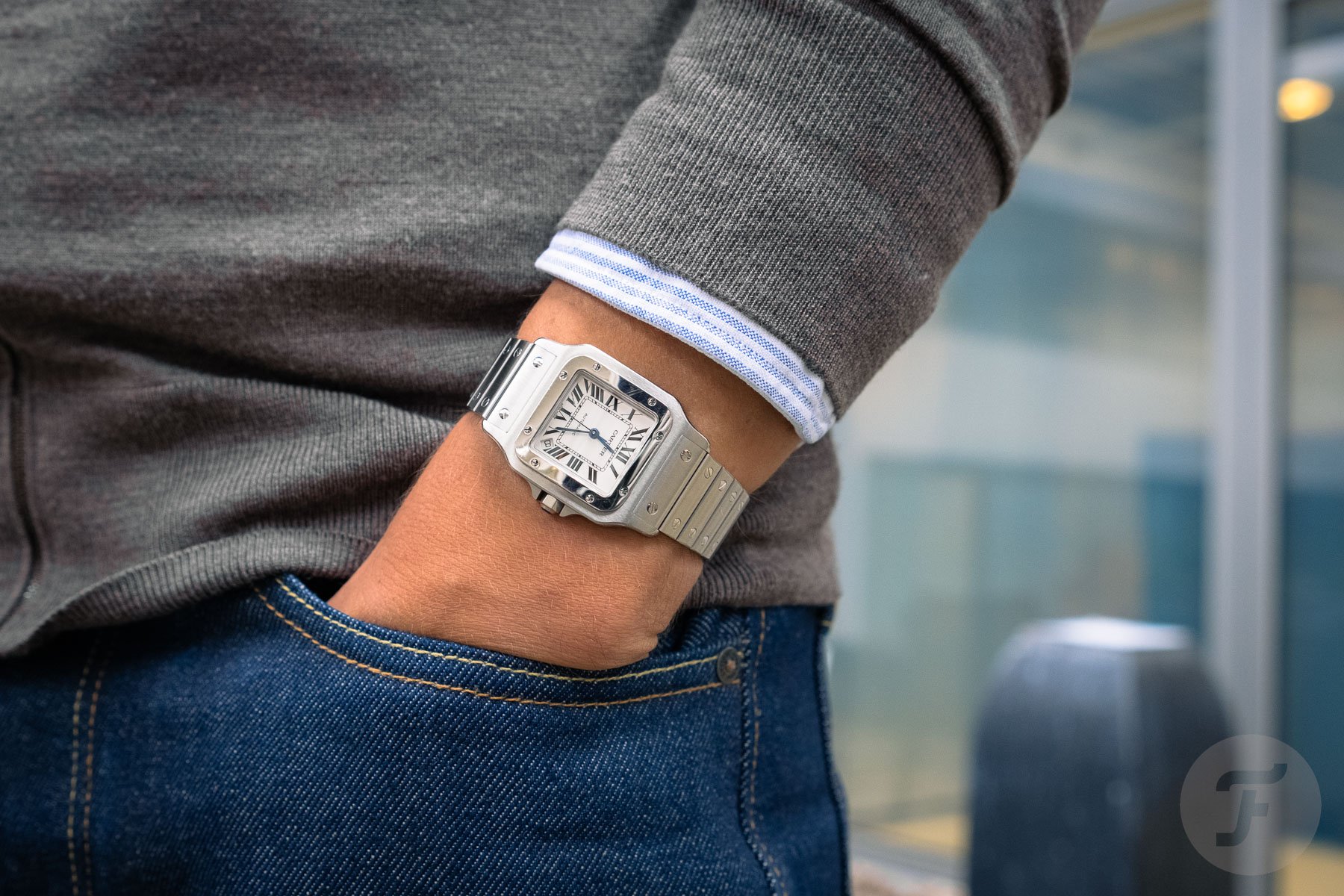
Daan starts off the wrist check with his Cartier Santos Galbée XL, which he is wearing in anticipation of a Cartier event he plans to attend immediately after the recording session. The watch has appeared frequently on his wrist in recent weeks, and given its versatility and refined presence, it seems nicely suited to both the studio and the upcoming engagement.
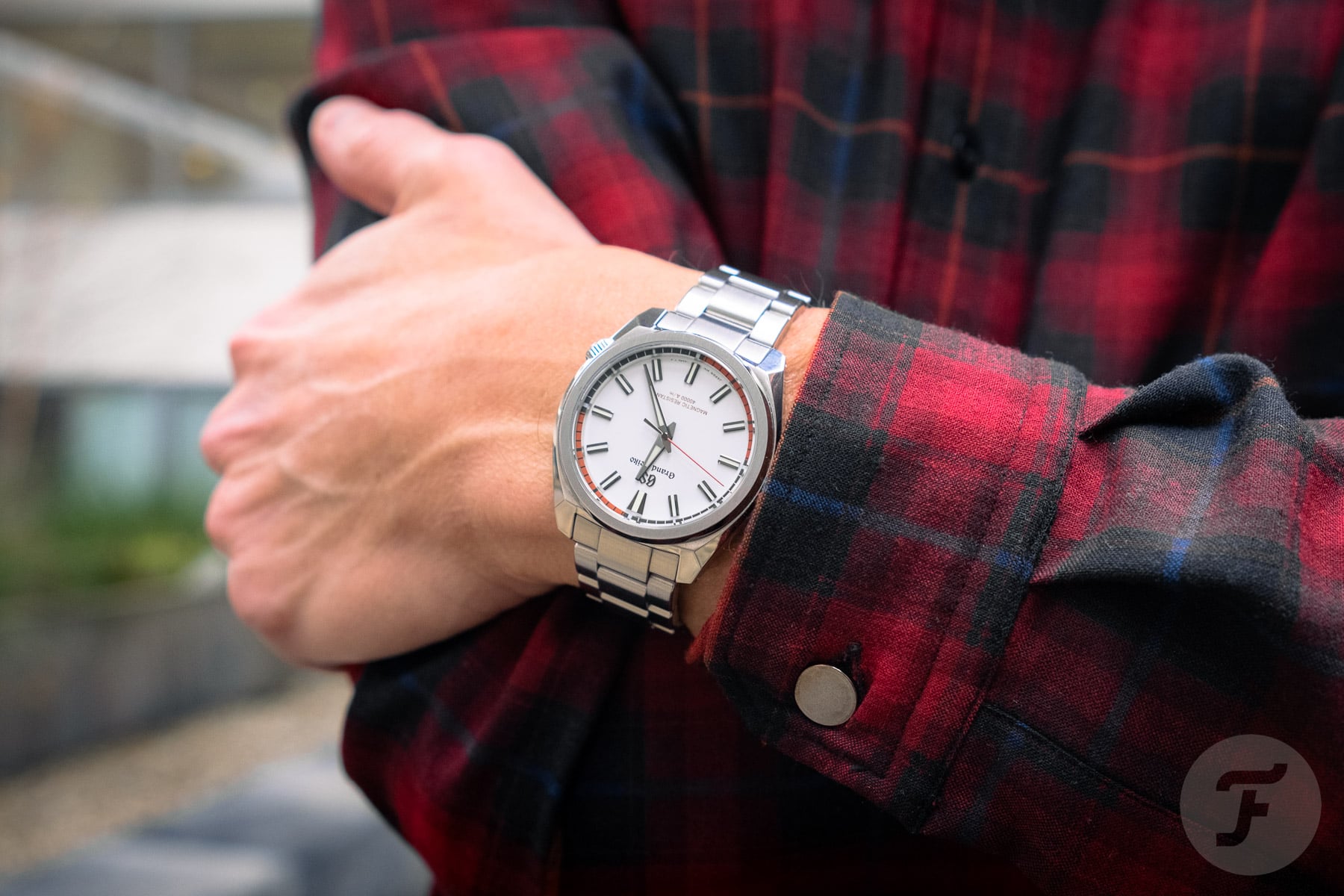
Lex is wearing his Grand Seiko SBGX341, the compact white-dial quartz model he purchased approximately four years ago. Its clean aesthetics and cool, winter-appropriate palette make it a timely choice, even if the season has yet to fully reflect the look of the watch.
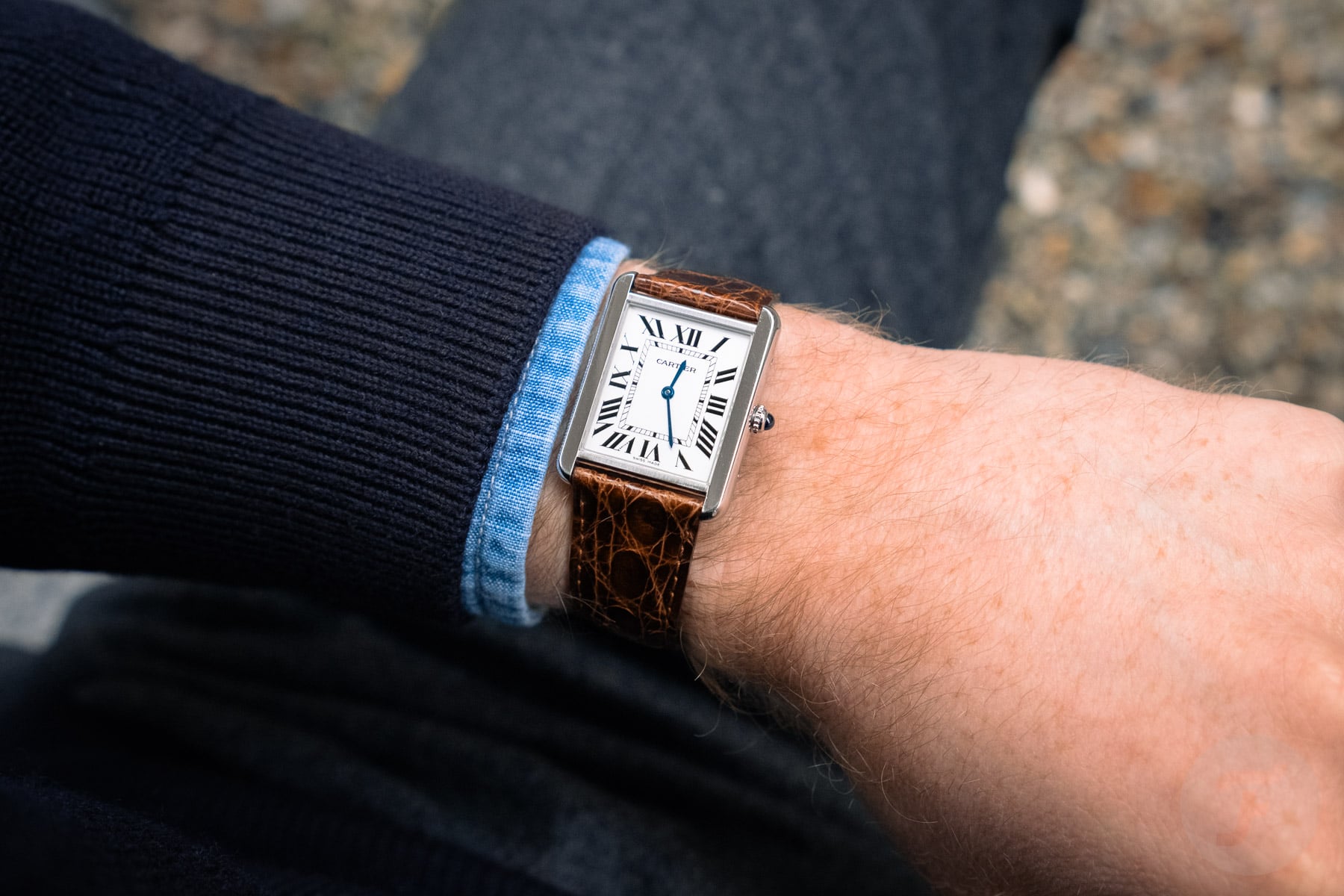
Nacho rounds out the trio with his Cartier Tank Solo, fitted to a glossy brown alligator strap he bought for it in Paris. It’s a watch with significant personal meaning, as it was his choice for his wedding day earlier this year.
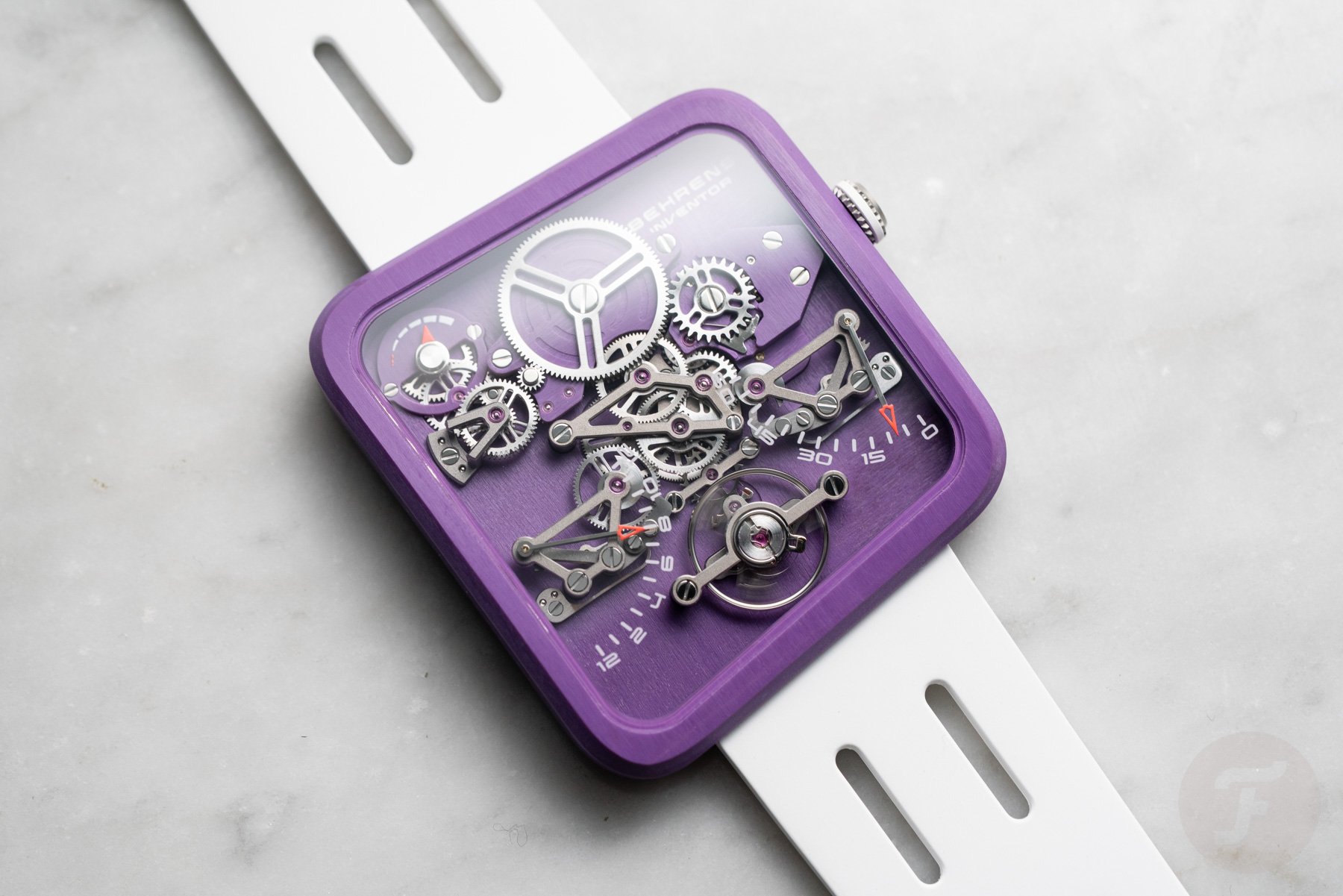
Fratello Talks: The Forces Redefining The Watch Industry’s Future
In this episode of Fratello Talks, the discussion focused on several factors shaping the watch industry’s trajectory as it moves into 2026 and beyond. One prominent theme is the growing influence of China and India. Chinese brands, once largely dismissed, are increasingly producing original and unconventional designs rather than imitating Western models. India, with its expanding middle class and substantial industrial capacity, is emerging as both a significant consumer market and a potential manufacturing force. These developments suggest a gradual shift away from the perception that high-end watchmaking must remain Eurocentric.
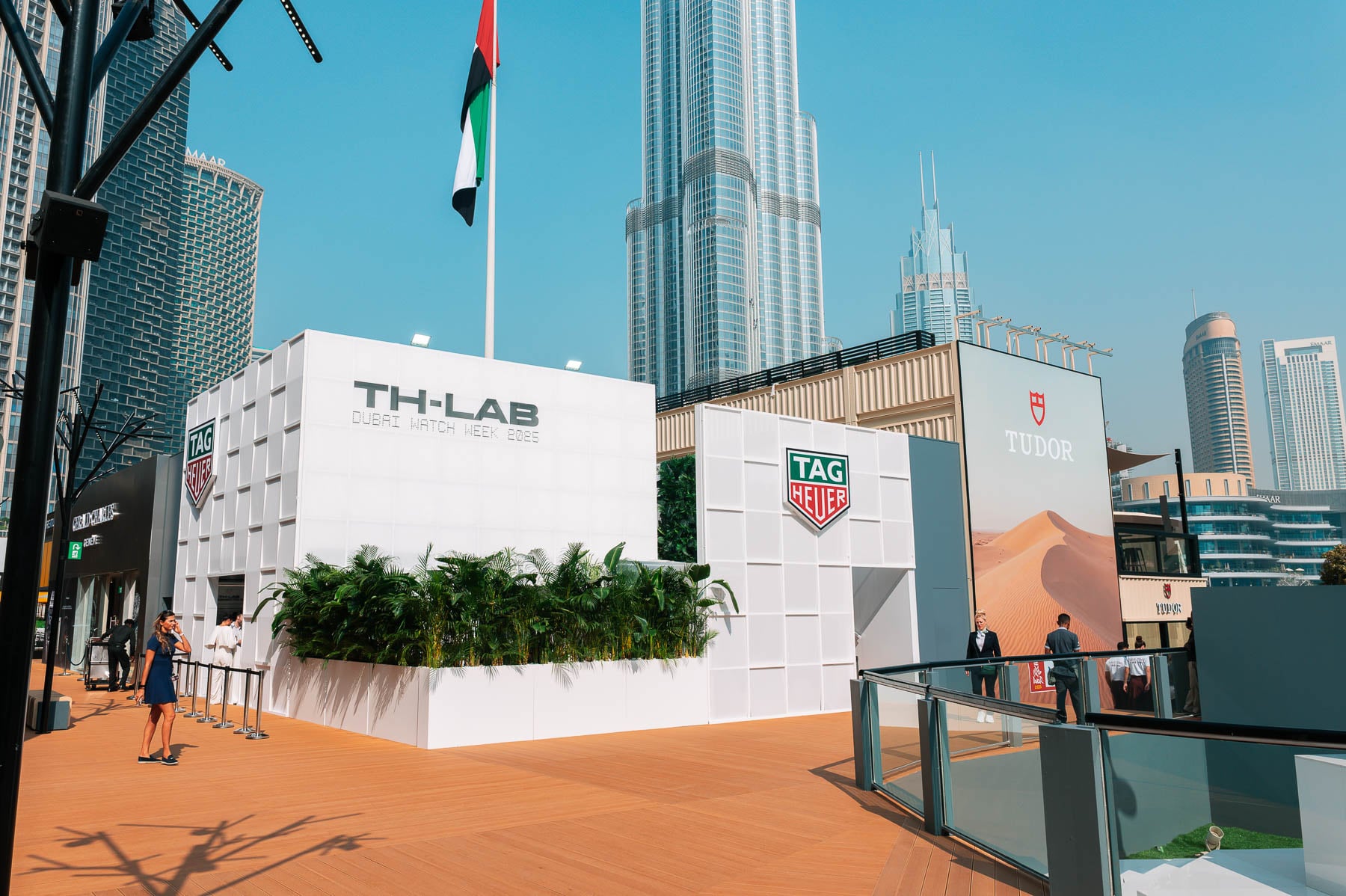
Dubai Watch Week also emerged as an important hub, offering a more open and interactive environment than traditional Swiss fairs. The event enables collectors, brand executives, and CEOs to engage directly, fostering discussions that are more personal and informal.


Collectors themselves are driving change through a desire for closer connections with the people behind their watches. Many are drawn to independent or smaller brands because they offer opportunities to visit workshops, observe production, and interact with founders and watchmakers. This trend emphasizes the value of experience and relationship alongside the product itself.
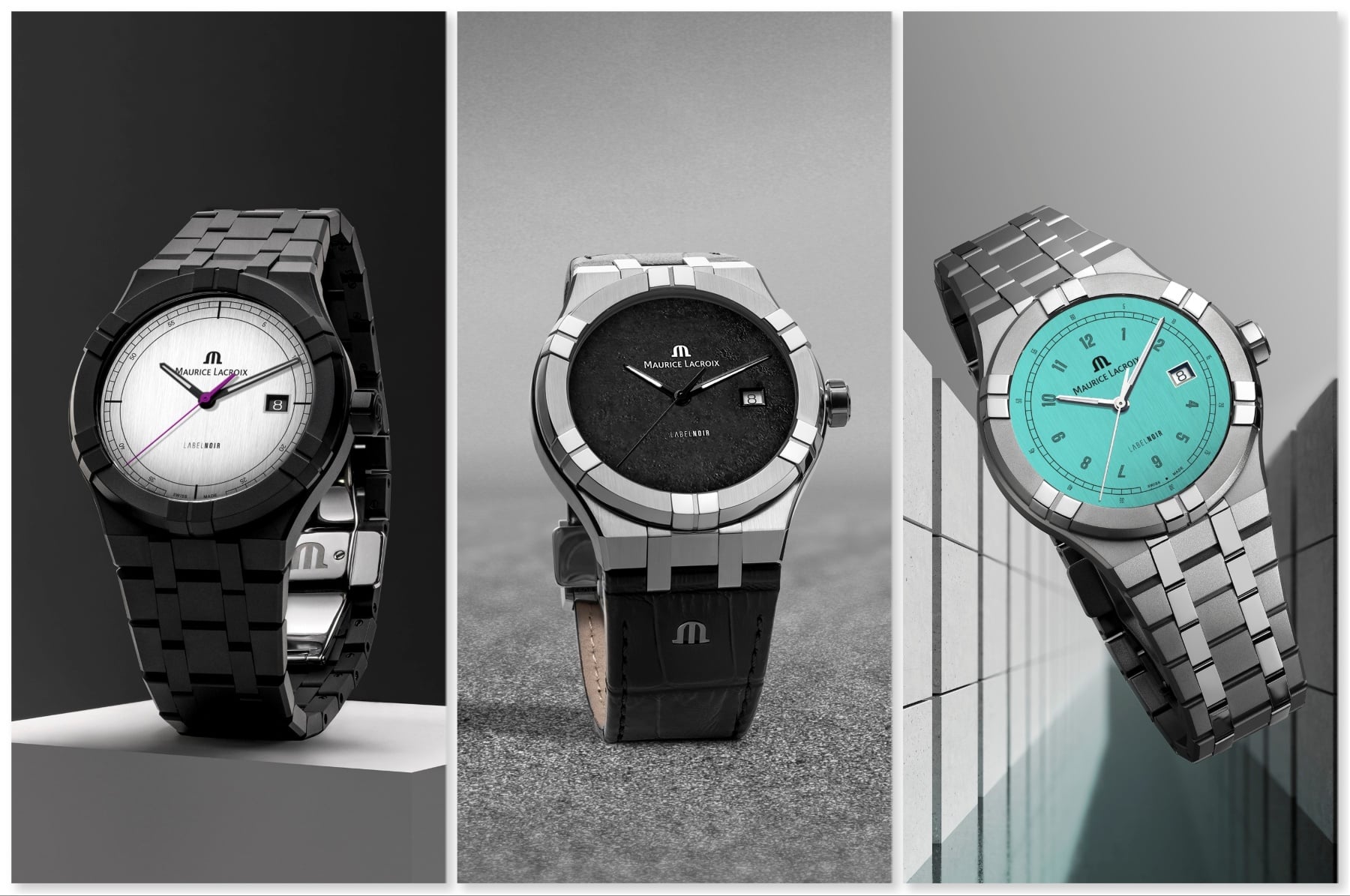
Finally, personalization is increasingly central to the industry. Brands are expanding configurability programs that allow buyers to customize materials, dials, and straps, providing a sense of ownership and individuality similar to configuring cars or sneakers. Together, these trends illustrate an industry in transition, one that is becoming more global, interactive, and responsive to collectors’ evolving expectations. What do you think are the most important forces shaping the future of the watch industry? Share your thoughts in the comments below, and be sure to tune in next week for a brand-new episode of Fratello Talks.