Fratello Talks: Understanding Water Resistance

Have you ever wondered exactly what the water resistance rating on your watch’s dial means? In this episode of Fratello Talks, Nacho, Thomas, and Daan get into the different ratings, what they mean in theory, and, more importantly, in practice for the person wearing a watch. Tune in and listen to this episode, and if you don’t already, you’ll come away fully understanding water resistance. The guys also offer some easy-to-follow advice to keep your watches safe from a watery demise. Before we jump into it, make sure you screw down your crowns, and let’s start with a wrist check.

Wrist check
Daan is first to have his wrist checked, and despite the week’s topic, he has opted for a watch with an unknown (to him) level of water resistance. It’s his Cartier Santos Galbée XL, which, despite being Daan’s GADA watch, he keeps away from water when possible. Equipped with a fresh gasket, it would likely be fine, but it’s always better to be safe than sorry.
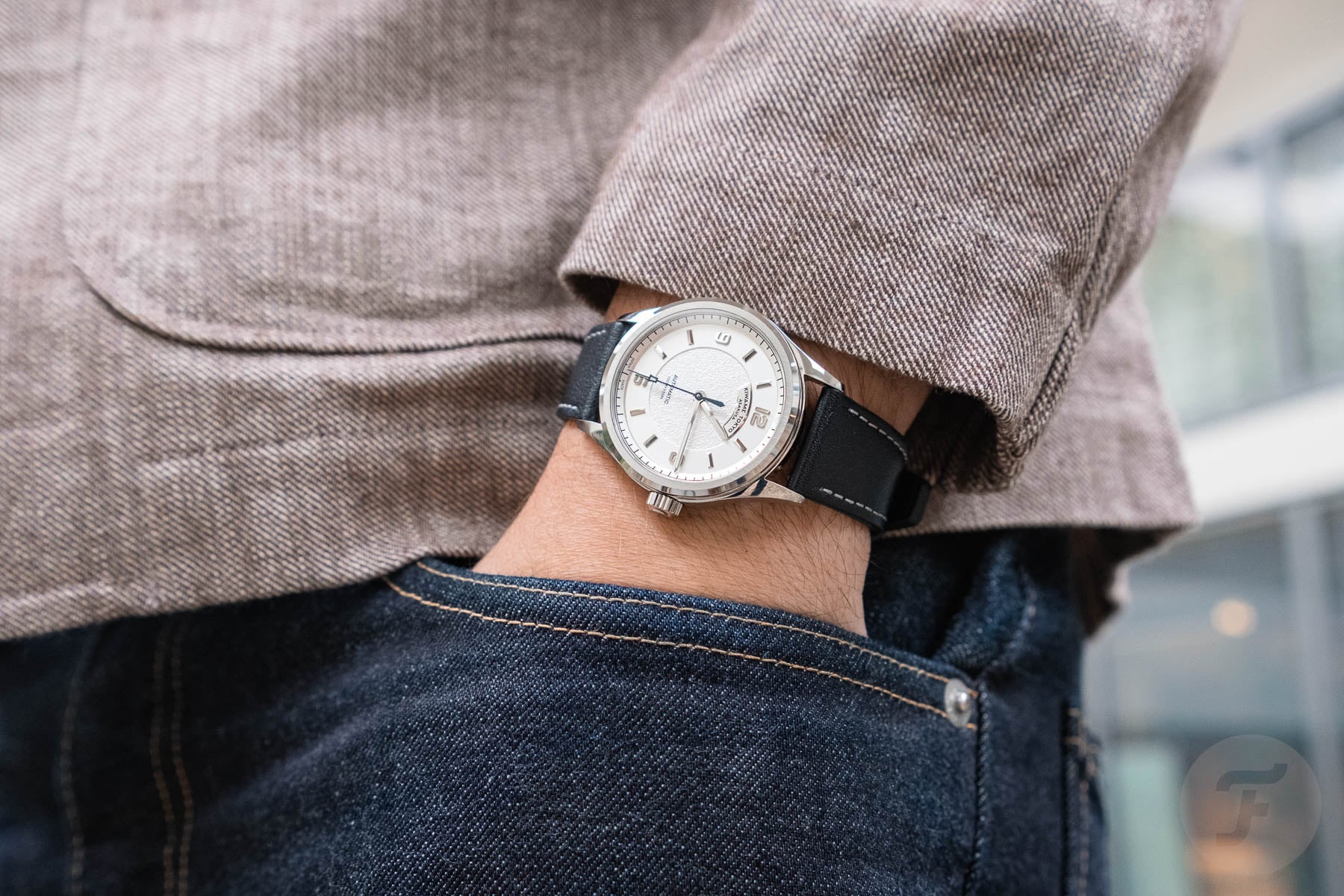
Thomas is wearing a Kiwame Tokyo Iwao Ginkai (or “Silver Ash”). Made in Japan, it’s a 38mm elegant field-meets-dress watch housing a Miyota 9039 and featuring some impressive finishing. Equipped with a screw-down crown, it has a 100m water resistance rating. You can read more about the Ginkai and its inky-black-dial counterpart in Jorg’s hands-on article here.
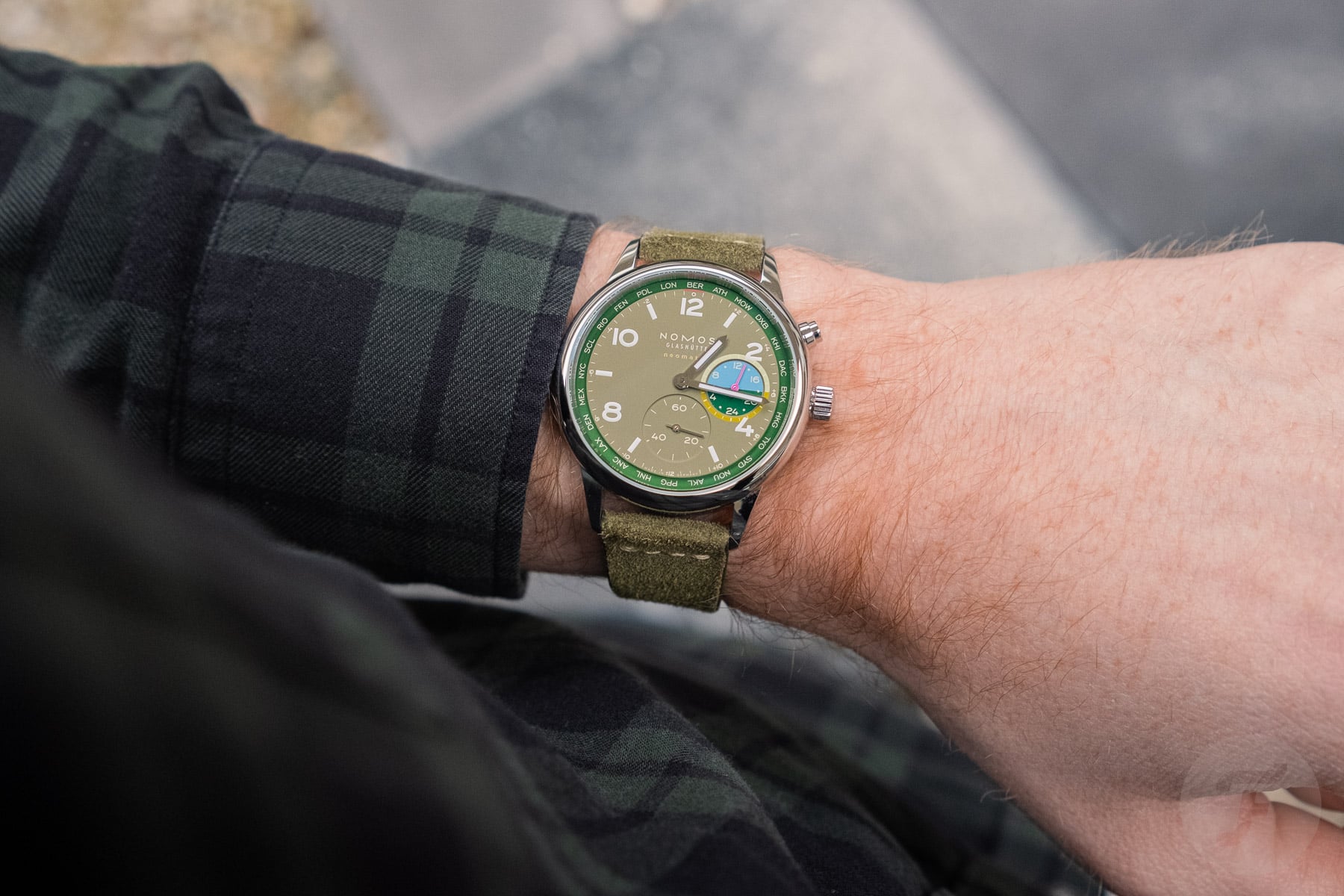
And finally, Nacho has gone back to his Nomos Club Sport Neomatik Worldtimer Jungle LE, which, like the watch on Thomas’s wrist, meets the reassuring sports-watch standard of 100m water resistance with a screw-down crown. He has yet to take it in the water, something he wouldn’t hesitate to do, though it will require a change of strap.
Fratello Talks: Understanding Water Resistance
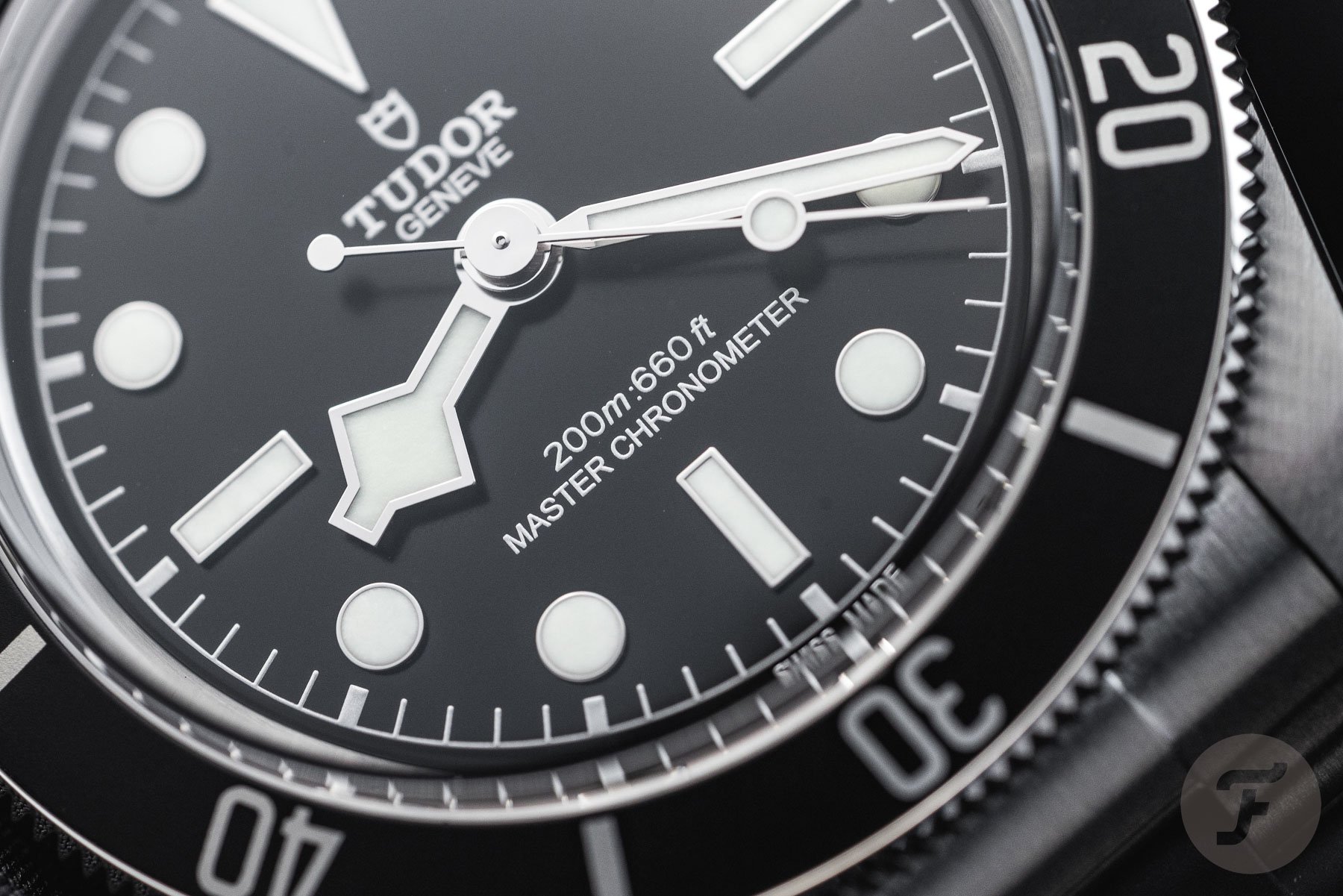
In this episode of Fratello Talks, Nacho, Thomas, and Daan take a closer look at the water resistance ratings printed on our watches and discuss what those numbers really mean once a watch leaves the spec sheet and ends up on the wrist. From there, the conversation moves beyond the usual misconceptions surrounding depth ratings and into how water resistance works in day-to-day wear. The guys explain why figures like “50 meters” are often misunderstood, how factors such as pressure, aging seals, and regular servicing play a crucial role, and why static lab testing doesn’t always reflect real-world conditions.
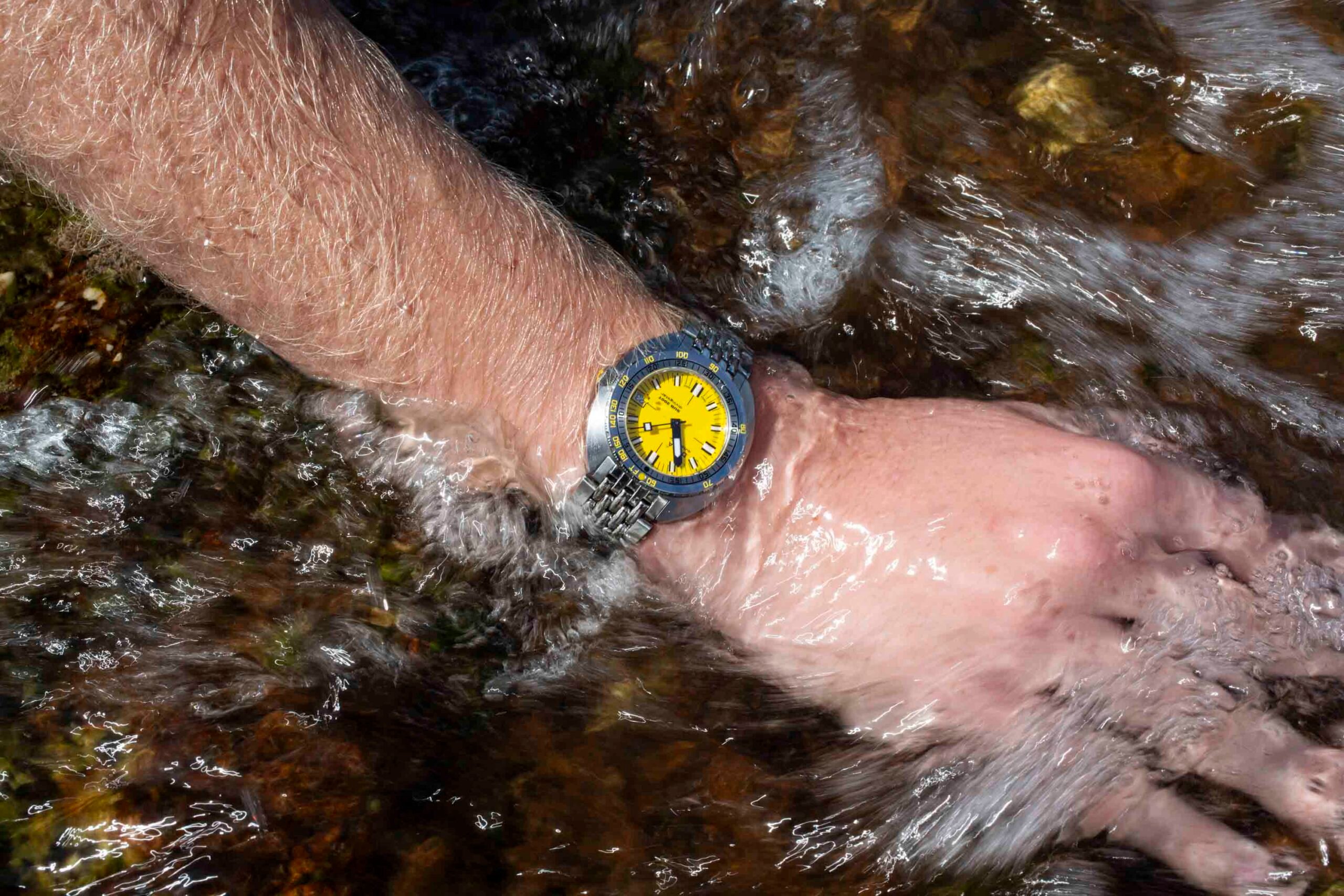
There’s also a look at ISO standards and a timely reminder that vintage watches, in particular, deserve a more cautious approach around water. They keep the approach practical, focusing on experience-based advice rather than marketing numbers.
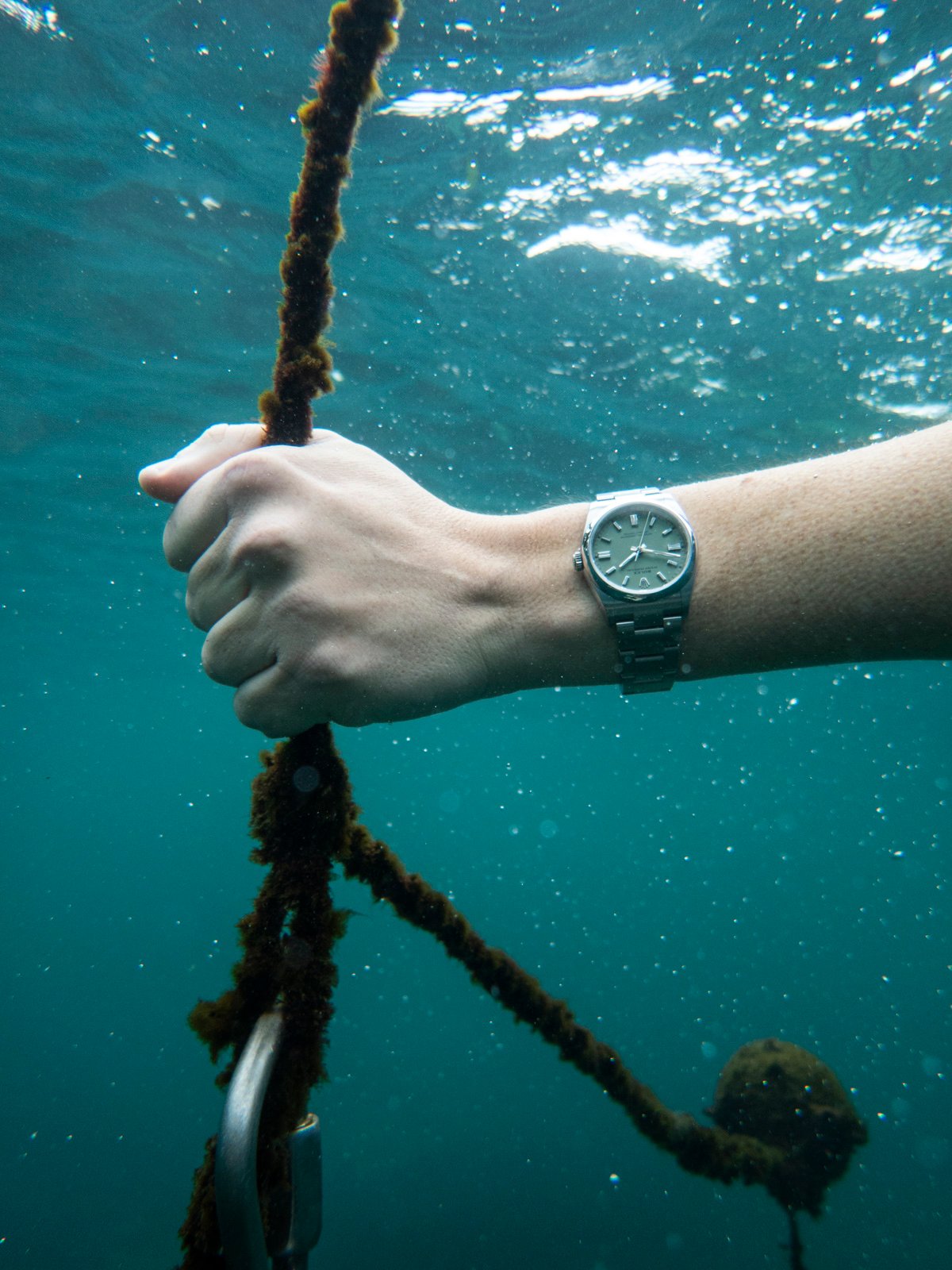
How cautious are you with your watches around water? Do you get them checked before taking them on a seaside holiday, or do you keep them dry? Let us know in the comments below, and tune in next week for a new episode of Fratello Talks.