New Year, Higher Prices: Rolex Hikes Watch Prices By Nearly 6%

Ski jumping in Garmisch-Partenkirchen, the Vienna Philharmonic playing Strauss waltzes at the Musikverein, a hangover… This is a random selection of traditional events happening on January 1st. In the world of watches, there’s another unescapable tradition — Rolex price increases. As of January 2026, Rolex raised its prices by almost 6% on some watches. Since it’s a tradition, do you accept it as a fact of life, or does it affect you in some way?
Death, taxes, and Rolex price increases — these are life’s certainties. We’ll leave the first two topics alone and focus on the inevitability that the price tags of Rolex watches get heavier as soon as the new year starts. Indeed, 2026 begins with recommended retail prices increasing by roughly 2.5% to nearly 6%, depending on the model and material. Anyway, happy new Rolex prices!
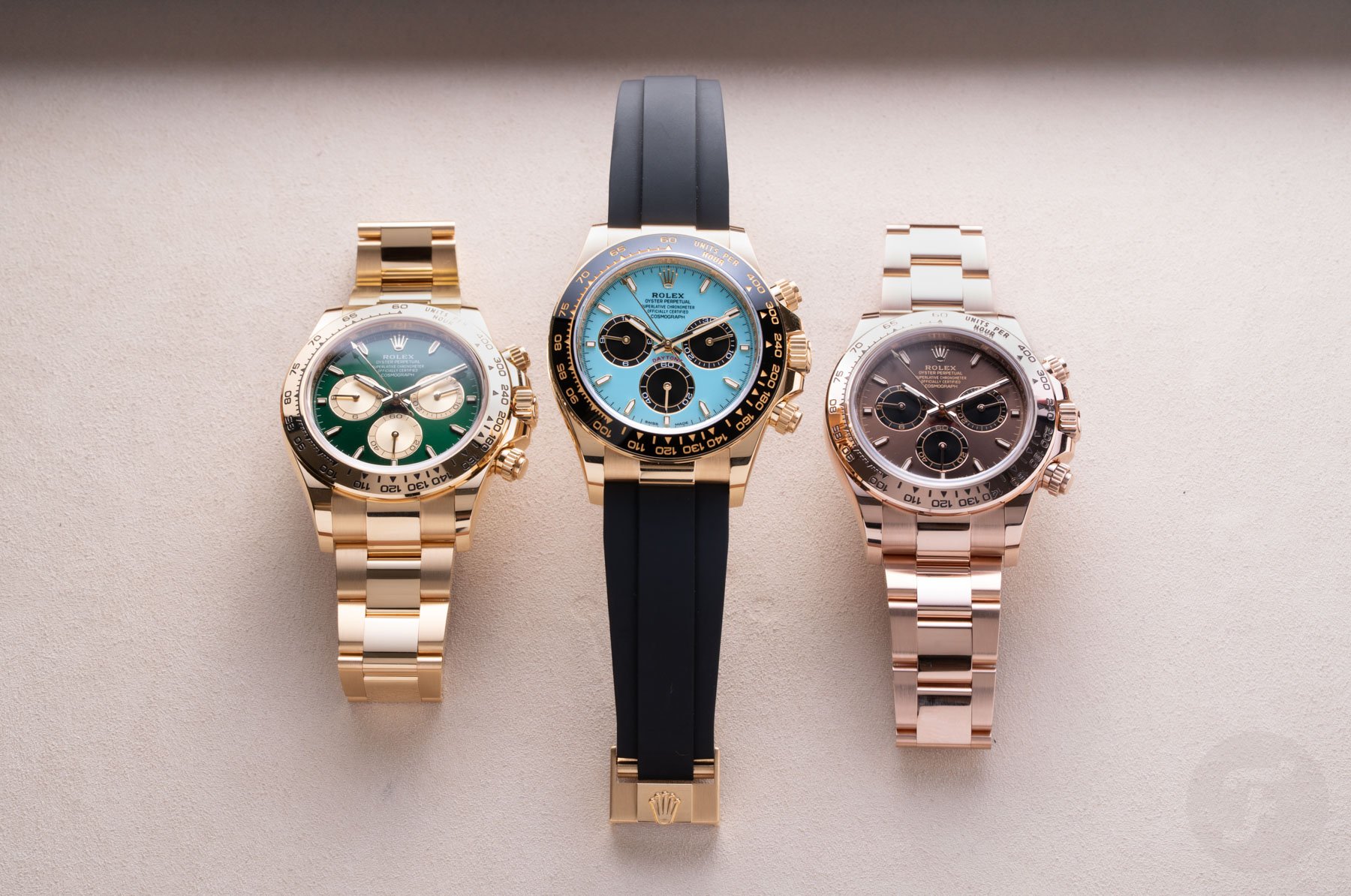
Rolex raised its prices; now what are you going to do?
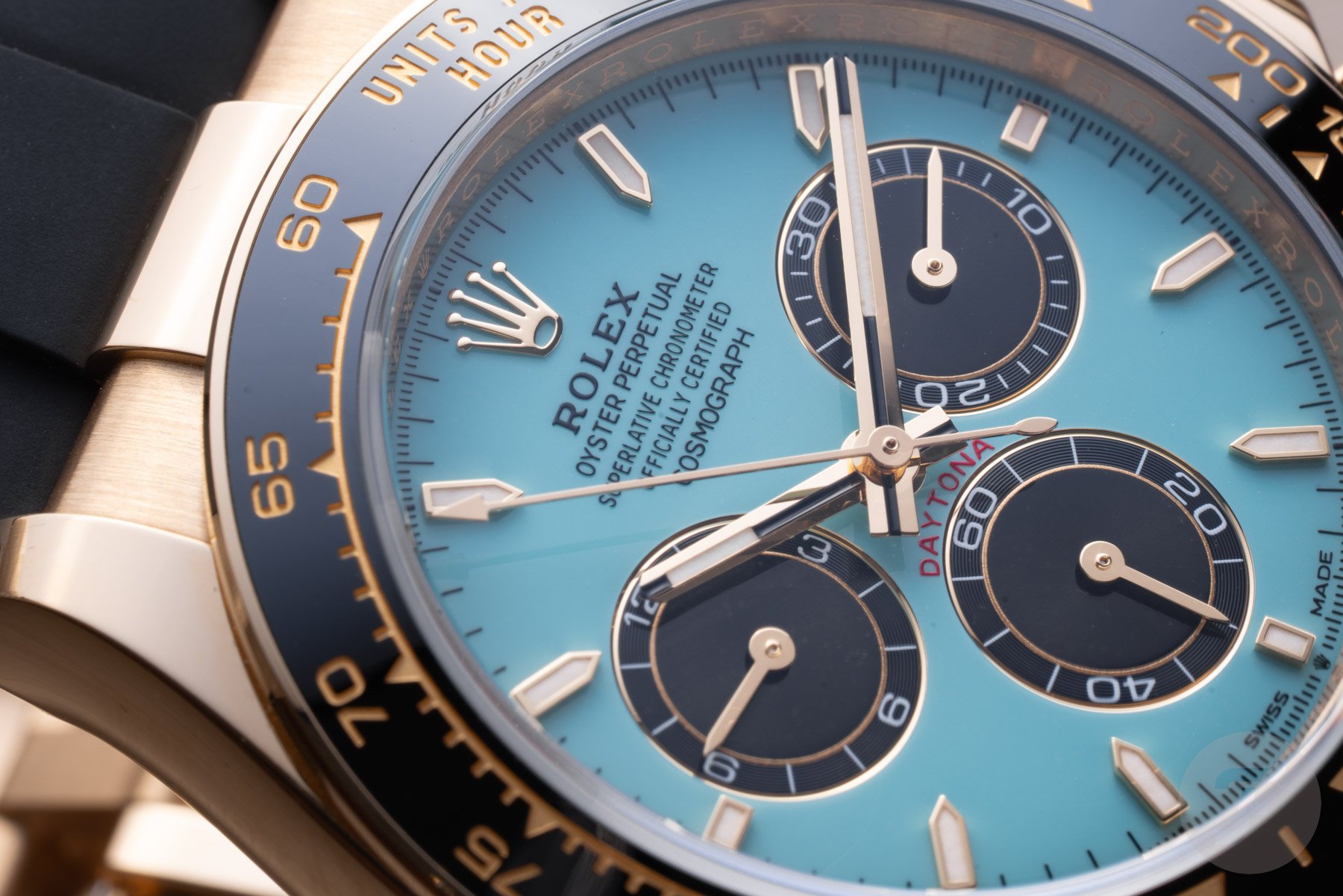
Since the watch world witnesses Rolex raise its prices every January, why is 2026 different? Historically, price increases hovered around 3–4%. However, last year, gold references saw increases due to the continuous rise in gold prices. Non-gem-set full-gold Daytona models experienced a 14% price hike. Regarding that example, it translates to a €6,000 price increase if you buy the yellow gold Cosmograph Daytona ref. 126508 at an official Rolex dealer in the Netherlands. Until the first day of 2025, the yellow gold Daytona had a retail price of €42,800; from January 2025, it cost €48,800. Today, the same watch costs €51,600, marking a price increase of 5.7%.
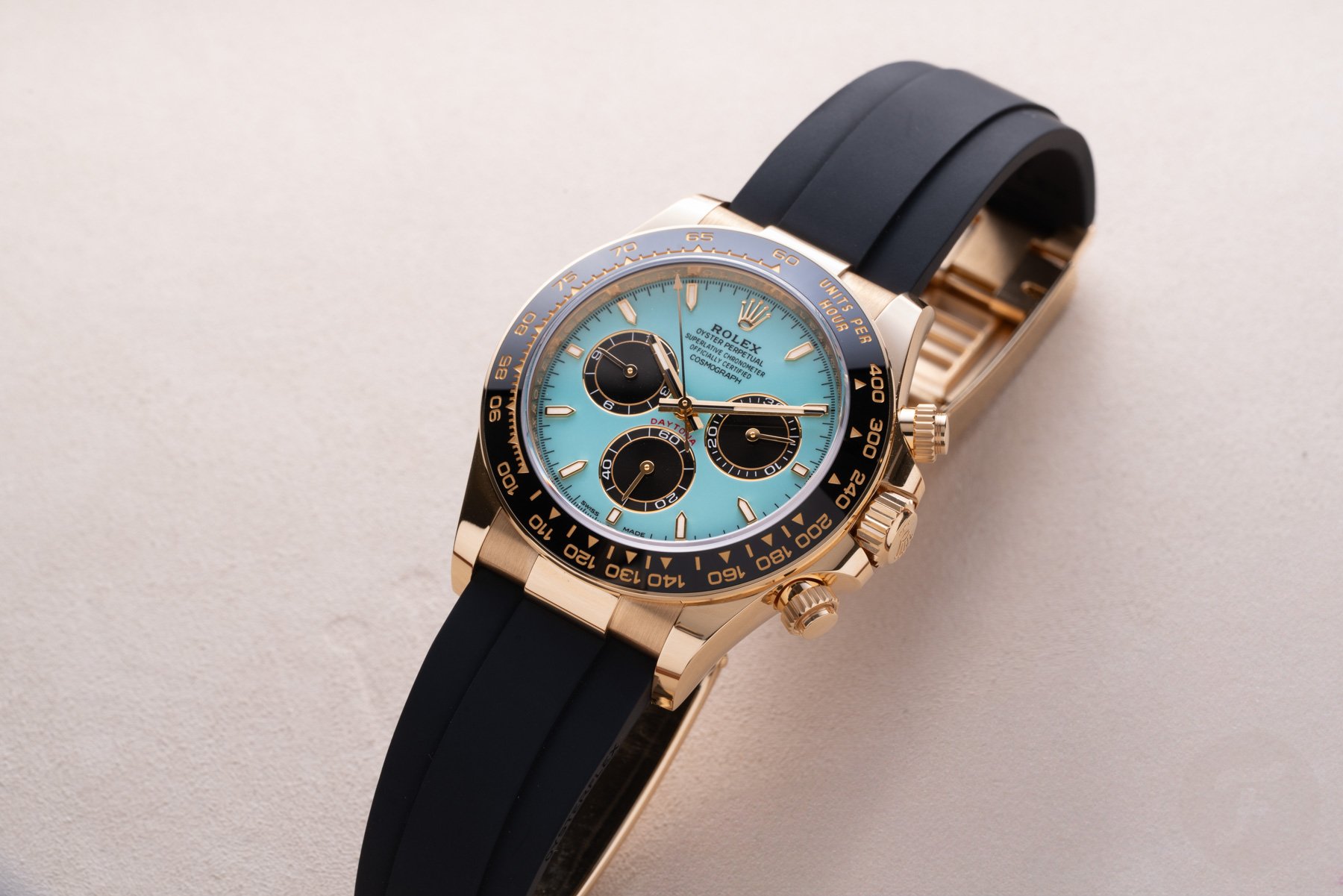
Yellow gold Daytona ref. 126518LN on an Oysterflex bracelet
Another Daytona, the yellow gold ref. 126518LN on an Oysterflex bracelet, had a price tag attached to it that read “€37,700” in 2025. As of January 2026, it reads “€39,800,” meaning it also got “heavier” by 5.7%. Now, that €2,100 increase is probably not going to hurt the aspiring buyer. Acquiring one is the difficulty for the target audience, not the price.
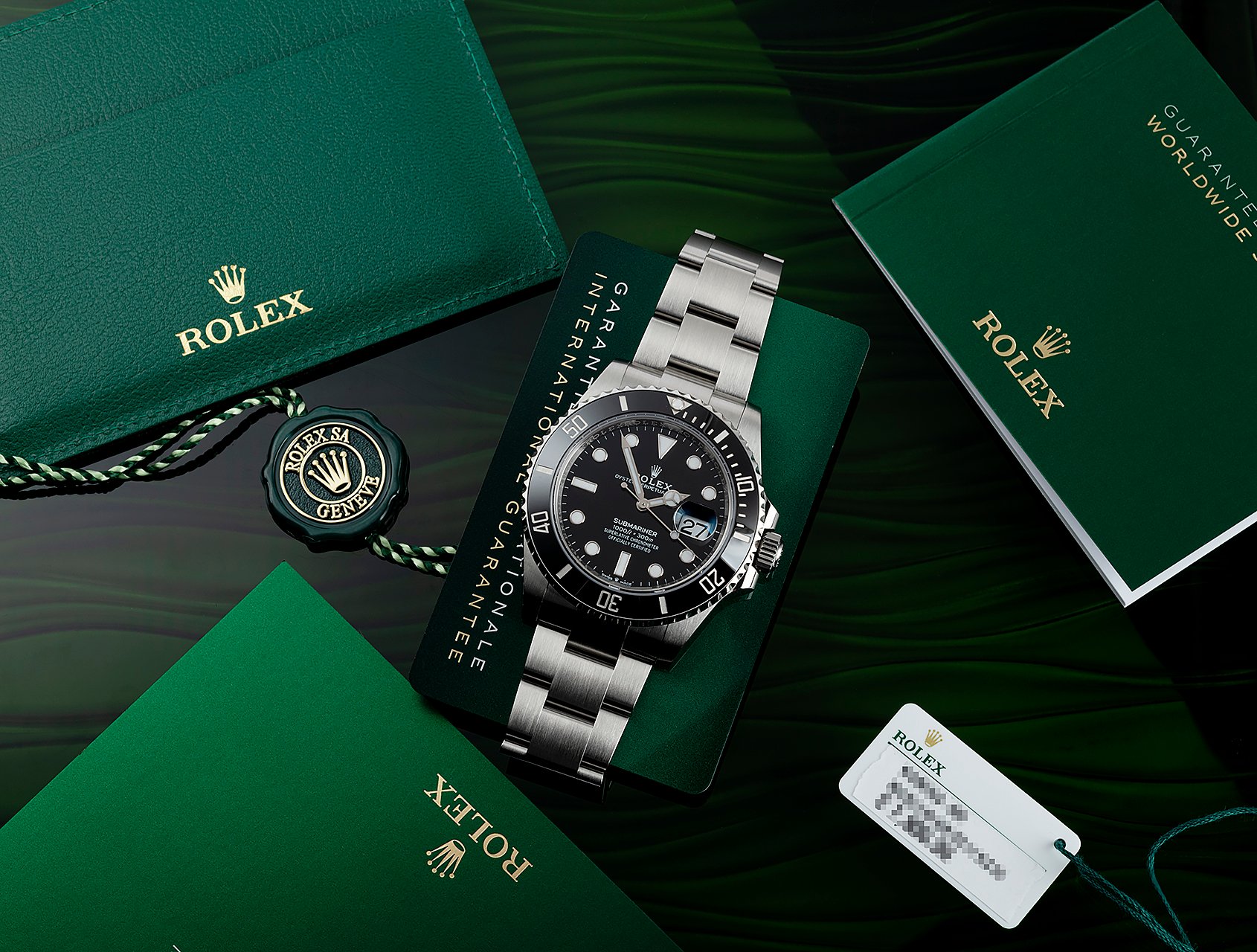
Rolex Submariner Date ref. 126610LN — Image: The Watch Club
Subs are up
As you would expect, an 18K yellow gold Submariner ref. 126618LB, which cost €45,000 at the end of 2025, also went up in price. It increased by 5.8%, to be precise, meaning it now costs €47,600. In this day and age, the sports watch rules supreme, and nothing says wealth, status, and prestige better than an informal watch in a formal alloy — gold. What about steel, the working man’s alloy? The steel Submariner Date ref. 126610LN is an archetypal dive watch that cost €10,800 at the start of 2025 and now has a retail price of €11,100, an increase of “just” 2.8%.
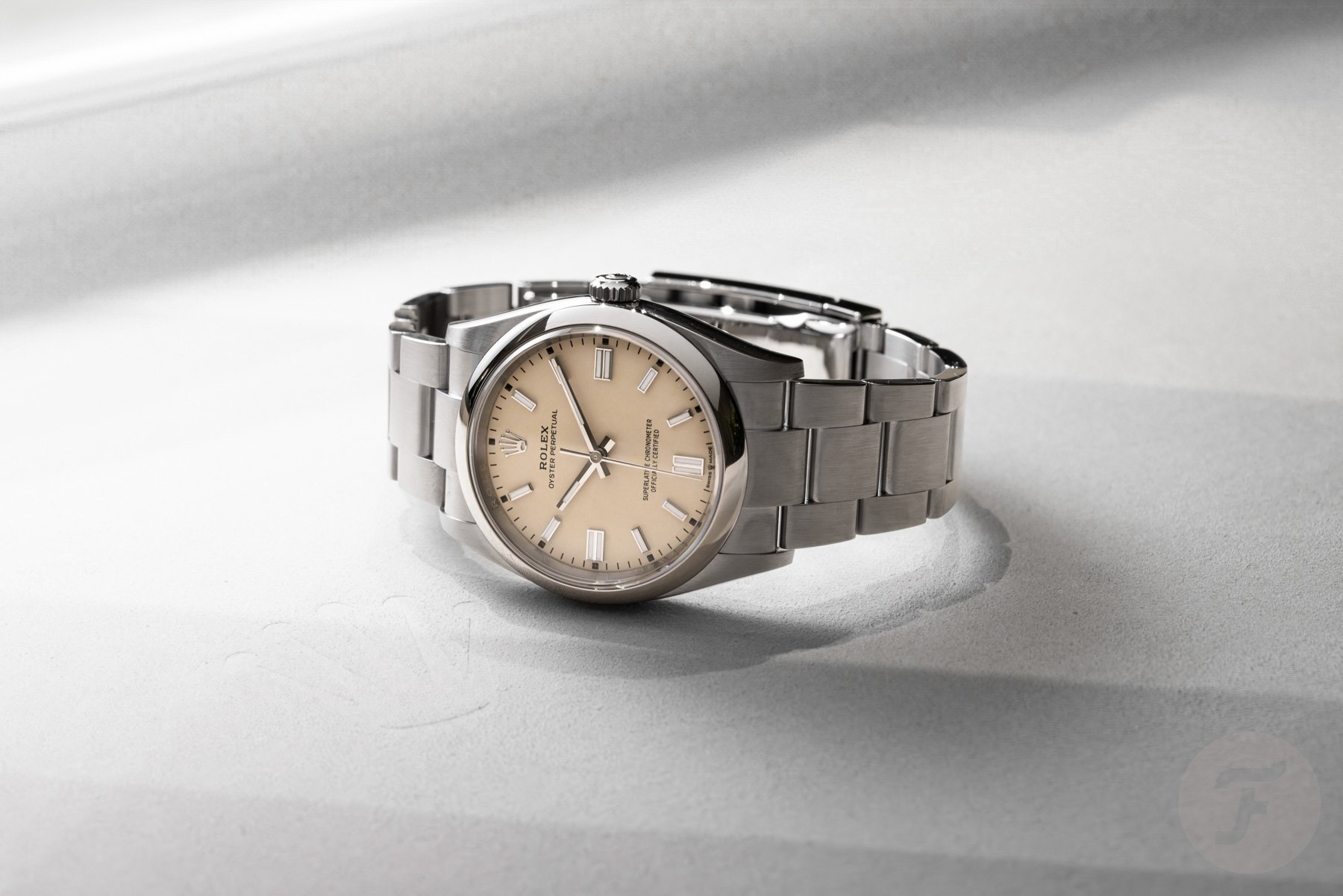
Oyster Perpetual 36 ref. 126000
The steel Oyster Perpetual 36 ref. 126000 is a fan-favorite model that increased from €6,400 in January 2025 to €6,550 now. And the coveted and still-unobtainable GMT-Master II “Pepsi” on a Jubilee bracelet, ref. 126710BLRO-0003, which cost €11,450 a year ago, also went up €100, meaning it now costs €11,550.
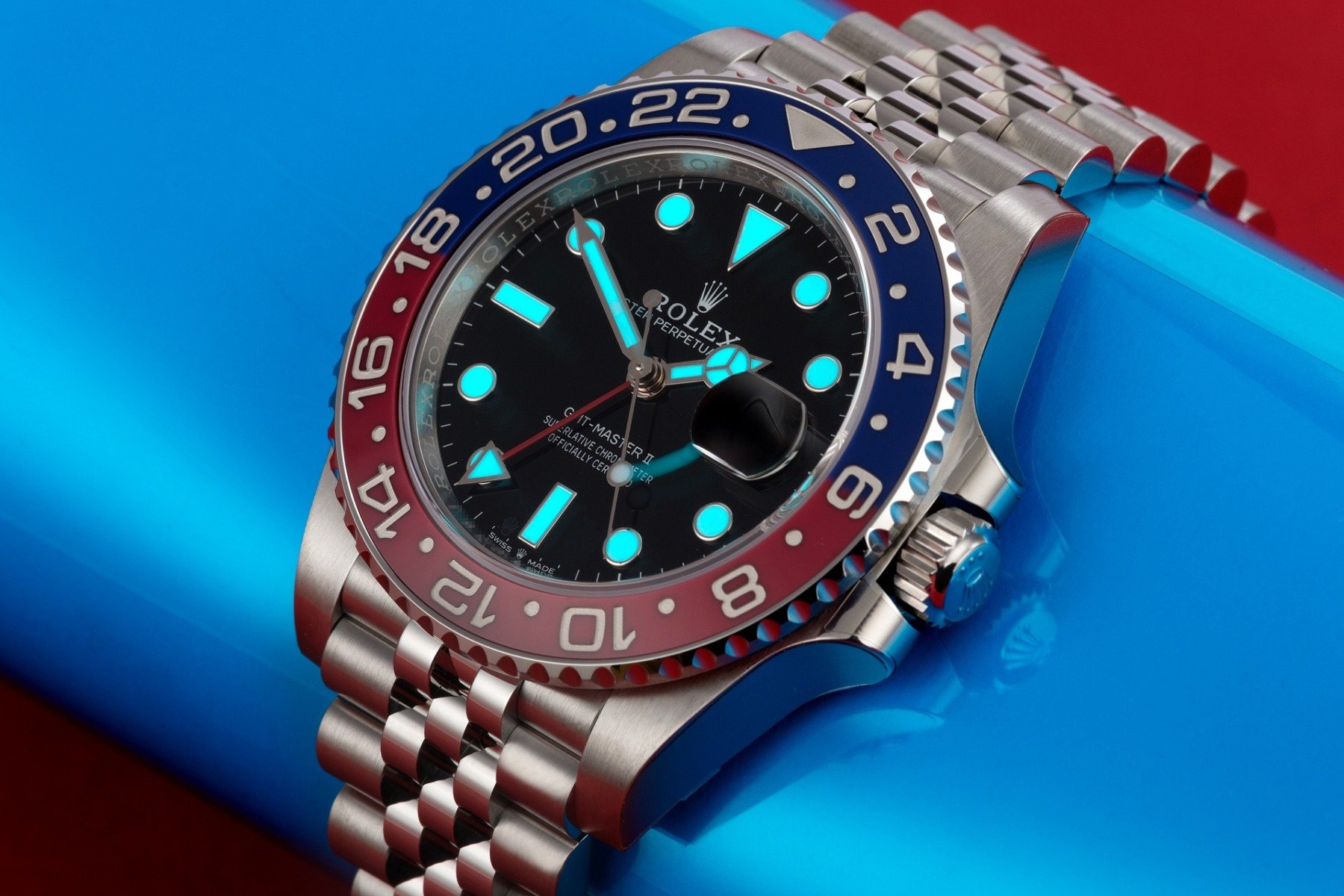
GMT-Master II ref. 126710BLRO — Image: The Watch Club
Hot-or-not commodities
The titanium Yacht-Master 42 ref. 226627 is a rare critter and a niche product. The watch’s debut price in 2023 was €14,000; as of 2026, it retails for €15,750, representing a 12.5% increase over three years, or an average annual increase of approximately 4%. Interestingly, in 2025, the titanium Yacht-Master 42 saw an 8% price increase, which was steeper than some of the price increases of some gold references. At the time, it seemed that Rolex was anticipating an increase in demand for titanium, which would result in a steady rise in prices in the coming years. The moderate price hike can be seen as a signal that titanium is not a highly sought-after commodity in 2026.
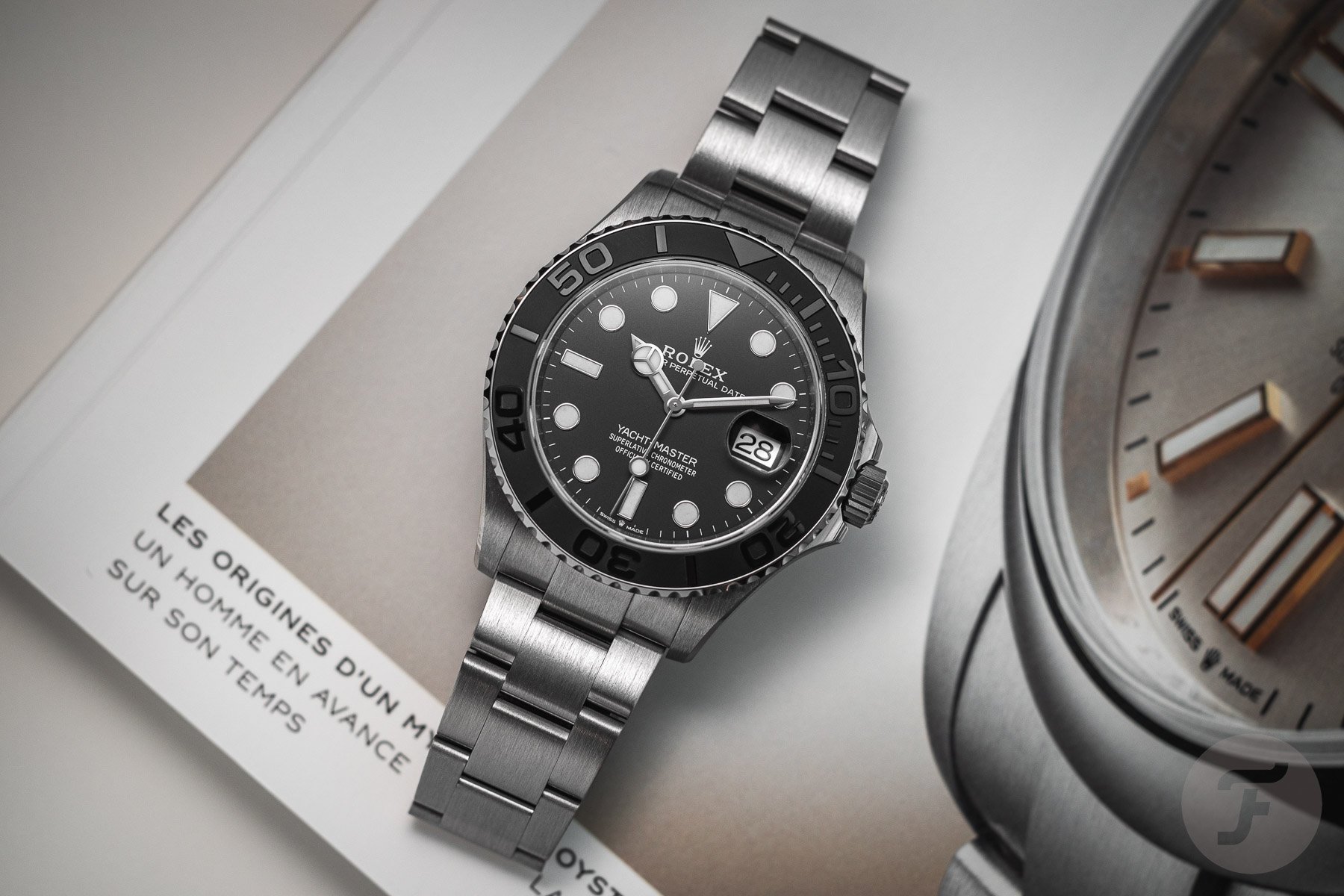
Yacht-Master 42 ref. 226627
Gold, on the other hand, is still in high demand. According to said UBS analyst Giovanni Staunovo, “Gold prices are expected to move higher in 2026 — we target a move to US$5,000/oz — driven by lower real yields, ongoing global economic concerns, and uncertainty surrounding U.S. domestic policy.” This could very well mean that by the middle of 2026, Rolex will “correct” the prices of its gold watches once more.
Are you in or out?
Rolex is not merely a watch brand; it is also a benchmark. “The Crown” produces steel watches that make a gold statement, and its gold watches are, for many, the epitome of luxury and the crown on their success. For those who once purchased a “Sub” at an official retailer for approximately €6k, the new price of over €11k is likely too steep to comprehend and accept. It doesn’t matter that the “cheap” Sub was technically inferior to the current one. “A Sub is a Sub,” people say, and I understand that. On the other hand, if you’re new to the watch game and you desire the most famous dive watch of all time, you can probably live with slight price corrections. And in the case you’re in the market for precious-metal Rolex models, what’s €2k more when it buys you instant recognition?
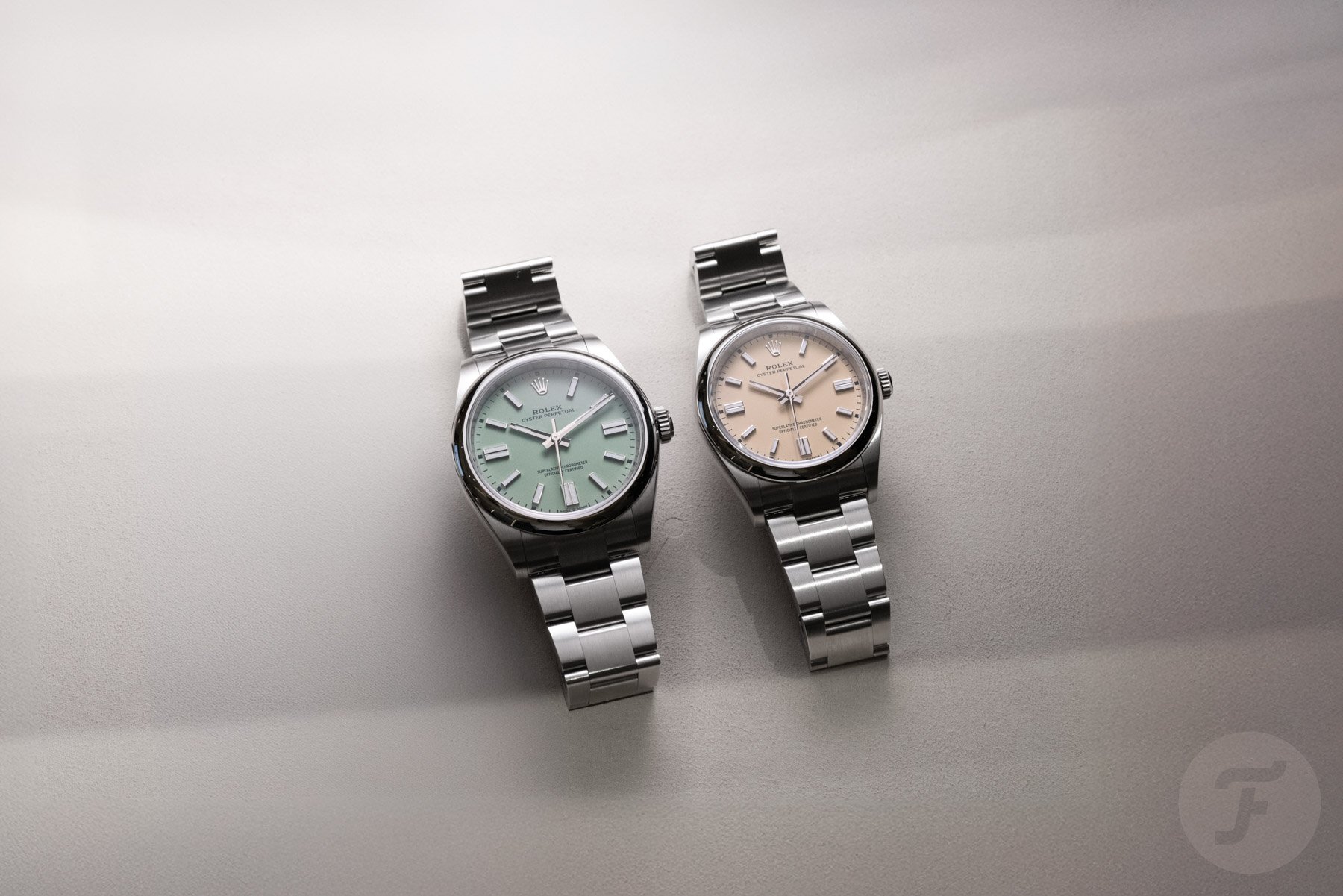
“OP” Beige ref. 126000 and Pistachio ref. 134300
Are you upset by this year’s Rolex price increases? Will they stop you from purchasing one? Or do you see the annual price increases that will most likely be followed by another adjustment halfway through 2026 as a fact of life? And last but not least, does current Rolex pricing and the balance between price and product make you look differently at the world’s most famous luxury watch brand?