Should Serviceability Be A Factor When Buying A Watch?

There’s an aphorism among watch lovers that the right mechanical watch never truly belongs to you; rather, it is something you just look after for the next generation. But beneath the romantic surface of that line, there’s a cold, hard truth: durability is only half the equation. The other half, which determines whether a watch can survive through decades, even centuries, is serviceability and the ability to restore it long into the future.
In my journey with mechanical watches, I’ve traversed the spectrum from fresh-out-of-the-box, brand-new pieces to crusty vintage finds that still tick but carry the patina of decades on the wrist. What has become crystal clear is that in the world of mechanical timekeeping, longevity is not just about engineering; it’s also about support, parts, expertise, and commitment from the maker and the wider watchmaking ecosystem.
A personal case for the long view
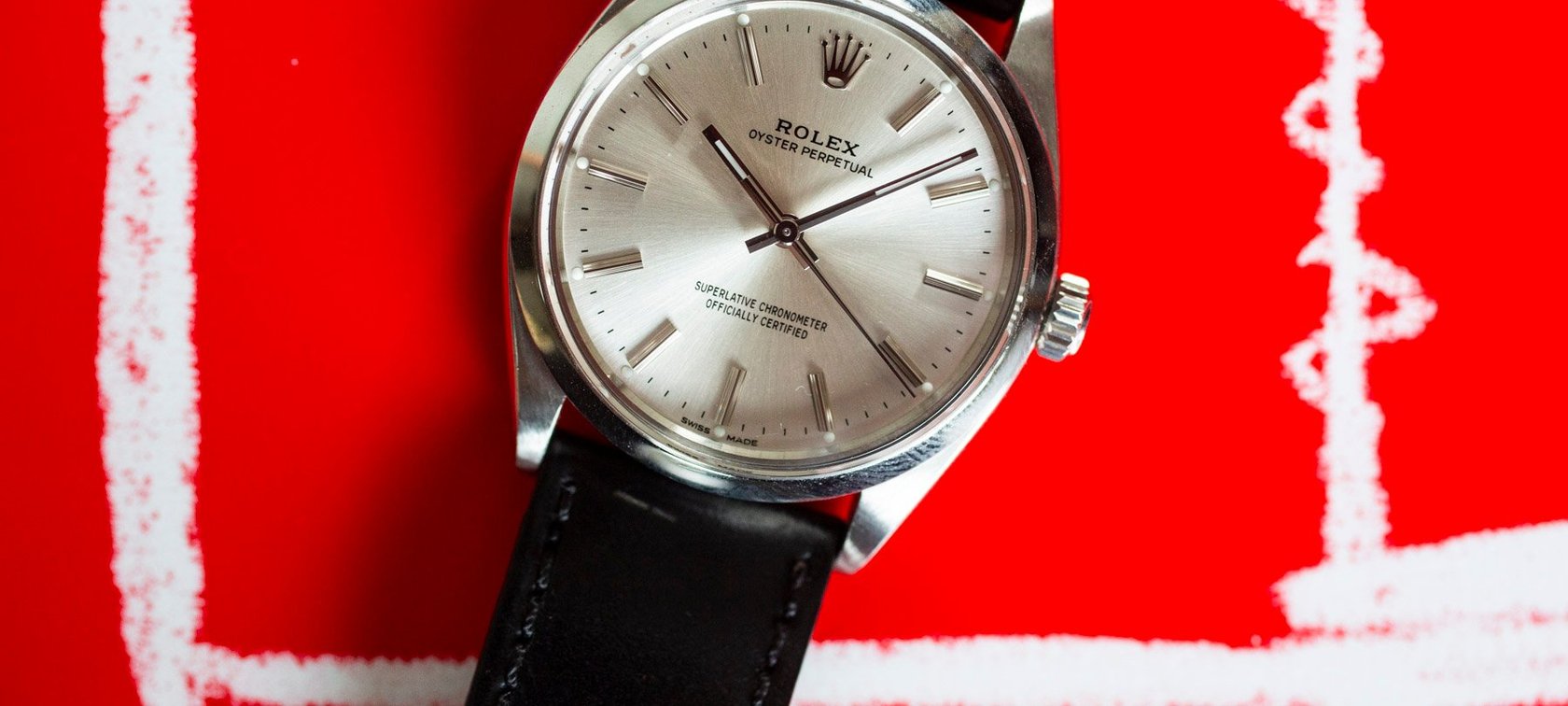
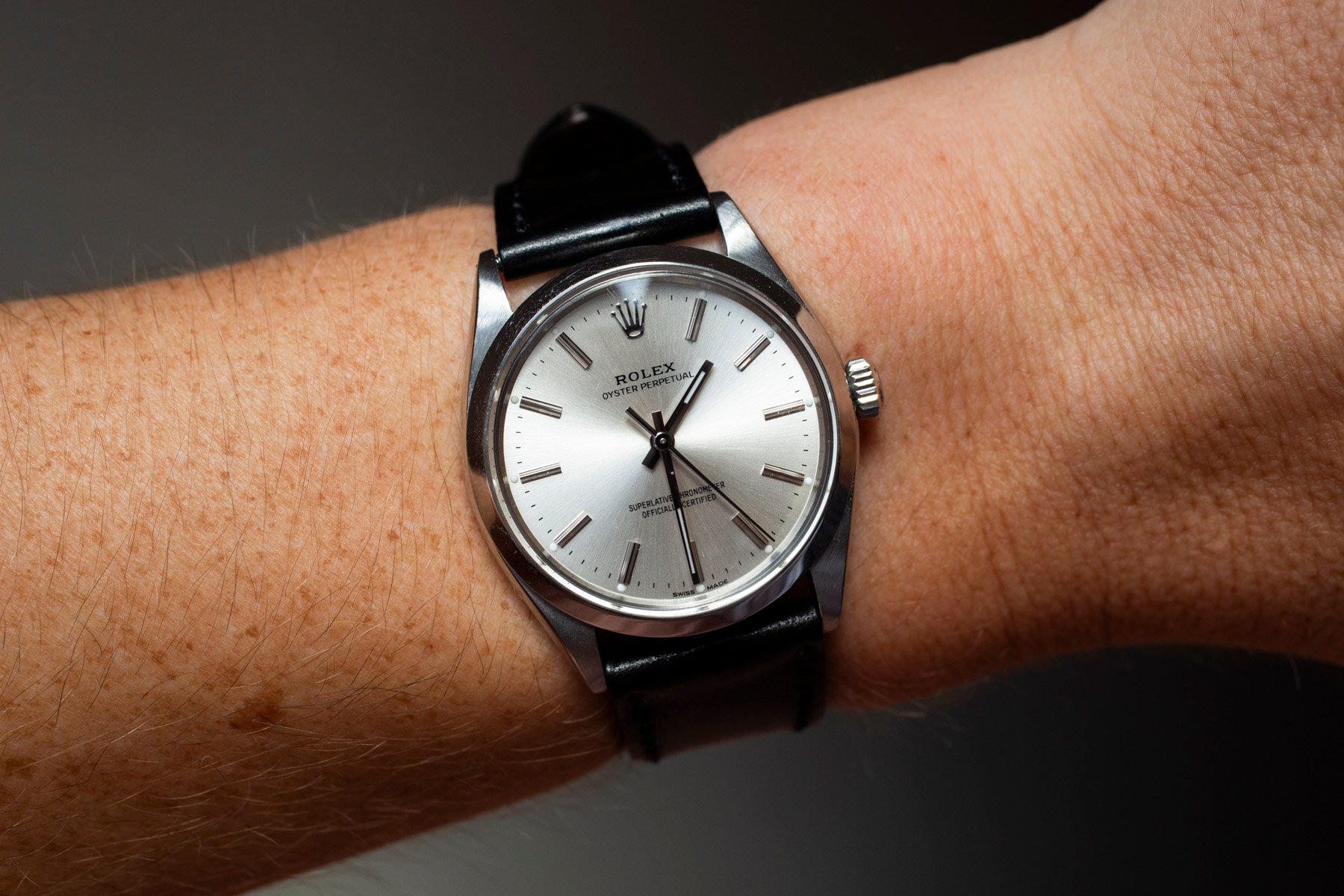
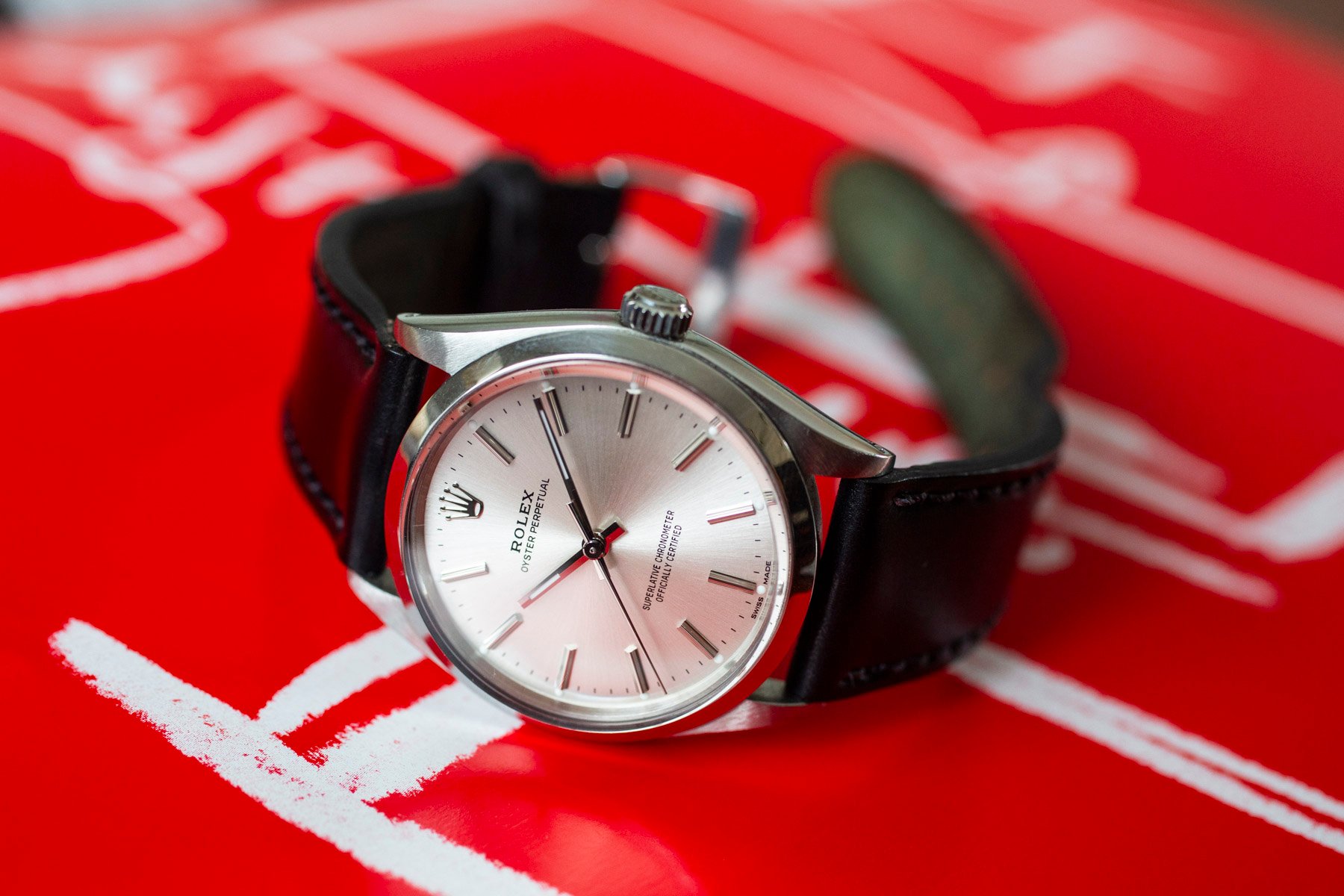
Take, for example, my ongoing affection for my first Rolex, the Oyster Perpetual 1002. Aesthetically, this simple three-hander gave me a profound education in why vintage watches matter. But that experience also taught me that beyond how a watch looks or makes you feel in the moment, you need to consider how you’re going to keep it running years from now. This is because servicing is still a relatively straightforward choice for vintage Rolex watches, unless you own a particularly rare one.
The 1002 was a gateway for me. I loved its proportions and the quiet confidence it exuded on the wrist. What I didn’t fully appreciate until later was the broader infrastructure that made its continued existence possible, from Rolex’s global service centers to the community of independent watchmakers who understand its movement inside out. Not all brands or movements enjoy that kind of ecosystem.
Why serviceability matters more than you think
Most mechanical watches aren’t set-it-and-forget-it items. They require maintenance. As watch masters will tell you, even the finest movements need regular attention, cleaning, fresh lubrication, parts replacement, and calibration roughly every 5–10 years. In other words, buying a mechanical watch is like adopting an heirloom car or a vintage guitar. You commit to ongoing care. And that care is only effective if parts are available for that movement, qualified watchmakers who can work on it exist, the brand (or an independent specialist) stands behind servicing, and the level of expertise holds up decades from now.
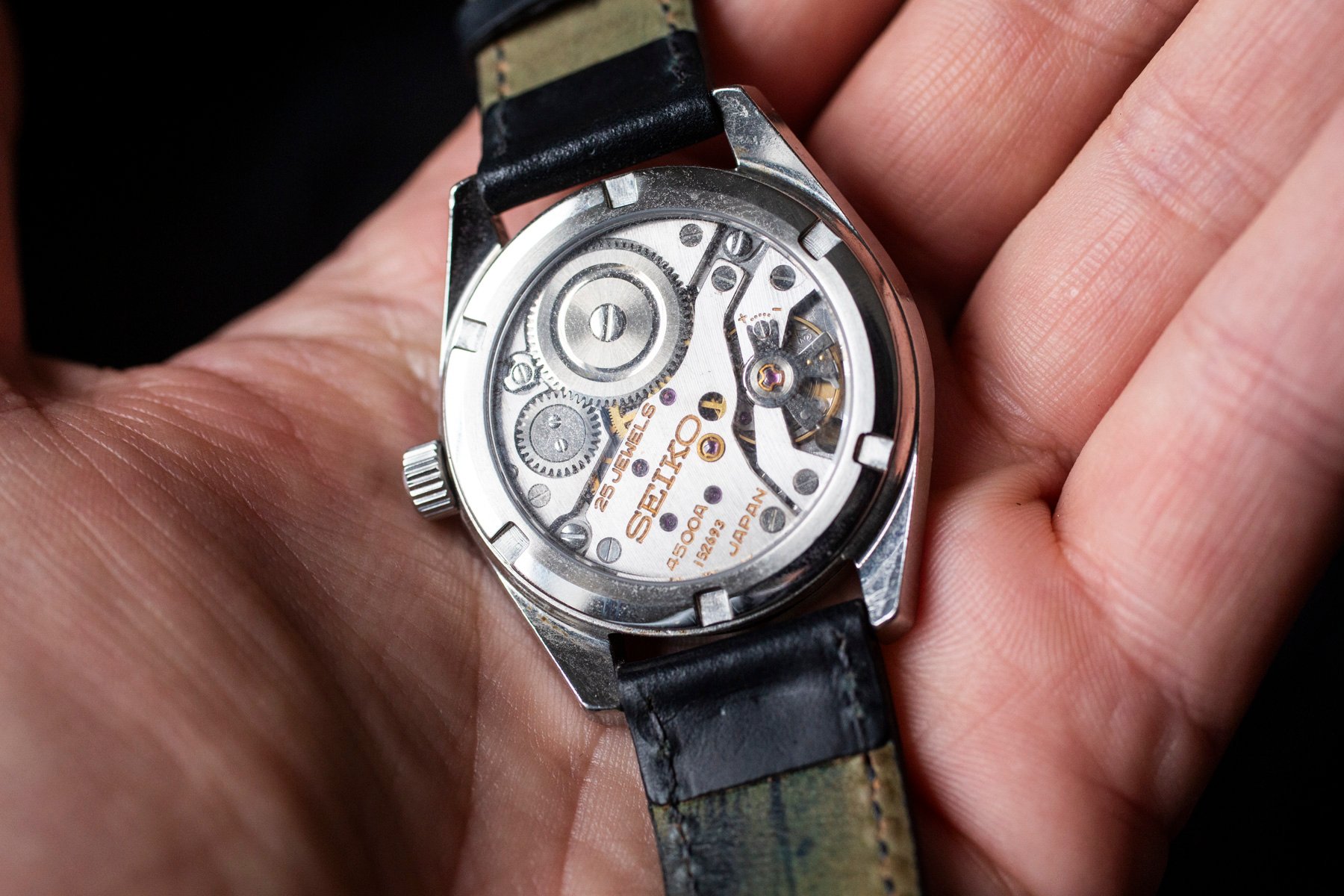
If any one of those elements fails, the future of your watch, no matter how beautiful or historically important, becomes tenuous. I learned this the hard way with a neo-vintage Seiko I had serviced, a process that should have been straightforward but instead revealed how some brands are reluctant to work on older pieces. That experience made me reassess how I think about future serviceability.
The importance of brand and parts availability
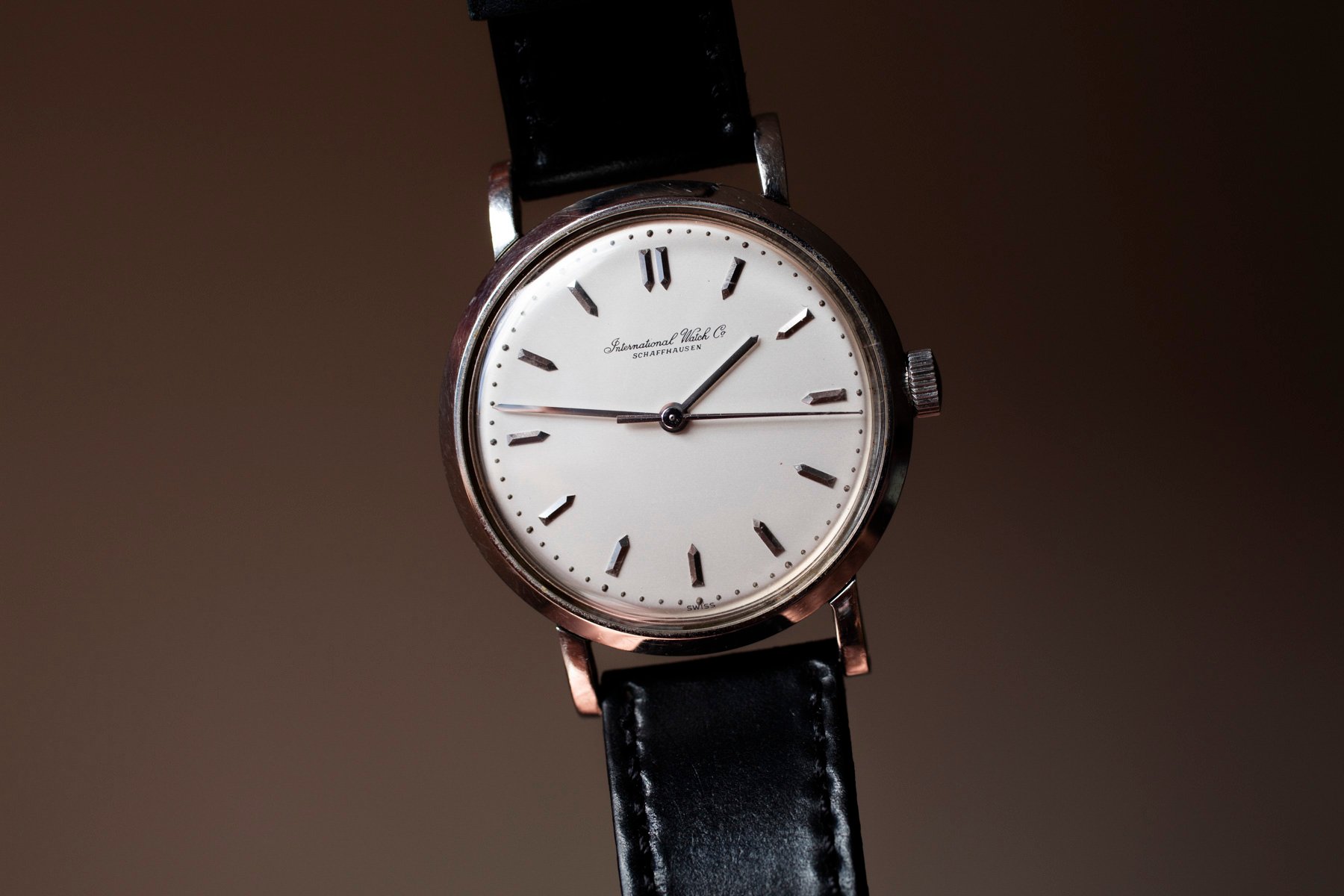
A crucial aspect of long-term watch care is whether parts will be available, not just for today’s servicing interval but also for decades to come. This is where company longevity and parts commonality become part of the buying decision. For example, IWC, as a manufacturer, has committed real resources to the legacy of its watches. The company’s restoration department doesn’t just service old pieces. It can also fully restore watches dating to the 19th century by referring to original documentation and even fabricating parts that are no longer in inventory.
That level of after-sales support is rare. Most brands simply don’t have the archive infrastructure, the trained staff, or the parts storage to keep watches running into their second or third generation of ownership. When they do, it’s in no small part because those watches were built by a company with an eye toward longevity and the willingness to honor it.
Vintage watches as a litmus test
An enduring example of what we’re talking about is the IWC Caliber 89. Produced from the late 1940s through the late 1970s, this movement is a piece of horological history and a testament to timeless engineering. However, its continued presence on wrists today is only possible because there’s a network of expertise and parts that still exist, both from IWC and knowledgeable independents.
Contrast that with brands whose vintage movements have become orphans. For these, parts are scarce, specialists are few, and owners end up scrambling just to find someone who can open the case and give a reliable diagnosis. Sometimes, the restoration of such watches is still possible. However, it might involve significant fabrication at boutique workshops, custom parts, or the goodwill of a dedicated watchmaker willing to spend hours recreating components that no longer exist. That’s hardly a recipe for generational durability.
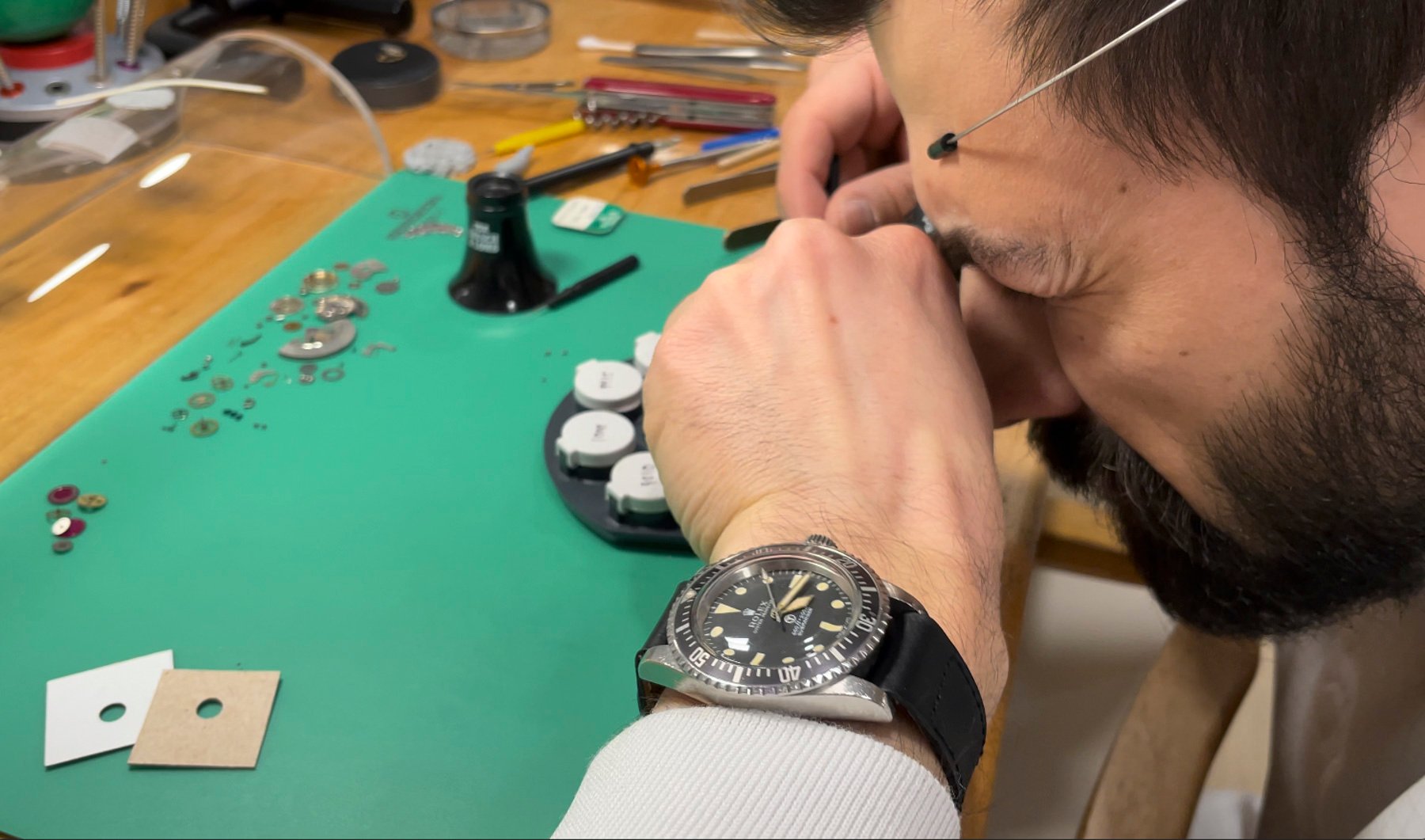
It’s about more than the maker when you’re considering a watch
Even for brands that do a good job with servicing and provisioning parts, there’s the broader question of independent watchmakers’ capacity. The world has far fewer old-school watchmakers today than it did a generation ago. Many traditional watchmaking skills have faded as the industry consolidated training within factory service centers. For the passionate collector, that’s a sobering reality. If you buy a watch from a niche brand or one with an in-house movement that has only been in production for a short time, you’re effectively locking yourself into the maker’s service roadmap.
If that roadmap winds up short, whether because the brand stops servicing it, parts run out, or the expertise dries up, your watch could become a mechanical museum piece rather than a living, ticking heirloom. So when you’re evaluating your next mechanical watch, whether it’s a Rolex, an IWC, or something from another historic house, ask yourself a few honest questions: Is this from a brand that’s likely to still be around in 50 years? Does the movement have a strong service ecosystem, both official and independent? Are parts standardized or broadly available? Will there be trained watchmakers capable of restoring it if needed? The answer to those questions should matter as much as case finishing, heritage scores, or collector buzz.
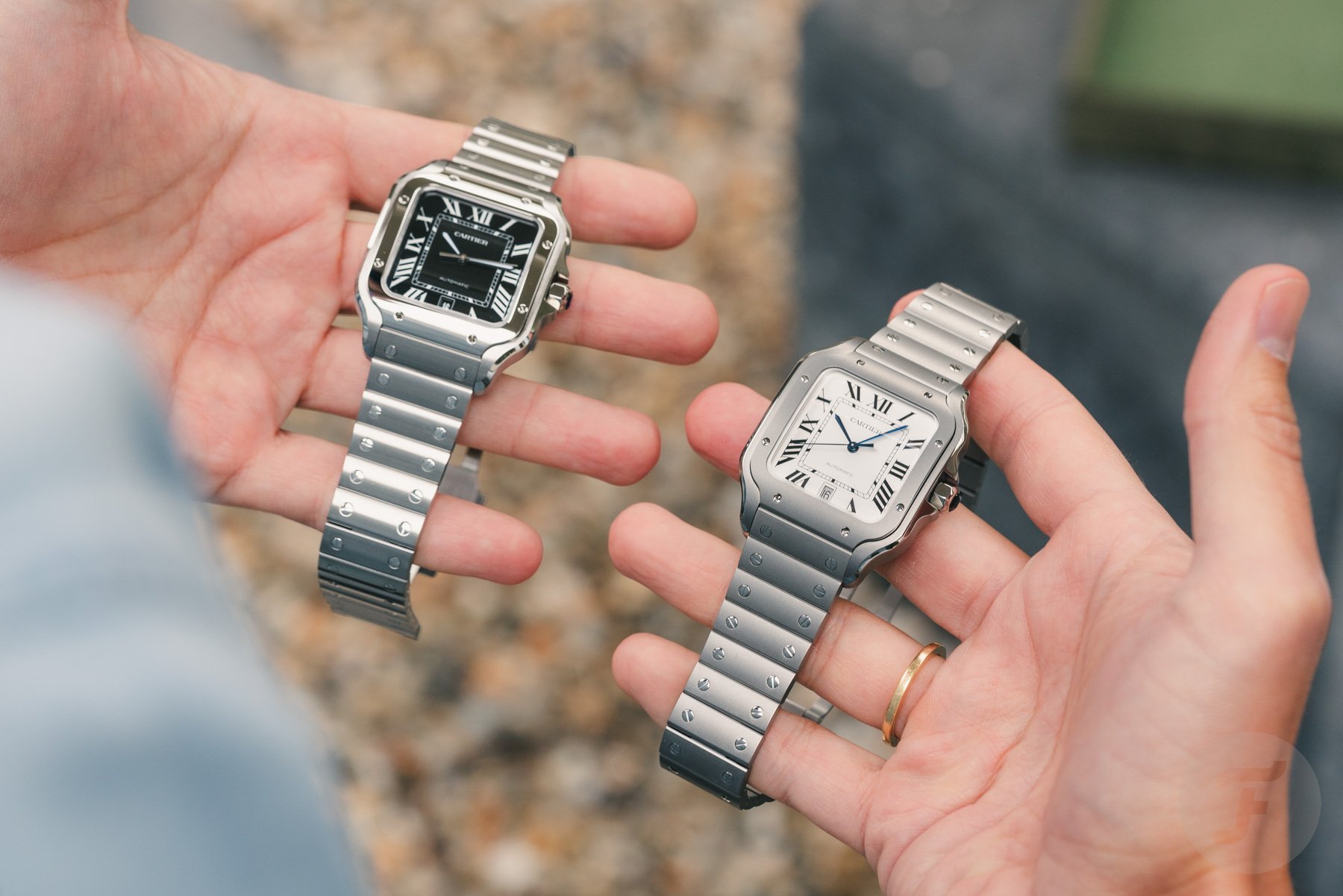
Concluding thoughts on watch serviceability
The notion that a mechanical watch can last “forever” is more than just marketing fluff. That said, it also depends on much more than how shiny the dial is today. It’s built on a foundation of future serviceability and the practical realities of watchmaking infrastructure. If those aren’t part of your buying decision, you risk ending up with a fossil rather than a functioning heirloom.
Mechanical watches are beautiful, romantic, and deeply personal objects. But to truly earn the title of “multigenerational companion,” they need legs, in the form of spare parts, expertise, and an ecosystem that will keep them running long after the original warranty has expired. Buy for that future. A watch worth owning is a watch worth keeping, not just for you today but also for those who will wear it after you.