Sunday Morning Showdown: Seiko 5 “Gene Kranz” Vs. Seiko “Rotocall” Re-Editions

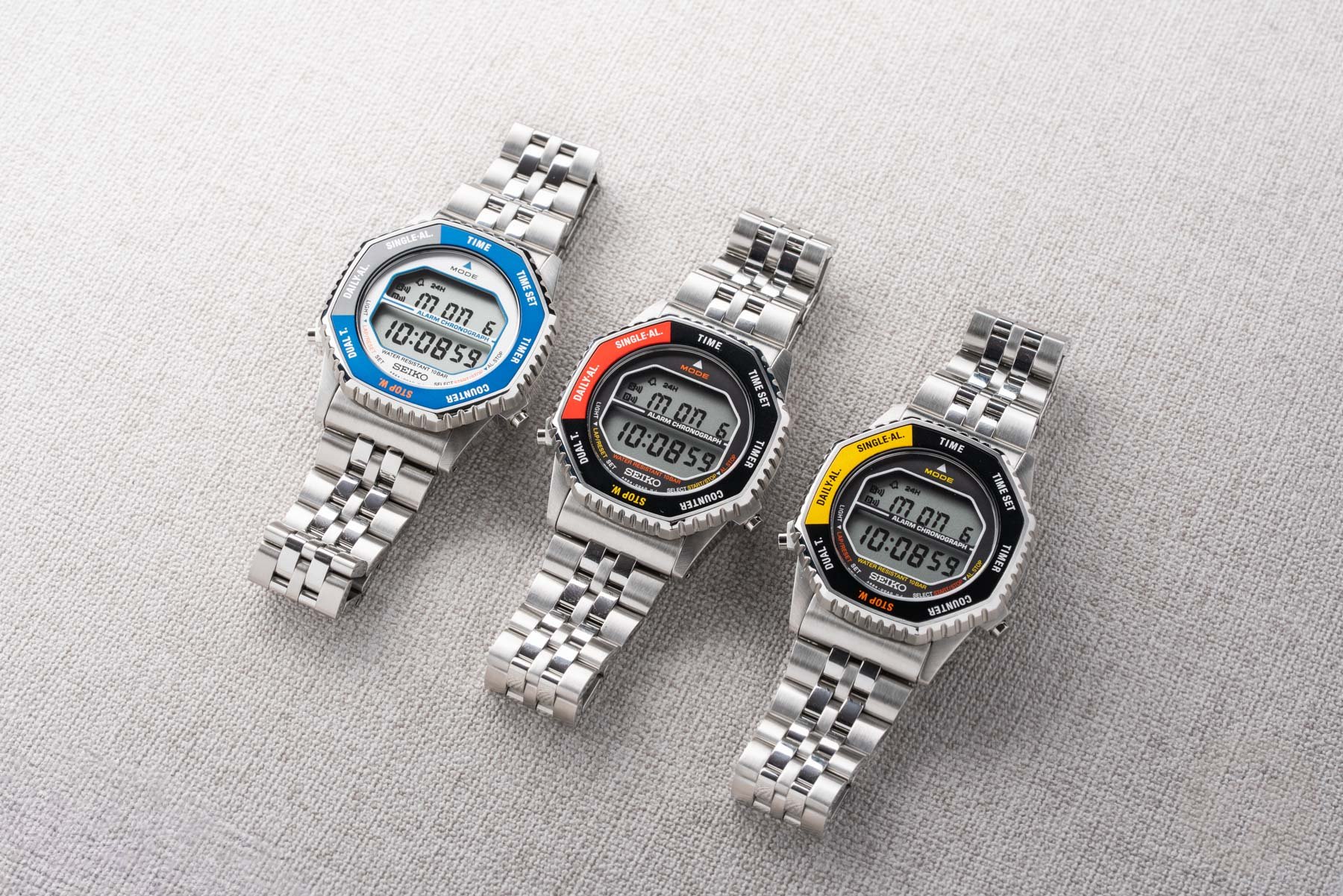
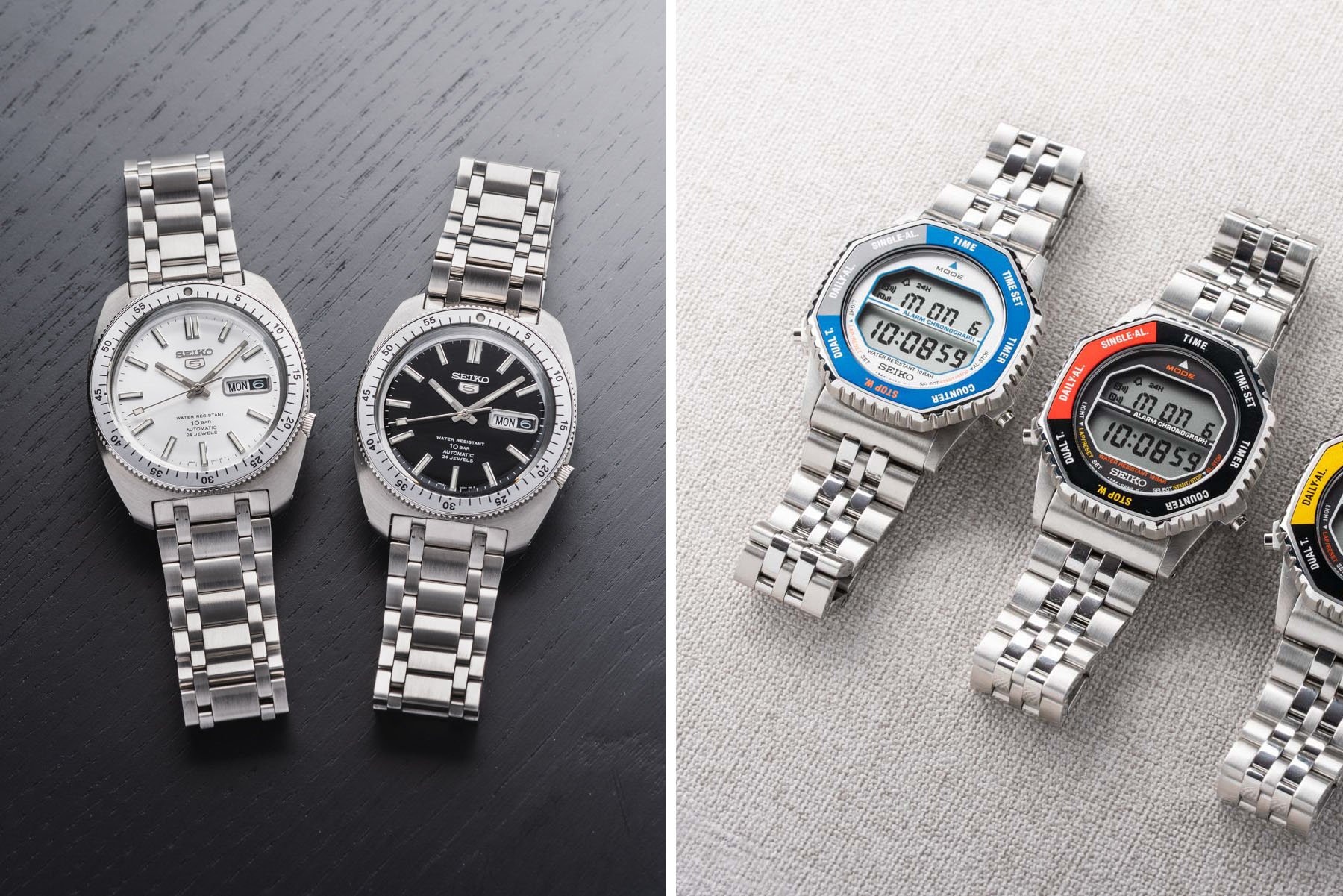
Yes, that’s right, everybody: it’s time for Sunday Morning Showdown! As this is the first Sunday of the new year, we decided to start 2026 with a fun and different matchup. Today, it’s Seiko versus Seiko, but these watches are not just any recent models. These are re-editions of great Seiko classics. Jorg picked the Seiko 5 “Gene Kranz” SRPL91 and SRPL93, re-editions of the legendary 6119-8460 Sports Diver. Daan picked Seiko SMGG17, SMGG19, and SMGG21 trio. They are modern remakes of the classic Seiko A829-6029, aka the “Rotocall” or “Astronaut.” Both series are Seiko icons, but which will win this first Sunday Morning Showdown of 2026? You decide!
If you think that Daan and Jorg have gone absolutely mad, there is more than one reason to put these watches in today’s matchup. Both the reissued Gene Kranz and Rotocall represent great Seiko classics from the past and have a backstory that resonates with Seiko fans. On top of that, their designs are defined by different eras. This begs the question: do you favor the classic looks of the “Gene Kranz” or the quirky aesthetic of the digital “Rotocall”? Also, these watches cost €460 and €570, respectively, making them similar in price. All in all, there are more than enough reasons to ask you which of these two Seikos you would pick.
Jorg: Seiko 5 “Gene Kranz” series
Admittedly, I am an ’80s kid. I was born in 1977 and grew up in the 1980s. So it would be logical to think that this would be all about the Seiko Rotocall for me. While I do enjoy the watch and its quirkiness now, I always preferred G-Shocks and Swatches during my younger years. So the Rotocall is not a watch that I particularly gravitated to back then. However, seeing the modern reinterpretations of the classic Seiko “Astronaut” A829-6029 does take me back to my younger years in the ’80s.
But if I had to choose a watch that I would actually wear and that has a mesmerizing story, it would need to be the duo of Seiko 5 “Gene Kranz” re-editions. Daan already told the story, but for those unfamiliar, Gene Kranz was the chief flight director during the NASA Apollo 13 mission. He’s the one who directed the successful efforts by the Mission Control team to save the crew.
If that doesn’t ring a bell, in the 1995 blockbuster Apollo 13, actor Ed Harris portrayed Kranz and spoke the famous words, “Failure is not an option,” committing to bringing the crew back successfully. Kranz was also involved in many more missions, including Apollo 11, the first lunar-landing mission.
The actual watch that Gene Kranz wore during the Apollo 13 mission
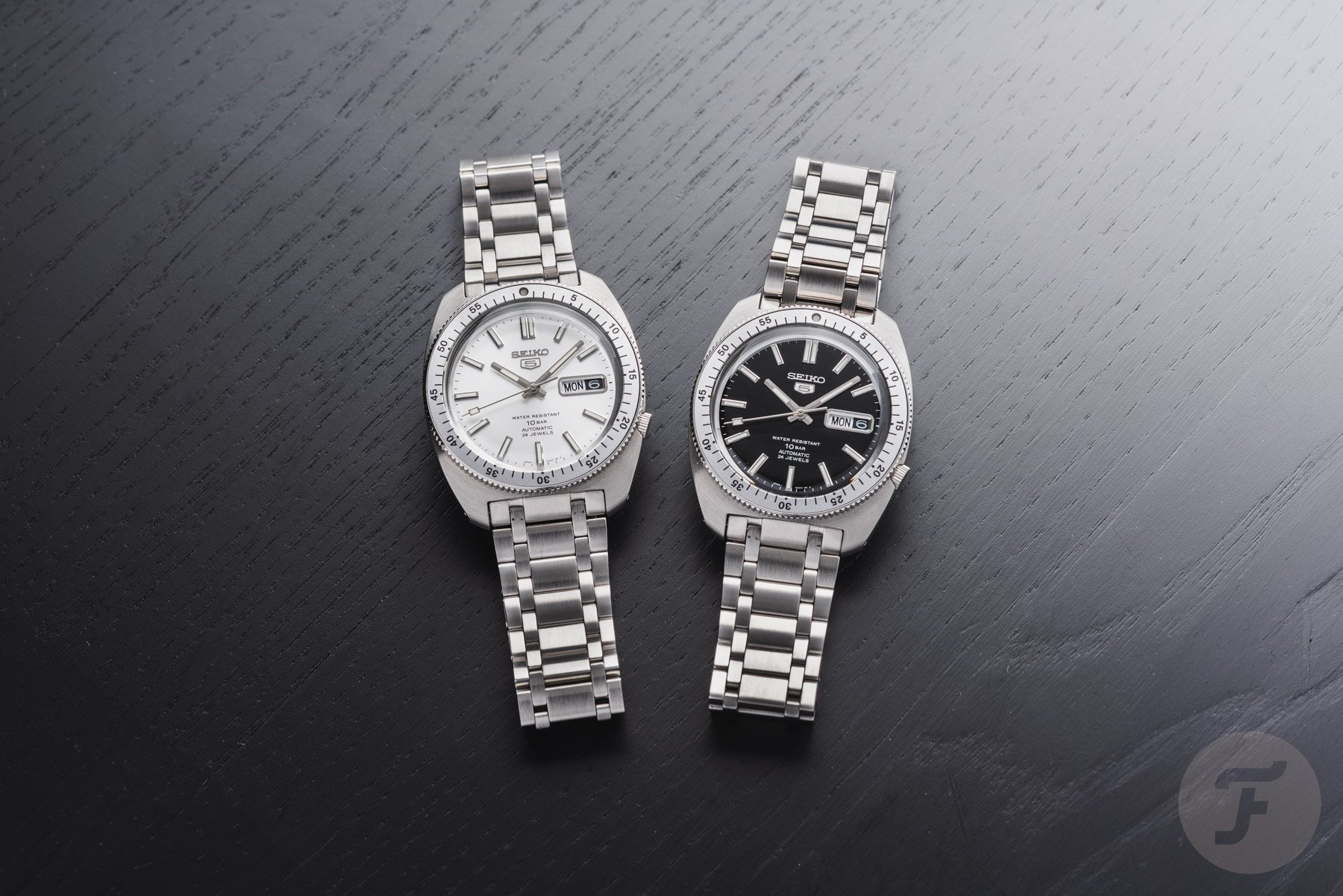
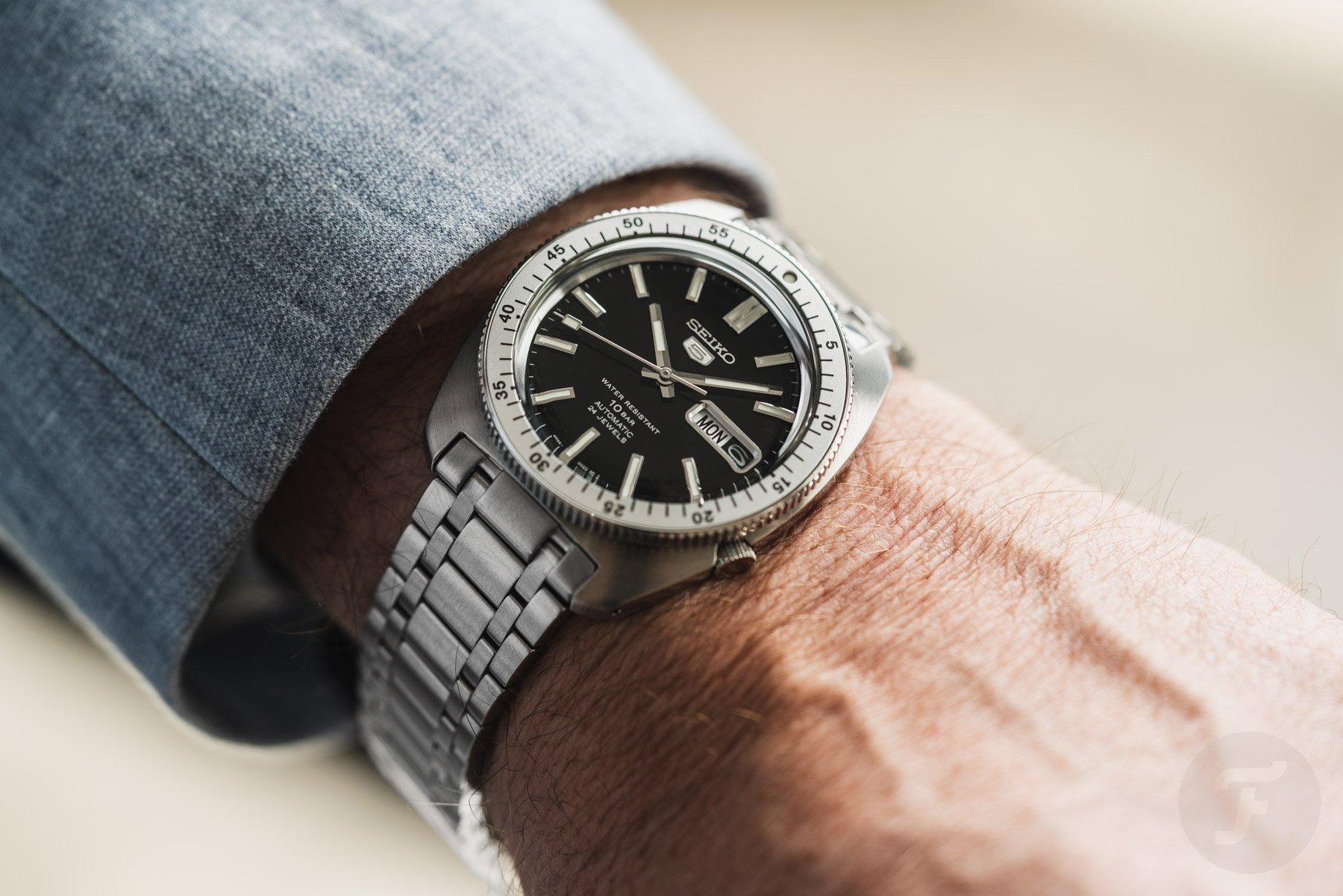
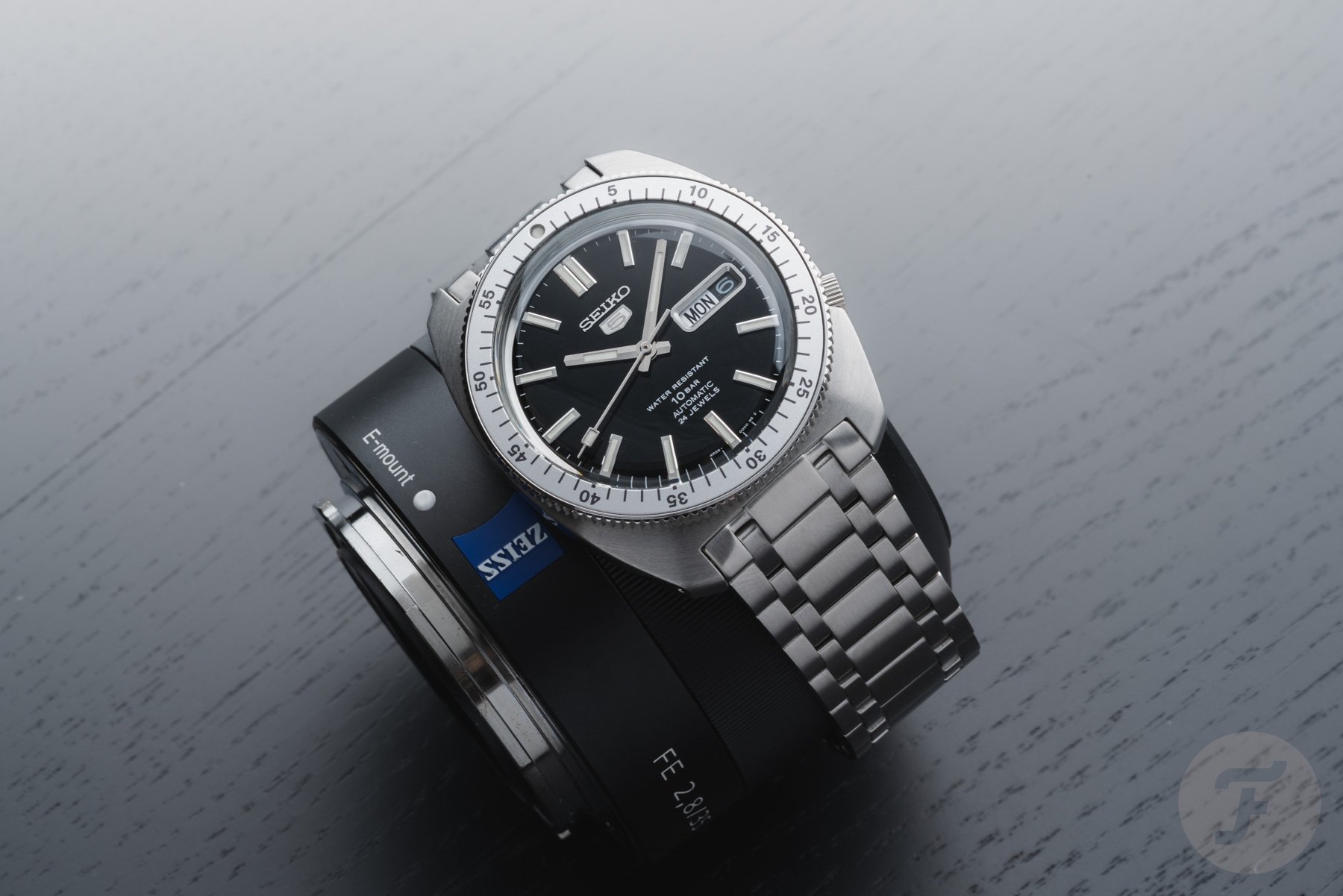
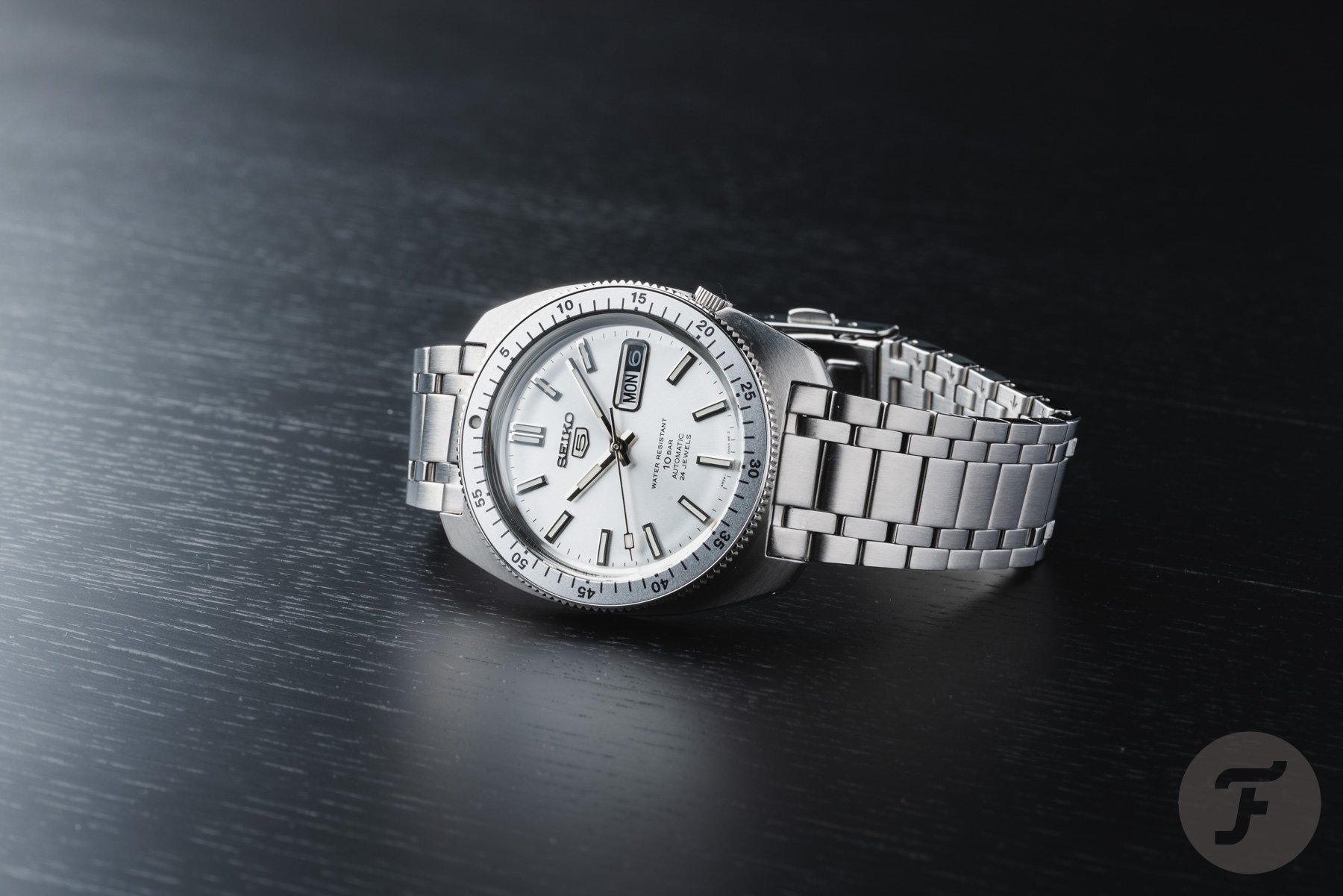
Funnily enough, Ed Harris wore a Seiko 6139-6002 chronograph in the movie. However, in real life, Kranz wore a white-dial Seiko 5 6119-8460 Sports Diver. It’s a legendary Seiko 5 model that has become a favorite among collectors. The late-’60s design has become a classic that many Seiko fans adore. For the re-edition, Seiko decided to create a modern version with either a white or black dial. Both watches feature the characteristic case that sits somewhere between a sharp C shape and a full cushion. As you can see, the crown sits neatly nestled into the case flank just above the 4 o’clock marker.
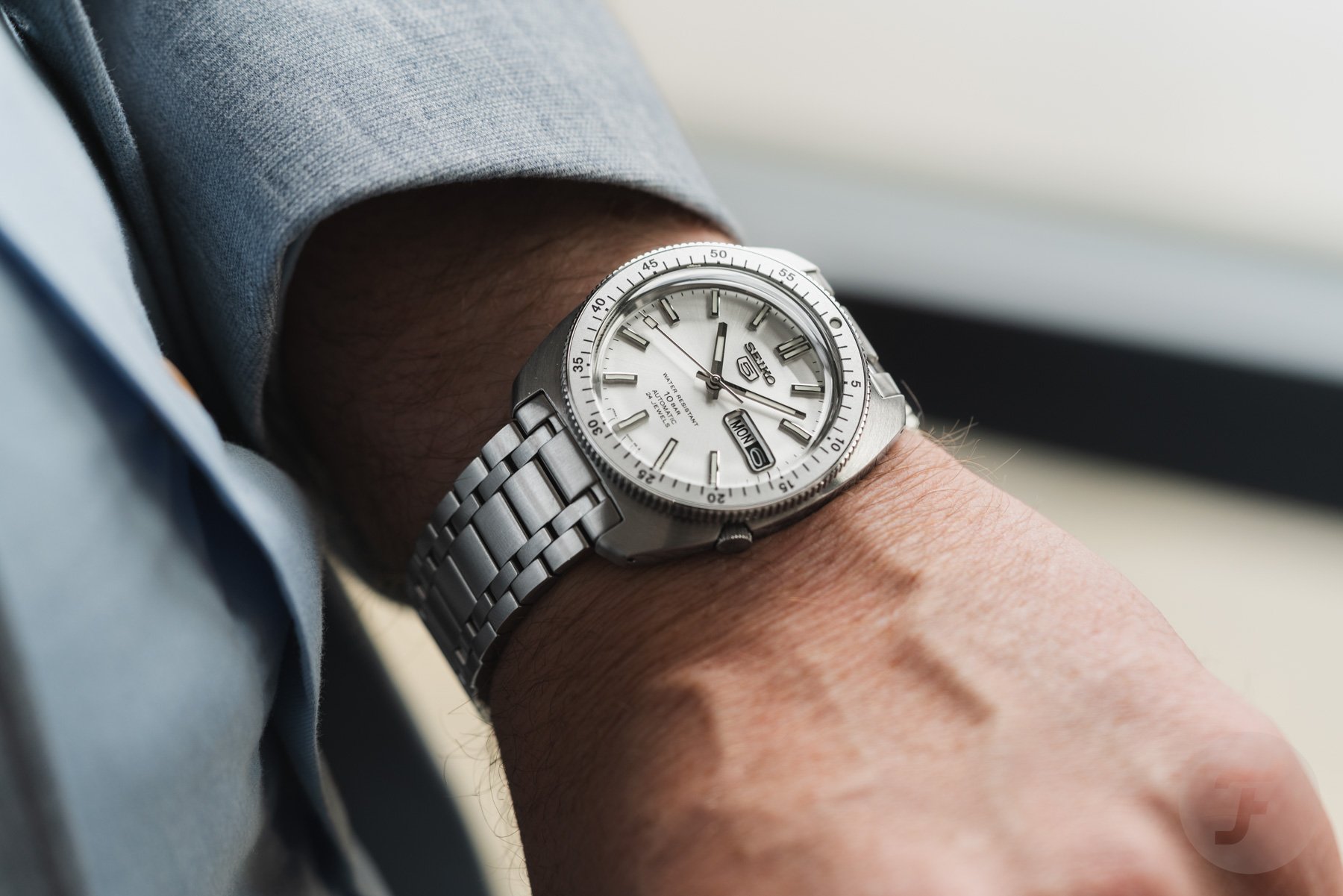
The case has a comfortable 38.2mm diameter, a 12.3mm thickness, and a modest 44.7mm lug-to-lug distance. Its top surface displays circular brushing, while the case flanks and case back feature a polished finish for some extra visual brilliance.
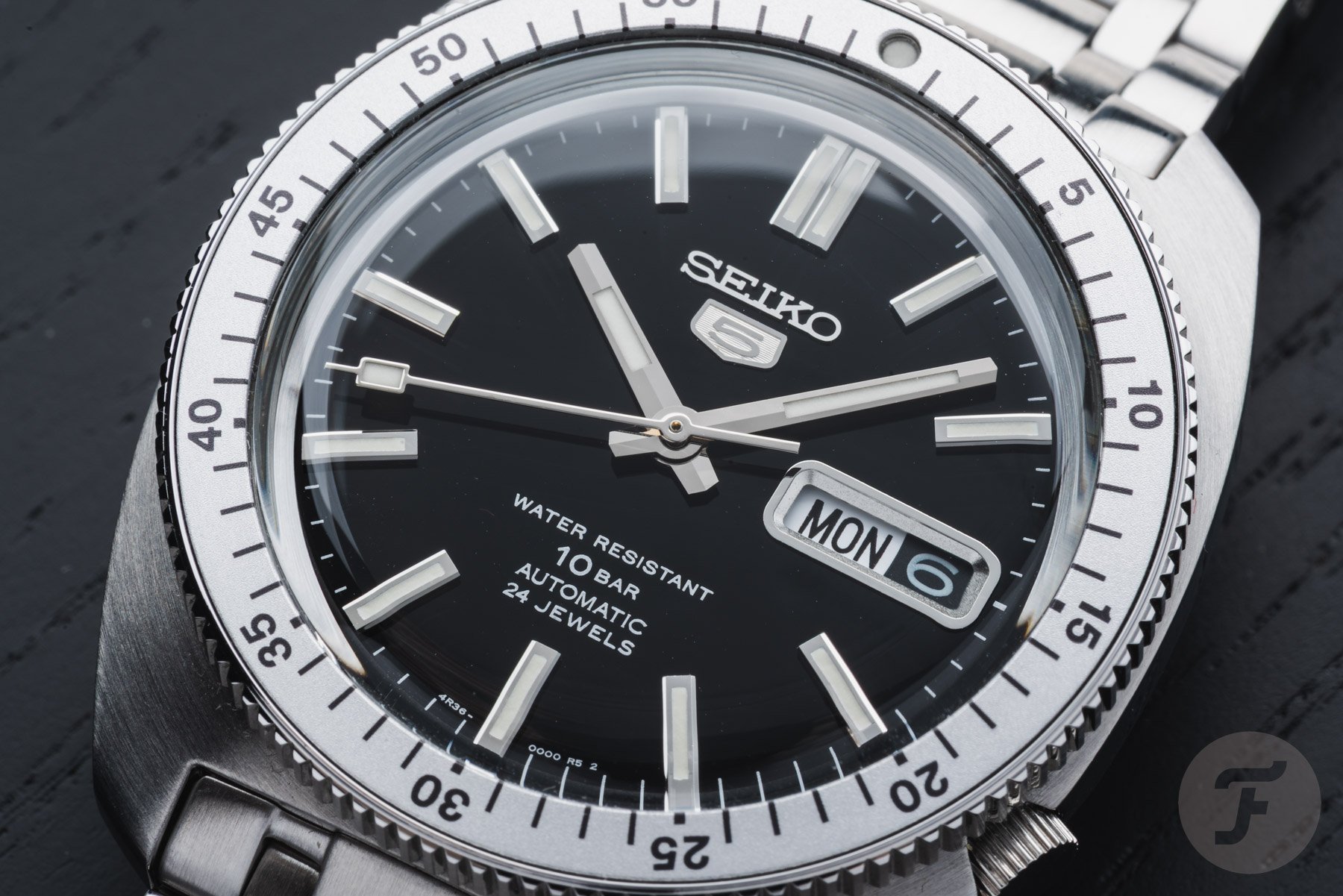
Topping the case is a bidirectional bezel containing a silver insert with a lume pip at the 60-minute mark. The modest case is a joy to wear, particularly with the five-row stainless steel bracelet that takes after the original bracelet that Gene Kranz wore during the missions.
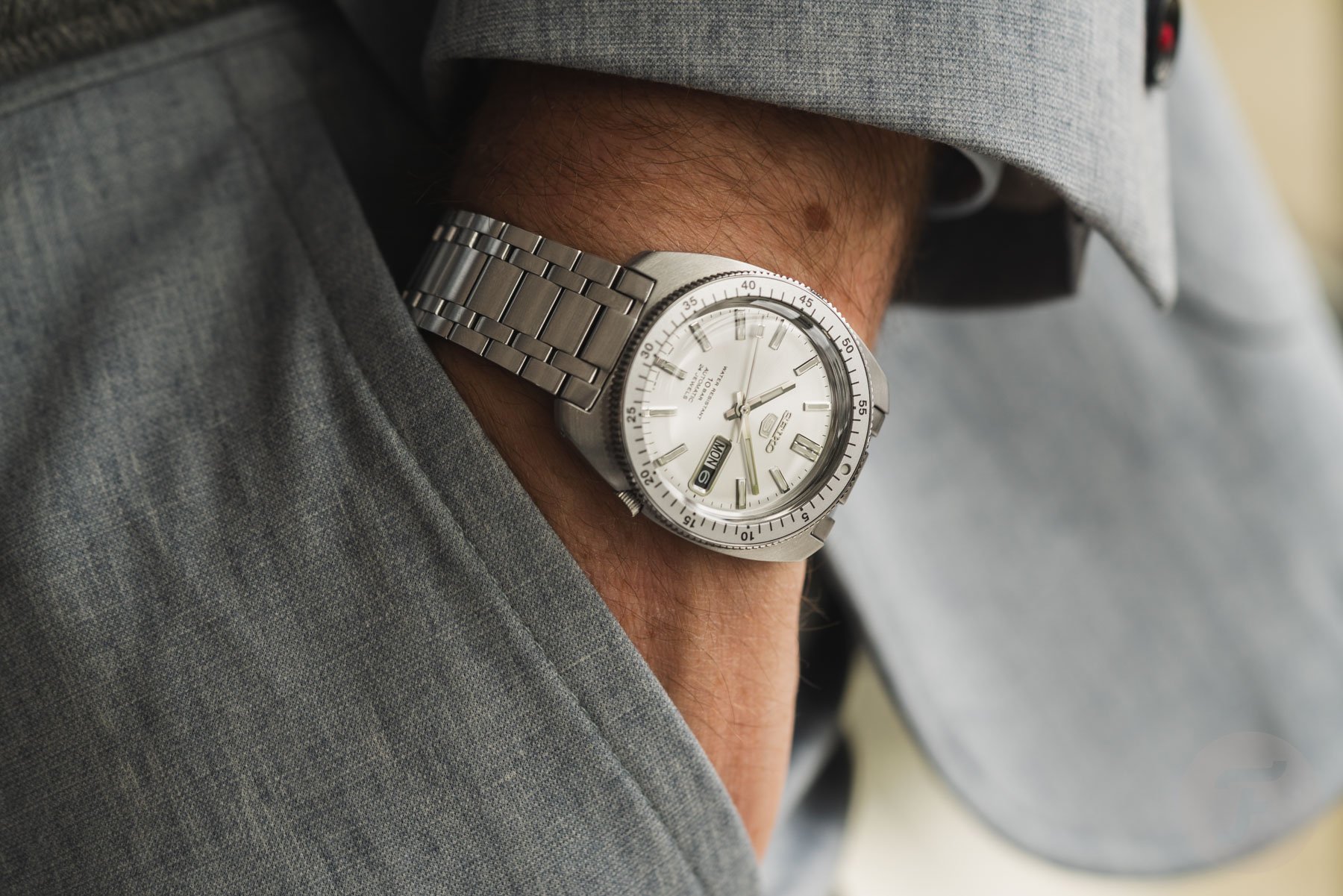
The story is all on the wrist
That’s also where I prefer the “Gene Kranz” over the “Rotocall.” As Daan will undoubtedly tell you and most of you will know, there is also a lot to tell about the latter. But the story and the classic looks of the SRPL91 and SRPL93 “Gene Kranz” re-editions just speak to me more.
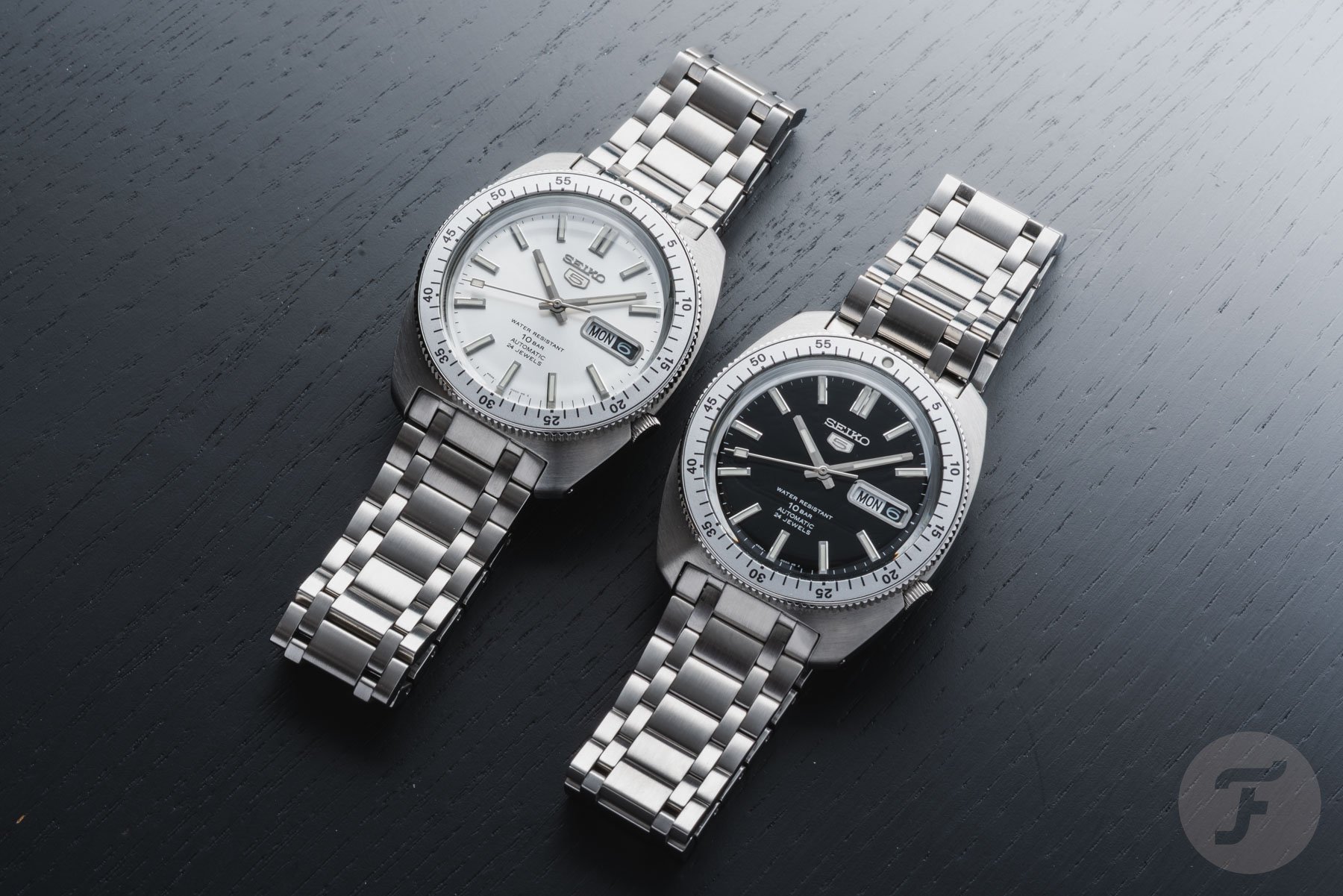
These watches are great daily wearers with an abundance of vintage charm and a great backstory, whereas, to me, the “Rotocall” is more of a “fun watch.” That’s a big difference. I could also tell you that Seiko’s automatic 4R36 movement powers these two watches, but it’s a more fundamental choice between mechanical and digital for this week.
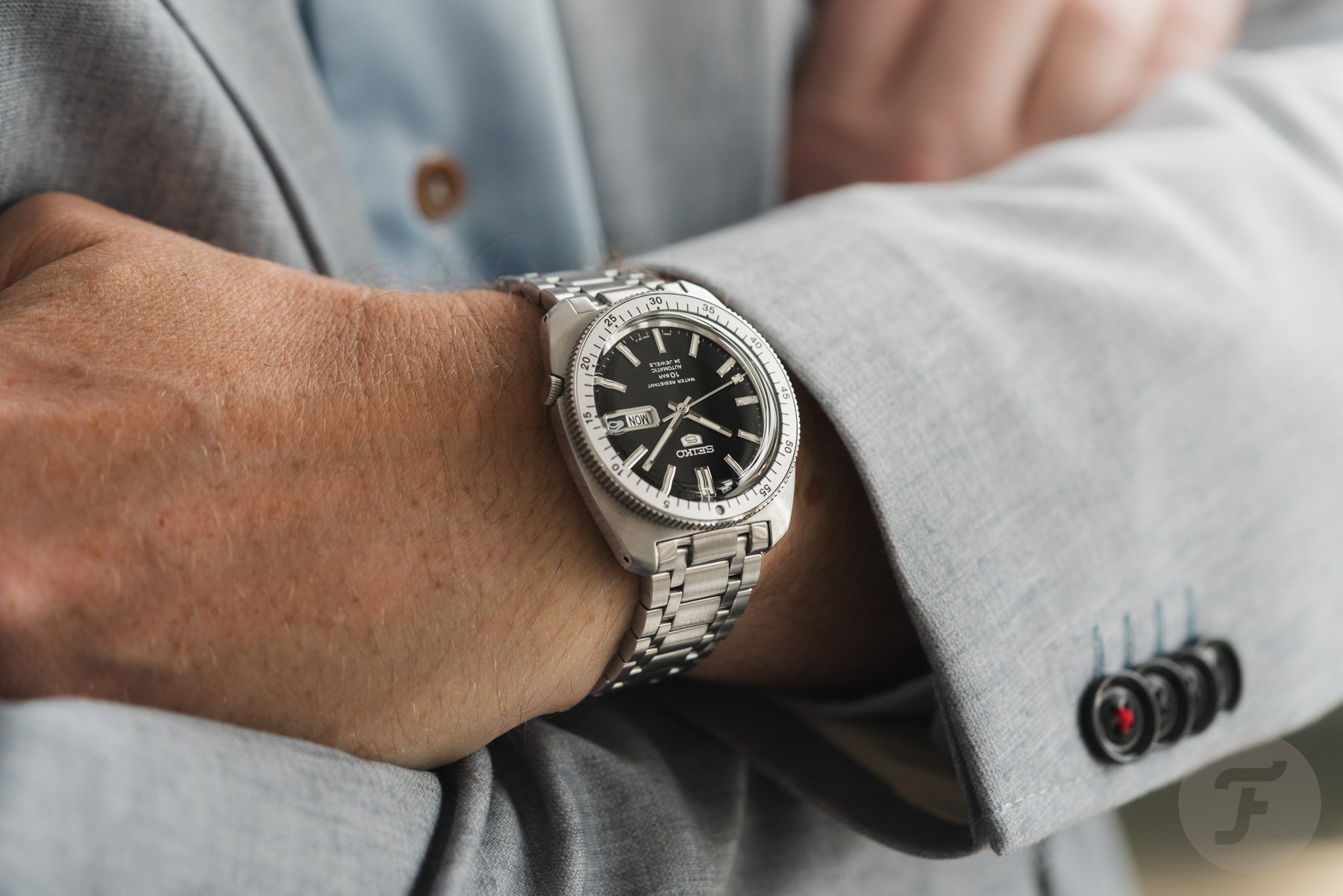
At this point, I would spend my €460 on the white SRPL91 and have a watch that I would want to wear every day. That’s not merely because it is a great modern version of a classic Seiko 5 model but also because of its connection to one of the most legendary watch stories related to space travel. Just writing this part for our first Sunday Morning Showdown of 2026 makes me want to watch Apollo 13 again and be reminded of the epic story of which this watch was a part. That’s why it is my pick. But tell us about the Rotocall, Daan.
Daan: Seiko “Rotocall” series
Thanks, Jorg, and good morning to you all. Another reason to compare the “Gene Kranz” and “Rotocall” is that their introduction articles were among the top three most-read Seiko articles last year. This means they’re both very popular, and to be honest, I’m also having a hard time choosing between them. But as I’m defending the “Rotocall” today, I’ll do my best to find its advantages over the SRPL91/93. First, let me go over my likes and dislikes regarding the “Gene Kranz” re-editions.
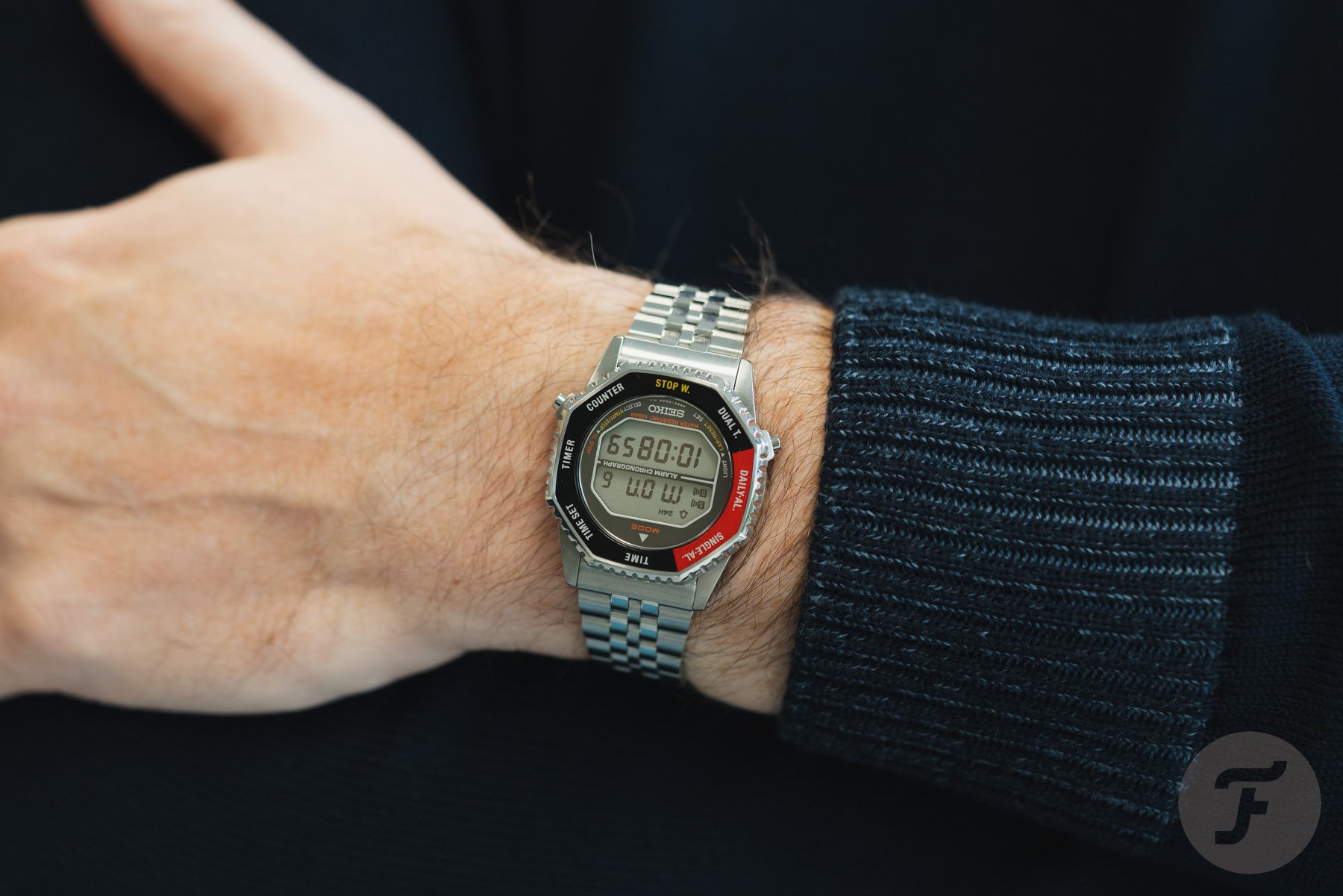
The thing I like the most about the SRPLs is their connection to Gene Kranz and the Apollo 13 mission. I also love the Apollo 13 movie soundtrack. Even though this wasn’t the watch Gene Kranz wore in the film, I’d still get this one as a souvenir. However, design-wise, I’m less enthusiastic. The SRPL91/93’s case and dial design aren’t that outspoken; they’re maybe even a little generic. The cushion case is nice, but it’s a bit in between a proper C-shaped one and a full-on “Willard” cushion. I’m also not a huge fan of day/date windows. The five-row bracelet is a nice touch, though, and I wouldn’t say no to the SRPL91/93 if I were ever offered one.
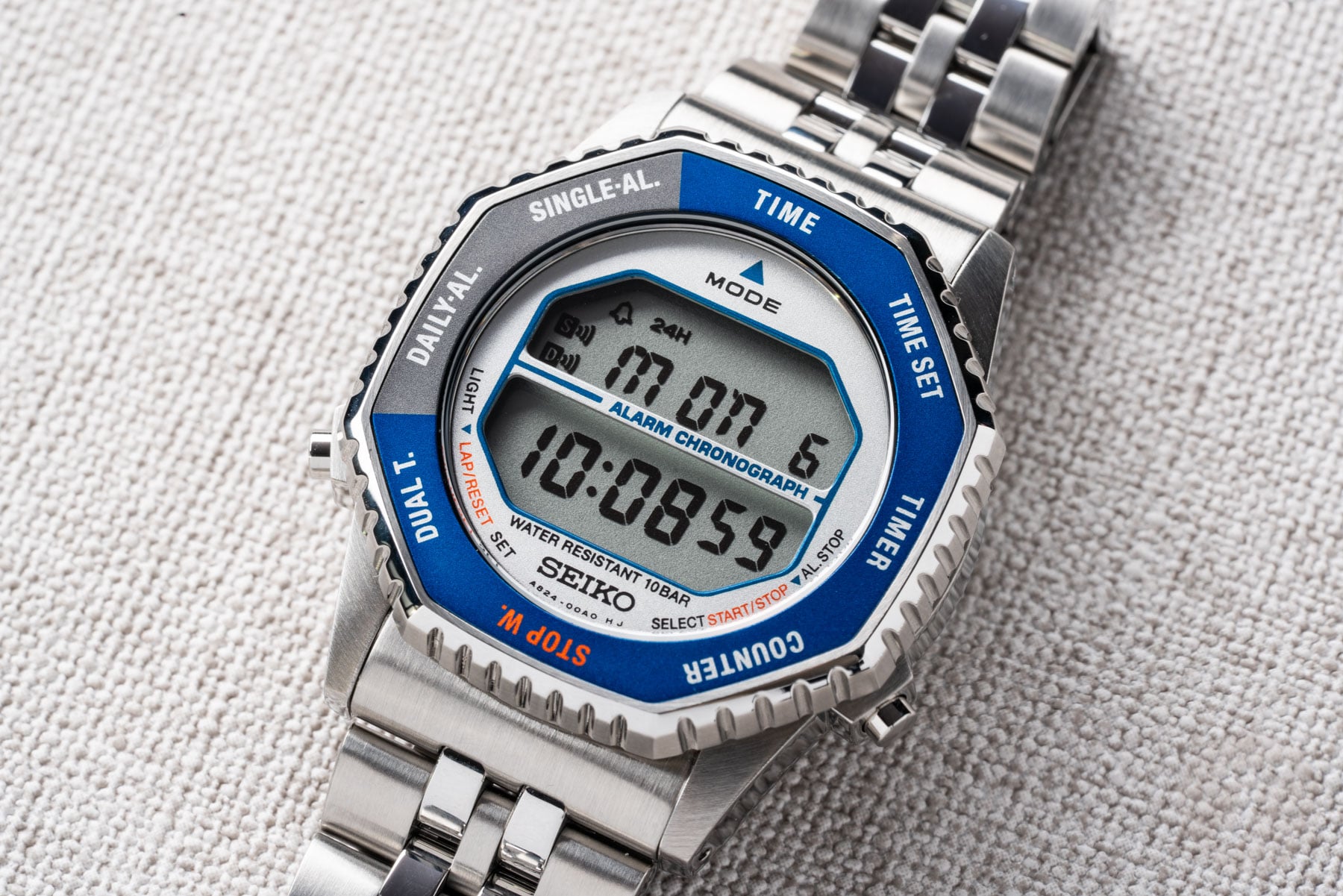
A different design with a Dutch connection
But, as I said, if I had to choose between the “Gene Kranz” and “Rotocall,” I’d undoubtedly go for the latter. First of all, it has a very distinct design, with the rotating bezel that lets you select the mode it’s in. That certainly takes away some of the frustration associated with other digital watches that can only be operated with buttons. This way, you can at least see which menu options there are without having to scroll through them. It’s a convenient and logical solution, and I’m surprised that we don’t see it on many more digital watches.
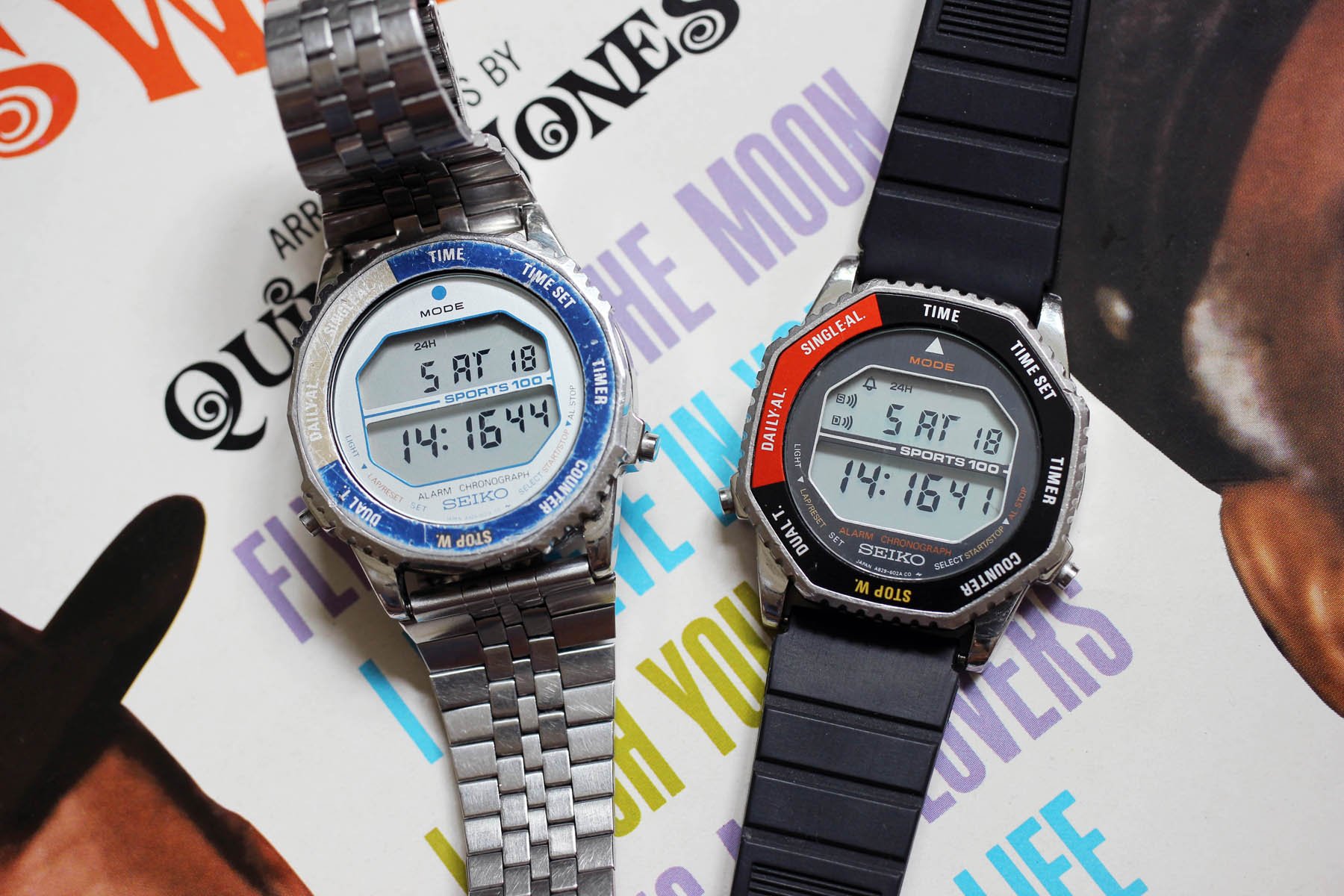
Seiko A829-6019 and A829-6029 from the ’80s (notice the different bezel shapes)
Its practicality also got noticed in the world of space travel. According to the late Wubbo Ockels, the first Dutchman in space, NASA handed out these “Rotocalls” when he flew aboard Space Shuttle Challenger in 1985. In fact, RJ was in touch with Ockels, who told him that he used to wear the Seiko A829-A6019 during his time as an astronaut and well after. That means he wore the version with a blue and gray bezel. I have to say that it makes the re-edition, reference SMGG21, quite a special watch.
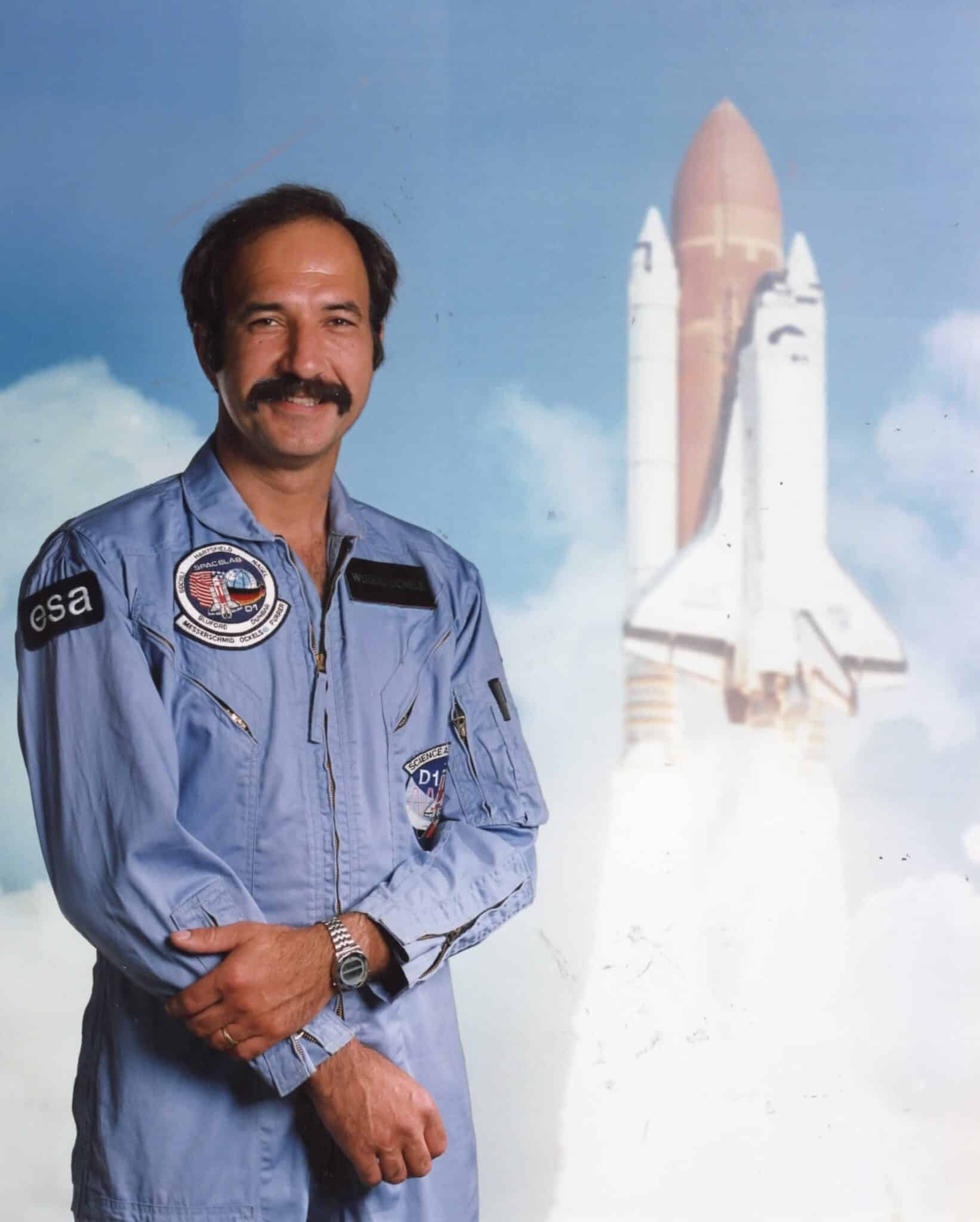
Wubbo Ockels wearing the Seiko A829-A6019 in front of a picture of the 1985 Space Shuttle Challenger launch — Image: ESA
As Tomas demonstrated in his excellent article on the original “Rotocall” from the 1980s, it’s challenging to find a good vintage example. That makes the re-edition the perfect option for a Dutchman like me who’s simply looking for a nice way to remember Wubbo Ockels.
No solar power and simple end links
Is there nothing wrong with Seiko’s “Rotocall” re-editions, then? Well, luckily, just like with the “Gene Kranz,” Seiko stayed very true to the original in terms of dimensions and design. That’s something other brands could learn from. Many brands ruin re-editions by trying to beef them up or “optimize” the design, so I applaud Seiko for not having done that.
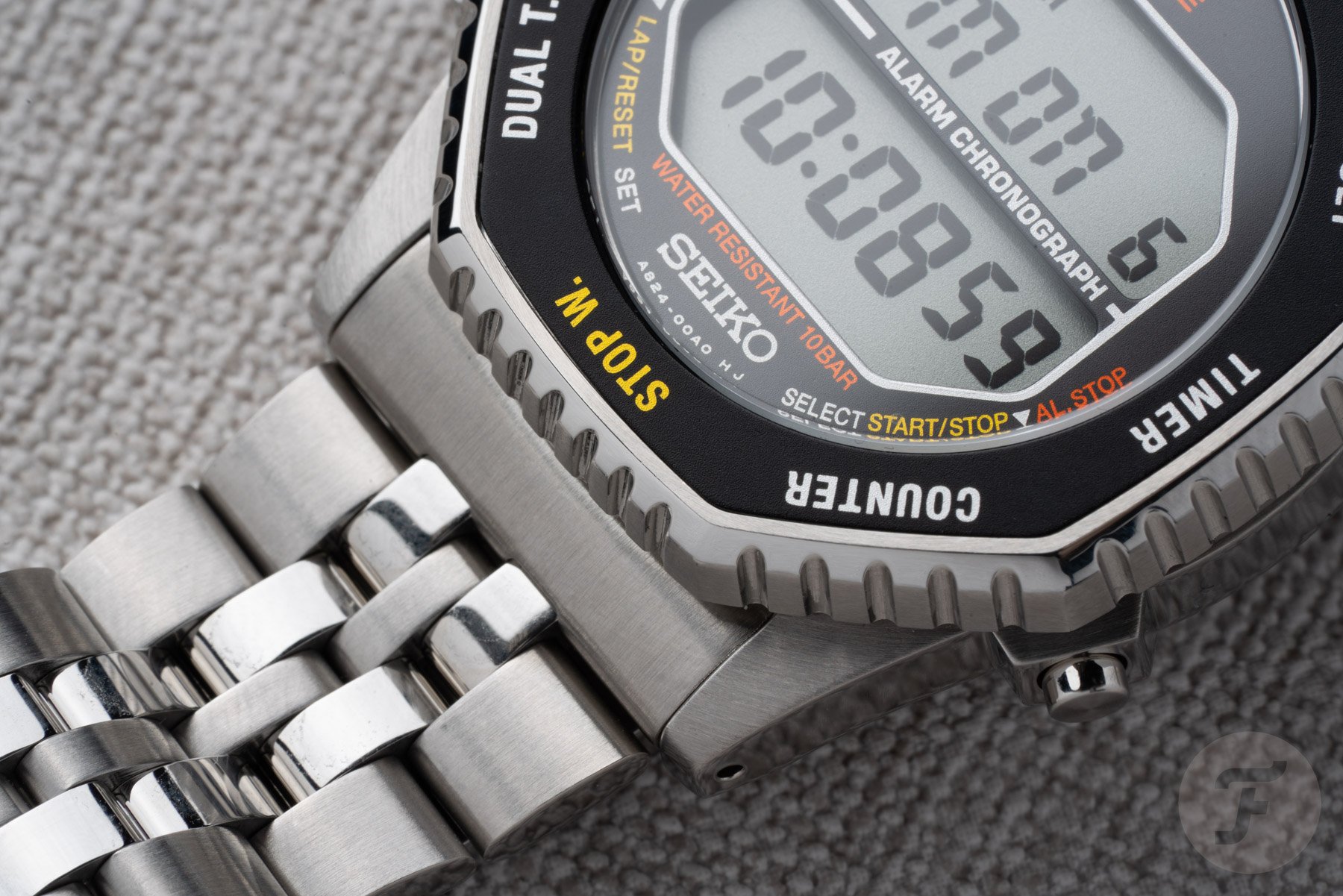
However, the “Rotocall” could’ve certainly benefited from a solar-powered quartz module inside. Its three-year battery life isn’t bad, but it’s less convenient than a longer-lasting solar-powered movement. I also feel that Seiko was a bit lazy with the unengraved end link. It almost makes the Jubilee-style bracelet look a bit out of place, while that was also the style of bracelet the original “Rotocall” came with.
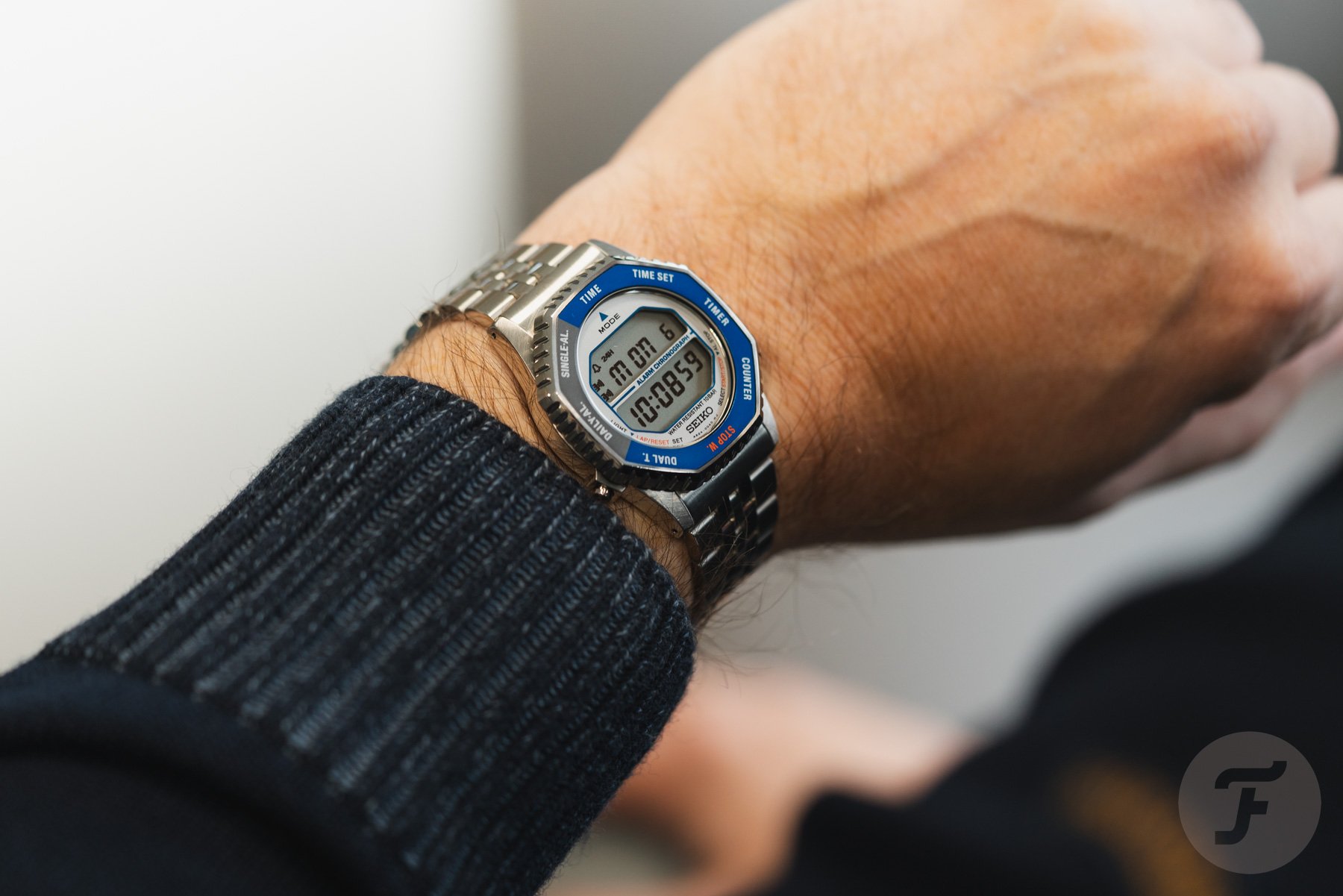
Anyway, I’m still happy that Seiko released the “Rotocall” re-edition. It’s a quirky watch that we certainly shouldn’t forget about, and those who are into space travel can really feel like an astronaut while wearing it, as the originals were used on more than 160 space missions.
Cast your vote
All right, there you have it — the first Sunday Morning Showdown of the year featuring two Seiko re-editions full of space-flight history. Will you go for the analog “Gene Kranz,” or are you more into the quirky and digital “Rotocall”? It’s time to cast your vote and let us know why you voted the way you did in the comments below!