Back To Basics: Watches That Set A Good Starting Point For A Collection

Welcome back to another installment of Back to Basics, our series aimed at newcomers to the watch world. This time, we’re looking into watches that set a good starting point for a collection. Which watches make for a good “first real watch”?
I will provide a selection of different categories. You can consider these different approaches to buying your first watch. Of course, each category will contain a few watches as examples. As always with Back to Basics, I also invite our more seasoned readers to share their insights and knowledge. Together, we can make this a warm welcome and a useful starting point for budding enthusiasts. Let’s dive in!
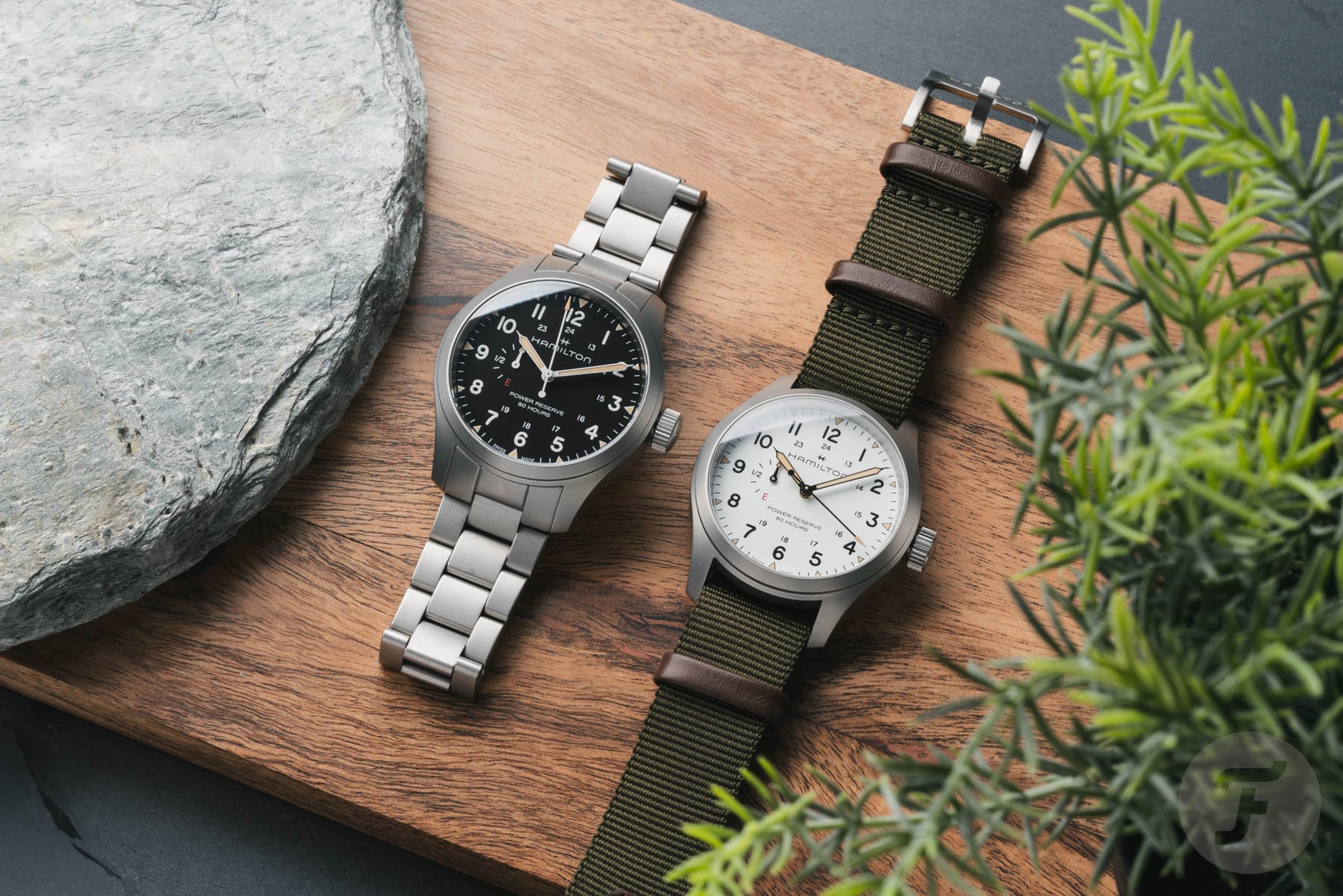
Hamilton Khaki Field Mechanical Power Reserve
One good starting point for a watch collection: the cheeper
No, that’s not a typo; it is my improvised label for the first category of watches that set a good starting point for a collection. You may be familiar with the collector’s term “keeper,” indicating a watch that never leaves the collection. The “cheeper,” as you probably can already tell, is an affordable version of it. I am aware that it sounds a bit derogatory, but it certainly isn’t intended that way. I think virtually any watch enthusiast has at least one in his/her collection, including me.
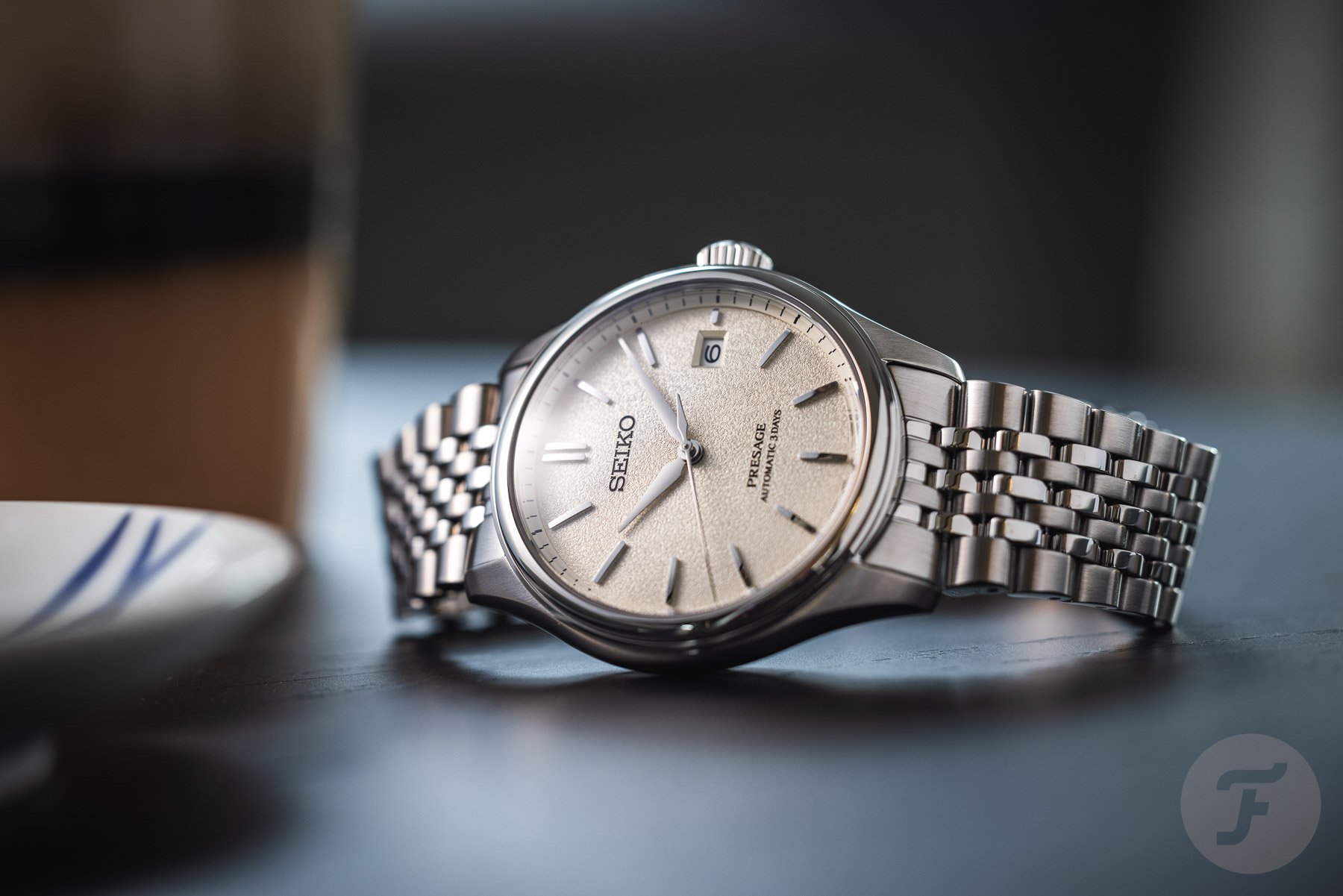
Seiko Presage SPB463
So, what makes a proper cheeper watch? Simply put, these are watches you don’t tend to grow out of. The watch world knows a handful of watches that you will spot in both affordable and high-end collections. Their appeal does not fade, even if you move up to higher segments at some point. These watches have attained a cult following. And, in the unintended case that you do fall out of love, you can usually sell them fairly easily.
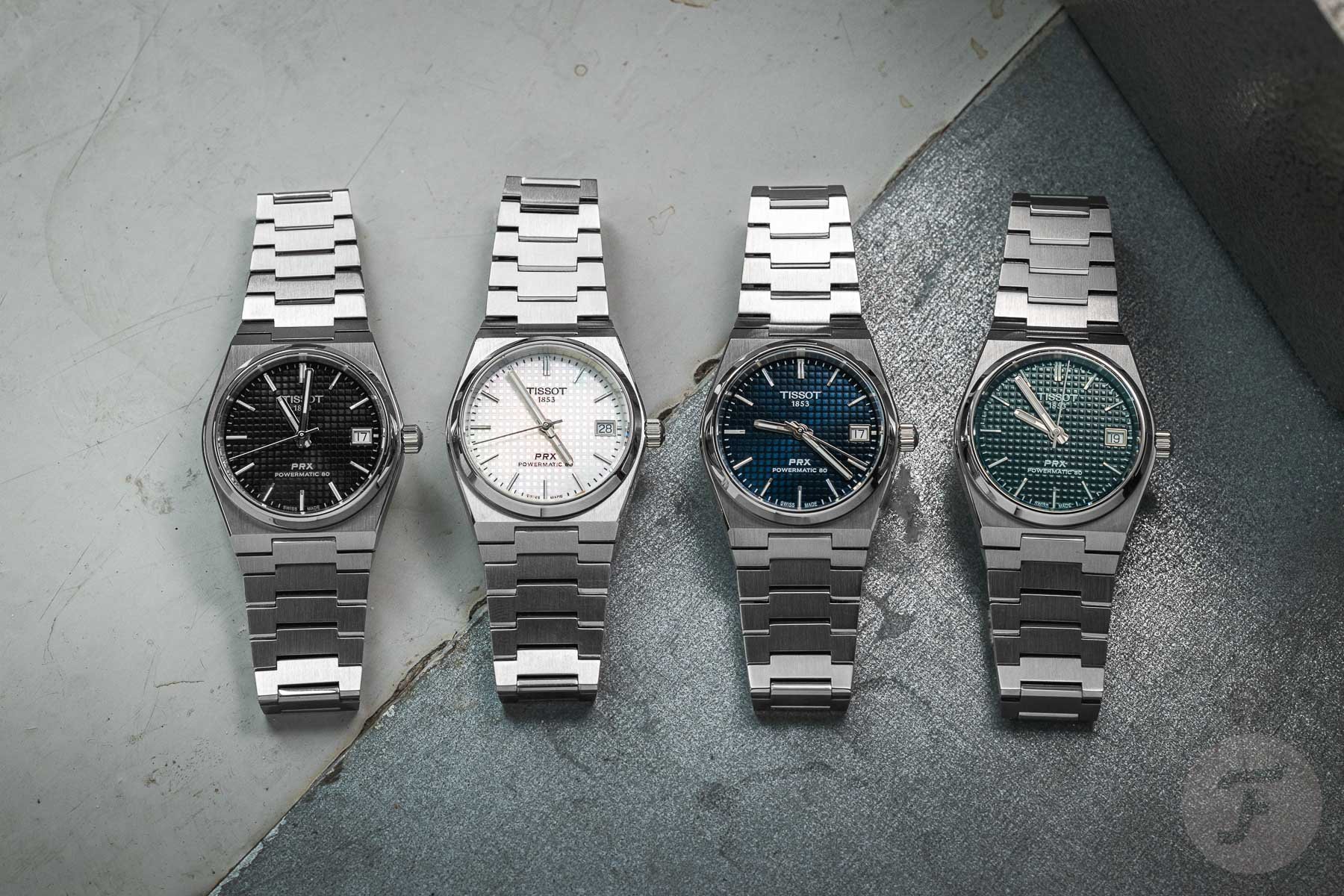
Tissot PRX 35mm Automatic
My cheeper watch was a Seiko SKX009J1. Unfortunately, the SKX models are no longer in production, and the Seiko 5 models that replaced them don’t seem to strike the same nerve with enthusiasts. Still, proper examples include Seiko dive watches or Presage models, a Tissot PRX, a Hamilton Khaki Field, and virtually any G-Shock. Most of these offerings sit in the €500–1,000 range.
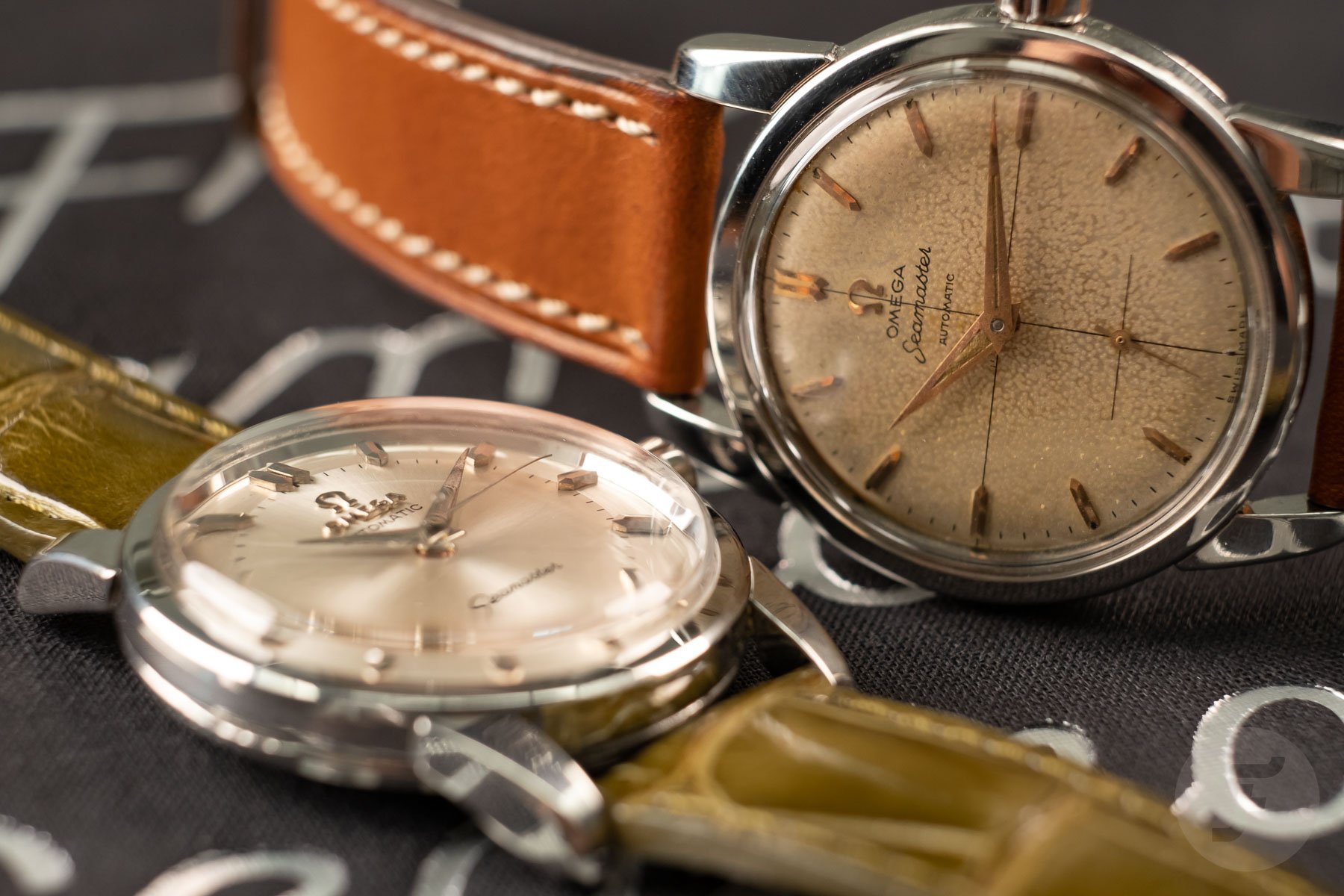
Omega Seamaster ref. 2846
The undervalued vintage option
The second category of watches that set a good starting point for a collection is the undervalued vintage option. Just like the cheepers discussed above, these tend to do well in the long term, as they punch above their weight. I find this reassuring, as it means you are less likely to fall out of love with them as your taste and knowledge develop.
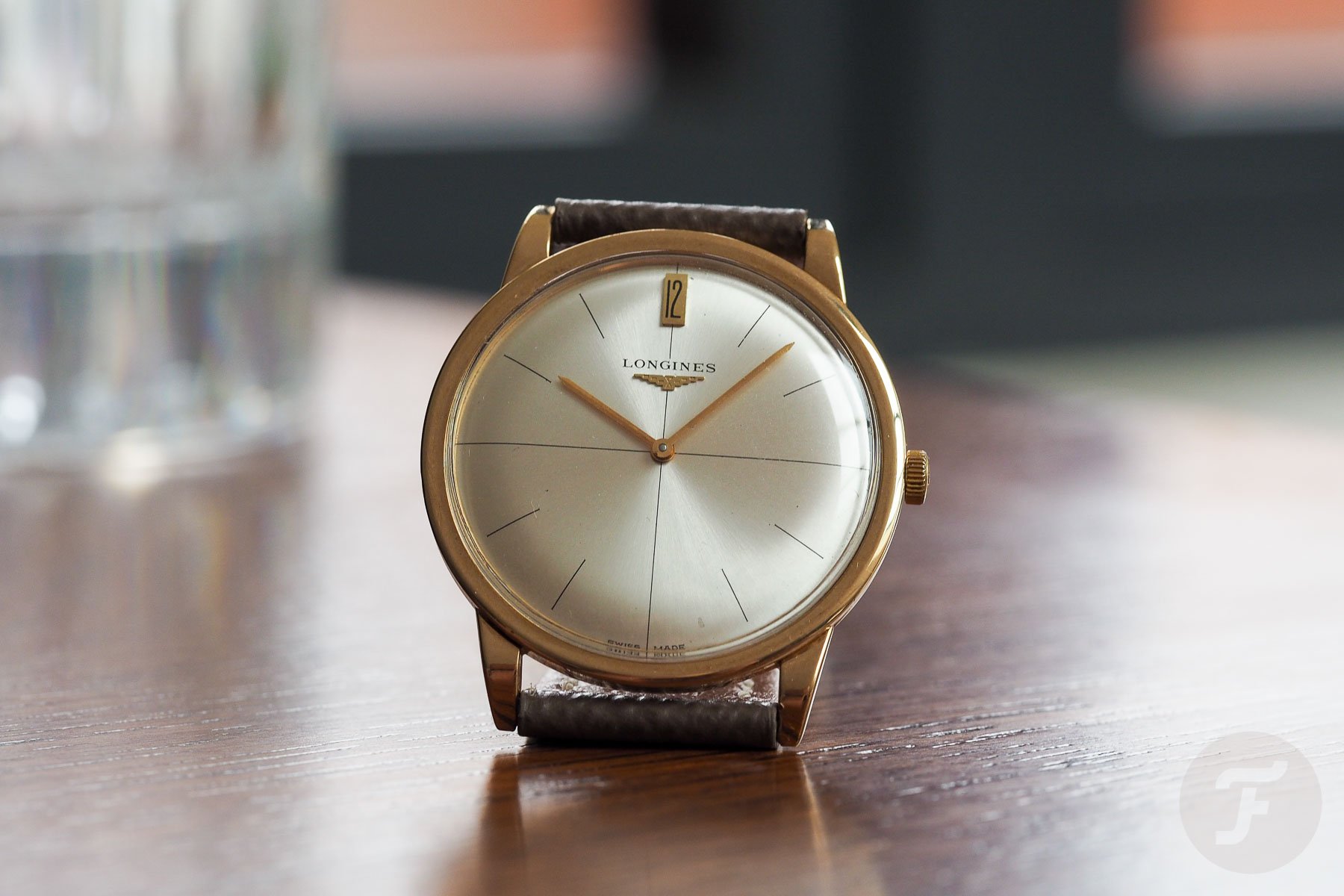
The trick is to go with the trusted names. You will find tons of dirt-cheap vintage watches, but the ownership experience can be terrible. The lesser-known options can be hard to source parts for, and economically, they may not be worth a watchmaker’s time. As a novice, you would be smart to stick to models produced in fairly large numbers by recognized brands. Before you buy, look up the reliability and serviceability of the caliber inside. Sometimes going for a reference from one or two years later can land you a far superior movement, so do your research. If you find yourself enjoying the research, congratulations! You just discovered what the watch hobby is all about!
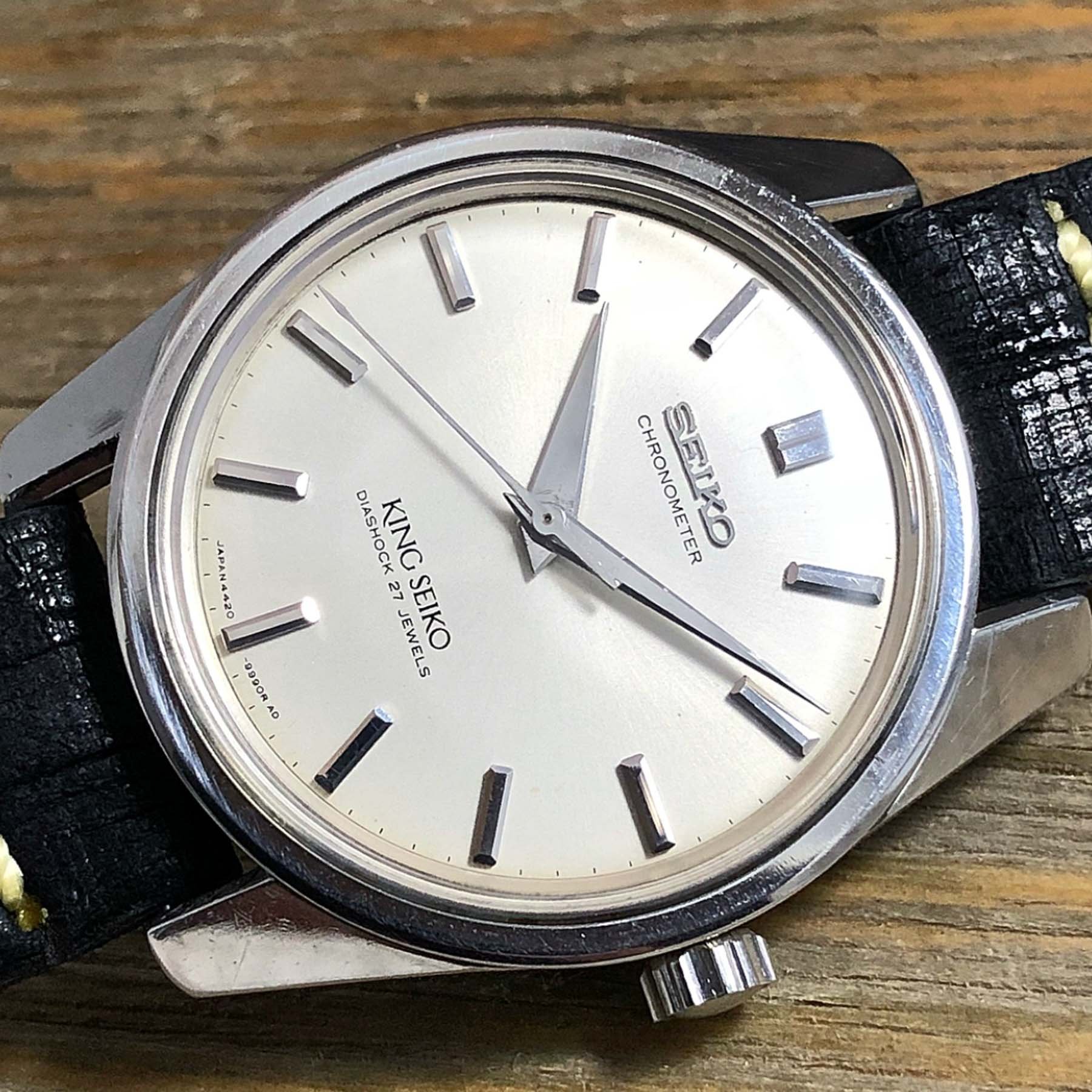
King Seiko 4420-9990 — Image: Hub City Vintage
Vintage watches that set a good starting point for a collection include Omega Seamaster, Omega Constellation, Omega De Ville, and Longines dress watches, Grand Seiko, King Seiko, and Seiko 5 models, and, if your budget allows, a post-bubble-back vintage Rolex. I own two variants of the Omega Seamaster ref. 2846 (from 1956 and 1958), and they serve me very well to this day. You can find really good ones around the €1,000 mark.
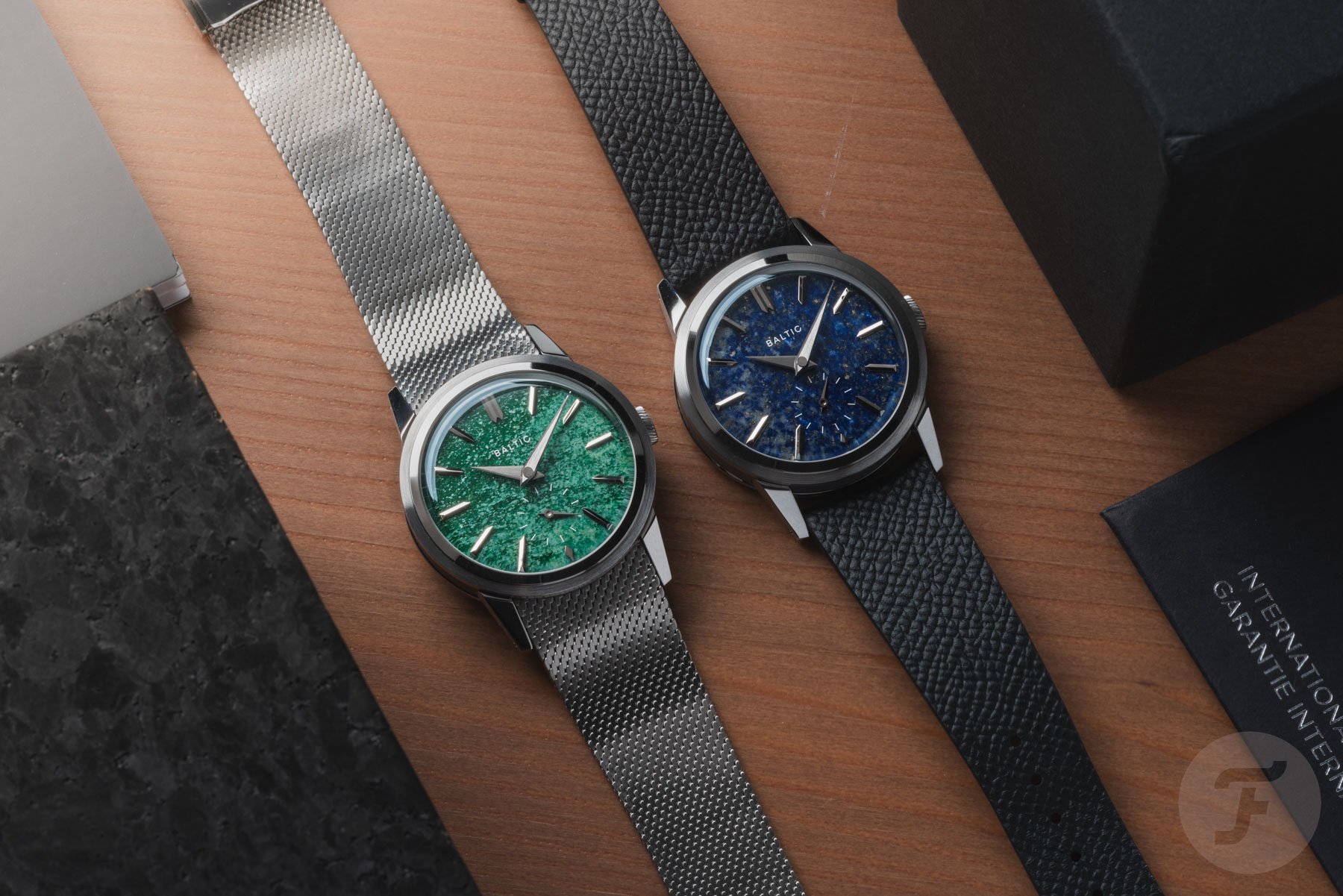
Baltic Prismic
Another good starting point for a watch collection: the expressive microbrand offering
Maybe you find the two categories above a bit safe. Maybe you have some non-watch-enthusiast friends already rocking PRXs and vintage Omegas. You want something more off the beaten path. In this case, I would recommend looking at microbrand offerings.
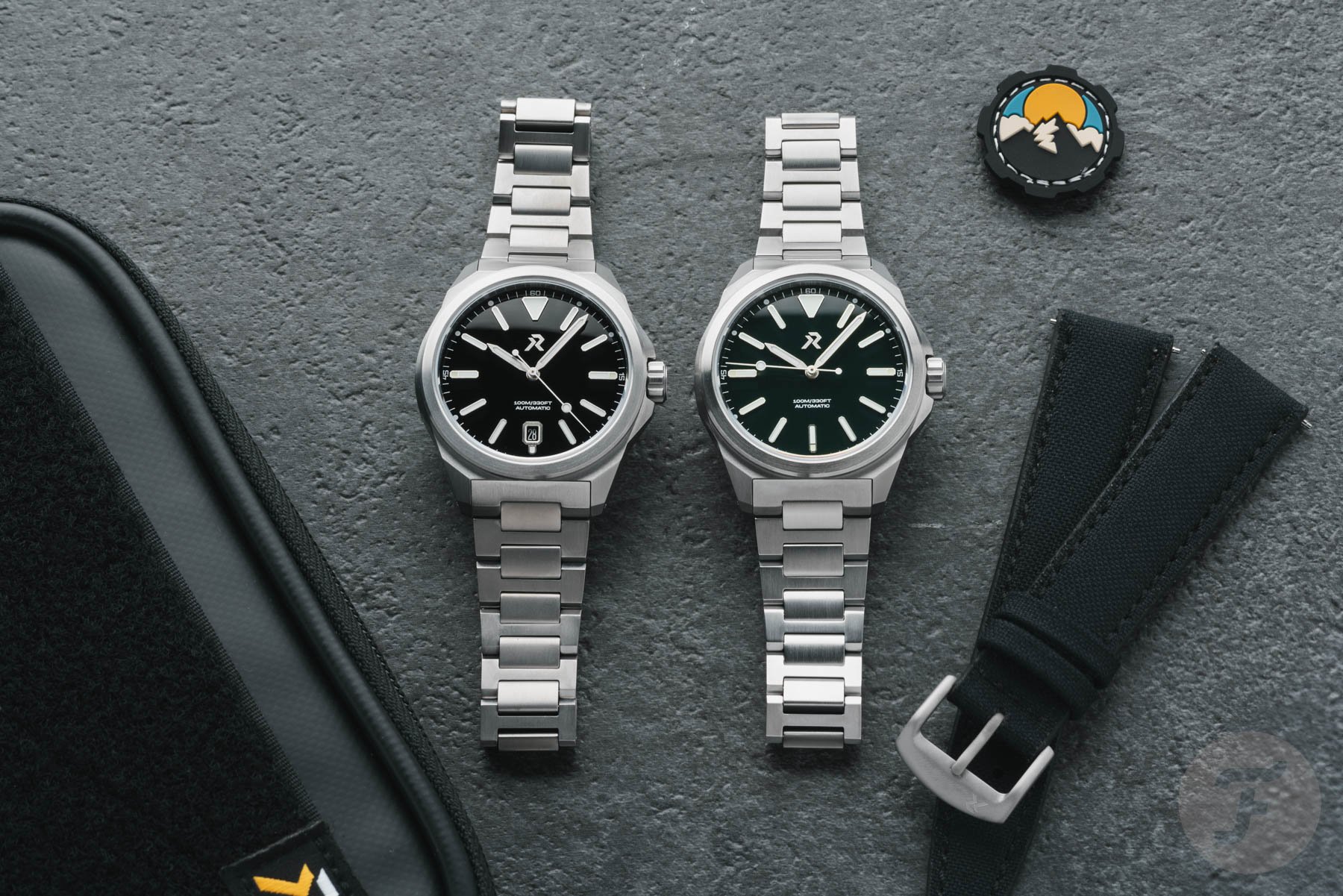
RZE Resolute Pro
While there’s no single definition of “microbrand,” such companies tend to be young, small, and with outsourced production in Switzerland or Asia. Their lack of economies of scale is often offset by their negligible overhead. The biggest plus, though, is that these brands are often the brainchild of a single person with a vision. This means no design by committee or business-first compromises, just slightly more radical watches in small quantities. In short, it’s the stuff for real enthusiasts.
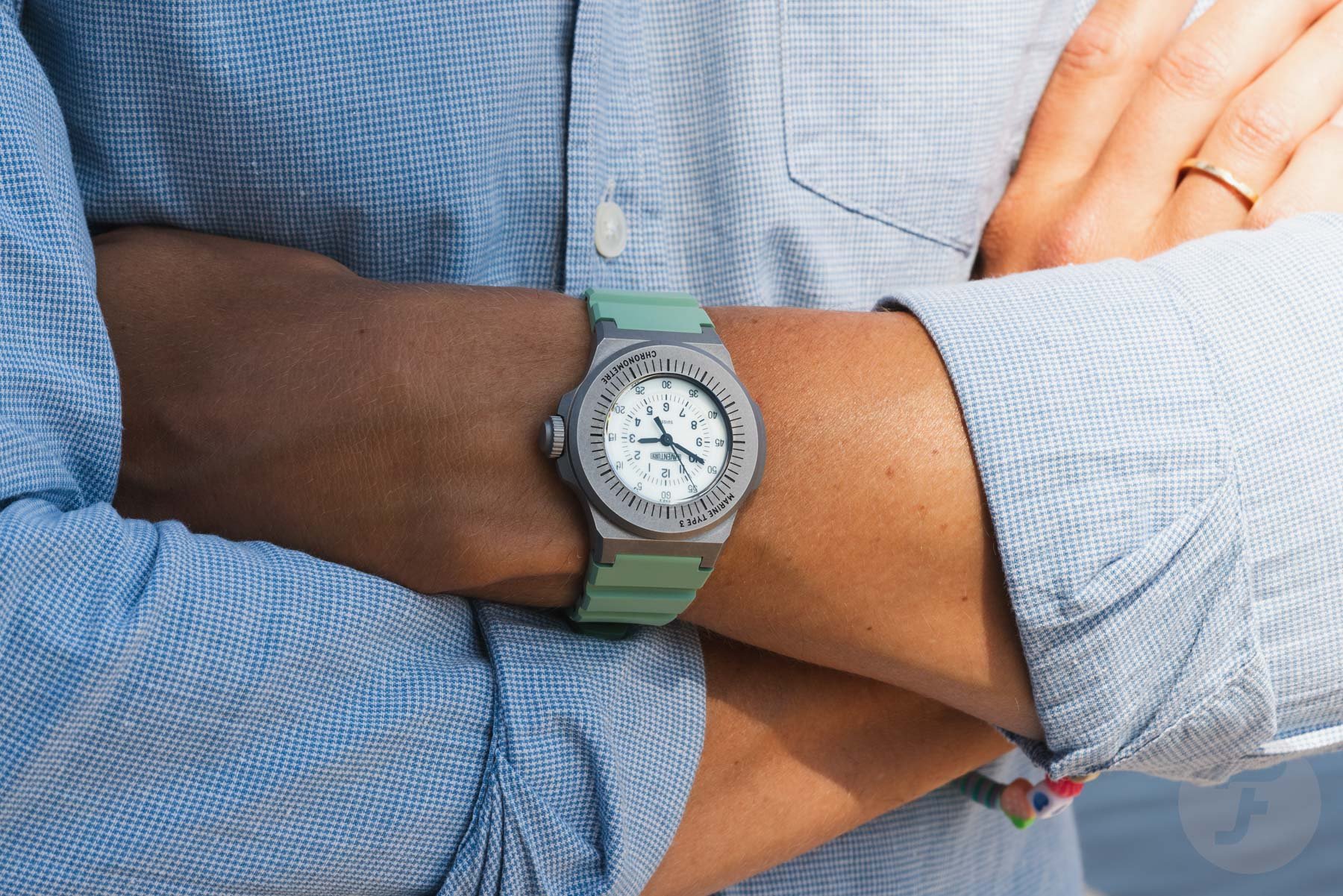
Laventure Marine Type 3
If you love the vintage aesthetic, I would recommend Baltic, Serica, and Lorier. If modern is your jam, look at RZE, Micromilspec, or Farer. Not too long ago, microbrands were limited to the very entry level. Today, you can opt for something higher-end too. These offerings often rival the quality of group brands with much higher prices. Think, for instance, of Fam al Hut, Atelier Wen, Lorca, and Laventure. One thing to look out for is serviceability. Does the prospective brand have a proper service network, and do the watches use easy-to-maintain movements? Miyota, Sellita, Seiko, and La Joux-Perret calibers, for instance, can be serviced anywhere. Steer clear of microbrand in-house calibers when you are just starting. That’s for later!
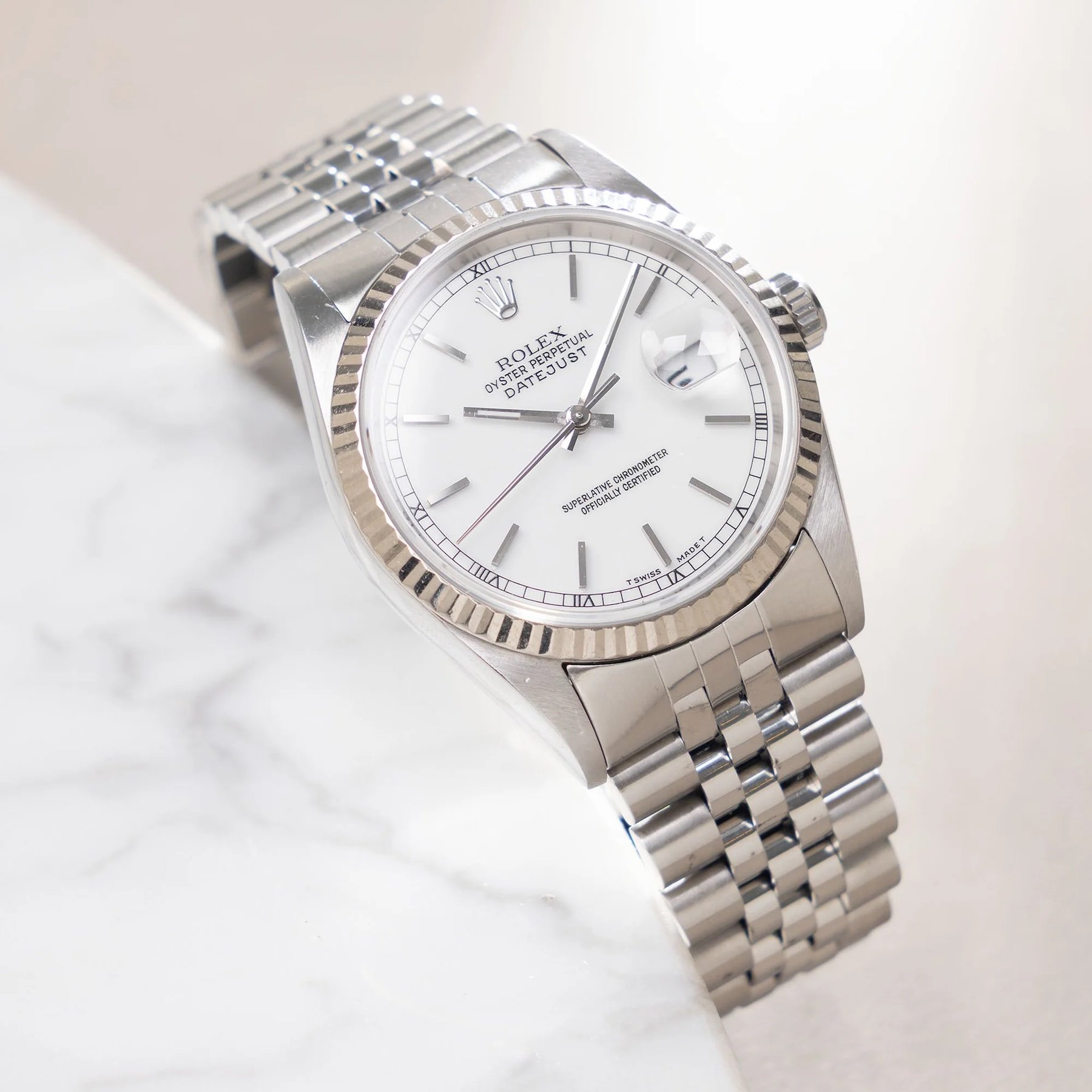
A Rolex Datejust ref. 16234 (ca. 2000) with a porcelain-white dial — Image: Bulang & Sons
An all-in option: go straight for the grail
Okay, all of the above has more or less focused our search for watches that set a good starting point for a collection on the more affordable level. Maybe, however, you are prepared to jump in at a higher price point. Maybe you want to go for your grail watch straight away.
There is something to be said for slowly growing into it. As your knowledge and experience with different watches grow, your taste develops. Don’t underestimate how radically your preferences might shift. As an example, I did two hard resets during my journey, selling (almost) everything and changing direction. If I see pictures of my first little watch box with five decent watches, I wouldn’t wear even one of them today. That’s how much my tastes have changed.
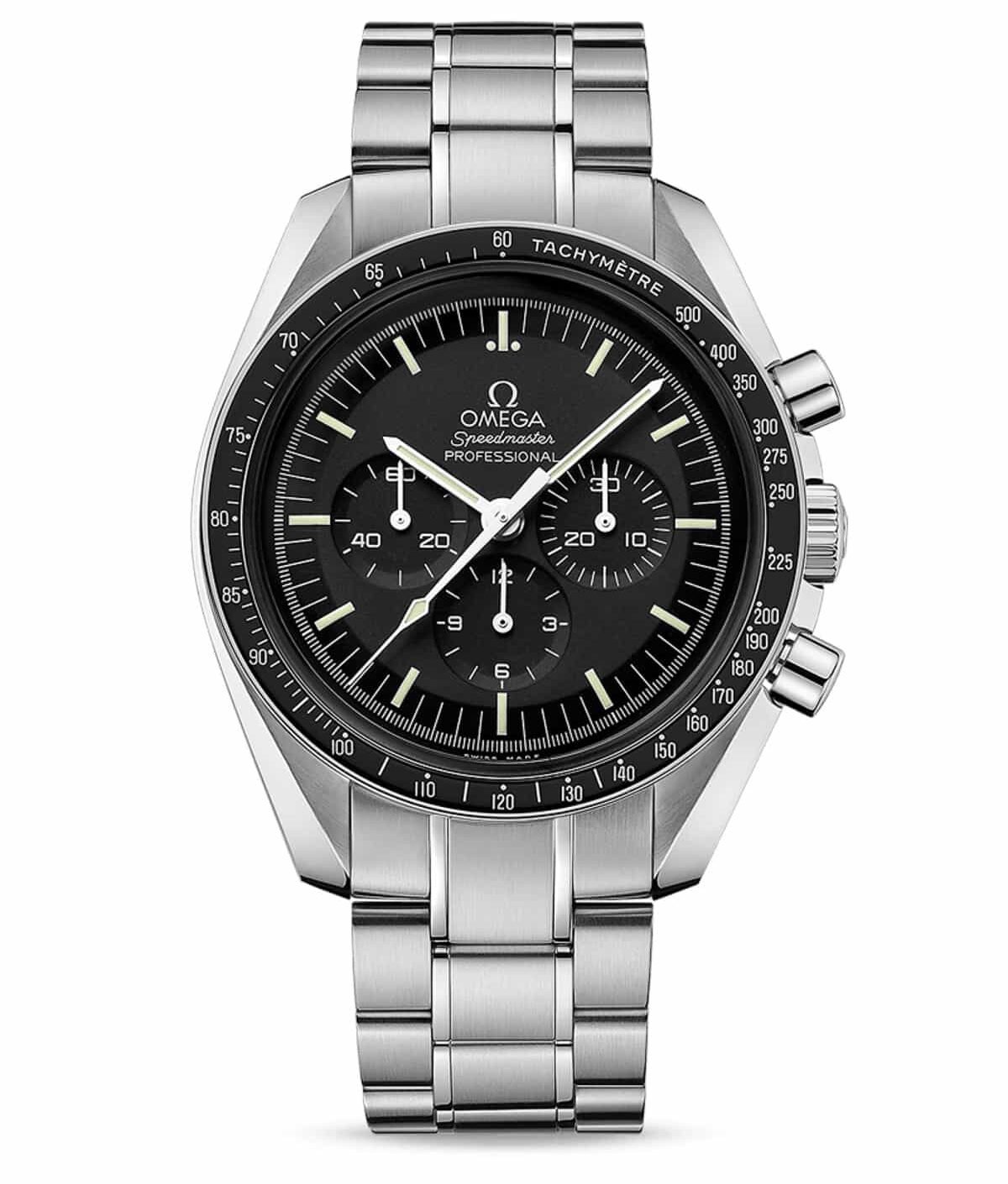
Omega Speedmaster Professional ref. 311.30.42.30.01.005
So, there is some risk to going straight for the big hitters. My recommendation would be to stick to the classics. You may find these choices dull at the moment, but they are universally loved for a reason. This means you are more likely to grow more infatuated with them over time, rather than less. And, if not, they are easy to trade in. Examples of such watches include the Rolex Datejust ref. 16234, Rolex Submariner refs. 14060/16610, Omega Speedmaster ref. 311.30.42.30.01.005, any Cartier Tank, and many more. I recommend going for these neo-vintage versions, as they tend to provide the greatest value. Of course, the modern/current alternatives are also fantastic options.
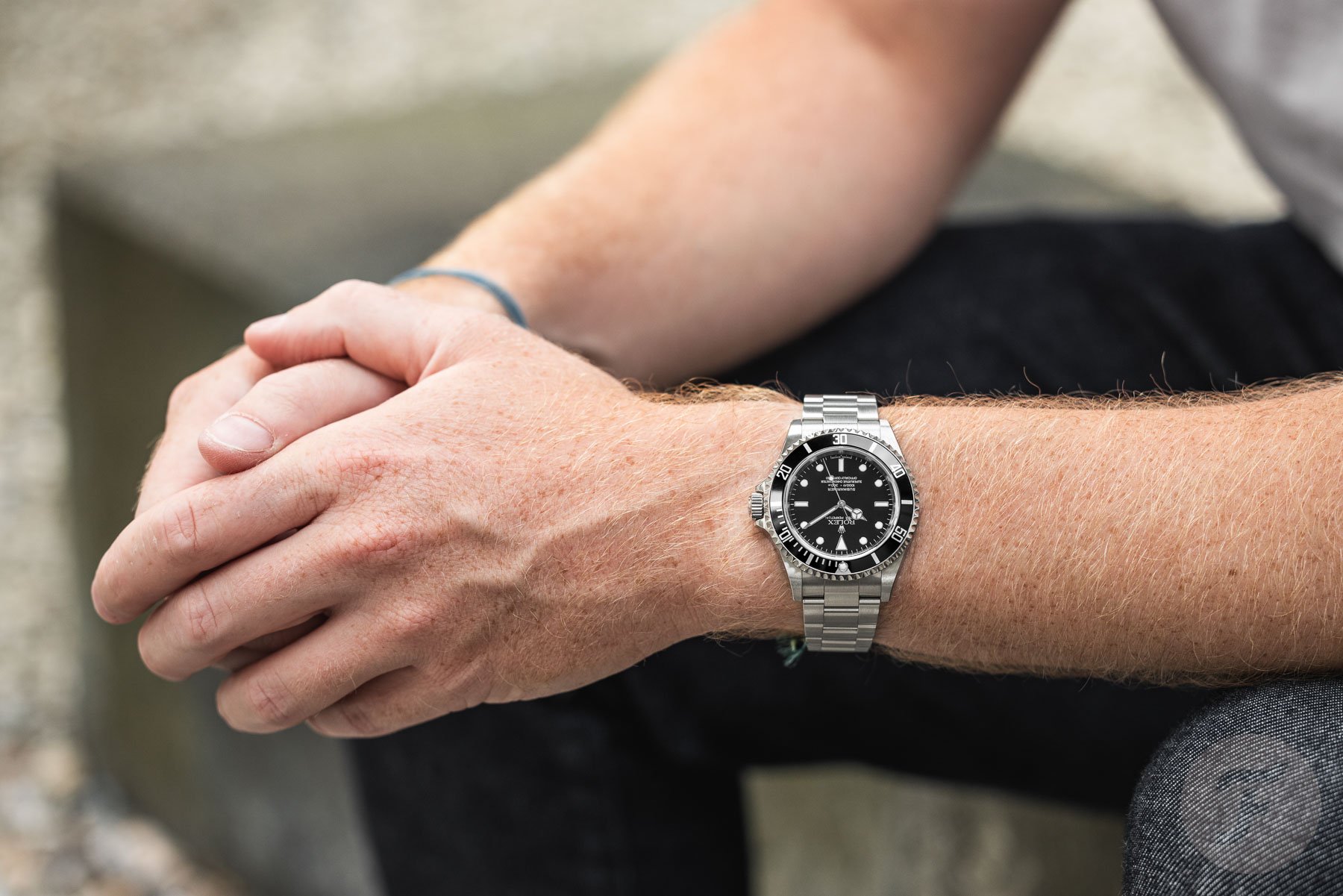
Rolex Submariner ref. 14060M
Closing thoughts
This list is by no means exhaustive. And, crucially, you don’t need me to tell you what to buy at all, of course. My aim is merely to offer some ways of looking at watches that set a good starting point for a collection. You will always pay your learning money, but these tips can help you avoid costly mistakes.
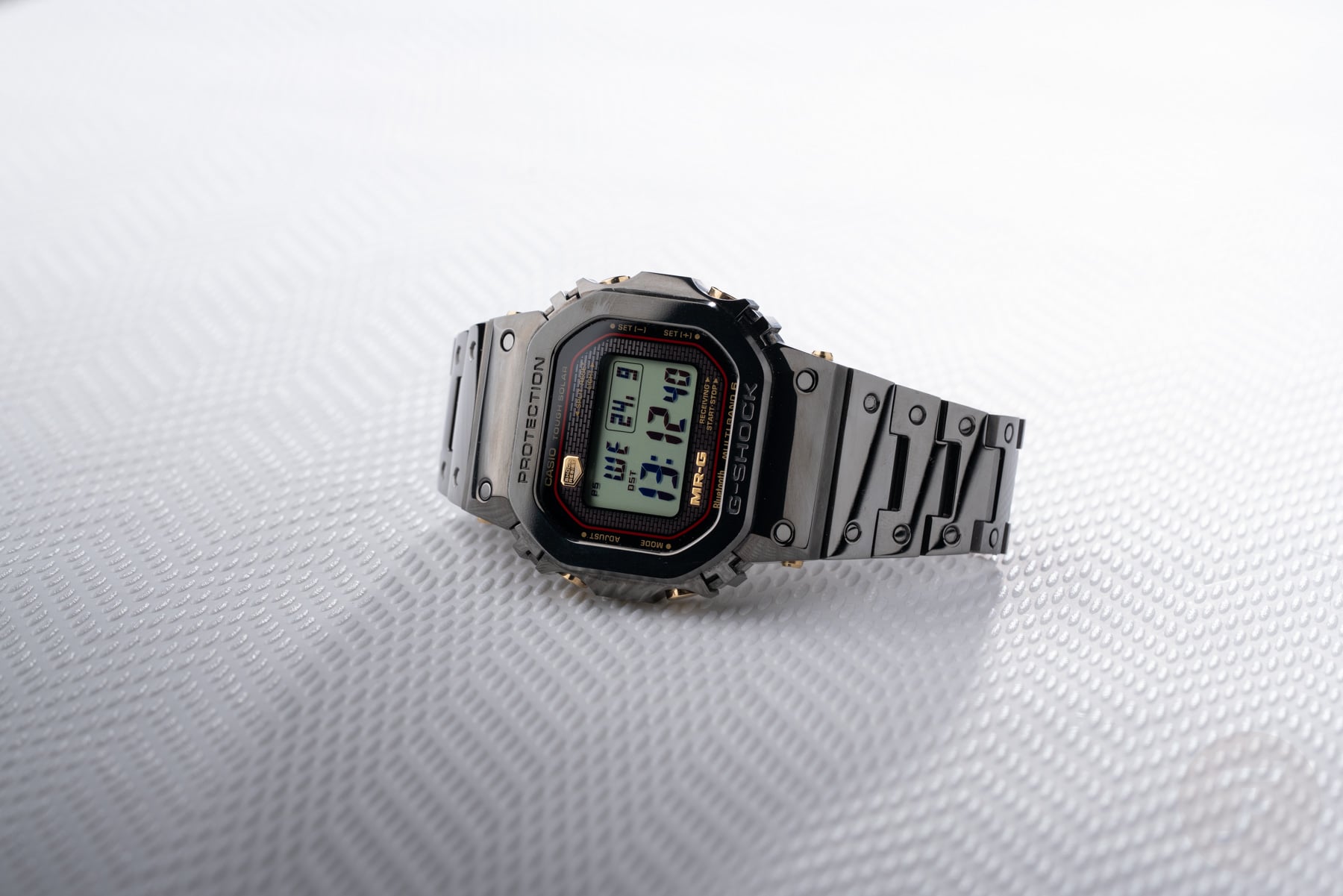
Casio G-Shock MRG-B5000B-1
In the end, this hobby is deeply personal and subjective. It is also a largely inconsequential pastime, meaning you should just buy whatever puts a smile on your face. One final tip, though, is not to focus too much on specifications. It is tempting to think that the watch with the biggest numbers and greatest feature set is the best. Most modern watches, however, are over-engineered for daily life. What matters is how they make you feel, not how they stack up in an Excel sheet. I wrote a slightly tongue-in-cheek article about this a few years back.
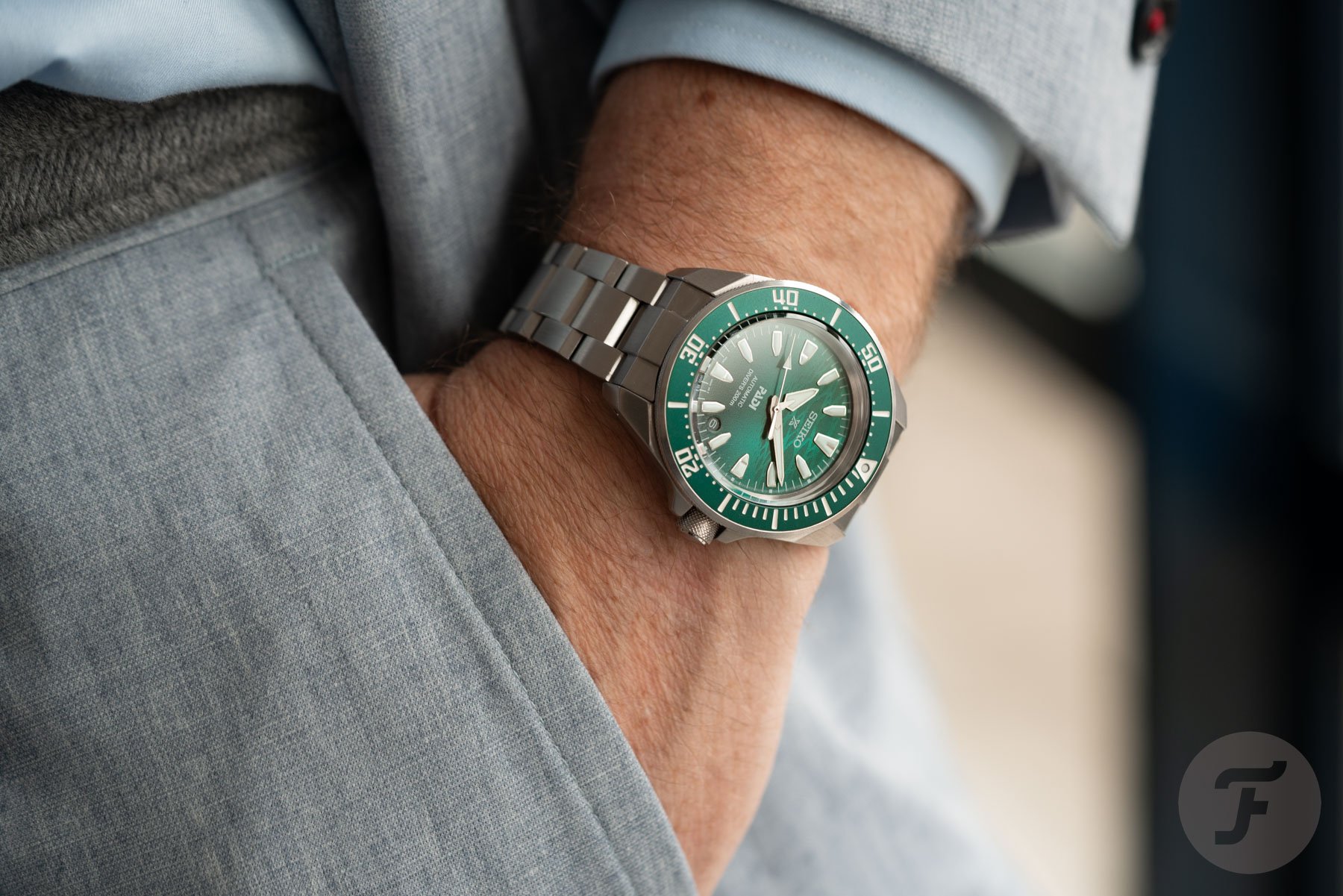
Seiko SRPL53
One thing I did not get into here is the function of the watch. You could make an argument for the GADA (go anywhere, do anything) watch as a good starting point. Still, this is too personal for me to provide decent advice. If you spend your days in three-piece suits in the financial district, your desired characteristics in a watch will differ from those of someone who spends every day studying marine life out on the ocean. Still, versatility in a starter watch can go a long way.

Christopher Ward C65 Dune Aeolian Sand
All in all, I reckon the above is a fair starting point when looking at watches upon which you can build a collection. Now, it’s over to you, Fratelli! What other tips can you offer in this respect? Feel free to drop them in the comments section below!