Fratello’s Top 5 Rolex Explorer Alternatives In 2026

Another Friday, another list. This week, we picked a Rolex that many of us praise as one of the brand’s best — the Explorer. Introduced in 1953 with its signature 3-6-9 dial, this watch has become a favorite within the enthusiast community. Some of the Fratello team members own one, and I am sure plenty of our readers do too. But what if you are looking for something different or more affordable? There are plenty of options for finding an alternative to the iconic Explorer. We compiled a list of five of our favorites, so let’s find out what they are.
When it comes to finding alternatives to the different Rolex icons, we generally tend to end up with comparatively affordable ones. But this time, it is a nice mix of watches at different price points. As always, there is an abundance of great options available, so picking just five was quite tough. In the end, we feel these five watches are the best alternatives to the modern Rolex Explorer. As most of you will know, the current Rolex Explorer is available in 36mm and 40mm cases. For this list, we did not discriminate and picked watches that could be a replacement for either size.
IWC Pilot’s Watch Mark XX
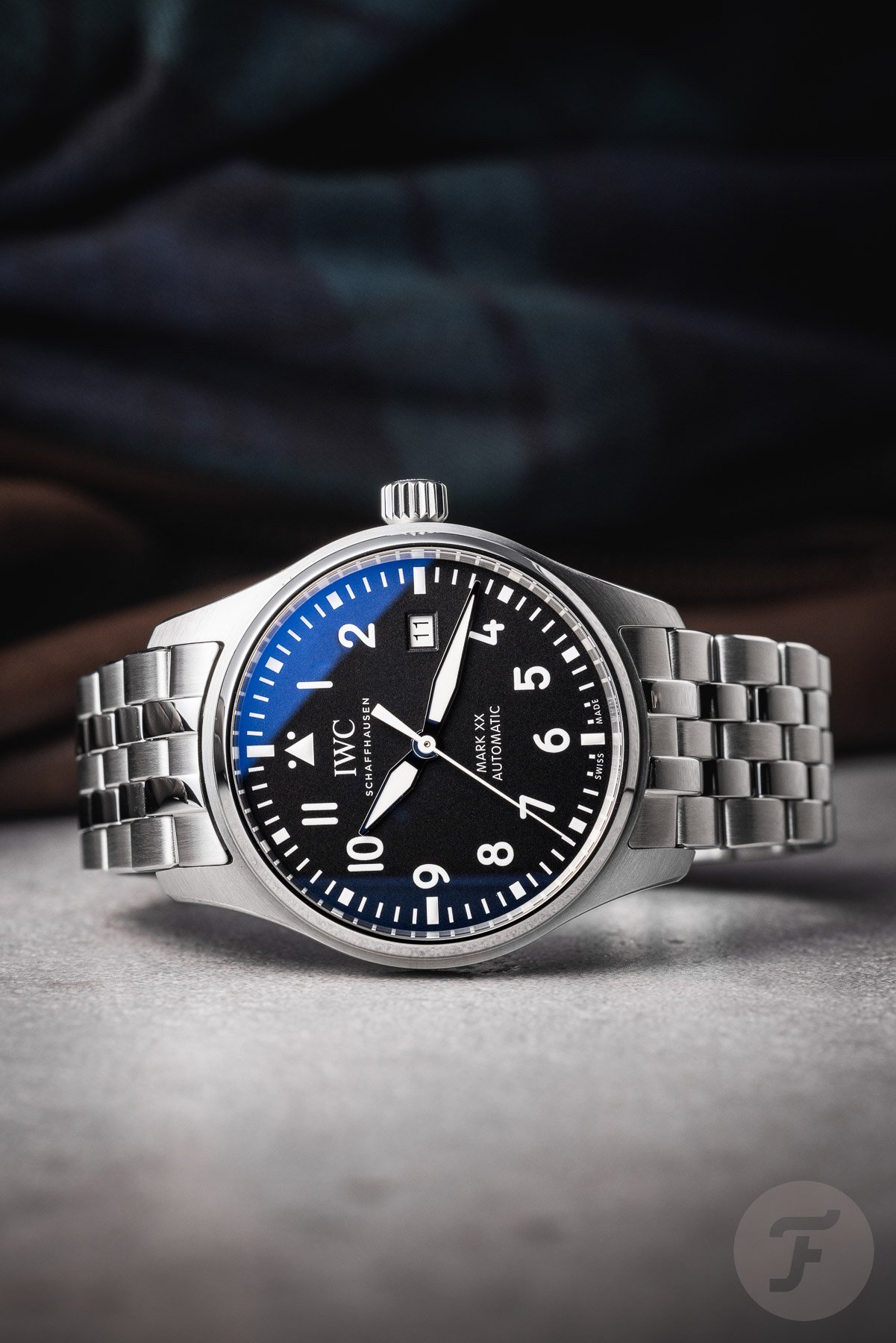
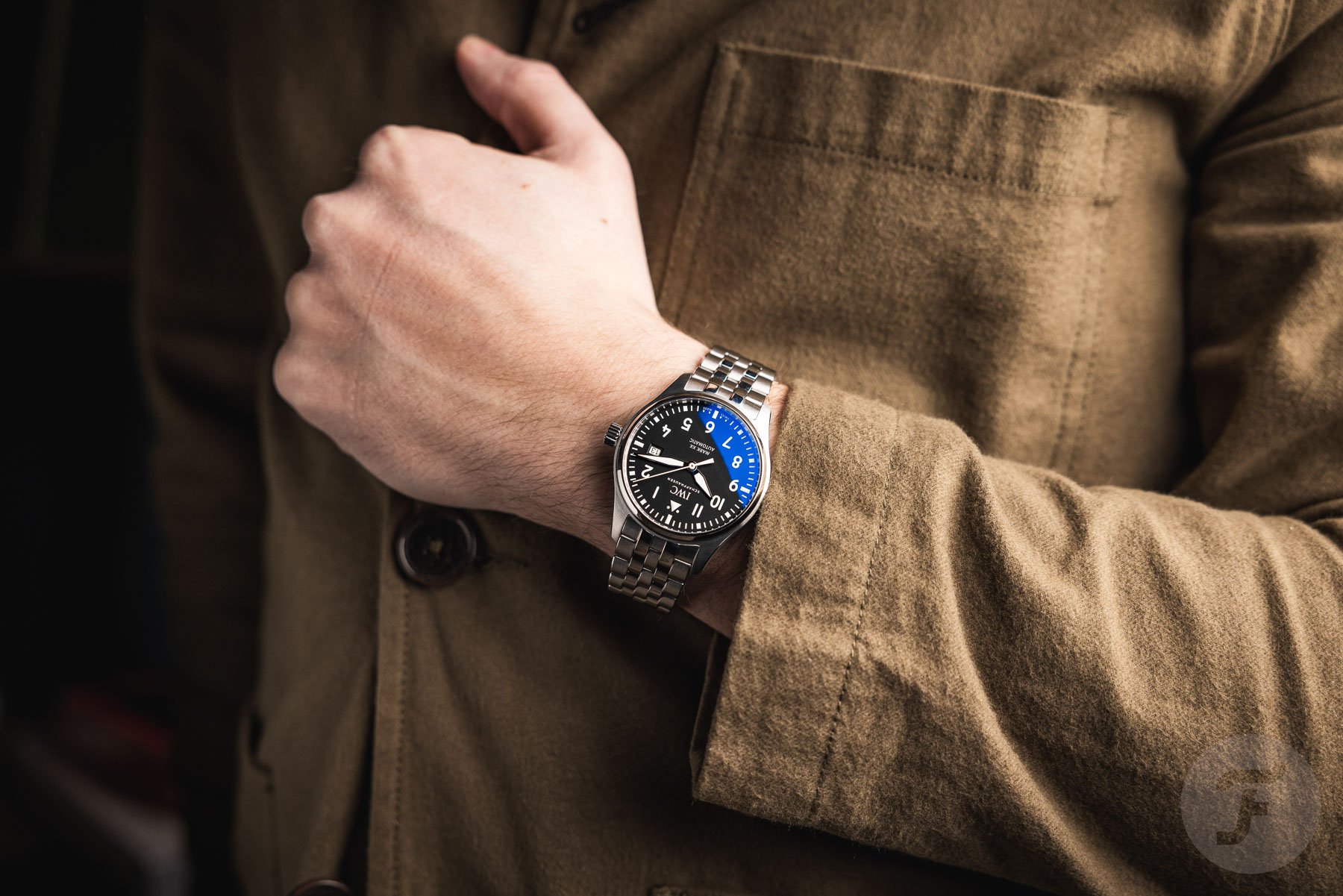
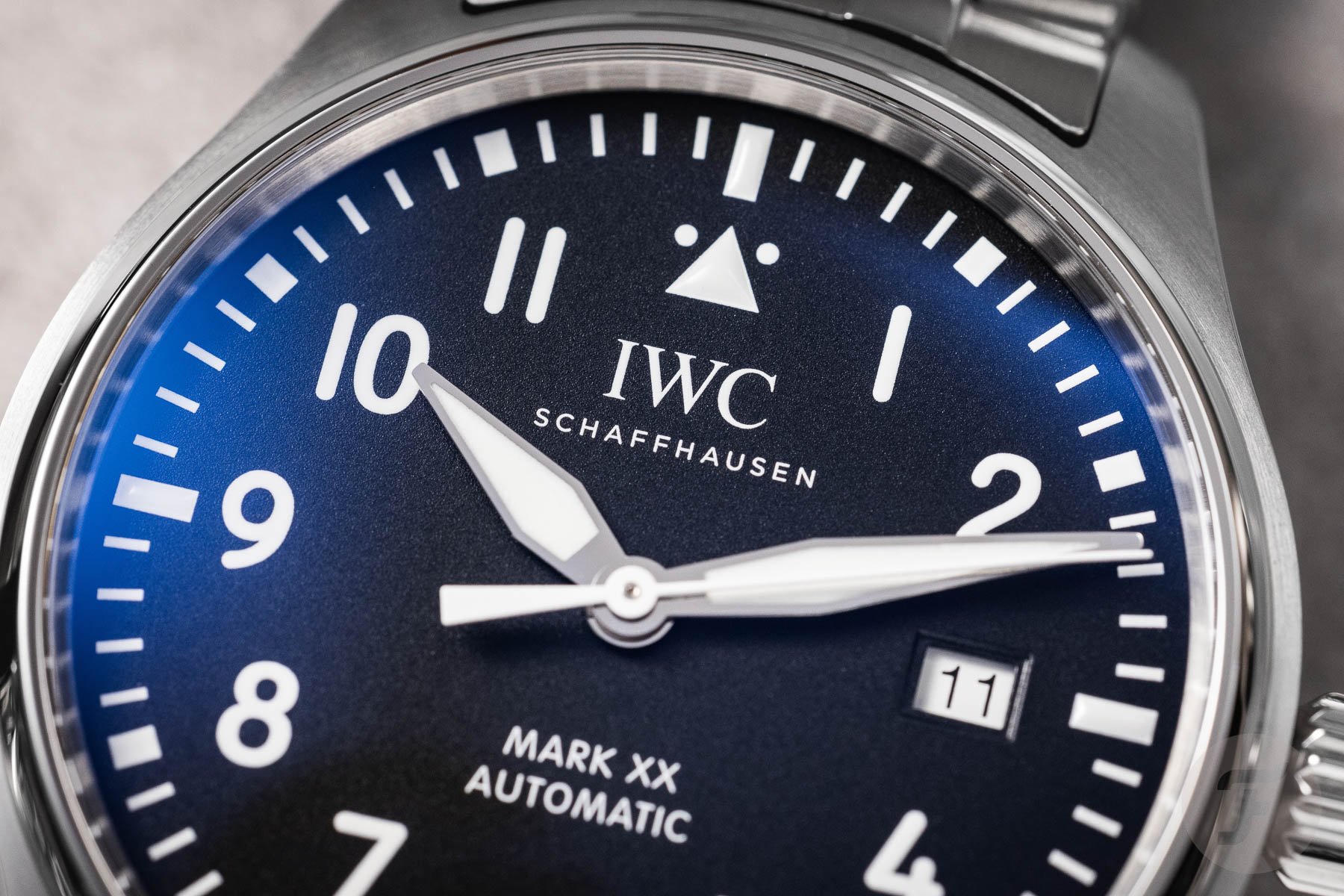
Our first pick is the IWC Pilot’s Watch Mark XX. This IWC staple is a great first option on the five-row stainless steel bracelet. We love the bracelet because it adds great character and is super comfortable. IWC offers the Mark XX with several dial colors, including green and blue. But since we want to stay close to the Rolex Explorer, the black-dial version is the way to go. The Mark XX has a 40mm stainless steel case with a 10.8mm thickness and a 49mm lug-to-lug.
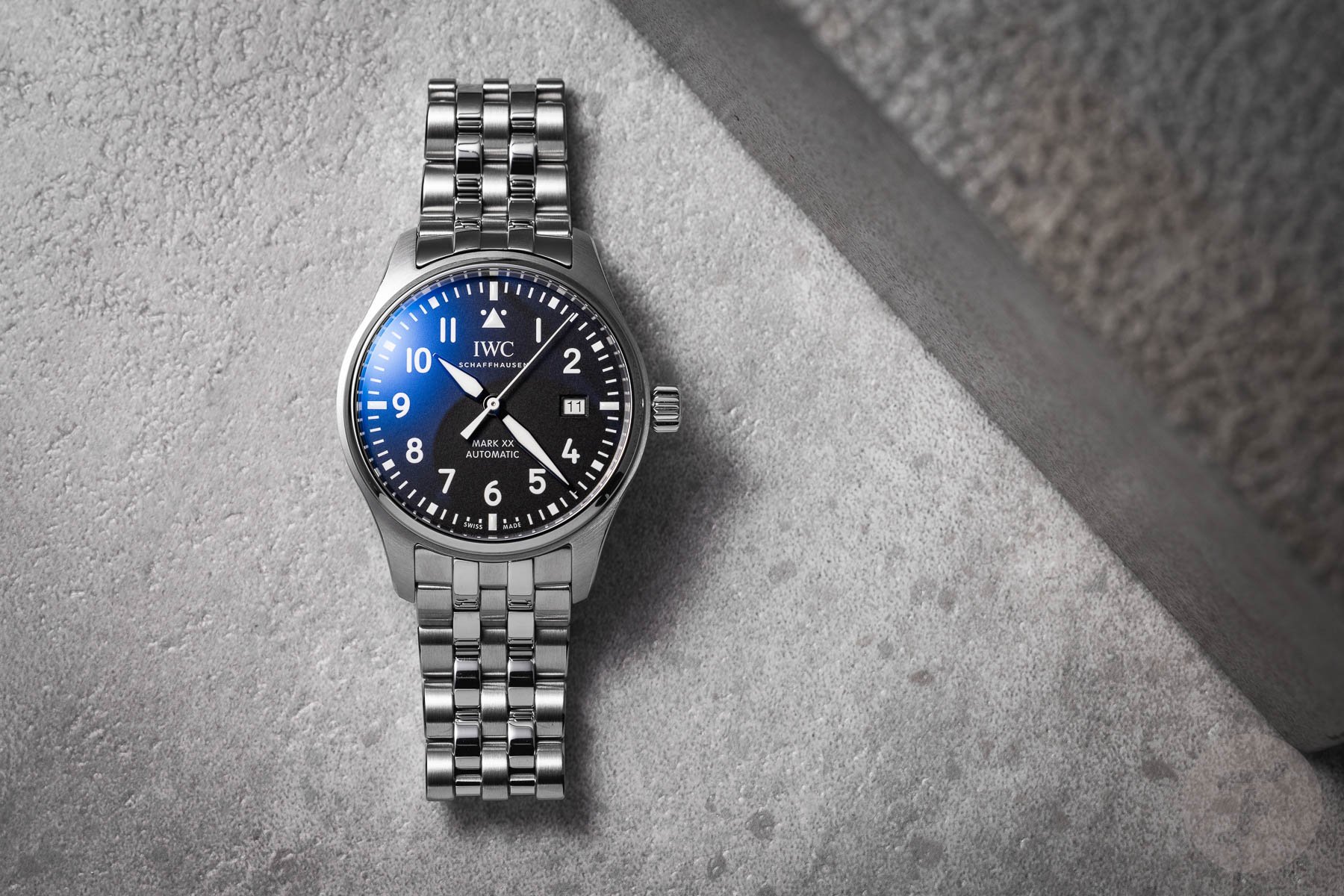
Inside it lies the signature IWC Pilot’s Watch dial. It features a white minute track with larger markers for every five minutes. Located on the inside of the minute track are the Arabic numerals for the hours, which give the watch character. Unlike the Explorer, the Mark XX has a date window at 3 o’clock. It’s a feature that will lead some fans to disqualify this watch as a proper alternative to the Explorer. While we understand that, it’s also very personal, so we leave that up to you.
The IWC caliber 32111
Inside the case, IWC equips the Mark XX with its ValFleurier-manufactured caliber 32111. This automatic movement operates at 28,800 vibrations per hour and offers a whopping 120-hour power reserve. With performance like that, it’s an incredibly solid choice for a watch like this. Despite being a pilot’s watch, the Mark XX is often put in the same adventurer’s territory as the Rolex Explorer. It makes the Mark XX, at €6,900, a great first pick for this list.
If a 40mm Mark XX is too big for your wrist, don’t worry. IWC also offers the smaller Pilot’s Watch Automatic 36. This €6,300 piece is essentially a smaller version of the Mark XX with a different movement. But the typical IWC Mark-series looks are there, so it could be an ideal pick for people with smaller wrists.
Tudor Ranger
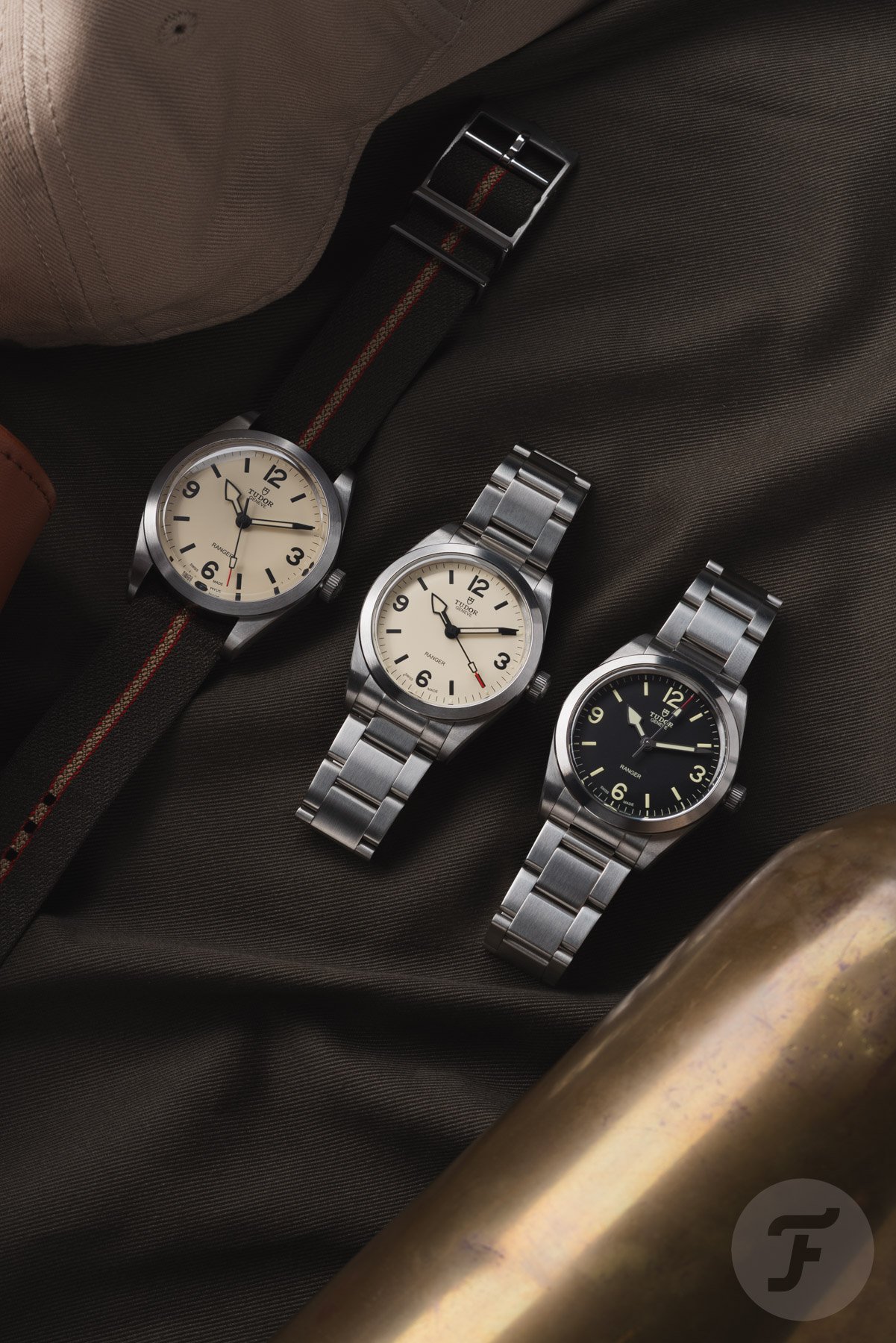
Our second pick is an obvious one. The Ranger is Tudor’s Explorer, although it looks rather different from the current Rolex version. Obviously, that is logical, as Rolex focuses on steady contemporary innovation rather than drawing on heritage designs, as Tudor does. That’s why the current Ranger looks more like the Rolex Explorer ref. 1016 than the current 124270. As most of you will know, late last year, Tudor added three new models to the Ranger lineup. The most important was the black-dial 36mm variant that joined the initial 39mm Ranger from 2022. The other new introductions were the 36mm and 39mm versions with a beige dial.
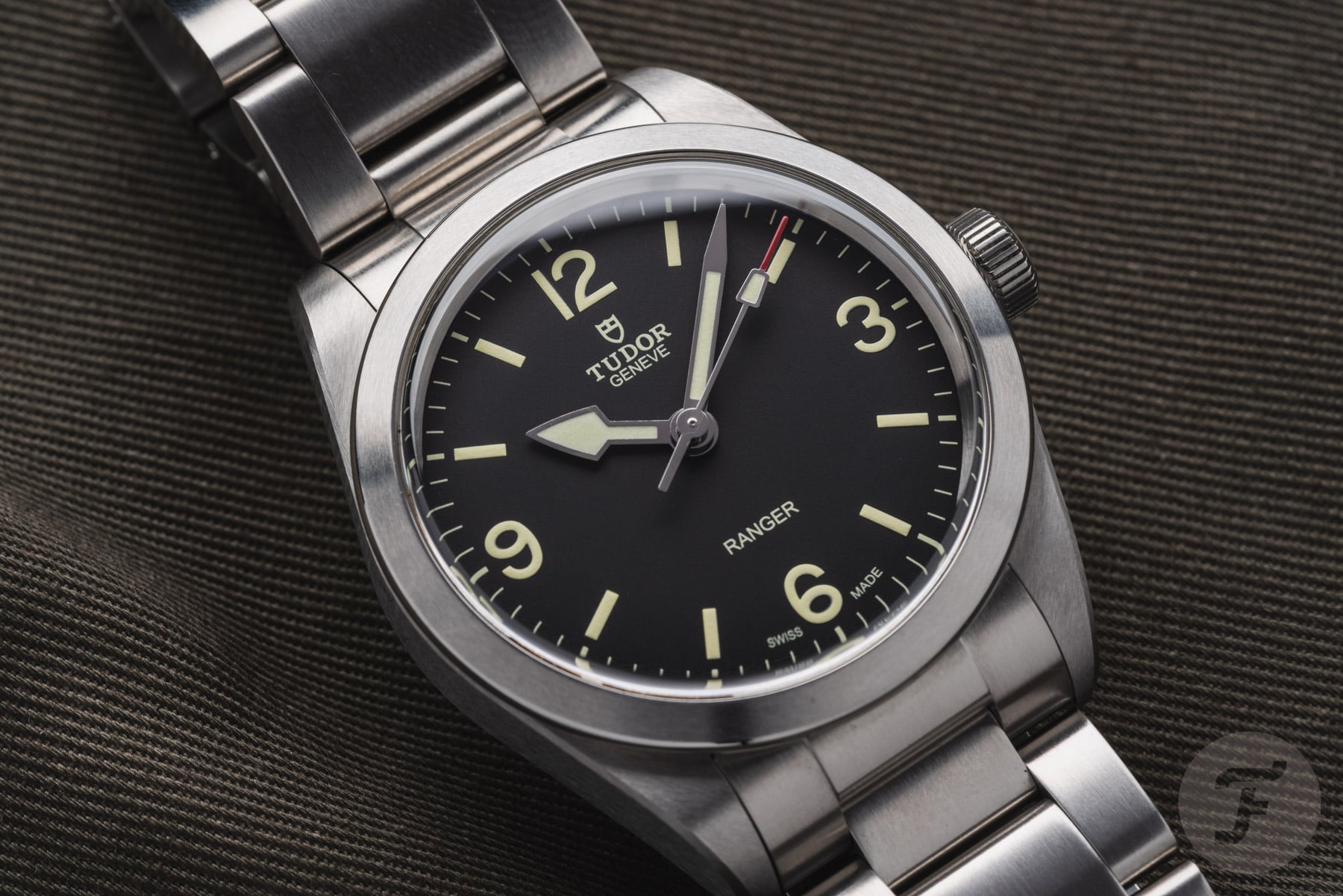
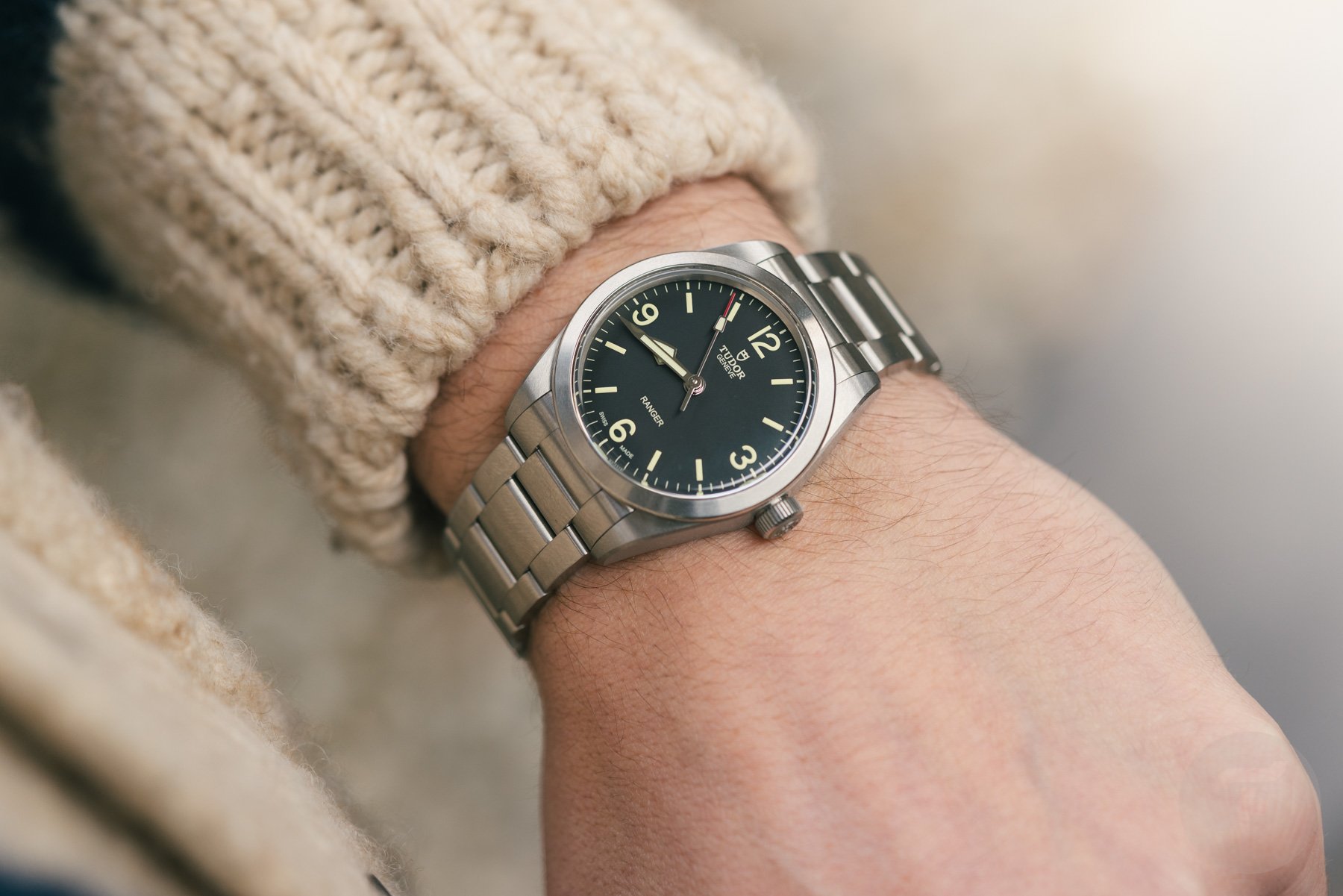
Thomas recently had a chance to go hands-on with the two beige-dial models and the new 36mm black-dial variant. What stood out to us all was that the smaller of the two Rangers felt better proportioned, and that’s why it quickly became our favorite. The smaller Ranger features a fully brushed stainless steel 36mm × 44mm × 11mm case, while the larger one has 39mm × 47mm × 12mm dimensions. Both come with black or beige dials, but as an alternative to the Rolex Explorer, the black-dial version is the obvious choice.
A solid movement and bracelet
The black dials are contrasted by light green luminous markers and numerals. Hovering over the dial is the much-debated handset that consists of a shovel-shaped hour hand, pencil-style minute hand, and red-tipped seconds hand. Inside the case of the 36mm Ranger, you will find the Tudor MT5400, and in the 39mm model, the MT5402. Both automatic calibers are COSC-certified chronometers, operate at 28,800 vibrations per hour, and offer a healthy 70-hour power reserve.
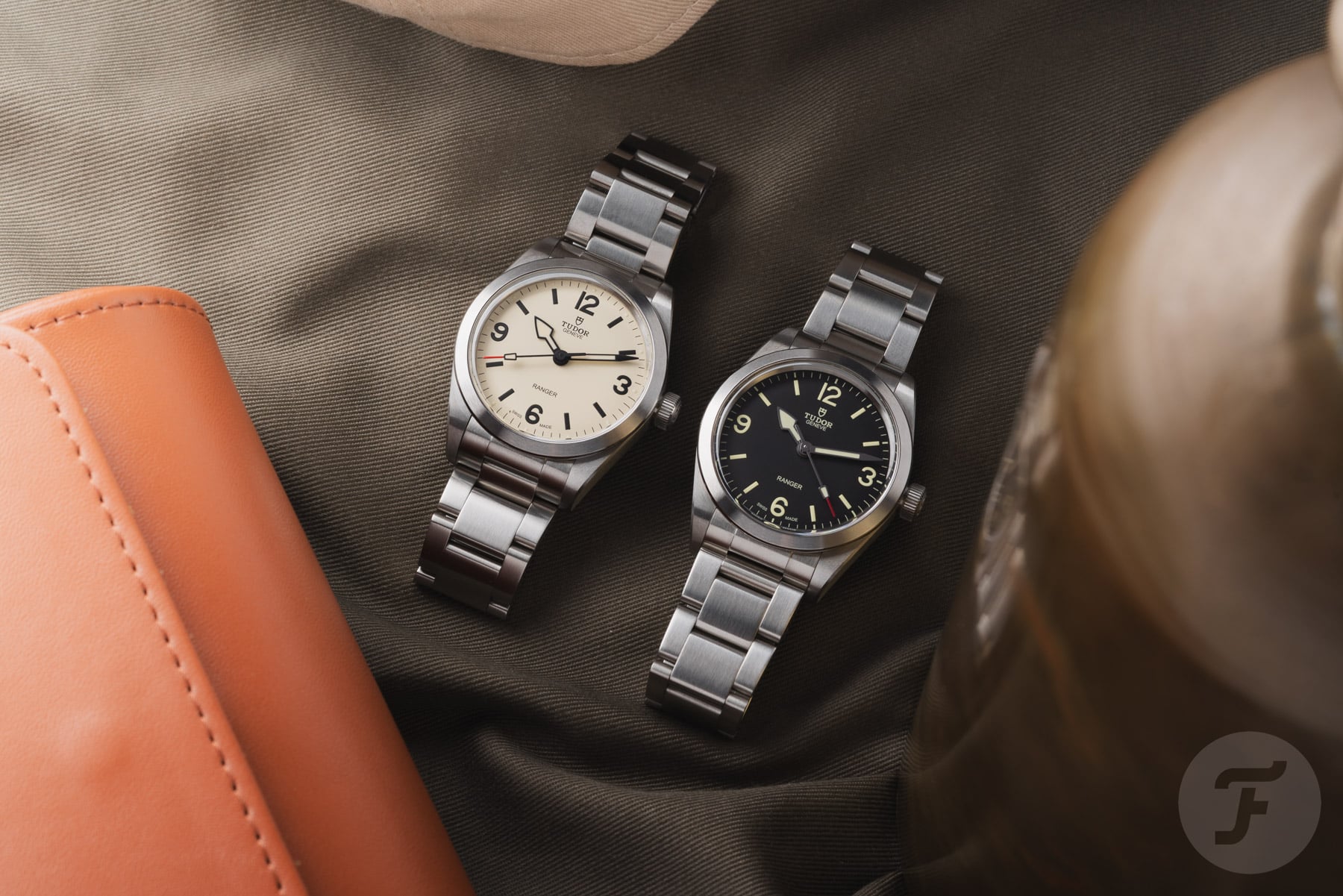
One thing we love is that the Ranger comes with a standard three-row Oyster-style bracelet without the fake rivets that similar bracelets in the Black Bay line have. The absence of these creates a clean look, and on top of that, the bracelet is very solid and comfortable. It makes wearing the Tudor Ranger an absolute joy. In terms of pricing, our favorite 36mm Ranger is slightly more affordable at €3,520, while the larger 39mm model costs €3,630. But either one is a solid alternative to the Rolex Explorer if you like the retro looks, and both have much friendlier prices!
Omega Railmaster
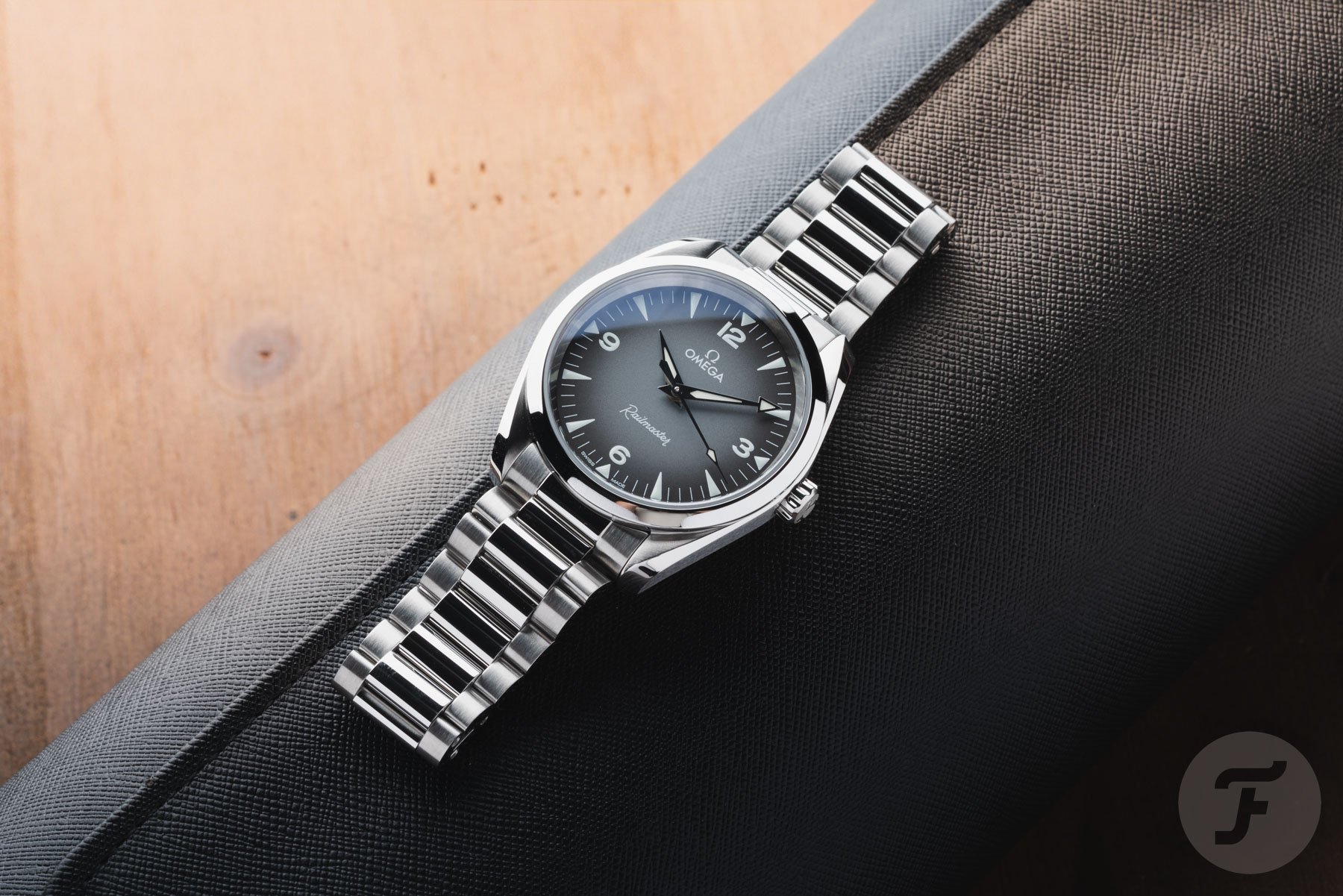
Our next pick is the latest generation of the Omega Railmaster, unveiled last year. Traditionally, the Railmaster is a competitor of the Rolex Milgauss, as most of you will know. Both the Milgauss and the Railmaster were introduced in the 1950s as watches for scientists and engineers. Nowadays, though, that narrative has shifted, and stylistically, the Railmaster is a spot-on alternative to the Rolex Explorer. The current Omega Railmaster comes in two versions. The first is the gray-dial variant that we picked for this list, while the second has a beige dial, small seconds, and more retro cues, giving the watch a different feel.
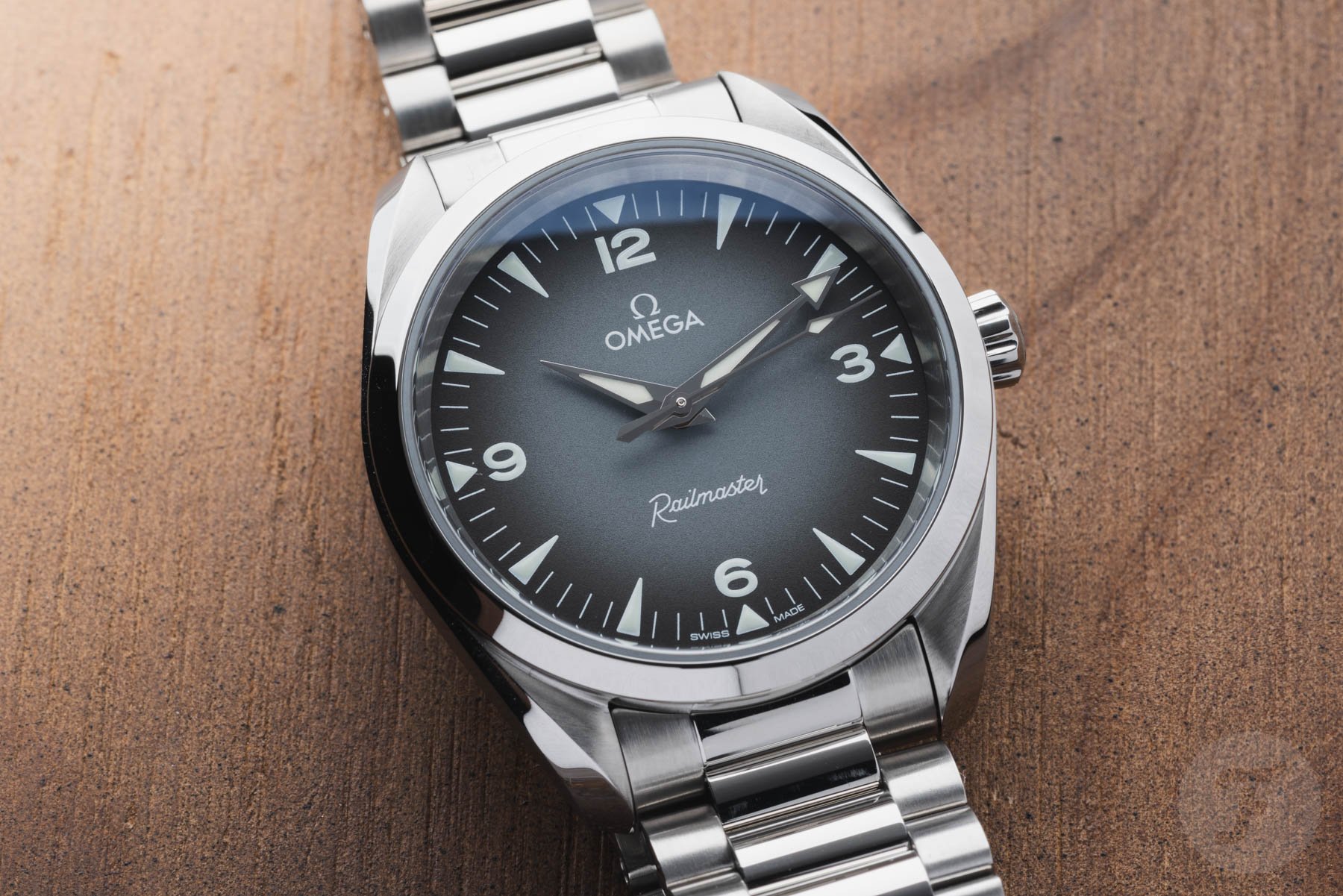
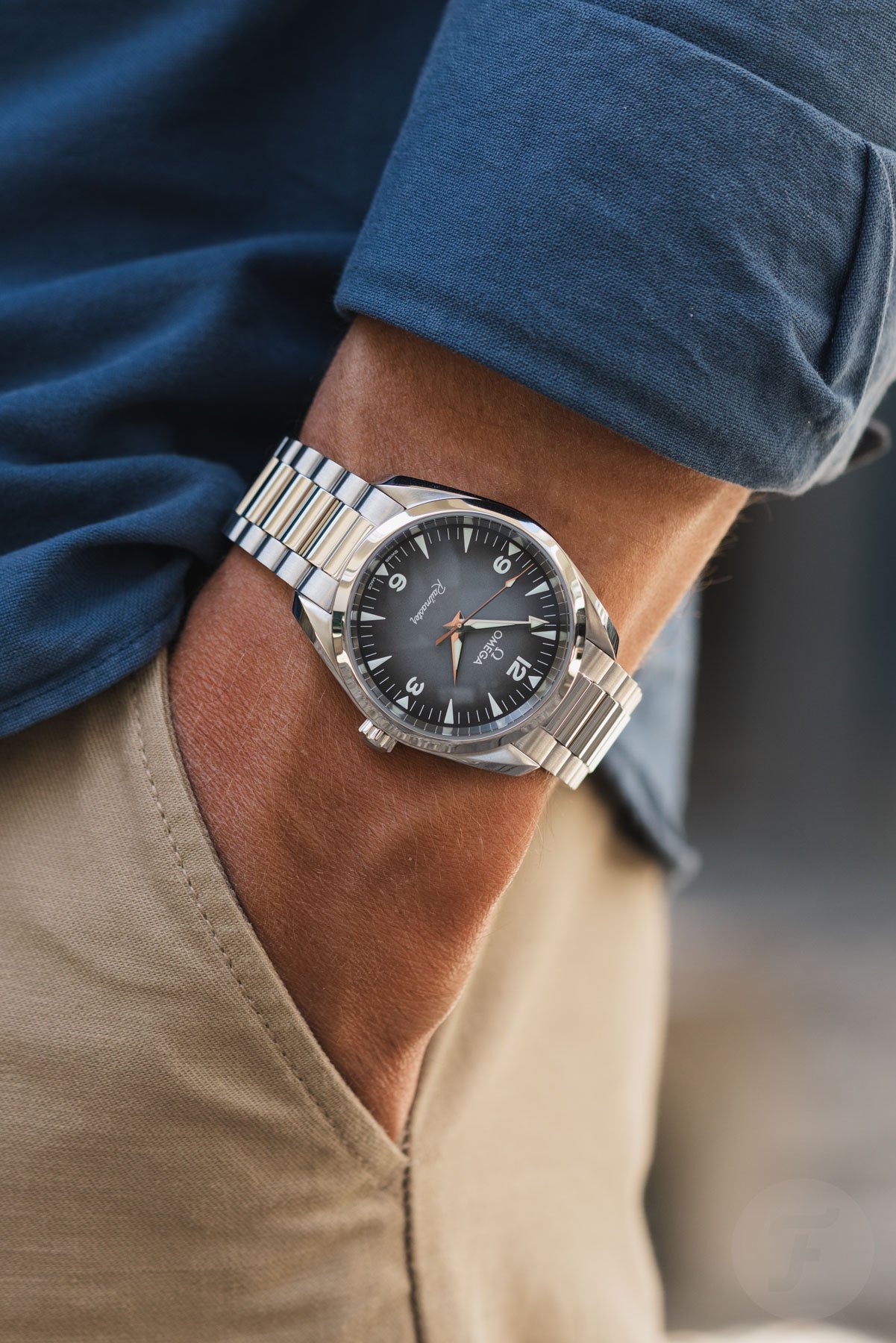
Both watches have a 38mm stainless steel case with a 12.36mm thickness and 45mm lug-to-lug. This is the same case that the brand also uses for the 38mm Aqua Terra. With its relatively short lugs, the Railmaster has a modest presence and wears really nicely. Adding to the great wearing experience is the super comfortable three-row bracelet with slightly rounded links and polished and brushed surfaces. The Railmaster we picked features a gray gradient dial with luminous triangular hour markers, plus Arabic numerals at 3, 6, 9, and 12 o’clock. Finishing the look is the classically styled handset that suits the dial design nicely.
The current Omega Railmaster still has that typical tool-watch feel
Inside the case, Omega equips the Railmaster with its Co-Axial Master Chronometer caliber 8806. The automatic movement runs at 25,200 vibrations per hour and provides a 55-hour power reserve. On top of that, the Railmaster is officially certified by METAS, meaning the movement will only deviate between 0 and +5 seconds per day. Furthermore, thanks to the silicon (Si14) balance spring inside, the watch is resistant to magnetic fields of up to 15,000 gauss. Because of this, it retains the technical capabilities that sparked the original Railmaster, making Omega’s caliber 8806 a perfect modern-day choice for this watch.
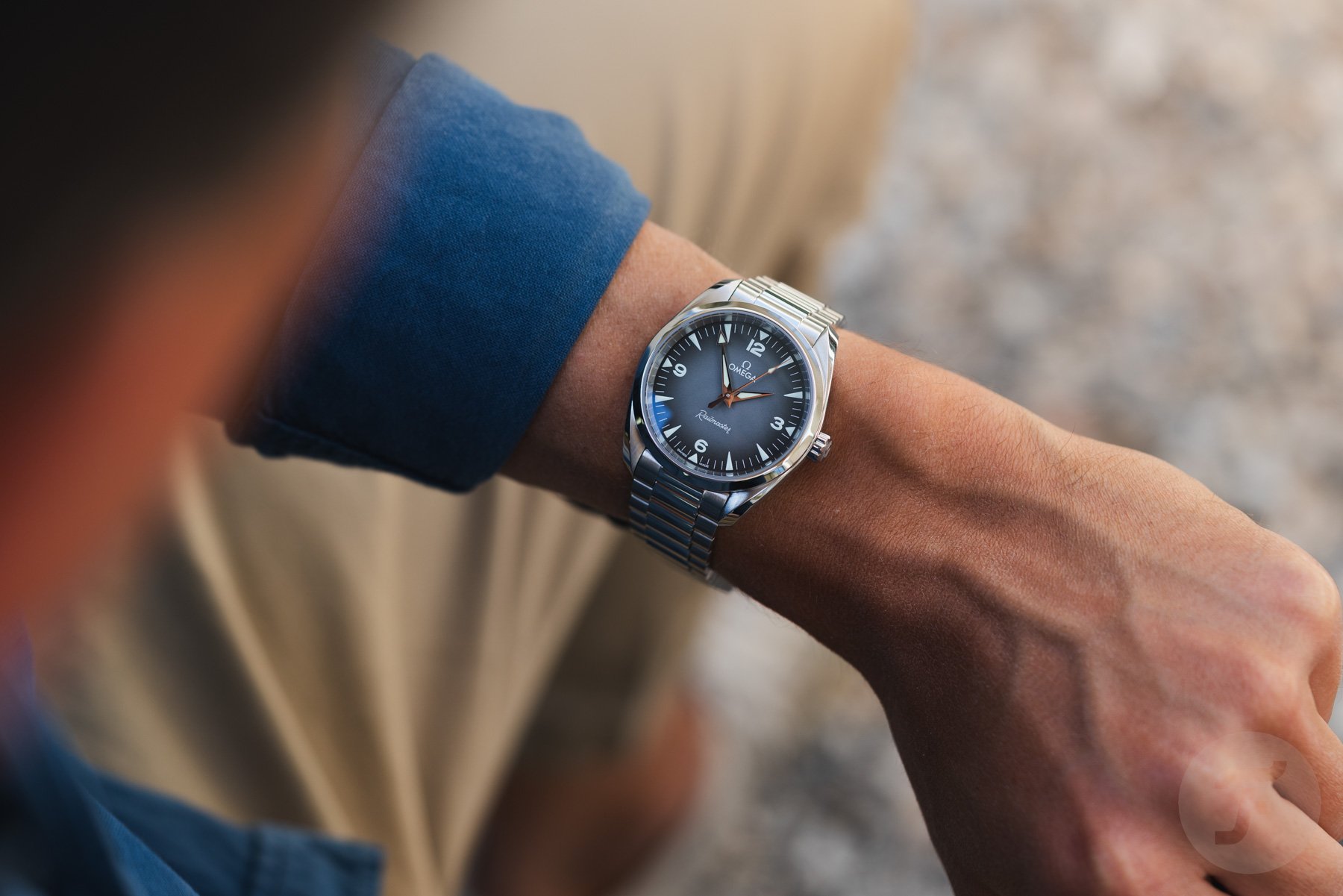
As mentioned, the Omega Railmaster feels lovely on the wrist. Considering that the watch uses the same case and bracelet as the Aqua Terra, we expected this from the start. The big difference, however, is the overall feel. The Railmaster feels a lot more like a classic tool watch than the Aqua Terra. It’s also what makes the watch a far better competitor for the Rolex Explorer. The current price of the gray-dial Omega Railmaster on the bracelet is €6,100, making it a far more affordable alternative.
Nomos Club Sport Neomatik
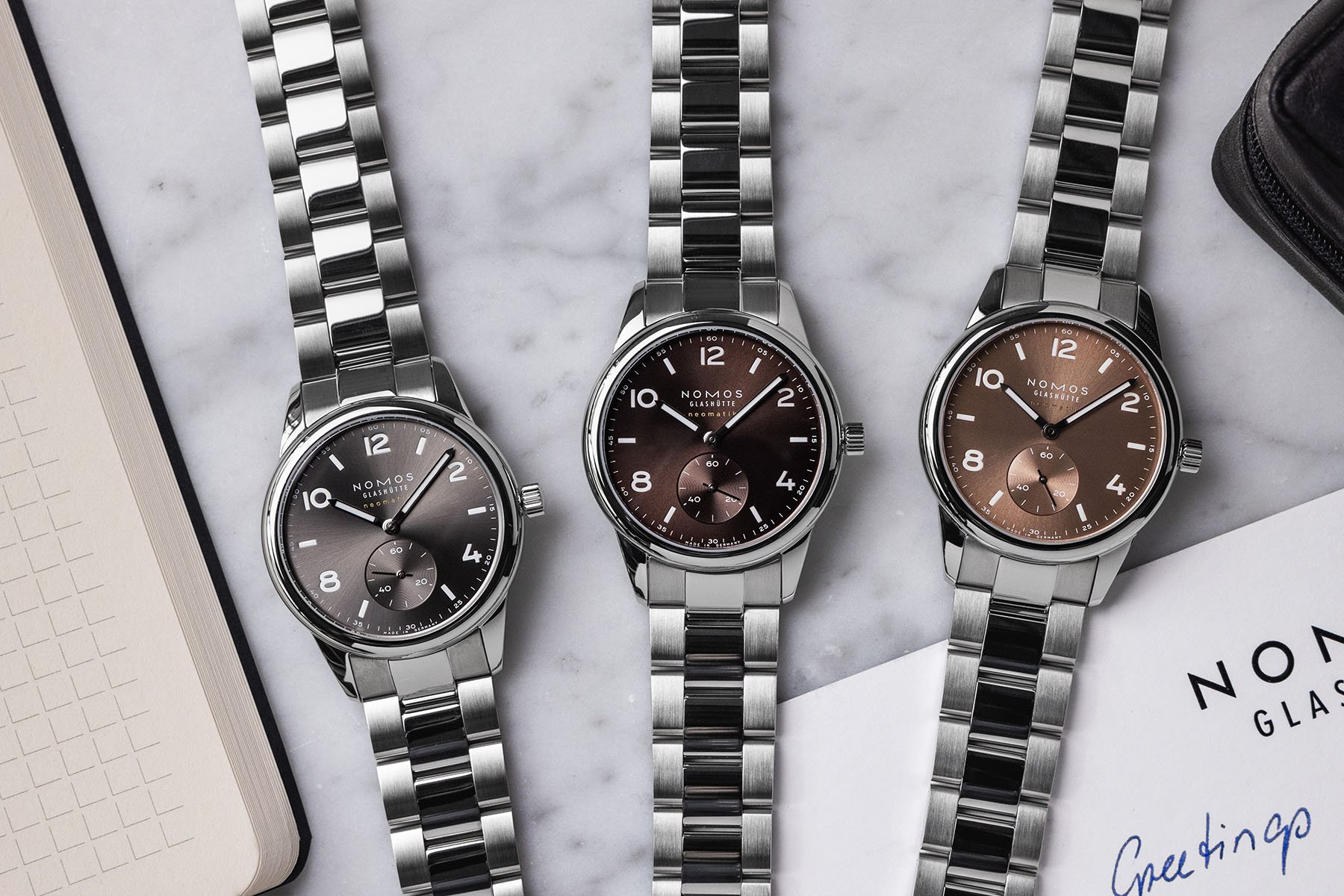
Our next pick is the Nomos Club Sport Neomatik, which is available in a variety of sizes and dial colors. If you want a black dial, you’ll have to go for the 42mm version, which we do not recommend. The Club Sport Neomatik cases have long lugs, making them feel large on the wrist. As you will understand, that makes the black-dial 42mm model not the best option. Depending on your wrist size and color preference, you can choose a 34mm, 37mm, or 39mm version. Of course, the last two options would bring you closest to the Explorer.
A great variety of dial options
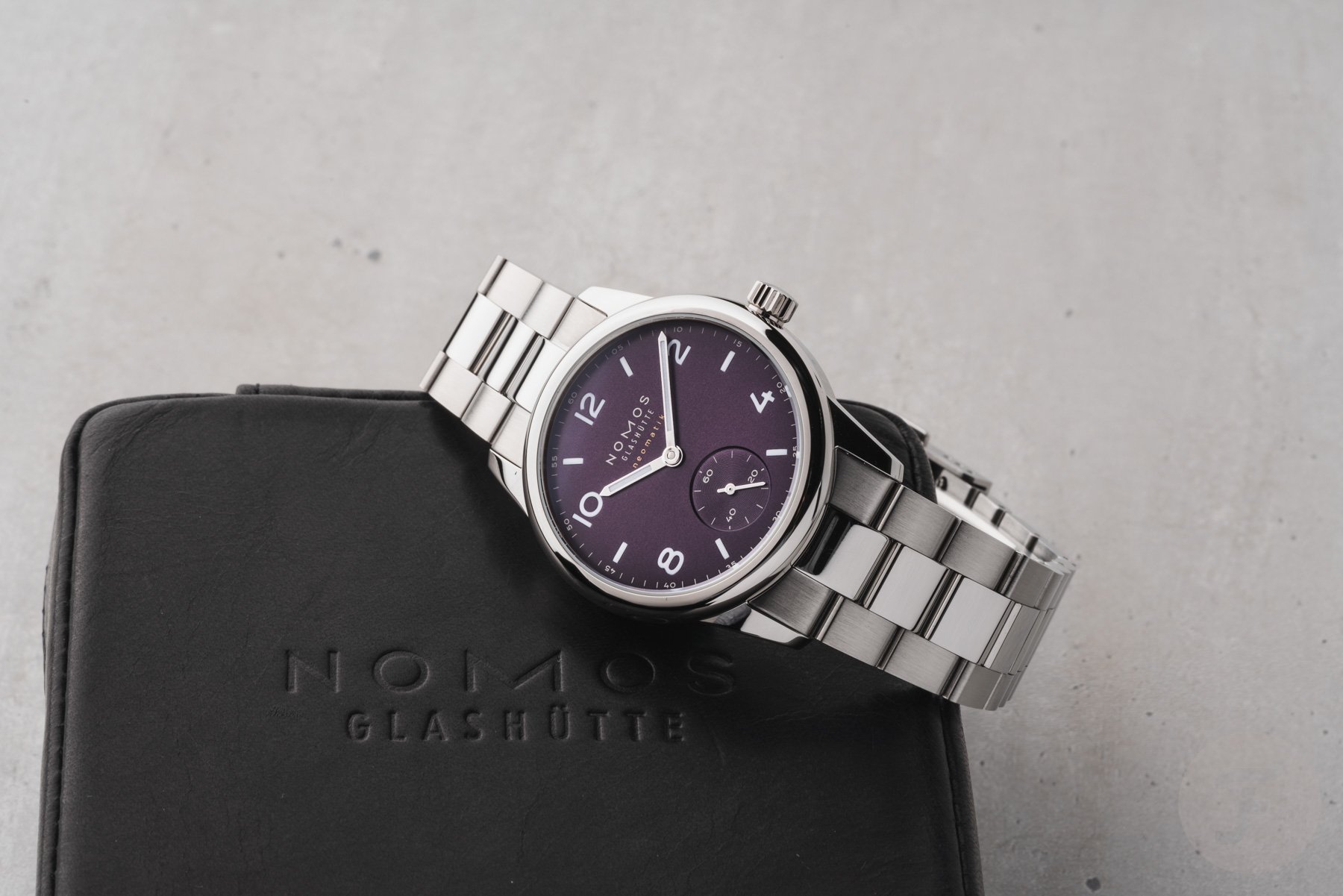
When it comes to the different dial variations, I love the trio of 39mm models with their tabac, ember, and smoke dials. I had the pleasure of reviewing that trio, and seeing the three together shows the brilliance of the color choices. Of the three models, the one with the gray (smoke) dial is closest to the classic Explorer. The 37mm Club Sport comes with either a green or blue dial, while the dials for the Neomatik 34 that Daan reviewed are available in gold, rosé, and purple.
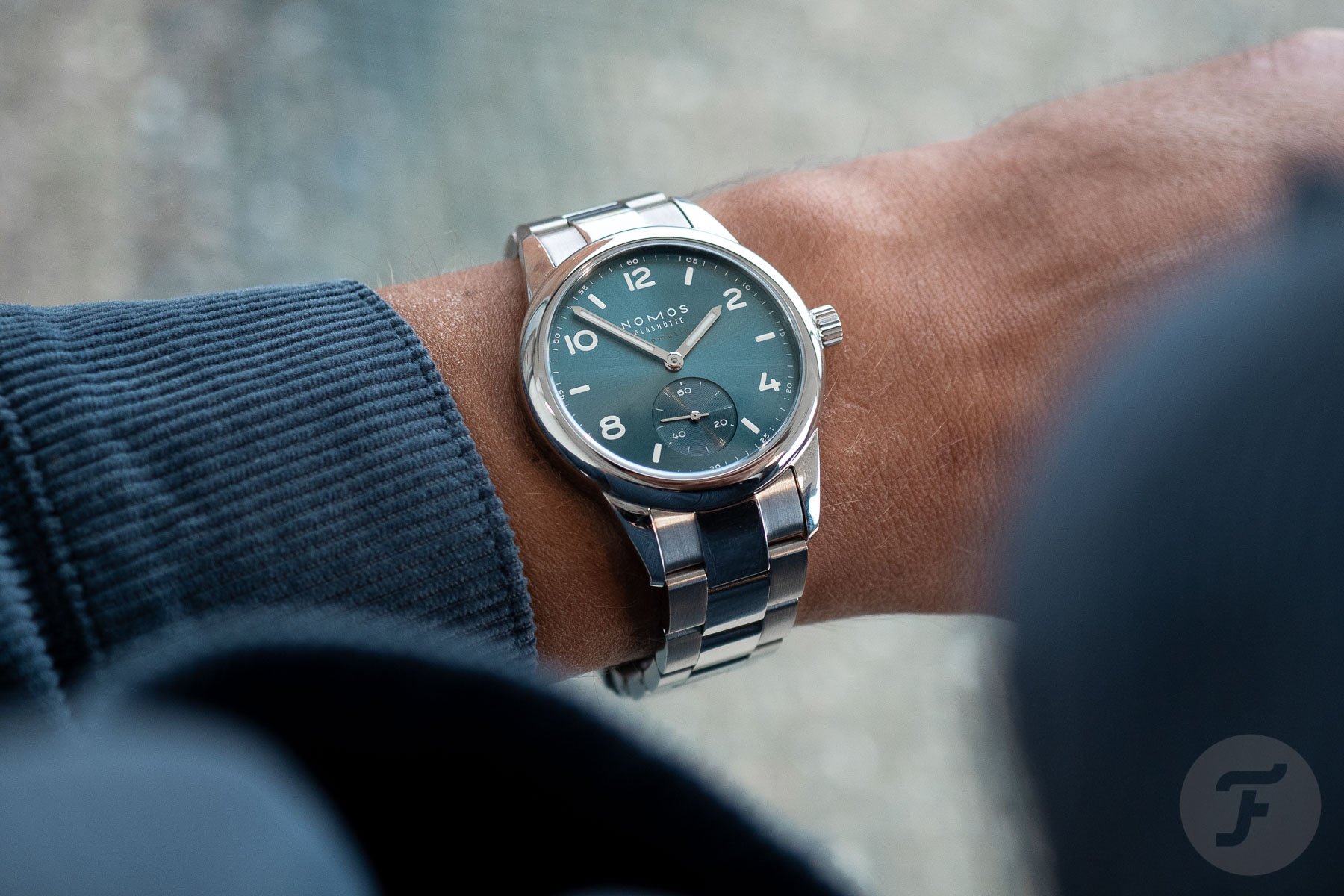
What ties all the watches together is their round cases with long lugs and predominantly polished finishes. The watches come on a three-row Oyster-style bracelet with brushed outer links and polished center links. Powering the 34mm, 37mm, and 39mm Club Sport Neomatik models is the Nomos DUW 3001. This automatic caliber operates at 21,600 vibrations per hour and offers a 43-hour power reserve. As we know from Nomos, you can get the watches with an all-steel case back or, for a premium, one with a sapphire display.
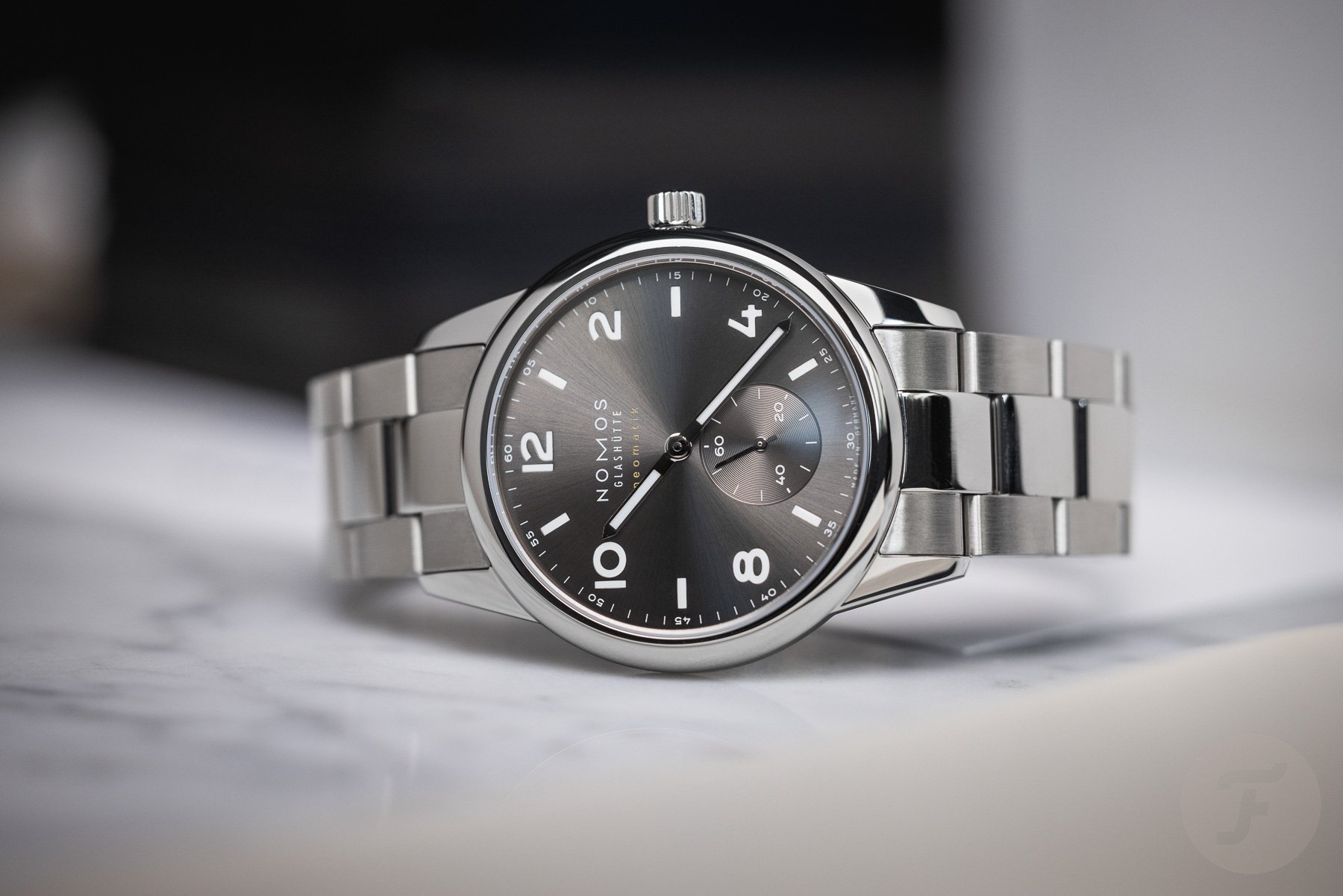
It’s hard to go wrong with a Club Sport Neomatik
On the wrist is where these watches truly shine. I loved every second of wearing the Club Sport Neomatik 39 models. The colorful dials feature the signature Nomos-style Arabic numerals for the even hours and rectangular markers for the uneven hours. Located on the periphery of the dial is the minute track, which features numerals marking every five minutes. Lastly, the small seconds display at six o’clock finishes the dial design in style.
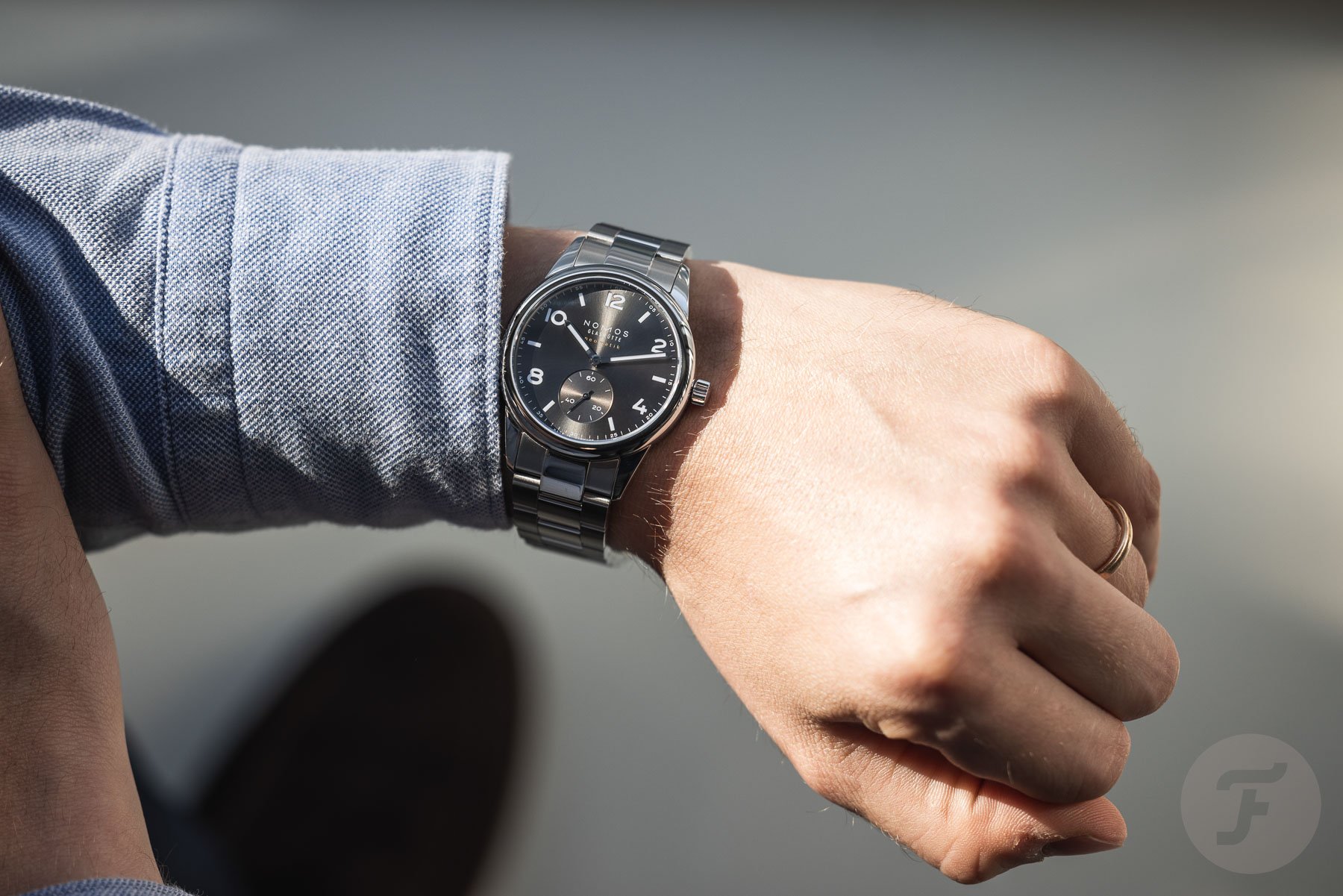
When it comes to picking a favorite, I have to admit that it’s hard to choose. But my eyes always keep coming back to the Club Sport Neomatik 39 Tabac. It’s one of those watches that is always somewhere in the back of my mind. The Club Sport Neomatik with an all-steel case back and bracelet costs €2,600 for the 34mm versions, €2,800 for the 37mm models, and €2,940 for their larger 39mm brothers. Add €300 to each price if you’d prefer a display case back.
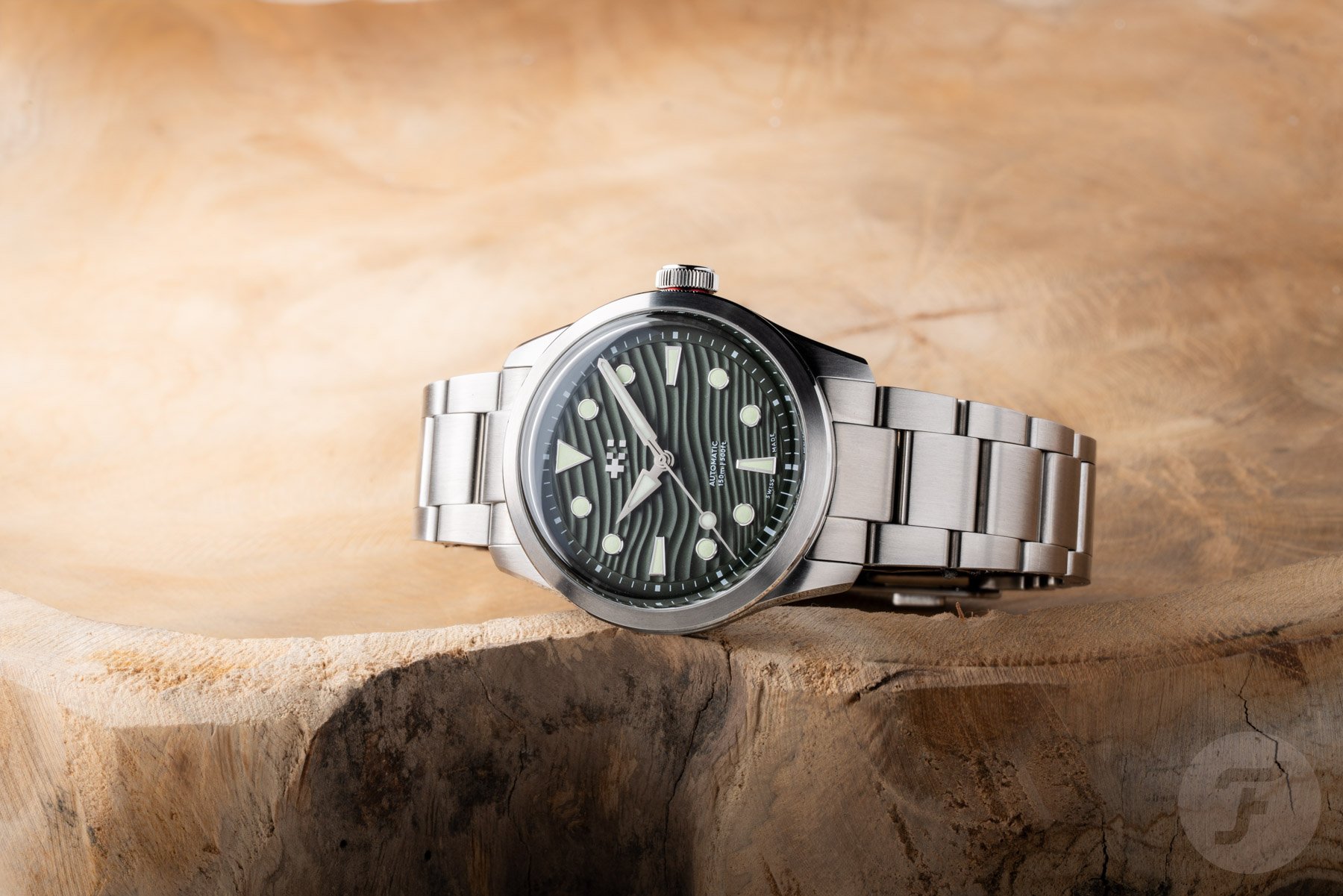
Christopher Ward C65 Dune Aeolian
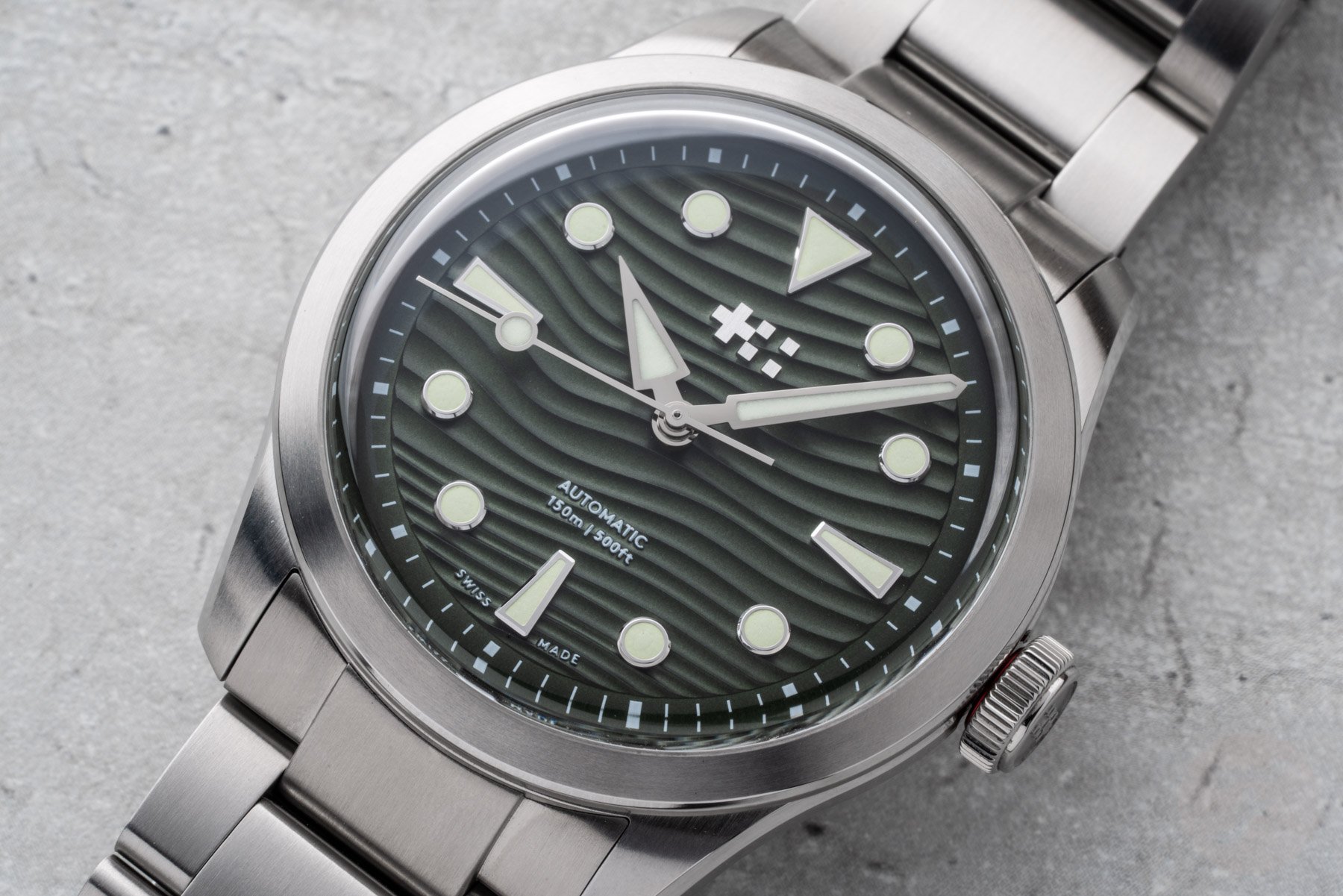
As always in this series, our last pick is affordable. For this week’s list of Rolex Explorer alternatives, we picked the Christopher Ward C65 Dune Aeolian, which came out last year. The brand offers the updated C65 Dune with either a sand, gray, blue, or green dial. We had the green-dial version in for review, but as a closer alternative to the Rolex Explorer, the gray-dial version is a better option, of course. The brand updated the C65 Dune Automatic models last year with new dials featuring a textured pattern that adds visual appeal compared to the simpler dials of the previous generation.
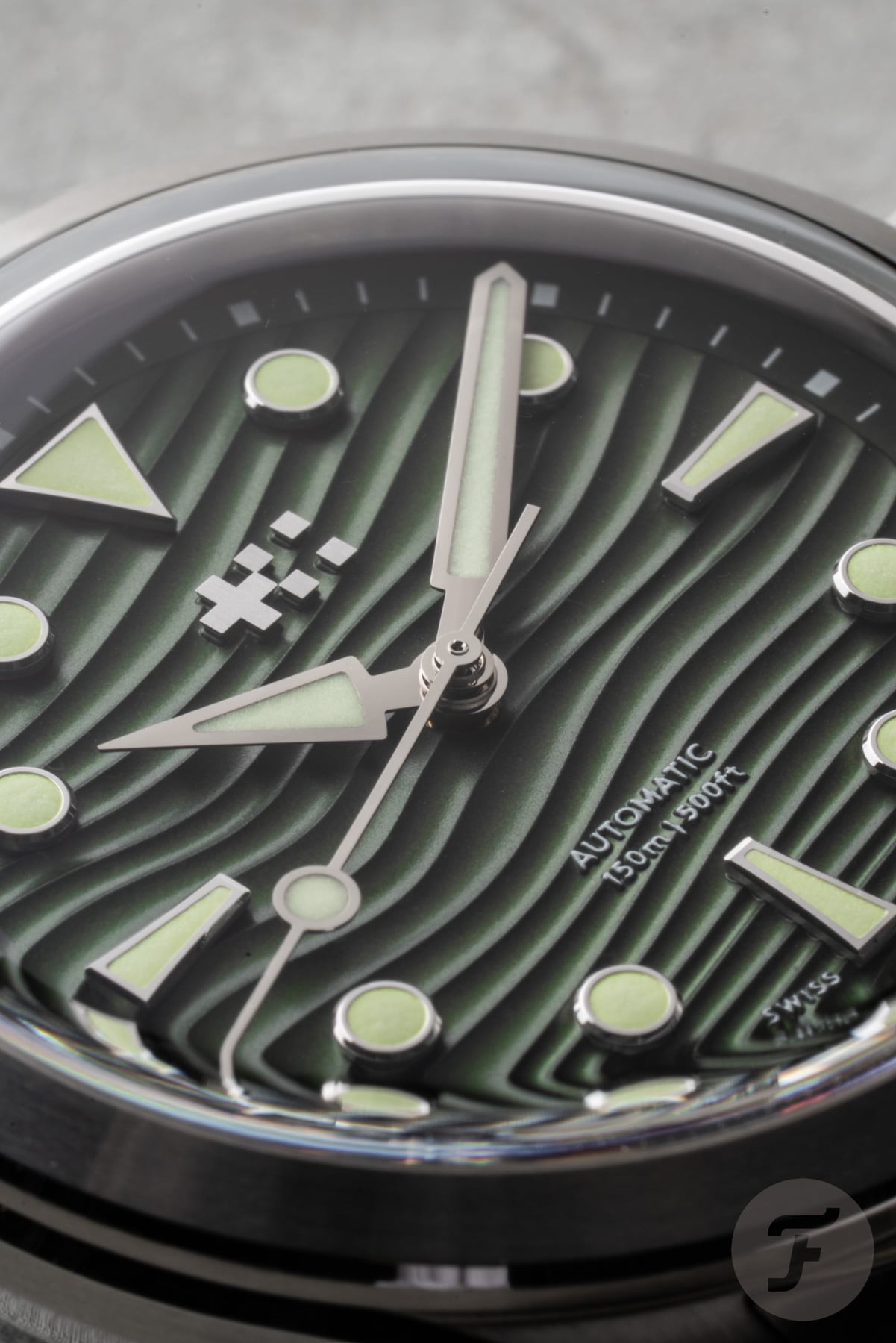
There is no better watch at this price point
The C65 Dune Aeolian has a 38mm case with an 11.9mm total thickness and a short 43.7mm lug-to-lug. Because of this, it fits wrists of many sizes very well. For me, the watch works best on the Bader bracelet, as this provides just the right visual mass to make it look great. As I have explained many times, the Oyster-style Bader bracelet is the highest-quality bracelet you can get at this watch’s price point. On top of that, it comes with screw-fastened links and a clasp with a toolless micro-adjustment system.
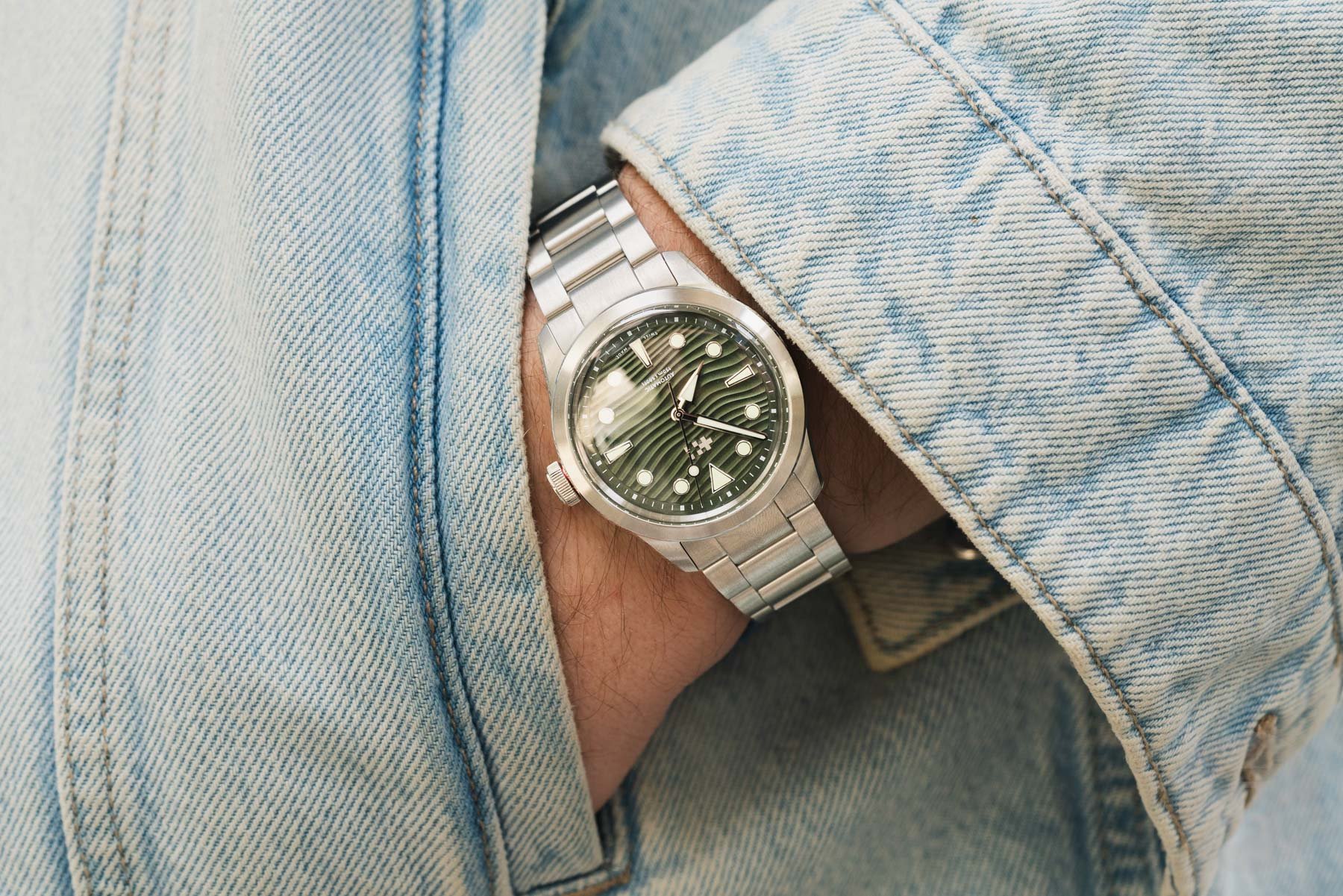
Inside the case, Christopher Ward uses the Sellita SW200-1. The automatic caliber ticks at 28,800 vibrations per hour and offers a 38-hour power reserve. Though a sub-40-hour power reserve is a bit outdated these days, the SW200 is still a good, reliable movement for this affordable daily wearer. As the owner of the GMT version of this watch, I can say it truly is one of the best-made affordable watches, combining vintage Explorer-style charm with great modern-day practicality. That makes the Christopher Ward C65 Dune Aeolian, at €1,165, the perfect last pick for this list.
Final thoughts on our five alternatives to the Rolex Explorer
There you have it — our five favorite Rolex Explorer alternatives in 2026. As always, there are many more to choose from. Some great options that come to mind are the Seiko Alpinist, the Longines Spirit Pilot, and the RZE Resolute Pro. But there are always more, which is why I want to turn the question over to you. What are some of your favorite alternatives to the Rolex Explorer? Let us know in the comments below, and we will see you next week for another list.