Hands-On With The A. Lange & Söhne Zeitwerk Date In Pink Gold

You wouldn’t necessarily consider time-and-date watches when thinking of complicated haute horlogerie. Even with a power reserve indicator added in, it still doesn’t sound very impressive or complex, does it? Well, the A. Lange & Söhne Zeitwerk Date proves that sometimes the simplest things require the hardest solutions.
I got the chance to spend some time with this rose gold Zeitwerk. It left me deeply impressed. There’s so much to unpack, so let’s dive straight in!
The A. Lange & Söhne Zeitwerk Date
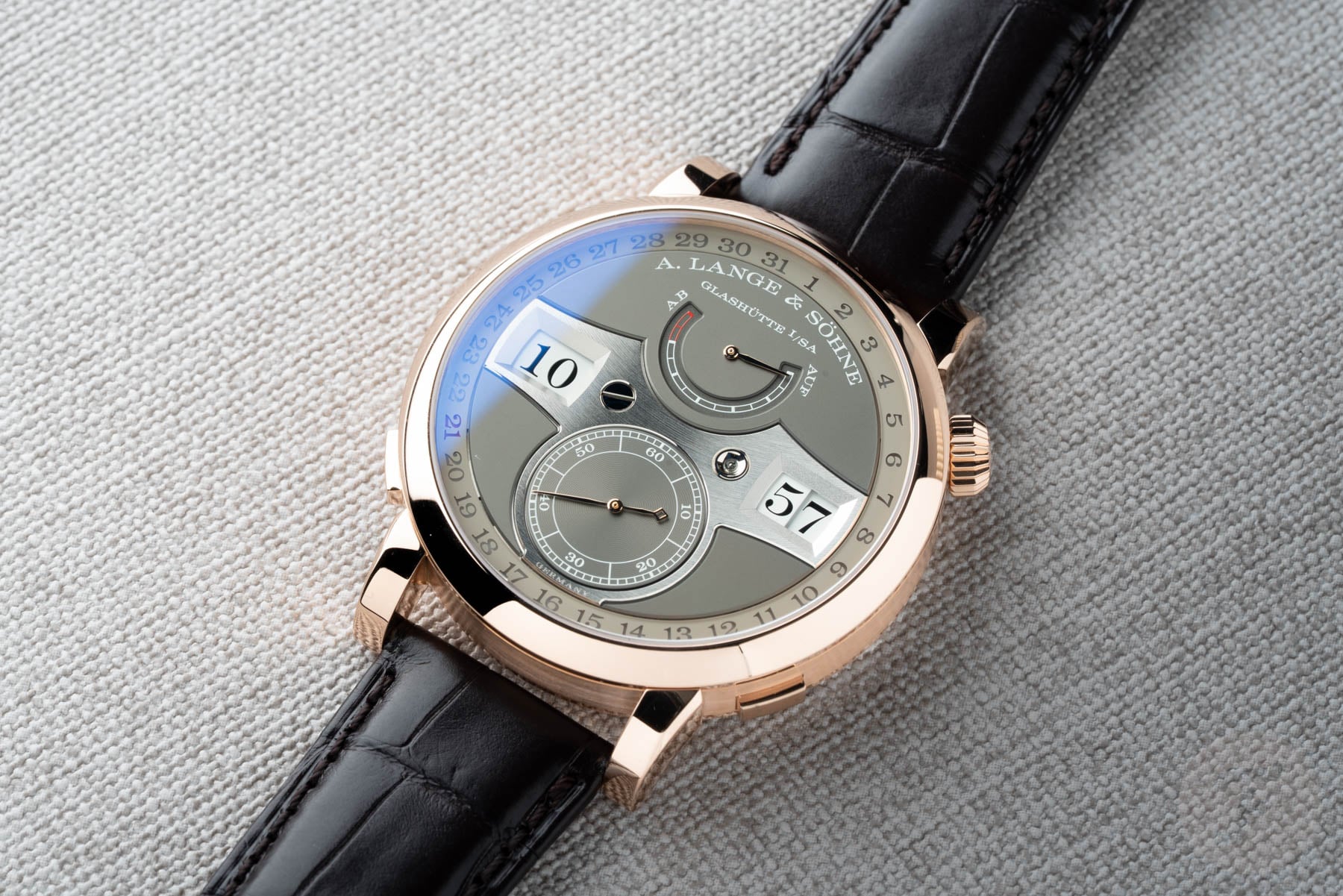
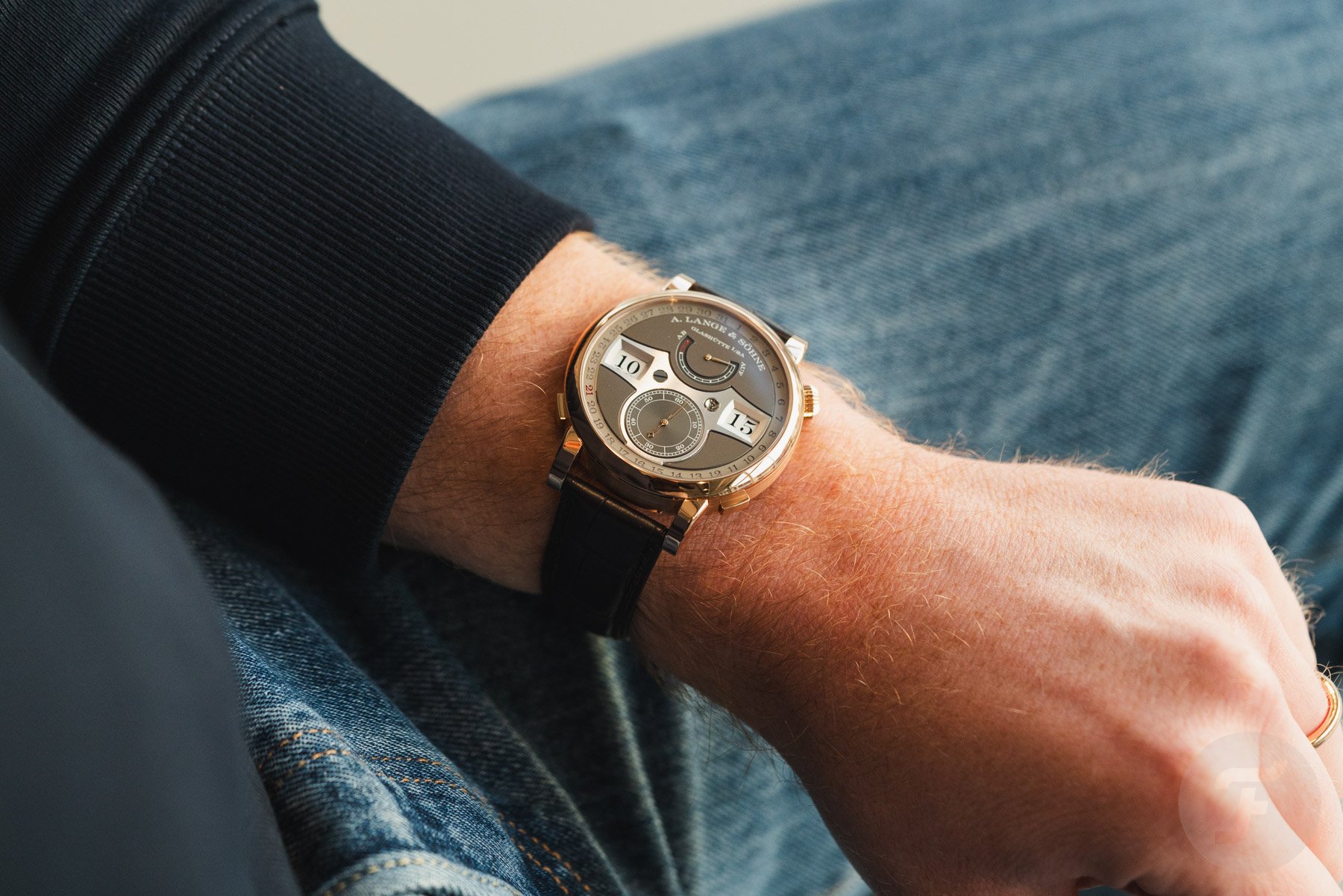
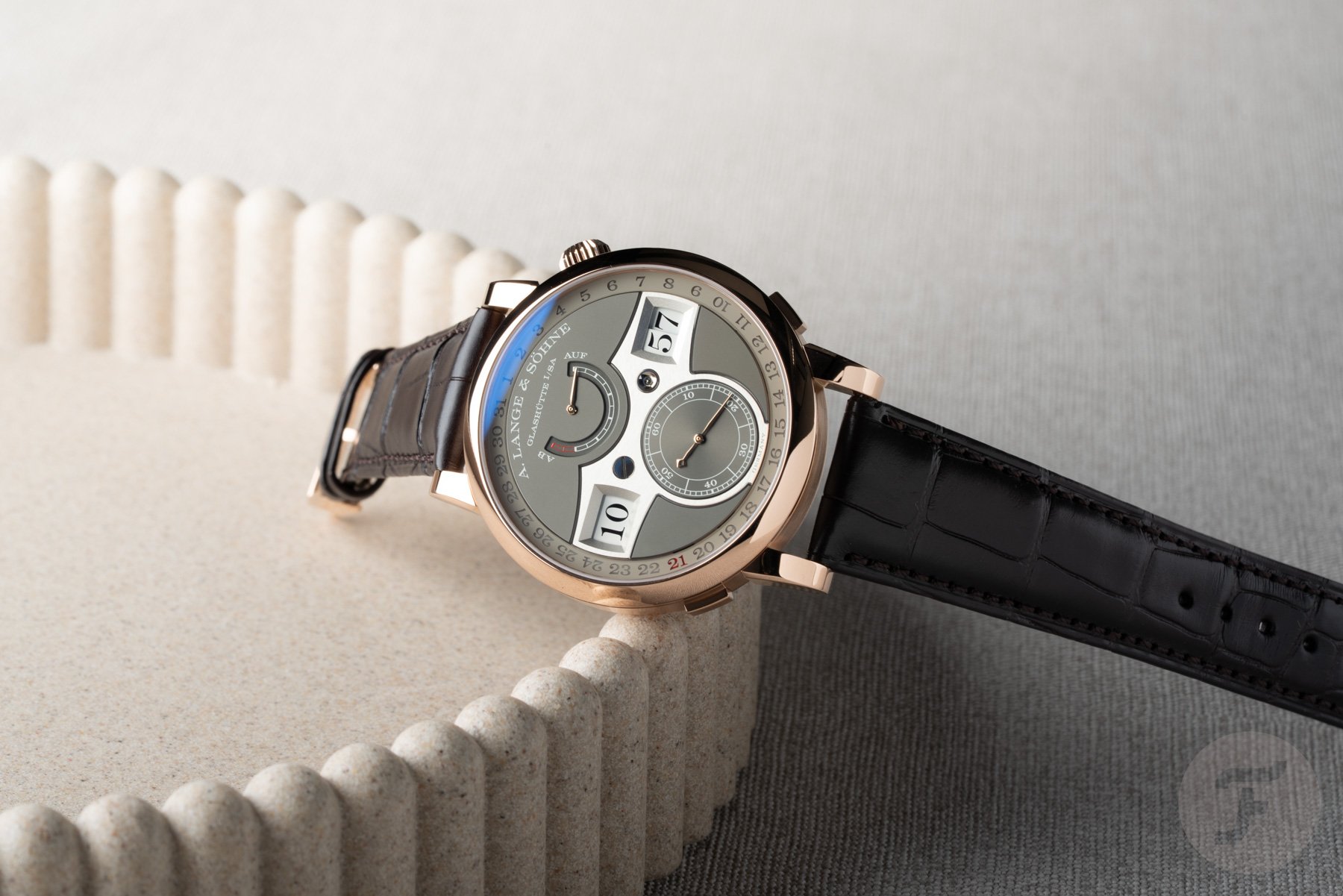
Before we get into the nitty-gritty, let’s first cover the basics. What you get here is a mechanical, digital jumping display à guichets. That’s a mouthful, but it basically means it displays time digitally, with jumping hours and jumping minutes displayed via guichets, or windows. On top of this, you get sub-seconds at 6 o’clock, a power reserve indicator at 12, and a date track on the dial’s perimeter.
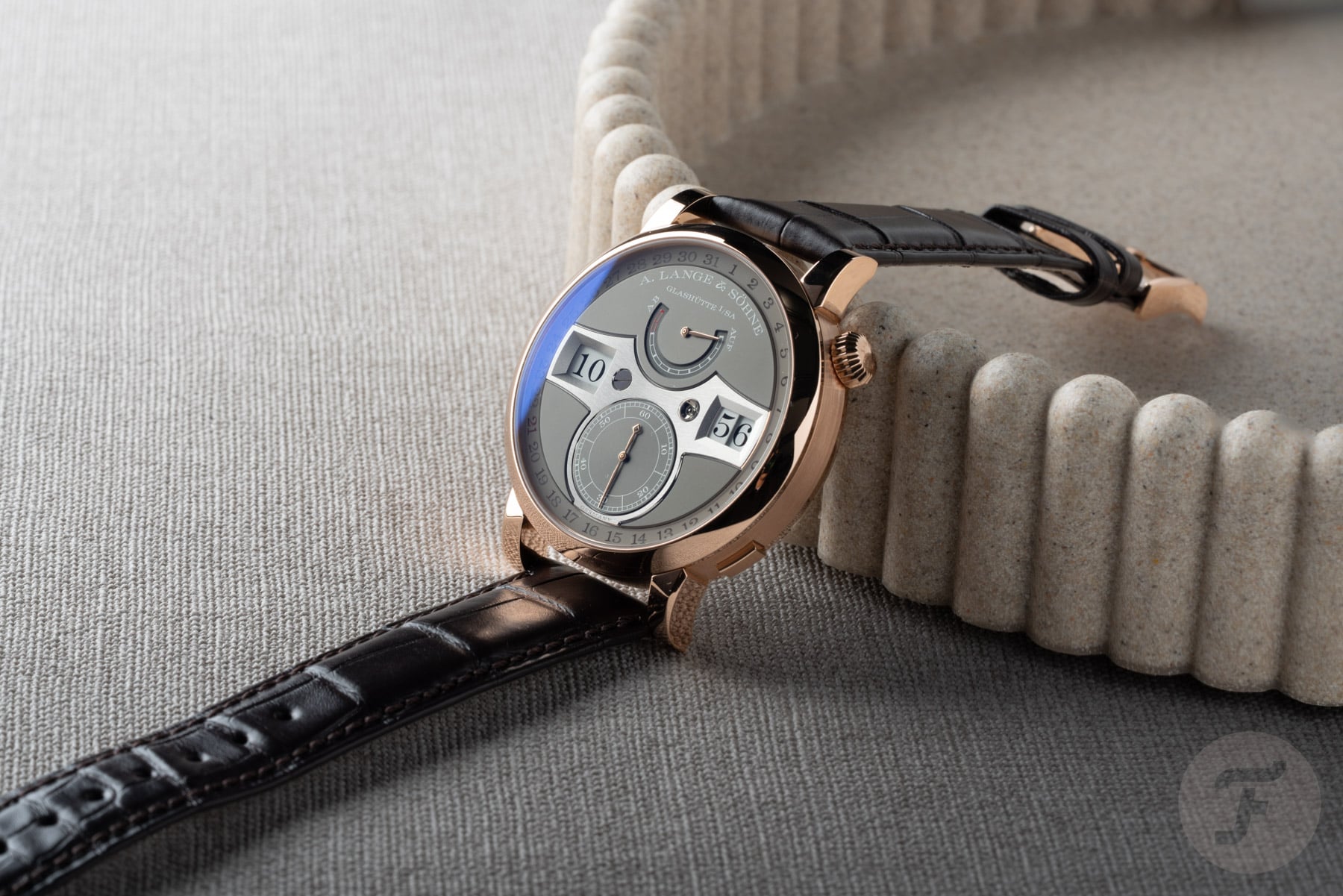
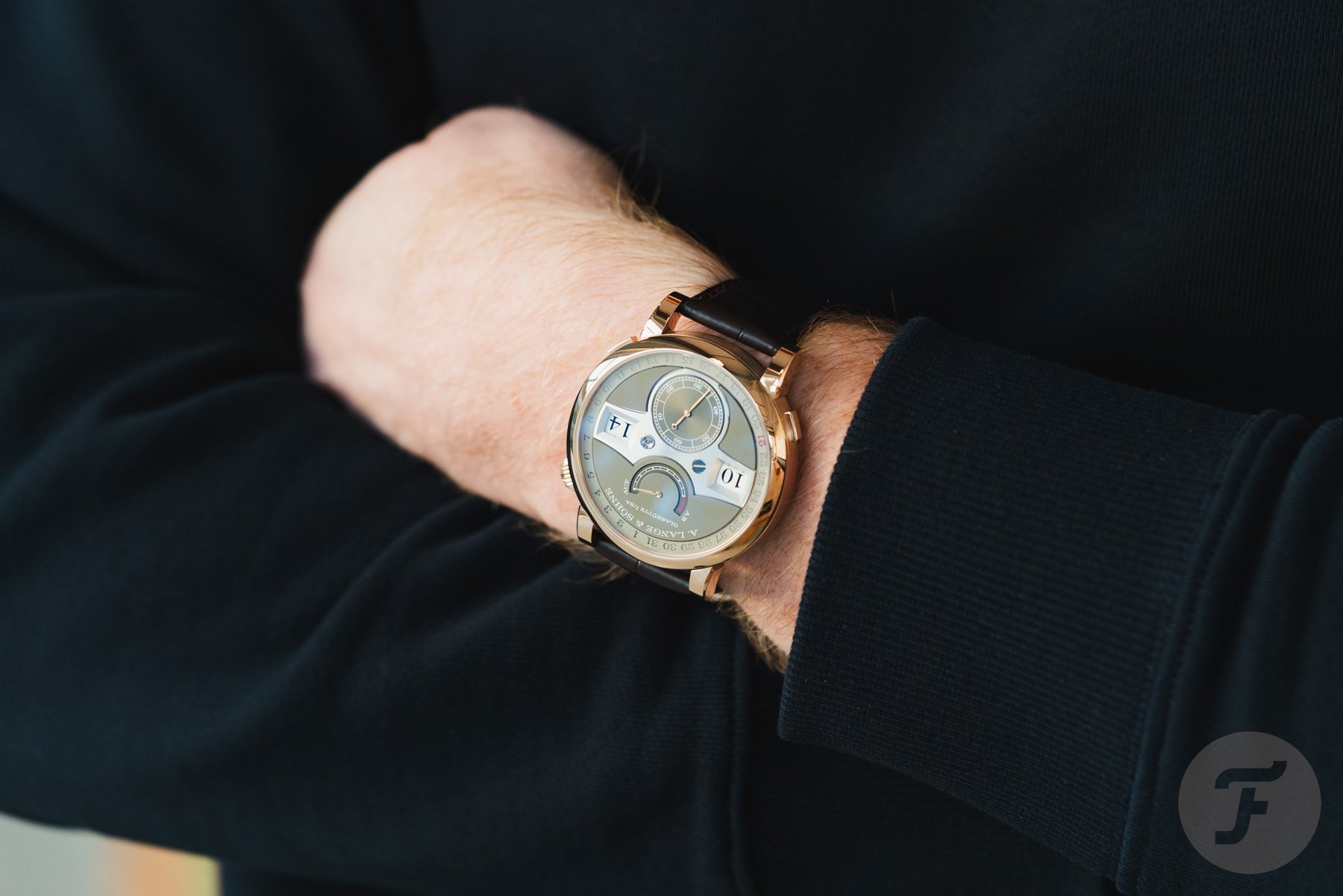
All of this sits inside a royal 44.2mm by 12.3mm 18K pink gold case. If that sounds large, it is. However, it almost feels pointless to criticize its proportions, as the case houses no fewer than 516 parts in the typical airy, expansive, three-dimensional Germanic watchmaking style. A. Lange & Söhne isn’t going for miniaturization here; look elsewhere for that.
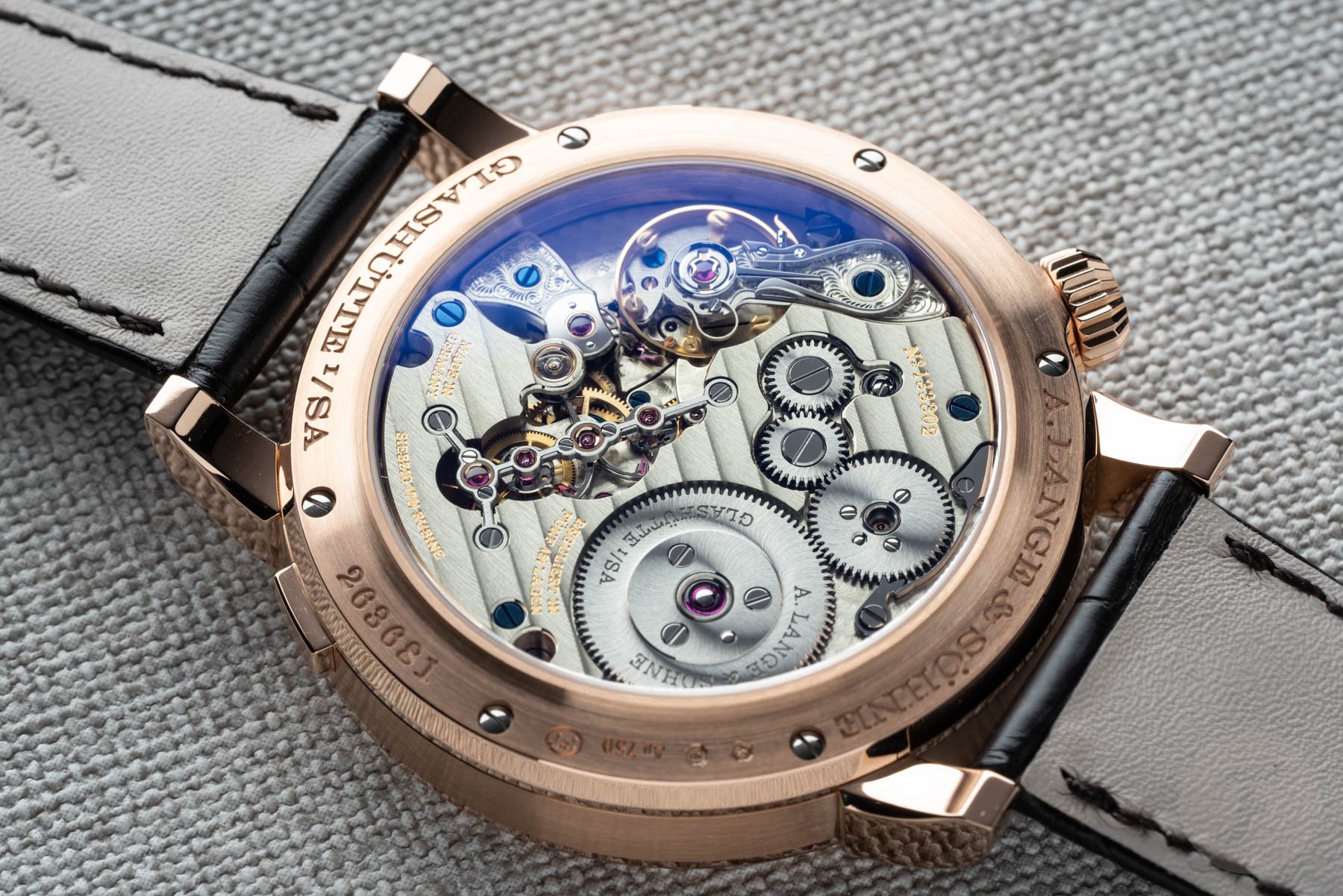
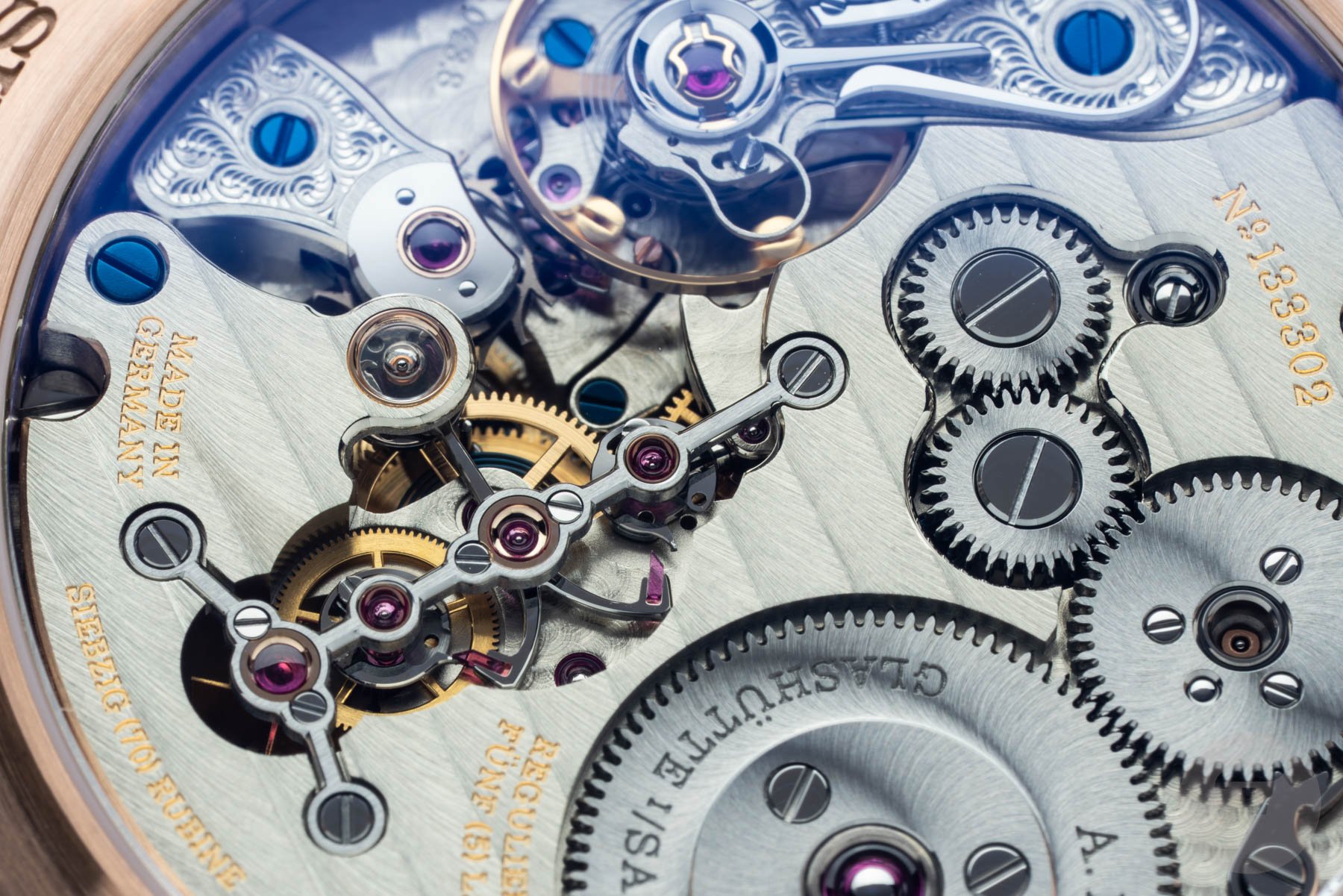
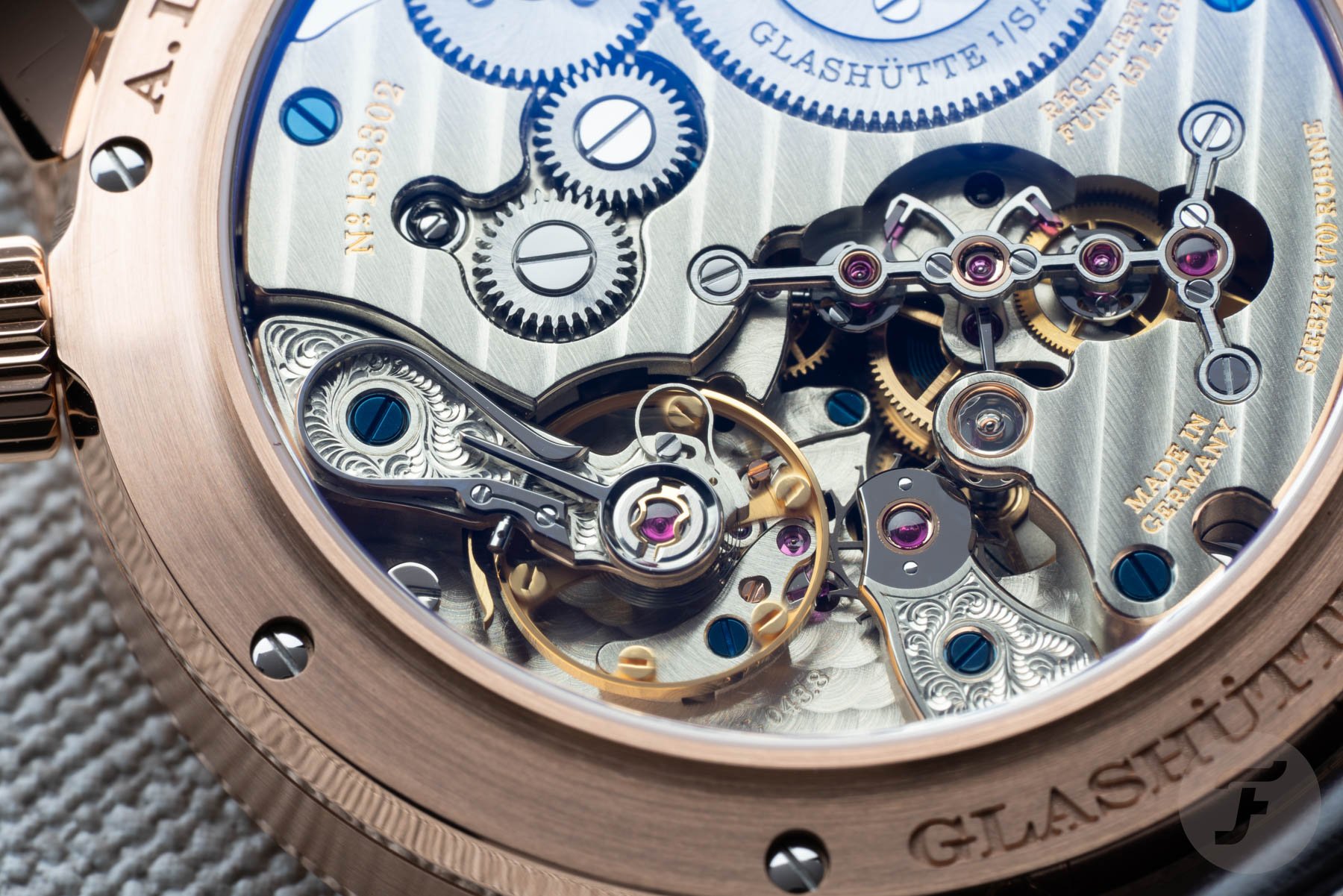
The hand-wound caliber L043.8 ticks at 18,000 vibrations per hour, offering 72 hours of autonomy on a full wind. It features a constant-force escapement, which we’ll come back to later. Of course, it also contains the lovely German silver plates and manual finishing we’ve come to expect from A. Lange & Söhne. Also as expected, the watch comes on a beautiful brown alligator strap.
Mechanical challenges
The Zeitwerk displays the time digitally via three discs and two apertures. A pusher at 4 o’clock allows for quick adjustment of the hours, which is ideal for traveling. Now, this is where it gets complicated; a patented constant-force escapement provides the impulse to the numeral discs exactly every 60 seconds. All three discs switch simultaneously, driven by a fairly extreme-for-a-watch torque of 28 newton-millimeters. The discs accelerate and brake instantly, dampened with a fly governor to prevent wear. As you can see, something as seemingly simple as a digital display requires rather complicated mechanical solutions.
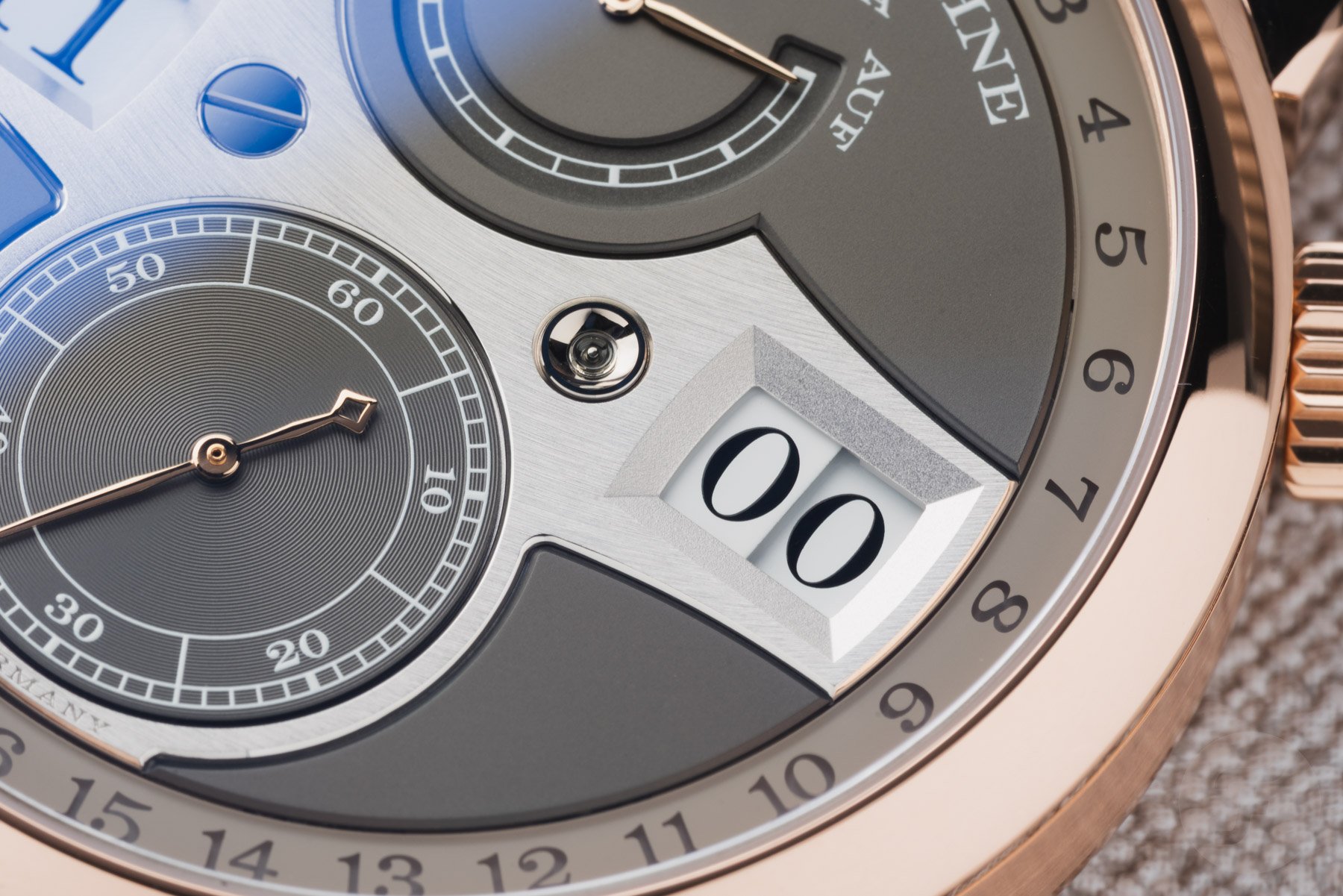
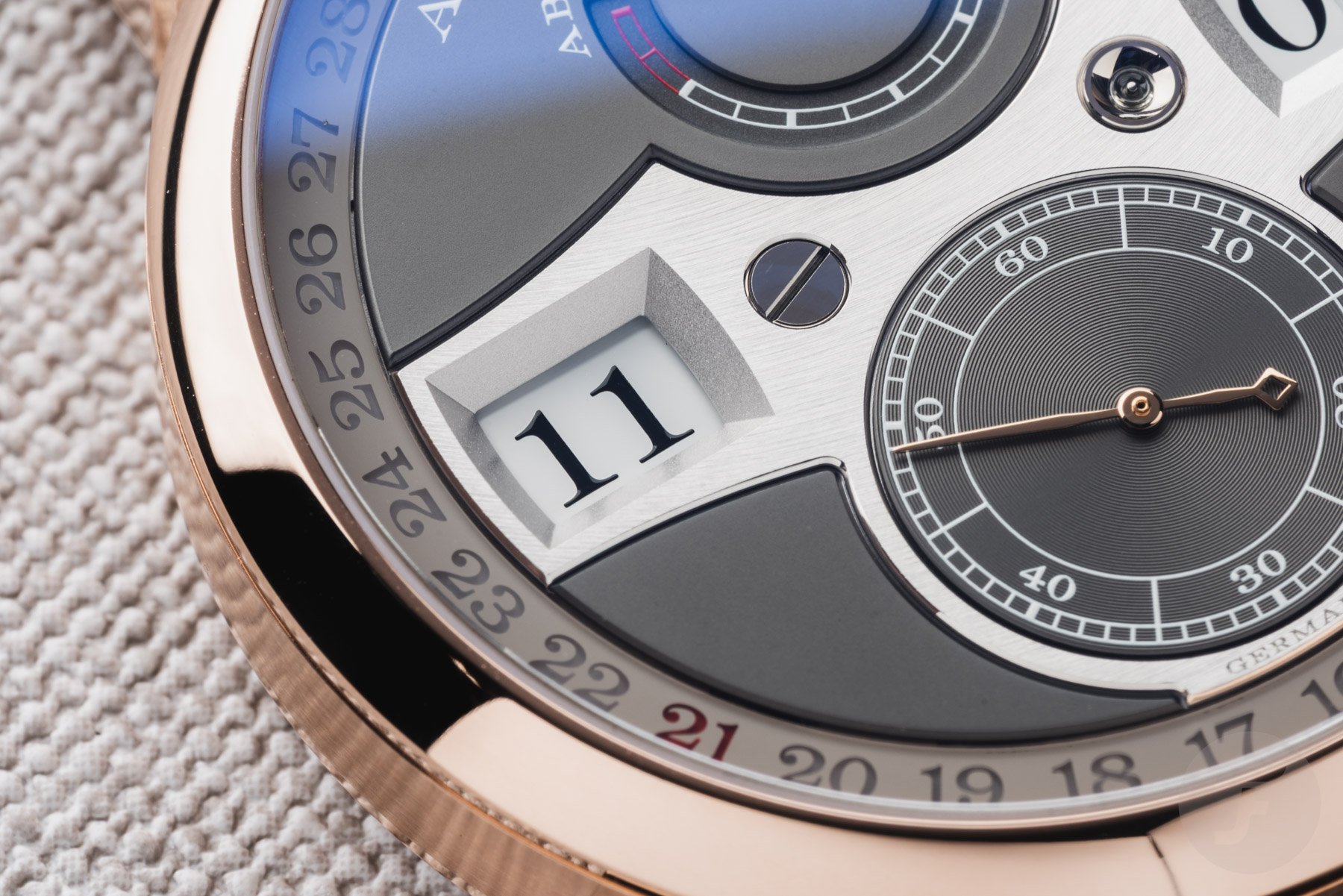
The date indicator, similarly, hides unexpected mechanical refinement. A glass perimeter surrounds the dial, printed with the 31 dates in negative. A red indicator floats underneath, highlighting the current date. You could say this is a classical pointer date, except the pointer sits underneath the dial, only marking the relevant numeral from behind. Another pusher at 8 o’clock allows for instantaneous date corrections. Winding and time-setting happen via the crown at 2:30.
These features display A. Lange & Söhne’s watchmaking mastery in a subtle, under-the-radar manner — complicated ways of doing simple things. It is easy for that philosophy to lead to contrived, needlessly complicated trickery. Here, though, the complexity only serves to present a deceptively simple layout.
The Zeitwerk dial
A. Lange & Söhne fashions the special dial out of sterling (925) silver. The main gray surface displays a fine, powdery texture, appearing spartan yet beautiful. The time sits in what I can only describe as an abstracted T-shirt-shaped German silver bridge. Interestingly, this component displays sweeping brushing that appears concentric to an imaginary circle significantly larger than and non-central to the dial. I cannot quite put my finger on it, but it does something with the perceived balance of the dial. It somehow visually expands the dial layout beyond the watch.
The Zeitwerk line in general proves that classicism and modern design aren’t necessarily at odds with each other. The collection embraces both. I like to think that if a classically trained watchmaker had been tasked to design the Iron Man suit, it would follow this aesthetic. It proves that you don’t have to follow the road of creative destruction. The old does not have to be destroyed for the new to flourish.
The A. Lange & Söhne Zeitwerk Date: high-definition watchmaking
My review period was even more fun than you might already suspect. The truth is, I actually had two A. Lange & Söhne watches to try at the same time. I published my review of the Richard Lange Jumping Seconds a few weeks ago, which you can read here.
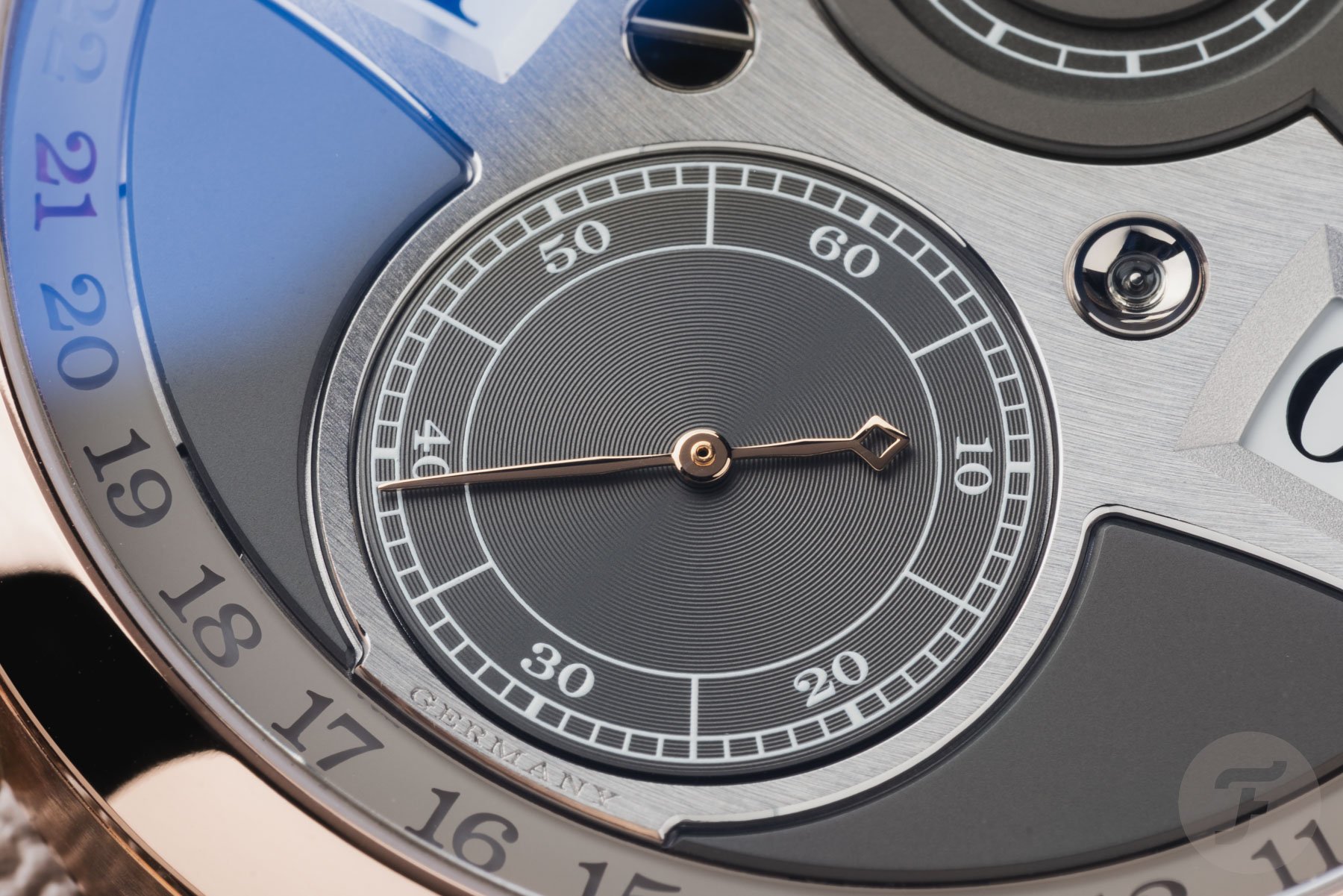
In that article, I made a point about the high-definition vibe these watches exude. Not all of our readers might have the privilege of handling these watches in person, so I can best explain the experience as seeing video in 4K for the first time. This goes for both the dial and the movement. The detailing is so fine, and the machining and finishing are of such a high level, that it appears sharper than virtually any object you commonly see.
Even the dial printing exudes this level of precision and crispness. All in all, you don’t have to know a single thing about watches to instantly recognize that this is something special and very luxurious.
Closing thoughts
The A. Lange & Söhne Zeitwerk Date has the charm of vintage Lange. All the good things you expect from the Saxon house are present in spades, including the Germanic approach to watchmaking and movement architecture, the finer-than-fine detailing, and the distinctive and thoughtful design language.
In the specific case of the Zeitwerk, you get one more dimension — heft. The rather assertive proportions in 18K pink gold weigh a ton (figuratively, of course). This serves as a constant reminder that you are wearing something special. If you are scared of developing uneven biceps, maybe get two! Jokes aside, the weight only adds to the experience. Funnily, the Zeitwerk Date doesn’t shout when on the wrist. Yes, it is big and gold, but its refinement and classic-meets-modern aesthetic keep it almost paradoxically modest.
What do you think of the A. Lange & Söhne Zeitwerk Date? Let us know in the comments section below!