Introducing: Project Tai Yu By Independent Atelier

Independent Atelier is a brand-new name, but its first project arrives with a sense of depth that immediately sets it apart. Rather than launching with a contemporary design or a statement piece designed to grab attention, the platform has chosen to begin with research — more specifically, with a watch rooted in a chapter of independent watchmaking that remains largely out of reach. Project Tai Yu is the result, and it offers a clear indication of what Independent Atelier intends to explore.
At first glance, Project Tai Yu may feel like an oddity. Its visual language is unapologetically Chinese and, to many people, that alone may feel unfamiliar or even slightly off-putting. There is no attempt to soften those edges or neutralize the design for broader appeal. This is very much an “if you know, you know” kind of watch. However, once the story behind it becomes a bit clearer, the design stops feeling quite so unusual and starts to feel more logical. What is initially a little challenging becomes the very thing that gives the watch its meaning and depth.
Independent Atelier’s Project Tai Yu is a homage to Kiu Tai Yu, China’s first member of the AHCI and a foundational figure in Chinese independent watchmaking. It is worth being clear about what this project is not. It is not a revival brand, nor is it an attempt to modernize or reinterpret his work. Instead, Independent Atelier has approached it as an act of continuity, bringing an individual and his body of work that very few people have ever encountered back into circulation without stripping it of its character.
A watchmaker known more by reputation than by volume
Kiu Tai Yu’s name circulates quietly among collectors and independent watchmakers. Often, it is with a sense of admiration for the originality and conviction of his work, and just as often with frustration because so few people have ever seen one of his watches in person.
Working largely alone, long before Chinese independent watchmaking had any meaningful international visibility, Kiu Tai Yu became the first Chinese watchmaker admitted to the AHCI. He never produced watches in meaningful volume or positioned them for commercial success. Instead, he made them slowly, often with handmade components, and guided by personal logic rather than external expectation.
The most widely referenced example of his work is the Millennium watch, produced in the year 2000 in a run of just 20 pieces. Today, it is considered one of the most elusive watches in Chinese independent horology. Many collectors know it only through photographs or brief mentions. Very few have ever handled one in the metal.
A decade-long search driven by respect
Project Tai Yu didn’t start as a product; rather, it began with persistence. For more than 10 years, Independent Atelier founder Benjamin Hui searched for original examples of Kiu Tai Yu’s work. That search eventually led him to acquire two watches, including a Millennium piece that would later form the foundation of this project.
“I have been a huge admirer of Master Kiu Tai Yu for more than 13 years,” Hui explained. “I spent over 10 years tracking down two of his watches. He was the reason I first came to understand the AHCI, and his work as the first Chinese watchmaker to join the organization played a defining role in shaping my respect for independent watchmakers.”
Rather than keeping those watches private, Hui chose to treat them as objects of study. Alongside Zhang YuXin, a young Chinese watchmaker and fellow GPHG Academy member, he began examining the original Millennium movement in detail. The aim was not to replicate it for replication’s sake but to gain an understanding. How was it designed and constructed? What did those decisions reveal about the mindset of the watchmaker behind it?
“I knew how difficult it was to find his watches,” Hui said. “I was also aware that there are collectors around the world who would love to own a piece of his work. That is why I decided to share that passion and bring the watch and its movement back to life.”
Understanding before execution
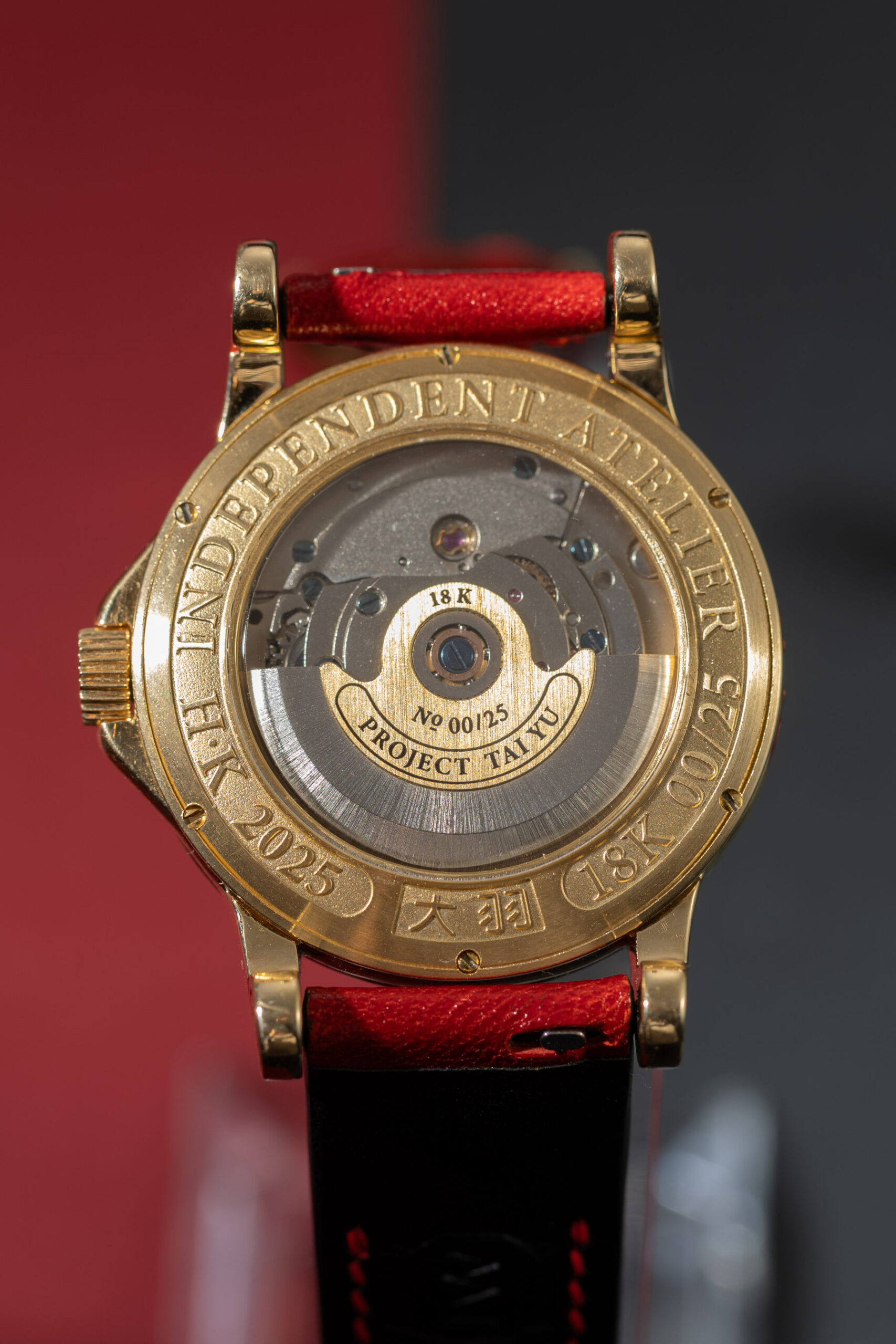
That emphasis on understanding shapes Project Tai Yu at every level. The movement created for the project, designated IATY-01, remains visually faithful to the original architecture while incorporating discreet upgrades to improve reliability and long-term performance.
“While we were reverse-engineering the movement, I truly understood how far ahead of his time Master Kiu was,” Hui noted. “He essentially used his own handmade components to compose the movement.”
Using the ETA 2836 as a base, Independent Atelier made subtle refinements to the escapement, balance shaft, shock protection, regulator, and hairspring. The goal was never to visibly improve the watch. Rather, it was to ensure it could be worn and maintained with confidence in today’s lifestyles without altering its character.
But what is Independent Atelier?
Project Tai Yu also serves as the clearest introduction to Independent Atelier itself. It was founded by Benjamin Hui along with a circle of fellow GPHG Academy members and independent watchmaking peers. The atelier was conceived as a collaborative platform rather than a conventional brand.
Its purpose is to support small-scale, research-driven projects that may not fit comfortably within existing brand frameworks. For established watchmakers, it provides an opportunity to explore ideas without compromise. For emerging makers, it provides a way to develop and experiment without the immediate pressure of launching independently. Rather than spelling this out through positioning statements, Independent Atelier allows Project Tai Yu to do the explaining.
A watch shaped by restraint and specificity
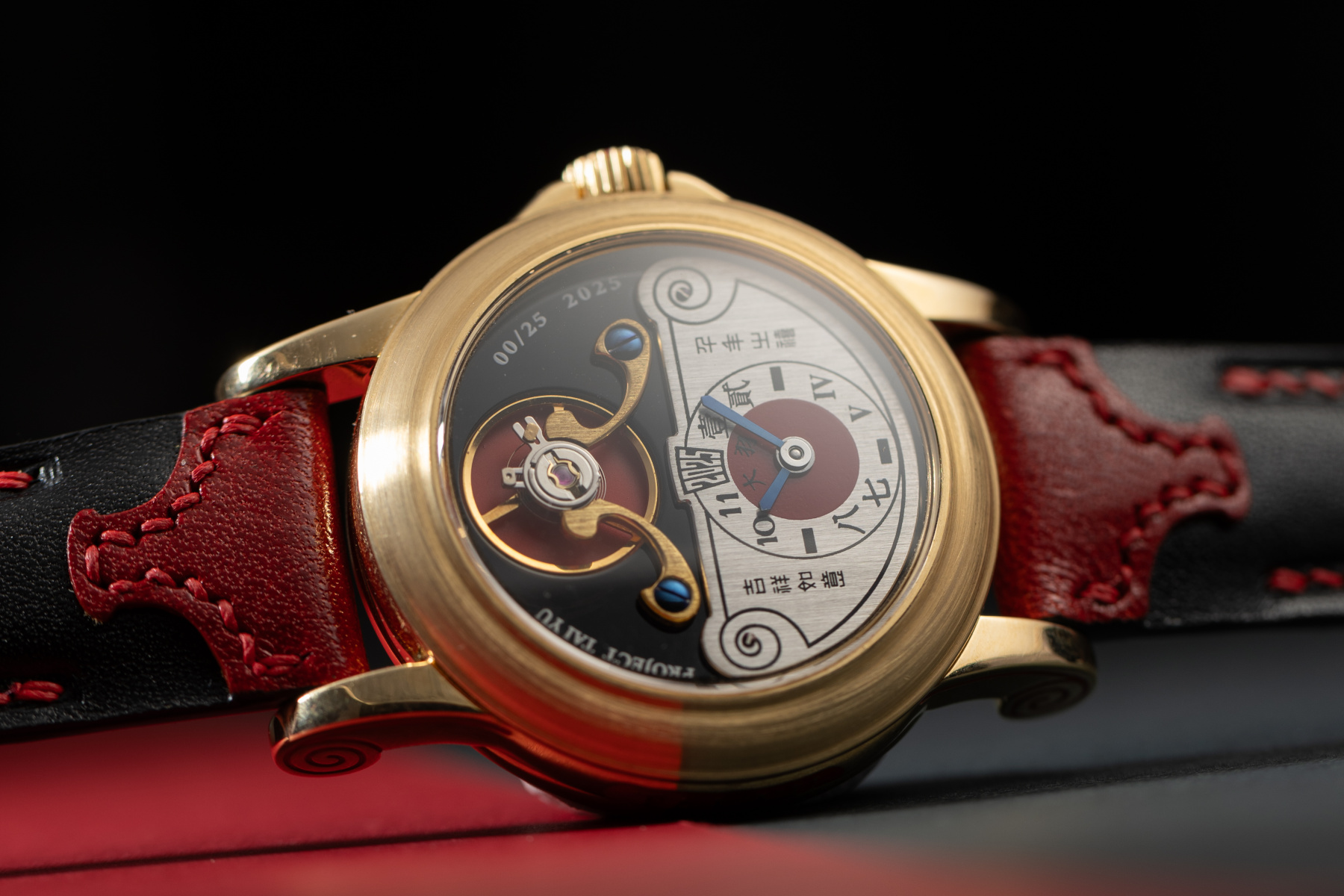
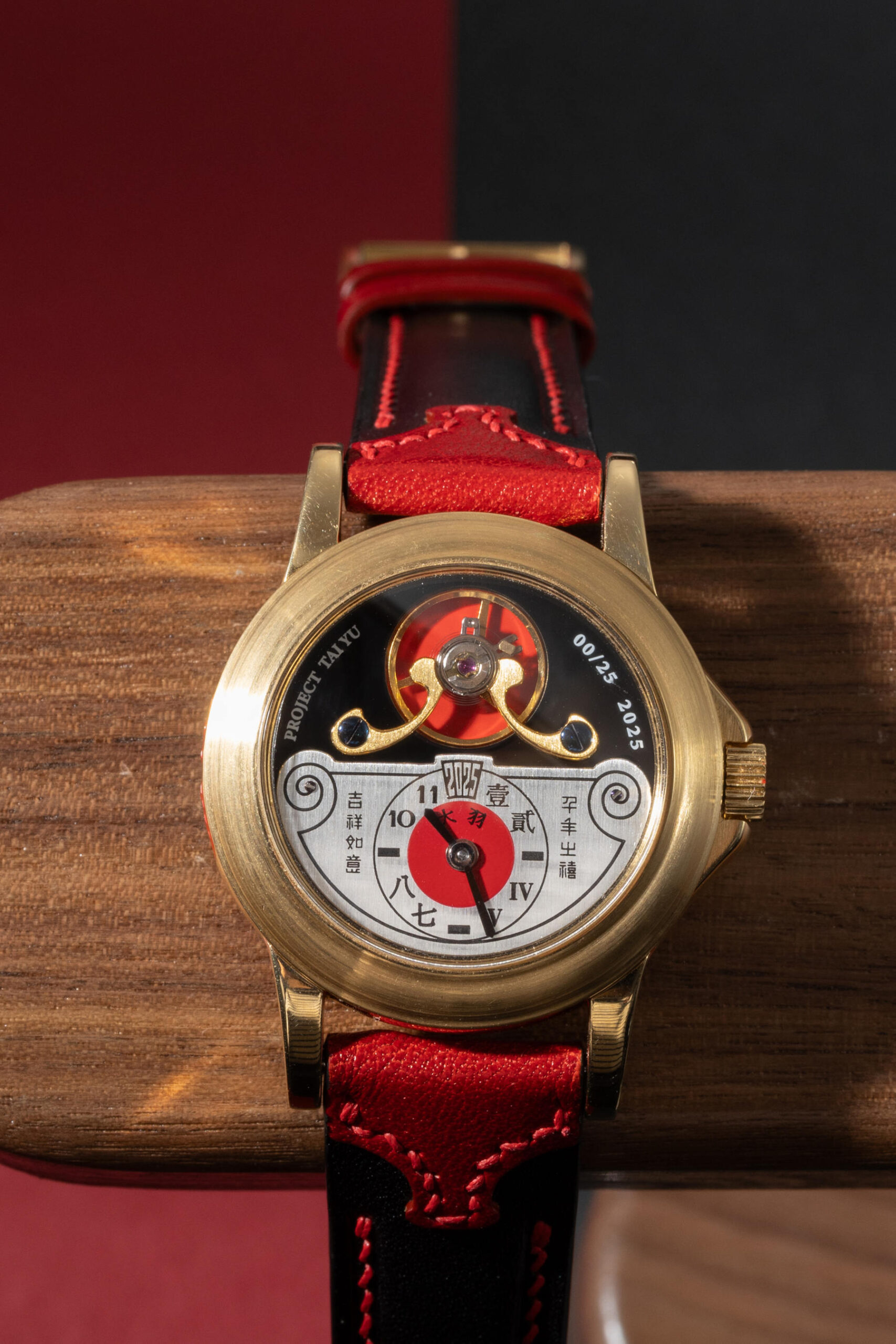
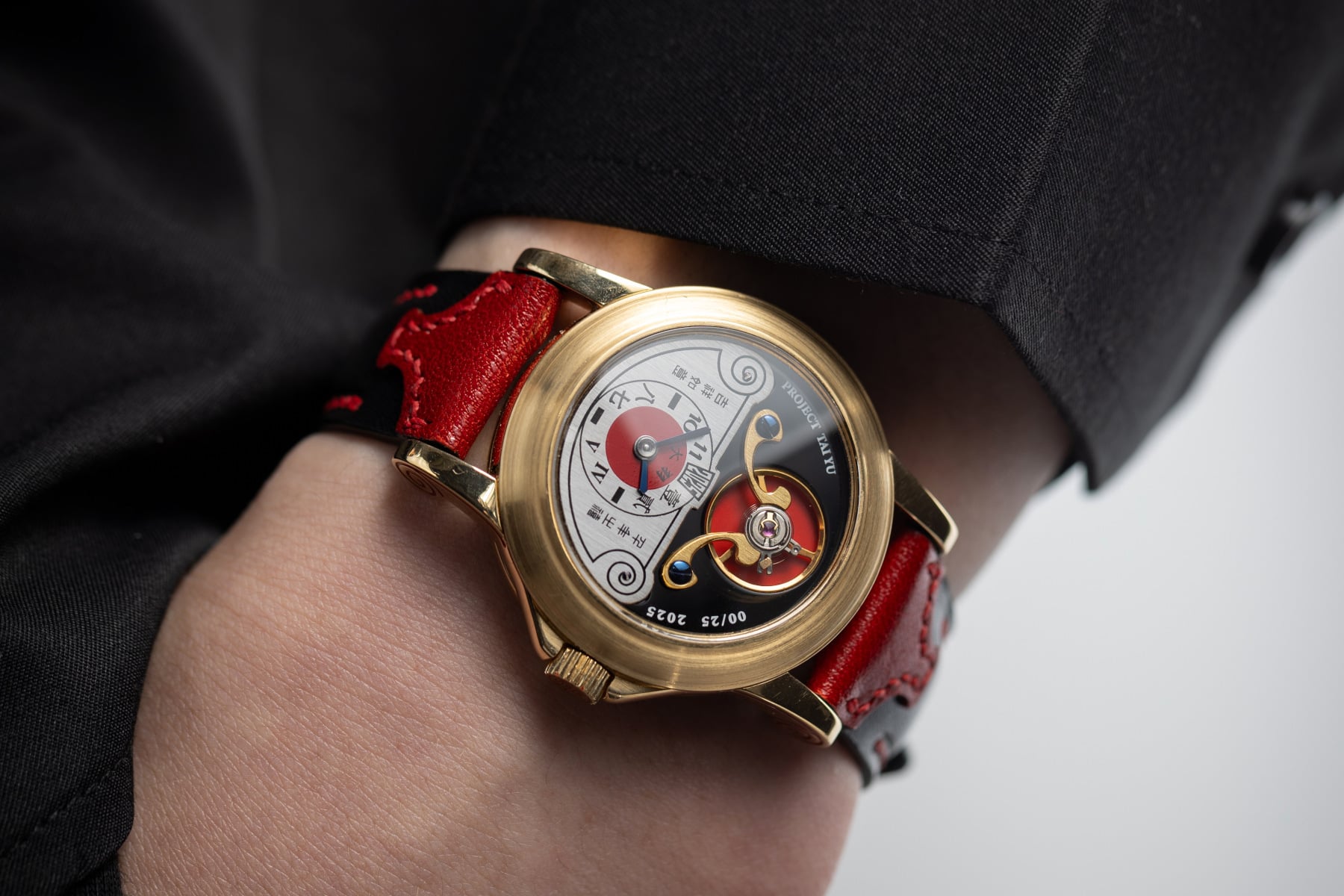
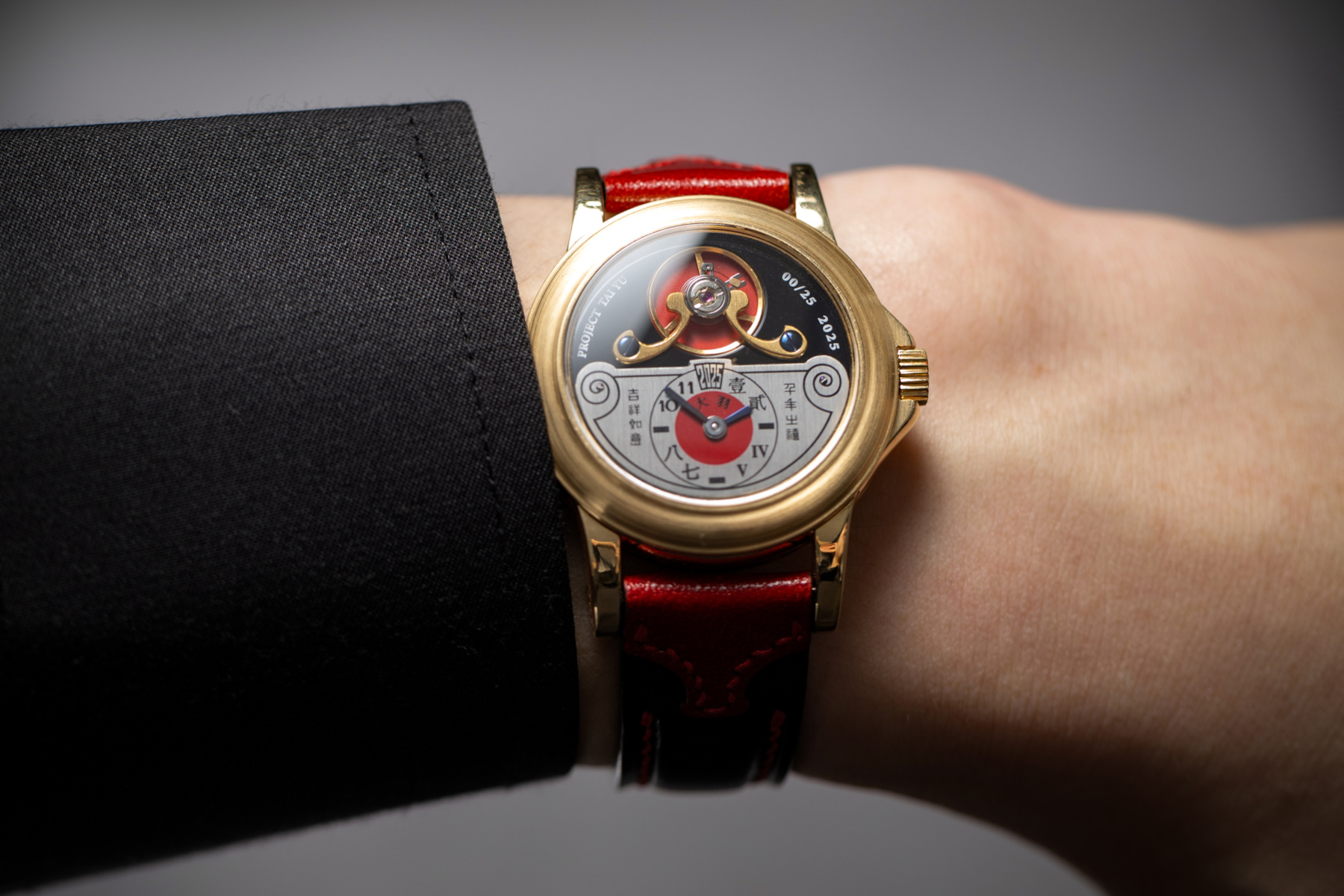
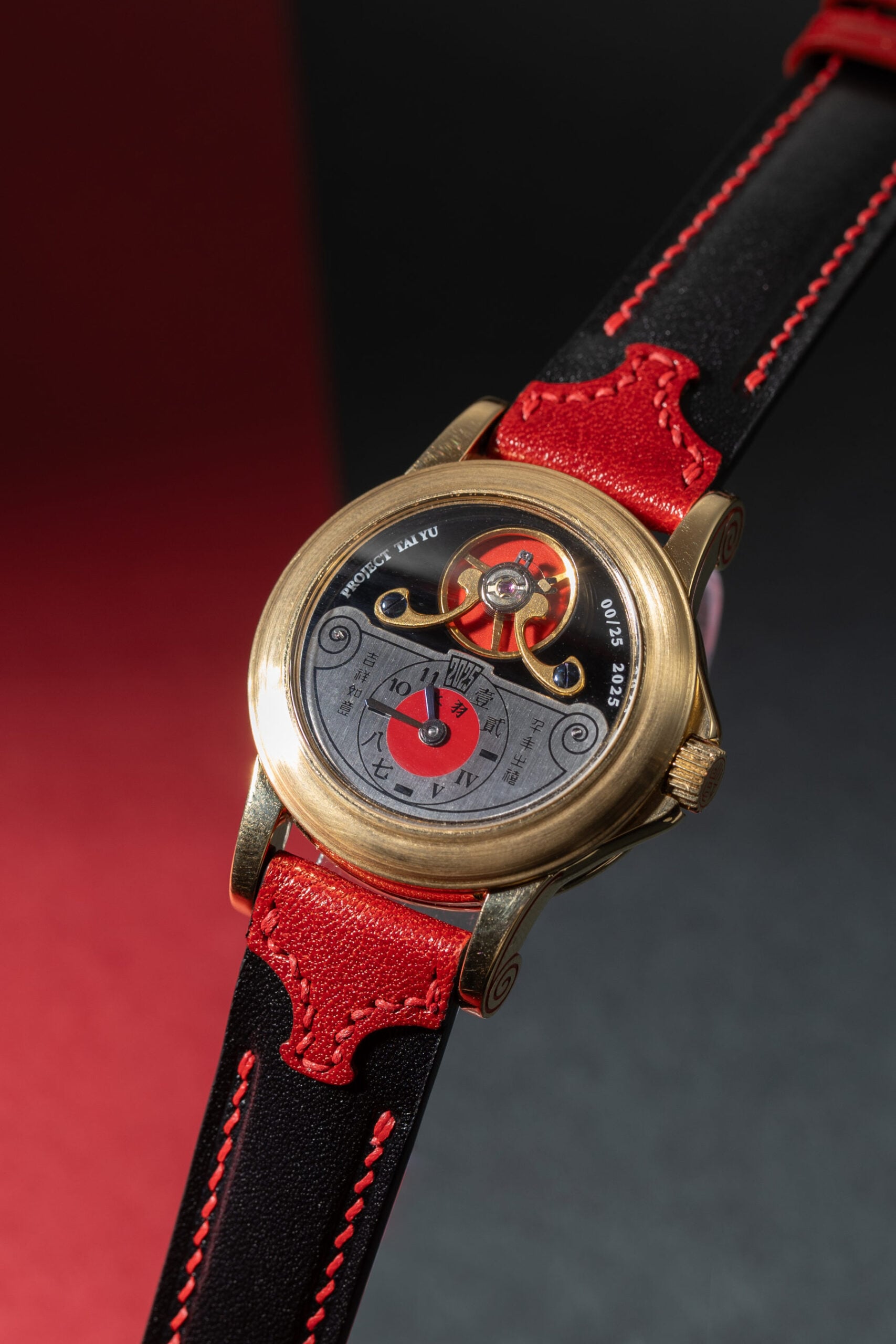
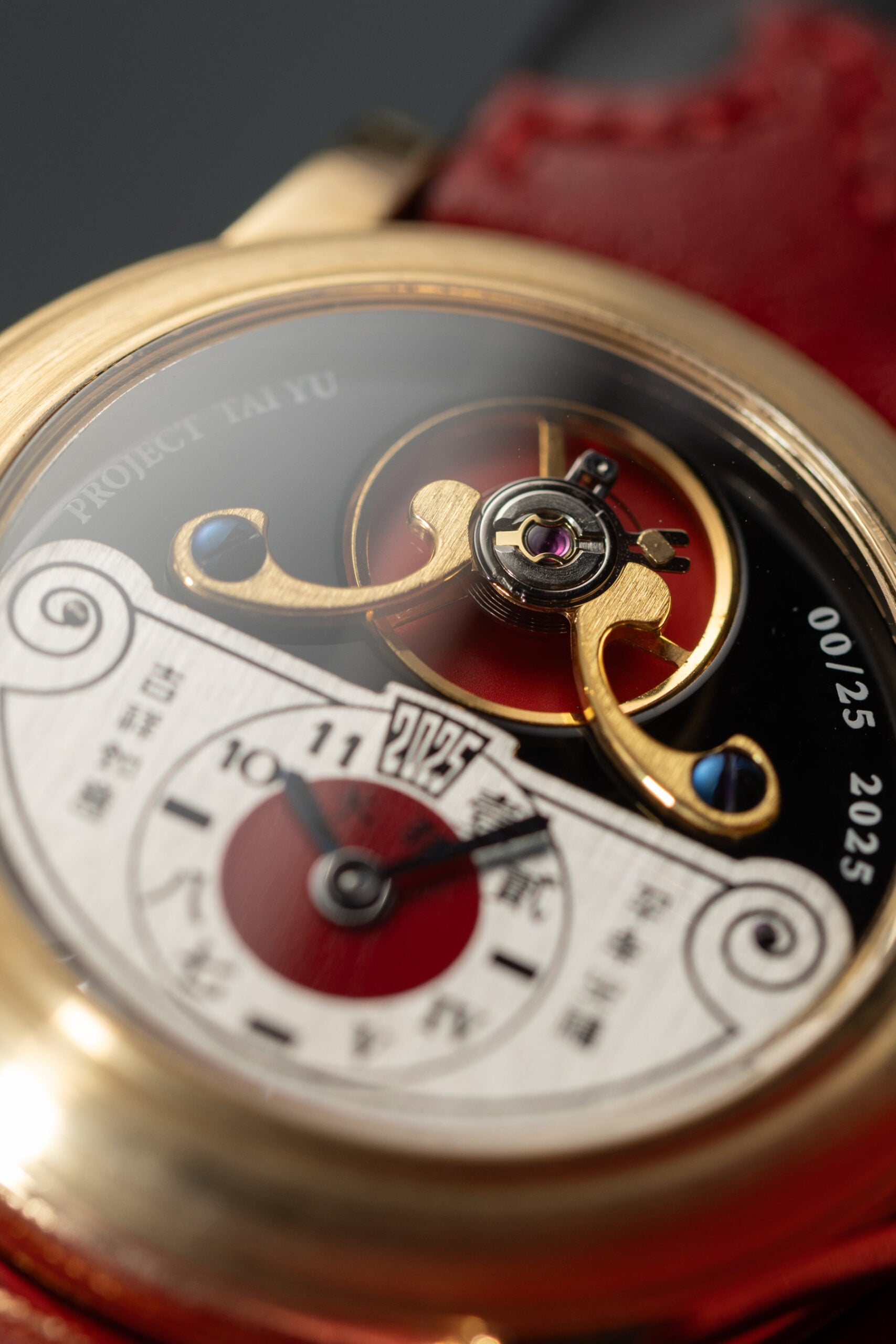
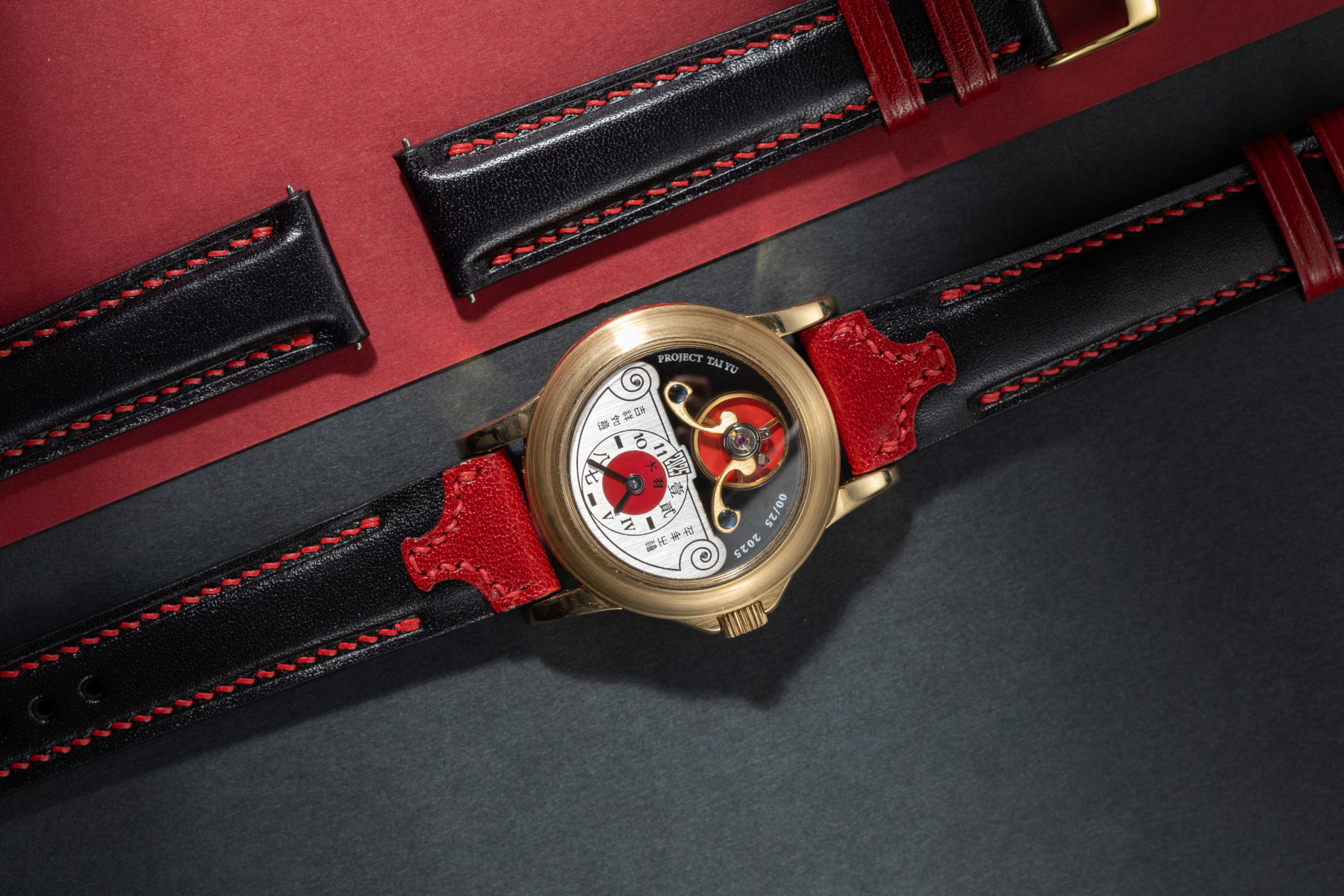
Visually, Project Tai Yu remains intentionally close to its source. The dial layout, inscriptions, and typography follow the structure of the original Millennium watch. The Suzhou-style time display combines traditional and simplified Chinese numerals with Roman and Western Arabic numerals, reflecting both cultural heritage and personal identity.
The inscriptions found on the original watch are retained, expressing wishes for harmony and referencing the millennium that inspired Kiu Tai Yu’s original creation. At 12 o’clock, the year 2025 appears. This marks the moment this homage was realized (even though we’re now in 2026 — time flies).


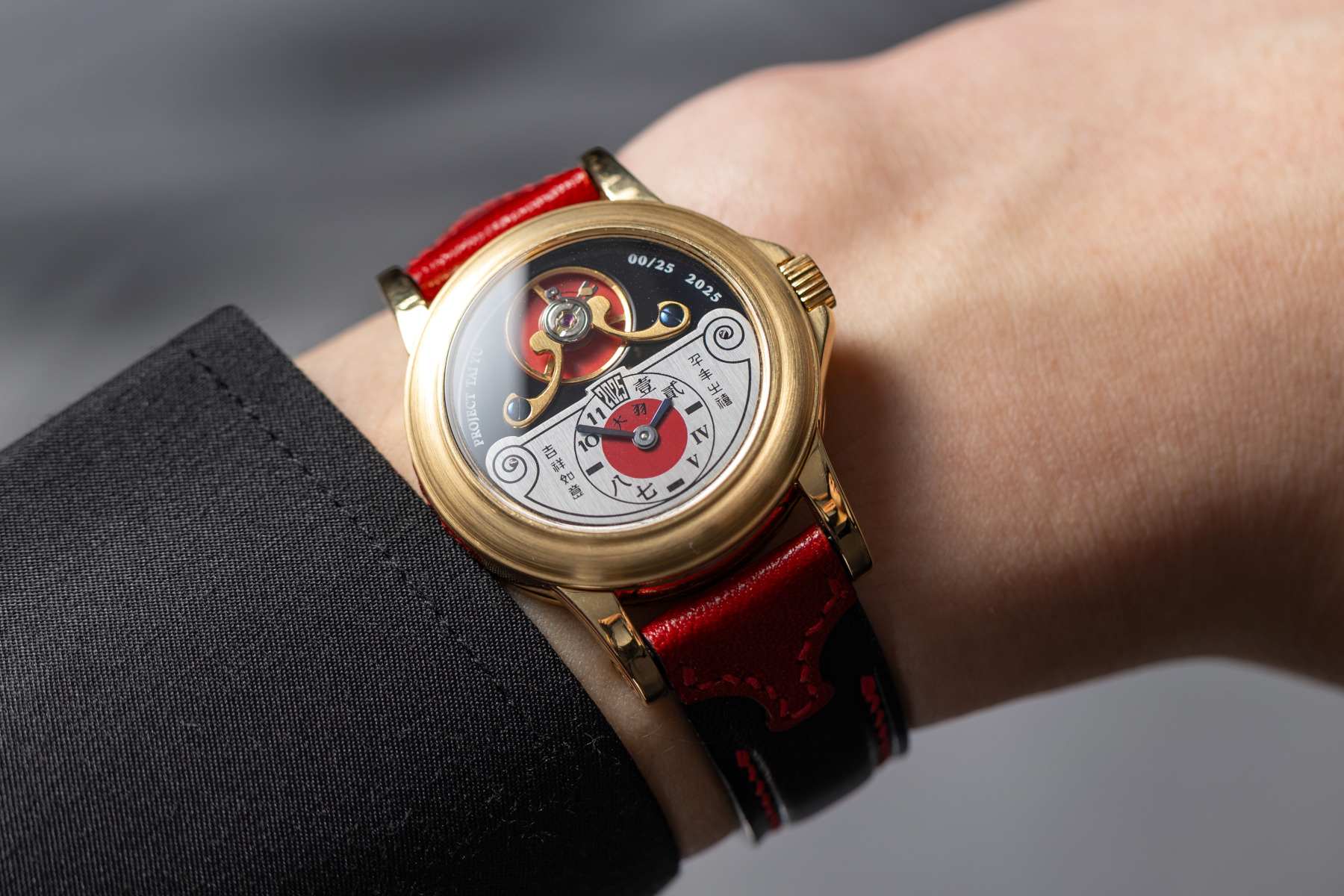
The case is crafted from 18K yellow gold. It has a 35mm diameter, a 46mm lug-to-lug, and an 11.2mm profile, plus sapphire crystals on both sides. A nice black and red Jeayou leather strap completes the watch, with the case’s cold-enamel detailing echoed on the buckle.
A considered beginning
Limited to 25 pieces, Project Tai Yu is far from a commercially designed project. It’s more of an opportunity to engage with a watch that carries cultural specificity, historical weight, and a point of view that has little interest in broad appeal. As wishy-washy as that might sound, it’s a nice way to help celebrate the work of Kiu Tai Yu and help others to discover, or rediscover, his creations. If that helps his work to live on, then I’m here for it.
The price of the Independent Atelier Project Tai Yu is CHF 30,500. No, it’s not a cheap purchase and certainly one for the super fans. Still, I don’t think these pieces will struggle to find new homes. If you want to grab one of these for your collection or just find out more, you can contact the brand via Instagram. The website is still a work in progress!