Sunday Morning Showdown: Longines Ultra-Chron Classic Vs. King Seiko SJE089

It’s that time of the week again — time for another Sunday Morning Showdown! This time, Jorg and Mike face off in a battle of vintage-inspired daily wearers. Jorg picked the Longines Ultra-Chron Classic, which honors the original Longines Ultra-Chron from 1967. Mike’s pick is the King Seiko SJE089, which was inspired by the classic King Seiko KSK ref. 44-9990 from 1965. It’s time to find out which of these two will come out on top!
This week’s Sunday Morning Showdown centers around the charm of 1960s-inspired daily wearers. The Longines Ultra-Chron Classic is a remake of the first Ultra-Chron from 1967. Longines kept its design close to the 1960s original in terms of presence. On top of that, the watch is powered by a high-beat caliber, just like the original. Rather than choosing the 40mm model, Jorg picked the smaller 37mm version of the Ultra-Chron Classic. It goes up against Mike’s King Seiko SJE089, a modern version of the 1965 King Seiko KSK. The remake debuted in 2023 as one of the higher-end King Seiko models powered by the slim 6L35 caliber. With price tags of €3,400 for the Seiko and €3,900 for the Longines, they compete in the same segment and even sport a similar aesthetic. Let’s find out which of the two watches will triumph.
Last week, on Sunday Morning Showdown…
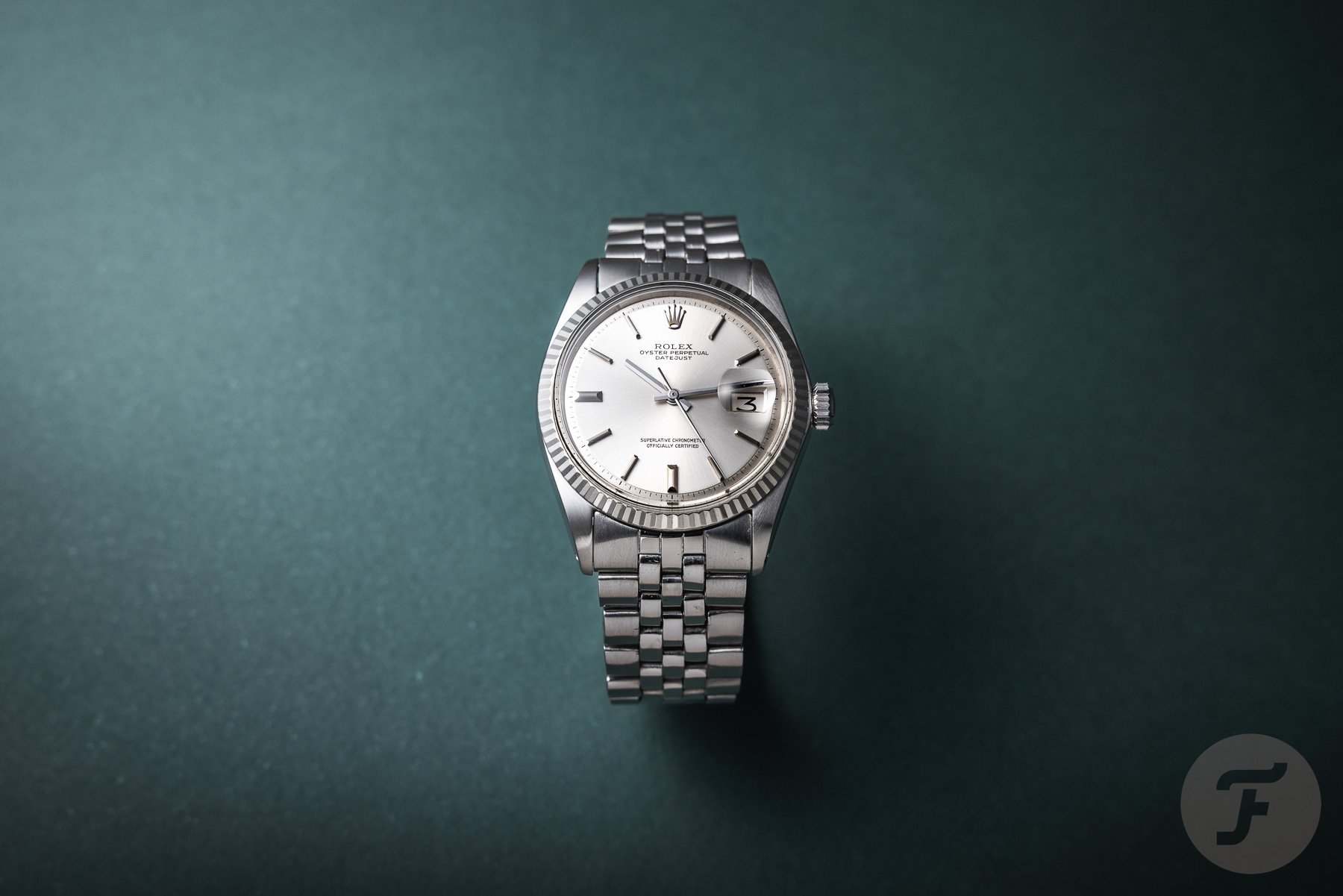
But before Mike and Jorg go at it, let’s quickly recap last week’s Sunday Morning Showdown. In that battle, things got quite personal. Thomas and Daan pitted two watches from their respective collections against each other. In the end, Thomas’s Rolex Datejust ref. 1601 beat Daan’s Cartier Santos Galbée XL, although it was a fairly close one. The classic Datejust received 58% of the votes, while the Santos received 42%. We could see a similar divide in the comments, with a slight preference for the Rolex. If there was one lesson to learn from this, though, it was that both watches are classics and there is no going wrong with either one. But since this is our Sunday Morning Showdown series, the Datejust gets all the glory. Let’s see which of today’s contenders will take the win.
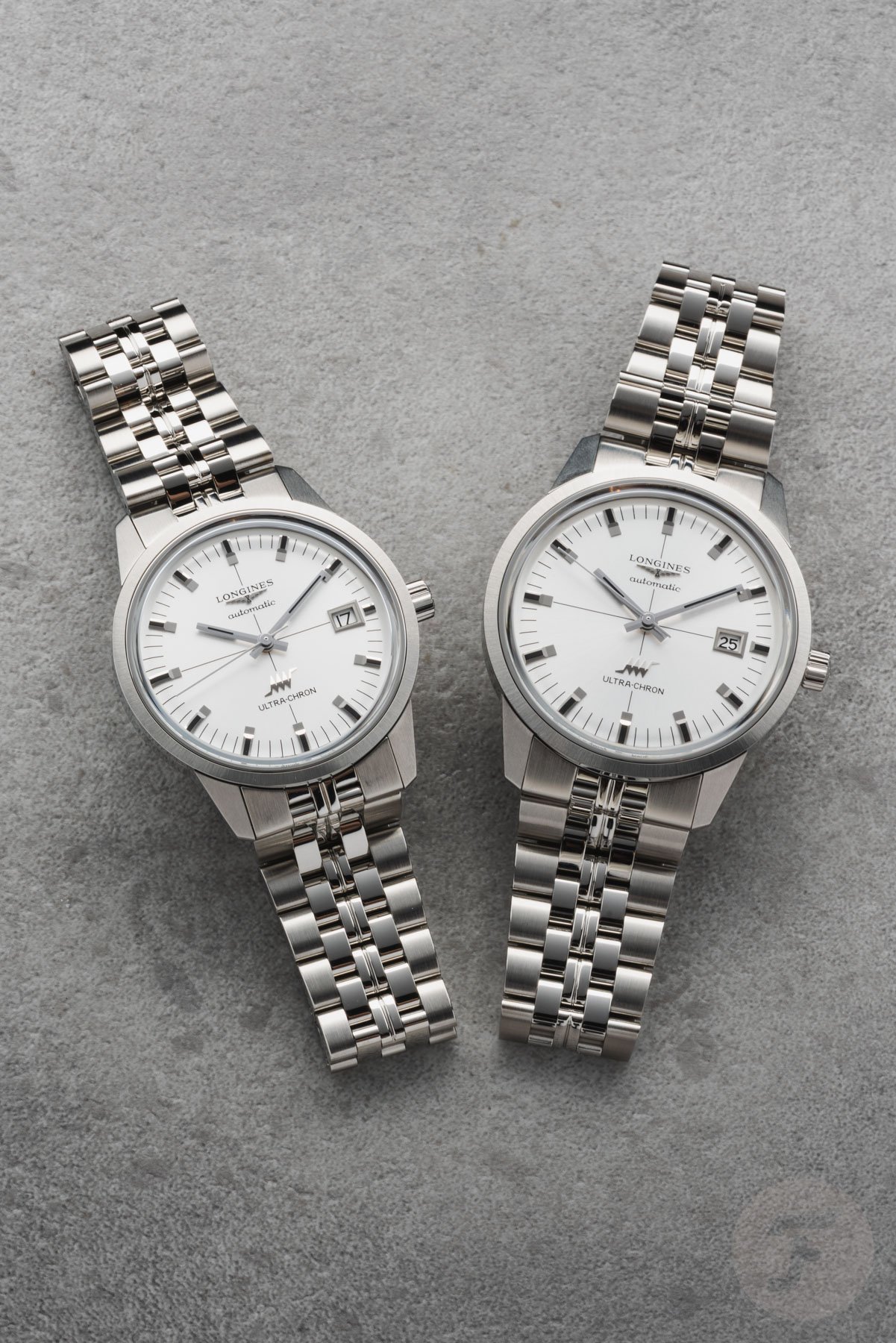
Jorg: Longines Ultra-Chron Classic
From the moment the two Longines Ultra-Chron Classic models landed in the Fratello offices, I was a fan. Longines nailed the retro design of its Ultra-Chron Classic. I would even argue that it looks better than the original, and that doesn’t happen often. One of the few other examples that immediately comes to mind is the Omega Seamaster Ploprof that was available from 2009 until 2019. If you ask me, that one looks better than the 1970s original. The modern version optimized the use of color and the design overall, making it one of Omega’s best modern watches.
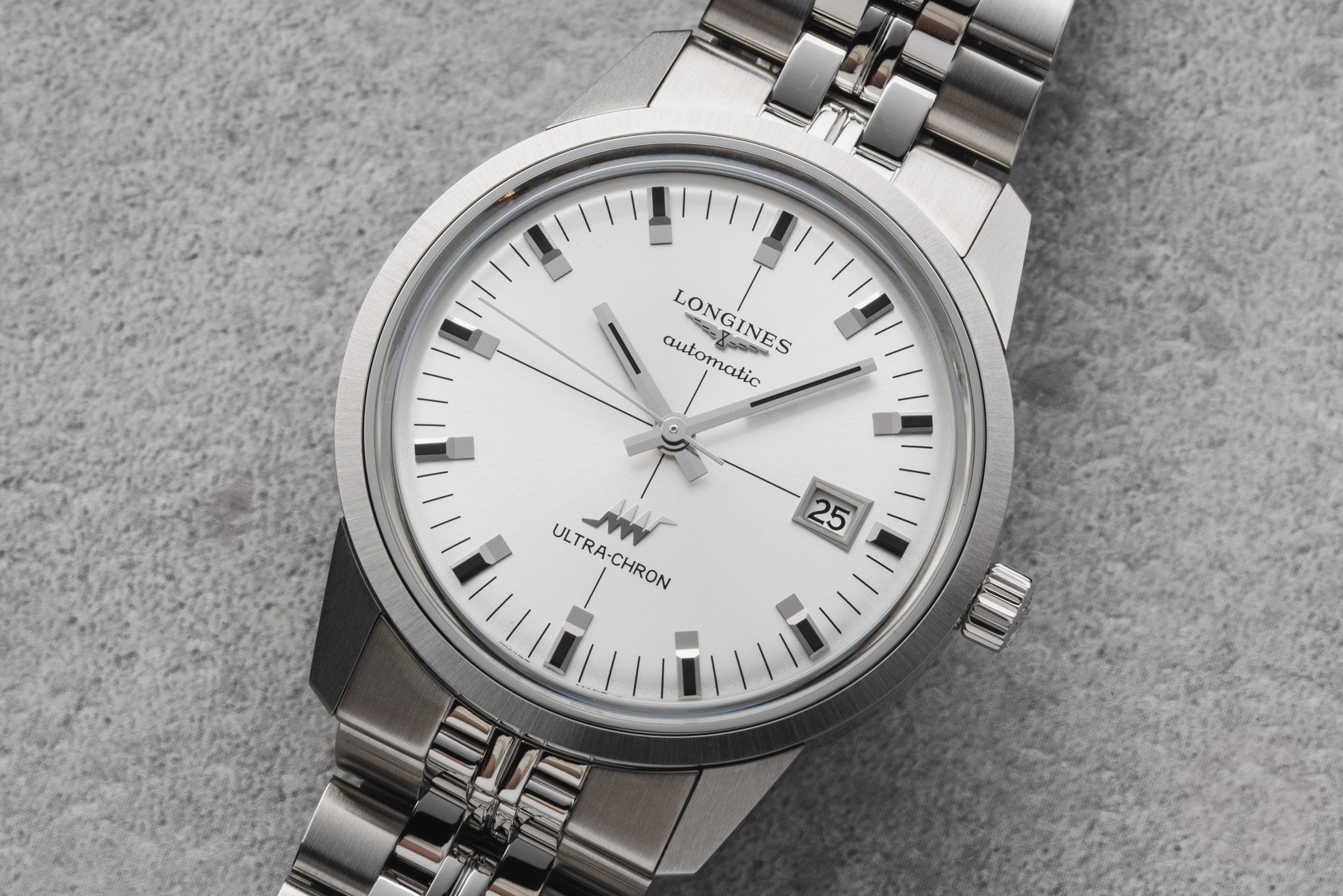
But back to the Longines Ultra-Chron Classic. What it does so well for me boils down to two things. First, the design incorporates all these details that I love about classic ’60s watches and, more specifically, the Ultra-Chron from 1967. On top of that, the Longines designers did an awesome job of making the re-edition look crisp and feel relevant by today’s standards. I could break these two things down to the smallest details, but I’ll go over some of the most important points to explain what I love so much.
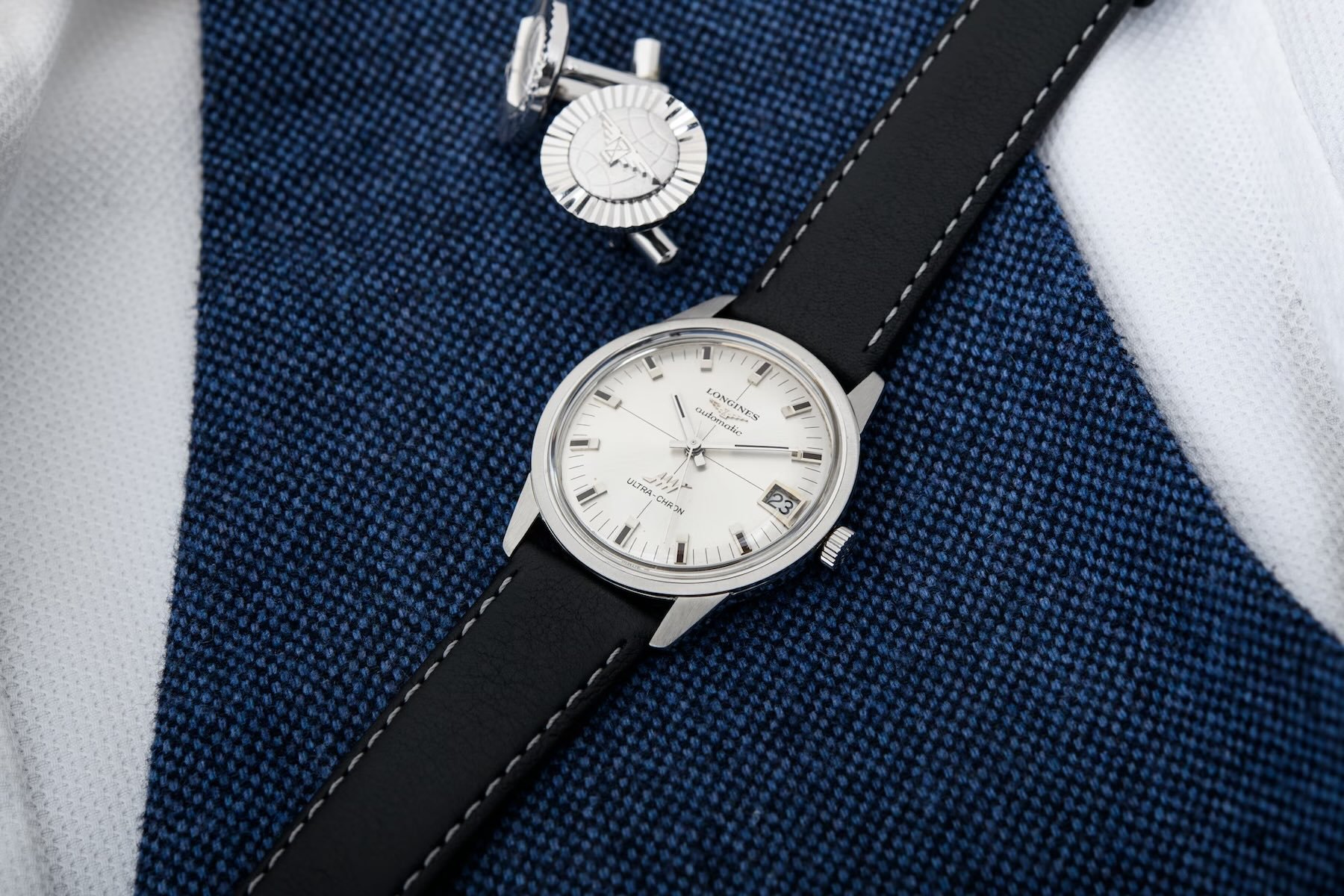
A Longines Ultra-Chron from 1969 — Image: Longines
The classic design details make the Longines a winner in my book
The Longines Ultra-Chron Classic fits the typical 1960s watch silhouette. It’s a design that every watch brand in those days had in its collection. Among the most popular similar-looking models were, without a doubt, Omega’s classic (non-diver) Seamaster and Constellation models. It’s a charming style that reminds me of my father’s Omega Seamaster De Ville, which I adore.
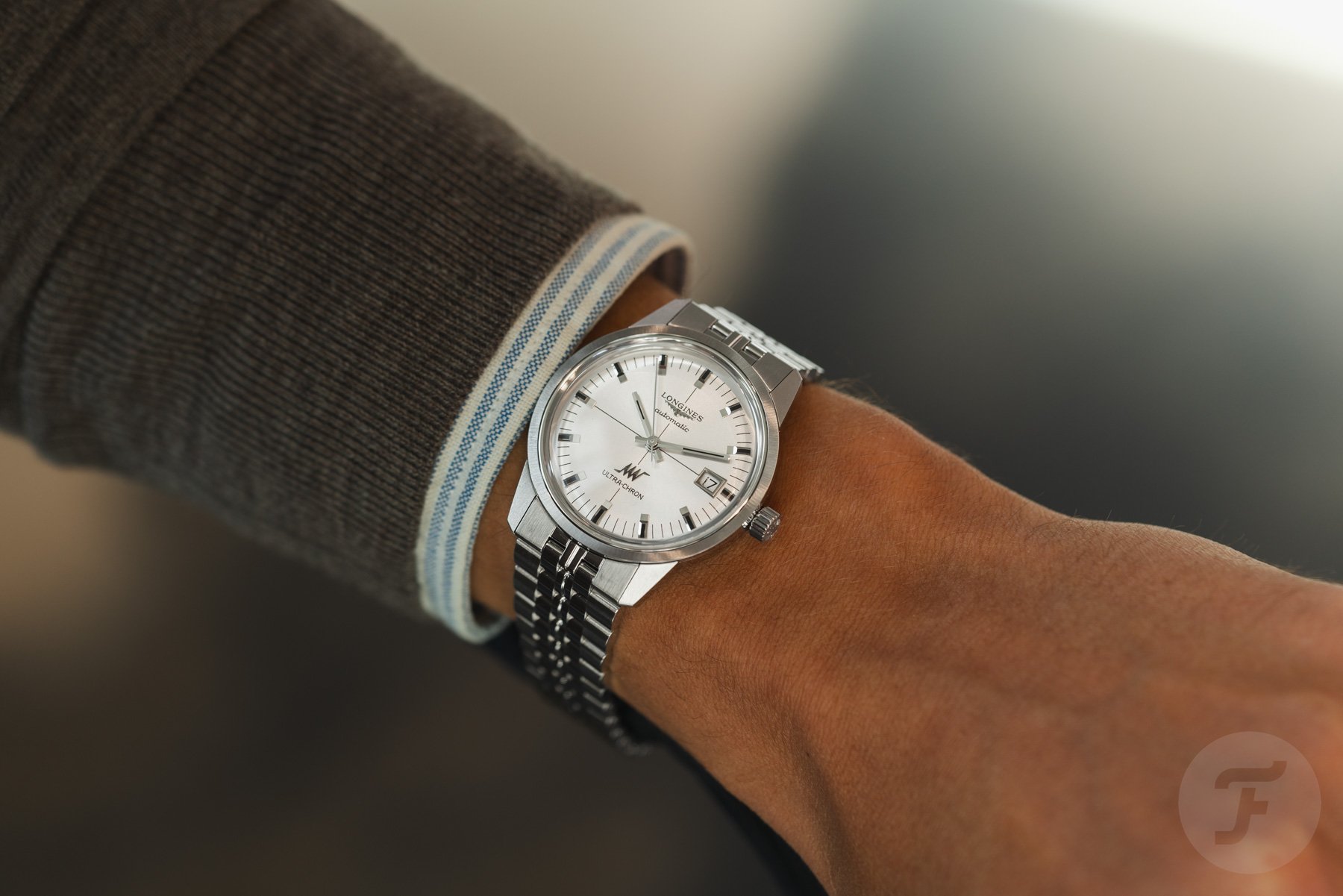
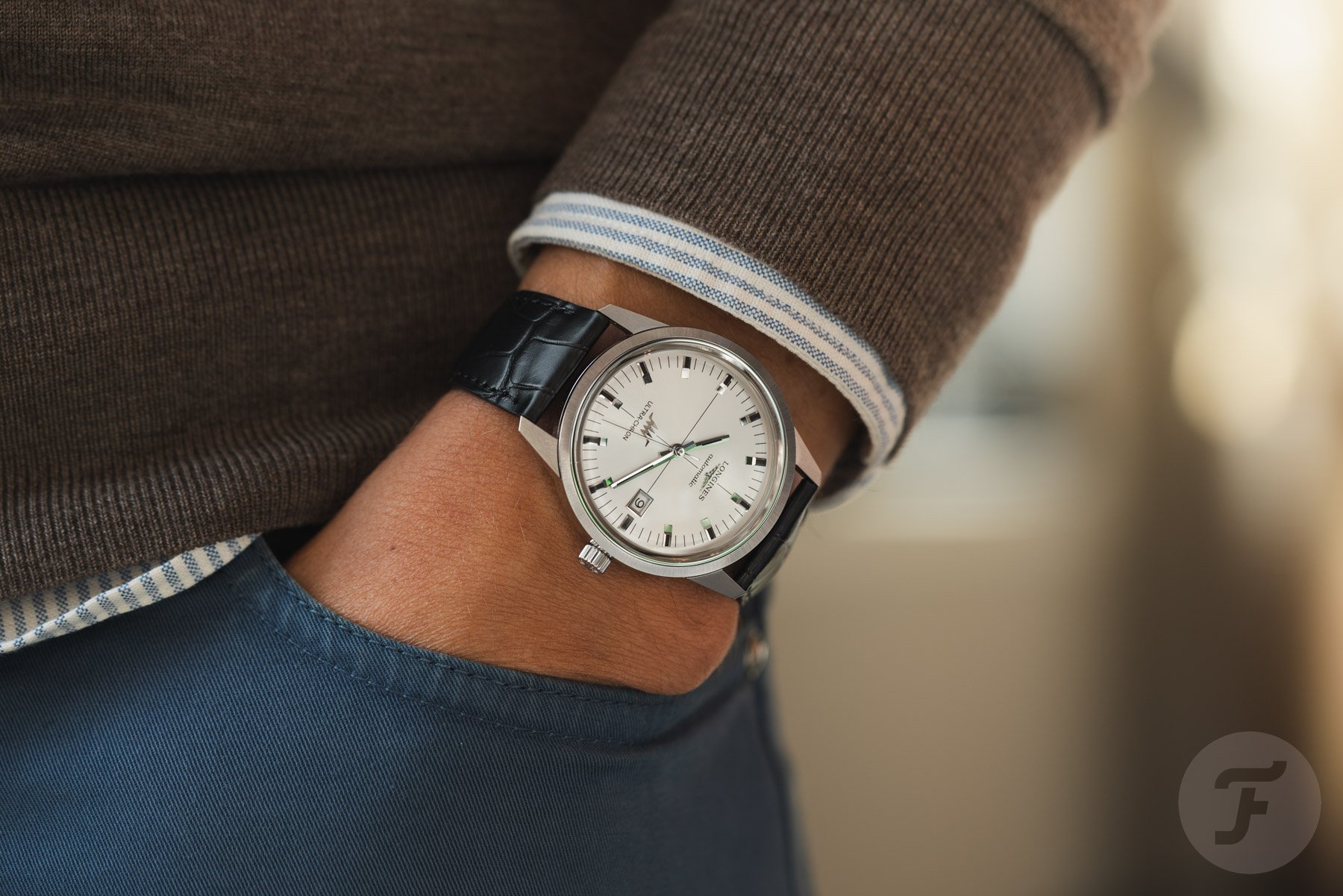
But as there are so many watches with a similar style, it takes details to make them stand out. Some of those that add character to the Longines Ultra-Chron Classic include a full set of hour and minute markers, crosshairs connecting the cardinal points, and the balance of the Longines and Ultra-Chron logos. By themselves, these elements are nothing extraordinary, but using them all together adds character. Add the retro-style bracelet, and I am a fan.
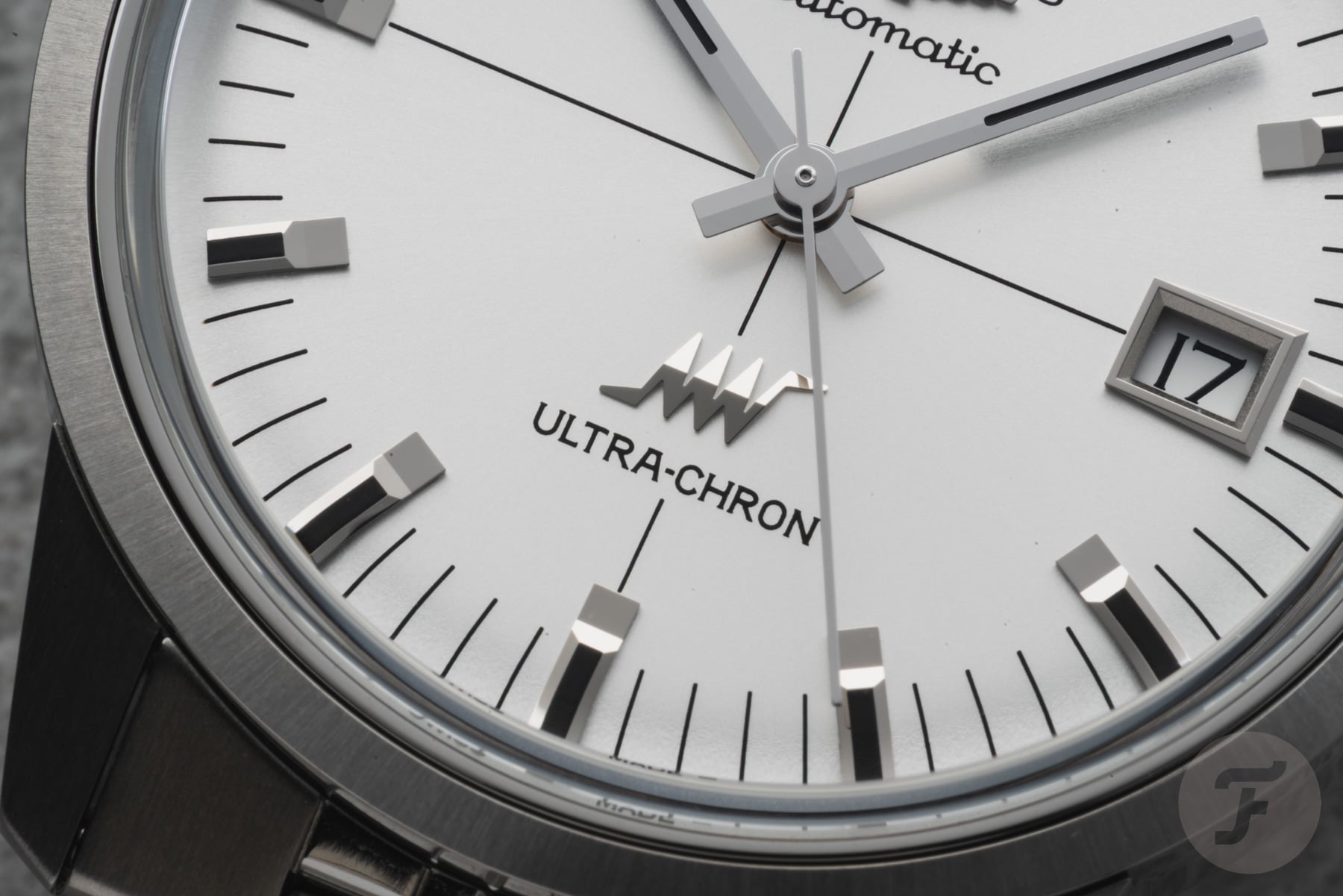
Zooming in on the branding, it’s not just the Longines logo that makes it easy to identify. The distinctive Ultra-Chron logo on the lower half of the dial is also a nice visual touch, and it hints at the high-beat caliber that powers the watch. This was the case in the 1960s and still is today. But we’ll get to that in a second because it could very well be a deciding factor in this watch securing a victory in this battle.
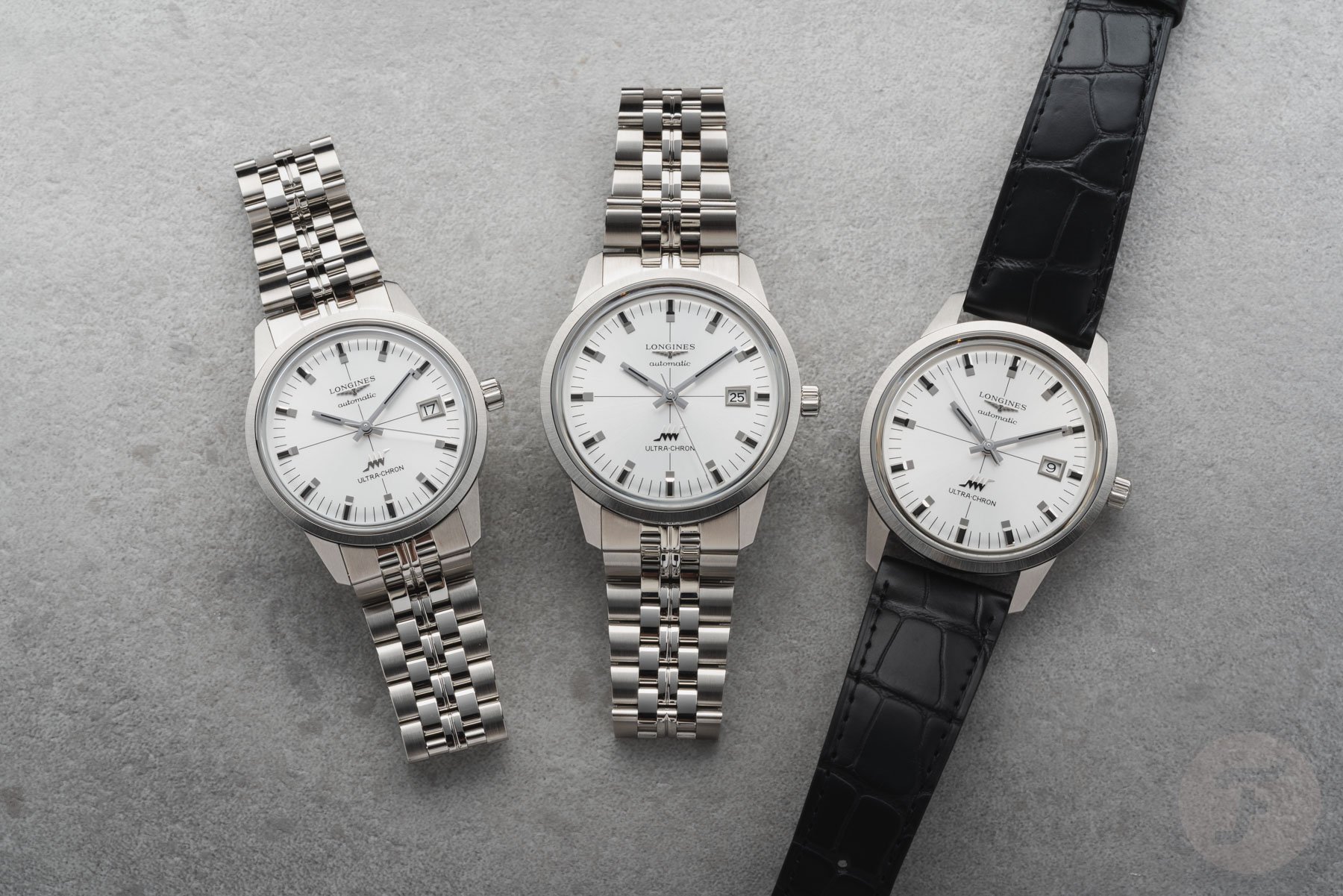
The modernized design of the Longines Ultra-Chron Classic
At first glance, you’ll probably think that the designs of vintage Ultra-Chron and the modern Ultra-Chron Classic look identical, and you would be right. However, the size and proportions of the various elements make the new Ultra-Chron Classic as relevant as ever. The model from 1967 featured a 35mm case. For the modern remake, the Longines designers opted for both a 37mm and a 40mm option. Though you’ll see both sizes in the pictures here, I’ll stick to defending the 37mm version, as that is my preference and the better comparison with Mike’s King Seiko.
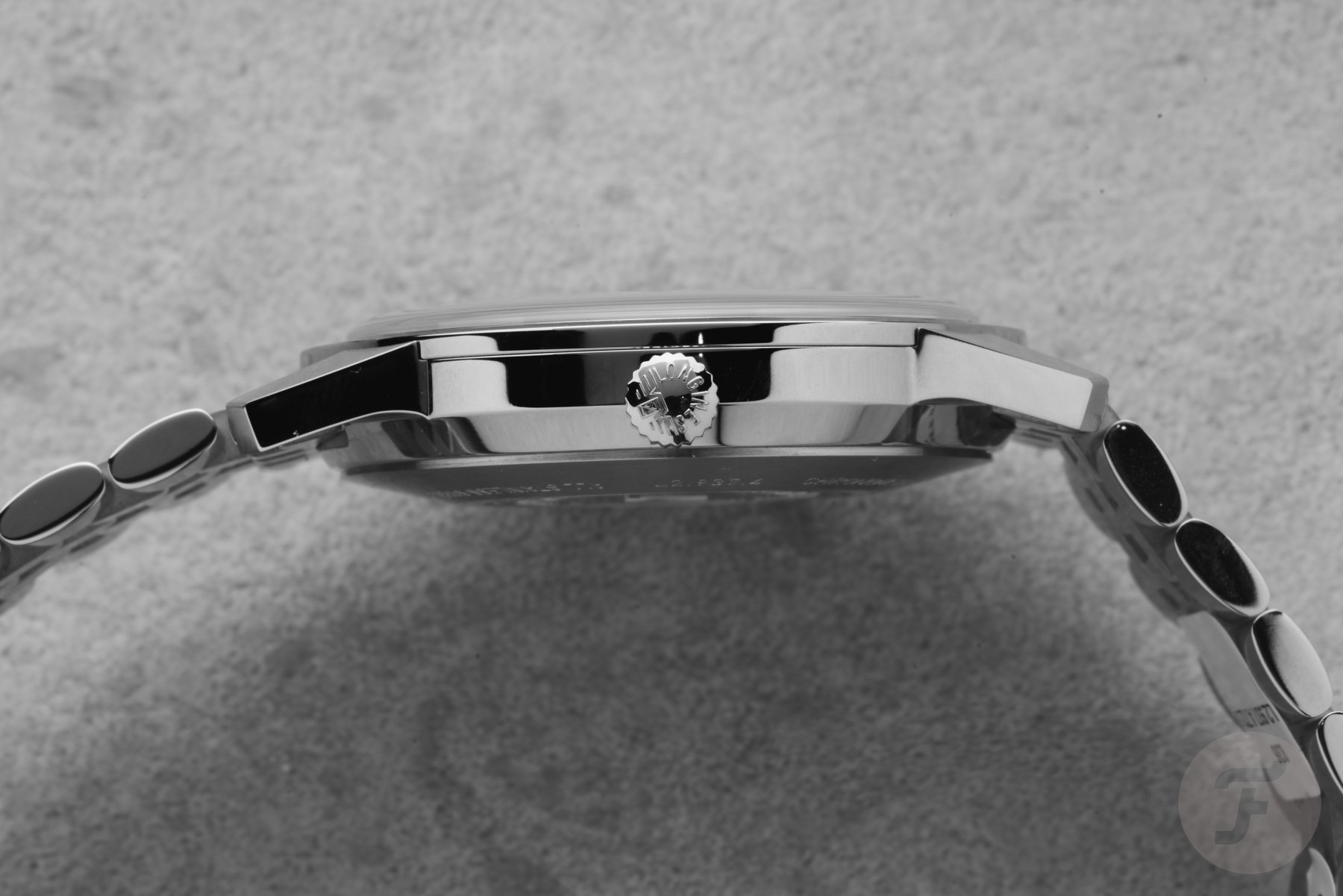
It’s still the straightforward round case with tapering flat lugs from the original model, but the increased 37mm × 44.6mm × 10.95mm dimensions make it more relevant in today’s context while still providing a great fit for a variety of wrist sizes. With the updated case design also came a bigger dial, which allowed the Longines designers to slightly increase the size of the different elements. That plays a pivotal role in giving the watch its modern-day relevance. On top of that, not only are the hour and minute markers slightly larger, but the latter are also a bit bolder. All in all, this dial has all the charm of the original but packs the right modern punch.
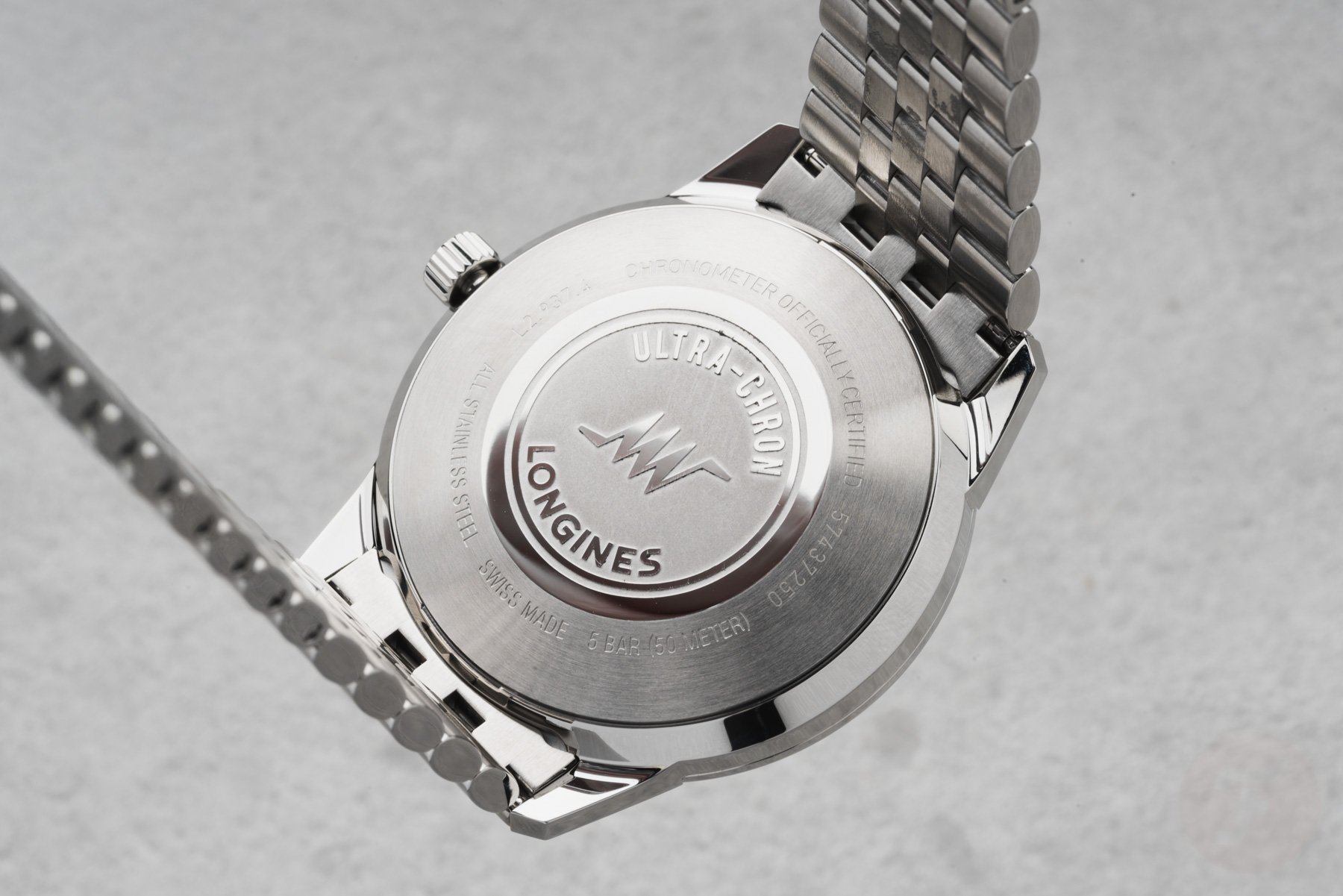
The high-beat Longines L836.6 caliber
I don’t feel that same punch with the King Seiko. It’s a bit too retro for me, and on top of that, I am not a fan of the text on the dial of the SJE089. The sizes are off, and the spacing is also debatable. There’s no such issue with the Longines Ultra-Chron Classic, with the two logos and the neatly proportioned text underneath. The lower of the two logos and the Ultra-Chron text refer to the high-beat caliber that powers the watch, as I already mentioned. The automatic Longines L836.6 automatic caliber operates at 36,000 vibrations per hour and offers a 52-hour power reserve.
It’s also certified as an “ultra chronometer” by Timelab. As Daan explained, this Geneva-based chronometric observatory tests the fully cased movement for 15 days at three temperatures (8°C, 23°C, and 38°C). According to the standard used by Timelab (ISO 3159:2009), the mean daily rate is still +6/-4 seconds per day. That is far superior to the Seiko 6L35 that powers Mike’s King Seiko, which is only accurate to -10/+15 seconds per day. On top of that, the Longines caliber recovers more quickly from shocks, changes in position, or acceleration than lower-beat movements, like the 6L35, which runs at 28,800 vibrations per hour.
It’s a clean win for Longines for me
In my eyes, the cherry on top is the bracelet. I adore the classic design of the Longines bracelet that the Ultra-Chron Classic comes fitted with. Its design fits the watch’s style perfectly, and it is super comfortable. Not to mention, it looks far more refined than the King Seiko bracelet. Considering all these points, the Longines Ultra-Chron Classic is not only a better watch in terms of presence and specs, but it’s also a lot more fun to wear. It makes this week’s choice easy for me, and that’s why I believe the Longines wins on all fronts. But let me know why you think why I’m wrong, Mike.
Mike: King Seiko SJE089
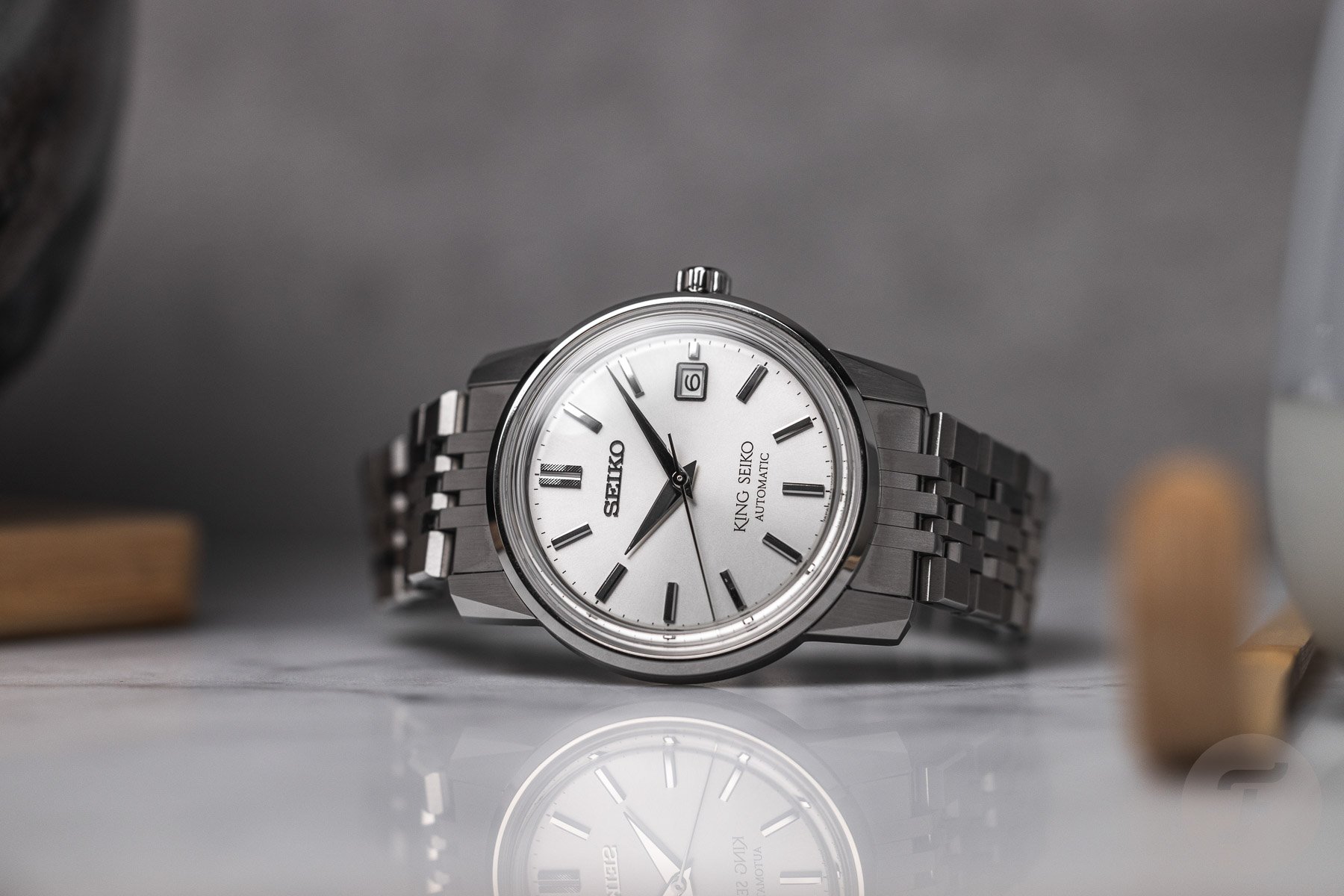
Once again, I’m back in the ring with my arch-enemy, Jorg. This week, we have two dressy watches duking it out as the Longines Ultra-Chron Classic takes on the King Seiko SJE089. This one is tough for two reasons. First, as a vintage nut, I’d probably head in that direction instead of buying new. That said, most people prefer a reliable modern watch. Second, the watches look rather similar, with their silvery ’60s dials that remind me of workers in short-sleeved dress shirts heading to an office block. Once again, though, there are plenty of differences to make these of interest.
I’ve been relatively tough on Seiko’s King Seiko models since they were reintroduced several years ago. My biggest beef is that they differ from the sub-brand’s original intent. In other words, they’re no longer kissing cousins with Grand Seiko but, instead, more like zooted-up Seiko models. However, time has softened my feelings, and I’ve come to appreciate the nicer cases and throwback looks even if the movements are relatively mainstream.
Channeling the original 44-9990
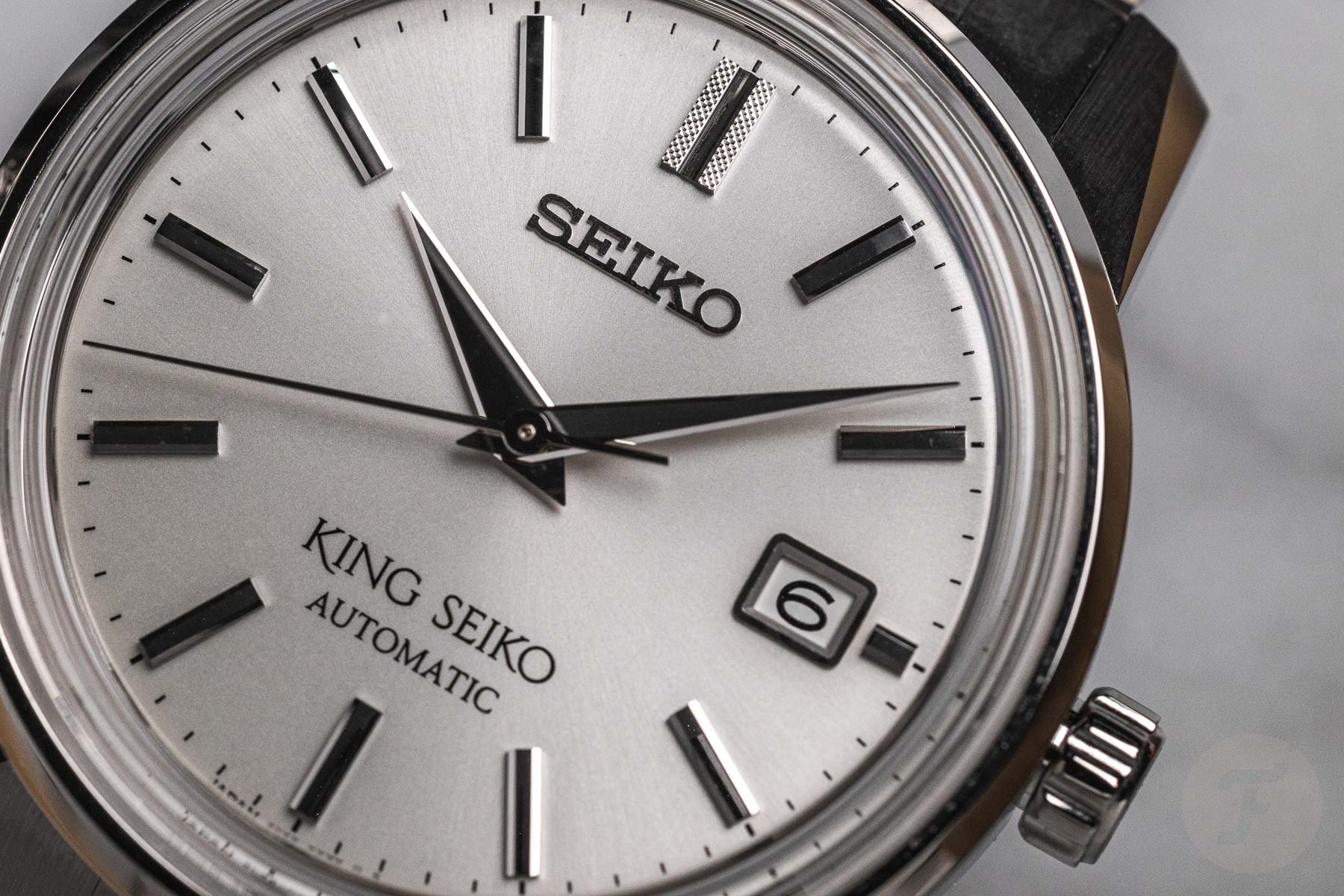
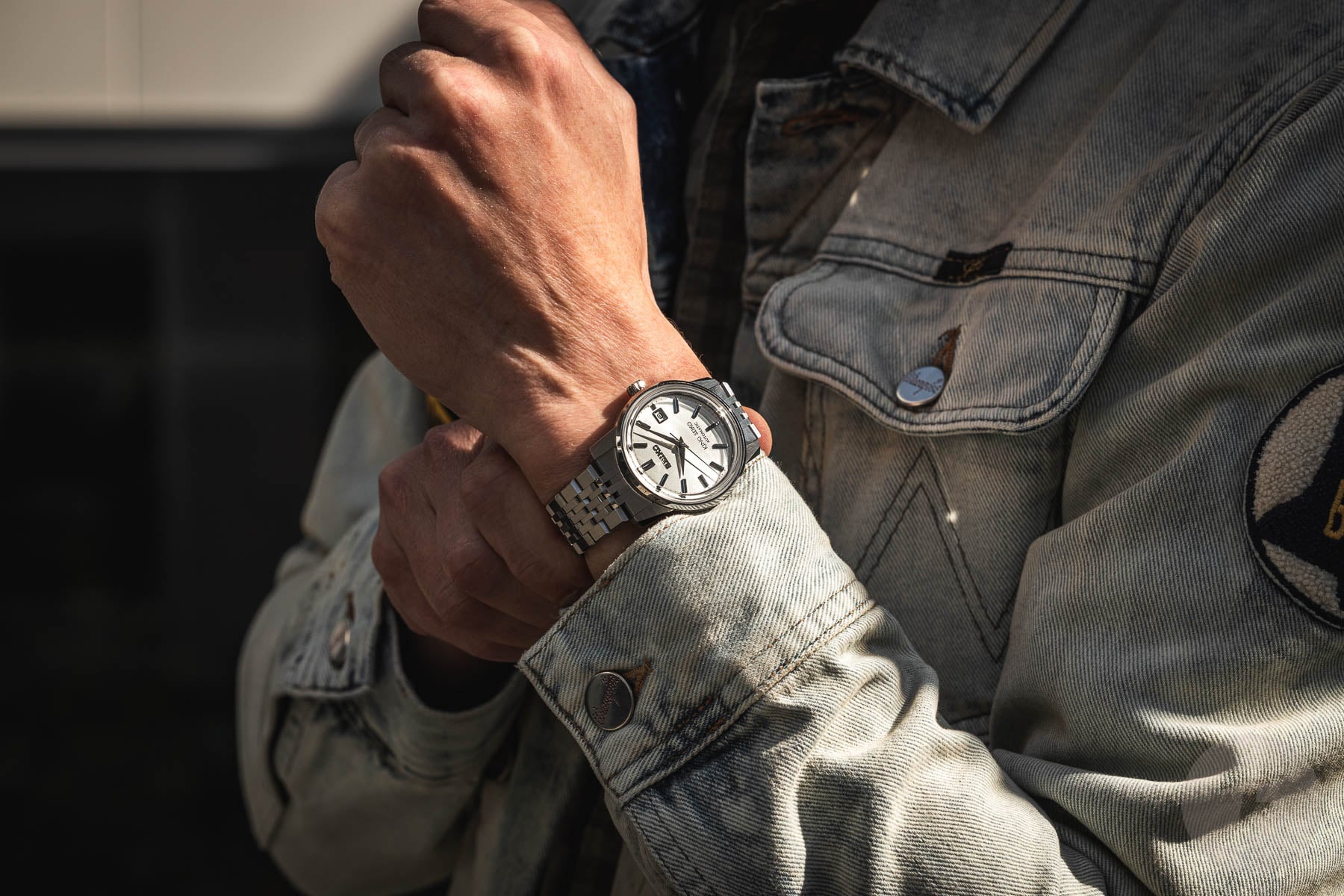
The modern King Seiko SJE089 takes inspiration from the vintage King Seiko 44-9990. For those who may not be familiar with this classic, it was in production from 1963 to 1968, making it a contemporary of the original Ultra-Chron. For my money, it has one of the greatest dress watch designs in history, with chunky lugs that disappear into the background in certain lighting due to massive chamfers. The new model keeps these looks case-wise and follows a similar form on the highly legible dial. In fact, the main differences are the inclusion of a date window and the use of an automatic movement. Dimensionally, the King Seiko is moderate, offering a 38.6mm diameter and a 10.7mm thickness. The water resistance is useful at 100 meters.
If we return to the dial, though, the King Seiko is a dressier affair. There’s no luminous material on it or dagger-shaped hands. It also refrains from adding flourishes such as crosshairs or motifs. I prefer this design over the Longines because it seems more timeless. Notably, a black-dial version, the SJE091, is also available.
The engine bay contains a slightly less exciting movement
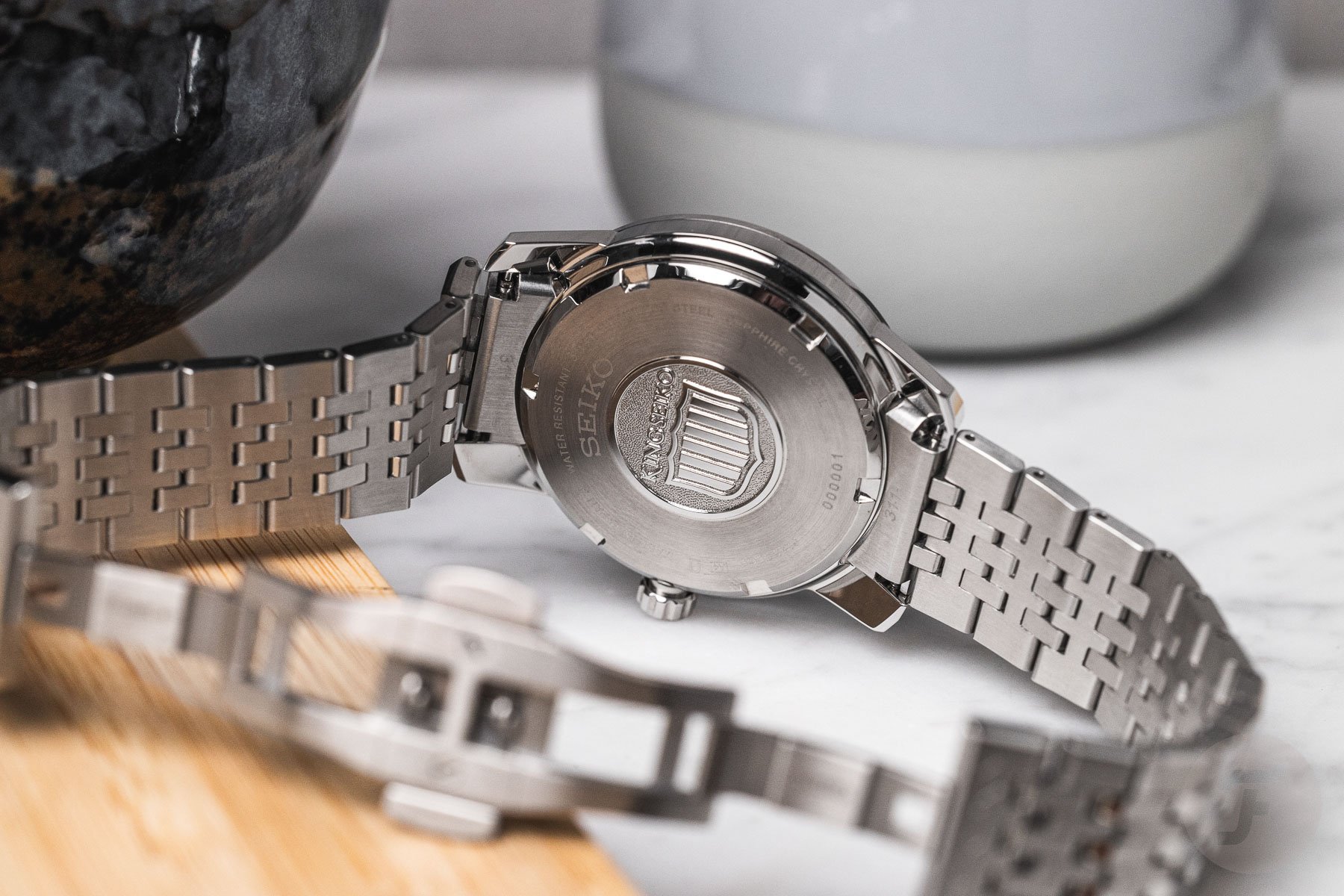
Where the Longines Ultra-Chron Classic likely has a distinct advantage is underneath its case back. While that watch houses a high-beat movement, the King Seiko uses the corporate 6L35 automatic caliber. As an aside, my frustration is palpable because some later vintage King Seiko watches did, in fact, have high-beat movements. In any case, the 6L35 ticks at 28,800 vibrations per hour and has a 45-hour power reserve. It’s “fine,” I suppose.
Similar pricing and also on a bracelet
Like the Longines Ultra-Chron Classic, the King Seiko SJE089 is available on a bracelet. Actually, that’s the only way it comes, which gives it a slight value advantage compared to the Longines. The seven-row bracelet has a flush-fitting, push-button butterfly clasp. Regarding the feel, Seiko has done a nice job of making the bracelet thin and comfortable. For €3,400, the King Seiko undercuts the Longines by a full €500 when similarly equipped with its bracelet. In this price range, that’s a decent sum. However, is it enough to sway your vote if it’s a close race? We’ll have to see. Make your choice, cast your vote, and feel free to let us know why you chose the way you did.