Are Smaller Watches Actually Better In Design And On The Wrist?

For most of the last 20 years, watch marketing has quietly pushed in one direction — bigger. Cases grew from the 33–38mm range that once counted as a normal men’s watch into the 40mm+ territory that now reads as standard. A handful of watches, old and new, from Rolex, IWC and Tudor (although there are many more out there) make a decent case that the industry took a wrong turn somewhere along the way. And is now on the right path, chasing the trend back to smaller watches overall.
The Tudor Black Bay 54, the Rolex Oyster Perpetual 34 and 36, the Rolex Explorer 36, and the IWC Mark XV and Mark XII pilot’s watches all sit comfortably under the 39mm mark. None of them feel like compromises once you have actually worn one. They feel like watches sized by people who assumed a case should fit a wrist rather than dominate it.


The 1950s and 1960s were an era of exploration, scientific pursuit, and bold expeditions. Many of the watches that participants in these endeavors wore were quite small by today’s standards. The Rolex Oyster Perpetual and the Nivada Grenchen Antarctic, for example, had 35–36mm cases. And yet, these watches endured some of the toughest conditions humans could face.
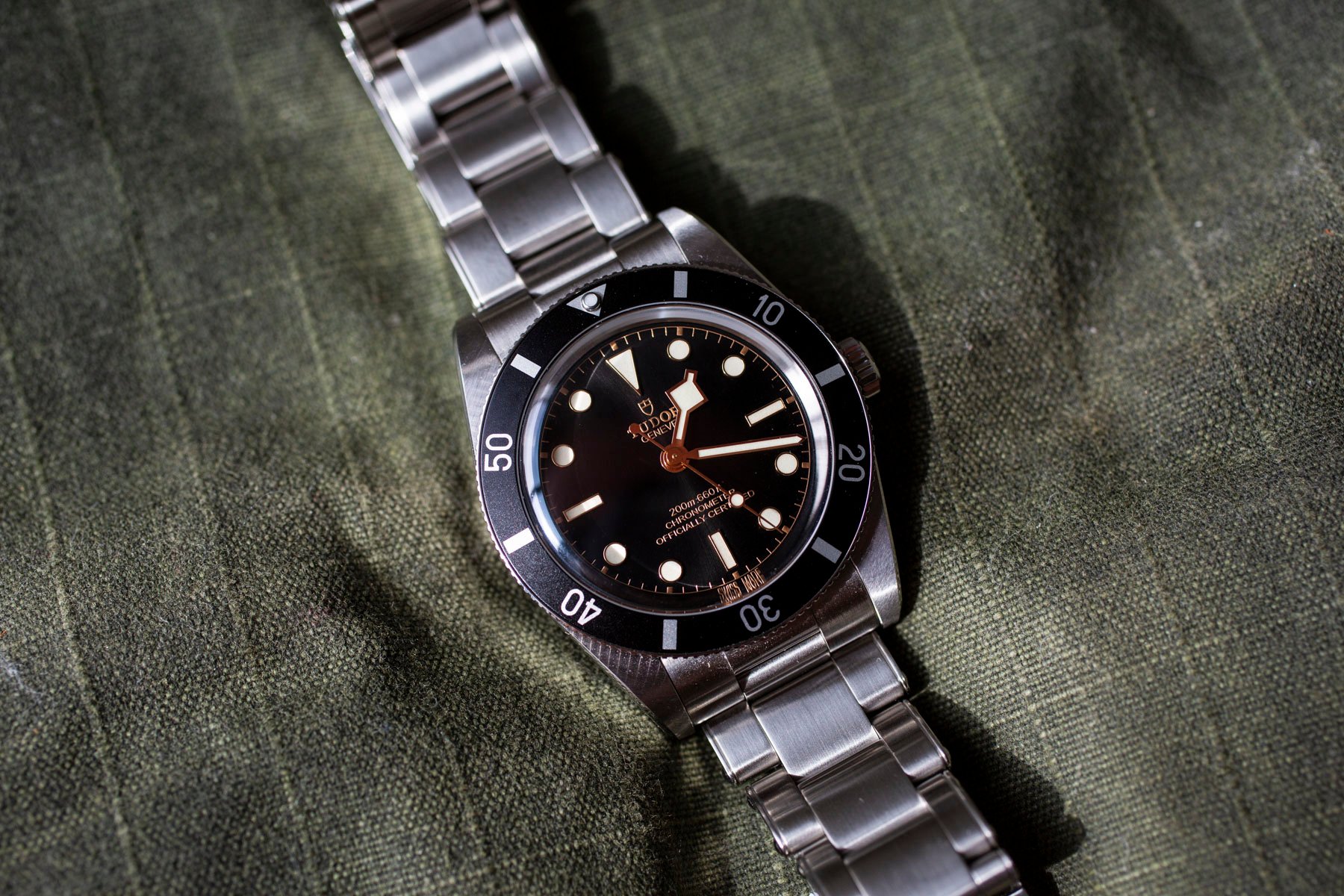
The Tudor Black Bay 54 proves smaller does not mean simpler
Tudor’s Black Bay 54 takes its proportions and design cues from the 1954 Oyster Prince Submariner. It has a 37mm case with an 11.2mm profile and a short 46mm lug-to-lug that helps it sit neatly on smaller wrists. On paper, that sounds like a watch built for a smaller era of wrists. In practice, it carries Tudor’s full modern specifications: a Kenissi COSC-certified movement with a 70-hour power reserve, 200m water resistance, and a quick-adjustment T-fit clasp, all inside a case that slips under a cuff without a second thought.
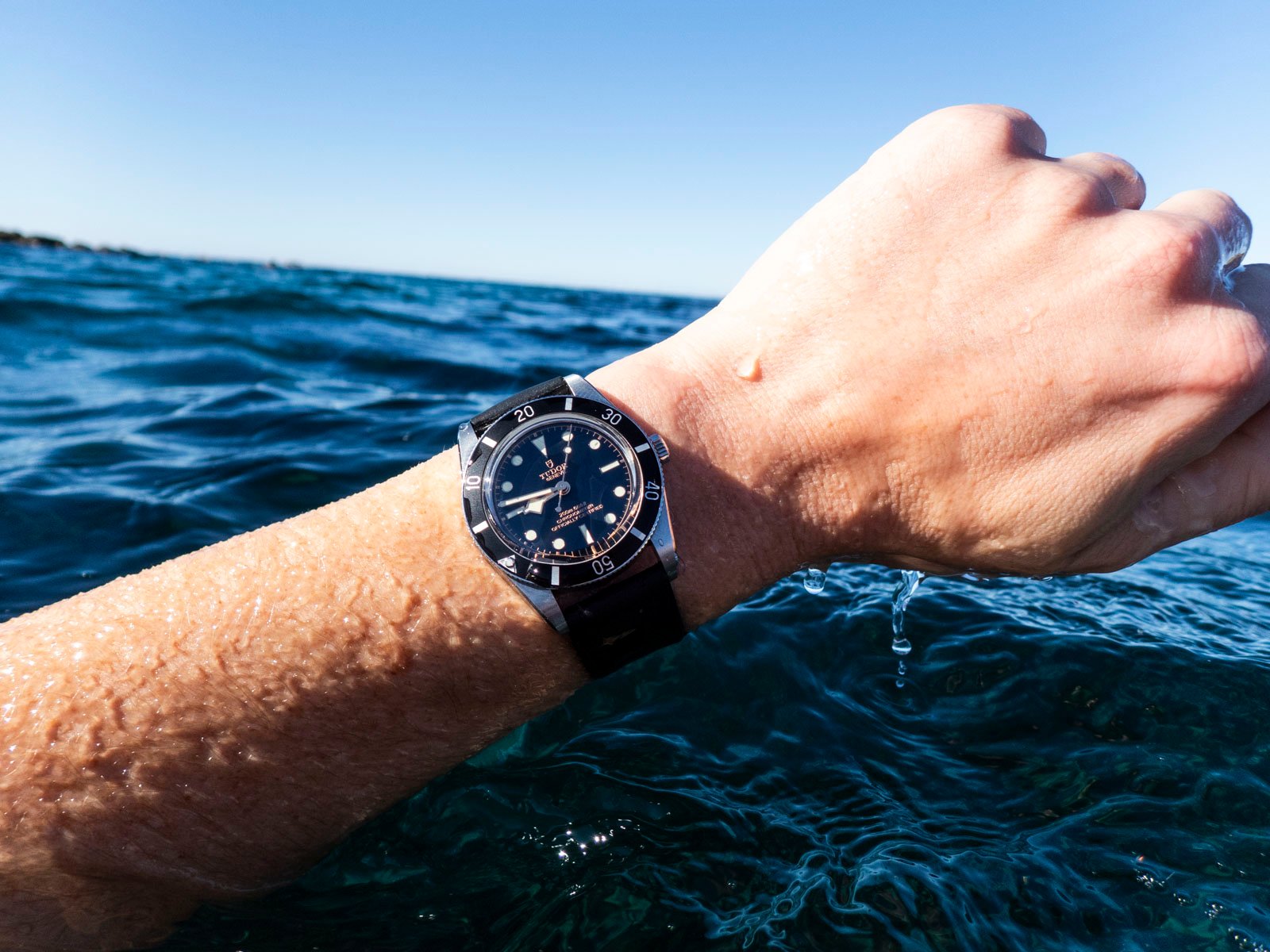
What the Black Bay 54 demonstrates, more than any spec sheet, is that a smaller case doesn’t have to mean a simpler or less capable watch. It retains much of the modern engineering expected of Tudor’s larger divers while dispensing with their bulk. The only thing missing is the extra size, and remarkably few owners seem to miss it.
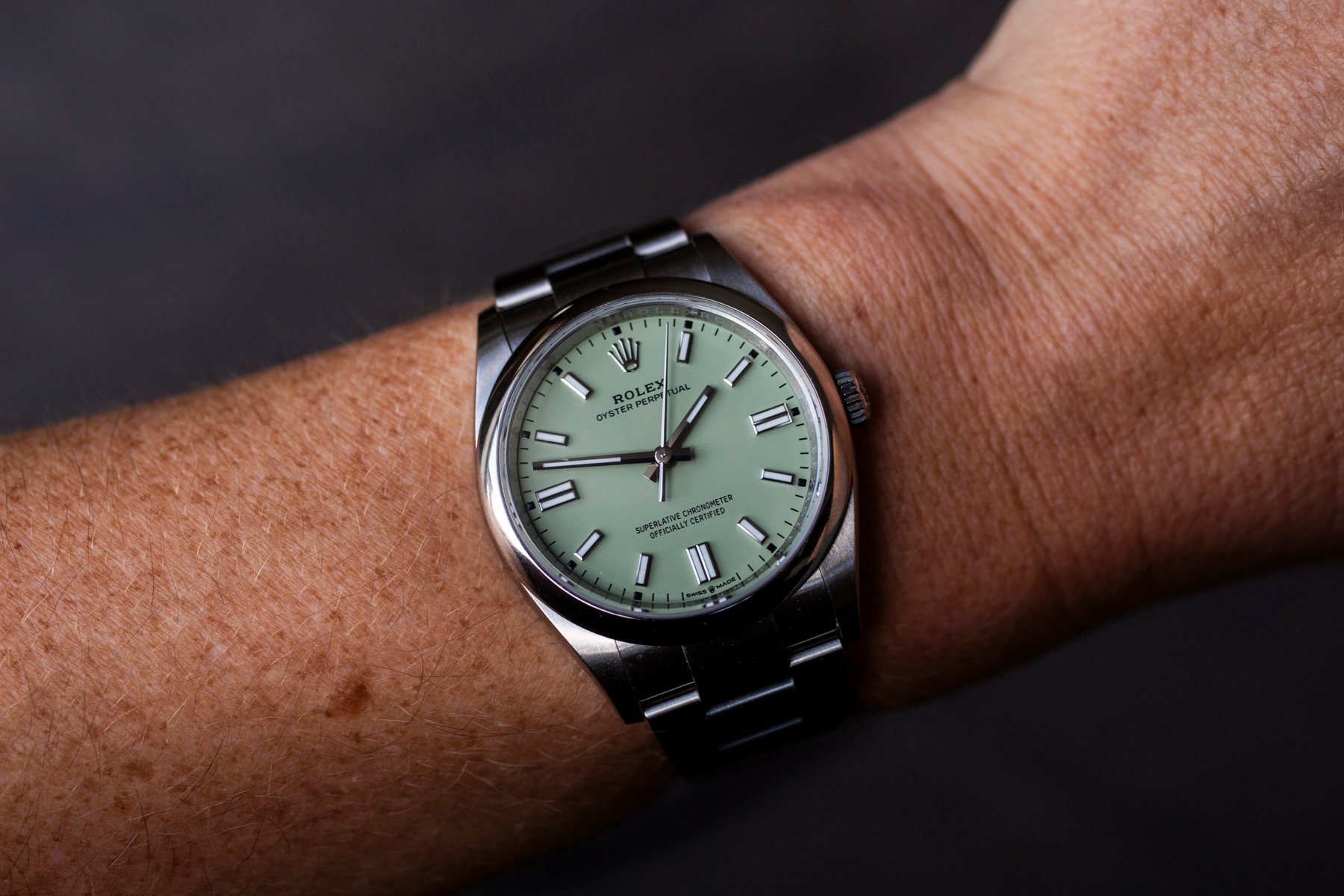
The Rolex Oyster Perpetual never needed to grow
Rolex’s Oyster Perpetual has existed in smaller sizes for decades, and the 34mm and 36mm versions arguably represent the design at its most pure. Strip away the complications and sports associations that define much of the Rolex collection, and what remains is a case, a dial, and a movement doing exactly one job, sized much closer to the proportions of the classic Oyster watches that established the design’s identity. Rolex still offers the Oyster Perpetual in multiple sizes. This reinforces that the smaller versions remain a deliberate part of the collection, not an overlooked leftover from an earlier catalog.
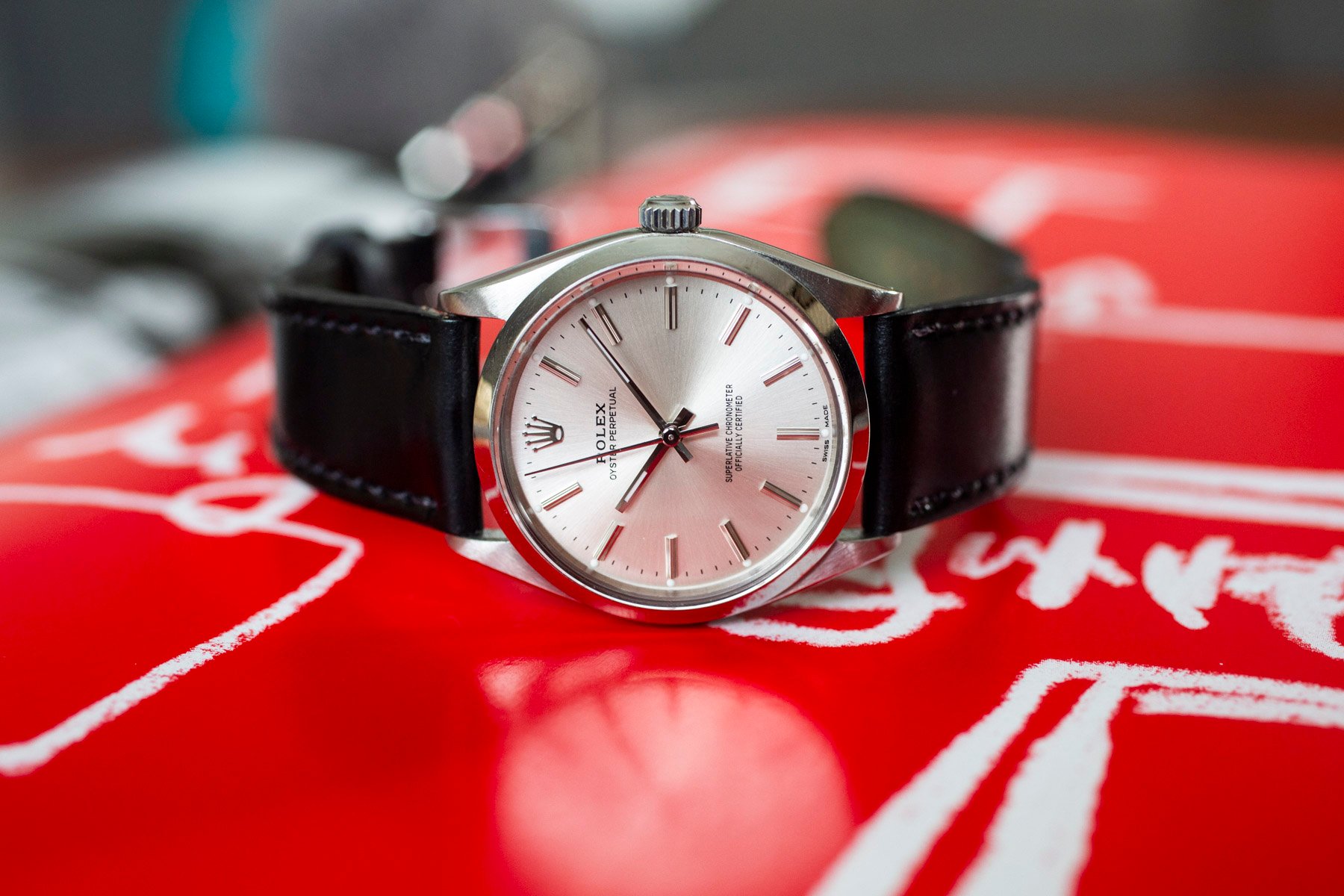
There is a real argument that the Oyster Perpetual’s smaller sizes wear better precisely because the design has no informational bezel or crown guards competing for visual weight. A 36mm case with clean, uninterrupted lines can read larger on the wrist than a 40mm sports watch bristling with detail, undercutting the assumption that bigger numbers always translate to a bigger presence.
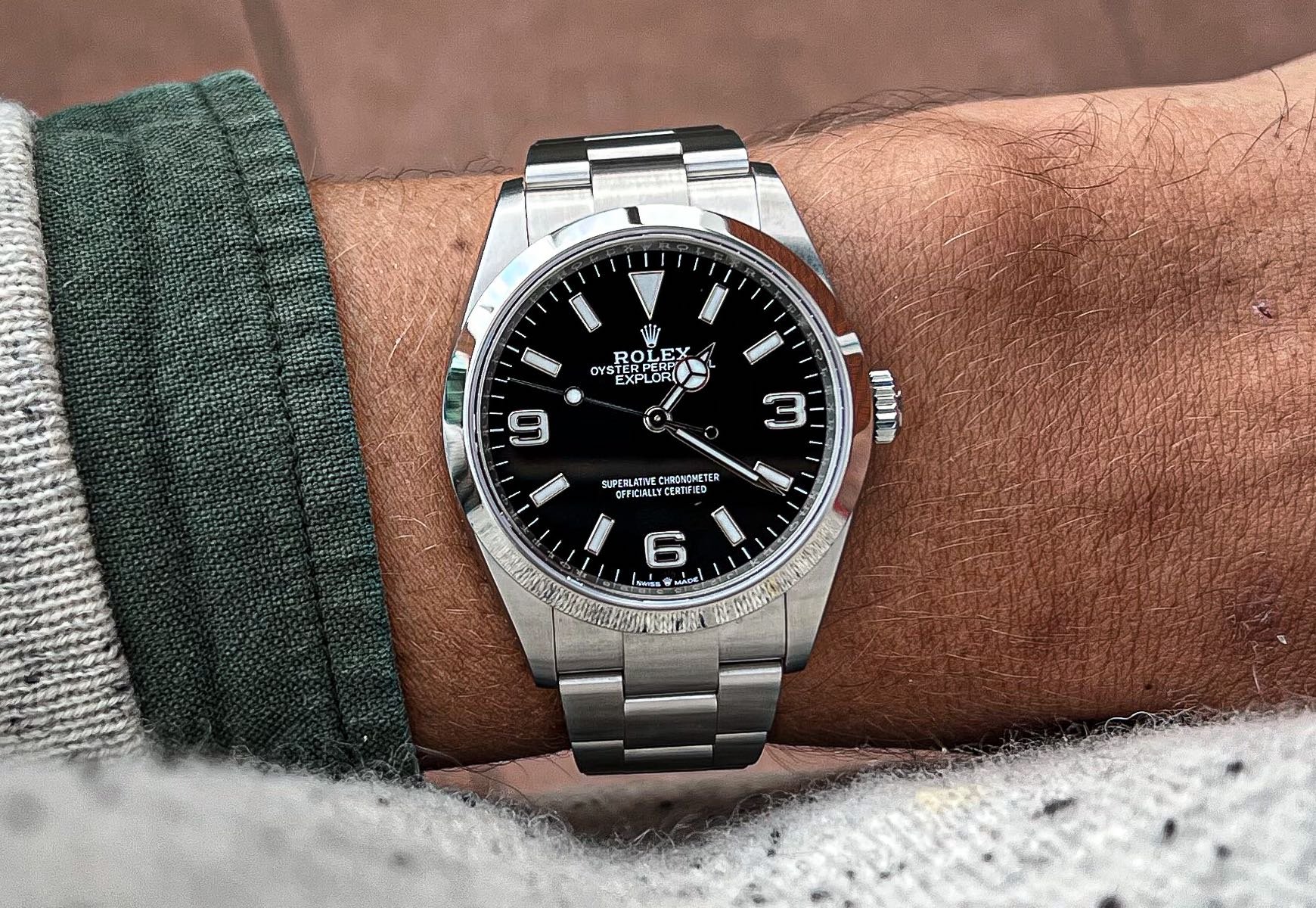
The 36mm Rolex Explorer is the version the design was built around
Rolex currently offers the Explorer in both 36mm and 40mm cases, and the smaller size is closer to the watch’s original mid-century proportions. Rolex brought back the 36mm Explorer in 2021, restoring the diameter associated with the original 1953 model. The simple 3-6-9 dial layout, designed above all for legibility at a glance, works particularly well at this size, and enlarging it doesn’t necessarily add anything the dial did not already do well. If anything, the extra real estate on the 40mm version can leave the dial looking slightly sparse relative to the case, as though the proportions were stretched rather than genuinely redesigned.
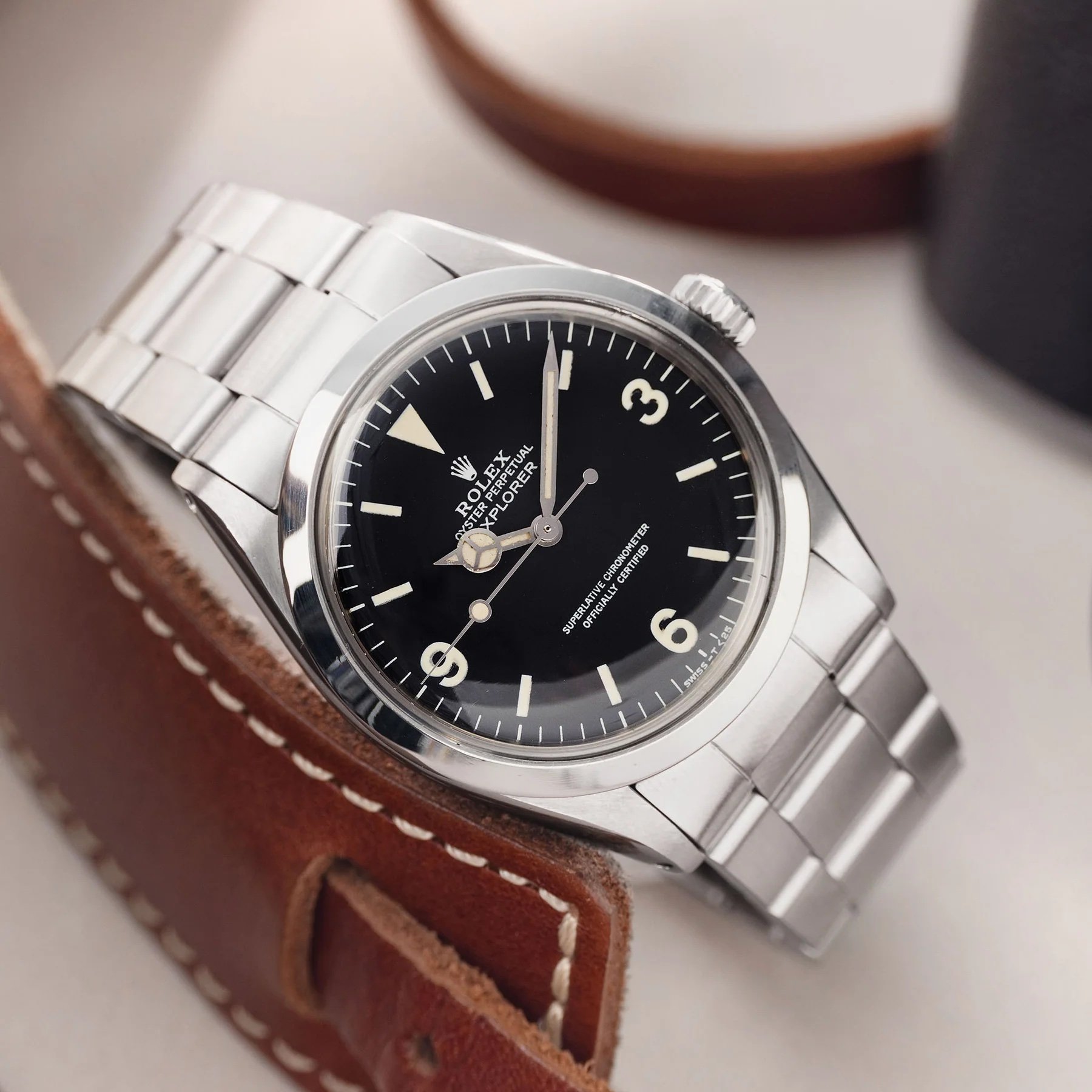
Indeed, the 36mm Explorer reads as more resolved. The proportions, the width of the bezel relative to the dial, and the length of the hands relative to the indexes feel particularly well balanced in this size.
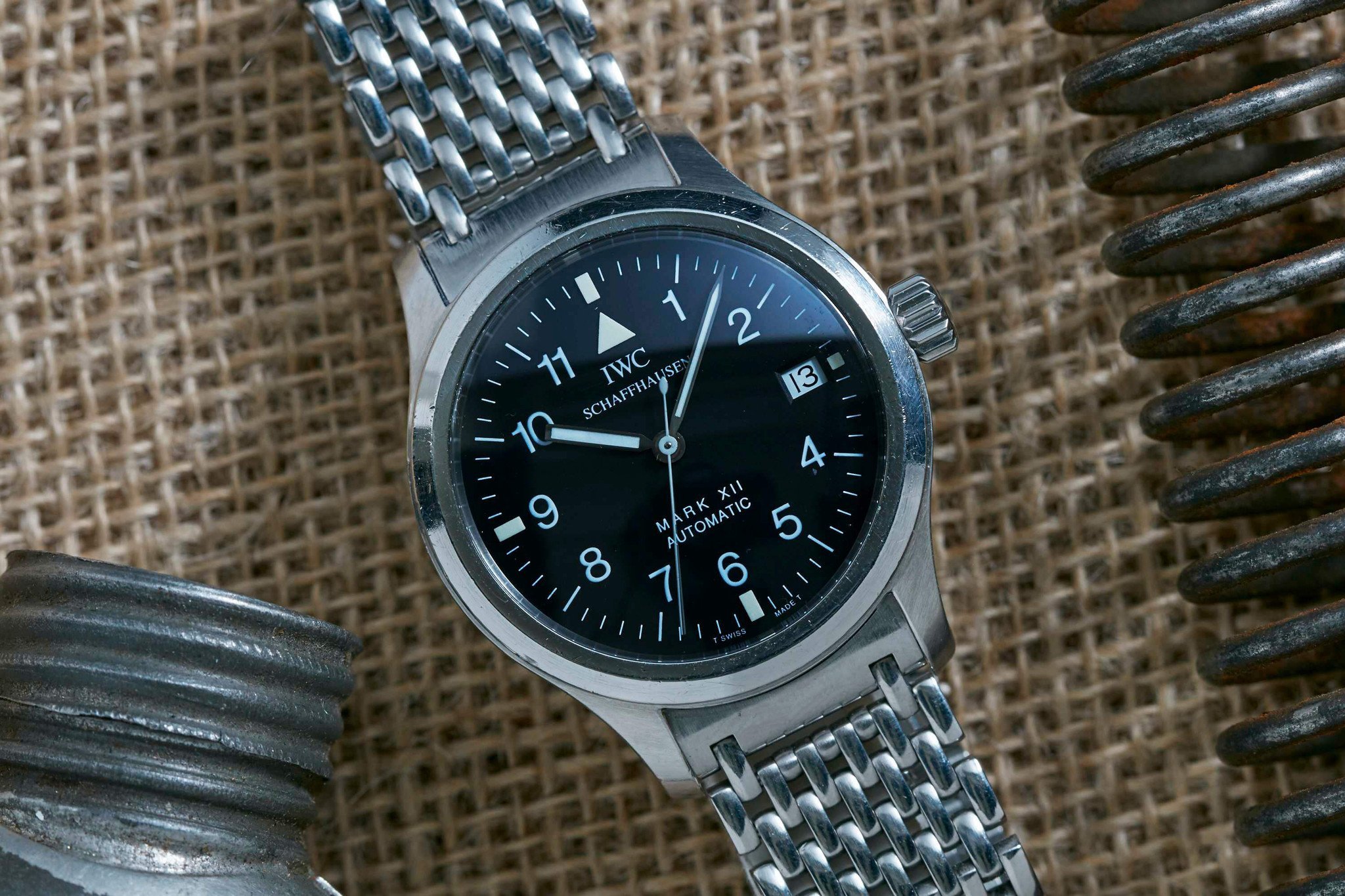
The IWC Mark XV and Mark XII show how little a few extra millimeters benefit a watch
IWC’s Mark XII, introduced in the early 1990s in a 36mm case powered by a Jaeger-LeCoultre-derived caliber, was followed in 1999 by the 38mm Mark XV with an ETA-based movement. These watches make an unusually direct comparison, as the 2mm jump between them is one of the smallest size increases in the watch’s long history. Both remain comfortably wearable today, and the difference between them on the wrist is genuinely subtle rather than transformative. Unfortunately, I can’t say the same about 39mm and then 41mm cases that followed with the Mark XVI and XVII.
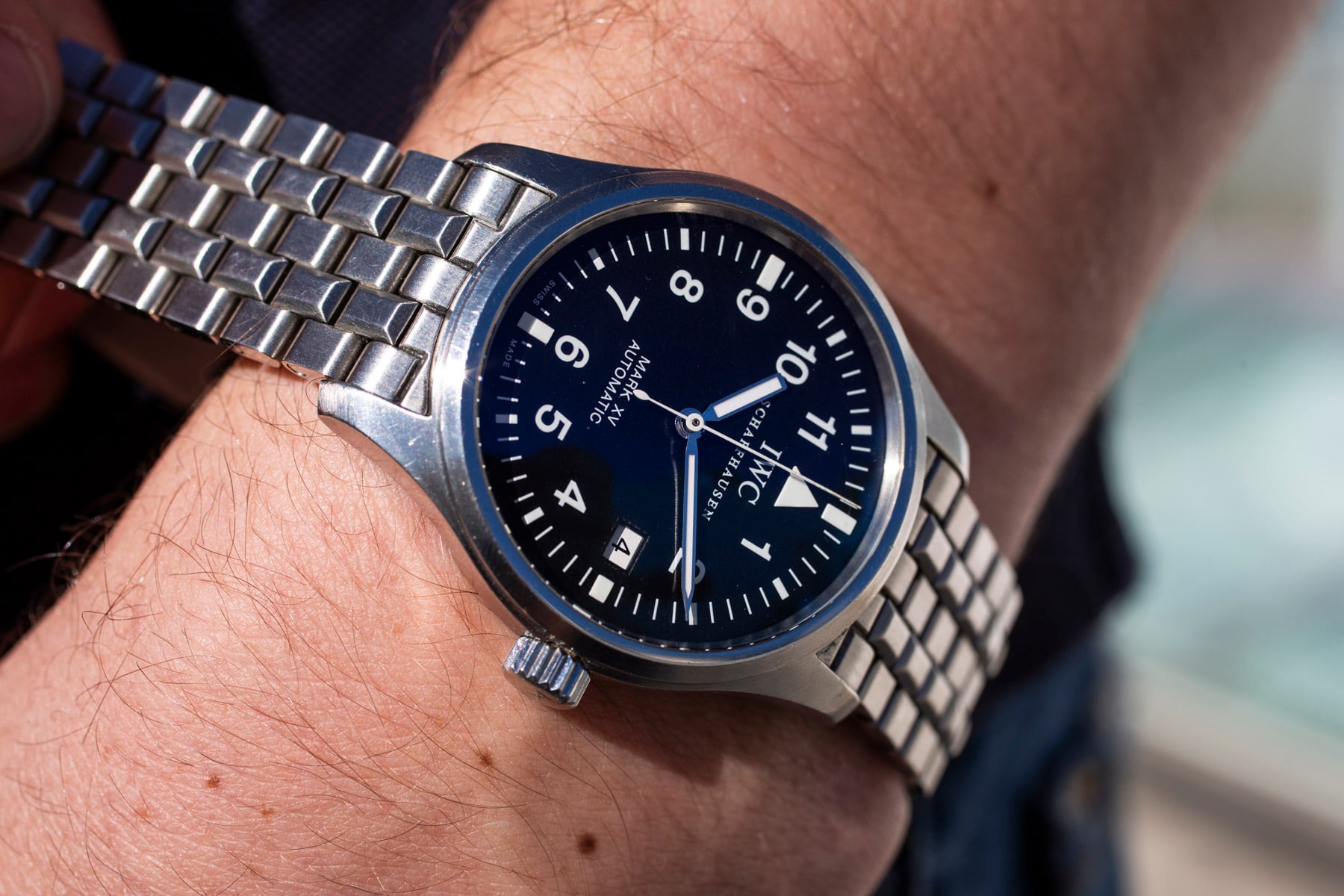
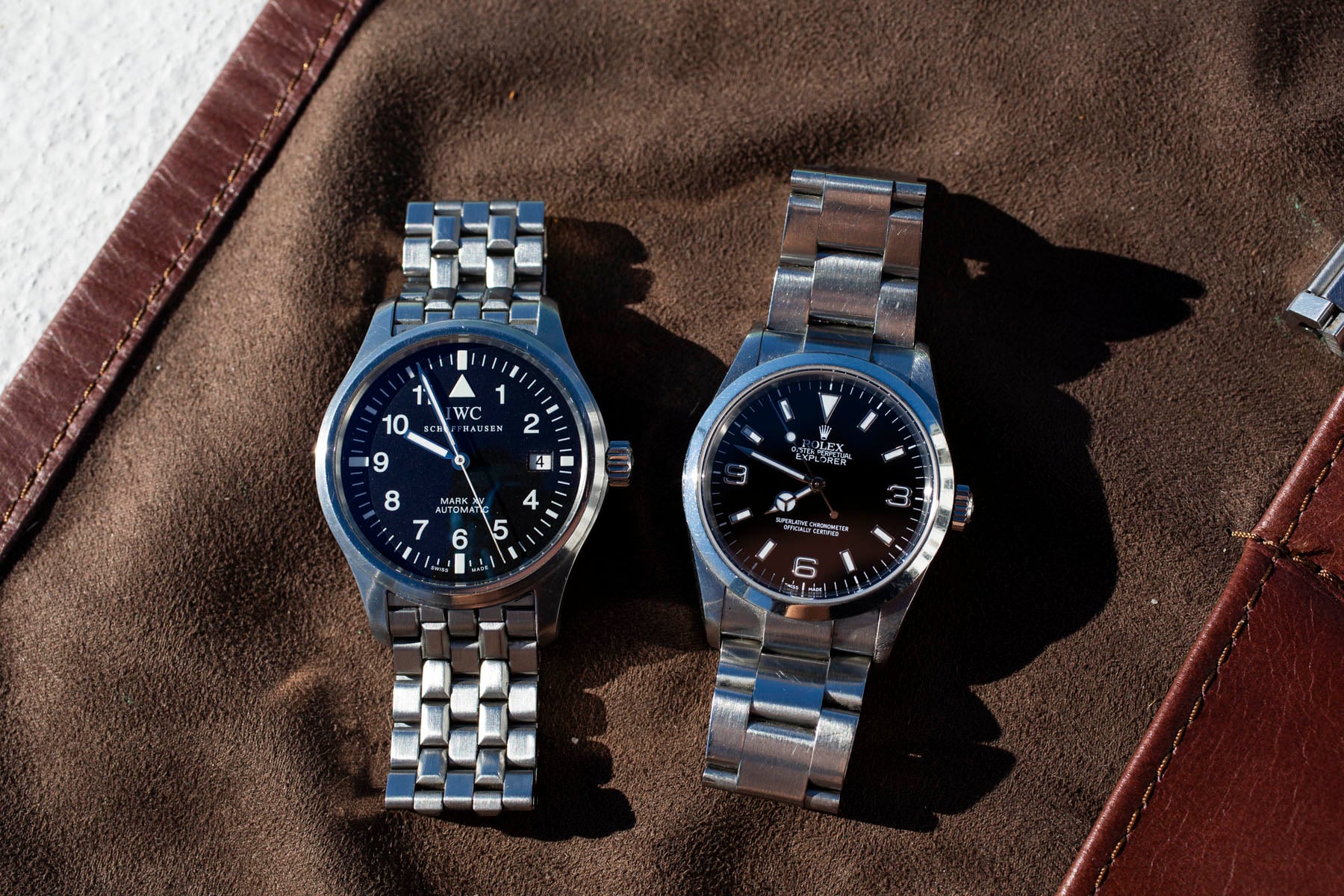
That narrow gap is worth dwelling on because it undercuts the idea that a couple of millimeters here or there meaningfully changes how a watch performs its job. Both the Mark XII and Mark XV read clearly at a glance, fit comfortably under a shirt cuff, and carry the same essential pilot-watch identity regardless of which side of that 2mm line they fall on. The argument that bigger cases matter looks progressively thinner the more closely you examine watches like these, in which decades of incremental growth added bulk without adding much anyone can point to in practical terms.
Concluding thoughts
Please do not mistake this as an argument that every watch should shrink. Plenty of designs genuinely benefit from a larger case, particularly modern dive watches built around chunkier bezels and thicker automatic movements with date complications to accommodate. But these five watch families make a quiet case that function didn’t always drive the industry’s decades-long drift toward ever-larger cases.
A 34mm Oyster Perpetual, a 36mm Explorer, a 36mm or 38mm IWC pilot’s watch, or a 37mm Black Bay does what its larger counterparts need to do — wears comfortably on far more wrists and often looks more resolved for having been designed at that size rather than stretched to fit a passing trend. Do you gravitate toward smaller cases, or do you prefer more presence on the wrist? Let me know in the comments!