Is It An Issue When A Brand’s “Best” Watches Are Limited Editions?

Blancpain recently released a Fifty Fathoms Bathyscaphe celebrating 70 years of the model. By most accounts, it is one of the finest watches the brand currently makes. Unfortunately, it is also limited to 300 pieces. IWC has followed a similar strategy for years with its Pilot’s Watch line, most notably with the Tribute to 3705. Enthusiasts had been asking for that watch long before it existed, but IWC limited production to 1,000 pieces and sold it exclusively through its website. Seiko also introduced a wonderful re-edition of the Seiko 5 “Gene Kranz,” but that watch was limited too.
These watches aren’t flukes. Some brands consistently reserve their most compelling ideas for production runs so small that most interested buyers will never own one. That raises an uncomfortable question: if a brand’s best work only exists in limited numbers, what does that say about everything else sitting in display cases, available to anyone willing to pay full retail?
Today, I’ll look at two brands that illustrate this problem particularly well — IWC and Blancpain. I’ll also consider Seiko, which has a similar habit, albeit with a few important caveats. Let’s dive in.
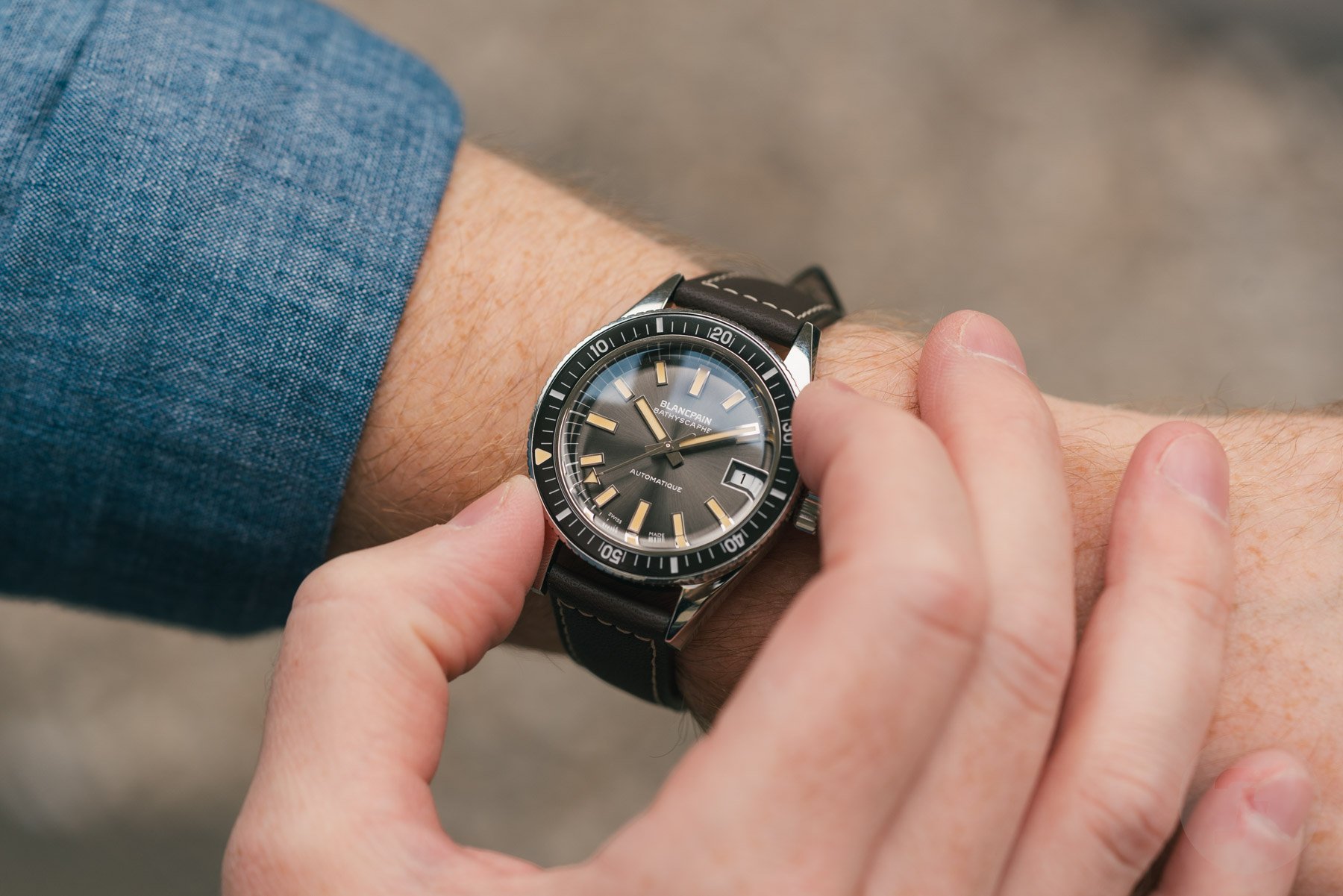
Blancpain keeps releasing hits in small batches
The new Fifty Fathoms Bathyscaphe 70th Anniversary addresses a complaint that has followed the line for years. The regular models have grown uncomfortably large for a design rooted in the compact, everyday skin-diver aesthetic. With its 37.4mm case, this anniversary edition offers the proportions enthusiasts have been asking for. It also has a proper 300m depth rating and an in-house caliber with an excellent 100-hour power reserve. Finally, it treats the Bathyscaphe’s civilian, leisure-diving roots as a genuine design brief rather than an afterthought to the larger professional Fifty Fathoms. The catch? Blancpain made just 300 pieces.
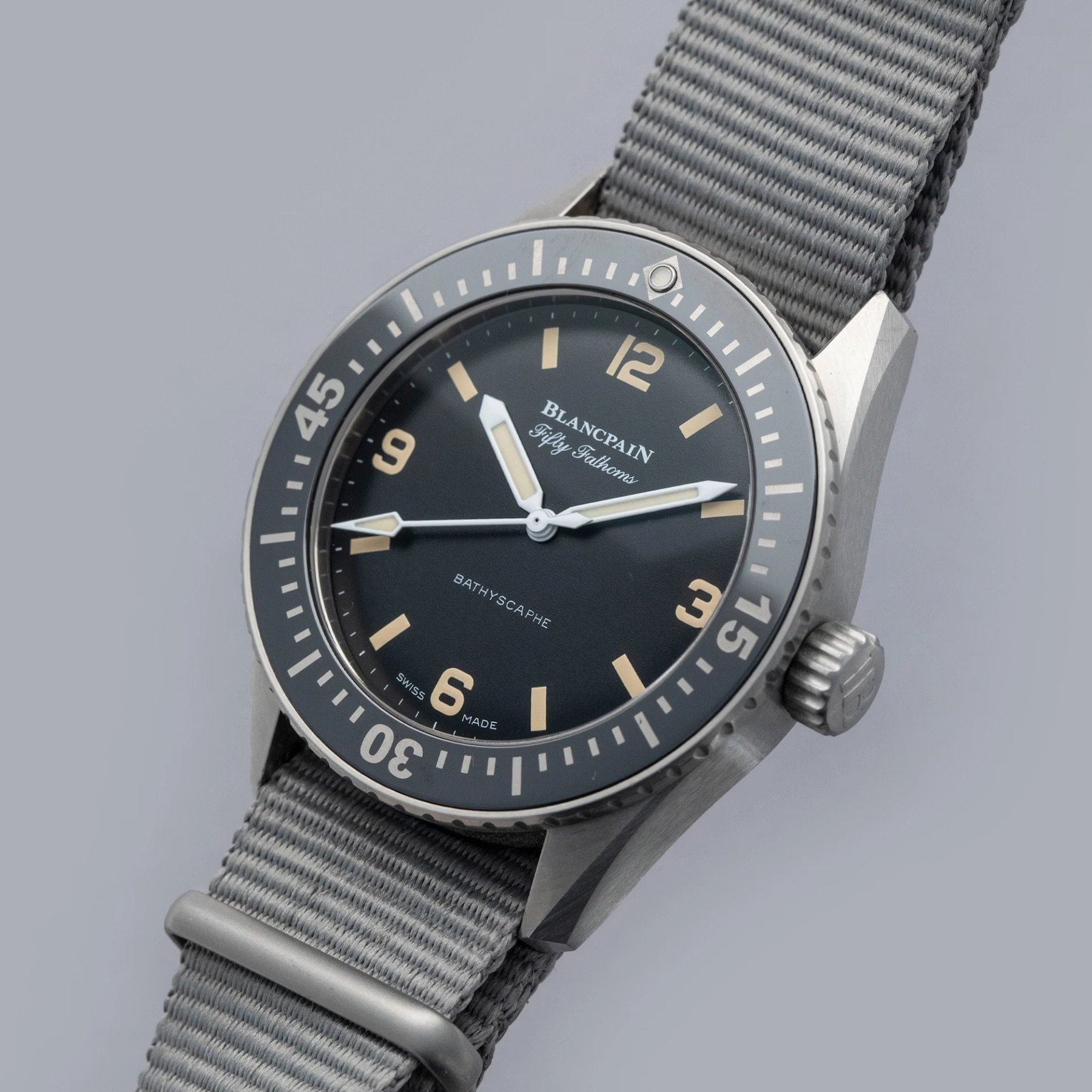
Image: Loupe This
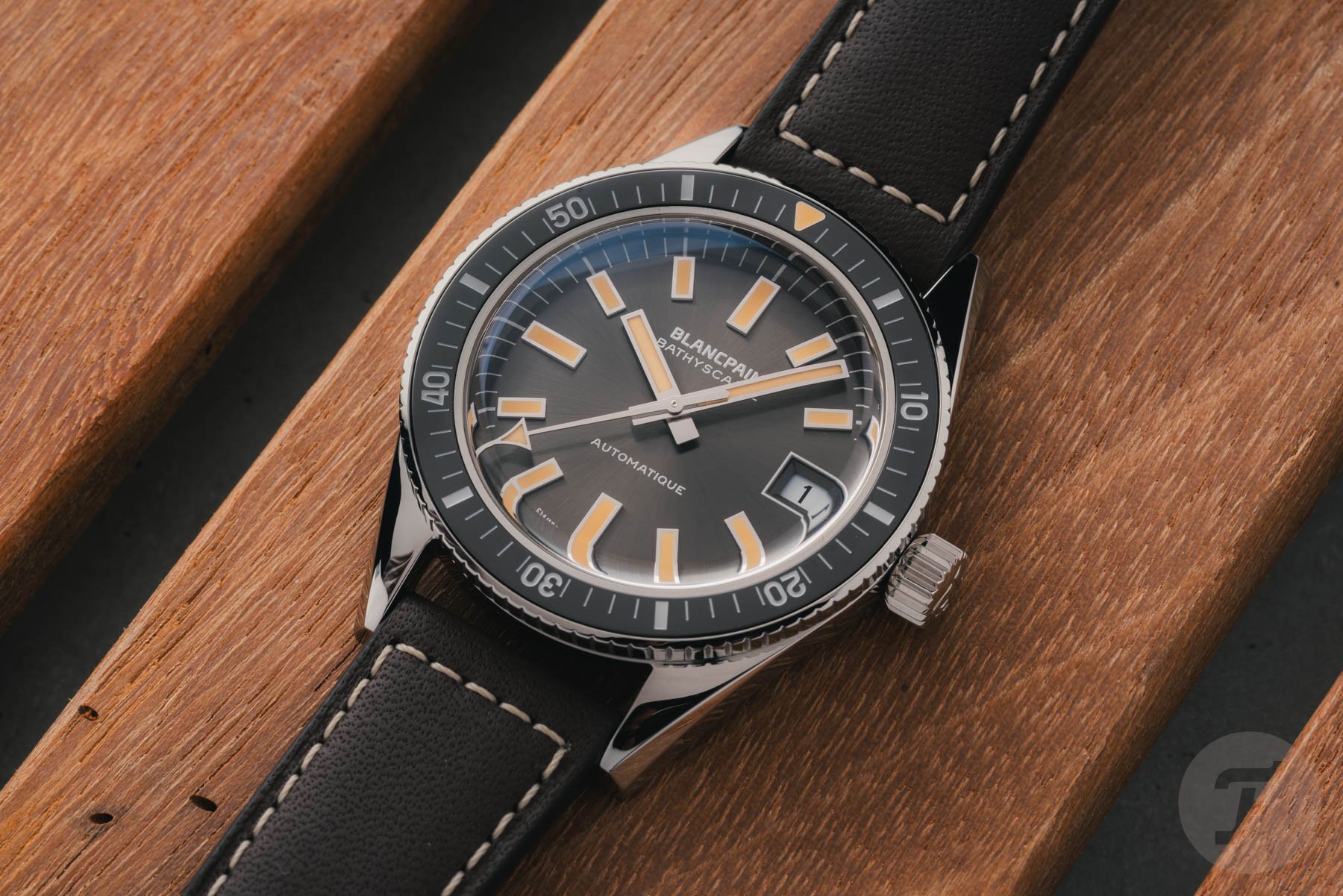
This isn’t the first time the brand has addressed a genuine design complaint without bringing the solution into its regular lineup. The 2019 Bathyscaphe collaboration with Hodinkee, for example, had a 38mm case, a four-day power reserve, and a wonderfully clean dial with no date window. Many collectors still consider it one of the finest modern Fifty Fathoms references. Yet Blancpain produced just 100 examples, available exclusively through Hodinkee’s online store and a handful of boutiques.
Two of the most acclaimed modern Bathyscaphe editions have therefore appeared outside the regular catalog, years apart. Each addressed a different concern, but both shared the same fundamental drawback — scarcity.
IWC does the same thing
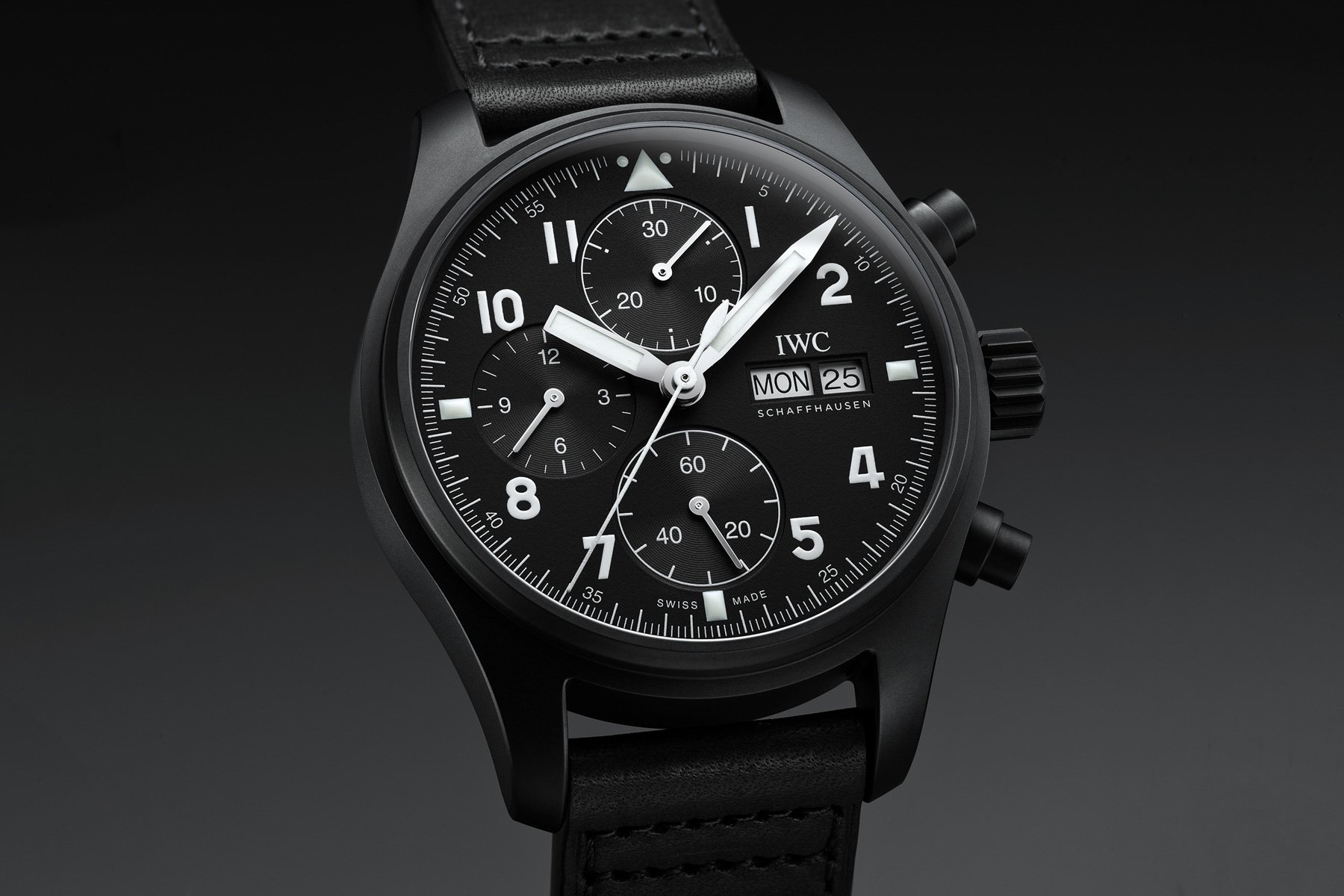
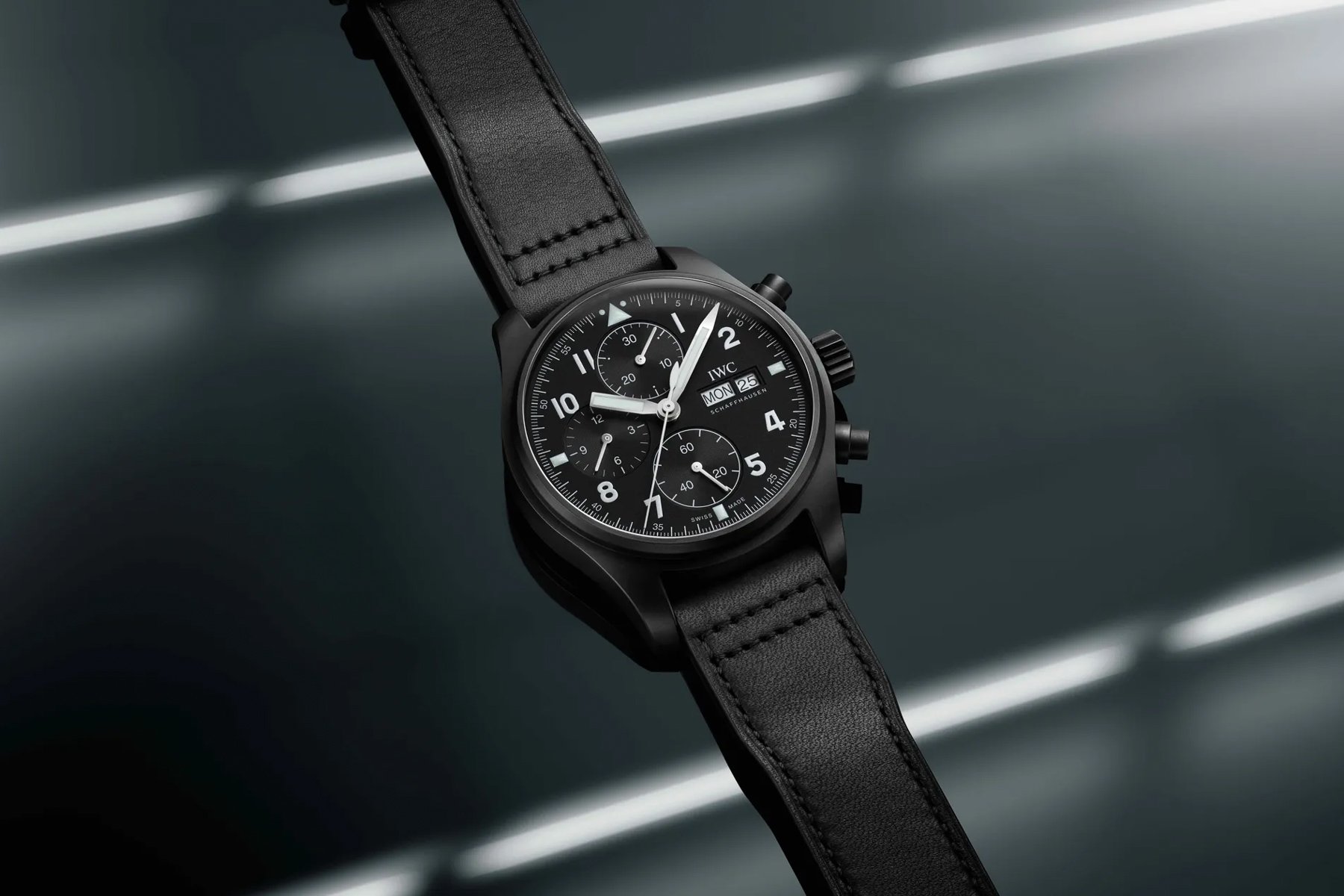
IWC’s approach is slightly different, and the brand deserves some credit for that distinction. The Tribute to 3705 didn’t compromise the Pilot’s Watch identity to meet a particular price point or production target. It retained the handset design and numeral font of the original 1994 Fliegerchronograph Keramik while upgrading the case to Ceratanium and replacing the modified Valjoux-based caliber with an in-house column-wheel chronograph movement. In other words, this faithfully continued the design language IWC’s Pilot’s Watch collection has carried for decades rather than simply wearing a familiar name.
That fidelity makes the limited production run all the more frustrating. The regular Pilot’s Watch Chronograph is a good watch, with a simpler movement and a considerably lower price. However, the Tribute to 3705 offered the elements enthusiasts appreciate most about IWC’s aviation heritage — a column-wheel movement, an exotic case material, and carefully reproduced vintage details. And only 1,000 people could buy one. It was available through a single online channel, with no boutique allocation or second chance once the run sold out.
Why brands reserve their best work for limited editions
The commercial logic isn’t hard to follow. In-house movements, exotic case materials, and meticulous finishing all cost money. A small production run lets a brand justify that investment without relying on the sales volume of regular-production models. Scarcity also generates considerable press coverage and collector attention relative to the number of watches involved. Both Blancpain and IWC clearly benefited from that exposure.
There’s also a more generous interpretation. Limited editions can serve as proving grounds for new movements, materials, and design ideas before they eventually find their way into regular collections. Today’s limited-edition flourish might become tomorrow’s standard feature. Neither Blancpain nor IWC would necessarily take the same risks across an entire collection without first testing the waters with a smaller production run.

The 250-piece Fifty Fathoms Mil-Spec limited edition for Hodinkee
Are limited editions actually a problem?
The uncomfortable answer depends on which side of the allocation list you’re standing on. For collectors who manage to secure one, a limited edition is simply the price of owning something special. Scarcity can even be part of its appeal. For everyone else, however, the brand’s most compelling work is effectively unavailable. Meanwhile, its regular collection must carry a reputation built, at least partly, on watches most customers will never get the chance to own.
That isn’t necessarily dishonest, but it’s worth acknowledging. A brand’s regular lineup should stand on its merits rather than borrow credibility from a 300-piece edition that most customers will only ever see in photographs.

The Seiko “Gene Kranz” reissue was a massive tease
When Seiko released its SRPL93 Gene Kranz re-edition, I knew I had to get one. I didn’t mind paying full retail. Its faithful case, wonderfully simple handset, and classy overall appearance showed Seiko at its best. The brand has an incredible back catalog, and this watch delivered plenty of vintage charm without resorting to some of the more cartoonish design choices found in the modern Seiko 5 lineup.

Seiko has produced plenty of limited editions that successfully recapture the design magic of its past. However, the brand has sometimes struggled to bring that same appeal to its regular-production models. One notable exception is the “Turtle,” which combines solid specifications with an authentic connection to its predecessor, the reference 6309. The Gene Kranz reissue demonstrated something else, though. Seiko can produce a truly classy design at an entry-level price while fitting a 4R-series caliber into a relatively slim case. I’d like to see more of this from Seiko.
Final thoughts
Neither Blancpain nor IWC is doing anything unusual here. Plenty of watchmakers follow the same playbook. Still, it’s worth considering what that strategy means. It lets a brand’s most impressive achievements exist almost entirely beyond the reach of its customer base. These watches are real, and they’re genuinely excellent. But does that fairly represent what a brand can offer, or is it simply a way to generate headlines while the regular collection quietly does the selling?
Seiko is partly guilty of this, but its strong track record of regular-production watches means I wouldn’t put it in quite the same category as IWC or Blancpain. Nevertheless, the Gene Kranz reissue makes me wonder what else Seiko could accomplish if its designers had more freedom to revisit the brand’s heritage, particularly in the more affordable segments.

I’d love to see a reissue of the legendary 6105 “Willard” with a 4R-series caliber, priced around the same as a modern Turtle. That would be a fantastic dive watch and an instant addition to my recommendation list. Unfortunately, Seiko hasn’t given us one yet.
Do you think limited editions like these represent a brand fairly, or do they set expectations the regular collection can never meet? Let me know in the comments!