Royal Australian Air Force Watches: A Collector’s Five

Military watches made for Britain’s RAF get most of the attention. But on the other side of the world, the Royal Australian Air Force quietly built a watch history of its own. It bought, recased, and marked watches in ways that set them apart. A local collector let me spend time with five examples.
The five watches here span three decades, from a 1950s Longines navigator’s watch to a 1981 Lemania chronograph. None of them are mine. They belong to an Australian collector who has found several interesting and rare watches over the years and runs an Instagram account called @tempovintagemelbourne. Knowing my interest in vintage RAAF watches, he was happy to lend them to me for this article. My thanks to him!
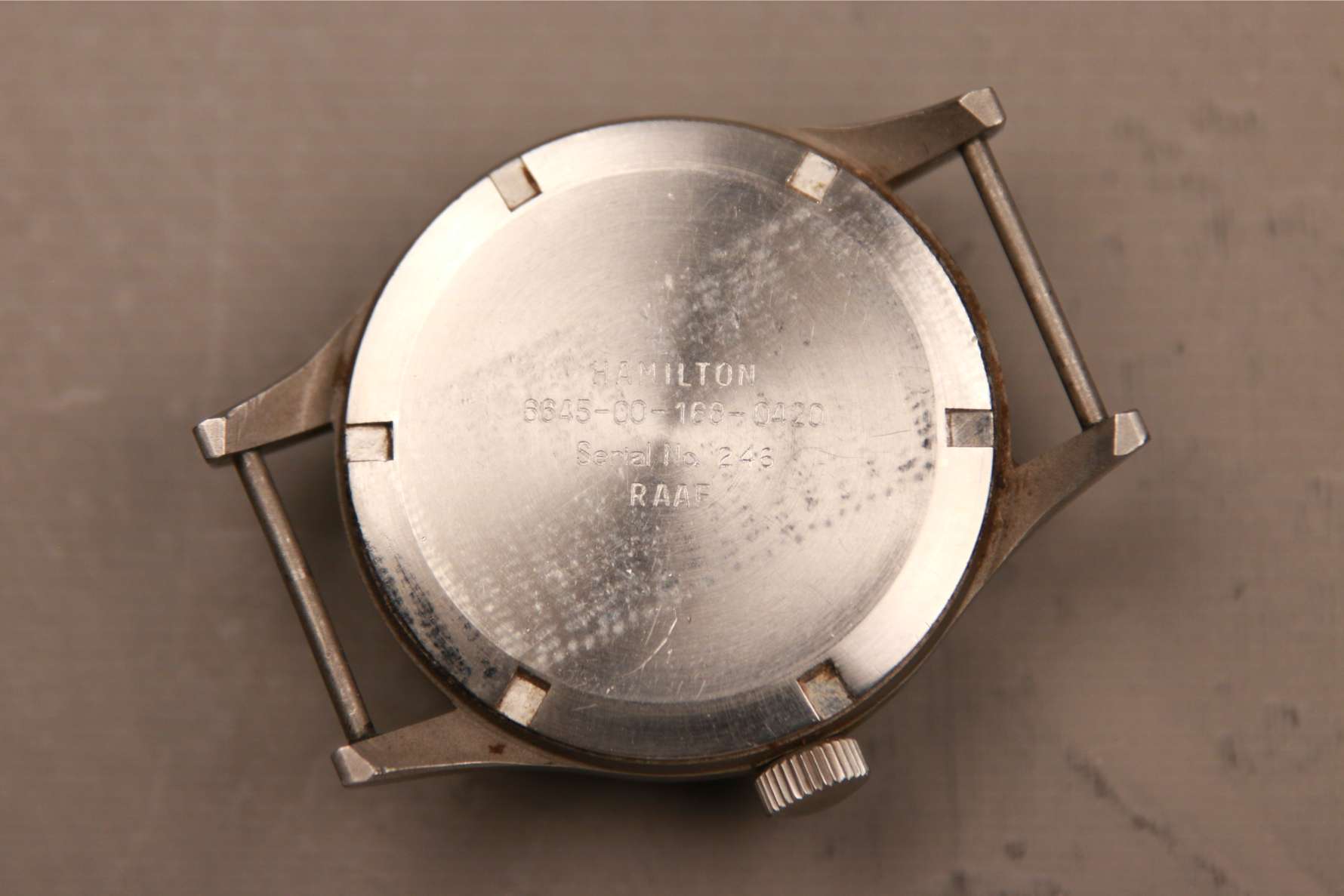
What makes this group special is that each watch has a case back — and, in one case, accompanying paperwork — that ties it to Australian military service. Before looking at the watches themselves, it’s worth learning how to read these markings.
How to read a Royal Australian Air Force case back
Start with the letter G. The RAF gave its watches stores references such as 6B/346. When the RAAF adopted the same watches, it added a G prefix, turning 6B/346 into G6B/346. Then there’s the broad arrow, the traditional British mark of government property, which Australia also used. On some RAAF watches, the arrow sits between the “RA” and “AF.”
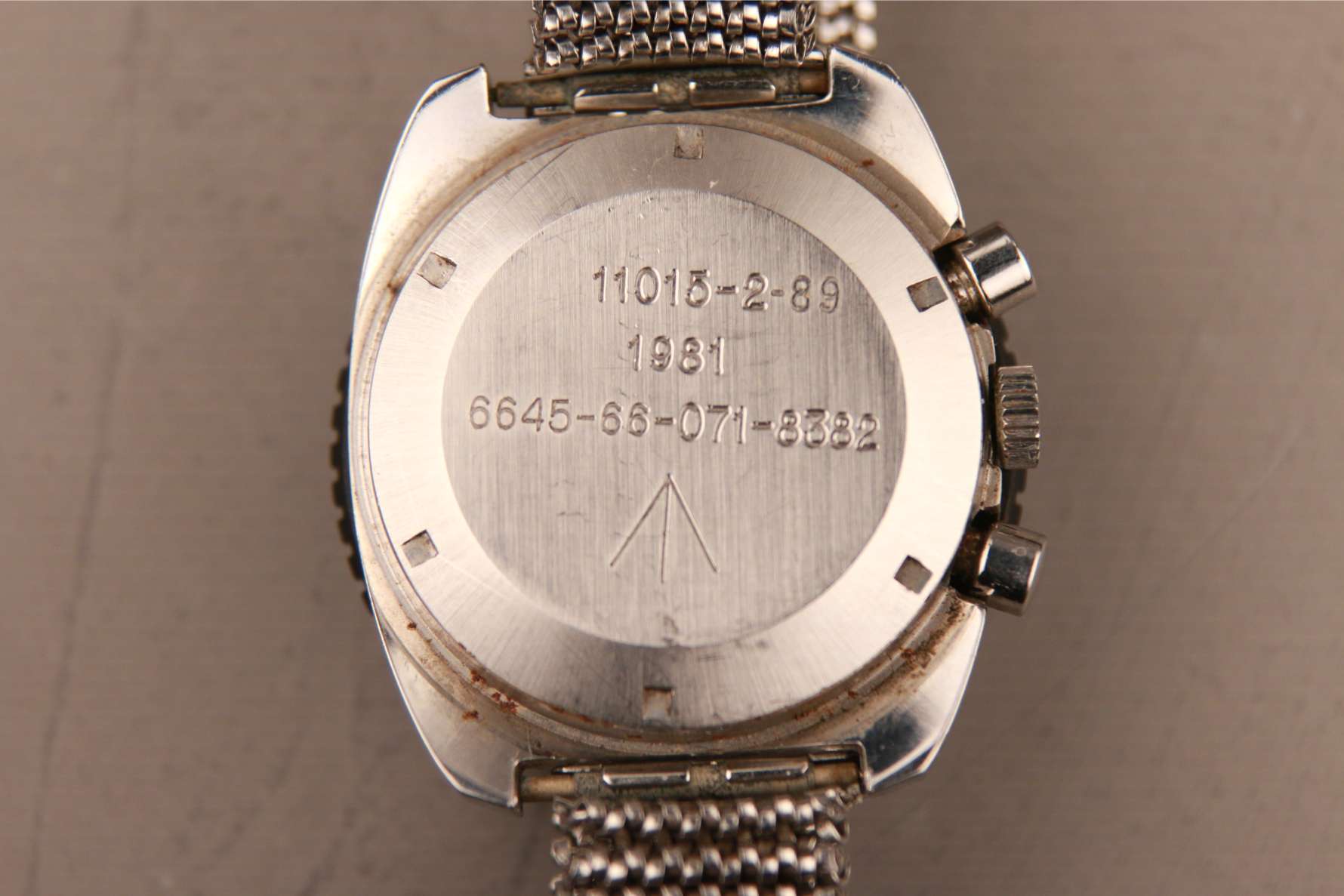
By the 1960s, the old stores references were giving way to 13-digit NATO stock numbers. These begin with 6645, the classification for time-measuring instruments, followed by a two-digit country code. Australia’s code is 66, so a case back marked 6645-66 identifies a watch cataloged by Australia. Finally, many RAAF watches carry a serial number with a two-digit year, such as 402/53. The second number identifies the year of the order.
The Mark 11 from Jaeger-LeCoultre and IWC
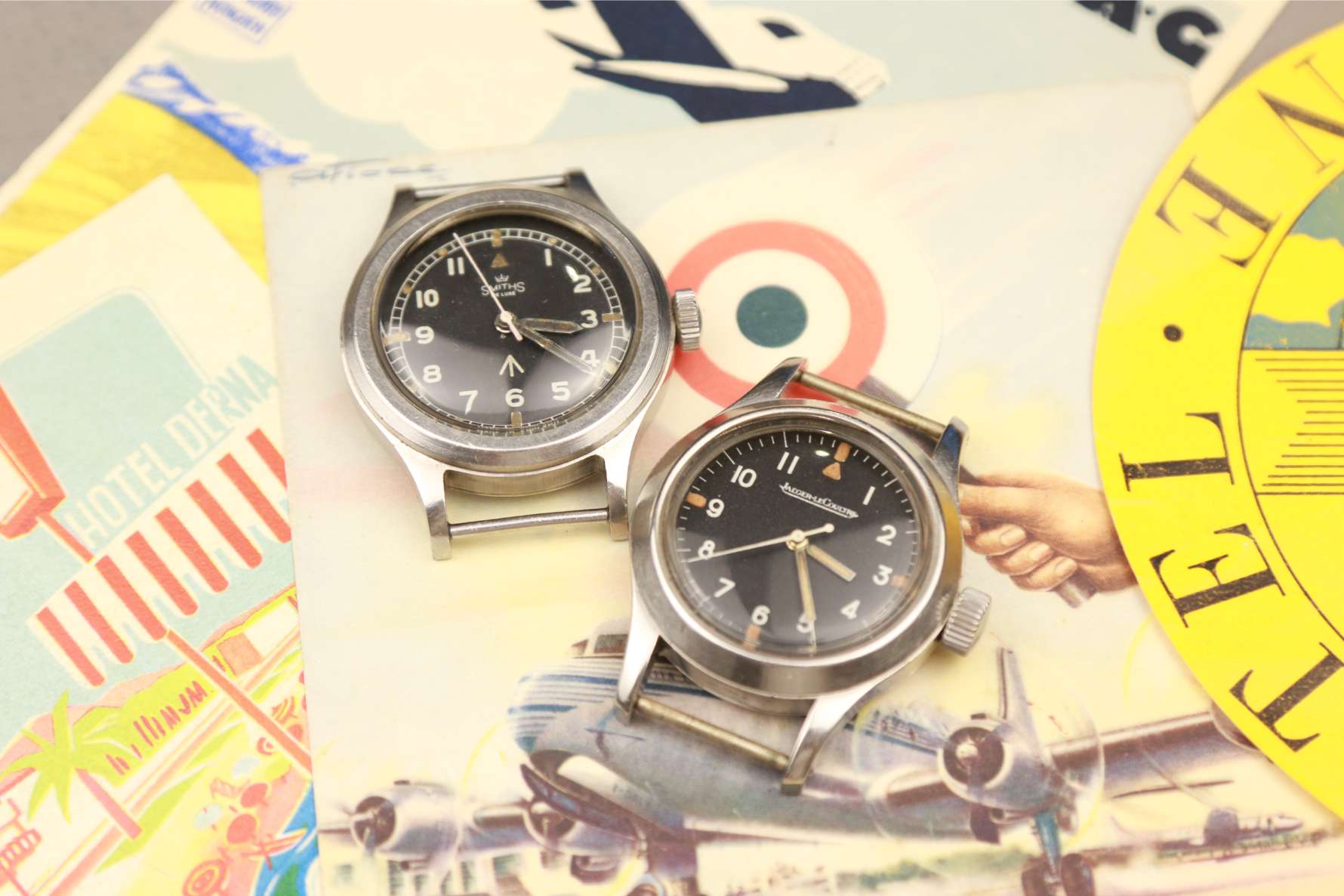
The Mark 11 is the best-known watch in this story. The RAF introduced it as the 6B/346 navigator’s watch, and the RAAF followed suit. Greg Steer has documented RAAF watches in detail. According to his research, the air force ordered the Mark 11 three times — 420 from Jaeger-LeCoultre in 1950, another 600 from JLC in 1953, and 600 from IWC in 1957. That brings the total to 1,620 watches. The first JLC examples entered service in August 1950. A 1955 policy specified that the watch was for aircraft captains, first pilots, and navigators.
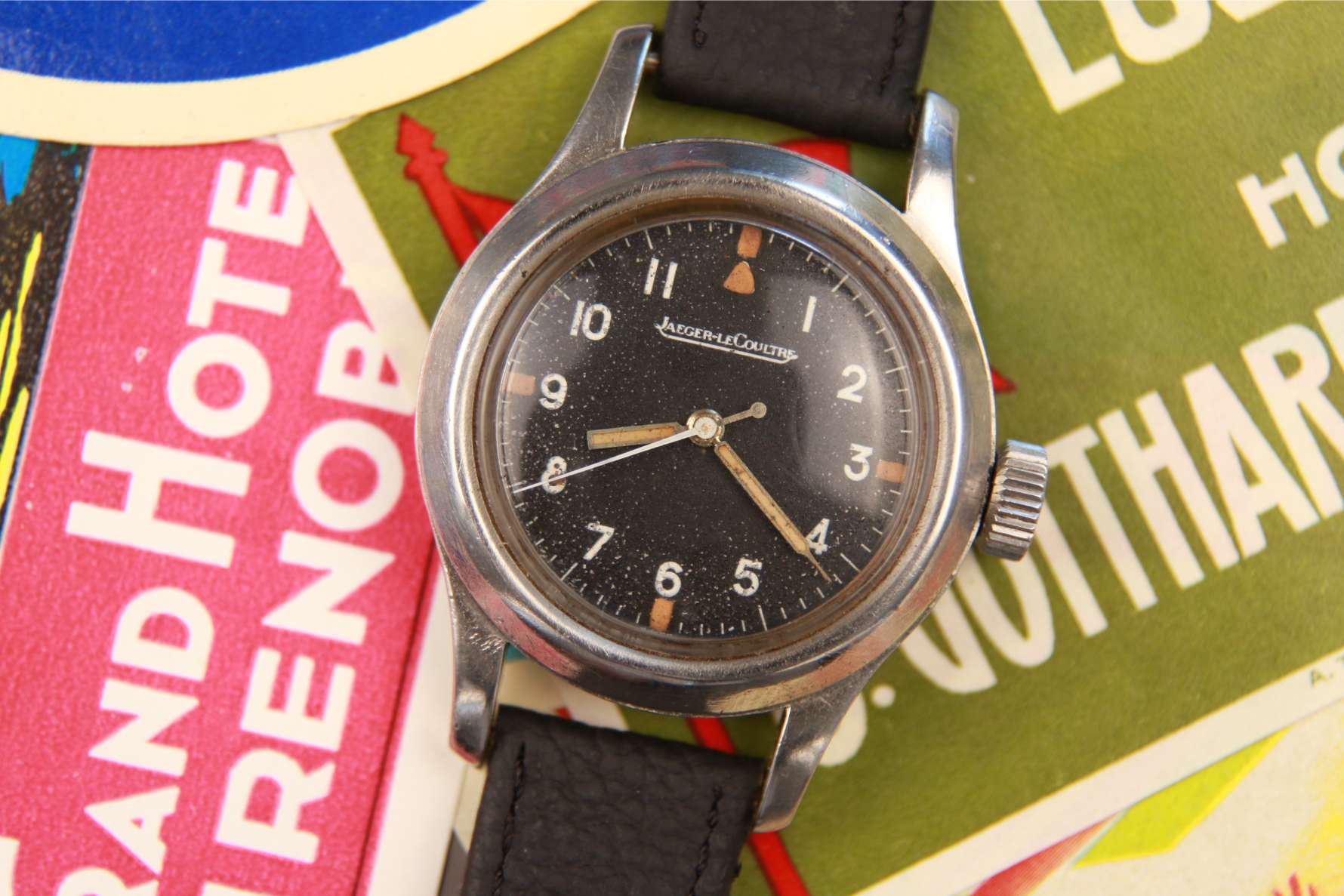
The collector’s watch comes from the second JLC order. Its case back reads “G6B/346,” followed by “RA,” a broad arrow, “AF,” and “402/53.” This matches Steer’s description of the 1953 batch. The 1950 watches, by contrast, feature only a broad arrow and “G.6B/346,” including the dot. The black dial has a luminous triangle at 12 and no military markings, unlike many RAF examples. Inside is the JLC caliber 488/SBr, while the later IWC watches used the brand’s caliber 89.
The Mark 11 served as an RAAF navigation watch for two decades. In November 1971, the air force reclassified it as a general service watch, ending its navigational role. The collector doesn’t own an IWC example, but the IWC story continued beyond the original military watches.
Spending time with the modern IWC RAAF
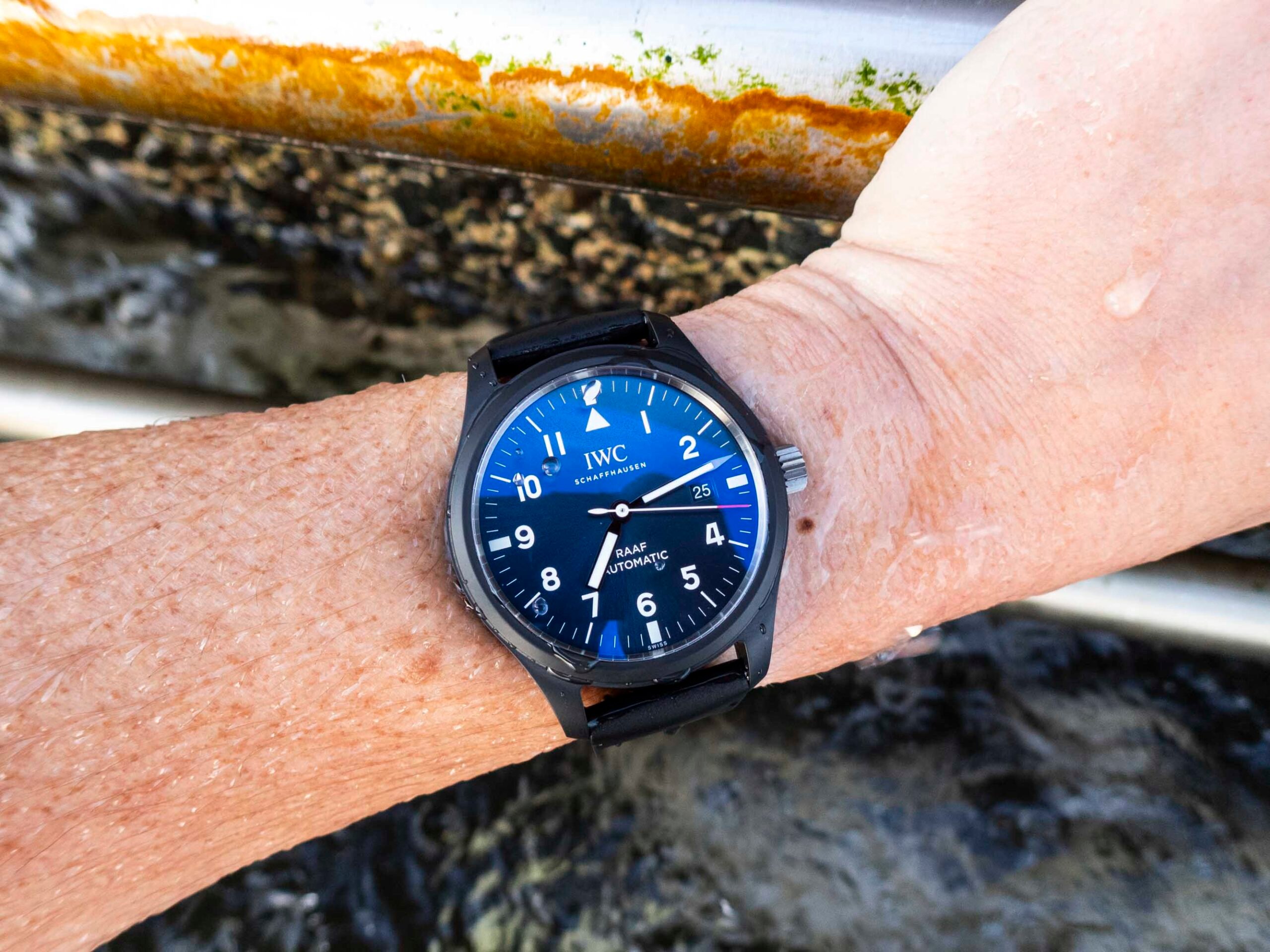
I haven’t worn an issued Mark 11, but I have spent time with its modern descendant. This isn’t an issued watch, but a collaboration between IWC and RAAF personnel. It isn’t mine either. In late 2024, a friend in the RAAF lent me the IWC Pilot’s Watch Automatic Edition RAAF ref. IW3281-02, which I wore for several weeks.
Its story began in August 2020, when COVID-19 had temporarily grounded RAAF KC-30A pilot Nic Barnes. He used the time to research vintage IWCs and the watches RAAF crews wore in the 1950s and 1960s. Working with IWC’s Sydney team, he spent almost two years developing a tribute to the 1957 IWC Mark 11. I told the full story for Fratello. The result combines the 41mm ceramic case of the Top Gun Automatic with a titanium crown and case back. Inside is IWC’s caliber 32111, which provides 120 hours of power reserve.
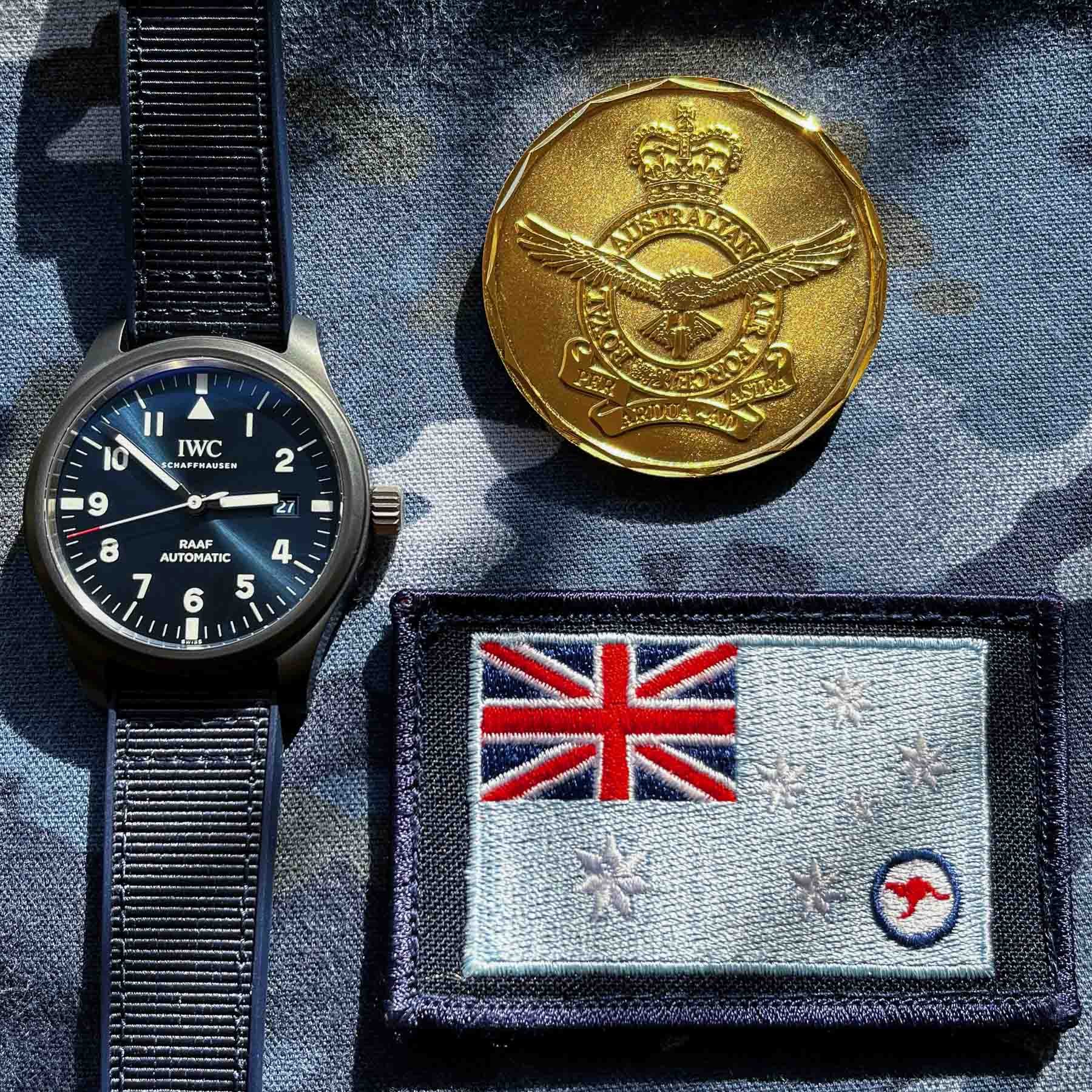
The details make this watch special. The blue dial, white numerals, and red-tipped seconds hand take their colors from the RAAF roundel. The triangle at 12 has no dots beside it, and the numerals replicate the original font, right down to the flat-topped 4. Like the issued watches, the dial has no broad arrow. On the case back, the kangaroo roundel sits beside the owner’s name or callsign.
There’s a catch, though. Only current and former RAAF members can buy one, and fewer than 90 had been made when I reviewed it. That’s a shame, because it feels closer to the original Mark 11 than anything in IWC’s regular catalog. Its 10-bar water resistance also came in handy. I took it swimming in Sydney, and even in cloudy water after rain, the dark blue sunburst dial remained easy to read.
The Longines G6B/158
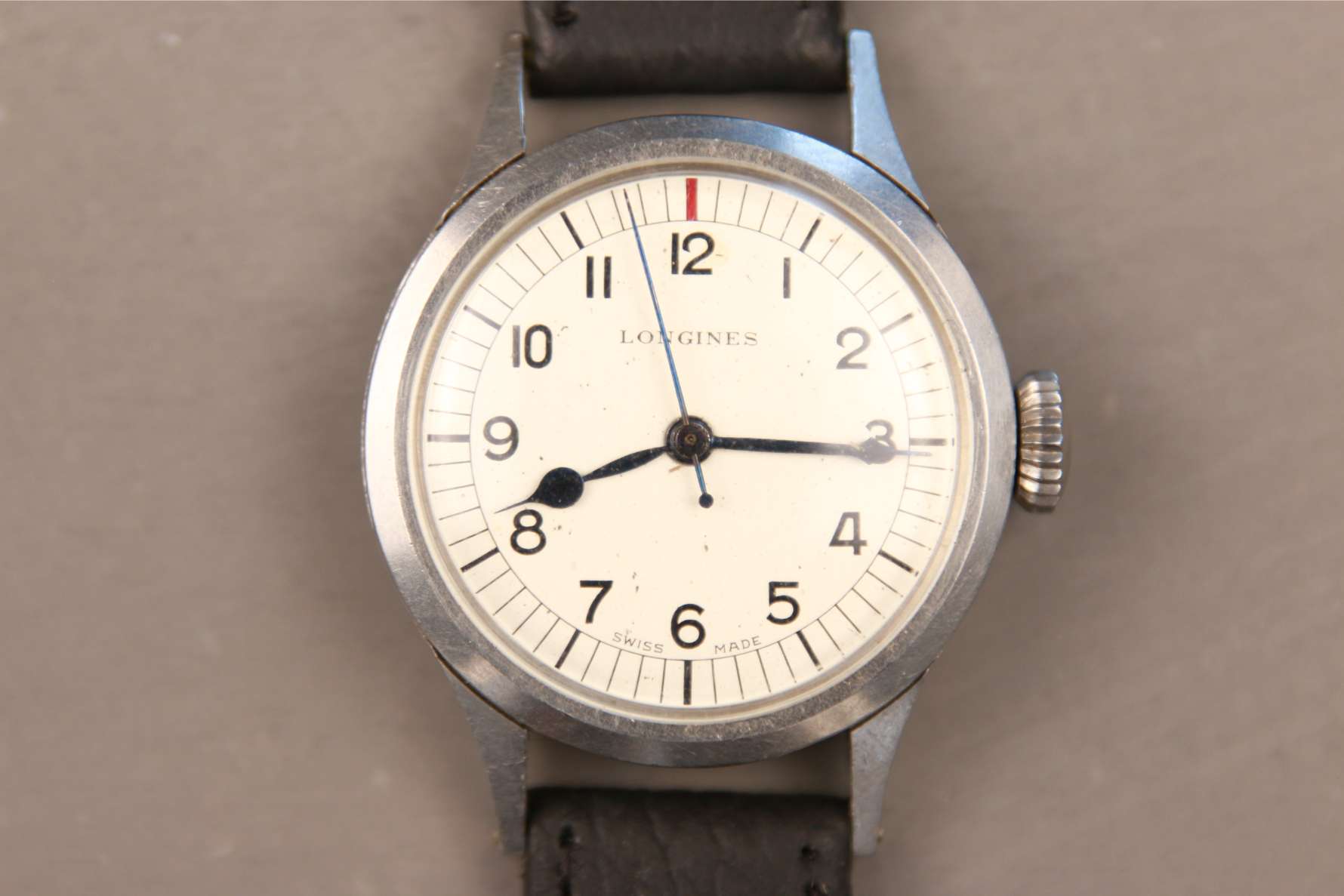
The Longines watch here is older than its case. It began life as a WWII-era 6B/159 navigator’s watch, the same type used by the RAF. Starting in October 1951, the RAAF recased these watches. The new two-piece steel cases came from Australian case maker Handley and featured long, downturned lugs. According to Steer’s records, a minute dated October 2nd, 1951, assigned the reference G6B/158 to the recased Longines and LeCoultre watches. Australian records list 62 Longines examples in this group.
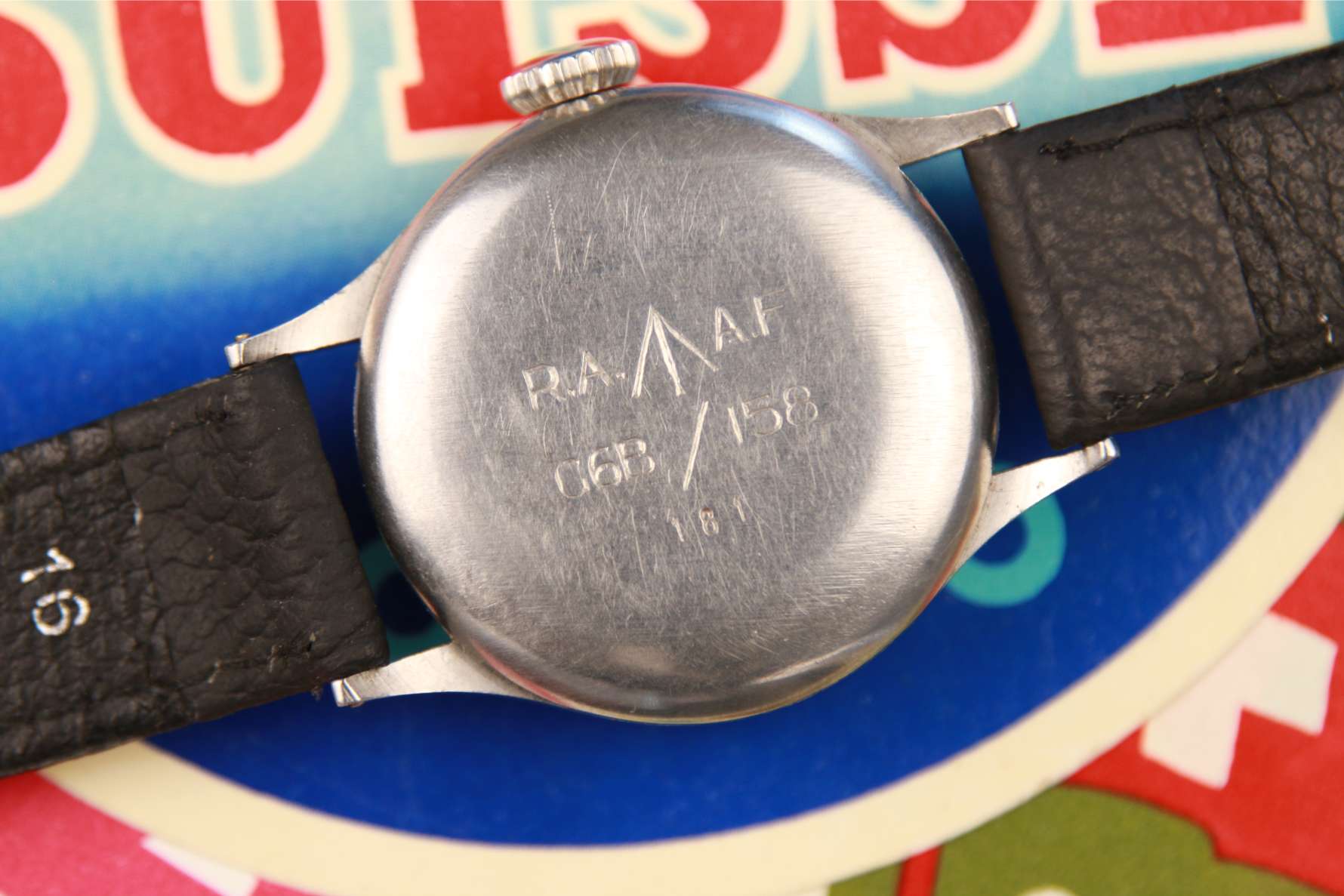
The collector’s example has “R.A.,” a broad arrow, “A.F.,” “G6B/158,” and “181” on its case back. The white dial features a red marker at 12 o’clock and blue hands. Inside the 32mm case lies the Longines caliber 12.68N. While the watch is small by today’s standards, the dial is very easy to read.
The Smiths 6645-66-010-6032
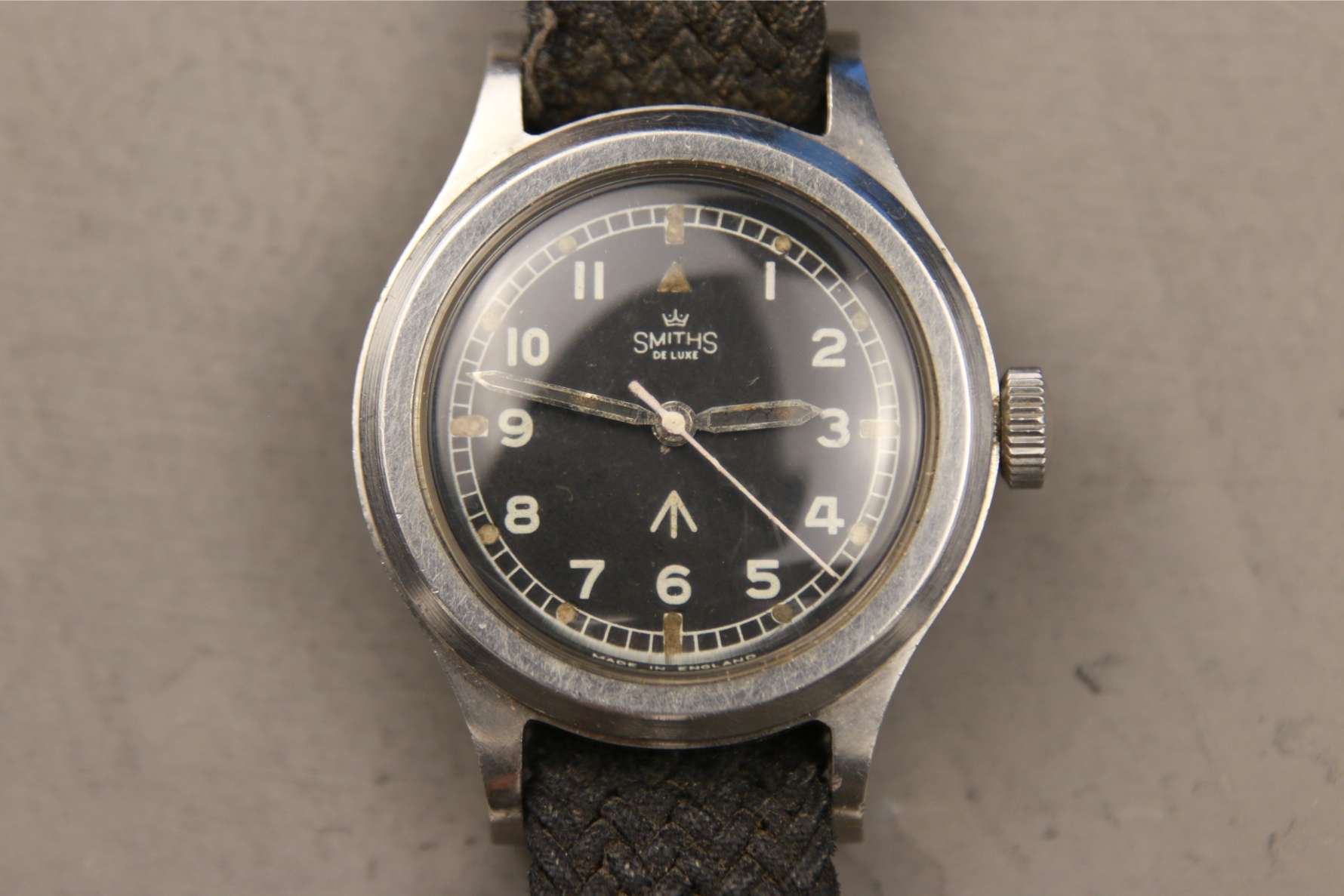
The Smiths may be the rarest of the five. In the mid-1950s, Smiths made approximately 300 General Service watches for the RAF under the reference 6B/542. In 1961, another batch went to Australia under the NATO number 6645-66-010-6032. Sources disagree on the quantity. One strap specialist puts it at 600, while a UK dealer estimates around 500. The latter figure is based on approximately 20 known examples numbered from 155 to 556. The collector’s watch is No. 415/61, which falls within that range.
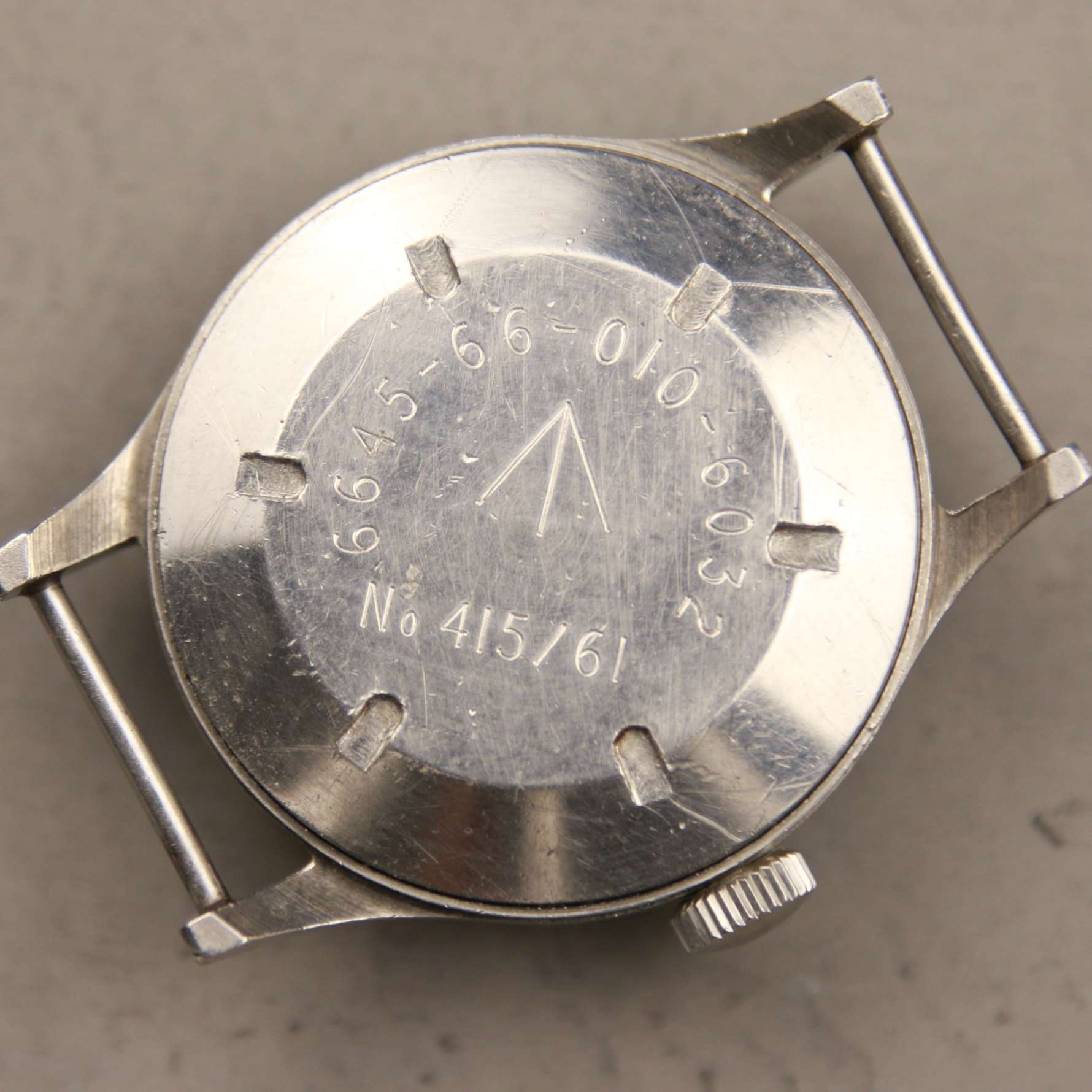
The black Smiths De Luxe dial has a broad arrow and the words “Made in England.” Inside the 36mm case is the 17-jewel caliber 27.CS. The Australian watches feature hacking seconds, allowing them to be set precisely. An iron dial and dust cover protect the movement against magnetism.
One question remains unanswered. Watches of Knightsbridge describes a sister watch as having possibly been issued to either the RAAF or the Royal Australian Navy’s Fleet Air Arm. Which service actually used these watches remains unconfirmed.
The 1981 Lemania 6645-66-071-8382
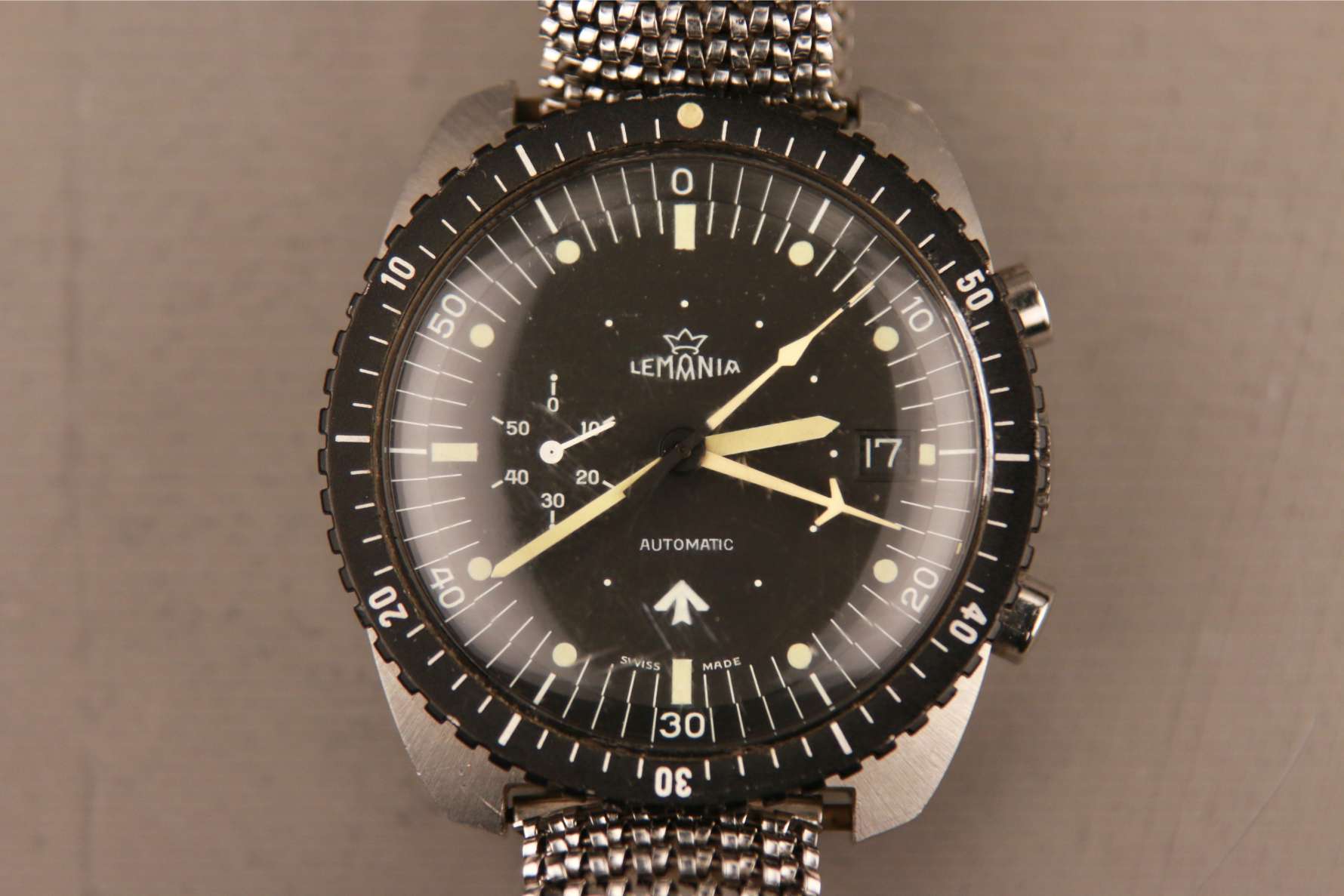
The Lemania is the youngest watch here and perhaps the most debated. Its case back contains “11015-2-89,” “1981,” a broad arrow, and “6645-66-071-8382.” Once again, 66 is Australia’s country code. Inside is Lemania’s automatic caliber 5100, a robust chronograph movement known for its central minute counter. The watch is closely related to the South African Air Force Lemania from the same era.
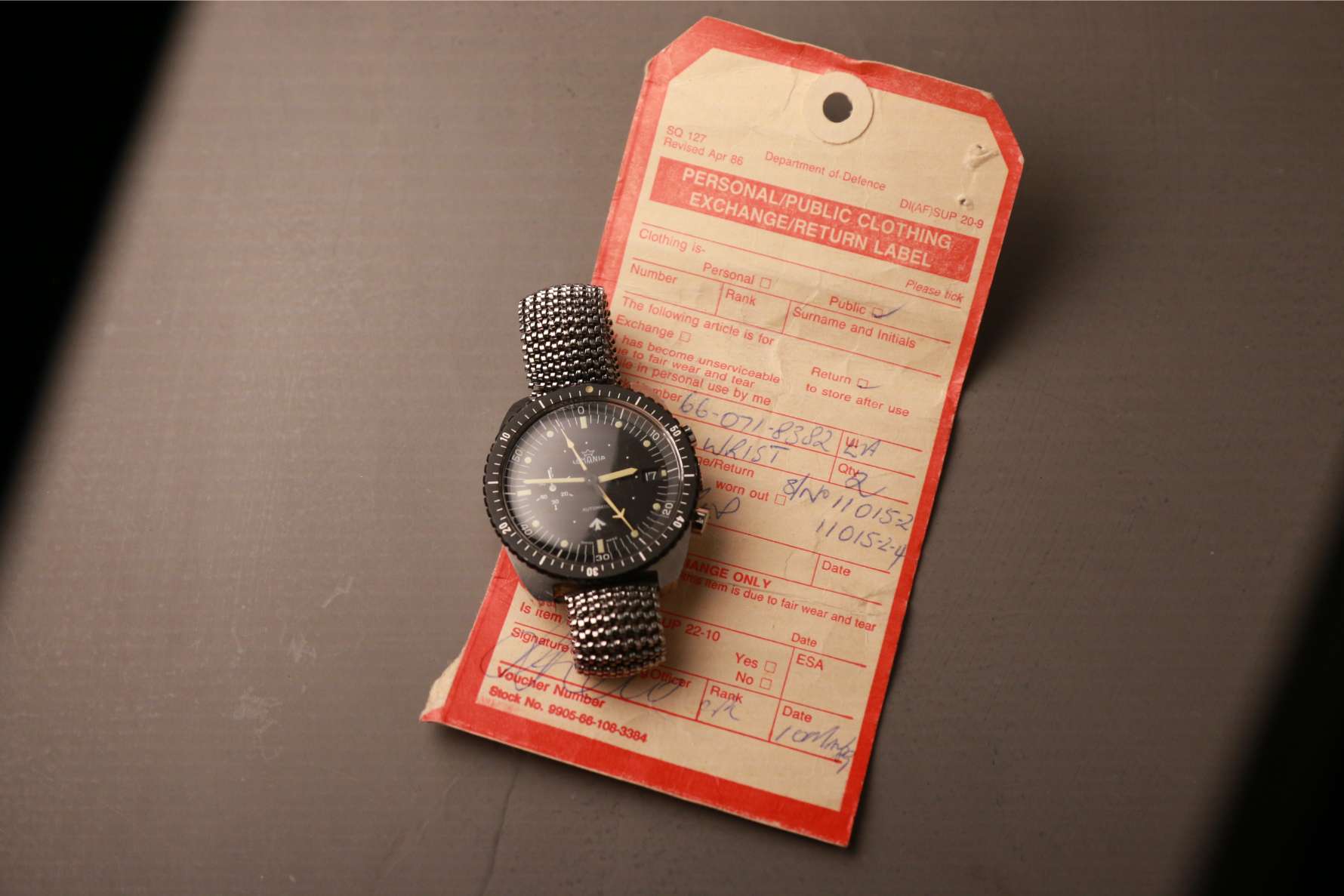
For years, collectors listed this model as a Royal Australian Navy watch. However, Heuerworld now reports that 14 examples have surfaced, one accompanied by decommissioning papers, and that the watch is believed to have been issued to the RAAF.
The collector’s watch supports that theory. It comes with a Department of Defence clothing exchange and return label, form SQ 127, revised in April 1986. The label cites DI(AF)SUP 20-9, with DI(AF) being the abbreviation for an Air Force Defence Instruction. The stock and serial numbers are handwritten on it. This isn’t definitive proof of RAAF issue, but it certainly points in that direction.
Final thoughts
What ties these watches together isn’t a brand or a manufacturer. It’s the case backs. The “G” prefix, the broad arrow between “RA” and “AF,” and the number 66 all tell an Australian story. Britain established the standards, but Australia bought, recased, and cataloged watches on its own terms.
Many thanks to @tempovintagemelbourne for sharing these watches. Which of the five would you wear? Let us know in the comments.