Diving Into A Lesser-Known Chapter Of Tudor’s History At The Navy SEAL Museum In San Diego

Along the sun-bleached expanse of the Southern California coast, salt air and maritime tradition run deep. Where the urban grid of San Diego meets the historic naval facilities of Coronado, the Navy SEAL Museum San Diego documents the history of America’s specialized maritime units. Among the archival displays of uniforms, combat equipment, and other diving apparatuses, a distinct thread of Swiss horological history emerges.
During a recent trip to Southern California, we visited the museum to inspect this collaboration firsthand. The goal of the trip was not only to visit the museum but also to learn more about the Navy SEALs and Tudor’s history as an equipment supplier to this elite force. During our time there, we participated in a Q&A moderated by former Navy SEAL turned author Jack Carr. During the session, we had a unique chance to hear from John McLachlan (featured in the Tudor’s Splashdown documentary) and Robert Rohrbach, two former UDT/SEALs involved in the Apollo Recovery Program.
Origins and evolution of modern naval special warfare
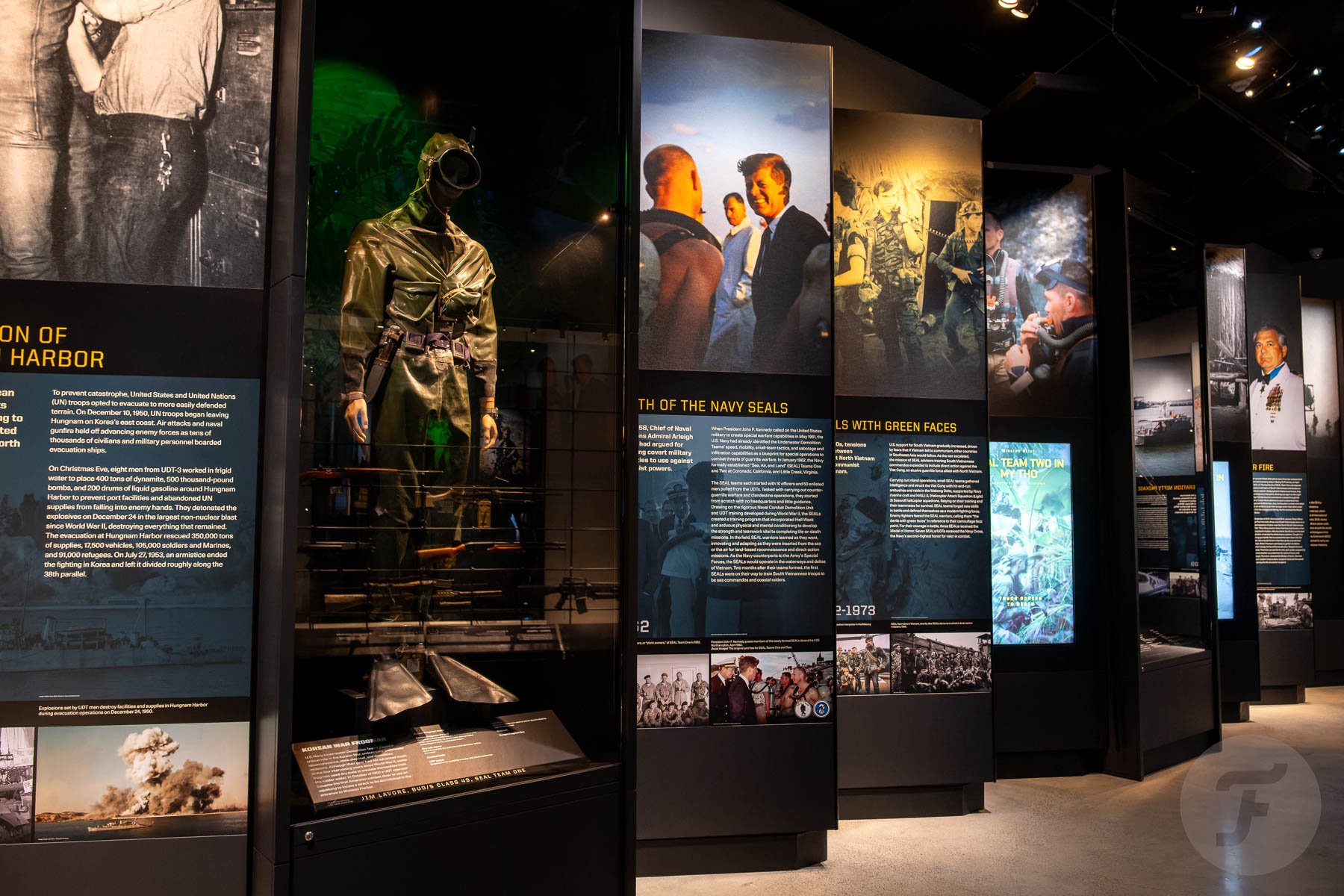
The history of US maritime units began during the Second World War. The military established Naval Combat Demolition Units and Underwater Demolition Teams (UDT) to perform hydrographic reconnaissance. They charted underwater terrain and cleared beach obstacles prior to amphibious landings. In 1962, under the Kennedy administration, the Department of Defense reorganized these specialist diving units into formal SEAL (Sea, Air, Land) teams. This change shifted their operational mandate toward coastal reconnaissance and river operations during periods of conflict in Southeast Asia.
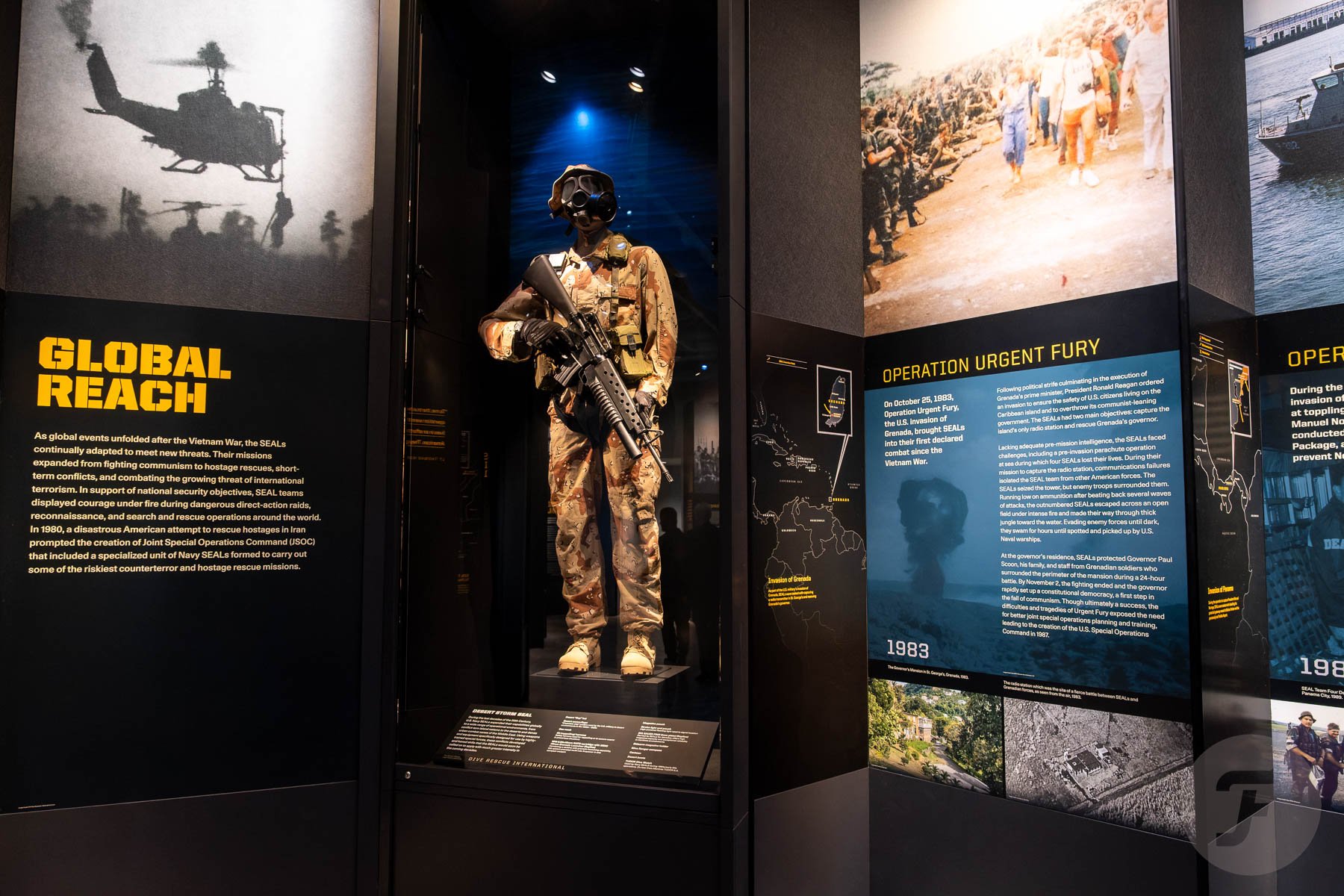
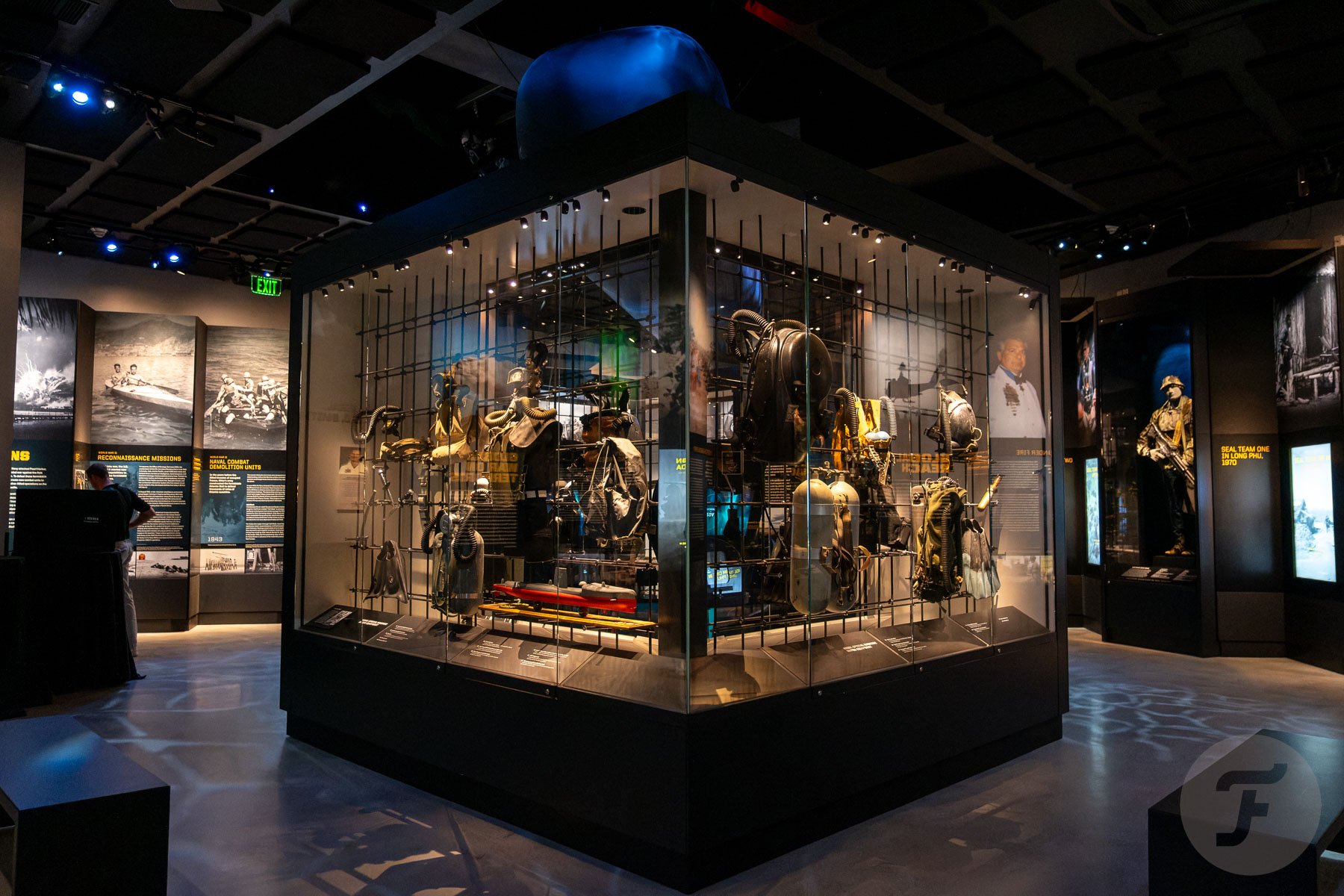
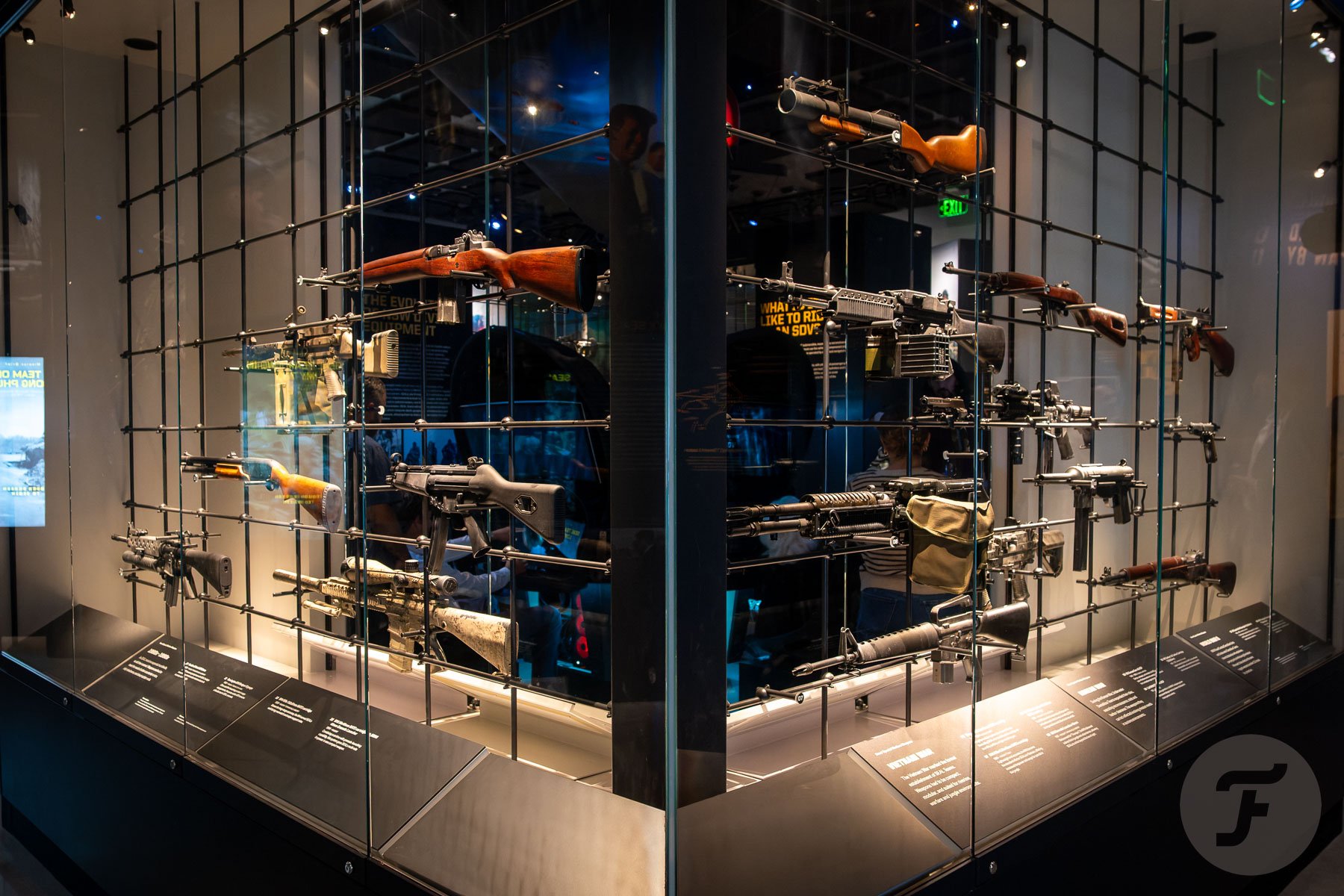
Throughout the decades that followed, these forces expanded into broader counterterrorism and intelligence roles. The museum presents this history through the lens of material development, changing tactical requirements, and personal stories. The exhibits focus on the specialized training, equipment adaptations, and logistics needed to operate in harsh aquatic environments. This equipment, of course, includes watches.
Tudor’s mid-century supply history
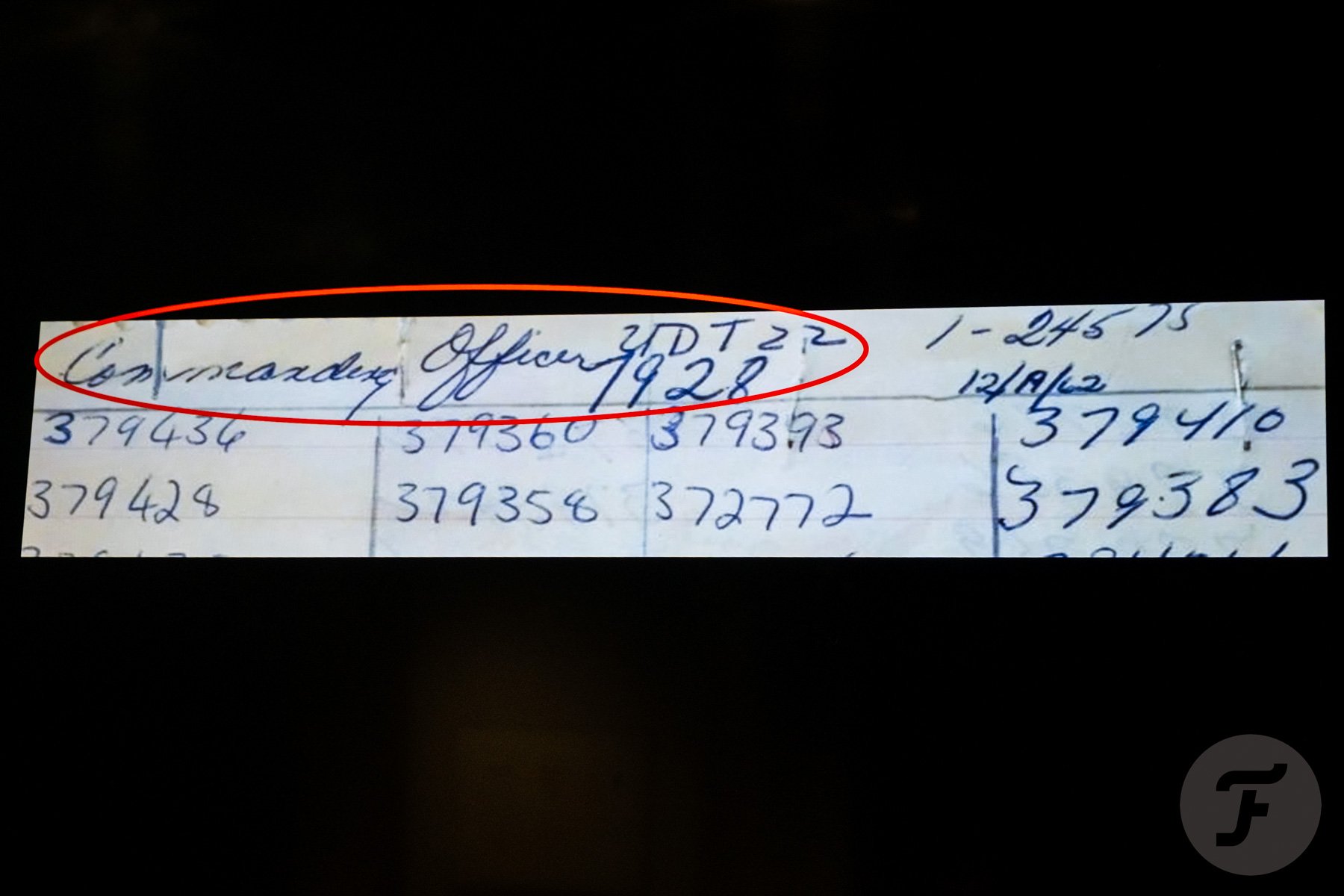
The relationship between Tudor and the US Navy dates back to 1962, when President John F. Kennedy initiated the creation of the SEAL teams. Lieutenant Commander Roy Boehm, the first executive officer of SEAL Team Two, used his New York contacts’ open-market purchasing power. He secured the first official order for 125 Tudor Oyster Prince Submariner reference 7928 watches to equip the initial 120 operators (see purchase order document above). Shipped on December 19th, 1962, to Naval Amphibious Base Little Creek in Virginia Beach, this procurement established Tudor as the de facto watch of choice for the early teams.
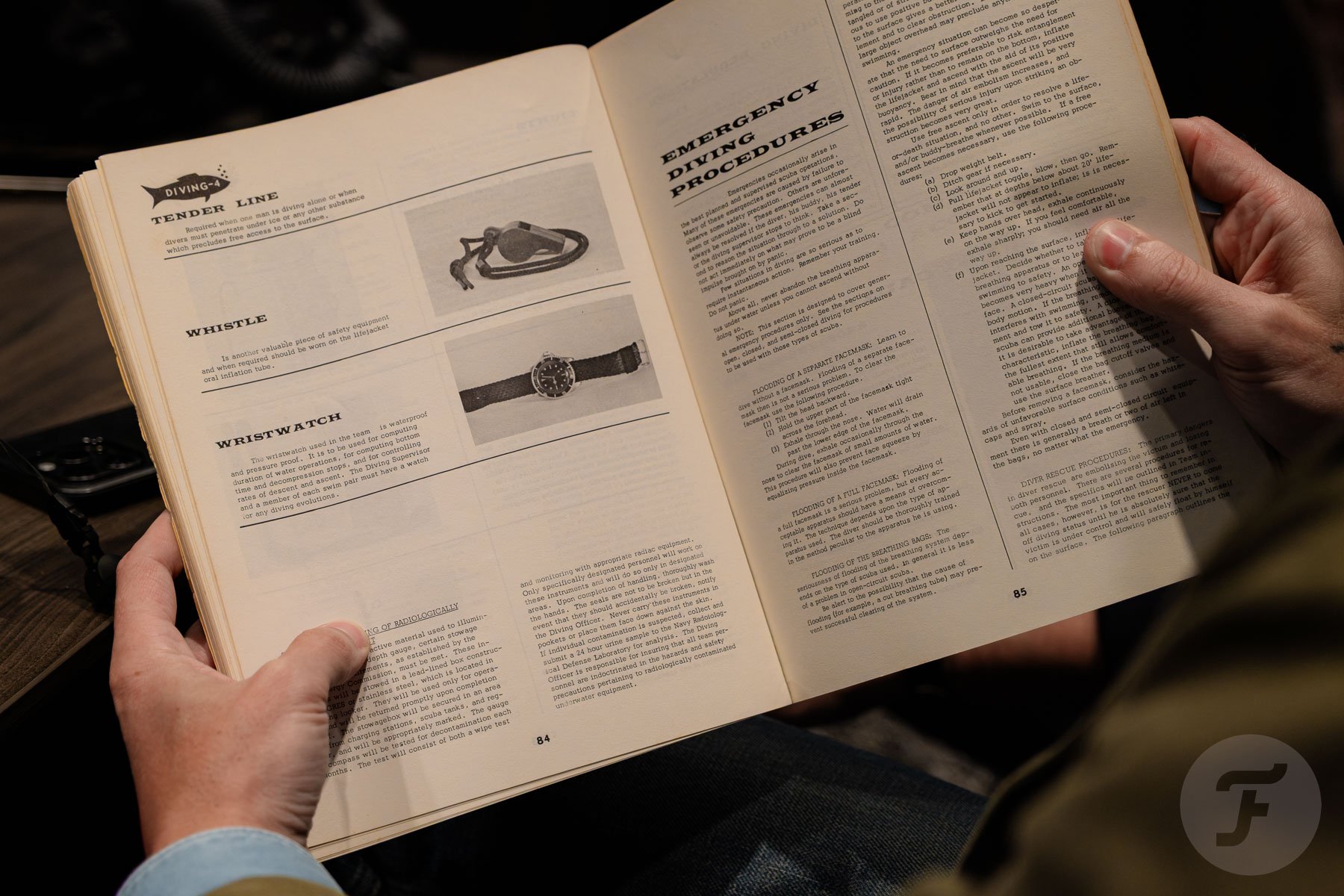
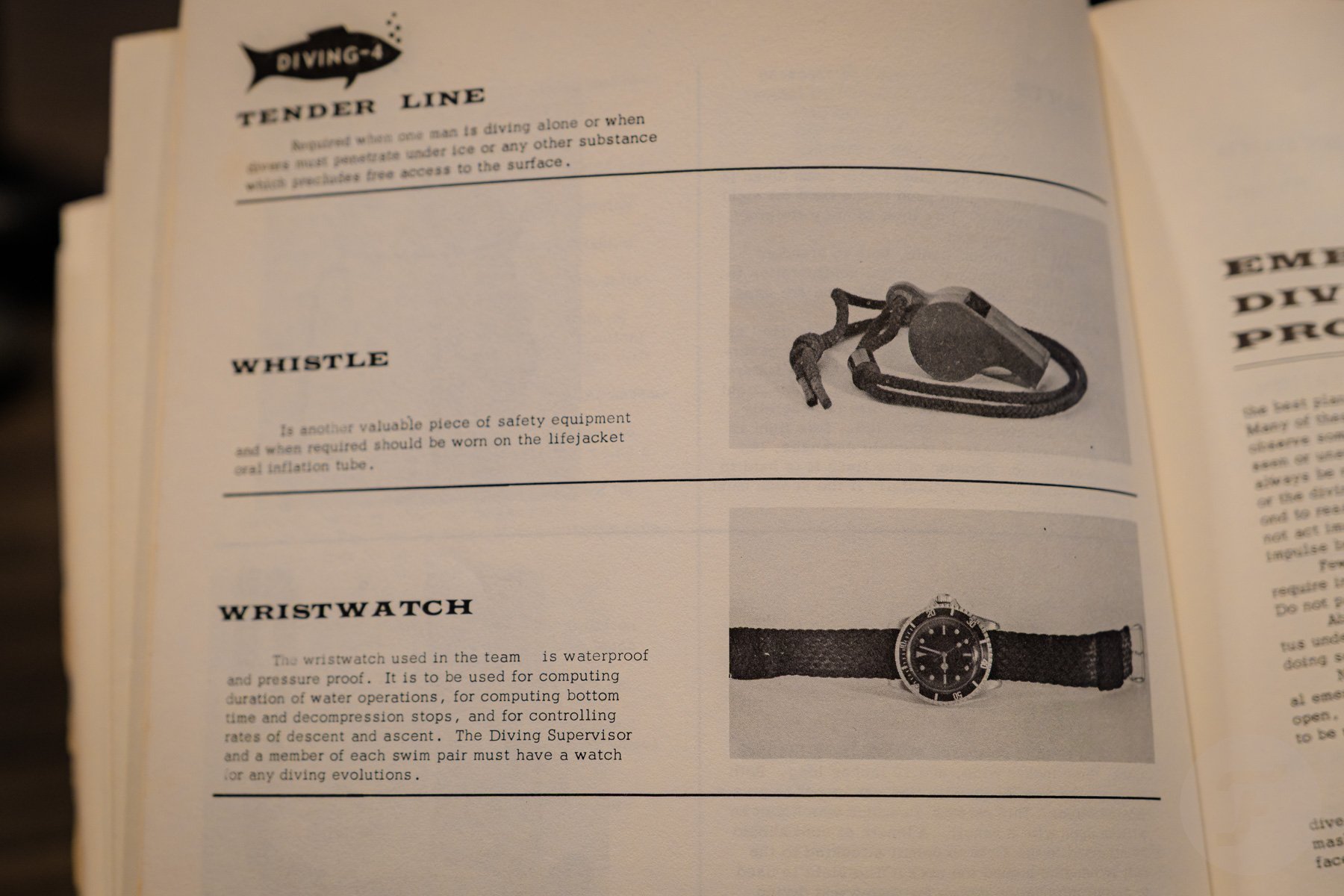
The UDT and SEAL units soon standardized this channel purchase. It appeared in the official 1973 US Navy Diving Manual for references 7016 and 7021. By 1978, the National Stock Number system officially cataloged the Tudor Submariner under code 6645-01-068-1088 for procurement issuance. This code continued to appear in subsequent references, such as 9411 and 76100, until the supply entry was retired in 2004.
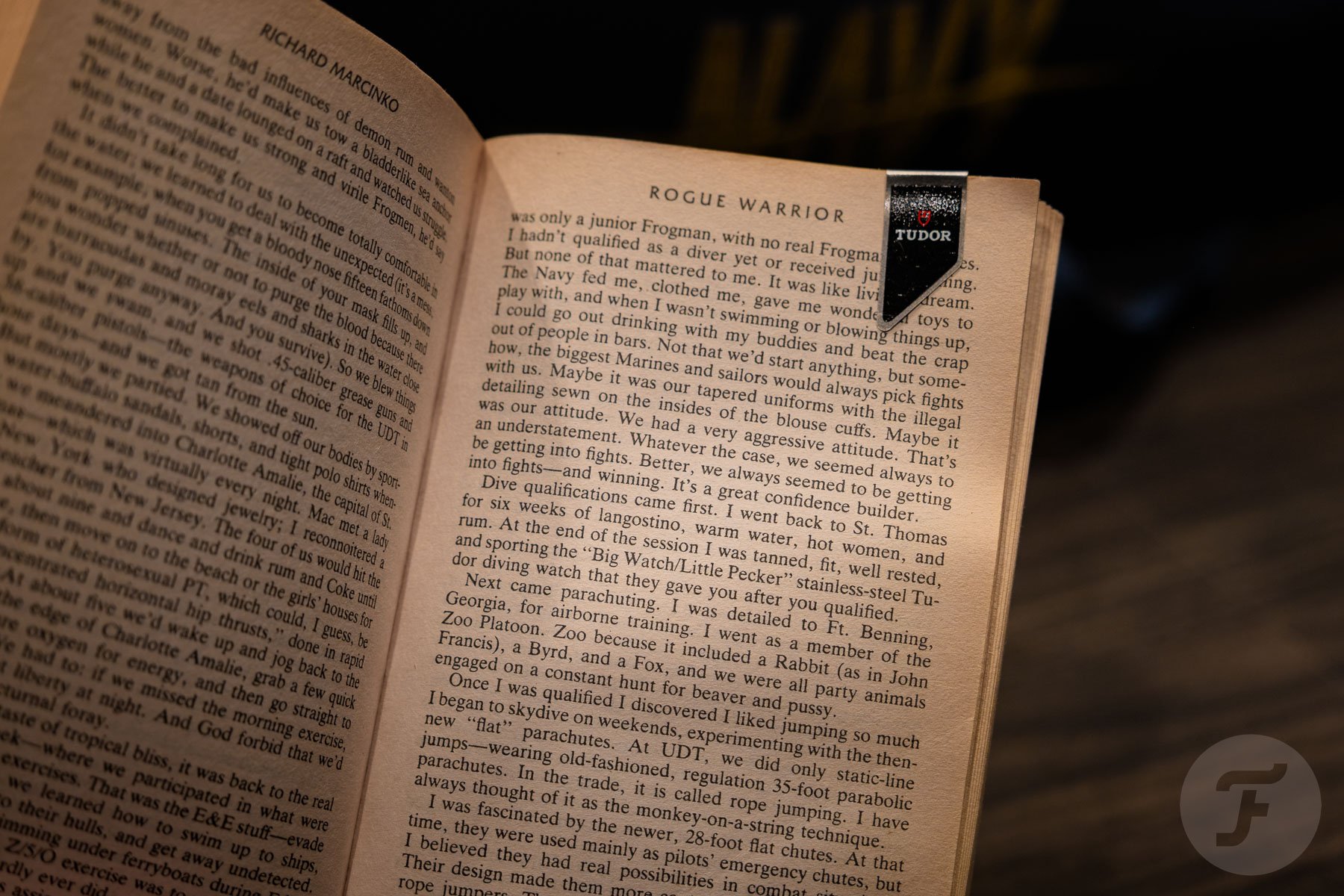
Other media describing Navy SEAL history have also mentioned Tudor Submariners, including the infamous passage in Richard Marcinko’s Rogue Warrior. As an official founding donor and exhibition contributor for the museum inaugurated on October 3rd, 2025, Tudor helped cement this documented supply lineage.
The historical timepieces on display
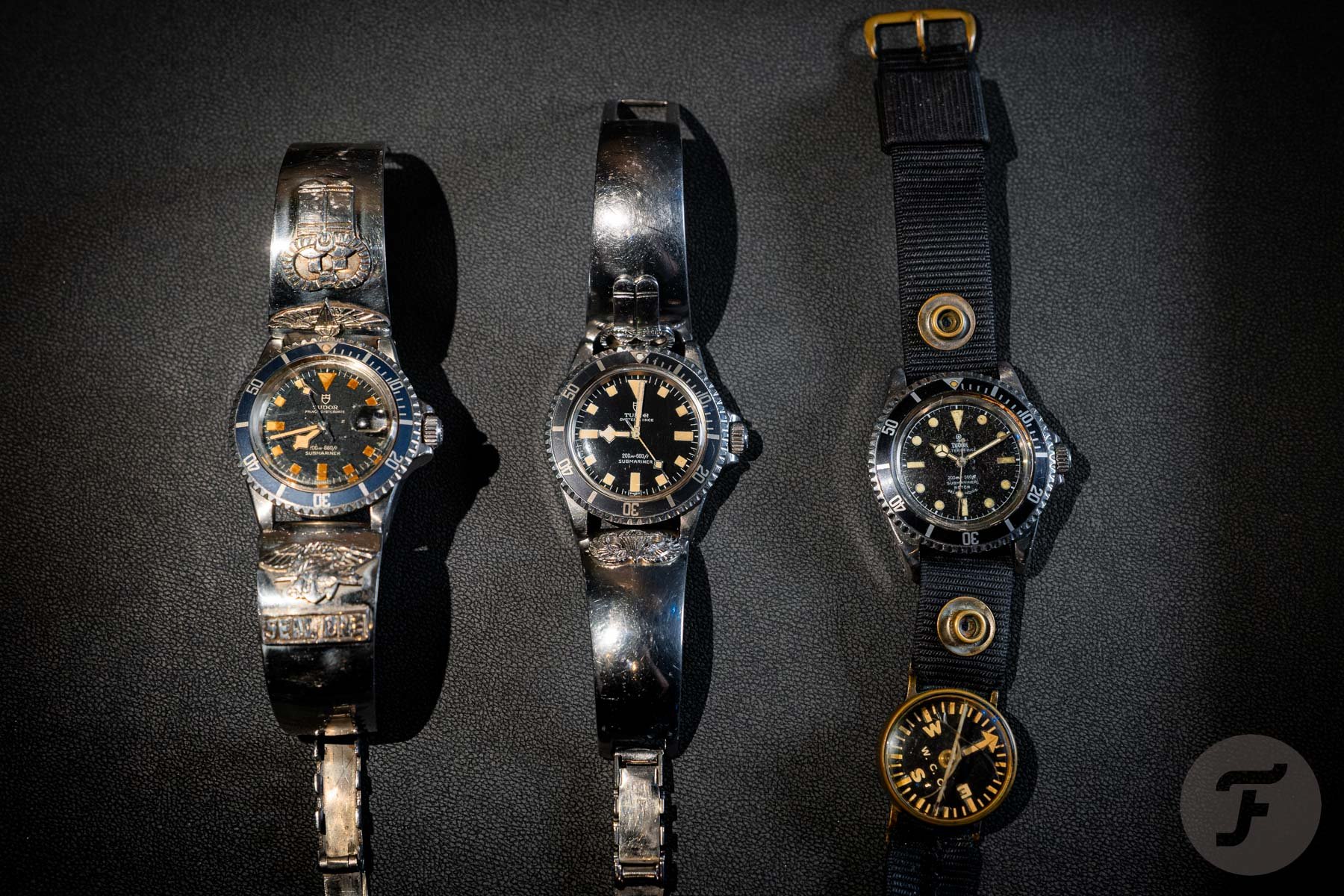
The horological element of the exhibit presents several well-documented vintage watches that reflect decades of exposure to the elements.
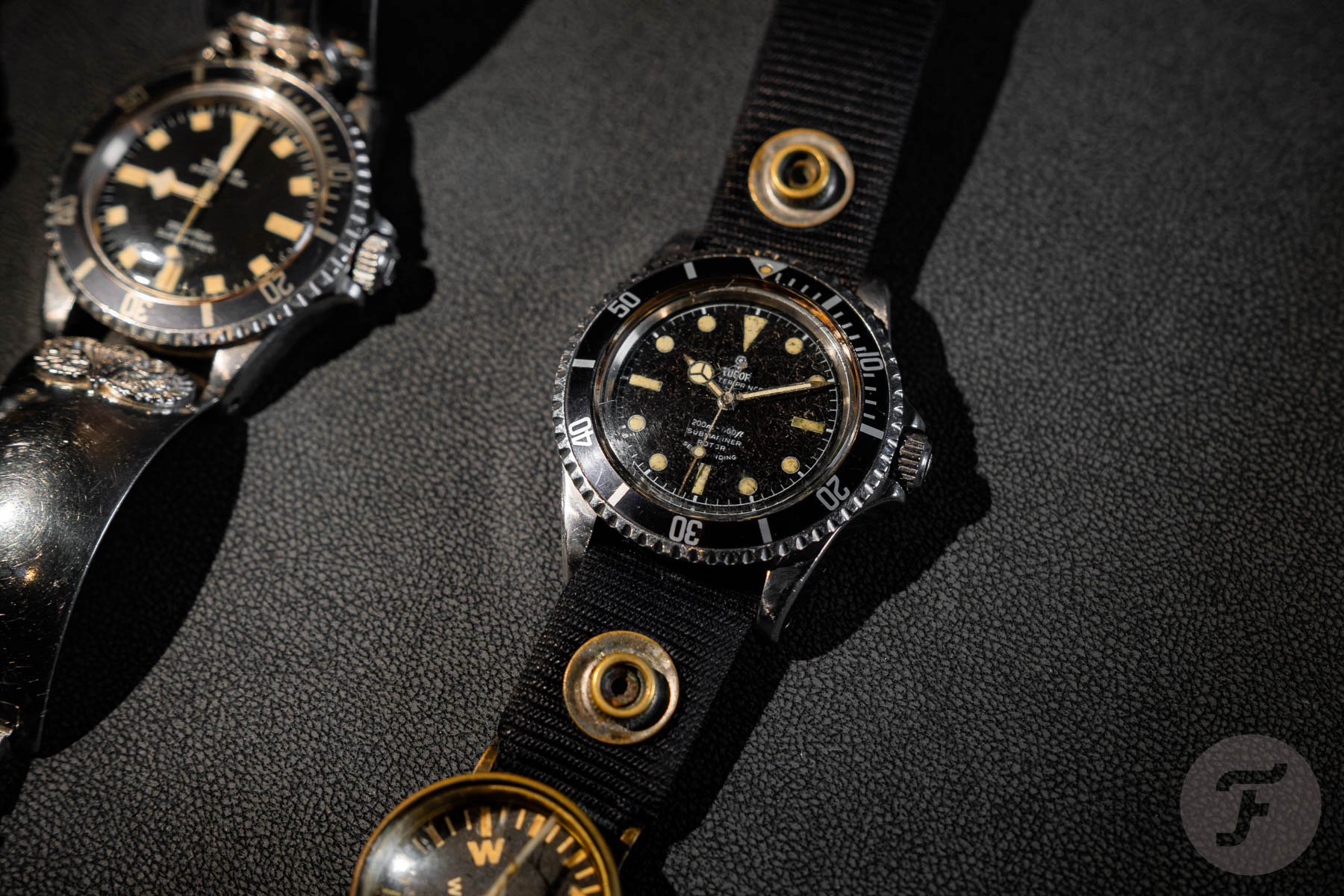
Central to the display is a legendary reference 7928 previously worn by Philip “Moki” Martin. This late-1960s Tudor Submariner reference 7928 features a 39mm stainless steel case, a black dial with tritium luminous markers, and a bidirectional aluminum bezel.


His watch sits in the museum’s diving cabinet on its original US-made nylon strap fitted with brass snaps (used to secure a leather antireflection watch cover) and a Waltham wrist compass.


The exhibition also features another 7928, from 1964, as well as a blue-dial reference 9401 from 1978. The latter illustrates Tudor’s mid-1970s transition toward angular “Snowflake” hands and square hour markers.
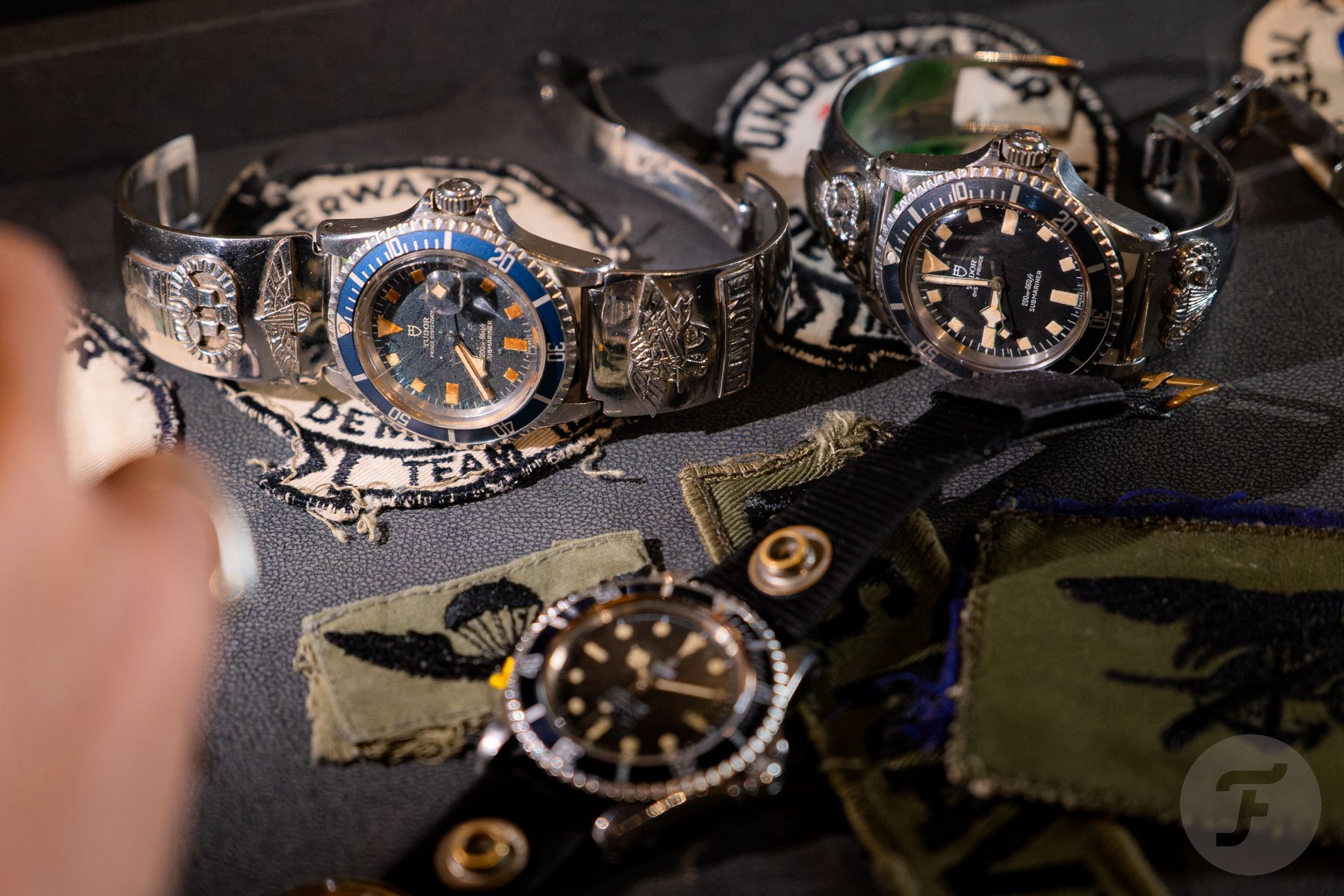
As a special treat for the occasion, two additional watches were present — a 1968 black-dial Oyster Prince Submariner 7016 and a blue-dial 9411 from 1974.


Both feature original Olongapo bracelets. Having originated during the Vietnam War in the mid-1960s, these distinctive cuff-like metal bracelets were handcrafted by local Filipino artisans in Olongapo City, Philippines, located near the U.S. Naval Base Subic Bay. They feature insignias and motifs, often with specific connections to the people they were made for.
Q&A with John McLachlan and Robert Rohrbach
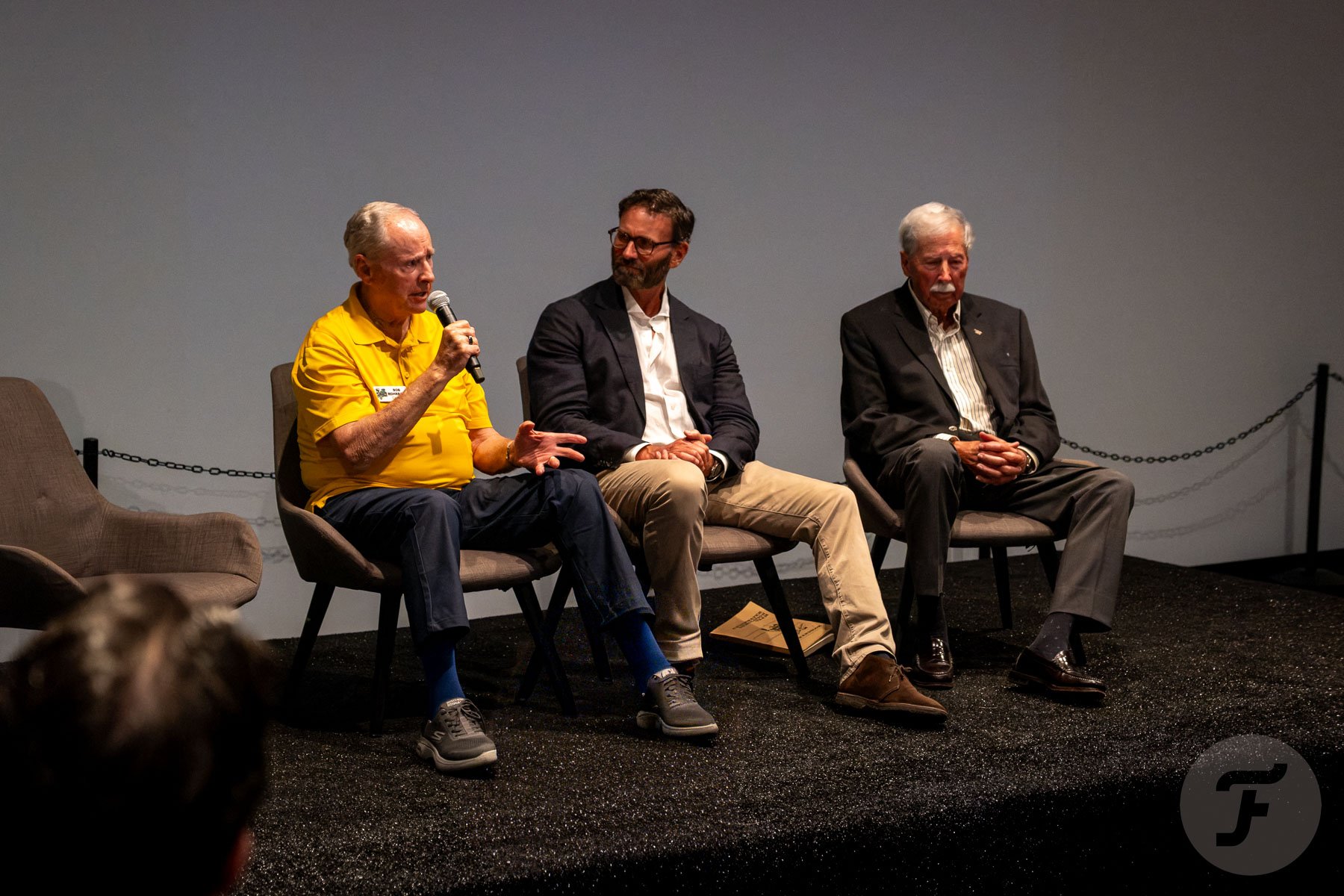
During our time on site, we had the distinct privilege of participating in an exclusive Q&A panel moderated by former Navy SEAL and New York Times bestselling author Jack Carr. The session offered a rare, firsthand glimpse into history, featuring John McLachlan and Robert Rohrbach, two remarkable former UDT/SEALs who served in the Apollo Recovery Program. They reminisced, with stories from their training and participation in special missions. One such mission was their role in the Apollo Recovery Program. The eyes of the world were on them. Even then, as a testament to the intensity of their training, John recalled falling asleep on the helicopter out to the site, in the middle of the Pacific Ocean.
As for any “first words” to the astronauts as they pulled them out of the capsule, “our regulators prevented much in the way of conversation.” In the end, the way they saw it, “we were just there to do a job and make sure everything ran smoothly.”
That deeply pragmatic, matter-of-fact attitude with which they answered most questions was rather striking. To them, even the most extreme missions were “another job,” just as the watches were just another piece of equipment, like many others they had received during their service. There was no immediate emotional connection. That came later. This was underscored by a story Rohrbach shared. He explained how he tried to return the watch. The SK (or “storekeeper”) simply asked Robert to meet him out back, where he happily handed him back his Tudor watch: “I’ve written it off as decommissioned.” The watch was still on Bob’s wrist for the occasion. He got it back from his son, who is its current steward, to wear at the event. It’s safe to say that the watch certainly means something to him now.
Final thoughts on the partnership
Tudor’s partnership with the Navy SEAL Museum in San Diego offers a thoughtful glimpse into the world of mid-century tool watches. It’s a bold move for the brand to ship out timepieces from its archive halfway around the world. But in doing so, it demonstrates pride not only in preserving its history but also in putting it on display for those interested in experiencing it firsthand.
Hearing from former Navy SEALs in person, as well as encountering the well-worn reference 7928 and 9401 models alongside authentic diving gear, offered insight into this lesser-known part of the brand’s history. Doing so while wearing my black-dial Pelagos FXD made the moment all the more special. The inspiration for that watch traces back to this chapter, and seeing the watches side by side felt like a full-circle moment.
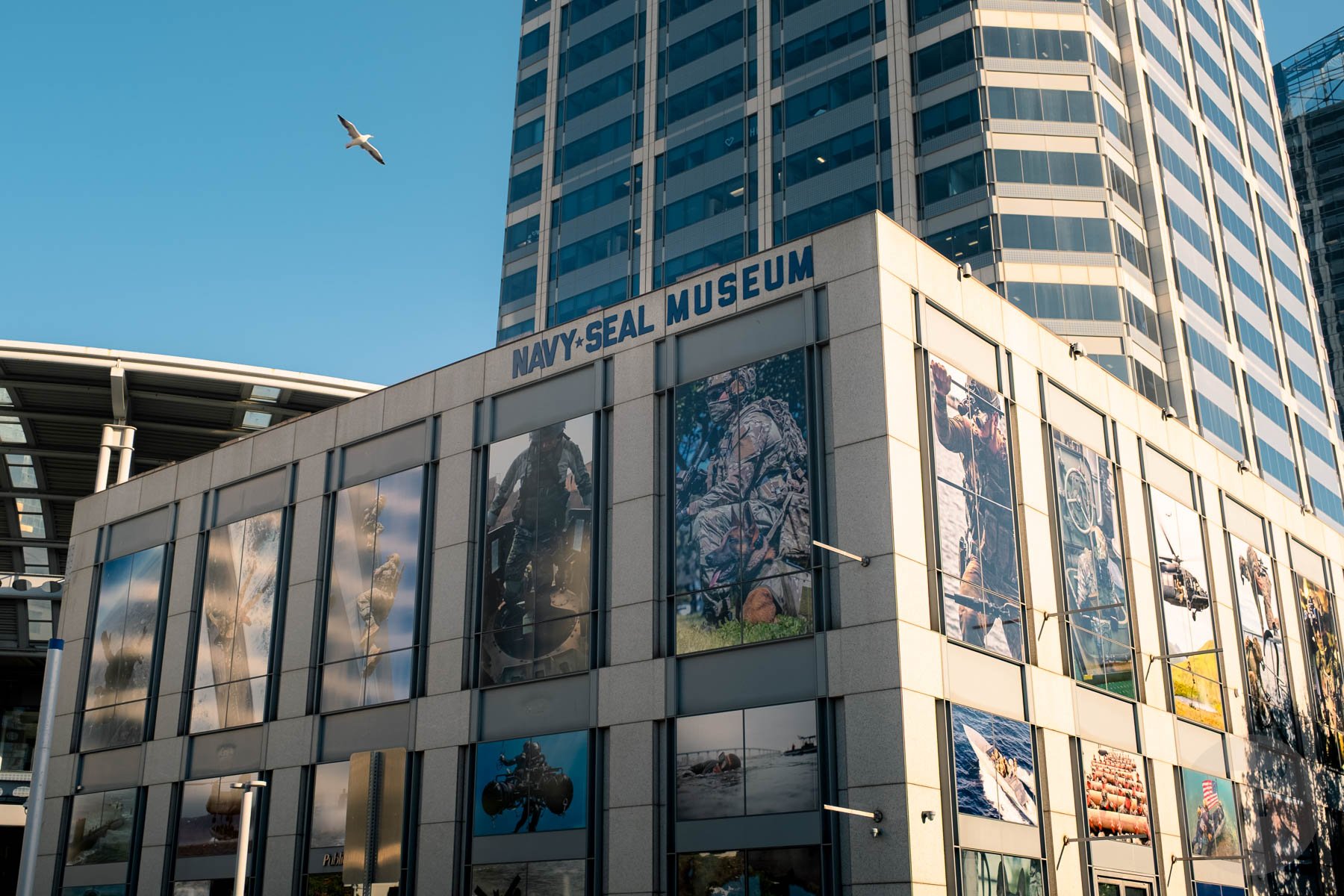
For those who would like to experience it firsthand, the museum welcomes visitors at 1001 Kettner Boulevard in downtown San Diego, with its sister location in Fort Pierce, Florida.