Christophe Claret Is Back, And He Wants To Push Even Further This Time

For more than three decades, Christophe Claret has been one of the names enthusiasts look to for unusual and interesting displays, animation, sound, and complications. Now, after a difficult period that saw the Christophe Claret brand enter insolvency proceedings, the independent watchmaker is beginning a completely new chapter. On August 27th, 2026, the brand announced a strategic joint venture between Christophe Claret and Lotus Singapore Group, structured through a new Swiss company called Lotus Two AG.
Importantly, this isn’t simply a change of ownership followed by a new marketing direction. Christophe Claret himself remains at the heart of the project as Master Watchmaker and Creative Force, while Lotus provides the financial, organizational, and international framework around him, helping bring his visions to life. Lotus Two AG has acquired the Christophe Claret name, assets, and intellectual property without taking over the previous company itself. This means a fresh legal foundation for the brand, with Claret free from the financial and day-to-day management responsibilities that would weigh on his watchmaking priorities. And if you’re wondering what this means for the watches, the answer is exciting: the first creations of this new chapter, carrying Claret’s signature, are expected in late 2027 to early 2028. More on that in a bit.
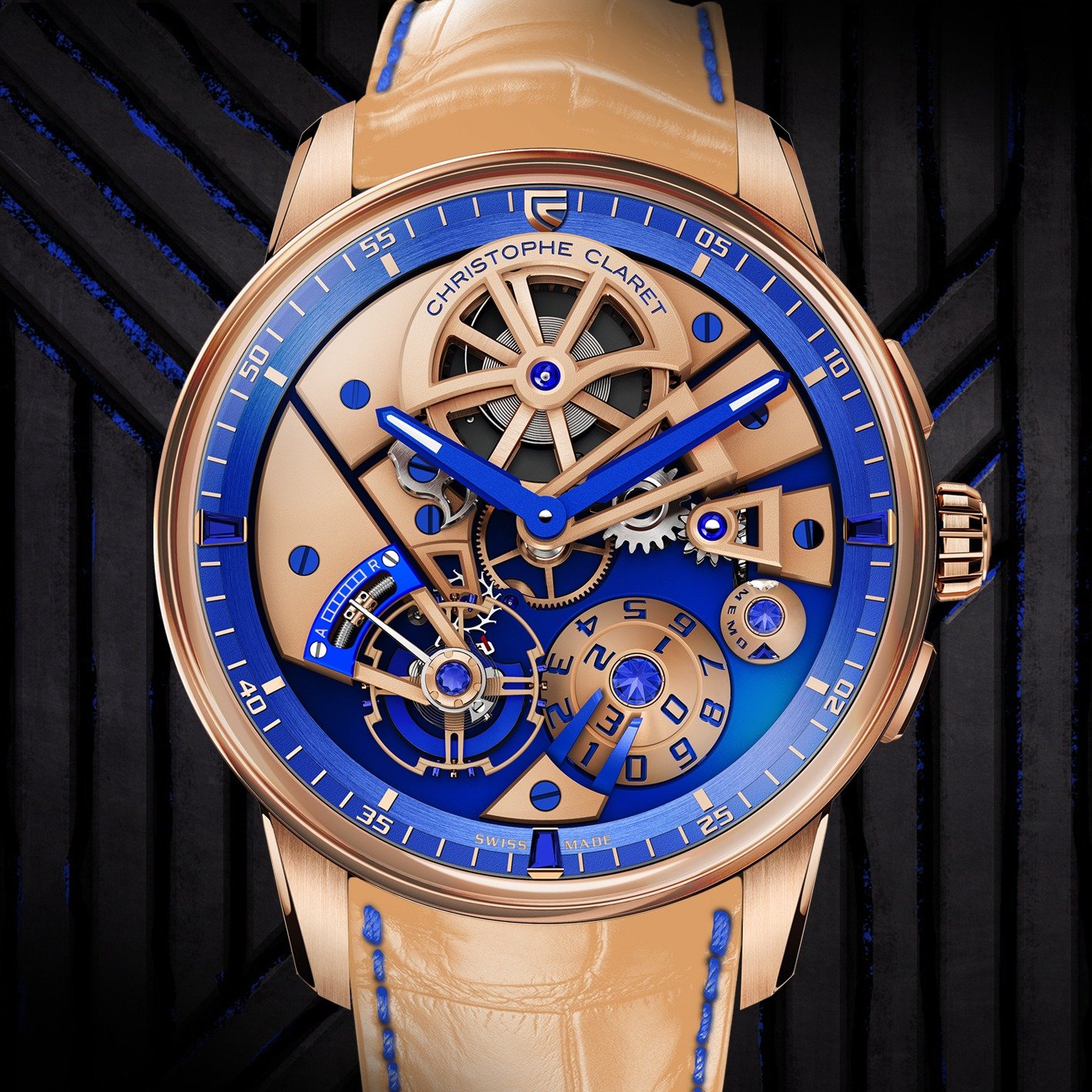
Christophe Claret Maestro
A new foundation for a very unusual watchmaker
The easiest way to understand why this announcement matters is to understand just how unusual Christophe Claret’s career has been. He founded Manufacture Claret in 1989 in Le Locle, in the heart of the Swiss Jura. Over the past 35 years, Claret has developed more than 100 calibers, with 80 of them described by the manufacture as “world premieres.” His catalog includes creations such as the Westminster Minute Repeater Tourbillon, the Orbital Tourbillon, and various musical and interactive complications. That list explains why this isn’t some investment group buying an unknown name and trying to market it. Lotus is backing a watchmaker who has already spent decades developing a very niche side of contemporary independent horology.
That makes the circumstances of the relaunch particularly interesting. According to the company’s Q&A, from which I’ll be pulling a lot of insider info, the former Christophe Claret brand entered bankruptcy proceedings before the Commercial Court of Neuchâtel. Lotus did not acquire the former company itself. Rather, it established a new Swiss legal entity to acquire the brand’s name, assets, and intellectual property. The company describes the financial difficulties as the result of the structural challenges facing highly creative independent watchmakers — enormous R&D costs, long product cycles, manufacturing and distribution expenses, and very limited production volumes. In other words, the relaunch serves as a solution to the business structure around the watches rather than a response to a lack of creative or technical relevance. That is incredibly important to note.
Lotus is the majority shareholder and provides the strategic and structural framework. That also means we shouldn’t expect the brand to simply dust off its greatest hits. The new company explicitly says existing models will not be reintroduced. The focus is on a new philosophy, “The Science of Motion.”
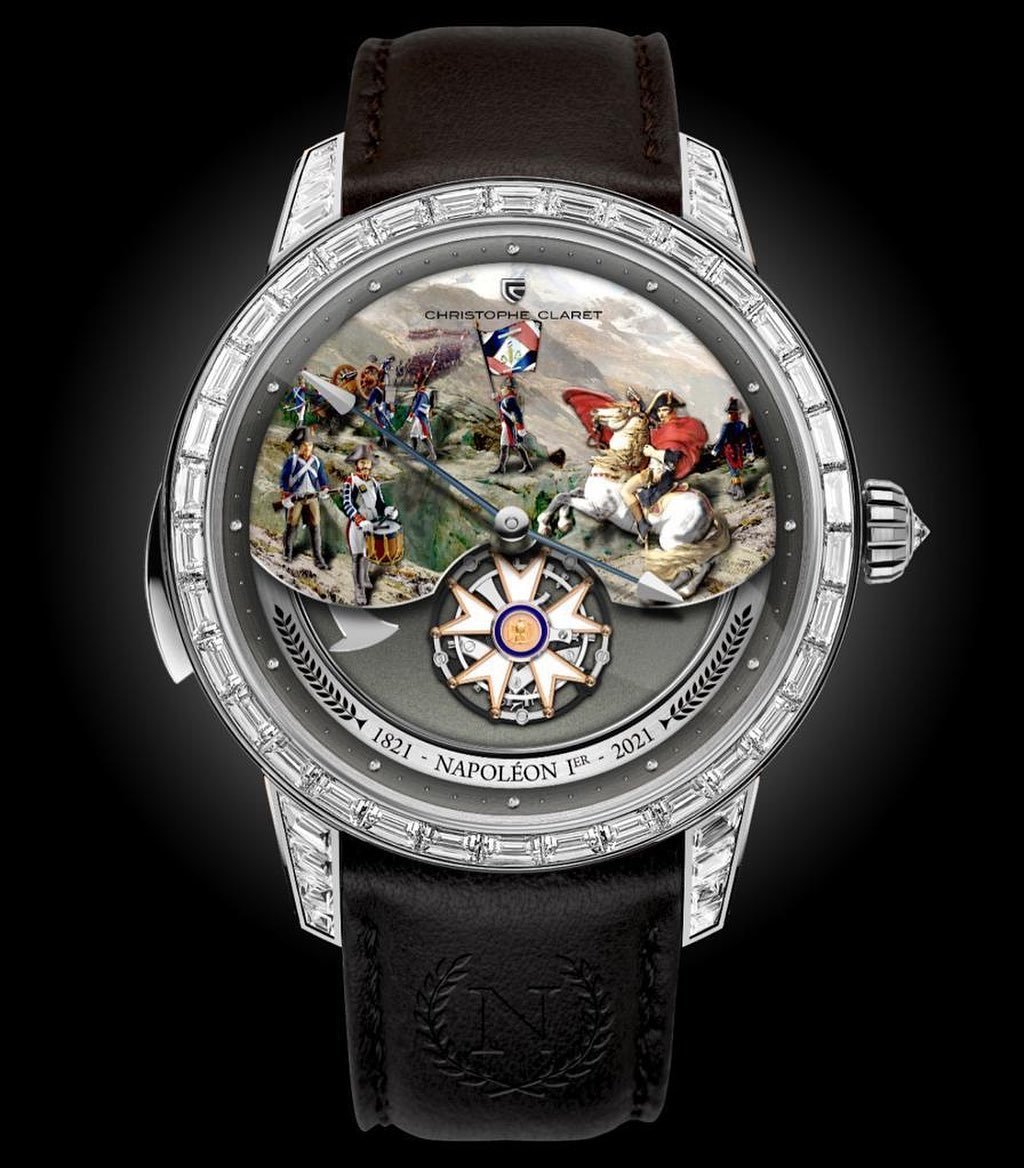
Christophe Claret Napoléon
The Science of Motion is the new chapter
If one phrase will define the next chapter of Christophe Claret, it is “The Science of Motion.” The brand describes it as the fusion of rigorous scientific and micro-mechanical engineering with creativity and emotional resonance. In practical terms, that means a complication shouldn’t exist solely because it is technically difficult. It should do something to the person wearing the watch. It should move, interact, surprise, or tell a story. That philosophy has actually been present throughout Claret’s career. His watches have often treated mechanisms as something for the wearer to experience. Musical mechanisms, animated displays, and interactive complications turn the mechanical movement into part of the watch’s “personality.” The new positioning simply gives that philosophy a name and, importantly, a clearer business direction.
The Q&A is particularly explicit about this. It describes Christophe Claret’s territory as singular mechanical storytelling, with watches positioned as interactive, performative, and experimental. Plenty of brands can tell you their watches are complex. Far fewer have built their entire identity around making complexity feel like an event. The challenge, of course, is making that creativity commercially sustainable, hence Lotus entering the picture.
Lotus is betting on the watchmaker, not just the name
Lotus Investment Singapore is a family-owned investment group established in 2016. Based in Singapore and active across Asia and Europe, its activities include luxury hospitality, high-end goods, and international business ventures. According to the Q&A, this is Lotus’s first investment in watchmaking, although the group says it has experience in the broader luxury and ultra-luxury sectors.
Lotus isn’t presenting this as a short-term turnaround. The group says it works with founders and management teams to provide strategic resources while preserving their identity and vision. For Christophe Claret, that means financial and organizational backing without taking the creative steering wheel away from the man whose name is on the dial. The new company, Lotus Two AG, is based in Neuchâtel and is governed by a six-member board of directors. A new leadership team is being assembled around experienced watch-industry, business, and management expertise, while Claret remains a board member and the creative force.
There is also a deliberate emphasis on keeping production small. The Q&A states that Christophe Claret will remain low-volume because of the complexity of its watches. Thus, the focus will be on exceptional pieces rather than scale. Distribution will progressively be rebuilt through carefully selected partners and direct relationships with collectors, which sounds fair for the brand. Christophe Claret was never going to become interesting by making thousands of watches a year. That’s simply not the right direction for the brand.
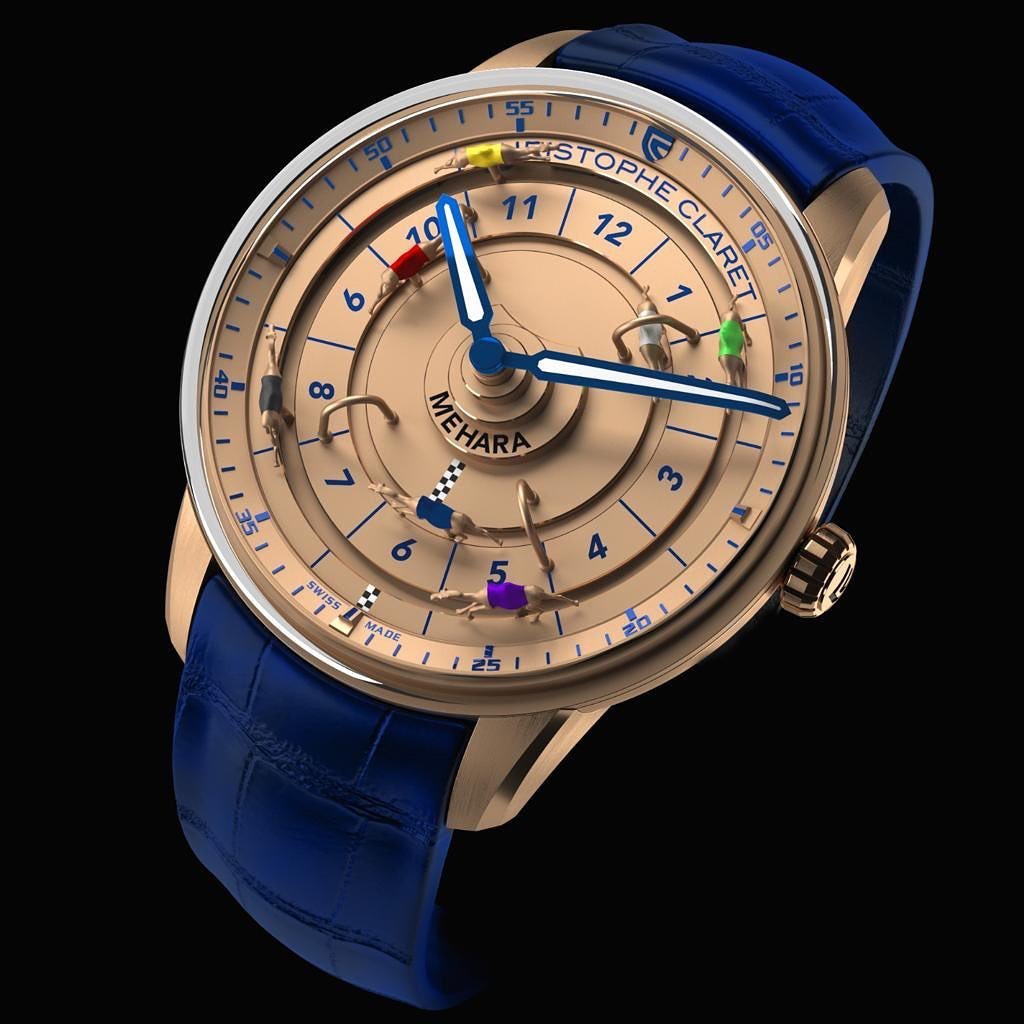
Christophe Claret Mehara
Final thoughts
The coolest part about this announcement is that the acquisition doesn’t pretend that the difficult part of Christophe Claret’s story didn’t happen. Sure, the brand went through insolvency. That’s a fact. But what comes next is much more hopeful than pretending everything has been business as usual.
The new structure separates the two things that were previously too closely related — running the company and inventing the watches. Lotus takes on the financial and organizational side, while Christophe Claret focuses on what made the name matter in the first place. So there is a lot to look forward to. We’re getting a new generation of creations, with the first expected in late 2027 or early 2028, built around The Science of Motion and Claret’s continued obsession with mechanics.
Honestly, I am very happy about this. I understand that being a creative person often comes with a tax — having to sacrifice much of your enthusiasm to make your business work. I certainly hope Mr. Claret gets his artistic freedom and a good team behind him so that we watch nerds have cool things to write about and perhaps even purchase.
How do you feel about Christophe Claret? Did you already know about the brand, or is this your first time discovering it? Do you think that this is a good business move? Dear friends, let’s chat!