Does Finishing Make A Watch Movement Work Well, Or Is It Just A Beautifying Trick?

These days, “finishing” is a buzzword. Talk to fans of high horology, and you will most likely hear terms like “anglage,” “black polish,” and “perlage.” It seems like everything is about finishing nowadays, which made a master watchmaker tell me that decorating every last piece of a movement is not the essence of watchmaking. He was clearly frustrated that the attention to technical solutions and construction was shifting toward how movements look. In today’s high-watchmaking realm, a culture of fixation on finishing has developed. Black polishing, Geneva stripes, and internal angles that require a loupe to distinguish them have become the benchmark for horological quality. The better the finishing, the better the watch. But is that how it works? Let’s ask ourselves: does high-level finishing make a watch movement work well, or is it just a beautifying trick?
In essence, it’s simple: a badly designed and constructed movement will not work well, no matter how many finishing techniques you throw at it. A well-engineered movement without elaborate finishing, however, can meet chronometer standards. But the world of watches isn’t so black and white. Certain finishing techniques have a functional purpose. Finishing combines aesthetics with a few practical benefits, from removing machining burrs and reducing the risk of corrosion to helping keep microscopic debris away from critical moving parts. Especially in a barn in a remote, snow-covered Swiss valley in the 19th century, the work environment was not exactly dust-free. Today, though, many of the decorations you see are there simply because a well-finished watch movement looks more beautiful.
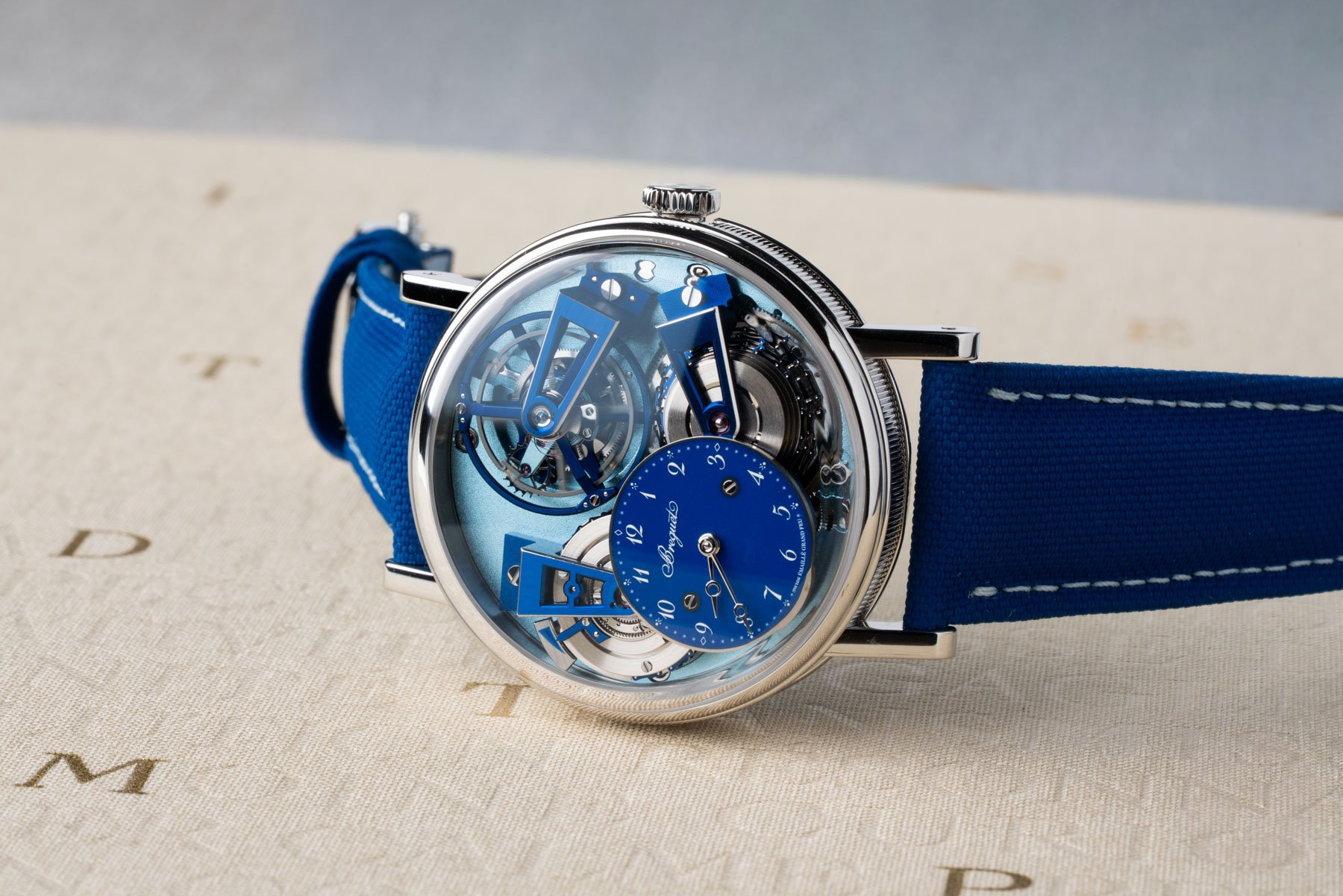
Breguet Tradition Tourbillon 7047PT
Does a well-finished watch movement have a beautiful function?
Let’s first go over some of the finishing techniques you find in watch movements. Anglage, or beveling, is one of the most recognizable examples. It is the process of filing and polishing the sharp edges of a movement’s bridges and plates, usually to create uniform 45-degree angles. It sounds straightforward enough, but doing it properly takes time, patience, and a steady hand. The polished bevels catch the light and accentuate the caliber’s contours, making its architecture stand out more through a display case back. Creating sharp internal angles, where two bevels meet in a crisp V, requires considerable manual skill because these corners cannot be finished properly with conventional tools alone. It is one of those details that separates competent industrial finishing from painstaking handwork.


Is it all just for show? Not completely. Anglage also removes burrs and microscopic metal particles left behind during machining. It helps prevent unwanted debris from entering the gear train and can make components easier to fit together.
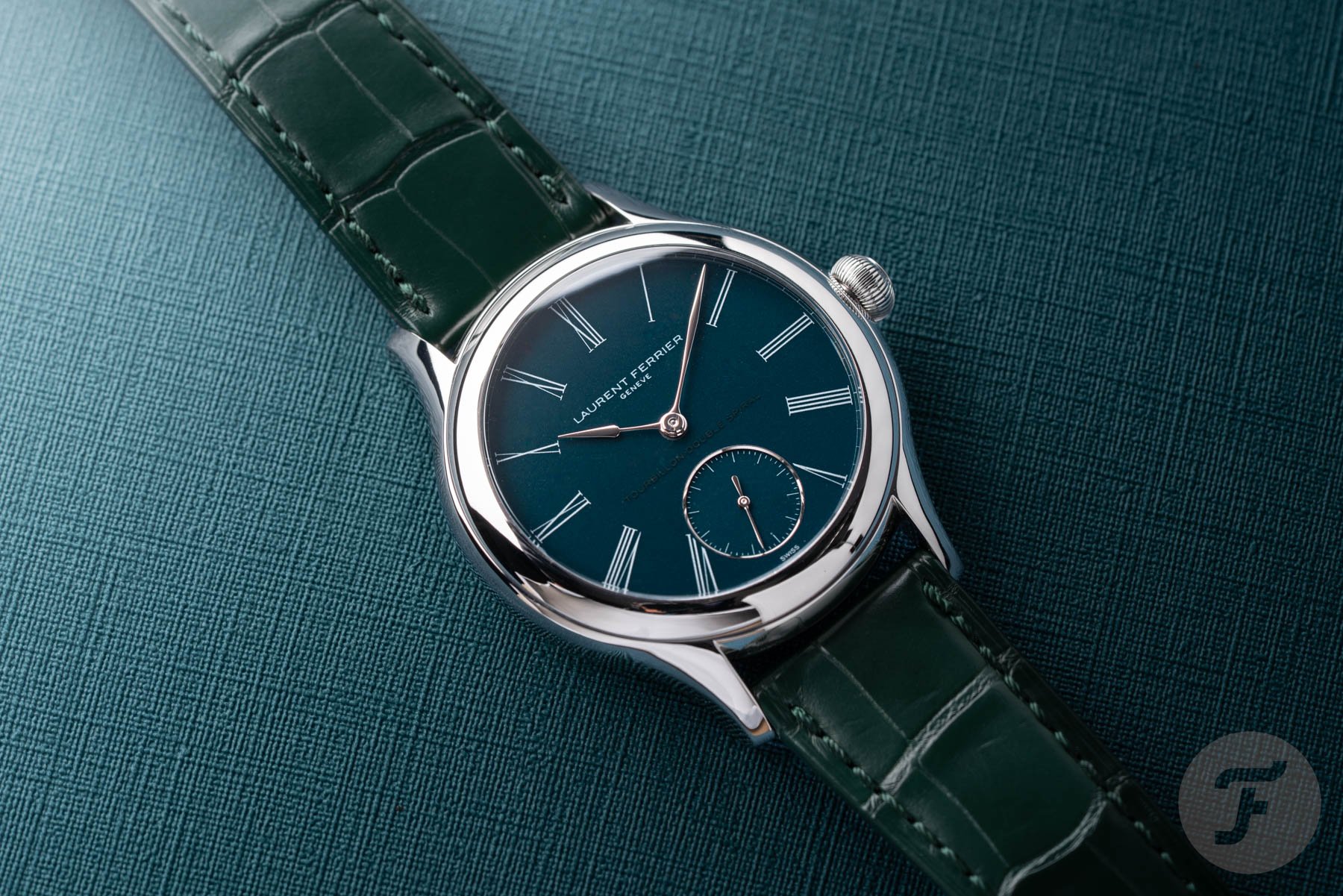
Laurent Ferrier Classic Tourbillon Teal – Série Atelier IV
Stripes, Geneva style
Then, there are Côtes de Genève, or Geneva stripes. These parallel, gently undulating lines are most commonly found on bridges and rotors. Traditionally, the grooves were said to help trap dust and keep it from reaching the more sensitive parts of the movement. Today, their role is largely decorative, although they remain part of fine watchmaking’s visual language. Conveniently, they also make minor assembly marks less obvious.


Perlage, or circular graining, is also somewhat of a dust buster. Small overlapping circles are applied in rows, often to baseplates and other surfaces that are partly or entirely hidden once the movement is assembled. The result is a fine, matte texture that adds visual depth without becoming too conspicuous.
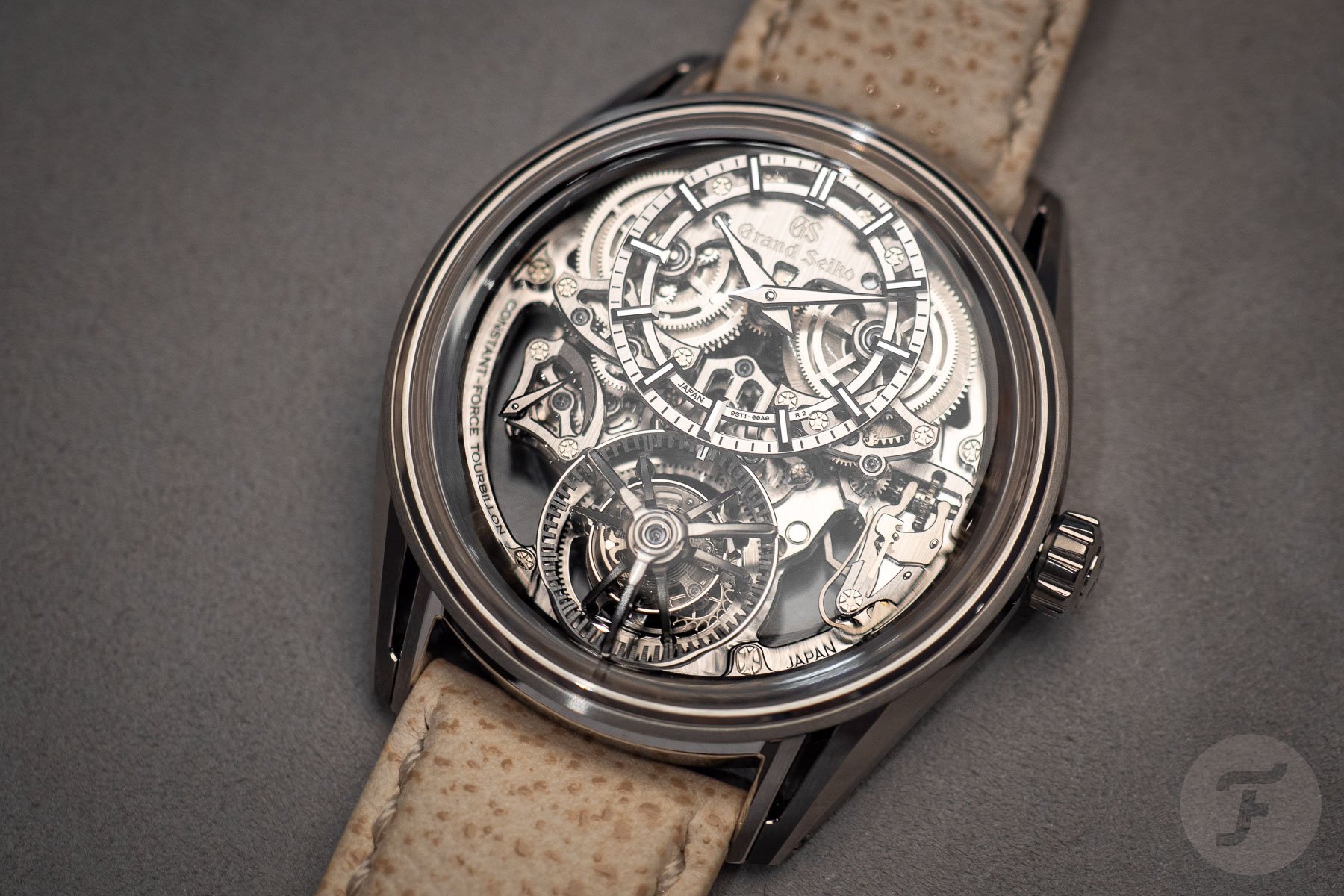
Grand Seiko Kodo Tourbillon
A more elaborate technique is black polishing, sometimes called mirror or specular polishing. It takes a while to create. The surface is worked until it is so flat and reflective that it can either throw back the light like a mirror or, from another angle, appear almost completely black.


You most commonly see black polishing for prominent components such as tourbillon bridges, chronograph levers, and minute-repeater hammers. The original, practical purpose was to make the surface so dense through polishing that it becomes water repellent. Thus, it helps prevent key movement components from corroding.
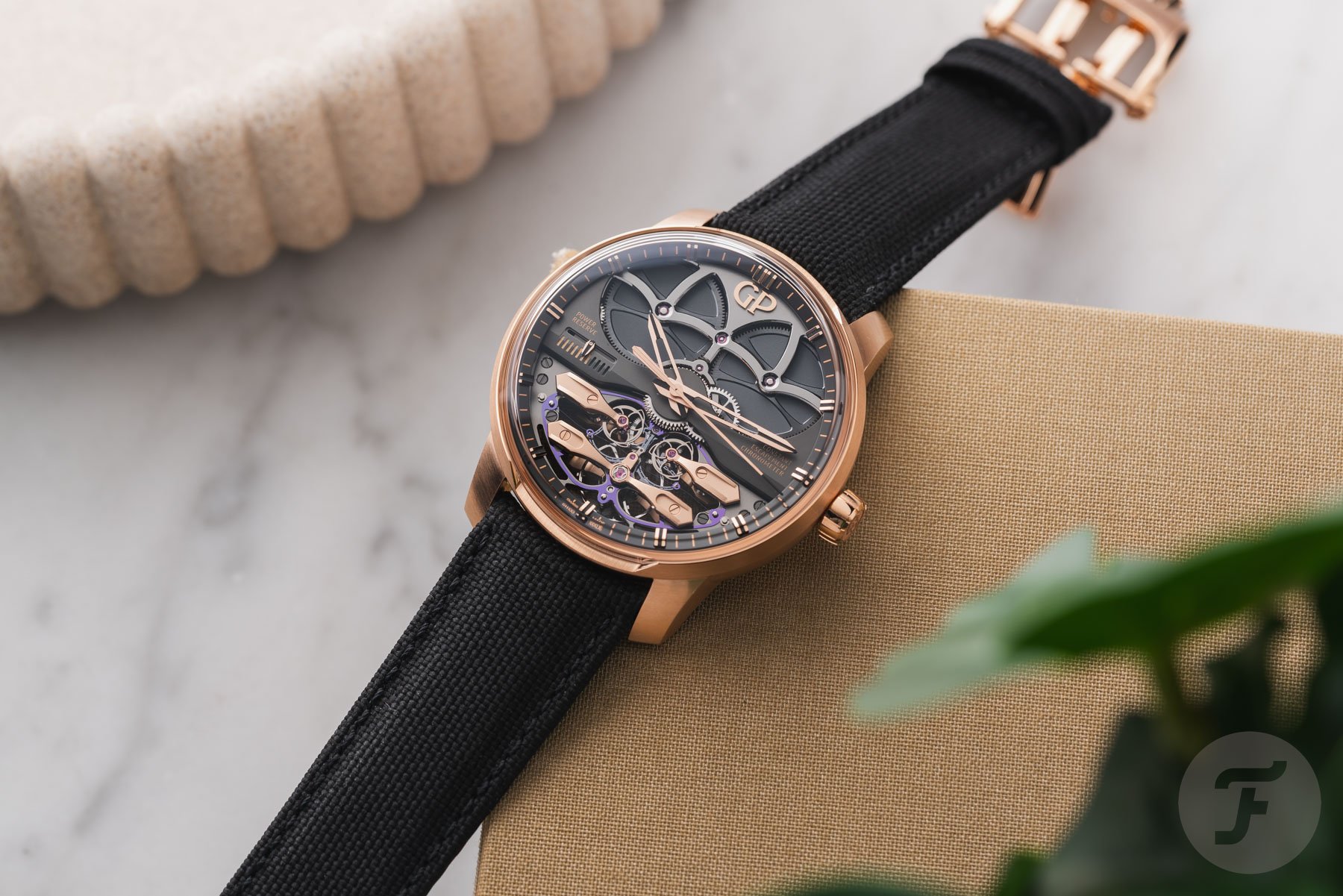
Girard-Perregaux Neo Constant Escapement
Blue for a reason
Thermally blued screws are also prominently visible movement parts. When heated precisely, steel screws form an oxide layer and turn the metal a deep blue. Like black polishing, this process offered some protection against corrosion because heating altered the steel’s properties. Today, watches are more moisture resistant than ever, and blued screws now serve as a visual accent.


Satin brushing, including linear and sunray graining, results from an abrasive material creating extremely fine, consistent marks in one direction or radiating outward from a central point. The resulting surface diffuses light rather than reflecting it sharply, making larger components, such as rotors and barrel covers, look more restrained. On a watch case, the microscopic, parallel abrasive lines hide daily wear way better than a shiny, mirror-polished surface, which shows every tiny scratch.
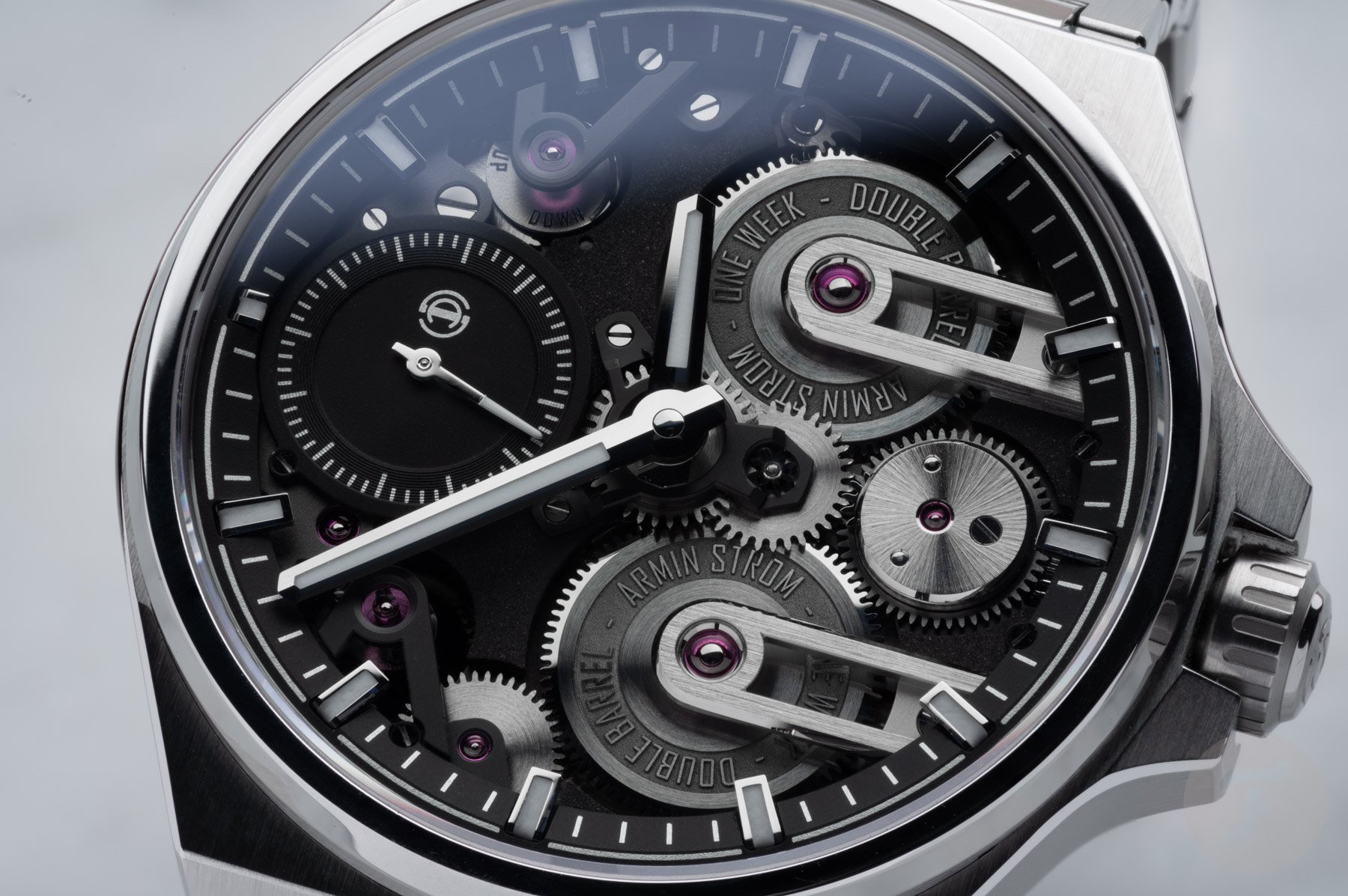
Armin Strom One Week Manufacture Edition


There’s more to mention, like frosting, micro-blasting, shotblasting. Of course, there’s also guilloché (engine-turning), made famous by Abraham-Louis Breguet, who used the technique to create antireflective surfaces on his dials and make reading the time easier. But we’ll leave it at that. Let’s continue to look at the role finishing plays in modern watchmaking.
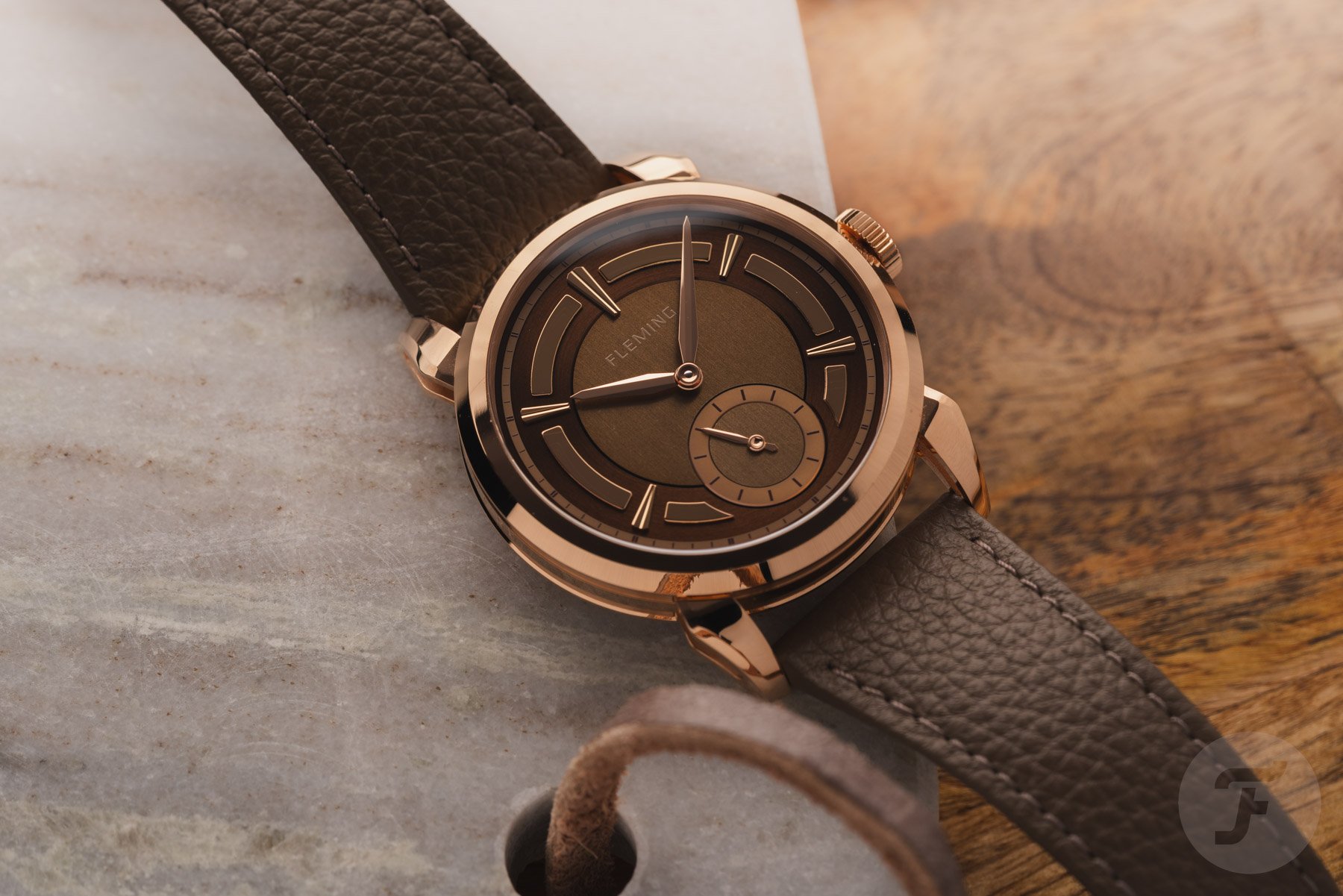
Fleming Series 1 Mark II
Let’s not overdo it
Much of the decorative work is now performed by machines. On a basic movement, finishing may simply mean making everything clean and consistent. Finishing a high-end caliber takes time and manual craftsmanship. The result can be breathtaking. I can admire a polished tourbillon bridge as much as the next watch fan. Still, I always acknowledge that black polishing doesn’t make a movement more accurate, more shock resistant, or more reliable over time. Finishing has its place, of course, but somewhere along the way, decoration has started to compete with engineering for collectors’ attention.


Finishing is now, more than ever, a selling point. It’s easy to see why. A decoration is, in nine out of ten cases, easier to admire than a technical solution. And when a brand tells you that it took more than three days to finish the mainplate alone, it’s only natural that you’re impressed. But a shiny bridge can distract from more fundamental questions. Is the movement architecture interesting? Is the power reserve competitive? Has the manufacturer introduced something genuinely useful or technically inventive, or has it simply given an otherwise conventional caliber a particularly attractive maquillage?

Audemars Piguet Royal Oak Concept Flying Tourbillon GMT
To finish or not to finish, that is the question
Intrinsic finishing also drives up the cost, and before you know it, you’re in a vicious circle. A high-horology creation is expensive because someone has spent hours polishing an internal angle to perfection. While this is undoubtedly a remarkable demonstration of skill, it also drives up the price of the finished watch. Finishing every last part to perfection, even the ones you will never see, is a great story, but does it justify the watch’s price? You might get the feeling that the elaborate finishing is an excuse for a heavy price tag. Whether that expense translates into a better watch overall is another matter.


Nevertheless, manual finishing remains an important part of traditional watchmaking. Techniques such as freehand anglage and polishing with wooden pegs preserve skills that machines cannot always convincingly replicate. They also give a movement a sense of human involvement. The human touch is difficult to quantify but easy to appreciate. At the highest level, finishing tells us something about a watchmaker’s intentions — how much time, care, and expertise have gone into details that most owners will rarely see without a loupe. But it says nothing about the maker’s engineering skills. An innovative constant-force mechanism or a perpetual calendar operated through just a single crown are technical watchmaking skills that elaborate finishing seems to overshadow. And finishing doesn’t drive innovation in movements.
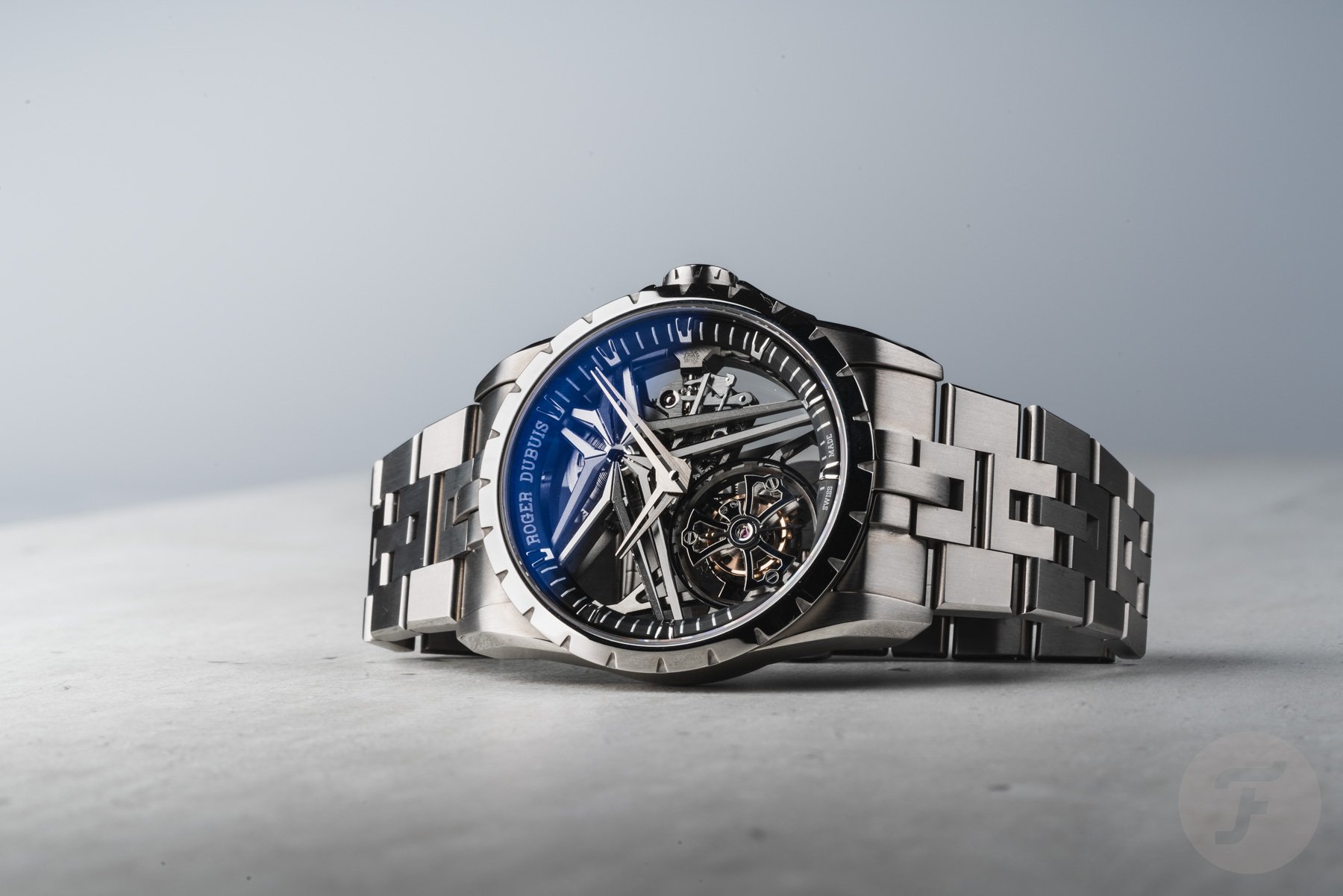
Roger Dubuis Excaliber Monotourbillon Titanium
Finishing thoughts
For independent watchmakers operating at the upper end of the market, finishing can be perceived as an art form. Still, when decoration becomes a substitute for substance rather than a complement to it, I think things start to get problematic, and the aforementioned anonymous watchmaker agrees. Exceptional finishing should ideally accompany thoughtful technical excellence, innovative engineering, or both rather than distracting from an absence of these things. A beautifully executed movement deserves admiration, but it simply shouldn’t receive a free pass on everything else. It might be harder to see technical ingenuity, let alone fully grasp it, but that is the true foundation of watchmaking.


Finishing also shouldn’t be an afterthought. The mechanics do the heavy lifting, but there is no reason they can’t look good while doing it. In the end, it’s about balancing looks and skills, and for now, finishing outweighs movement construction and technical originality.

David Candaux DC6 Wildfire


What are your thoughts on this matter? Do you prefer a black-polished tourbillon bridge over a technical feature like deadbeat seconds, for instance? Please let me know in the comments.