Five Rolex Watches For Those Thinking Outside The Box

Say “Rolex” to most people, and their mental image is fully formed before you finish the sentence — a Submariner, maybe a Datejust on a Jubilee bracelet, something that has been photographed on a thousand wrists. For some enthusiasts, that image is precisely the problem.
Rolex has produced plenty of watches that never made it into that mental image, and some of them reward a serious look if the usual suspects leave you cold. None of these are a secret, but they are quieter, stranger, or simply less discussed than the watches that dominate every “best of” list. Here are five Rolex models worth knowing, because I would argue the brand’s reputation for bulletproof watches was never built on the Submariner alone.
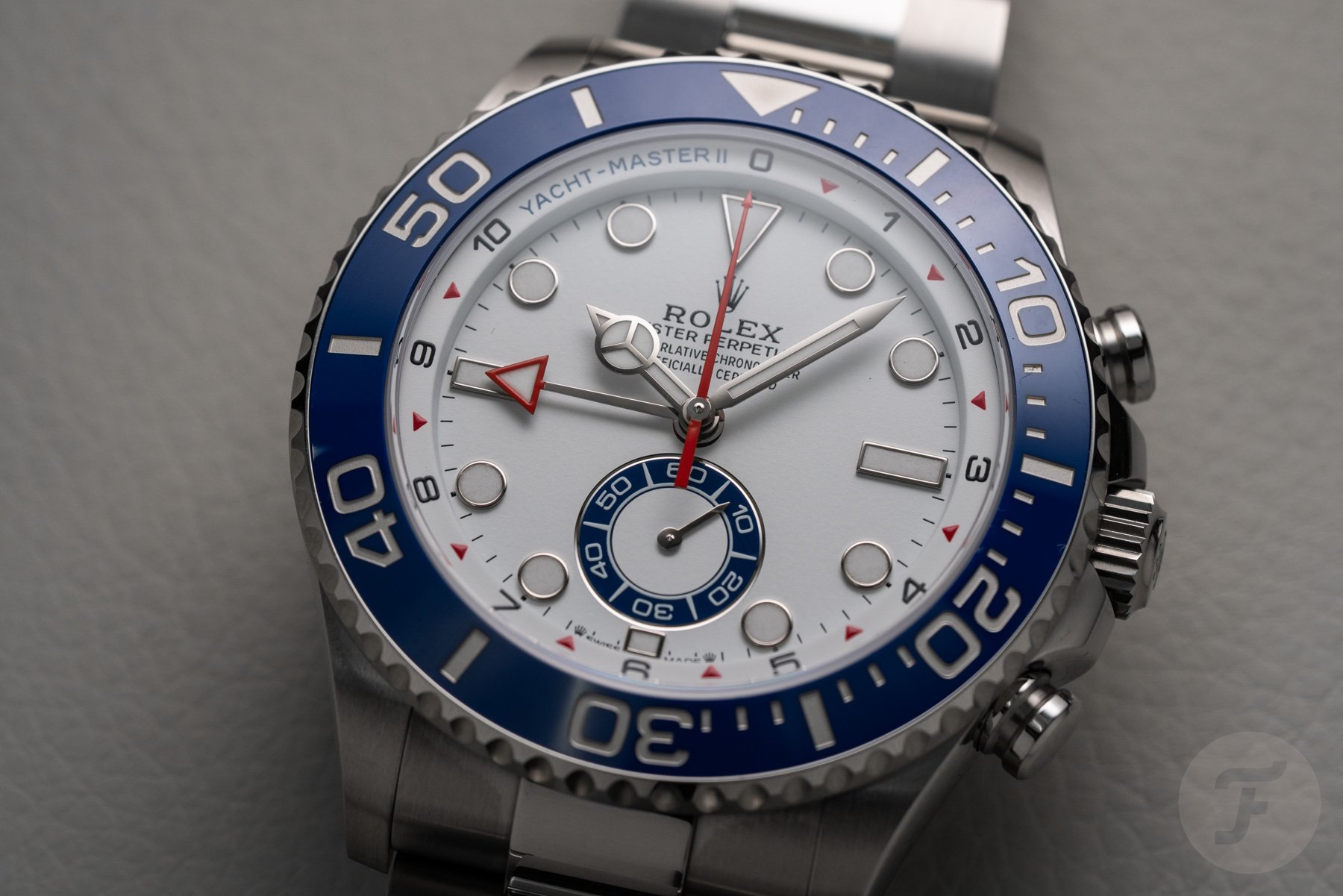
The Yacht-Master range is just wonderfully strange
The Yacht-Master sometimes gets filed next to the Submariner because of the rotating bezel, but the resemblance stops there. It was never built for depth ratings or dive-team credibility. It was built to look appropriate for yachting life, and it succeeds completely. The Yacht-Master II’s regatta-timer function is useful (if you actually race boats), but it’s also just quirky. Strangely, it reminds me of the Aquastar Benthos, with its bespoke sub-dial-less chronograph movement. The Benthos, while it inhabits a different segment altogether, shares a quirky specificity with the Yacht-Master II. I like it when watches are so specific in their function, so it earns a place on my list today.
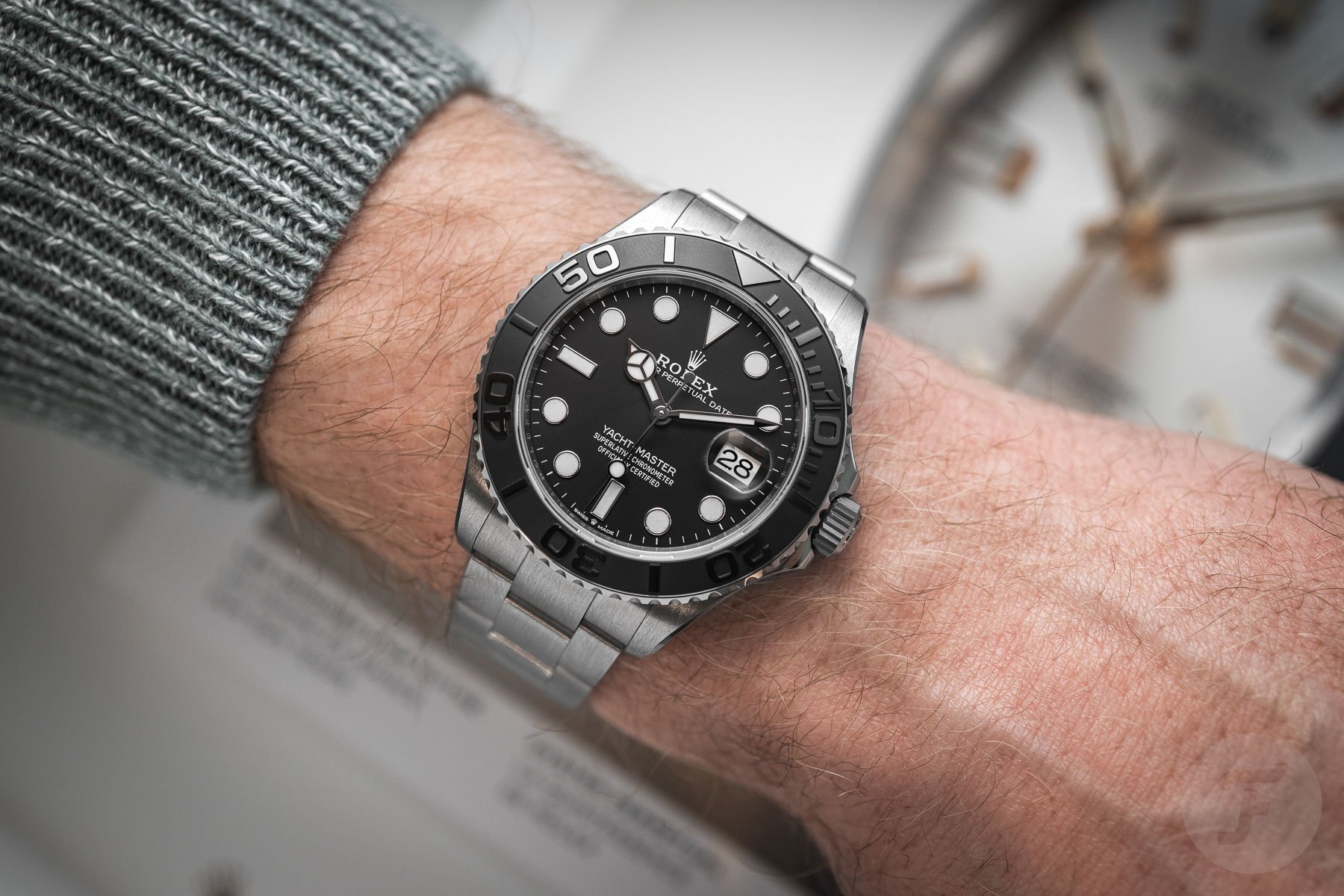
For anyone tired of the tool-watch pose that so many of the brand’s watches trade on, the Yacht-Master is Rolex admitting it can just be beautiful instead. The line has also stayed comparatively under the radar since its introduction in 1992, spared the waiting lists and markup drama attached to sportier references. That relative anonymity is part of the appeal: you get the case quality and the movement without all the cultural noise.
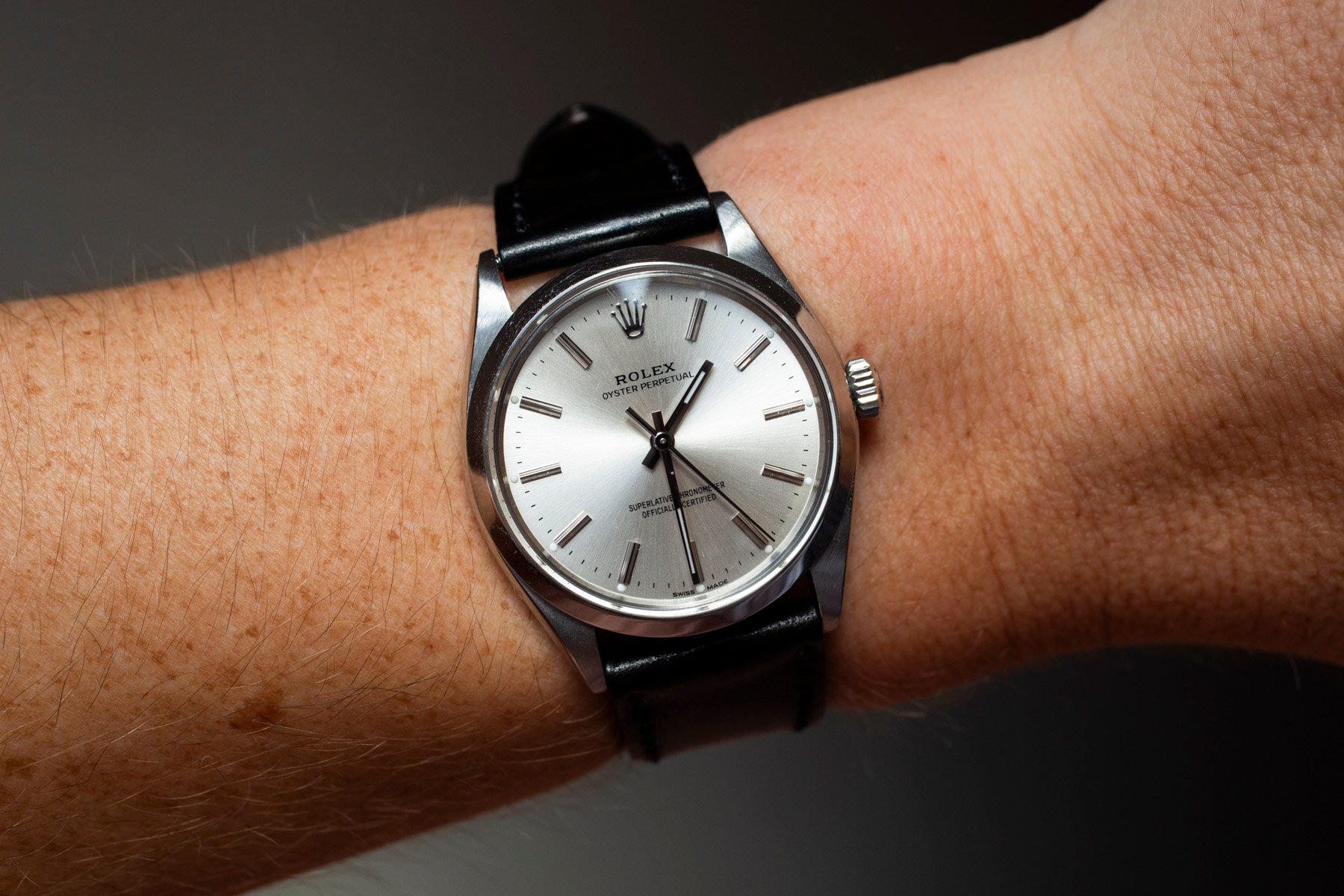
The 34mm Oyster Perpetual: pure Rolex, no baggage
Strip away the complications, the bezel, and the sports associations, and you land on the 34mm Oyster Perpetual. This is arguably the purest expression of what Rolex actually is. There’s no date window competing for space, no information-loaded bezel, and no chronograph pushers, just a case, a dial, and a movement doing its one job well. The design predates the entire tool-watch mythology built up around the brand, going back to the original waterproof Oyster case from the 1920s, long before Submariners or GMT-Masters existed.
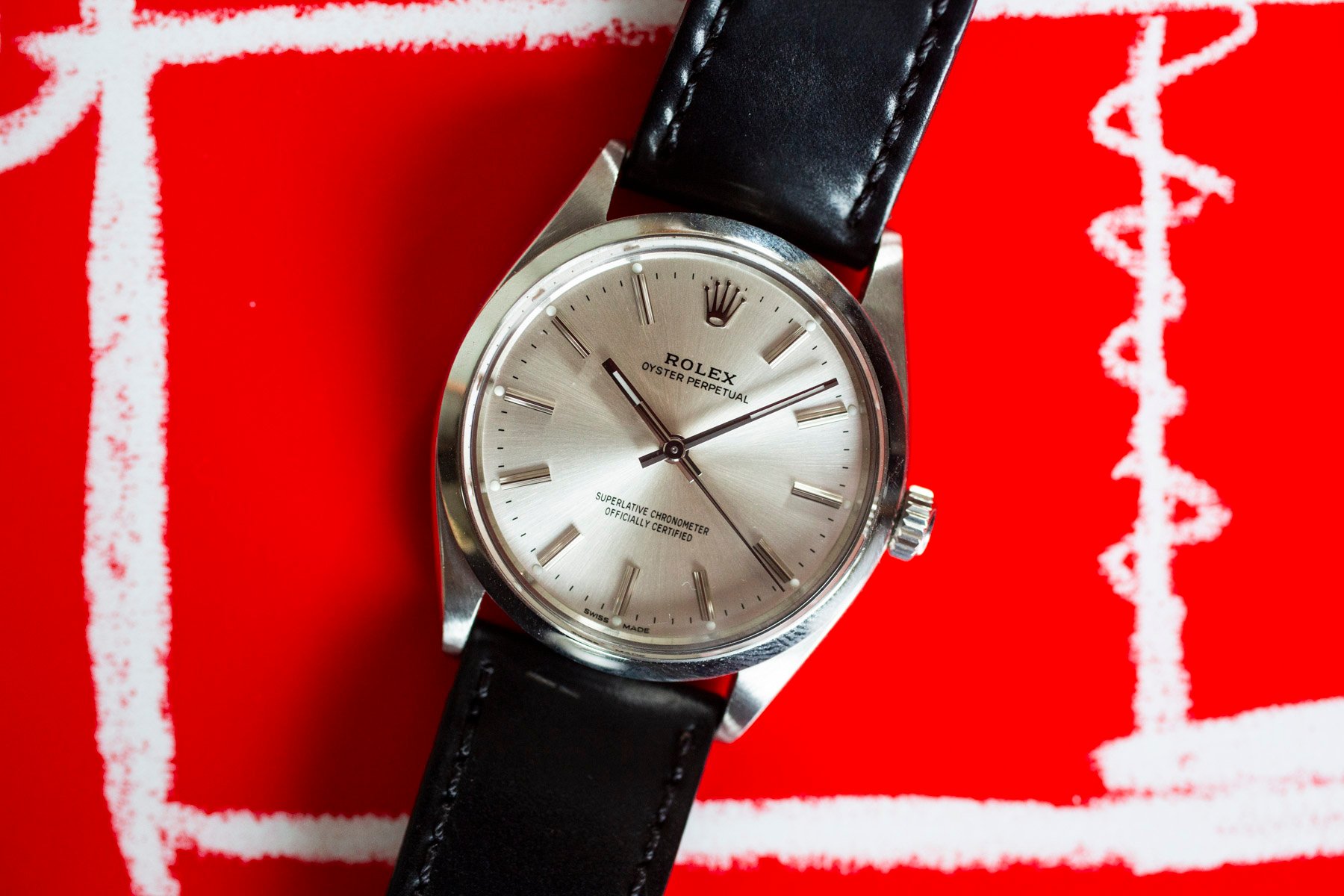
If the usual Rolex identity feels self-important, the 34mm Oyster Perpetual is the version with nothing left to prove. It is also, not incidentally, one of the few Rolex watches that moves easily between a gym bag and a dinner jacket, precisely because Rolex never created it with either occasion specifically in mind. A 34mm Oyster Perpetual is probably the purest expression of Rolex and one of my favorite recommendations from The Crown.
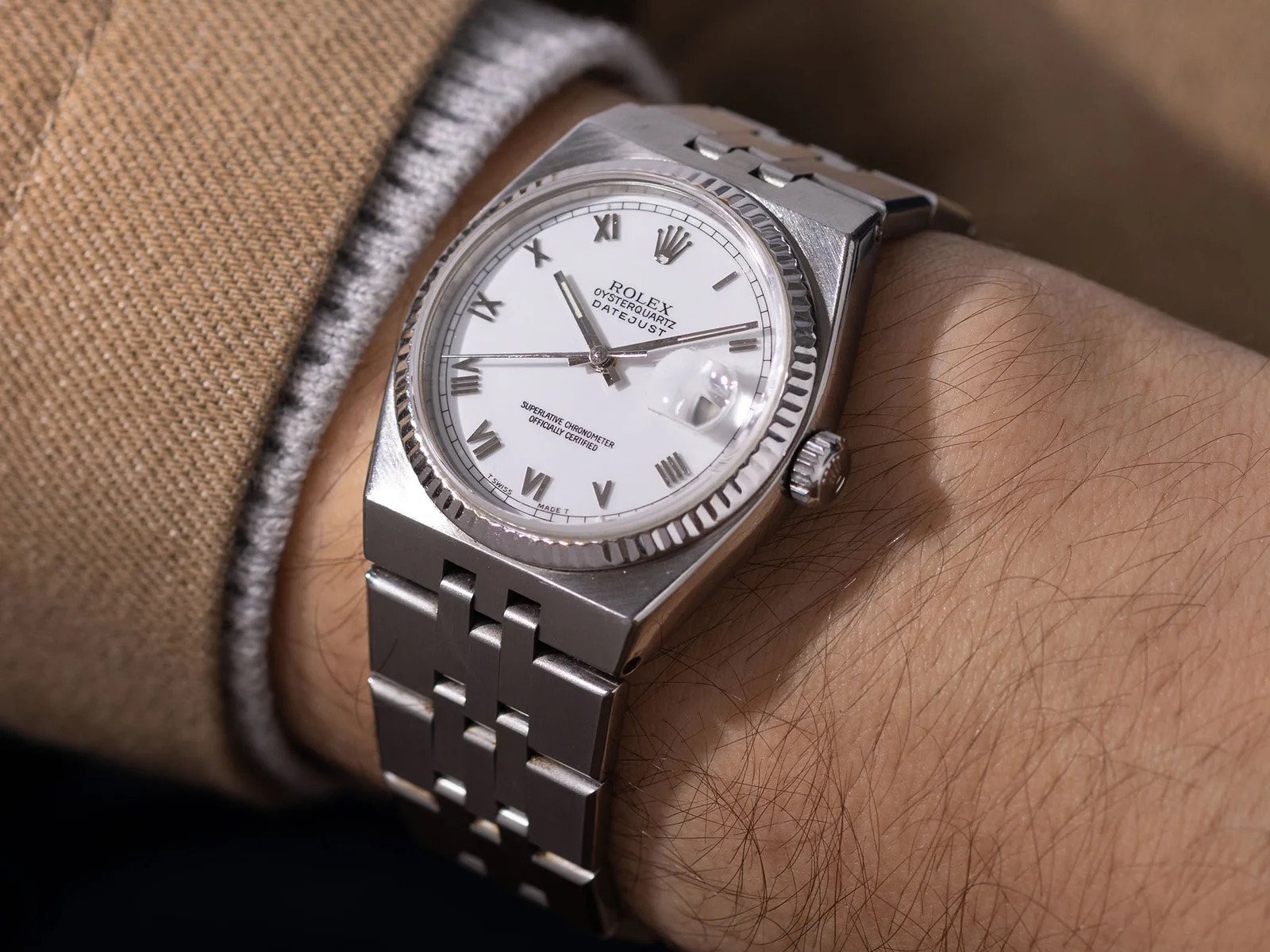
The Oysterquartz: Rolex’s integrated-bracelet era
Released in 1977, the Oysterquartz paired an in-house quartz caliber with an integrated bracelet and an angular, faceted case that looks nothing like the rest of the catalog. It arrived during the same design wave that produced the Royal Oak and the Nautilus, and Rolex, characteristically, built its take on the style rather than following anyone else’s blueprint. The bracelet flows directly into the case with no visible lugs, and the whole thing reads as distinctly 1970s in a way no current Rolex does.
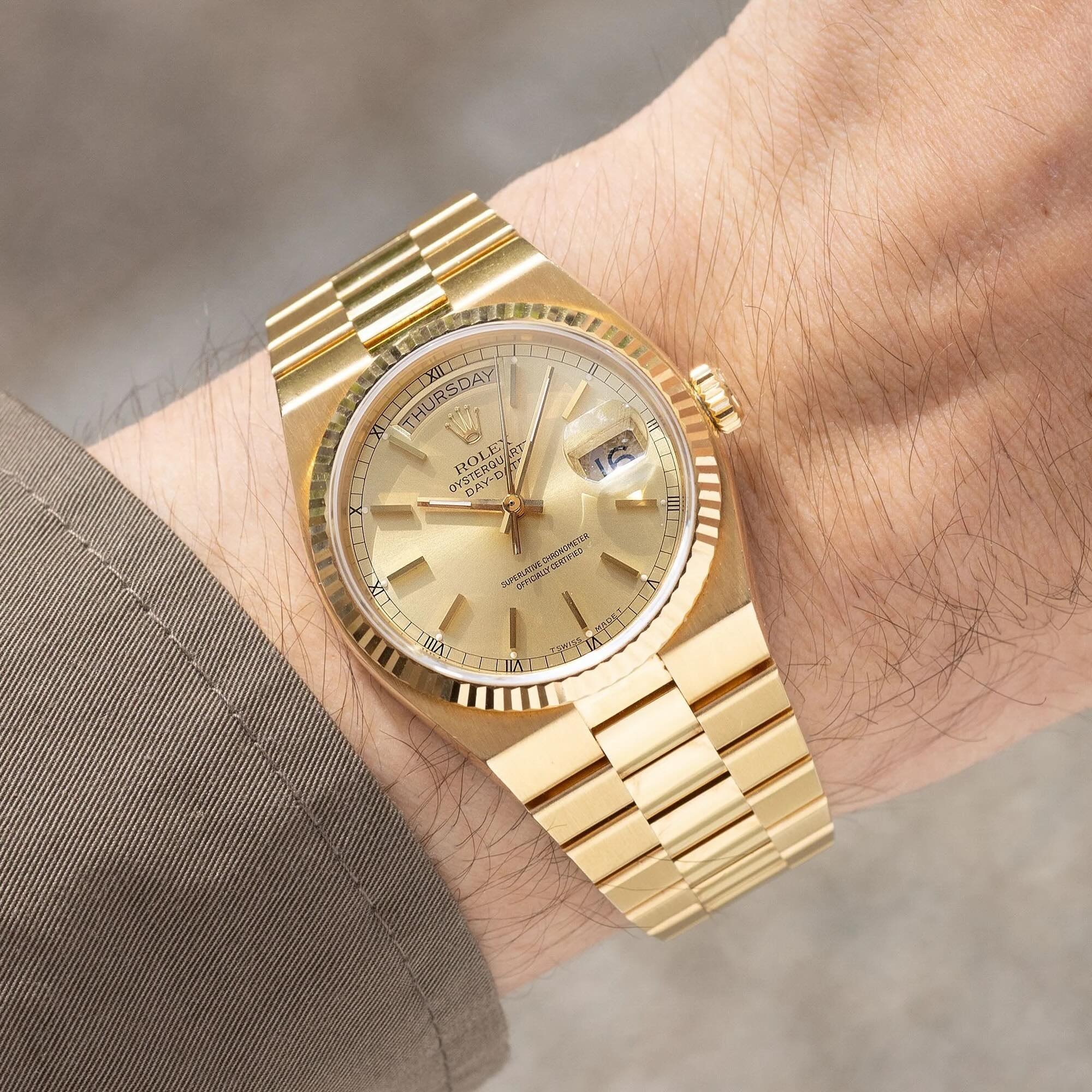
Image: Bulang & Sons
Production ended in 2001, and the line has quietly built a cult following among people who want Rolex’s finishing and reliability without the round-case tool-watch silhouette everyone already recognizes. The Oysterquartz is the rare Rolex that a stranger might not immediately clock as one, and for plenty of collectors, that is the entire appeal.
The Cellini: dress watches without the Oyster case
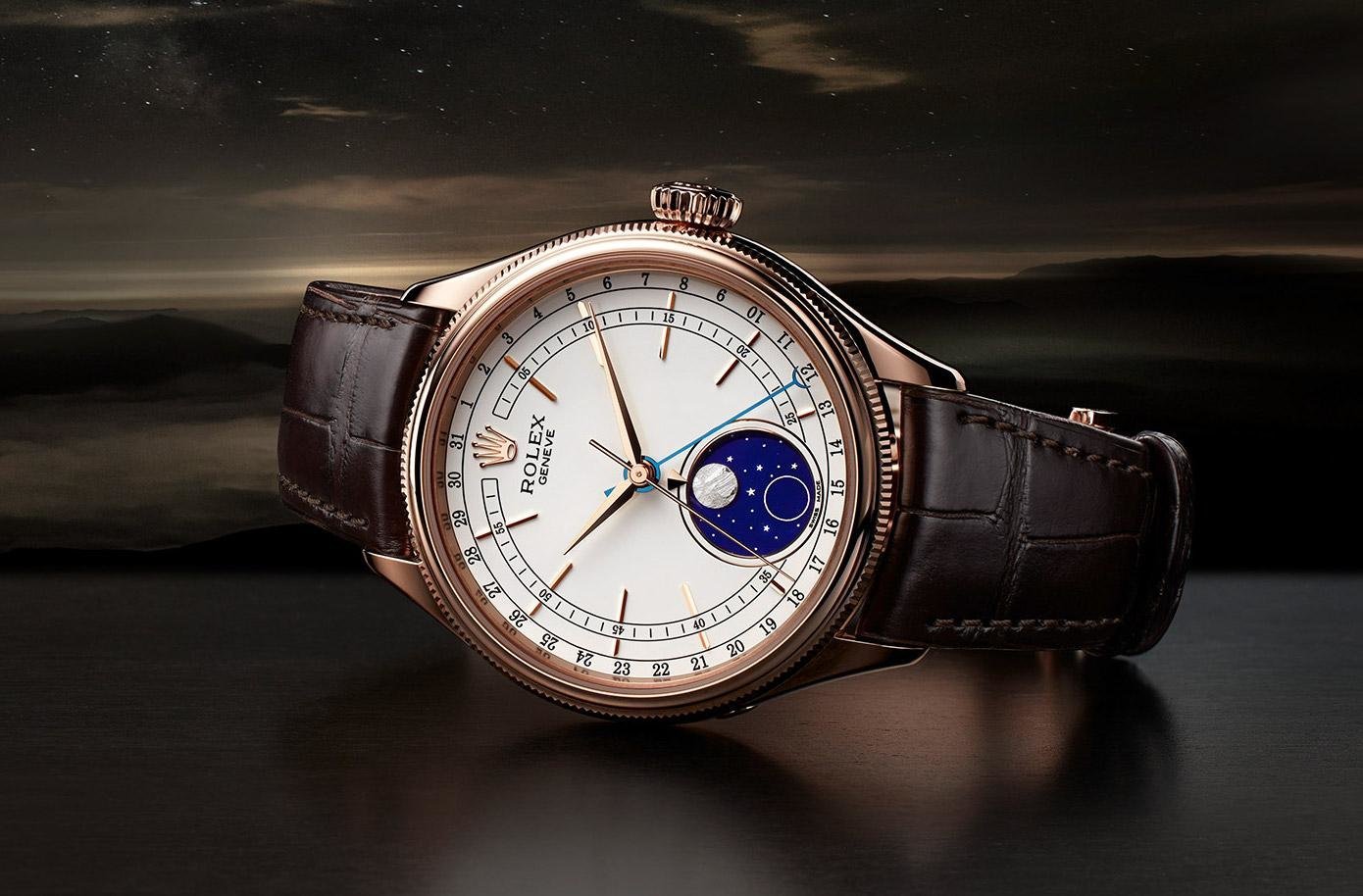
Whereas every other line on this list still uses some version of the Oyster case, the now-discontinued Cellini line drops it entirely. It has no screw-down crown or water-resistant tool-watch DNA, just a thin case, a leather strap, and dial layouts built for a three-piece suit rather than a wetsuit. Some references use a fluted bezel, while others go smooth and minimal. All of them, however, trade the brand’s usual bulk for genuine slimness.
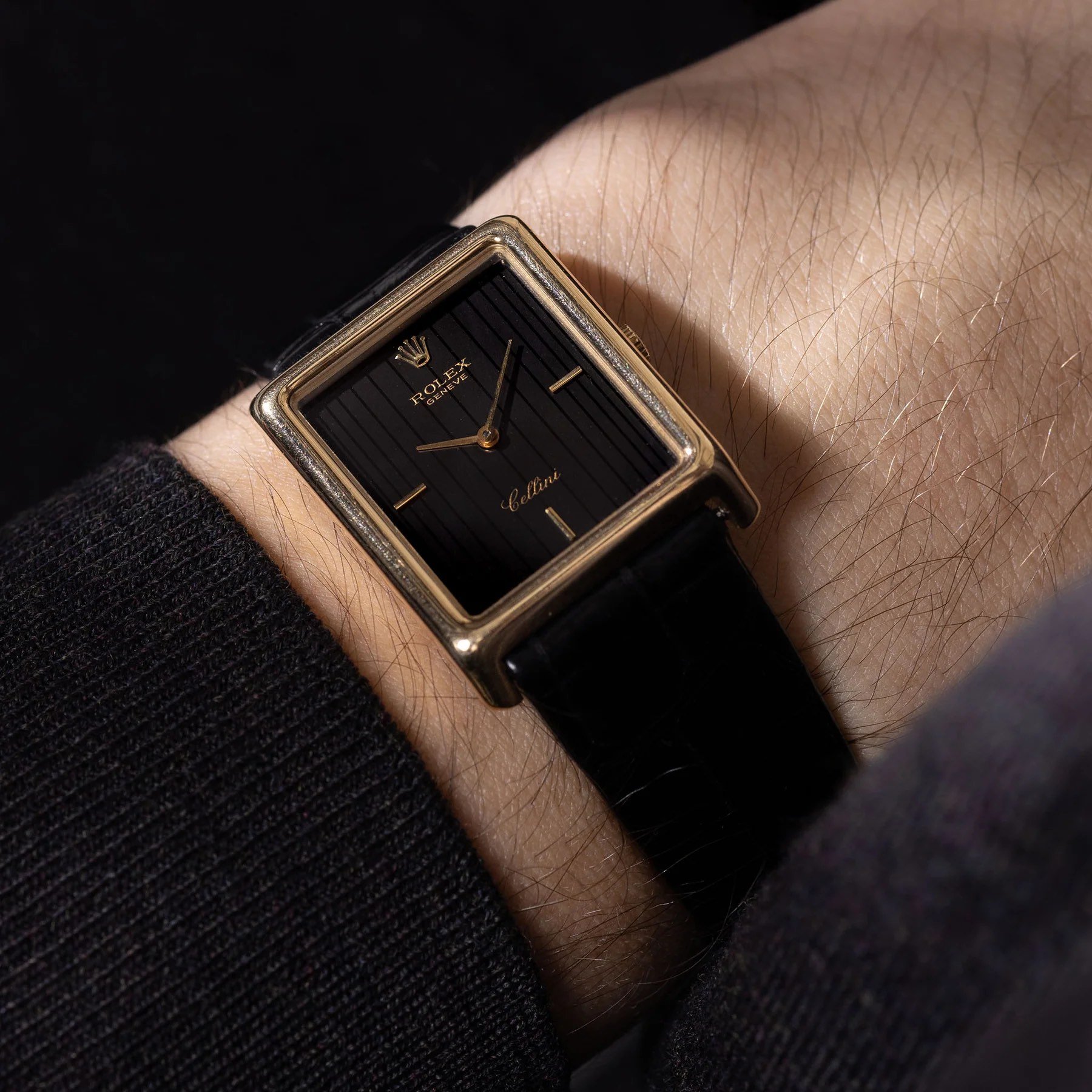
Image: Bulang & Sons
For someone who admires Rolex’s manufacturing but has never wanted a sports watch, the Cellini is the answer nobody asks about. These watches still use great movements with nice finishing; they’re just for entirely different wrists and circumstances.
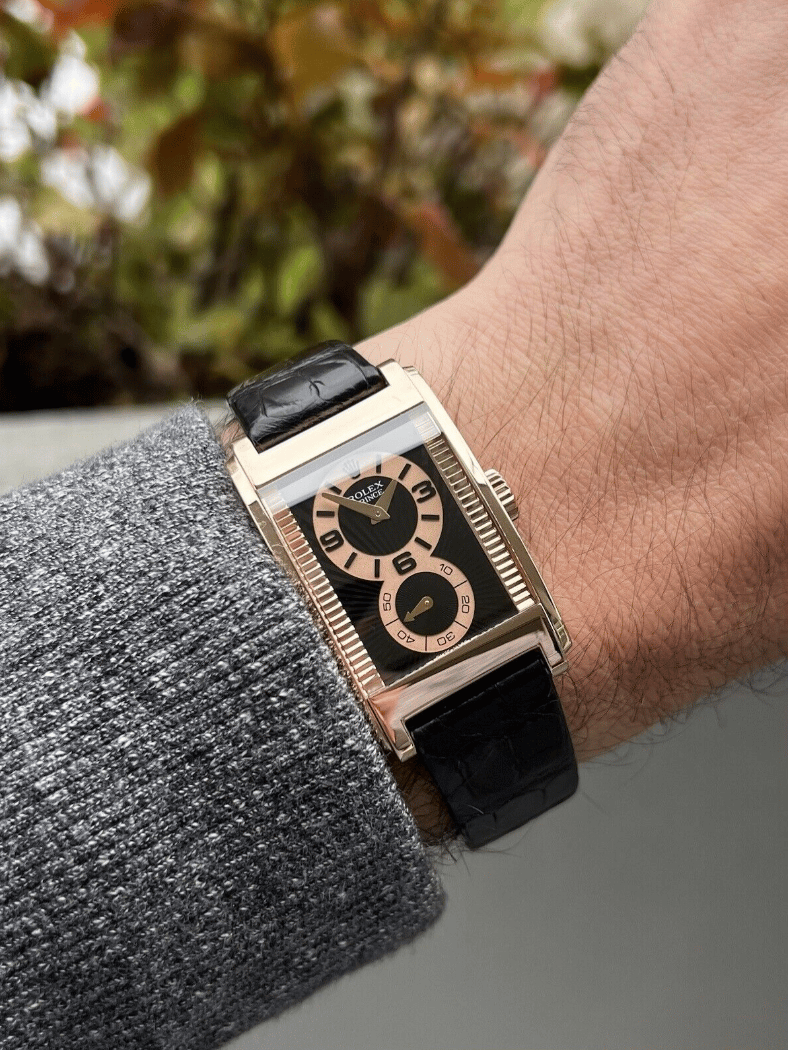
Image: Watchvault Australia
The Prince: older than the crown you probably picture
The Prince predates almost everything else people know Rolex for today. First introduced in 1928, it has a rectangular, Art Deco case and displayed hours and minutes in one sub-dial and running seconds in another. This layout was so legible that doctors reportedly used it to check patients’ pulses, earning it the nickname “doctor’s watch” at the time.
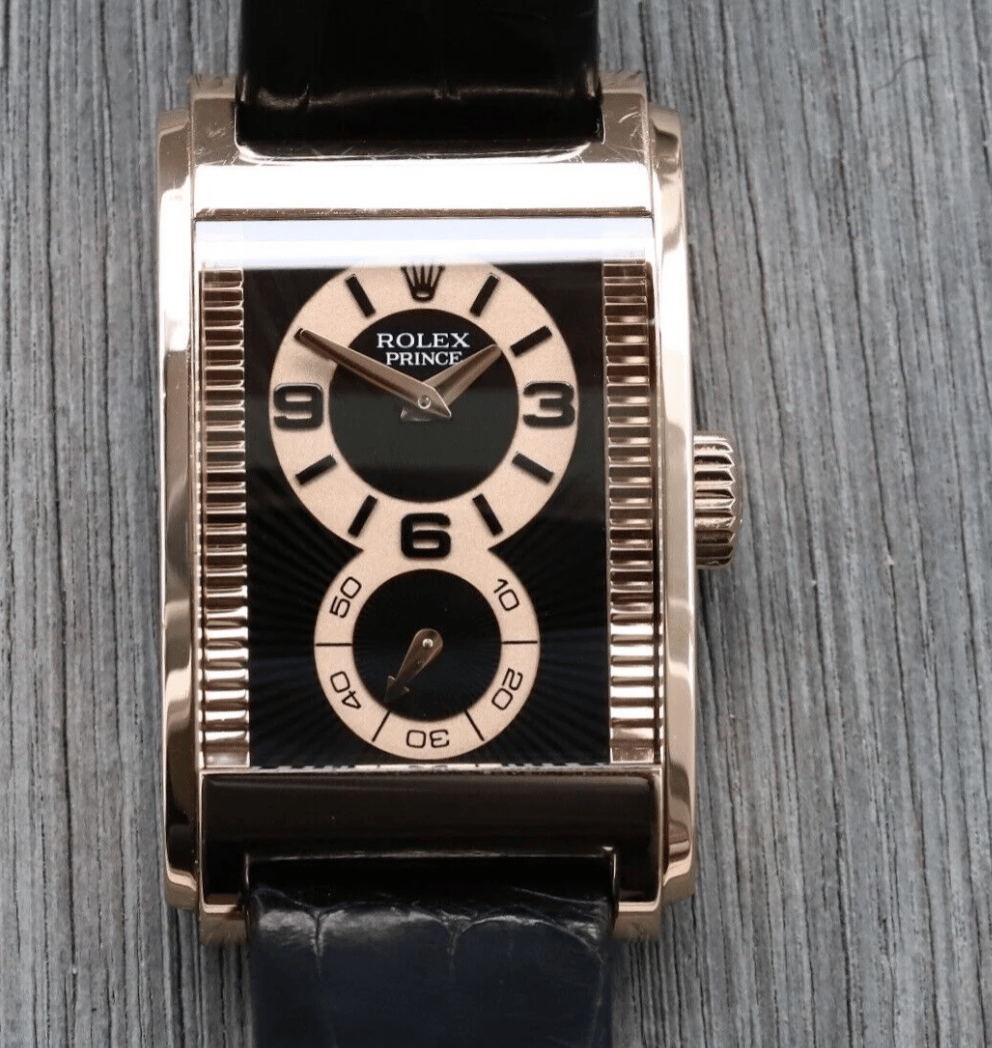
Image: Watchvault Australia
In the early 2000s, Rolex brought the Prince back in modern reissues — still rectangular, still unmistakably vintage in spirit, and still as far from a round steel sports watch as Rolex gets. For anyone drawn to prewar design over modern tool-watch bulk, the Prince is proof the brand’s history runs deeper than the Oyster case.
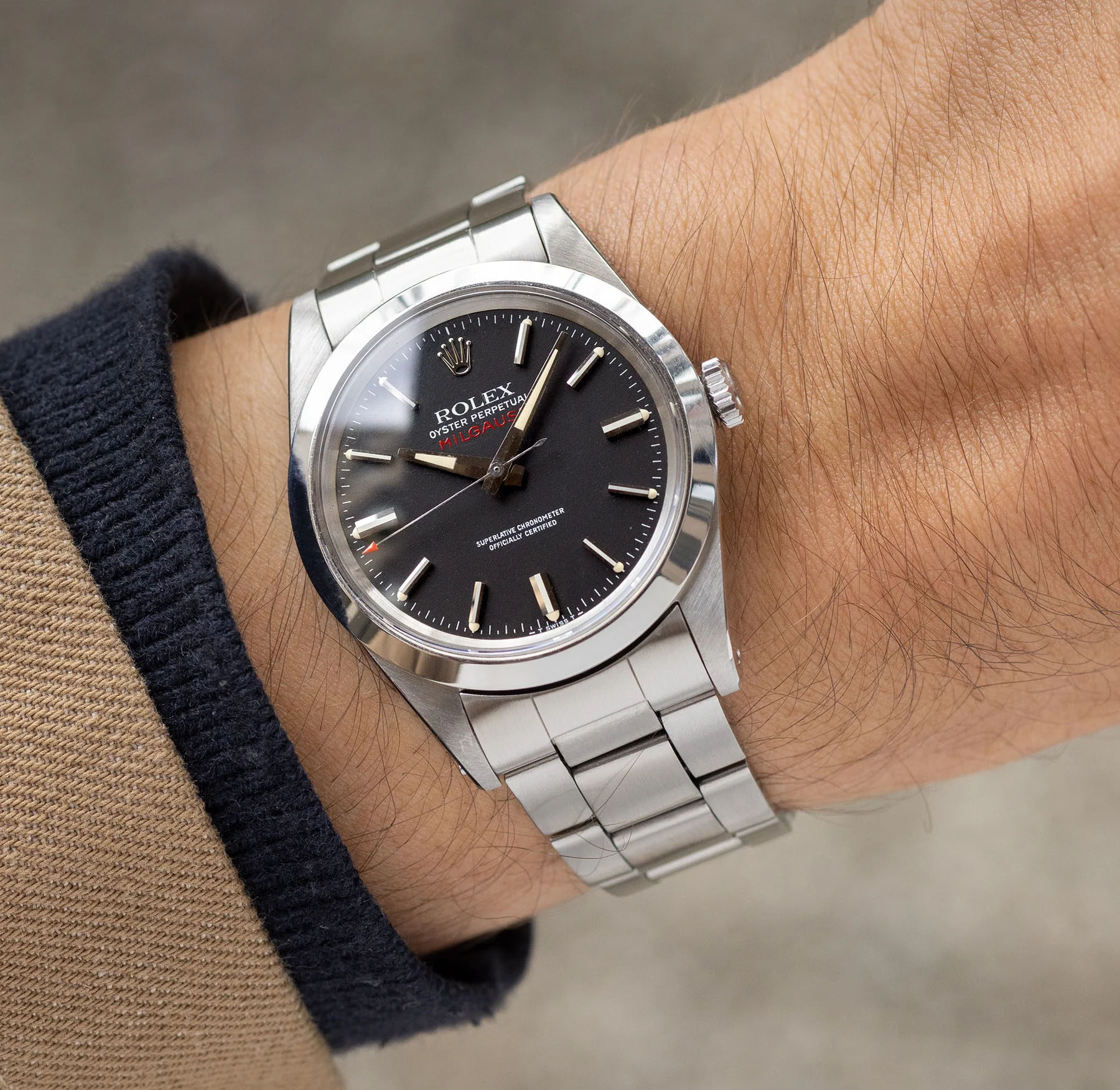
Another great option, a vintage Milgauss — Image: Bulang & Sons
Concluding thoughts
None of these watches will convert someone who dislikes what Rolex represents culturally, the price talk, the resale obsession, the sheer ubiquity. But for people who like the engineering and the finishing and simply cannot stand the sight of another black-bezel Submariner, these five ideas make the case that there is more here than the obvious references suggest.
Sometimes the most interesting Rolex is the one that does not look like a Rolex at all. Which of these would actually get you to reconsider the brand? Let me know in the comments!