Seiko Astron GPS Solar SAST001: My Least Worn Watch And Why I Still Own It

I was one year old when Seiko introduced the world’s first quartz watch, the Quartz Astron. Needless to say, it didn’t make much of an impression on me. However, when the Japanese powerhouse launched the Astron GPS Solar in 2012, I was old enough to appreciate its significance. It was the world’s first GPS solar watch, capable of receiving time and location information via GPS anywhere on the planet and automatically displaying the correct local time. Packing that much technology into a wristwatch presented considerable engineering challenges, but Seiko pulled it off. All that technology needed space, though, resulting in a first-generation Astron GPS Solar SAST001 with a 47mm case. Is that why it’s my least worn watch? Perhaps. But why do I still own it?
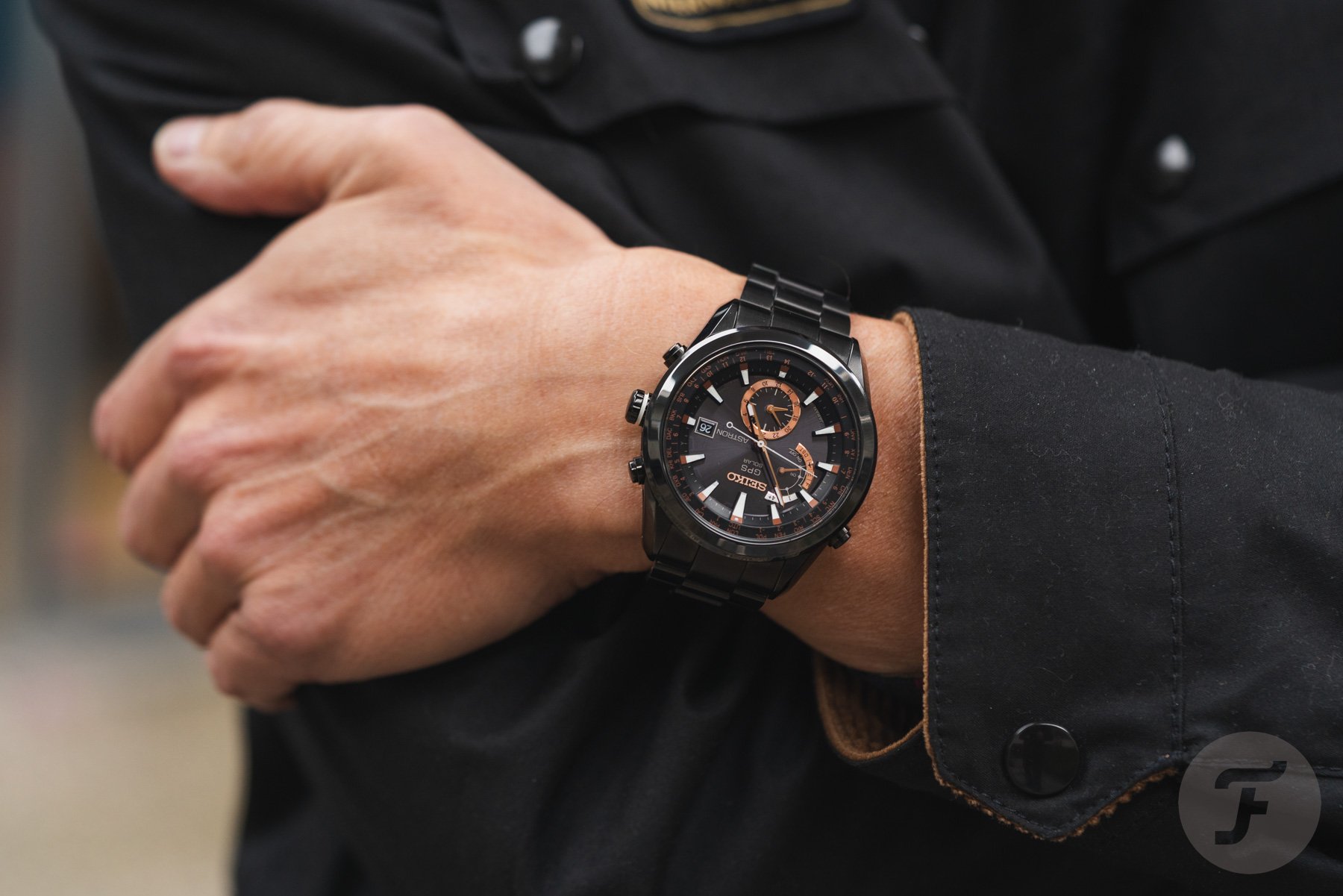
My Seiko Astron GPS Solar SAST001 is a lot of watch — literally, given its 47mm diameter and 16mm thickness. But there’s more to it than sheer size. Its styling is equally bold, and the watch has a distinctly three-dimensional appearance. Just look at the applied indexes. They exemplify how Seiko handled engineering challenges while establishing a distinctive identity for its revolutionary Astron.
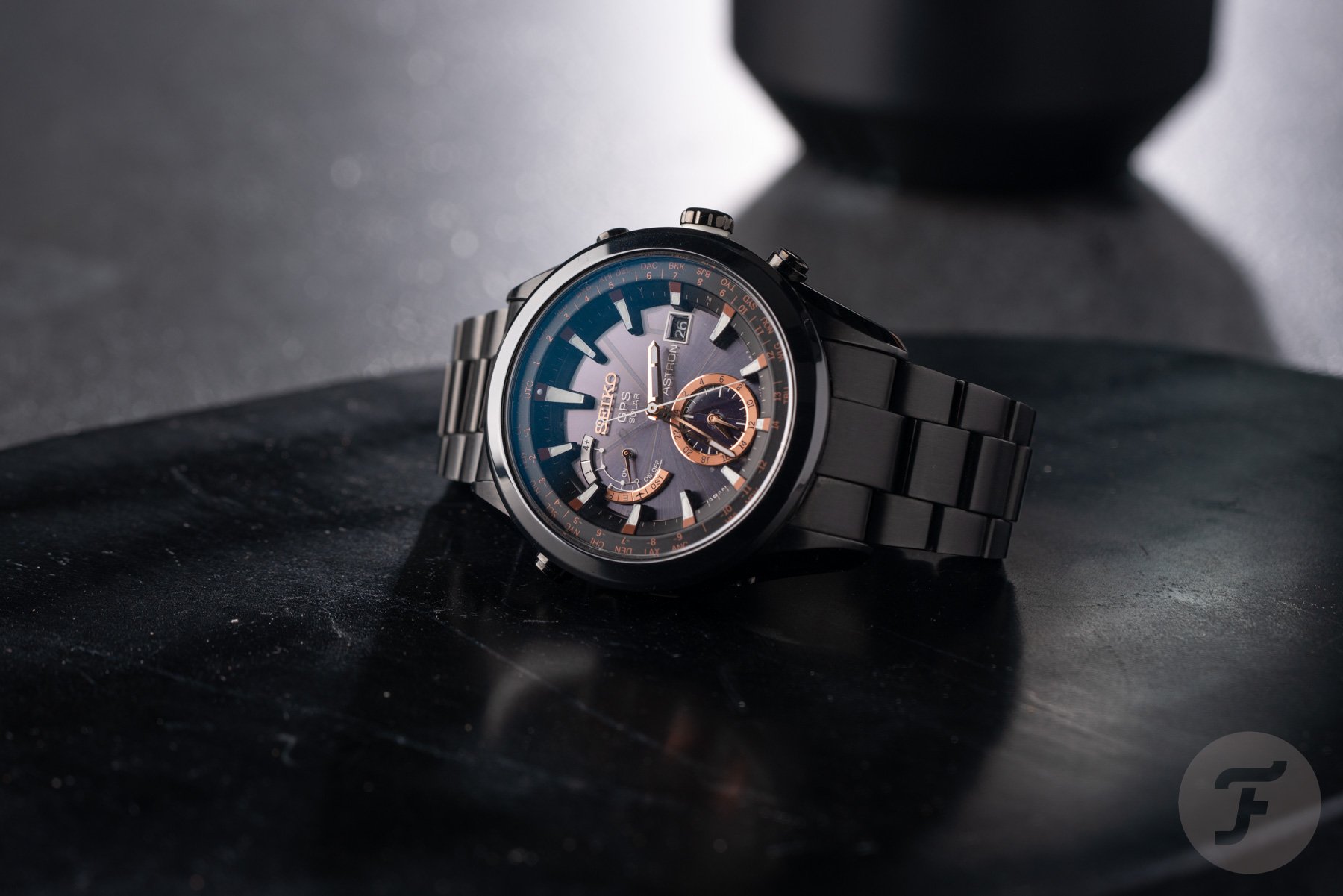
The Seiko Astron GPS Solar SAST001
The indexes’ shape and positioning reduce the perceived distance between the dial and the sapphire crystal, creating a cohesive appearance despite the additional layers the technology requires. Rather than covering the entire dial with photovoltaic cells, Seiko discreetly placed small solar panels around the hour markers. The result is one of the most three-dimensional dials I’ve ever seen. The flat sapphire crystal, with its Super-Clear Coating, lets your eyes travel all the way down to the bottom of the dial.


What appealed to me most when I first encountered the Astron GPS Solar SAST001? Its innovative technology. The watch can determine the correct time zone based on the wearer’s location, automatically adjust to local time, and run entirely on light. No regular battery changes are necessary. That’s impressive even today.
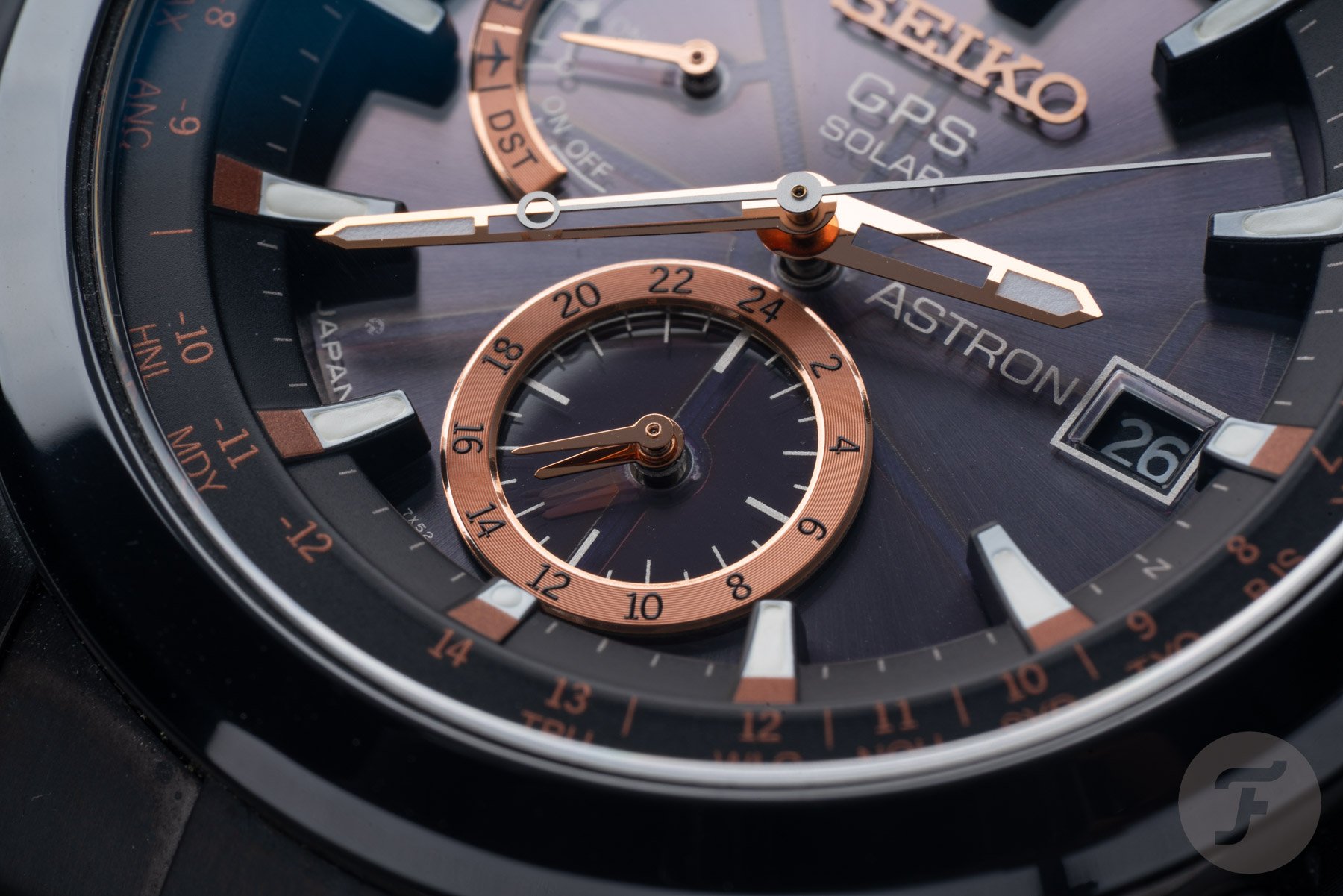
A monster-sized watch
The aesthetics are equally impressive. When the Astron GPS Solar debuted in 2012, Seiko offered six versions. The black SAST001 was one of them, produced as a numbered limited edition of 2,500 pieces. Its case is lightweight blackened High-Intensity Titanium, while the bezel is ceramic. Together, these materials keep the weight down to 125 grams, about half that of a full-steel Astron. This lightness makes the watch surprisingly wearable, as do its short lugs. Let me tell you, it wears more like a 44mm watch. Still, the deep dial and copper-colored accents give it plenty of wrist presence.


What impresses me most, even 14 years after first putting it on my wrist, is the finishing and build quality. The case’s recessed sides, the three-row bracelet, and the folding clasp leave little to complain about. The watch feels exceptionally smooth, almost soft, thanks in part to its rounded ceramic bezel. It’s a cuddly monster.
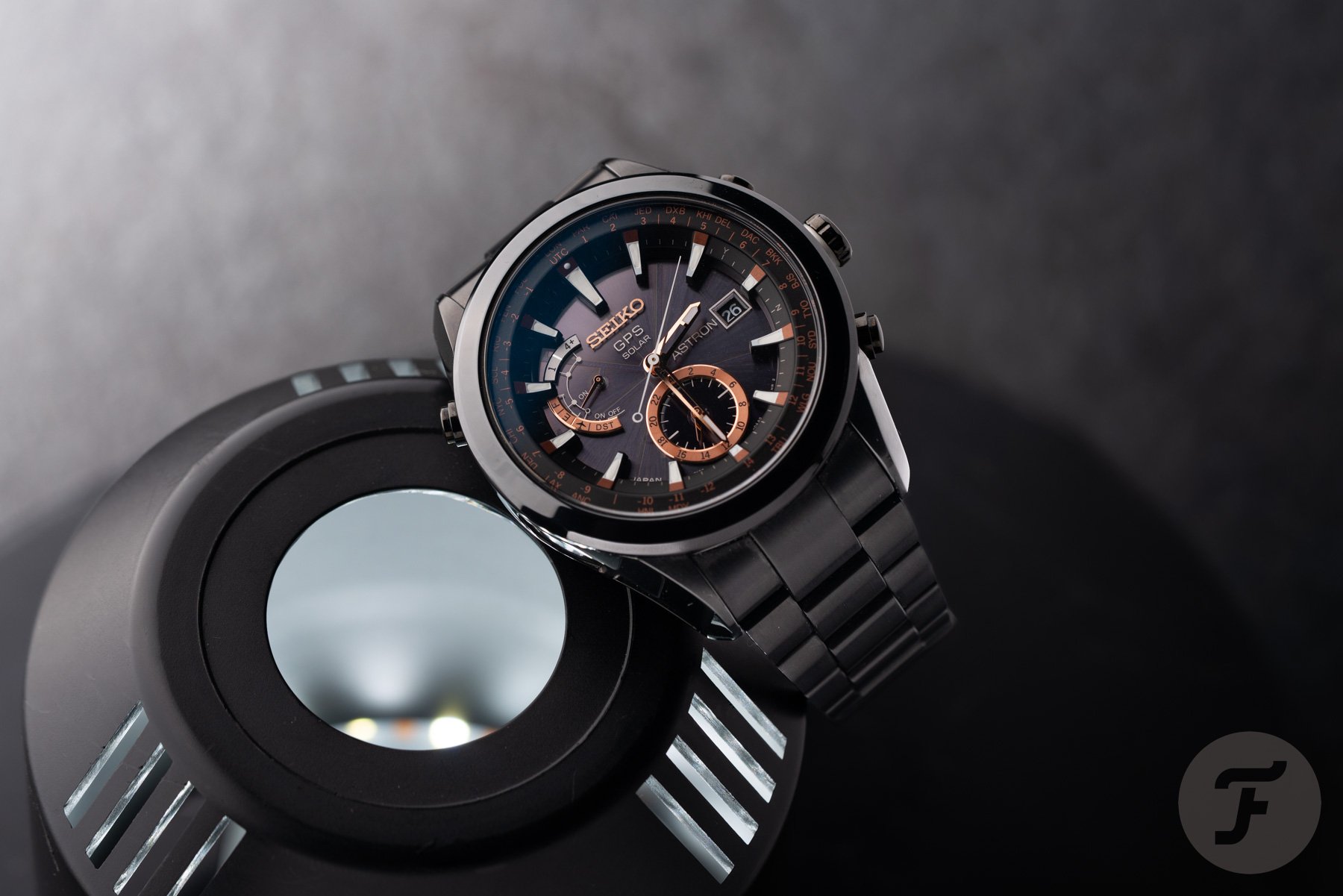
A monster I quickly grew to love
It took me a little while to get used to the dial’s color combination, but I soon came around. I also appreciate how the Astron GPS Solar has evolved. Smaller cases and more refined styling have helped move the collection beyond its original gadget-like appearance, turning it into a line of “proper” watches. Still, my SAST001 has a charm that makes me reluctant to upgrade, no matter how appealing some of the latest models might be. I like the fact that my beloved SAST001 has an XXL case. Without it, the watch simply wouldn’t work. One reason for its voluptuous proportions is the 38mm ring antenna it needs to receive GPS signals.
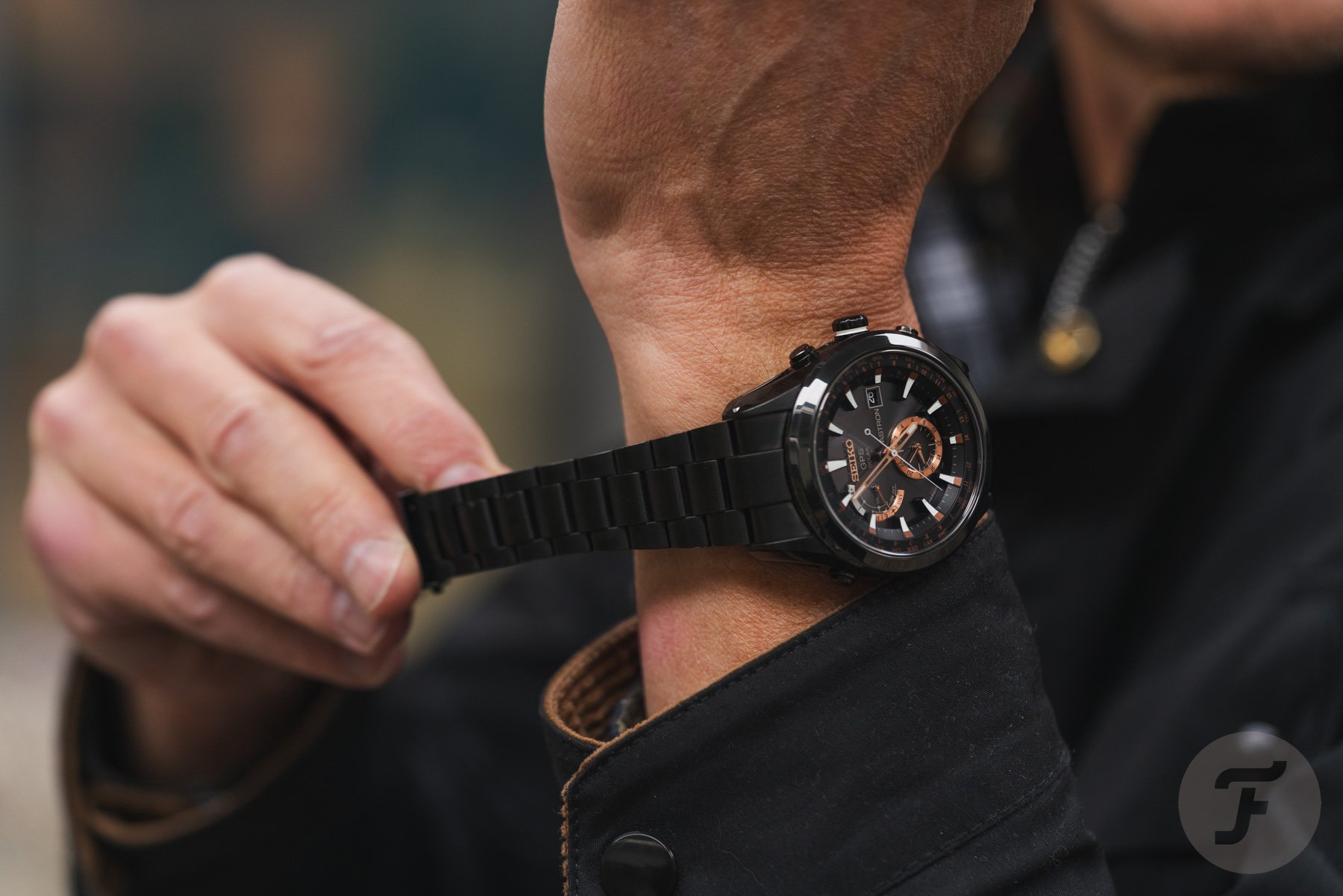
Why don’t I wear it?
The last time I wore it was for an installment of this series about watches we own but refuse to part with. My colleagues’ reactions were unanimous: “What are you wearing?!” Judging by their tone, I assumed the Astron’s size and styling had caught them off guard.
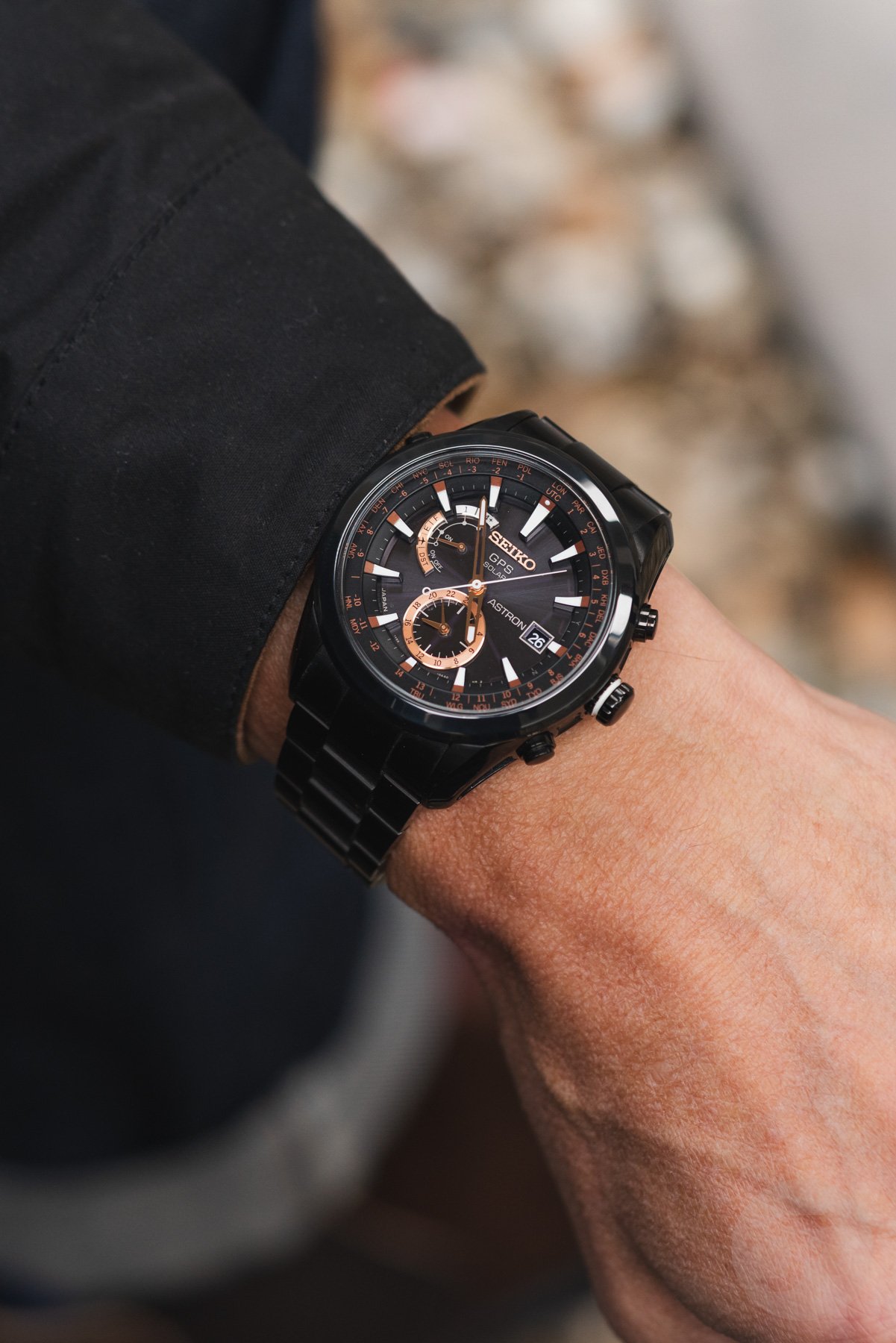
To be clear, that’s not why I rarely wear it. I don’t care whether other people appreciate the watch on my wrist. I don’t wear watches for anyone else’s approval; I wear them because I like them and they make me feel good. For a long time, the Astron did exactly that. It also suited my wardrobe, and because I rotated it with my 44mm Chronoswiss Timemaster CH 6233 LU, large, wrist-covering watches were my default choice.
Never let you go
As I started acquiring smaller watches, my style changed too — dare I say, matured? The large Astron gradually spent more time in a place where it could catch the light needed to power its functions than on my wrist. But selling it never crossed my mind. It’s simply too special to part with.
First, the watch has historical significance, which I value. Second, whenever I do wear it, I remember why I fell for it in 2012. And that feeling hasn’t changed. Watches that make you feel good deserve to be cherished. I’ve learned that the hard way. I should never have sold my Breitling Spatiographe Montbrillant, but that’s a story for another time.
Do you own a watch that rarely sees wrist time but that you wouldn’t dream of letting go? Share your experiences in the comments below.