Your Sock Drawer Is Not Secure — Should Your Next Watch Purchase Be A Safe?

Whether you are a seasoned collector or just starting with a watch or two, storing your watches can become a matter of consideration. Is it wise to get a safe at home, store your watches in an external safe, or hide them around the house, perhaps? The options are plentiful, and a prepared mind is a mind at ease.
This is one of those questions without a clear, universal answer. Your ideal solution depends on your unique situation, exposure, and appetite for risk. Let’s explore some of the options! I will be leaning on some pro tips from a friend of Fratello, Peter Bijleveld, owner of Watchfellows and reseller of certified home safes. Also crucial to note up front: the vast majority of us never have any bad experiences like the ones this article aims to tackle. If anything, I want you to come away more relaxed, not more worried.
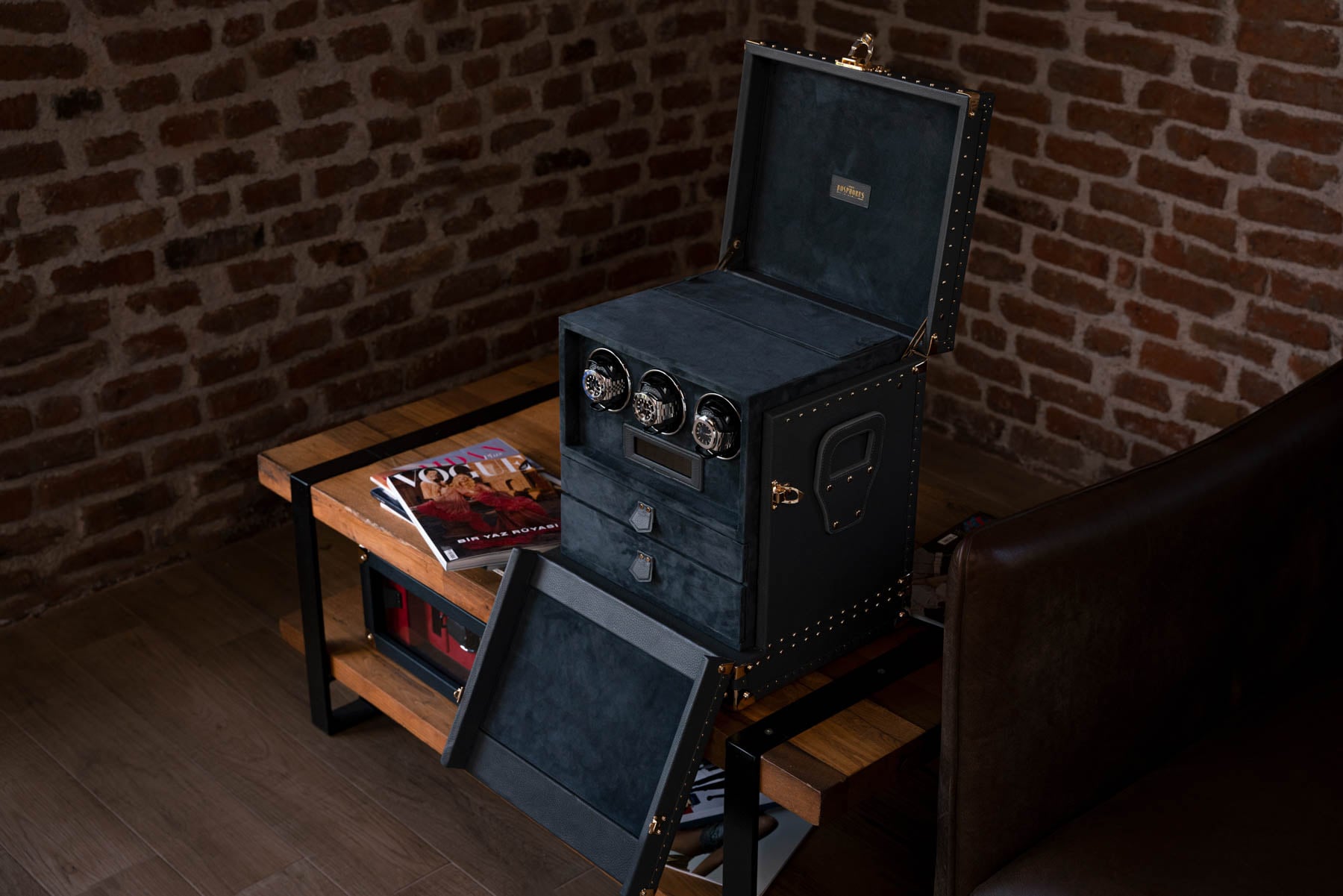
If security were no concern, this would be my choice — Image: Bosphorus Leather
Getting a home safe
Getting a safe for your home seems like an obvious way to keep your watches protected from sticky fingers. When you look a bit closer, though, you will find it isn’t quite so obvious. For starters, a safe becomes a focal point for any burglar. The least clever thing to do, then, is get a cheap, hotel-style locker box. This simply flags “here are my valuables” and barely slows down a trained thief.
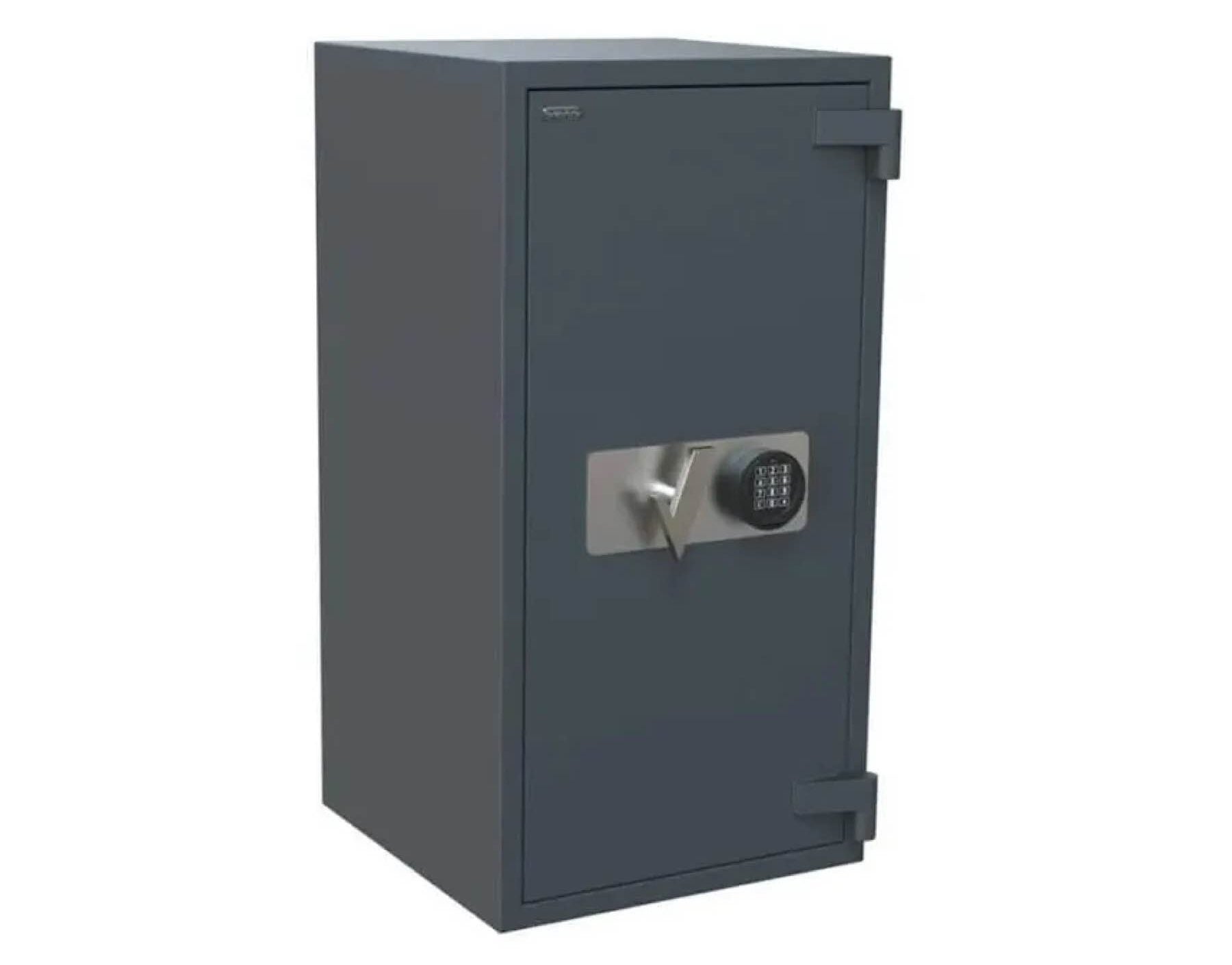
Second, a good home safe will keep your average, opportunistic housebreaker out, but it won’t protect against targeted attacks. As Bijleveld puts it, “An opportunistic thief is likely to leave a proper safe well alone.” However, if robbers know you have valuables in the house, a safe is less useful. Here, your visibility matters a lot. If no one knows you own nice watches, your risk of a targeted attack is smaller. If, however, you are visible, such as we are at Fratello, or through activity within the (online) community, this risk weighs more heavily. It is key to realize that 99% of us never experience anything like this, but it is a topic worth thinking about nonetheless.
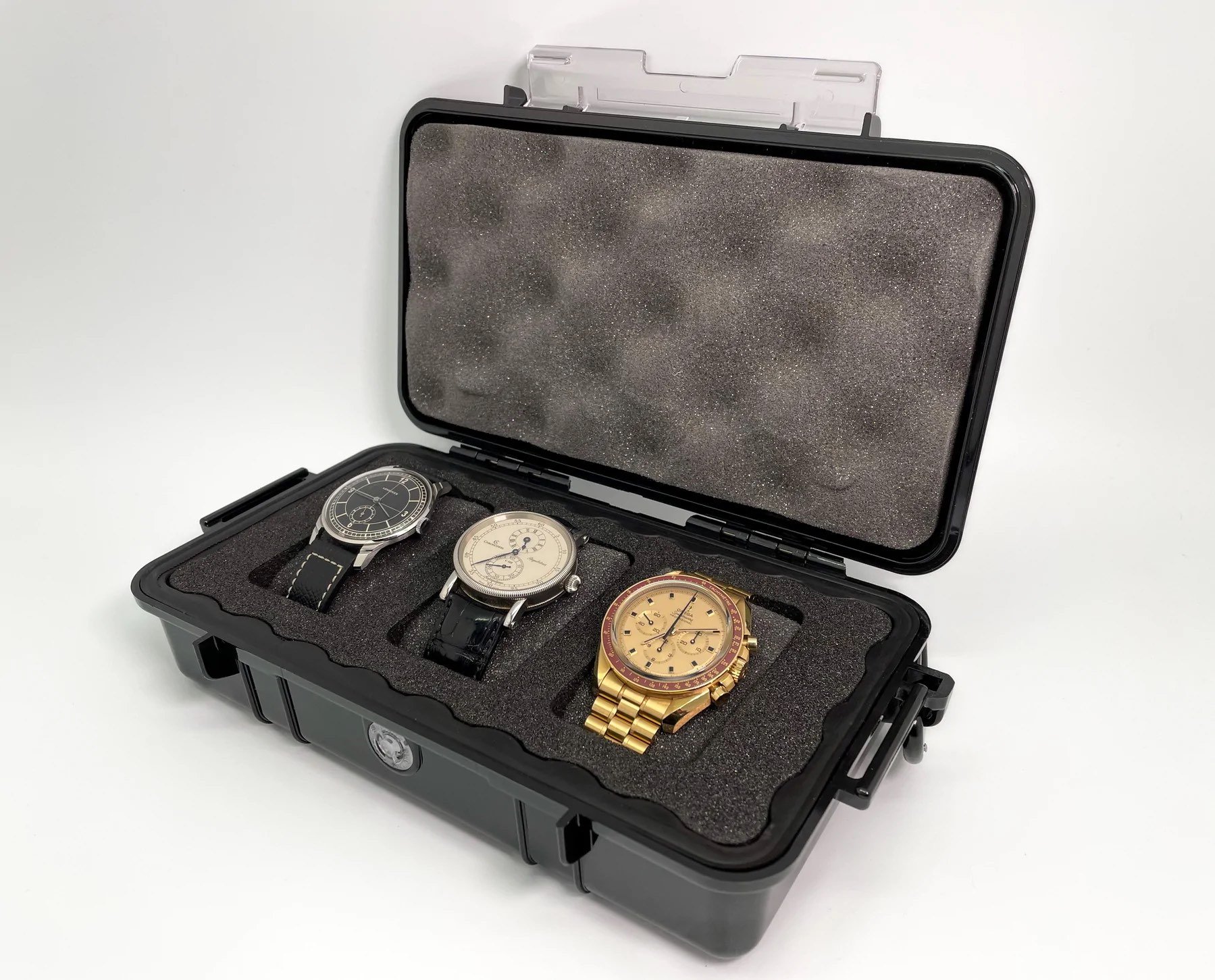
This, in a sock drawer?
Still, a home safe can be a good idea for multiple reasons beyond keeping your neighborhood cat burglar out. For starters, insurance companies often offer much higher insurance values when the wares are kept in a certified safe. In the Netherlands, this can be the difference between €5,000 insured value for your entire collection and €200,000 per item. Note that insurers put specific demands on your safe, such as a certified protection grade, and that it is properly anchored to the wall or floor if it weighs less than 1,000 kilograms.
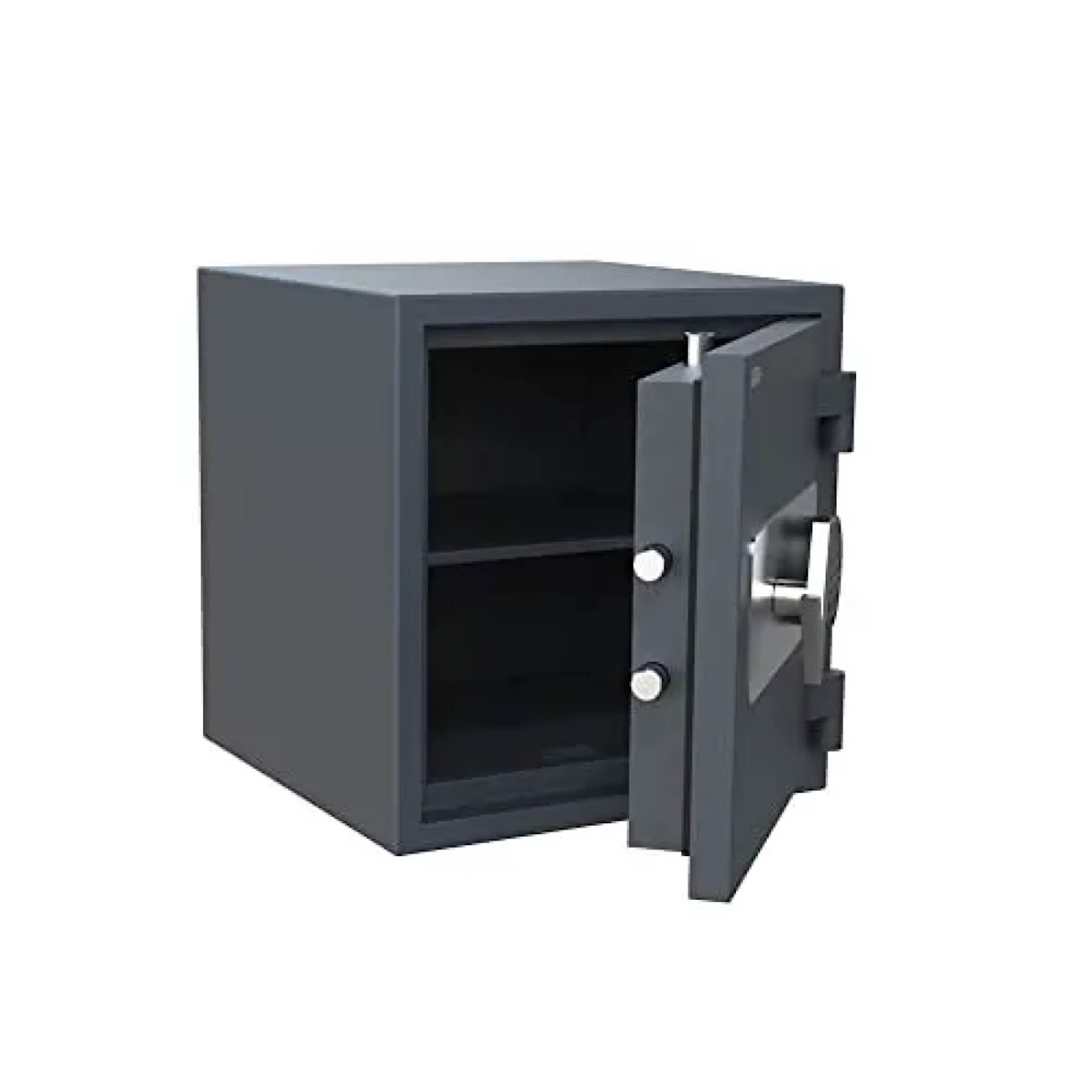
Some tips for buying a safe
So, if you want to get the added security of a safe, what should you look for? Well, for starters, its grade and certification matter. These specs matter specifically in combination with the valuables insurance you have or want to get. Demands vary between insurers, and these can end up making the difference between a full payout and getting nothing.
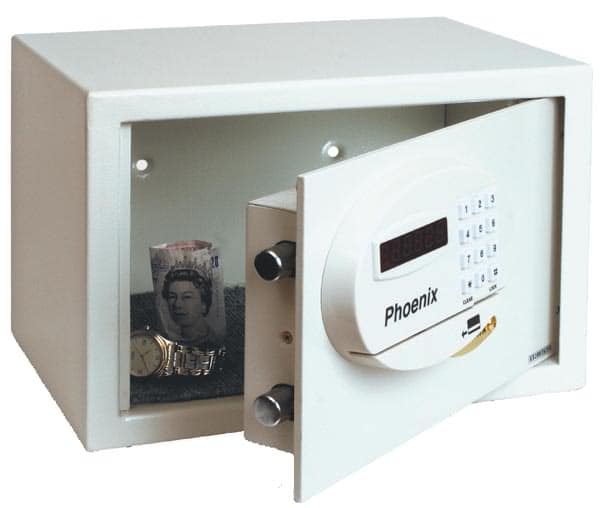
This won’t do
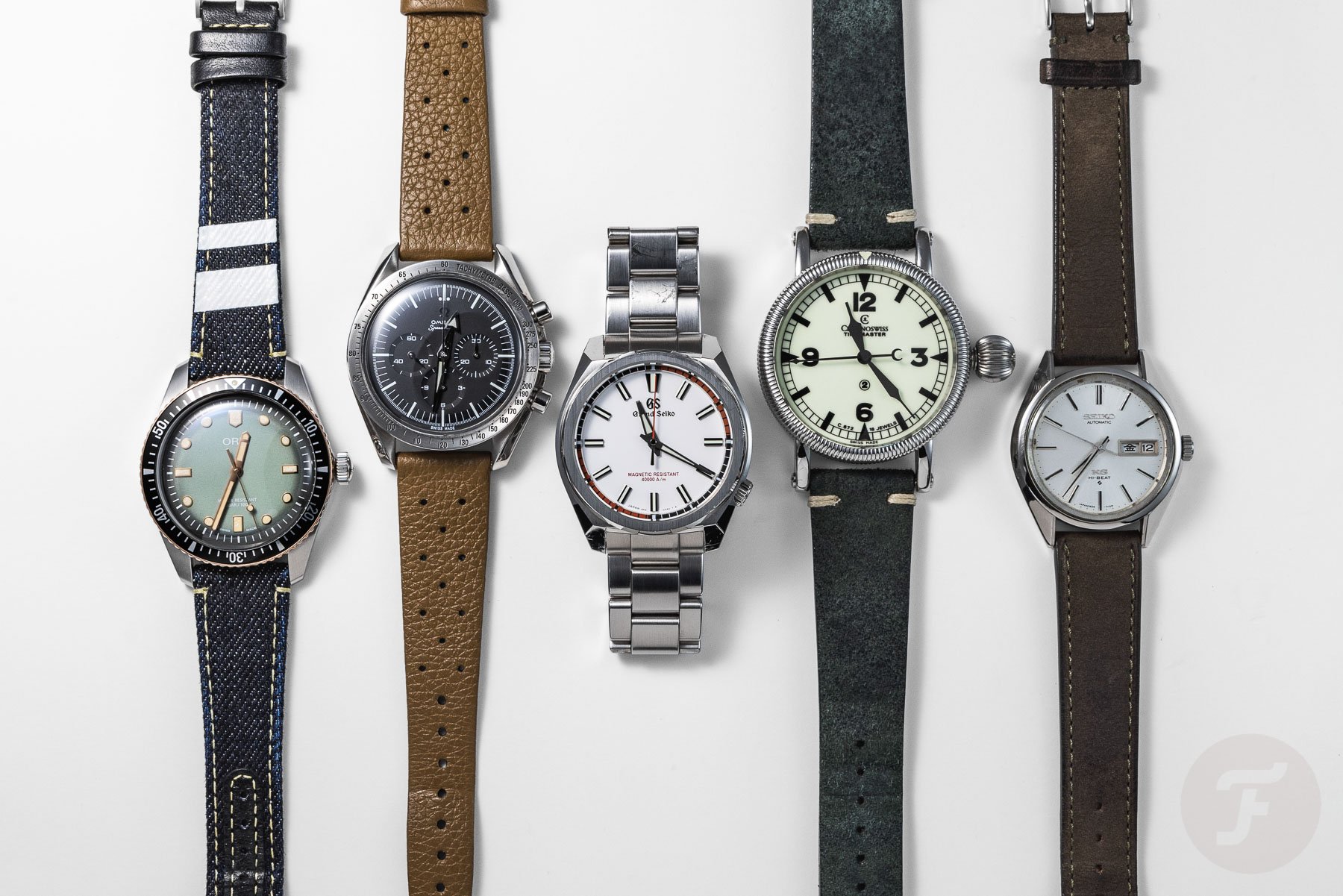
Peter Bijleveld also makes a key point regarding planning: a safe weighing several hundred pounds won’t exactly scale if your collection ever outgrows it. So, this is one of those decisions you want to get right on the first try. Consider how you wish to store your watches. Will you stack them in individual pouches or should your entire watch case fit into the safe?
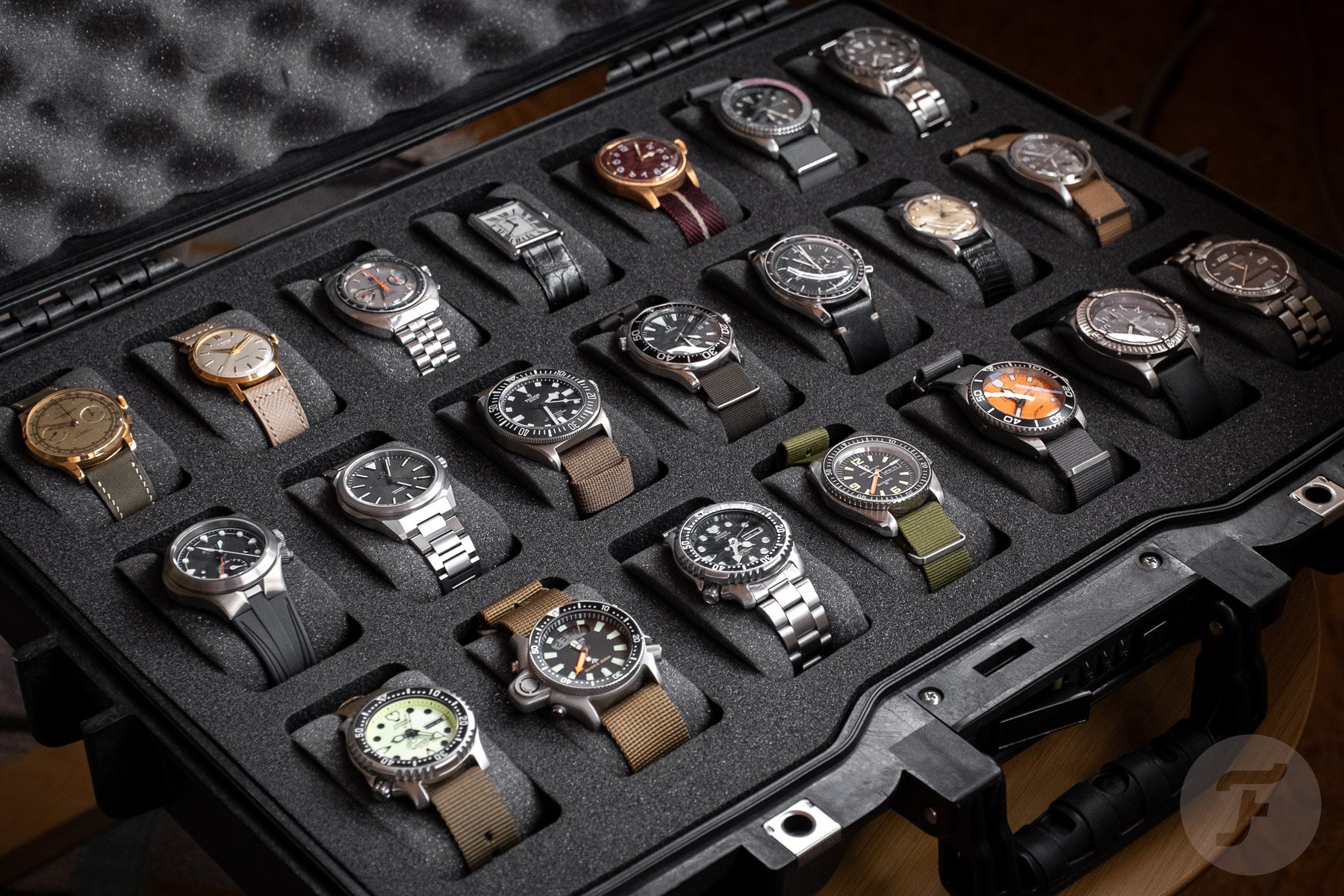
Crucially, you want to find a reliable supplier who is professional and discreet. The fewer people who know you have one, the better. Additionally, not all proper vaults automatically protect against fire. This is another thing to consider when picking the ideal solution for your home. Lastly, pairing a vault with an alarm system boosts protection, as it limits a burglar’s time to crack it open.
The alternative: an external safe
Alternatively, you can choose to store (part of) your collection in an external vault. Depending on where you live, you may find banks or commercial parties offering external safe services. This comes with other pros and cons, which you will have to weigh for yourself.
For starters, the biggest pro is safety from targeted attacks. When the valuables aren’t in your home, they cannot be taken from it either. This is especially sensible when you have some visibility as a watch owner, as we do here at Fratello. For us, this is easily worth the trouble.
The cons include the hassle of having limited access to your watches. Having to go to an external place to swap watches certainly limits the fun of collecting. Also, you still need to coordinate with your insurance company, as an external vault does not automatically mean full insurance coverage.
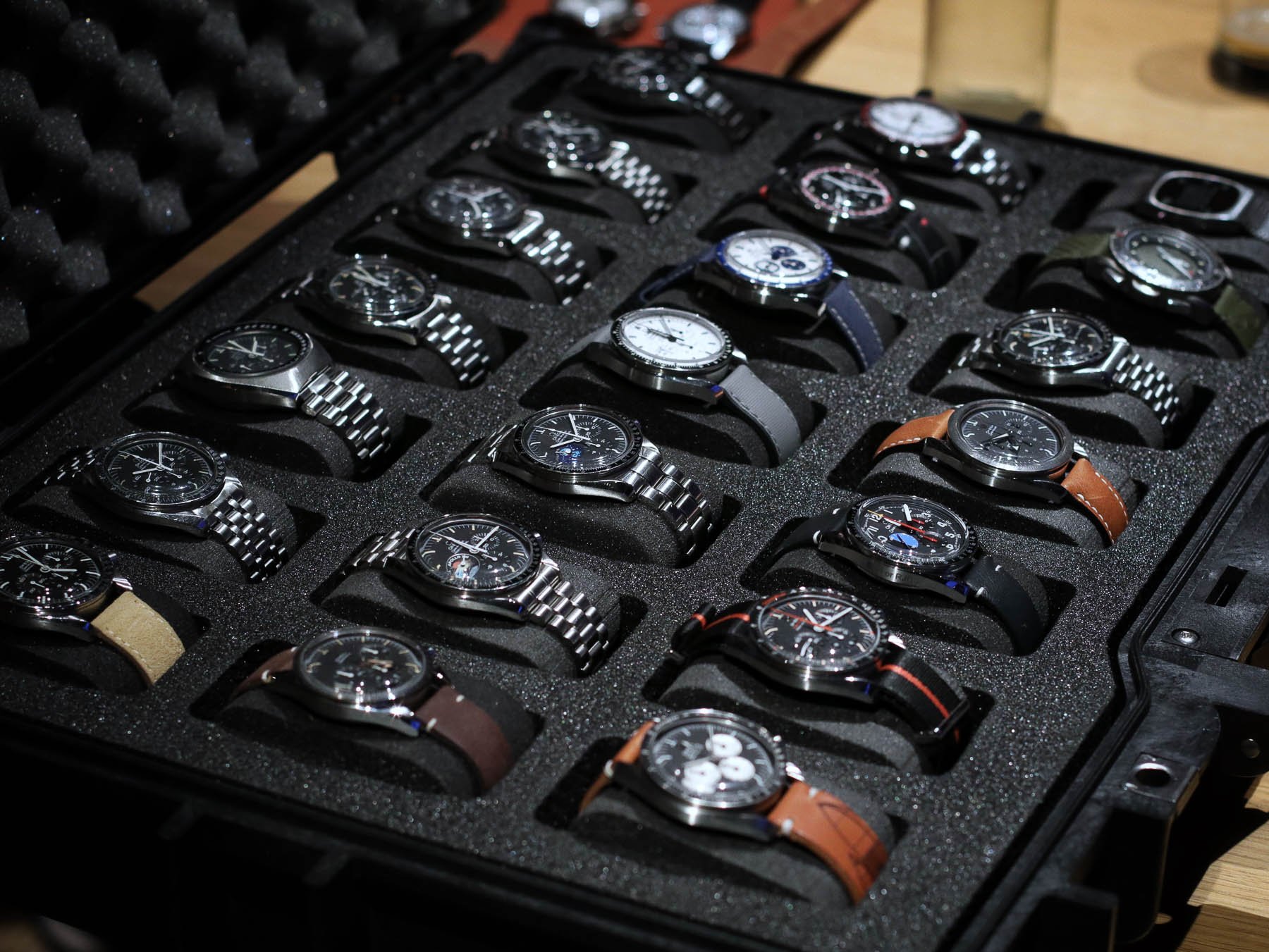
Image: Juko
Hiding your watches in your house
How about hiding your watches in your house? This might seem clever. As Bijleveld knows, “Burglars prefer to be in your house less than three minutes, and they tend actually to be there for five.” So, in theory, you only have to frustrate the search for a handful of minutes to keep your prized timekeepers secure.
In reality, this is harder than it seems. You have to assume that there is an experience and knowledge disparity between you and any professional burglar in this respect. That one little spot that you find so clever may be the first place the thief looks. After all, we are painfully predictable, especially when we try not to be.
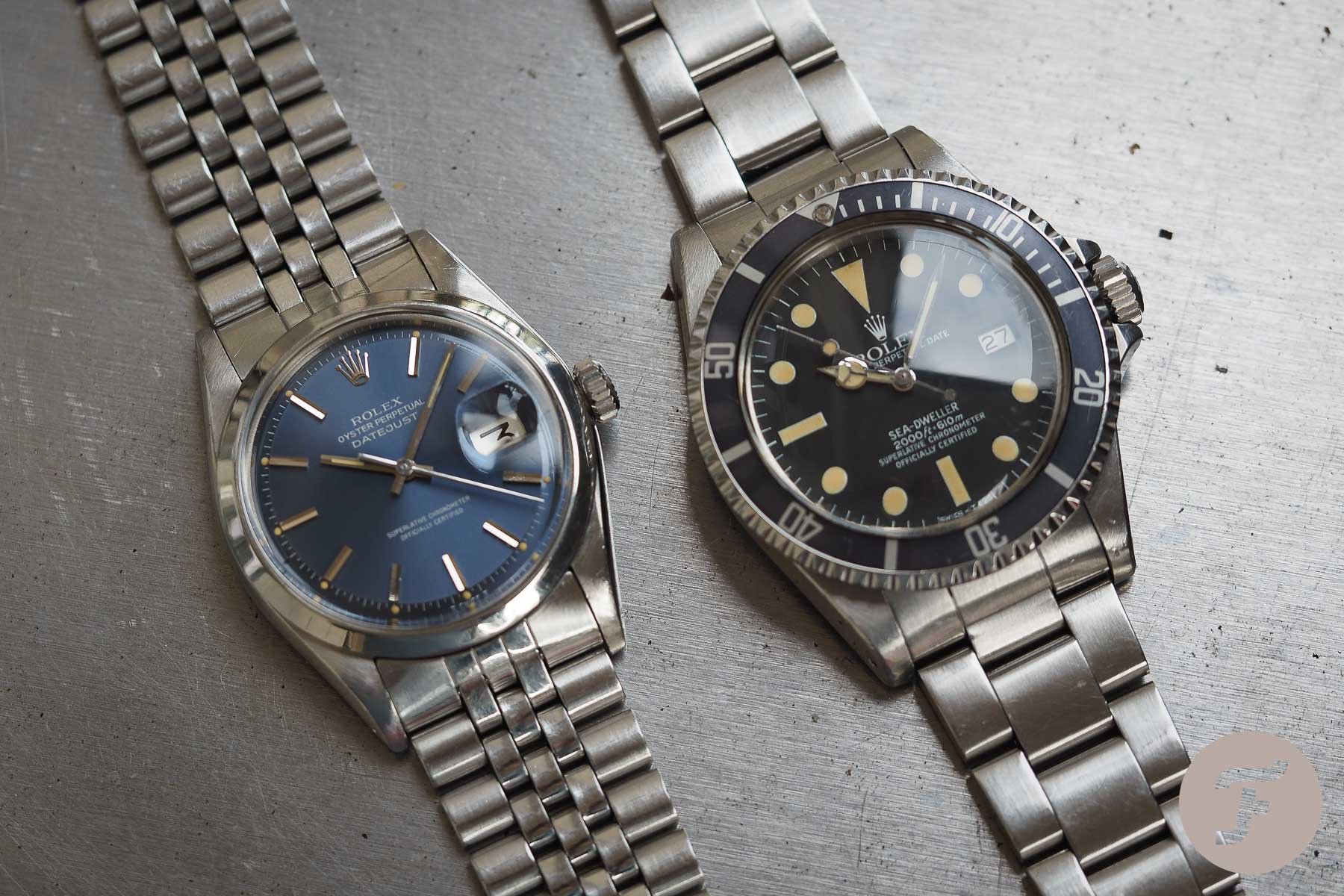
Also, it is good to check with your insurance company whether this is acceptable for proper coverage. You may get some payout, similar to when your television gets taken, but it may not cover the actual value of your watch(es).
Closing thoughts on keeping your watches safe
I don’t mean to sound alarmist. Luckily, we still live in a world where the vast majority of us can practice our hobbies without ever encountering bad actors. Still, even humble watch collections amass serious value quickly, and you want to have peace of mind about it.
Your ideal solution may be a combination of the above — a small safe at home, and an external vault for the heavy hitters, for instance. Alternatively, you might take a much more relaxed view. After all, the odds are in your favor, especially if you are a little bit more discreet.
Whatever suits your situation, this is one of those uncomfortable subjects that is worth considering. After all, it’s always better to have a plan, isn’t it? And once you do, it is equally important to let it go an not worry about it too much.
What are your thoughts on hiding, storing in a safe, or storing externally? Let us know in the comments section below.