How A Smiths Dash Clock Helped A Pioneering Pilot Traverse The World

In the dim light at the Museum of Transport and Technology (MOTAT) in Auckland and among the glamorous early motor cars and remarkable early aircraft, there is a small and humble Smiths dash clock. Its black dial and white numerals emphasize legibility. The dash clock was a compact, precise instrument born of the early 20th century. If only this particular one could tell its tale…
It seems unremarkable at first, but in its simplicity lies the DNA of pioneering flight, that marriage of timekeeping and courage. At MOTAT, several pieces of watchmaking history are highlighted. However, none are perhaps more evocative than Jean Batten’s dash clock. Donated in 2017, it is part of a wider collection including her white leather flying cap, planisphere, logbooks, and engine parts.
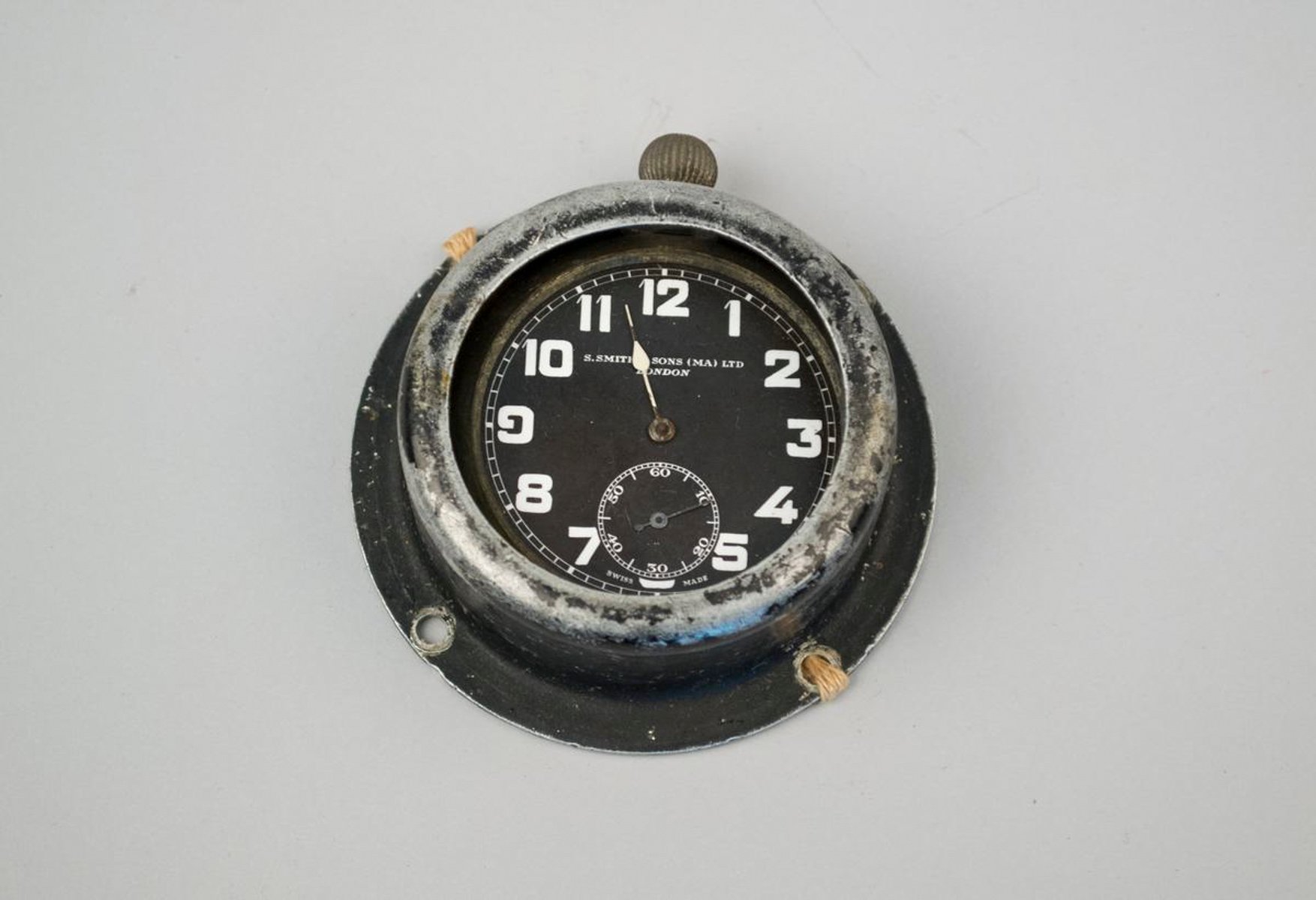
The Smiths dash clock
This dash clock features a navigational dial made by Smith & Sons, London, the same firm known for precision timepieces used in aviation instruments. Its face has large Arabic numerals marking the hours, a railroad-style 60-minute track, and a sub-dial at 6 o’clock broken into segments of 10, 20, 30, 40, 50, and 60 seconds.
It flew with Jean on her record-breaking journeys. The dash clock measured fuel-stop timings, course corrections, and engine intervals. It helped her triangulate her position while over the ocean, judge the wear on her aircraft, or calibrate drift (both of compass and course). The worn casing, faded numerals, and small dents all attest to its working life, to its being trusted in critical, unrepeatable moments.
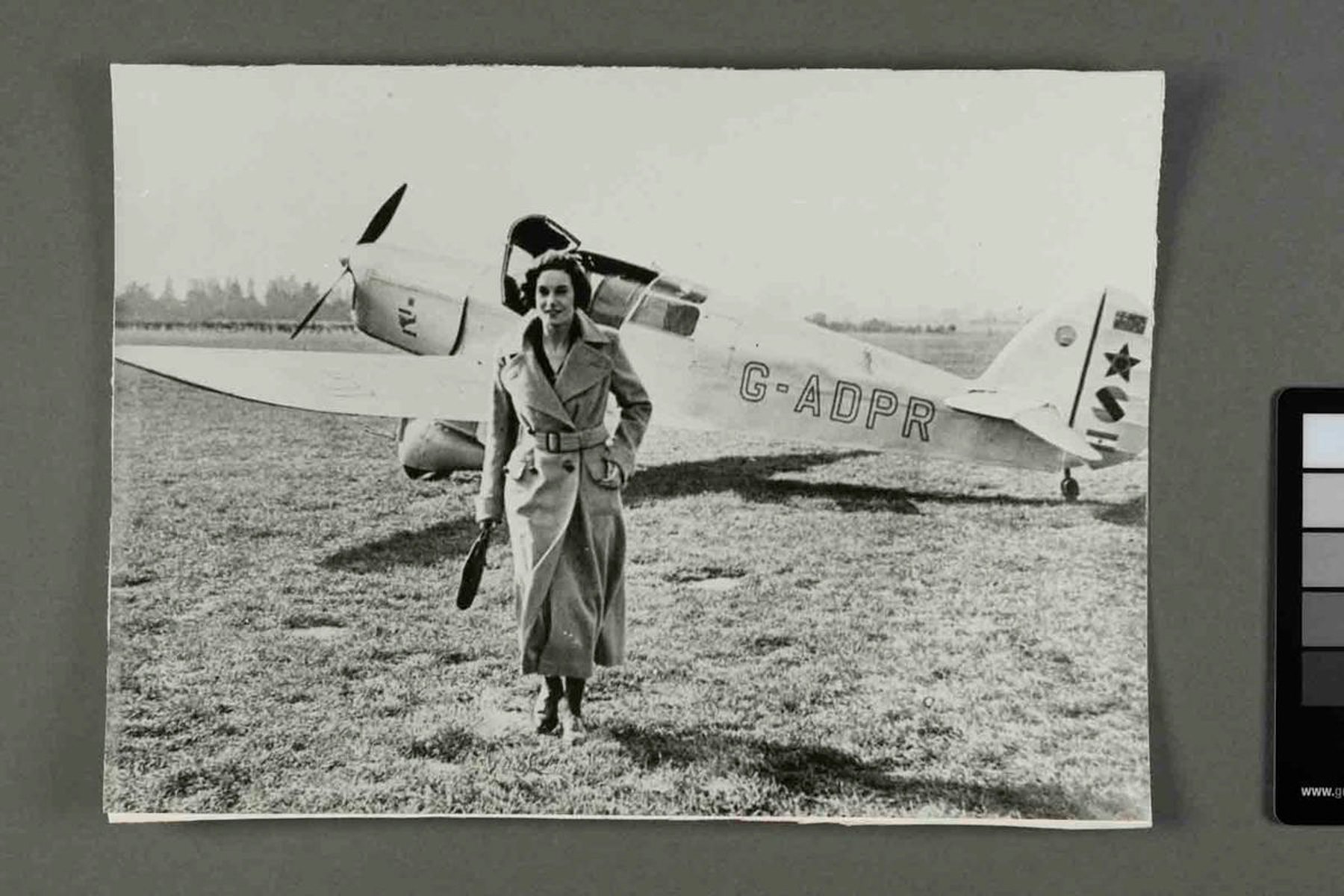
Jean Batten: navigator and aviation pioneer
Jean Gardner Batten was born in 1909 in Rotorua, New Zealand. From an early age, she was captivated by what lay beyond the horizon. After moving to England in her early 20s to learn to fly, she honed not just her piloting but also her navigational skills, including dead reckoning, celestial navigation, and an intimate reliance on the instruments she carried.
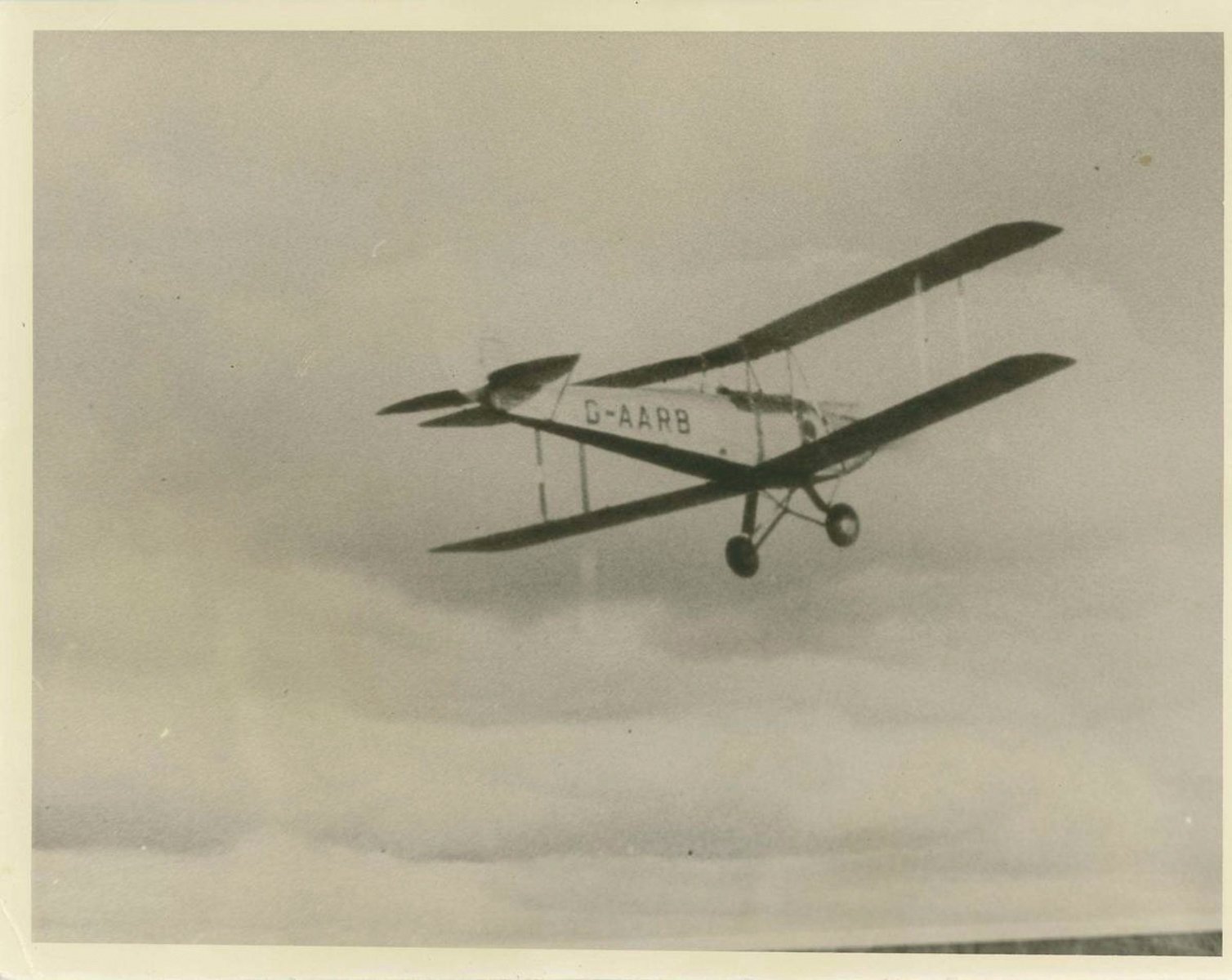
Her feats were many, including a solo flight from England to Australia in 1933–34 in a Gipsy Moth, Atlantic crossings, and, in 1936, the first direct solo flight from England to New Zealand in a Percival Gull. What may be less obvious to many is how integral timekeeping was to those achievements. With no inertial navigation or GPS, only rudimentary radio aids, Batten navigated by stars, the Sun, compass, drift tables, and time. Her dash clock, and indeed her wristwatch and any clock she trusted, were essential.
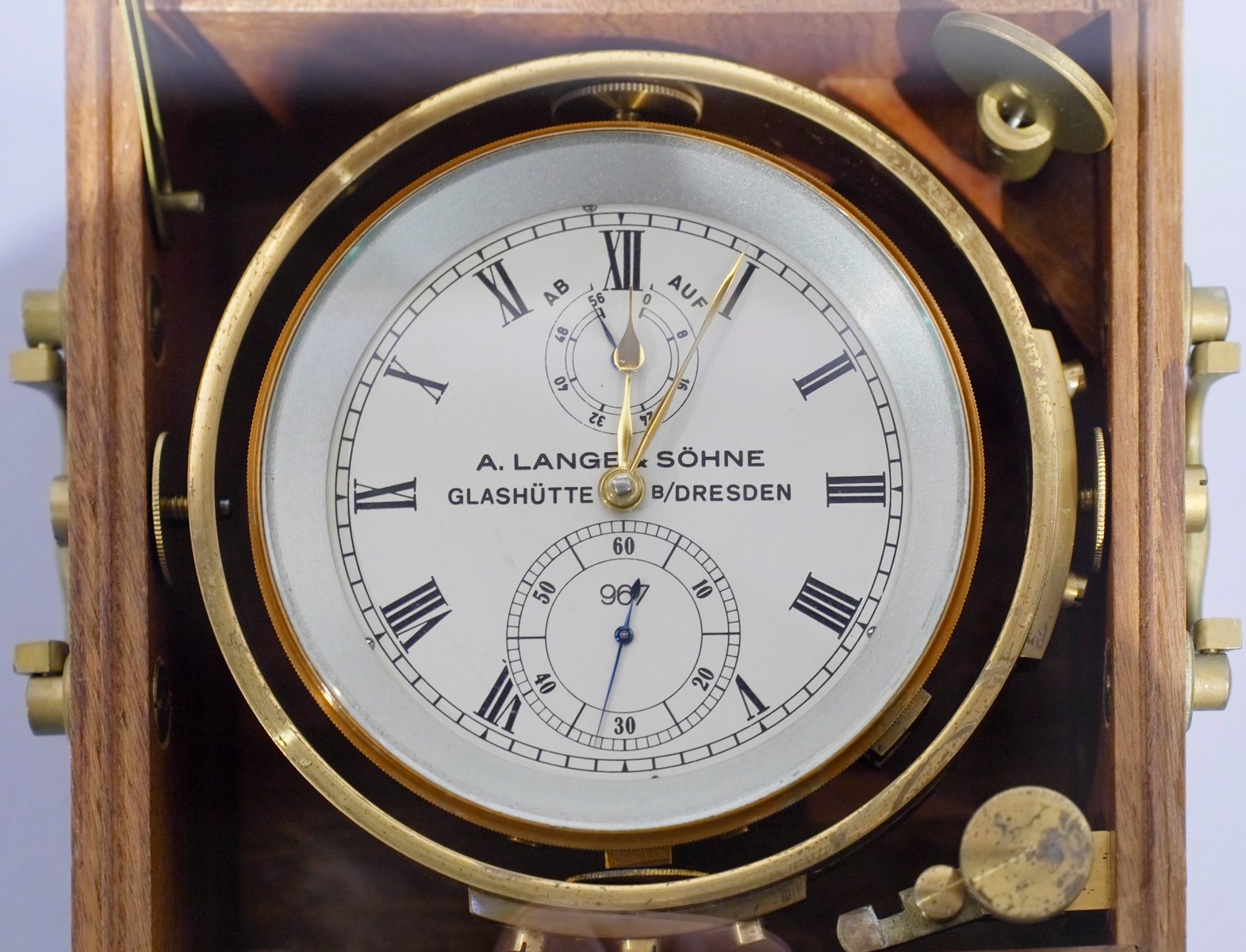
Einheitschronometer-pattern marine chronometer (A. Lange & Söhne, 1948) displaying its seconds hand advancing in half-second increments over a 60-second sub-dial for optimal timing of celestial objects — Image: Wikipedia
Watches, clocks, and the navigation tradition
To appreciate Batten’s reliance on timepieces, it helps to step back and see the centuries-long tradition of time and navigation. From John Harrison’s pioneering work in the 18th century onward, the marine chronometer became the bedrock of navigation at sea. With accurate time at a known longitude — for example, Greenwich — a ship could, using sextants and celestial observations, establish its longitude relative to that meridian. Without the chronometer, longitude was guesswork. Precision in location was also critical in the burgeoning pursuit of flying. As aviation developed, so did its instruments. As aircraft speeds increased and distances grew, timing became critical not merely for the schedule but also for safety.
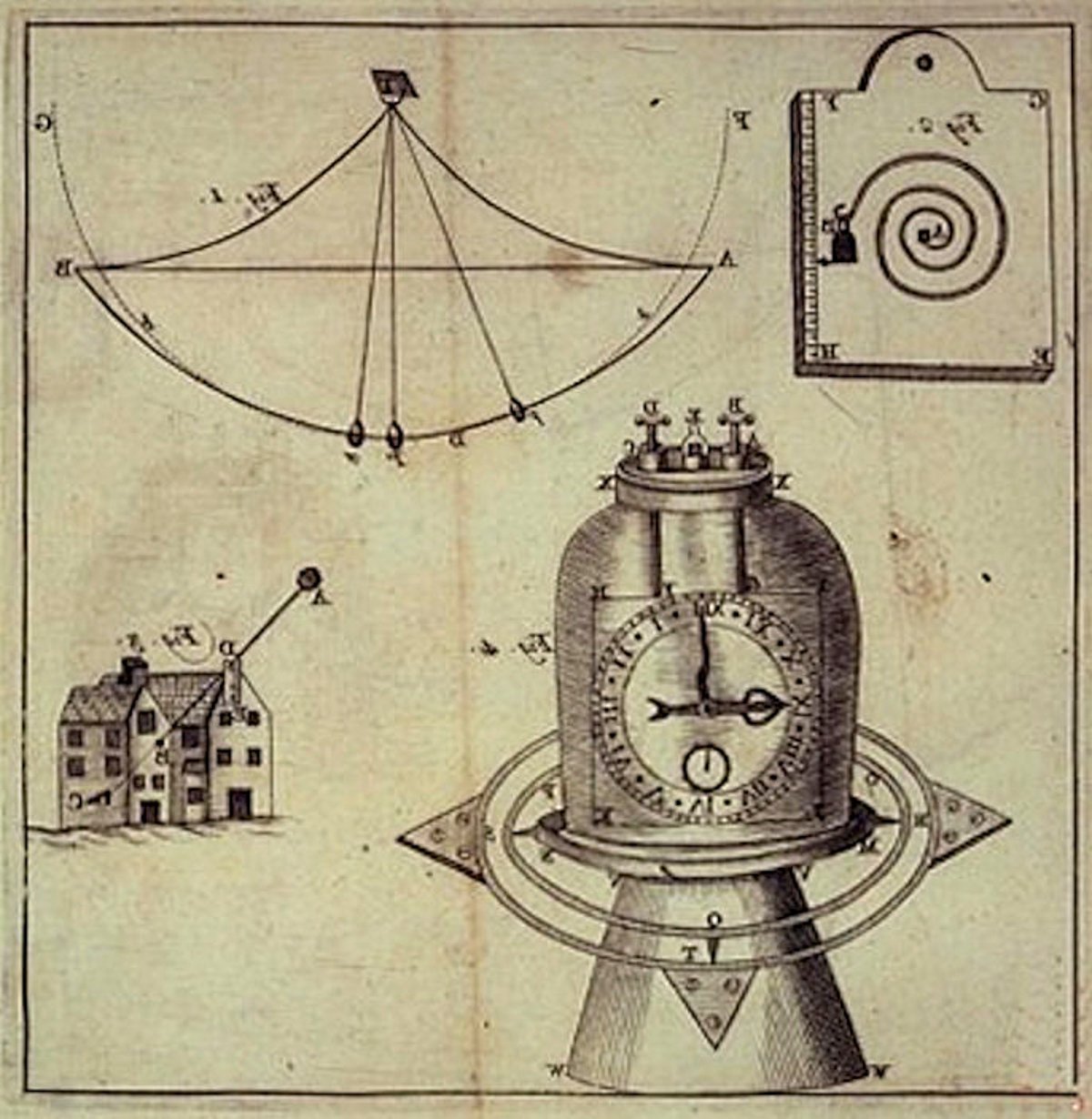
Jeremy Thacker’s marine “Chronometer” used gimbals and a vacuum in a bell jar — Image: Wikipedia
Flight over the ocean or wilderness meant that fuel consumption, drift due to wind, and engine performance all required accurate time measurement. Instruments like dash/panel clocks, stopwatch chronographs, and reliable wristwatches became tools of survival. Their tolerances, reliability, and readability mattered enormously. In the days before radio and radar, navigation in aircraft over the sea utilized similar techniques to marine navigation, including the use of a compass, the Sun or stars, drift and speed estimations, and time to calculate position. Errors in time meant errors in longitude and, consequently, estimated landing points. Being a minute off could mean being many miles astray when crossing the ocean.
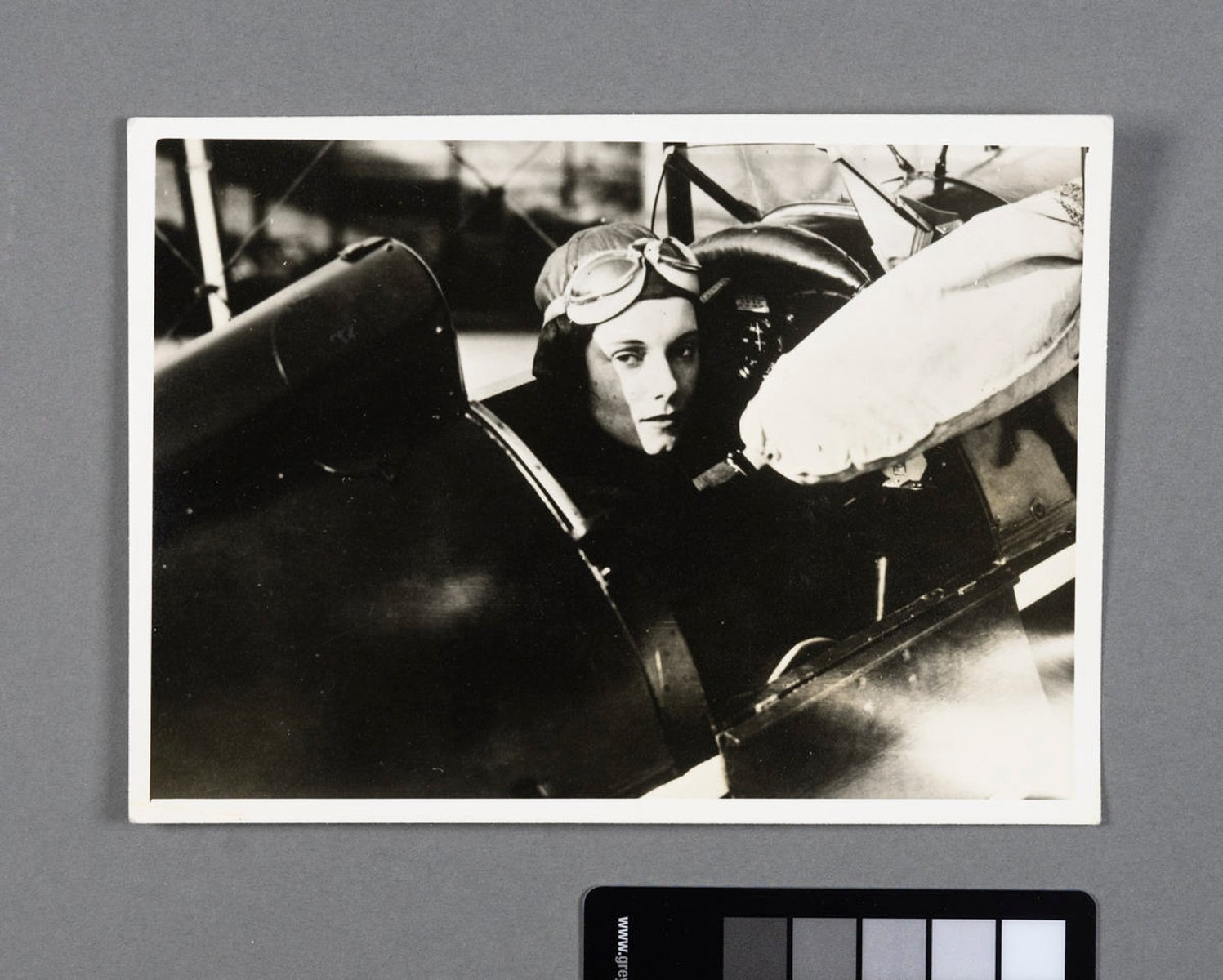
A dash clock that tells more than time
Jean Batten often flew for many hours without visual landmarks, and her route planning depended on being able to trust elapsed time, average speed, and fuel consumption. That required trust in her dash clock, calibrated instruments, and in the clocks syncing with celestial events like sunrise, sunset, or star phases. Batten’s dash clock is more than an artifact; it is a witness. When she crossed the South Atlantic from West Africa to Brazil in November 1935 in her Percival Gull 6, she flew over thousands of miles of water, unmarked by land, sometimes in poor visibility. She had to calculate drift, estimate her speed, and adjust course. Her navigational tools were a compass, a map, and a clock.
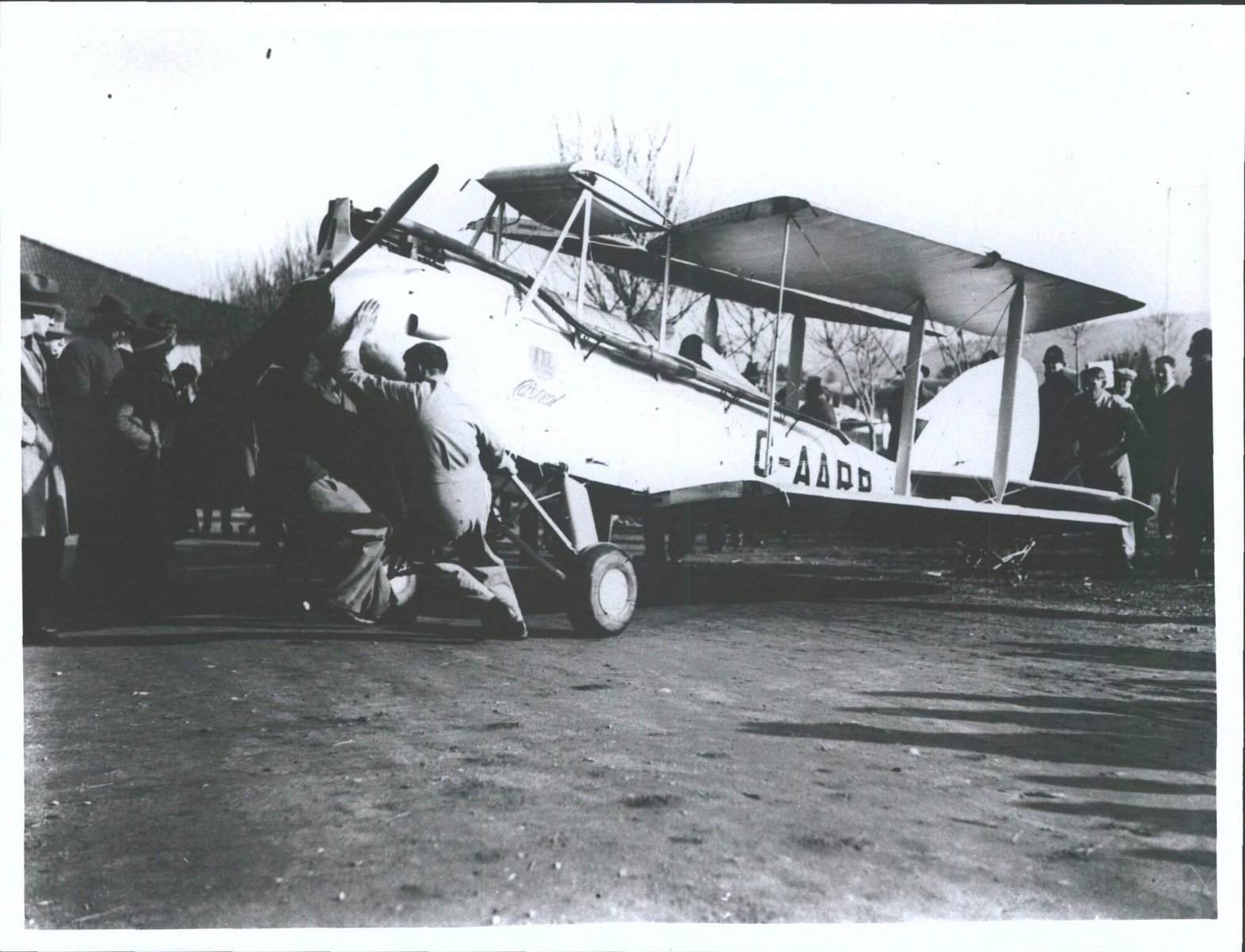
Dead reckoning was the mainstay. From Batten’s contemporaries, the narratives emphasize that she flew by eyesight, by compass, and only occasionally by stars, but always by time. She would have used the dash clock to time between waypoints, celestial observations, and engine intervals. That little instrument on her chest or in her cockpit was a co-pilot in measurement. Moreover, its worn condition, as MOTAT notes, points to frequent use. It doesn’t sit pristine on a cushion; it shows scratches, oxidized metal, and a slightly faded dial. Each mark could correspond to a leg flown, a storm passed through, a forced landing, or a navigation correction made when clouds blocked stars.
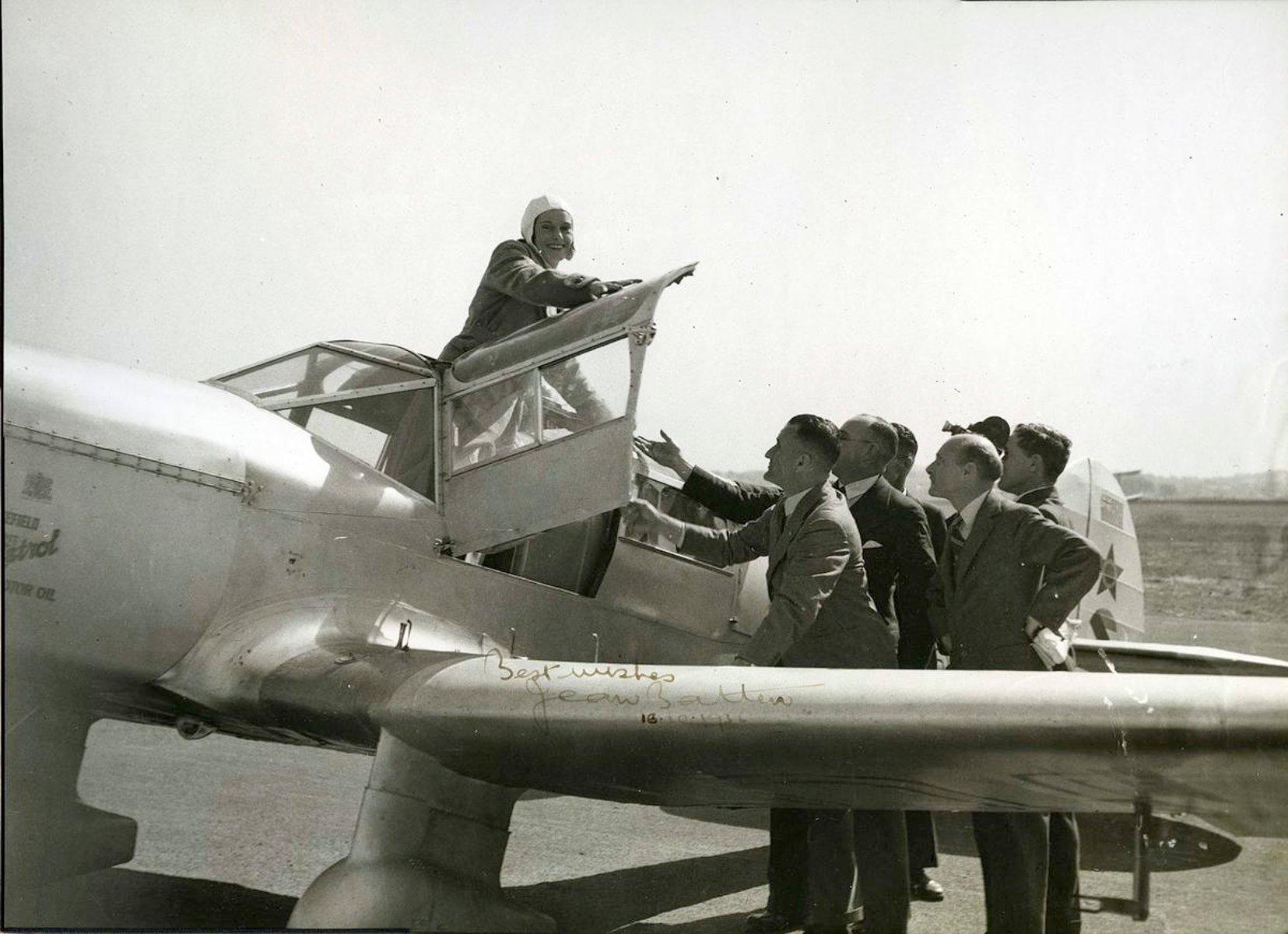
Accessing wonderful historical imagery
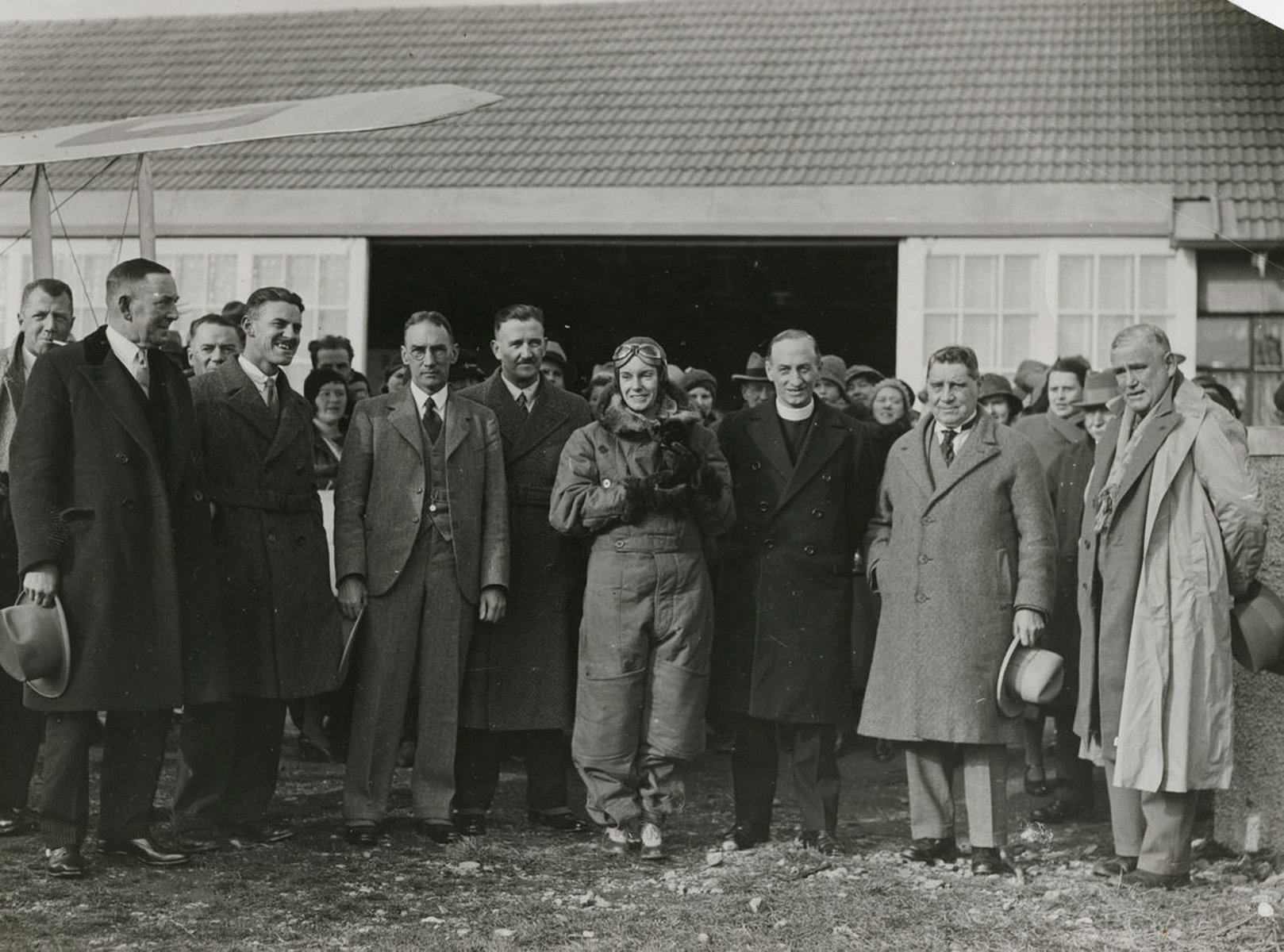
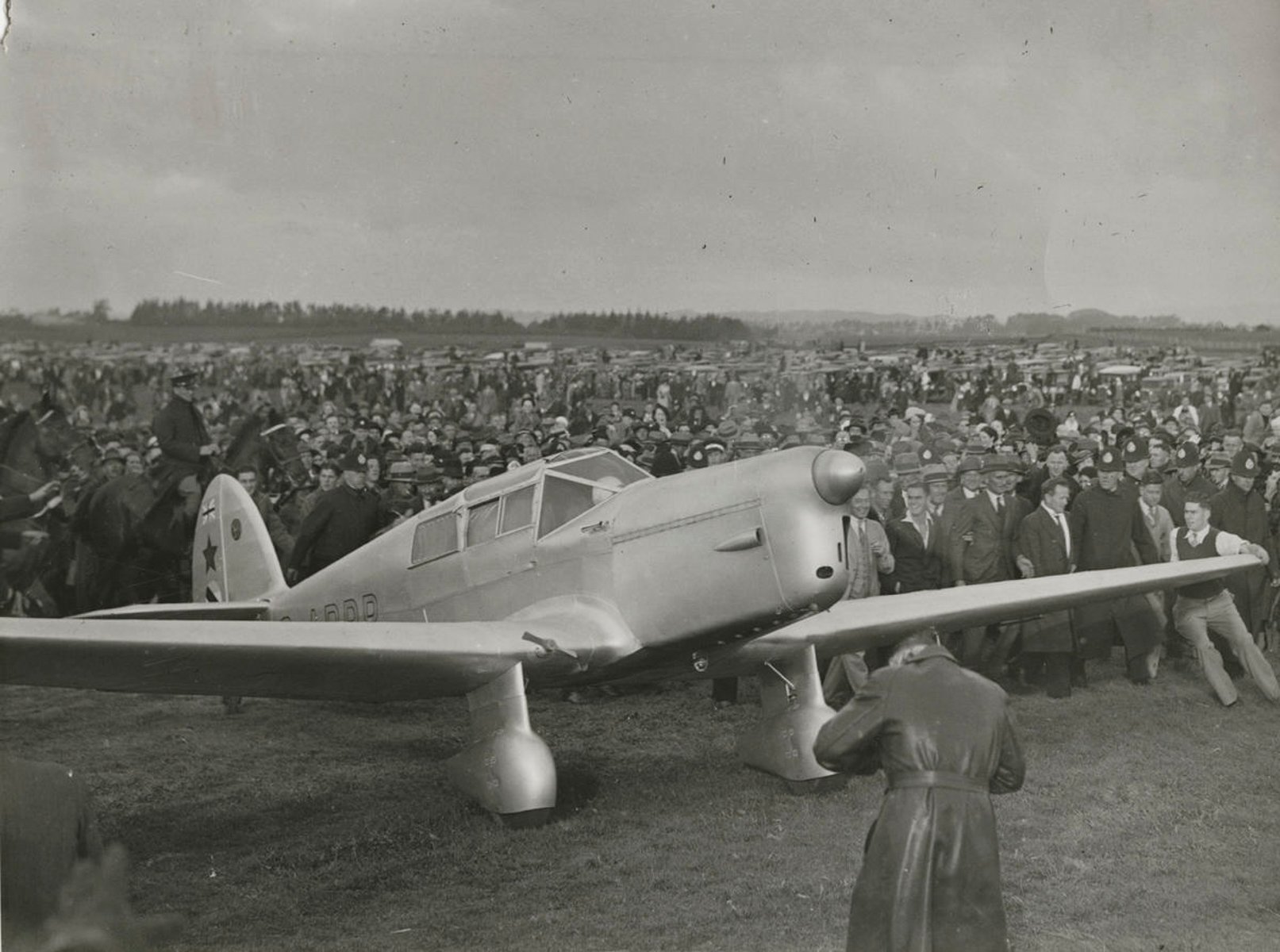
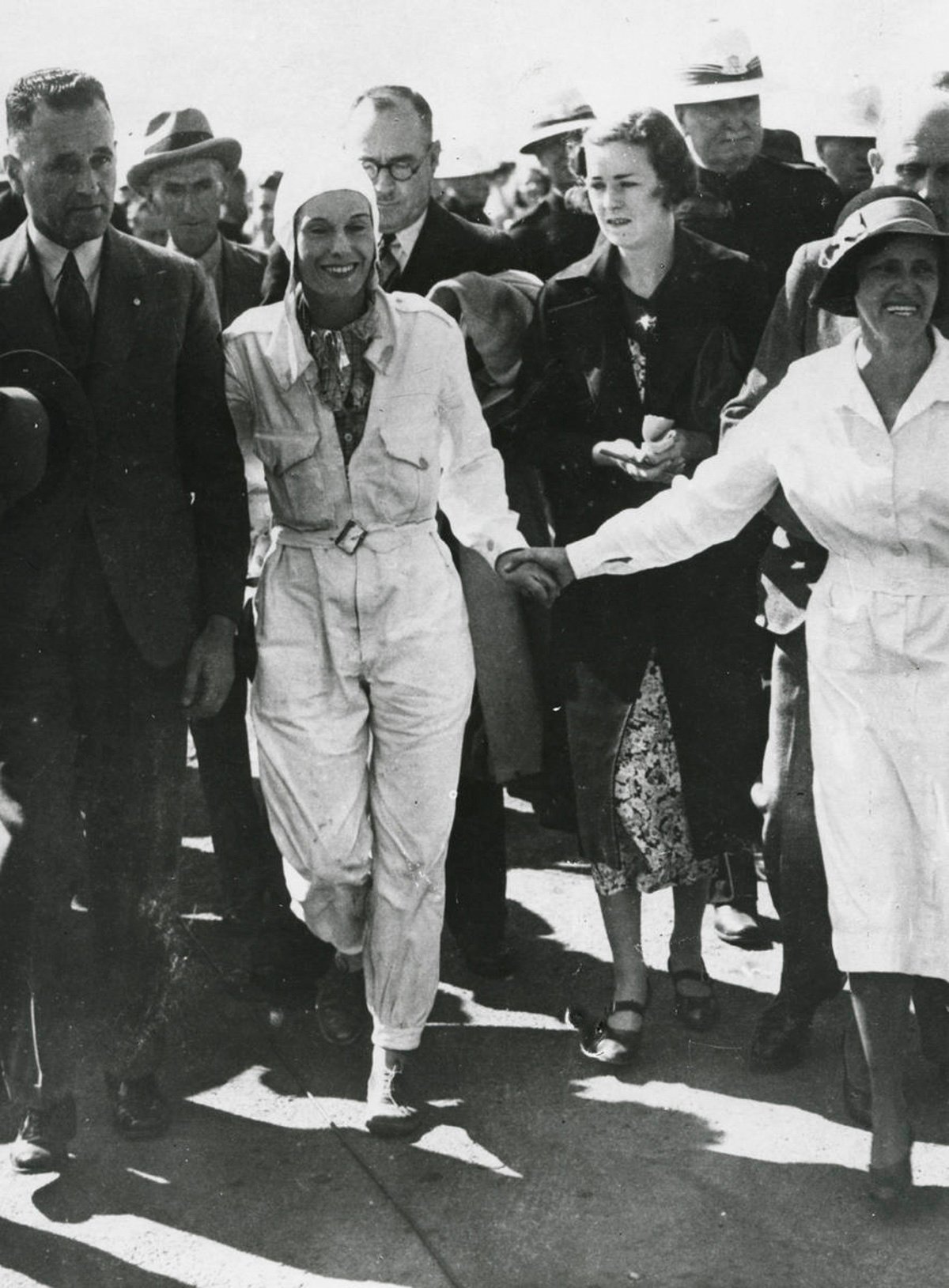
Fratello readers will appreciate, too, the power of photographs in this story — the black-and-white images of Jean in her Gull, her flight jackets, her cap, her circa-1930s watches and instruments, the maps she held, the engines she serviced, and the crowds waiting at Mangere Aerodrome when she returned in 1936.
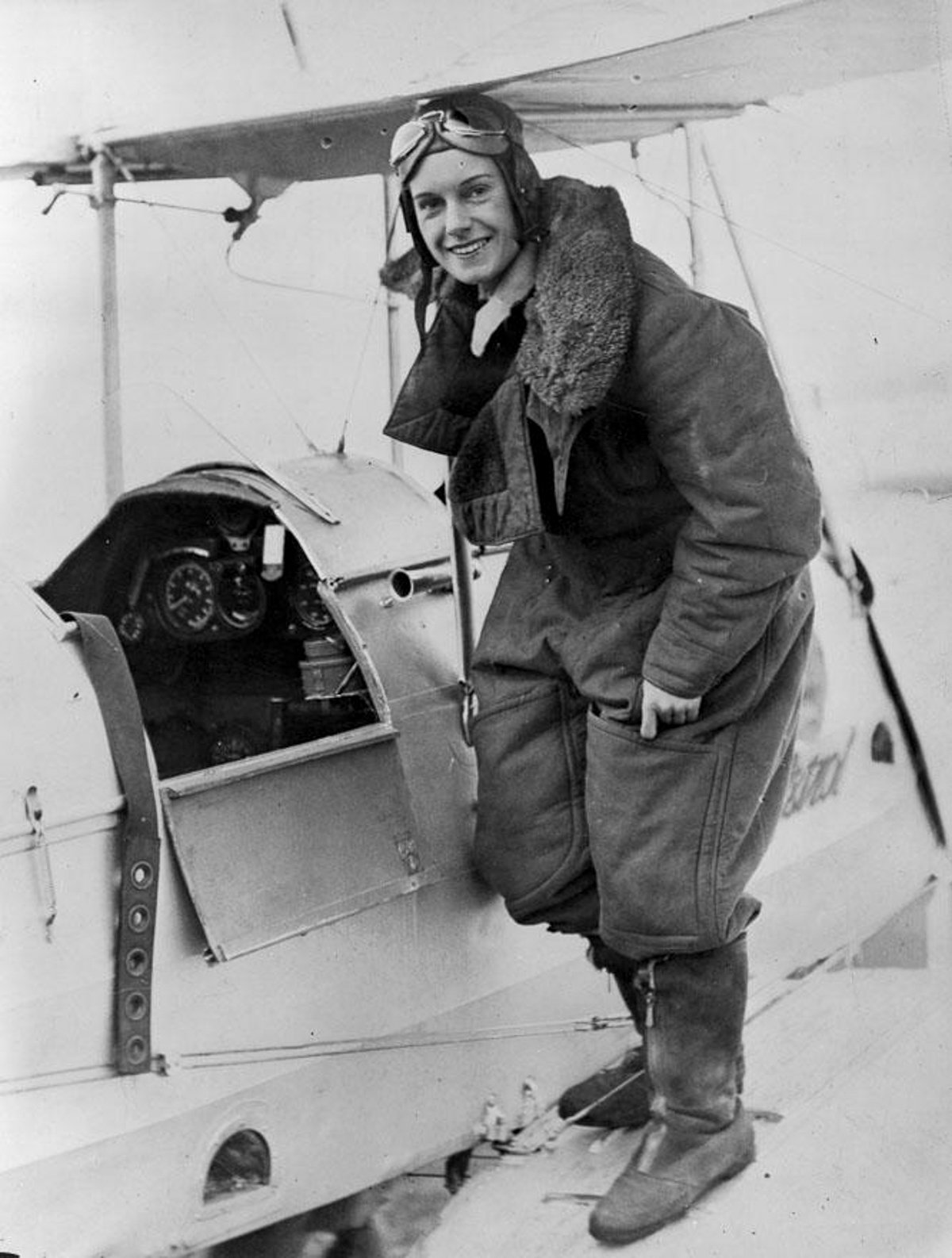
One photograph in the MOTAT collection shows that very dash clock alongside logbooks, the planisphere, her flying cap, and in the background the cockpit of her Gull. You see the instrument panel, the compass, the fuel gauges, and the tachometer, all driven by time calibration. These images help us understand that Batten’s feats were not just of bravery but also precision, of knowing when to turn, when to climb, when to rest.
The dash clock and panel instruments
Returning to that Smiths dash clock, its form reminds us how cockpit and dashboard timekeeping developed. Dash/panel clocks were affixed to the instrument panel, giving pilots a constant reference for elapsed and actual time. In early aircraft, pilots had to synchronize clocks — their wristwatch, the dashboard, and navigational logs — and watch for drift due to mechanical or thermal variation.
Instruments built by firms like Smith & Sons were among those trusted for such tasks. The clock’s accuracy could mean the difference between running out of fuel and arriving safely at the pilot’s destination.
Concluding thoughts
Jean Batten’s story is often told in terms of daring, distance, and solo flight, but for those of us who love watches, the deeper narrative is how time was managed and mastered. The dash clock at MOTAT, the compass, and the planisphere were her tools. For Jean Batten, every second mattered.
In celebrating her watches and clocks, her logbooks, her instruments, we honor the daring of a pilot and the precision of a navigator. And in that merging of courage and chronometry, we find something that resonates with every watch fan — the understanding that great feats are measured not only in miles or hours but also in moments.
The author would like to express his thanks to the folks at MOTAT for their work in building the image archive used in this story. You can see the original clock here.