Don’t Get A Seiko SKX — Buy This Classic Model Instead!

I was never a fan of the Seiko SKX. There, I said it. I know this will get me into trouble with a lot of watch lovers because the SKX’s legacy is grand. For many enthusiasts, the SKX007 or SKX009 was the gateway into the world of mechanical watches. As such, Seiko’s legendary diver was and still is a really popular choice. While I appreciate the watch’s great legacy and what it means to many people in this hobby, I don’t share that sentiment. Instead, I found a great love for another Seiko dive watch. The Seiko “Sumo” has long been a personal favorite. As it turns out, in 2026, it is the better pick of the two. It is objectively the better watch, and, in a surprising twist, the Sumo is the more affordable option nowadays. Sometimes, the better choice isn’t the one you expected.
When I jokingly said I had a bone to pick with the SKX, I immediately sparked a lively discussion within the Fratello team. Among the Fratello writers, the SKX is also a popular diver, and quite a few team members have one. It goes to show that I am treading on eggshells. In addition to its status as a classic, the SKX has long been a popular choice for watch modders. Because the SKX was inexpensive, built like a tank, reliable, and had easy-to-source parts thanks to the huge aftermarket ecosystem, it was a perfect watch to mod. Those reasons have made the SKX a legendary watch in the industry. I don’t intend to take anything away from that legacy. Nowadays, though, you are better off buying a Seiko Sumo than an SKX. Let me elaborate on that.
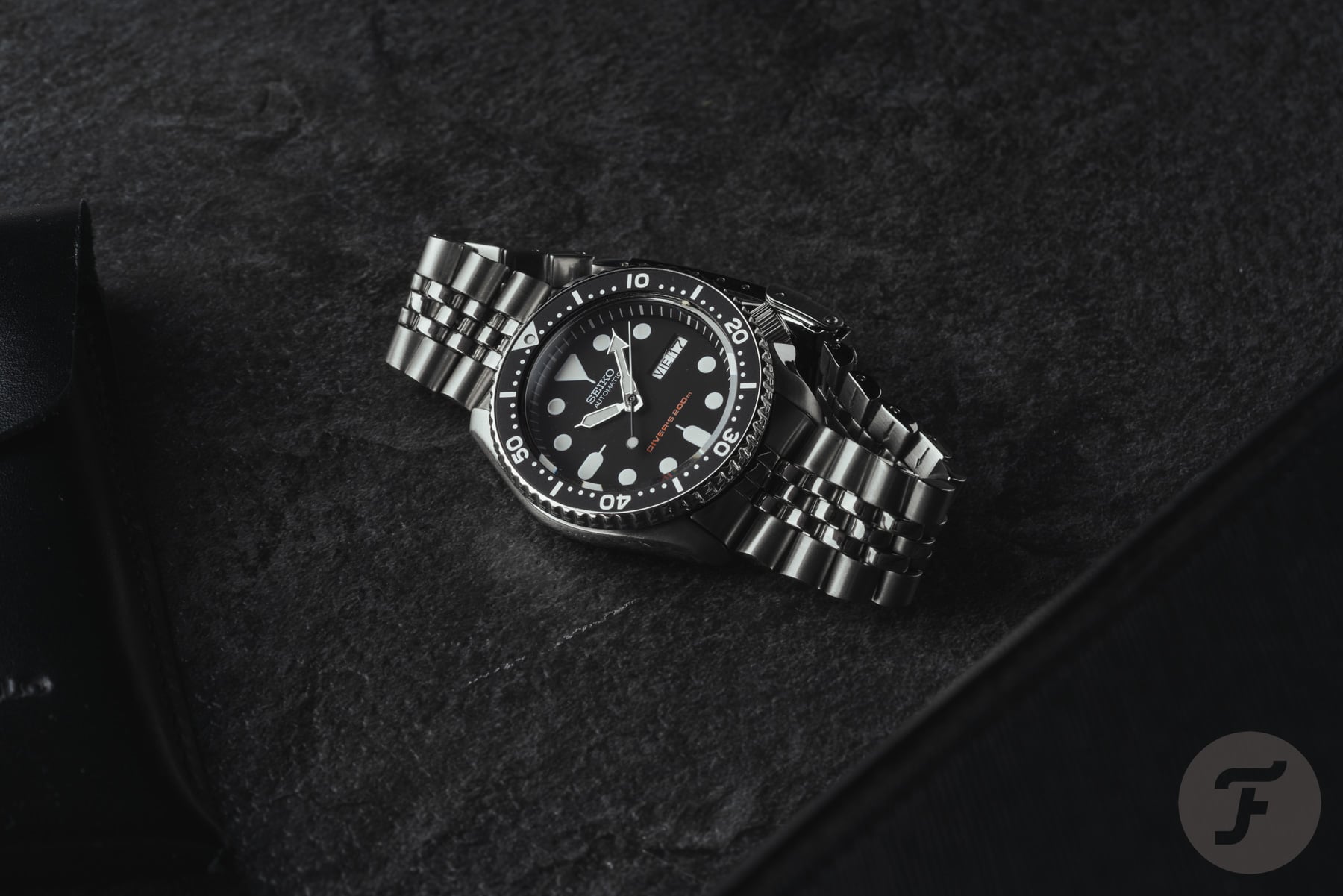
Six years after the SKX’s discontinuation, the world has changed
Before I explain my beef with the SKX, let’s set the context. It’s been over six years since Seiko discontinued its classic SKX models. As most of you will know, it was replaced by the Seiko 5 Sports collection. Within that collection, Seiko has created the new SKX Series. While it contains some nice-looking watches, they are simply inspired by the classic SKX models rather than proper successors.
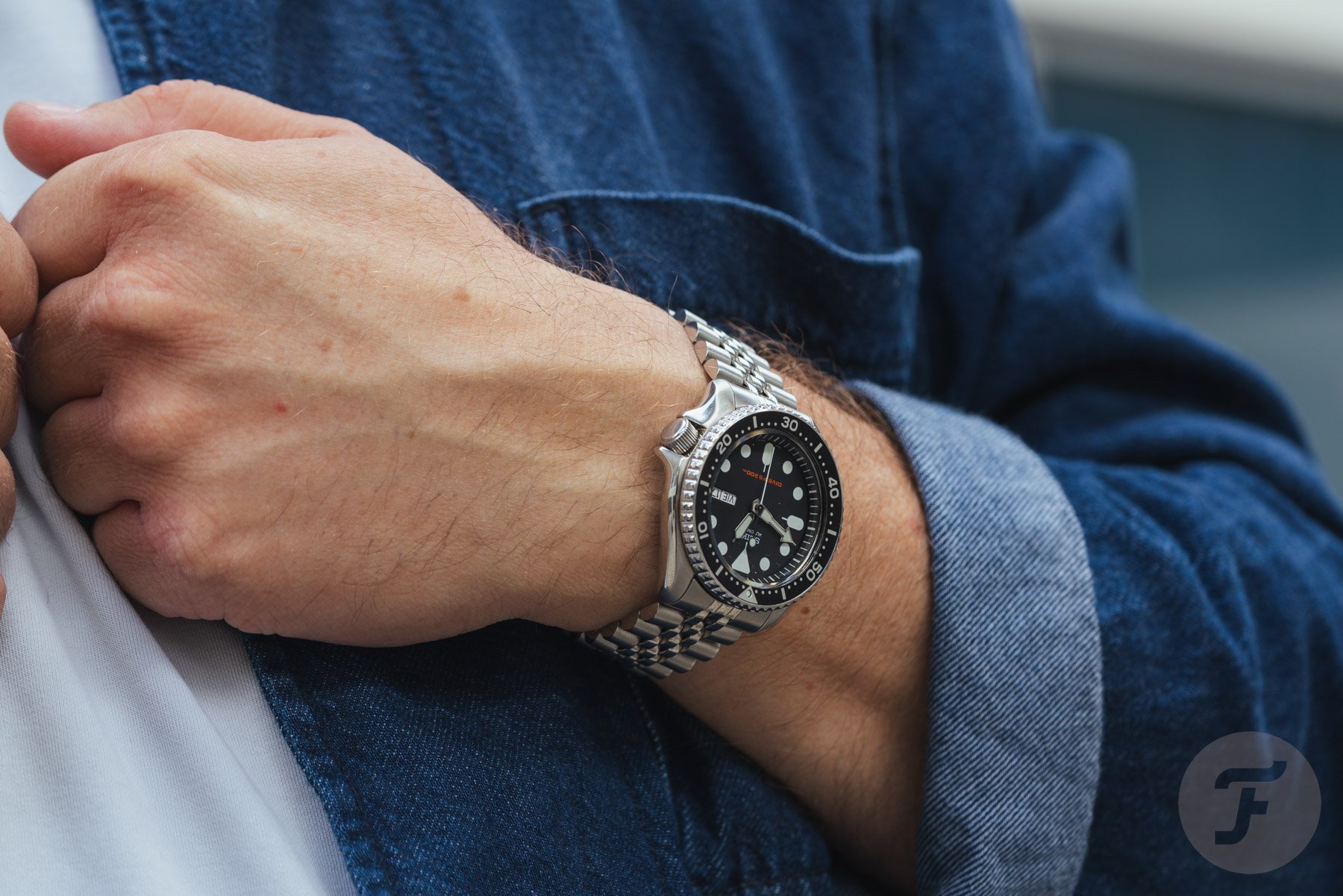
The Seiko 5 Sports models look like the SKX, but they have half the water resistance, no screw-down crown, and lack the ISO Diver’s status, making them less interesting for fans of the classic diver. The downgrades left many Seiko enthusiasts disgruntled, and the hunt for the SKX007 and SKX009 was on. Whether you were a modder or simply wanted to add one to your collection, the world’s available supply of Seiko SKX models shrank rapidly.
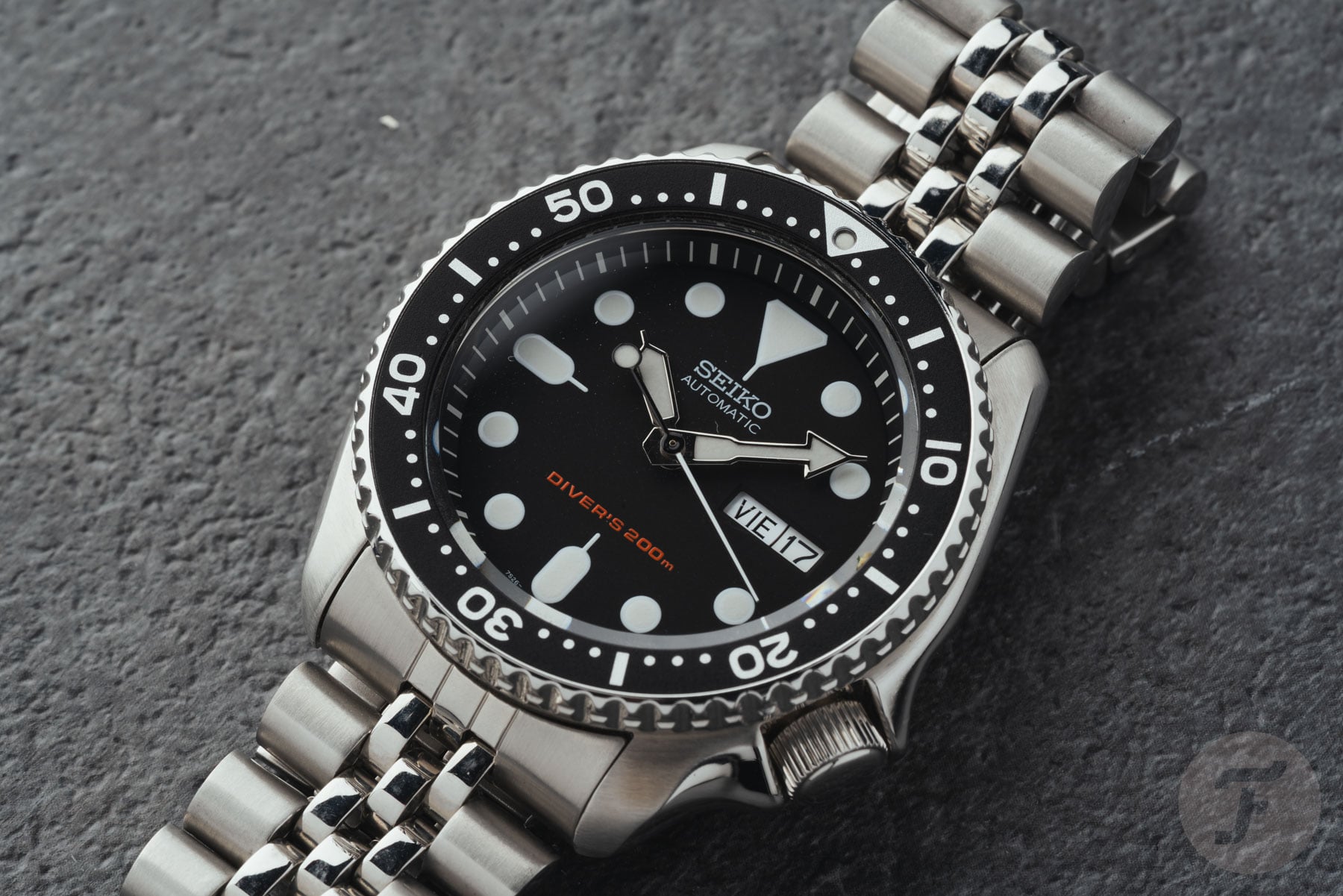
With that run on the SKX also came rising prices. Just before the discontinuation, the SKX007 or SKX009 retailed for €340 on rubber and €360 on steel. Finding one pre-owned for €150–250 was easy before the series was delisted. Considering what you’d get for your money, the SKX offered great bang for your buck. But after everyone set their sights on one, prices shot up to €400–500.
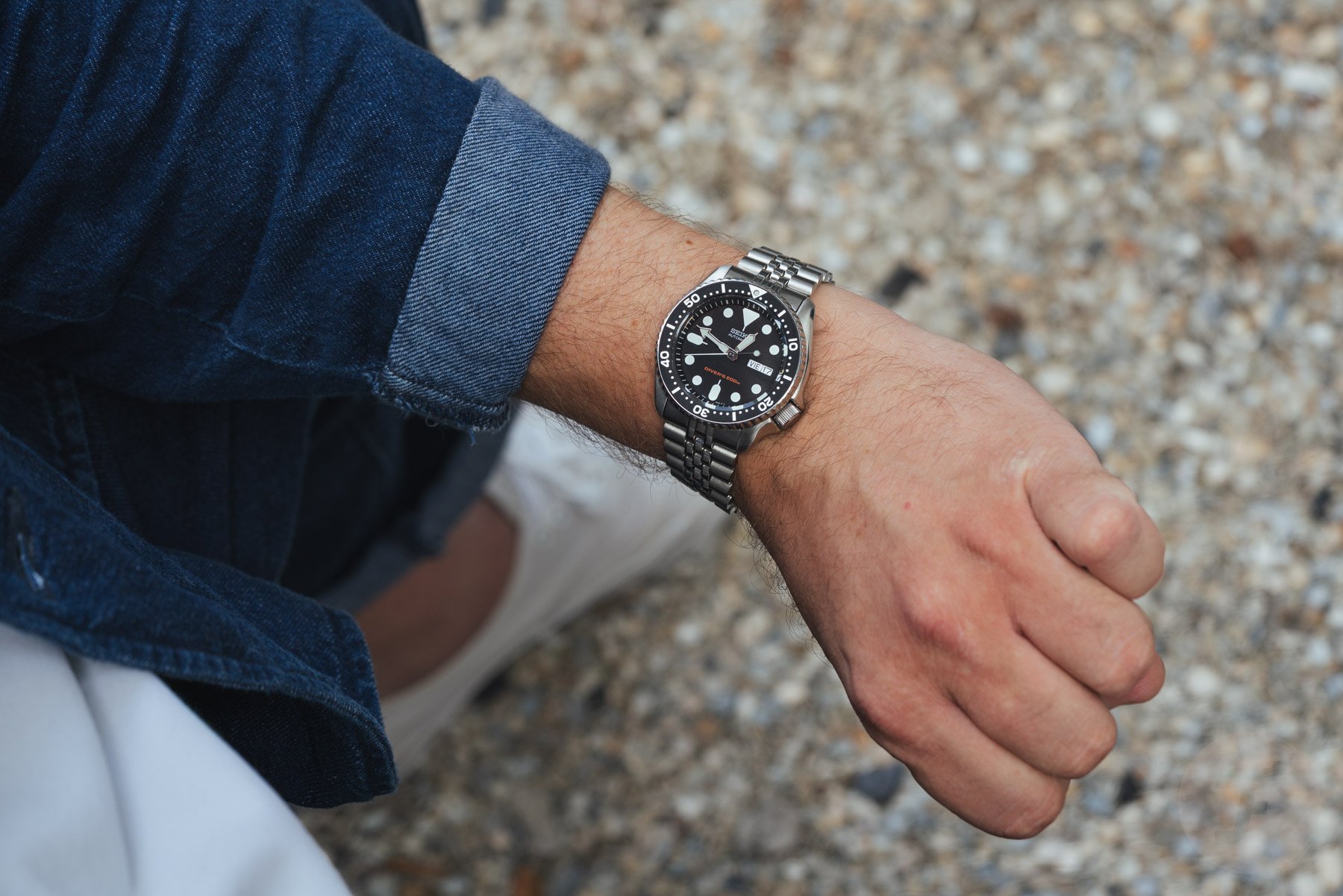
A glance at current prices on Chrono24 shows you can get one for between €300 and €1,000. As Henry explained, prices above €350 seem a bit much for the SKX, and anything over €500 is very excessive considering what the series always represented and what you can get new for €500–1,000 instead. Quite simply, there are better options from both Seiko and a plethora of other brands.
Enter the Seiko Sumo…
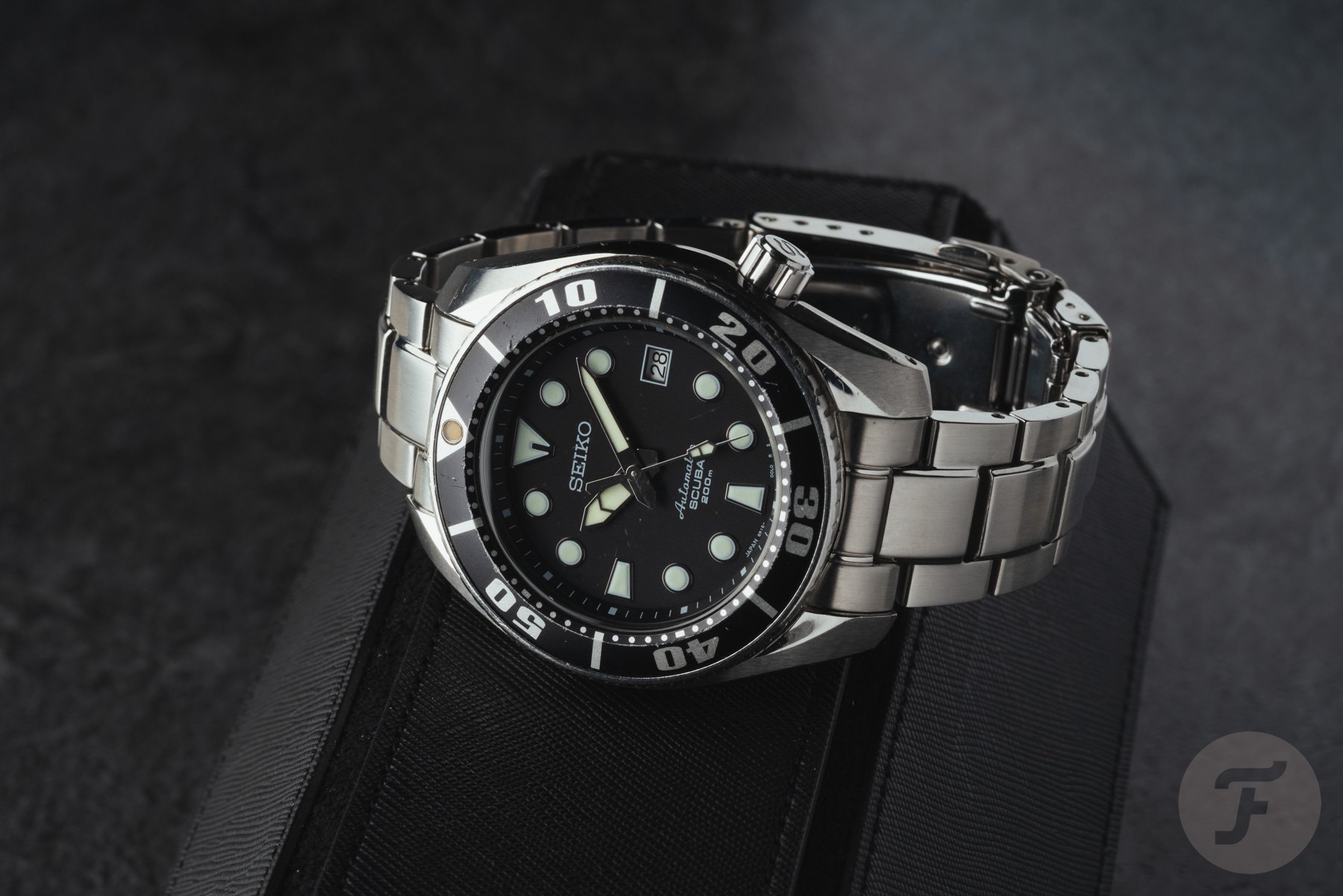
While not all of those options share the same sentiment or legacy, many are objectively better watches. Particularly when it comes to modern build quality, movements, and specs, there are many great options. But that’s not where I am going with this. Stating that a current Seiko Prospex Sumo is the better option at its €870 retail price would be too simple. I want to focus on the lower part of the €300–1,000 price bracket. Yes, I found out that you can get a Seiko Sumo under €500. As it happens, I own a first-generation Seiko Sumo SBDC001, and I love that watch. It was my entry into the world of mechanical watches, so it holds that same significance for me that so many feel with the SKX007 or SKX009.
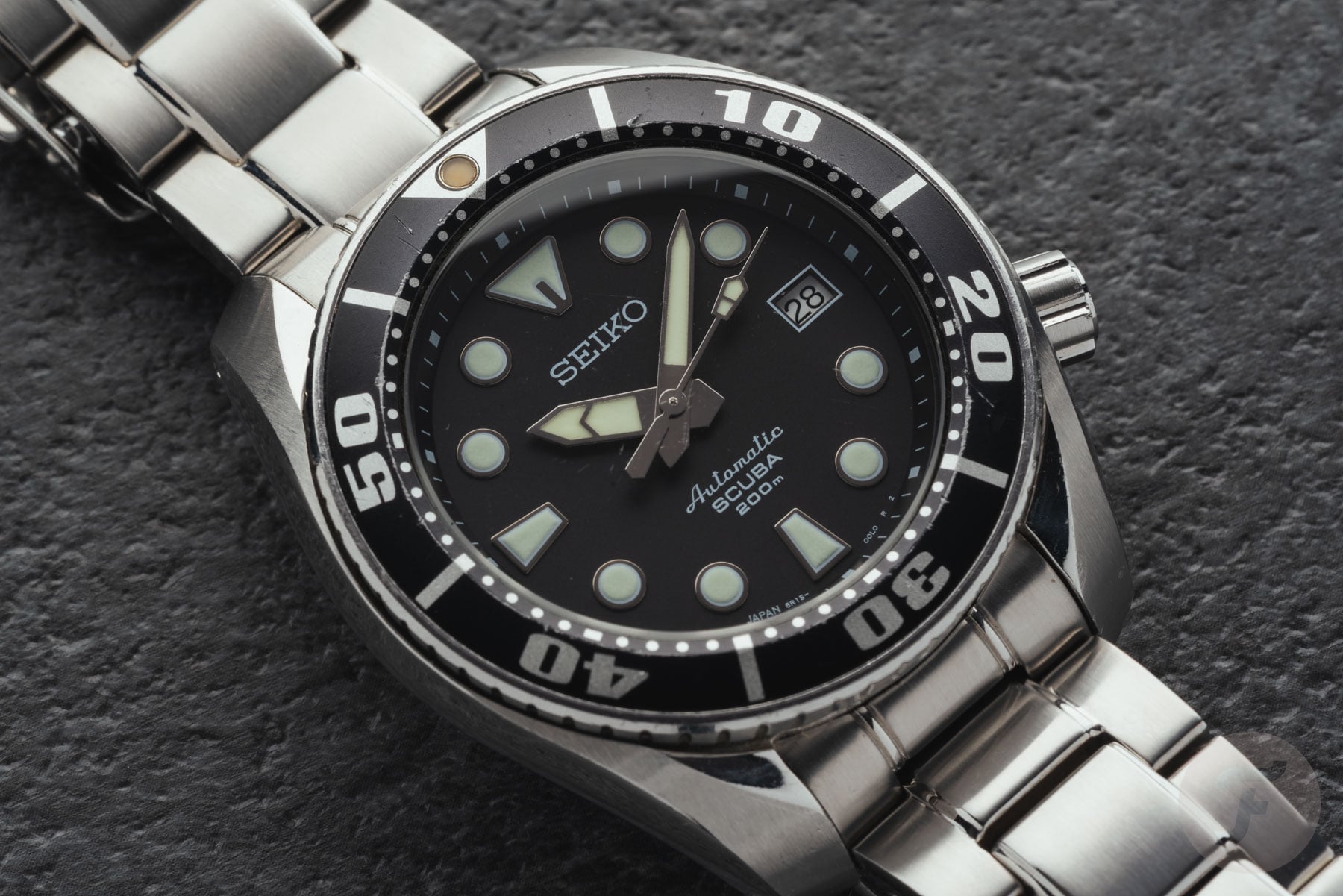
When I saw that you can get a first- or second-generation Sumo for €300–400, I knew I had found a much better alternative to the SKX. On top of that, you can get a current-generation Prospex Sumo for €400–600. If you have to pay the same sum for an SKX, in my mind, the choice is very simple: it would be the Sumo every time. While I could sum it up based on specs and overall quality, that feels a bit too easy. Yes, the Sumo is objectively the better watch. As we all know, though, it’s never just about specs and price.
Objectively, the Seiko Sumo is the better watch
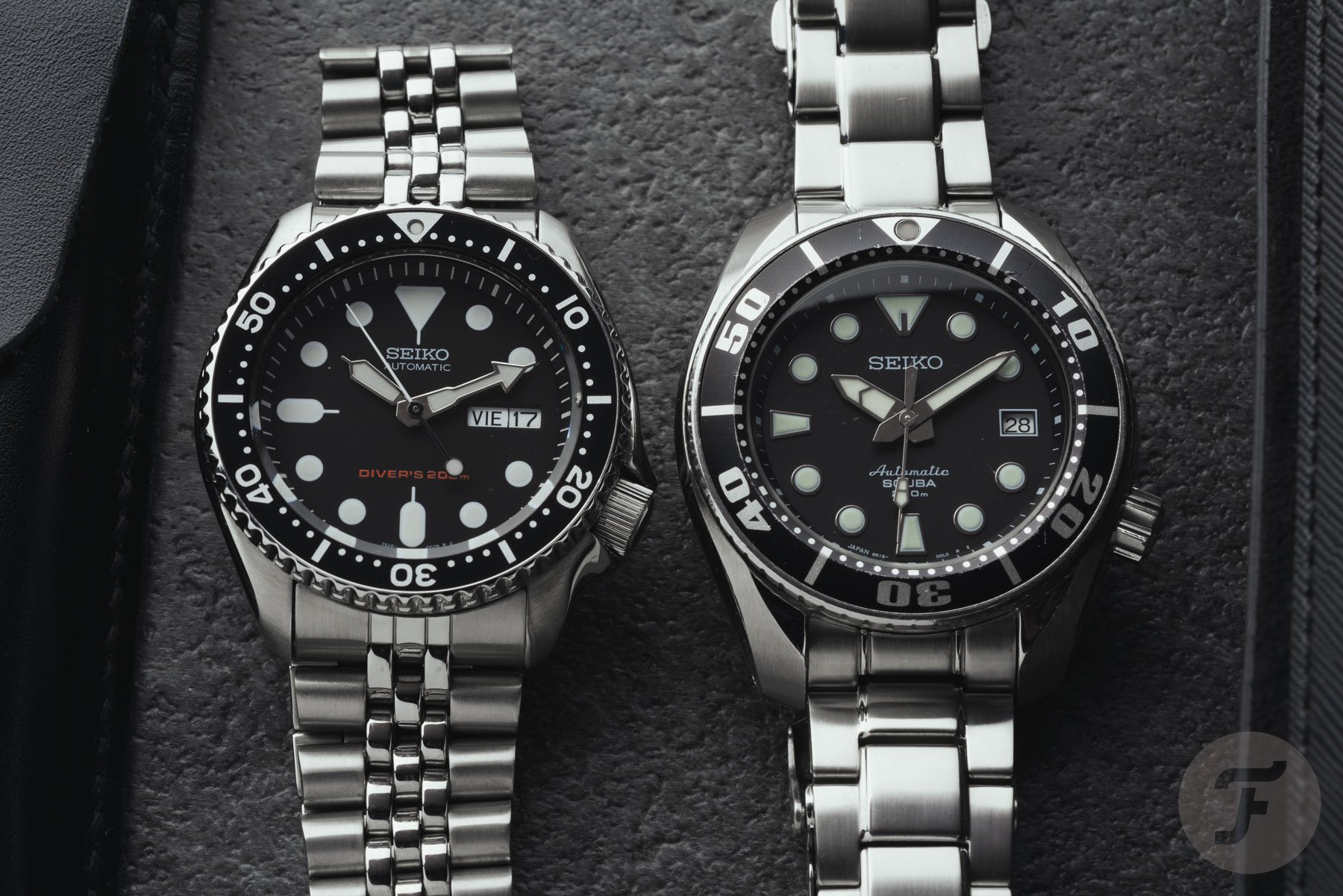
Still, for argument’s sake, let’s start there and compare the SKX007 and the SBDC001. The former has a 42.5 × 46 × 13mm stainless steel case with a 200m depth rating, a screw-down crown at 4 o’clock, and a 22mm lug spacing. Inside it, you will find the Seiko 7S26 movement. This basic 21-jewel automatic caliber ticks at 21,600 vph and lacks hacking seconds and manual winding. It runs with a daily accuracy of -20/+40 seconds.
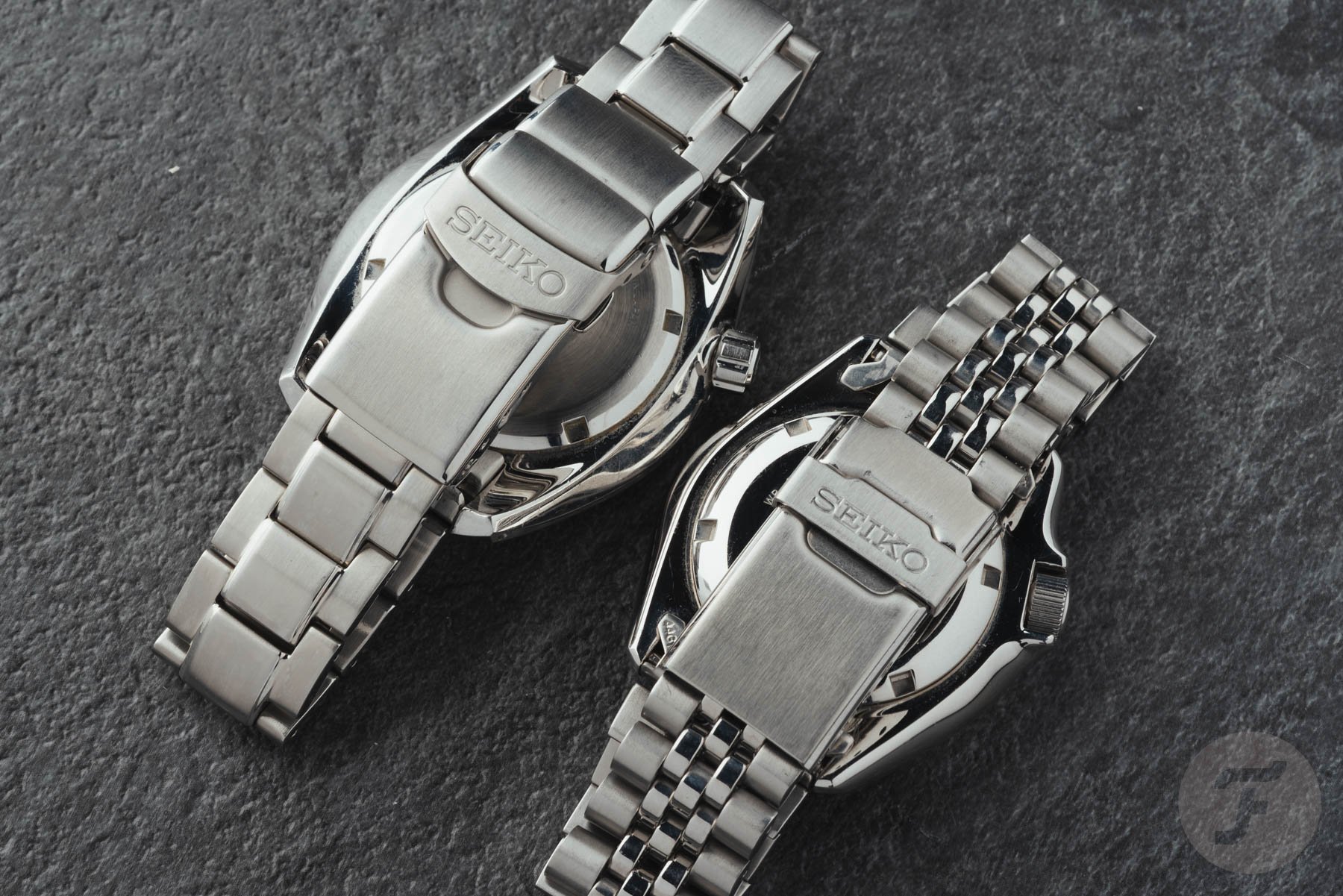
In comparison, the Seiko SBDC001 has a 45 × 51 × 13.5mm stainless steel case. Looking at the numbers, many would say that the size difference is a deal-breaker. But if you have ever worn a Sumo, you will know that the numbers do not tell the whole story. I’ll come back to that in a minute, but for now, it’s about specs. Just like the SKX, this case has a 200m water resistance rating, but inside of it, you will find an in-house caliber 6R15. This 23-jewel automatic movement operates at 21,600 vph and has a 50-hour power reserve. In terms of accuracy, Seiko’s official daily deviation is stated as +25/-15 seconds per day. Plus, it offers manual winding and hacking seconds.
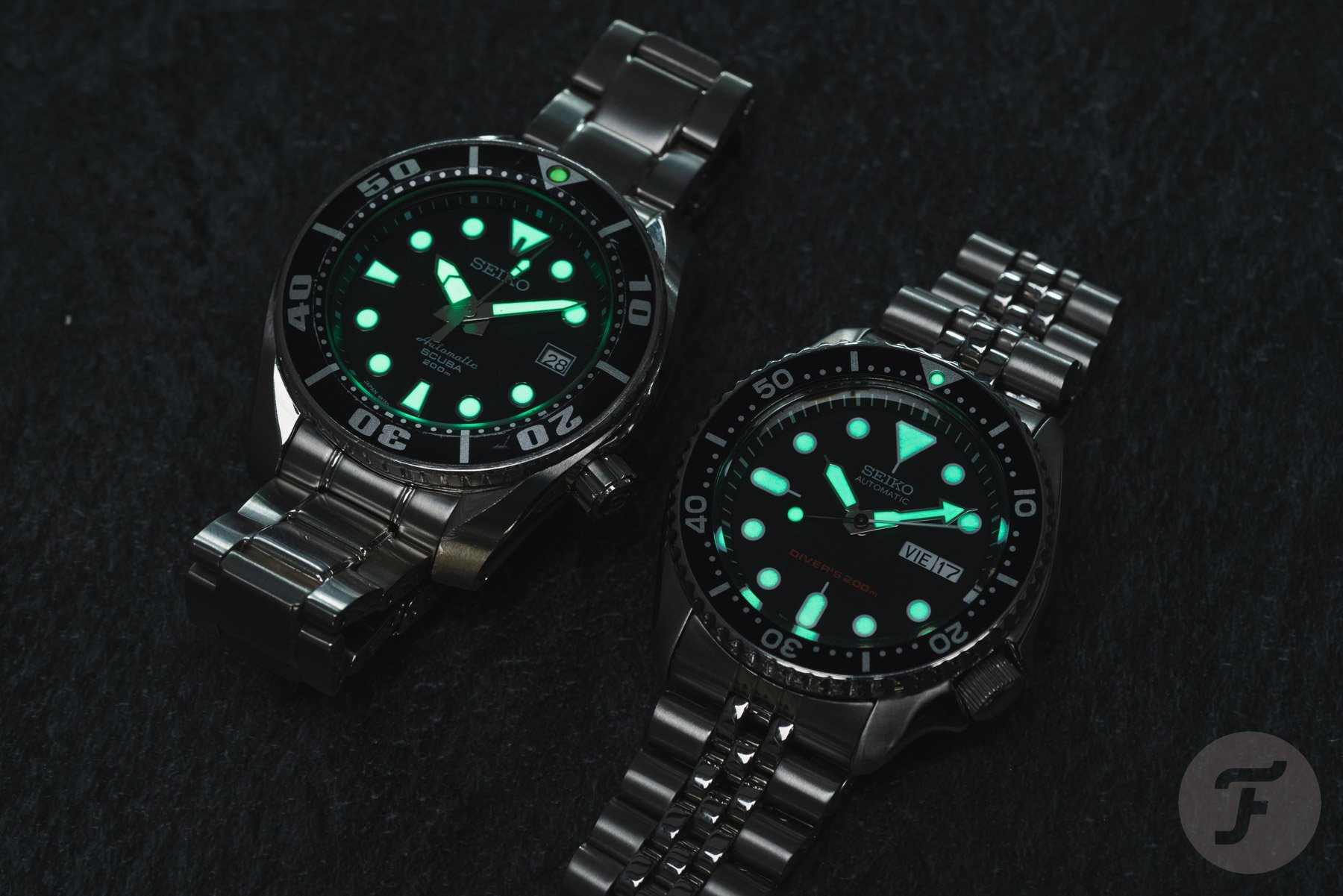
Seiko enthusiasts will know that the Sumo’s movement is superior, as is the overall build quality. It also matches the price difference between the two watches. For a long time, the SKX’s list price was just shy of €300, whereas the Sumo retailed for €595. And we know that Seiko doesn’t mess around and will ensure a steeper price actually gets you a better watch. Just holding the two side by side, you can immediately feel this.
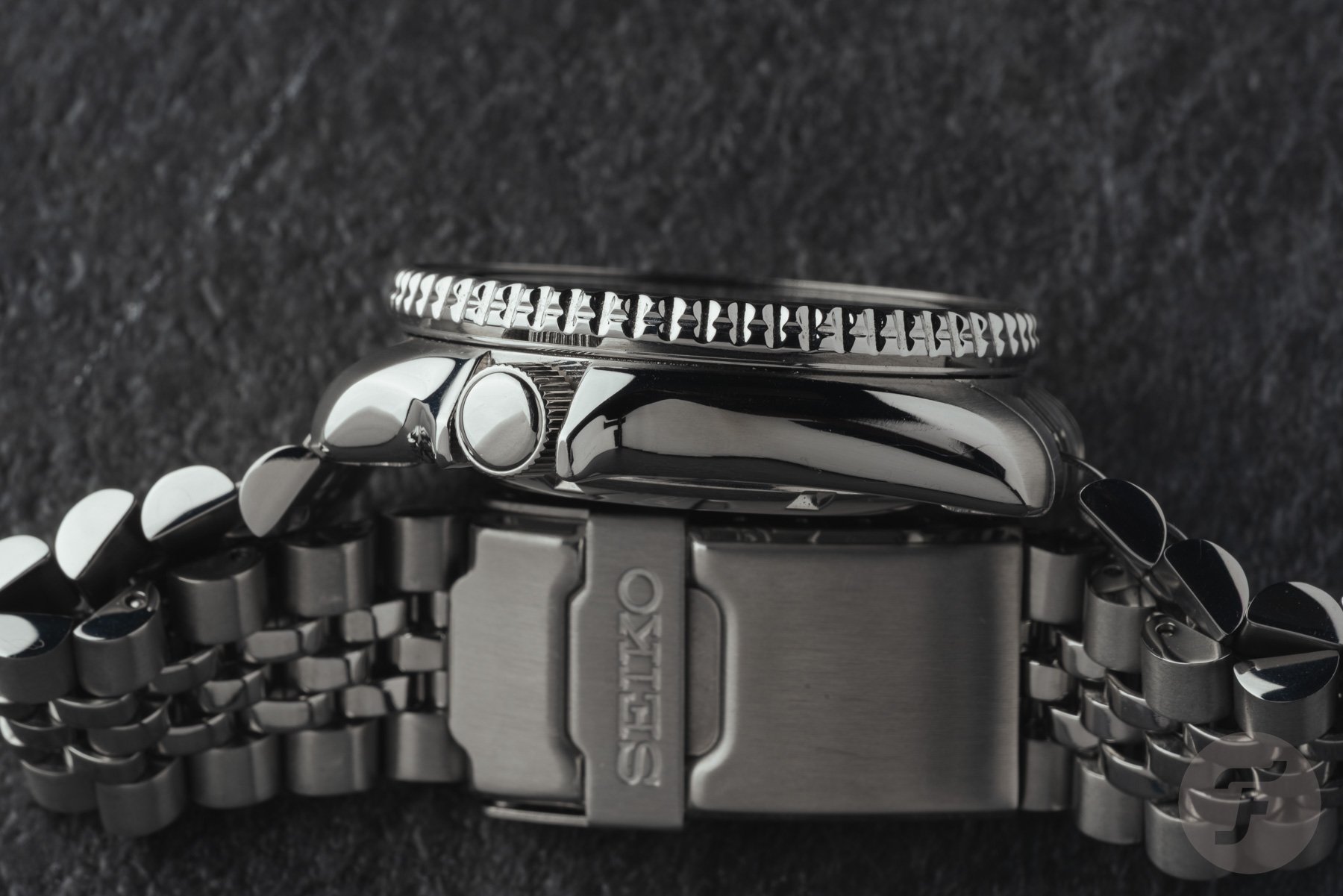
The SKX just looks awkward…
Where it becomes even more apparent to me is in the design. From the moment I saw the SKX, I’ve found it an awkwardly designed watch. It simply doesn’t make sense to me, and I particularly dislike it on the vented black rubber strap. Now, as you can see in the photos, we made it easier and compared the two watches on their stainless steel bracelets. Even so, the SKX looks clumsy to me. The profile of the SKX looks like the designers just stacked a bunch of parts on top of each other. With the relatively short lugs, it becomes a thick, boxy case that feels disproportionately chunky. Adding to that visual effect is the bezel’s double knurling.
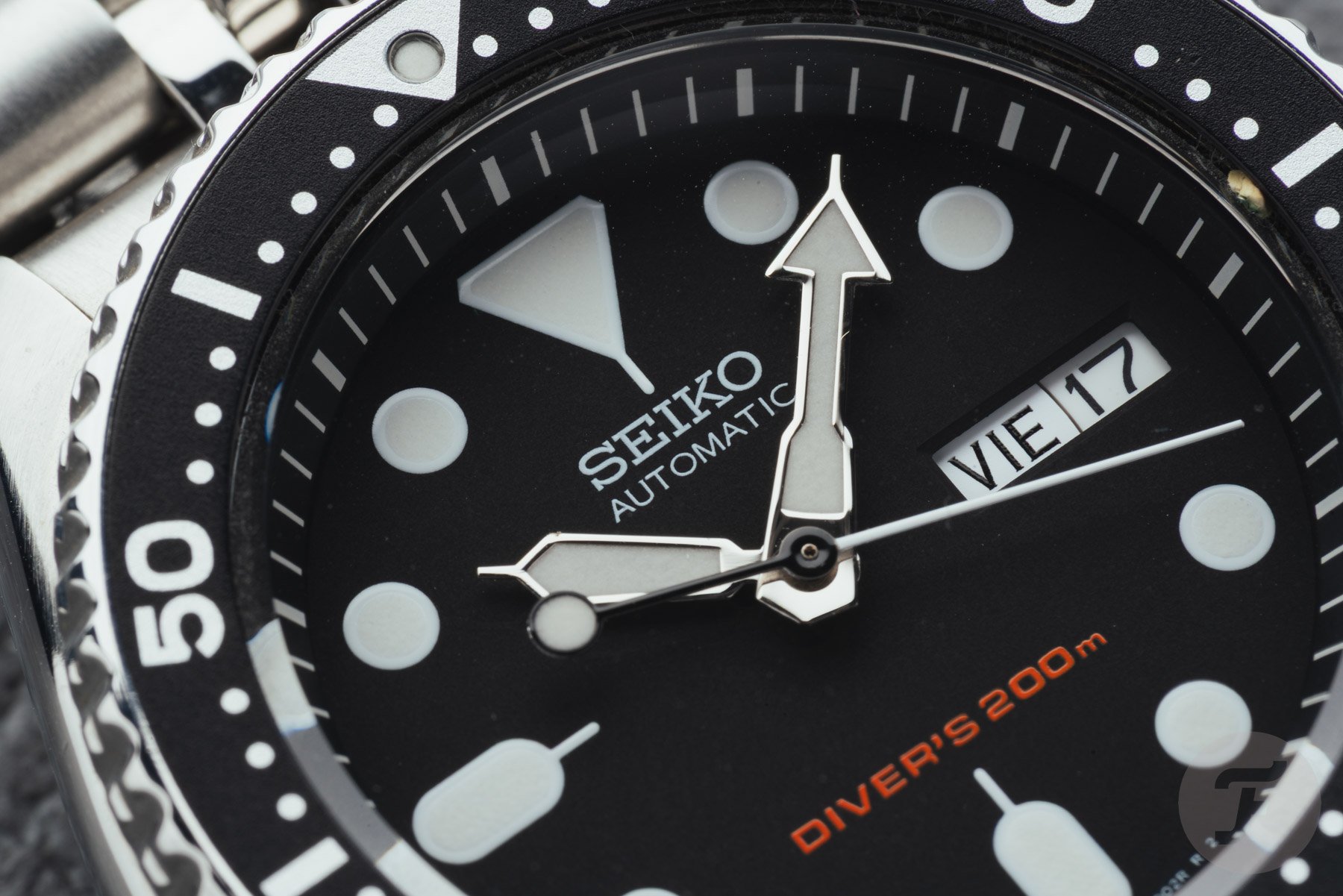
If you then turn your attention to the dial side, that feeling persists. Just look at the steepness of the rehaut. While the concave bezel tries to mask the sudden drop, it still feels too dramatic. Another detail I have always questioned is the day/date display. While this is historically a Seiko signature detail, I don’t need it on the dial of my dive watch. A date window, like on the Sumo’s dial, is more than enough.
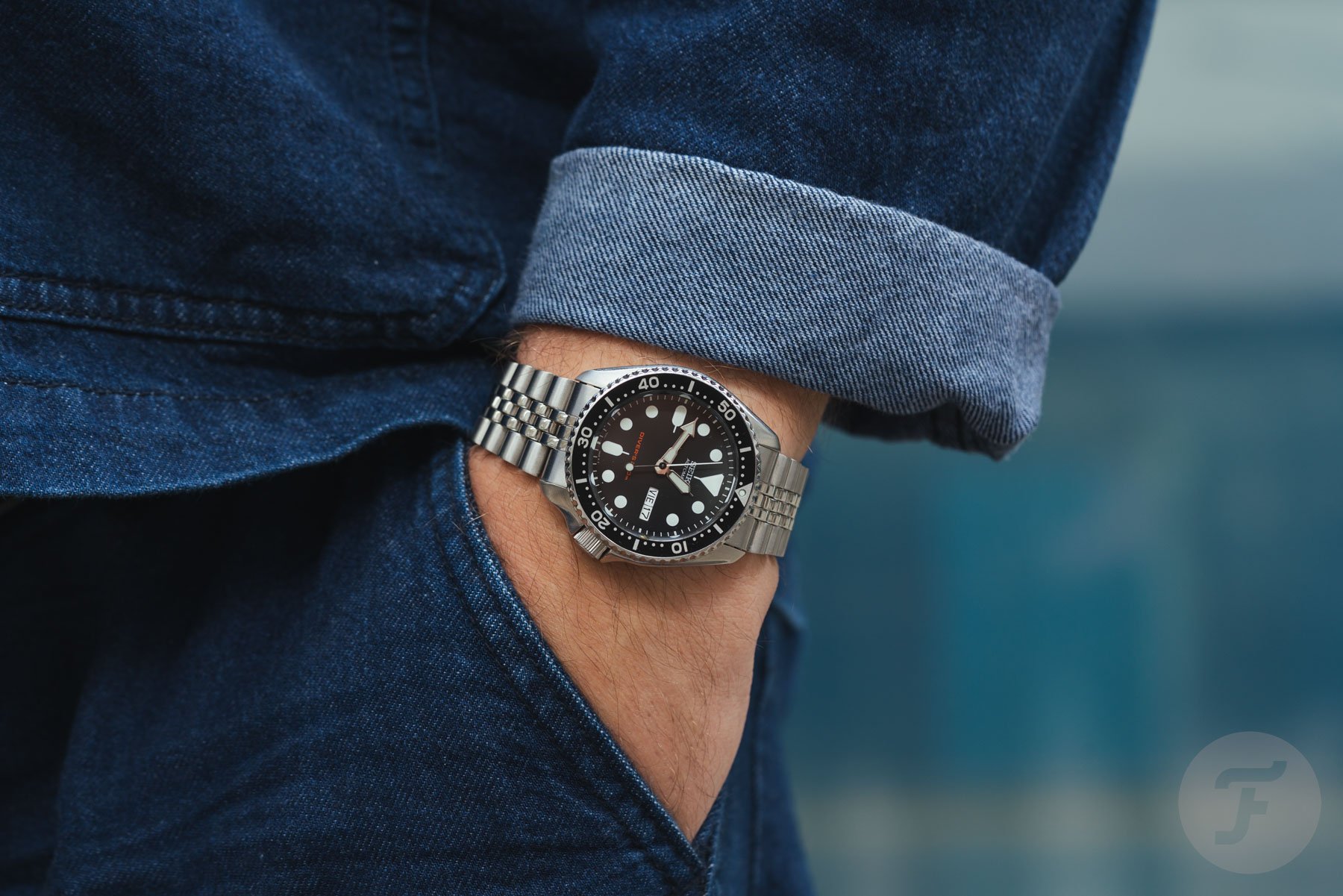
Then, there is the handset, which feels far too frivolous compared to the rest of the design. It seems like a mismatch with the dial. And I guess that is the crux of my biggest beef with the SKX. It seems as though Seiko’s designers threw lots of random design elements together to come up with the SKX. That is how I felt when I first saw one in the early 2000s, and almost 25 years later, that feeling hasn’t faded one bit.
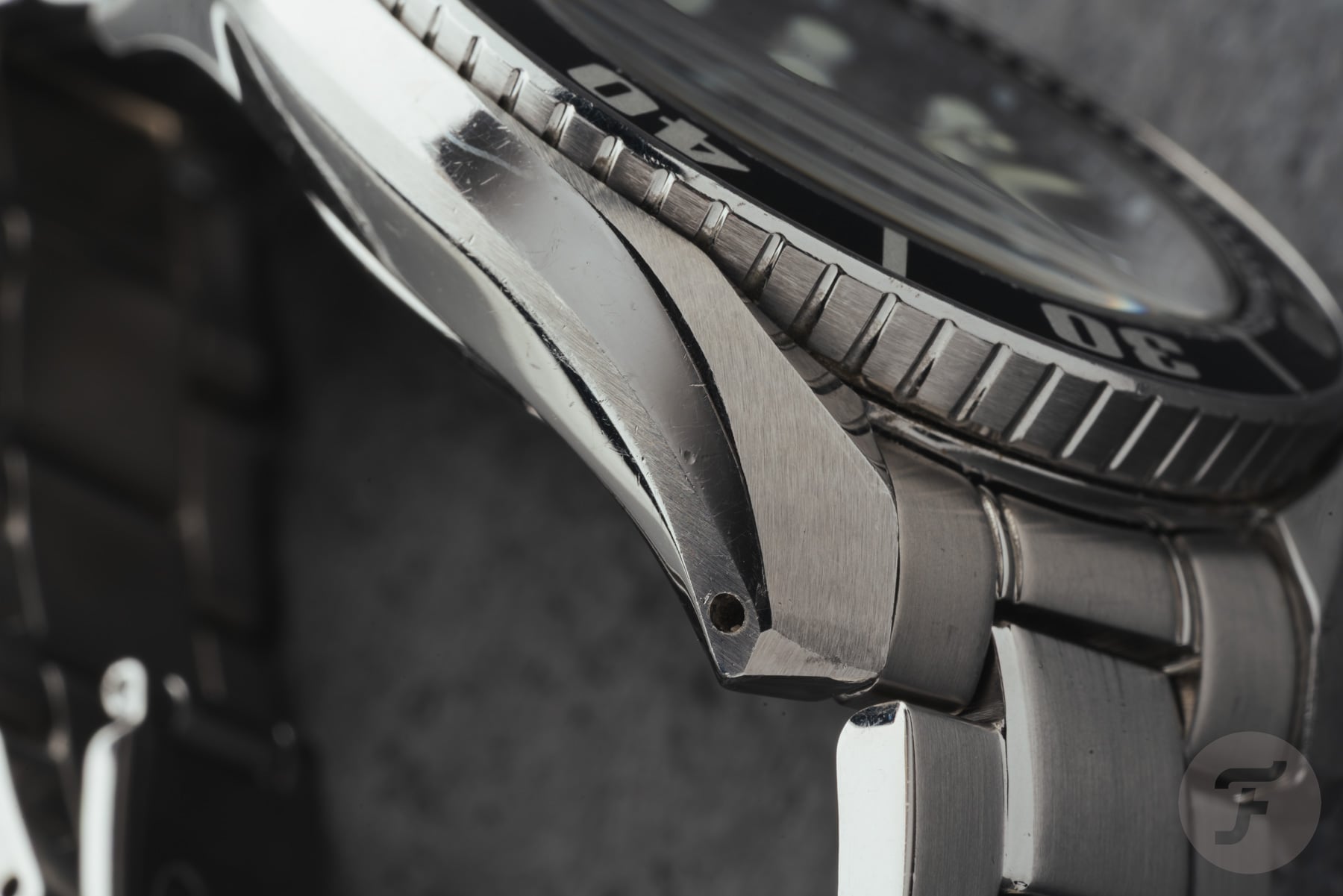
The Sumo is the best original modern Seiko diver
If we then turn to the Sumo, you see and feel that every stroke of the pen was deliberate. As I have stated before on Fratello, during the talks I had with our colleague Mike Stockton, we agreed that the Sumo is the best modern Seiko diver, not a reissue or a modern interpretation of an iconic model from the past.
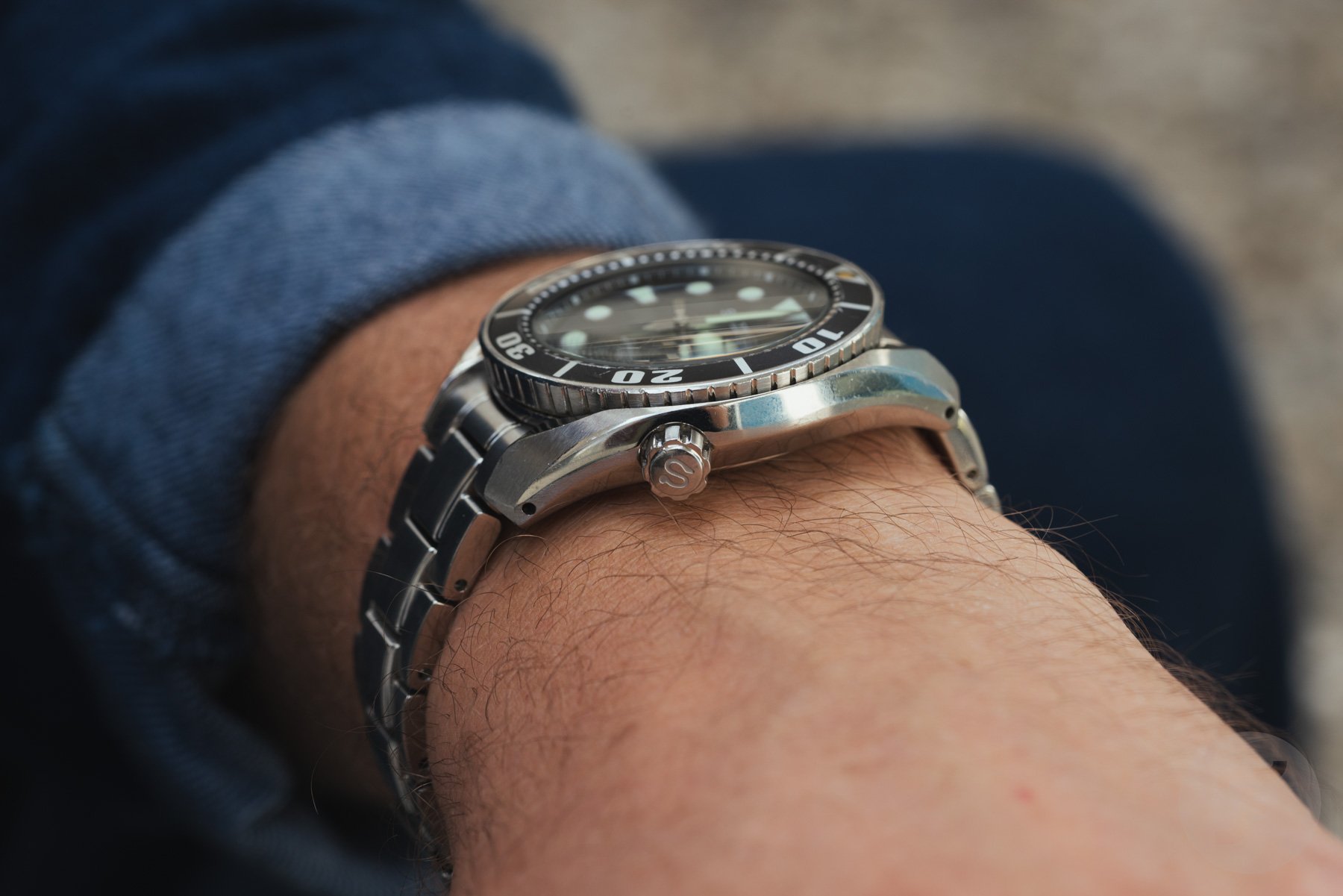
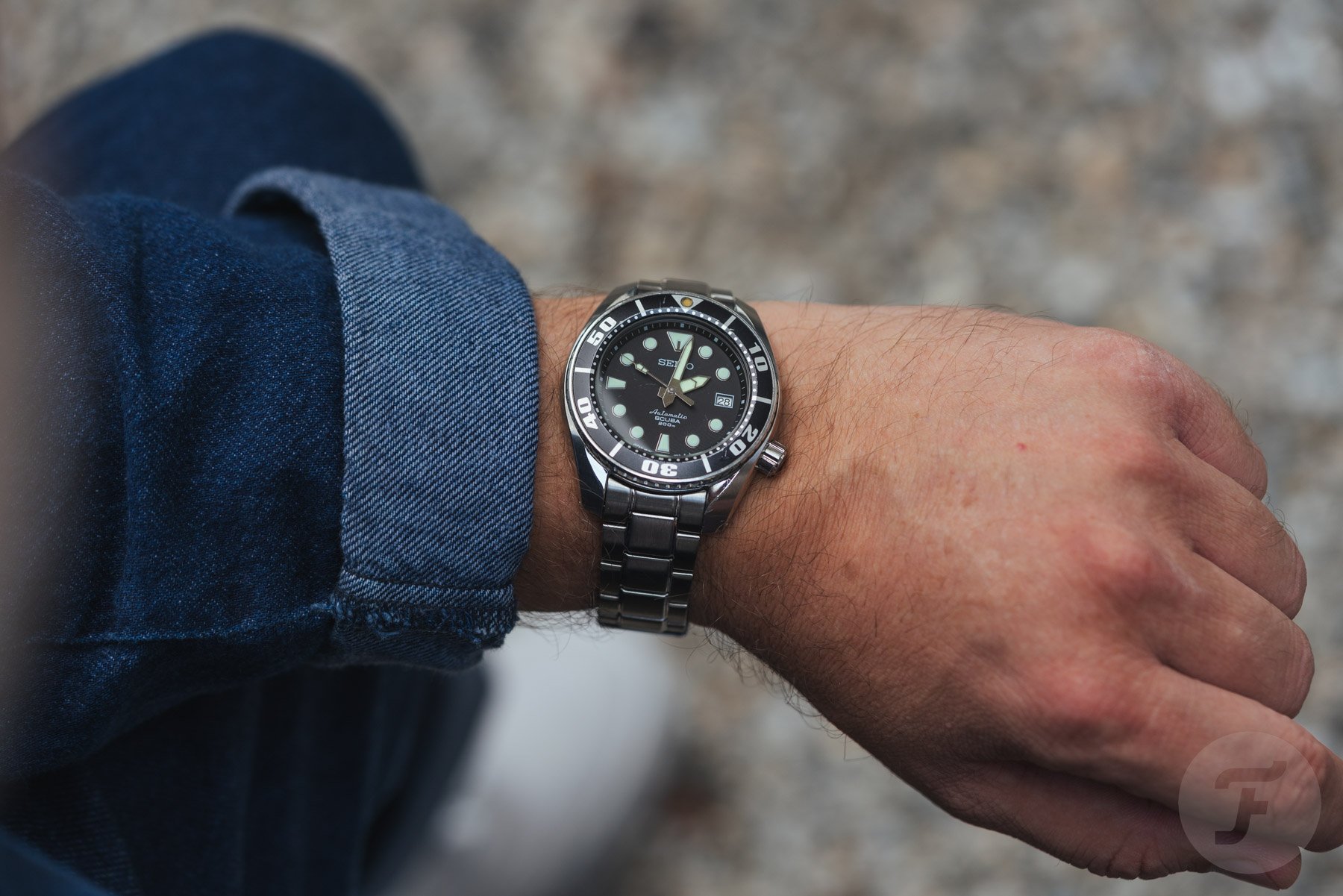
Despite that, it still feels very much like one of the great Seiko dive watches. What stands out most to me is the case’s beautiful sculpting. Despite its substantial size and appropriate “Sumo” nickname, it doesn’t feel that big. Part of that is due to the curved lugs, which make the watch easy to wear on smaller wrists. I must add, however, that not everyone can pull it off.
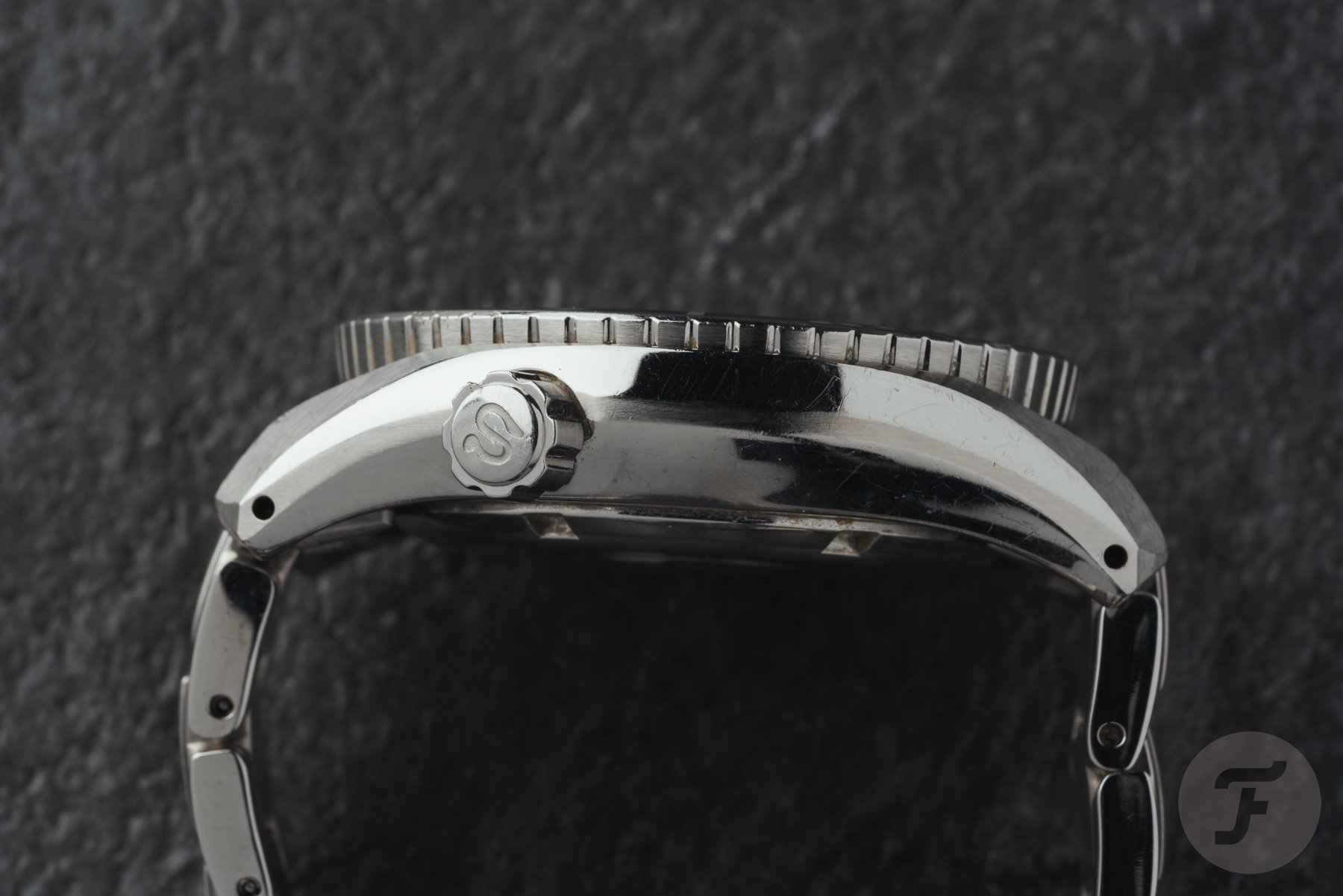
The case sculpture, however, is graceful. The bezel is recessed into it, and the multifaceted flanks flow nicely from lug to lug. It’s an intricate design that feels so much more deliberate than the stacked elements of the SKX. It is paired with a nicely balanced matte black dial featuring large luminous hour markers and a date window at 3 o’clock. The big issue some might have with the Sumo is the bezel font used for the first generation from 2007 and the second generation from 2015, which added the Prospex logo to the dial. I have written here on Fratello that I wasn’t the biggest fan of the font, despite it adding a ton of character. Over time, I have grown to appreciate it, though.
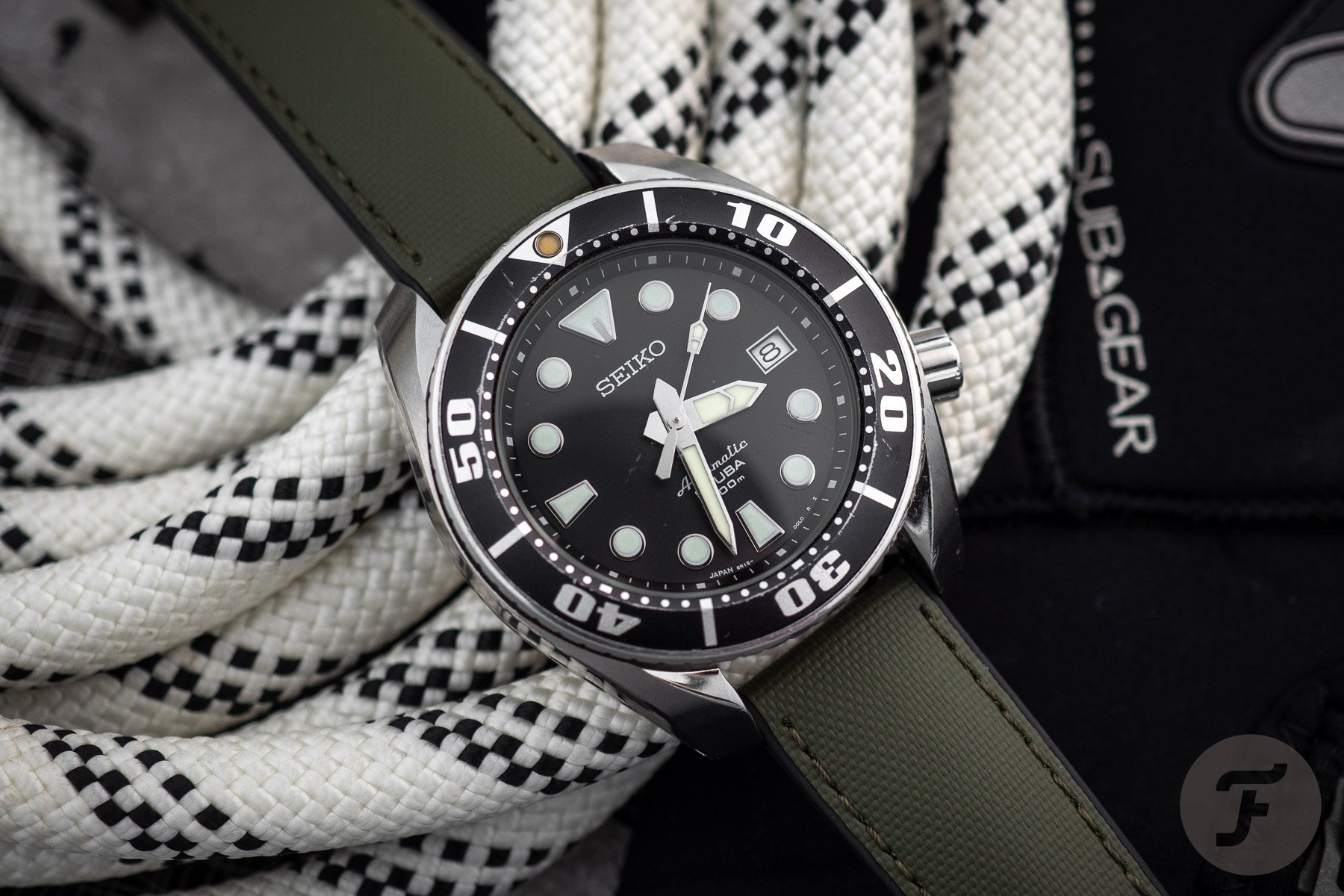
But if you prefer a different, more modern font, the current Seiko Prospex Sumo, introduced in 2019, is a great option. It has an updated bezel design with a font we’d seen before. Seiko also used it for the 50th-anniversary Sumo SBDC027 in 2015. Additionally, the current Sumo also comes with the Seiko in-house 6R35 caliber, the updated version of the 6R15 that powers the first two generations. Add the improved bracelet, and the current Sumo is a wonderful pick for less than €500 on the pre-owned market.
The Seiko Sumo is a bargain
That brings us to the premise of this article. In the end, it is not about bashing the SKX. I understand that not everyone shares my gripes with the watch’s design. And as I said, I don’t want to debate the legacy of the SKX because it is the series that got a lot of us into this hobby. But when that entry-level SKX is more expensive than the Sumo, it might be worth checking out whether the latter is for you.
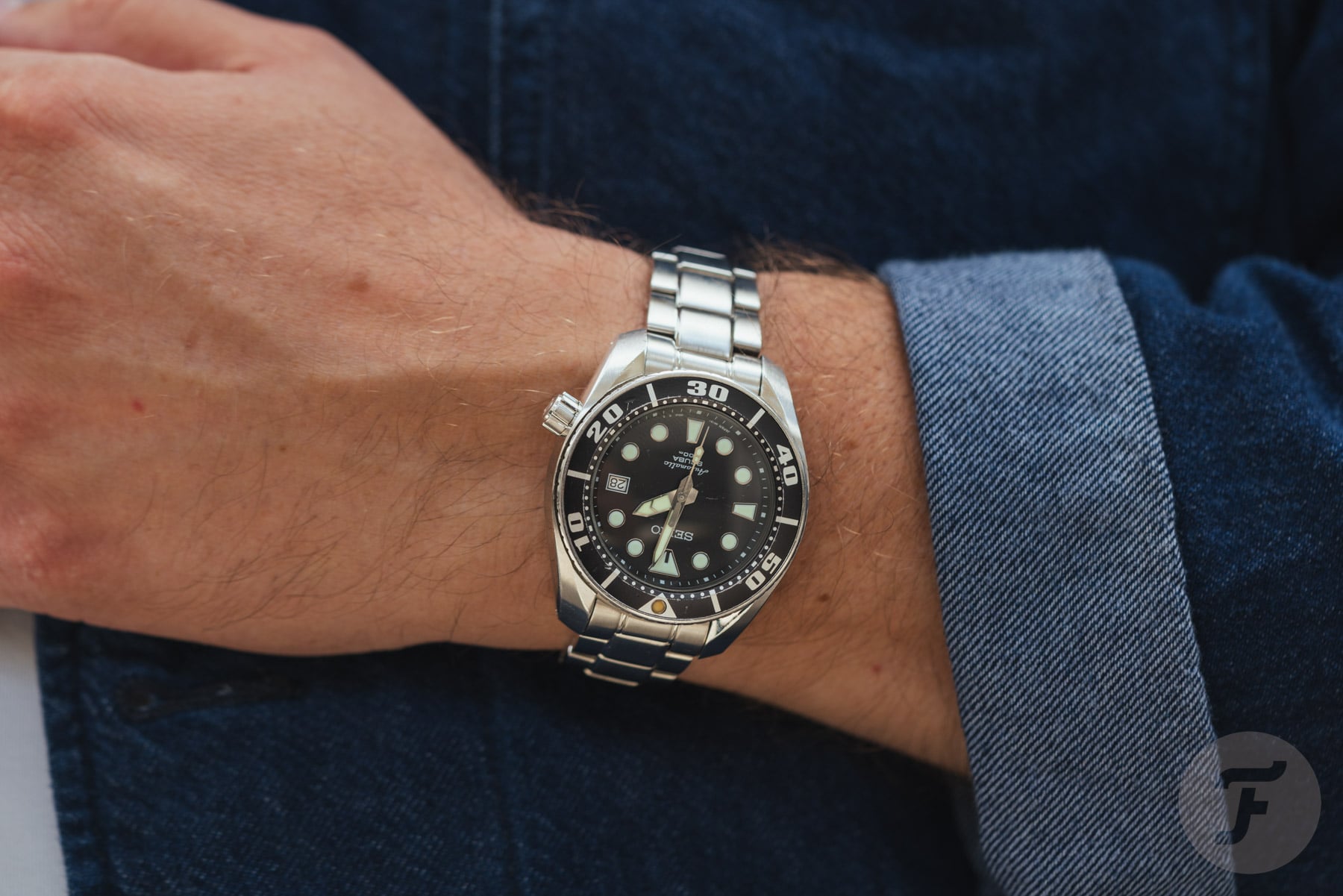
The biggest test is whether the size fits your wrist. If so, I have zero doubt that you will immediately understand what makes the Sumo so much better than the SKX. If you then consider the steep prices of the SKX007 and SKX009, suddenly, the Seiko Sumo becomes a pretty solid option. I have loved mine for almost 15 years now, and still enjoy it as much as the day that I got it.