Why Do You Wear An Analog Watch In A Digital World — The Psychology Behind It

Ask yourself: why do you wear an analog watch in the digital world? Before you answer this, think beyond prestige, status, or luxury. Also, go deeper than the history of wristwatches, the mechanical movements and complications you admire, and the models you desire. Instead, think about wearing a mechanical watch in your digitally dominated world. Is it because it reflects a complex psychological profile that is often overshadowed by technology? Wearing an analog timekeeper might help keep you grounded in reality, whereas the time on your smartphone and laptop is just a series of numbers. While conventional notions of time are fading, wearing a watch also makes you a guardian of traditional time while helping you connect to the physical and social dimensions of it.
The digital world we live in is eroding our long-established notions of time. There’s a shift away from a rigid, linear, clock-driven understanding of it. In a 24/7 world that never stops, time has become a more fluid, subjective, and diverse experience. The rapid evolution of digital technology, the internet, and social media keeps us constantly in the now. Global interconnectedness doesn’t allow us a moment to pause, reflect, reminisce, or ponder the future. Digital time has no past and no future, just the present. A watch with hands shows you where time has been and where it’s going; it’s all there on the dial. Also, the watch on your wrist is a symbol of personal style and says something about your personality. Furthermore, it’s a badge, so to speak. It is a symbol of your efforts to guard the traditional sense of time that serves as the natural rhythm of us humans.
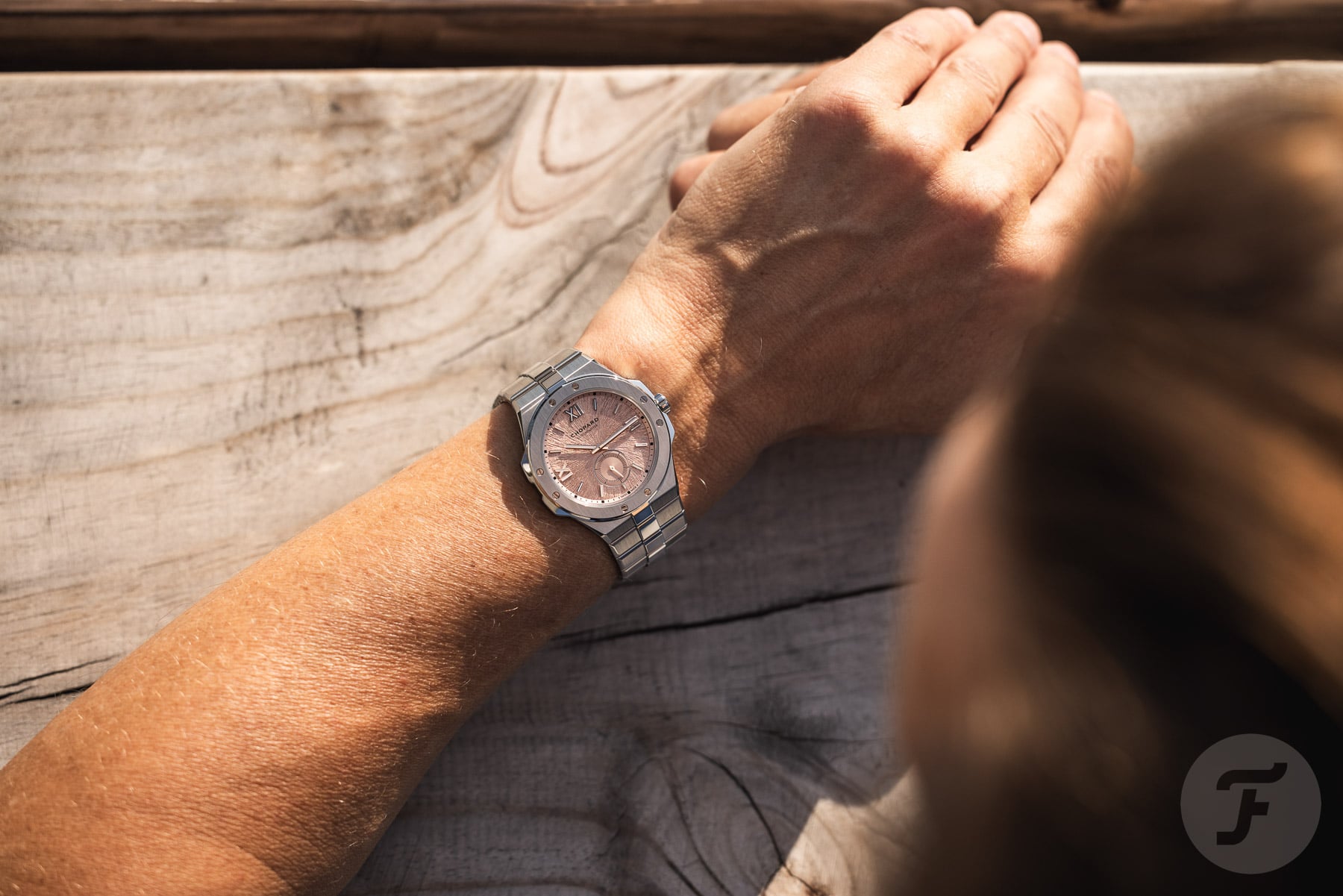
Why do you wear an analog watch? Let’s look for answers
With time all around us, watches remain symbols of status and personality. However, they also provide a necessary connection to the physical and social dimensions of time. We might live in a 24/7 economy, but a 9-to-5 rhythm suits most people much better. Sleep “stops” time, only for it to “start” again when you wake up and look at the watch on the nightstand. Throughout the night, though, it steadily keeps track of time while you sleep, making the watch a tireless time guardian. And since it’s driven by a mechanism with a history spanning multiple centuries, its meaning deepens. Modern-day technology evolves so fast that there’s no time to get attached to it. And even if you did, it wouldn’t work in the long run because after several updates, the device becomes obsolete.

Disposable gadgets
Like the digital world itself, the past has no place in hardware. A smartwatch, for instance, is only relevant in the present. You don’t think of its predecessors when you use it. And while you’re using it, subconsciously or in a freezing moment of clarity, you know that in the foreseeable future, it will be obsolete and replaced by an evolved machine with an even faster operating system, more functions, and a sharper screen. Parting is hardly a sweet sorrow since you never got too attached to the disposable gadget or its predecessors.
In the digital sphere, human connections blur, leading to potential feelings of isolation. The wristwatch acts as an anchor in time. It serves as a reminder of the moments that helped shape us. And in our daily routines, constantly distracted by technology, a steady-beating mechanical watch offers room to pause and appreciate time. It contributes to a sense of presence and awareness, which is often lost in the hustle and bustle of the digital world. A well-made watch offers precisely crafted details to appreciate, and the rhythmic pace of the seconds hand can steady your nerves.
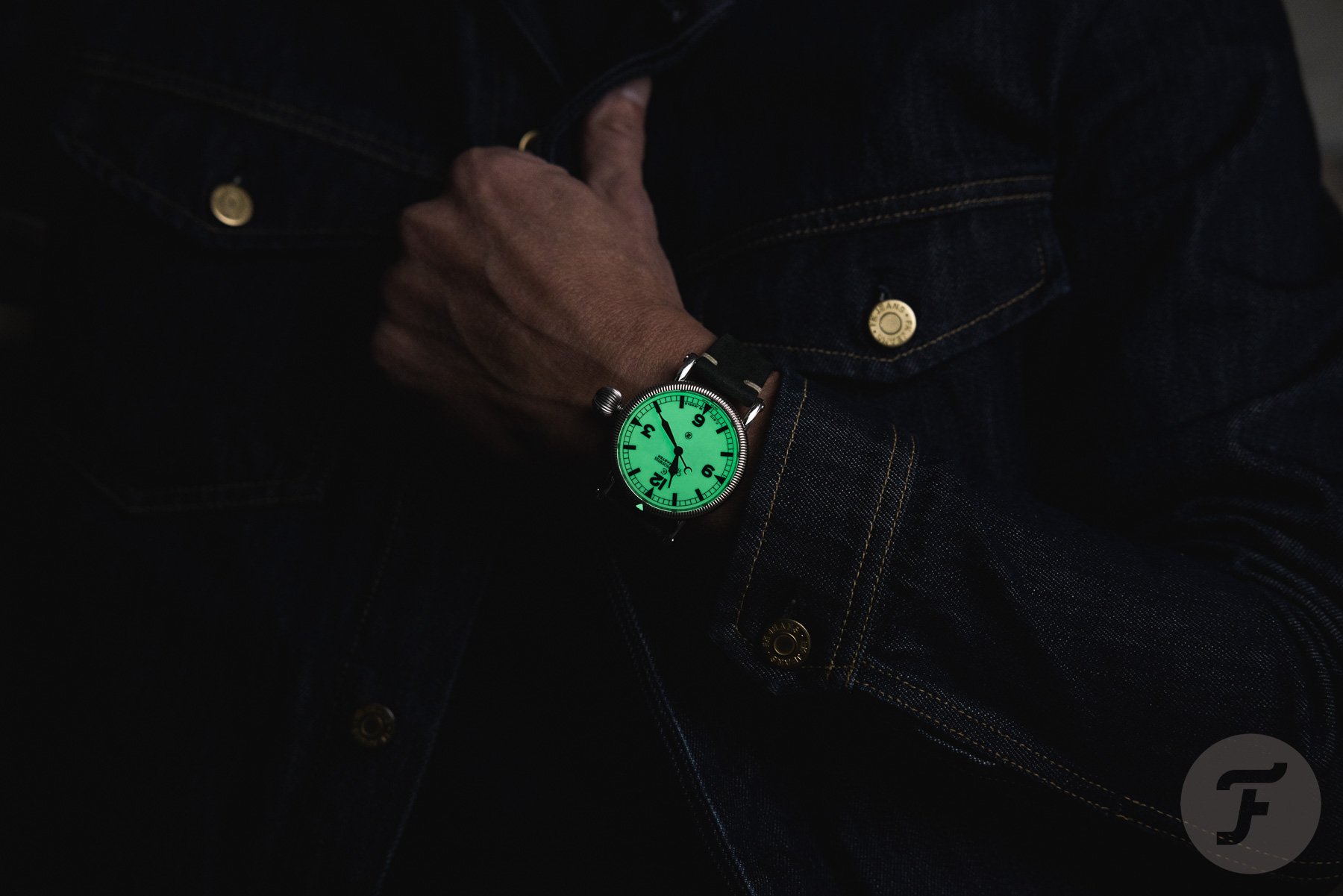
Evoking nostalgia
In our increasingly virtual environment, the allure of the analog watch also evokes nostalgia and underscores the impact of technology on our identity. With a mechanical watch on your wrist, you are living proof that the digital world can’t cage you in its intoxicating grip. Last year, an estimated 155 million smartwatches were sold, with analysts expecting growth driven by demand for advanced health features. These watches can make your life move ever faster and more easily; apart from health functions, all kinds of info, from emails to geopolitical events, make their way to your wrist and, thus, your brain instantly. The smartwatch is all about instant gratification. It makes the traditional image of time fade away.
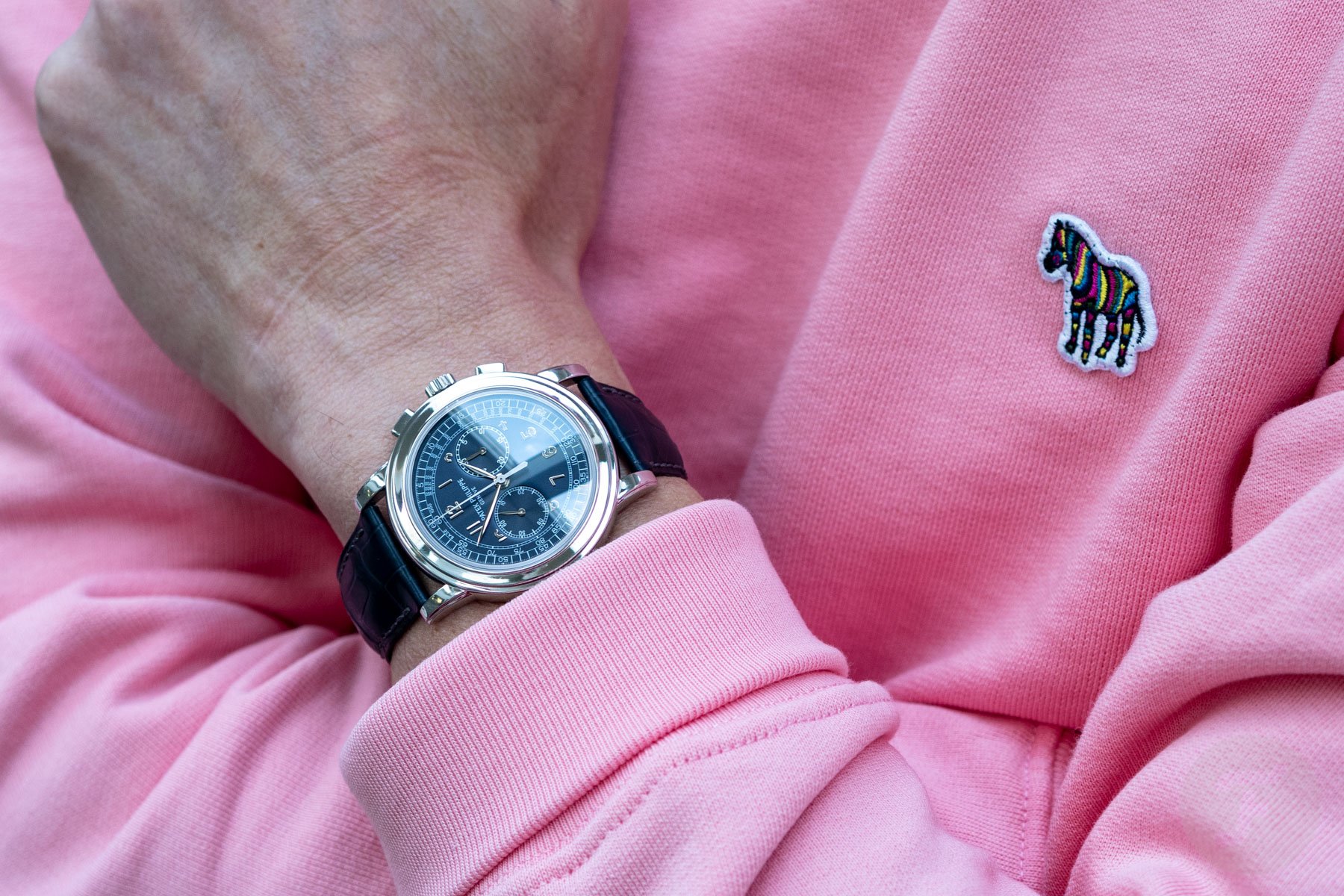
The physical dimensions of time
Analog wristwatches represent physical and social dimensions. Apart from their practicality, they are an expression of our personalities and identities. Unlike digital systems, which abstract and sometimes fleetingly eliminate time, analog watches offer a tangible connection to the past, social values of a bygone era, and personal memories. A watch can evoke a feeling of melancholy, the gentle sadness that feels good due to its connection to nostalgia, self-reflection, and the appreciation of beauty in art and music, as well as in watches.
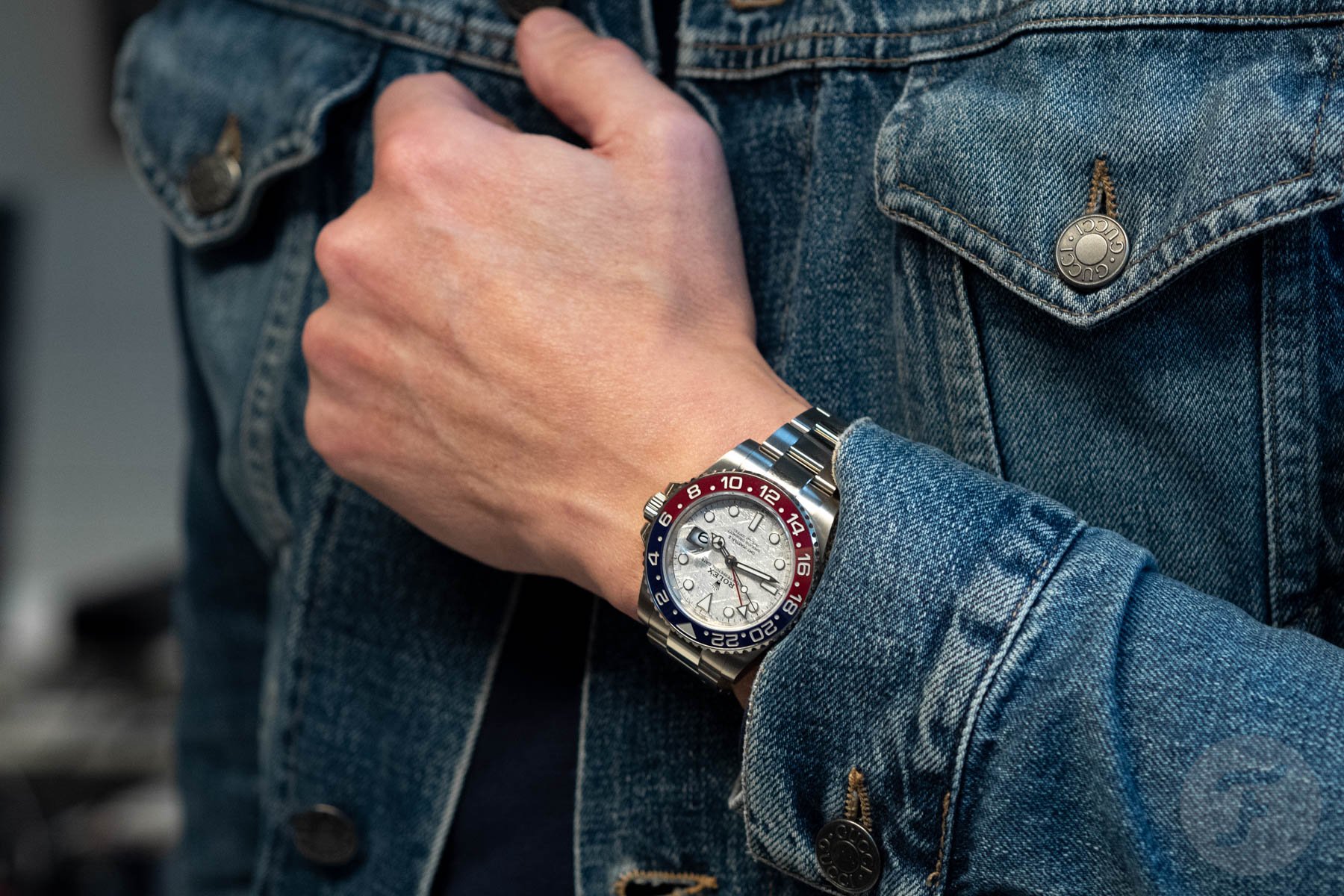
The evolution of time
Our relationship with time is on the fast track of rapid technological development. While digital tools and platforms offer us convenience, they also threaten to reduce the value of time to a simple number on a screen. This has consequences for how we define and experience ourselves. I mentioned melancholy and nostalgia for analog objects like watches before, and it increases in a virtual environment. Being in a virtual space filled with a constant and seemingly unstoppable stream of social media notifications, incoming emails, and news alerts creates a longing for something tangible and authentic. The steadily beating watch on the wrist reminds us of the value of patience and time without distractions, things often lacking in the fast-paced digital world. It emphasizes a sense and a need for stability and meaning amid the overload of information that can easily lead to chaos and mental unrest.
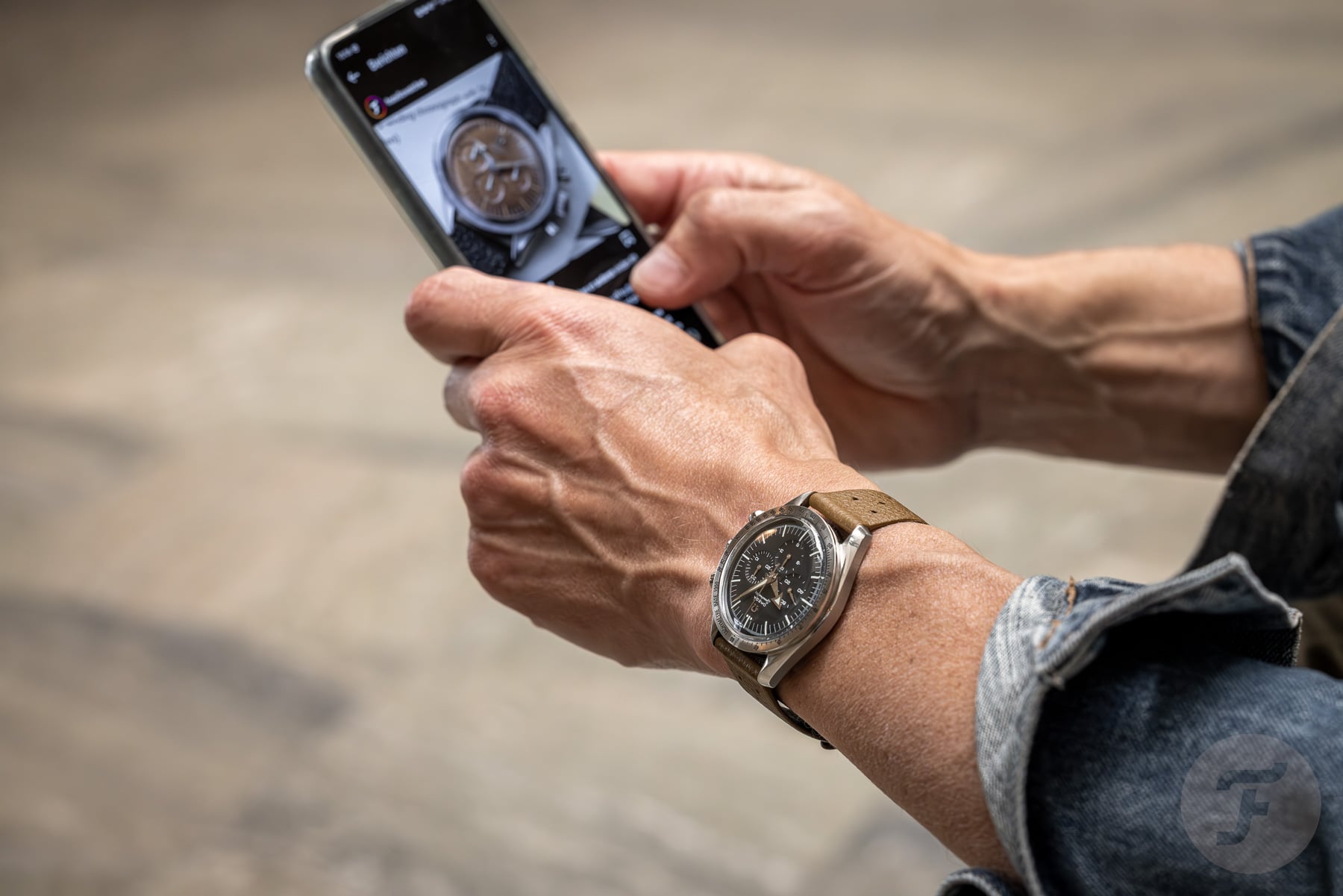
The mechanical timepiece on the wrist is not a connected watch in the technical sense, but it does offer a feeling of connection. It might remind you of who you inherited it from, for instance. Almost always, it makes you remember a special occasion. The watch you wear evokes memories of meaningful moments while simultaneously telling the story of you. Wearing a watch in a world increasingly reliant on technology can also be seen as an act of resistance. A mechanical watch says you’re a rebel against the transience of modernity. At the very least, it says you have a mind of your own and don’t blindly follow the crowd.
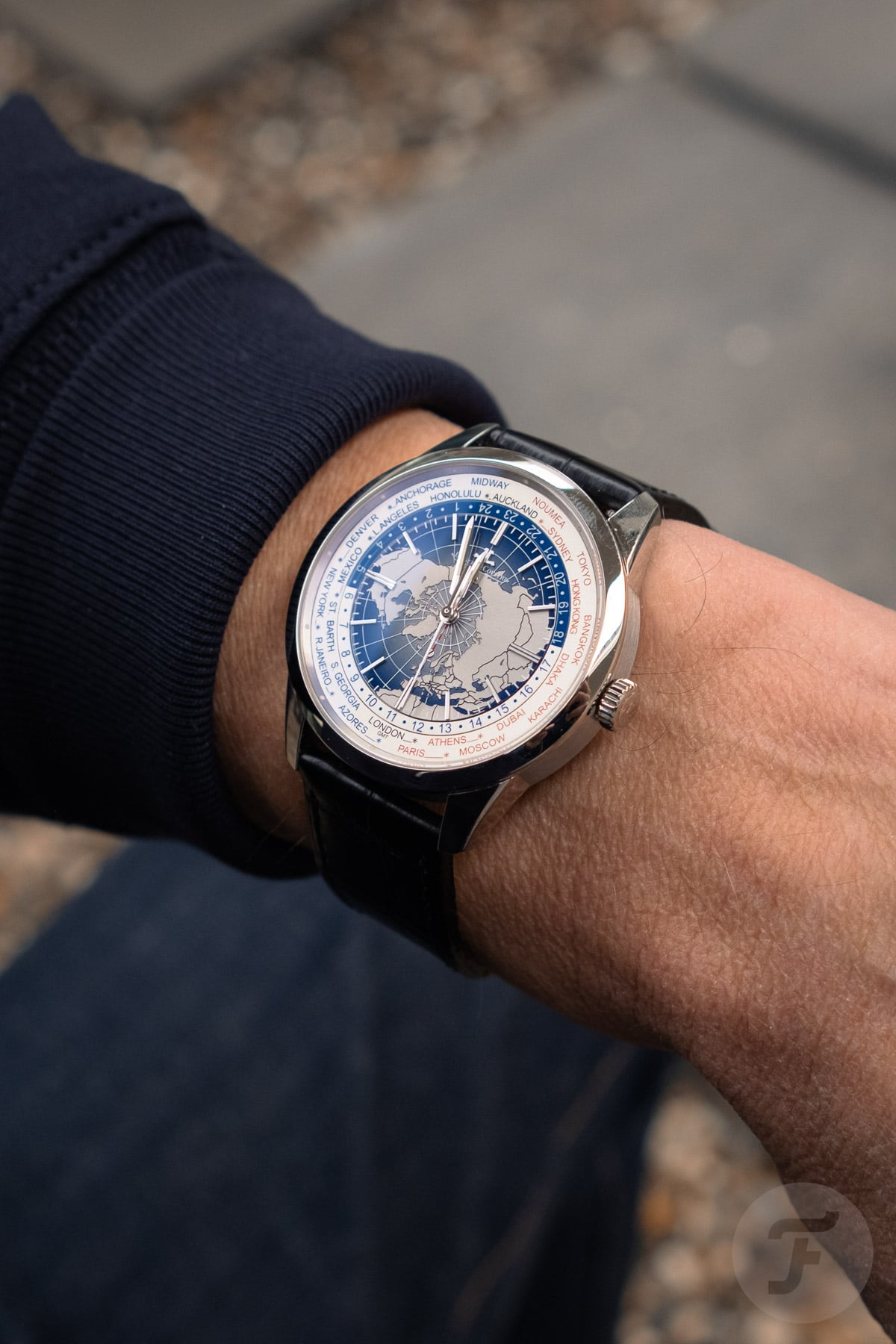
Jaeger-LeCoultre Geophysique Universal Time True Seconds
Why do you wear an analog watch in a digital world? The final answer
In an era where we constantly have our smartphones at hand, the value of a watch has become not only practical but also deeply symbolic. Watches are more than just instruments for measuring time; they are also reflections of who we are and how we relate to the world around us. As we continue to navigate a virtual reality, a watch can help us create a personal story that is more than just telling time. It is a tangible reminder of our unique personalities and the values we want to represent. It is a symbol of connection to our past, even as we adapt to the future.
Let’s end this contemplative article on a digital medium with an analog Fratello Top Tip: keep it real — wear a mechanical watch.