A Century Of Automatic Watch Movements With Fortis And John Harwood

There is a particular type of movement inside almost every mechanical watch you own, and it does something so fundamental to how we experience watchmaking today that it has become entirely invisible. Of course, that is precisely the point: it winds itself. It harvests energy from your wrist as you move through your day, topping up the mainspring with every gesture, every turn of a steering wheel, every reach for a coffee cup. You never think about it. You never have to.
A hundred years ago, in 1926, that was not yet true for anyone. This month marks the centenary of the moment a British watchmaker named John Harwood and a Swiss manufacturer called Fortis changed mechanical watchmaking as we know it today. The evolution of the automatic movement is an overlooked moment in watch history, and it does not get nearly enough attention outside of specialist circles. Today, we at Fratello want to give it its due. It helps to picture the state of the industry in the early 1920s to understand the significance of an automatic wristwatch movement.
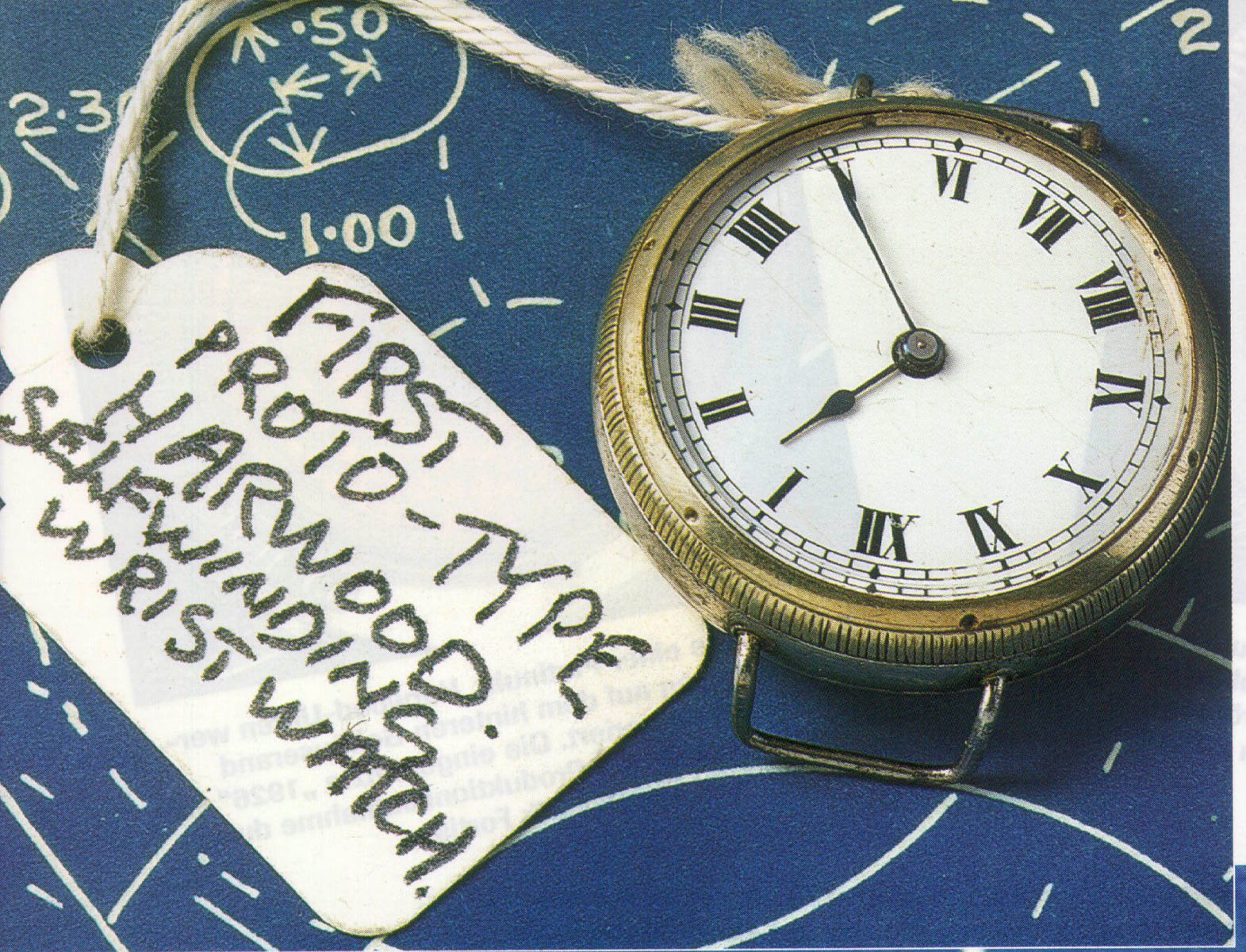
The early days of the wristwatch era
The wristwatch was still relatively new. While the Great War (WWI) had accelerated its adoption among soldiers who needed both hands free, it remained fragile. Reliability was one of watchmaking’s greatest ongoing challenges. Every watch on every wrist required daily manual winding to stay alive. That winding process, as mundane as it sounds, was a genuine problem. Every time the crown was pulled out or turned, the movement was momentarily exposed to dust and moisture.
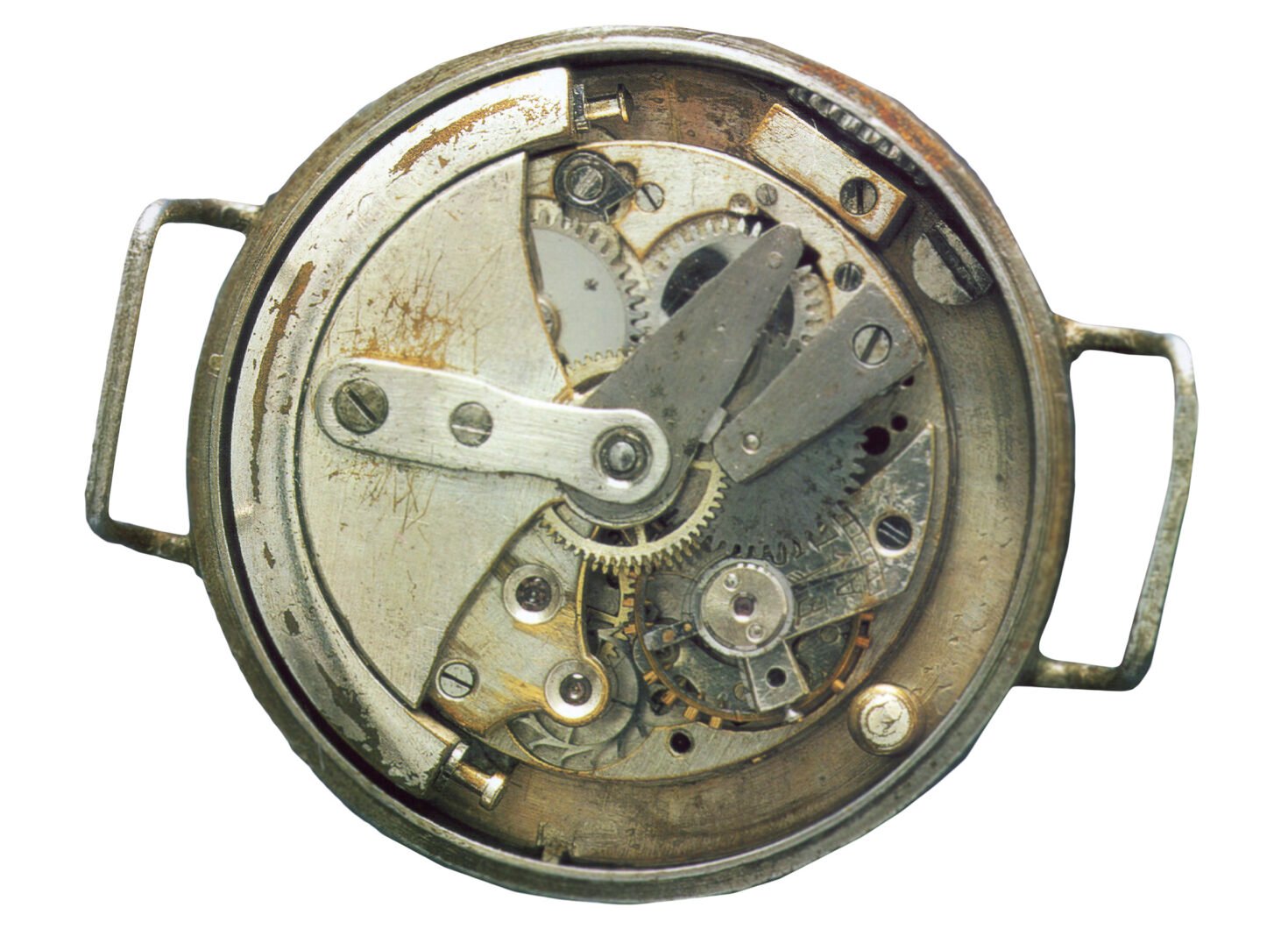
Wear would accumulate at the crown’s sealing point over years of daily interaction. As Fortis founder Walter Vogt and many other contemporary watchmakers recognized, the crown was the weakest link in the entire mechanical chain. The crown had to be there, and by being there, it was a liability. Mr. Vogt, who founded Fortis in Grenchen in 1912, had built his company on the idea of robust mechanical watches made for real everyday use. The crown’s vulnerability undermined that objective, so something had to change.
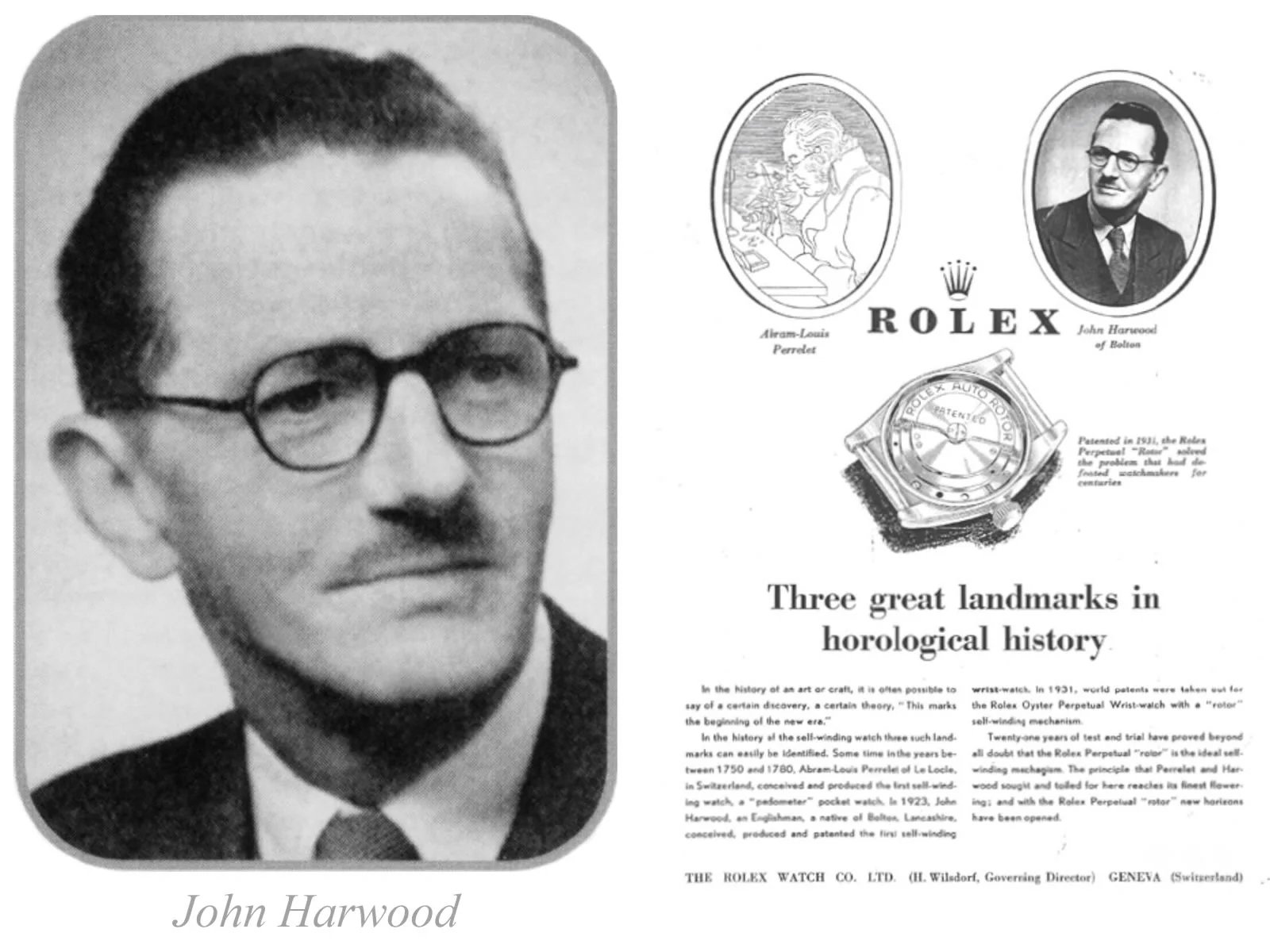
A British watchmaker with a novel notion — the automatic wristwatch
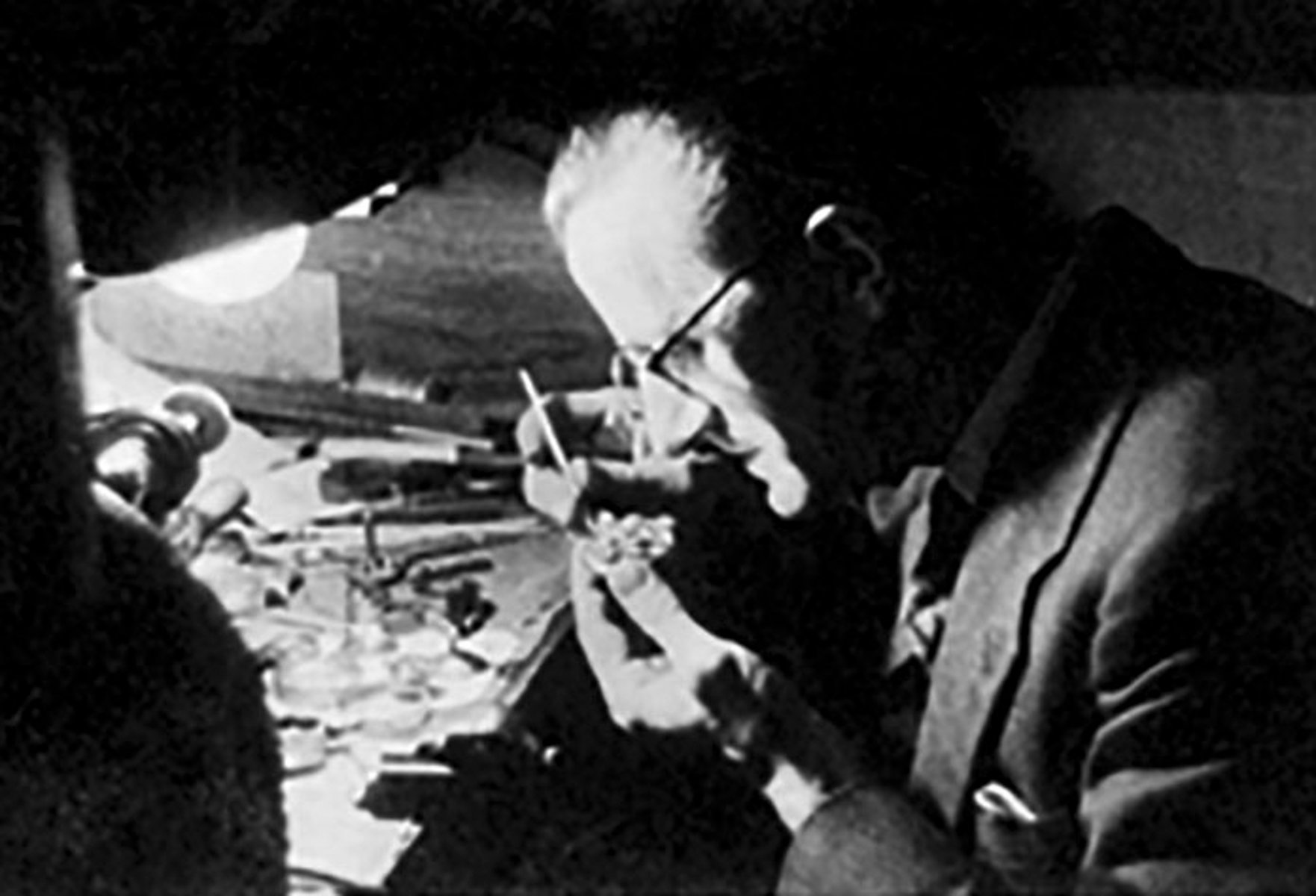
Enter John Harwood, a British watchmaker who had been thinking about the same problem from a different direction. Most of the industry had accepted the crown as an immovable constraint. Harwood, however, asked a different question entirely: what if the watch didn’t need a crown for winding? After years of experimentation, he arrived at an answer — a wristwatch that could generate energy for itself through the natural movement of the wearer’s wrist.
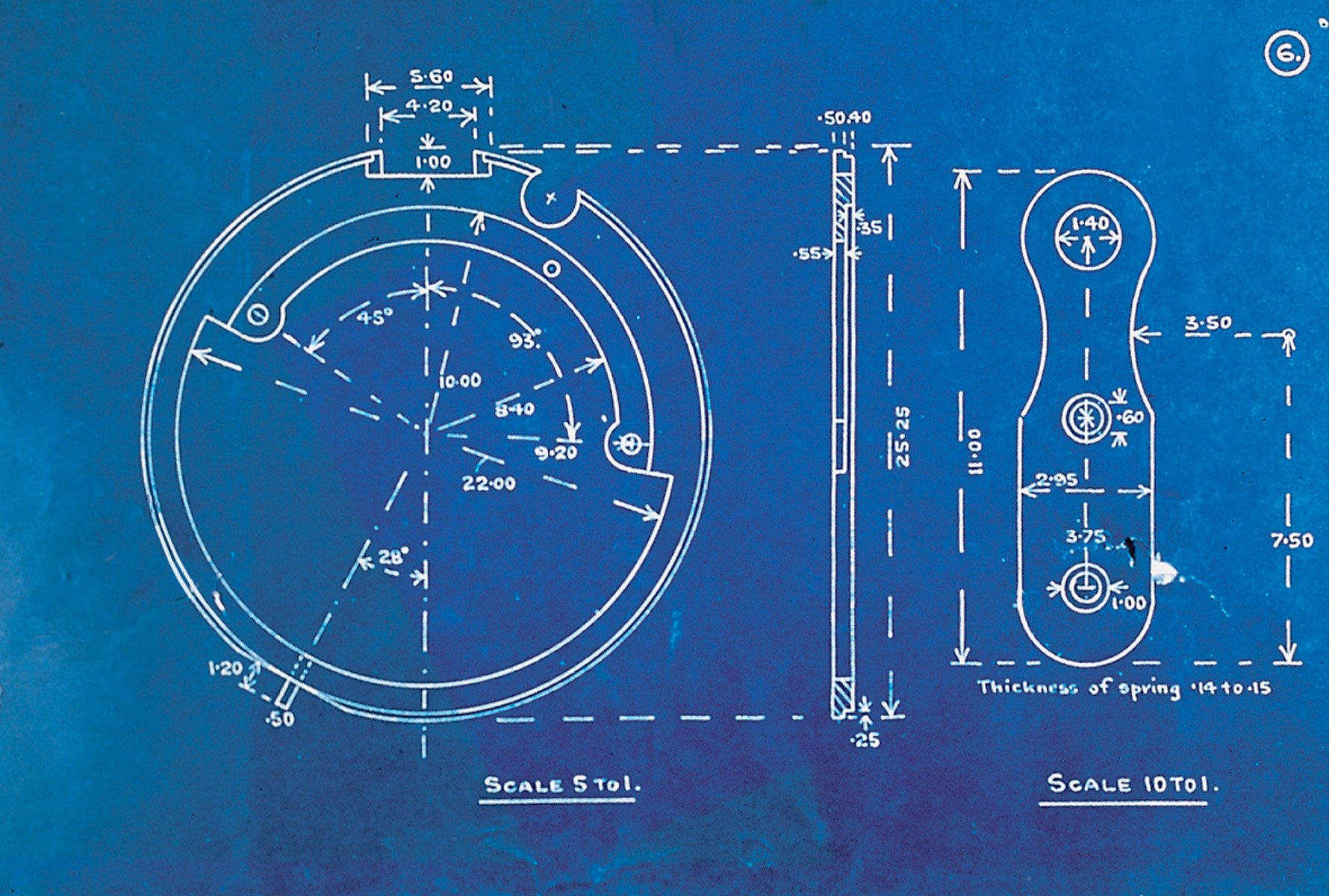
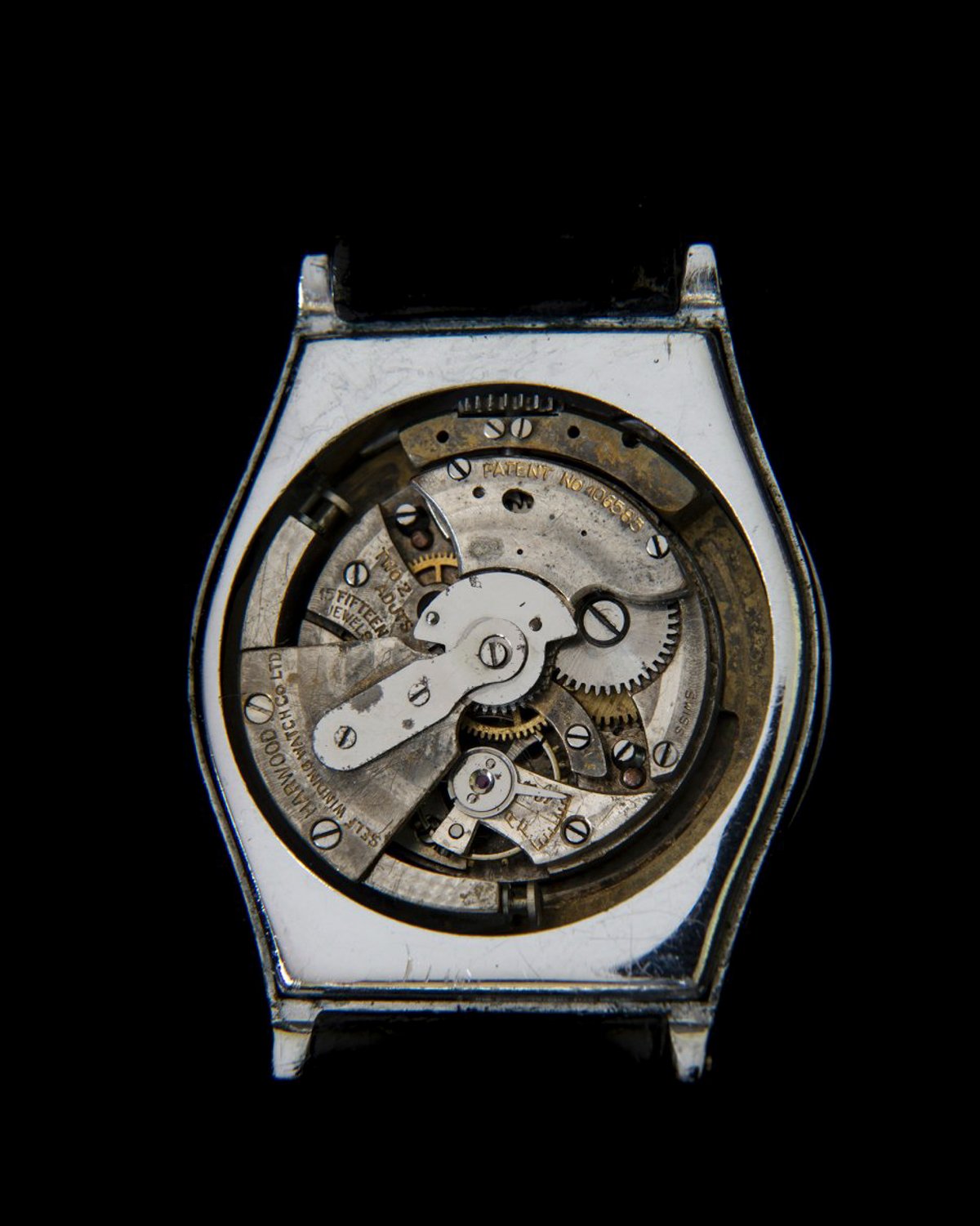
In 1924, Mr. Harwood secured Swiss Patent No. 106583 for a self-winding system built around an oscillating weight. This mass pivoted back and forth inside the movement as the wrist moved. As it did, it transferred energy to the mainspring through what became known as a bumper system. Unlike the 360-degree rotors that would later become standard, Harwood’s weight operated within a limited arc, striking spring buffers at each end of its travel. Though constrained in its movement, it worked. The principle was revolutionary: the watch generated the energy to keep itself running while on the wearer’s wrist.
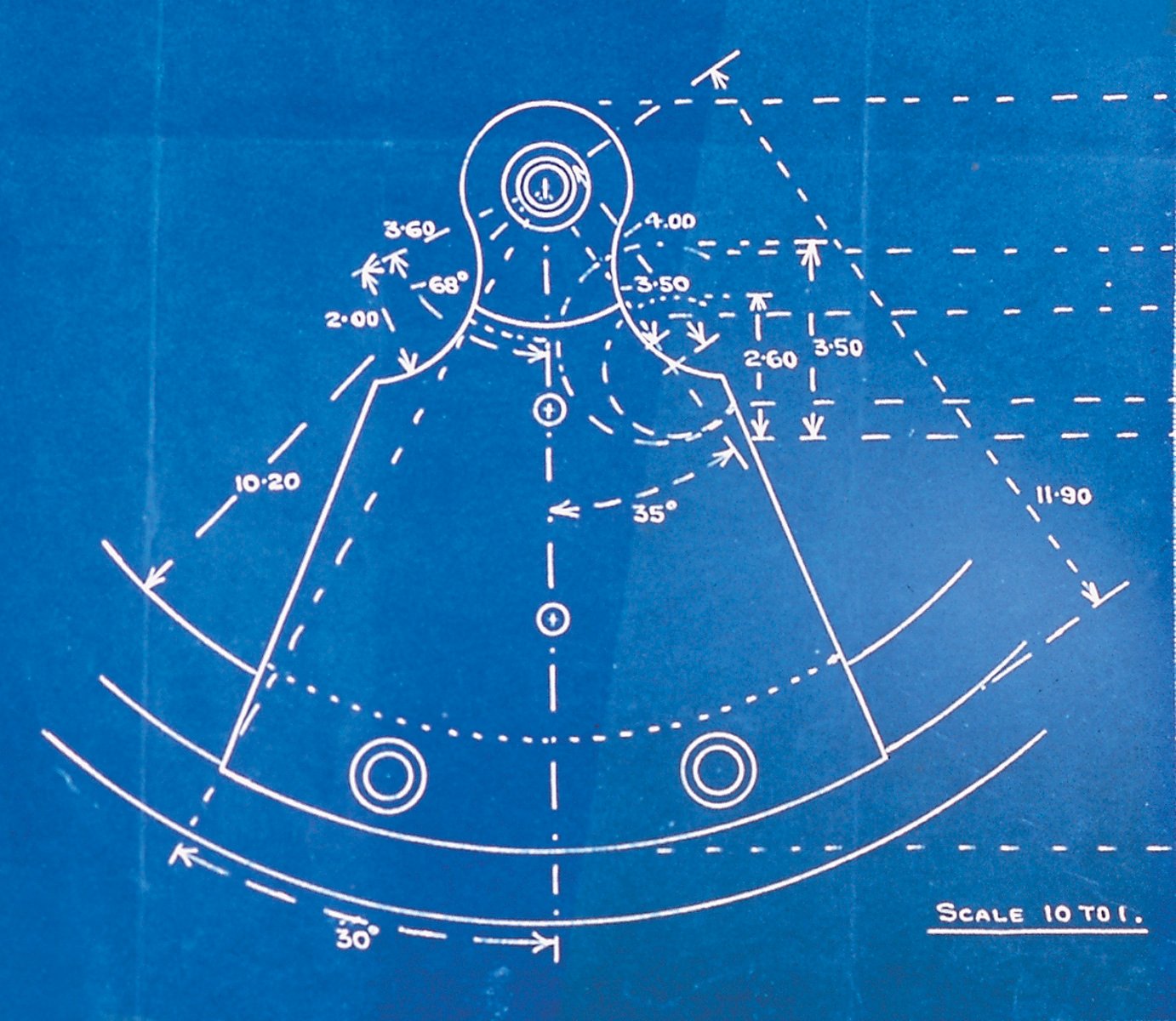
The automatic watch: from patent to product
A patent is not a watch. Turning this mechanism into something that could survive daily life on the wrist, through the oscillating system’s constant motion, through the stresses of everyday use, through months and years of wear, required a different kind of expertise. It required industrial execution at scale. Mr. Harwood needed a manufacturing partner, and Mr. Vogt recognized what Harwood had. The two men formed a partnership that would help define watchmaking for the next century. Fortis committed to bringing the automatic wristwatch from patent concept to serial production, a technical challenge that proved more demanding than it may sound today.
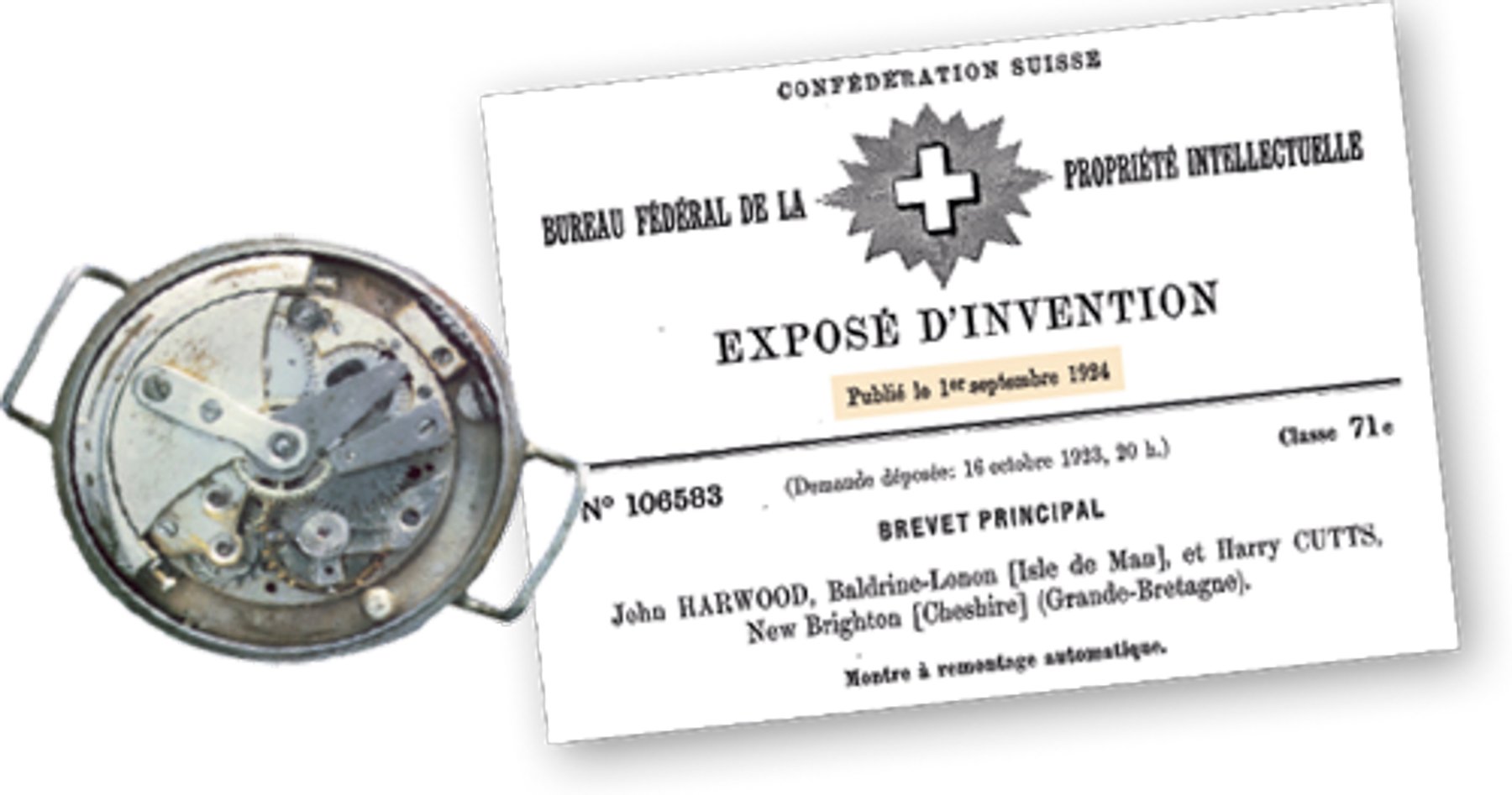
The watch’s entire construction had to be rethought from the ground up because the oscillating system had to survive constant motion on the wrist. The caliber had to remain protected despite the elimination of the traditional winding process, and reliability had to be engineered into every single component. After all, the promise of the automatic watch that would simply keep working without daily attention could not be fulfilled by a mechanism that required constant servicing.
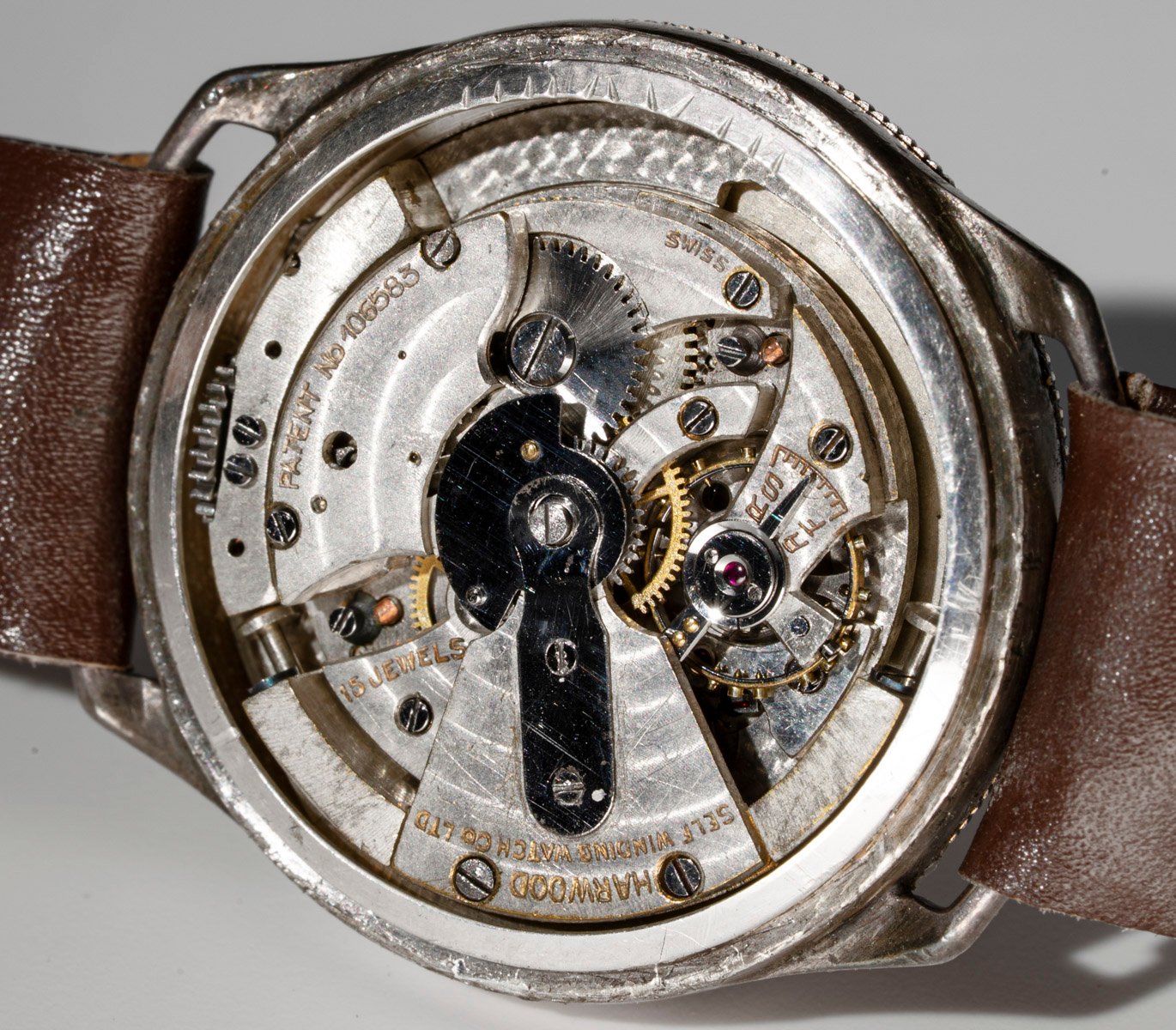
Technical challenges in creating an automatic mechanical wristwatch
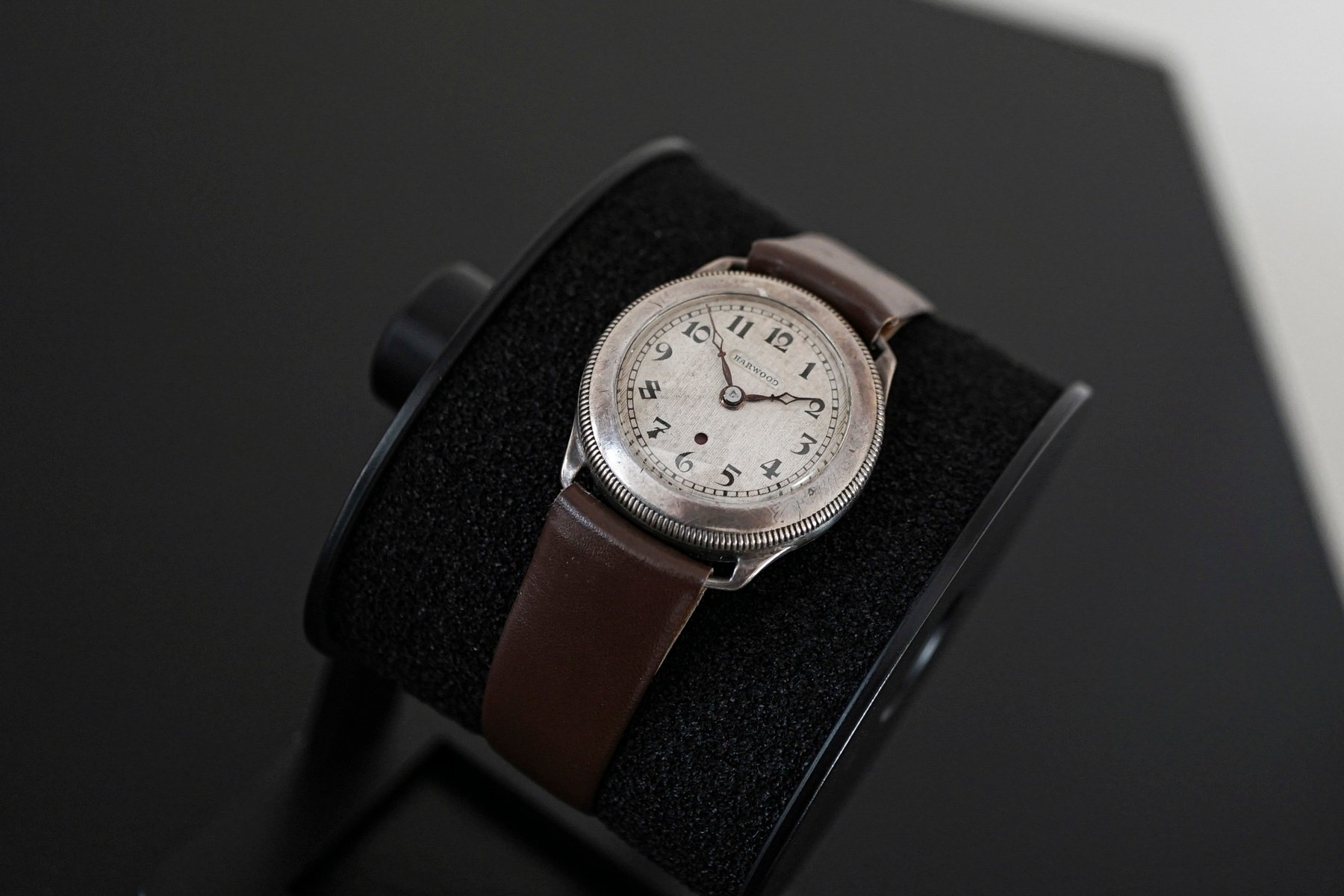
Such a watch actually had to solve all the issues it claimed to. Fortis had the manufacturing infrastructure, the engineering capability, and the institutional conviction to do it. Mr. Harwood brought the invention, whereas Fortis turned the patent into a real product. Then, on July 13th, 1926, the first Fortis Harwood automatic wristwatches began leaving the manufacture in Grenchen, Switzerland. The automatic wristwatch was no longer a concept or a patent drawing; it had entered the world.
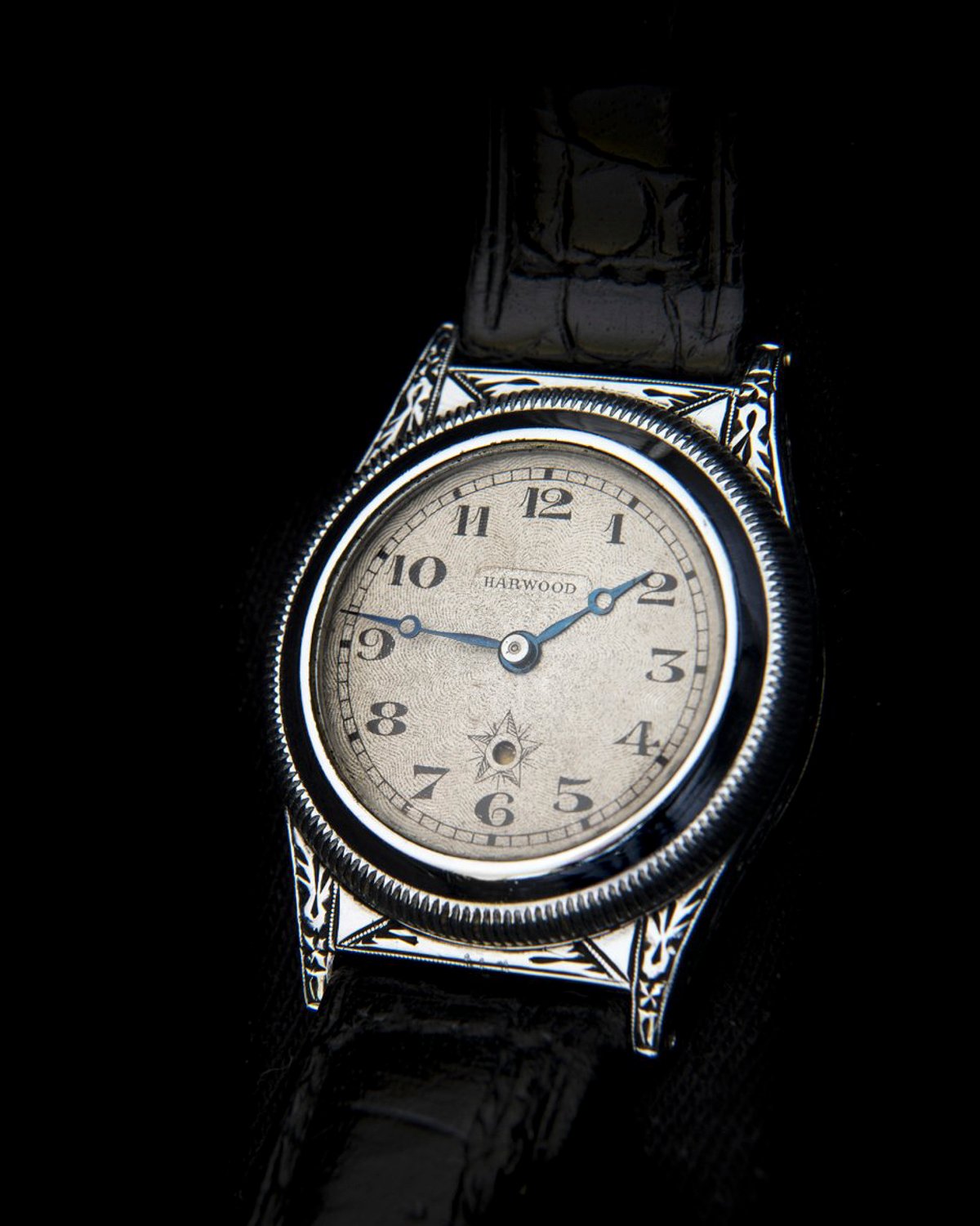
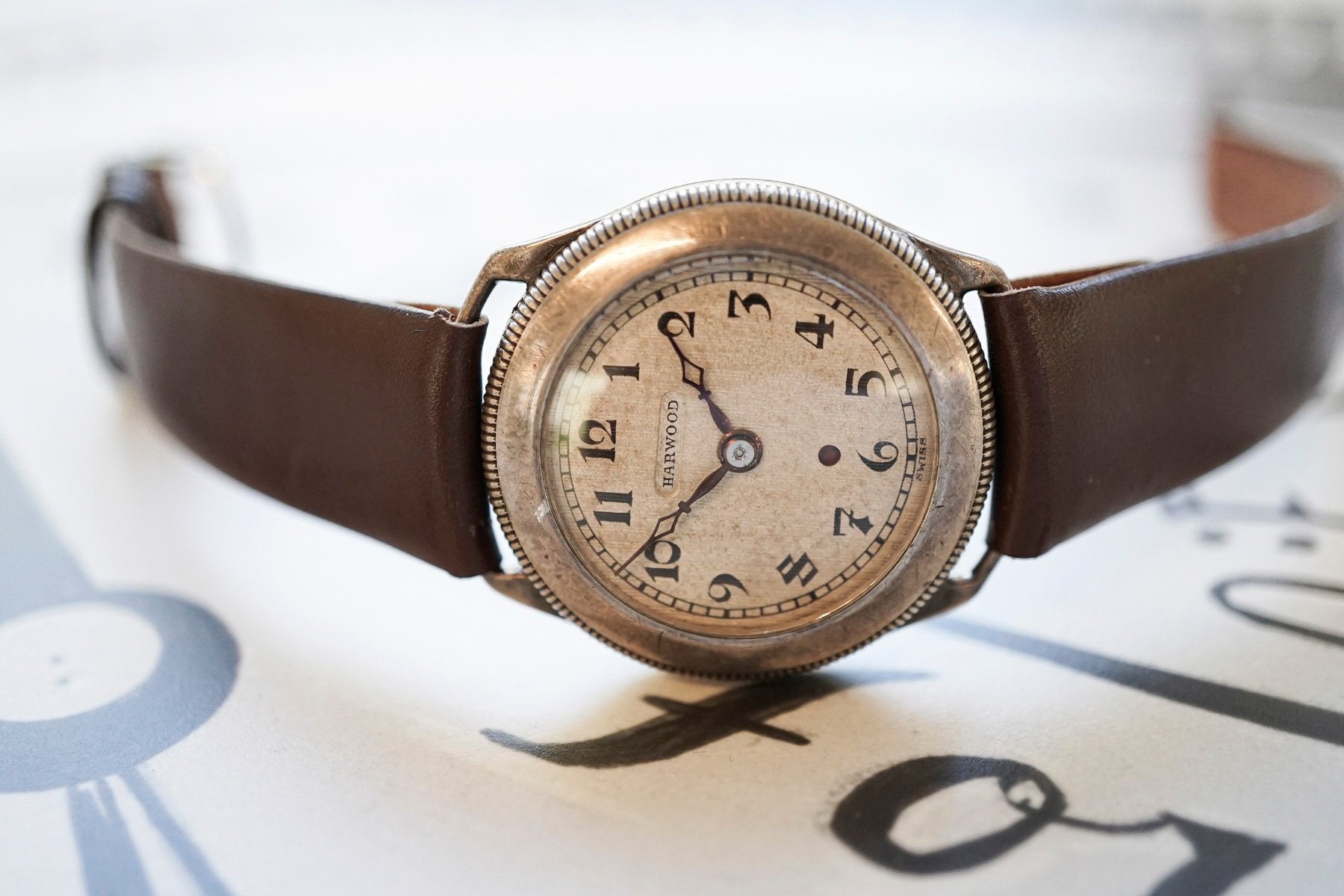
Those first watches were startling objects by the standards of the era. Most strikingly, they had no crown at all. The wearer would set the time via the rotating bezel, and the movement would power itself through the wearer’s motion. The component that every other watch in existence considered essential had simply been removed. Numerous versions of the Fortis Harwood automatic followed in the years after, featuring different case shapes, dial designs, and configurations. All of them shared the same defining principle, though — no crown.
Thousands made
Around 30,000 Harwood automatic watches were produced. By the standards of what would come, that is a modest number. By the standards of what had existed before, it was a significant number. The automatic winding system would evolve rapidly. Full rotors, capable of winding in both directions through a full 360-degree arc, replaced the bumper system as the standard, bringing greater efficiency and longer power reserves. The efficiency of energy transfer improved.

Movements became thinner, more refined, and more precise. The industry moved forward, as it always does. But the central principle, that a mechanical watch could draw energy from the motion of its wearer, remained unchanged. It remains unchanged today. Every automatic movement in every watch you own traces its lineage directly back to that Grenchen manufacture in July 1926.
Rolex and Harwood
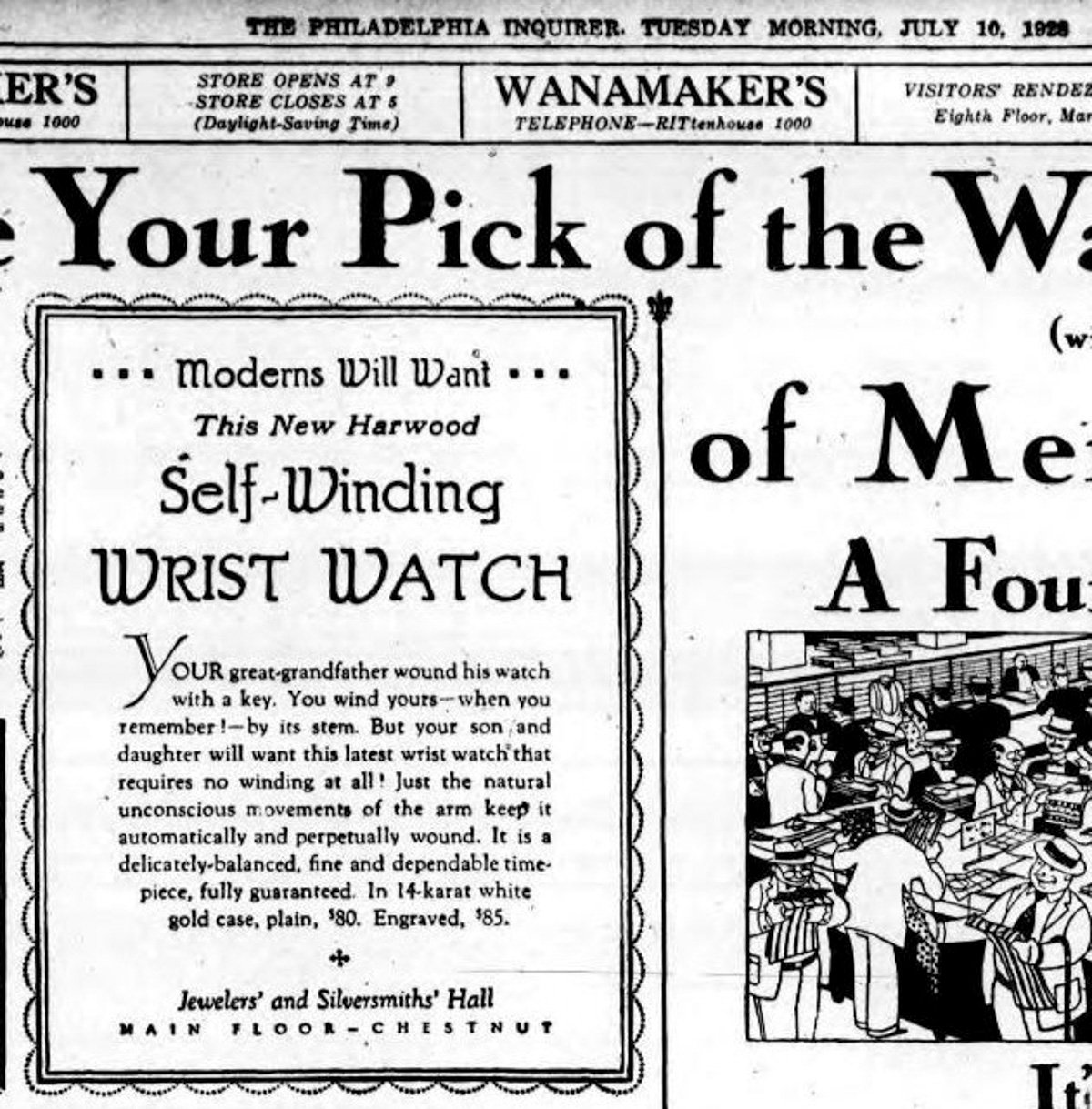
One of the more telling footnotes in this story concerns how close it came to being forgotten entirely. As Rolex’s Perpetual rotor system rose to dominance in the post-war decades, the origins of the automatic wristwatch became blurred in the popular imagination. Rolex’s marketing, understandably focused on the brand’s achievements, created an impression in some quarters that the automatic wristwatch had begun in Geneva.
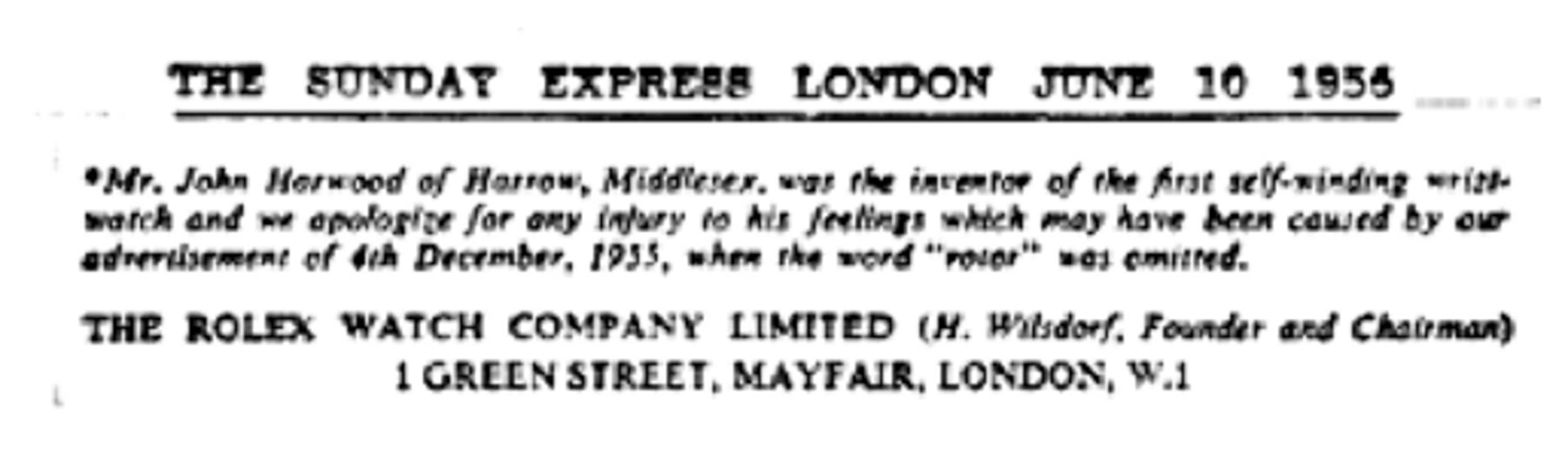
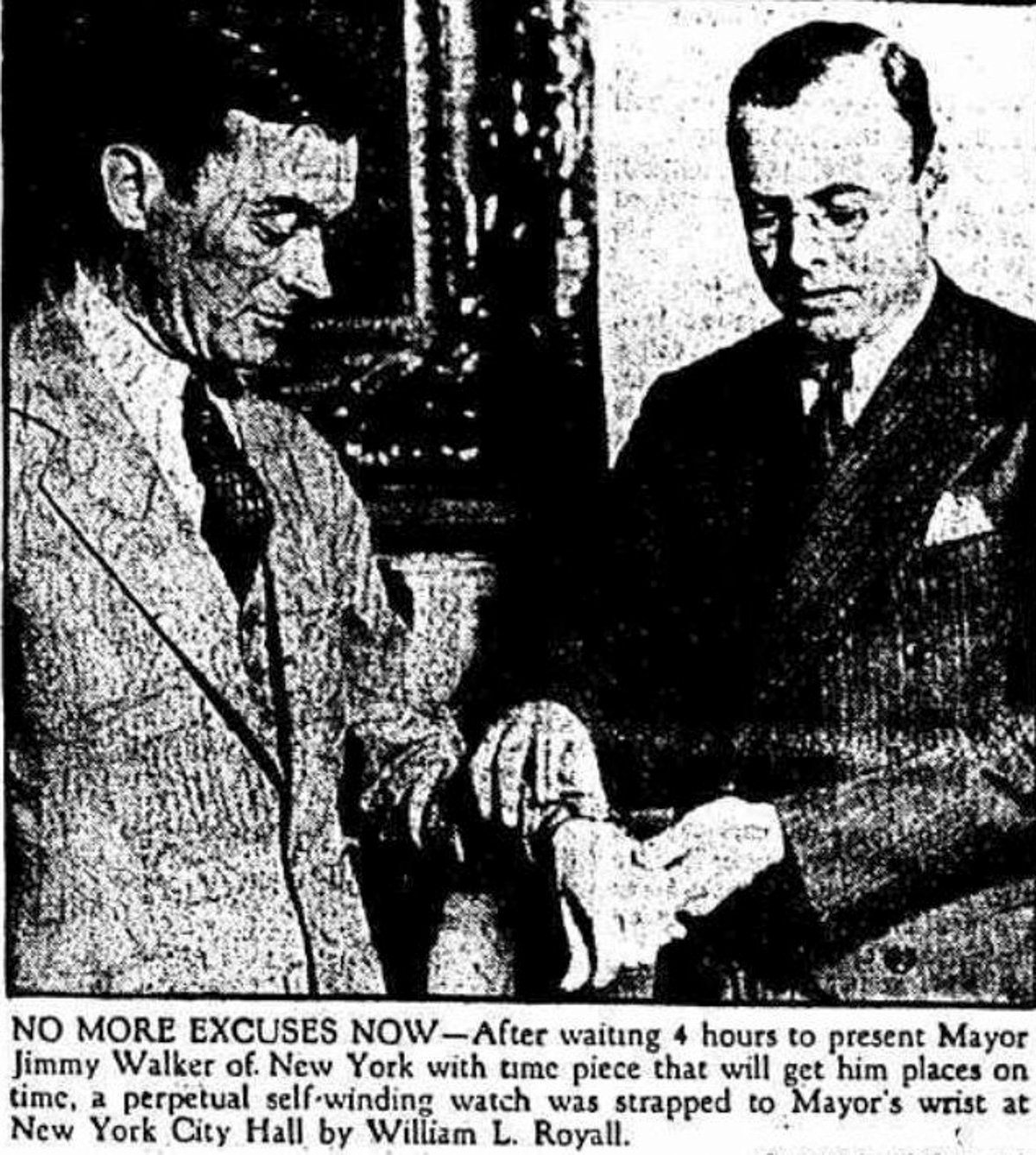
In June 1956, Rolex published a correction in the London Sunday Express, publicly acknowledging that John Harwood had invented the first self-winding wristwatch. The company apologized for any impression to the contrary created by earlier advertising. In the years that followed, Harwood’s portrait even appeared in Rolex advertisements, a remarkable — and rare — act of industry acknowledgment.
Fortis today and the legacy of the automatic watch
One hundred years later, Fortis still builds its watches in the same building in Grenchen where this chapter of watchmaking history began. The atelier has evolved into a modern manufacturing space equipped to meet contemporary demands, but the address and the philosophy are the same. The company that Walter Vogt built around the idea of robust mechanical watches made for real-world performance continues to make precisely that.
The centenary is worth pausing over, not as a brand anniversary in the conventional sense but as a genuine historical moment. July 13th, 1926, is the day the automatic wristwatch entered serial production and began its journey toward becoming the defining mechanical movement type of the modern era. Every rotor that spins inside every automatic watch today, from an industrial Miyota or Seiko movement to a six-figure tourbillon, carries that date in its DNA.
Concluding thoughts
We who love mechanical watches love them, at least in part, because they are alive in a way that quartz watches are not. We love them because they move, breathe, require attention, and reward a tactile interaction with the mechanical heart that is a movement. The automatic movement made that relationship more practical. It turned the daily ritual of winding from a necessity into a choice.
Those of you who want to dig deeper can visit this page on Fortis’s website, where you can read more about the history of the Harwood Fortis watch.
This is a partnership post. Learn more.