Interview: A Glimpse Into The World Of Konstantin Chaykin

Konstantin Chaykin is a self-described watchmaker, inventor, and artist. In this interview (casually combating the English-Russian language barrier), Chaykin takes us on his journey from a maker of complex clocks to a master of ultra-thin watchmaking. He also shares insights into the world of independent watchmaking, Russia’s horological history, and how he injects a dash of humor into his playful yet highly technical timepieces, which have earned him over 110 patents.
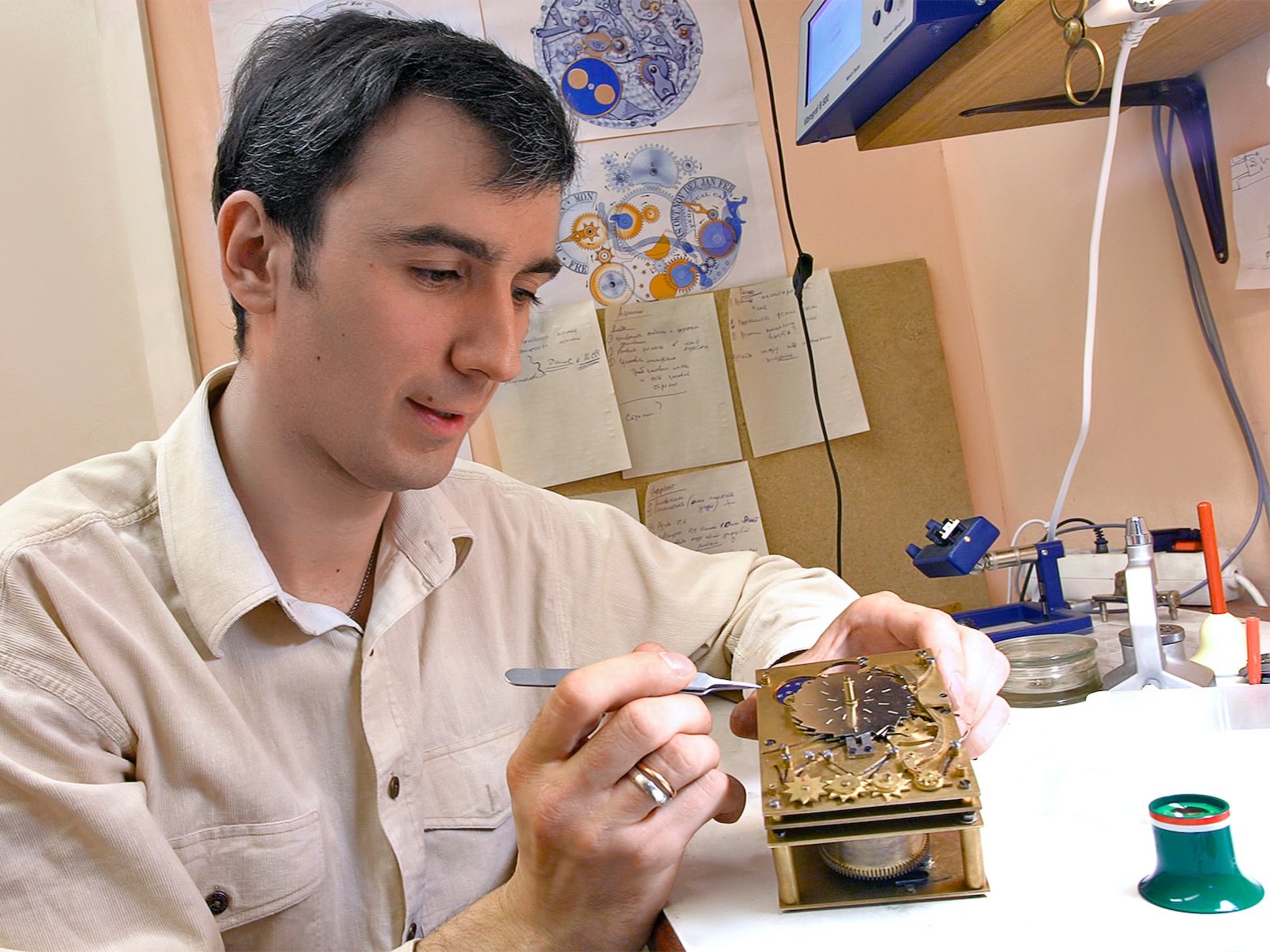
Konstantin Chaykin’s early days as a clockmaker
Catherine Bishop (CB): Many collectors discovered you through the Joker, but your career began long before that. Looking back, which early project do you think best captures your philosophy as a watchmaker?
Konstantin Chaykin (KC): I can’t single out just one project. Fortunately, or unfortunately, there is no single object that encapsulates my entire work from Alpha to Omega. I believe that none of my projects can yet be called the pinnacle of my career; my magnum opus has not yet been created.
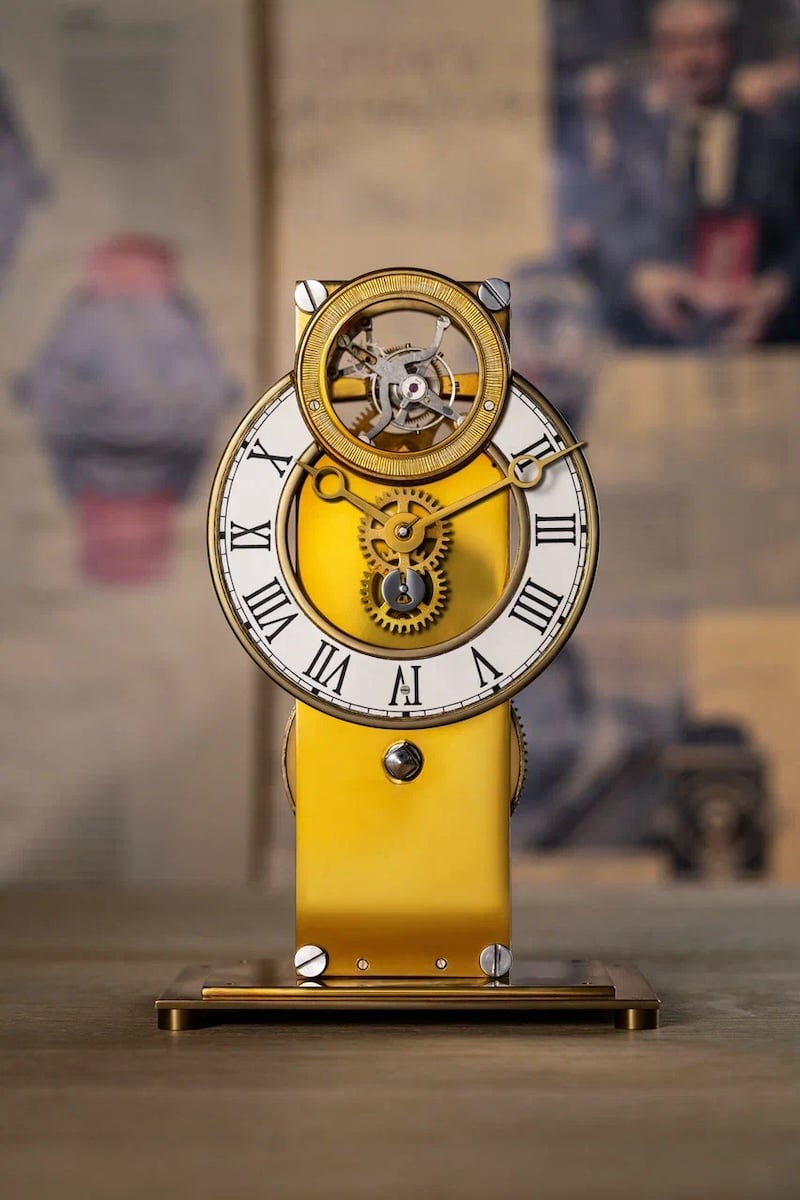
Konstantin Chaykin’s first clock
However, there have been several major milestones in my development, first as a craftsman, then as an inventor, and finally as someone who seeks out complex challenges. The starting point was my very first table clock with a tourbillon in 2003. The goal back then was simply to see if I could actually pull it off, given my complete lack of experience and serious equipment. It forced me to pivot and master a completely new craft.
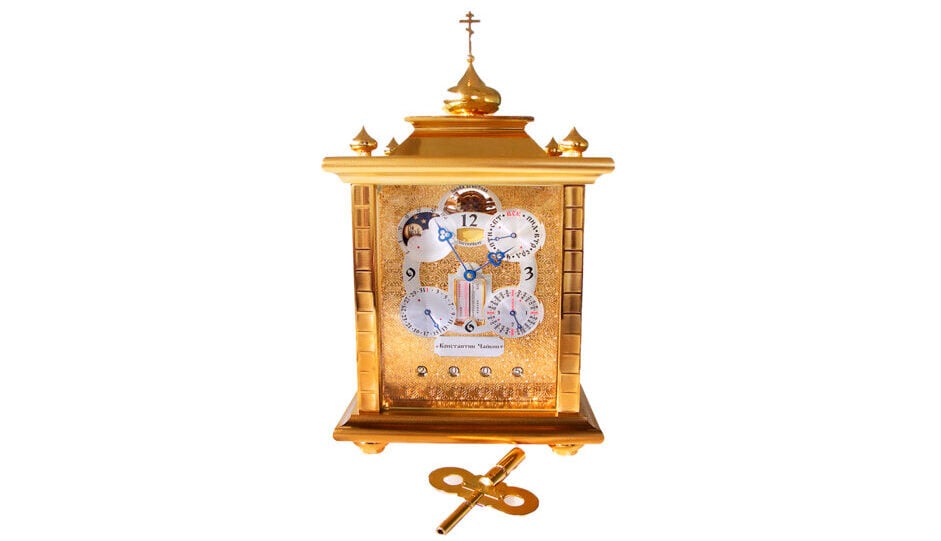
Easter of Christ Computus Clock
The second step was, without a doubt, my first invention in 2005 — an Easter-themed clock featuring an Orthodox Easter date indicator. Finally, the absolute peak of my high-complication watchmaking came with the Moscow Computus clock in 2016. It was my most complex creation at the time, boasting over 2,500 components and 27 complications.


It is perfectly natural, then, that I can’t choose just one. In any case, it’s a pity when an artist is recognized and remembered solely for one specific style, even after having accomplished something else. I prefer a different approach: creativity is a constant search for the new, a state of never standing still. One must constantly move forward. On one hand, I can develop wonderful lines like the Wristmons, which represent my most recognizable style today. On the other hand, I must express my creativity in different ways. It is not about looking for a style that will be in high demand; quite the contrary. When you get bored in one area, I move on to develop something else and look for new horizons. I suppose that is the true essence of it.
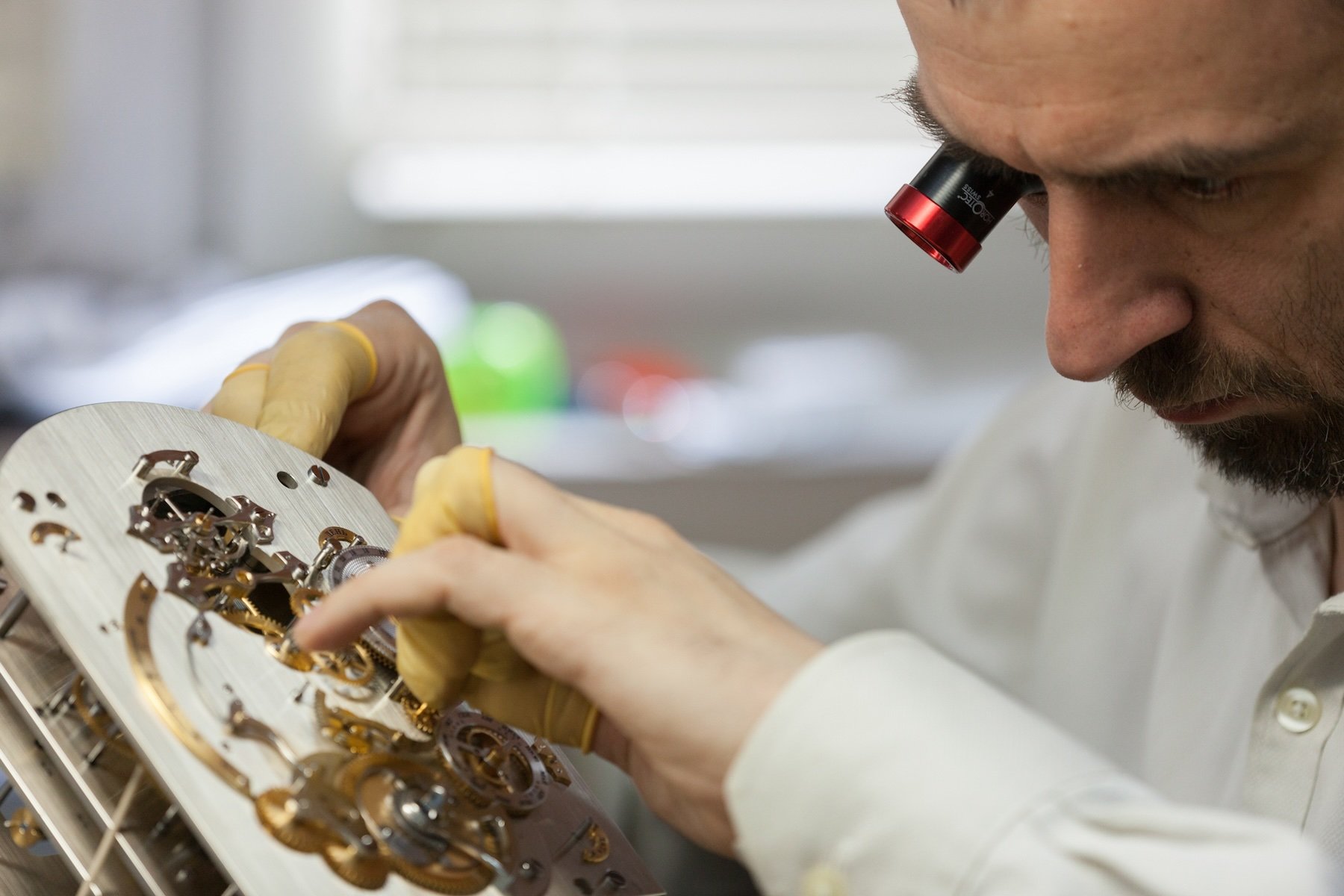
Originality over all
CB: Before your more playful creations became internationally recognized, you were already developing highly technical complications. What motivated you to pursue original mechanisms rather than reinterpret established ones?
KC: I have already mentioned a crucial turning point — 2005. Before that, back in 2003, I created the first Russian tourbillon clock, and my next idea was a table clock with a fusée and a perpetual calendar. I actually started working on it in 2004, making the fusée cone and the chain myself. That was when the foundation of my experience was still being laid.
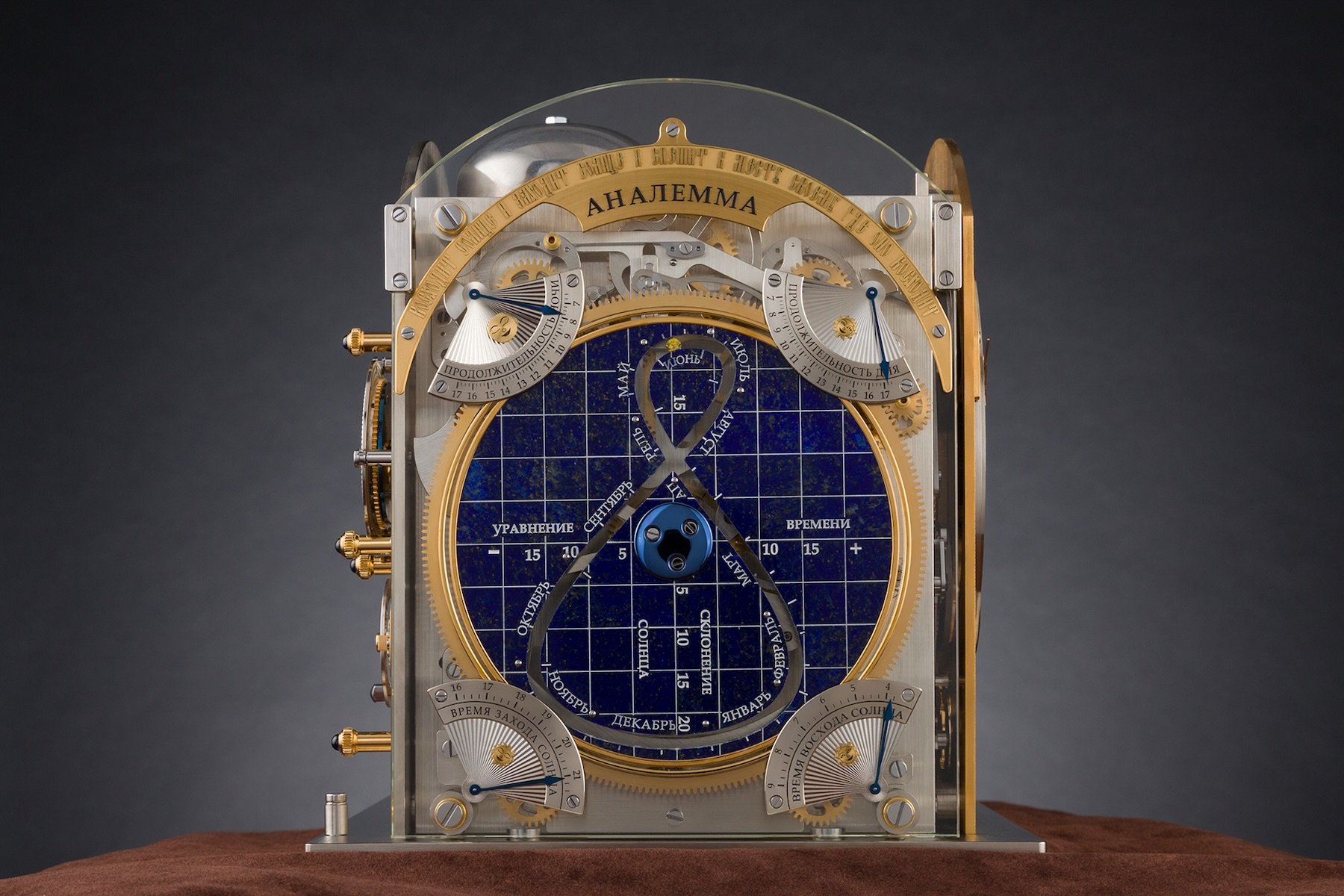
Chaykin’s Moscow Computus clock was the first mechanical timepiece with an analemma complication, showing the Sun’s position in the sky
But along the way, I had an idea that would go on to manifest as my very first invention. Following that moment, that flash of inspiration showing that I could design truly unusual things, I gained a clear vision: deciding to create something entirely new, something no one has ever done before, is far more exciting, even if it is much harder. That’s why, in 2005, I shifted my focus strictly towards searching for new ideas, technical solutions, and unique complications. Today, I hold more than 110 patents for inventions in watch mechanics. This has become the core principle of my work.
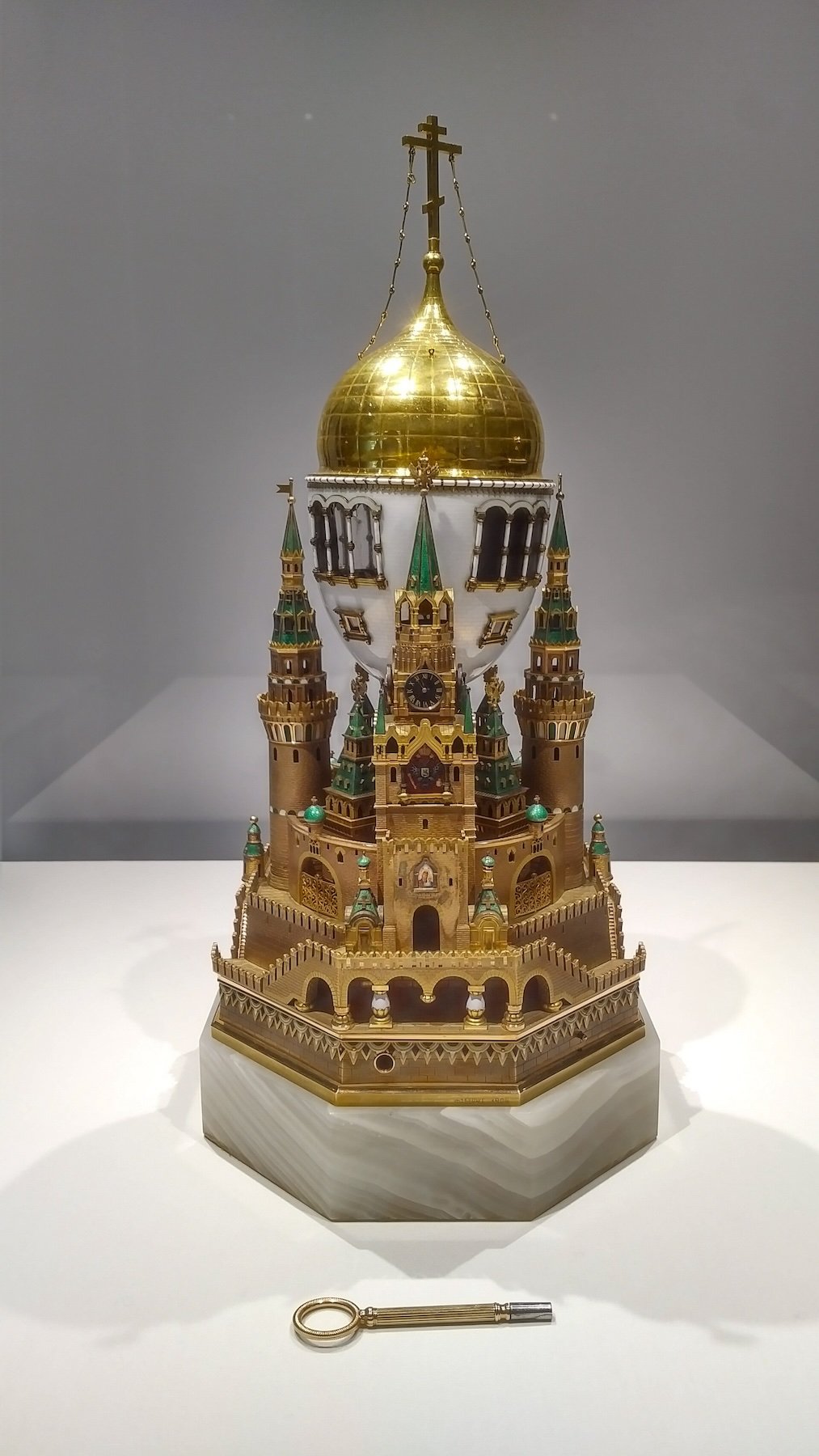
An “Easter egg” clock made by Carl Fabergé (1906), modeled after Dormition Cathedral and the towers of Moscow Kremlin, featuring a clock and a music box hidden inside — Image: Maxim Sinelshchikov (CC BY-SA 4.0)
Russian horology
CB: Despite its incredible horological history, Russia has a relatively small presence within contemporary high watchmaking. Did your location ever feel like a disadvantage, or did it ultimately allow you to develop your independent voice?
KC: Russia does have a rich history; we can trace the appearance of the first clocks in Russia back to 1404. Understandably, we did not produce unique masterpieces in the same volume as Swiss or English masters. Nevertheless, etched into history are dozens of names of craftsmen who created astonishing timepieces that easily rivaled their Western counterparts. The true golden age of our watchmaking came during the Soviet era. In the 1970s and 1980s, the USSR shared second place with Japan after Switzerland in total watch production volume. Unfortunately, since the 1990s, those volumes plummeted, and most factories closed down.
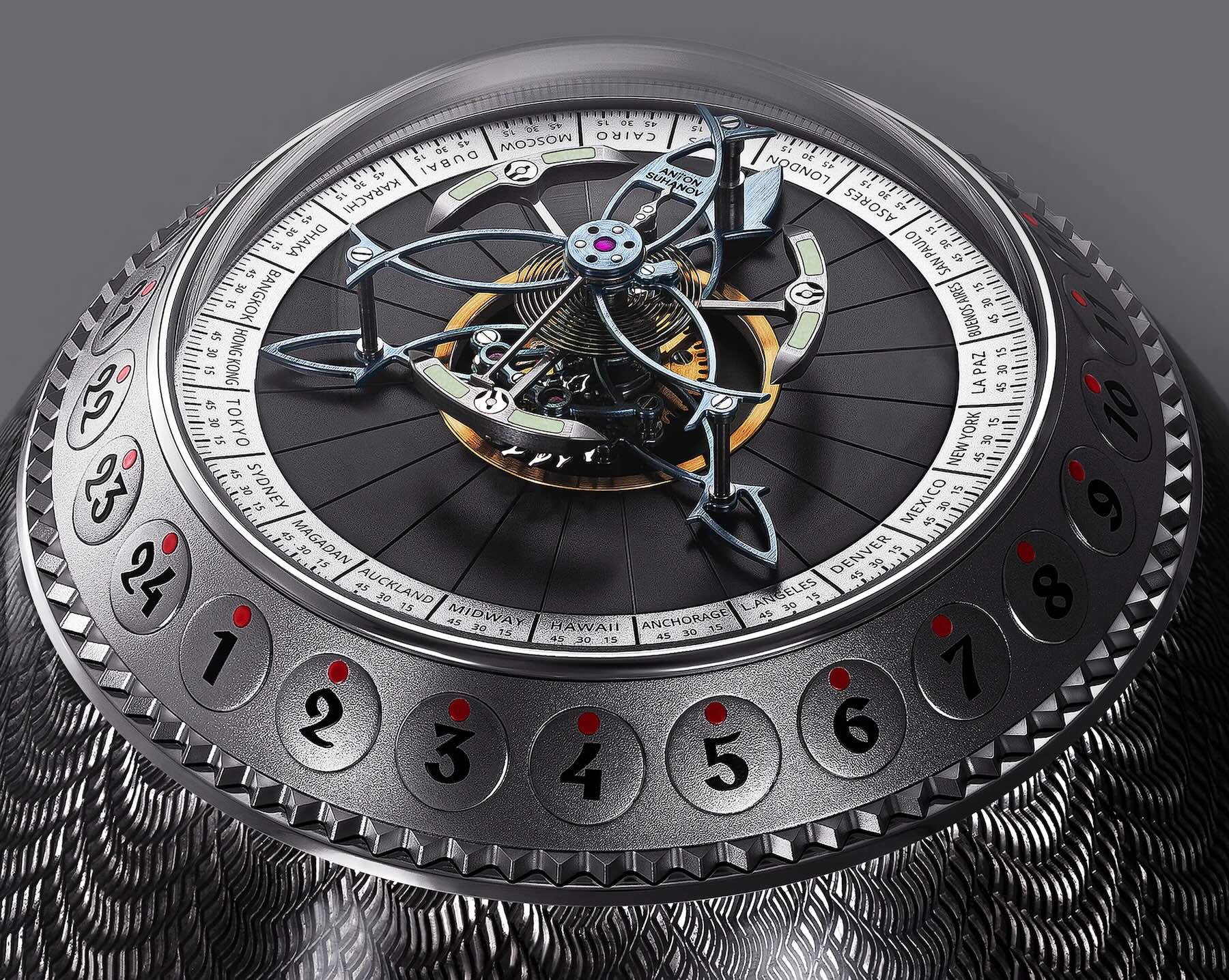
Anton Suhanov’s St. Petersburg Easter Egg Tourbillon Clock, a reimagining of Carl Fabergé’s Easter eggs and the winner of the 2025 GPHG Horological Revelation Prize
However, since the early 2000s, the industry has been slowly recovering. Today, others have followed in my footsteps. For instance, Anton Sukhanov — a name that is already gaining recognition — is essentially my student. Many microbrands are emerging, producing a wide variety of timepieces, so I do not feel isolated. And I don’t think geographical location limits me in any way. I was born in the beautiful city of Leningrad, now St. Petersburg. The environment there, along with my parents, allowed me to connect with art and beauty from an early age and develop as a creative individual.
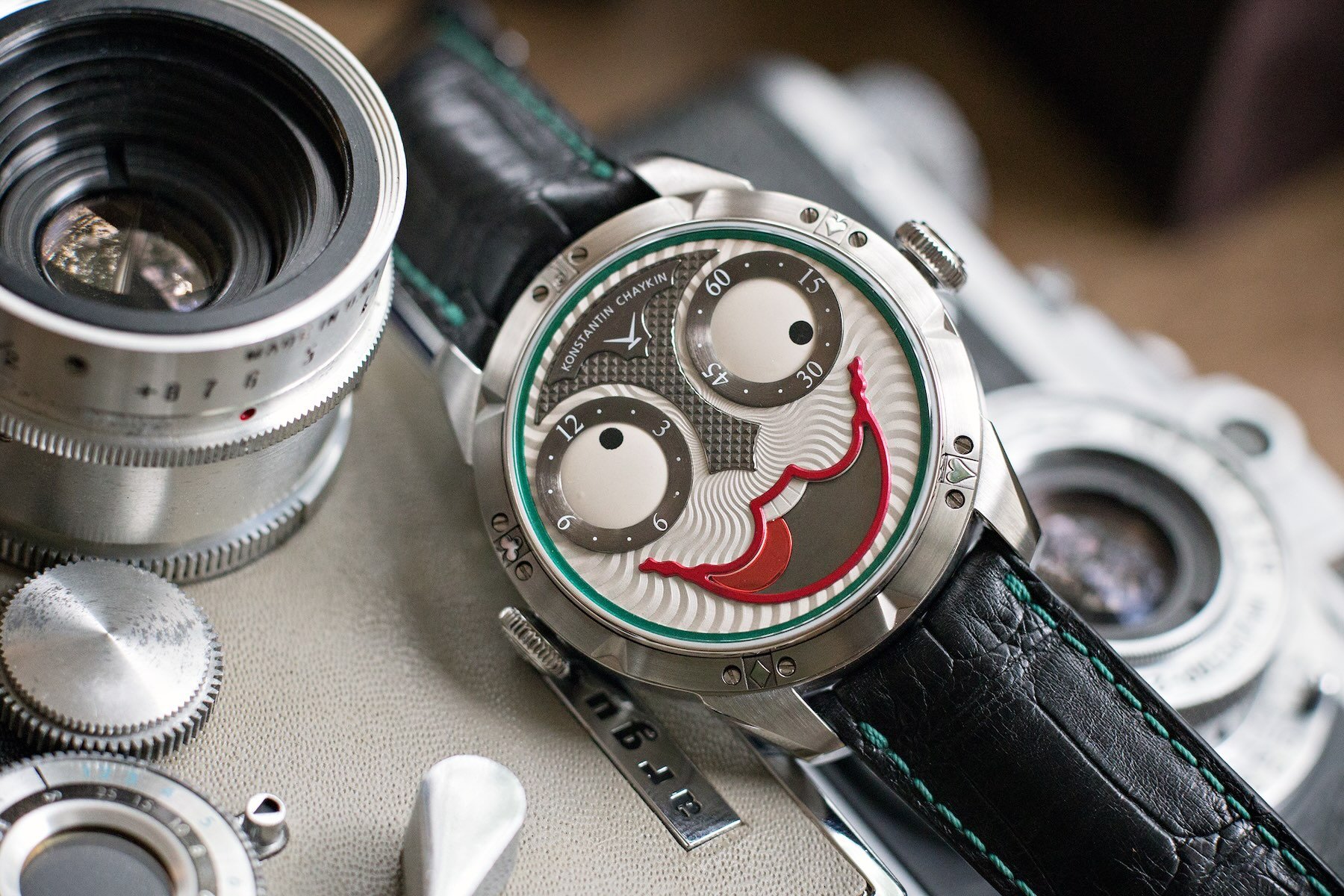
Joker
A breakthrough for Konstantin Chaykin and the watch industry at large
CB: The Joker is playful yet technically very sophisticated. Do you think the watch changed collectors’ expectations of what high-end independent watchmaking could look like?
KC: Absolutely, yes. Work on the Joker began about 10 years ago, and it was a massive challenge, first and foremost for me. For someone who had previously created serious, highly complex timepieces like the Lunokhod or the Computus Easter Clock, making something so bold and provocative was a daring move. Ultimately, the project was a breakthrough that influenced not only collectors’ perceptions but also the industry as a whole. Today, I think the industry is finally ready to be a little less serious.
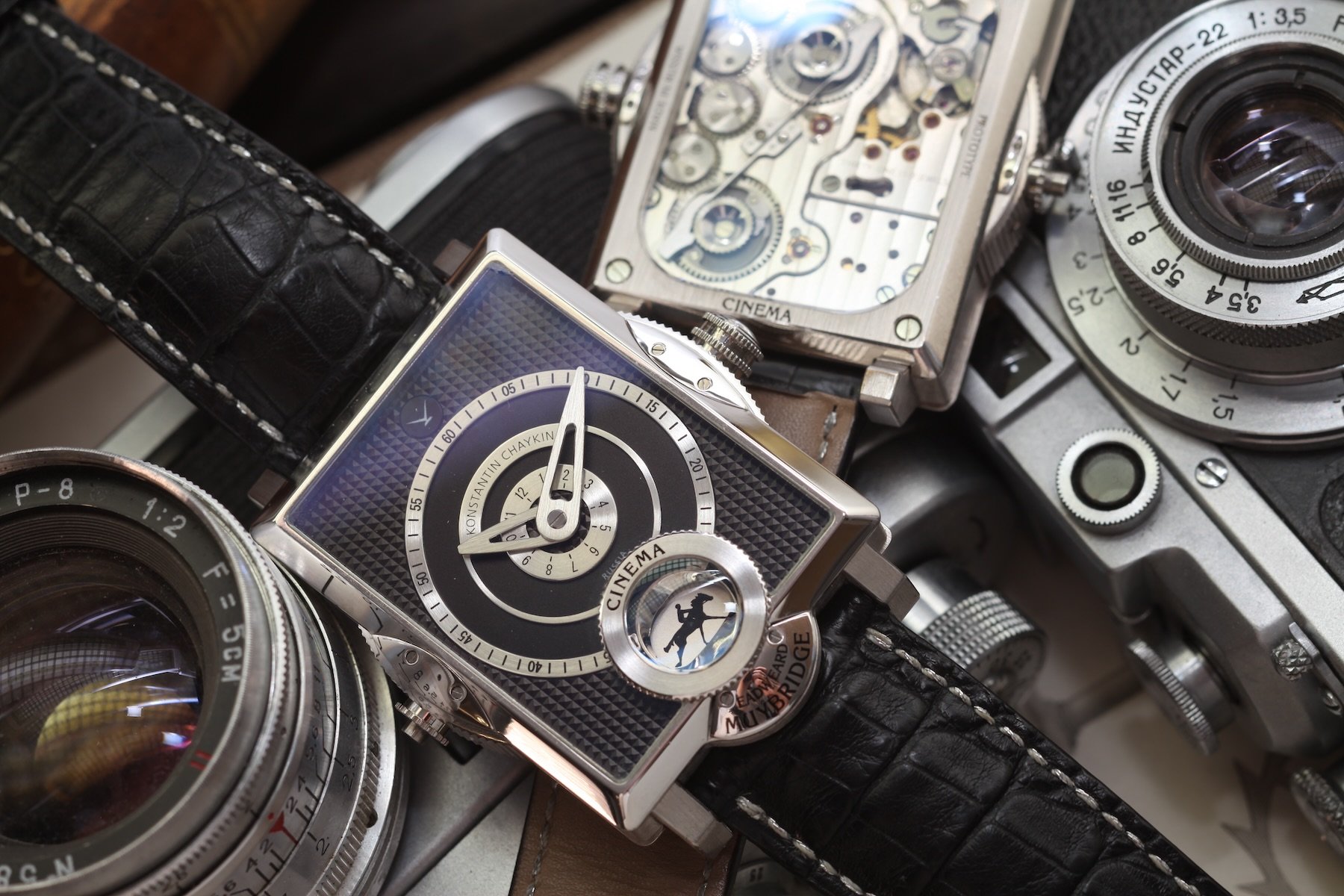
Cinema
CB: Some brands spend decades searching for an icon. How did it feel to realize you had created one?
KC: The sense of scale wasn’t immediately apparent. The model emerged after a long journey: it all started back in 2013 with the Cinema watch, which demonstrated the importance of emotions in interacting with the viewer. For years, I had been searching for an image, sketching anthropomorphic elements and characters, until all these explorations converged at a single point – and the choice fell on the Joker. It was a conscious decision based on experience and audacity. In the beginning, I actually underestimated the role this watch would play. The understanding of its significance came only after the Baselworld exhibition in 2017, when it became clear that this was a true breakthrough, changing the perception of watches for the entire community.
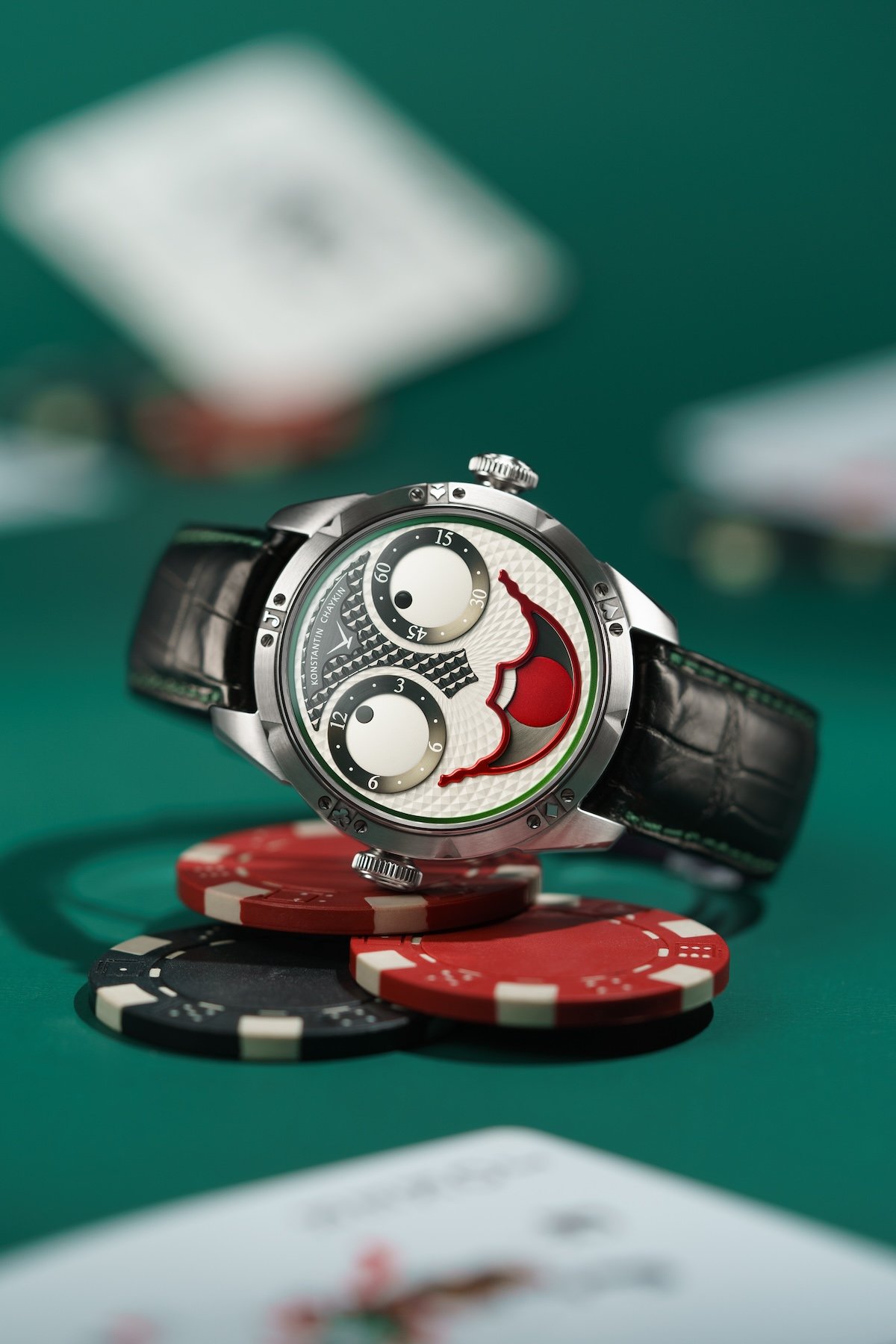
Adding emotion
CB: The Joker made people smile, but it also brought new attention to your technical capabilities. Was that specific balance between humor and serious horology intentional from the beginning?
KC: Frankly speaking, the balance between movement, design, and concept had been a constant in my work long before the Joker ever appeared. I have always tried to combine these three elements into a unified whole. The design must back the concept, and the movement must validate the design. Emotion, then, was the final touch.


As for the Joker, it represents one of the finest combinations of all three components. This model also served as the foundation for other compelling creations, such as the Dracula, the Selfie, the Martian (featuring a Martian tourbillon and calendar), and the Stargazer – the pinnacle of Russian wristwatches, boasting 17 complications. Each supports its intricate framework with a highly sophisticated movement, seamlessly merging the concept, visual imagery, and story.
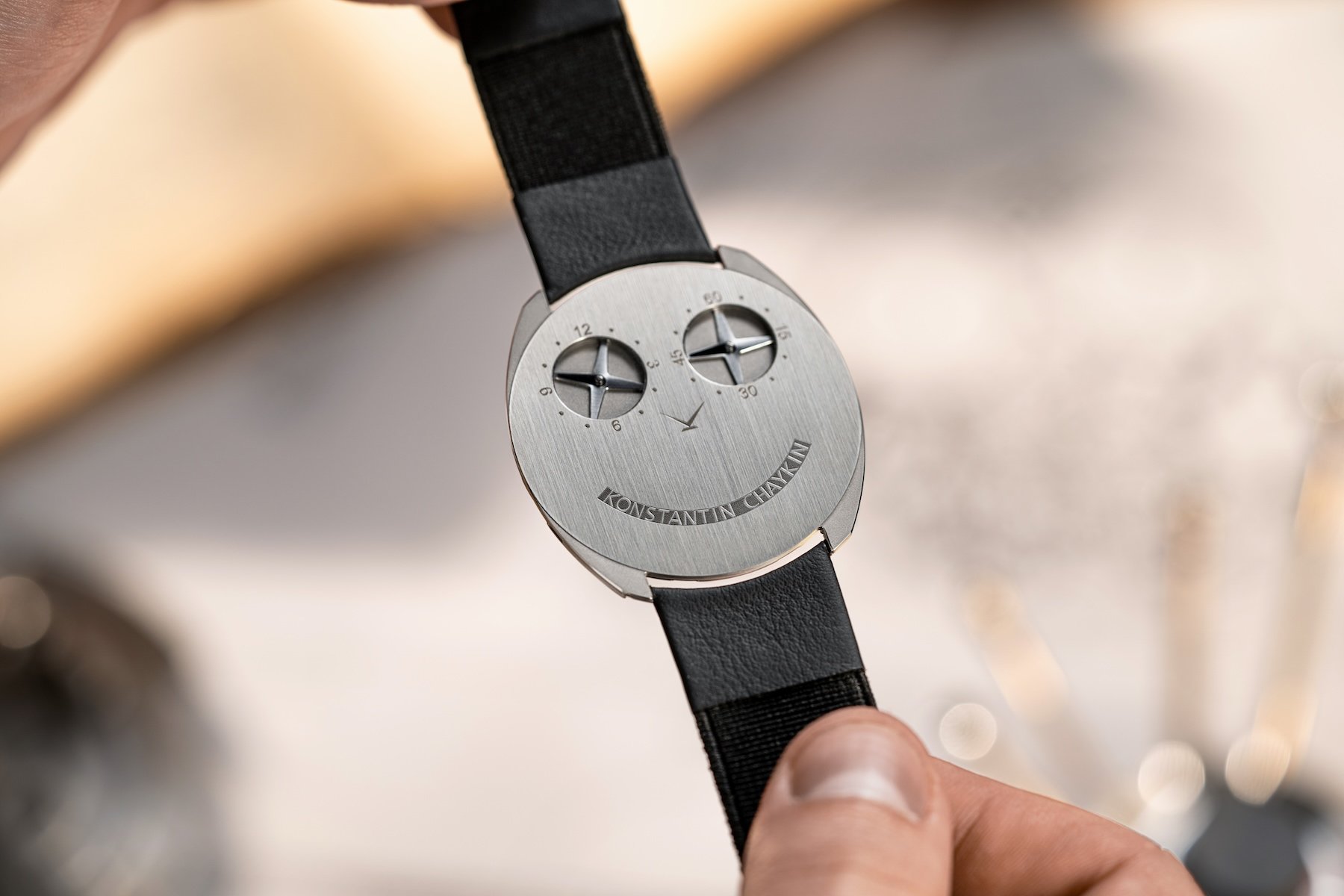
ThinKing, the world’s thinnest mechanical watch
Chaykin accepts a new challenge — ultra-thin watchmaking
CB: With the ThinKing, you’ve moved into an entirely different engineering challenge. What attracted you to ultra-thin watchmaking after becoming known for expressive display complications?
KC: Context is always essential — and the context of ultra-thin watches is that they are high-complication timepieces. The story of my ultra-thin watch actually began when I was working on the Stargazer. A client presented me with a challenge: in his view, the most complex feat in watchmaking is actually creating the absolute thinnest timepieces. After giving it some thought, I agreed; it really is a fascinating and difficult engineering task. I love seeking out new peaks and challenges, so I dived into ultra-thin watchmaking with great pleasure.
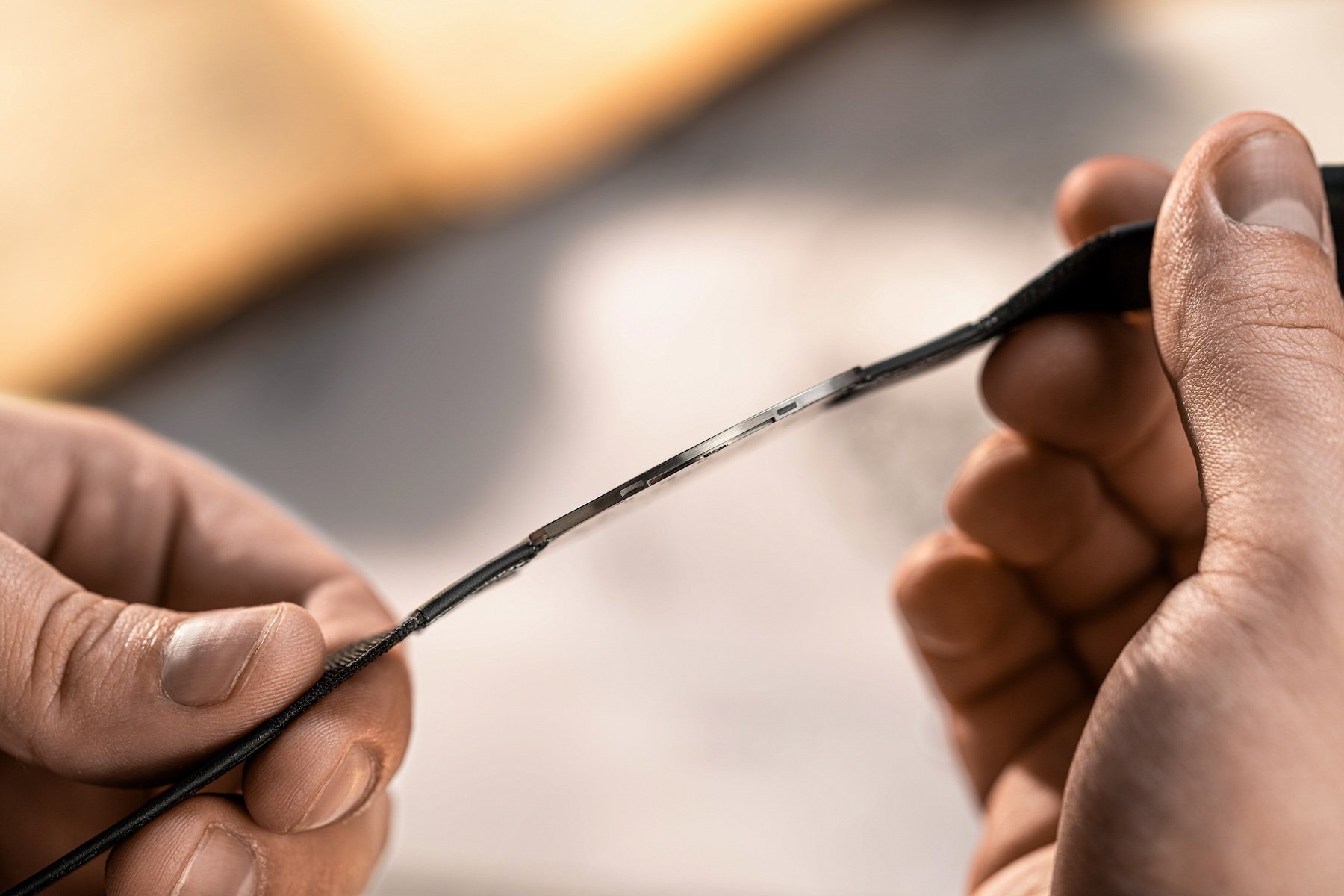
CB: That said, ultra-thin watches often involve compromise. Were there any principles you refused to sacrifice while developing the ThinKing?
KC: Compromises do indeed arise due to strict height constraints. I understood that I needed to find solutions that would minimize any concessions to quality. The main goal was not just to make an ultra-thin watch; it was also to create a timepiece that could be worn without the risk of breaking it.


Therefore, our research spanned several directions at once — movement architecture, manufacturing techniques, and the choice of materials for both the case and the strap. As a result, our models are reliable and wearable, thanks to clever engineering solutions and extensive research and development.


CB: Do you see ultra-thin watchmaking as a destination in itself for your brand or as a stepping stone towards something even more ambitious?
KC: It has been a fascinating and costly experience, as the research and development took several years. It is difficult to just lock such achievements away in a drawer; you naturally want to develop things further. I anticipate that working with the art of ultra-thin watchmaking will become one of the long-term vectors for both personal creativity and the manufacture rather than a short-lived project done merely for a record or a handful of pieces.


The attraction of independent horology
CB: Independent watchmaking seems to be enjoying unprecedented attention today. What do you think collectors are looking for in independents that they aren’t finding elsewhere?
KC: When it comes to major brands, people usually look for a recognizable appearance and status — an accessory that says something about its owner. Most of their products are worthy of respect; they are complex and interesting. However, when people turn to small brands, they are looking for limited availability. Producing a hundred thousand watches a year versus just a hundred makes a massive difference in the perception of value. Furthermore, independent watchmakers have more room for creativity and decision-making. Life forces us to invent new things and compete with the giants in terms of technical solutions, finishing, or design. Often, our results are more expressive and compelling.
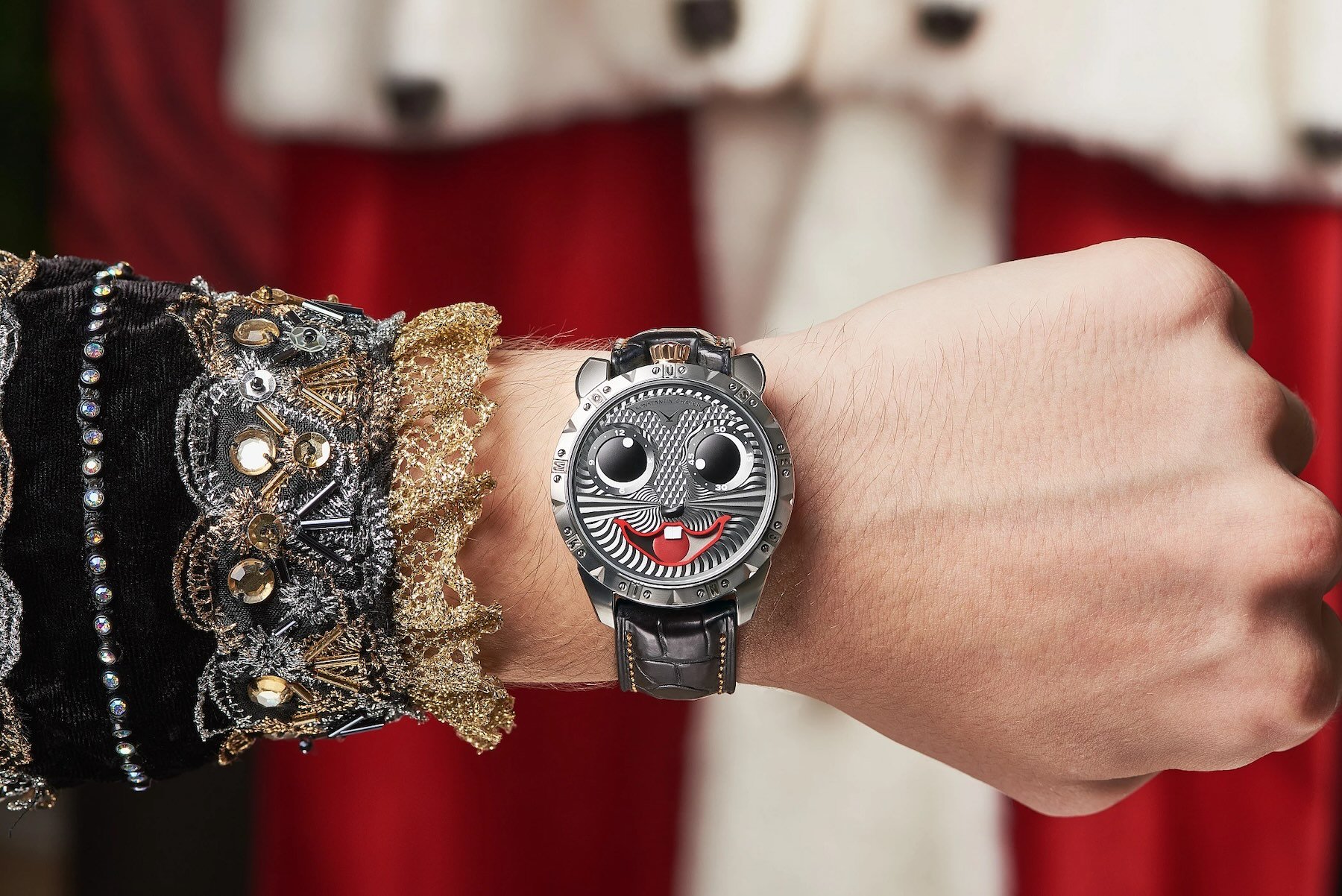
Mouse King
CB: Your watches often challenge conventional ideas of what luxury should look like. Do you think the industry has become more open to unconventional creativity over the last decade?
KC: Absolutely, yes. It seems to me that today, even the major brands are becoming increasingly bold.
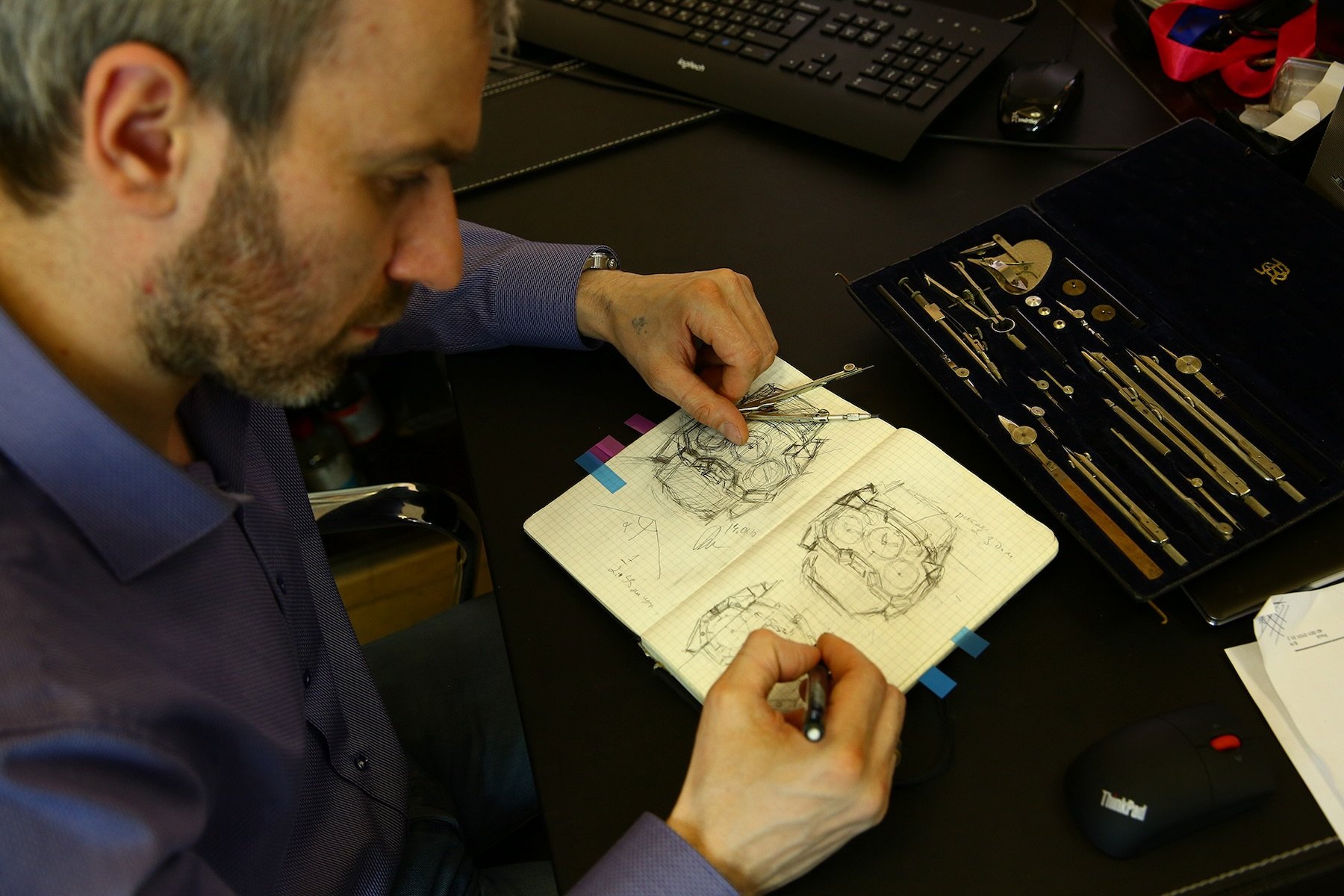
Questions for the masters
CB: You’ve written not only about watchmaking but, specifically, also Russian watchmaking in the past. If you could spend an evening with any three watchmakers from history, who would you invite, and what would you most want to ask them?
KC: That is an easy question. First and foremost, I would choose our self-taught Russian inventor, Ivan Petrovich Kulibin. I have a vast number of questions for him. I have been studying his legacy for 20 years now and working on recreating one of his masterpieces, yet many riddles remain unsolved due to a lack of documentation. The second person would be John Harrison, the inventor of the marine chronometer, and the third would be Abraham-Louis Breguet. These three masters lived during the golden age of horology and profoundly influenced my journey and creative vision.
I would ask each of them the core question: how on earth did they manage to create such extraordinary things back then? I asked myself this exact question after visiting a Breguet exhibition at the Hermitage Museum in 2004. What I saw back then literally made my hair stand on end, and that realization pushed me to develop further. I am personally acquainted with the works of all three: I held Kulibin’s “Goose Egg” Clock in my hands back in 2005, and I became familiar with Harrison’s legacy a bit later. Each of them solidified my determination to explore, innovate, and move forward.