Is It Worth It? — The Praised But Underrated Seiko Marinemaster 300

I had already been running Fratello for a decade when Mike Stockton asked me in 2014 why we didn’t cover Seiko more often. It’s not that I ignored it on purpose; I was just more focused on Swiss and German brands. Slightly pushed by him, I bought my first Seiko watch. It was a Seiko SBDC001, aka the “Sumo.” And after wearing it for a while, I was impressed and wondered, “If this watch is already this good for the price, what would a Marinemaster 300 be like?”
Marinemaster SBDX001 from 2014 (produced in 2013)
Seiko Marinemaster 300
At the time, around 2014, I got a Seiko Marinemaster 300 SBDX001. The retail price was around €2,000. I was impressed from the start, as the case finishing was on an entirely different level from the Sumo’s satin finish, which felt relatively superficial compared to the Marinemaster 300 (or MM300, as it’s also often referred to). Also, the polished surfaces on this watch were super sharp. Inside was Seiko’s 8L35 movement, based on the Grand Seiko 9S55 (which I have in my double-signed Grand Seiko SBGR023 from 2006).

Grand Seiko watchmakers in Japan during my trip in 2017
Inside the Grand Seiko manufacture
Just after I received it, the SBDX017 followed. The main difference is the (Diashield) coating on the steel case, which makes it more scratch-resistant. My colleague Gerard bought that one, and although the upgrades were nice, I kept my SBDX001.

Zaratsu polishing
The same year, I took my first trip to Grand Seiko in Japan. That trip taught me a lot about how the brand’s employees work on watches and movements at their Morioka location. However, I also discovered that the Seiko Marinemasters were made in the same manufacturing facility as Grand Seiko watches. It also meant they received the mirror-blade polishing method, known as Zaratsu, which is why it was on a different level than my first Sumo watch.
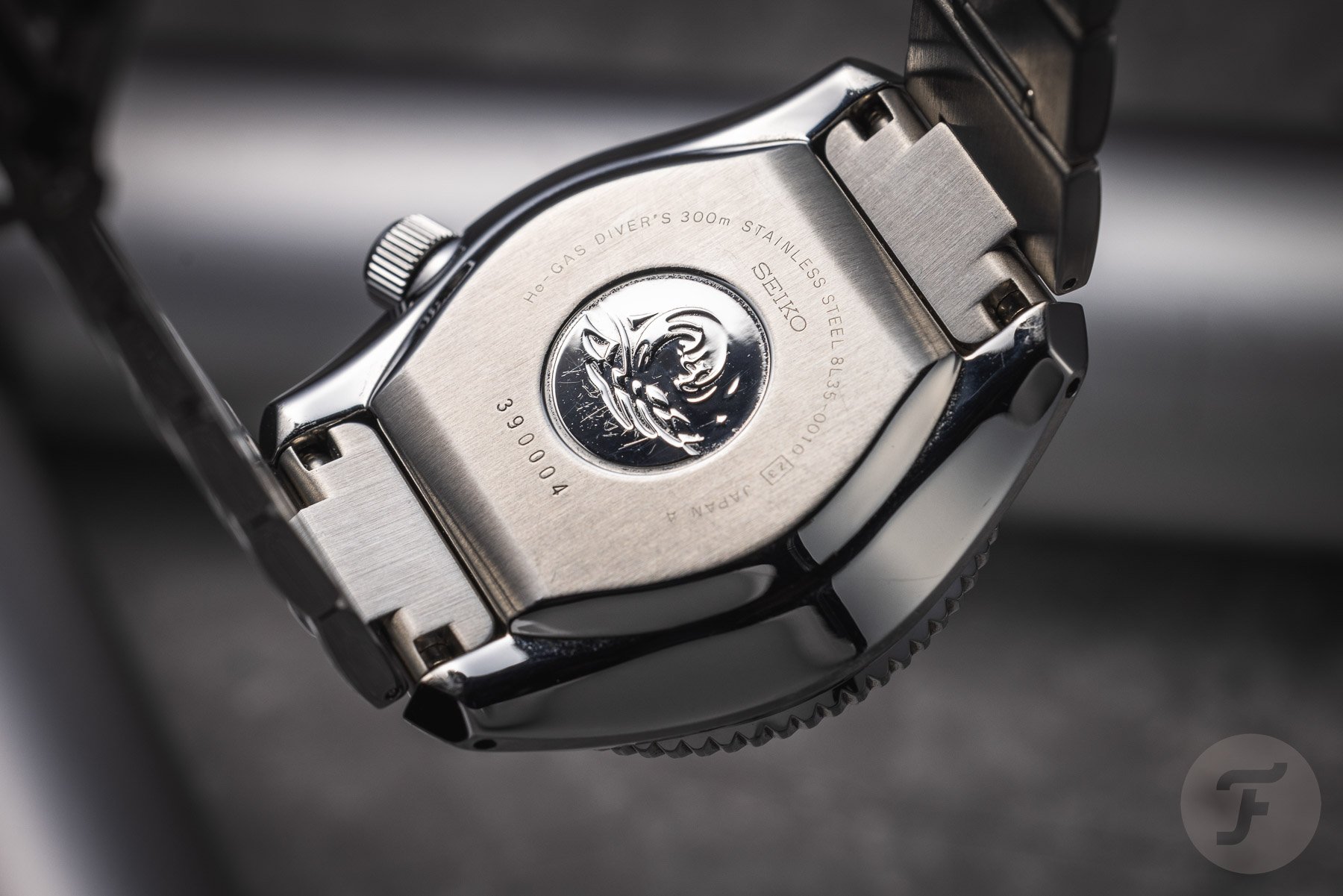
Monobloc case of the SBDX001
A monobloc case
One reason the Seiko Marinemaster 300 attracted me is its monobloc (one-piece) case. Everything goes in and out through the front crystal. This means there is no case back, eliminating a potential entry point for water and moisture. A monobloc case also helps prevent the crystal from popping off in a decompression chamber after saturation diving. Because of the monobloc construction, gas doesn’t enter the watch easily in the first place. If helium is present, it will be negligible. To be sure, rather than a typical press-fit crystal, you’ll find screw-down retention rings around this watch’s crystal to keep it in place.
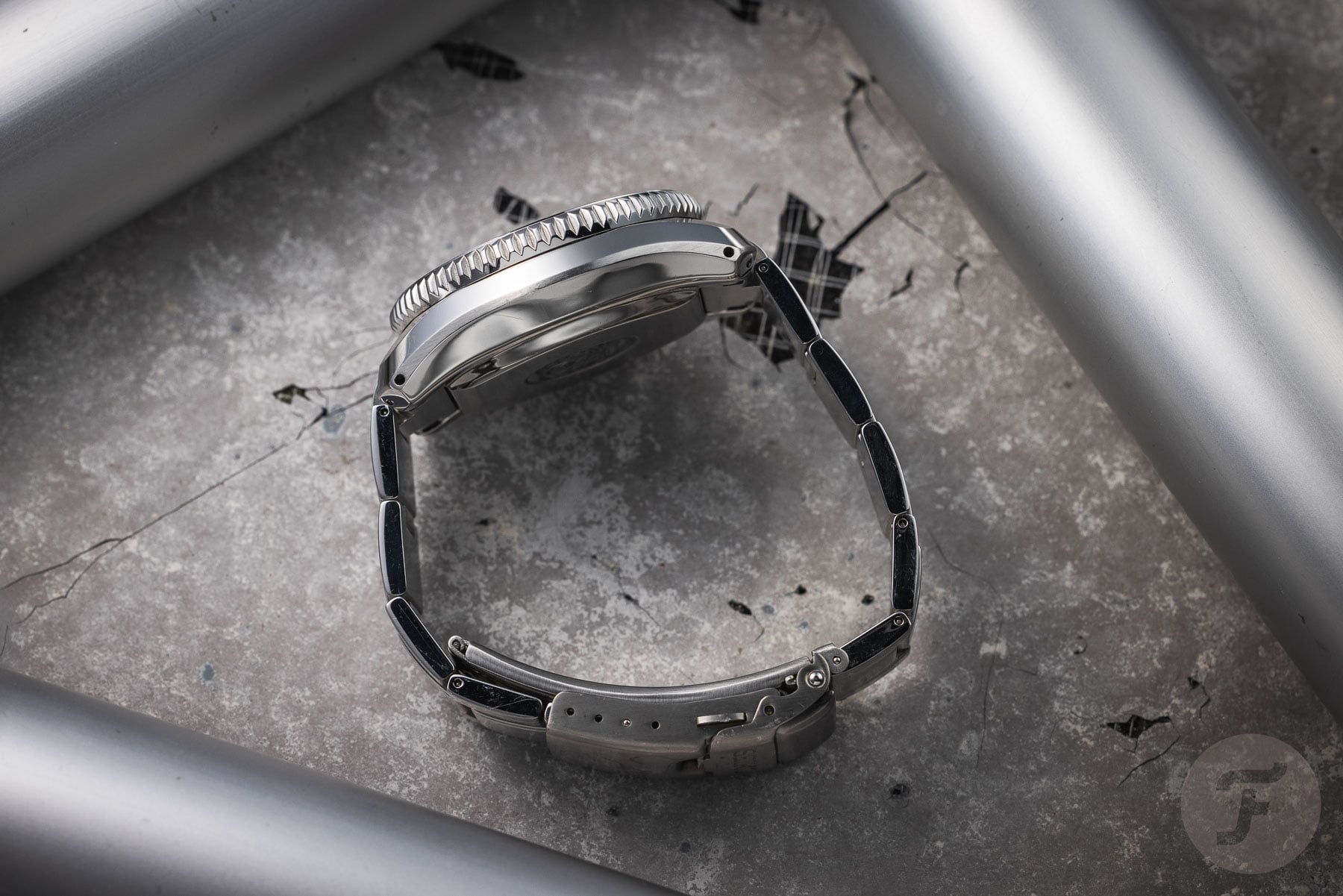
The other monobloc-case dive watch that comes to mind is the classic Omega Seamaster PloProf 600M. Another method to prevent this is to use a helium escape valve. Omega, Rolex, and Doxa use these as well, and they can be manually operated (Seamaster 300M) or automatic (Sea-Dweller, PloProf 1200M, Sub 300T).
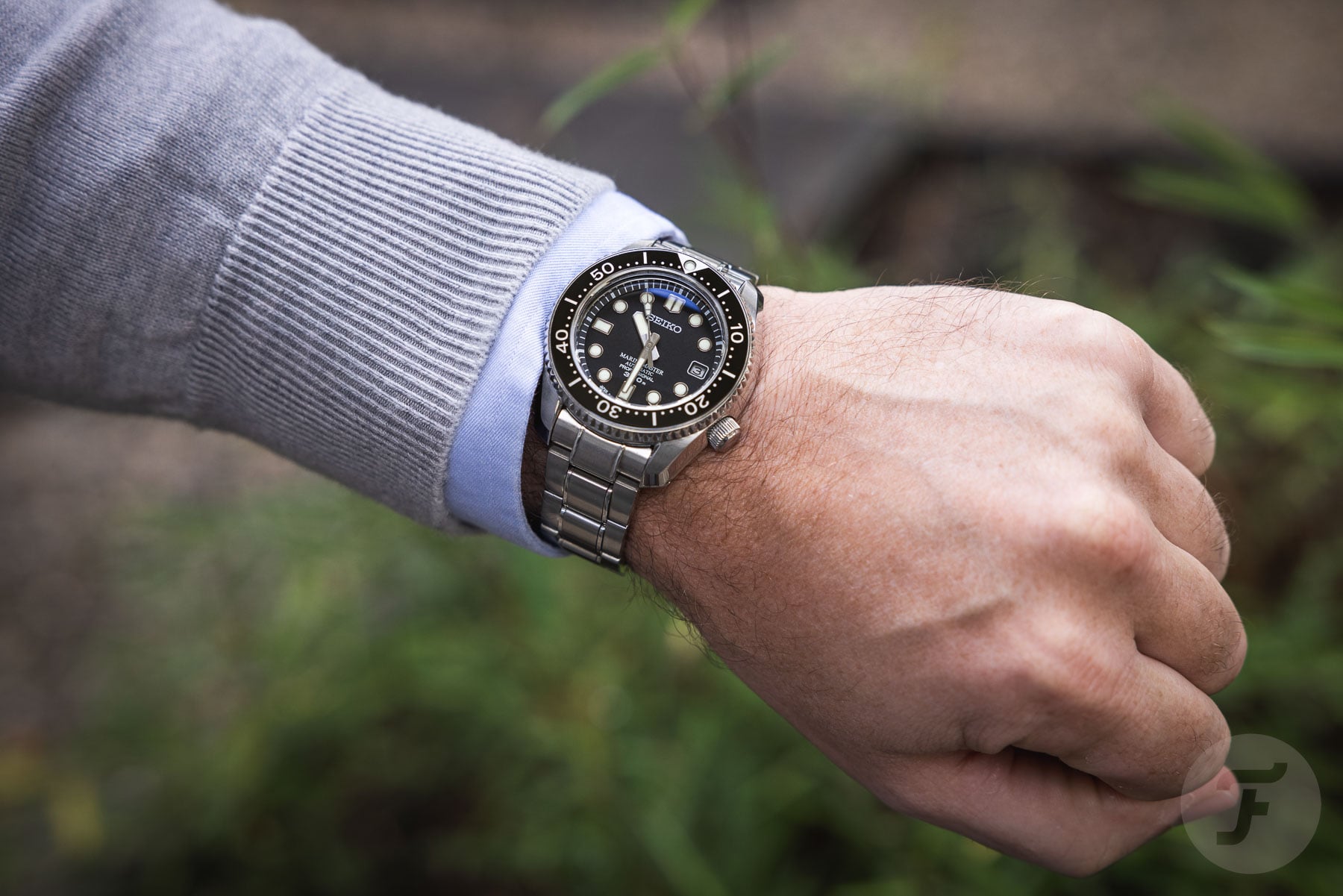
On the wrist
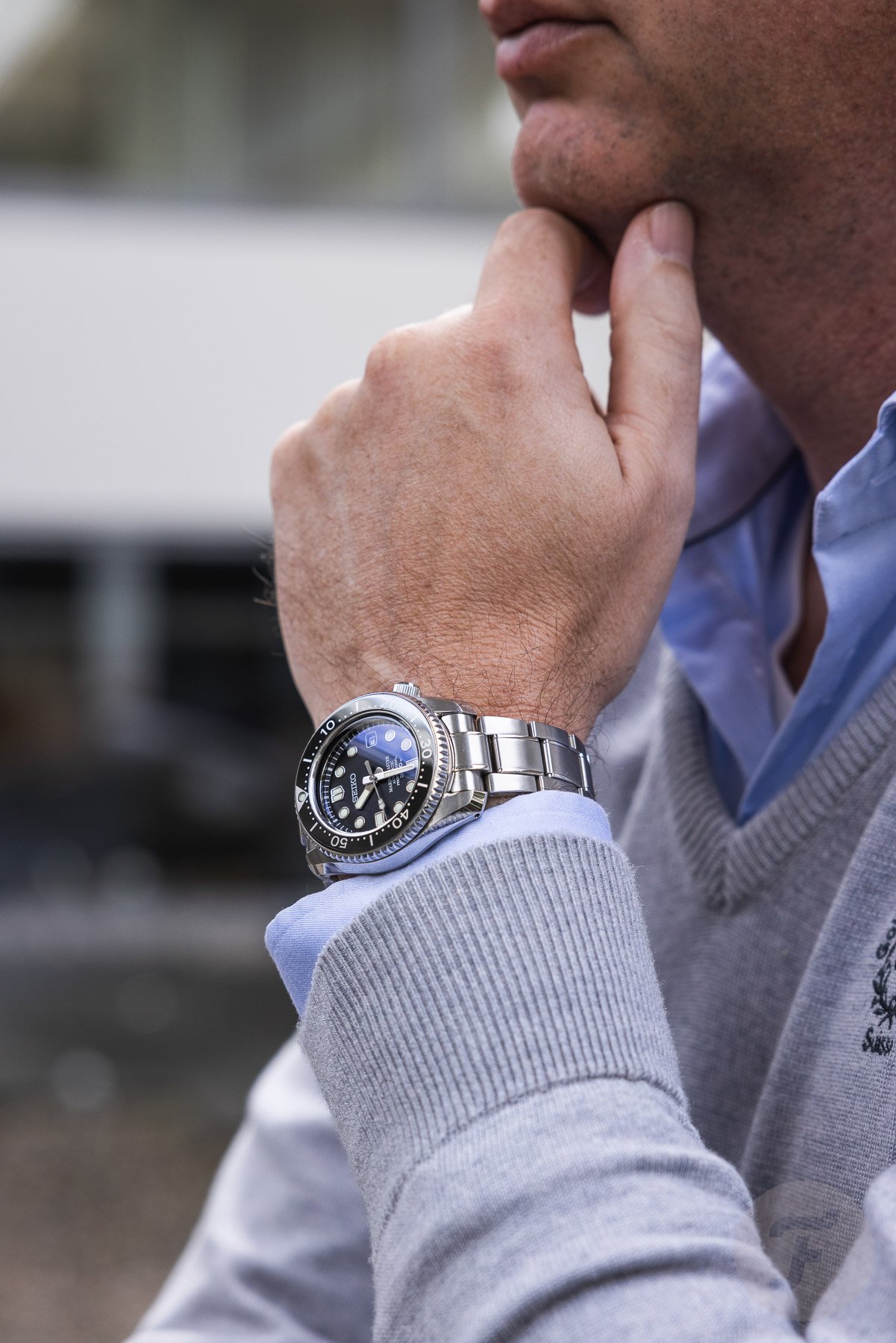
Size-wise, the Marinemaster 300 is friendlier than a PloProf, for example, but it is still a fairly large watch with a 44.3mm diameter and 15mm thickness. The dimensions never bothered me, and if you have large wrists or need a large watch, you may consider the size an advantage. The Seiko Marinemaster 300 SBDX001 has been my companion on holidays quite often, and it’s a watch you don’t need to think about when putting it on your wrist. It can easily become someone’s GADA (Go Anywhere, Do Anything) watch.
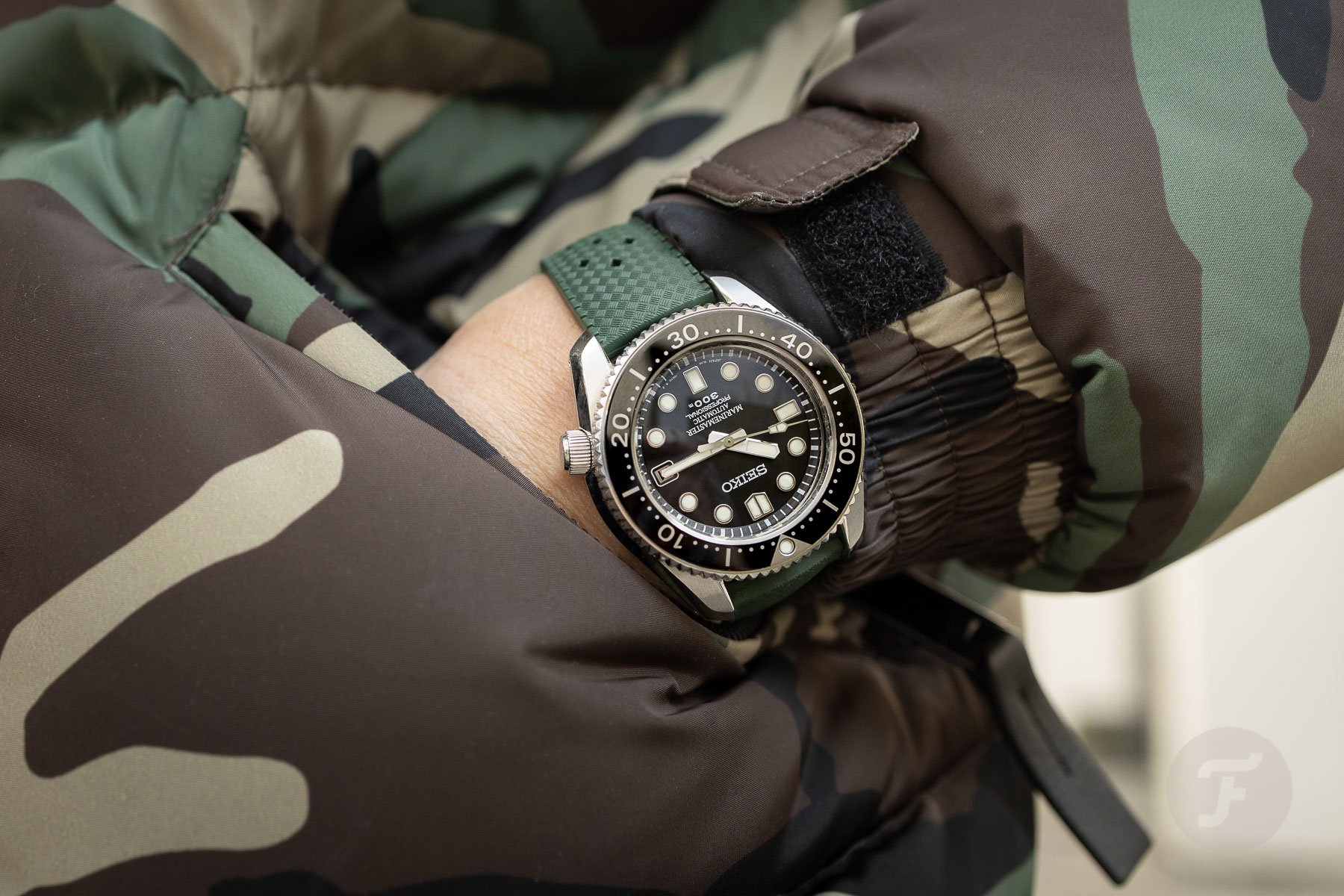
Aside from its professional specifications, the watch is a joy to wear. Its design and overall quality, including the case finishing, add up to a pleasant wearing experience. A Seiko Marinemaster 300 will not let you down. Perhaps this is also why the supply on the pre-owned market isn’t overwhelming. Owners keep these watches in their collections, which is a good sign.
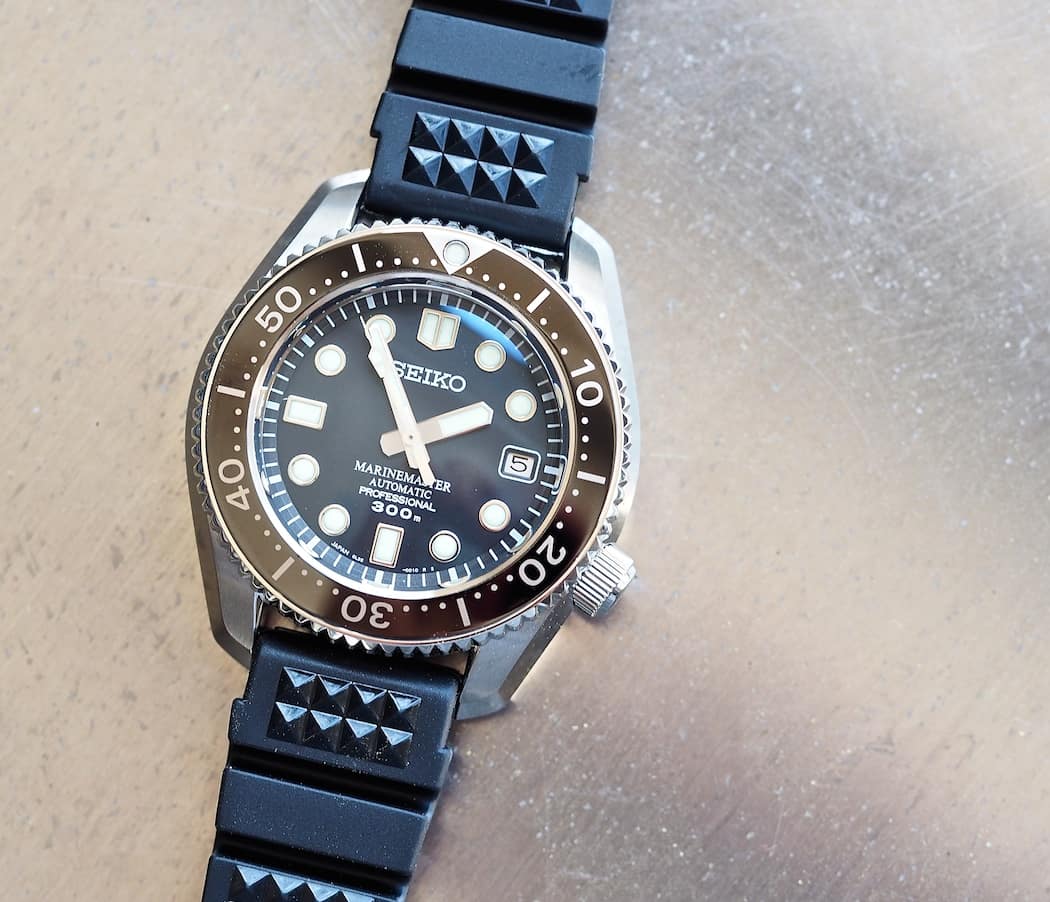
Seiko Marinemaster 300 SBDX017
Is it worth getting a Seiko Marinemaster 300 today?
While the Seiko Marinemaster 300 has gradually increased in price over the years (the current Marinemaster HBF001 retails for €3,800), you can still find them on the pre-owned market for very interesting prices. There are many to choose from, including the SBDX models and later SLA versions (for example, those with sapphire crystals). This raises the question of whether a pre-owned Marinemaster 300, such as an SBDX001 or SBDX017, has stood the test of time and whether current market prices make it an interesting watch to consider. After the SBDX017 came the SBDX021, which was also marketed internationally as SLA019. After this limited-edition SBDX021/SLA019, the regular-production SBDX023/SLA021 followed (until around 2022).
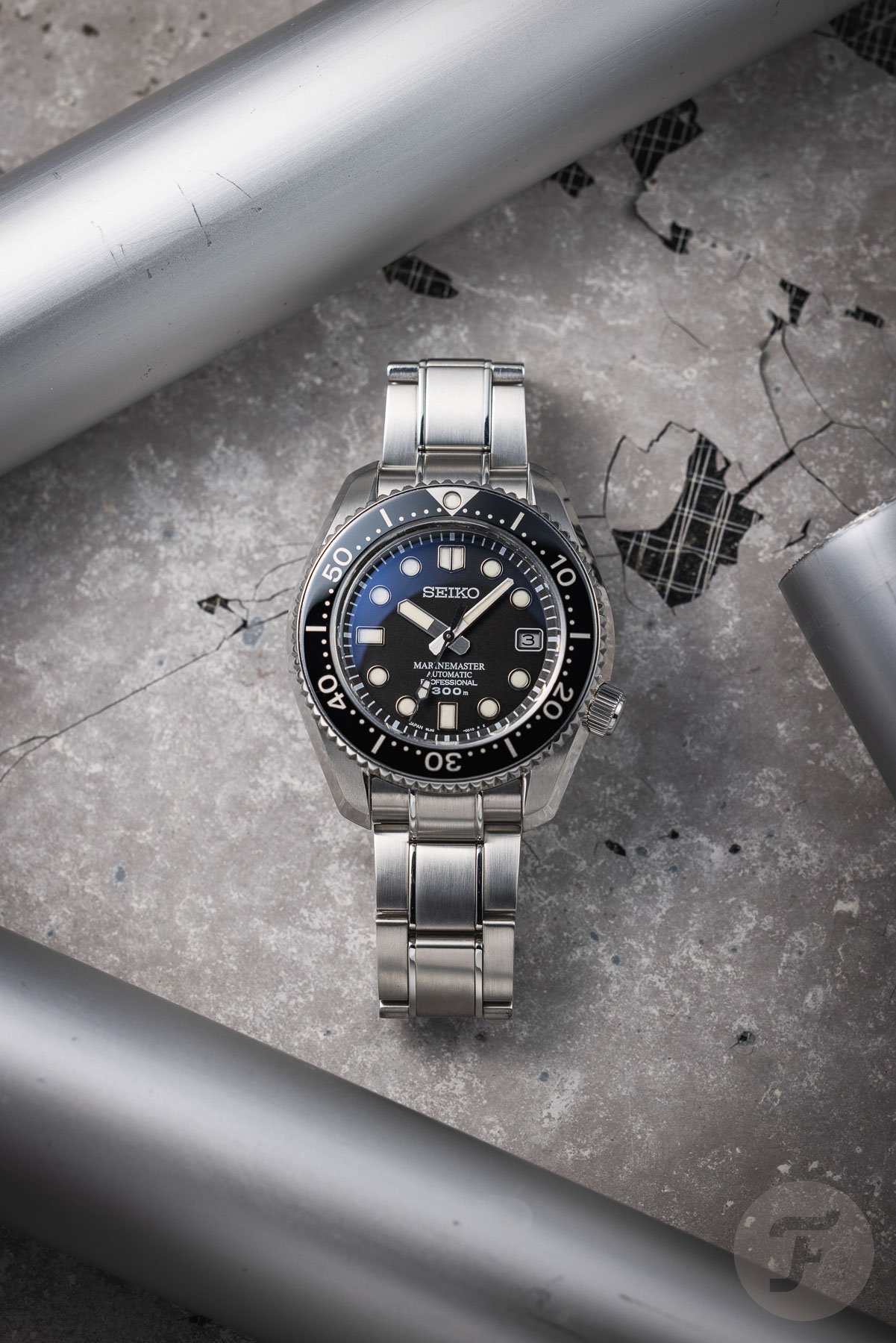
SBDX001
SBDX001
All these brilliant Seiko Marinemaster dive watches, discontinued for a while now, are waiting for you to snag them on the pre-owned market. The Seiko Marinemaster 300 SBDX001 can be had for less than €1,500 if you are willing to import from Japan. If you want to buy one from Europe, there’s currently one in Denmark for just over €3,100, with the box, papers, bracelet, an extra bezel, and a few extra straps.
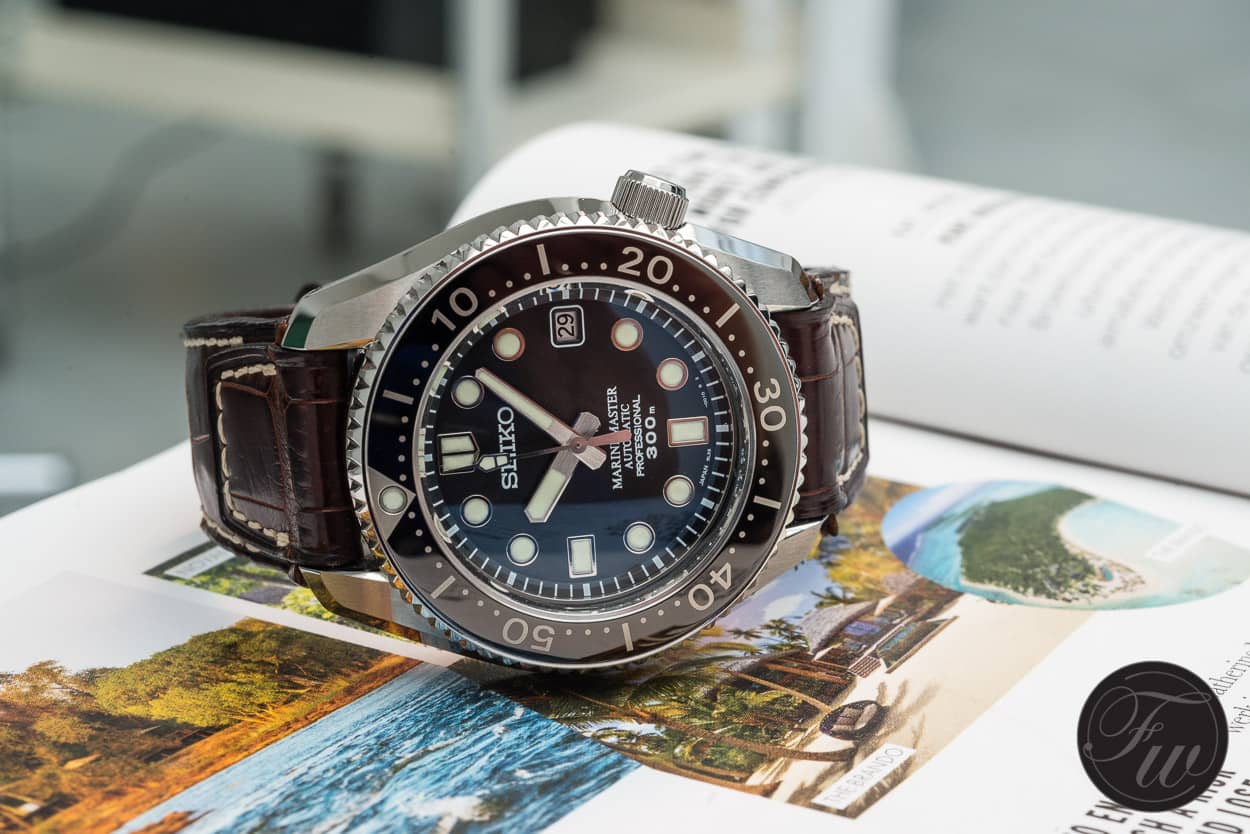
SBDX017
The Seiko SBDX017 is another option, but there aren’t many available right now. One full set is located in Hungary for €2,821. A limited-edition SLA019 (SBDX021) is for sale for just a bit less in Germany, but you need to like green.
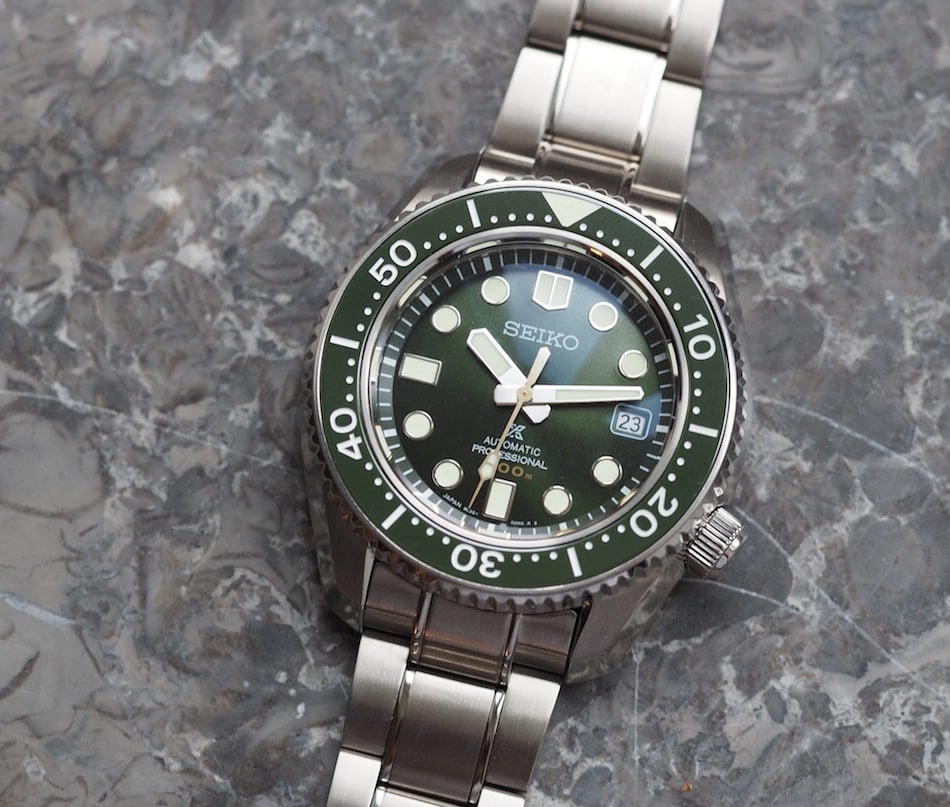
SLA019
For €2,000–3,000, including import duties and taxes, you should be able to source a Seiko Marinemaster 300 with a monobloc case. Except for the watches without the box and papers offered below €2,000, the prices of these watches have been very solid. These Seiko watches delivered great value for money back then, and they still do today. The SBDX001 even won our Fratello Seiko World Cup three years ago.
I’ve seen and tried countless watches, and I can say that the Seiko Marinemaster 300 lives up to its reputation. It has always set the bar quite high, and although the prices are on the higher side for Seiko’s catalog compared to its Swiss competitors, they’re still very reasonable. This watch punches above its weight.
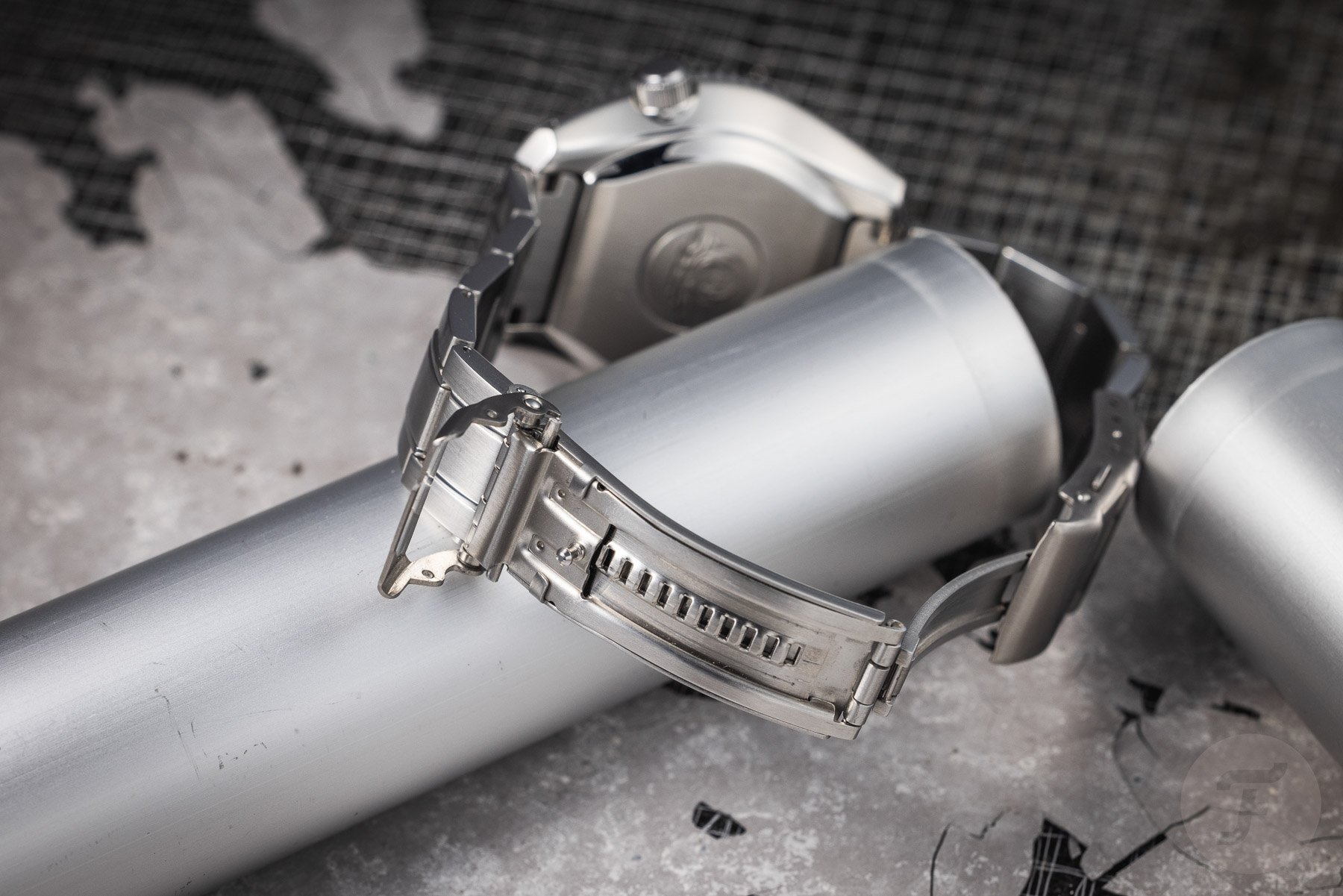
Marinemaster clasp
Are there any things you need to be aware of?
When it comes to a no-nonsense diver’s watch, the Marinemaster 300 ticks a lot of boxes for me. As with any watch, though, there are things that could have been improved, and on some more modern editions of the Marinemaster, you will find these issues addressed. The first thing that comes to mind is the bracelet. It’s the famous “Speedmaster”-style bracelet that Seiko also paired with other models, and that’s perfectly fine. It’s mainly the clasp that annoys a bit at times.
More precisely, it’s the extension part that not only looks a bit cheap but also doesn’t function properly. It keeps extending as you pull the flip lock towards the bracelet. Oftentimes, this happens by accident, and you will have to slide it back again. Some people praise this system; I don’t. There’s no issue with this when the watch is on the wrist, of course. And it’s useful to have an extension mechanism in place.
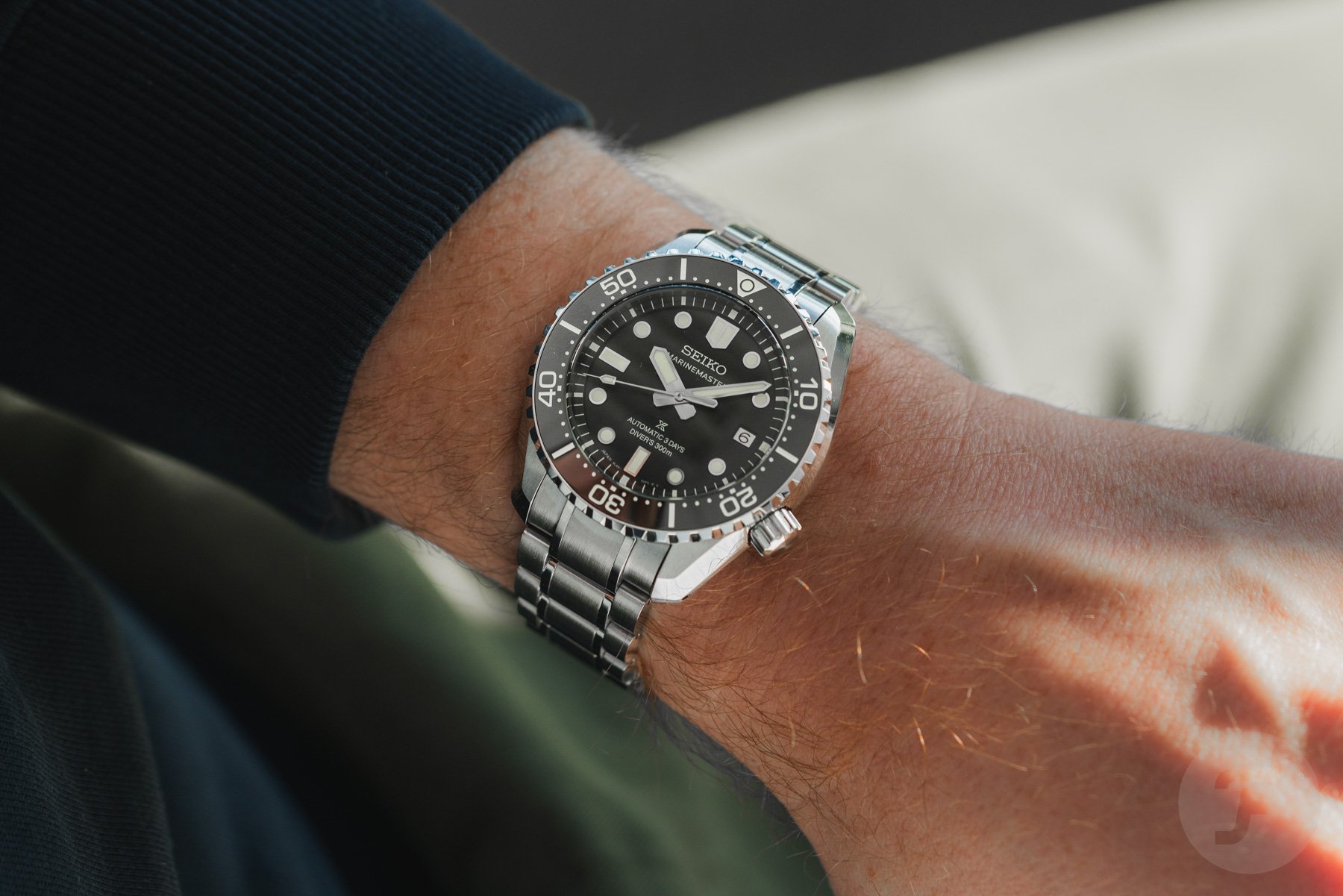
HBF001
Keep in mind that the current Marinemaster 300 is priced at €3,800, which is around €1,000 more than the full-set SBDX017 mentioned above. For this extra €1k, you get a brand-new watch with some technical updates (ceramic bezel, 8L45 movement, etc.), but it won’t have a monobloc case. That said, €1,000 extra at this price level is substantial.
As a little sidenote, the name Marinemaster is not exclusive to Seiko. You might also have seen Fortis using this name for its watches. Fortis began using the name in 1954, and, according to the people there, there’s a mutual understanding that both brands can use it.