The Ollech & Wajs Astrochron Vs. The Doxa Sub 200 T.Graph II

Today, we are looking at two spiritual competitors in the dive-watch-chronograph market — the Doxa Sub 200 T.Graph II and the Ollech & Wajs Astrochron. Both watches are beefy, tough options for those of us after a dive chronograph, but they have different quirks and design personalities.
This article came about after spending considerable time with both watches over winter here in Australia (or summer in Europe). During that time, I got the rare chance to have two dive-oriented sports chronographs in hand at the same time for separate reviews. It struck me as a golden opportunity to compare them, given the fact that if you were in the market for one, you could conceivably be in the market for the other.
Ollech & Wajs and Doxa have some shared history. The Jenny family, who owns the Doxa brand, made the ref. 702 watch cases (for a watch known as the Caribbean) for several brands in the 1960s, including Ollech & Wajs. It was one of the first watches with a 1,000m depth rating. Both brands have a long and storied tradition of making capable dive-tool watches. Today, thankfully, Ollech & Wajs and Doxa are both alive and strong, bringing out vintage-style timepieces that honor the past. This creates a golden opportunity to compare two of their chronographs, one with 500m water resistance (the Astrochron) and the other with a “mere” 200m depth rating (the Sub 200 T.Graph II). Let’s dive in.
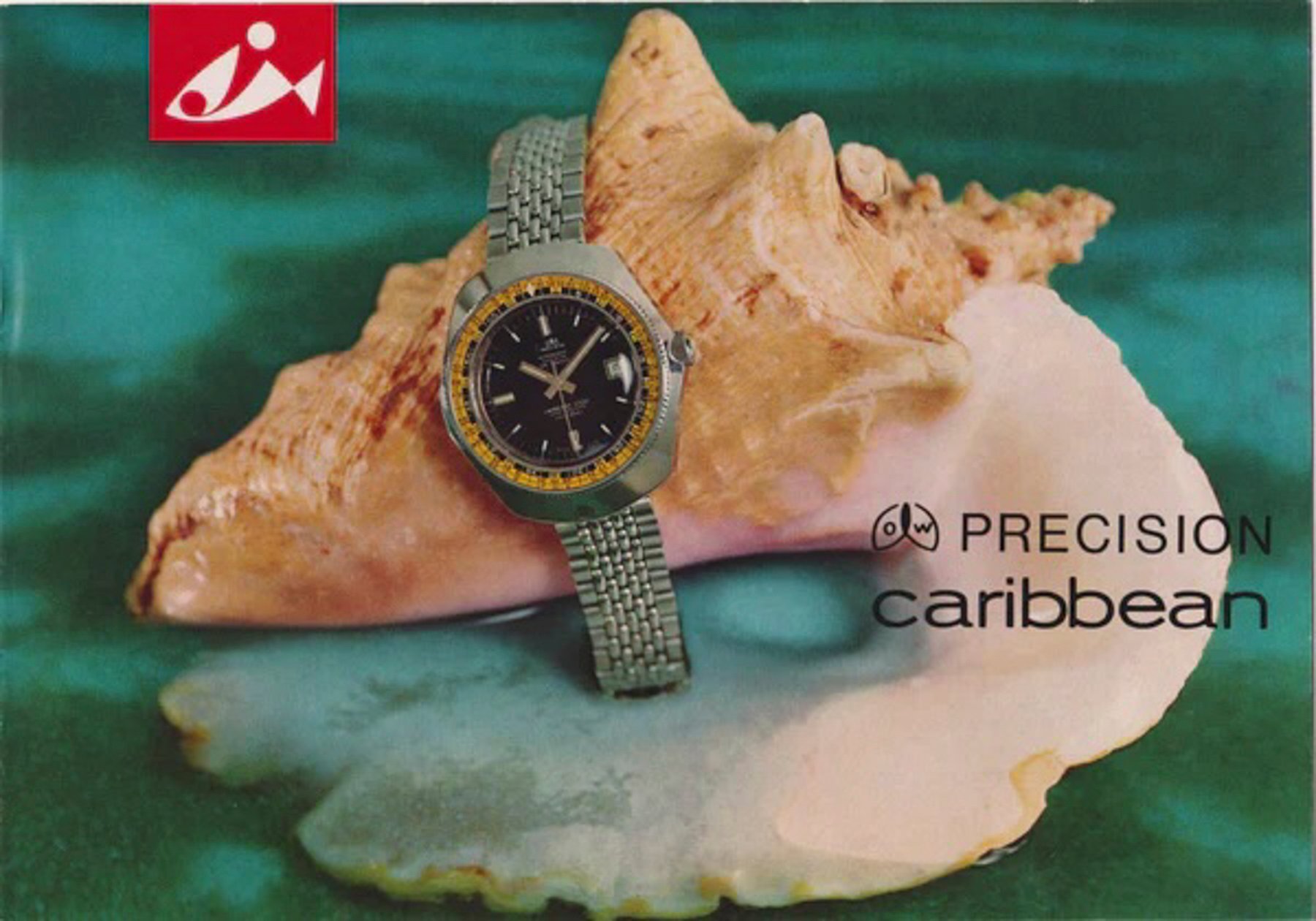
Image: Ollech & Wajs
Worthy competitors
Some watches make a case for themselves through specifications, while others make a case through sheer conviction. The best dive chronographs do both simultaneously, and the two pieces compared here manage that trick in completely different ways. The Ollech & Wajs Astrochron and the Doxa Sub 200 T.Graph II share a category, a bracelet type, and a stubborn refusal to apologize for what they are. Beyond that, they represent genuinely distinct answers to the question of what a vintage-inspired dive chronograph should be in 2026.
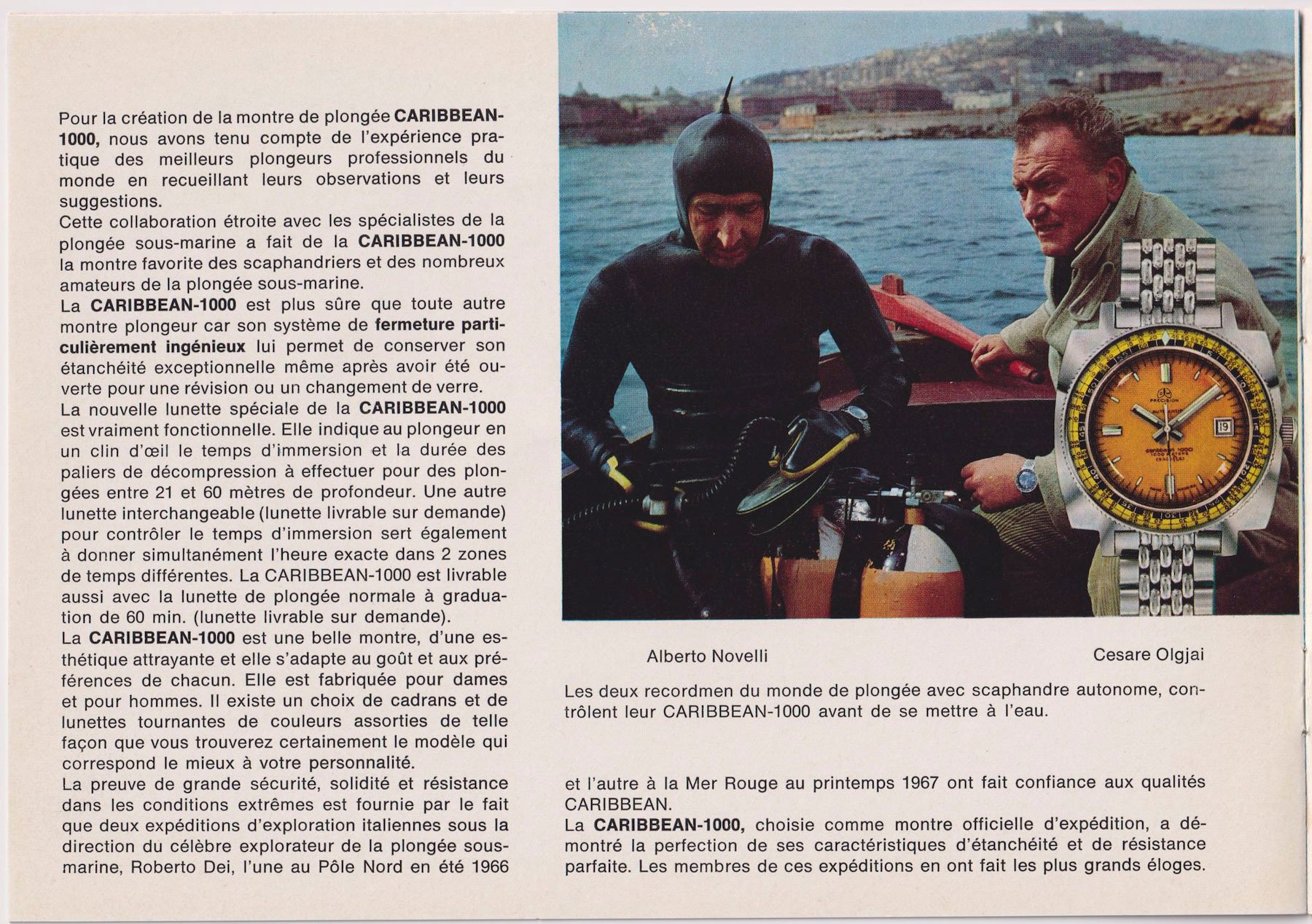
Image: Ollech & Wajs
Having spent considerable time with both watches, including taking the Astrochron into the Pacific Ocean off Sydney’s eastern coastline, I feel well placed to offer a comparison. The Sub 200 T.Graph II is a more recent arrival, but it’s no less considered. Spending time with each of these watches in turn only sharpened the sense that this is one of those rare match-ups in which both sides win.
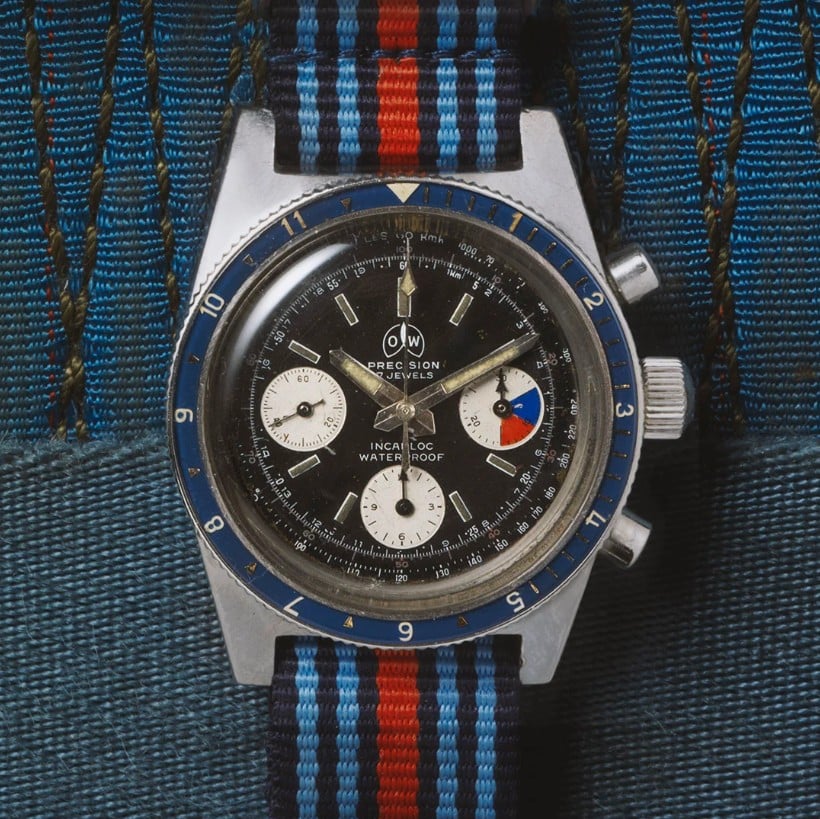
Image: Monochrome
Heritage and philosophy
The original Astrochron arrived in 1967, during an era when watch brands were still inventing categories in real time. Ollech & Wajs managed to produce a 200m-water-resistant watch housing a Valjoux chronograph movement. The modern reinterpretation does not attempt a line-by-line recreation of that original. Instead, it continues the same philosophy: build a serious instrument.
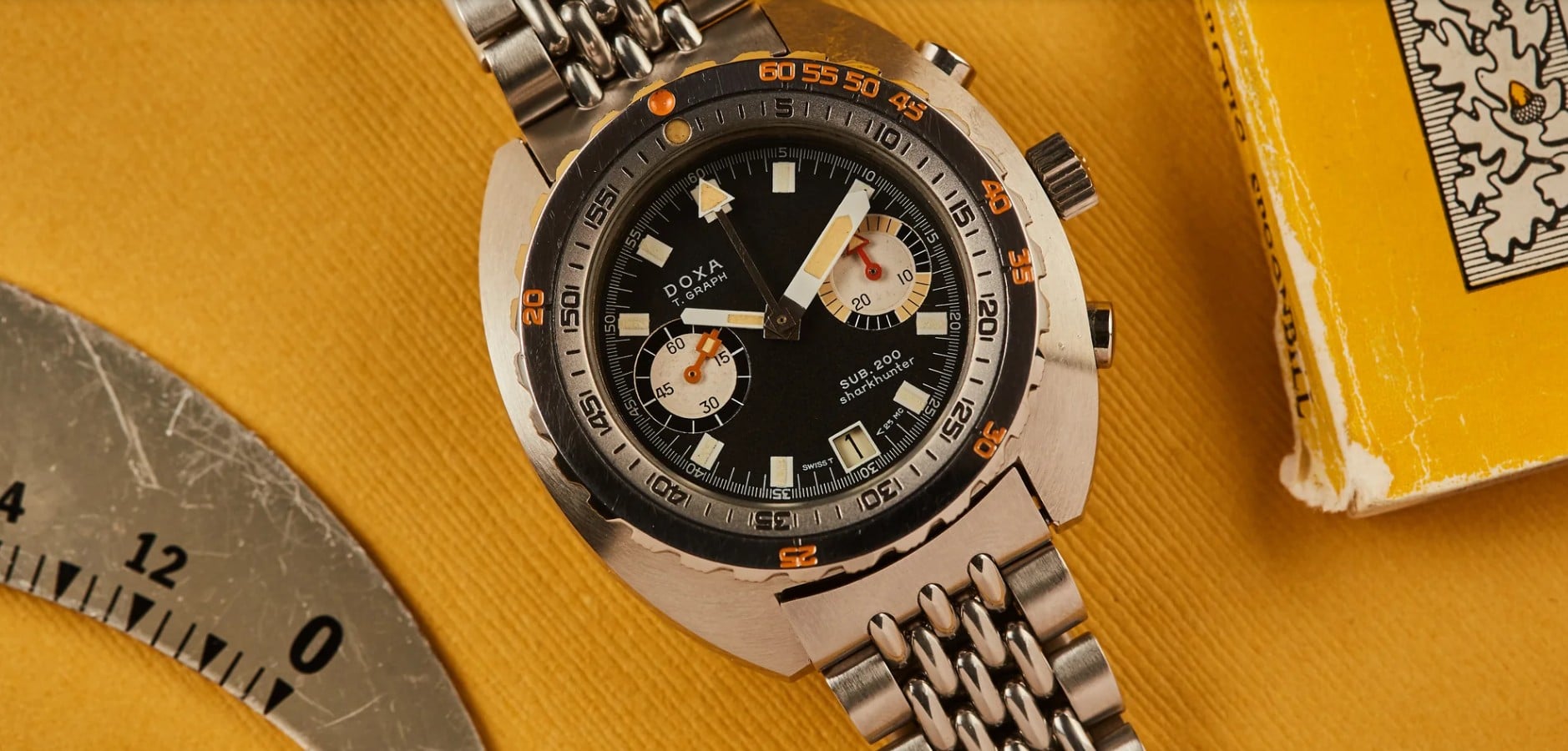
Image: Analog:Shift
Doxa’s history in this specific territory runs remarkably parallel. The original Sub 200 T.Graph from 1969 was one of the earliest examples of a dive watch that integrated a chronograph complication in a genuinely usable way. At a time when the professional dive watch was still finding its identity, Doxa approached the category from a practical standpoint rather than a luxurious one. The company’s cushion-cased Sub models already prioritized underwater legibility, decompression timing, and robust usability.
Adding a chronograph could easily have disrupted that clarity. Instead, the T.Graph managed to preserve the visual directness that made the Sub line so effective. Now, nearly 60 years later, the concept returns as the Sub 200 T.Graph II. What links these two watches philosophically is that neither brand set out to make a luxury chronograph that happens to be water resistant. Both set out to make instruments first and watches second. That distinction sounds obvious, but it is rarer than it should be.
Case and proportions
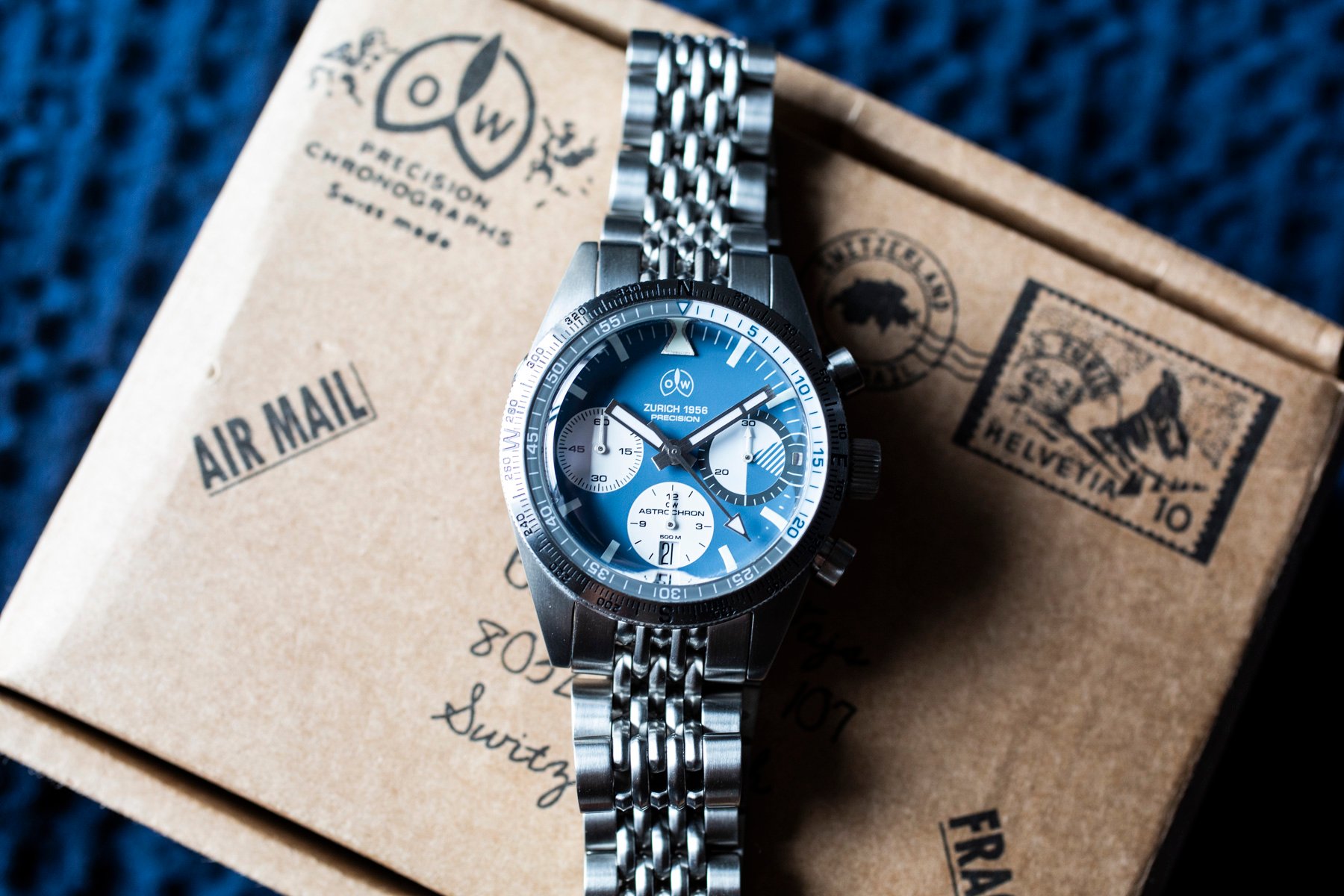
This is where the two watches diverge most emphatically. The Astrochron has a 39.5mm diameter, which sounds conservative on paper. On the wrist, however, it feels substantial, largely due to the 16.8mm thickness, a consequence of both the Valjoux 7753 movement and the engineering required to achieve 500m water resistance for a chronograph case. Usually, thickness like this becomes a deal-breaker. On the Astrochron, however, it somehow works. The fully brushed steel case gives the watch a utilitarian honesty that suits its personality perfectly. Nothing about the finishing suggests this is a strictly luxury object but, rather, a tool that should be used.
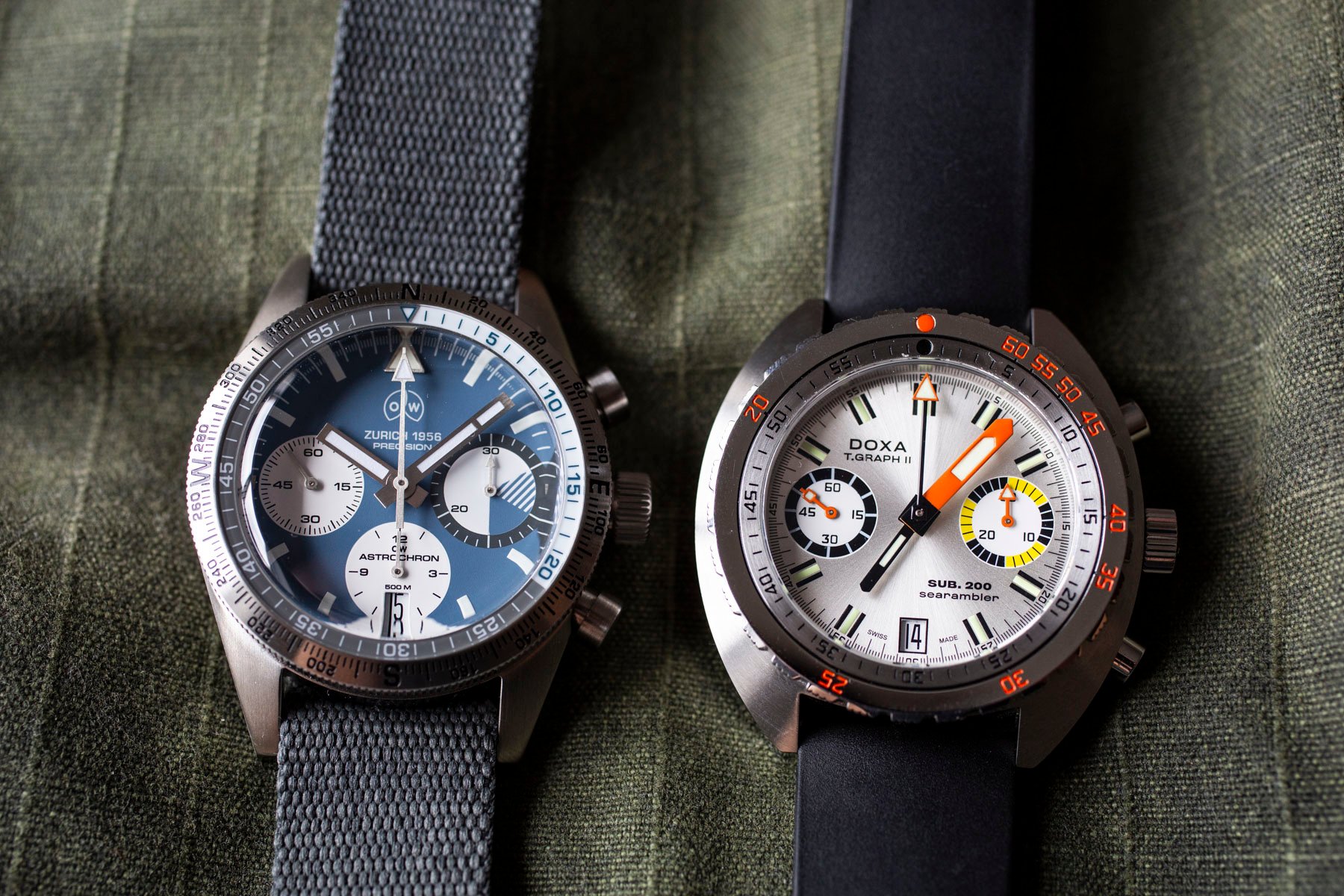
Doxa has taken a different route for the Sub 200 T.Graph II. This watch has a 42mm diameter (a 1mm reduction from its predecessor), a 14.6mm total thickness, and a 44.5mm lug-to-lug. Those numbers represent a meaningful improvement on earlier executions of the T.Graph concept. Older versions had plenty of charm but also substantial physical presence. The new case feels more controlled and balanced without losing the purposeful stance that defines the Doxa Sub family. The asymmetrical cushion profile remains unmistakably Doxa, but the watch now sits more comfortably across a broader range of wrists and behaves noticeably better under a cuff.
Neither approach is wrong. The Astrochron is thick because 500m water resistance in a chronograph case demands it, and Ollech & Wajs has the integrity not to pretend otherwise. The Sub 200 T.Graph II is slimmer because its engineering priorities are different. A 200m rating is more than enough for any realistic use, and Doxa has chosen to spend the remaining headroom on wearability. Both decisions are coherent with each watch’s wider character.
The dials and what they say about their respective brands
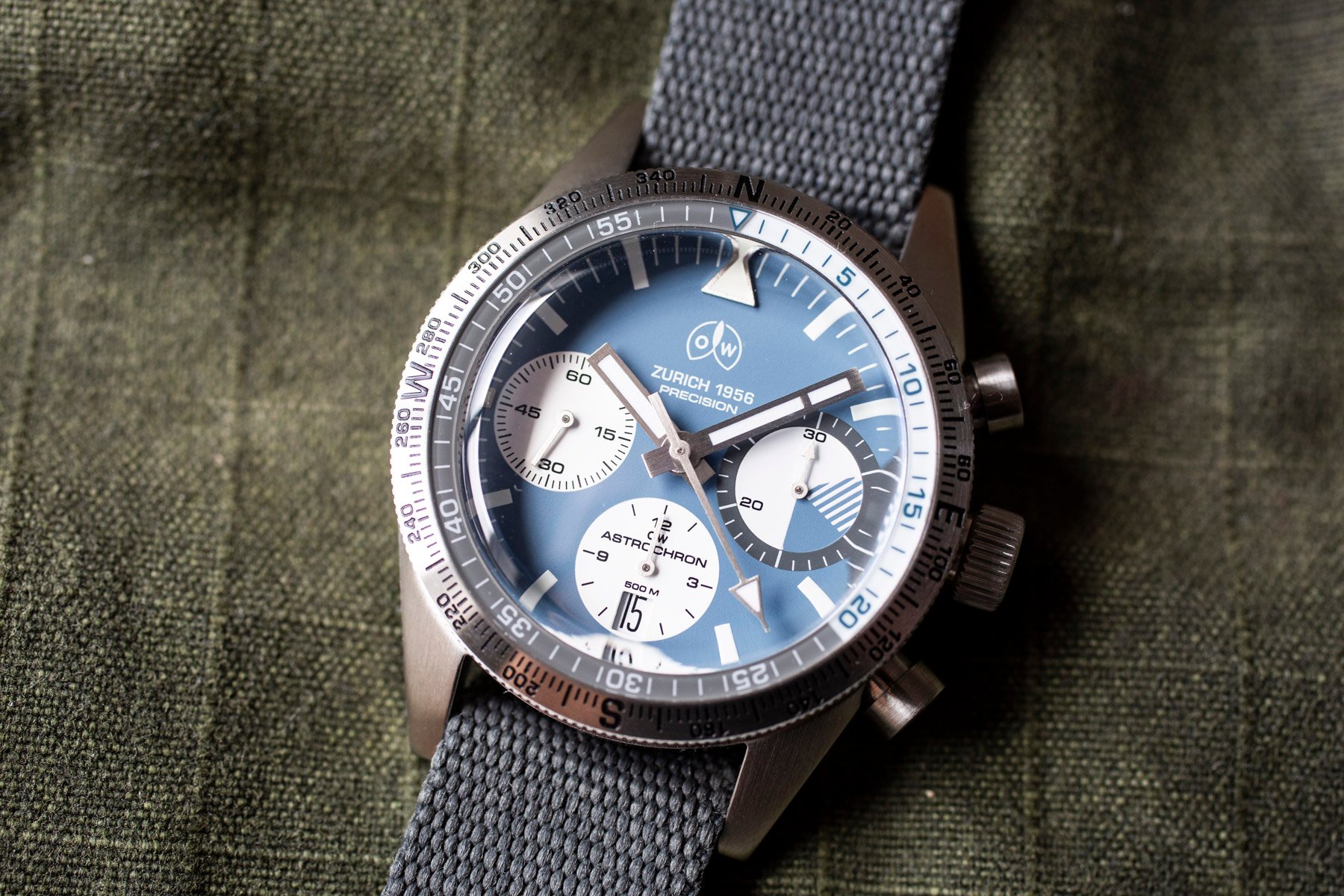
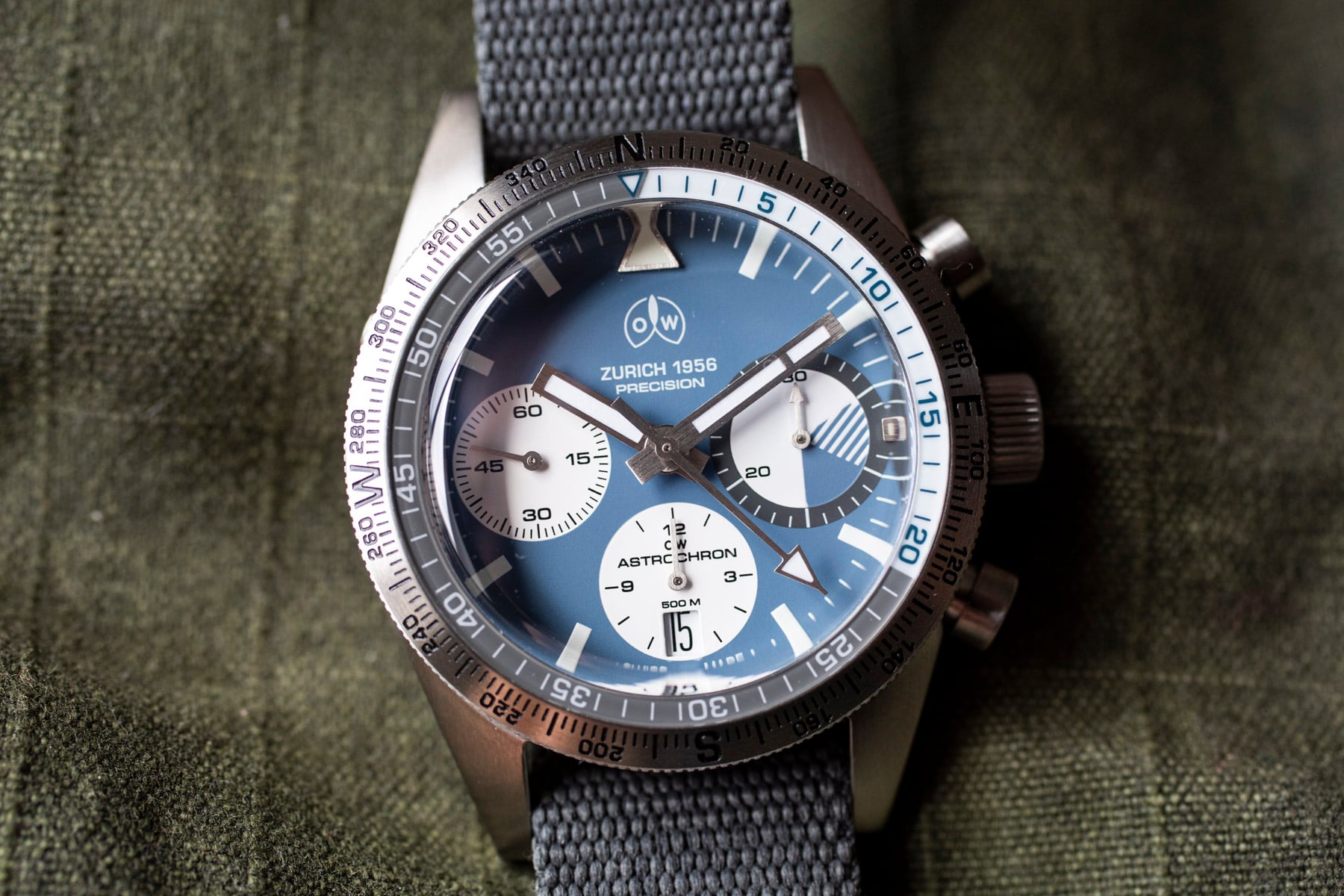
The Astrochron’s dial is busy, but crucially, it is busy with intent. The matte North Atlantic blue surface plays host to contrasting white sub-dials in a reverse-panda layout, giving it a distinctly late-1960s look. The enlarged registers are easier to read than those on vintage Astrochrons, and the subtle date integration inside the 12-hour counter avoids disrupting the symmetry too severely. What truly separates this watch from the endless parade of heritage chronographs is the sheer density of functionality. There is a regatta timer integrated into the 30-minute counter, a rotating compass bezel with cardinal markers, and an internal dive scale tucked beneath the sapphire crystal. Any one of these features could have become gimmicky in lesser hands. Thankfully, Ollech & Wajs somehow kept everything coherent.
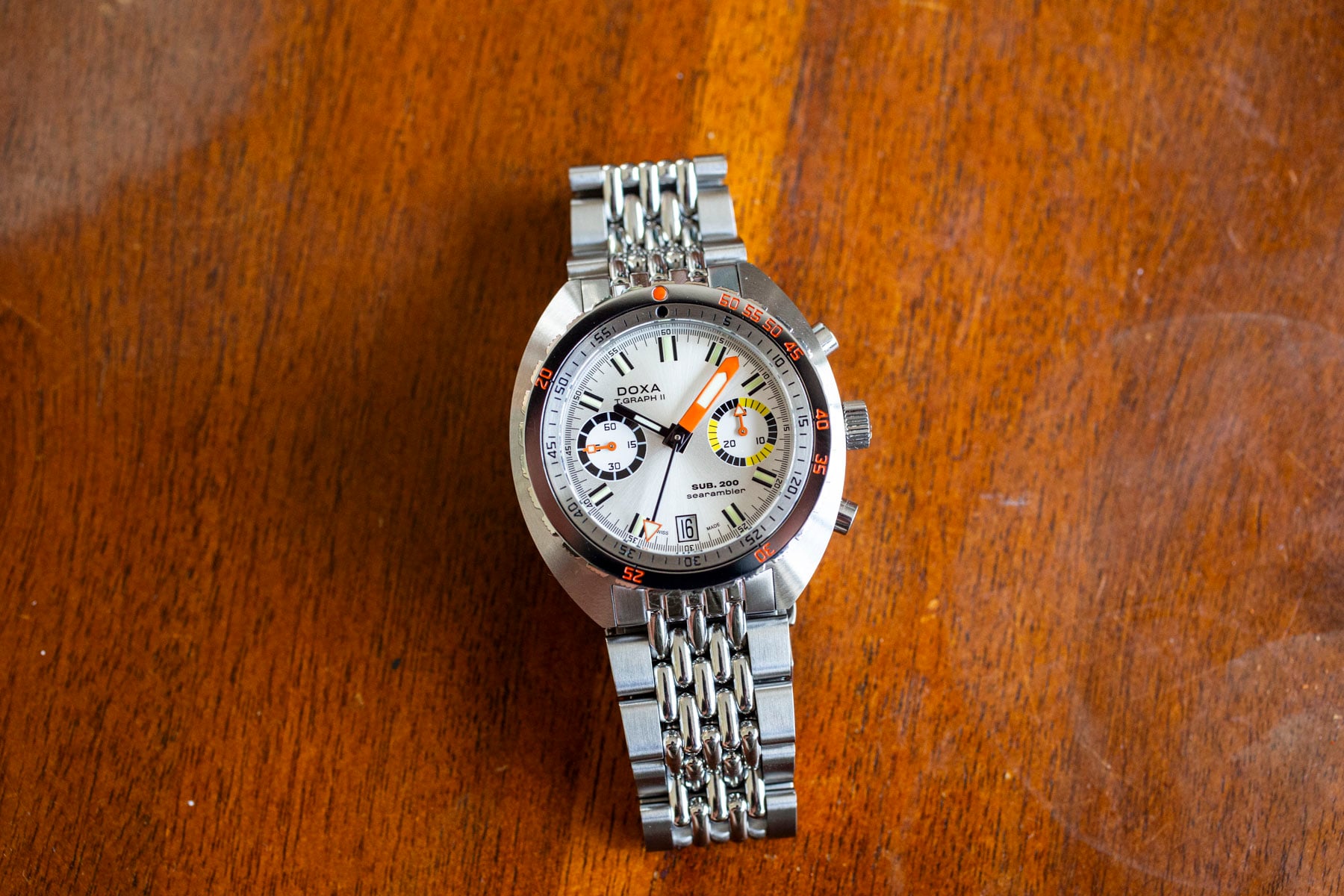
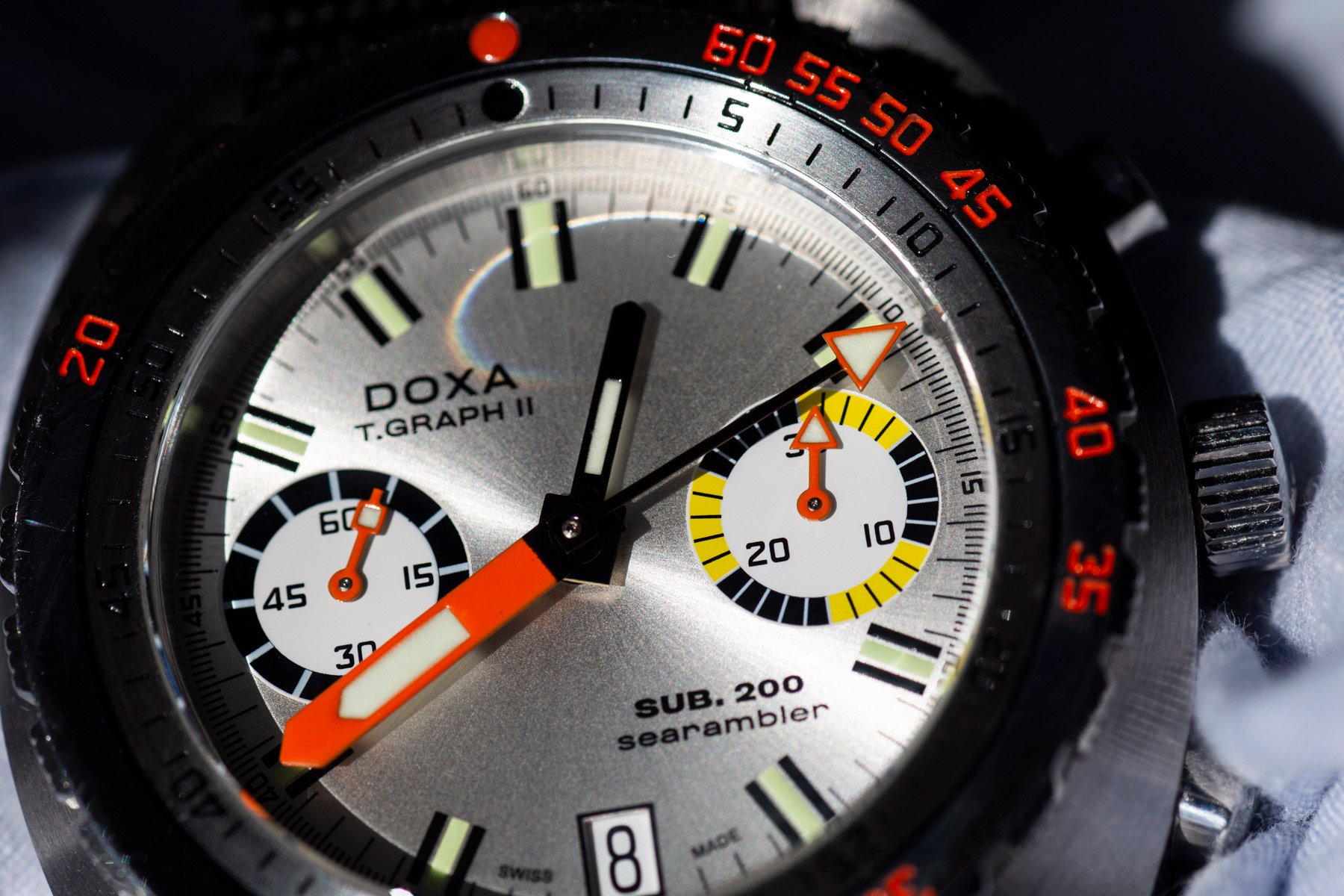
The Doxa’s dial tells a very different story. The Sub 200 T.Graph II uses a balanced two-register layout with a 30-minute counter at 3 o’clock and a 60-second counter at 9 o’clock, with the date positioned neatly at 6. The result is clean and highly legible despite the added information of the chronograph. This has always been one of Doxa’s core strengths. Even the brand’s most colorful models rarely feel visually chaotic. The broad minute hand, strong contrast, and simple geometric markers prioritize quick reading over decorative flourish.
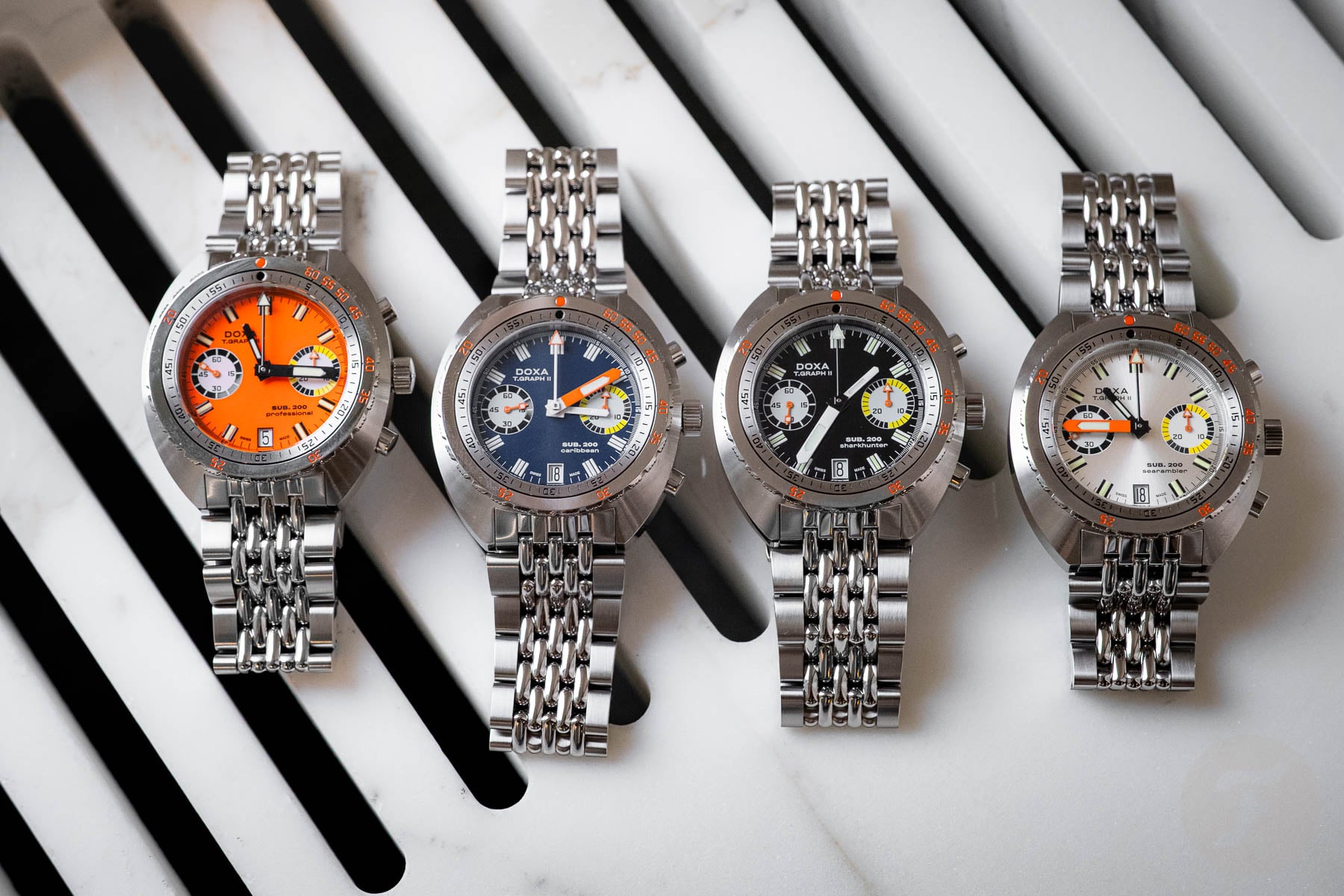
Bright colors on display
Where the Doxa really plays its hand is in color. The Sub 200 T.Graph II is available in Professional orange, Sharkhunter black, Searambler silver, and, new to the T.Graph lineage, Caribbean blue. The Professional orange dial taps directly into the late-1960s optimism that shaped the original Sub era, a period when dive watches represented exploration, adventure, and technical confidence rather than luxury signaling. The Caribbean blue brings a slightly more contemporary feel without sacrificing personality. Its cooler tone also calms the visual complexity that a chronograph layout naturally introduces.
The silver-dial Searambler is the most vintage-inspired of the group. Doxa’s color strategy has become one of the brand’s greatest strengths; most companies would struggle to make bright orange, turquoise, and silver feel like coherent parts of the same collection. Doxa somehow manages exactly that. The Astrochron competes on execution rather than color palette. Its matte blue dial and white sub-dials speak the same functional language as the rest of the watch — no performance, no drama, just purpose.
Movement and mechanical character
Both watches rely on proven Swiss calibers rather than in-house movements. Furthermore, both brands make that choice without embarrassment, which is exactly the right attitude. Inside the Astrochron sits the ETA/Valjoux 7753, regulated in-house by Ollech & Wajs to its OW Precision standard. Purists may lament the absence of a column-wheel chronograph, but the cam-actuated 7753 perfectly suits the Astrochron’s personality. It is robust, proven, serviceable, and capable of absorbing punishment. The chronograph action feels mechanical in the best possible way, slightly firm, deeply tactile, and satisfyingly agricultural.
Over the review period, accuracy remained consistently strong at roughly +5 seconds per day, and the 54-hour power reserve proved genuinely useful during weekend rotation. At this watch’s price point, many brands would have opted for a thinner but less characterful modular solution or chased exclusivity with an immature in-house caliber. Ollech & Wajs instead chose reliability. That decision aligns perfectly with the brand’s broader ethos.
Sellita vs. Valjoux
The Doxa is powered by the automatic Sellita SW510 chronograph movement with a 4Hz frequency and an approximate 56-hour power reserve. It is a practical and proven caliber choice that suits the watch’s straightforward character. There is no attempt to transform the T.Graph II into a precious object through exotic movement architecture or unnecessary finishing.
The focus remains squarely on utility and reliability. Interestingly, although the SW510 is Sellita’s version of the 7753, the two movements are different in feel. The Valjoux 7753 has a characterful, agricultural push to its chronograph operation that the SW510 does not quite replicate. Both, however, serve their respective watch’s personality admirably.
The bracelet: where the Astronchron and Sub 200 T.Graph II truly meet
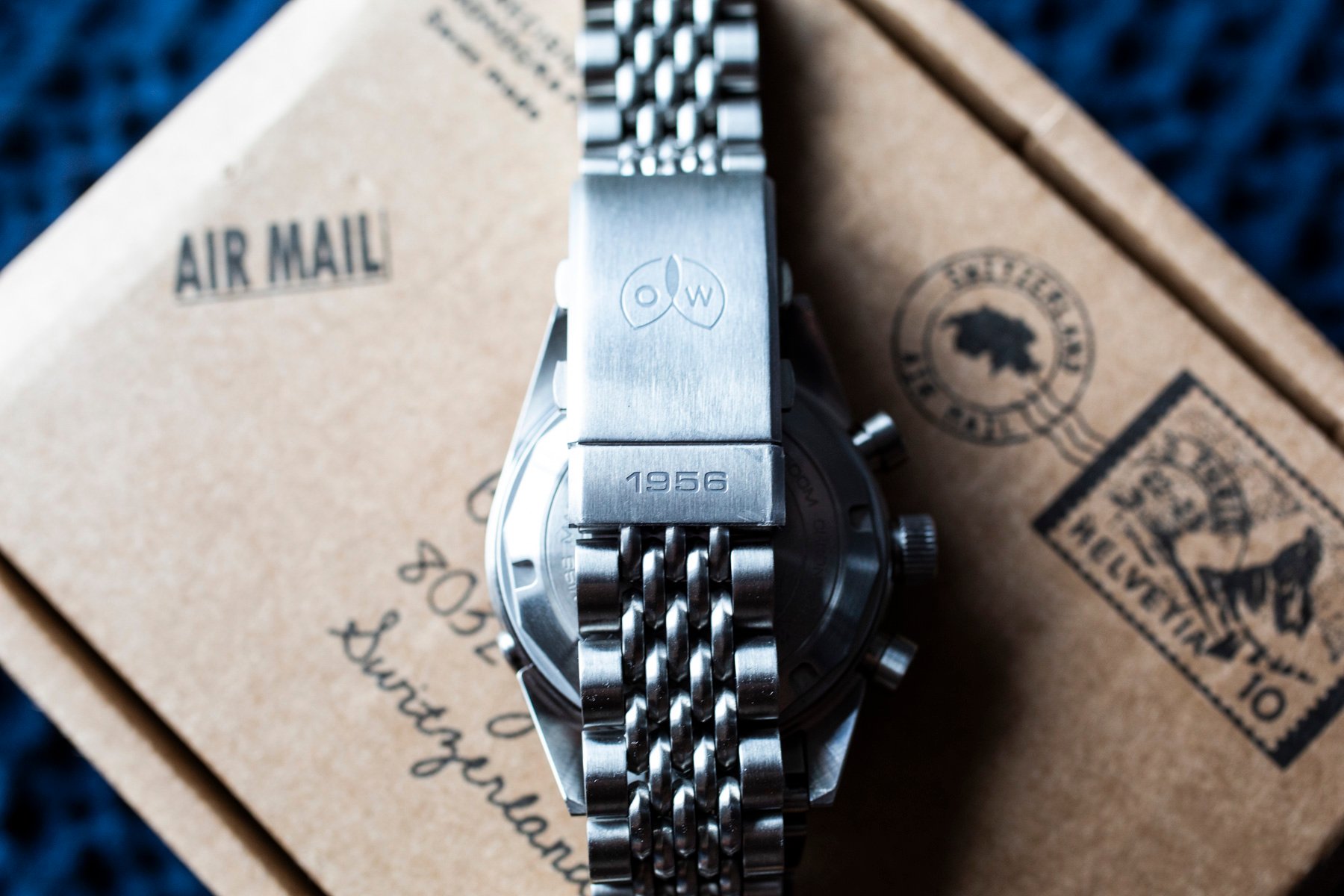
The beads-of-rice bracelet deserves a full section because it is the single element these two watches most directly share, and it is transformative for both. On the Astrochron, the bracelet dramatically changes the watch’s look and feel. With the standard Perlon strap, the Astrochron can feel slightly top-heavy. On the bracelet, it becomes more cohesive and wearable. The bracelet articulates well enough to keep the hefty case balanced, and its old-school construction perfectly matches the vintage-tool aesthetic. The Ollech & Wajs version is fully brushed and features a more slender but equally practical clasp with a dive extension activated by pressing two buttons beneath the OW logo. The finish plays beautifully against the blue dial, and the overall effect is of a watch and bracelet that were always meant to be together. I would strongly recommend specifying the bracelet with any Astrochron purchase.
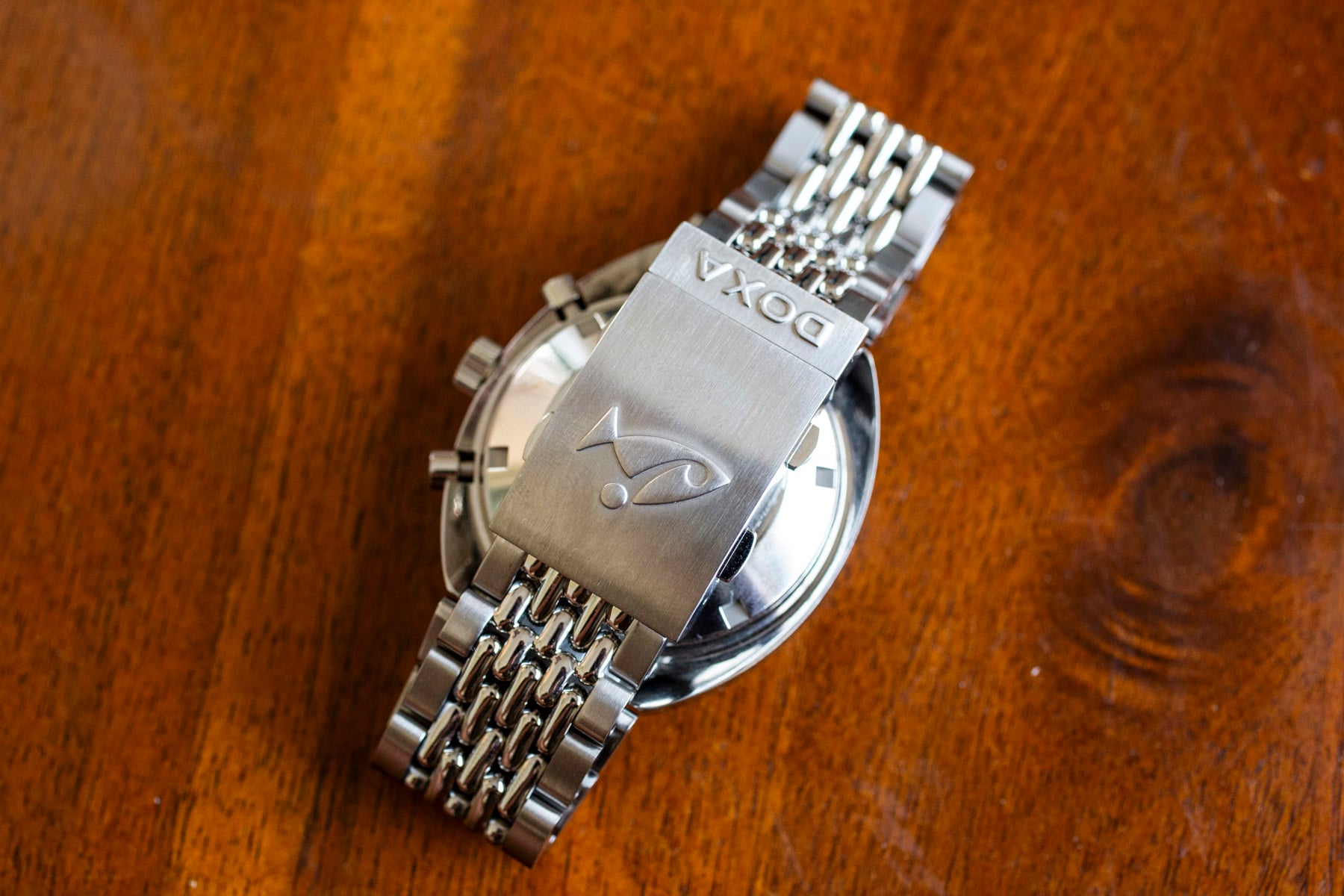
On the T.Graph II, the beads-of-rice bracelet feels inseparable from the complete package in a slightly different way. It reinforces the vintage-inflected character of the asymmetrical cushion case and contributes enormously to the overall personality of the watch. Buyers can alternatively choose a rubber strap, including dial-matching options for the Professional and Caribbean models, but the bracelet feels like the definitive expression of the T.Graph II. Whereas the Ollech & Wajs bracelet is entirely brushed, Doxa’s polished center links carry more of the brand’s visual identity. Both bracelets demonstrate a shared philosophy about what good bracelet design actually means. In an era when countless brands have adopted increasingly angular and aggressively machined bracelet designs, both Doxa and Ollech & Wajs have chosen to prioritize tactile experience over visual drama. The rounded links and fluid drape create a comfort profile that harder, more rigidly engineered bracelets rarely achieve.
Water confidence
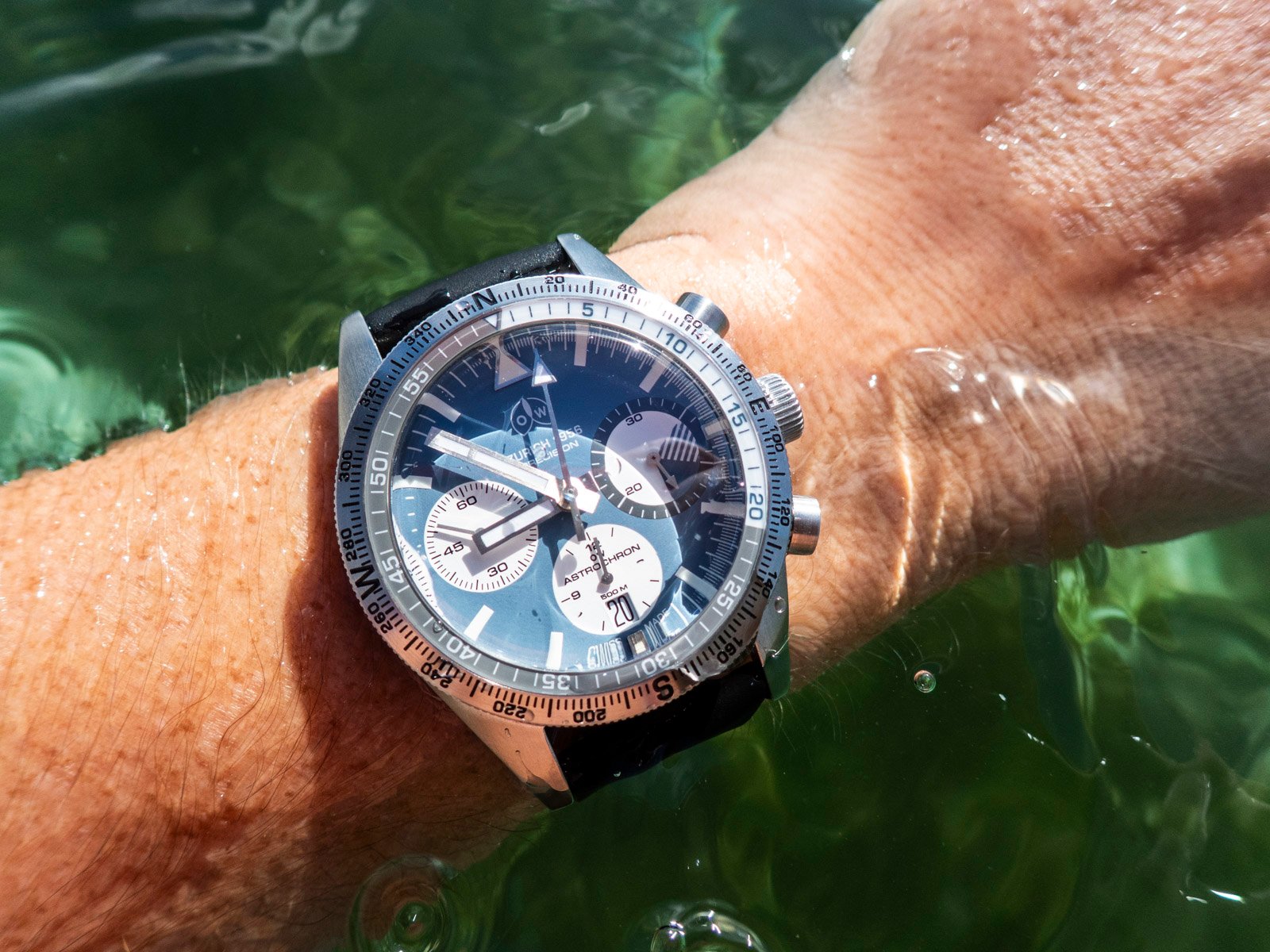
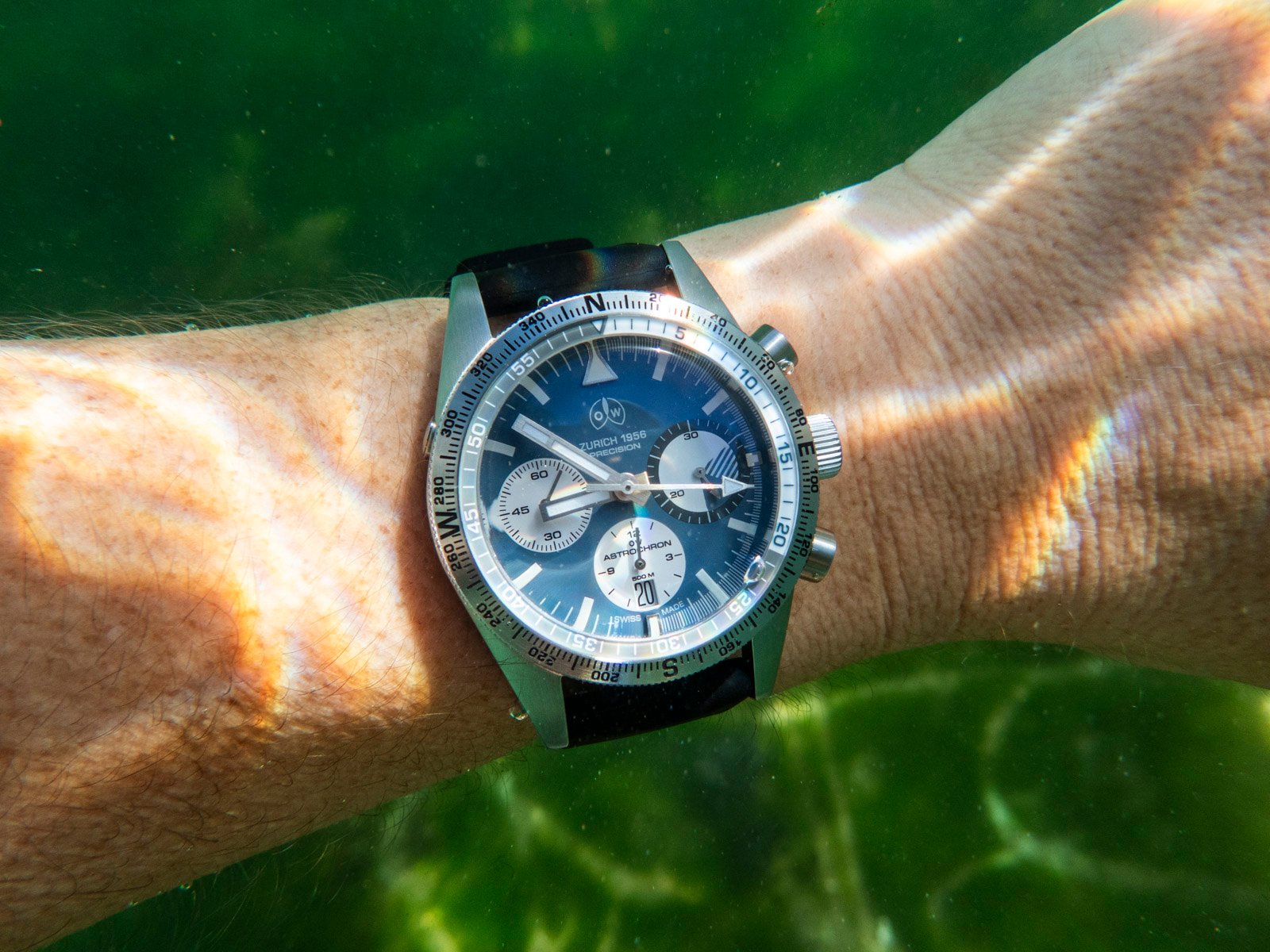
Of course, the Astrochron’s 500m depth rating is excessive for recreational use, but that excess contributes to the watch’s capability. After 40 minutes in the Pacific just off Sydney’s eastern coastline, the crystal remained totally clear, the Super-LumiNova stayed highly visible beneath the surface, and the chronograph pushers retained their satisfyingly mechanical click. Even transitioning from cool seawater back into the warm Sydney sun, the watch never fogged or lost clarity. The oversized pushers are easy to operate with wet hands, and the brushed surfaces never become slippery. Furthermore, the bezel grip remains excellent even after repeated exposure to saltwater. The Astrochron does not make you feel as though you are wearing an expensive object in the water. It behaves like equipment.
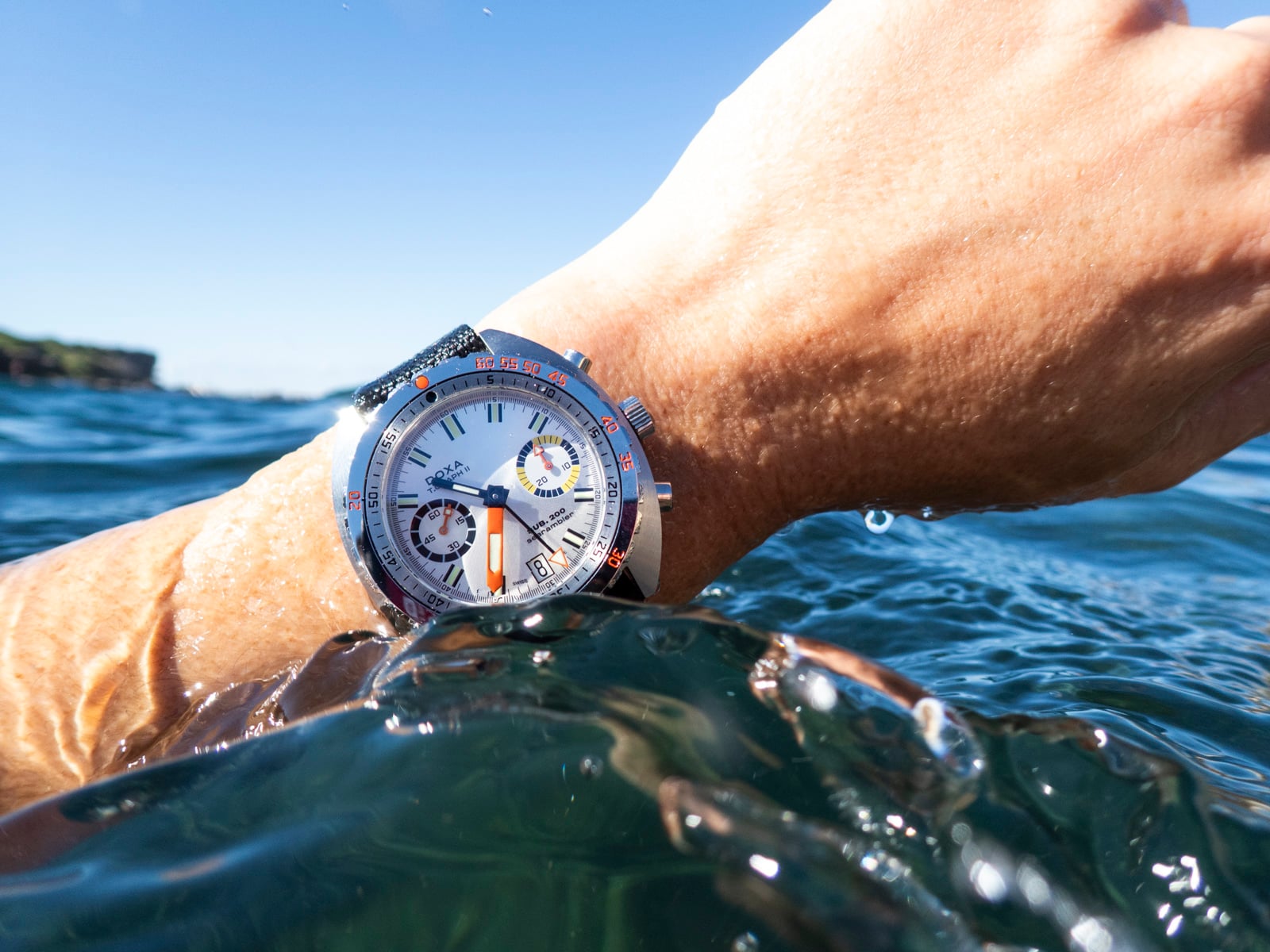
As its name implies, the Doxa Sub 200 T.Graph II operates safely to 200 meters underwater. This is the same rating as the original 1969 watch, and it’s more than sufficient for any realistic diving application. The brand’s framing is instructive: this is not a dive chronograph in the strict sense but, instead, a dive watch that incorporates a chronograph. The unidirectional bezel remains the primary timing tool underwater, with the chronograph functioning as a complementary surface instrument for shorter intervals. That functional hierarchy is sensible, and it reflects the watch’s honest character.
The verdict: a draw with a personal preference
These are two genuinely good chronograph dive watches. They share a bracelet type, a commitment to purposeful design, and a stubborn refusal to chase trends outside their lanes. They differ in heritage, aesthetic language, functional ambition, and the kind of identity they project. The Astrochron is the more functionally obsessive of the two, thick, packed with purpose, and entirely unconcerned with mass appeal. As I noted in my full review, no focus group would have requested a compass-bezel dive chronograph with a regatta counter and 500m depth rating. Yet, here it is, and it is magnificent for exactly that reason. It occupies a strange and compelling corner of modern horology, being historically significant enough to matter, obscure enough to avoid hype, and independent enough to take risks.


The Doxa is the more visually expressive choice, deeply rooted in a specific moment in watchmaking history and entirely comfortable with that identity. What makes the Sub 200 T.Graph II particularly compelling is how little it tries to impress outside the established Doxa universe. You can identify one from across a room. That kind of identity matters more than ever in a crowded sports-watch landscape.

Concluding thoughts
Calling one of these watches objectively better than the other would be impossible. They are matched in quality, thoughtfulness, and conviction. The right choice depends entirely on which kind of watch relationship you want. The Ollech & Wajs Astrochron (€3,453) rewards those who want a genuine instrument and are prepared to accept the physical consequences of 500m engineering; the Doxa rewards those drawn to a refined daily companion with a more expressive visual character.
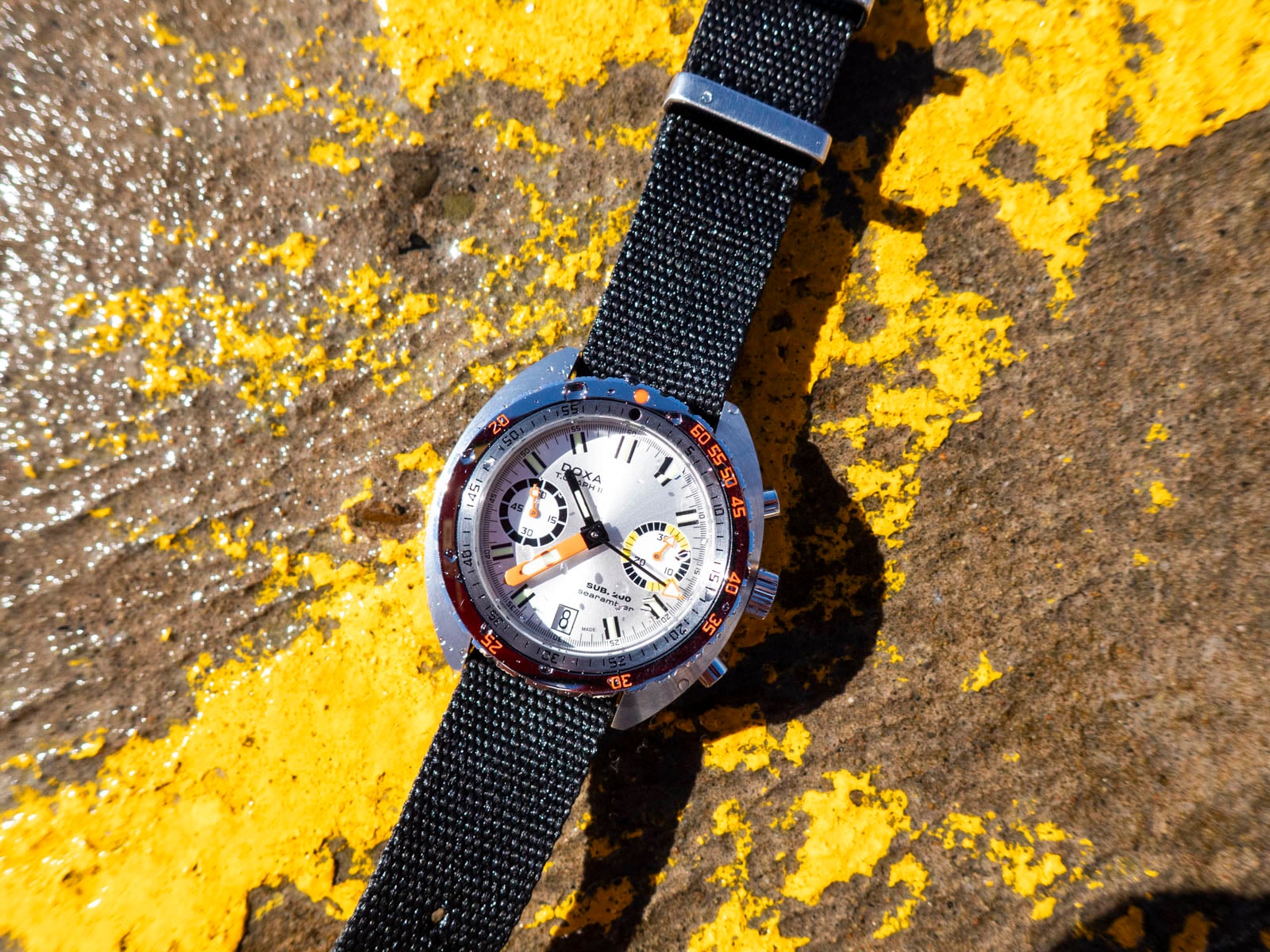
For me, the Doxa is the winner, but that’s not because it is technically superior. It is not, or at least not in any way that matters for my actual life. It is simply that the Sub 200 T.Graph II (€3,990) speaks a design language that I find impossible to resist. The cushion case, the color, and the unmistakable combination of bezel and dial connect with something visceral rather than purely rational. Watches are emotional objects as much as mechanical ones, and the Doxa earns something closer to affection, whereas the Astrochron earns something closer to respect. Both are worthy responses to a very good piece of watchmaking.