Seiko Doesn’t Rest On Its Laurels: Introducing Two Seiko Presage Classic Series “Craftsmanship” Watches

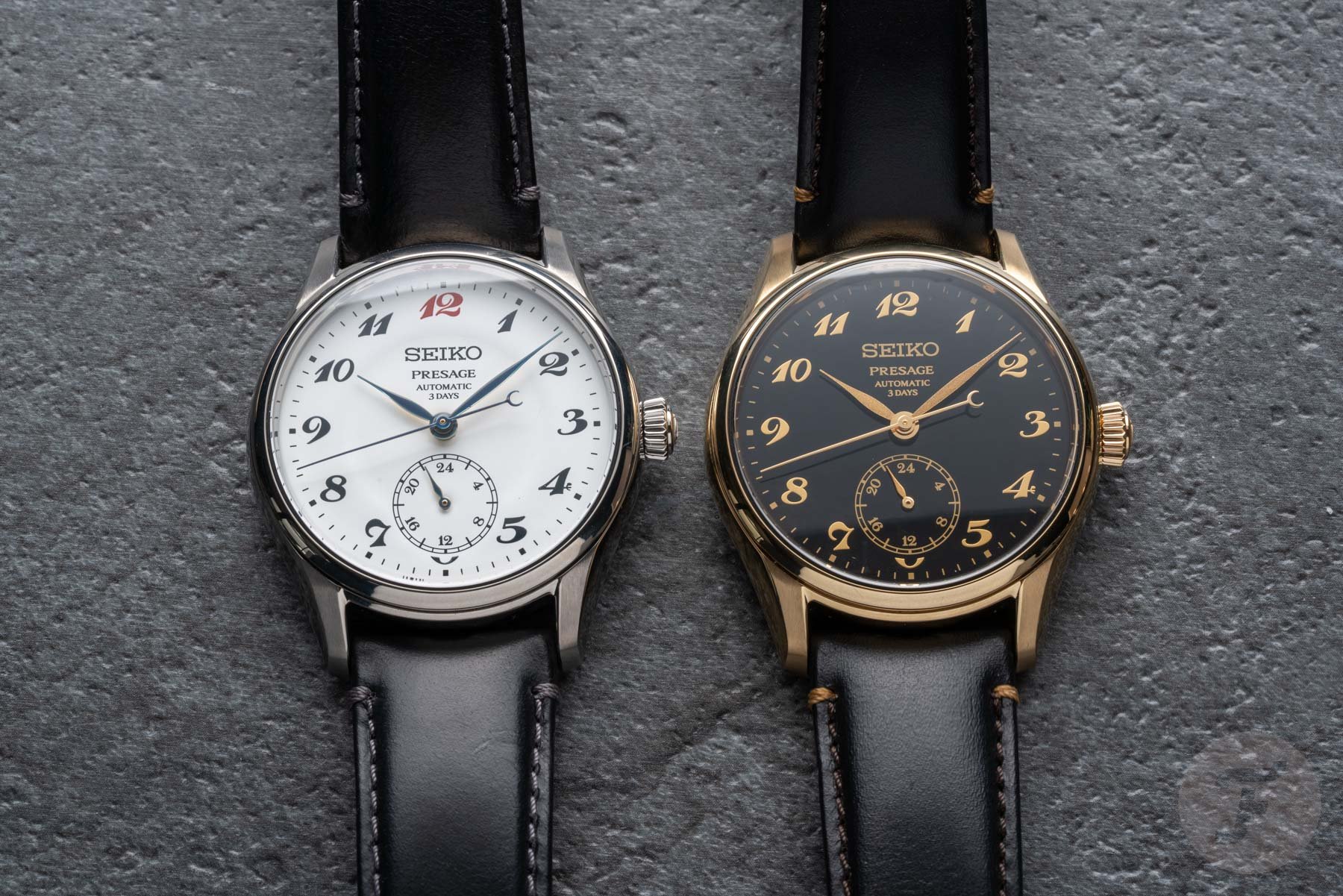
Seiko’s and Japan’s very first wristwatch, the 1913 Laurel, is one of the prettiest watches I have ever seen. More than a century after its conception, it still looks fresh. It’s also, as you can imagine, a rather important watch. To underline that and make it possible to wear a watch that honors the beginning of Japanese watchmaking, two Seiko Presage Classic Series “Craftsmanship” Creations make their appearance. The HCC005 Enamel Dial stays closest to the 1913 original with its Italic Arabic numerals and bright red “12” on a soft white, hand-made enamel background. The HCC06, with its yellow-gold-toned PVD-coated steel case and black Urushi hand-lacquered dial, honors the brand’s first-ever wristwatch in a moody way. A good mood, by the way.
When the modern Presage collection debuted in 2016, it aimed to bring mechanical watches featuring traditional Japanese artistry, such as Urushi lacquer, Arita porcelain, enamel, and textured dials, to a large audience. It was an ambitious and surprising effort, and the watch that stood out the most was the Presage 60th Anniversary Automatic Chronograph SRQ019 with its white enamel dial. Over time, the collection evolved, and sub-collections appeared. The two new watches you see here are part of the Classic Series “Craftsmanship” line. This line is now the showcase for Japanese decorative arts, and the latest additions return directly to the 1913 Laurel for inspiration.
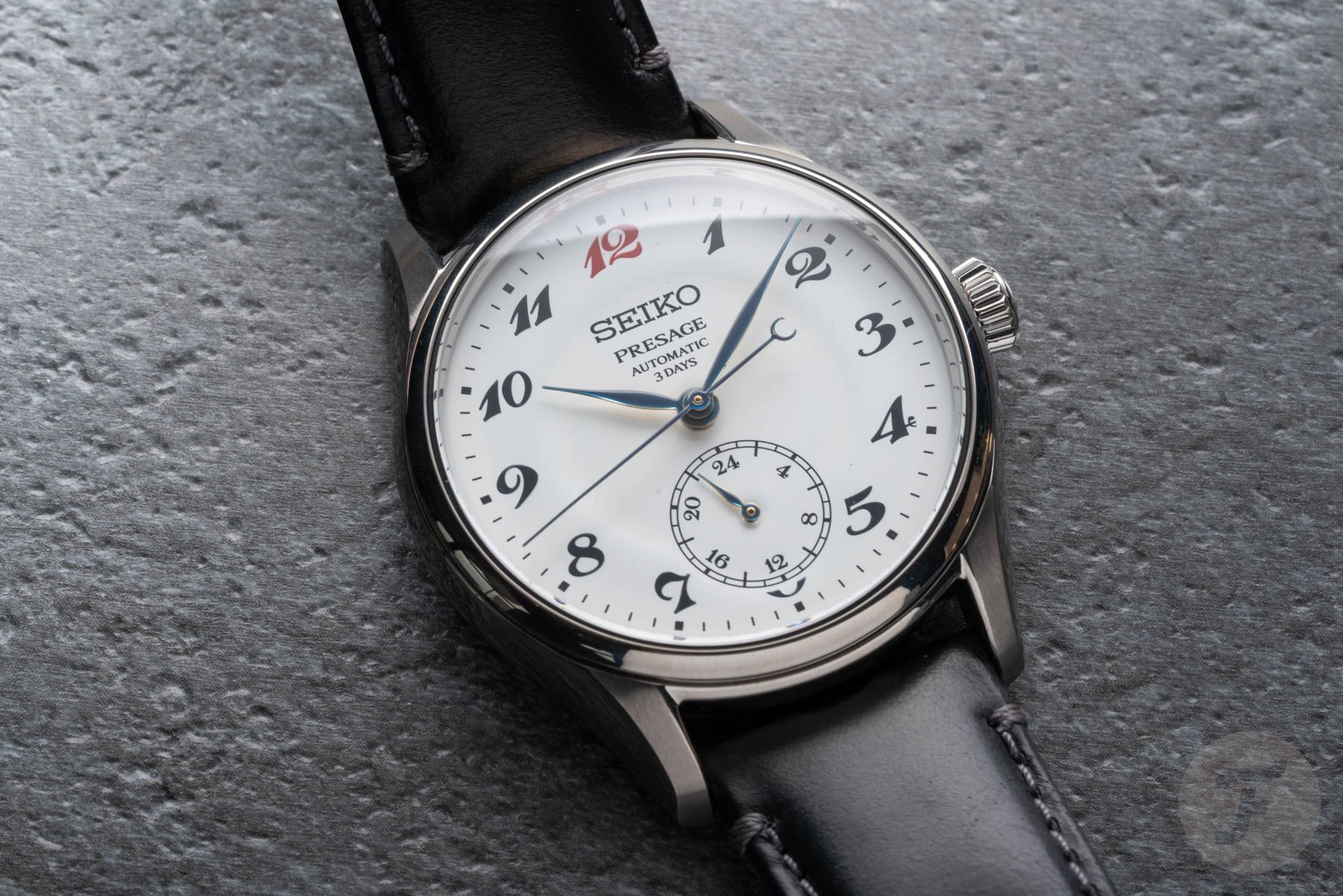
Introducing two Seiko Presage Classic Series “Craftsmanship” Creations: One with an enamel dial, the other with an Urushi lacquer one
The Seiko Presage Classic Series “Craftsmanship” Creations HCC005 Enamel Dial and HCC006 Urushi Dial both feature hand-made dials. Considering the price (€1,430 and €1640 respectively), those are outstanding features. Both dials uplift these two Presage creations above the ordinary. The dials, with their varied surfaces, depth, subtle shine, and color, were made using traditional techniques. And it shows. They seem livelier than a standard machine-made one.
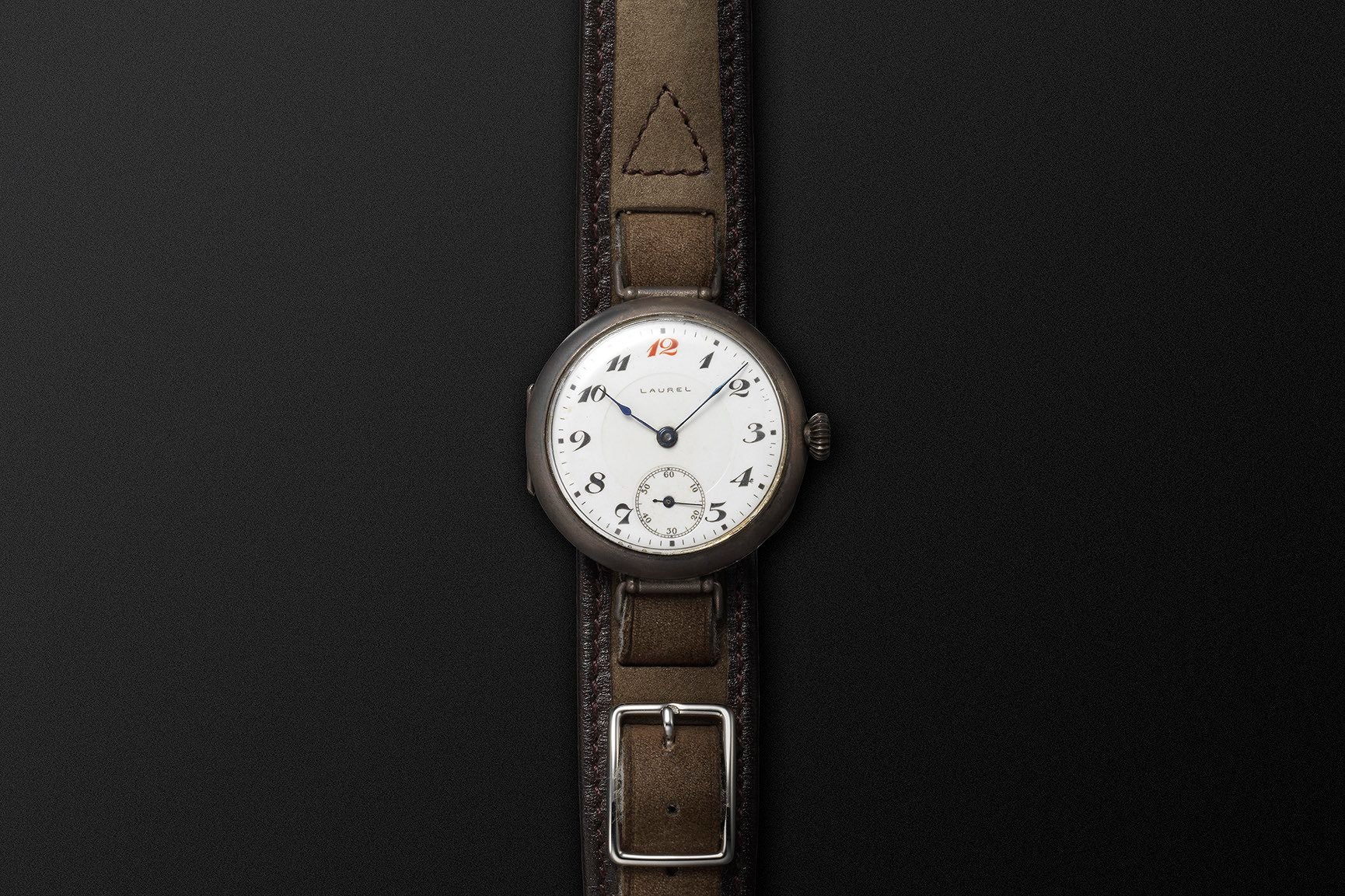
The original Seiko Laurel from 1913
Both new watches take the 1913 Laurel as a starting point and then reinterpret it in a historical way. The result is a watch duo with contemporary proportions and construction, but with a distinct historical charm.
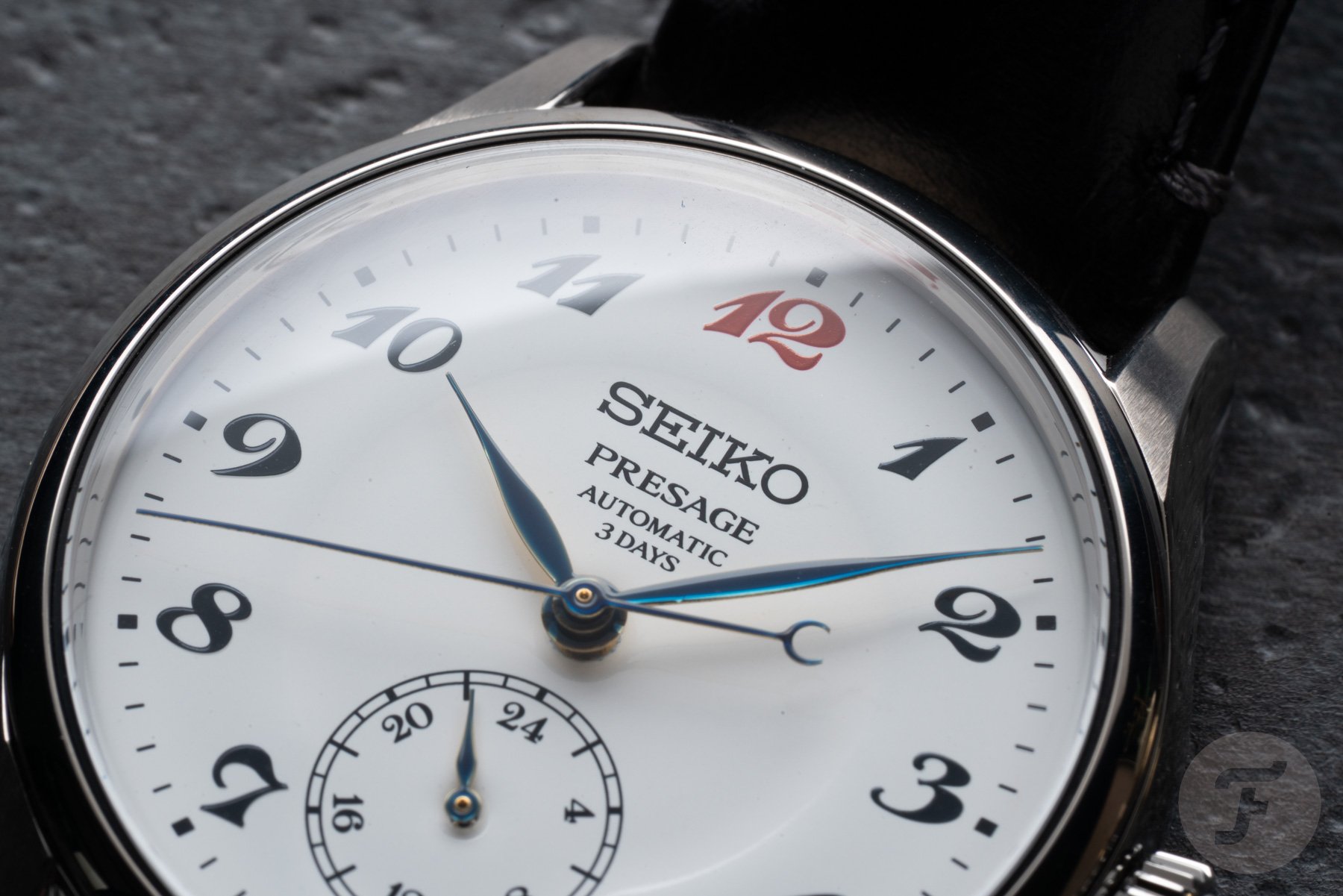
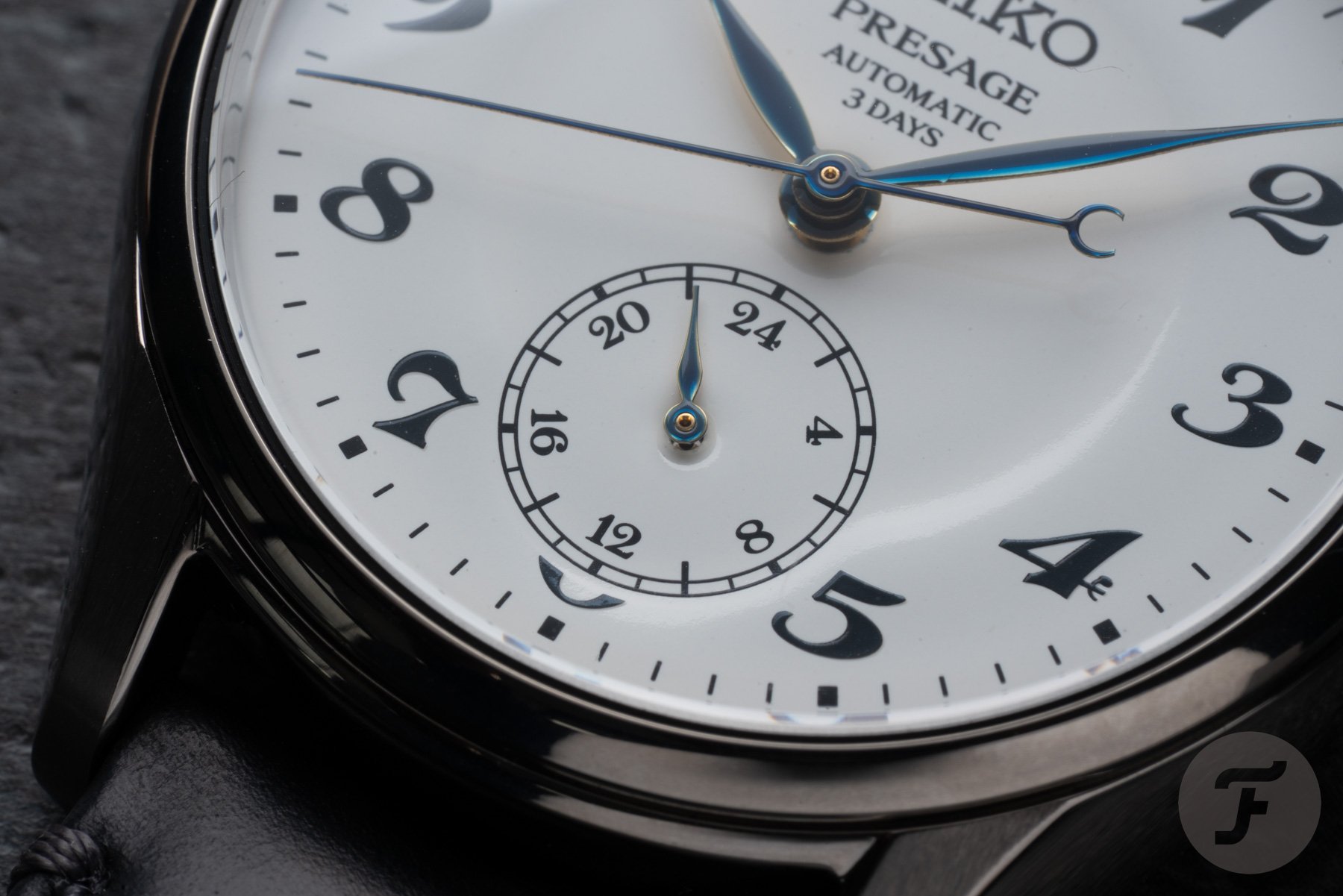
The Seiko Presage Classic Series “Craftsmanship” Creations HCC005 Enamel Dial most closely resembles the Laurel. Its white dial features Arabic numerals in a distinctive and dynamic typeface, and the prominent red “12” is the bright eye-catcher. The red numeral breaks up the monochromatic and restrained dial in a delicate way. It doesn’t do it loudly, but it sure does it clearly. It also proves the timeless quality and power of the original 1913 Laurel dial. This must be one of the most expressive dials ever made, and it sure proves that timelessness is a thing.
Longevity
Longevity is quite a hot topic these days. Mostly in the context of human beings trying everything in their power to keep living a healthy life as long as possible. When it comes to watchmaking, enamel and longevity go hand in hand. When properly made, an enamel dial can retain its color and appearance for generations. That longevity, however, comes with a demanding production process. The enamel must be applied and fired with considerable precision, and seemingly minor changes in temperature and humidity can affect the result. Even the composition of the glaze may need to be adjusted to account for changing conditions.
To make sure the dials of the HCC005 are pristine yet lively and as close to perfection as you can imagine, Seiko called in two master enamel artisans, Mitsuru Yokosawa and Kazunori Uchiyama. Their objective is to create a clean, evenly finished white surface. Achieving that consistency requires considerable experience. It is one of those crafts where the skill of the person making the dial is just as important as the materials involved. The result is a watch face that almost seems to breathe. It looks soft and inviting, pristine, but not clinical. It has depth and yet is also very clear. What also makes the enamel dial of the HCC005 so interesting and pleasing to look at is its recessed center, which draws the eye in.
Black Urushi and gold accents
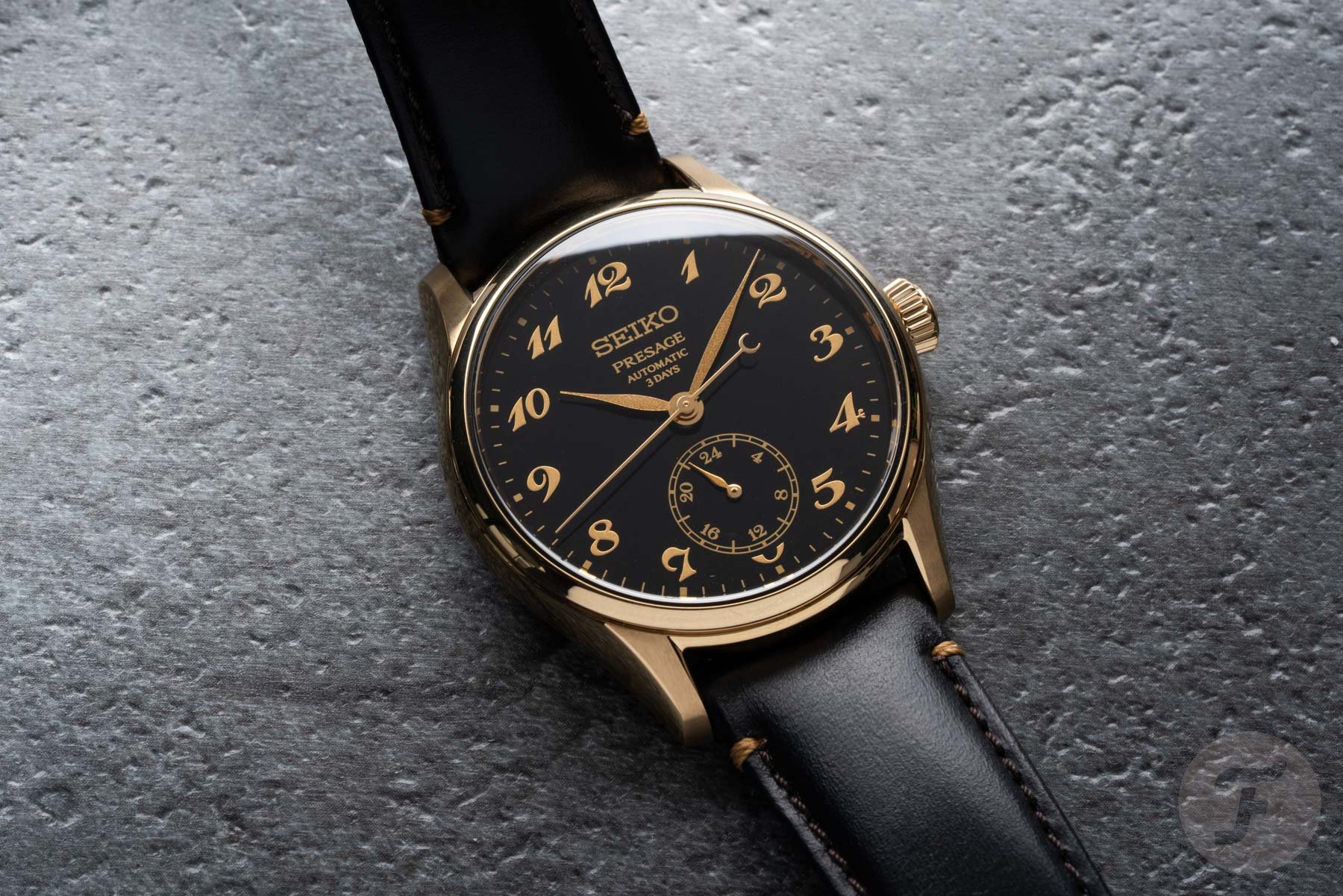
The second watch, with its yellow-gold-toned PVD-coated steel case, takes a different route, using Urushi lacquer to reinterpret the Laurel’s design. Here, the dial is deep black, with gold-colored elements providing contrast. The hands and indices have a pronounced texture and dimensionality. It gives the dial much more visual depth and appeal than its relatively simple layout might suggest.
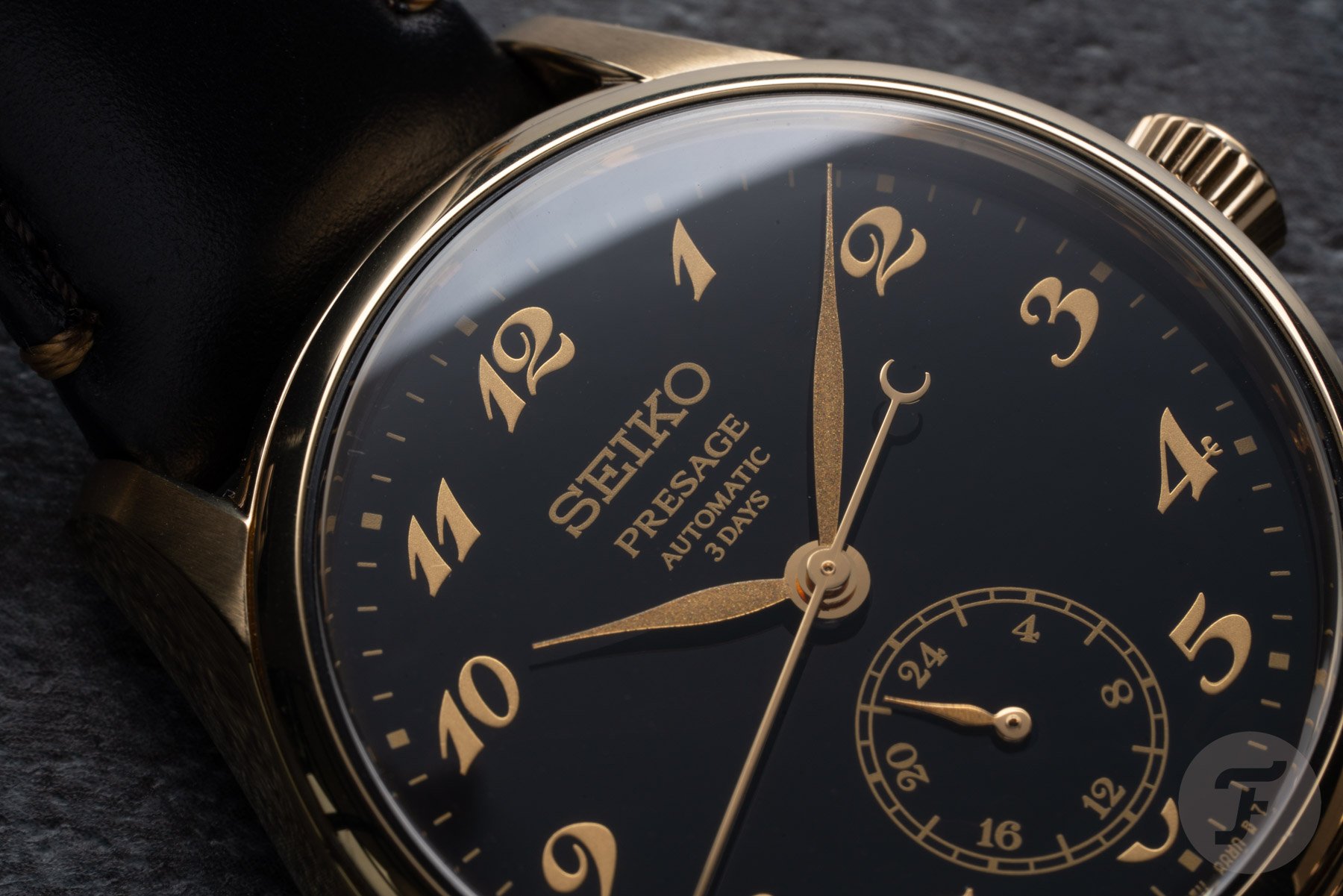
Seiko chose to use Urushi lacquer for this Laurel homage since it is one of Japan’s oldest traditional crafts. The lacquer is applied and polished repeatedly by hand, a process that requires time and considerable patience. Over time, the material develops its characteristic depth and luster. Because of the high quality of both the lacquer and the craftsmanship, an Urishi dial is also incredibly durable. This is also one of the reasons the centuries-old craft of Urushi is still alive and kicking today.
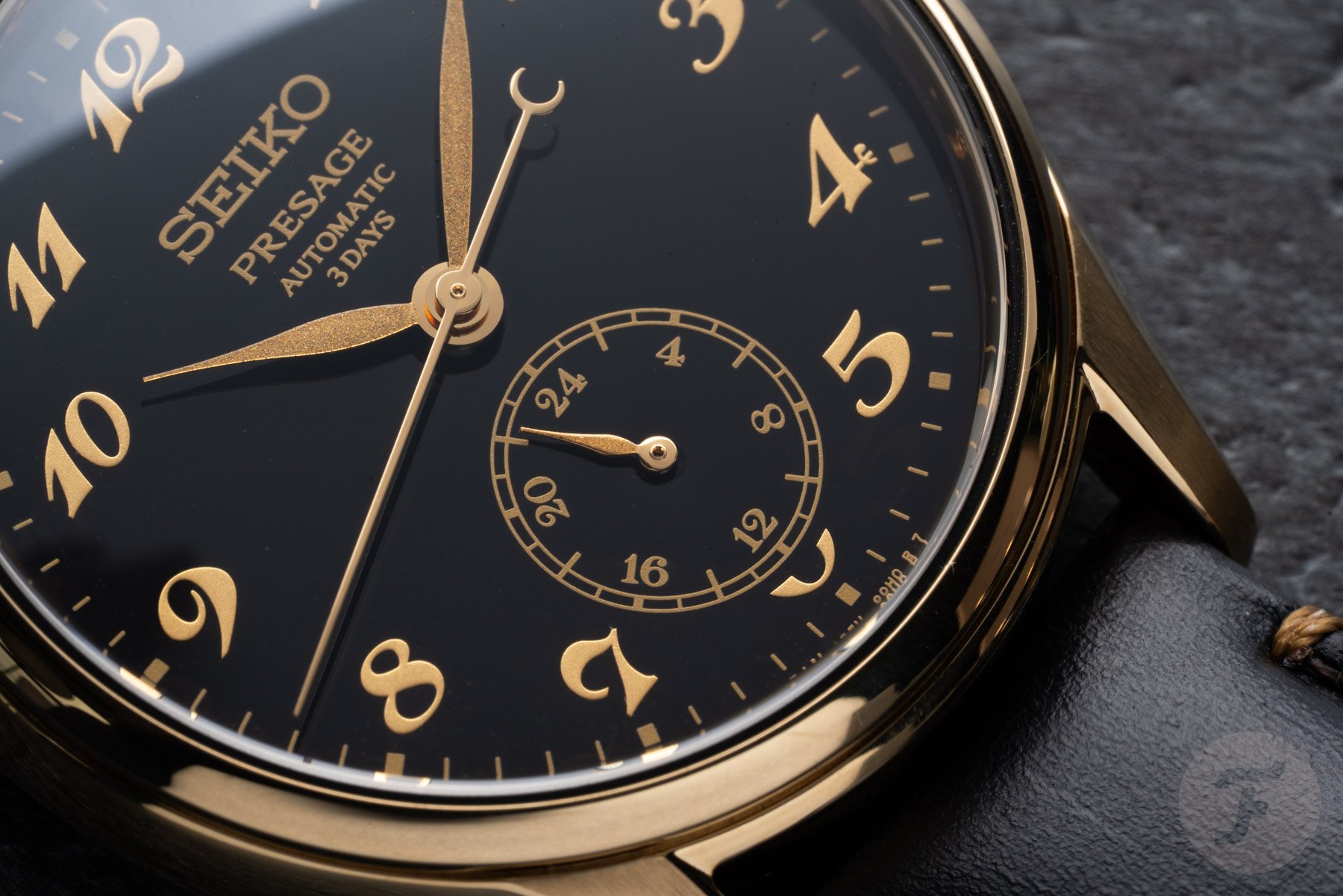
The dials of the HCC06 Urushi Dial timepieces are made by Toshikazu Tsuji, his daughter Mitsuki Tsuji, and their team under the supervision of master Isshu Tamura. Their work is rooted in the Echizen Urushi tradition, one of Japan’s oldest lacquerware traditions. If you are interested in this craft and want to explore it further and want to learn more, Mitsuki Tsuji has also expanded her practice through her studies with Tamura in Kanazawa. This collaboration brings together the traditions of Echizen and Kanazawa urushi. Do you know what the difference is? See the answer at the end of the article.
Contemporary Presage cases
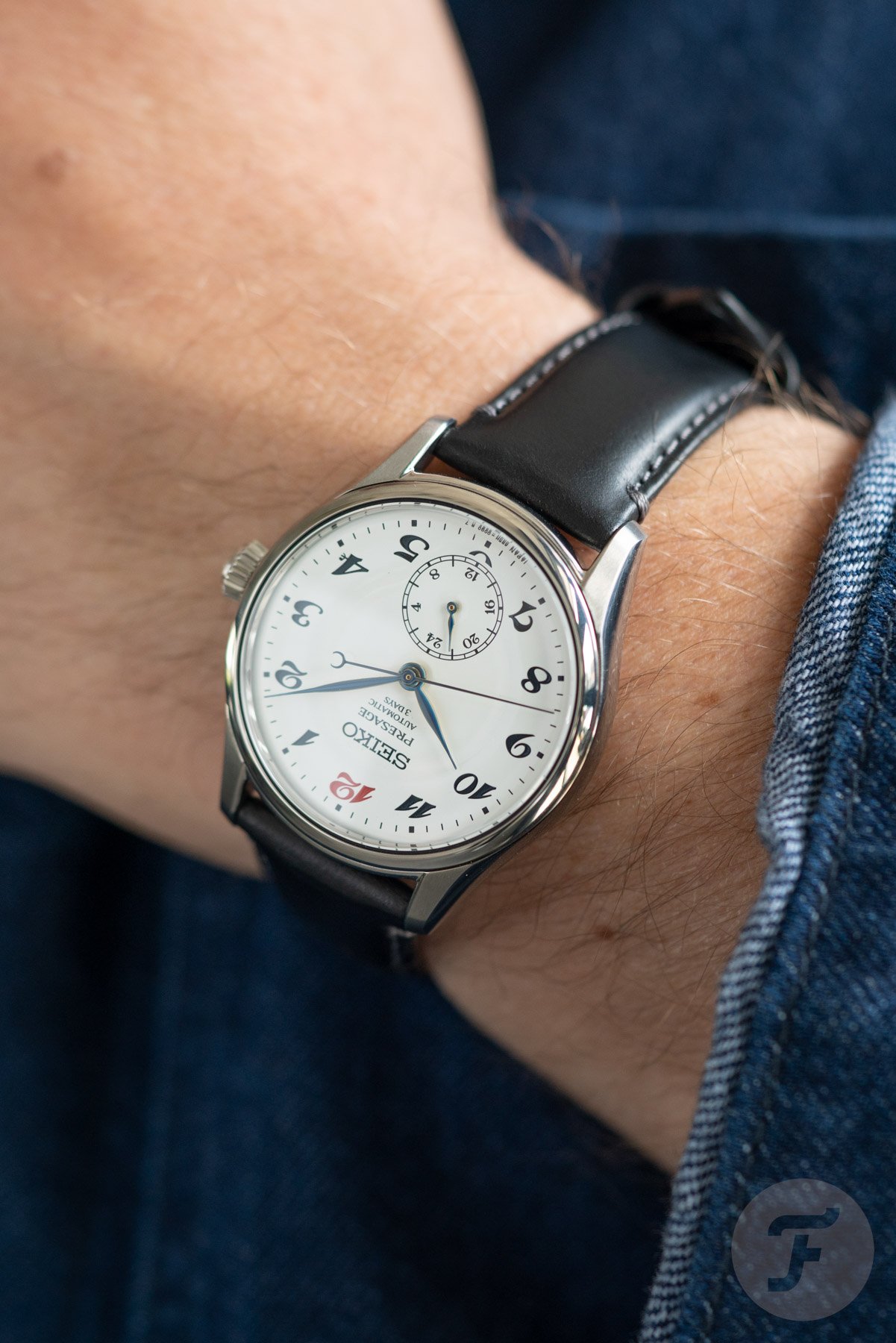
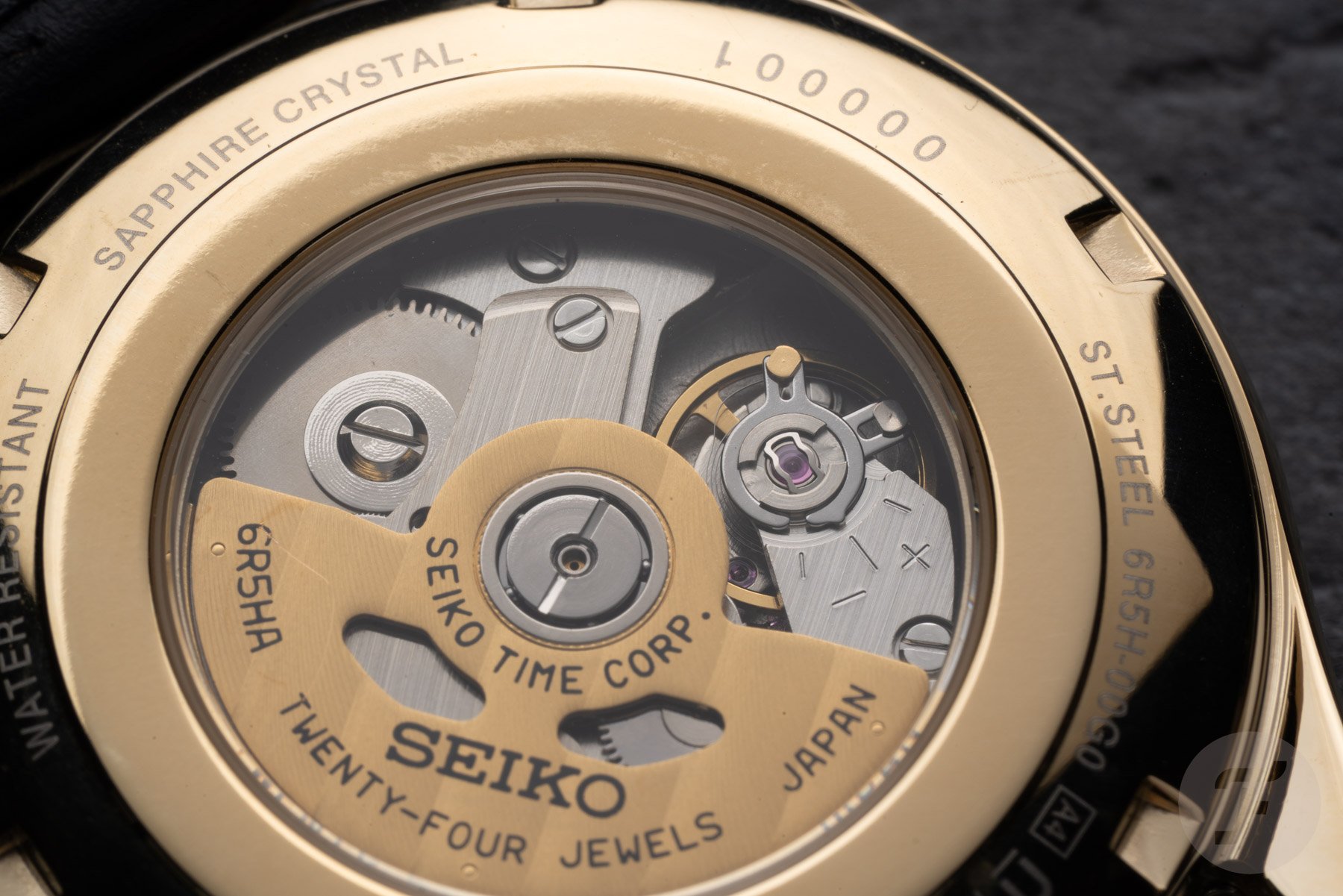
Both new watches use the latest case design developed for the Presage Classic Series “Craftsmanship” line. The 39.6mm-diameter case, with a thickness of 12.4mm and a length of 46.8mm, has a shape that lets the handmade dials shine by giving them ample visual space, while their curved surfaces add depth to otherwise relatively restrained designs. A dual-curved sapphire crystal further contributes to the rather slim profile and keeps the overall appearance clean. For your info, it’s the same case Seiko uses for the HCC007 with its cobalt-blue Arita porcelain dial. On an 18cm wrist, the case size won’t be a problem. But it might be slightly on the large side for enthusiasts who prefer smaller watches.


Inside, the case (which is rated to 30m of water resistance) beats the Seiko Caliber 6R5H. The 24-jewel automatic movement provides approximately 72 hours of power reserve, and its accuracy is +25 to -15 seconds at a normal temperature range. Not sure if the heatwave we’re experiencing here at Fratello HQ affects the movement’s rate, though it seems to work just fine.
Both new Presage models come with an oil-tanned leather strap made using leather sourced from Leather Working Group-certified tanneries. The tanning process incorporates oils into the leather to give it a combination of suppleness and durability. You close the strap with a stainless-steel three-fold clasp with a push-button release.
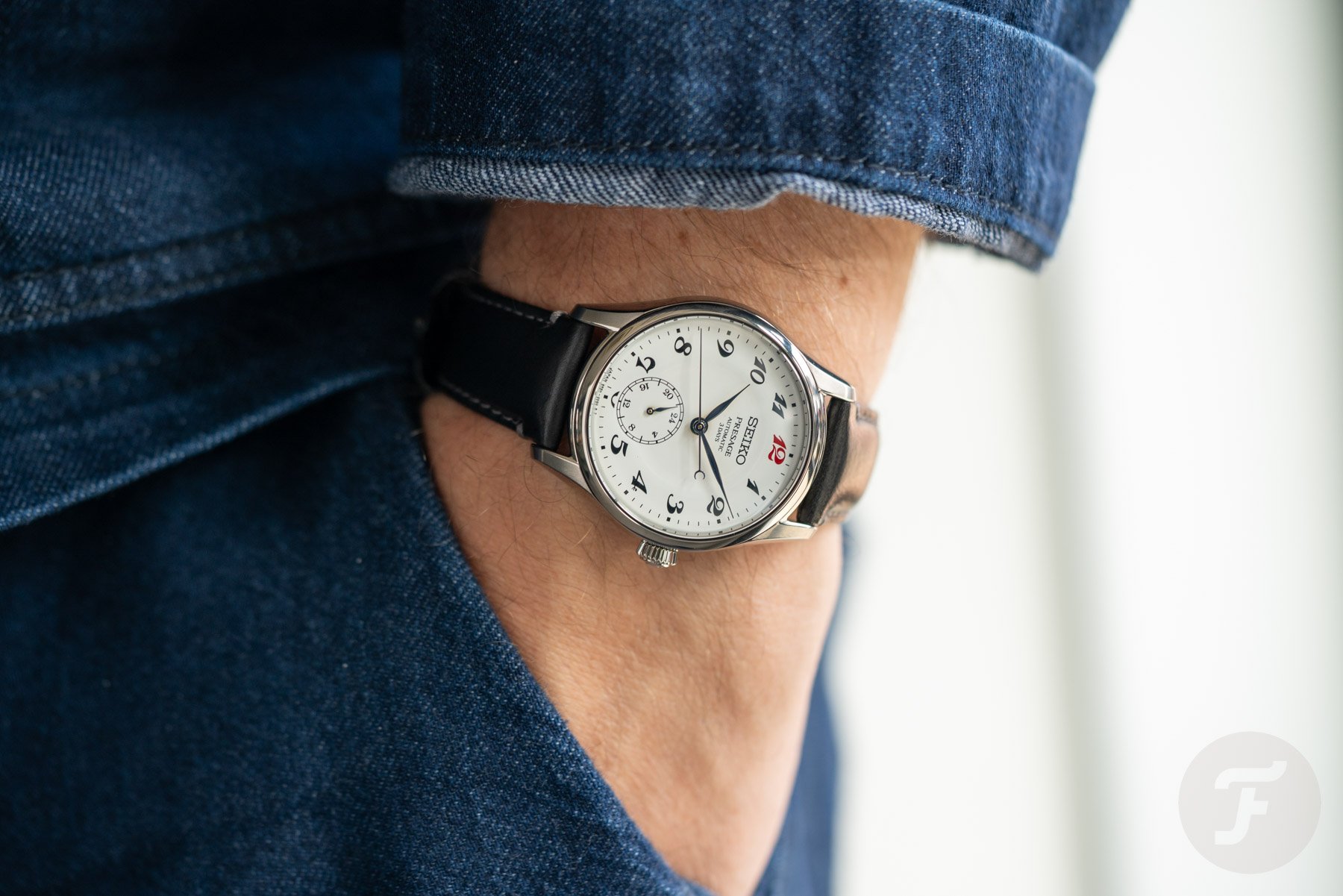
Hands-on impression of two new Seiko Presage Classic Series “Craftsmanship” watches
It won’t come as a surprise that I prefer the white-dialed HCC005 over the HCC006, but what I appreciate about both watches is their balanced mix of heritage and modernity. The combination of classically styled dials and contemporary elements, such as the case shape and proportions, is ultimately what these two Presage models are about. The 1913 Laurel provides the historical theme, while the enamel and urushi dials add melodies through traditional Japanese techniques.
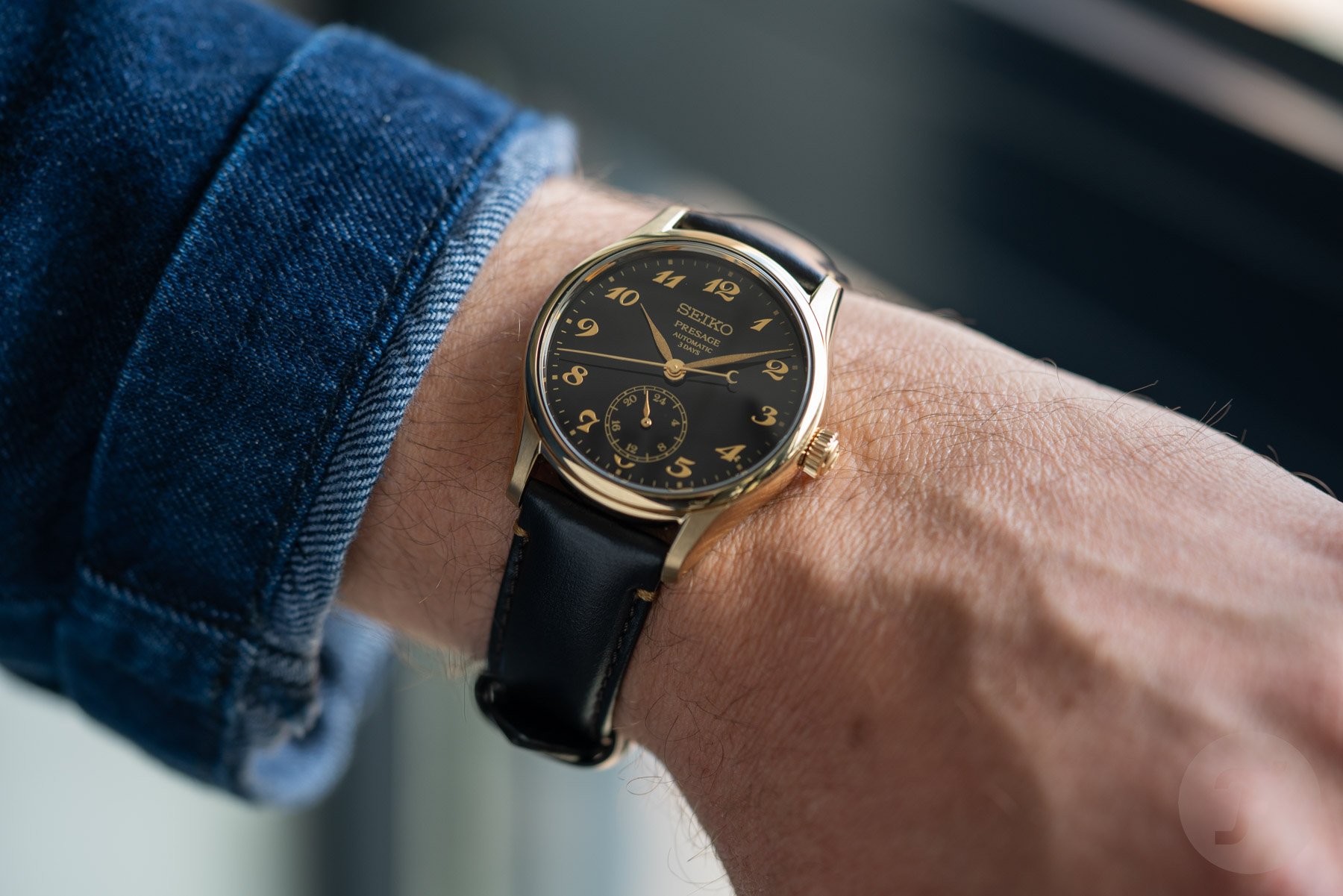
As I wrote before, the 39.6mm diameter case size works well on my 18cm wrist, but if you want to wear these creations as an introverted dress watch, they might be on the larger side with a smaller wrist. Still, they look classy enough to never look out of place.


Both models enter the collection as continuous-production watches and are available through Seiko boutiques and selected retailers worldwide from September 2026. Now it’s time to tell you the difference between Echizen urushi and Kanazawa urushi, and if you prefer the lacquered or the enamel dial of the new Presage watches. The difference between the two types of urushi lies in their focus. Echizen urushi from the Fukui Prefecture prioritizes sturdy, utilitarian division-of-labor production for everyday use. Kanazawa urushi from the Ishikawa Prefecture, on the other hand, is a luxury craft celebrated for its opulent, highly artistic maki-e (gold powder painting) and prominent use of gold leaf.
Please let me know your thoughts on both new Presage Classic Series “Craftsmanship” watches in the comments section below.
This is a partnership post. Learn more.