What’s The Watch You Wear The Least, And Why Do You Still Have It?

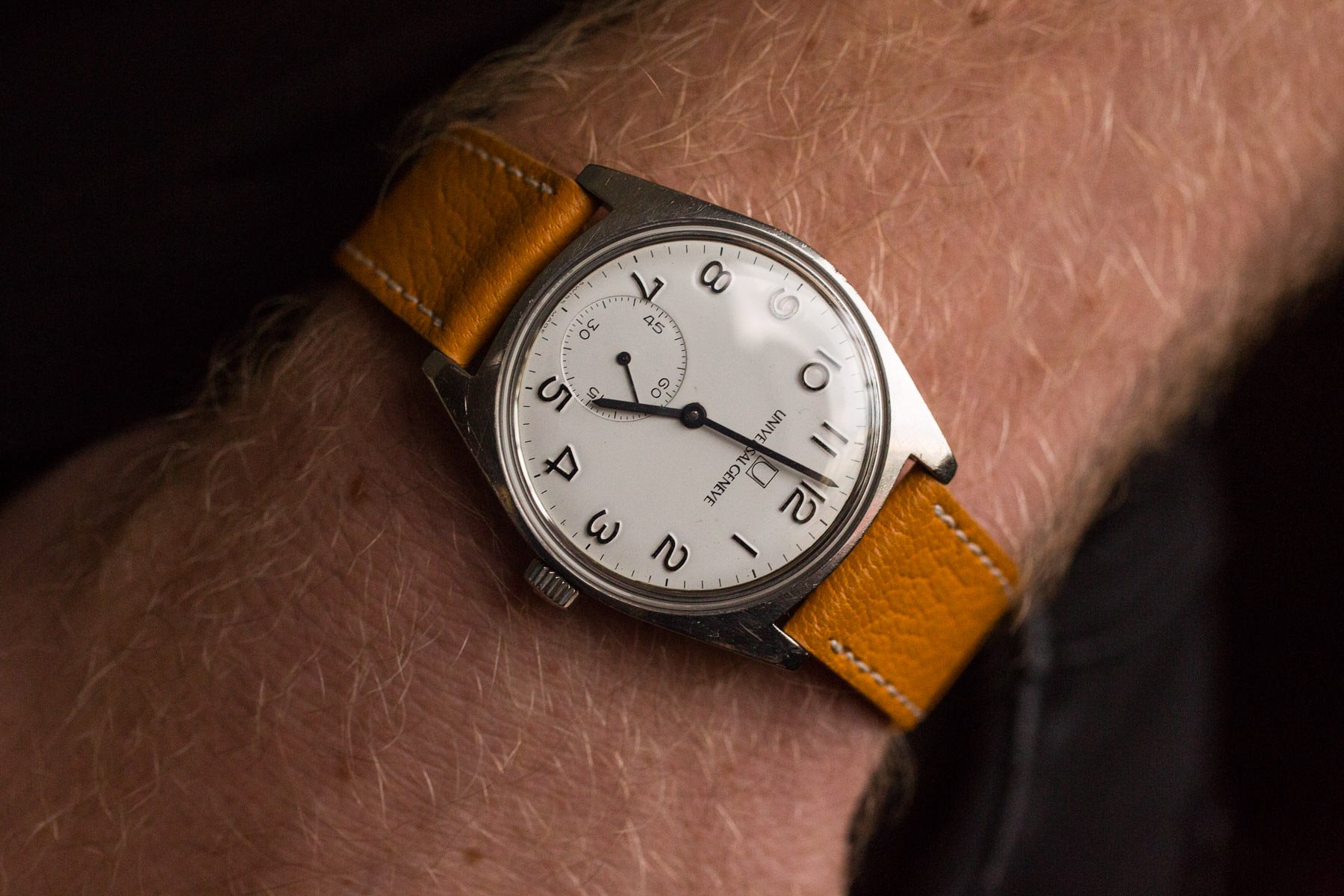
Every collection has one — the watch that sits quietly at the back of the box, rarely seeing wrist time, never quite fitting the rhythm of daily life. Mine is a Universal Genève Ferrovie dello Stato Mark II, and I would not part with it for the world.
Go ahead and open your watch box right now. Look past the daily wearers, past the weekend rotation, past the piece you bought six months ago and are still getting used to. Somewhere near the back, I would bet there is a watch you have not worn in months — maybe longer. You remember buying it. You remember why you wanted it. And yet, there it sits, patient and silent, while other watches come and go from your wrist.
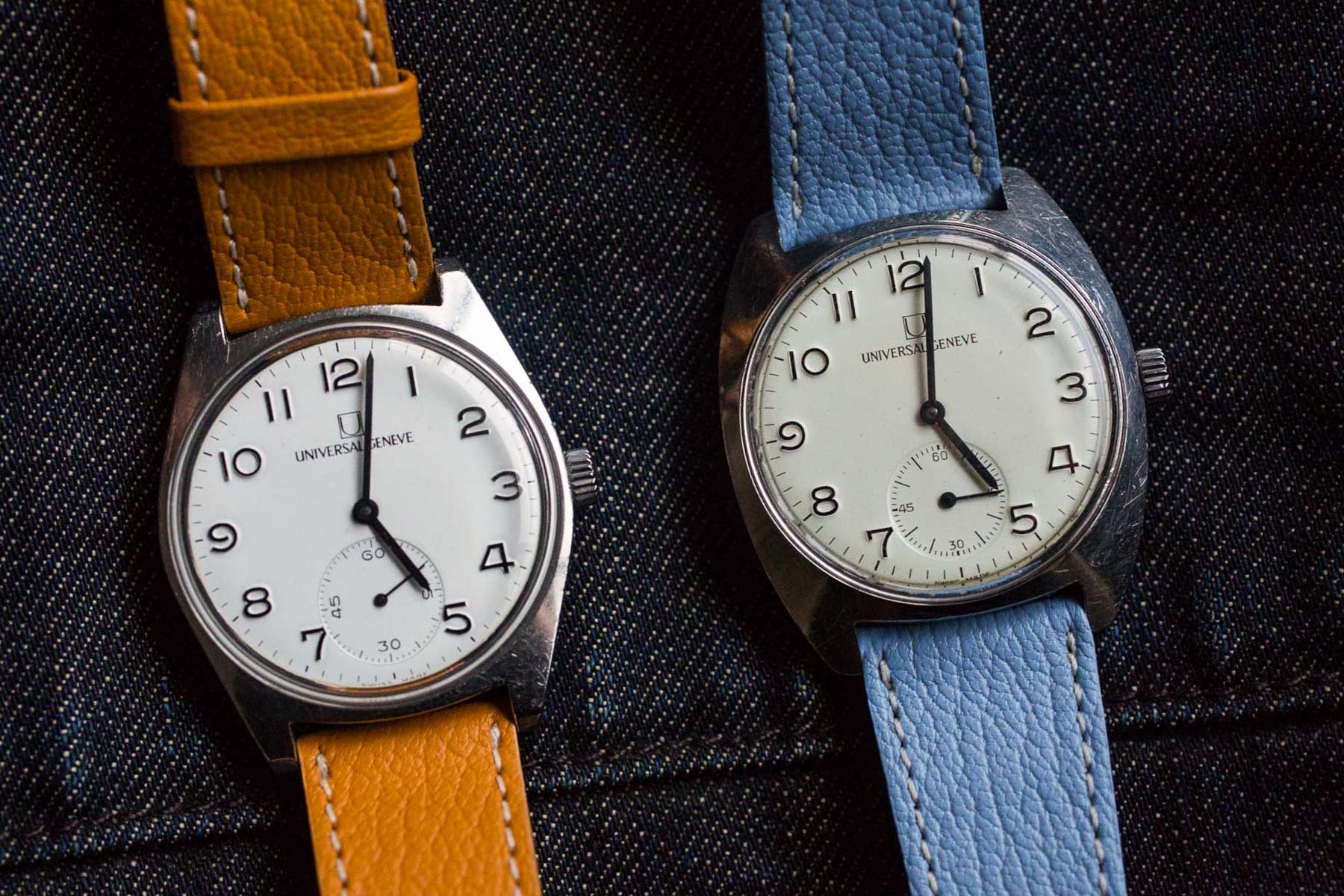
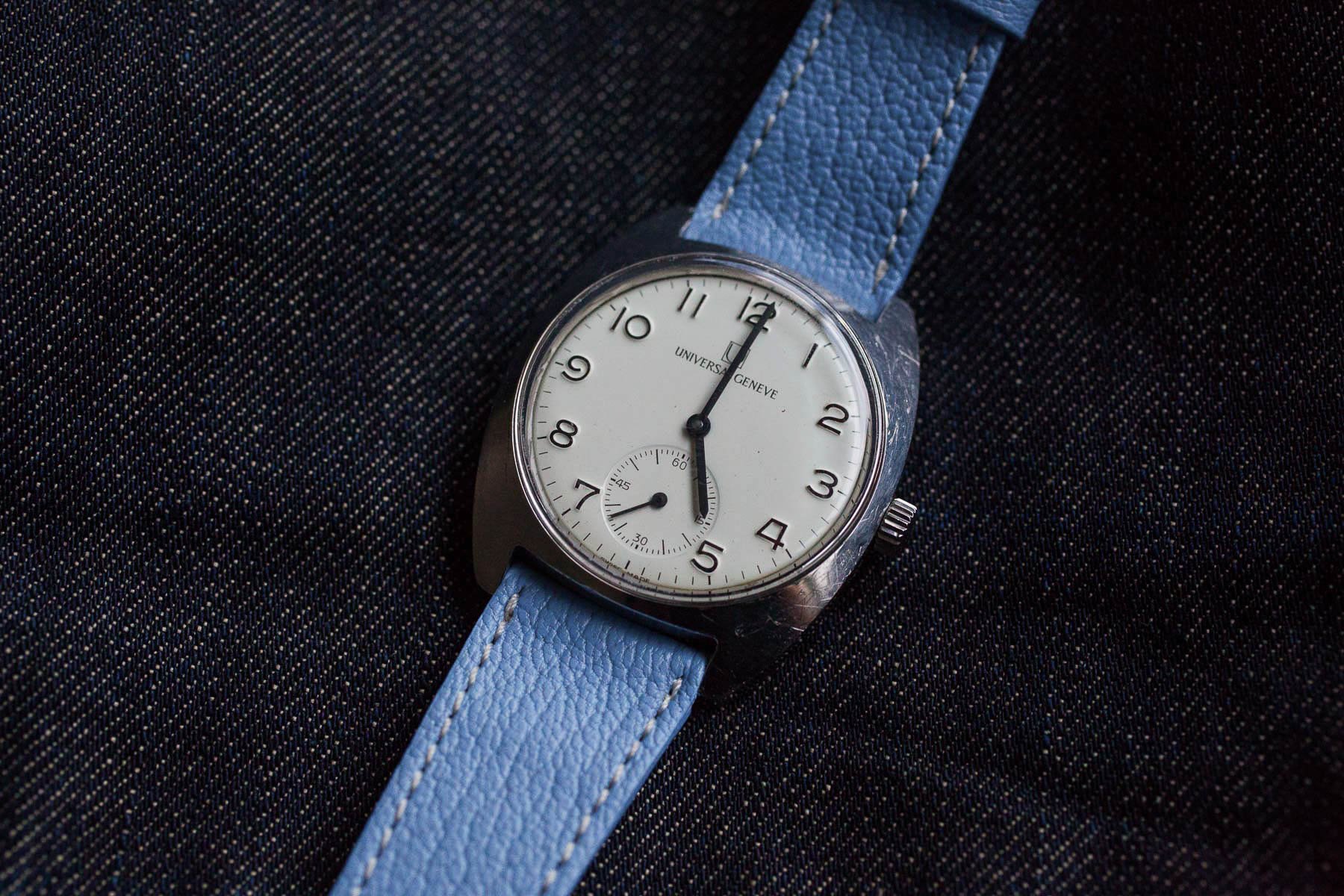
I think about this a lot because I own exactly that kind of watch. My Universal Genève Ferrovie dello Stato Mark II is one of the most interesting timepieces I have ever handled, and I wear it perhaps twice a year. It is not because I have fallen out of love with it. It is because watches like this one exist in a category of their own, somewhere between wearable object and historical artifact, and that category comes with specific complications.
The watch that changed how I think about collecting
The Universal Genève Ferrovie dello Stato — “FS” for short — is a watch with a genuinely unusual backstory. Issued to Italian state railway workers from the 1960s onward, it was a functional timepiece built to serve a specific professional purpose. Precision mattered in the railway industry. Schedules, signals, and safe operations all depended on accurate, readable timekeeping. The FS watches were not luxury objects. Rather, they were tools issued to people who needed them.
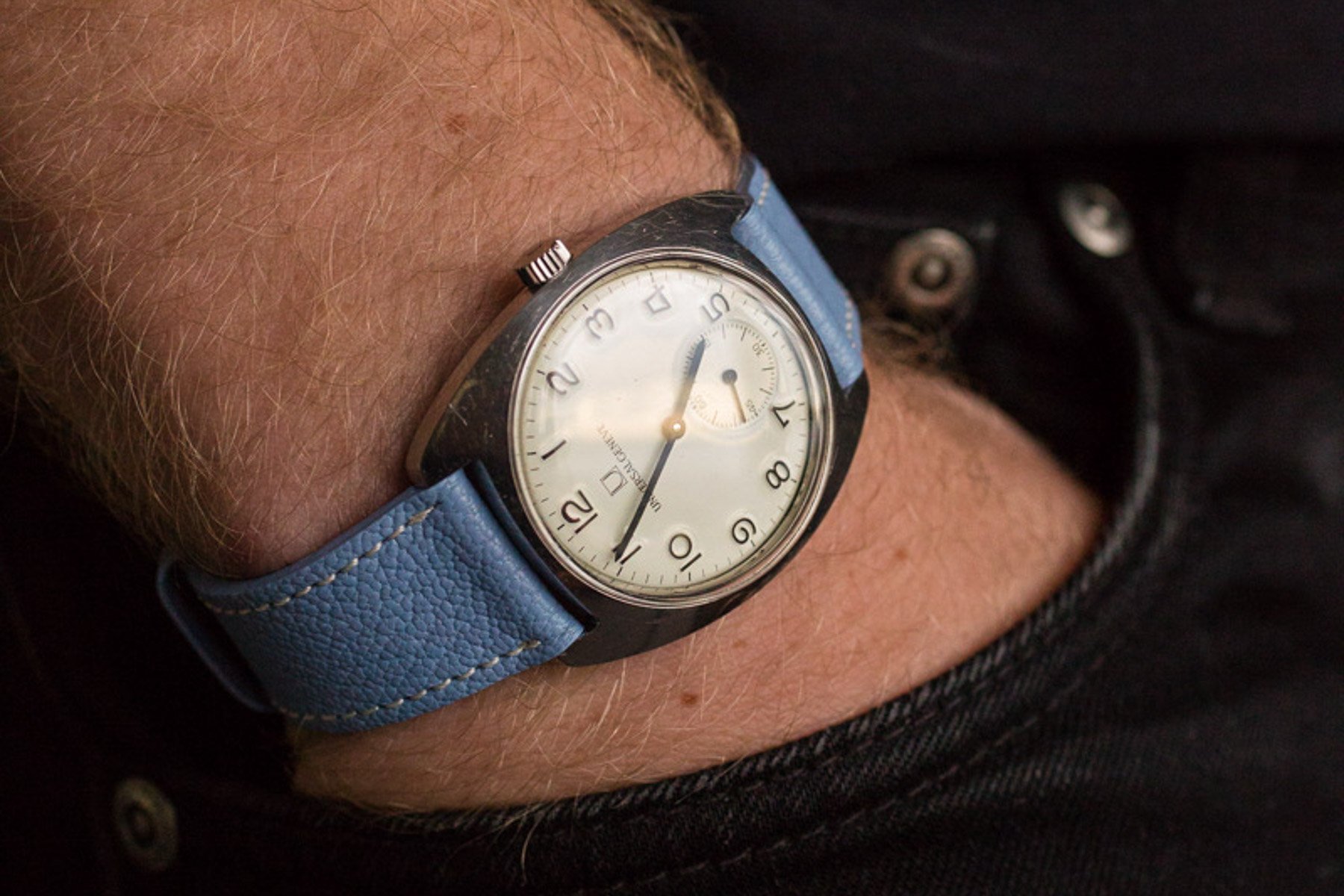
What makes the Mark II particularly compelling is how much character it retained within that utilitarian brief. The dial is bold and immediately legible. The case has an honest, unadorned quality that connects it directly to its working-class roots. The history behind it, the idea that this watch spent decades on the wrists of workers keeping Italian trains moving, gives it a weight that no amount of marketing copy could manufacture. I wrote about it in some depth here, and the research I did for that article only deepened my attachment to the watch. It is, in short, a watch worth owning. So why does it barely leave the box?
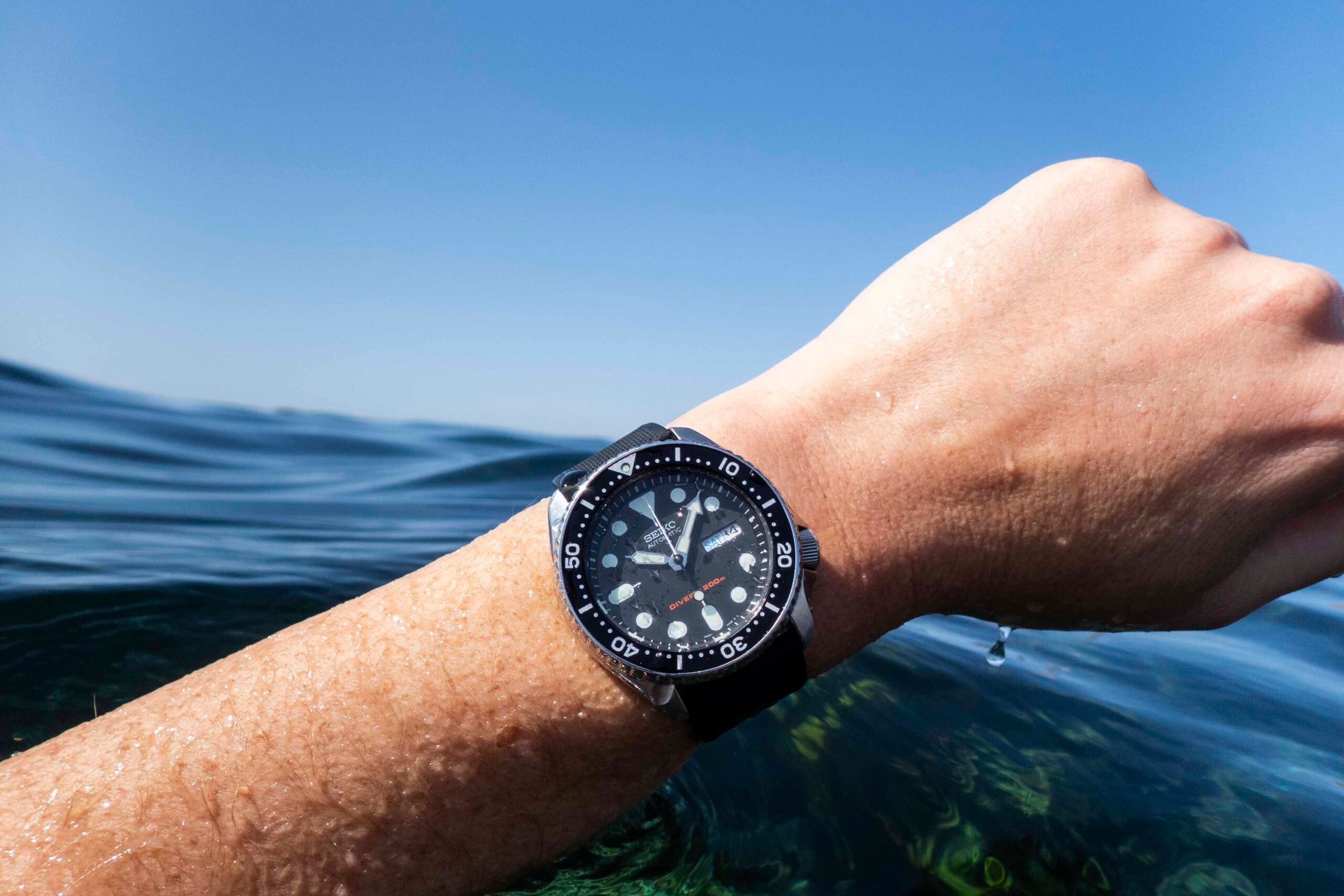
A watch that better suits my lifestyle, the Seiko SKX007
The rhythm problem
Here is something that does not get discussed enough in watch collecting: we fall into rhythms. Life is active, bags get thrown into overhead lockers, and watches knock against gym equipment. Sleeves catch on bracelets, and saltwater, sunscreen, and the general entropy of a busy existence take their toll. Without really deciding to, most of us end up gravitating toward watches that can handle that existence without requiring anxiety.
For me, that means reaching for something robust with a bracelet and good water resistance on most days. Usually, that’s a dive watch that will emerge from a weekend unchanged. The Universal Genève FS does not fit that brief. It is a vintage piece, with all the fragility that implies. The acrylic crystal needs protecting, the movement needs gentle treatment, and taking it into the Pacific for a swim is not an option.
The demands of daily wear
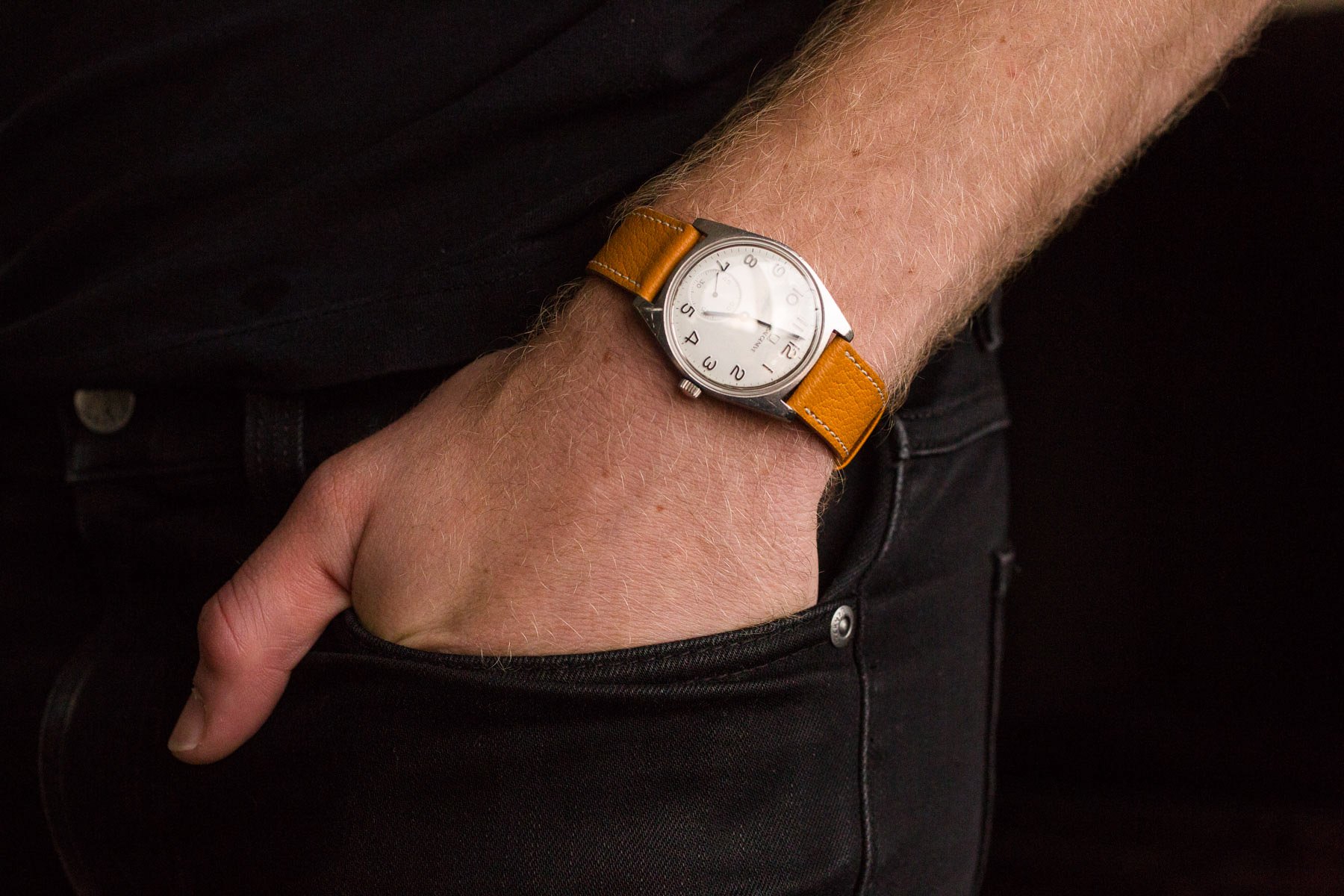
Beyond fragility, there is also the question of visual register. Some watches are harder to wear every day than others. Bright, colorful dials attract attention and invite questions. Unusual case shapes require deliberate outfit coordination. The FS has a distinctive look that demands a certain kind of day — one when I have time to think about what I am wearing and why.
On a Tuesday morning when I am already running late, making that extra decision is one step too many. The robust dive watch goes on the wrist, and I get on with things. This is not a failure of the watch. It is simply an honest observation about how collecting works in practice versus how it works in theory.
Why we keep them anyway
Why not sell it, then? This is the question a rational person would ask. If the watch is not being worn, it is not being enjoyed. If it is not being enjoyed, it is an asset sitting idle. The sensible move would be to find it a new home with someone who would wear it more.
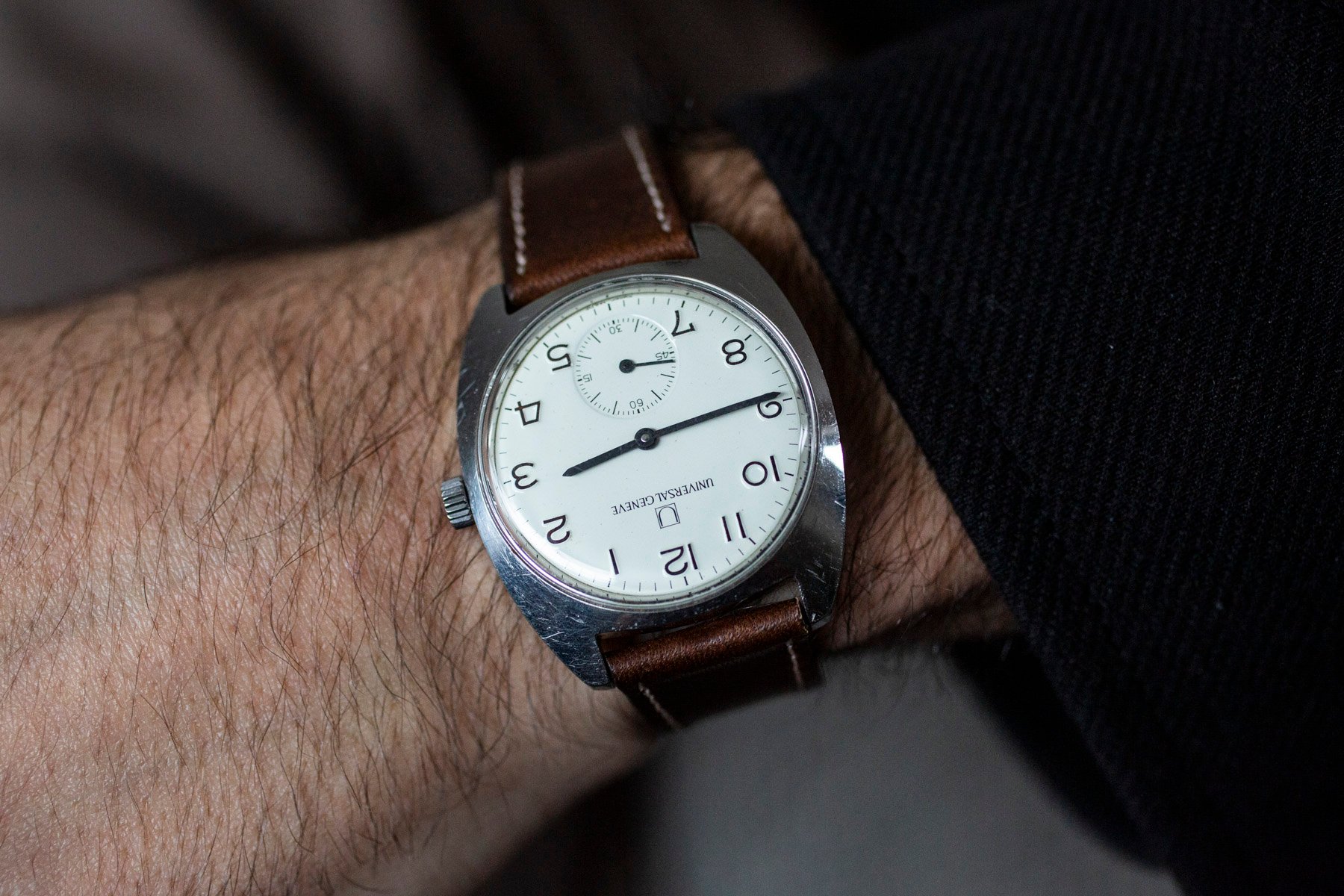
And yet the thought of selling the FS has never seriously crossed my mind. Some watches earn their place in a collection not through regular wrist time but through what they represent. The FS is one of those pieces. The history embedded in it, the craftsmanship of a Swiss manufacturer serving an Italian state industry, the specificity of its purpose, and all of that give it a value that has nothing to do with market price or daily practicality.
Once in a blue moon makes for something special
There is also something about the rarity of the occasions when I do wear it — twice a year, perhaps three times in a good one. Each time, I am reminded of why I bought it. The dial reads beautifully. The case sits on the wrist with a solidity that belies its vintage origins. The whole experience has a quality that constant wearing would dilute. Some things are worth saving for the right moment.
Sentimental attachment in watch collecting gets treated with slight embarrassment in some quarters, as though proper collectors operate on cold logic alone. I would push back on that. The emotional connection to an object is part of what makes collecting meaningful. A watch that makes you feel something when you put it on is worth keeping, regardless of how often that moment occurs.
The watches that get left behind
The FS is a particular kind of neglected watch, the historically significant piece that demands care and occasion. But there are other archetypes in this category. Many collectors own watches with divisive designs that they adored in the shop and find harder to incorporate into real life. A striking dial color that seemed bold and exciting at the time of purchase can feel like a commitment on a low-key Wednesday. An unusual case shape that looked distinctive on the wrist in a boutique can feel less natural when you are just trying to get through the day.
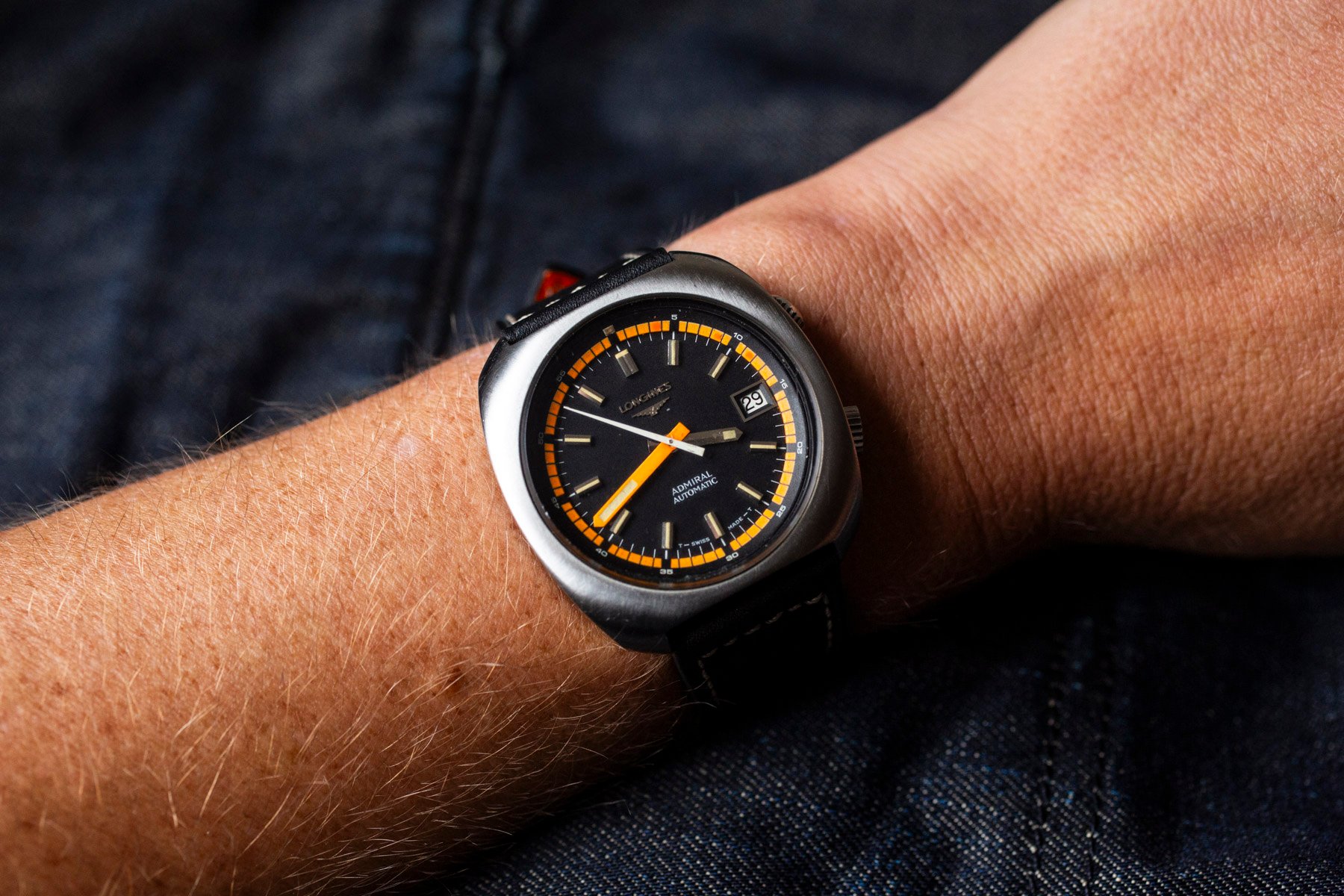
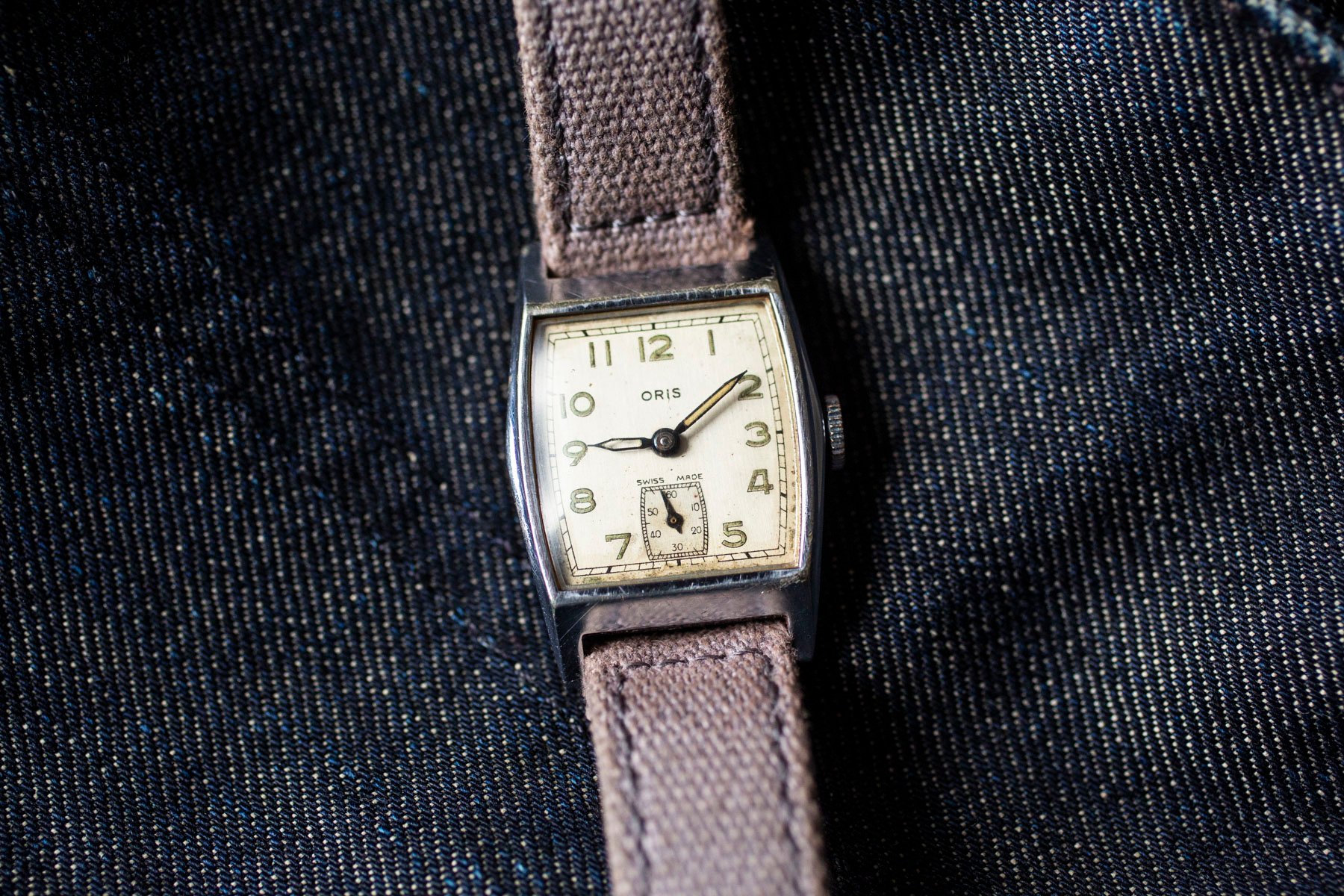
Watches bought for sentimental reasons often end up in the same position. A first serious purchase that has been technically surpassed by everything that came after it, a watch received as a gift that is too meaningful to sell but too personal to wear casually, a holiday impulse buy that made perfect sense in the moment and slightly less sense back at home… All of these watches deserve better than permanent residence in the back of the box. And yet that is often exactly where they end up, because the rhythm of daily wearing is relentless and efficient. It favors the versatile and robust. It leaves the rest behind.
Open the box
Here is what I want to leave you with. The next new watch you are considering, the one you have been watching on the secondary market or waiting for a boutique appointment to try, is probably going to be a good purchase. But before you make it, I want you to do something.
Open your watch box and find the one you have not worn in the longest time. Put it on. Wear it for the rest of the day, the weekend, or however long feels right. Notice what it does to how you feel. Notice whether the reasons you bought it in the first place still hold.
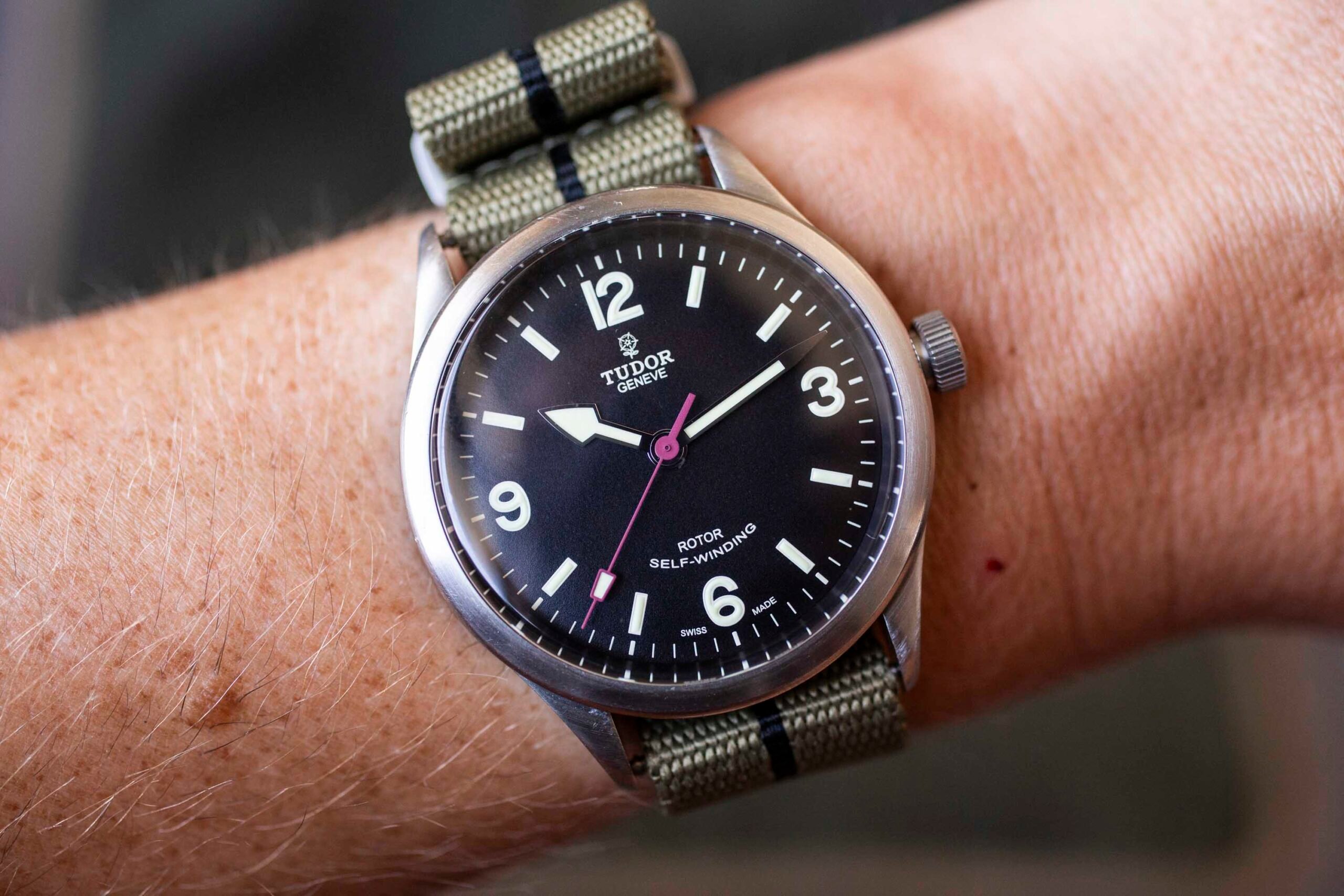
I guess that for many enthusiasts, rediscovering a neglected watch will feel like finding something genuinely new again. The appreciation was always there. It just needed a reason to resurface. My FS will come out this weekend. Perhaps my Heritage Tudor Ranger can come with me on my next motorbike trip, too. There’s no particular occasion, no special destination. It’s just a reminder of why I loved these watches enough to bring them home in the first place. That feels like reason enough.