Fratello’s Top 5 Iconic Watches From The 2000s

Another Friday, another list. After picking our five favorite watches from the 1980s and the 1990s, it’s time to move on to the 2000s. By the turn of the millennium, mechanical watches had returned in full glory. If you were around in the early 2000s, you are undoubtedly aware of the rise of oversized watches. Brands like Panerai, Audemars Piguet, and IWC produced some of the timepieces that dominated the early years of the new decade. But as this is a list of our current Fratello favorites from that era, different rules apply. As it turns out, it was hard to pick our five favorites, but in the end we managed to create a list that has some proper neo-vintage gems.
Before we jump into our list of five favorite iconic watches from the 2000s, let me elaborate a bit on our picks. First, while it is hard to deny that big watches were a thing in the early 2000s, those are not necessarily the watches we still love the most or have gone on to become the classics that people are still after. Still, it is hard to deny that oversized watches played a huge part in popularizing mechanical watches with a large crowd. That’s why we couldn’t deny them for this list. Without further ado, let’s get into the list of our five favorite watches from the 2000s.
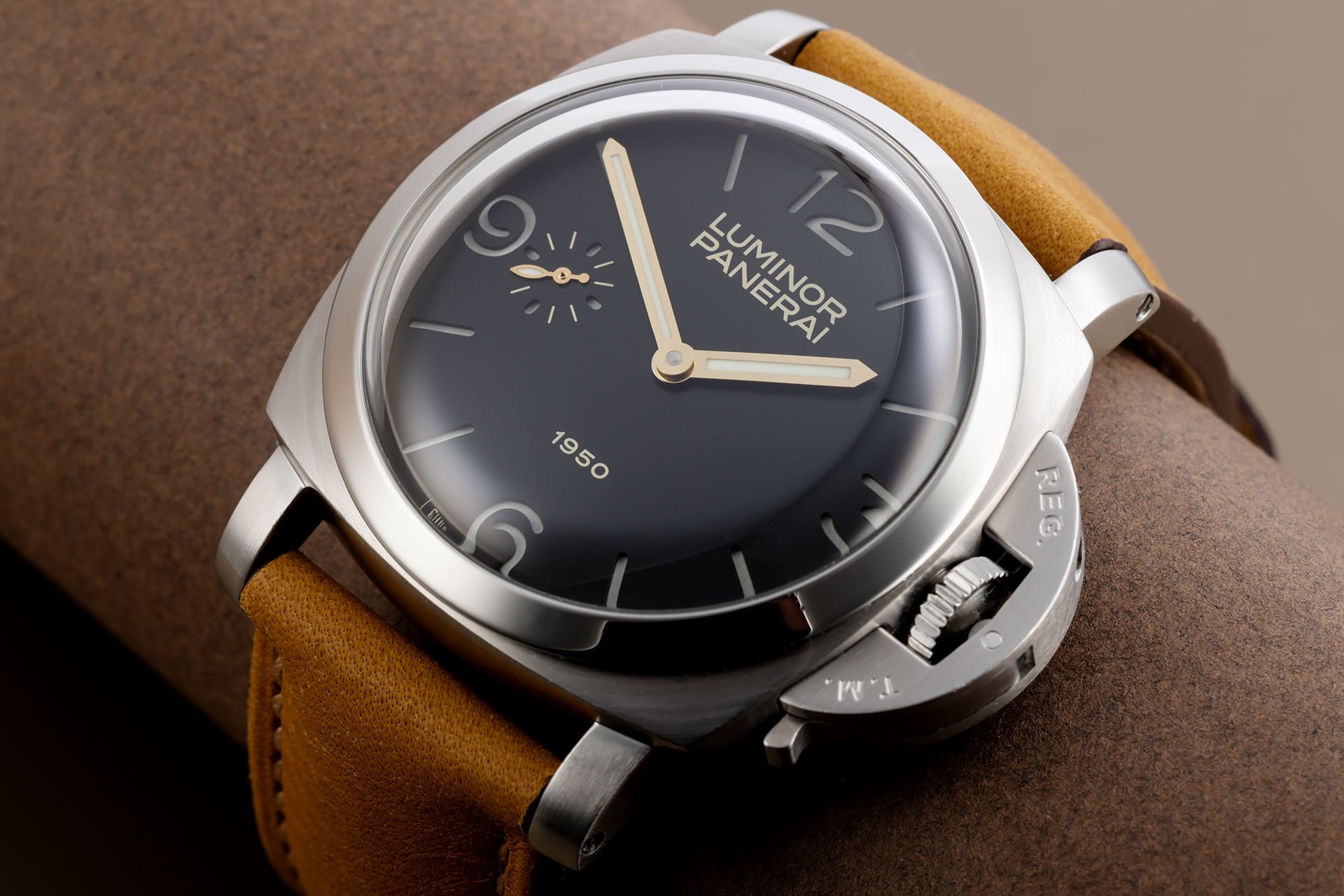
Image: The Watch Club
Panerai Luminor 1950 “Fiddy” PAM00127
Our first pick is one of the defining watches of the decade. The Panerai Luminor 1950 PAM00127, also known as the “Fiddy,” was a huge hit among Panerai collectors. Allegedly, the watch got its nickname because famous rapper 50 Cent was wearing his PAM00127 when someone asked about it, and he answered, “It’s my Fiddy.” The PAM00127 was released in 2002 as a modern version of the legendary modified Rolex 6152/1, which was one of six vintage Panerai timepieces handed over to the Vendôme Group when it took over the brand in 1997. The watch served as the main design inspiration for the modern Luminor.
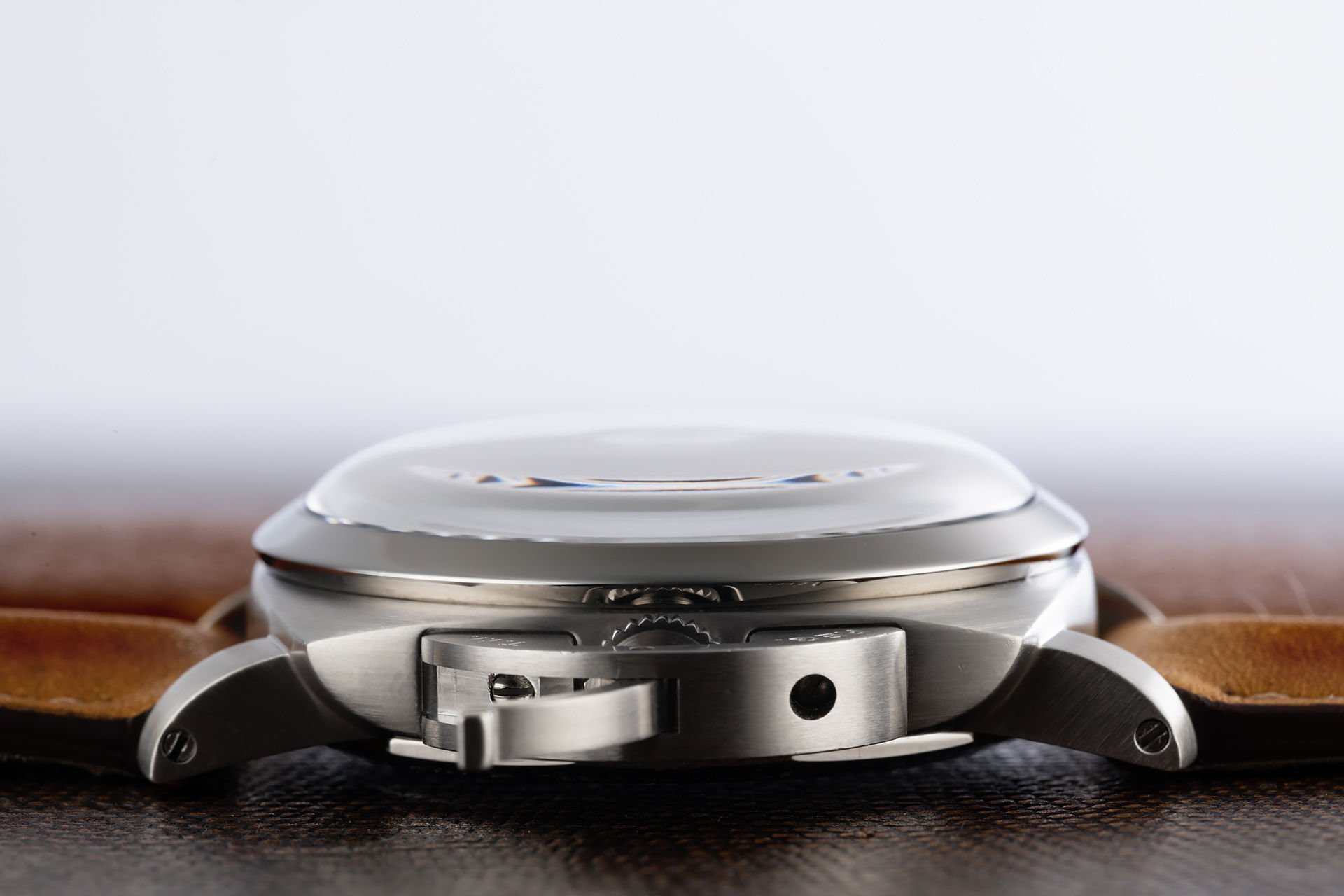
Image: The Watch Club
The 2002 version features a 47mm stainless steel case, just like the original watch. A big difference is the dial, which features “1950” printed on the lower half, referring to the limited number of 1,950 pieces the brand produced. For some collectors, this ruined the tribute to a legendary classic. What is definitely impressive is the large sandwich dial, paired with contrasting gold hands, both protected by the extremely domed sapphire crystal.
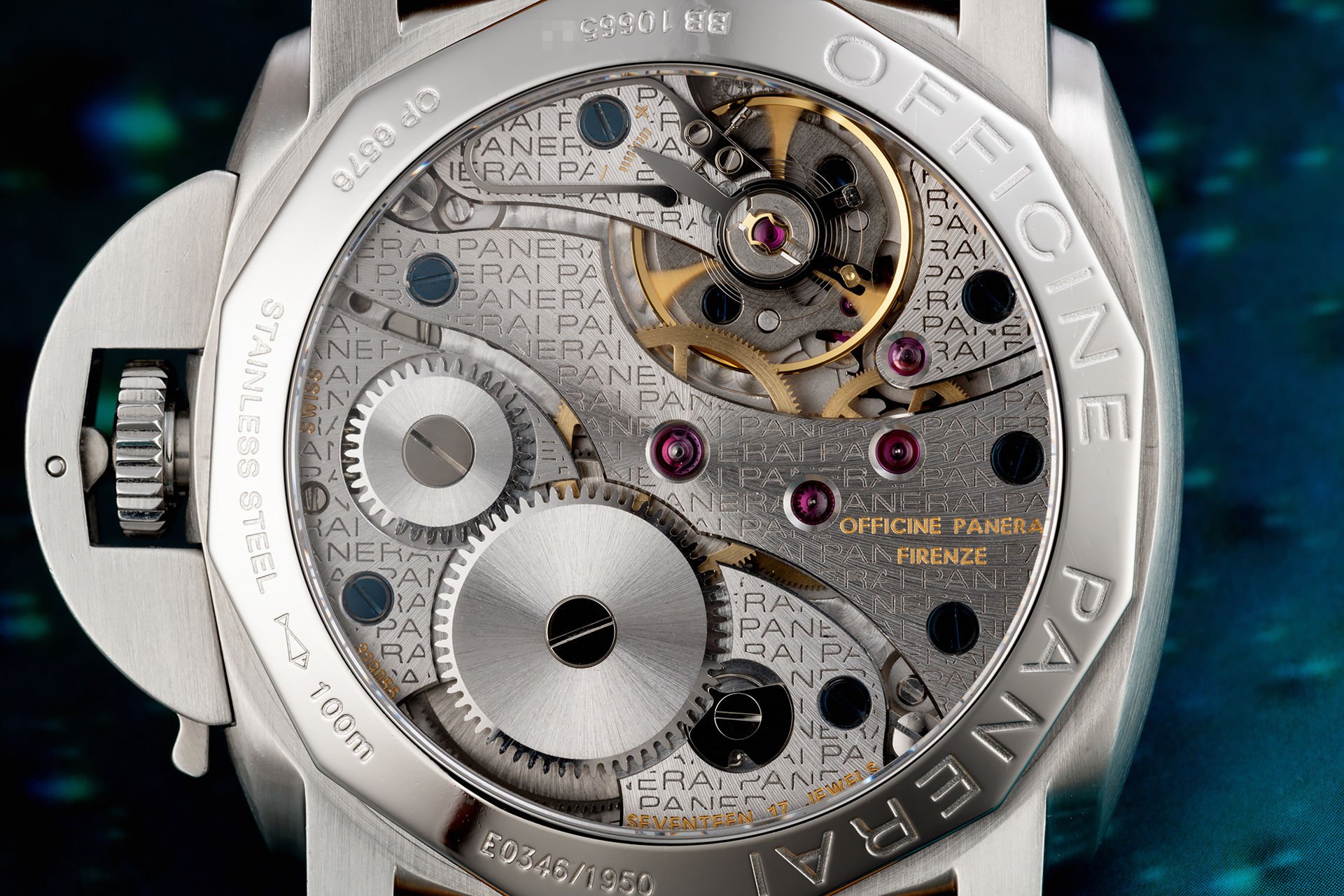
Image: The Watch Club
The modified Panerai OP XI
Inside the case, Panerai used a COSC-certified version of its OP XI caliber, which was based on the Unitas 6497-2. Panerai modified the movement with a swan-neck regulator and redesigned bridges. It operates at 21,600 vph, has 17 jewels, and offers a power reserve of 56 hours. On top of that, the movement was decorated with repeating Panerai branding.
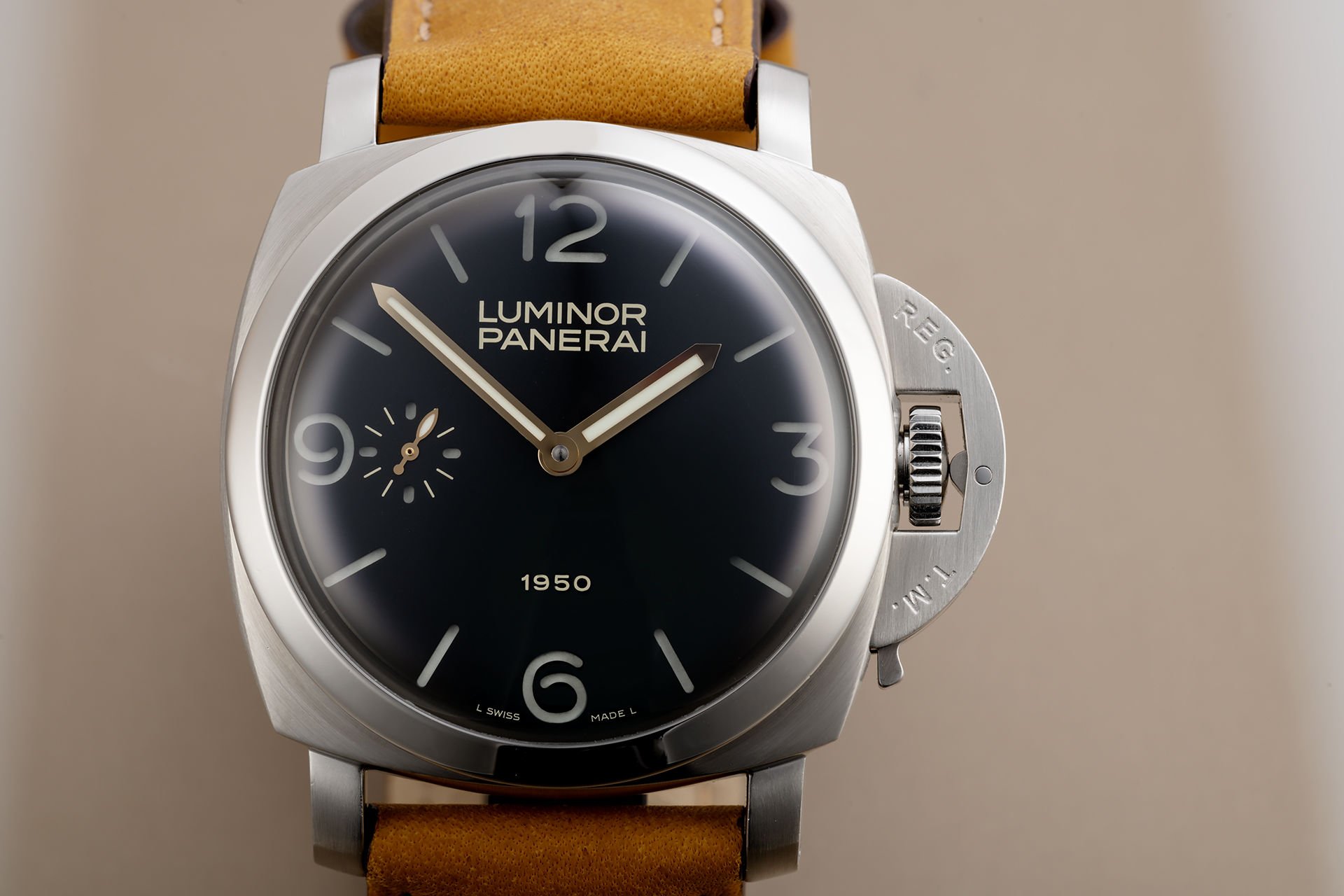
Image: The Watch Club
It’s great to see this modernized, beautifully decorated caliber through the case back’s sapphire display. All in all, this PAM00127 is still a great classic with a ton of character, which has inspired Luminor’s great success. Finding one nowadays is not that hard, and you can expect to pay between roughly €8k and €15k.
Rolex Submariner “Kermit” ref. 16610LV
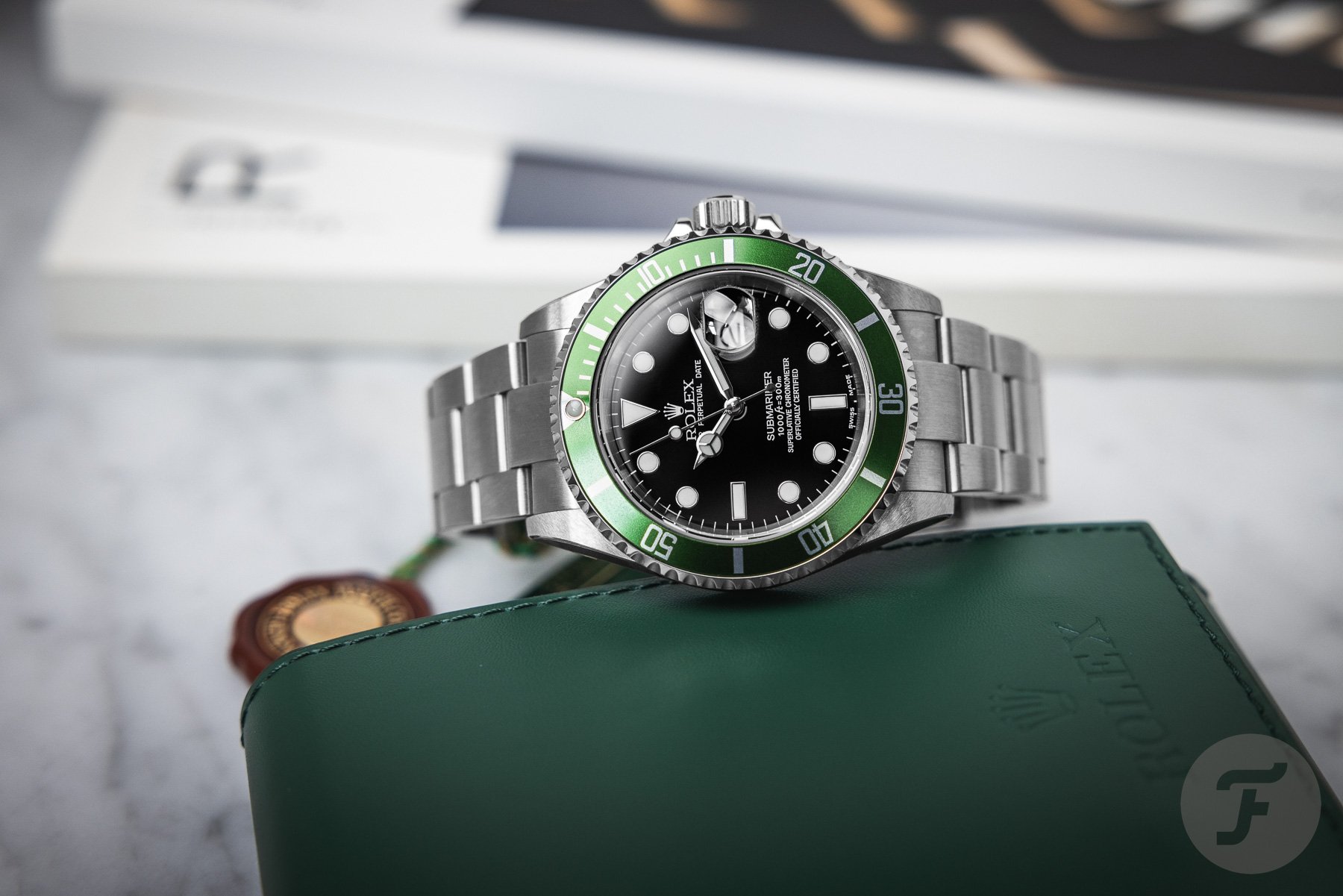
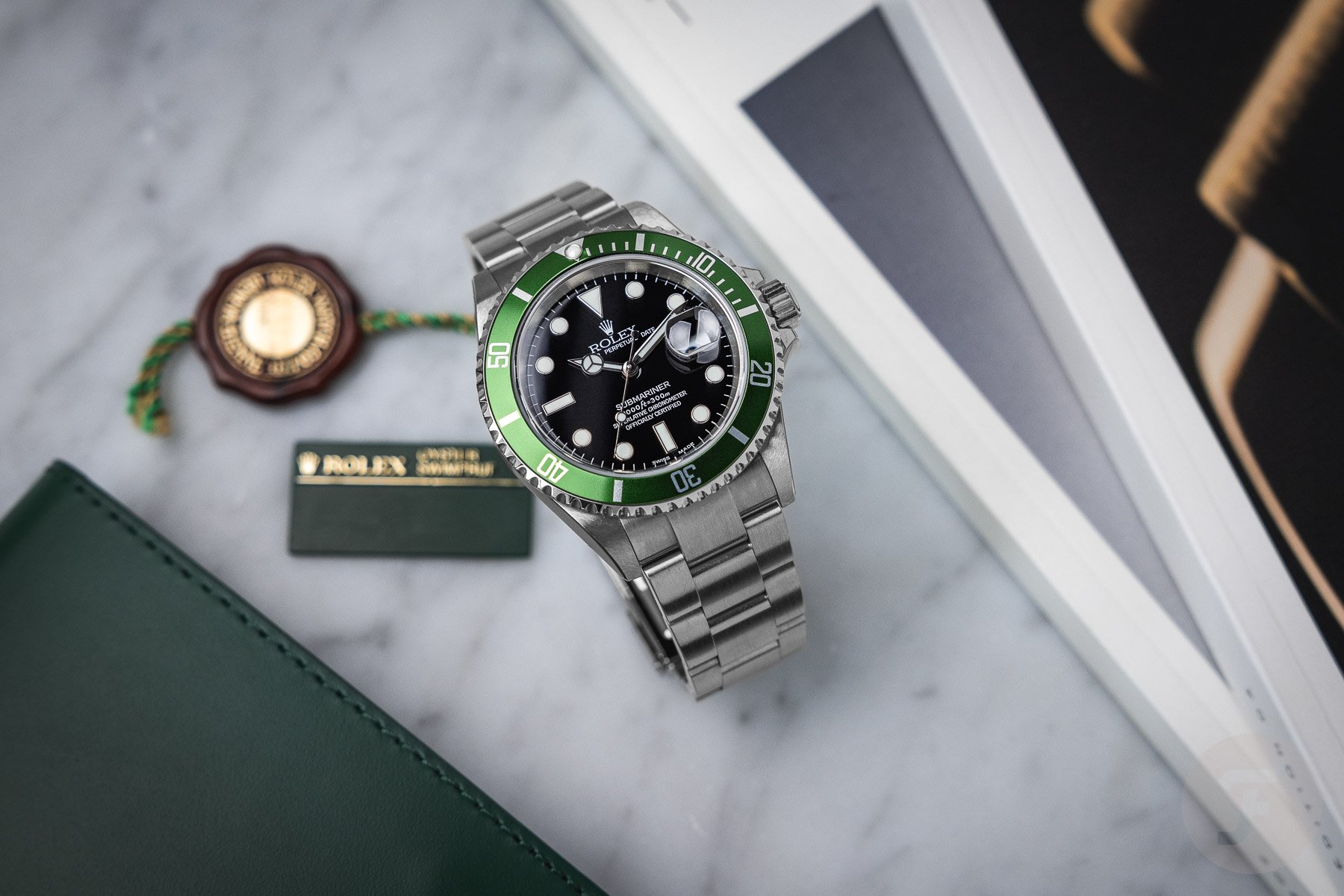
Our Rolex pick was a toss-up between the brilliantly quirky Milgauss ref. 116400GV and the Submariner ref. 16610LV “Kermit.” The Genevan brand released the watch in 2003 to celebrate the Submariner’s 50th anniversary. In my book, it is the only Sub with a green bezel that looks brilliant. All the models that came after featured green Cerachrom bezel inserts that look nothing like the nice green aluminum Kermit bezel. In the past, Robert-Jan compared the Kermit, Hulk, and Starbucks Submariners, so you can read that article to find out what I am referring to.
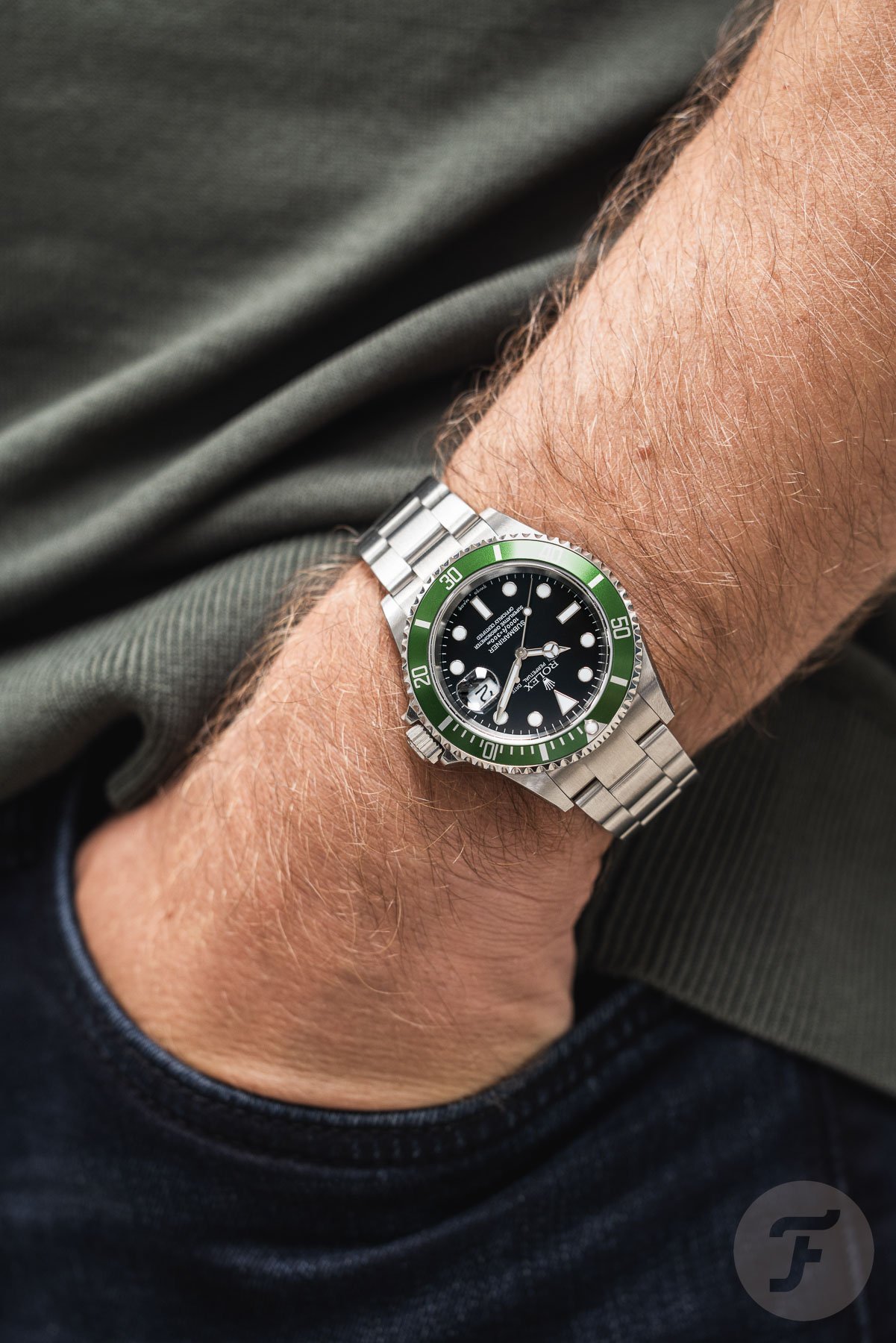
The beautiful green bezel also combines really well with the black Maxi dial. I greatly prefer the look of this dial with larger hour markers over the regular dials of the Submariner ref. 16610 and ref. 14060 from those days. The visual balance feels perfect, and the larger markers also make the watch look more modern. Though Rolex fans didn’t necessarily stand in line for this new Submariner when it first came out, after a short time, people started warming up to the new color combination of the 40mm Submariner.
The legendary Rolex 3135
Inside the case, Rolex used its in-house caliber 3135. The automatic movement operates at 28,800 vph and offers a 48-hour power reserve. Rolex used the movement for almost 30 years before replacing it with caliber 3235 in 2015. It has since been recognized as one of the brand’s legendary movements, offering great reliability and top-notch performance.
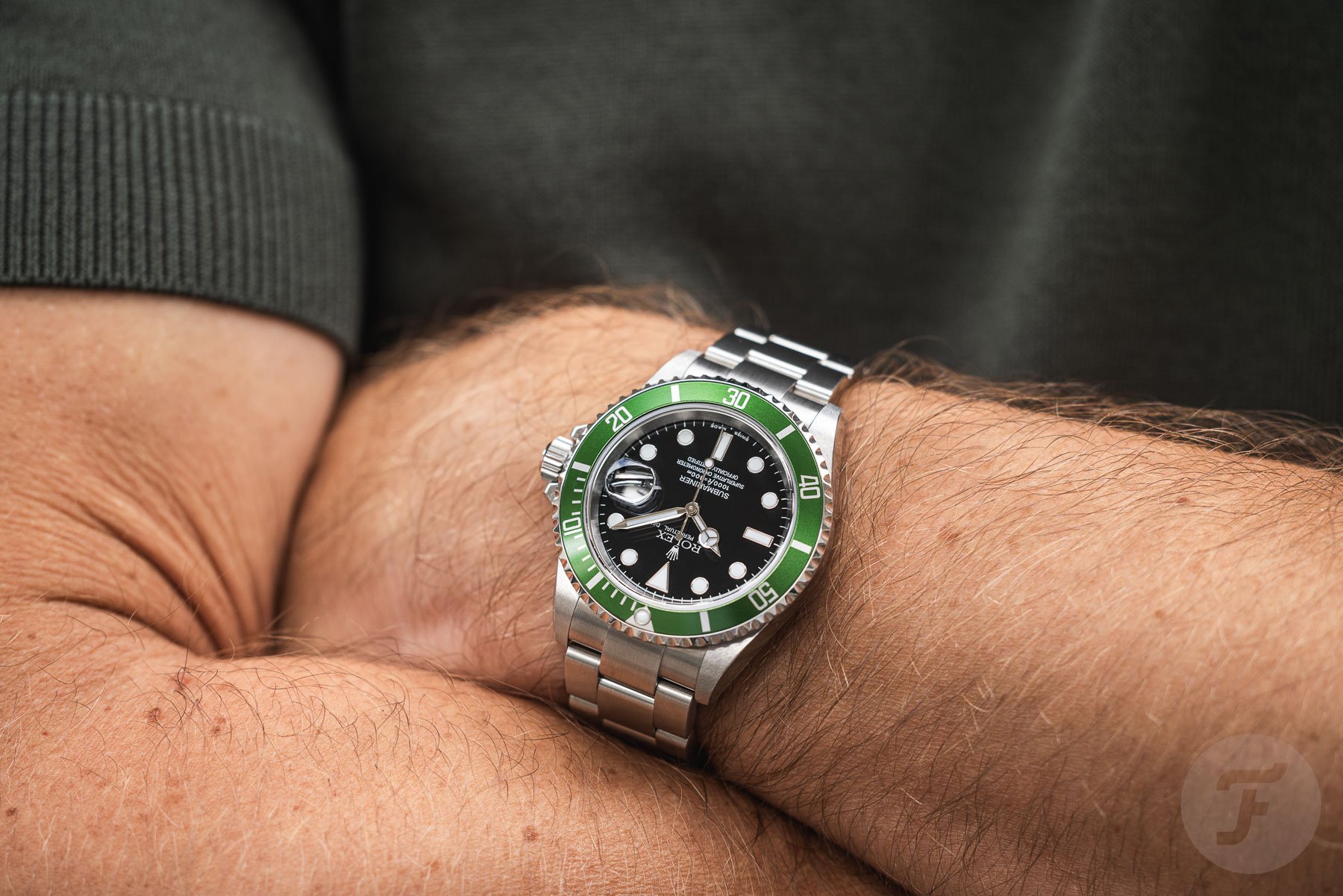
The last thing to touch upon with the Kermit is the different variations that Rolex released. Rolex collectors distinguish different bezel variations spanning the watch’s production run, which lasted from 2003 until 2010. The early models featured a so-called “Flat 4” bezel, referring to the flat top of the 4 in the 40 on the green bezel insert.
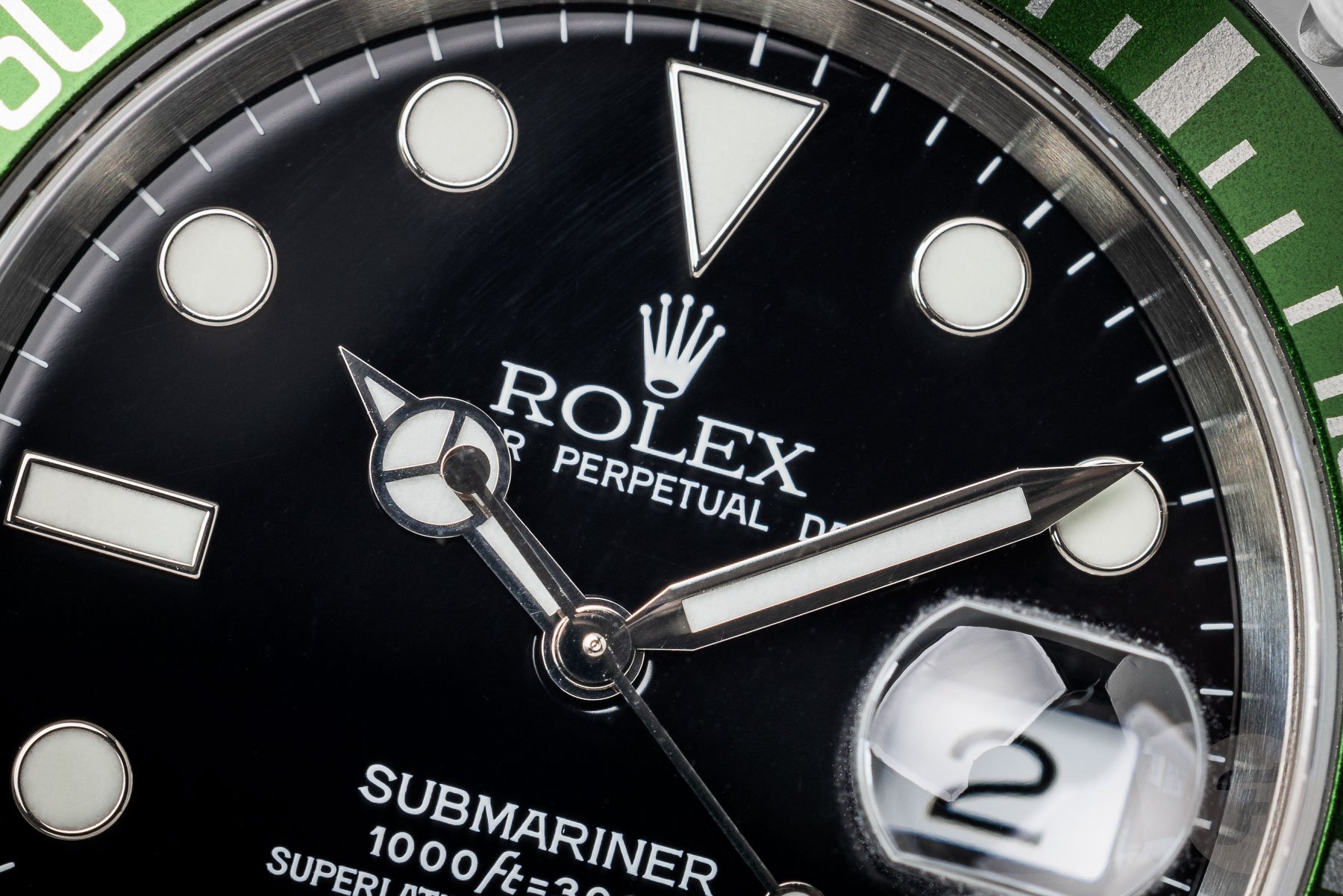
Additionally, the green color also changed during the seven-year production run. Some inserts turn olive green over time, which is why collectors refer to them as “B1” inlays or a “Bertolli” bezel. All in all, this is one of the coolest Submariners I know that you can buy nowadays. Depending on condition, the Kermit goes for between roughly €10k and €20k.
Audemars Piguet Royal Oak “Jumbo” ref. 15202ST
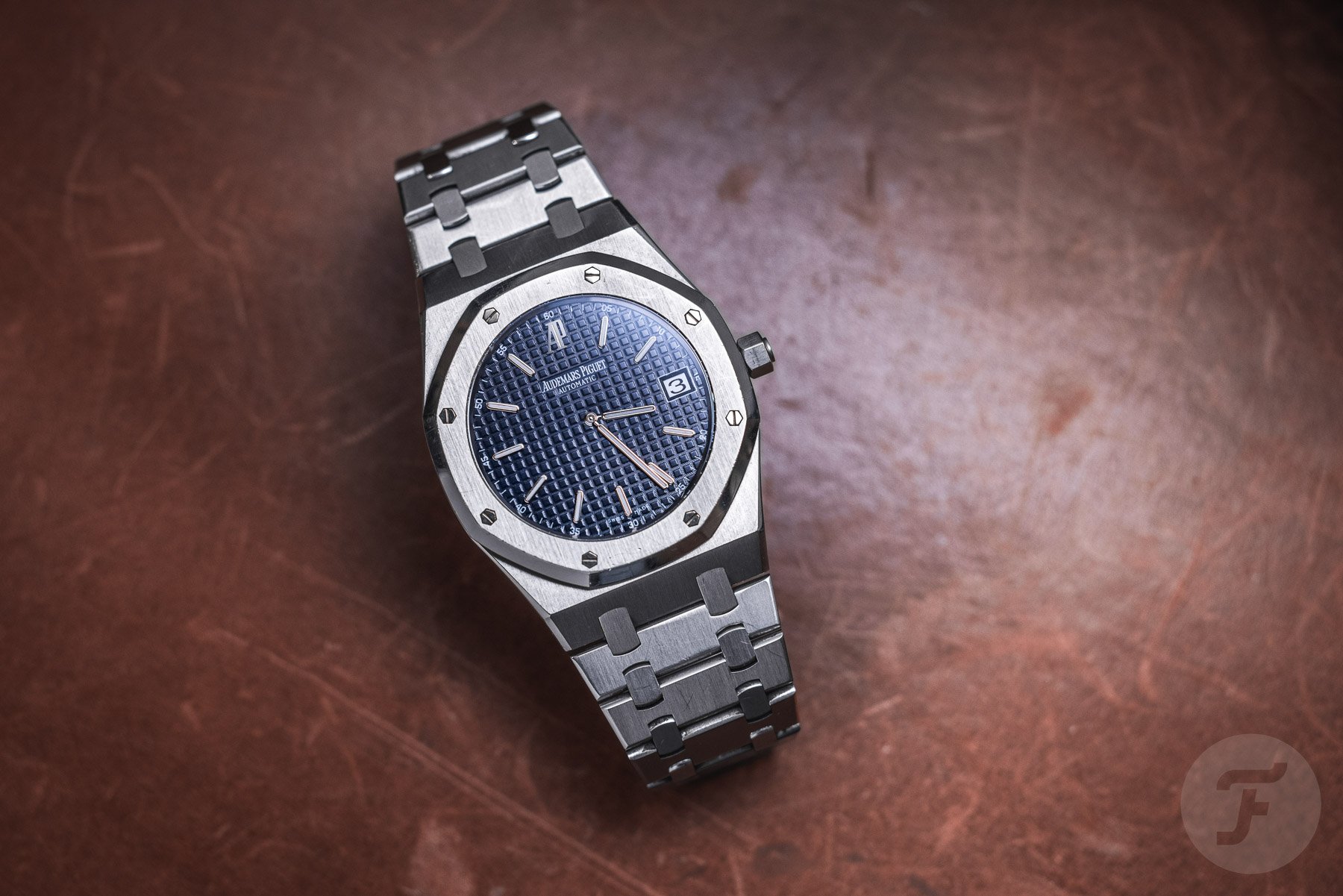
At the 2000 edition of SIHH, Audemars Piguet introduced the Royal Oak “Jumbo” ref. 15202ST. It was the follow-up to the ref. 15002, which was the successor to the legendary Royal Oak ref. 5402 and was only in production in 1996 and 1997. The ref. 15202, which succeeded it, was part of the collection until the brand introduced its follow-up in 2022 for the Royal Oak’s 50th anniversary. Over those two decades, the watch became incredibly popular. Despite keeping the same reference, Audemars Piguet updated the dial design in 2012. To understand what changed, we have to look at the first series we picked for this list.
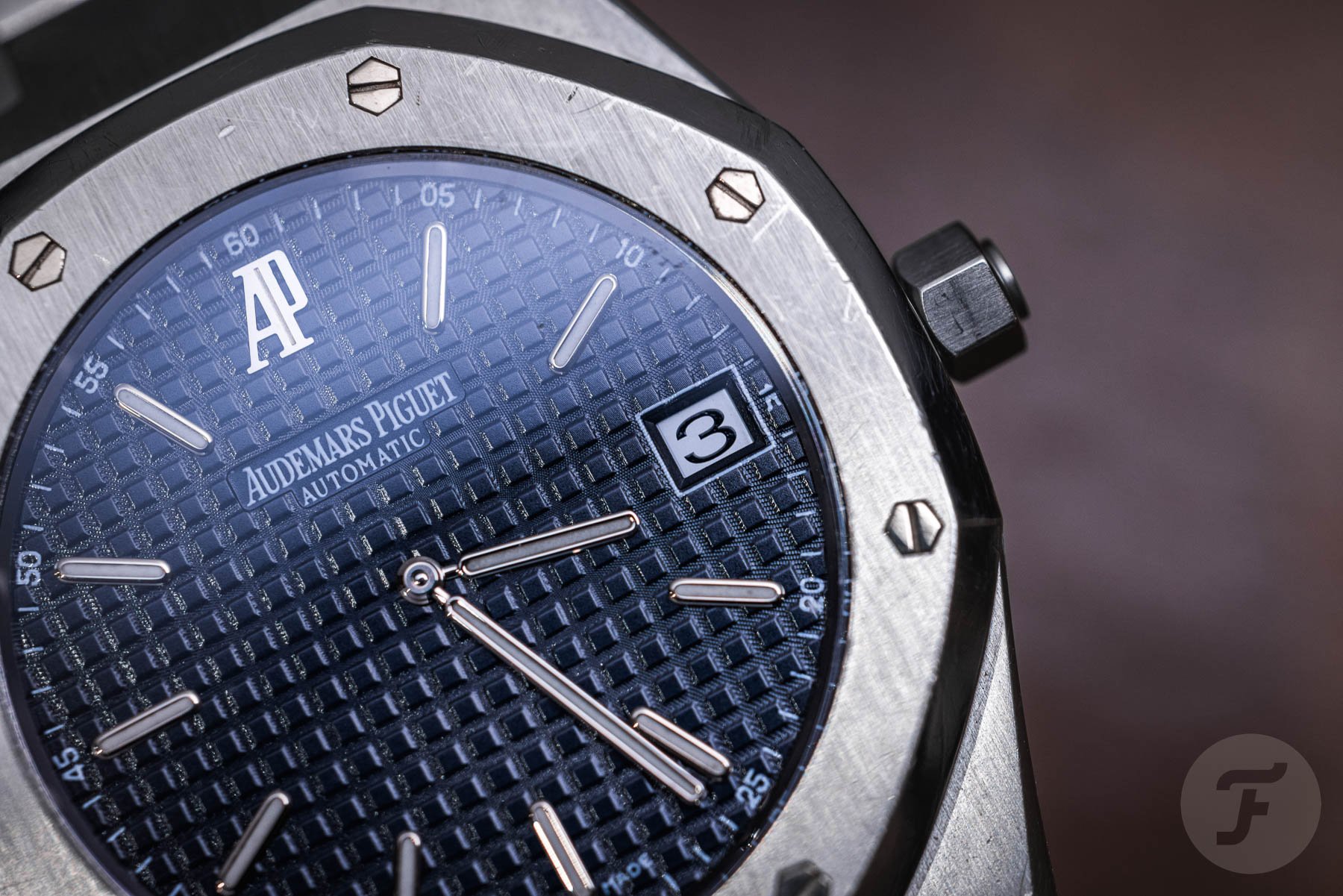
Compared to the preceding ref, 15002, the first series of ref. 15202 featured an updated dial design. The main difference was that the designers moved the word “Automatic” to the upper part of the dial. Additionally, they added numerals for every five minutes to the minute track, whereas the previous models, including the classic ref. 5402, just had hash marks. As a result of the updated minute track with numerals, the words “Swiss Made” moved upward to straddle the 6 o’clock index. While the new dial didn’t change the overall look of the Royal Oak “Jumbo,” with an icon like this, you have to tread lightly.
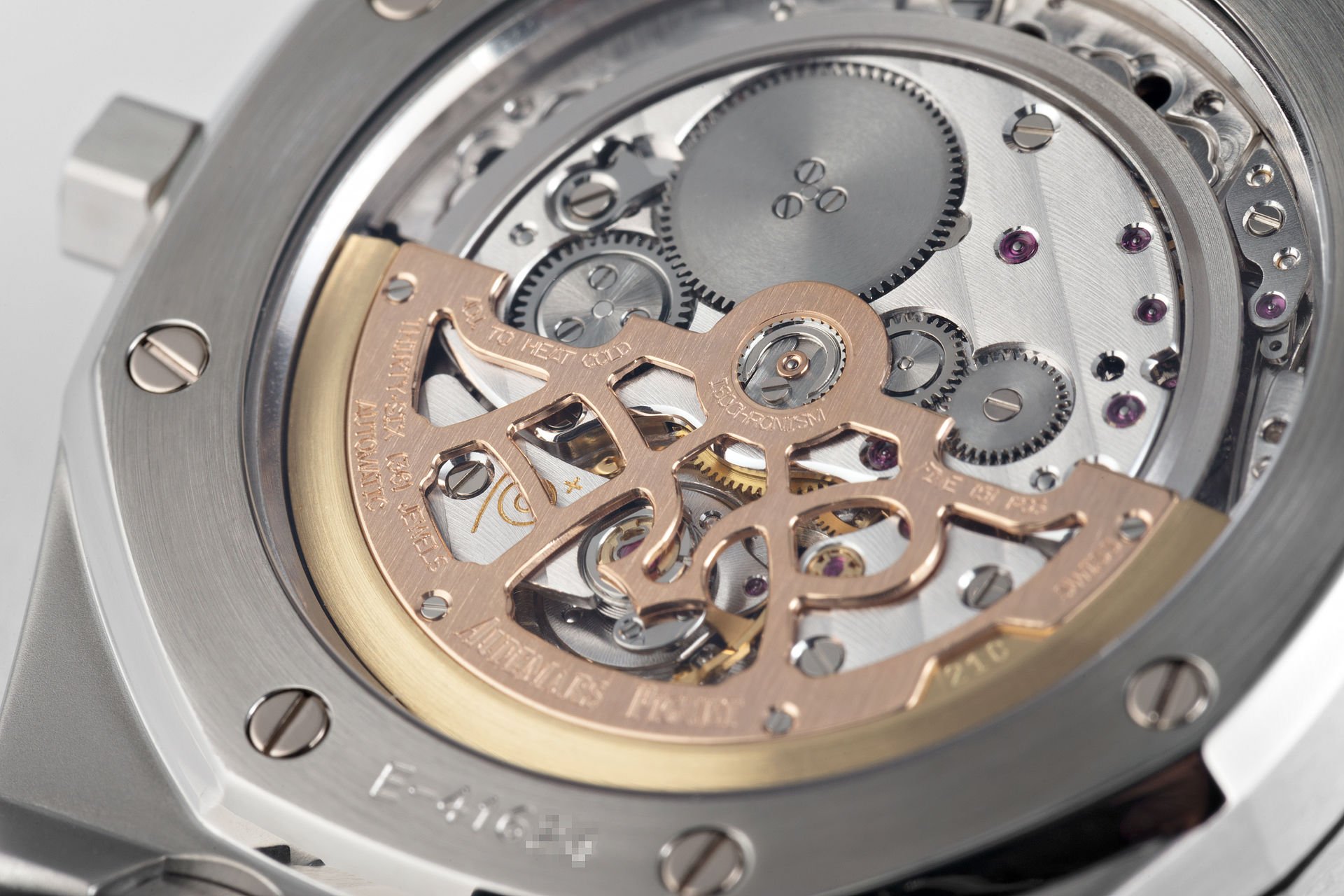
Image: The Watch Club
The first regular “Jumbo” with a display case back
The case was also updated and featured a sapphire window in the case back. While this wasn’t a first for the “Jumbo” in general, as the special 20th-anniversary ref. 14802 also had one, it was a first for the standard-production model. As a result of the display, you get a great view of the caliber 2121. This legendary 36-jewel automatic movement is based on the Jaeger-LeCoultre 920. It operates at 21,600 vph and features a 40-hour power reserve. Getting a glimpse of the caliber in action definitely added to the overall romance of this first series of Royal Oak “Jumbo” ref. 15202 models.
As mentioned, this first series of the reference stayed in production until 2012, when Audemars Piguet changed the dial design. In doing so, the brand removed the Arabic numerals, moved the AP logo to the lower half, made the Petite Tapisserie pattern smaller, and gave it a black date wheel. You can pick one of the first-series ref. 150202ST models up nowadays for between roughly €45k and €80k.
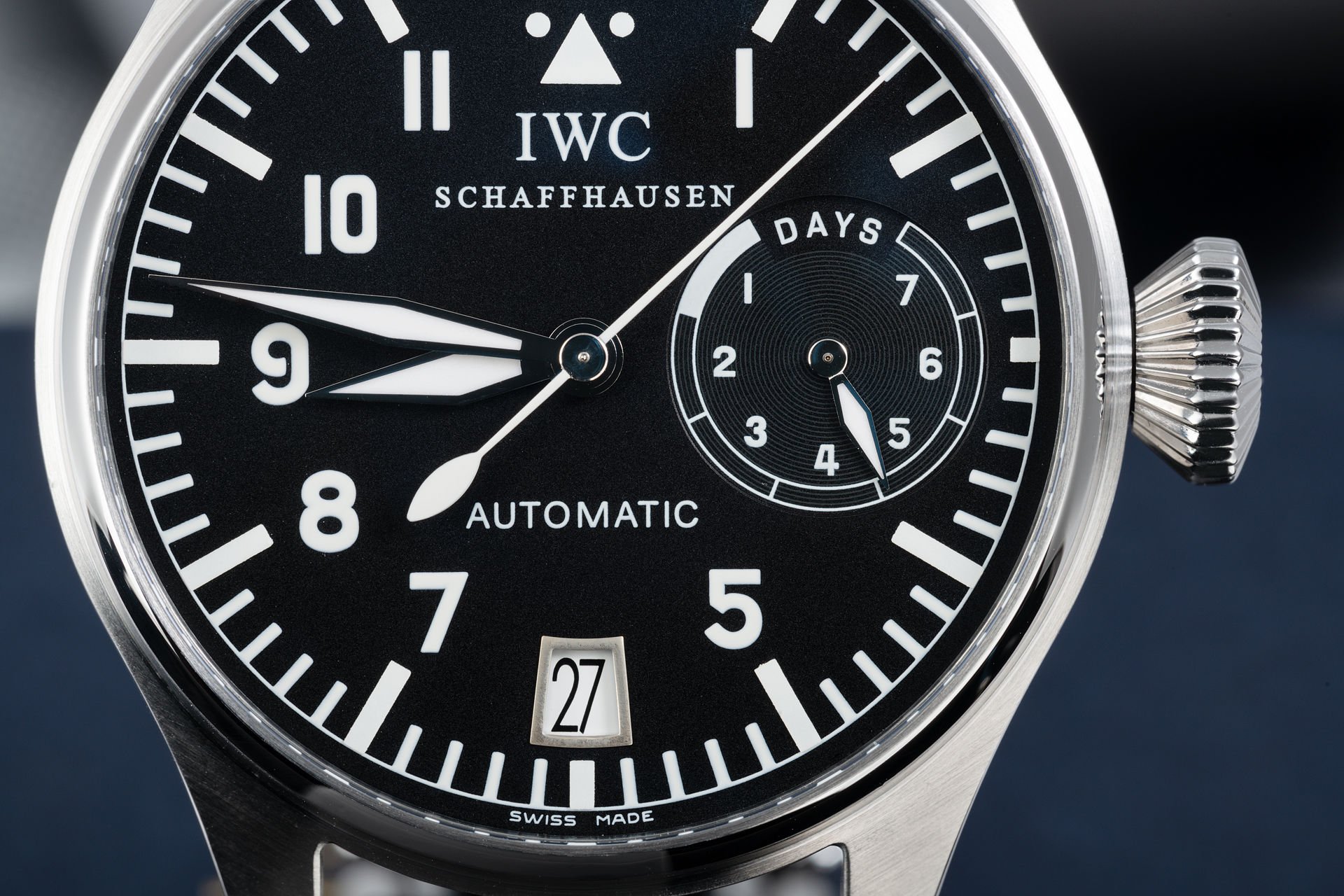
Image: The Watch Club
IWC Big Pilot’s Watch ref. IW5002
There’s no question the IWC Big Pilot’s Watch ref. IW5002 has to be on this list. This watch debuted during Baselworld in 2002 and became one of the most iconic IWC watches ever. On top of that, it was one of the defining timepieces of the era of big watches in the early 2000s. The Big Pilot’s Watch featured a case with a 46.2mm diameter, 15.8mm thickness, and 56.4mm lug-to-lug. Funnily enough, it was still way smaller than the 55mm IWC Beobachtungsuhren (B-Uhren) that the watch was modeled after. IWC supplied the German Luftwaffe in 1940 with 1,000 pieces of the Grosse Fliegeruhr. These German words translate to “Big Pilot’s Watch” in English.
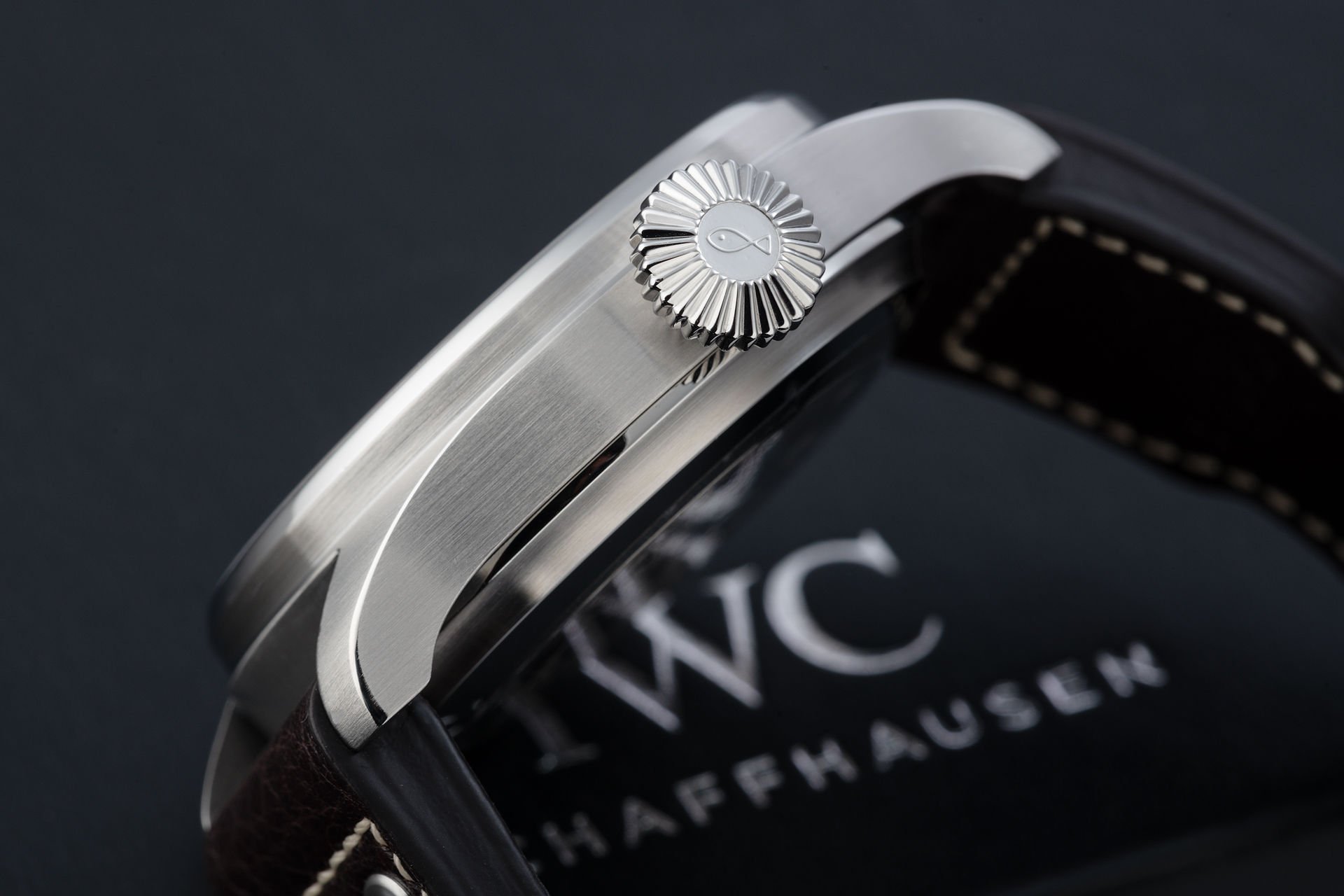
Image: The Watch Club
Compared to the original watches, the IWC designers updated the dial to make it look more refined. They used a different font for the numerals to improve visual balance. On top of that, the numerals at 2, 3, and 4 o’clock were eschewed to fit the seven-day power reserve indicator. Additionally, there is no numeral at 6 o’clock, as that is where the date window is. IWC chose to use a white disc with black printing, which is a bit out of sync with the rest of the dial. What remained, however, were the signature marker at 12 o’clock and the diamond-style crown.
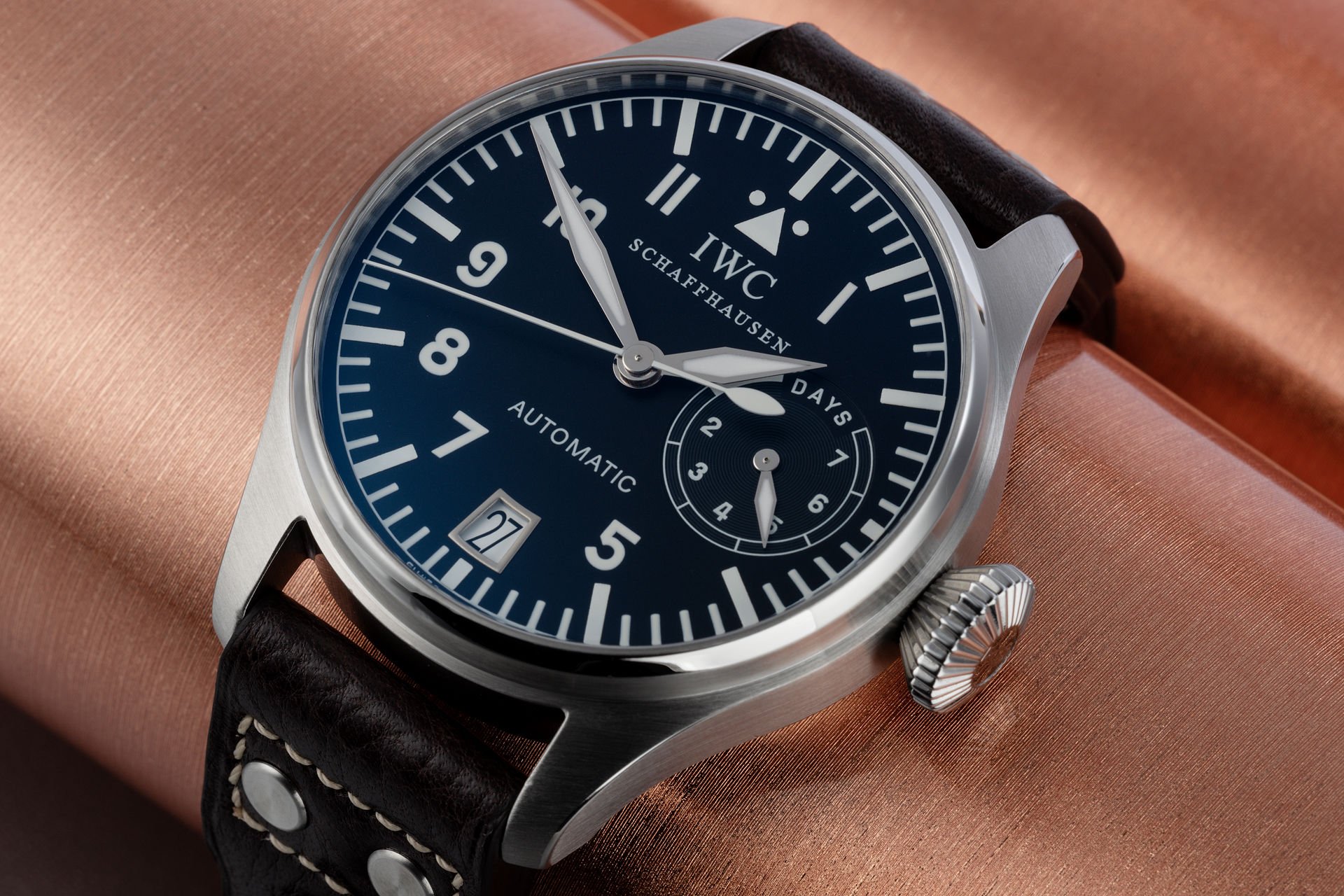
Image: The Watch Club
IWC replaced the famous “fish” crowns
Speaking of which, the initial crowns, which featured a fish image, ended up leaking, allowing moisture and dust to enter. In response, the brand replaced these crowns with the “Probus Schaffhausen” crowns. Inside the case, you will find the in-house caliber 5011. This automatic movement operates at 18,000 vph, has 44 jewels, and features a massive 168-hour power reserve that you can check on the dial. Lastly, the look of the Big Pilot is completed with the signature brown riveted alligator strap. This chunky strap keeps the watch securely in place on your wrist. Today, the IWC Big Pilot’s Watch ref. IW5002 is an industry icon and a much-wanted collector’s piece, available for between €6k and €12k.
Omega Seamaster Professional Ploprof 1200M ref. 224.30.55.21.01.001
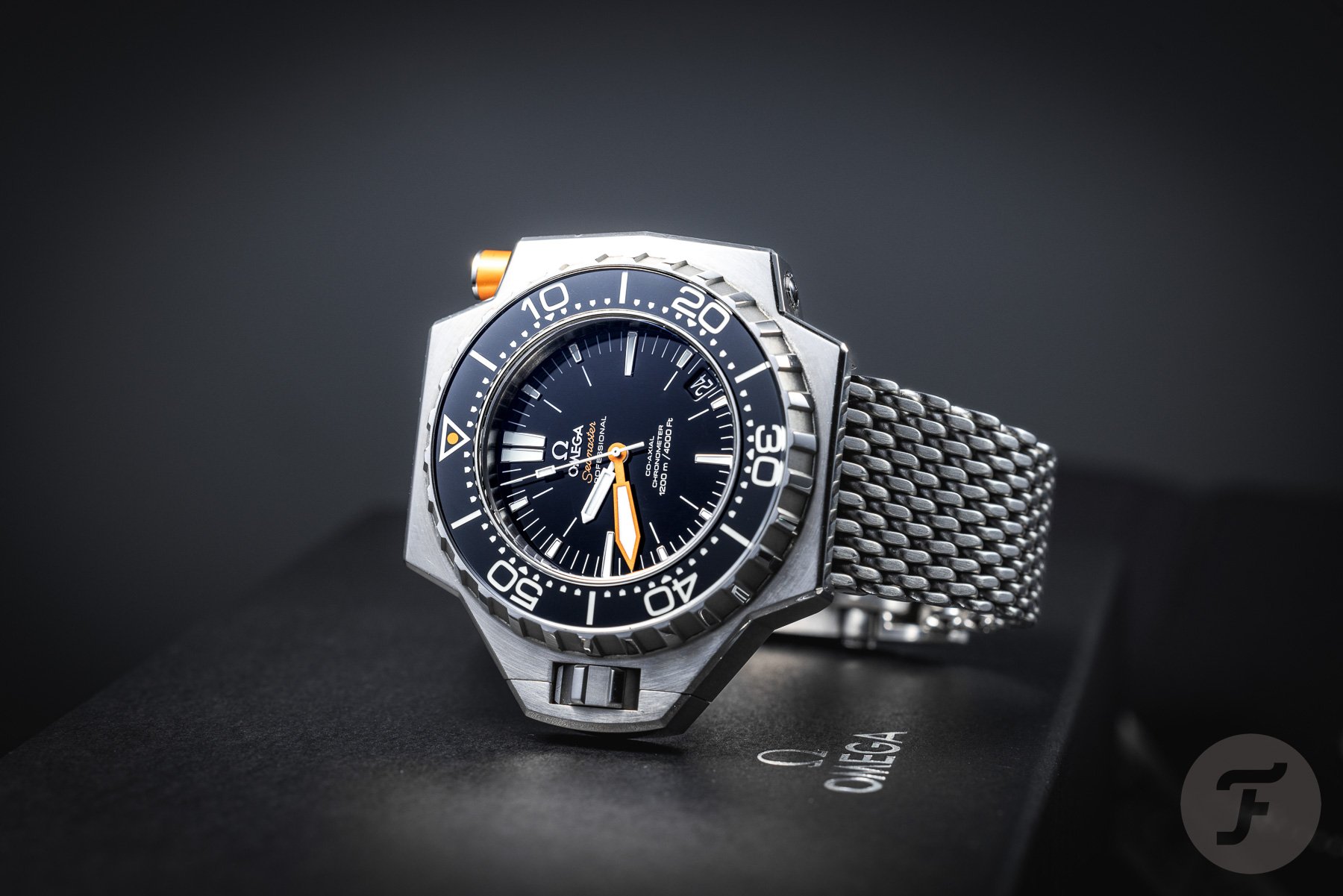
Our fifth and final pick was the easiest out of all of them. While the Omega Seamaster Professional Ploprof 1200M ref. 224.30.55.21.01.001 is, without a doubt, a divisive pick; it is our favorite Omega from the 2000s. The watch was introduced in 2009 as the follow-up to the legendary Seamaster 600 “PloProf” from the 1970s. Omega achieved the often-impossible task of making the modern reissue better than the original. I don’t just mean technically, though, because that is the easy part. Omega also updated the design and colors, making it look far better than the vintage PloProf.
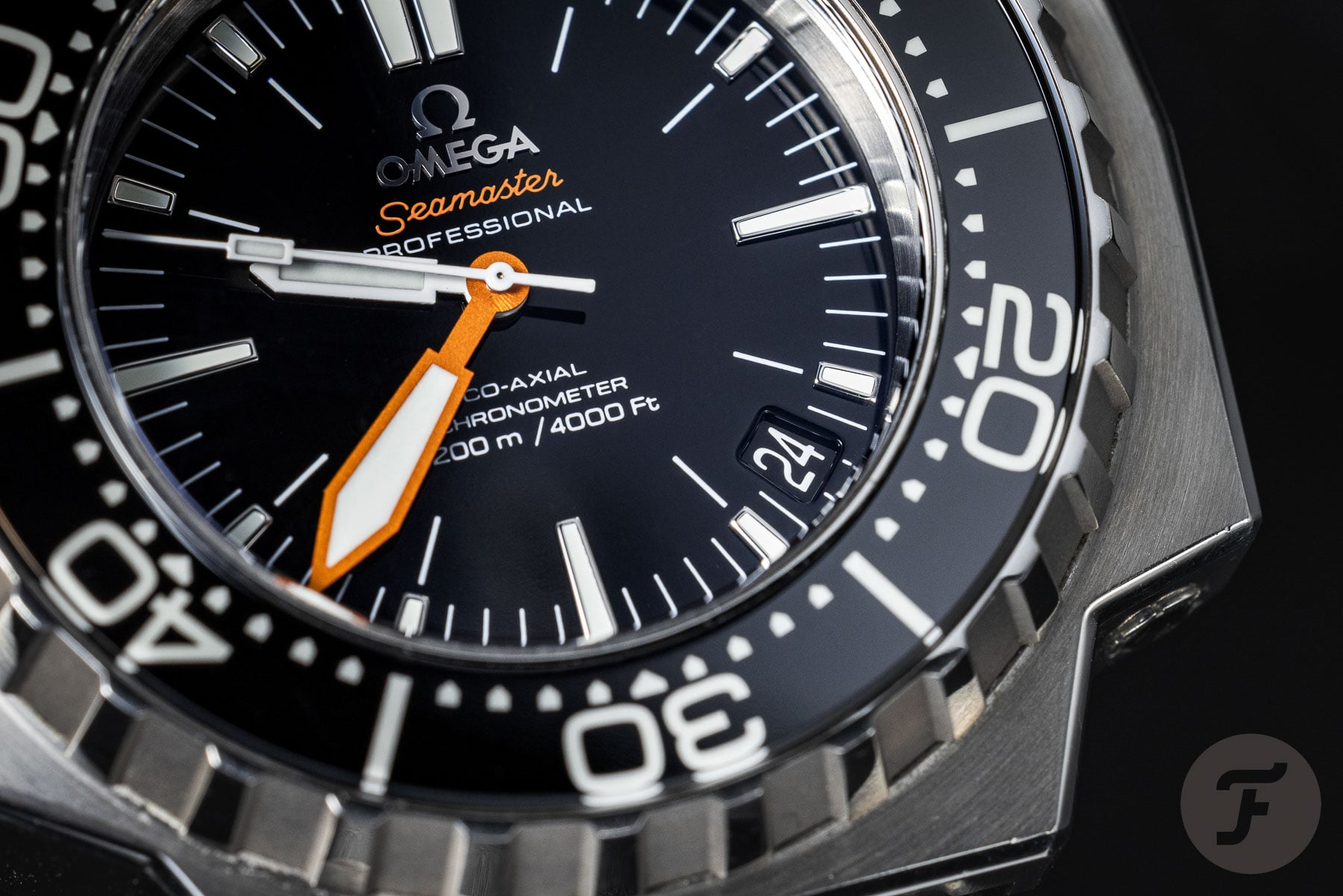
The handset is one example of how the modern Ploprof is better than the original. I don’t like the chopped-off look of the ’70s version’s hour hand, and the designers solved that by introducing a new hand that looked much better. On top of that, they matched the orange color for the minute hand and the bezel-unlocking button, whereas the original used a mix of orange and red accents. Lastly, the integration of the date window is much better than on the 1970s original. It is neatly placed between 4 and 5 o’clock, and with a black date wheel and white printing, the date only stands out when you need it to. The result is a watch that looks quite a bit better than its predecessor.
The huge asymmetrical case is not for everyone
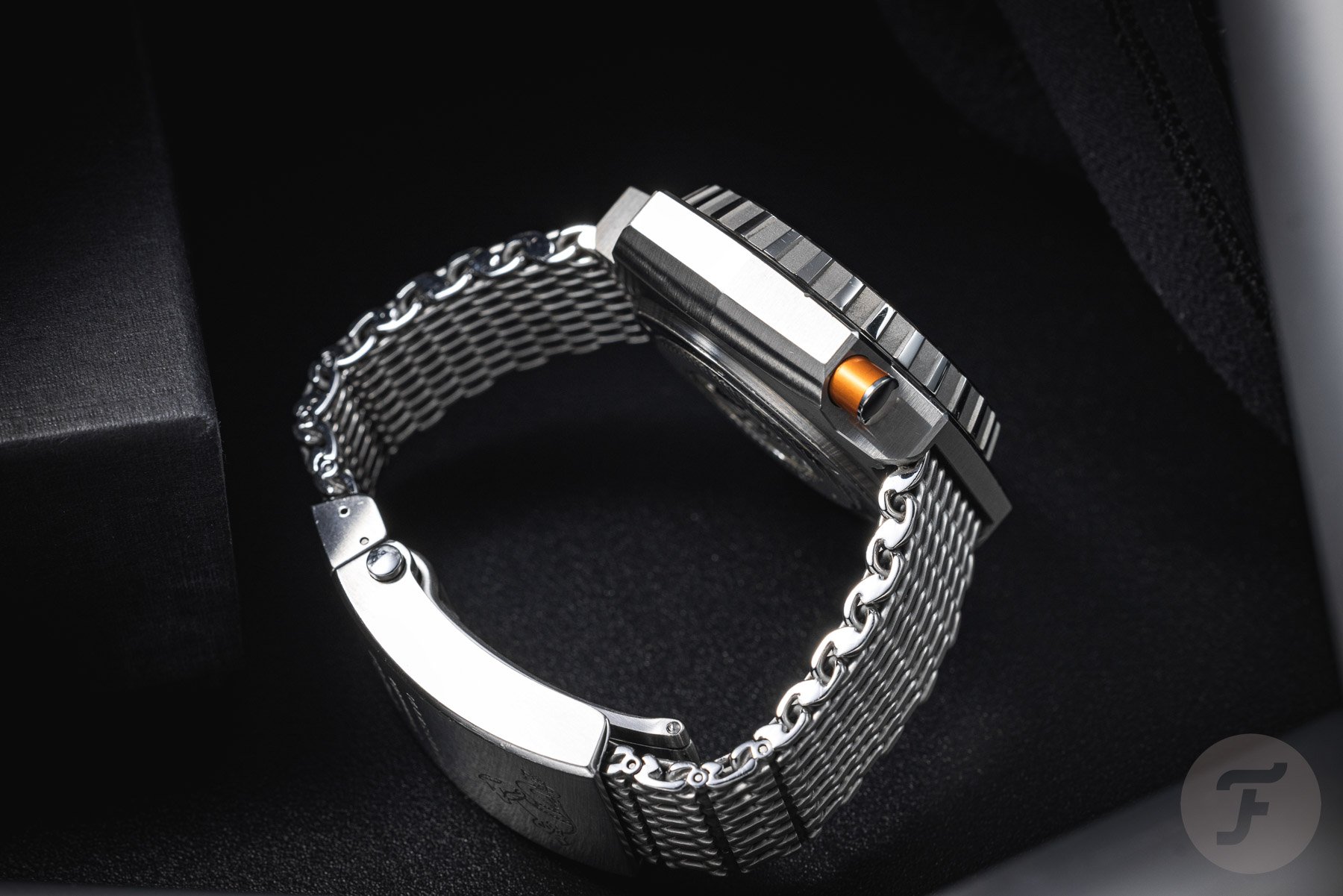
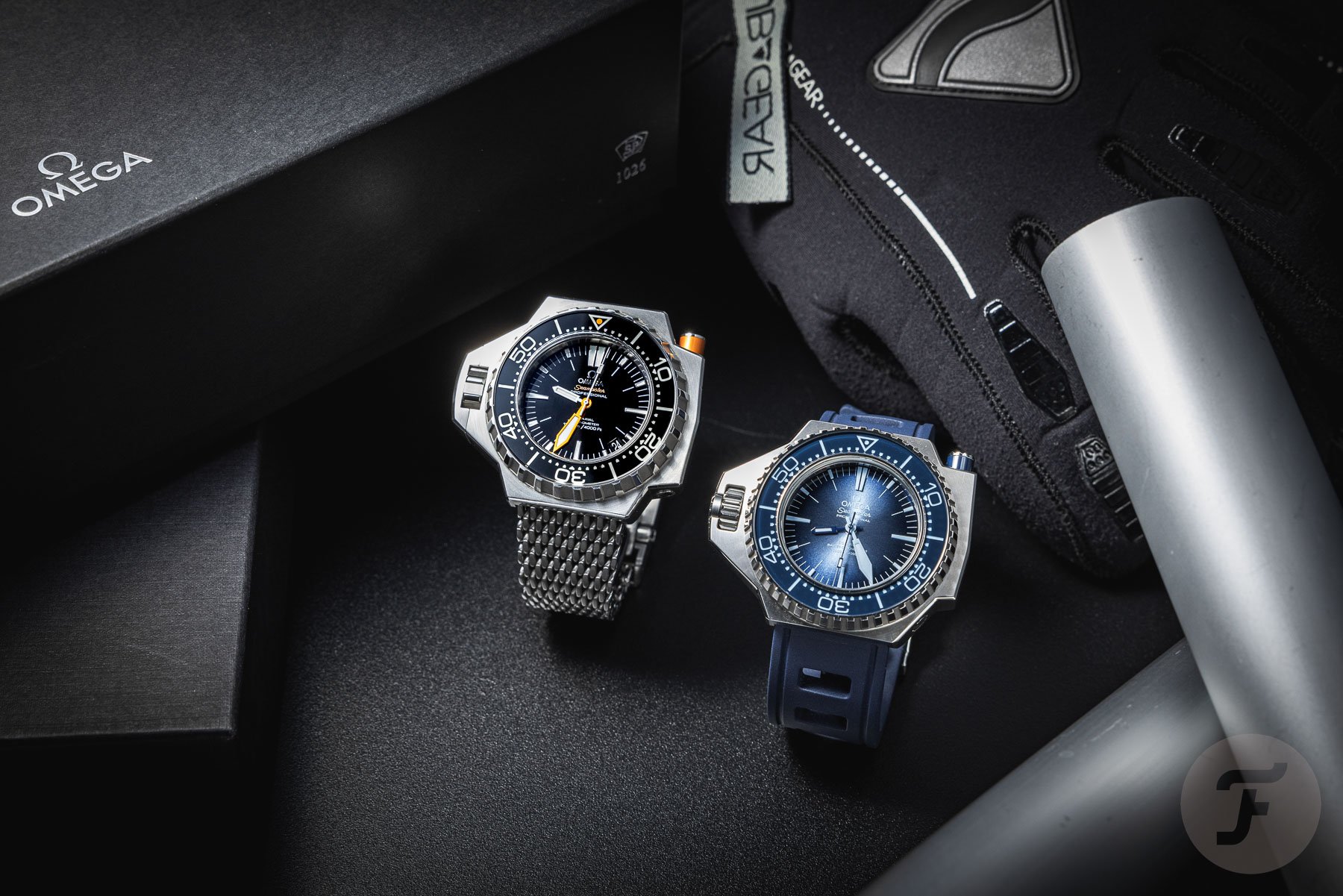
Having said that, this watch certainly won’t speak to everyone. Its asymmetrical 55mm × 48mm stainless steel case is not just an acquired taste, but it also only fits big wrists. If you look again, though, you will see that the base shape is actually symmetrical. Omega added the functional elements on the sides to give it an asymmetrical, strange look. The case features an integrated screw-down crown on the left and an additional “column” on the right for the orange pusher that unlocks the rotating dive bezel. It created a unique look that is perfectly complemented by the stainless steel mesh bracelet. Overall, this is a watch that we adore at Fratello.
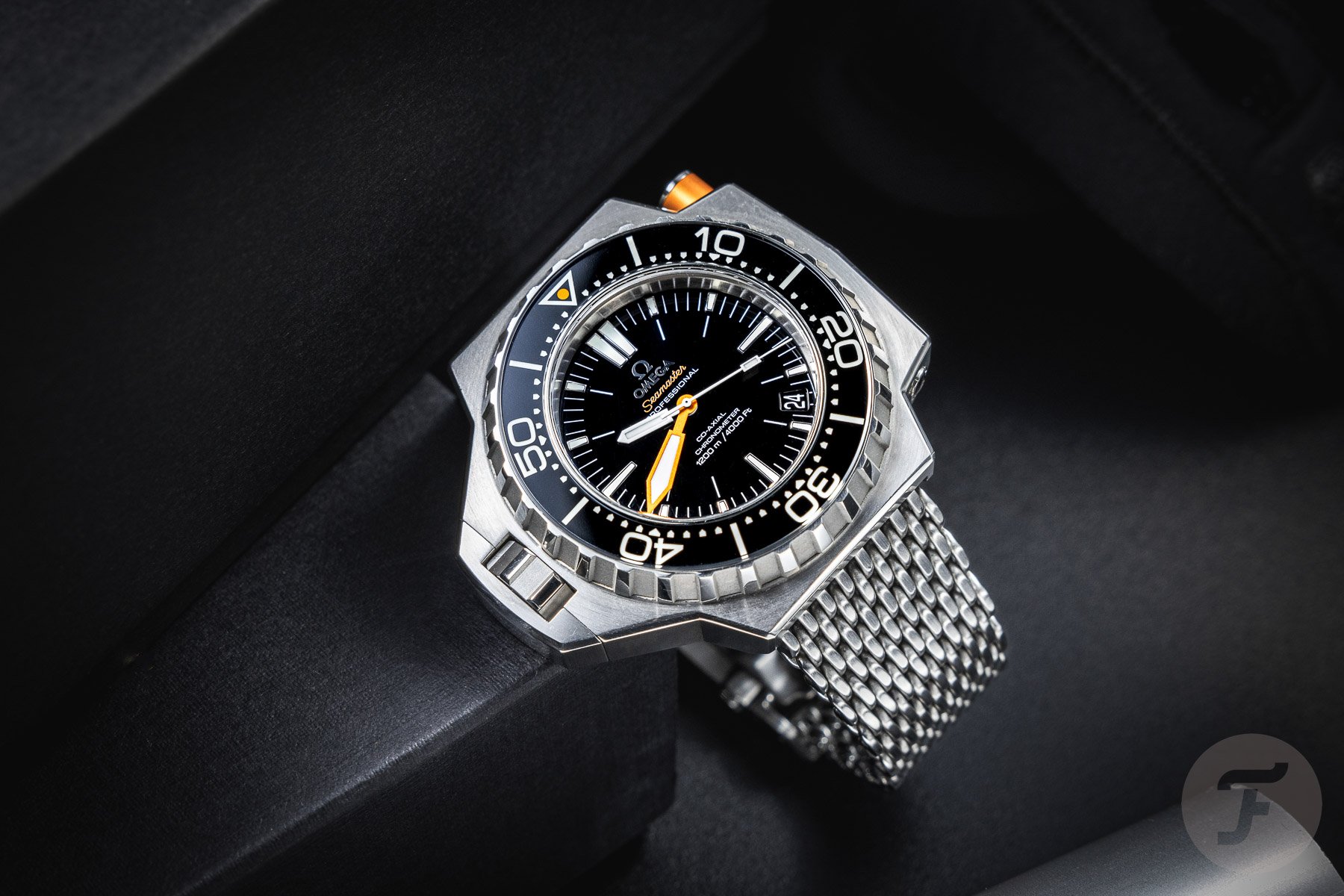
Inside the case, Omega equipped the Ploprof with its in-house-developed caliber 8500. It’s a self-winding movement with a Co-Axial escapement that operates at 25,200 vph and offers a 60-hour power reserve. It is the perfect engine for this 279g chunk of steel. As the ultimate tool watch, not only can the Ploprof reach incredible depths, but it also has the looks to match its functional excellence. Omega discontinued this stainless steel Ploprof in 2019, while the titanium model stayed in production. In 2023, Omega reintroduced the steel Ploprof alongside its Summer Blue Seamaster collection. In all fairness, that’s not the Ploprof you need. You need this modern classic, which can be yours for between €6k and €9.5k.
Final thoughts on our favorite iconic watches from the 2000s
There you have it — five 2000s classics. These watches helped define the style and status of the watch industry at a time when mechanical watches had become super popular again. Obviously, there are so many more great options, so I want to turn the question over to you. Which of our five picks do you like the best, and what are some other 2000s watches that you think deserve praise? Let us know in the comments section, and we’ll be back next week with another list!