How To Juggle Vintage Inspiration And Modern Reinterpretation

Recently, I’ve experienced several watches that all wrestle with the same problem in different ways. Vario, Timor, and Ollech & Wajs each draw heavily on history, yet each brand has landed on a different answer to a question that sounds simple and is not: how much of a vintage design should a modern watch actually keep?
That question matters more than it may seem. Copy an original design too closely, and you end up with a costume rather than a watch, something that only makes sense in the context of the piece it is imitating. What I’m driving at here is that it’s nice to see a little originality beyond the use of modern materials. I would humbly argue that if we get too close to a copy, some of the soul of that design is lost. Yes, I’m talking about “feeling” rather than an objective fact, but I suspect many of you may agree.
This is a real issue that designers and brands sometimes need to grapple with. Wander too far from the source, and you lose the very thing that made people care in the first place — the specific historical texture that separates a heritage design from a generic one. Somewhere in between sits the genuinely hard work of reinterpretation. I’ve chosen to highlight Vario, Timor, and Ollech & Wajs because I feel they tackle the same question in different ways, which we also see across the broader watch industry. Thus, they serve as good case studies. Let’s dive in.
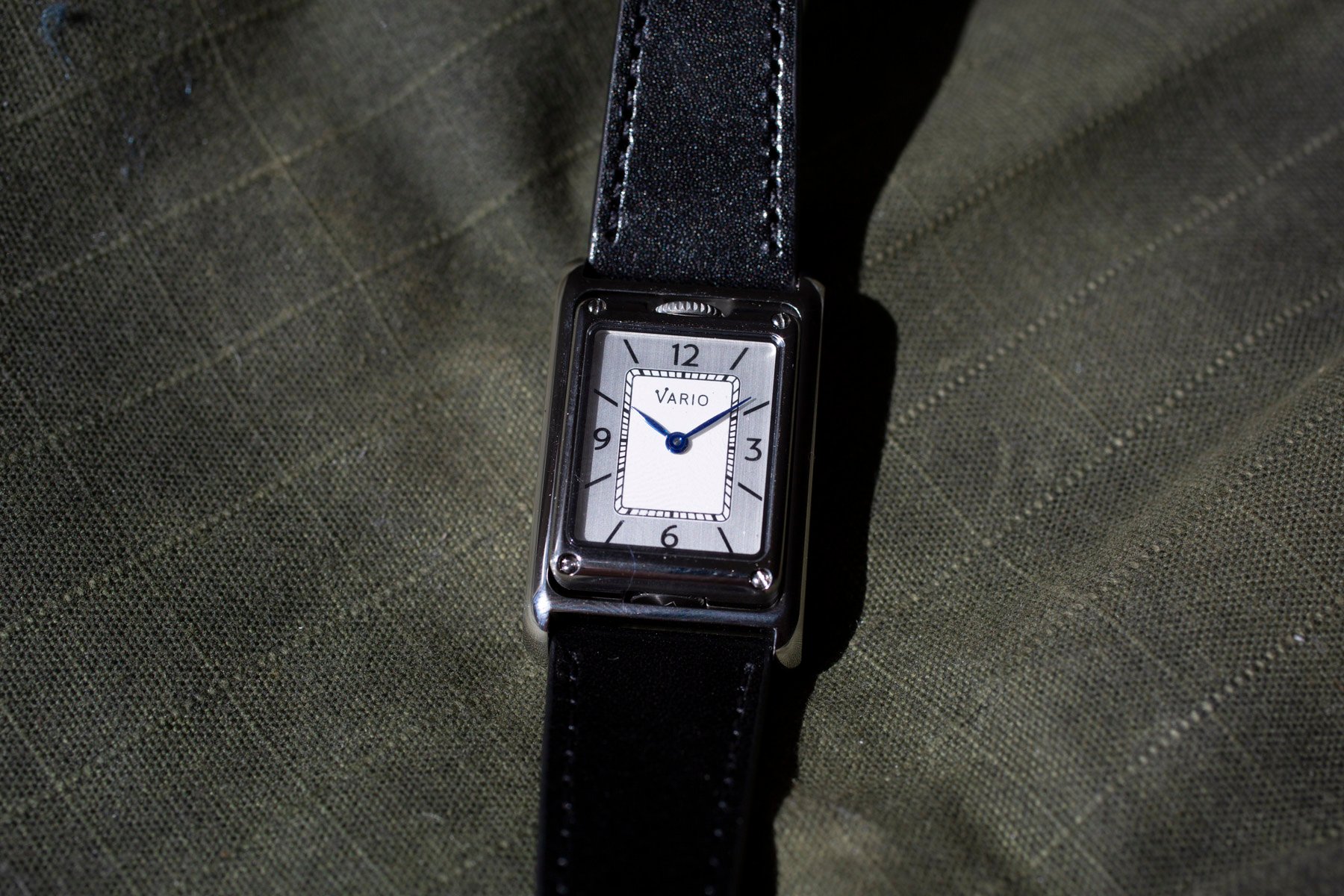
Vario treats history as raw material, not a blueprint
The Singapore-based microbrand Vario is the most openly reinterpretive of the three. Rather than reissuing one specific vintage reference, it borrows from entire design eras. Vario takes trench watches from the First World War, Art Deco lettering and case shapes, and the sleek industrial lines of 1930s streamline design and rebuilds them as new watches that were never actually issued in period.
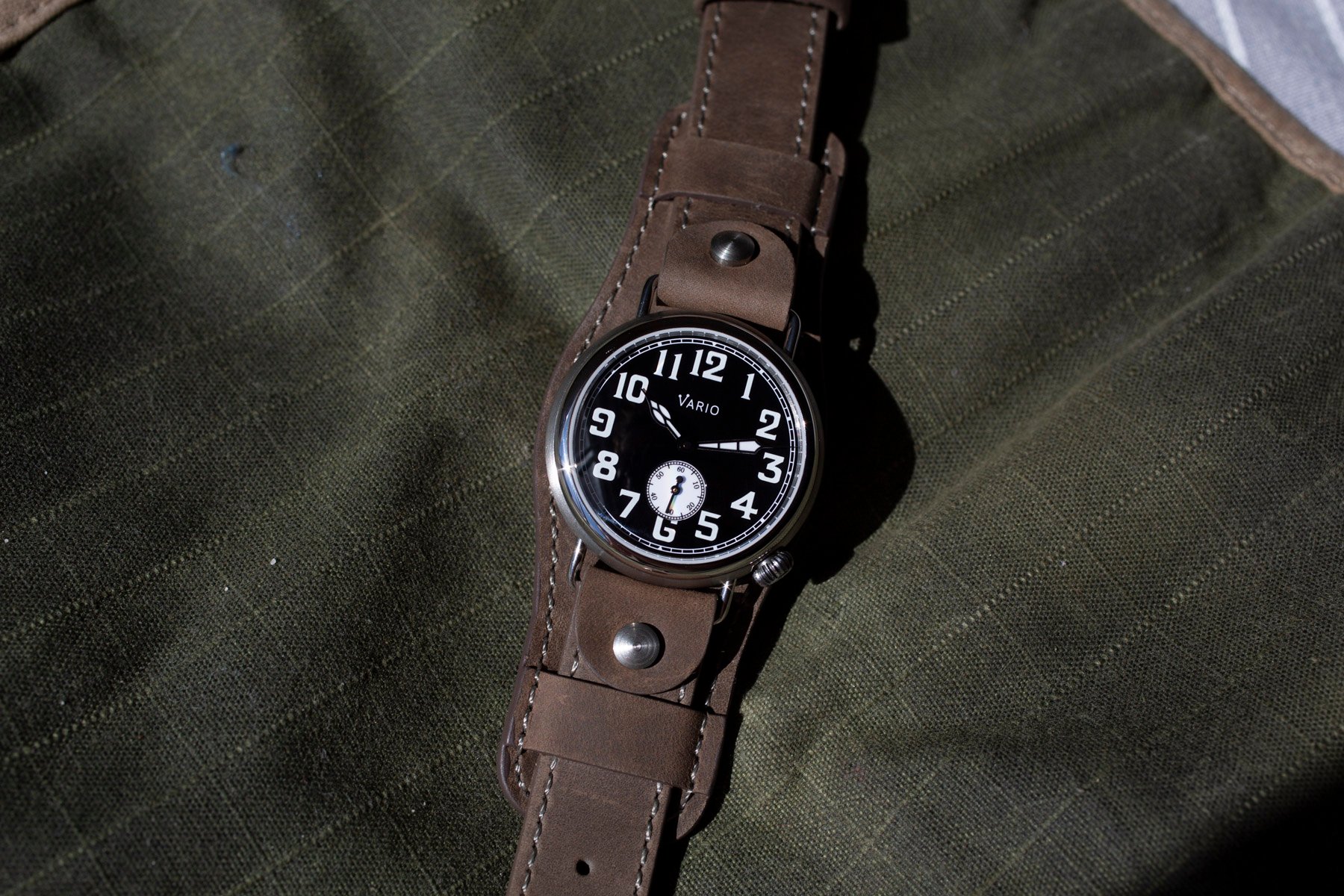
The brand treats modern manufacturing as a considered addition rather than something that compromises design.
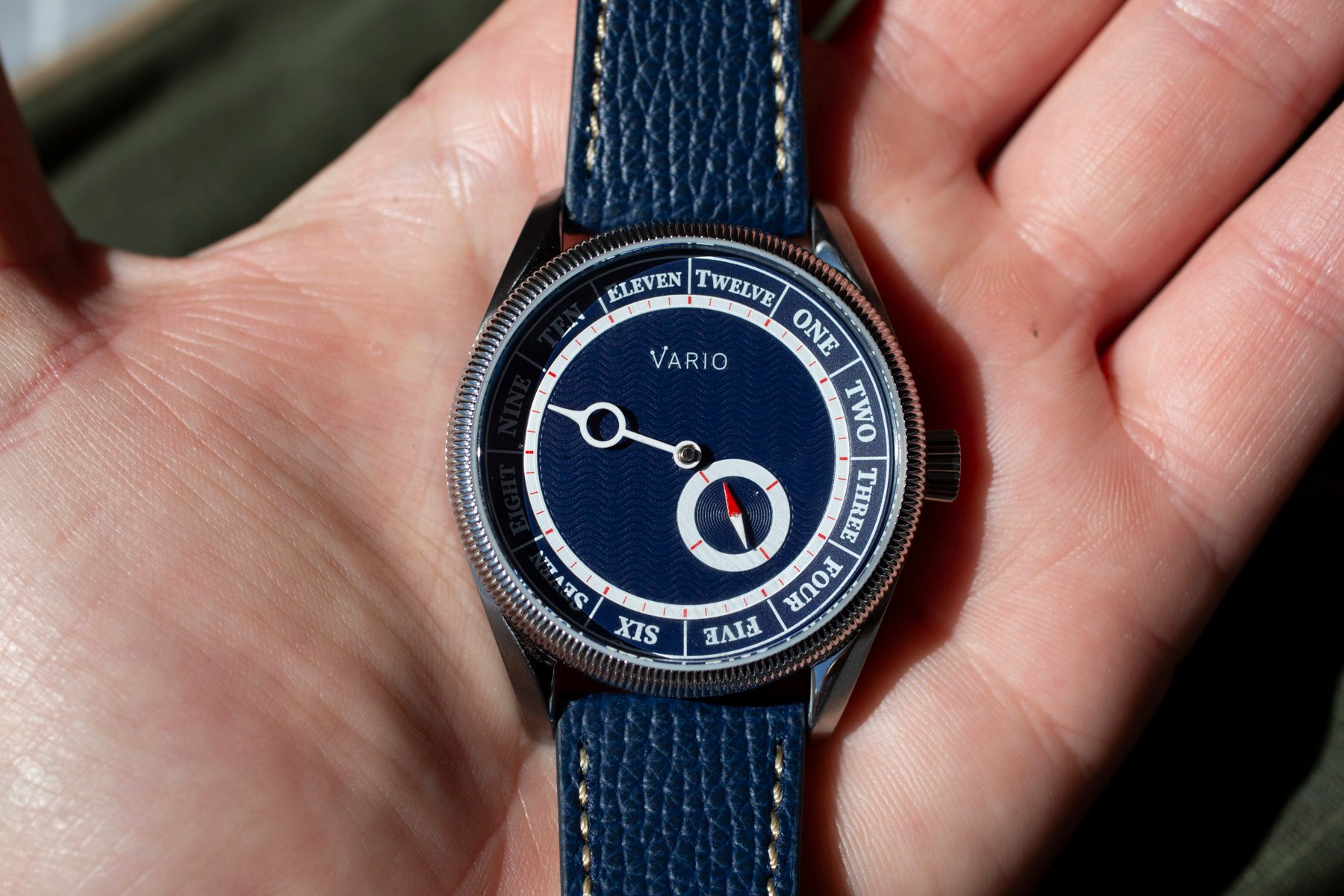
Vario is an intriguing option
This only works because Vario is disciplined about proportions, typography, and the small details that make a design read as authentic rather than costume-like. The result is a watch that could plausibly have existed in the era it references, even though it never did.
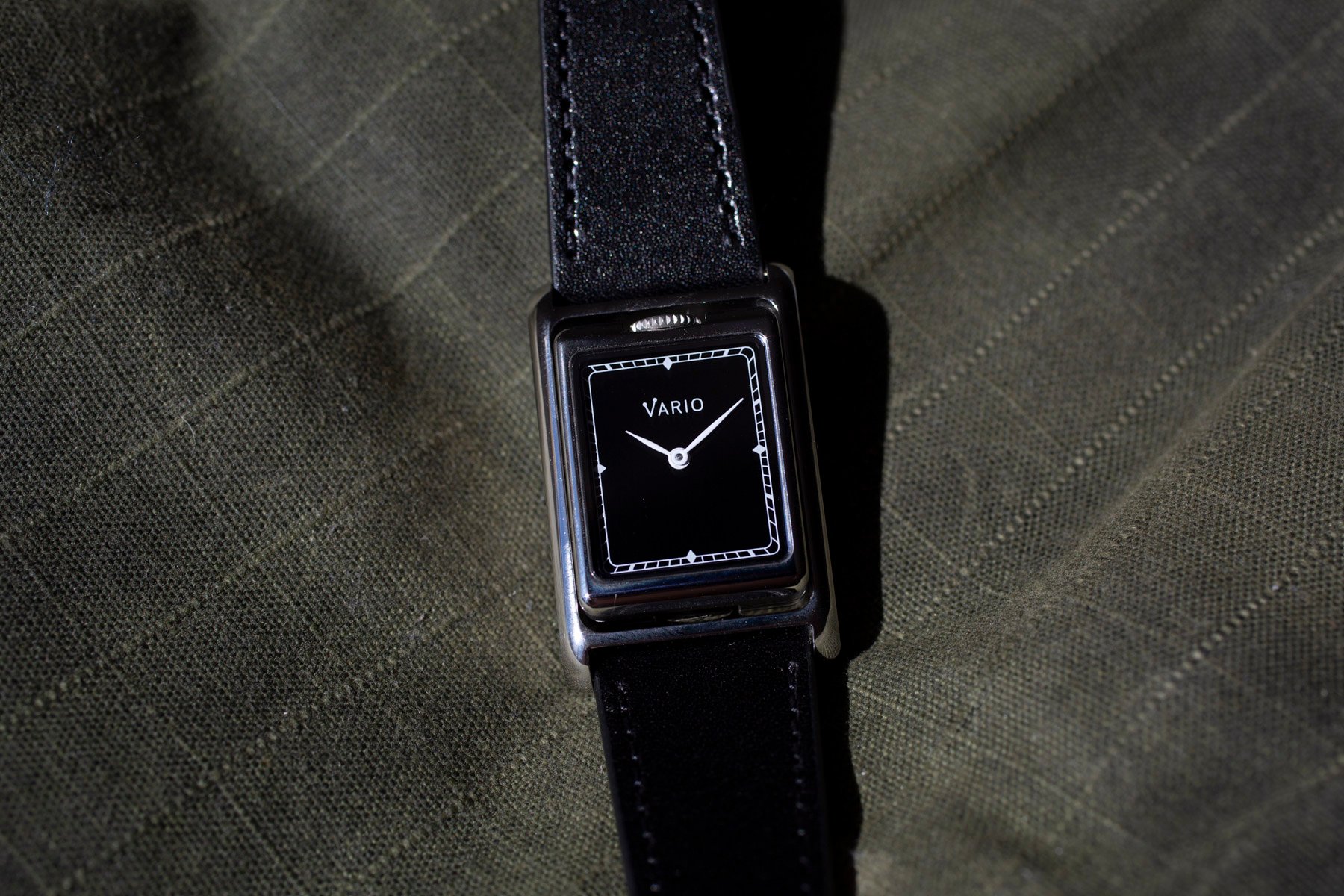
That is a genuinely different exercise from a straight reissue, and it’s harder to get right, since there is no original object to check your work against.
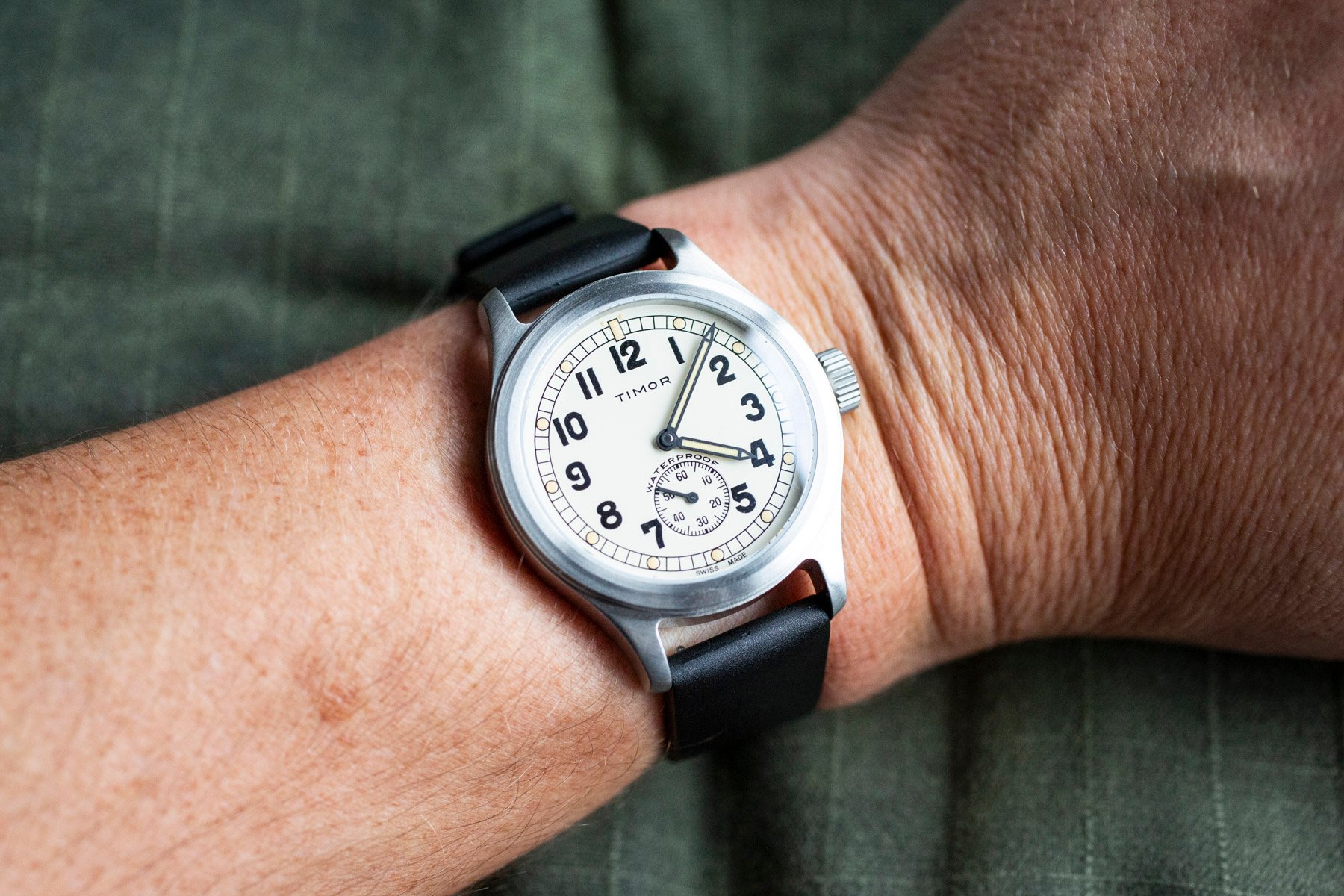
Timor stays as close to the original as modern manufacturing allows
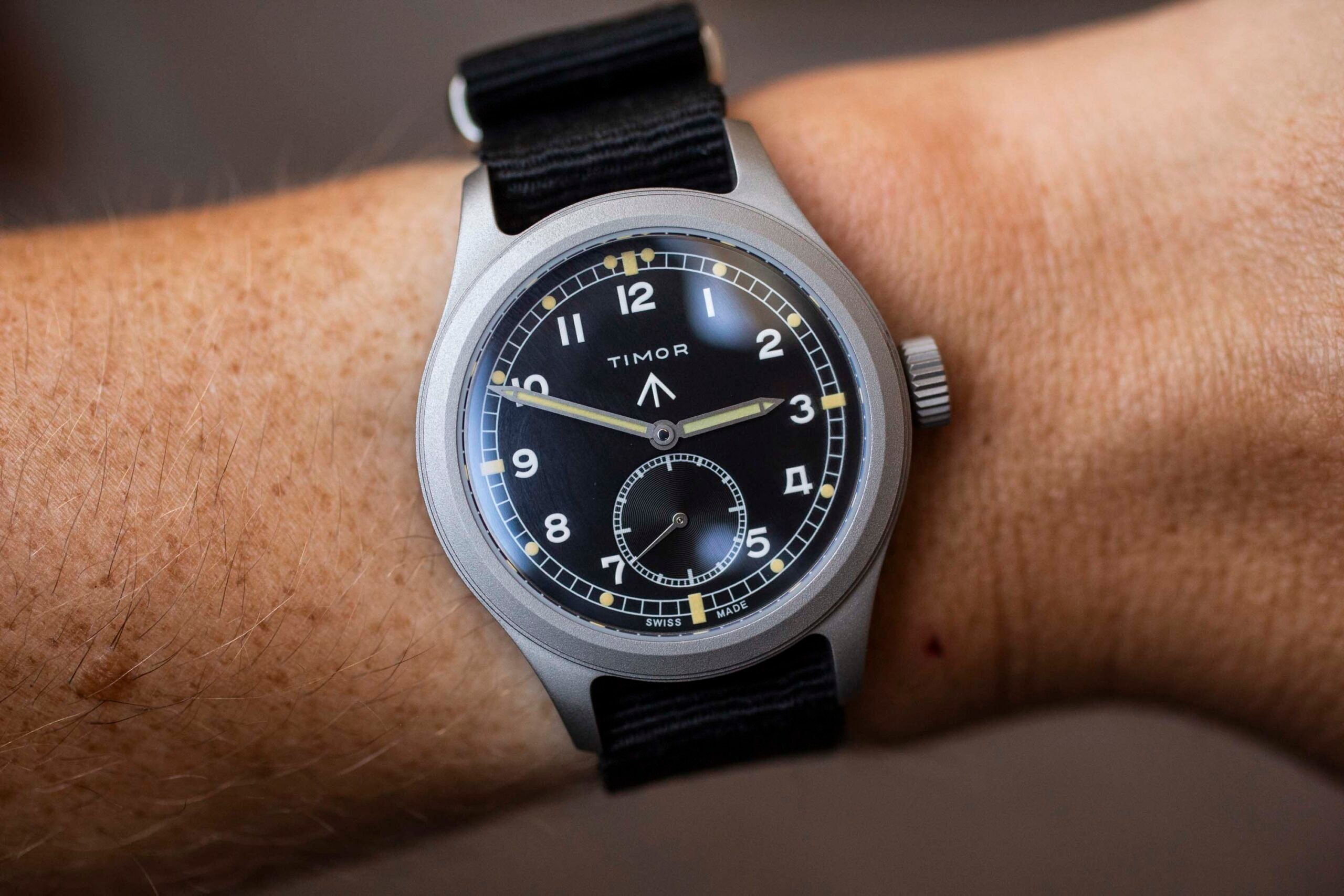
Timor sits at the opposite end of the spectrum. As one of the original “Dirty Dozen” brands that supplied rugged field watches to the British military during the Second World War, Timor’s modern revival has focused on faithfully reviving its wartime references rather than reinterpreting them.
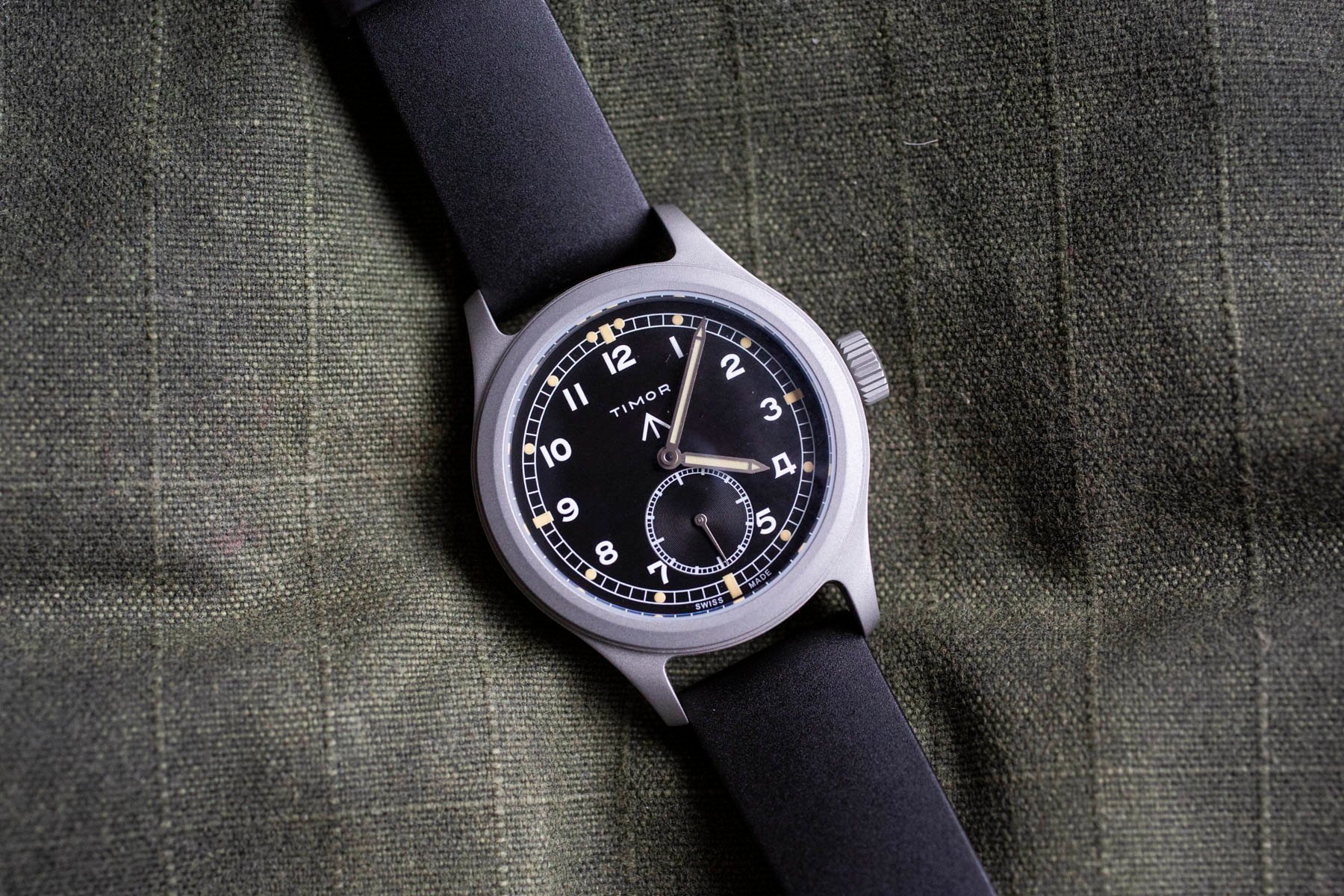
The case size, dial layout, and small-seconds sub-dial all stay close to the original specification. This includes the compact proportions that would have felt entirely normal on a soldier’s wrist in the 1940s and feel distinctly small by comparison today, at a size some modern buyers need to actively seek out rather than stumble into.
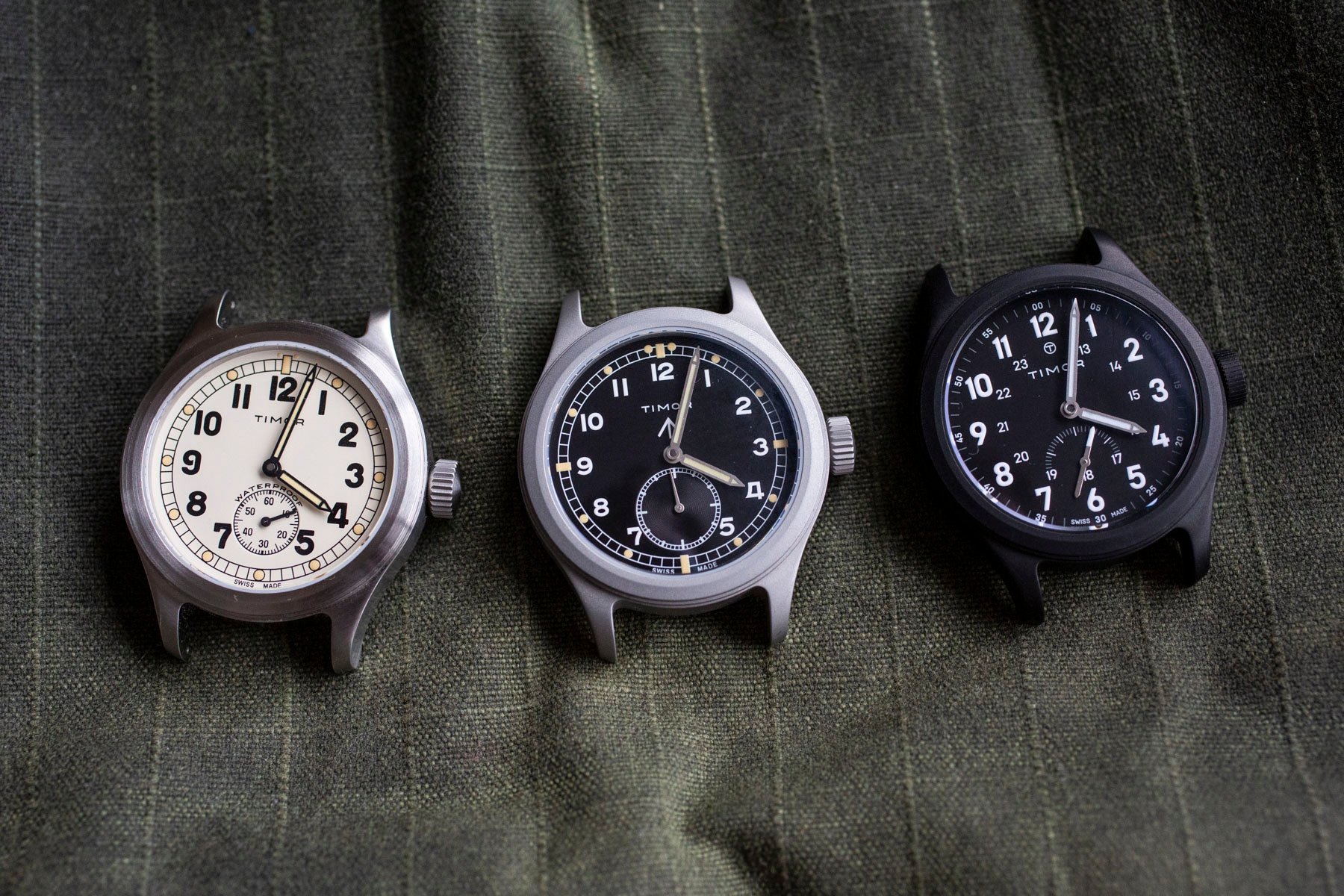
Timor does well in this regard
The concessions Timor makes are almost entirely internal — a sapphire crystal instead of the original plexiglass, a modern Swiss movement in place of the wartime caliber, and manufacturing tolerances no 1940s factory could have delivered.
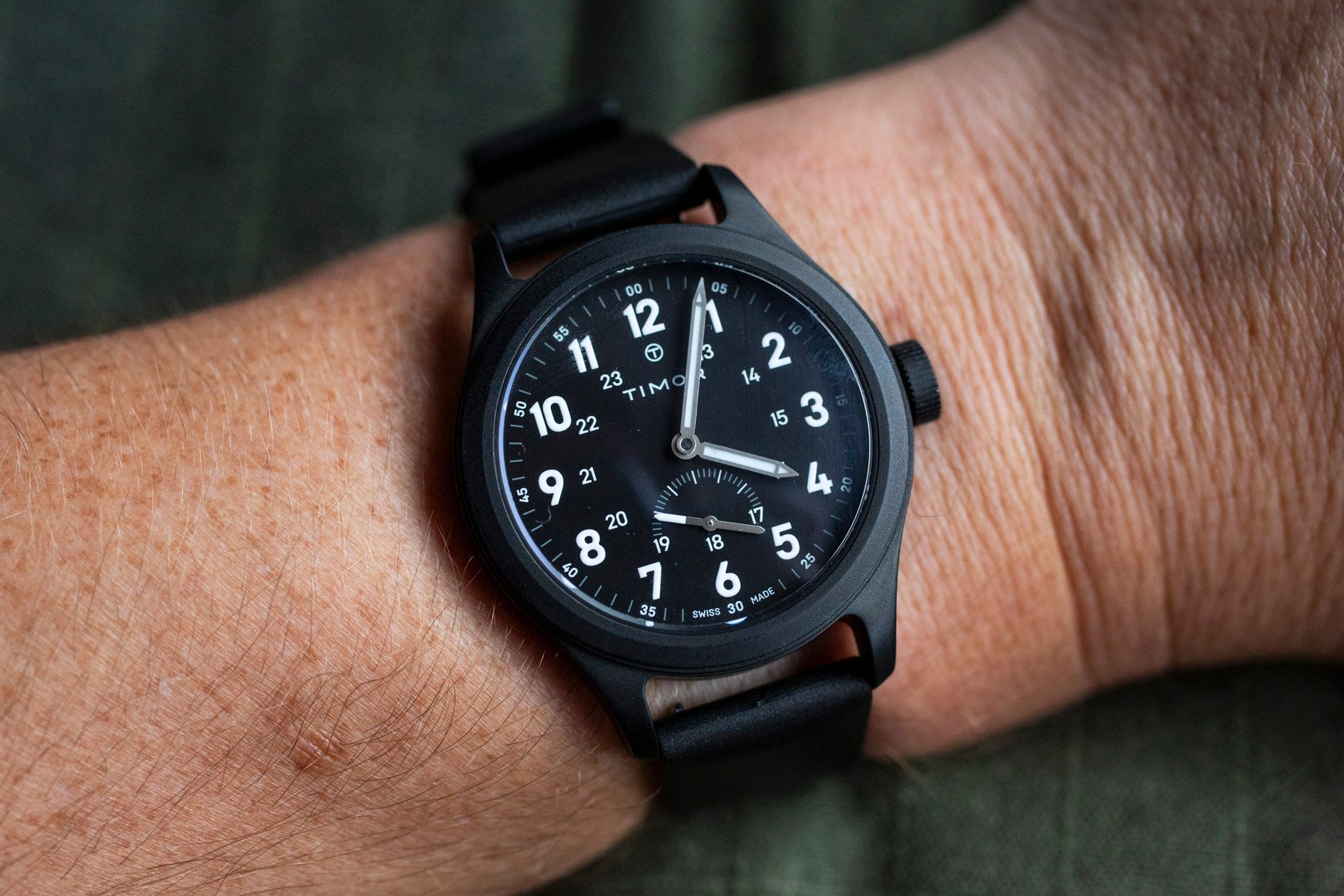
Visually, though, the watch is built to be mistaken for the original at a glance. That fidelity is the entire point, and for a brand whose identity is inseparable from a specific historical document, it is arguably the only honest approach available.
Ollech & Wajs plays both sides at once
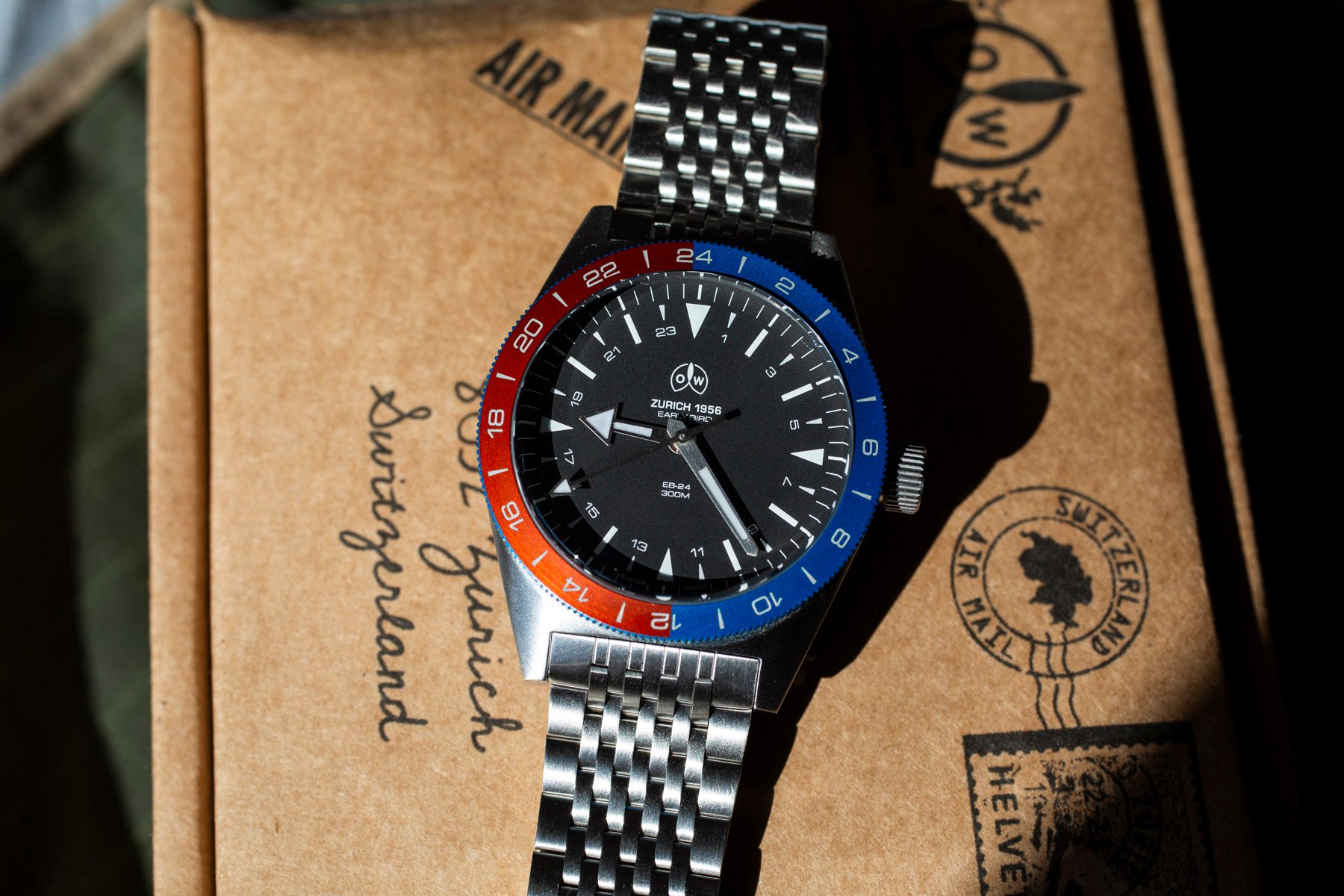
I would argue Ollech & Wajs offers the most interesting strategy because it does not commit to either approach exclusively. Some of the brand’s releases are relatively faithful reissues of specific vintage references from its 1960s military and dive-watch archive. But they always have a modern twist despite closely tracking the designs of the original watches that once shipped through PX stores to soldiers, who needed them to actually work rather than look the part.
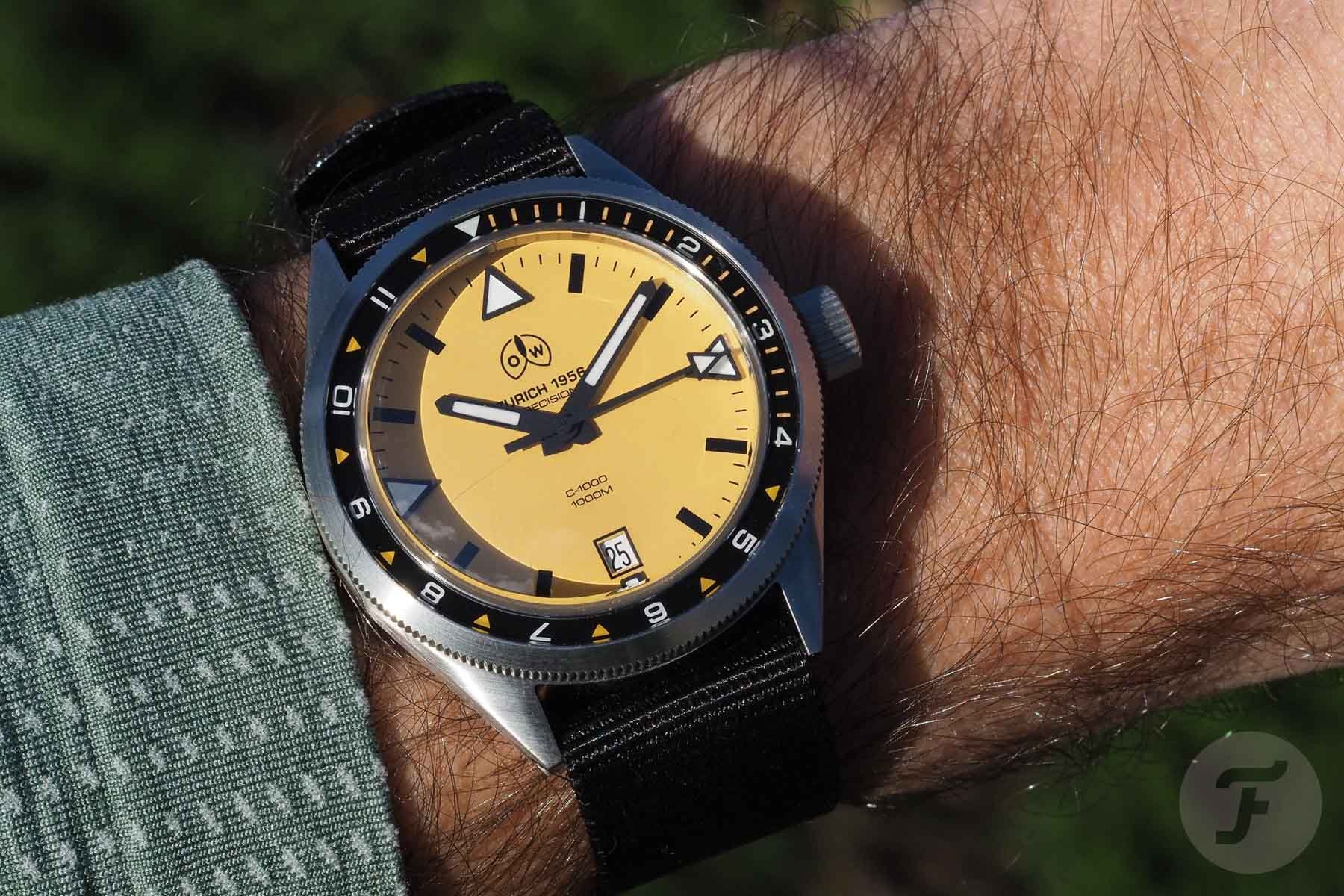
Others are entirely new designs that borrow elements from several old references at once, arriving at something that never technically existed but feels unmistakably like an Ollech & Wajs.

Ollech & Wajs watches are an interesting case study
That flexibility means that, with the same catalog, the brand can serve two kinds of buyers — the purist who wants an accurate rebuild of a specific vintage piece and the person who wants the flavor of that history in a new design.
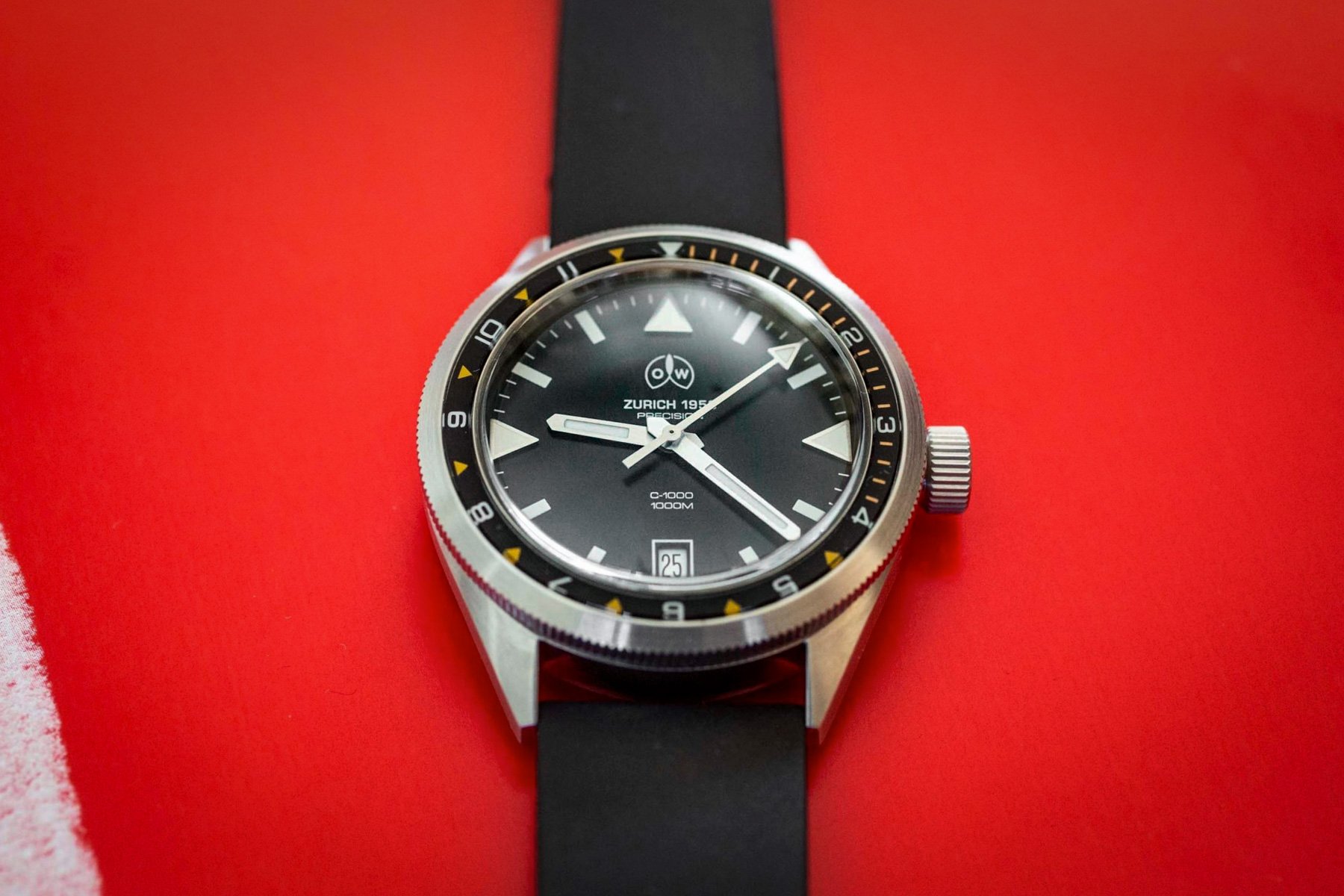
Running both approaches side by side is not easy, as it requires the brand to be completely clear internally about what each release is meant to be. When done well, however, it avoids the trap either extreme can fall into on its own, whether that is fossilizing into pure nostalgia or drifting so far from the source material that the heritage claim stops meaning anything.
So, which approach actually works?
There is no single correct answer here, and that’s the point. Vario’s reinterpretive approach rewards a brand with strong design instincts and no single, fragile piece of history to protect. Timor’s faithful approach to reissues works precisely because the brand has one document-grade reference worth protecting exactly as it was. Ollech & Wajs sits in between because its archive is wide enough to support both strategies without either one undermining the other.
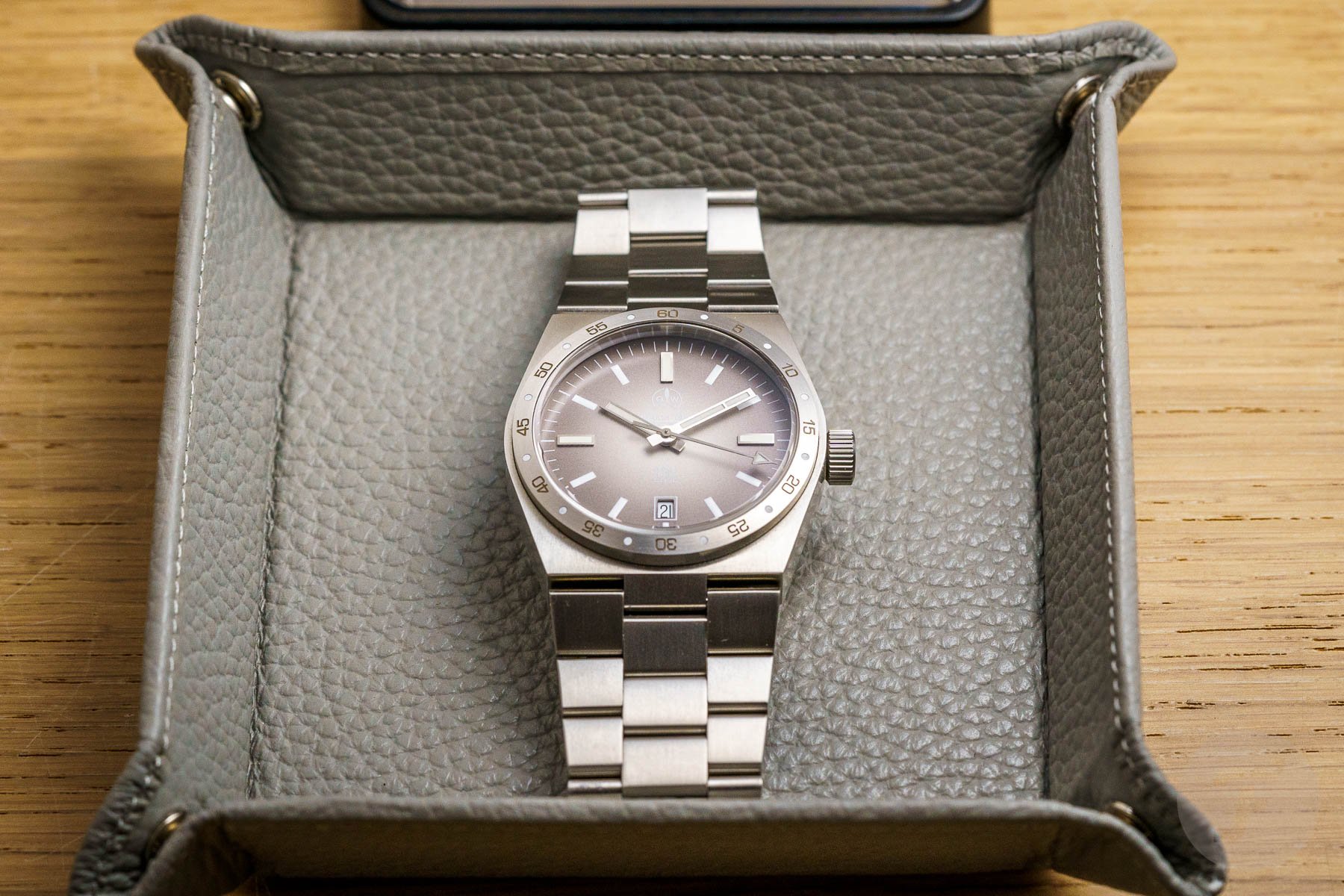
What all three brands share is a mix of restraint and experimentation applied in different places. Vario restrains itself with proportion and detail so a new design does not drift into pastiche. Timor pulls back and honors itself by changing almost nothing visible, except in its overtly modern blacked-out model. Ollech & Wajs keeps its two approaches clearly separated rather than blurring them into something confused. The common thread is not a formula. It is simply knowing exactly what you are trying to protect and building everything else around that decision.

Concluding thoughts
Watching these three brands work through the same underlying tension has made me more skeptical of any single rule about how to handle heritage design well. Honestly, it seems that there is no ratio of old to new that works everywhere, no formula that you could apply equally to a Singaporean microbrand and a Swiss brand with strong heritage without something getting lost in translation.
What matters is whether a brand is deliberate about which parts of its history are load-bearing and rigid and which parts can flex, as well as whether it remains consistent about that rather than changing from release to release. Which approach do you find more convincing — a faithful reissue or a design that reinterprets the past rather than repeating it? Let me know in the comments!