Should You Upgrade Your Existing Watch Instead Of Buying A New One?

A while back, a 39mm Tudor Ranger on loan from Rolex Australia arrived for review. I expected to spend two weeks writing about its dial and movement, as usual. Instead, I kept coming back to the bracelet — specifically, its clasp. Compared with the one on my Black Bay 58, it felt like a significant step forward.
Before returning the loaner, I tried the Ranger’s bracelet on my navy-blue Black Bay 58. It fit perfectly. After sending the review watch back, I contacted Tudor Australia and bought a Ranger bracelet as an official spare part. It has stayed on my BB58 ever since, while the original now sits in a drawer.
Fratello founder RJ often says, “Always buy the watch on the bracelet.” I didn’t follow that advice when I bought my Black Bay 58. The watch was so popular at the time that finding one on a bracelet was difficult, so I chose the Tudor fabric strap instead. I’ve worn it only a couple of times. A few years later, I bought the older rivet-style bracelet from Tudor Australia. But wearing the Ranger bracelet showed me there was a better option.
What the review loaner made obvious
I already owned a navy-blue Black Bay 58 when I reviewed the Ranger, and I was happy enough with its bracelet. The faux rivets, inspired by those on Tudor’s dive watches from the 1950s and ’60s, look the part, and many owners love them. I had no major complaints, either.
That changed after two weeks of wearing the Ranger’s superior clasp every day. The BB58’s standard bracelet has just three micro-adjustment holes, spaced roughly three millimeters apart, and no half links to fine-tune the fit. As a result, I often had to settle for a bracelet that was either slightly too loose or too tight. I’d grown used to that compromise, but wearing the Ranger’s T-fit clasp during a review that wasn’t even about bracelets made me realize how much better the fit could be.
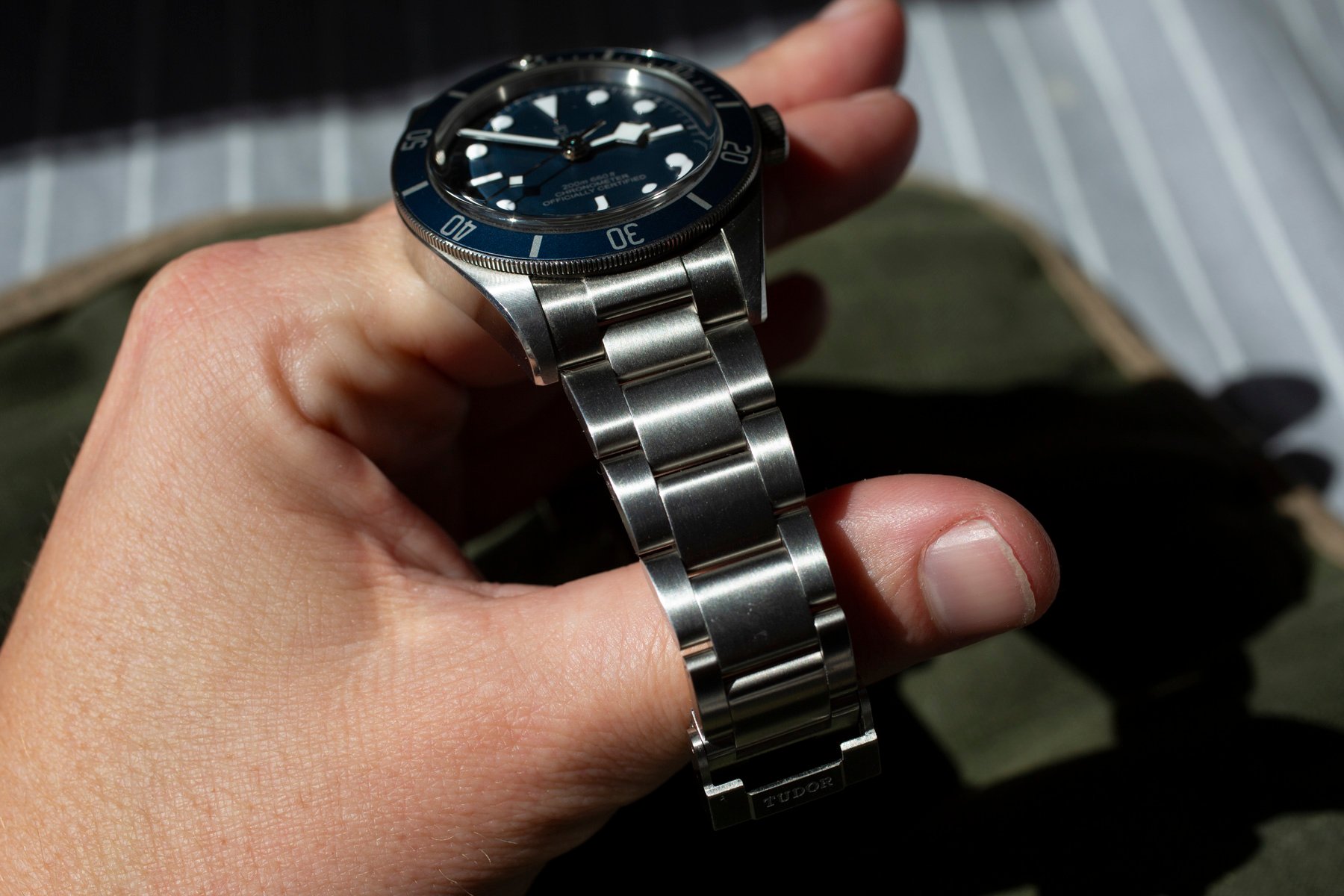
Testing the fit before committing to it
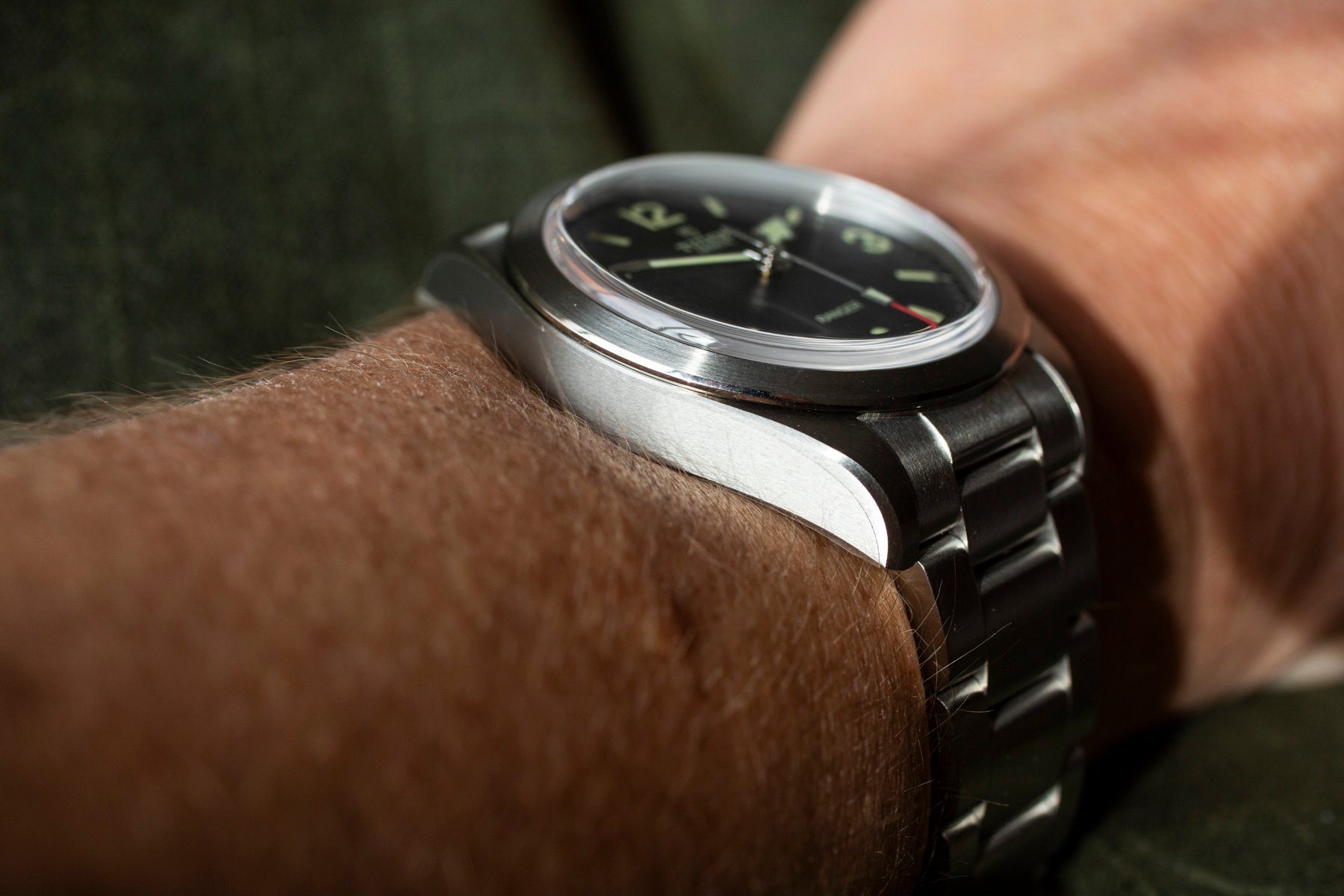
Released in 2022, Tudor’s 39mm Ranger has a different bracelet from the BB58. Its brushed Oyster-style links have no faux rivets and meet a T-fit clasp. The system provides around eight millimeters of spring-loaded, on-the-fly adjustment. That’s enough to accommodate a wrist that swells after a run or contracts on a cold morning.
Before returning the review watch, I removed the Ranger bracelet and tried it on my BB58. Both watches have a 20mm lug spacing and the same mid-case design, and the bracelet fit perfectly. There was no gap or movement, and nothing looked out of place. That quick test was all the convincing I needed.
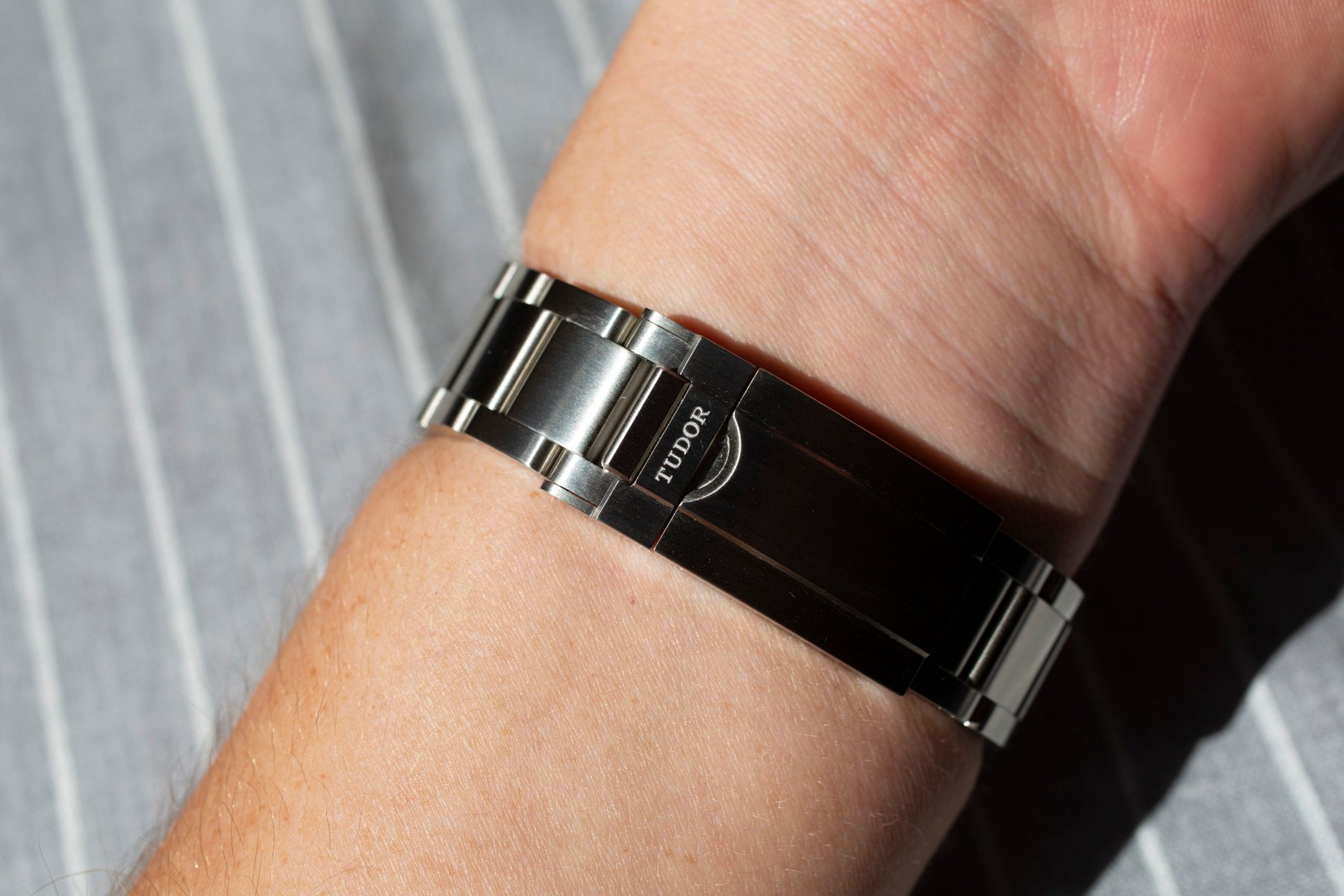
Buying the bracelet as a spare part
After returning the loaner, I contacted Tudor Australia and bought a new Ranger bracelet as an official spare part rather than looking for a used one. It wasn’t the cheapest solution. A complete bracelet costs considerably more than a clasp alone would if Tudor offered it separately. However, buying directly from the brand removed any uncertainty about the finish or compatibility, and the part came with the same warranty support as the rest of the watch.
I didn’t want to attempt fitting the bracelet at home, so I had a watchmaker with the proper spring-bar tools do it. The end links sat flush against the BB58’s case, just as they had during my initial test. Once again, there were no gaps, no movement, and no visible difference in finish. The original bracelet came off intact and now sits in its box, ready to return if I ever miss the rivets.
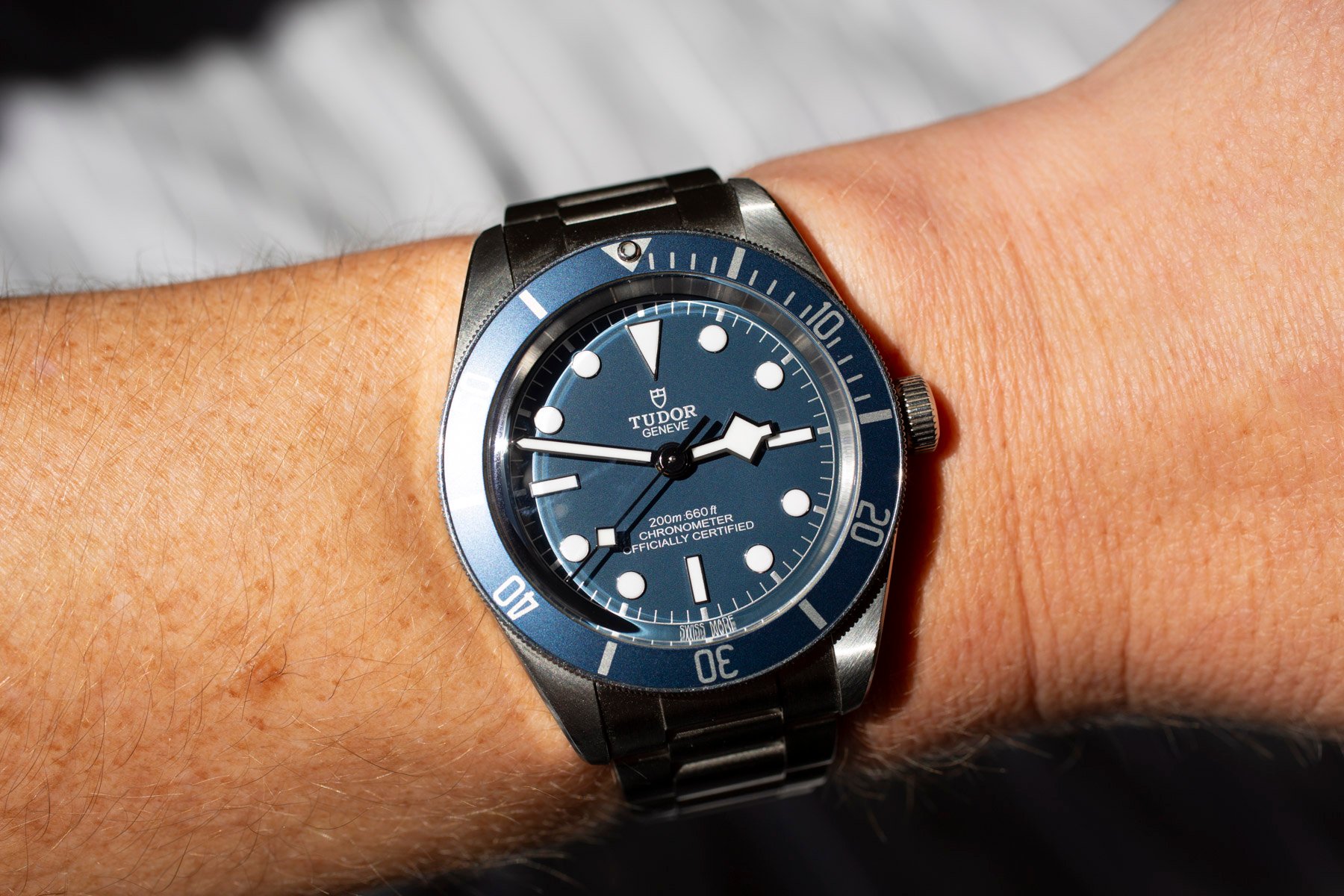
How it wears now
On the wrist, the change is noticeable, although it affects the watch’s character more than its overall appearance. Without the rivets, the BB58 looks a little more modern and less overtly vintage. That suits the navy dial just as well as the original bracelet did, but in a different way. It’s a subtle change rather than a dramatic transformation, but it’s noticeable every time I catch it in a mirror or a photo.
The clasp makes the biggest difference. The Ranger’s T-fit mechanism is much more comfortable than the original BB58 clasp. A quick adjustment now covers the range that once required adding or removing a link. I no longer have to choose between a fit that’s slightly too loose and one that’s slightly too tight. This swap won’t suit everyone, of course. If you bought the BB58 for its vintage-style rivets, removing them might defeat the purpose. That’s entirely fair. But if, like me, you care more about the dial and case than the rivets, the Ranger bracelet is a worthwhile upgrade.
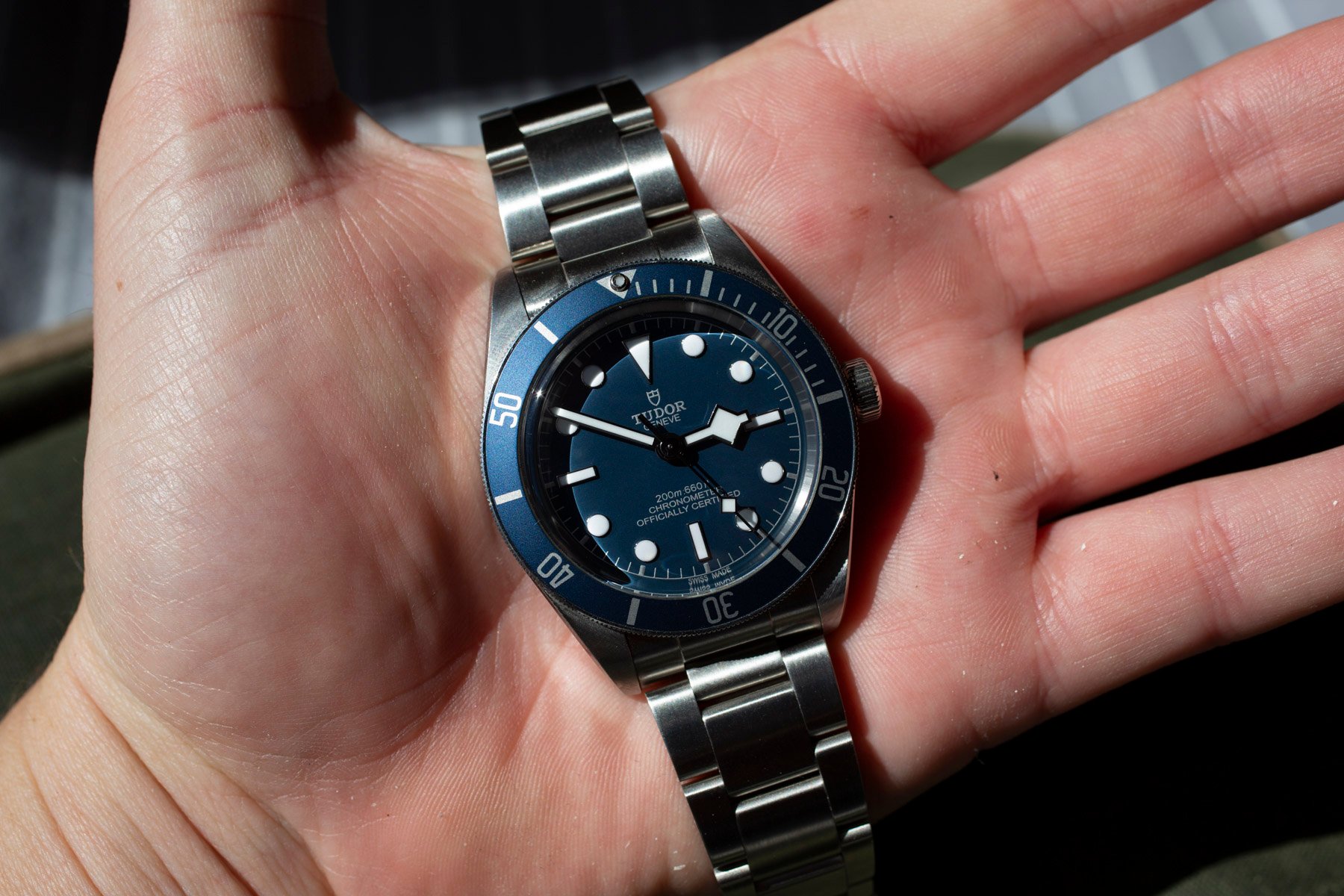
Concluding thoughts
I didn’t need a new watch, and this upgrade wasn’t planned. A two-week review loaner simply showed me that one part of my existing watch could be better, then I bought that part from the distributor and had a watchmaker fit it. It’s worth remembering that when something about a watch bothers you, replacing the whole thing isn’t the only option. Sometimes, the problem is small enough to fix.
Models within the same brand’s lineup often share case dimensions, lug spacings, and end-link shapes. That means a bracelet or another component from one model can improve another. Brands are unlikely to advertise these cross-model solutions when they’d rather sell you a new watch, but it’s worth exploring the options. For a fraction of the cost, a well-chosen spare part can make you happier with a watch you already own while preserving the dial and case that attracted you in the first place.
Have you ever upgraded a watch instead of replacing it? Let me know in the comments!