Treasure Hunting In London: Jaeger-LeCoultre Presents Its Sixth The Collectibles Capsule Collection

The concept isn’t new — far from it. This time, Jaeger-LeCoultre presents its sixth The Collectibles capsule collection, featuring museum-worthy vintage watches you can buy. You could also pop by the brand’s flagship boutique in London on Old Bond Street to take a peek at 12 remarkable watches, including seven Reversos, a scarce 1946 Triple Calendar Moonphase produced specifically for the French market, and a cushion-shaped 1970 Geomatic E560 chronometer. Other interesting pieces are a 1958 Memovox Parking in pink gold and a 1969 Memovox Automatic Calendar in steel, complete with its original Gay Frères bracelet. But since I still haven’t found what I’m looking for in a Reverso, I picked three that could hypothetically do the trick.
This is the first time Jaeger-LeCoultre has presented The Collectibles in the British capital. The brand does so in style, bringing great pieces from the Vallée de Joux. A team of 10 master watchmakers painstakingly restored all 12 watches in the capsule collection at the JLC manufacture in Le Sentier. They serviced the movement in every timepiece and even recreated historically correct components by hand when necessary. And while the movements in these watches have been restored, the pieces’ character and patina were left untouched.
Jaeger-LeCoultre presents its sixth The Collectibles capsule collection
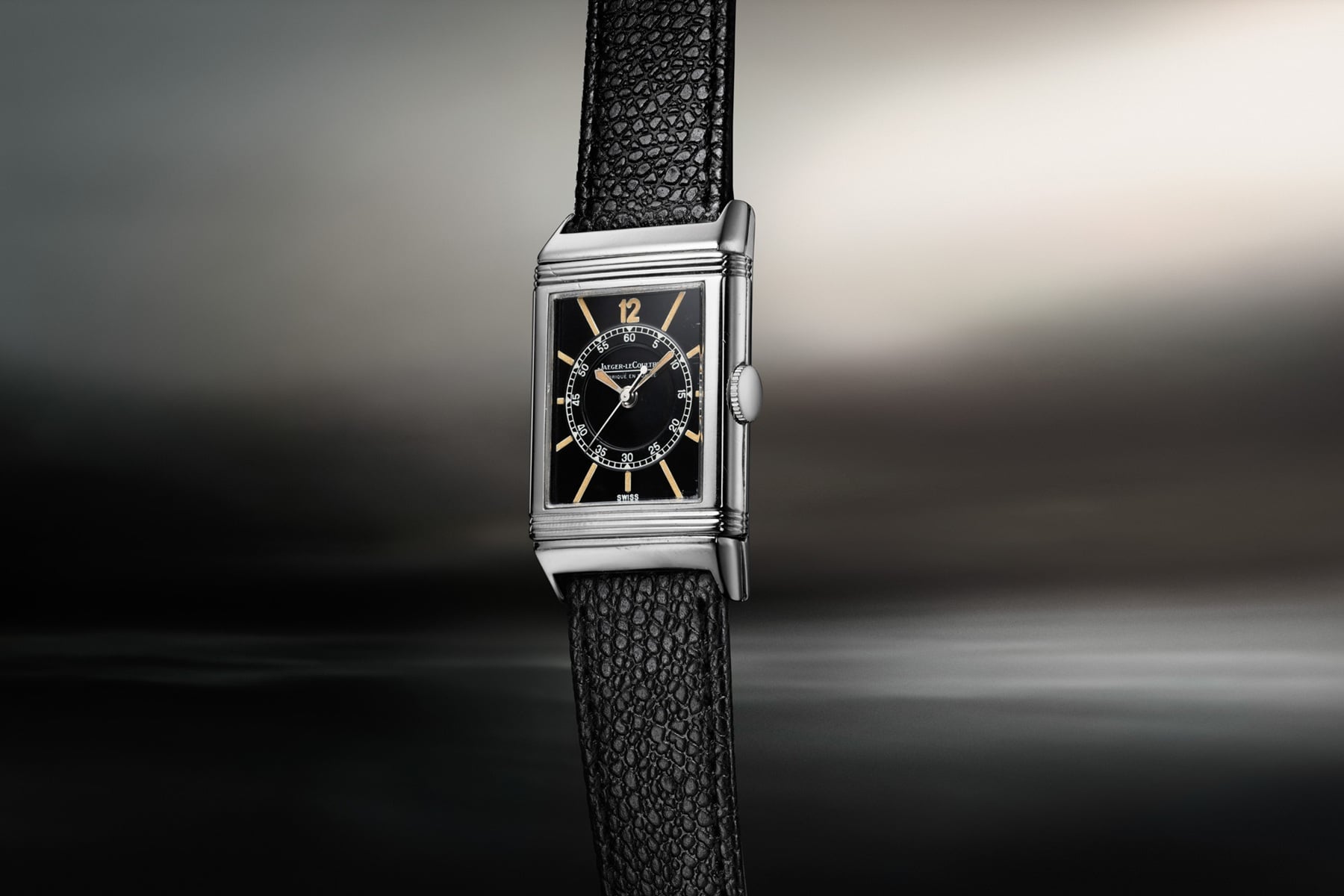
At the heart of the sixth capsule collection sits a remarkable group of seven Reverso models that trace the evolution of one of watchmaking’s most recognizable designs. Spanning the period from the model’s 1931 debut to the early 2000s, the selection showcases how the Reverso evolved from a practical sports watch designed for polo players into a true icon of Art Deco-inspired elegance. The one that strikes me first is the Reverso 1938 Central Seconds. The nickname “Doctor’s Reverso” stems from its pulse-measuring scale. Outfitted with caliber 411, the watch features a central seconds hand. JLC designed the thoughtful dial layout with medical professionals in mind, allowing them to measure pulse rates quickly and accurately at a glance. And that dial feature plays a big part in making this watch look irresistible. If you ask me, a modern version of this “Doctor’s Reverso” would be a hit.
1972 Reverso Corvo
Saved from extinction
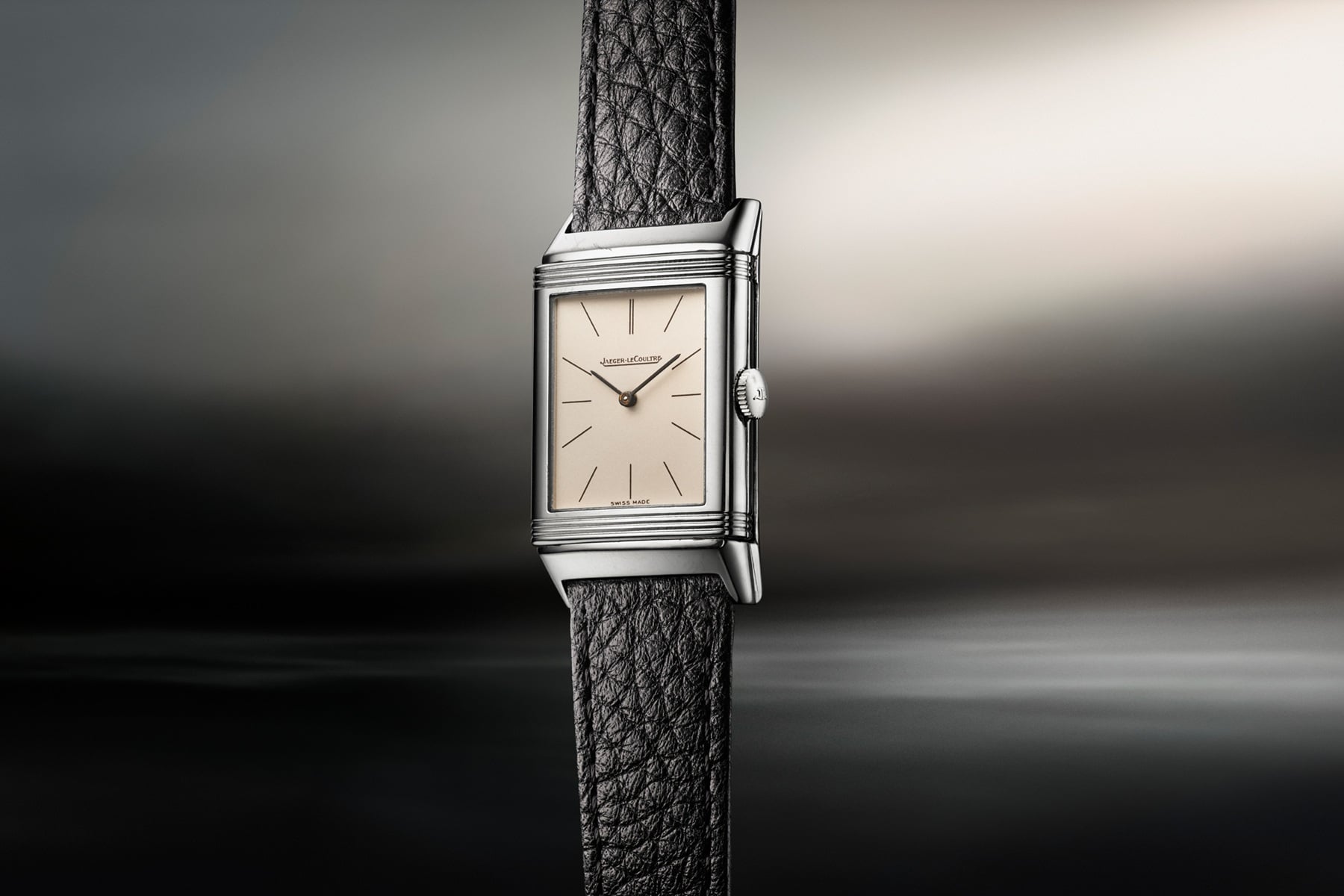
Another pretty example is the 1972 Reverso Corvo. But this one is more than a handsome watch; this is the Reverso that helped lay the groundwork for the model’s revival. In the 1970s, Giorgio Corvo was JLC’s Italian distributor. During a factory visit in 1972, Corvo stumbled upon a forgotten treasure. He saw 200 unused Reverso cases gathering dust in storage. He immediately recognized their potential, bought the entire batch, and persuaded JLC to fit them with movements so they could be sold exclusively in Italy.
The watches, now known as the “Corvo Reversos,” received a facelift to meet the taste of the time, so the dials traded the original Art Deco numerals for elegant Roman numerals or, as in this example, thin stick indexes. Half of the watches received white dials, while the other 100 got gray ones. Inside the reversible exterior beat JLC’s oval-shaped caliber 840, cleverly adapted to fit the vintage cases. Within a few months, all 200 Reversos sold out, and the success encouraged JLC to reintroduce its now-iconic timepiece. Indeed, the Reverso Corvo is more than just a pretty watch.
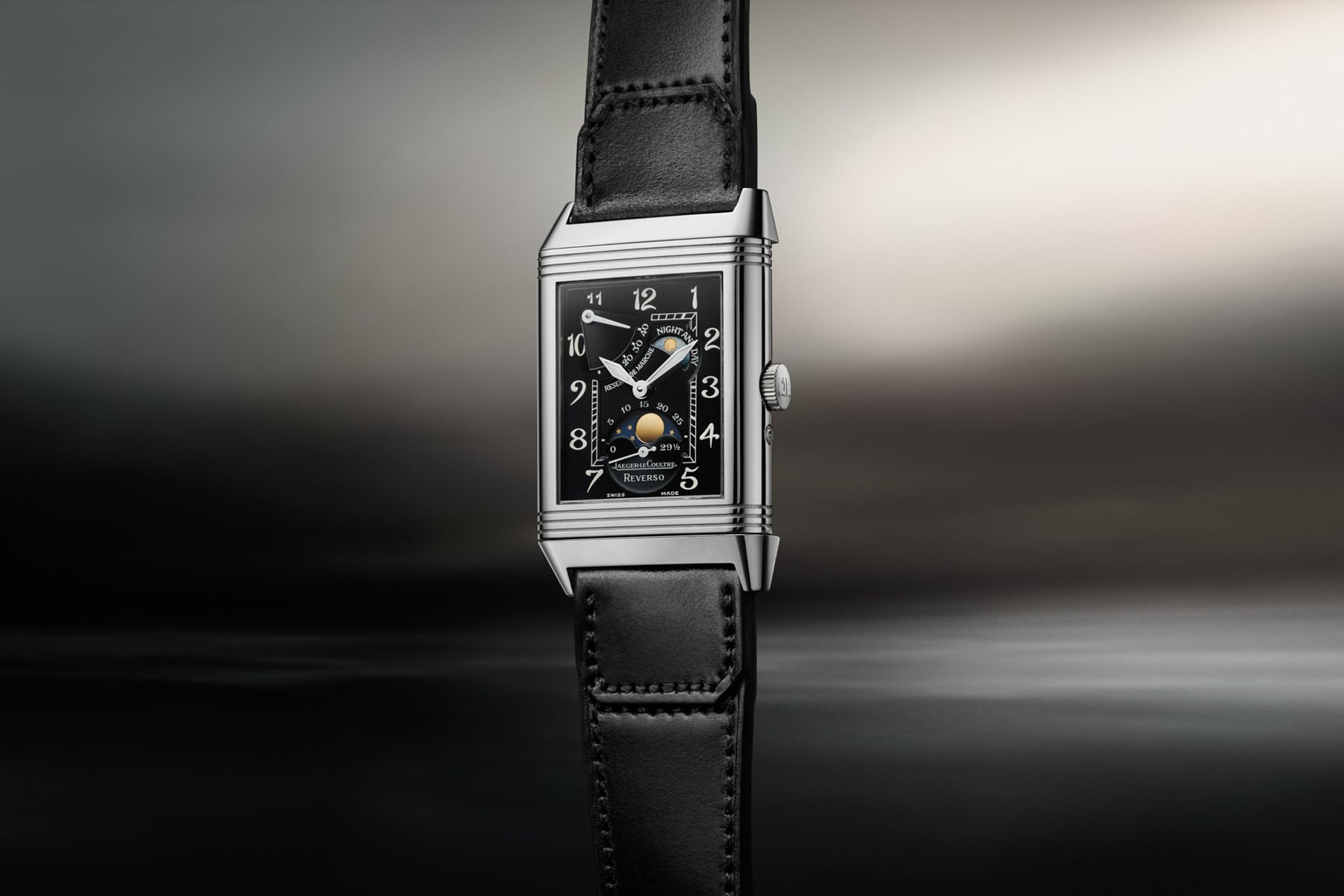
2000 Reverso Sun Moon
It was complicated back in 2000
This piece is 26 years old, which some might consider vintage, but it feels modern. The white gold 2000 Reverso Sun Moon is an exponent of the rebirth of complicated watchmaking that began in the 1990s. The sturdy polo watch, designed just to keep time reliably, proved a challenging platform for complex watchmaking. JLC’s watchmakers rose to the occasion, though, and created Reversos with sophisticated in-house complications. This model features the hand-wound caliber 823, and on the watch’s black dial, it displays a rotating 24-hour disc that tracks the Sun’s passage, a moonphase display at 6 o’clock, and a power reserve indicator at 11 o’clock. Since this Reverso has a display case back, you can take a look at the movement’s distinctive pistol-shaped bridge.
Is this complicated Reverso my watch of choice? Well, you know what? Forget all these Reversos. Instead, I will take the 1946 Triple Calendar with a moonphase indicator, built exclusively for the French market. That dial, with its red date track, is ever so stunning, and so is the gold case with the sculpted lugs.
Now comes the bad news: all the pieces in this article are already sold. You can still go to the store to take a look and admire them, but faster treasure hunters beat you (and me, for that matter) to it.
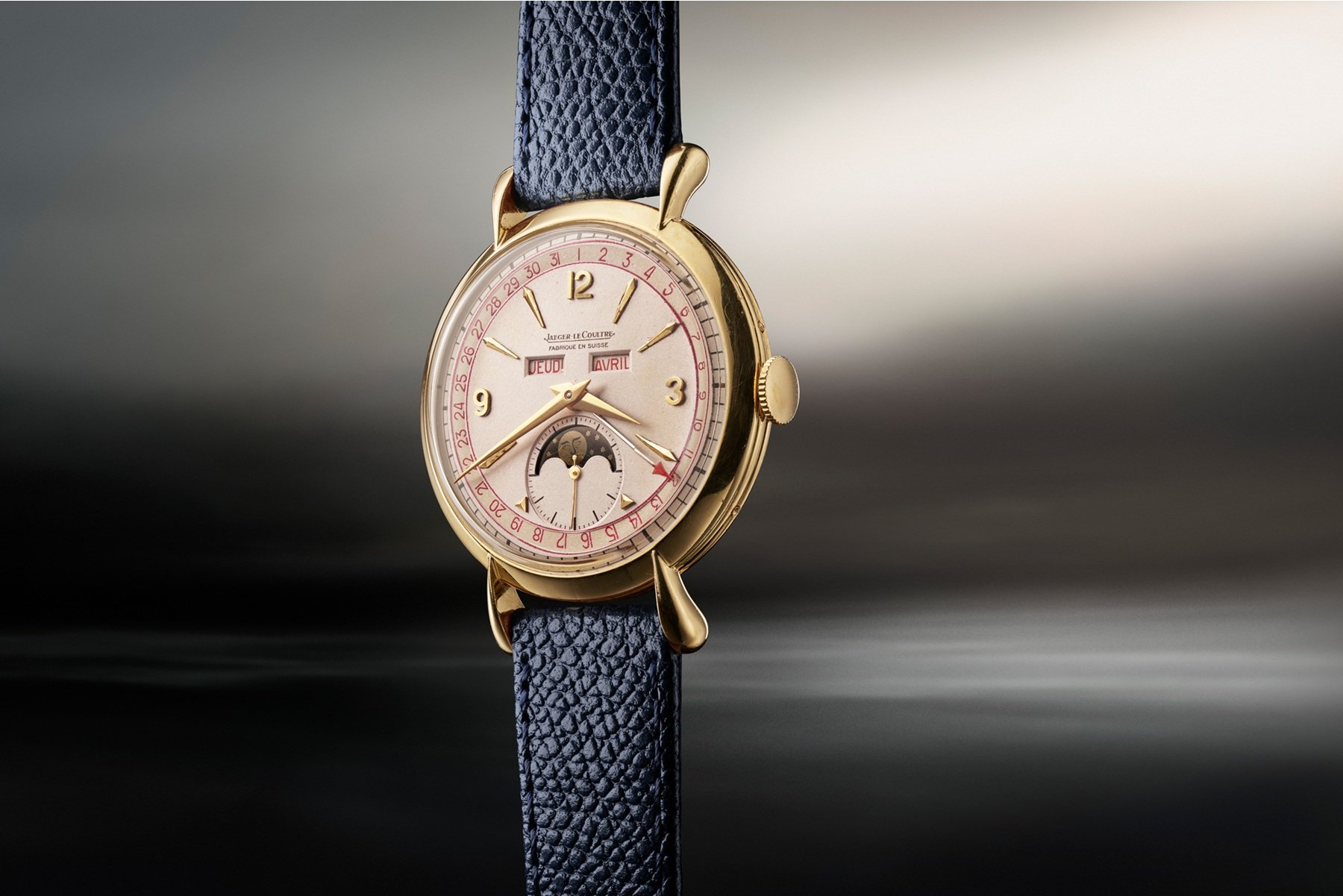
1946 Triple Calendar
What does JLC want to achieve with The Collectibles?
After reviewing the sixth The Collectibles capsule collection, a question arose in my mind: What does Jaeger-LeCoultre want to achieve with this? It generates publicity and offers carefully selected watches — maybe you could call them icons — in a secure and controlled environment. Each watch comes with an official archive extract, a copy of The Collectibles reference book, and a bespoke handmade leather strap created specifically for the watch. Also, original boxes, papers, and period-correct accessories are preserved whenever available.
But maybe JLC’s idea is that the buzz The Collectibles collection creates has a positive effect on brand appreciation. Jaeger-LeCoultre may be presenting these museum-worthy and lustworthy watches to justify current retail prices and boost prices on the secondhand market. What is your take on the matter? Please share your thoughts in the comments section below.