Discovering The Different Species Of The New Linde Werdelin Oktopus III

It was an Oktopus that made me a Linde Werdelin fan many moons ago. At a luxury fair in Amsterdam, I represented a watch magazine and got to wear the edgy, sculpted, and outspoken Linde Werdelin Oktopus for a couple of days. I did the brand’s agent a favor by showcasing the watch, but I also took personal pleasure in it, which led to interesting conversations about its unusual look. Over a decade later, the third generation of Oktopus dive watches emerges. The new Linde Werdelin Oktopus III is available with four dial colors and titanium or bronze cases, the latter of which is a first for the brand. Do these pieces have what it takes to spark a lively watch talk?
When Linde Werdelin burst onto the scene in the early 2000s, the watch world was very different from what it is now. The Biformeter, a mechanical watch that let you clip a digital Land Instrument onto it to measure all kinds of things while scaling or skiing down the highest peaks on earth, was unlike anything anyone had ever seen. The watch world was an open-minded place back then, and adventurous creations were welcomed with open arms. The Spidolite and Oktopus watches had a bit of a Royal Oak Offshore and Big Bang vibe, but they also looked different/Danish enough not to be called copycats. Also, watch fans were not constantly looking at the resale value of timepieces, meaning the decision to buy something new was often more a matter of the heart than of the brain.
The new Linde Werdelin Oktopus III: Edgy evolution
Danish primary school friends Morten Linde and Jørn Werdelin once set out to create mechanical sports watches designed to integrate with dedicated instruments for skiing and diving. It was an unusual proposition at the time, combining traditional Swiss watchmaking with digital functionality tailored to outdoor pursuits. But the Biformeter watch, with its digital Land Instrument companion, didn’t just establish the foundations of the brand’s design language and its commitment to creating purpose-built sports watches. It also earned Linde Werdelin a spot in watch fans’ minds.
What followed was a period of rapid evolution. The distinctive angular case architecture became increasingly sophisticated. A major milestone was the SpidoLite, which debuted at Baselworld in 2009. The watch was inspired by an expedition team climbing Mount Everest. The lightweight, edgy, skeletonized SpidoLite introduced a more technical, experimental direction that would define the brand’s identity, and its success paved the way for the Oktopus II’s arrival in 2010. It also marked the beginning of collaborations with Swiss movement specialists, among them Jean-François Mojon.
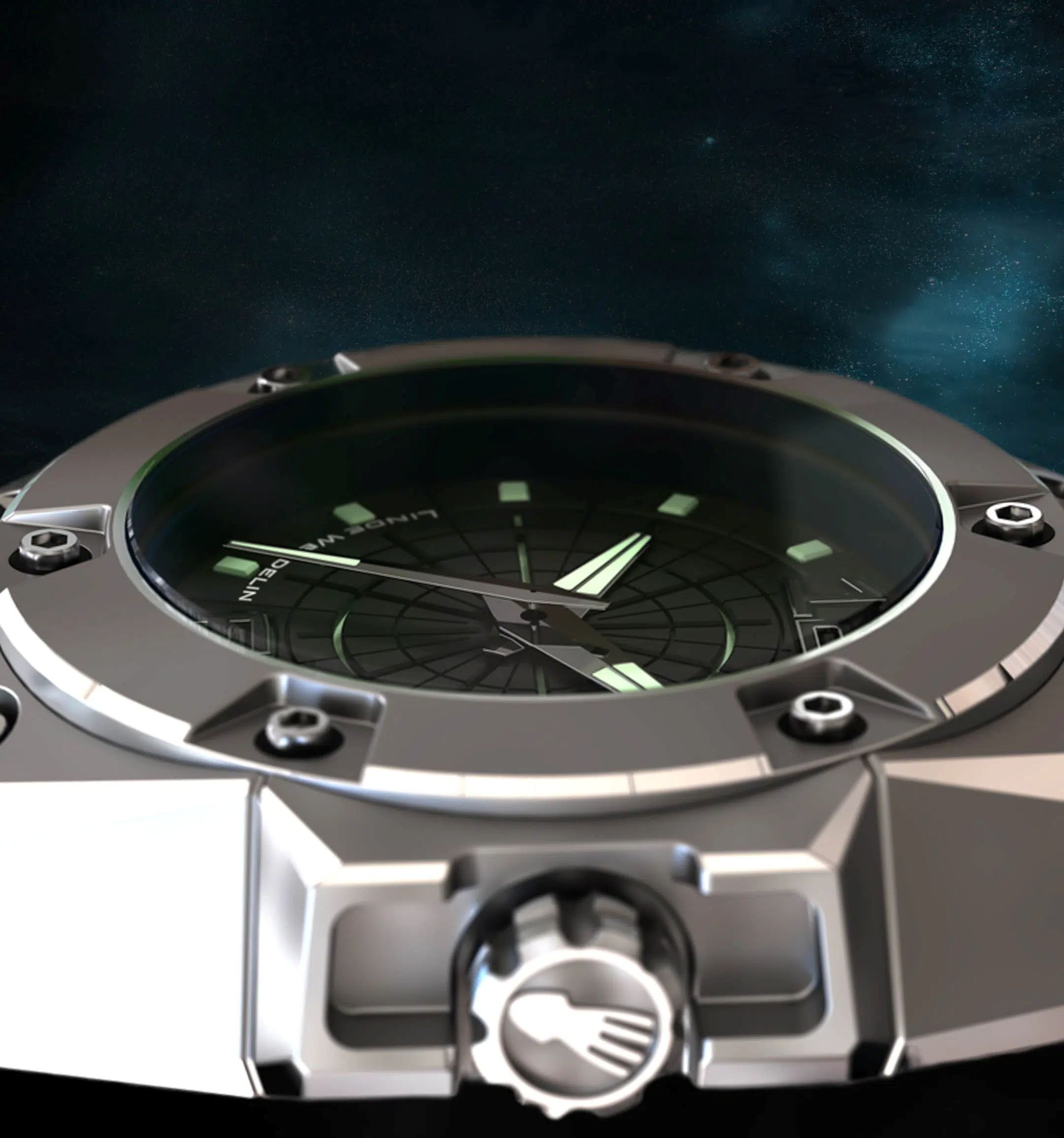
Introducing four tentacular creatures
The 2010 Oktopus II was a distinctly unconventional take on the modern dive watch. More than a decade and a half later, the Oktopus III arrives as the third generation in the collection. The character has remained, but the watch has undergone a comprehensive redesign from the inside out. It is still very clearly an Oktopus, but a closer look reveals that every element has been reconsidered. It took two years to create this new “life form,” and it shows. And speaking of life, things changed significantly in the life of Linde Werdelin since Jørn Werdelin and Morten Linde are no longer working together. Linde left the brand to re-open his own independent freelance design office, but Werdelin is still with the brand.
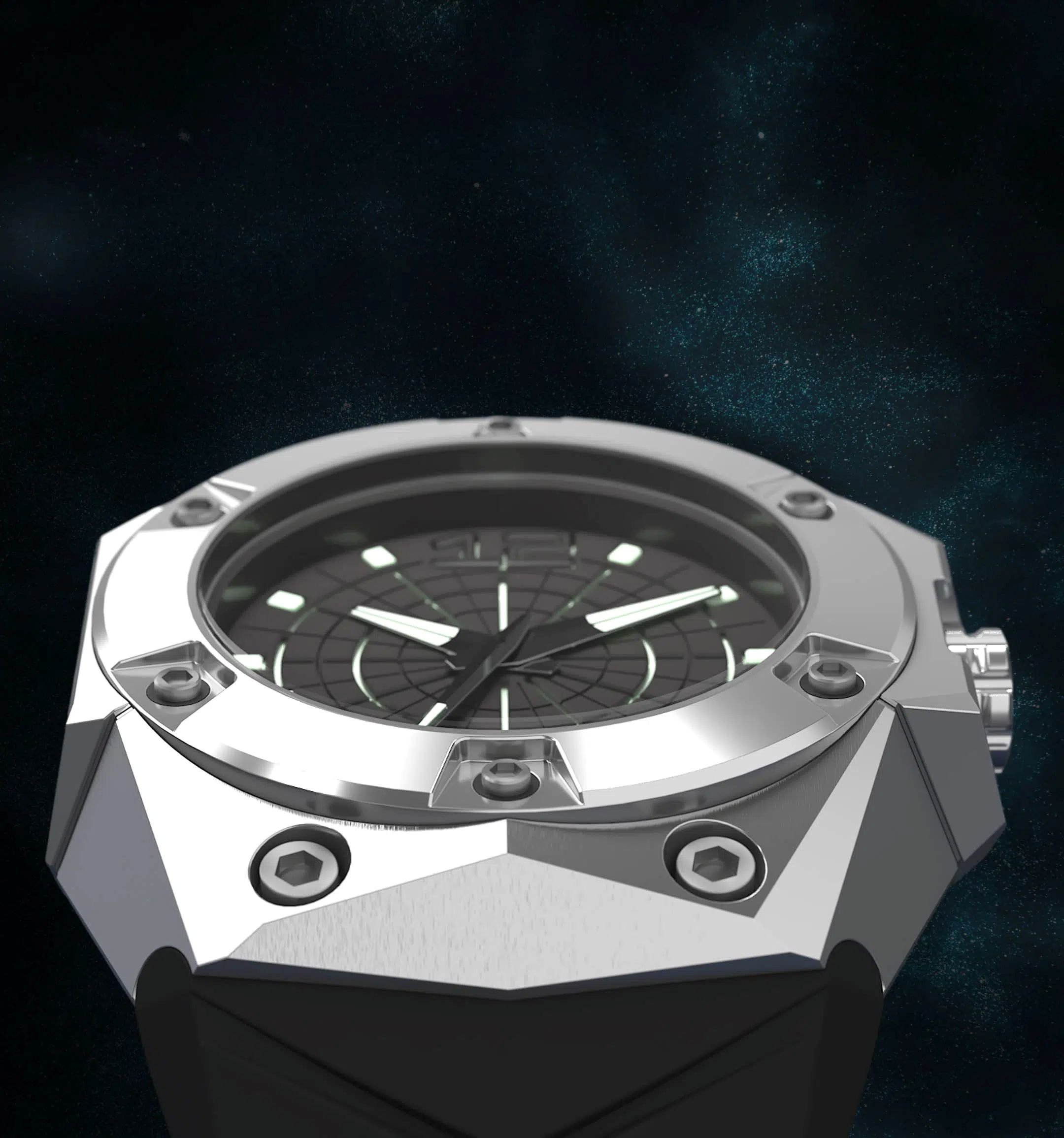
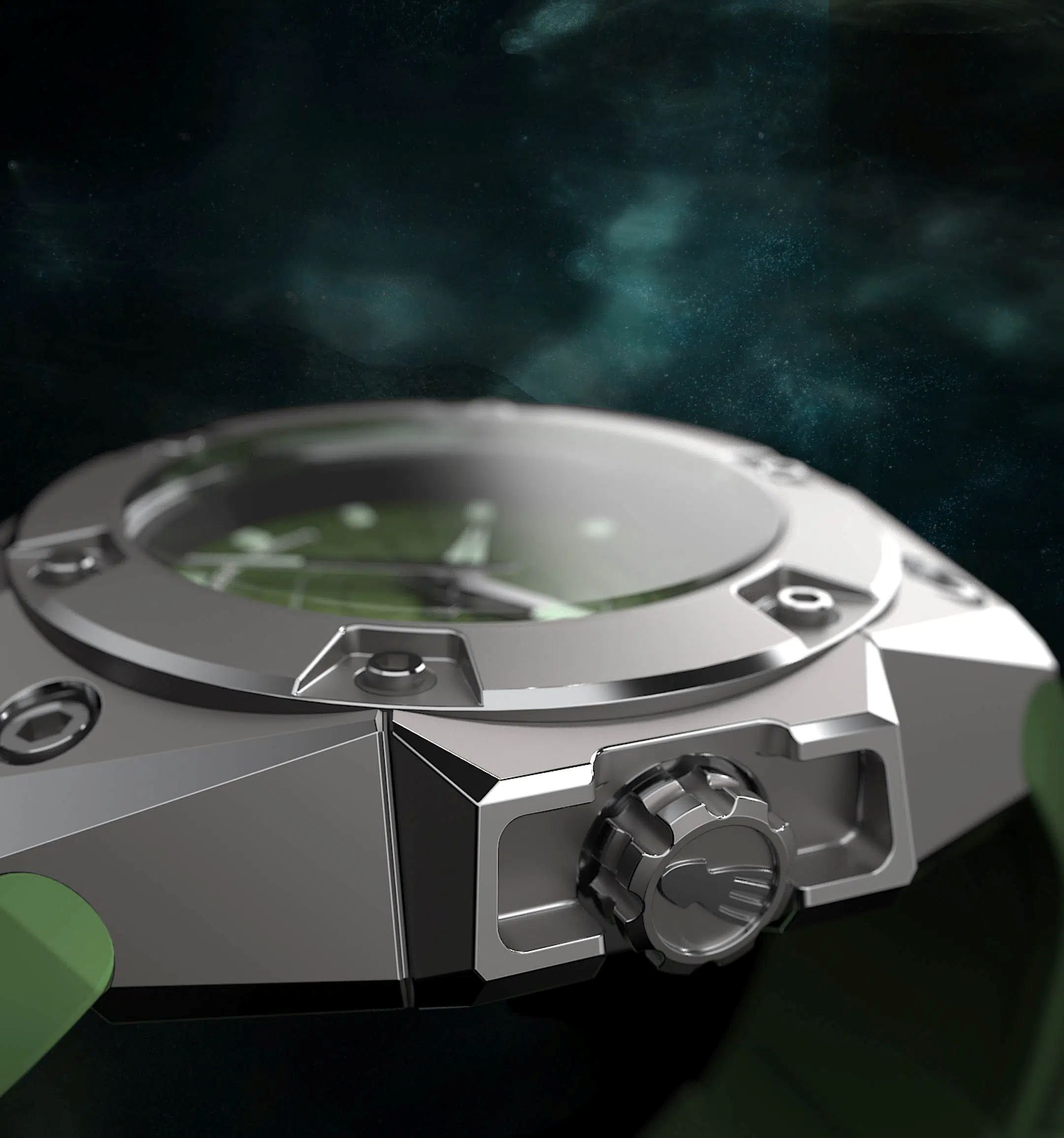
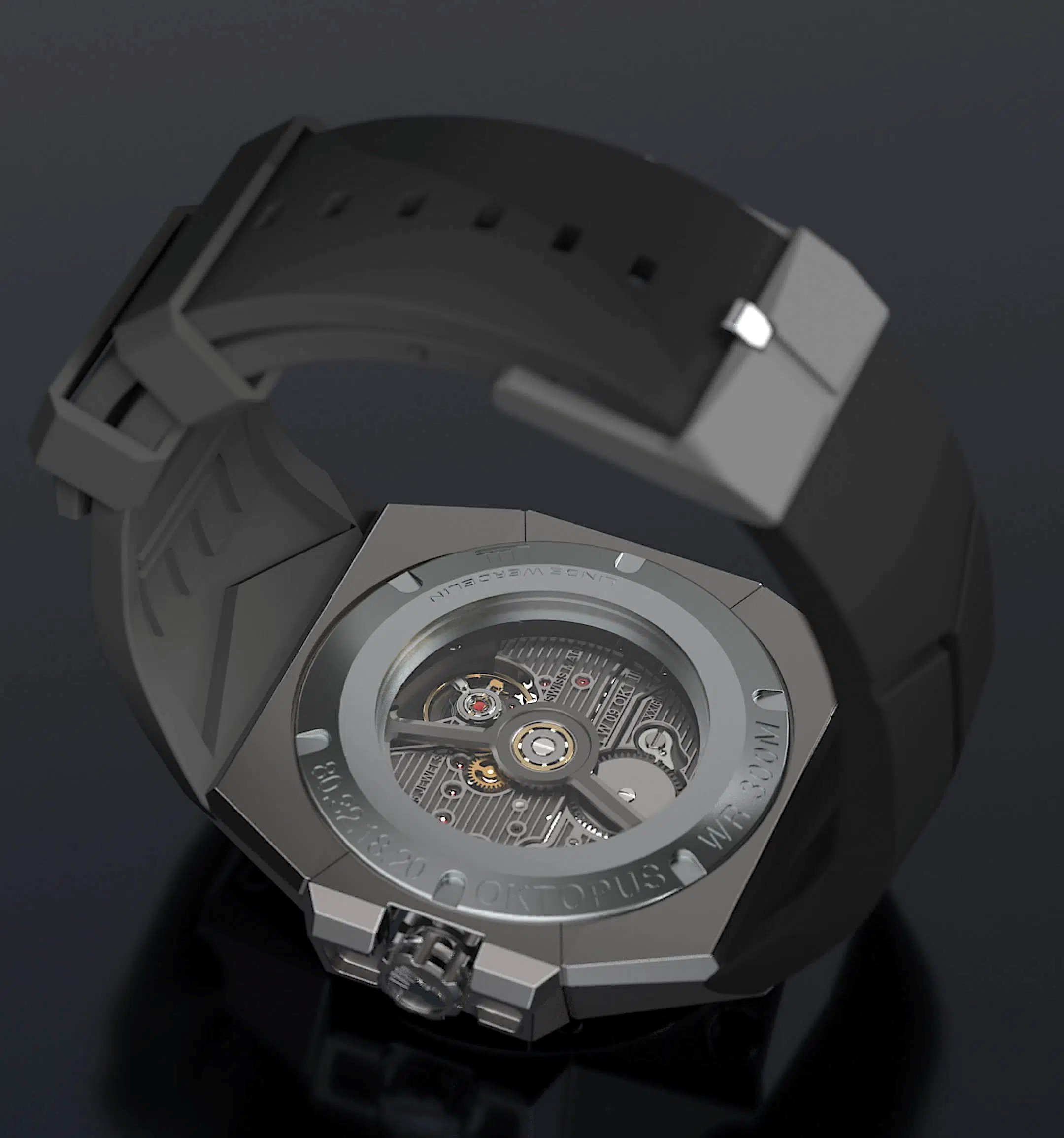
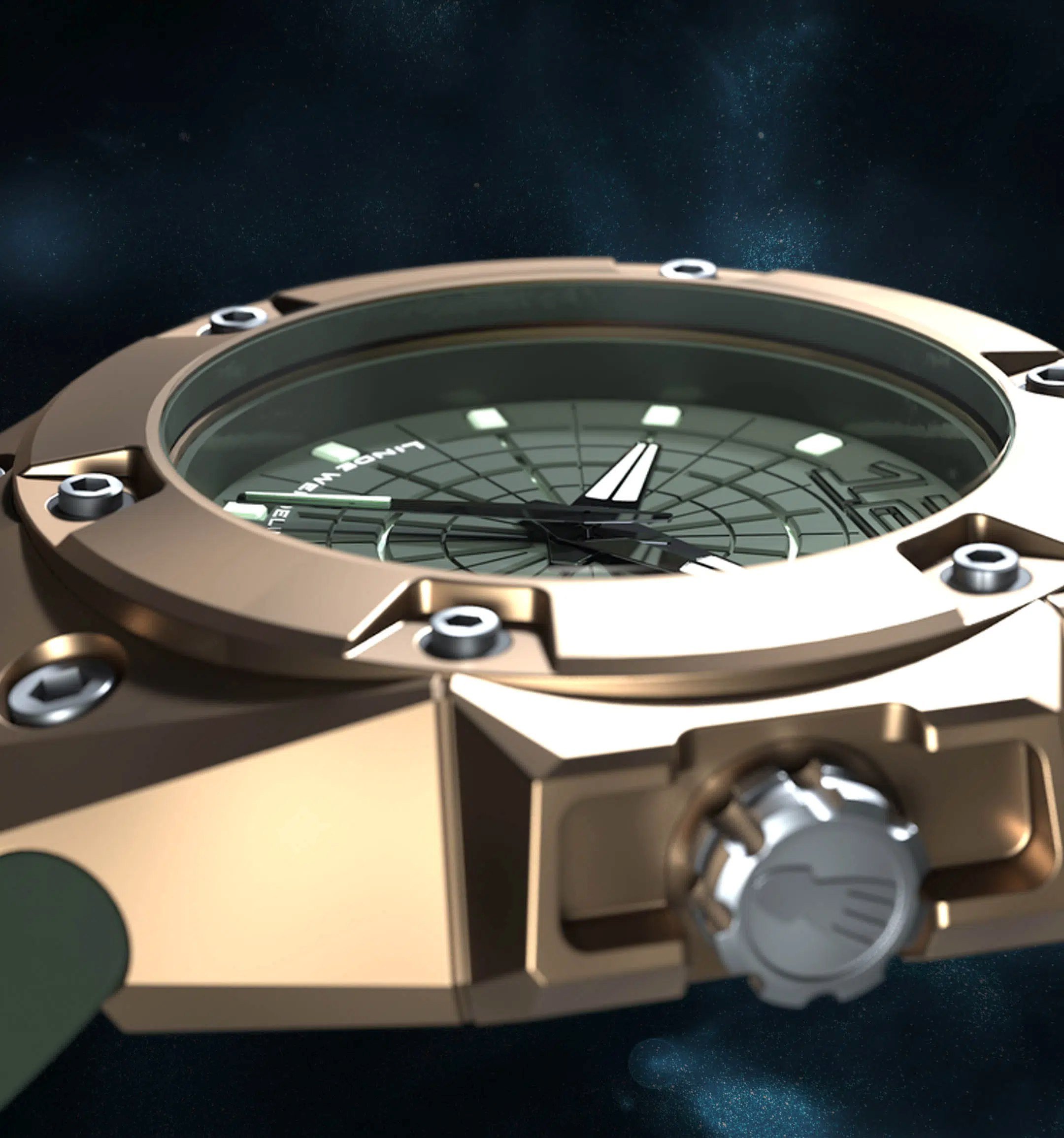
Anyway, back to the watch. Compared to its predecessor, the Oktopus III is noticeably slimmer and more compact. Thickness has been reduced from 15.8mm to 13.6mm, while the width decreased from 47.5mm to 45.5mm. The overall length of 49mm remained unchanged. The blue, black, and sea-green versions feature a five-part titanium case, while the olive-green-dial variant has a case in nautical bronze. The bronze LW uses is a traditional copper-tin alloy known for its excellent resistance to seawater corrosion. This is the type of bronze that, over time, will develop a natural patina that’s not just a protective layer but also a personal visual signature, as no two watches will age the same.
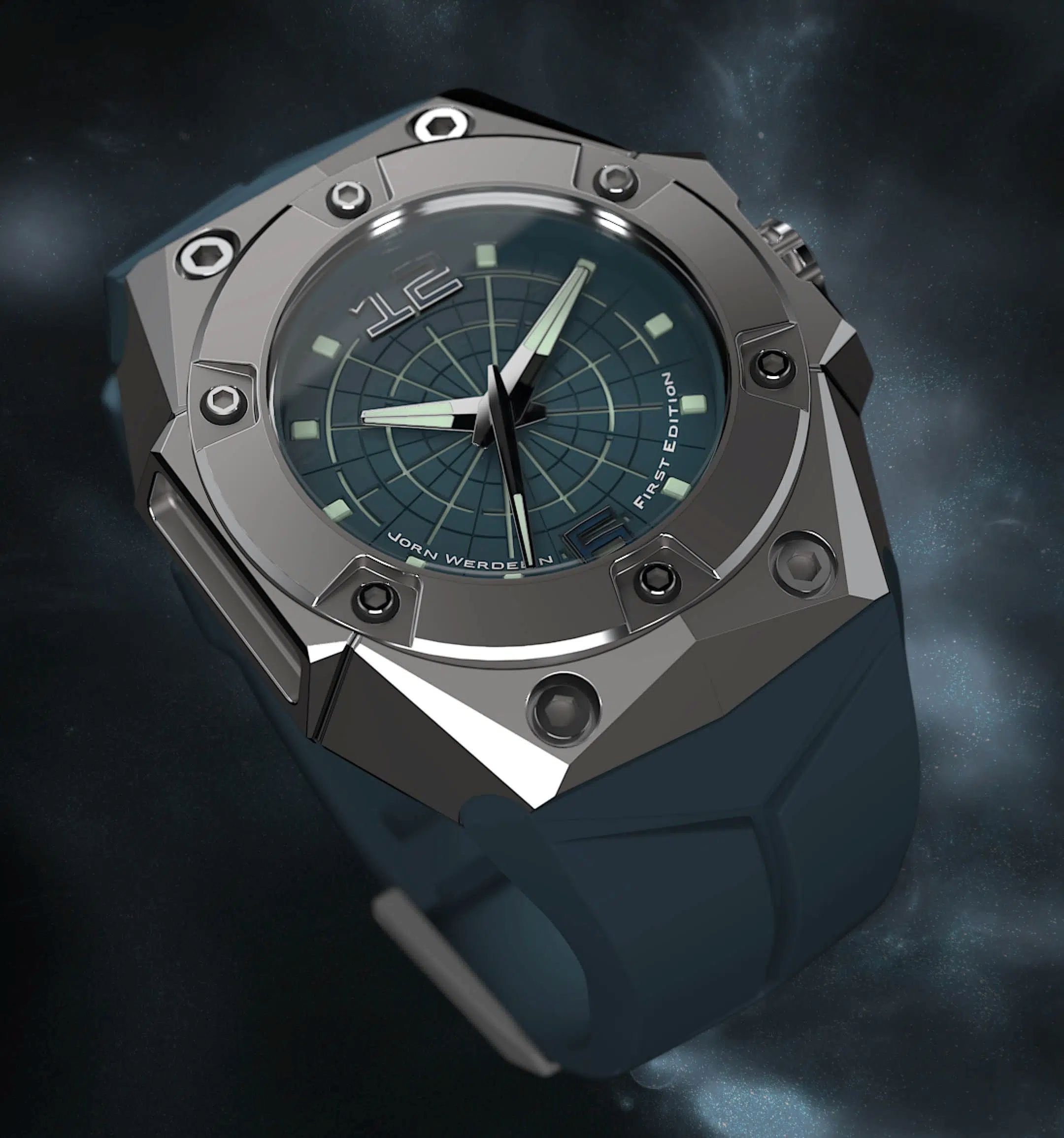
The redesigned case is more compact, but it also aims to look more robust than its predecessor. Subtle design tweaks include trimmed case corners and the addition of facets at 12 and 6 o’clock. These new elements lend the watch a more sophisticated and sculptural profile. Finishing combines polished surfaces with sandblasted and micro-bead-blasted facets. You be the judge of whether the watch looks both luxurious and sturdy thanks to the protective shell surrounding its vital components.
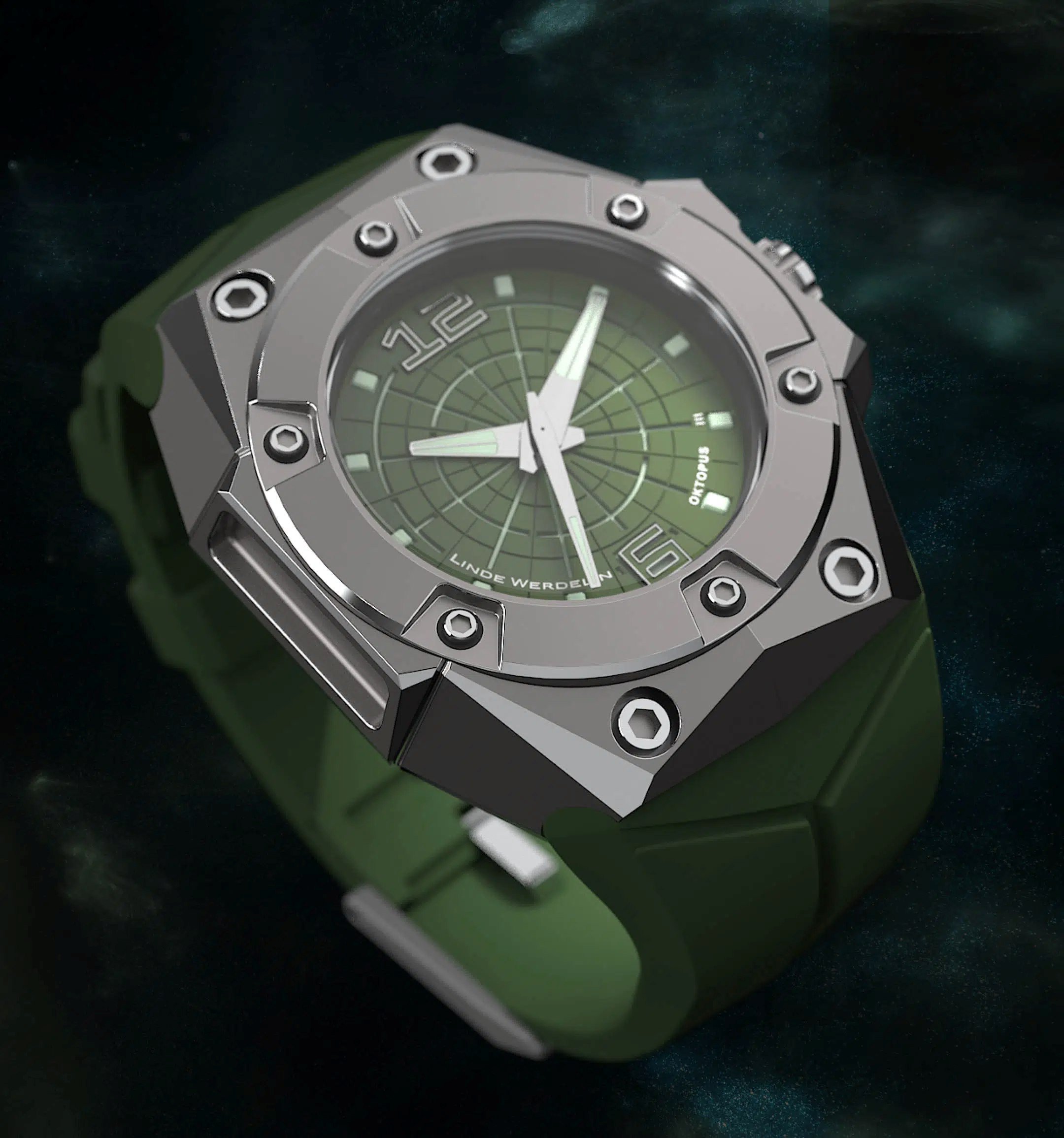
Exploring the colors of the Oktopus III
The Oktopus III is a time-only watch. It is returning to the essential simplicity of the earliest Oktopus models. The dial shows an interpretation of the Earth’s graticule, which gives it visual depth while maintaining good legibility. The two-layer construction features a luminous lower section coated in Super-LumiNova that complements the tone of the upper layer. This features oversized cut-out numerals at 12 and 6 o’clock and applied indexes executed in green X2 Super-LumiNova, ensuring a vivid glow in darkness.
The faceted, diamond-cut, and rhodium-polished hands feature recessed luminous blocks as well. Both the hour and minute hands incorporate dual lume sections, ensuring a clear distinction. The two available green shades give the Oktopus III a bit of a military vibe, while the sober black-dial version is the most tool-like one of the bunch. The blue dial, however, gives the Oktopus III a very sporty appearance.
Inside the Oktopus III
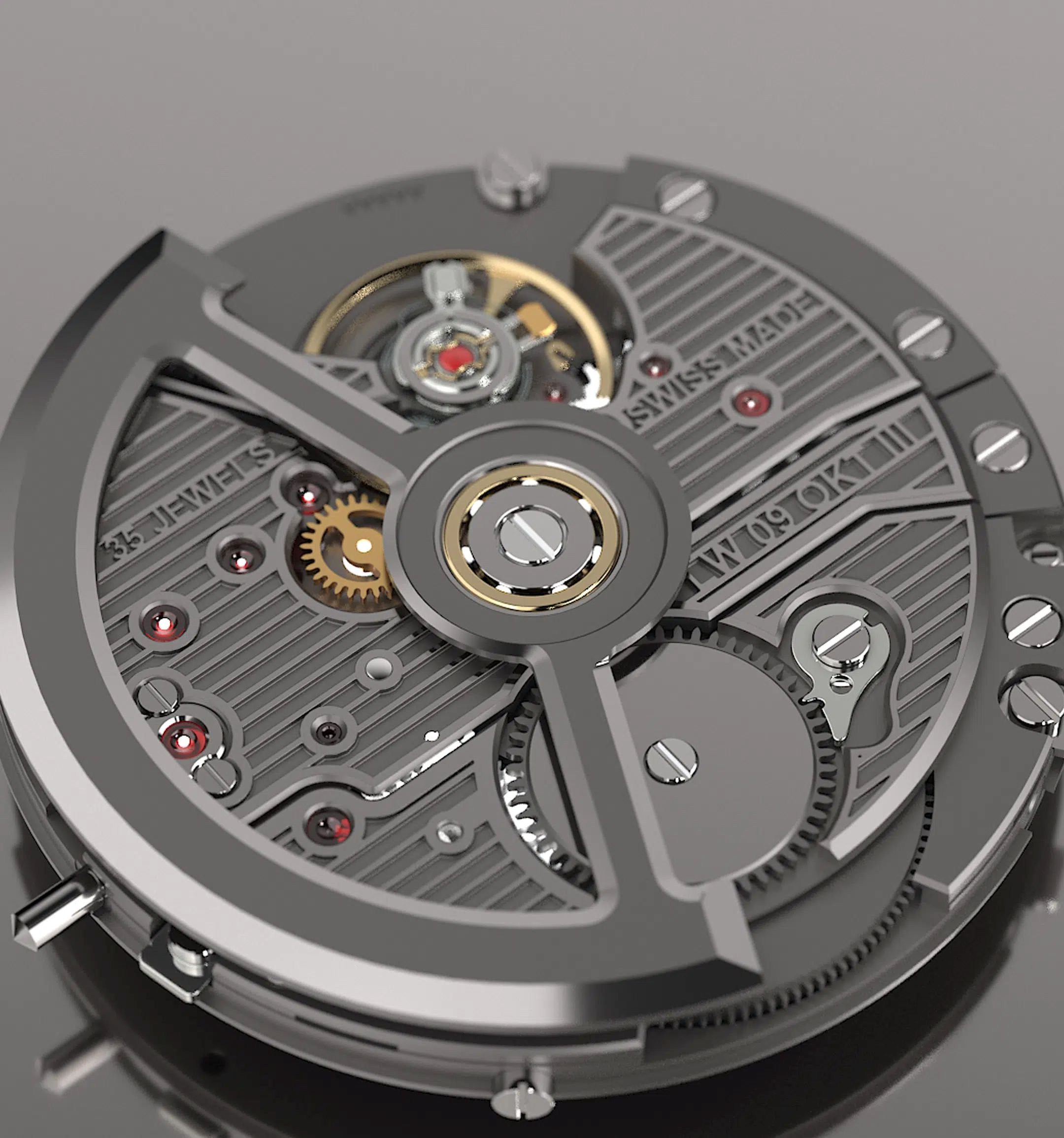
Powering the Oktopus III is the new automatic LW09 caliber. It was developed exclusively for LW in collaboration with master watchmaker Jean-François Mojon. The seasoned watchmaker and his team at Chronode have been LW’s movement partners since 2015. The three-hander beats at 4 Hz (28,800 vibrations per hour) and offers a power reserve exceeding 60 hours. The 247-part movement is very much a product of its time, with its sandblasted and polished bridges. The shapes and finishes echo the case’s angular forms and finishing techniques. Through the sapphire display in the case back, you can also see the skeletonized rotor swing.
The four new versions of the Oktopus III are available for pre-order on the Linde Werdelin website. They are part of a limited production run, and each retails for €17,860 / US$20,429 / £15,495 / CHF 16,500. If you want one, you’ll need to pay a 30% deposit to secure your piece. Once your watch is ready, which will most likely be in the second quarter of this year, you will pay the rest.
A Danish-designed (desk) diver
Today, the Audemars Piguet Royal Oak Offshore is no longer the watch to signal success and status. Consequently, the Oktopus III no longer follows in its wake and profits from the waves the ROO is making. It’s on its own now and needs to persuade affluent watch fans who crave luxurious exuberance with a touch of casual sportiness through its original design and modern movement.


The Oktopus III could be an interesting watch. And although the ROO is no longer the hype watch it once was, the ROO Diver does “swim” in the same waters as the Oktopus III. But the Linde Werdelin can be “hooked” for less. Yes, the brand perception differs, but you get premium originality with the Linde Werdelin Oktopus III. And the Danish-designed dive watch makes even more sense when you consider it a Hublot Big Bang alternative.


What are your thoughts on the Linde Werdelin Oktopus III? Let me know in the comments section below.