The Case For Keeping Your Rolex On The Bracelet

A few weeks ago, I wrote a piece arguing for taking your steel sports Rolex off its bracelet, and I meant every word. Straps and NATOs genuinely change what these watches feel like to wear, and I still stand behind that. But a good argument deserves a good counterpoint.
After all, modern Rolex bracelets are not merely acceptable. In most cases, they are better than anything you could buy to replace them. That’s not due to some unwritten rule about factory originality but because the engineering genuinely holds up, on modern and vintage references alike, in ways a strap simply cannot match. I say this even though I love wearing a Rolex off the bracelet.
The bracelet was never an afterthought
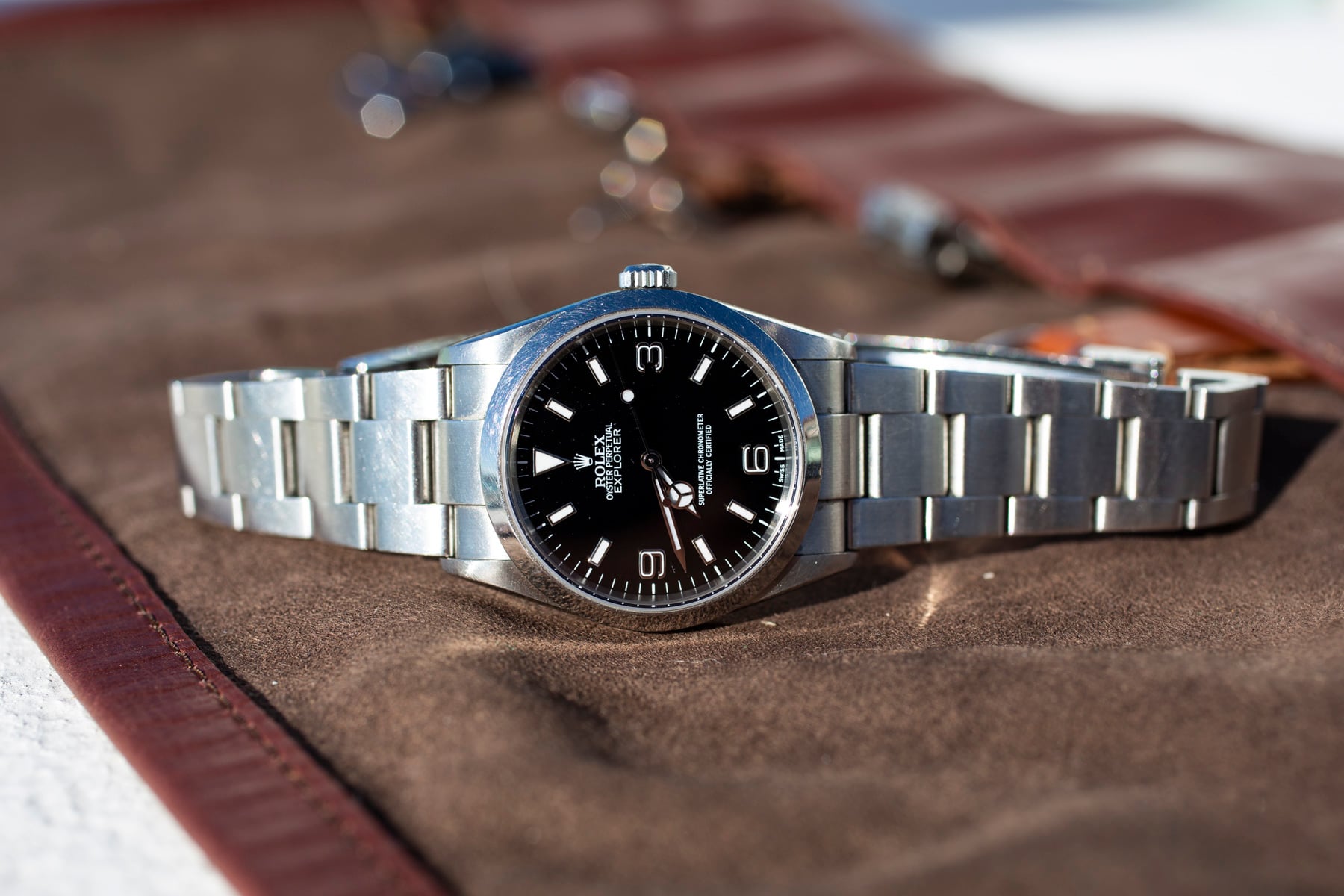
It is easy to talk about a Rolex bracelet as though it is a separate product bolted onto a finished watch. It is not. The taper from the end links down to the clasp, the way the center links catch light against the brushed outer links (for the bracelets with polished center links, that is), the exact weight of the thing on your wrist… All of that is calculated alongside the case and dial, not after them. Rolex did not design a Submariner and then go looking for a bracelet to put on it.
That matters more than it might seem. A leather strap is, by definition, an addition made after the fact by someone other than the brand’s engineers. It can look wonderful. It can also throw off the balance the watch was built around, making a robust 40mm case suddenly feel top-heavy or loose on the wrist. The bracelet does not have that problem because it was never intended to be separate from the case in the first place.
Oysterlock, Glidelock, and the genius of micro-adjustment
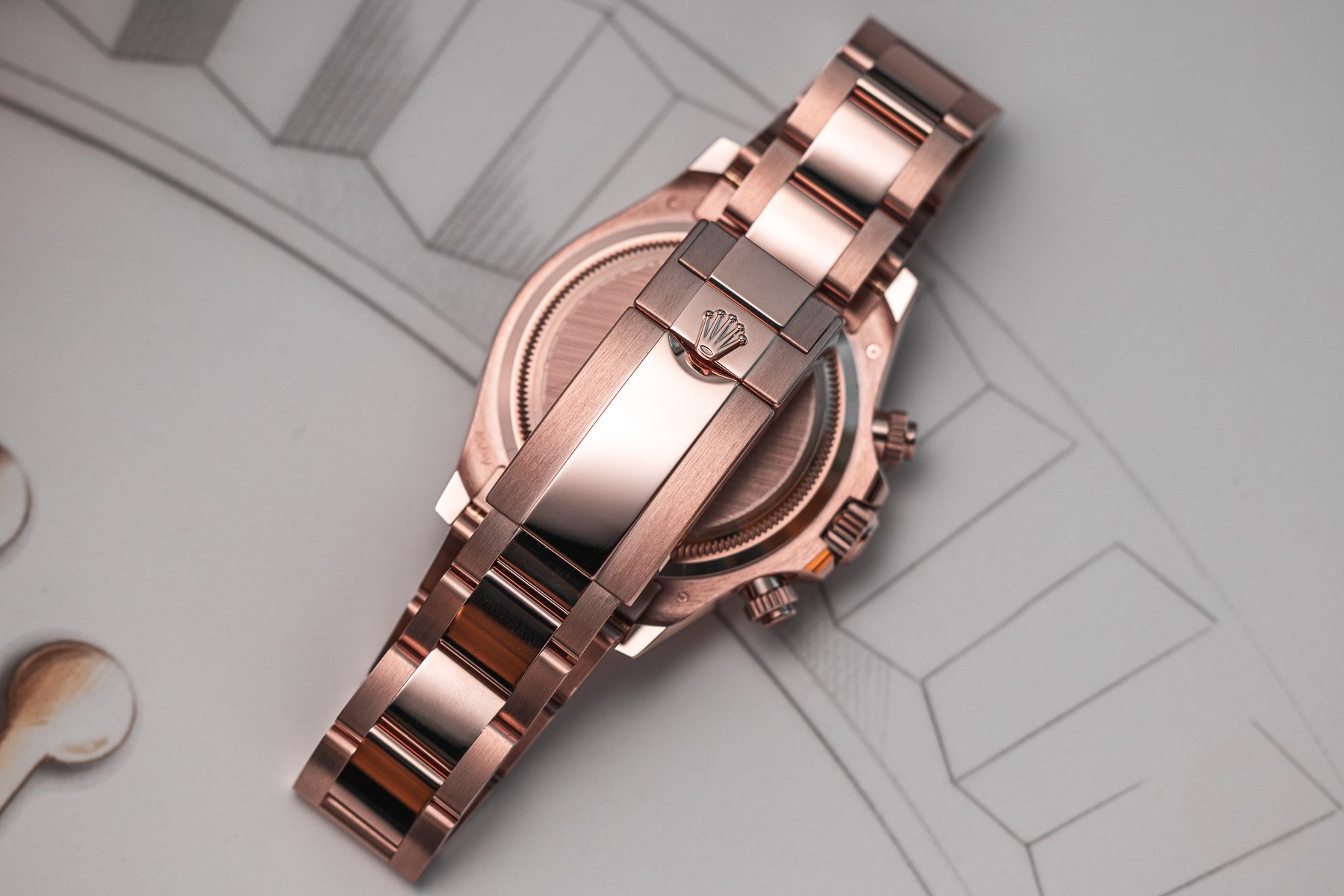
Modern Rolex clasps are where this stops being about taste and starts being about function. The Oysterlock clasp on current Submariners and Sea-Dwellers will not open by accident, period. The Glidelock extension system lets you add up to 20 or 26 millimeters (for Submariner and Sea-Dwellers, respectively) in tiny increments, tool-free. This way, the bracelet fits whether your wrist has swollen in the heat or slimmed down in the cold. A strap is very unlikely to provide the same fine adjustability.
This is not marketing gloss. It is the kind of engineering that makes a dive watch a dive watch — something you can adjust over a wetsuit sleeve in seconds without removing a spring bar or hunting for the right hole in a piece of leather. The Easylink extension, folded directly into the GMT-Master II’s clasp, does a similar job, providing a 5mm tool-free adjustment whenever conditions change. None of this is about restricting your options. It is about recognizing that many intelligent engineers spent a very long time solving a problem — comfort and security across changing conditions — that a strap simply isn’t built to solve, no matter how well it is made.
The Jubilee deserves a word
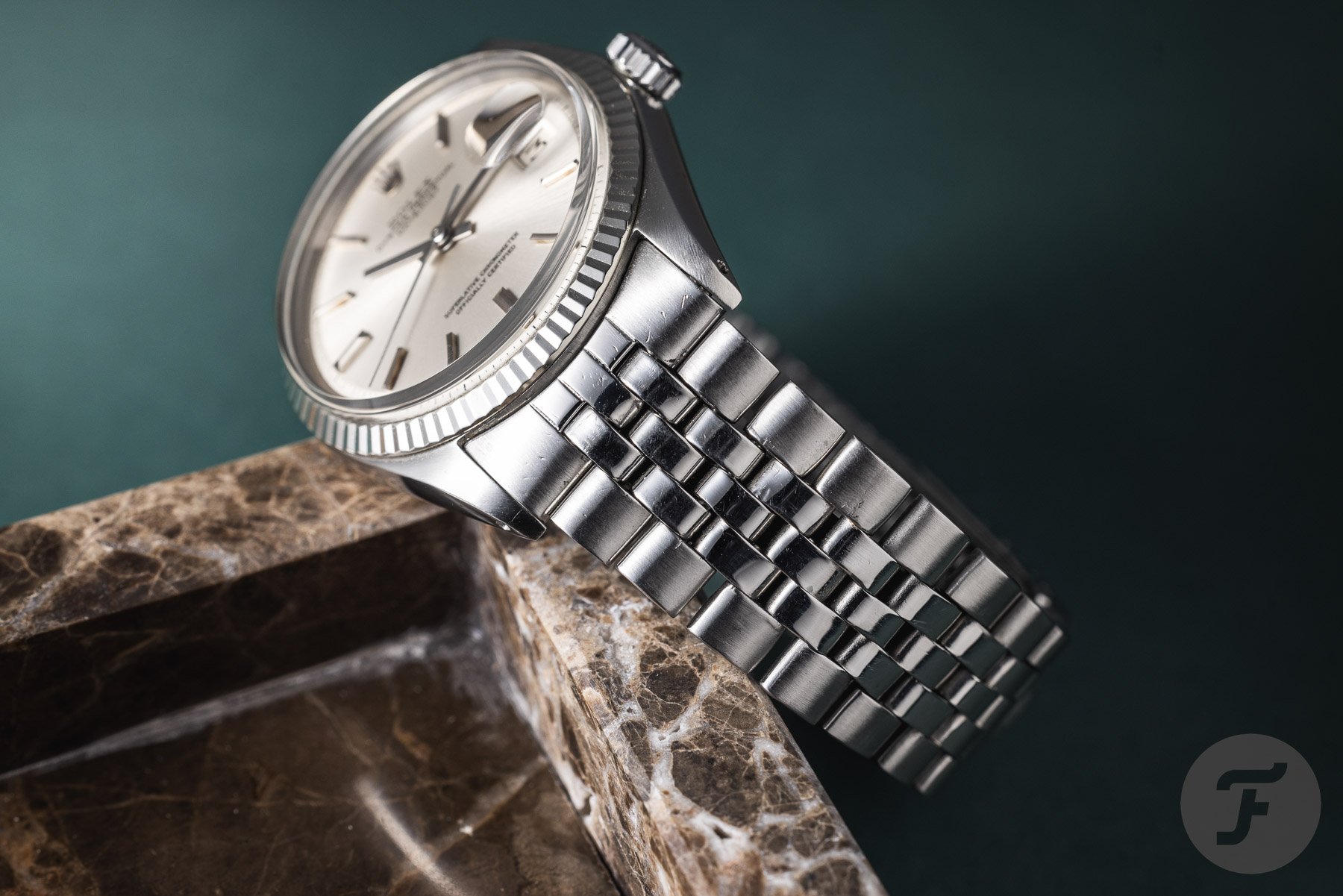
The five-row Jubilee bracelet tends to get filed under the “dress-adjacent category, but it is worth pausing on why it works as well as it does. The links are smaller and more numerous than an Oyster bracelet’s three-piece setup, which lets the bracelet drape rather than sit. On the wrist, that translates into something that moves with you instead of against you, wrapping around the wrist bone rather than pressing into it. It is, if anything, more comfortable in daily wear than the sportier Oyster, not less.
That comfort is not an accident. Rolex tapered the Jubilee’s outer links down toward the clasp long before tapering became standard practice across the industry. A bracelet that genuinely narrows toward the wrist, rather than staying one width from lug to clasp, sits differently. Once you have worn one, an untapered strap can start to feel almost clumsy by comparison.
Even older Rolex bracelets have a case to make
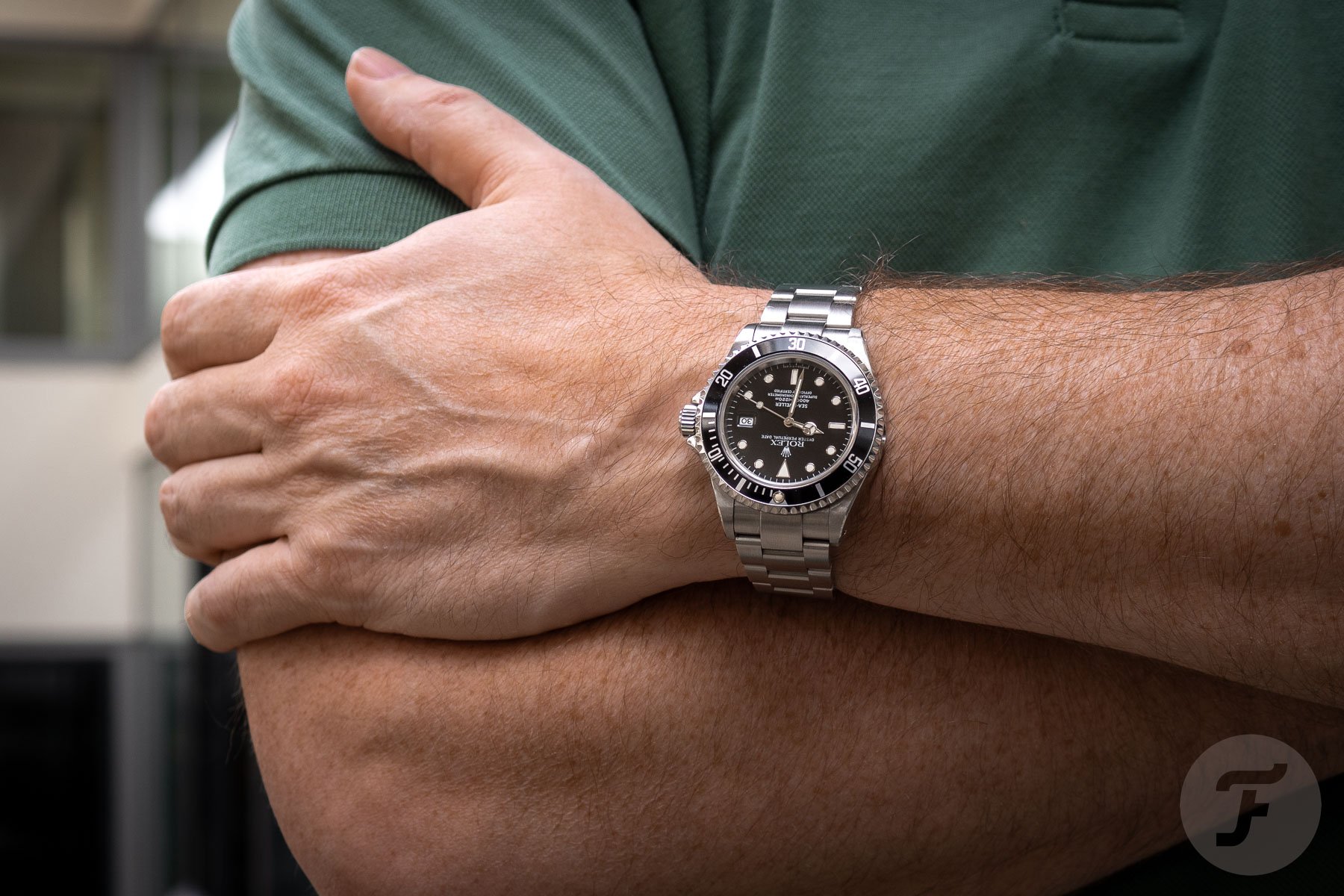
It would be easy to make this argument only about the modern bracelets and conveniently “forget” the older ones. That undersells them. The riveted Oyster bracelets from the 1960s, the ones fitted to watches like the vintage sibling of my Oyster Perpetual ref. 1002, use a simpler folded construction with hollow center links. They rattle a little. They are lighter than what came later. And after 60 years, plenty of them are still doing their job without complaint, riveted construction and all, even if many may have needed some love and care to get them back up to scratch.
There is a comfort argument here too, and it has nothing to do with clasps or extension systems. An older Oyster bracelet, worn in over decades, develops a specific kind of fit, its links settling into the exact contour of a particular wrist the way a good leather strap eventually does. That is not something you can buy with a new bracelet or strap. It is earned, and I would argue it is worth just as much as any patina a strap can develop. Sometimes it is welcome, sometimes not.
One less decision, one more watch you actually wear
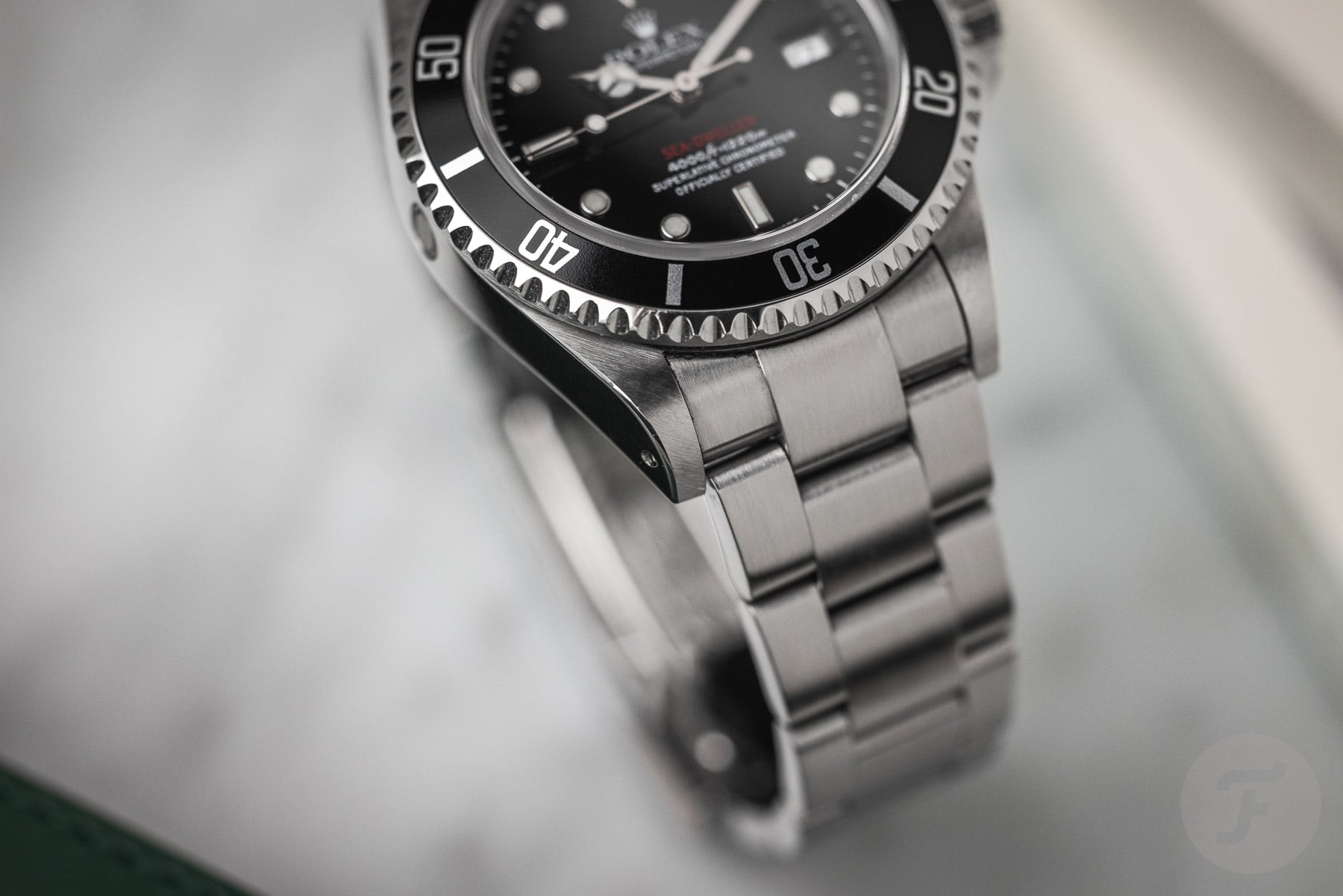
There is also a simpler, less romantic case for the bracelet, and I did not give it enough credit last time: it removes a decision. This means no swapping straps for the gym, the beach, or the dinner reservation. No leather cracking in humidity, no NATO fraying at the loops. Steel on steel, ready for whatever the day throws at it, showers and all, without a second thought. I must admit, there is something pretty wonderful about this set-it-and-forget-it mentality.
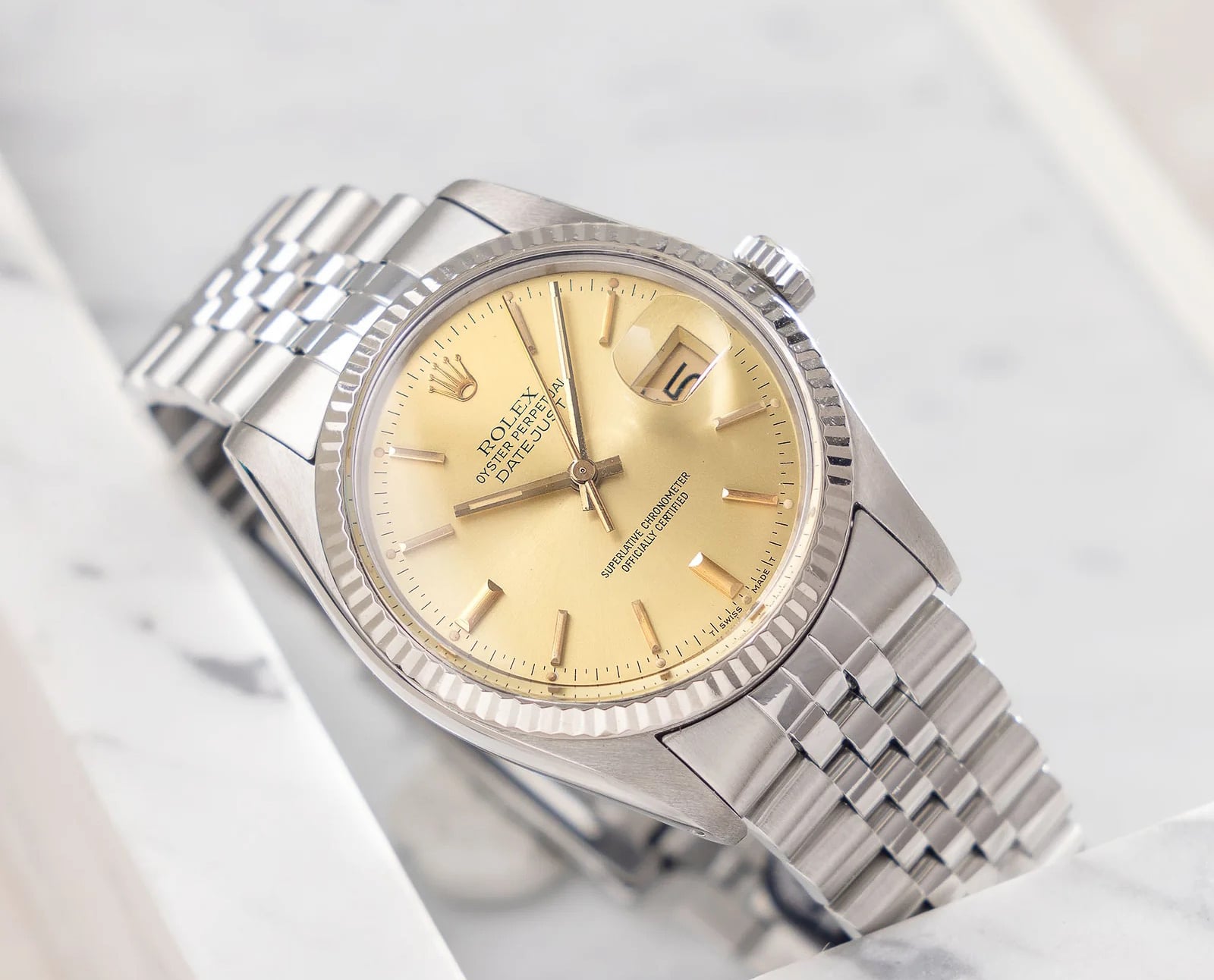
Image: Bulang & Sons
Concluding thoughts
I still think the case for straps and NATOs is real, and I would not take back what I wrote. But I think I undersold Rolex bracelets in the process, and they deserve better than being cast as safe, unimaginative defaults that people only leave alone out of habit. Rolex bracelets, old and new, are not the easy option. Quite often, they are the correct one, and the engineering behind them earns that honest assessment.
Where do you land on this? Are you Team Bracelet or Team Strap, or do you switch it up depending on the day? Let me know in the comments!