Fratello’s Top 5 Iconic Watches From The 1990s

Another Friday, another list. Last week, we picked our five favorite iconic watches from the 1980s. This week, we move on to the 1990s. If the ’80s were the decade of bad, extravagant taste, the ’90s toned it down significantly. Having said that, we saw plenty of remarkable watch designs in the 1990s. Some of them still raise an eyebrow or two, but the decade certainly produced some classics as well. We picked five watches that have become our favorite icons of the era. As it turns out, they have become great classics for a reason.
As someone born in the late 1970s, I grew up in the 1980s. But the 1990s were when I grew into adulthood. It’s the decade that cemented my musical tastes and when I developed very clear preferences in design. Having said that, I didn’t get into watches properly until the early 2000s, so I had to play catch-up and learn about some of the decade’s notable releases. Funnily enough, some of our favorites represent the typical ’90s style, while others have a far more classic appearance. It goes to show that not all design is defined by its era. Overall, it was pretty tough picking just five watches that defined the 1990s, but we managed to select our favorites.
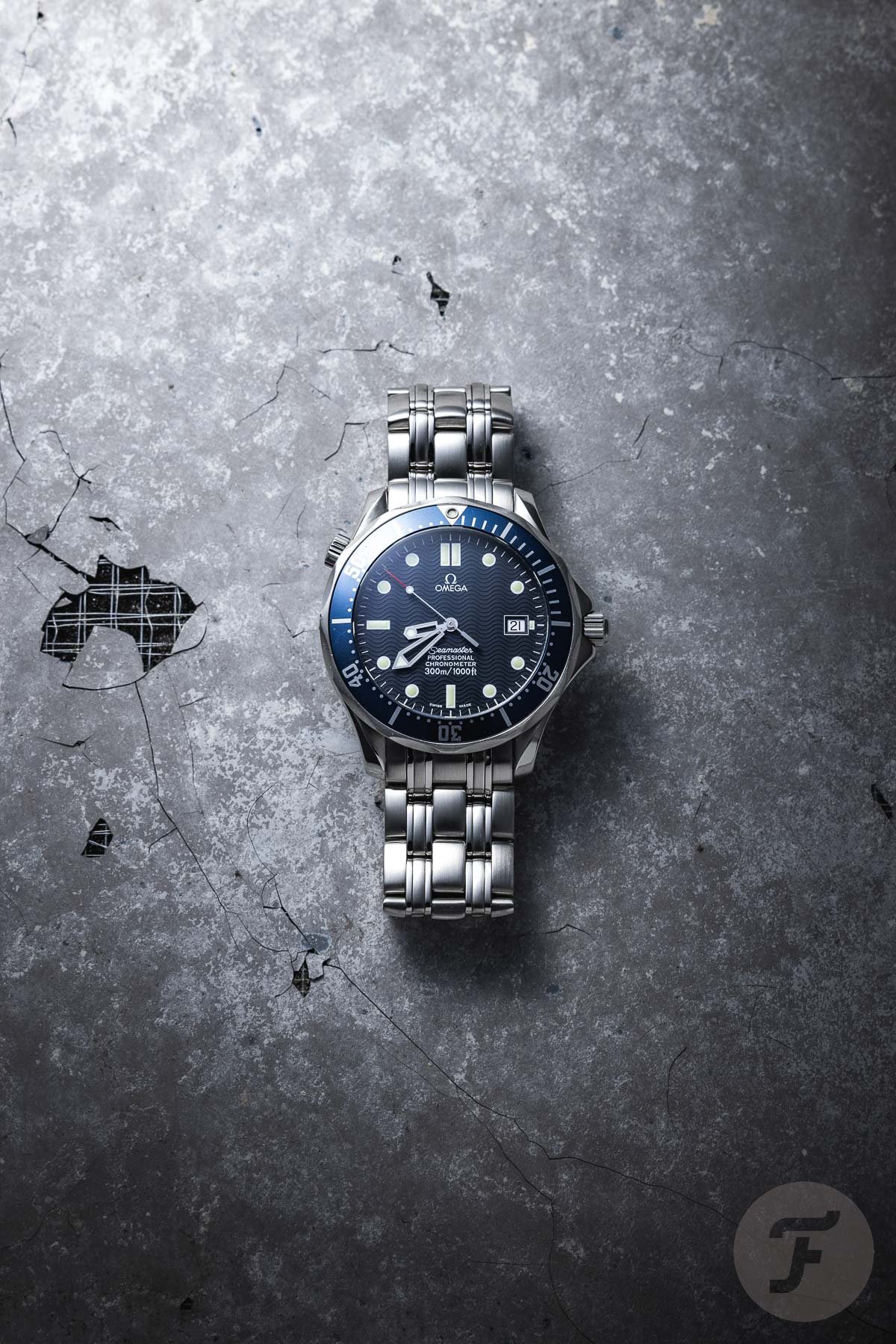
Omega Seamaster Professional 300M ref. 2531.80
Our first pick is an undisputed hit. The Omega Seamaster Professional 300M debuted in 1993, and two years later, it famously became the Bond watch when it graced the wrist of Pierce Brosnan in GoldenEye. As most of you will know, Brosnan was actually wearing the quartz ref. 2541.80, as that was the first available reference.
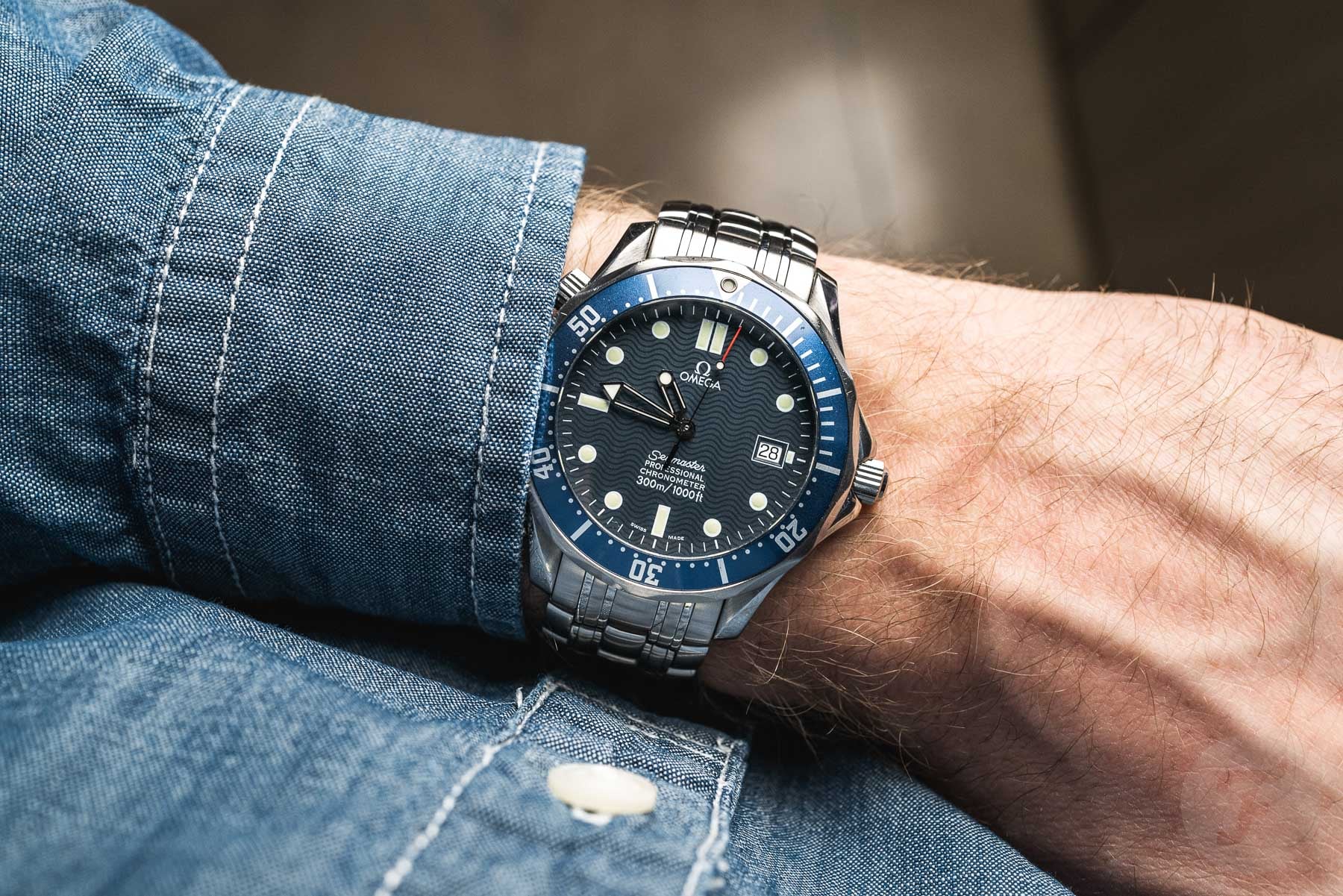
But soon after, Omega also released the mechanical ref. 2531.80 that we picked for this list. Design-wise, the Seamaster 300M is the most ’90s of all the watches on this list. It has certain era-typical design quirks that give it character. As I previously stated in an installment of our Sunday Morning Showdown series, the fact that the blue Bond Seamaster has become such a great classic is not despite its quirks but, indeed, because of them.
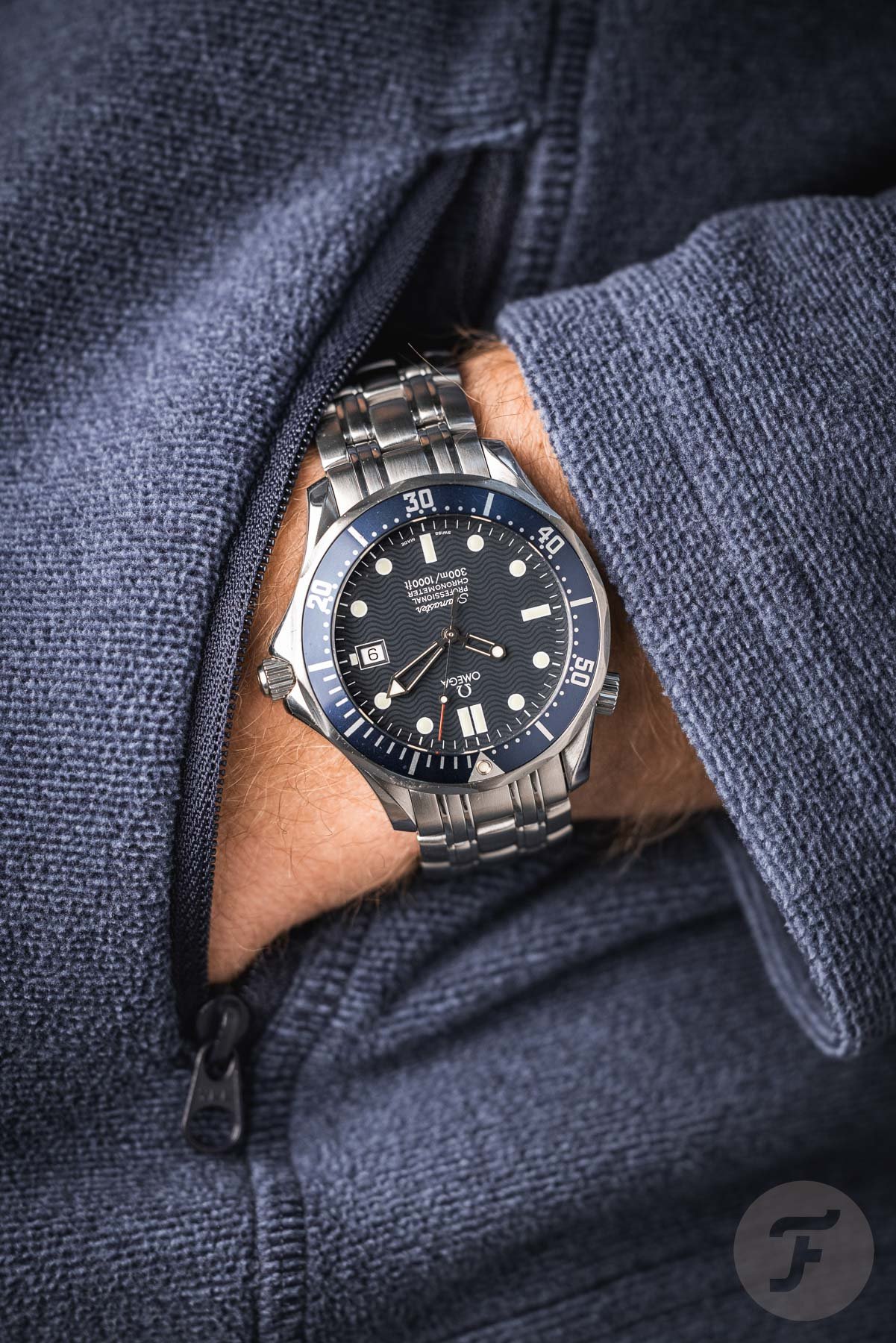
The watch has a 41mm stainless steel case with an 11.5mm thickness and a 47mm length. If you have ever worn this Seamaster, you will know that thanks to its nice, slim profile, it sits very well on the wrist. The characteristic case design, with its lyre lugs and faceted bezel, makes it stand out immediately. Add the signature bracelet, and you get a design that you will instantly recognize every time. The case is paired with a blue dial featuring the famous wave pattern that adds refinement. It’s another one of those signature elements that we miss when it is abandoned. That’s why I was very happy to see it return for the current no-date version of the Seamaster 300M.
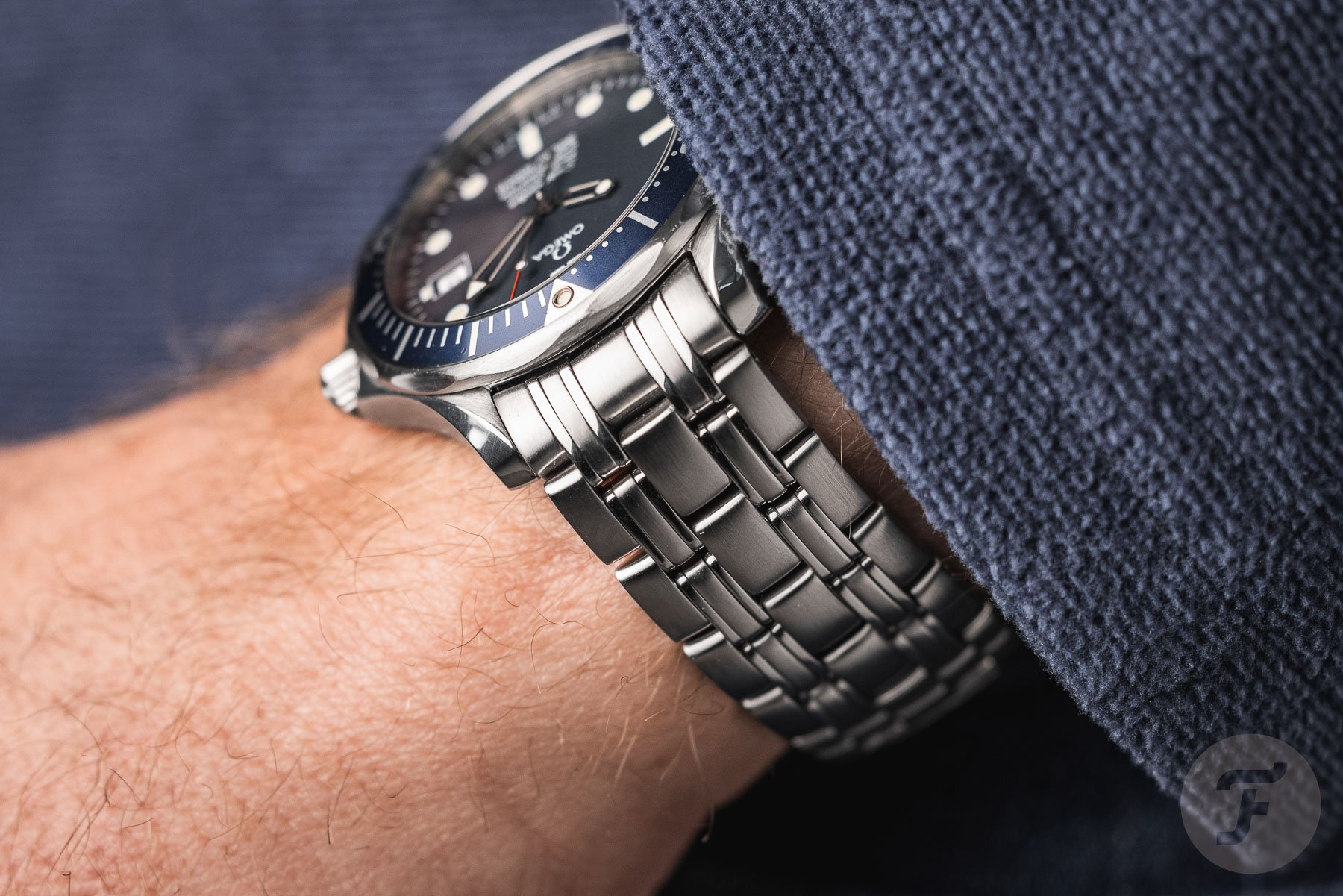
A proper 1990s classic, even without the Bond connection
Inside the case, Omega started with caliber 1109 and later switched to caliber 1120. The latter had an optimized winding mechanism and upped the jewel count from 21 to 23. Both are ETA 2892-A2-based movements beating at 28,800 vph and offering a 44-hour power reserve. On top of that, the calibers were both COSC-certified chronometers.
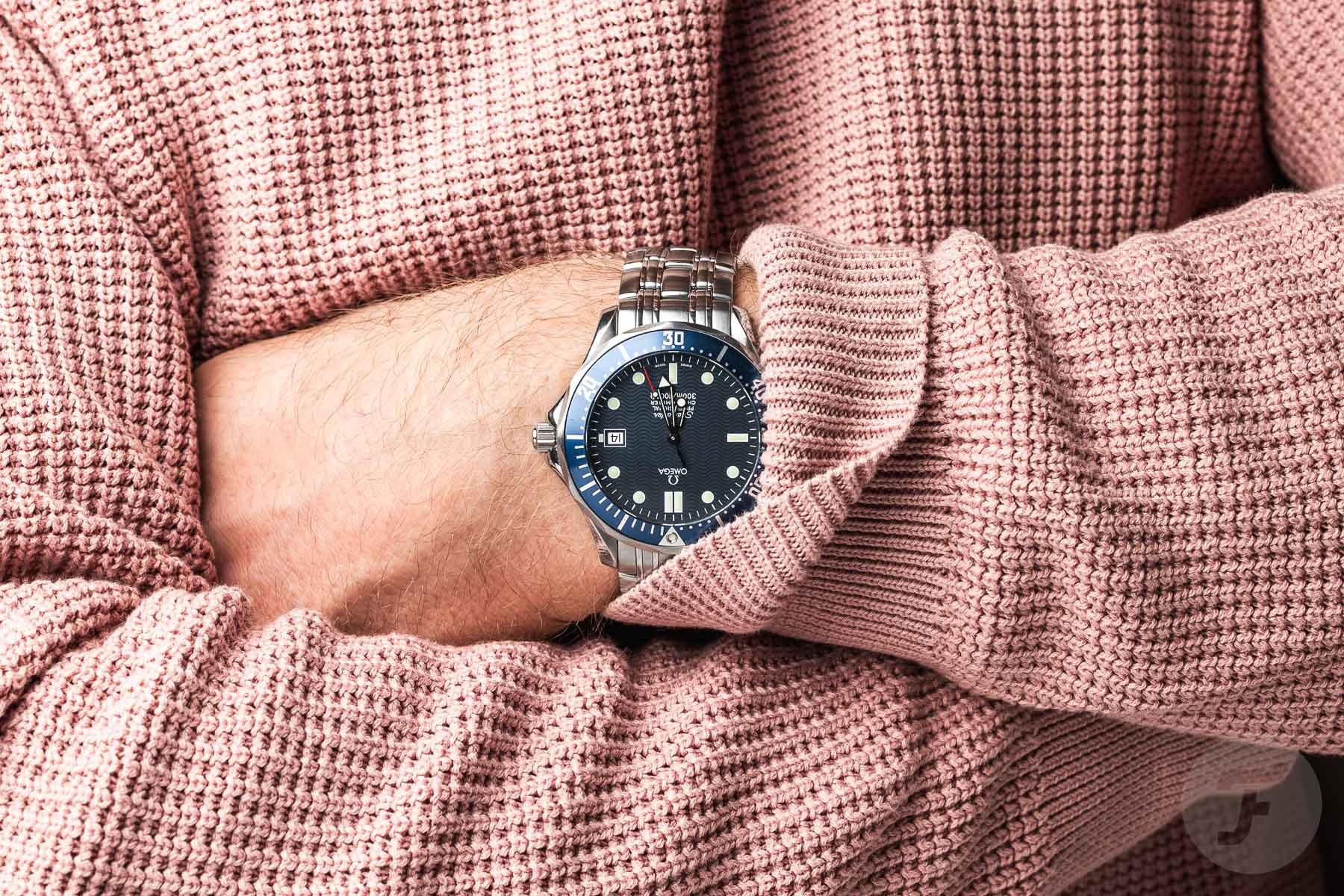
A fun fact is that, in 1993, Omega released a very small initial batch of 2531.80s powered by the non-chronometer-certified caliber 1108. The dials of these rare versions also do not feature the word “Chronometer” on the lower half. Essentially, these mechanical versions have the same dials as the quartz versions. As a result, you will not see the difference between the two.
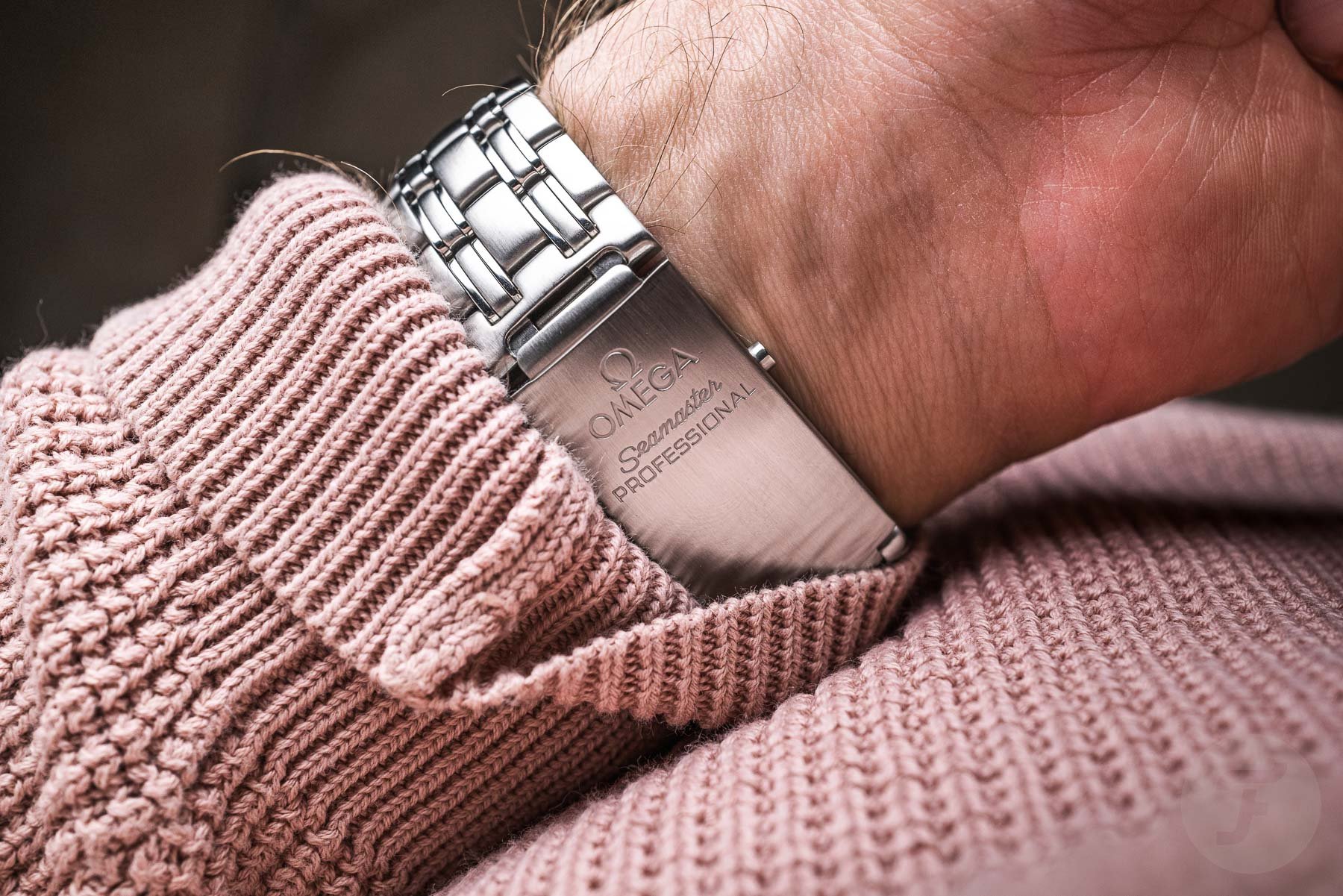
Overall, the Omega Seamaster Professional 300M has become one of the most famous silhouettes in the industry. But it all started with this ’90s classic. Of course, the Bond connection had a significant impact on the watch’s success. Apart from that, though, it’s a watch that stands out on its own. Knowing that it came out two years before it appeared on the silver screen backs up that story. Additionally, I love that Bond was wearing a standard Seamaster, not a specially designed watch for the 007 movies. Nowadays, you can pick this classic up for €2,500–3,500.
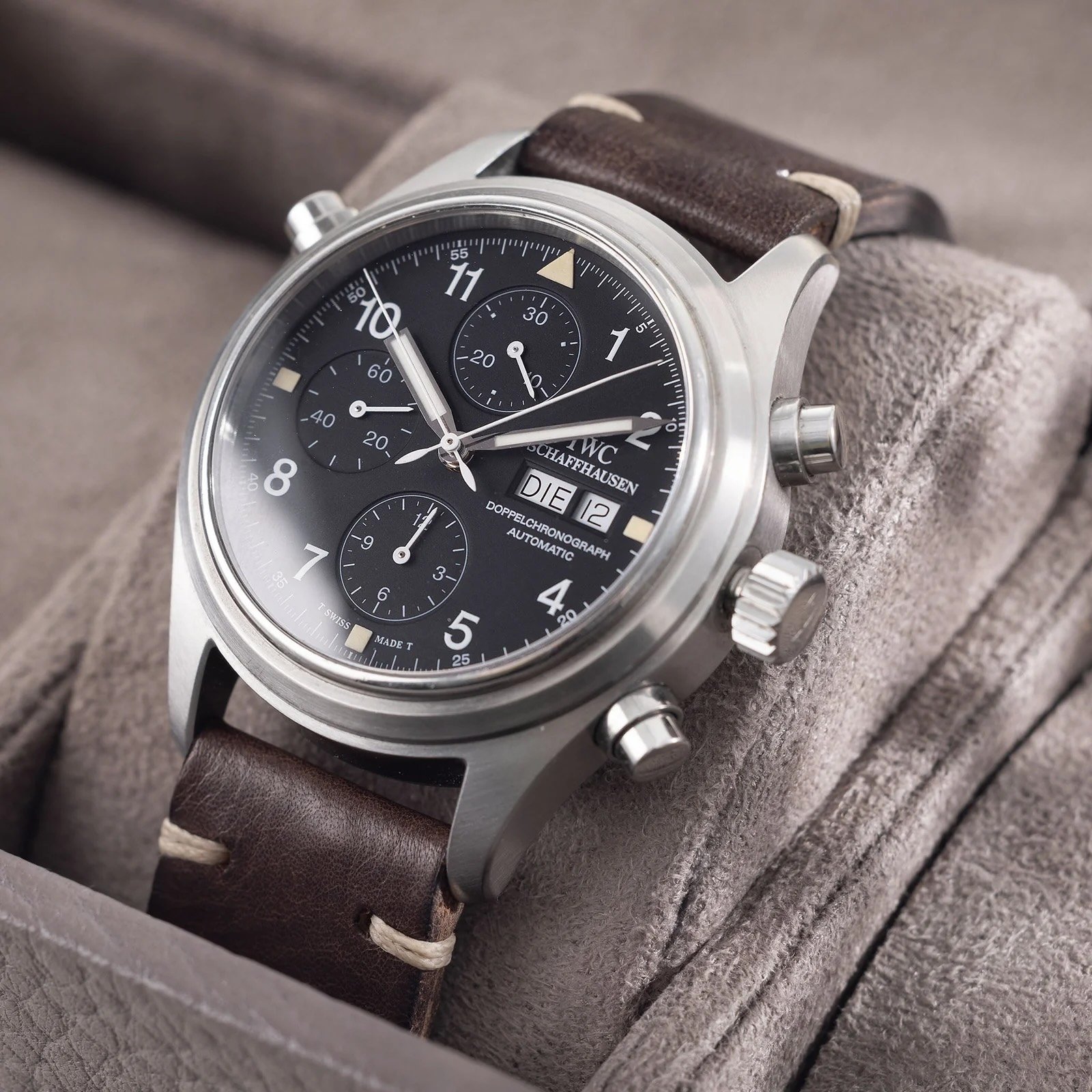
Image: Bulang & Sons
IWC Flieger Doppelchronograph ref. 3713
For our second pick, we could have chosen multiple IWC models. The brand’s Portugieser line also debuted in the 1990s and could have made the list. But since this is a list of our favorite iconic models from the decade, we picked the Flieger Doppelchronograph. The first version of this legendary pilot’s chronograph, ref. 3711, came out in 1992.
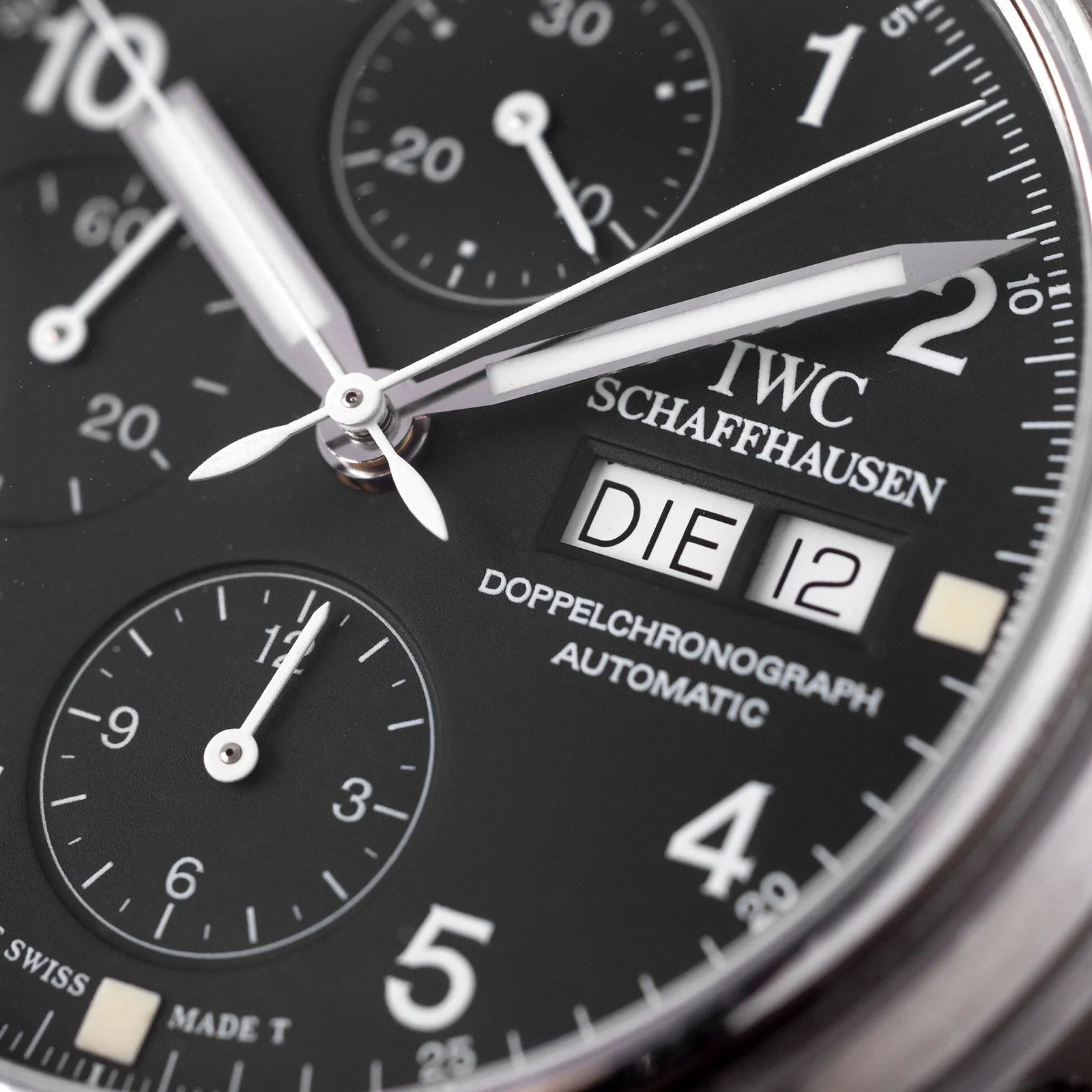
Image: Bulang & Sons
The follow-up was ref. 3713, which swapped the domed crystal for a flat one and replaced tritium with Super-LumiNova. Other than those things, these two watches are similar. Lex wrote a great in-depth article about the Doppelchronograph that explains the love that he and quite a few of the Fratello team members have for this iconic chronograph.
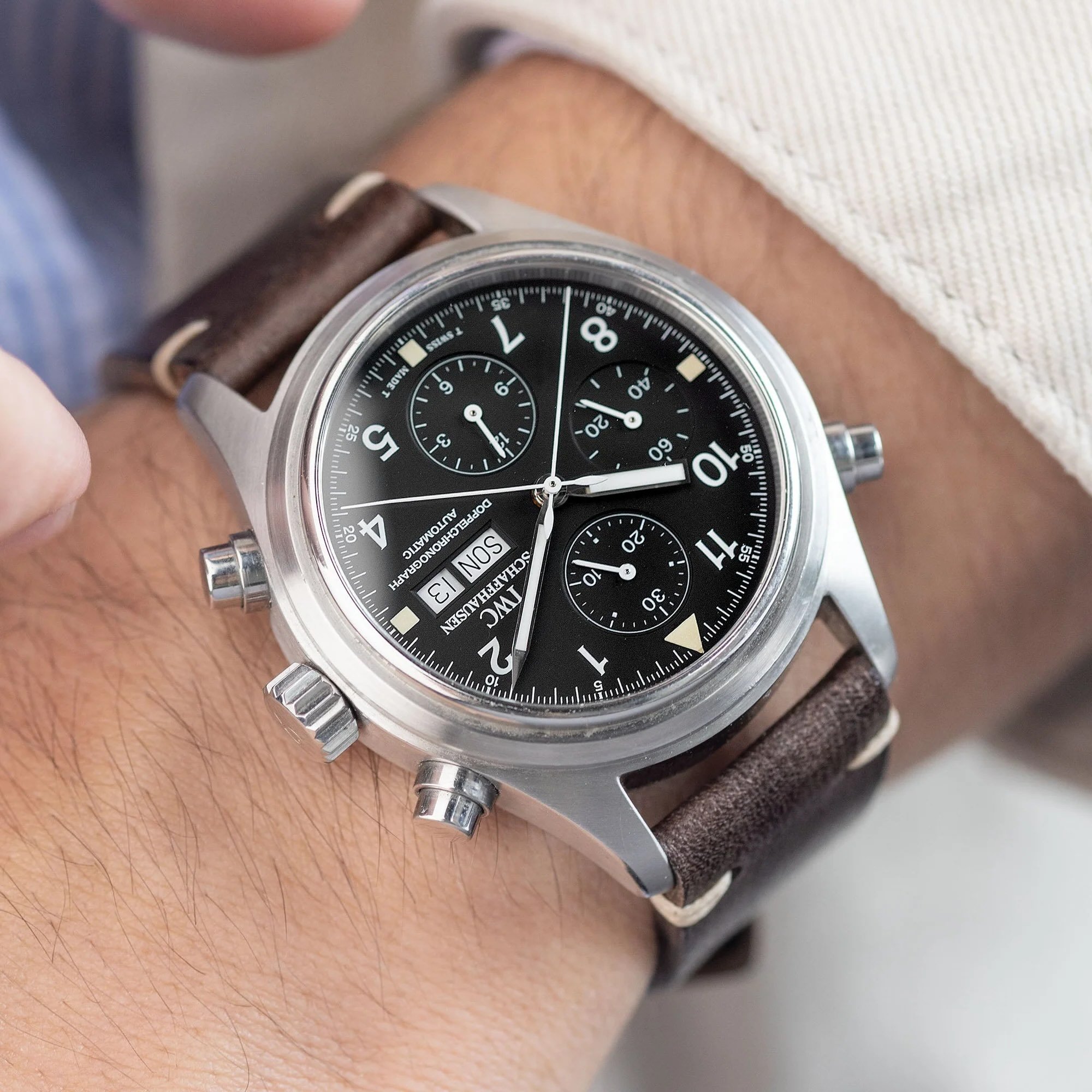
Image: Bulang & Sons
The watch has a 42mm stainless steel case with a 16.2mm profile and a 51.8mm lug-to-lug. As you will understand, this is a watch that is hard to ignore once you put it on. Its beefy case houses a black dial with the characteristic Valjoux 7750 layout.
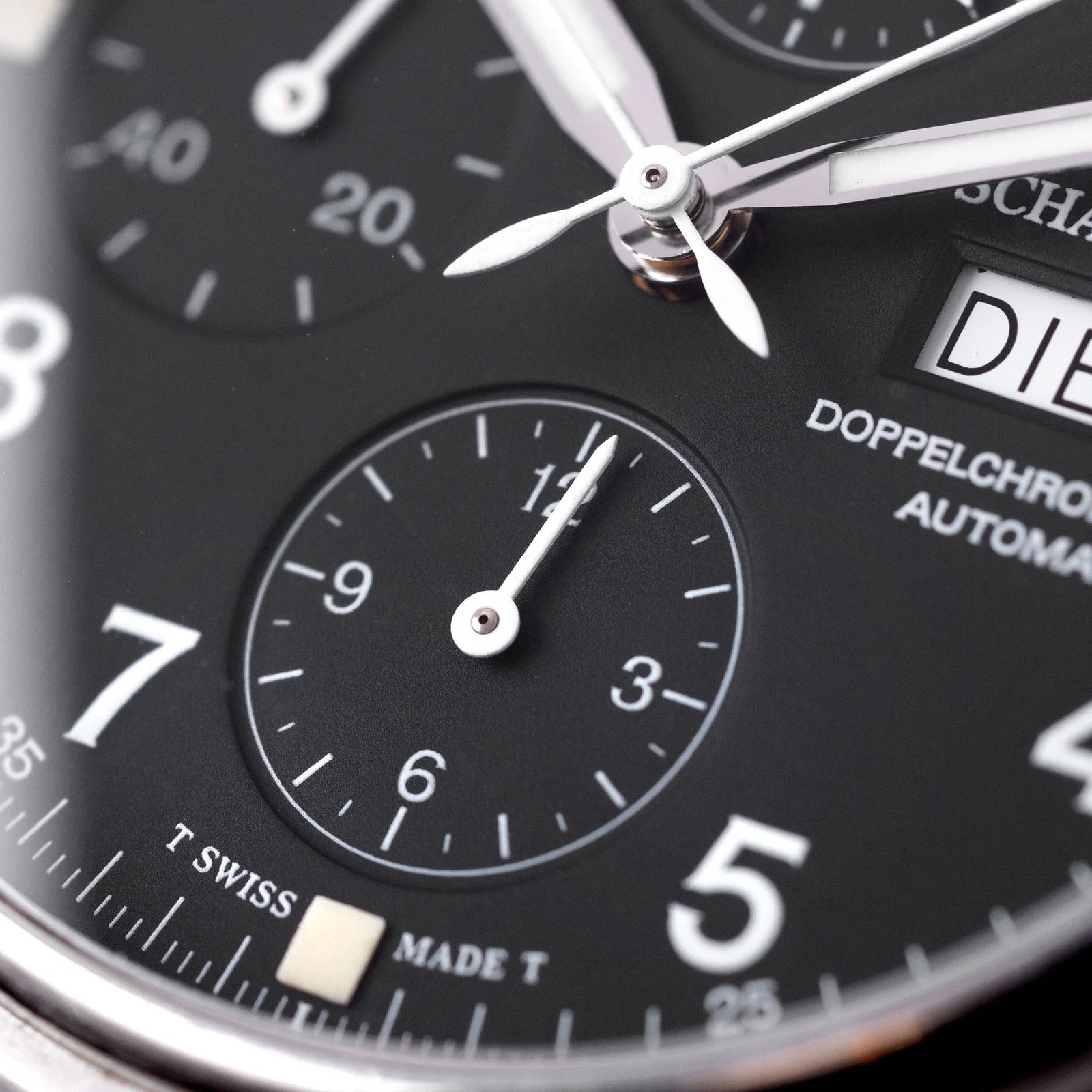
Image: Bulang & Sons
It features sub-dials at 6, 9, and 12 o’clock and a day/date display at 3 o’clock. I love how the IWC designers created a dial that, despite all the info displayed, still has room to breathe. That makes it easy to navigate, and its style is a perfect example of the dial designs found in the IWC Pilot’s Watch series.
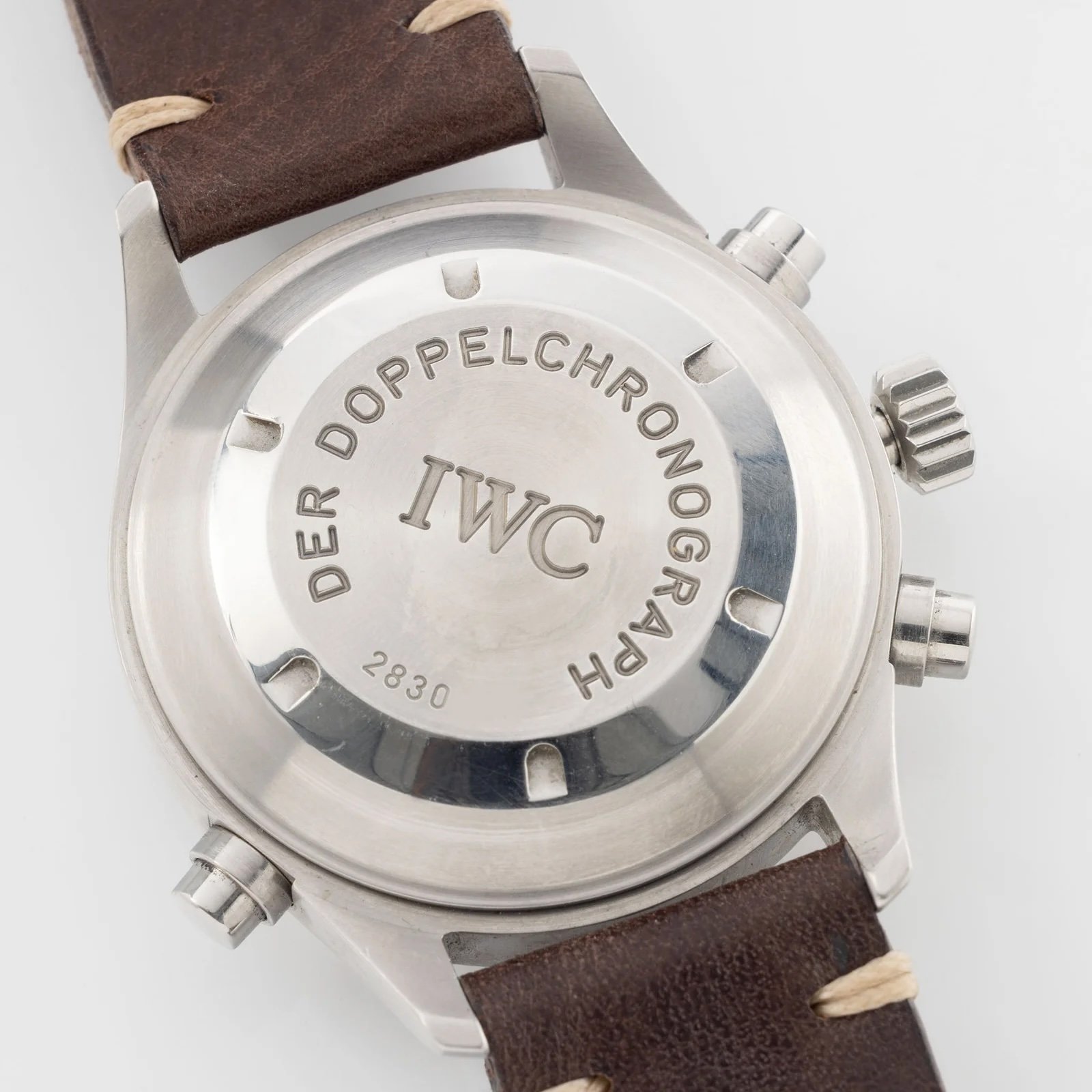
Image: Bulang & Sons
The Valjoux 7750 with a special split-seconds mechanism
Inside the case, you will find the IWC caliber 79230. It uses the Valjoux 7750 chronograph movement as a base, and IWC added an innovative split-seconds mechanism designed by Richard Habring. The combination makes the Doppechronograph ref. 3713 very reliable and, therefore, a great daily wearer. Better yet, finding an example of this IWC icon is not difficult. Pre-owned prices start around €4,500 and move up to €6,500 for one in great condition. It will buy you a ’90s classic that is part of a bigger series of IWC releases that could have been on this list. But this is the one that we love the most, and that’s why we picked it.
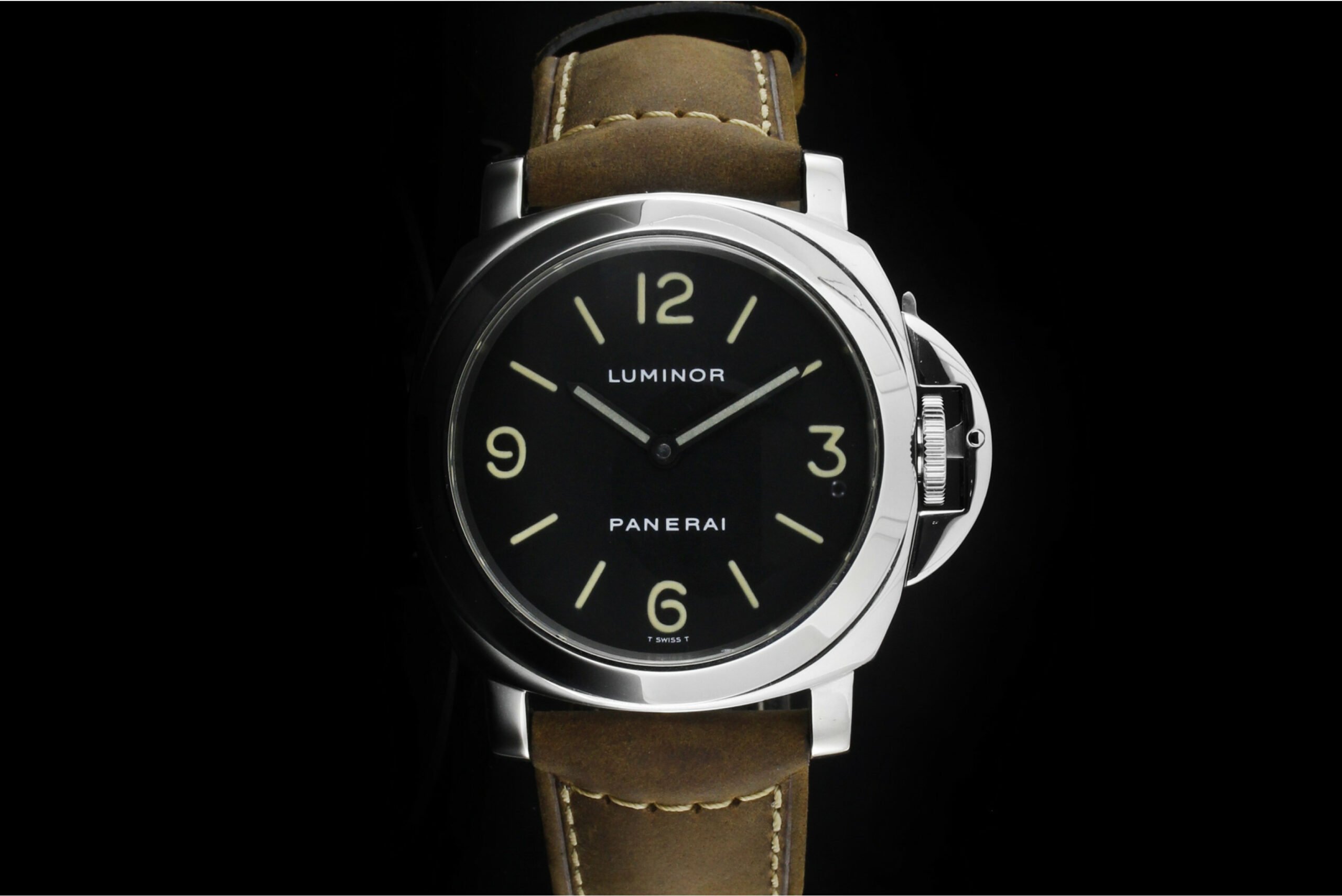
Image: Leopold & Co.
Panerai Luminor Base PAM00002
One brand that became very popular in the late 1990s is Panerai. After Panerai was introduced to the public in 1993, it gained momentum before being acquired by Vendôme Group (today’s Richemont Group). For this list, we picked the first Luminor Base reference released under Vendôme ownership in 1997. This Luminor PAM0002 has a 44mm stainless steel case with a 15mm thickness and a 52.5mm length.
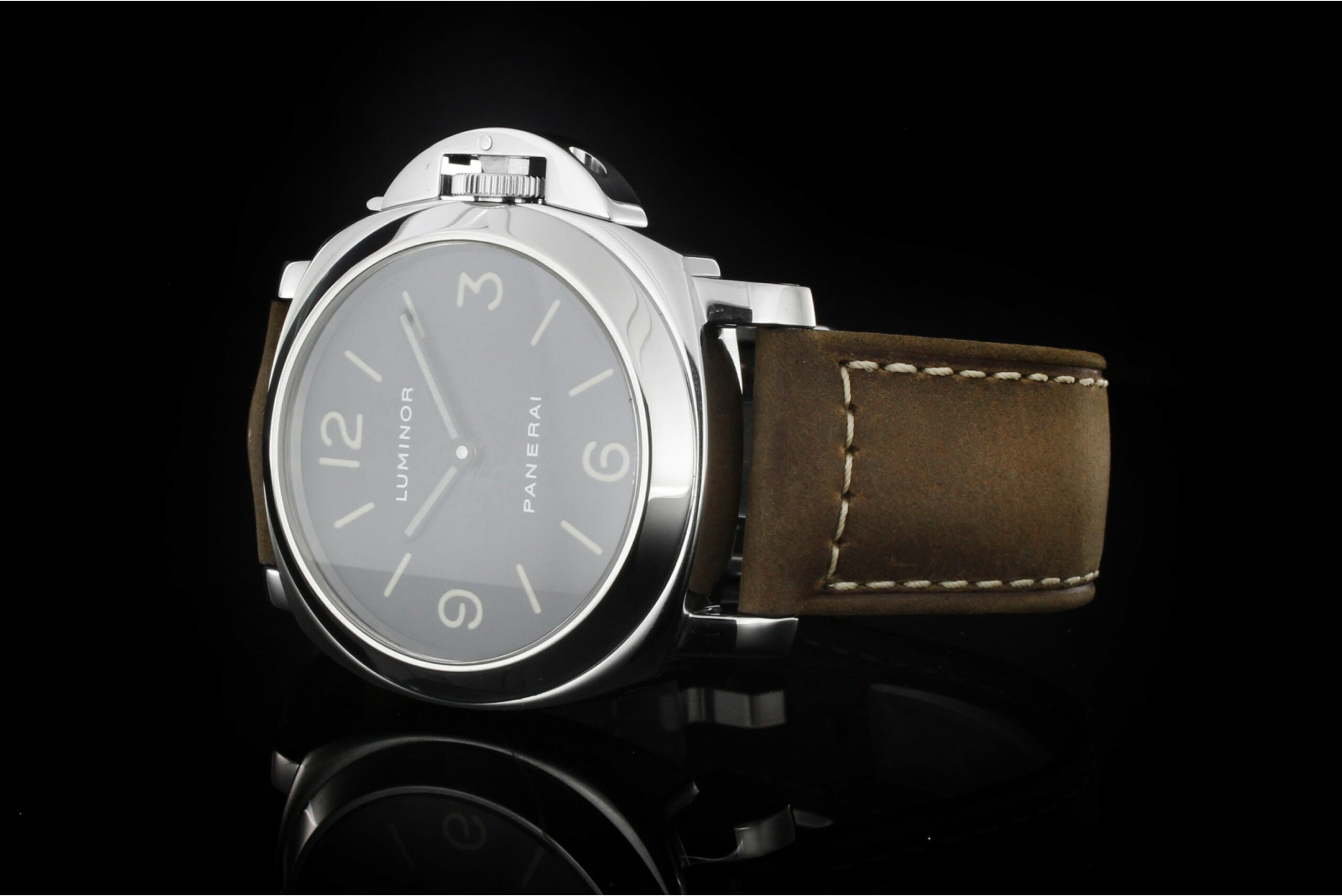
Image: Leopold & Co.
The case features the characteristic crown-lock device and houses a black dial with large luminous hour markers and 3, 6, 9, and 12 numerals. Hovering over the dial are pencil-style hour and minute hands, keeping things very simple. I like this stripped-down look, as it doesn’t feature any additional logos or sub-dials, keeping the iconic design straightforward.

Image: Leopold & Co.
The classic look of a black-dial Luminor is hard to beat
Finishing the exterior was a sturdy leather strap that matches the watch perfectly. There is no other brand for which straps play as pivotal a role in dictating a watch’s look as with Panerai. Along with the black-dial Luminor Base, Panerai also introduced the white-dial PAM0003. But for me, the true classic is the Luminor with the black dial mounted on a rugged 24mm leather strap.
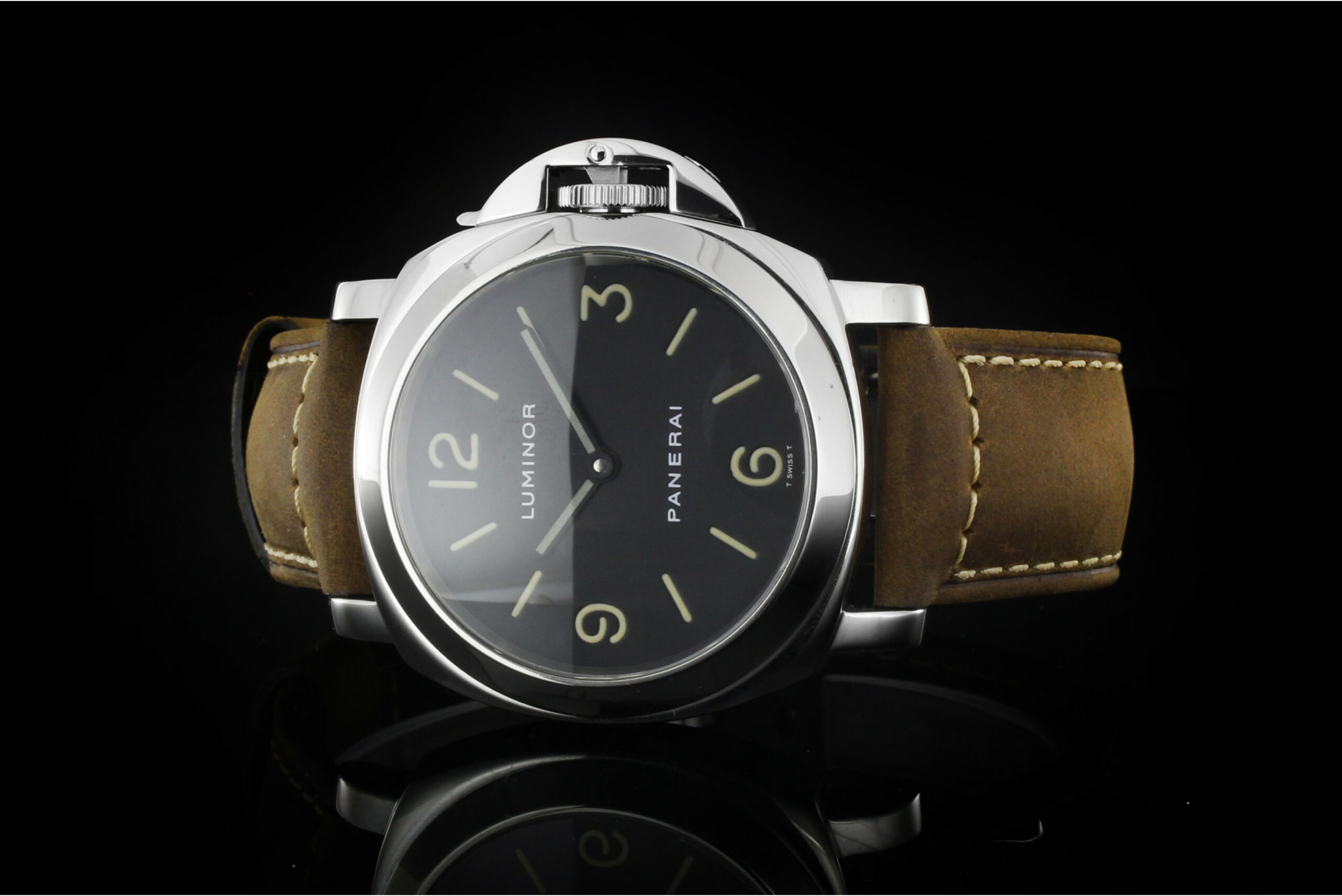
Image: Leopold & Co.
Inside the case, you will find the manually wound Panerai caliber OP I, an ETA 6497-based movement. It operates at 21,600 vph, has 17 jewels, and provides a 41-hour power reserve. Additionally, it comes equipped with Incabloc shock protection and a Glucydur balance. Panerai used this caliber from 1997 until 2001, when the OP X replaced it. Finding a Luminor Base PAM0002 is not that hard, and prices have come down over the past few years. Depending on the condition and production series the watch is part of, expect to pay between €4k and €10k. As you would expect, examples from the earlier series are the most expensive. But considering its iconic status, this is still a fairly affordable ’90s classic.
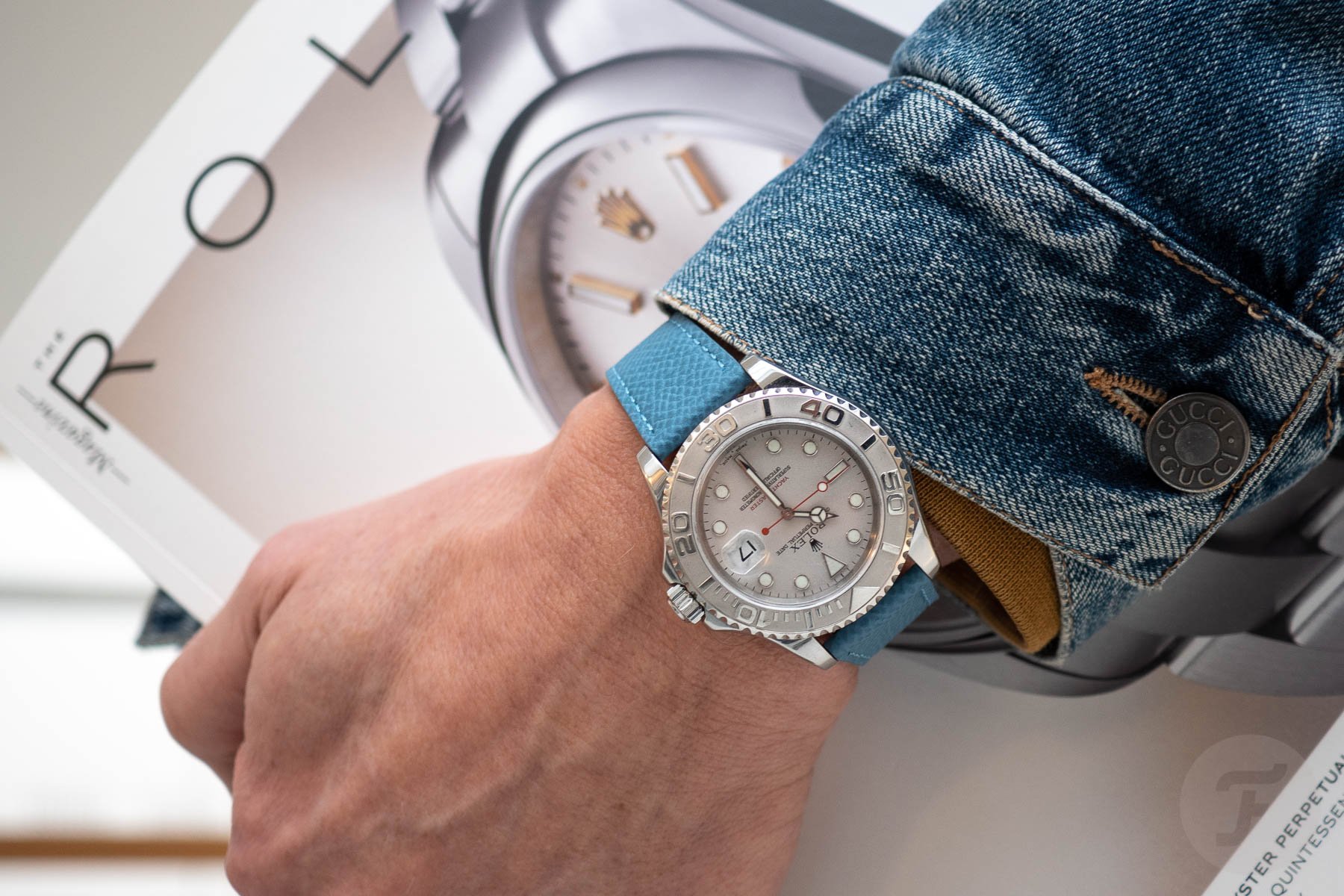
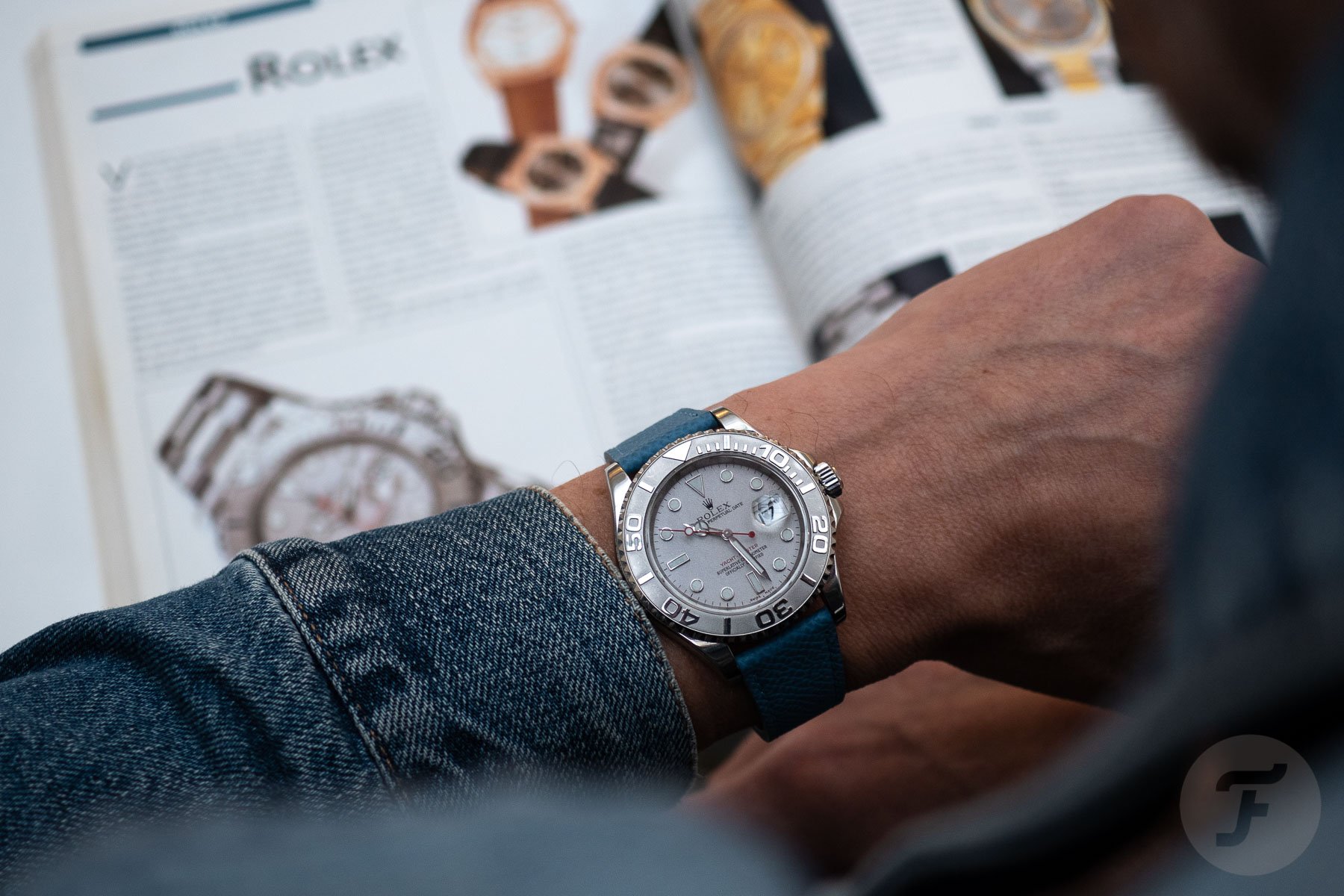
Rolex Yacht-Master ref. 16622
Many of the Rolex icons we know today date back to the 1950s and ’60s. However, in 1992, The Crown introduced an all-new model to the lineup — the yellow gold Yacht-Master ref. 16228. This watch marked the launch of Rolex’s series of watches dedicated to yachting. The Yacht-Master name dates back much further, though, because Rolex developed a small number of prototypes under that name in the late 1960s. These watches look nothing like the Yacht-Master unveiled in the 1990s, instead resembling the famous Daytona. Rolex decided not to move forward with the Yacht-Master at the time.
It wasn’t until the late 1980s that the story of the modern Yacht-Master began. While the story has never been confirmed, it’s said that Rolex wanted to update the Submariner’s classic design. After many designs, the watch we now know as the Yacht-Master came out on top. But supposedly, there was some hesitation to squander the Submariner’s legacy, which is why the Yacht-Master was introduced as a luxury yachting watch. To emphasize its difference from the Submariner, Rolex first introduced the Yacht-Master ref. 16628 in full yellow gold.
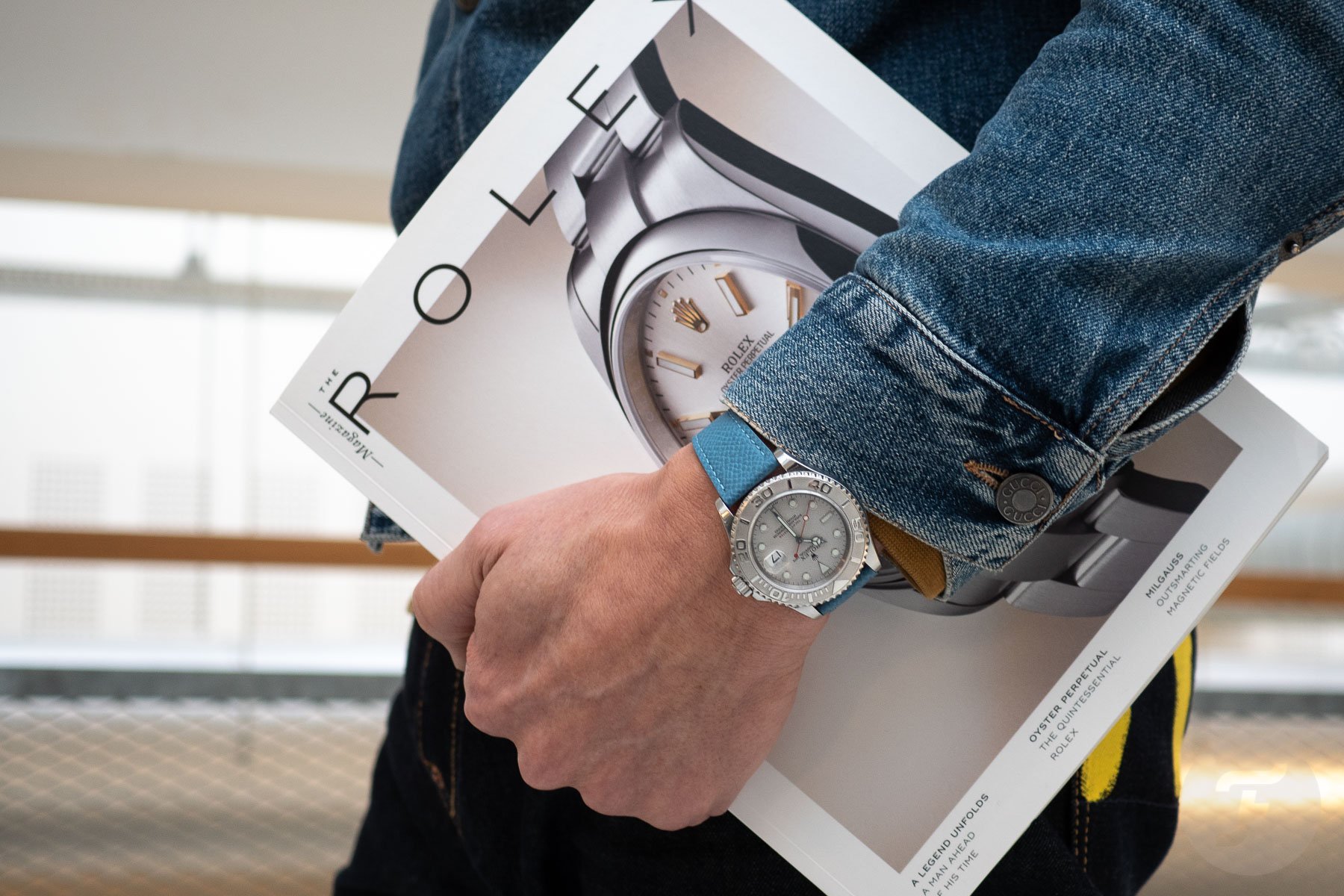
The Yacht-Master introduced a new aesthetic
In 1999, Rolex introduced the steel and platinum ref. 16622 that we picked for this list. This Rolesium Yacht-Master came with a stainless steel case and bracelet but used platinum for the bezel and dial. On top of that, the raised bezel markers introduced a look unlike any other Rolex in the collection at the time. Some people find the monochromatic aesthetic of the watch somewhat underwhelming, but when taken out into sunlight, the dial comes to life brilliantly. It was one of the main reasons Robert-Jan bought a second Yacht-Master after having sold his first years ago.
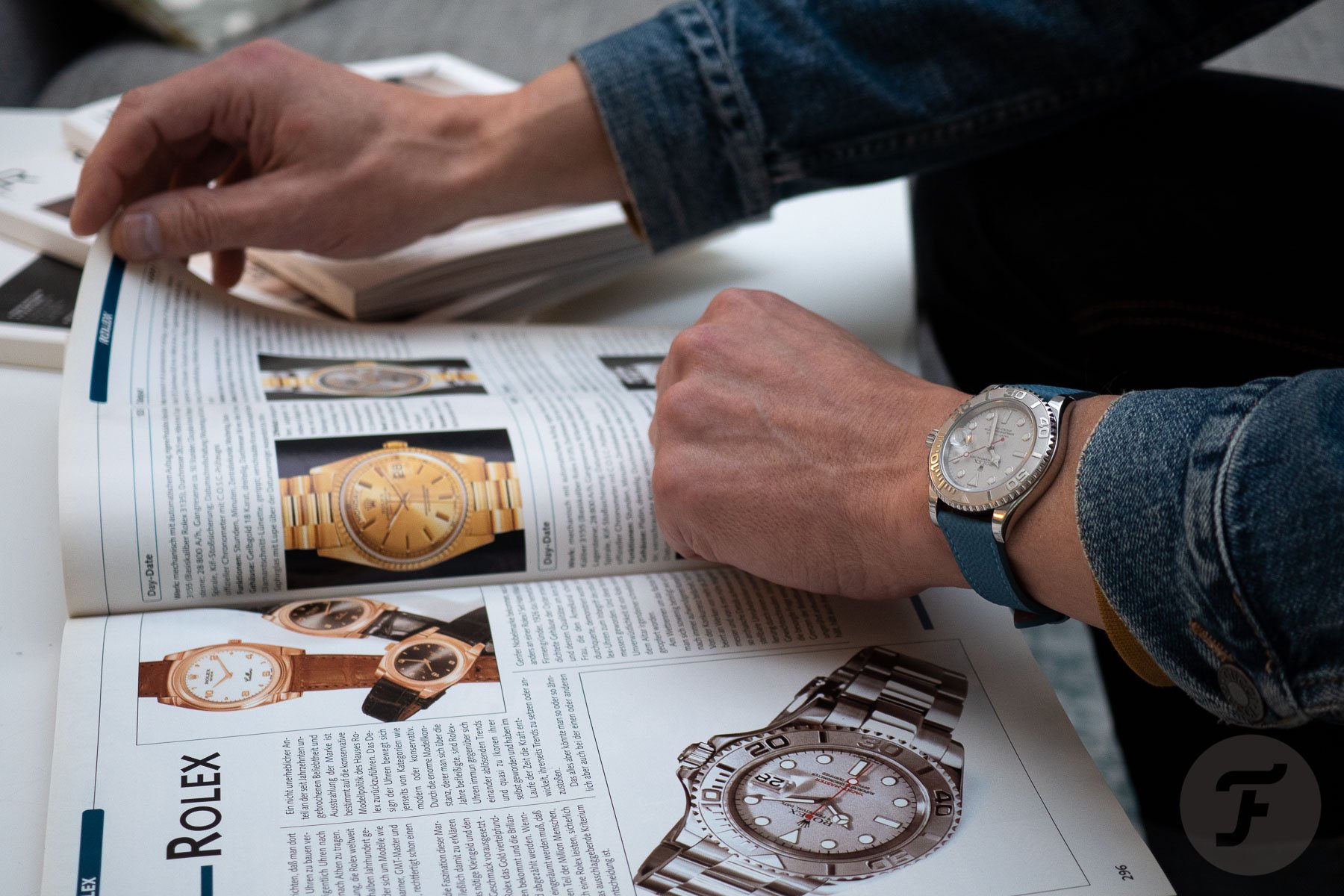
Inside the case, Rolex used its caliber 3135. This legendary automatic movement also powered the Submariner at the time. It runs at 28,800 vph, has 31 jewels, and delivers a 48-hour power reserve. It was an incredibly reliable movement that served this distinct Rolex well. As mentioned, the Yacht-Master is not a watch for everyone, but this version in steel and platinum is what most people immediately think of when talking about the Yacht-Master. Historically, it would have made sense to pick the full-gold model that started the lineage. But again, this is a list of our favorite ’90s watches, and we prefer the ref. 16622 for its looks. On top of that, it is far more affordable, priced between €7k and €10k.
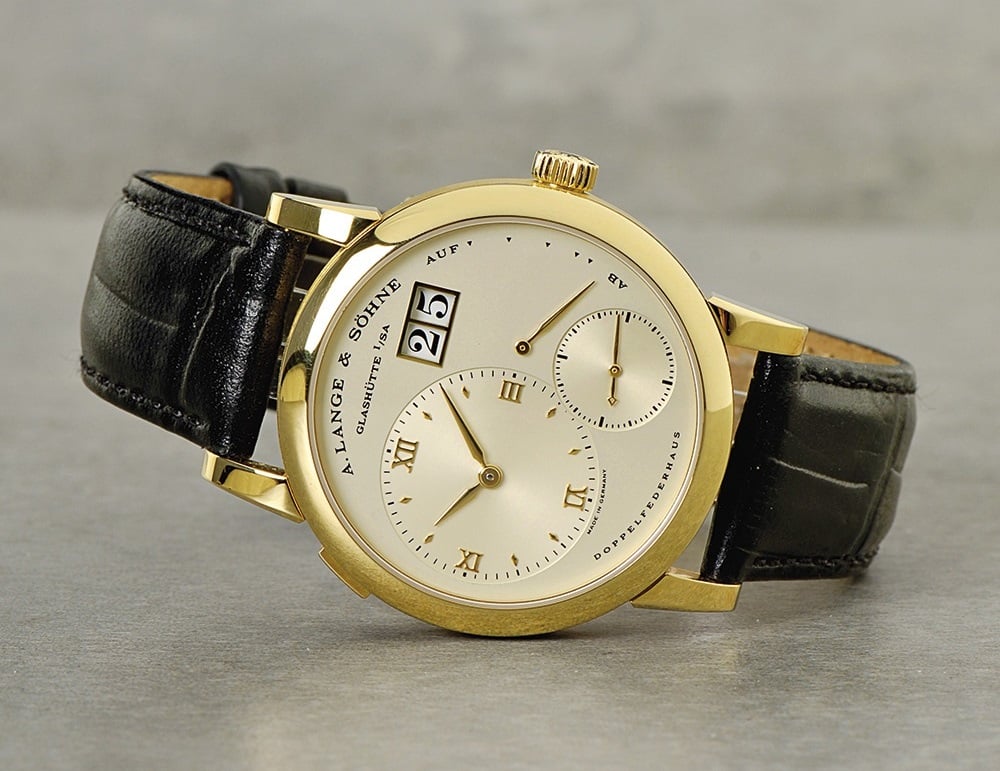
Image: Dr. Crott Auctioneers
A. Lange & Söhne Lange 1 ref. 101.001
Our last pick is the brilliant A. Lange & Söhne Lange 1. To be more specific, it is the Lange 1 ref. 101.001, which started the lineage of this classic in 1994. The watch was part of the revived brand’s inaugural collection, presented on October 24th, 1994, in Dresden by Walter Lange and Günther Blümlein. The collection consisted of the Tourbillon “Pour le Mérite,” the Saxonia, the Arkade, and the new flagship model, the Lange 1. The ref. 101.001 featured a 38.5mm yellow gold case with yellow gold hands hovering over a champagne dial.
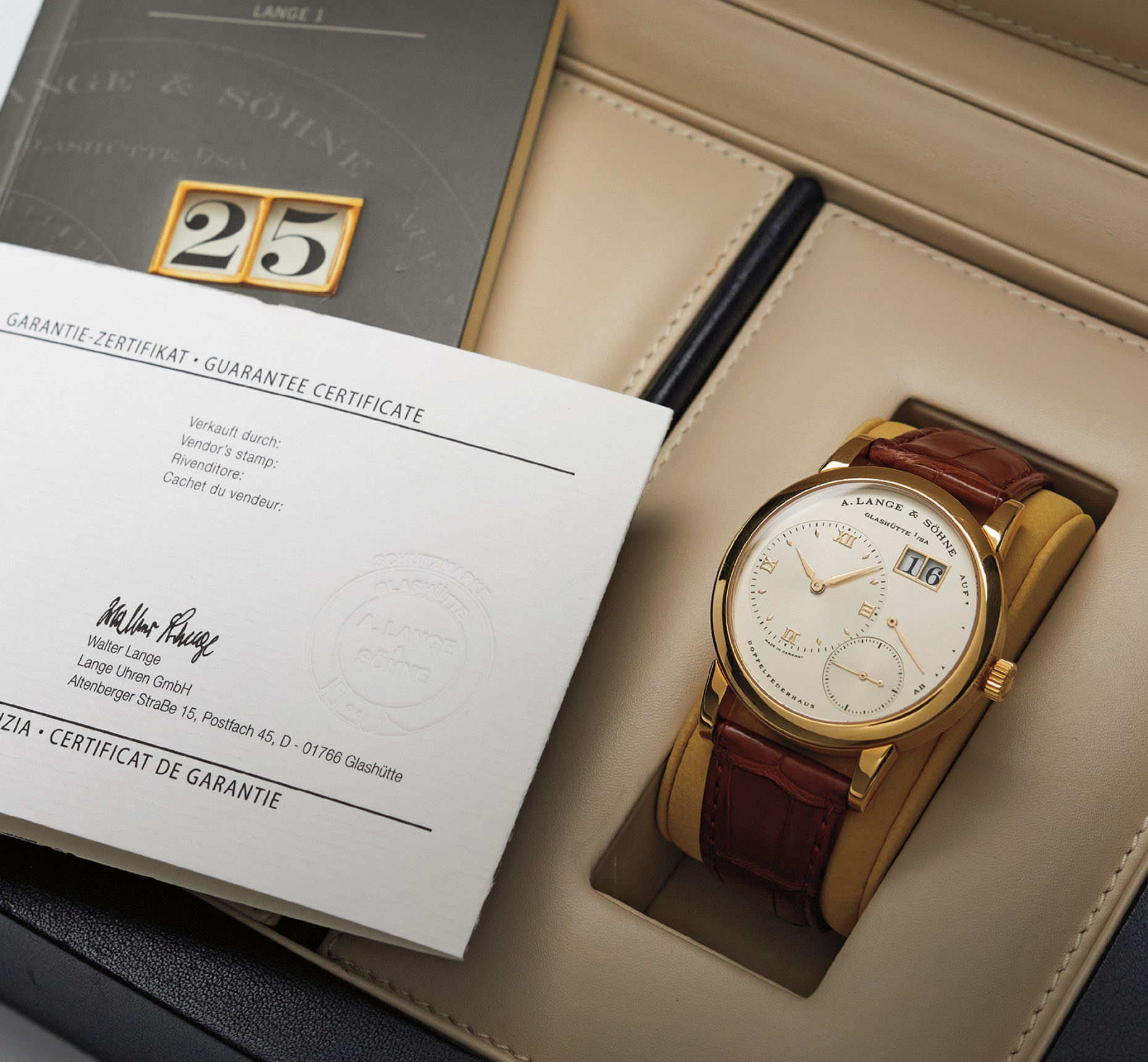
Image: Phillips
The watch introduced a new aesthetic unlike anything Lange’s Swiss competitors made. It was a deliberate choice by Blümlein because he felt that the brand needed to emphasize its more technical and engineered German approach to watchmaking. A design team featuring Reinhard Meis and the legendary Kurt Klaus created the now-characteristic dial layout, with its off-center elements based on the “rule of thirds.” Despite the unusual off-center time display and outsize date, the design feels very balanced.
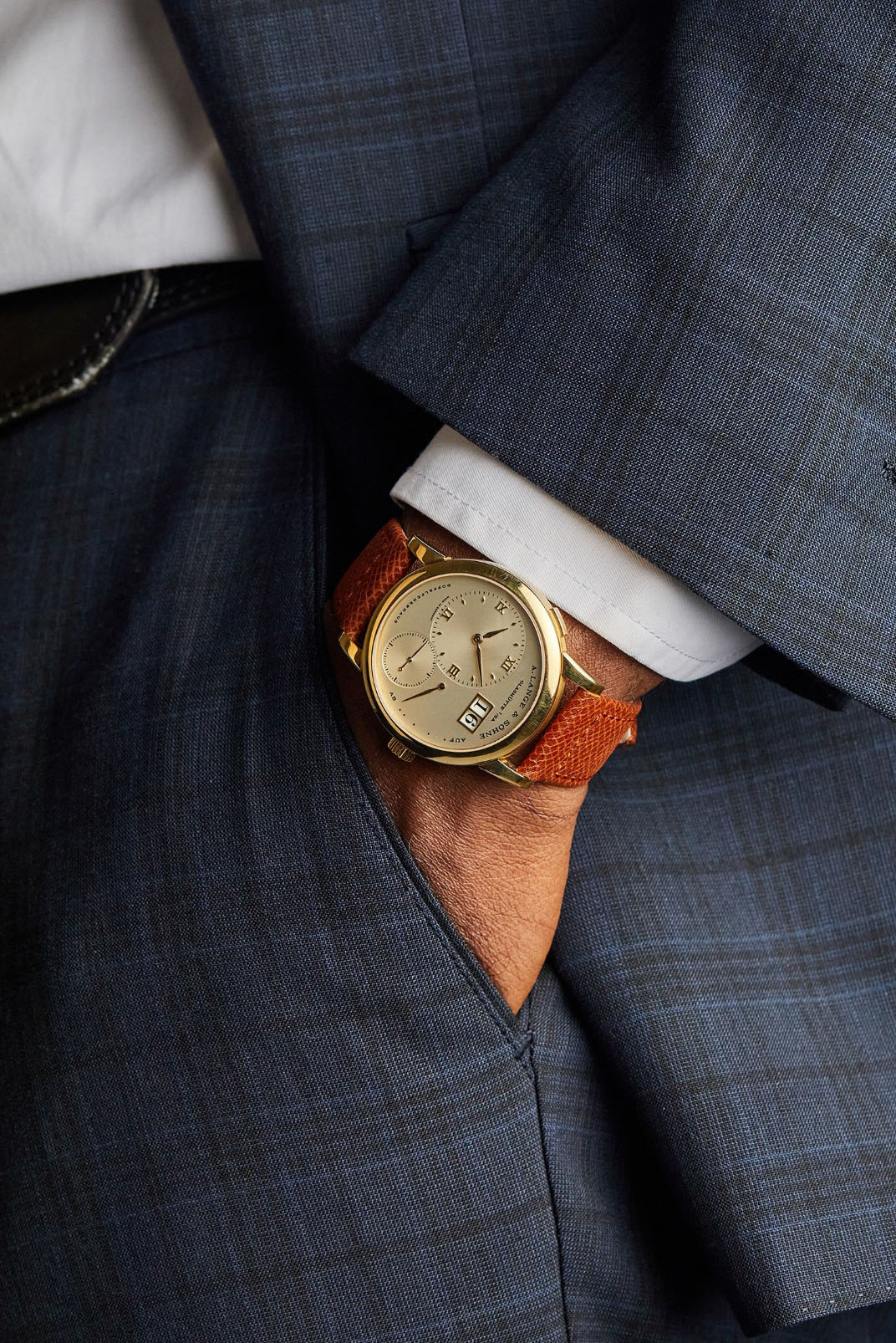
Image: Phillips
The models with all-gold case backs are highly desirable
Powering the first Lange 1 models is the L901.0 movement. The manual-winding movement operates at 21,600 vph, has 53 jewels, and boasts a 72-hour power reserve thanks to its doppelfederhaus, or double barrel. It uses the gear train from Jaeger-LeCoultre’s classic caliber 822, but to accommodate the dial layout, the team at A. Lange & Söhne had to modify it extensively.
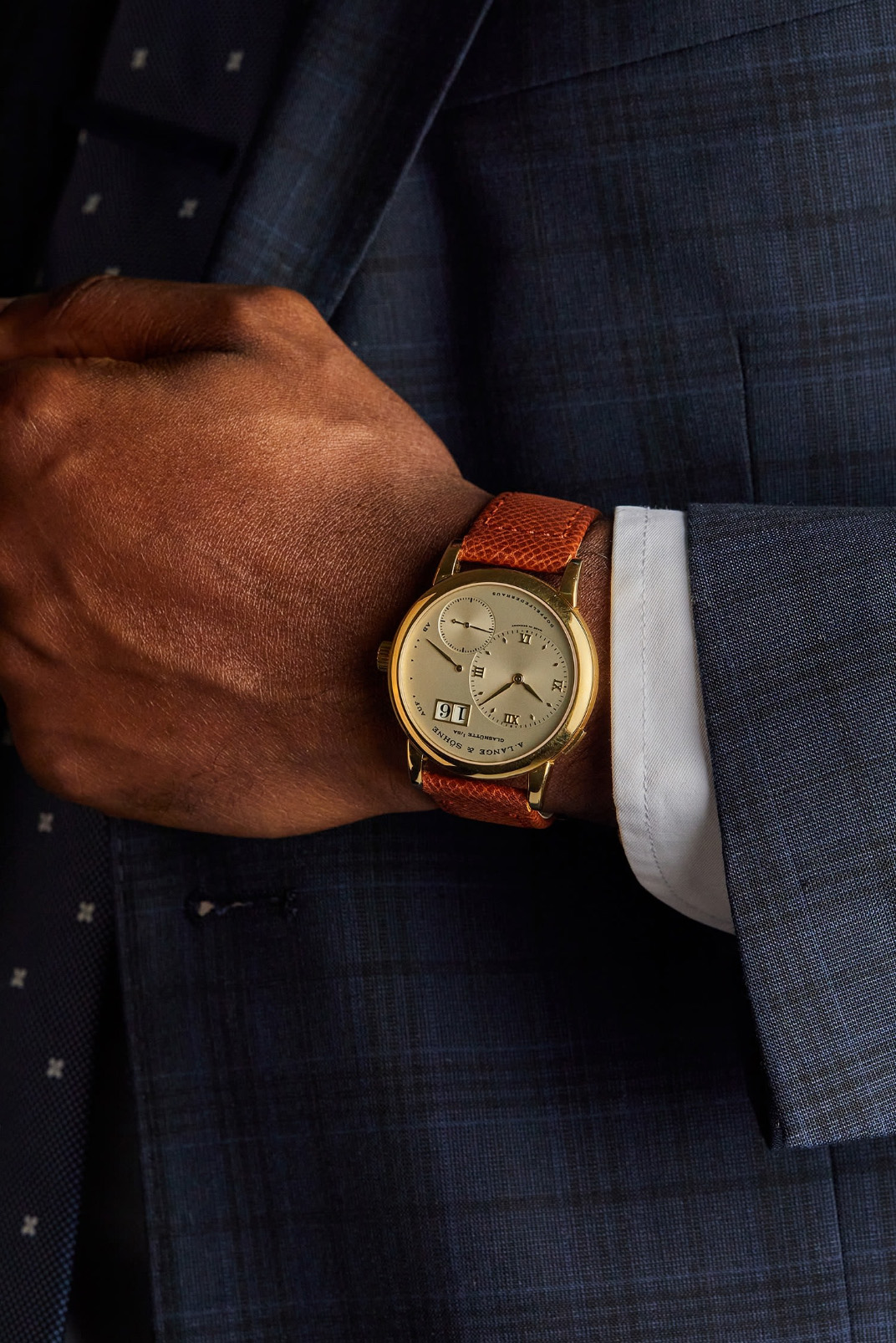
Image: Phillips
For the first Lange 1 models, the brand used a solid-gold case back. A year after the first watches debuted, the brand also offered customers the choice of a sapphire-equipped display case back. By 1997, A. Lange & Söhne had decided to make non-display case backs a thing of the past. As a result, watches with them are the most sought-after versions of the A. Lange & Söhne Lange 1 ref. 101.001. Prices for the first Lange 1 generally start around €30k–35k and move up quickly to around €50k for an early model with an all-gold case back. On top of that, you will find most of them at auctions, so you have to put in some effort to get your hands on this 1990s classic.
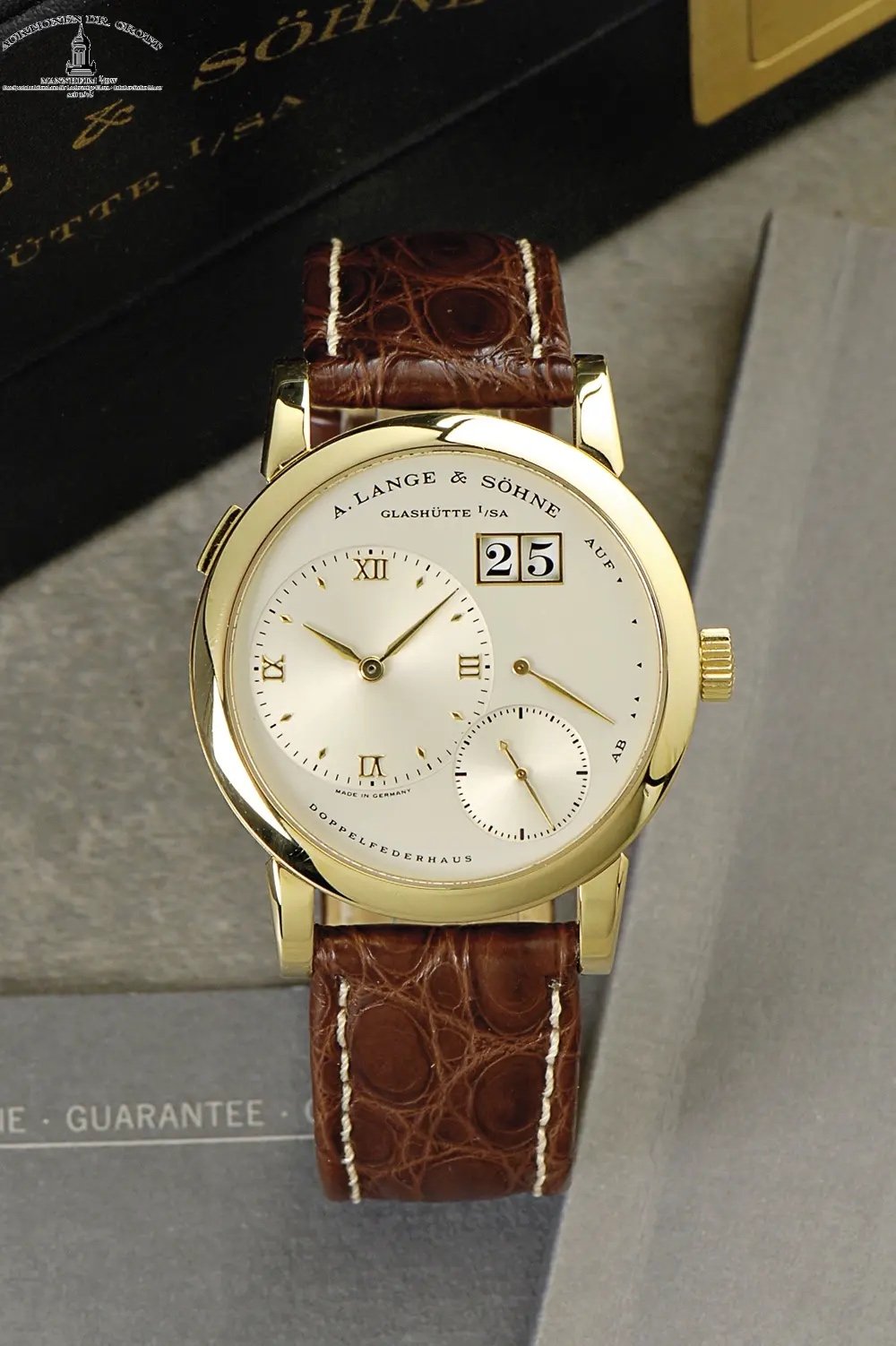
Image: Dr. Crott Auctioneers
Final thoughts on our five favorite iconic watches from the 1990s
There you have it — five 1990s classics. These watches helped define the style and status of the watch industry at a time when mechanical watches were becoming the luxury products we know today. As mentioned in the article, there are so many more great options, so I want to turn the question over to you. Which of our five picks do you like the best, and what are some other 1990s watches that you think deserve praise? Let us know in the comments section, and we’ll be back next week with another list!