[Video] Extreme Watchmaking Revealed: The Formex Aria And How It’s Made

Formex may be a relatively young name in Swiss watchmaking, but the brand has already made a name for itself thanks to its unique approach. Founded in 1999 and based in Biel, Formex has built its identity around combining mechanical watchmaking with engineering-led solutions. Its watches are known for features such as the patented Case Suspension System, tool-free adjustable clasps, and a focus on ergonomics and everyday wearability.
For our latest video, we traveled to Biel to take a closer look at the company behind the watches. The visit also gave us the opportunity to spend time with Formex’s newest and most ambitious model to date: the Aria Manufacture Chronometer. You can watch the full video above, including a closer look inside the manufacture and a chat with Formex CEO Raphaël Granito.
A different approach to Swiss watchmaking
A visit to Formex in Biel also reveals an important part of the company’s background: its close relationship with Dexel, a Swiss watch-component manufacturer founded by Formex CEO Raphaël Granito’s father. Today, Dexel and Formex share the same newly built headquarters in Biel. The building brings the two companies together under one roof.


This reflects the close relationship between the two while allowing each to maintain its own operations. Dexel specializes in producing components, including cases, bracelets, clasps, and other precision parts for the watch industry. Its manufacturing expertise has played an important role in Formex’s development and helps explain the brand’s strong focus on engineering and functionality.
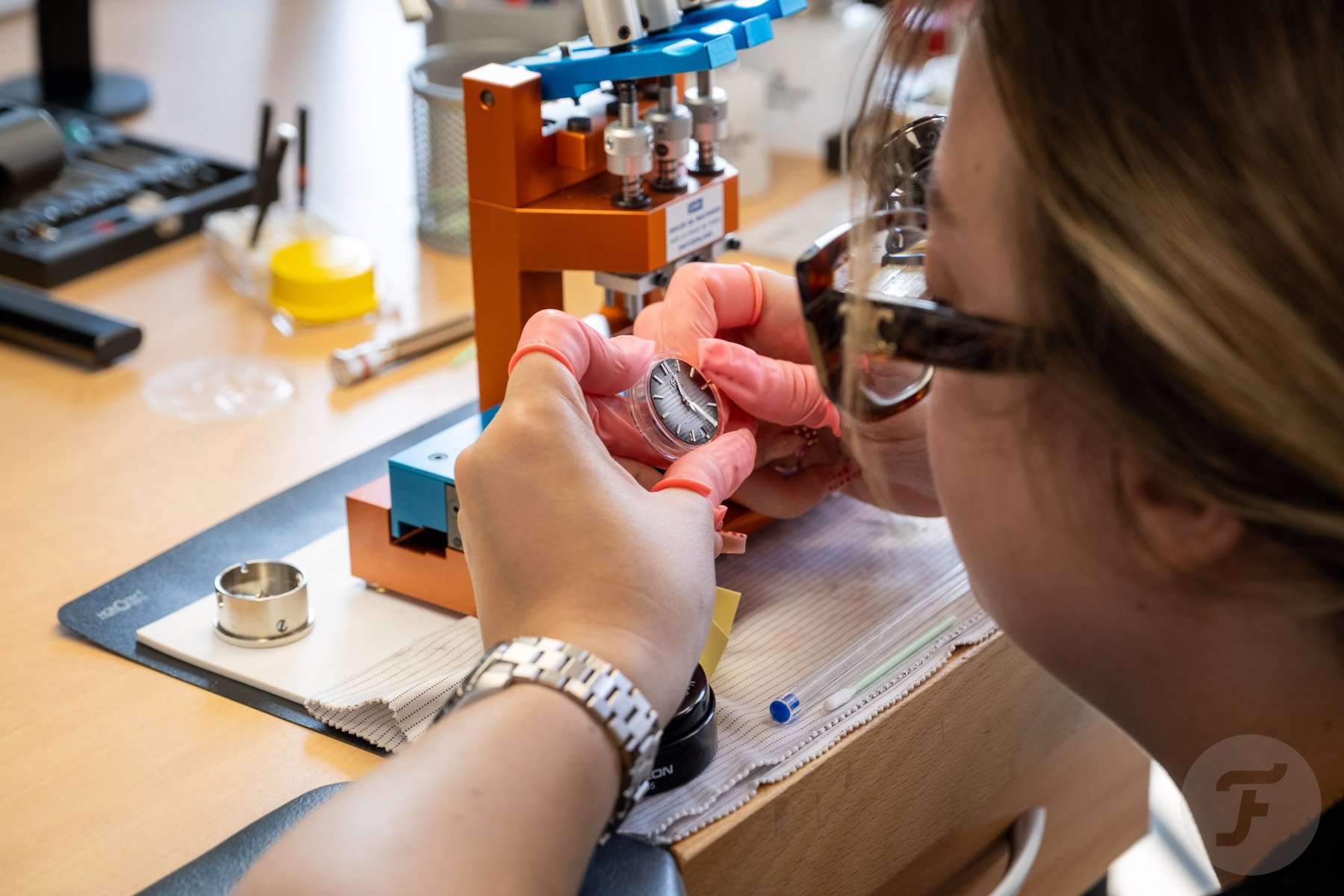
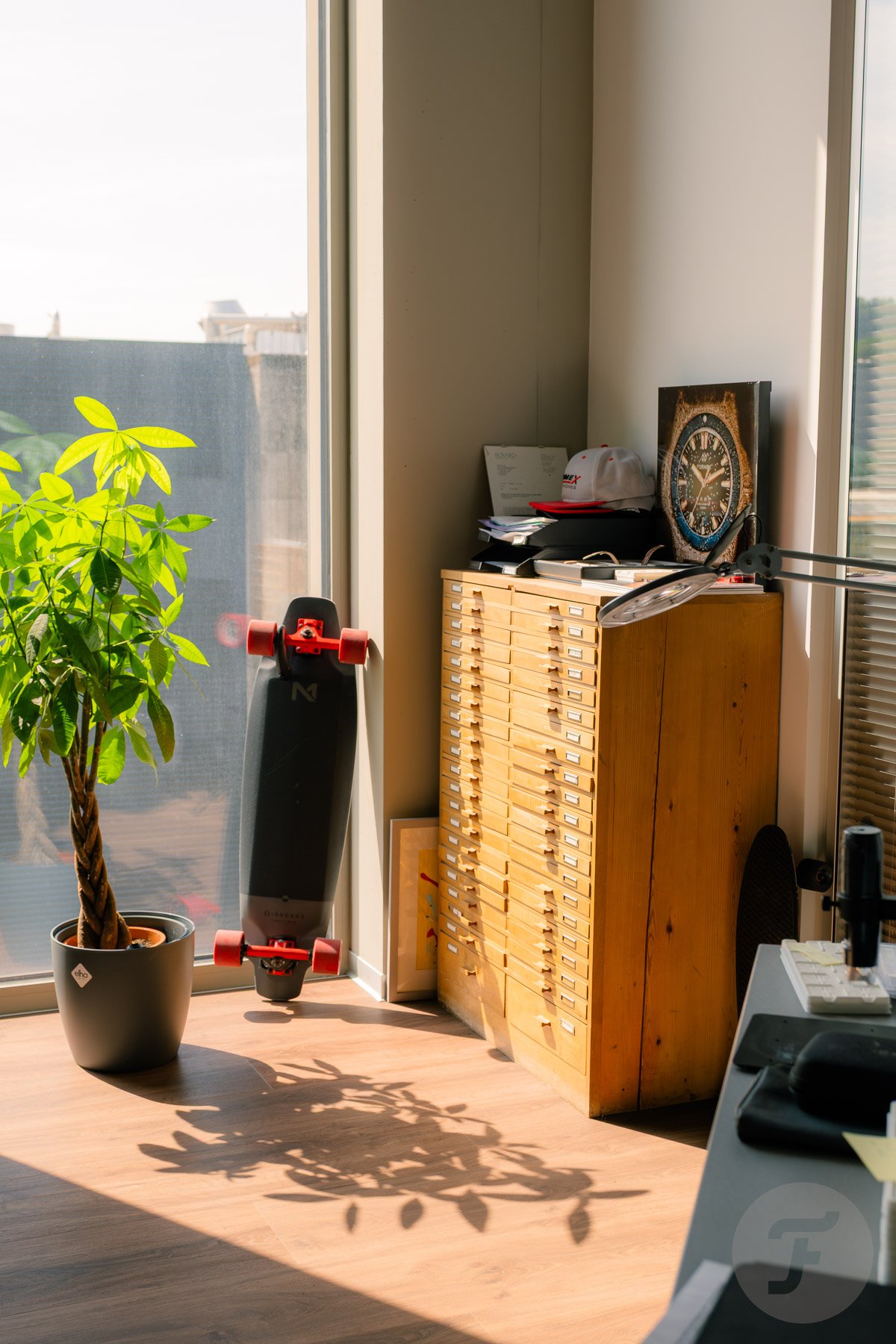
The facility was fully equipped with the equipment you’d expect from a modern Swiss manufacturer , as well as a few surprises. These included an impressive 3D-printing setup for prototyping, a department solely dedicated to gluing, and a state-of-the-art “Ultrafast Laser” engraver. During our visit in July 2026, most of the team were on their annual leave, so things were fairly quiet. However, at Formex, the team was still running on all cylinders.
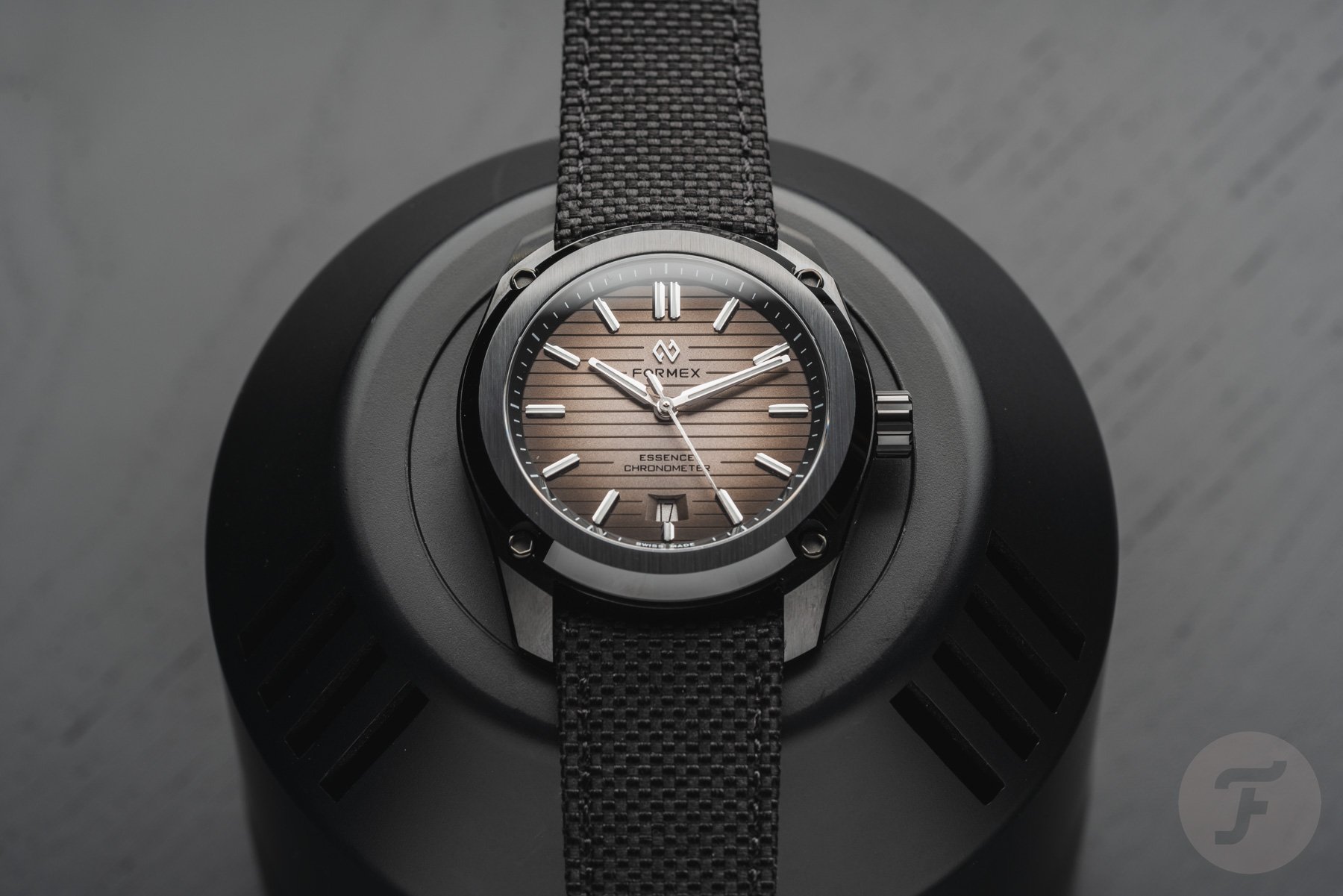
Formex today
Formex remains a separate watch brand, with its watches designed, developed, and assembled at its headquarters. Its dials are mostly produced by Cadranor, a specialist dial manufacturer in the Jura region. This gives Formex access to expertise across several important stages of watch production, from cases and bracelets to dial manufacturing and final assembly. That setup is unusual for a relatively small independent brand. It grants access to manufacturing capabilities that would otherwise be difficult to maintain internally, while allowing the brand to develop its own technical solutions.
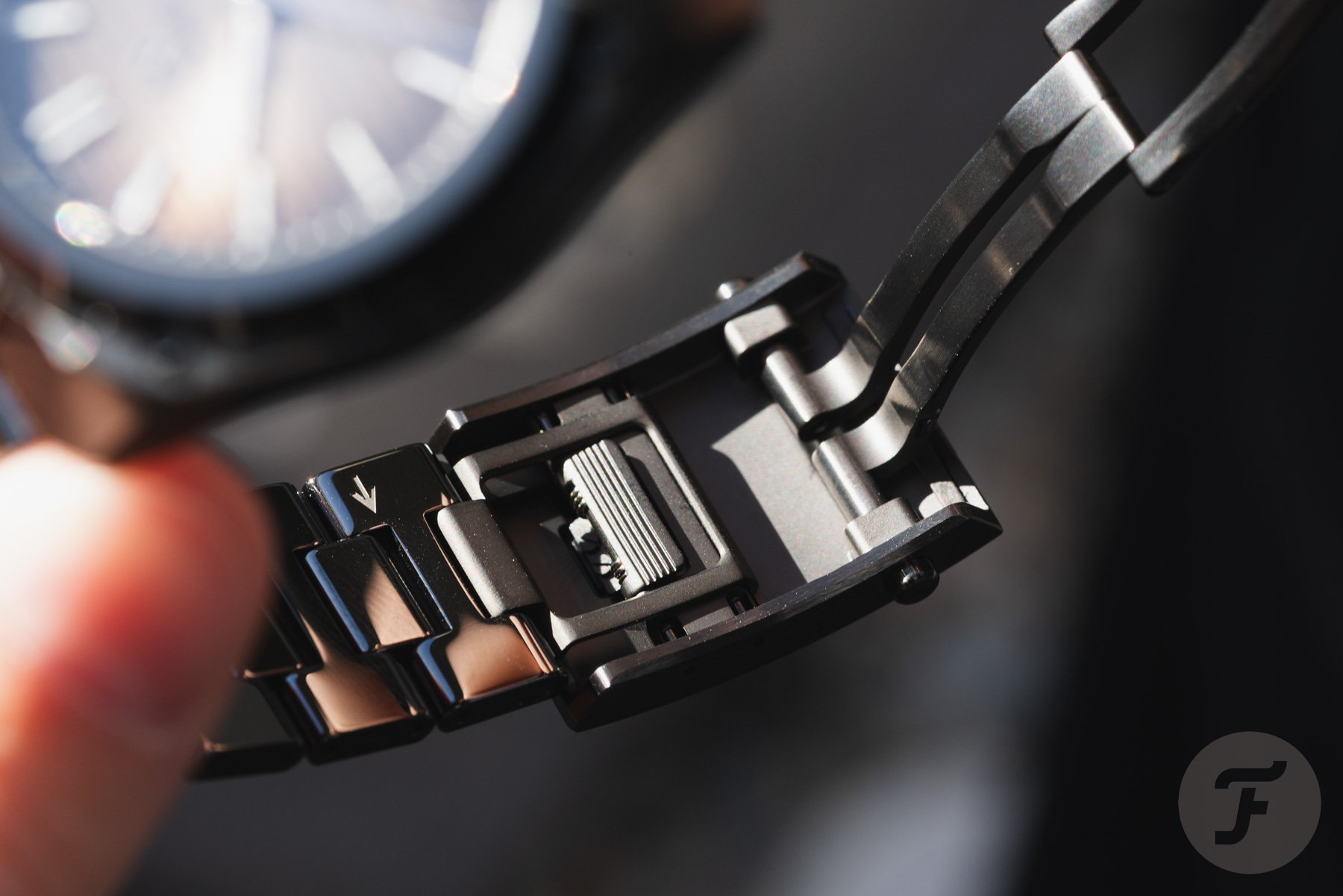
Features such as Formex’s patented Case Suspension System and tool-free micro-adjustment mechanisms reflect that engineering-led approach. The relationship with Dexel also provides useful context for the new Aria. Its development, including the introduction of Formex’s new FX01 manufacture movement, represents a significant step for the brand, but it builds on a much longer history of technical development and component manufacturing.
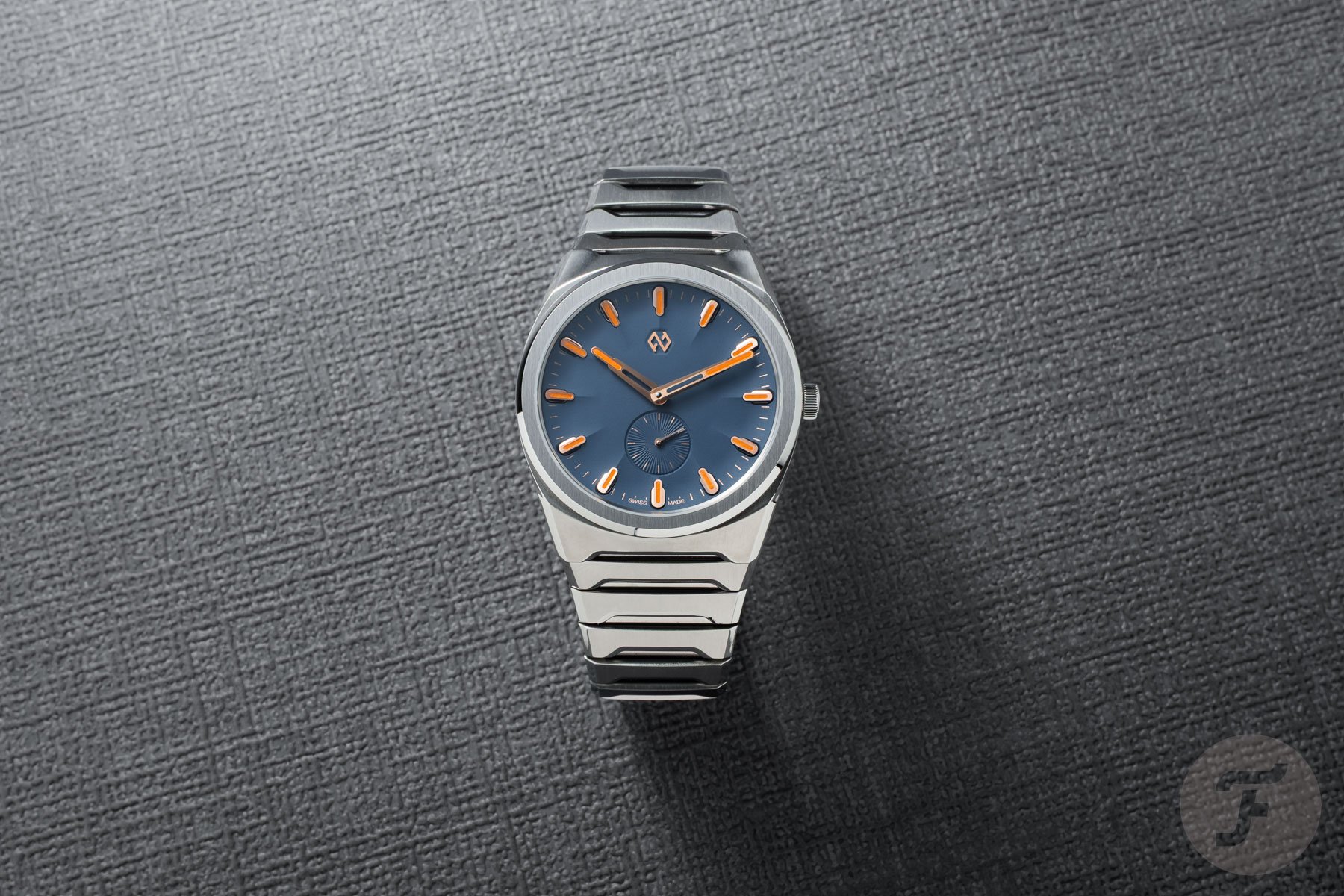
Enter the Aria
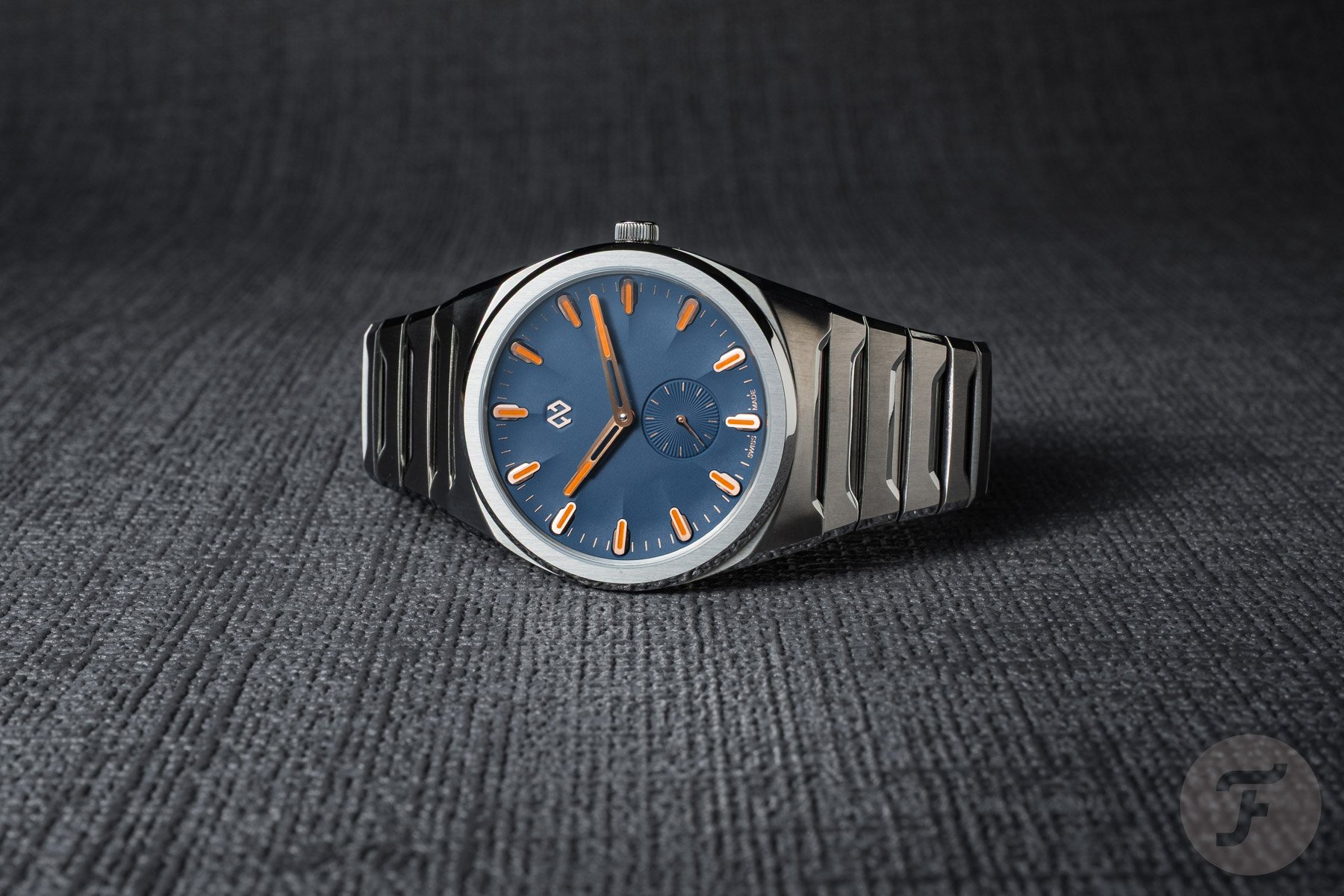
The Aria Manufacture Chronometer represents a new direction for Formex. Building on its watch-making know-how and dialing it up to 11, this is the brand’s first truly premium offering. It’s also the company’s first watch powered by its own exclusive caliber, the FX01.
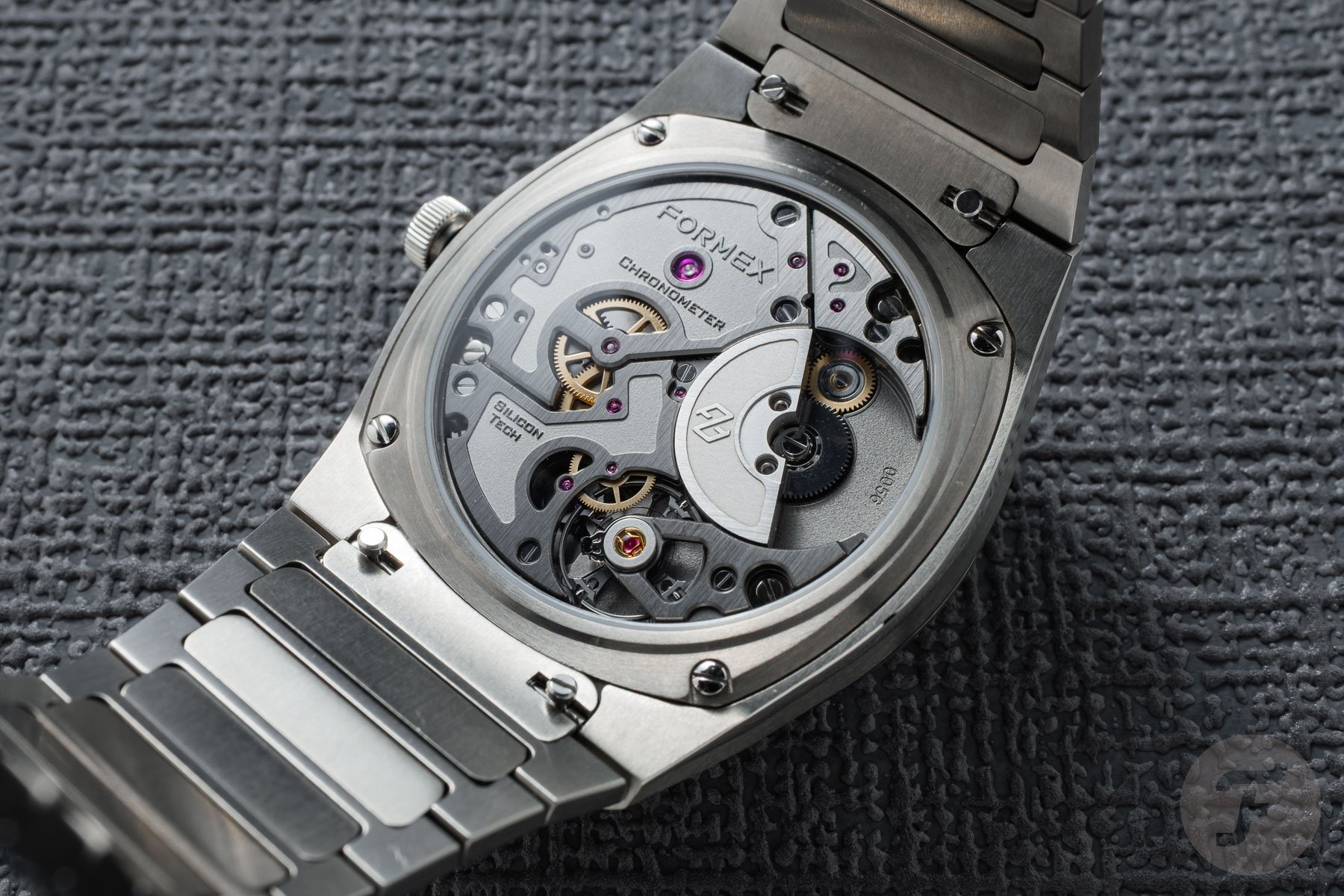
The movement is an ultra-thin automatic micro-rotor caliber developed by Horage and based on its K2 architecture. Its compact dimensions allowed Formex to design the entire watch around the movement with a focus on slimness and ergonomics.
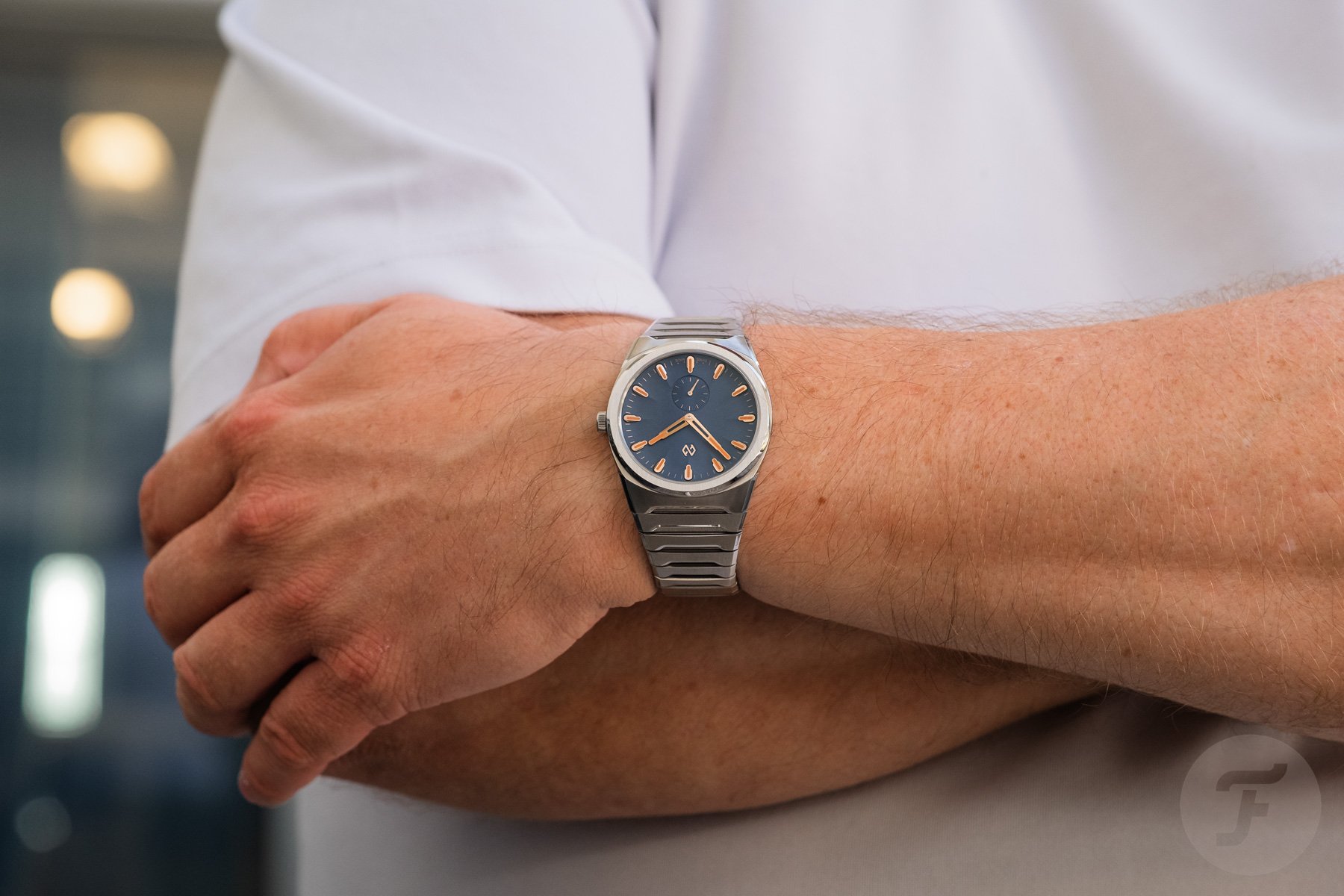
That approach is reflected in the Aria’s proportions. The watch has a 40mm titanium case that measures just 6.9mm thick and weighs approximately 78 grams, including the bracelet. Grade 5 titanium is used for the case, while the integrated bracelet follows the flowing shape of the case rather than simply appearing to be attached to it.


It is an interesting proposition in an increasingly crowded category. Rather than attempting to reproduce the familiar language of the classic integrated-bracelet sports watch, Formex has given the Aria a more organic appearance.
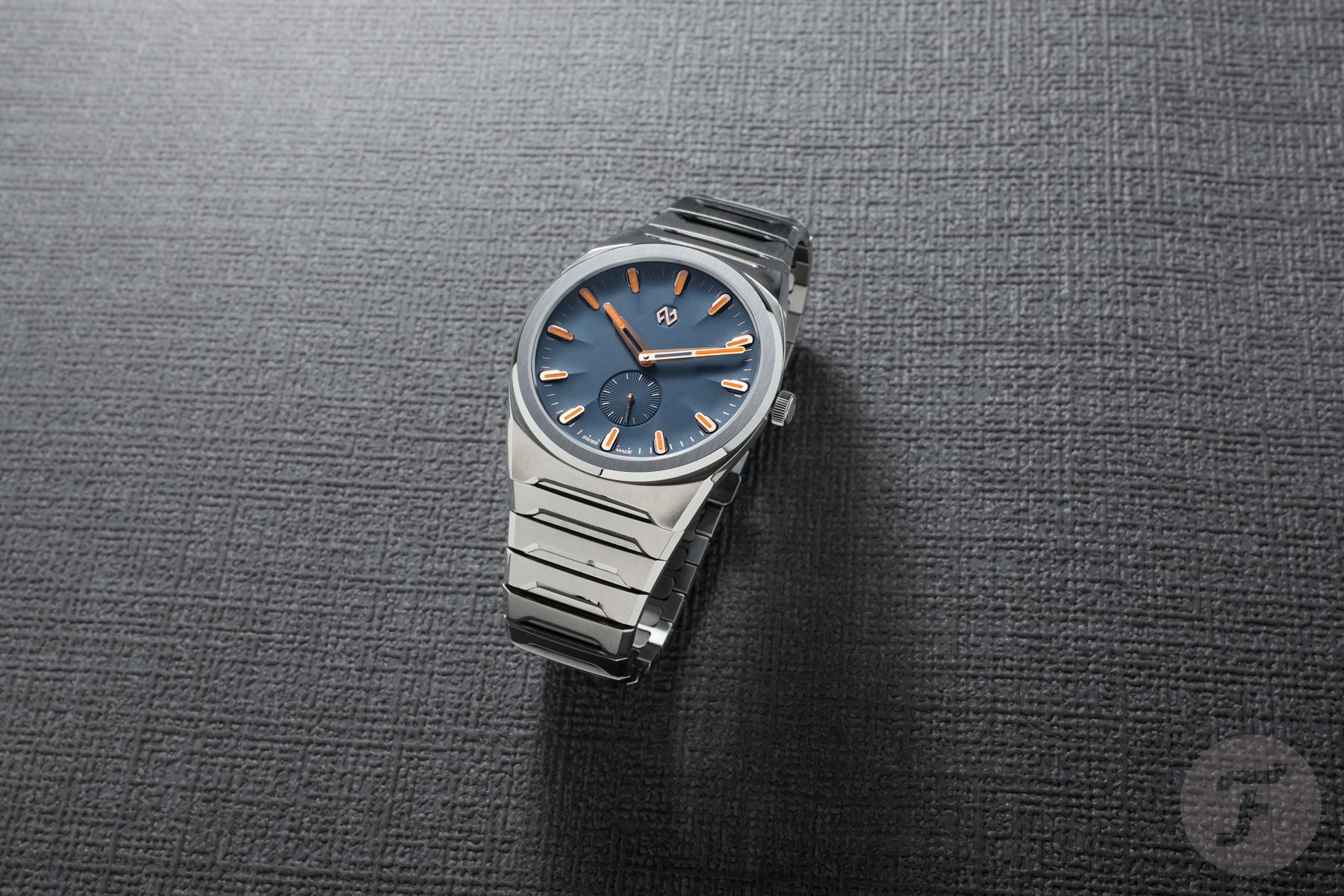
“Where movement becomes form”
This tagline or concept associated with the Aria is appropriate because the movement has influenced the watch’s proportions and architecture. The FX01 is a COSC-certified manufacture movement with a micro-rotor and silicon technology. Its architecture is visible through the sapphire case back, where the relatively compact movement leaves plenty of space for Formex to showcase its finishing.
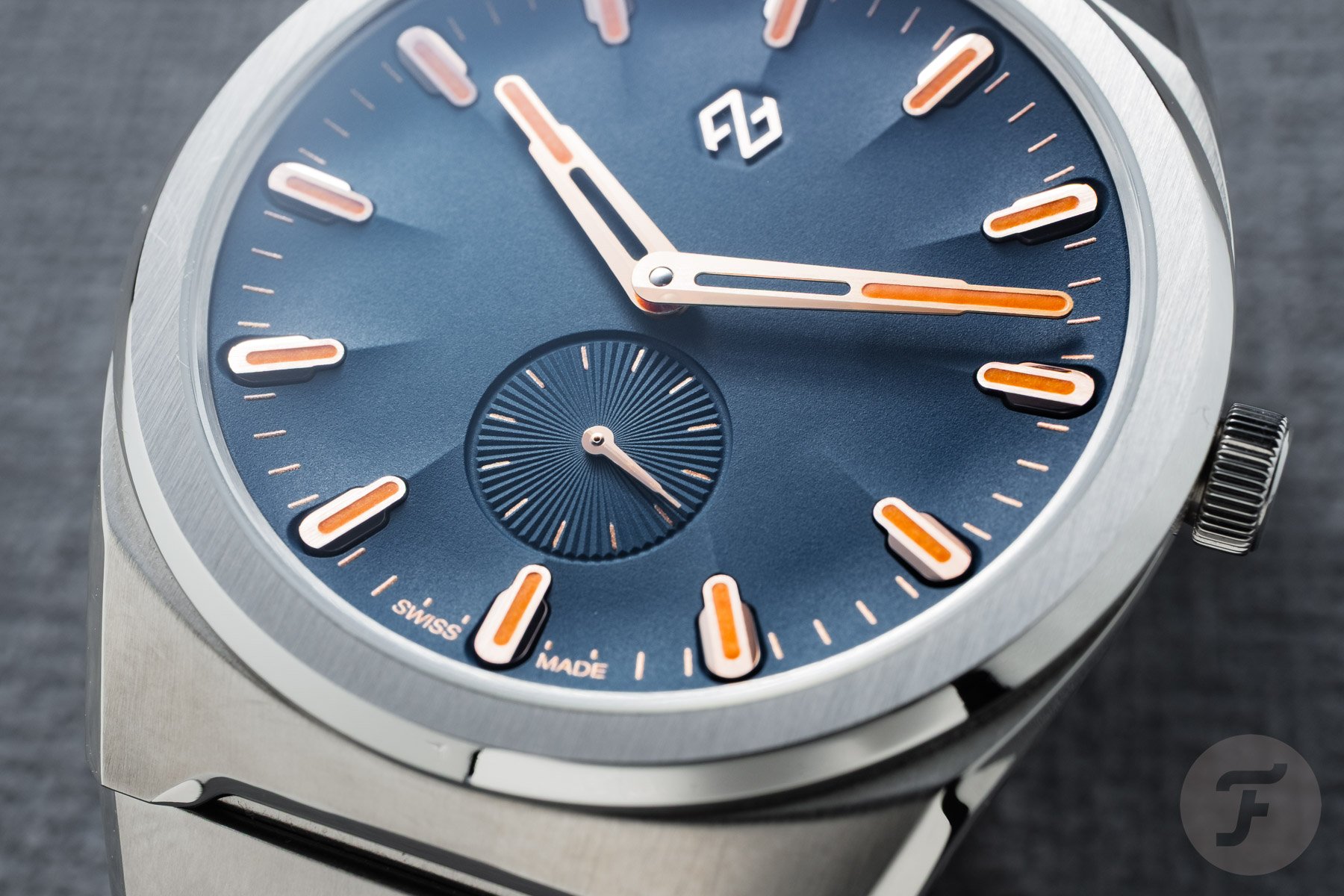
The Aria’s design takes inspiration from natural forms shaped by water, wind, and time. That idea appears in the flowing surfaces of the titanium case and bracelet, but the execution remains distinctly mechanical. The result is a watch that looks quite different from Formex’s existing collections while retaining the brand’s emphasis on functionality and wearability.
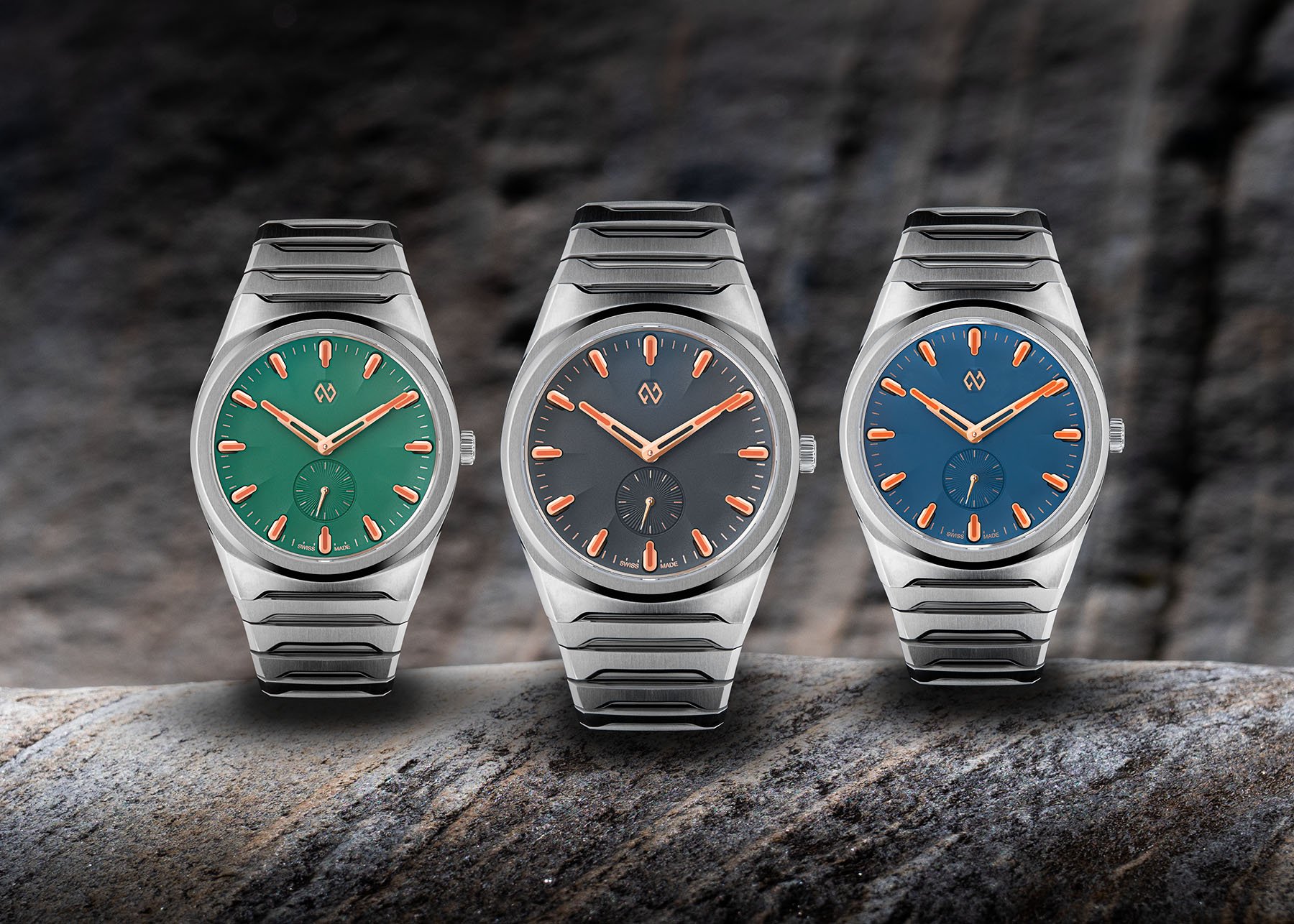
The initial Aria Founder’s Edition consists of 100 individually numbered watches across three dial variations: “Denso Blue,” “Selva Green,” and “Ardesia Grey.” The first production run has sold out, with deliveries expected to begin in September 2026. The dial is relatively restrained compared with some of Formex’s other designs. There is considerable attention paid to texture and depth, keeping the case and movement central to the watch.
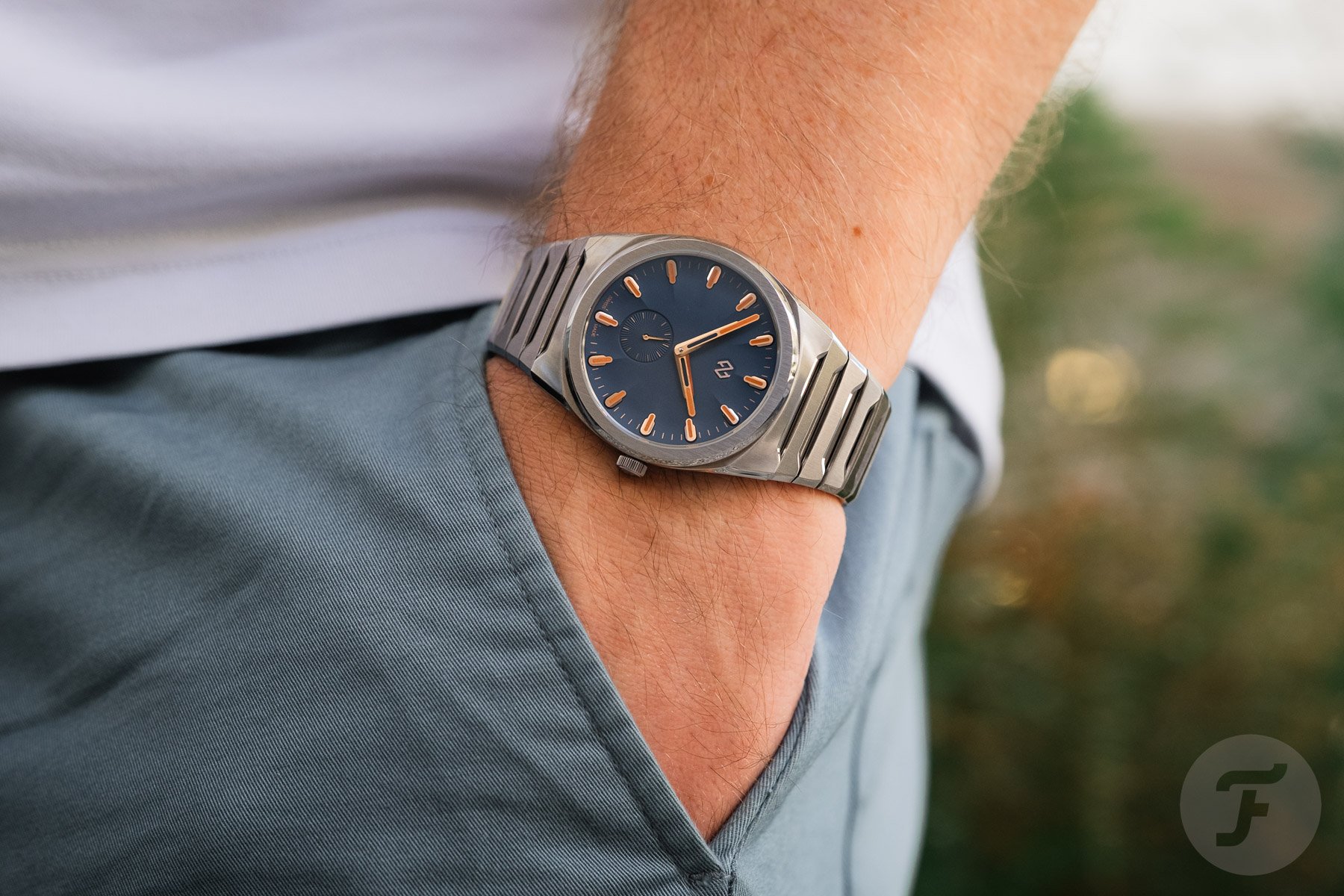
At CHF 5,900, the Aria also marks a clear step upward for the brand. It doesn’t compete directly with Formex’s more accessible models. Instead, it demonstrates what the company can do when the movement becomes the starting point for the design.
A chat with Raphaël Granito
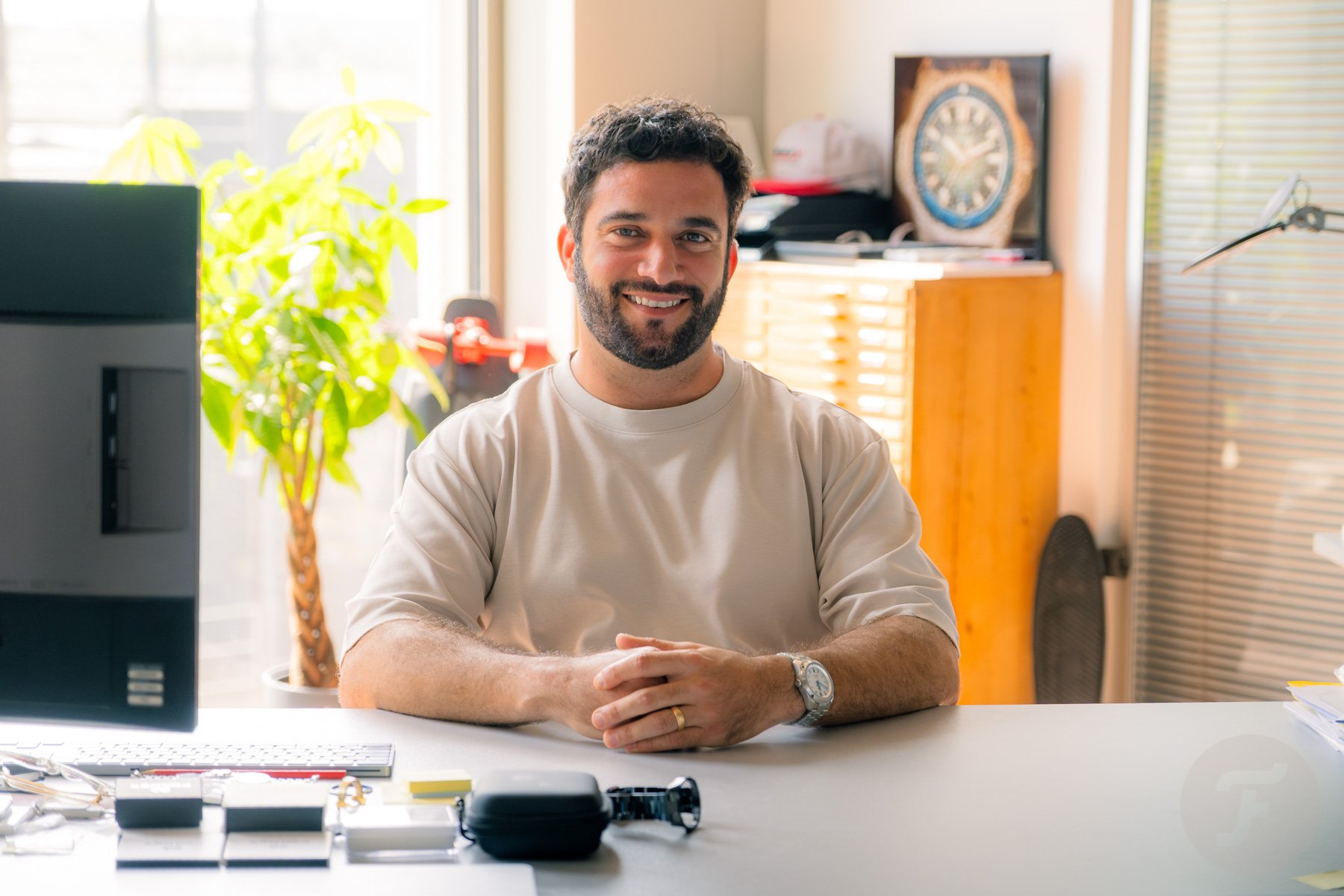
A manufacture visit is also an opportunity to understand the thinking behind the watches. During our time in Biel, I spoke with Formex CEO Raphaël Granito about the company’s development, its manufacturing approach, and the thinking behind the Aria. I’d encourage you to watch the interview segment in the video above. It provides some useful context for the decisions behind the Aria and for Formex’s broader direction as a company.
Granito’s role is particularly relevant to the story because Formex’s current position has been shaped by a combination of traditional Swiss watchmaking and a willingness to approach the product from an engineering perspective. The Aria represents perhaps the most visible expression of that approach so far.
A new chapter for Formex
The Aria does not replace the recent generations of watches that established what Formex is today. But it does add another dimension to the collection. The Essence, Field, and Reef families continue to demonstrate the brand’s focus on practical, technically minded watches. The Aria takes some of those principles and applies them to a much thinner and more refined format.


That makes the visit to Formex particularly timely. Looking at the company’s workshop and production processes helps put the Aria into context. This is not simply a new design with a new movement. It is a watch that reflects where the brand appears to be heading.
And that is ultimately what we set out to explore in our video: how Formex makes its watches, what goes into creating the Aria, and what the new model tells us about the future of this independent Swiss brand.
This is a partnership post. Learn more.