Sunday Morning Showdown: Tudor Royal Vs. Rolex Oysterquartz Datejust

It’s Sunday morning, so it’s time for a hot cup of coffee, some breakfast, and another installment in our ongoing Sunday Morning Showdown series. This week, the question is whether you’ll go modern or vintage. Daan picked the updated Tudor Royal that debuted at Watches and Wonders earlier this year. It goes up against Jorg’s Rolex Oysterquartz Datejust, the watch it takes design inspiration from. Which would you pick – the charm of the vintage Oysterquartz or the modern-day quality and comfort of the Tudor Royal? Let’s find out.
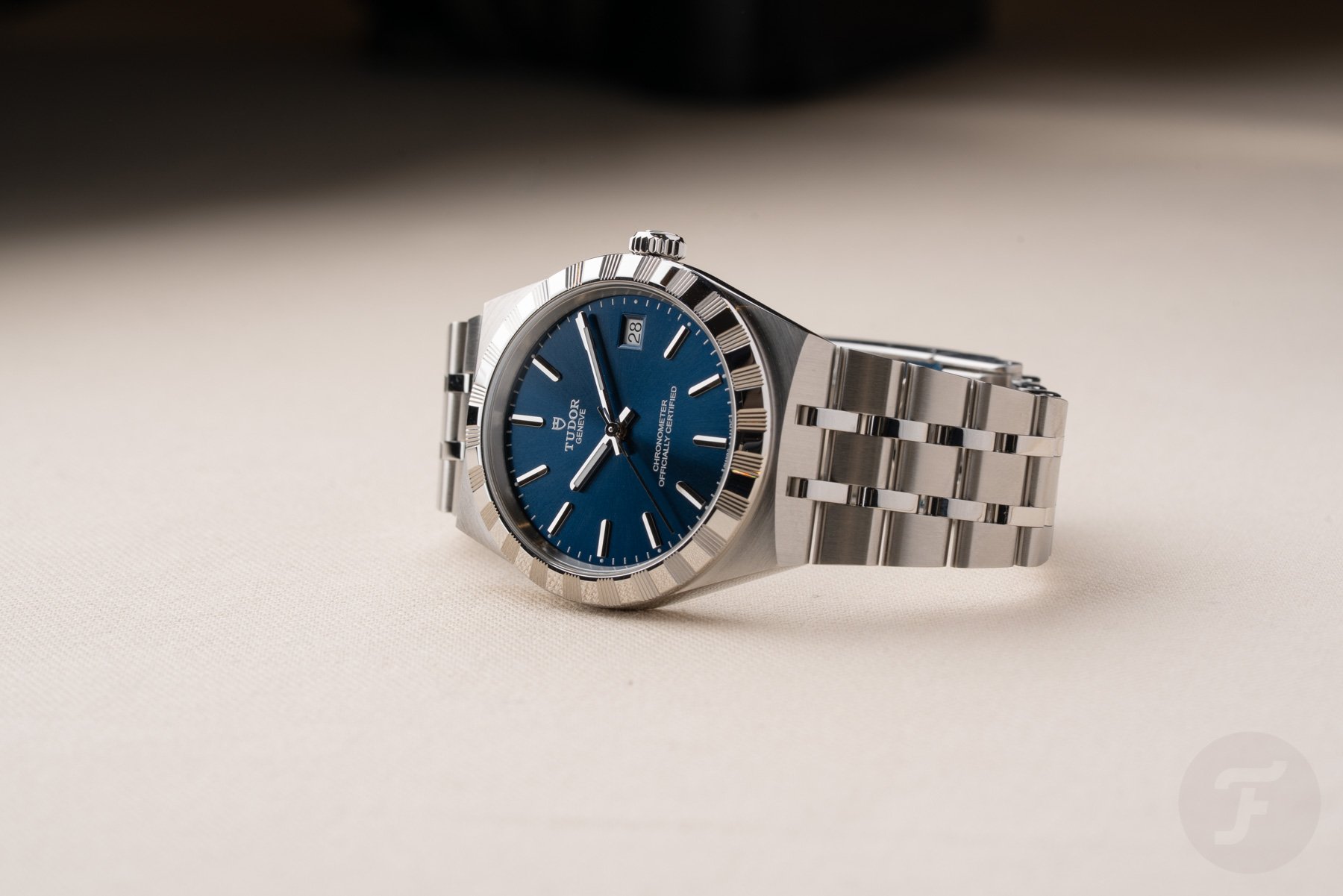
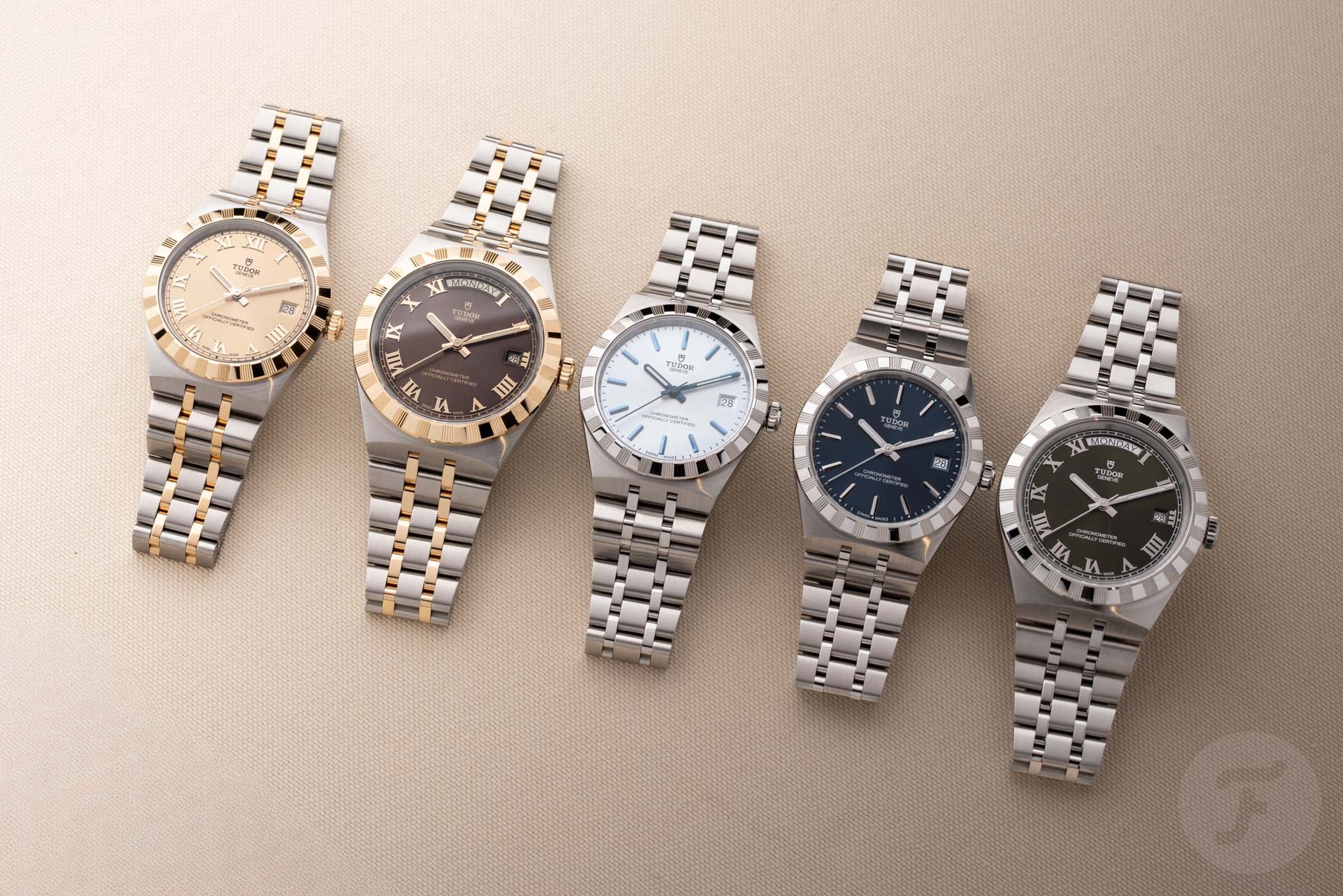
When Tudor presented its refreshed Royal lineup earlier this year, we agreed that the brand had created a clever update. By slimming down the series to just three case sizes and introducing a new set of simpler dials, the Royal feels fresh and more relevant than ever. The sweet spot is the new 36mm series with dials featuring stick markers. Adding these dials brings the Royal visually closer to the Rolex Datejust and Oysterquartz Datejust, which might be the key to its future success. At €3,160 in stainless steel and €5,430 in two-tone, the Royal offers serious value.
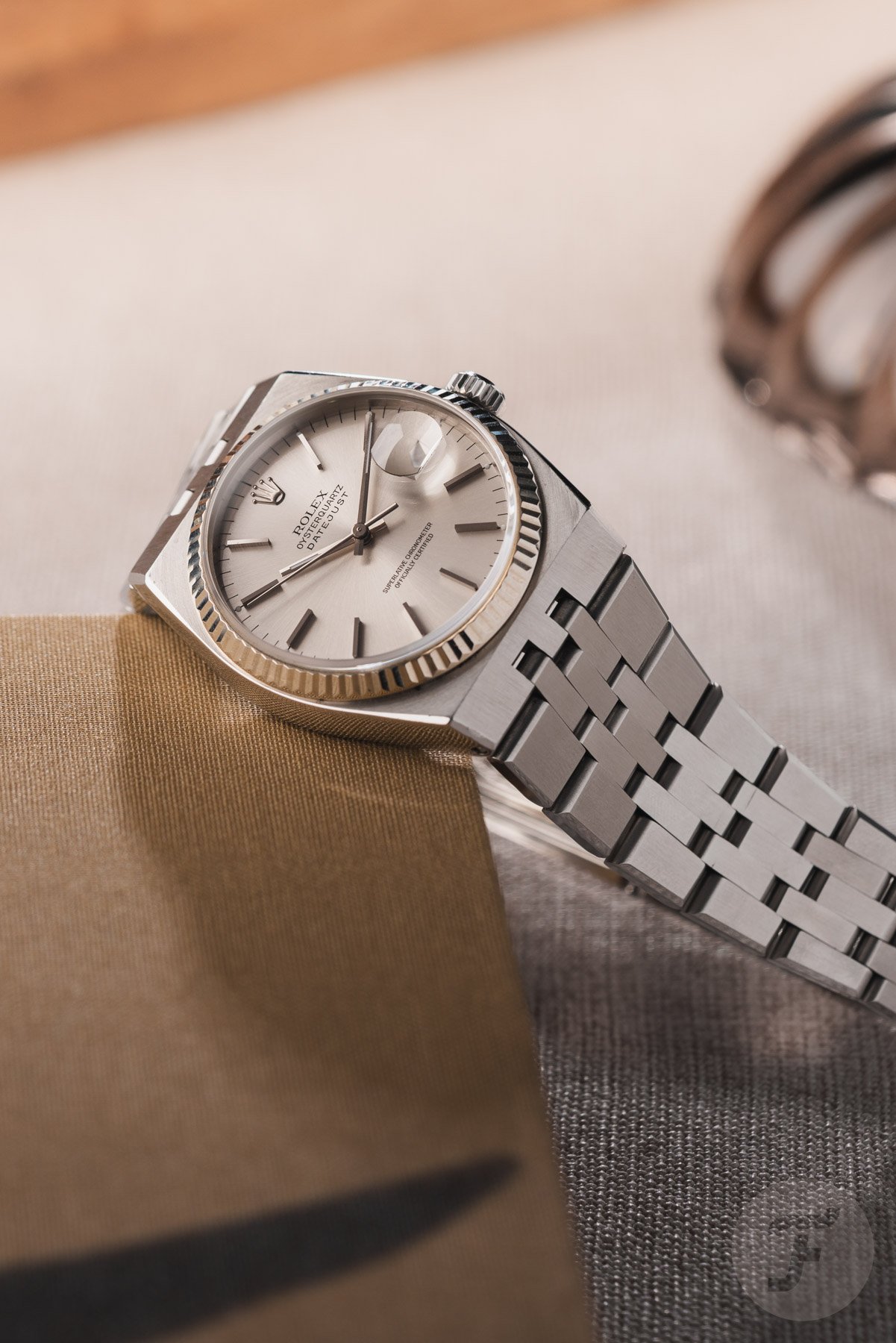
We decided to put it up against the Rolex Oysterquartz Datejust. This great series of quartz classics inspired the Tudor Royal’s design. But you will need to put more money on the table to get one. Both the two-tone and stainless steel Oysterquartz models go for roughly €5,000–12,500 depending on the condition. Would you choose the more expensive vintage charm of the Oysterquartz or the more affordable modern-day comfort of the Royal? Jorg and Daan are ready to make their cases.
Last week, on Sunday Morning Showdown…
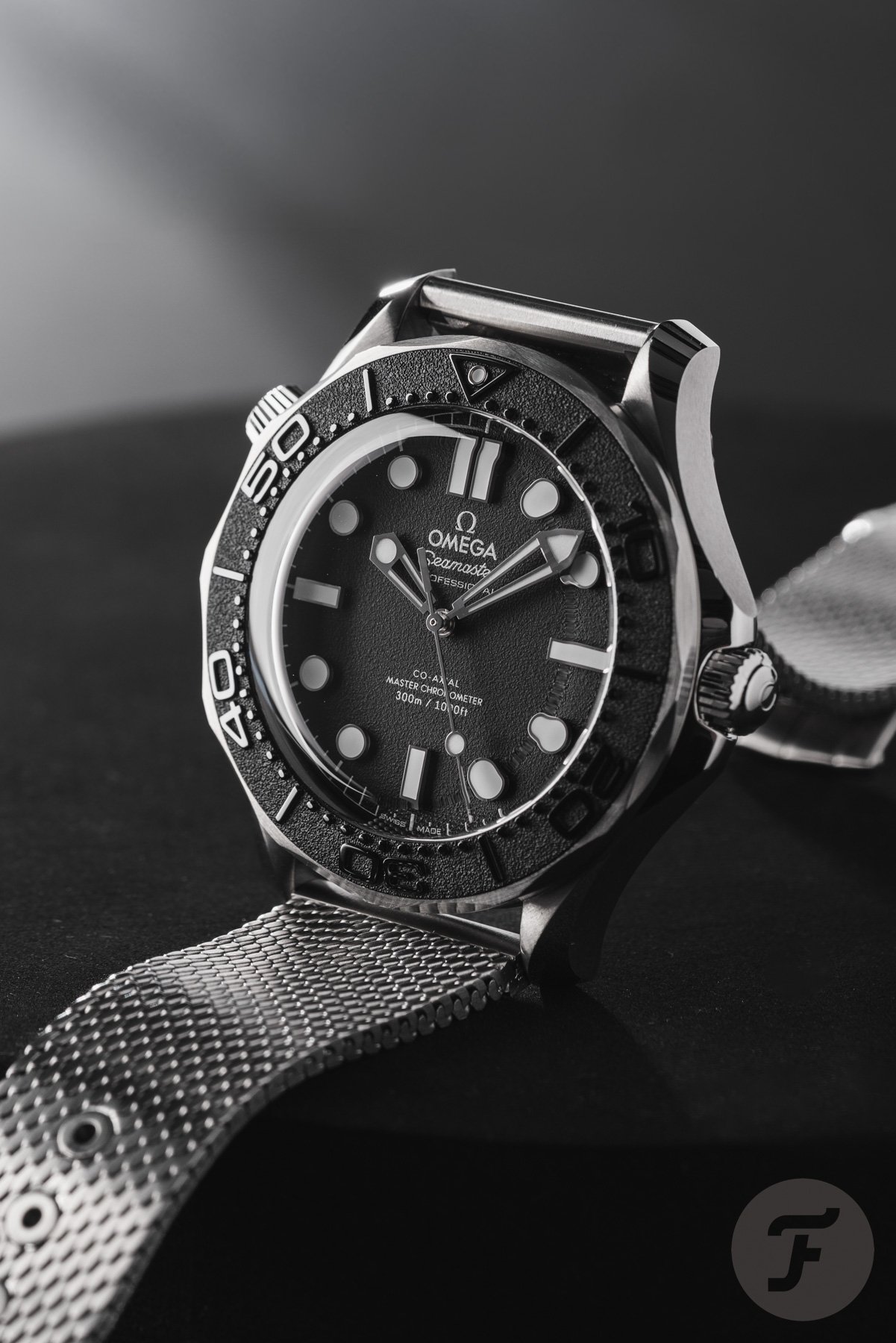
But before we let the guys enter the arena, let’s recap last week’s battle. In a week full of James Bond coverage, we decided to put the Omega Seamaster Diver 300M James Bond Edition up against the Spectre Edition. Essentially, it was a choice between two executions of the same watch. From a larger perspective, you could frame it as a choice between good and evil. And a huge number of you voted for the evil side. The Spectre Edition received 70% of the votes, leaving the Bond Edition with 30%. While a win for the Spectre Edition came as no surprise, the massive difference in votes did. But we found the same sentiment in the comments section, where the Spectre was also the clear favorite. Will one watch dominate the other this week? Let’s see…
Jorg: Rolex Oysterquartz
Today’s matchup is fun. It’s the classic Tudor-versus-Rolex battle, but it’s also a choice between vintage and modern. In the latter, I generally do not have a pre-defined position. That said, modern watches often lack the charm of their vintage predecessors, particularly with Rolex, as most of our readers will agree. I’m definitely on Team Five-Digit when it comes to The Crown’s timepieces, especially compared to modern Rolex releases. I also often look for a bit of vintage magic that makes them less shiny and opulent. This is why the current two-tone and gold GMT-Master II models with black-and-gray bezels are among my favorites in the Rolex collection. As Robert-Jan explained, they capture some of the vintage charm many fans love.
In general, though, I prefer vintage Rolexes to modern ones. When it comes to Tudor, it is somewhat different. A big factor in the brand’s current success is the focus on vintage aesthetics. Most importantly to me, though, is that the designs themselves do the work, not a series of elements added purposely to make the watch look vintage. One example is the Black Bay “Monochrome,” which lacks the fake gilt details its peers have. And my favorite Tudor, the Black Bay Pro, is another great example of a watch with plenty of vintage charm without adding faux-vintage cues.
A Tudor is simply not a Rolex
With that in mind, I think the brand did a great job with the Royal. Its design clearly shows inspiration from the Rolex Datejust, Day-Date, and Oysterquartz series without looking overly vintage, unlike some other Tudor models. Furthermore, the addition of a dial with baton indexes makes it look better than ever.
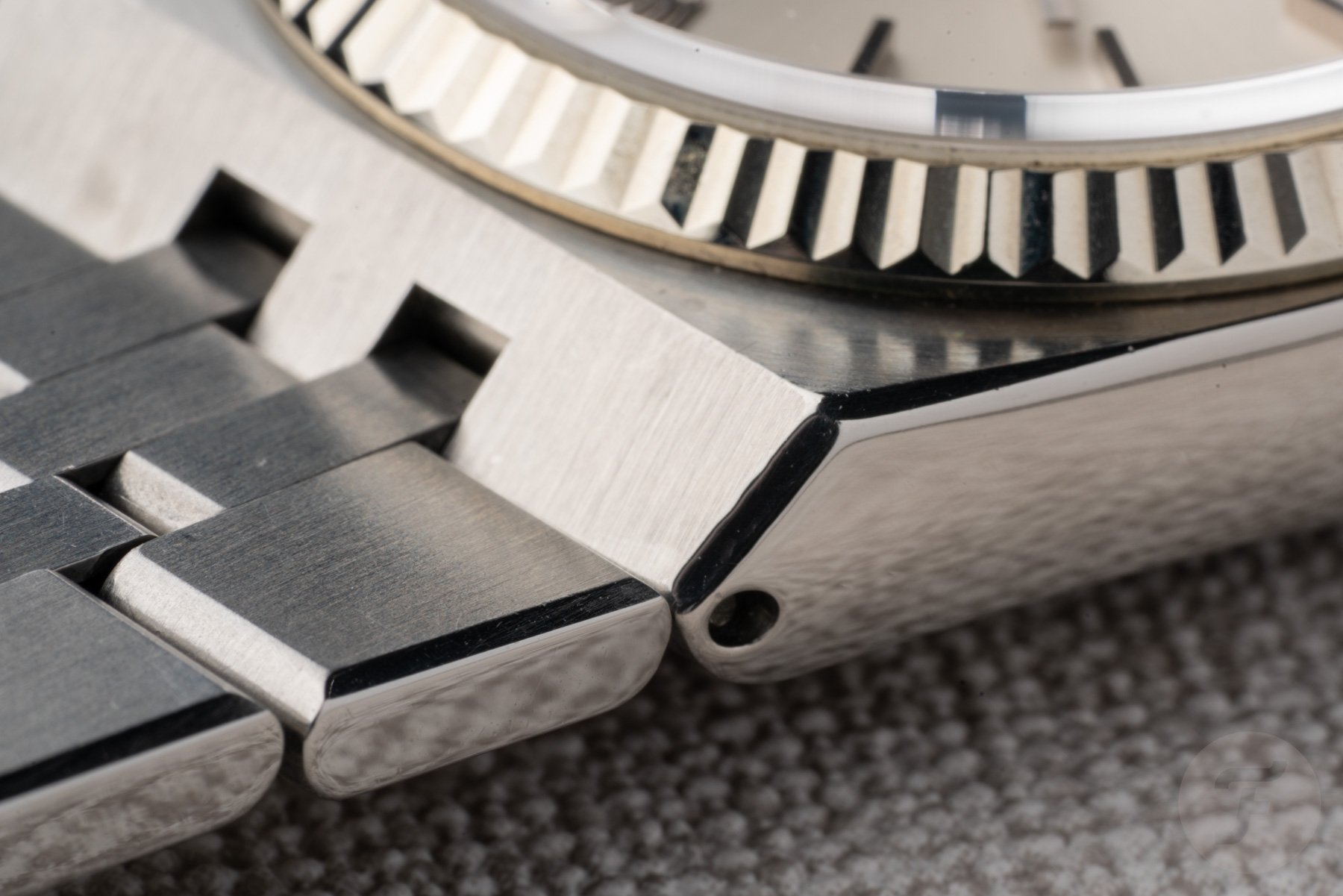
But if you put it next to a proper vintage Rolex Oysterquartz, you know what I’ll choose. I would pick the Rolex any day of the week, especially on Sunday. All jokes aside, there are several reasons for this, and they all boil down to the feeling that the Oysterquartz gives me versus the Royal.
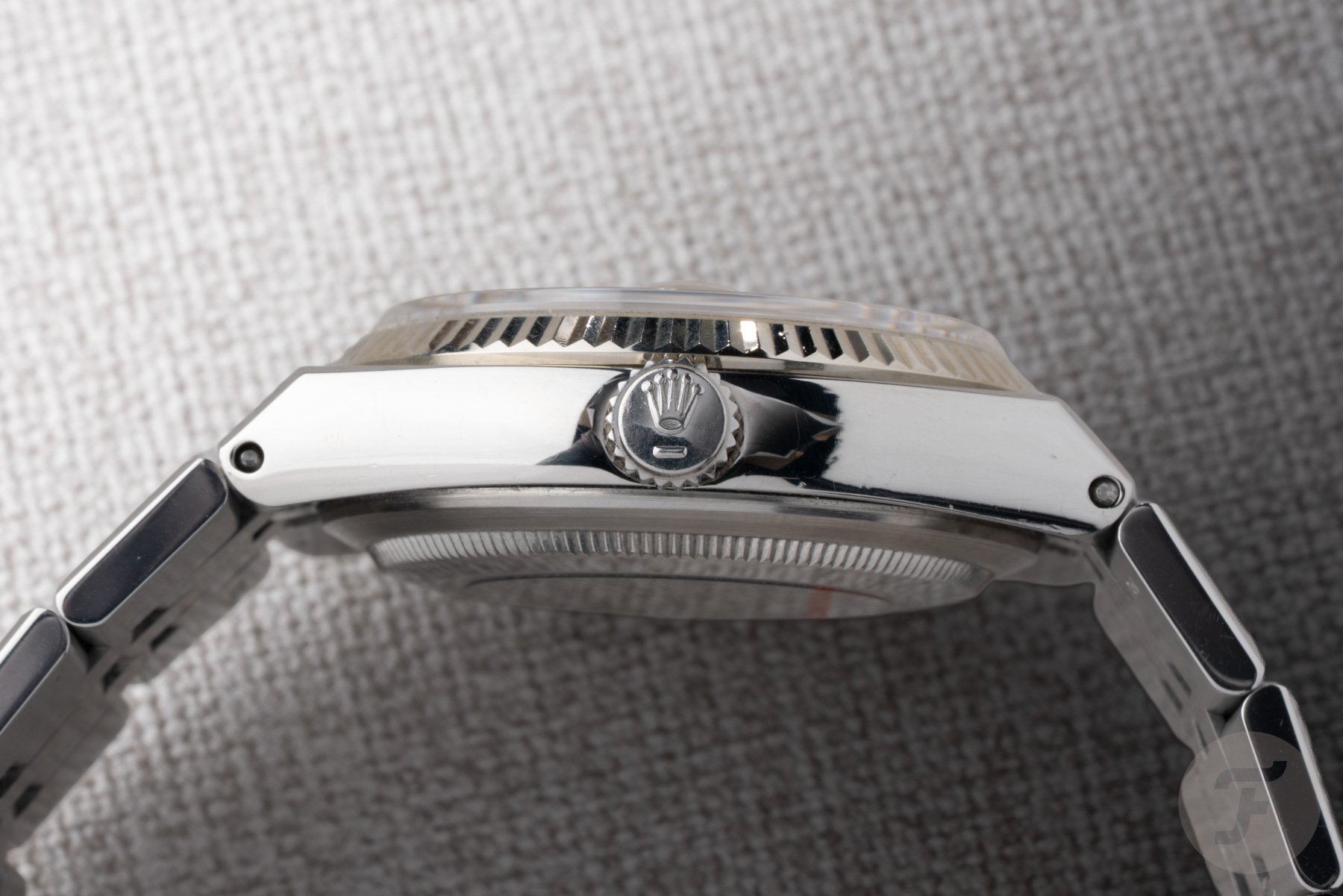
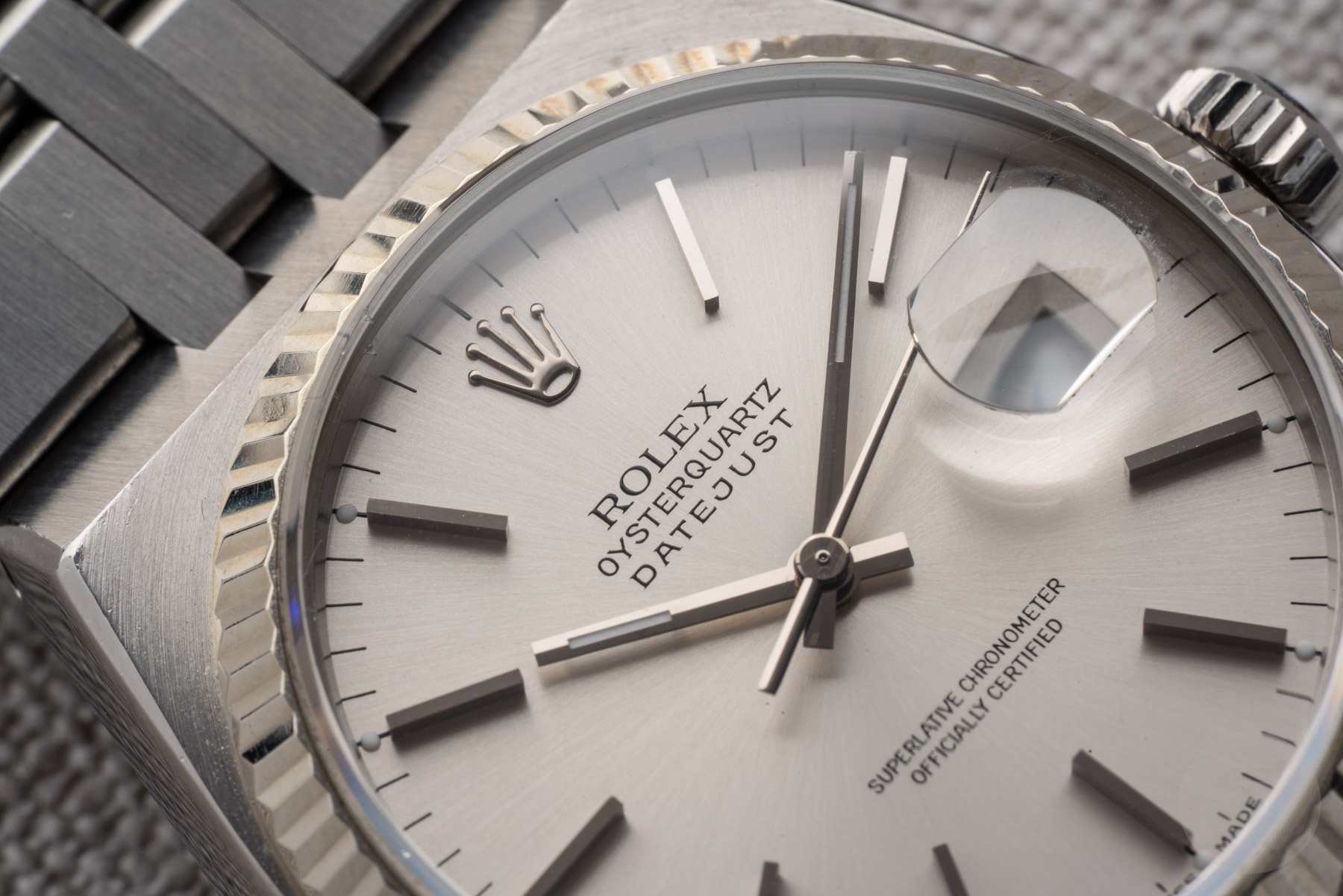
It all starts with the two brands. A Tudor watch simply isn’t a Rolex. There are differences in the brands’ histories, reputations, and overall appeal. The Rolex name simply has a different ring to it, and that does indeed affect my choice. The Oysterquartz Datejust and Day-Date models are also iconic ’70s statements that are hard to beat, especially if their competitor takes inspiration from them.
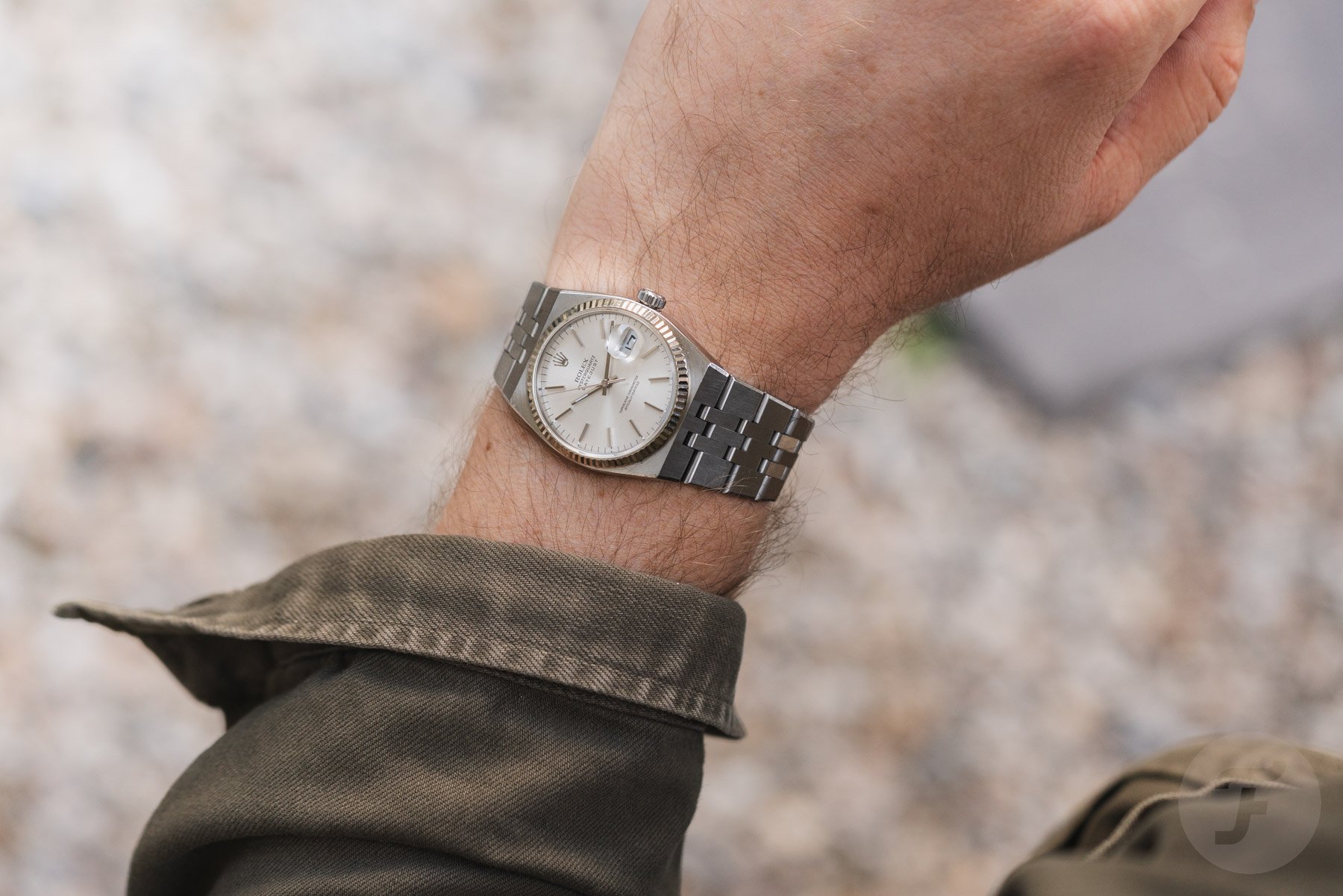
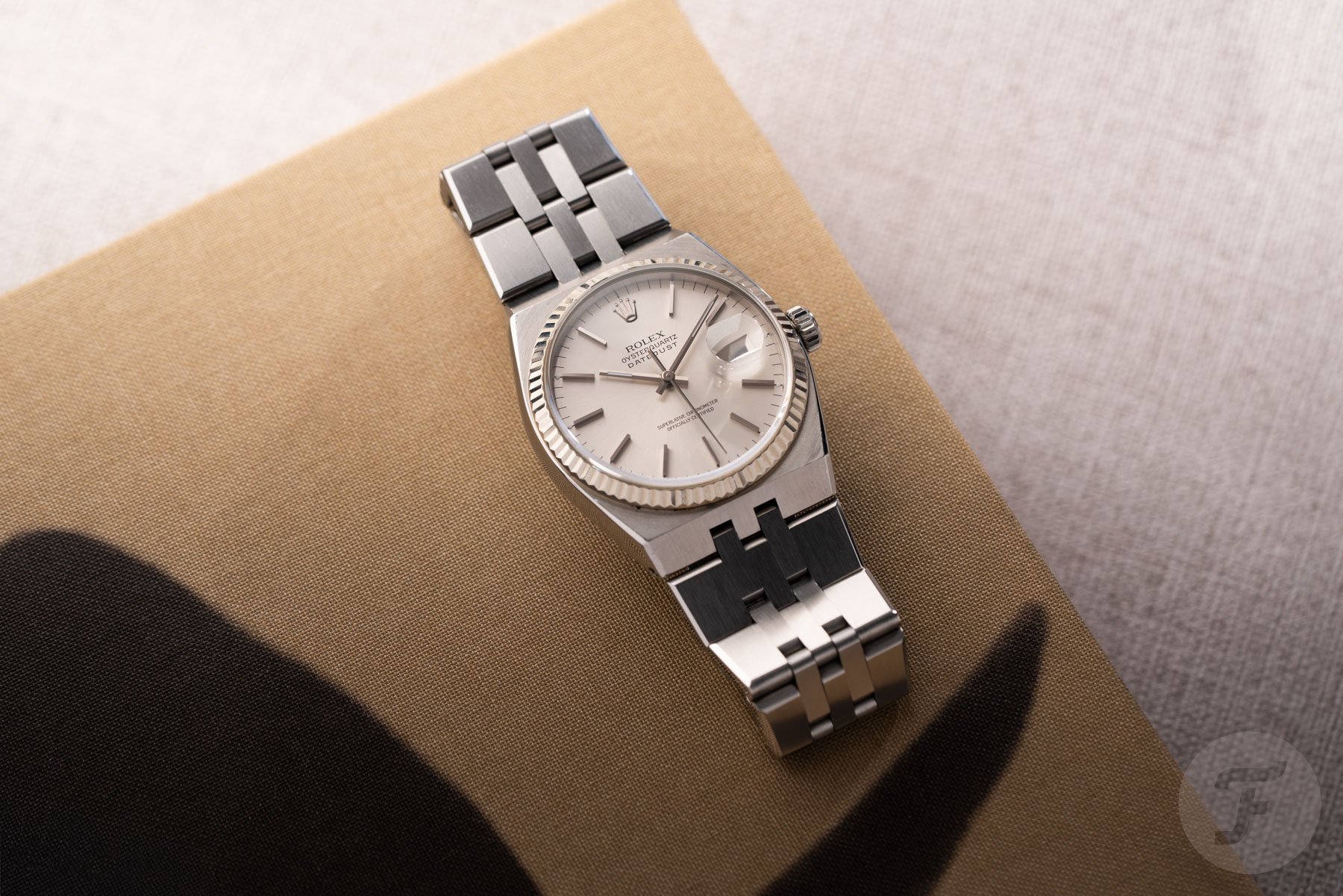
The two-tone Oysterquartz Datejust ref. 17013, in particular, holds a special place in my heart. Back when it came out, it looked like nothing else, except for maybe the regular Datejust. It’s the kind of ’70s statement that I would be proud to wear, as I was born in 1977. But in stainless steel (ref. 17000) or stainless steel with a white gold bezel (ref. 17014), it also has the cool factor over the Royal.
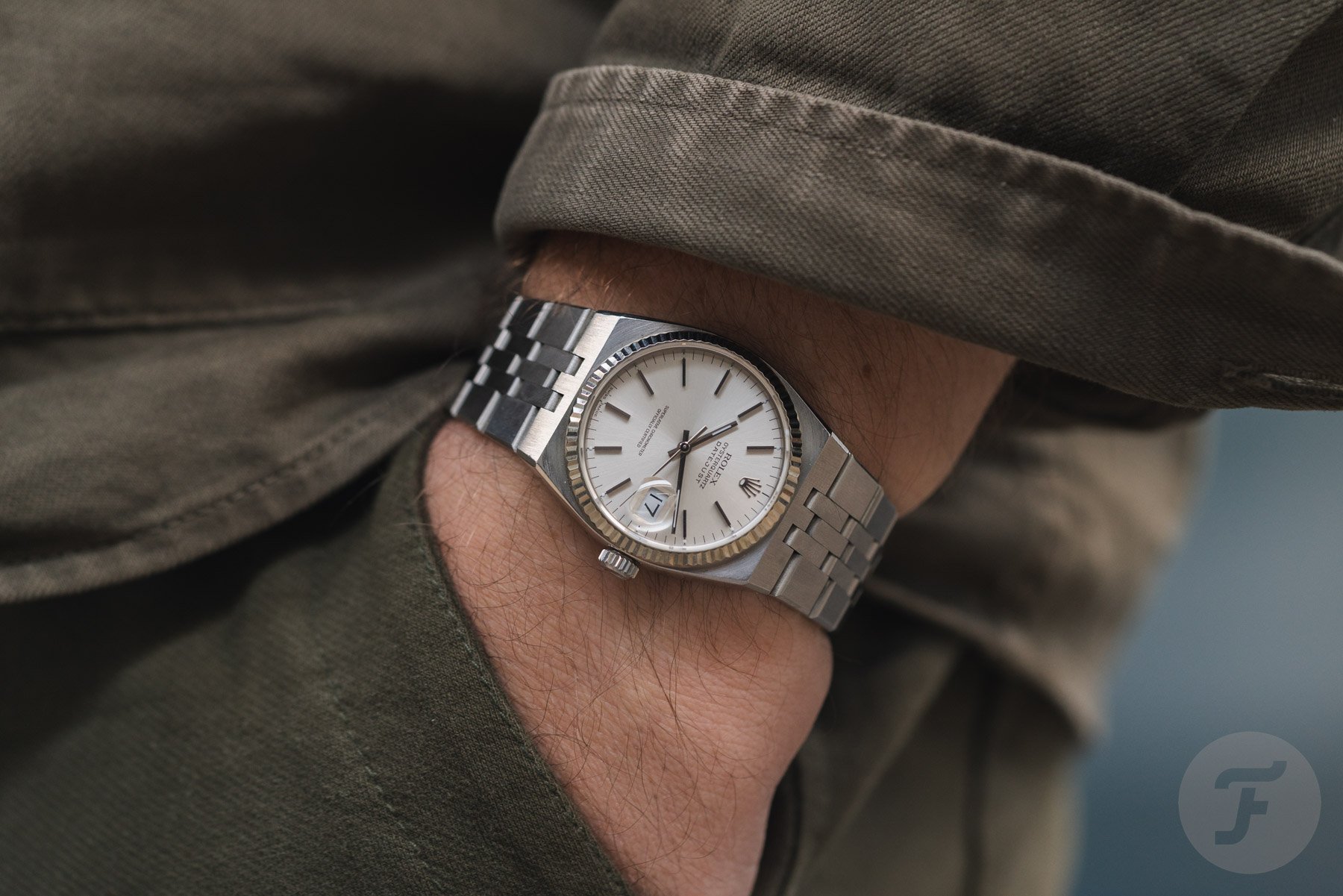
A vintage Rolex that I would wear every day
Granted, a modern Tudor is an objectively better watch than a classic Rolex from the ’70s or ’80s. On top of that, it is mechanical, which some people will always prefer. But I am not a mechanical purist if I like a quartz watch better. Also, the context depends more on whether I could wear a vintage Oysterquartz than on an absolute comparison of quality. The Oysterquartz Datejust is still a great series of watches you can wear all the time without many issues.
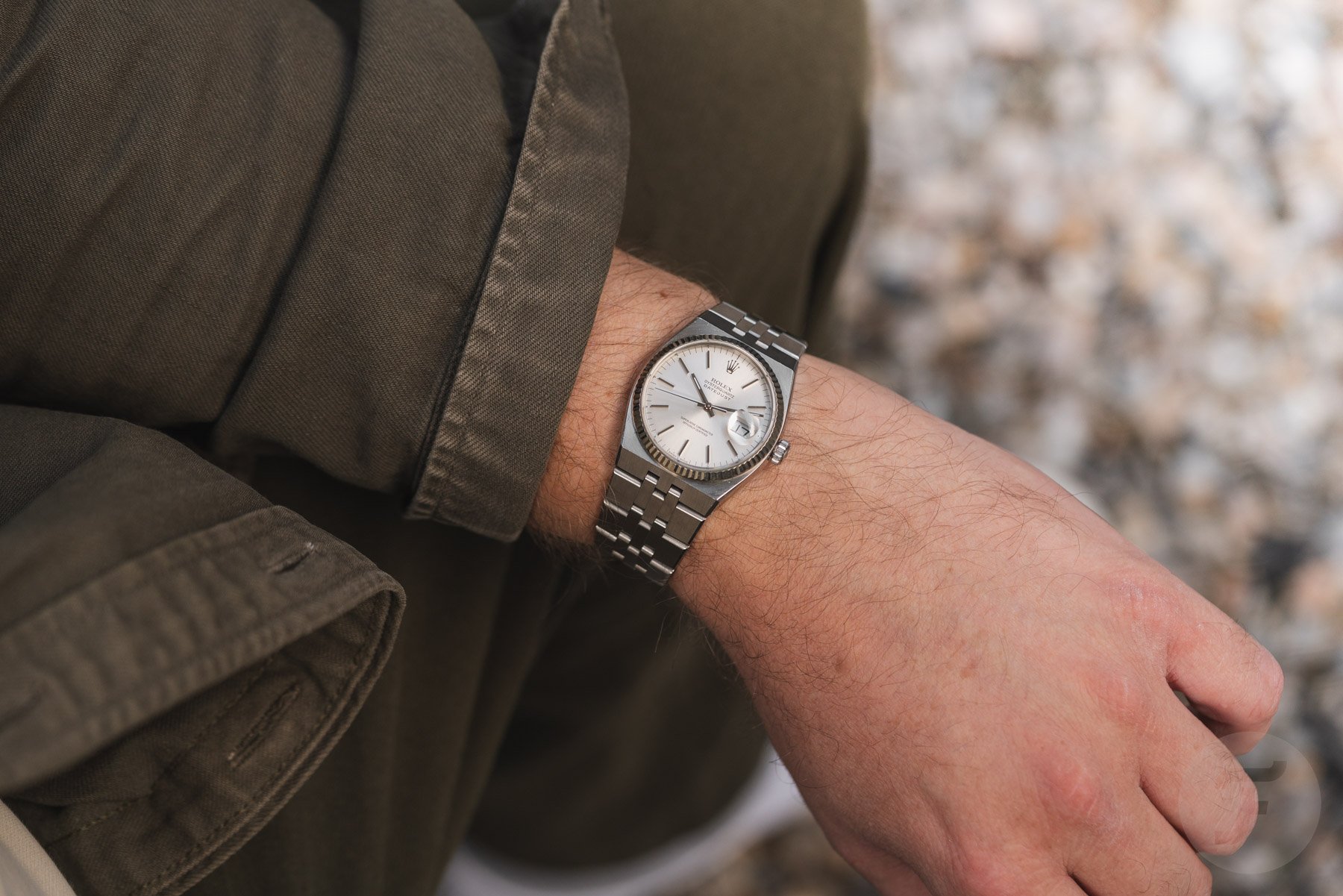
Inside the 36mm cases of later examples, you will find the in-house 5035 caliber, which Rolex used for the series from 1997 until it ceased production in 2001. It is an 11-jewel, 32kHz caliber widely praised as a brilliant technical tour de force from Rolex.
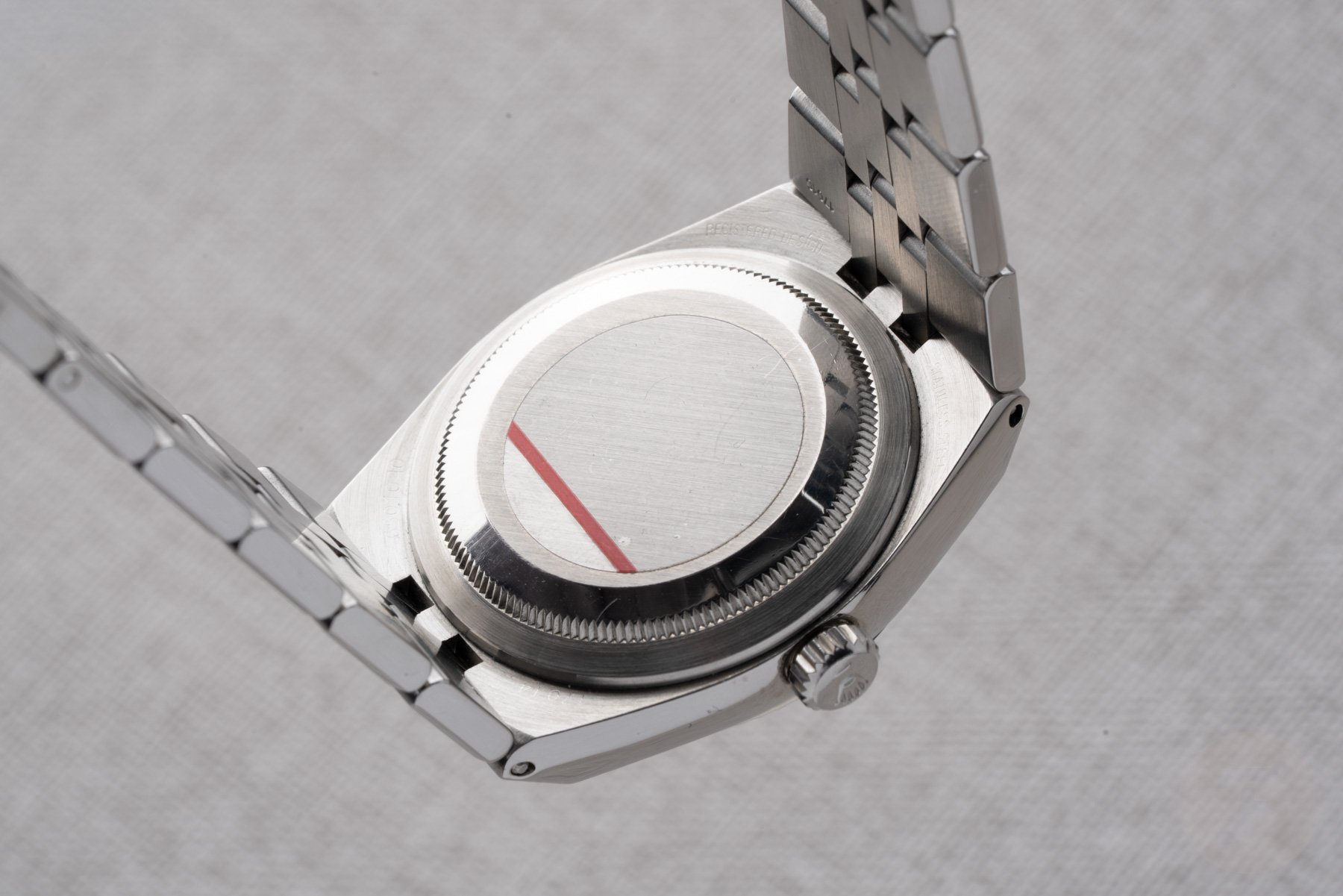
Importantly, the second-generation caliber 5035 — with an altered quartz crystal in the oscillator circuit, shaped like a tuning fork — is said to be accurate to within 50 seconds per year. It is the most accurate movement the company has ever produced and, therefore, a true technological achievement that makes the Oysterquartz Datejust a great daily wearer, even now.
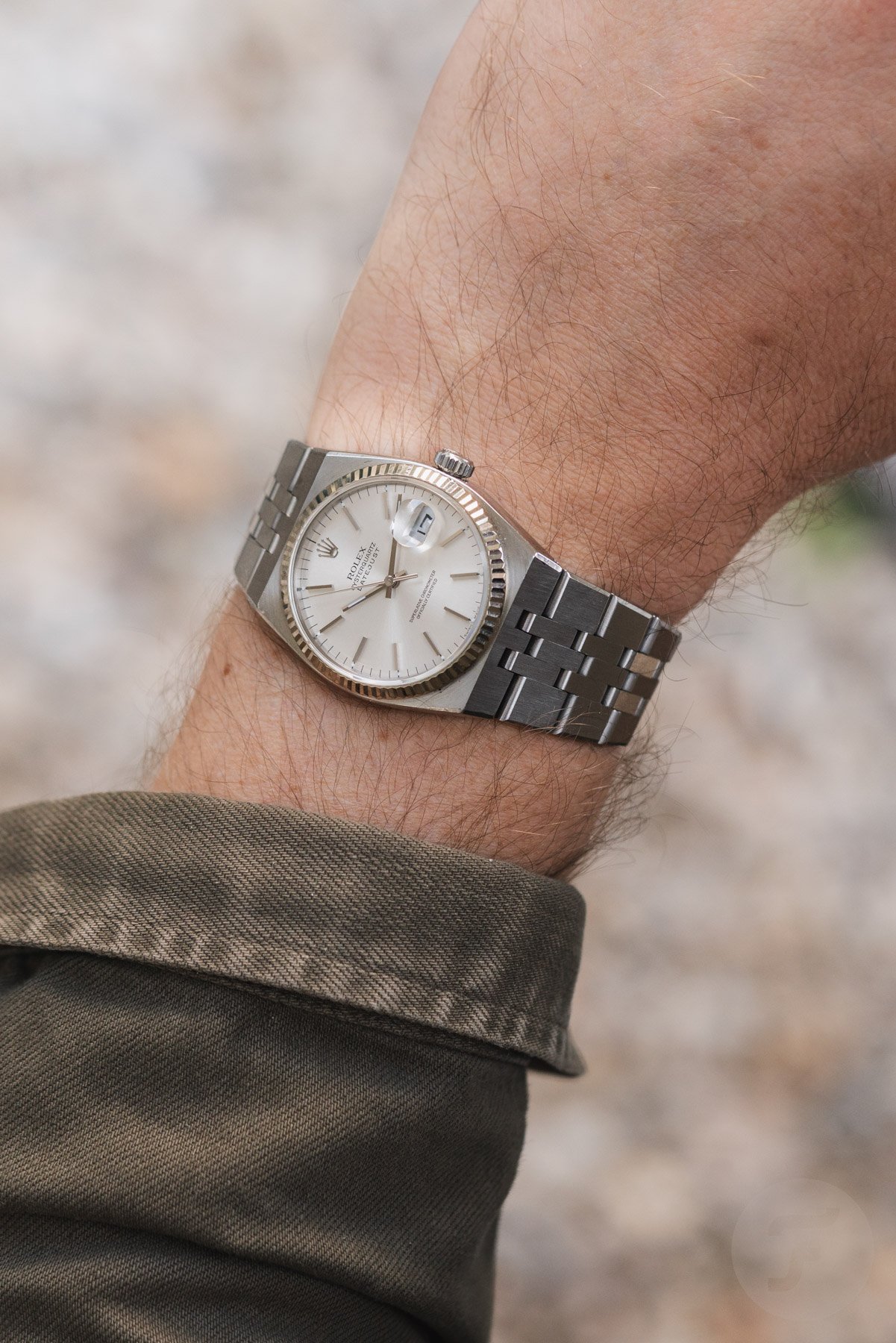
The choice is easy for me
In my opinion, this movement’s special status makes the Oysterquartz Datejust’s story so much more interesting. As some of you have read, I praised Tudor for the Royal update in my hands-on review, and I stand by that conclusion. But the simple reality is that the modern Tudor Royal doesn’t have the same appeal as the vintage Rolex Oysterquartz Datejust.
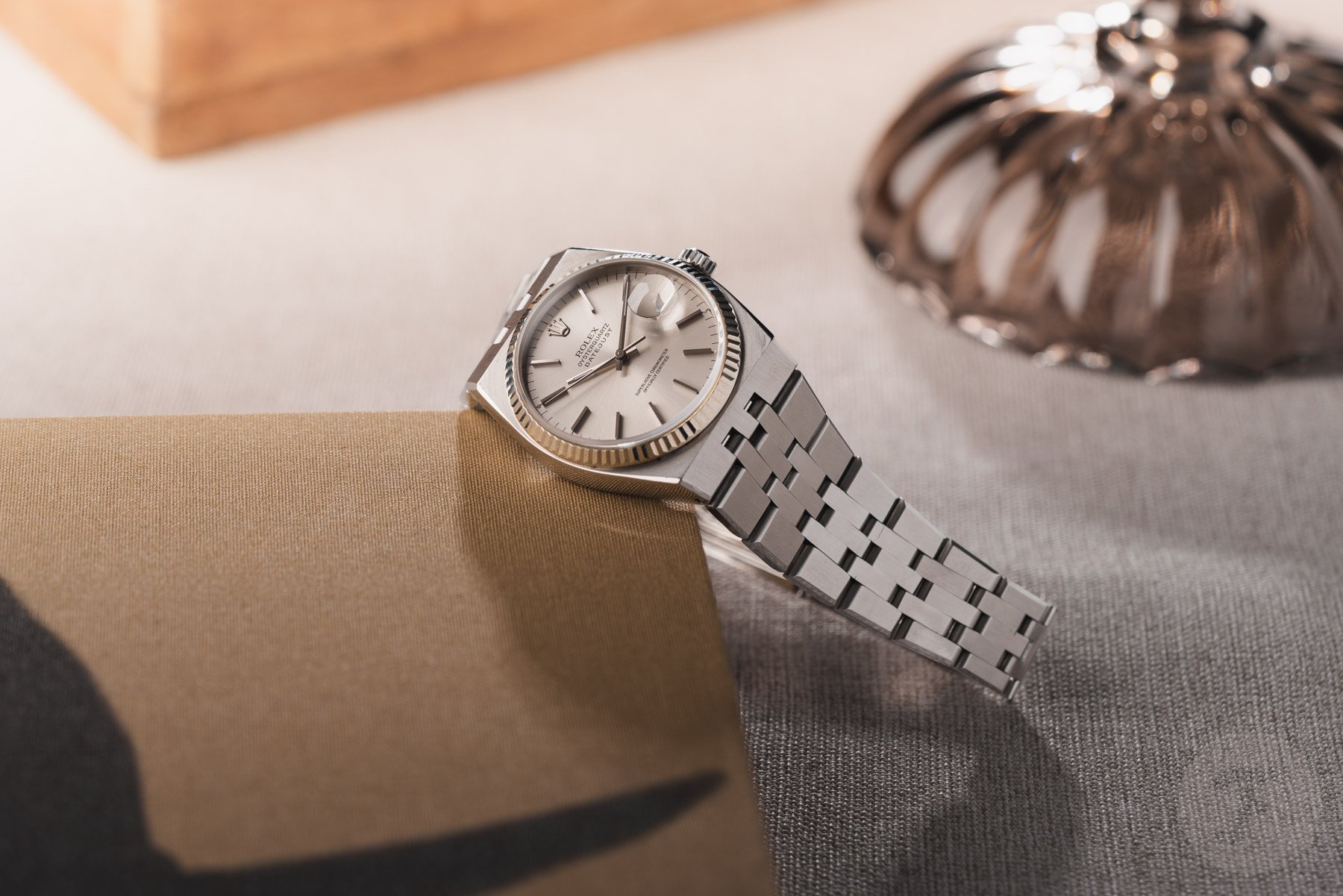
That’s exactly why I would gladly spend the extra money necessary to get a two-tone Oysterquartz ref. 17013, a stainless steel ref. 17000, or maybe the steel and white gold ref. 17014. Choosing one of those three is harder for me than picking my favorite in today’s Sunday Morning Showdown. But do let our readers know why you would choose the Tudor, Daan.
Daan: Tudor Royal
Damn, Jorg, you already touched on a lot of arguments there. Let me start by saying that I’m also a (neo-)vintage Rolex fanboy. I own the Rolex Explorer ref. 114270, from 2005, and I absolutely adore it. It features exactly the right proportions, has the perfect amount of presence, and wears like a dream on my 17cm wrist. I compared it to the current 36mm Explorer, but I’d rather have my neo-vintage version instead of the refined modern one. I also can’t really fault the Rolex Oysterquartz.
The Oysterquartz was Rolex’s way to conquer the Quartz Crisis in the ’70s. I imagine the brand quickly designed a new case, or might have had the design already on the shelf for the next mechanical watch, and fitted it with quartz movements and existing dials and bezels. It must’ve been a rush job, even though I can’t really believe anyone at Rolex ever had to rush. But even in that likely hasty environment, the Rolex Oysterquartz came out looking like a proper, grown-up watch that stood apart from the rest of the Rolex catalog.
But while the Rolex Oysterquartz is a special piece in Rolex’s history, it’s also a very niche watch with no mainstream following. If you’re looking to buy a vintage Rolex for around €5,000, you’re more likely to end up with a classic Datejust. That’s the watch other people will recognize, and it features an irresistibly elegant classic Oyster case. And if you don’t care about that recognizability but still want a more integrated design, why not save a few bucks and go for the Tudor?
The very versatile Tudor Royal
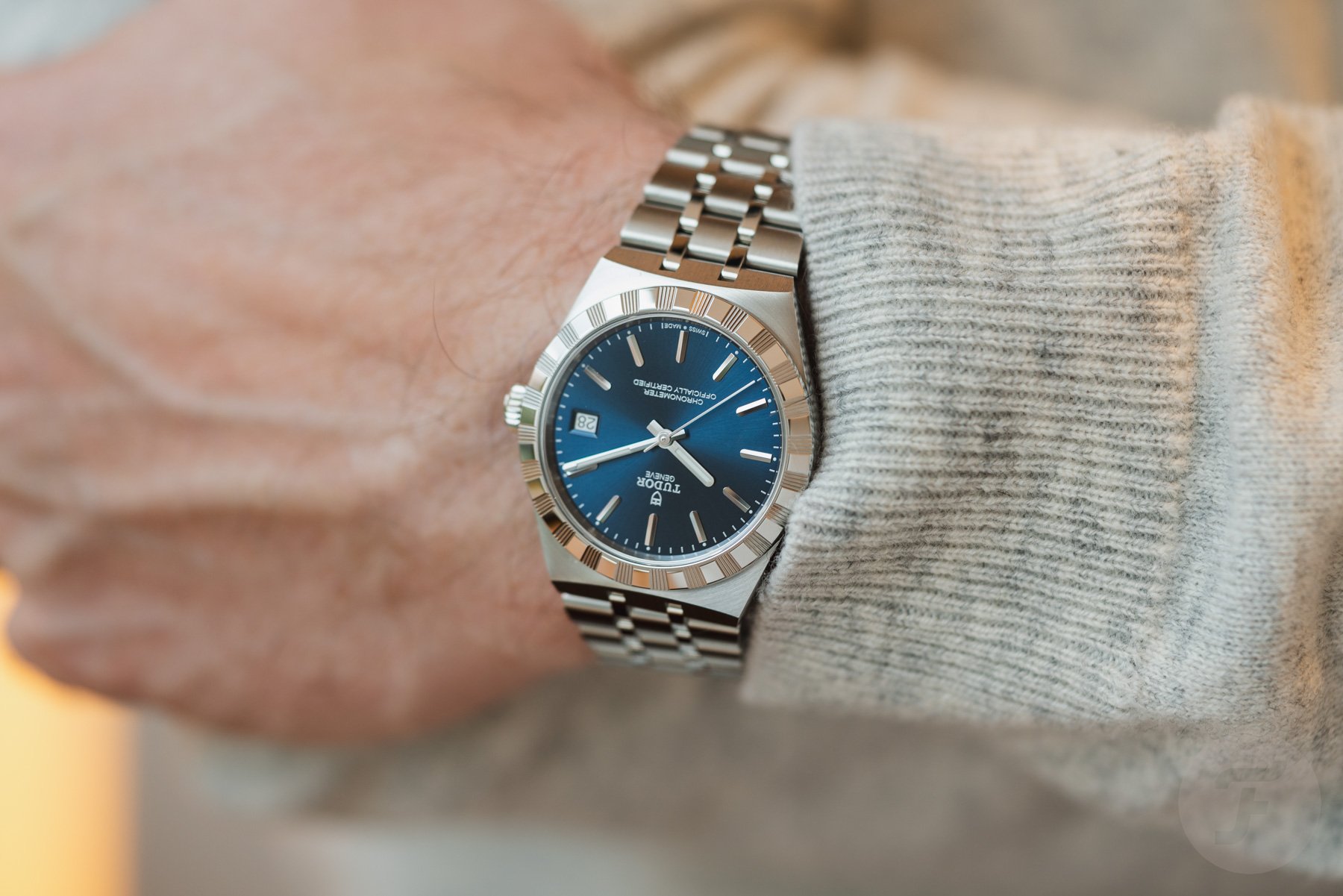
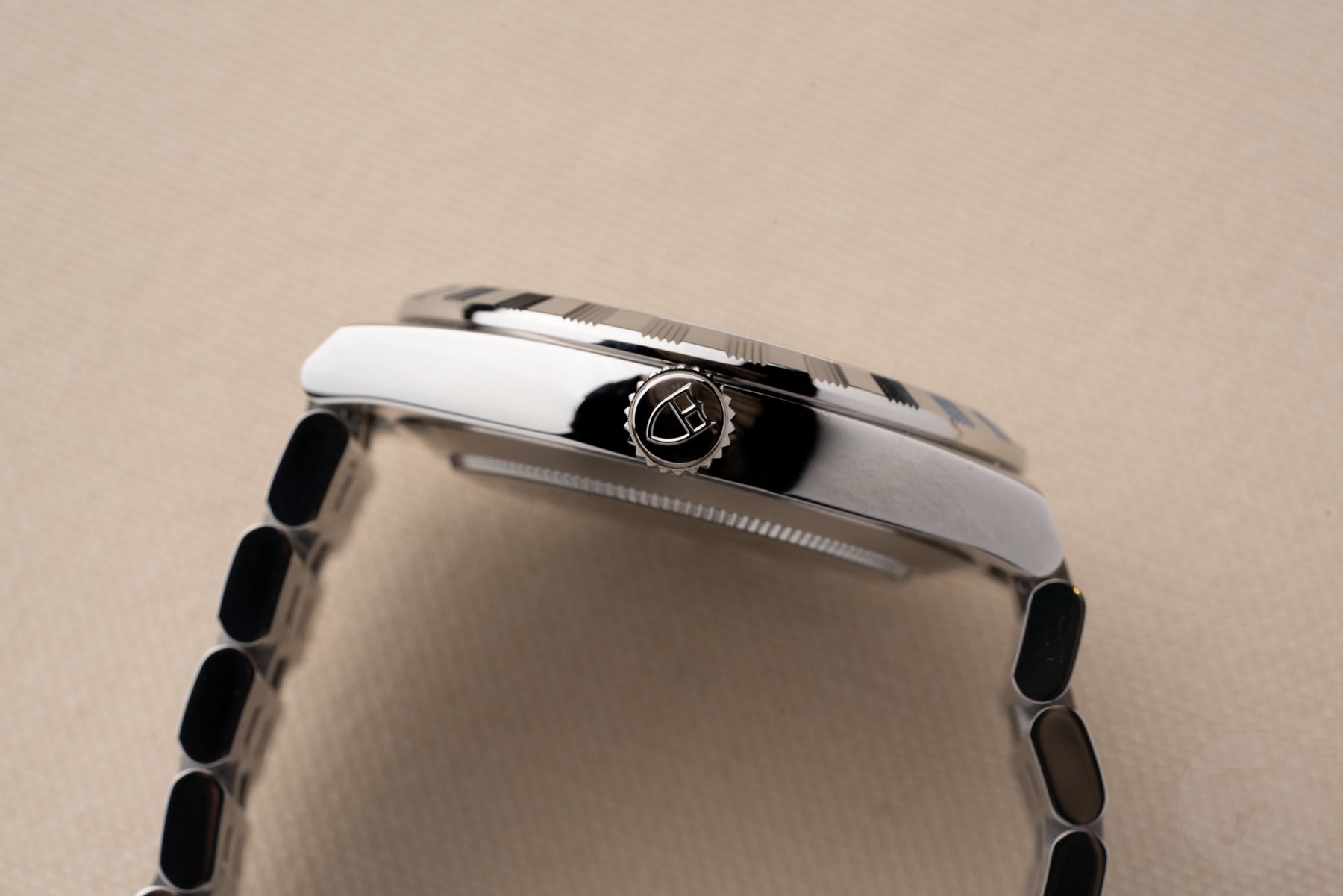
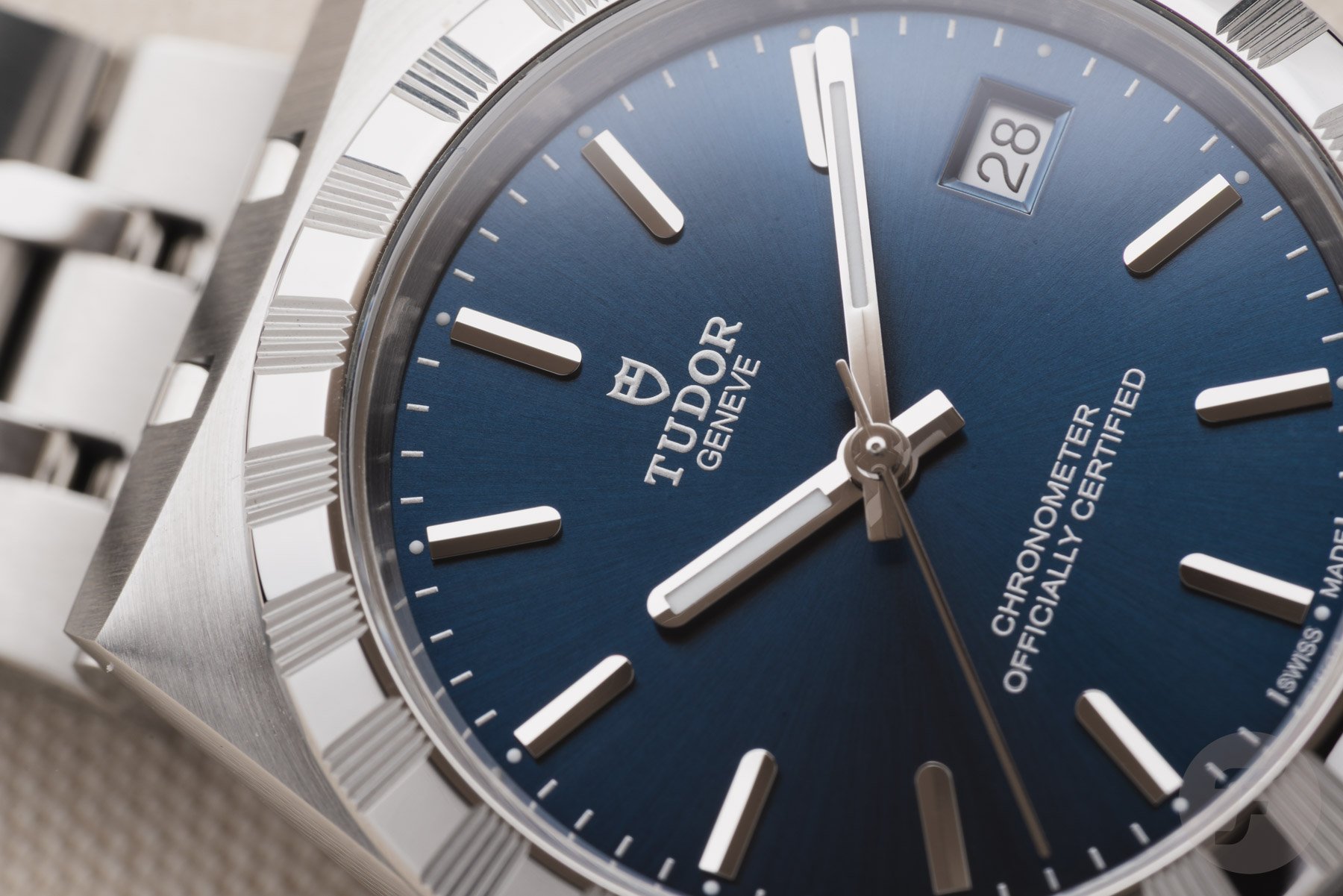
Of course, the Tudor Royal is a clear derivative of Rolex’s Oysterquartz, but it also comes with a few tricks up its sleeve. First, the case features a more rounded facet toward the integrated bracelet. Also, the bezel looks more like the engine-turned bezels on vintage Rolex Datejusts, and you can pick from numerous configurations. You can choose between all-steel, two-tone, different dial colors, stick markers or Roman numerals, and three sizes. Heck, you can even go for a reference with diamonds or a day-date configuration. Of course, I’ll stick to the version with the stick markers today, as it’s closest to the Oysterquartz Datejust, but the Tudor Royal’s versatility is a major plus that shouldn’t be neglected.
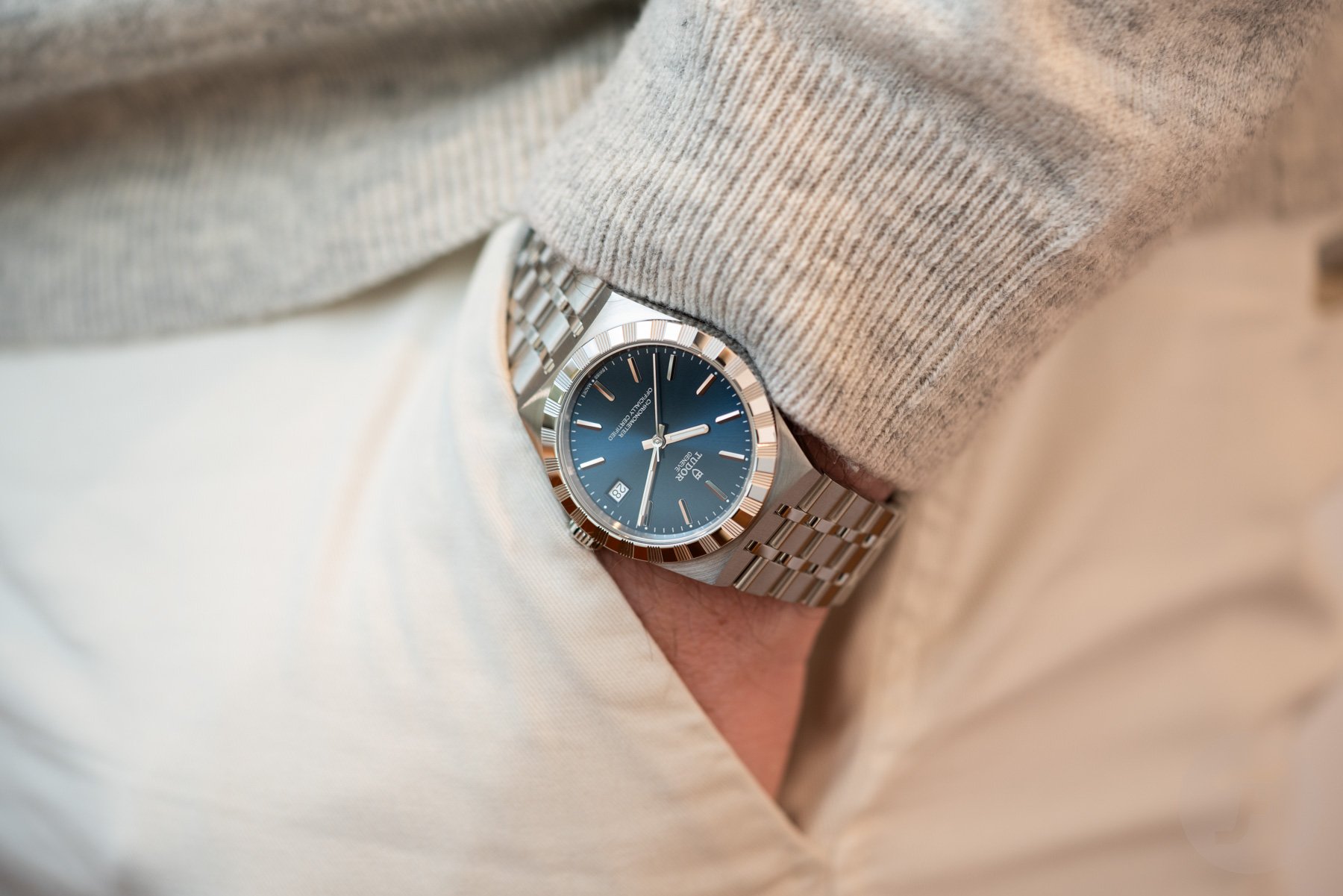
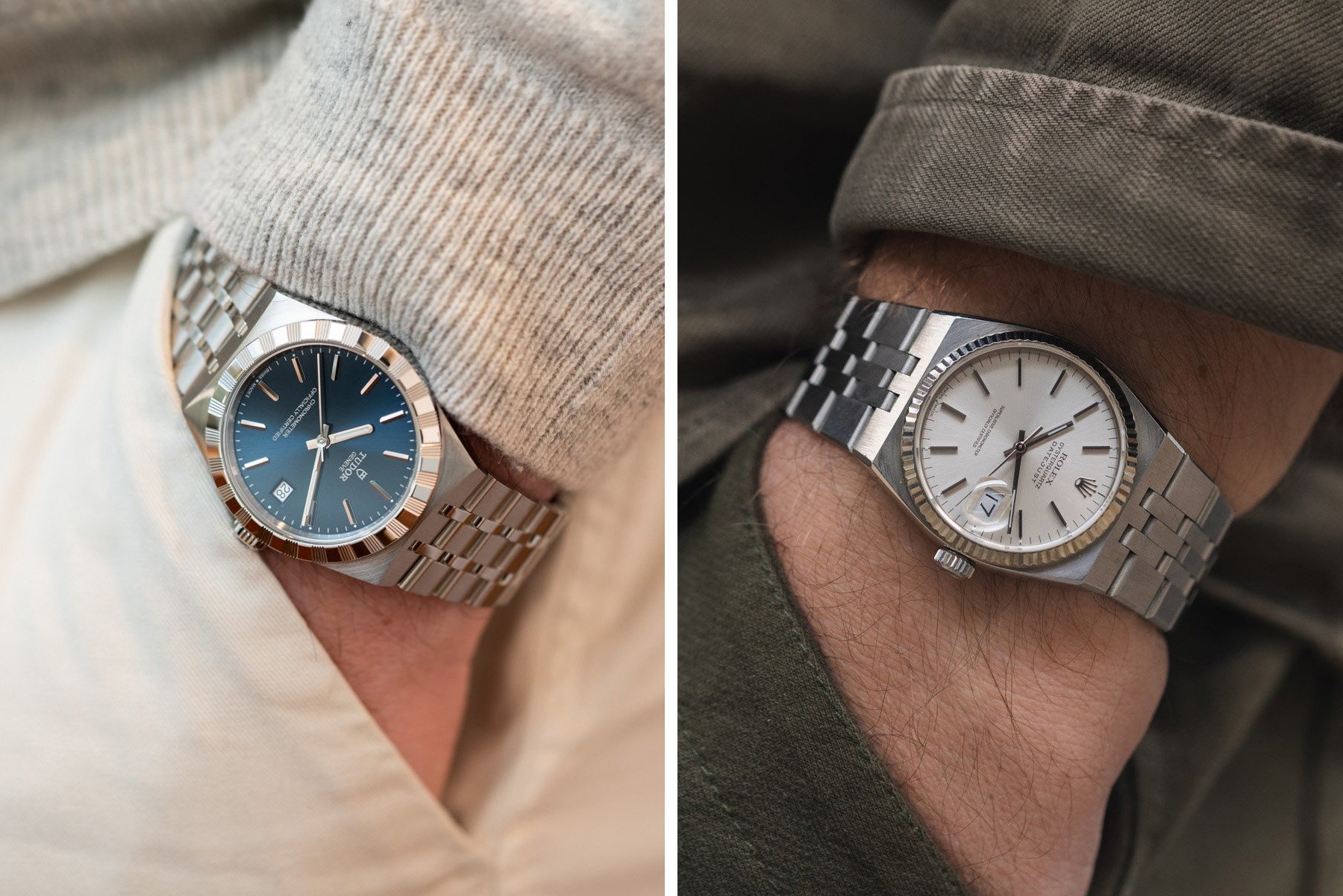
The Tudor Royal is also versatile in another way. While the Rolex Oysterquartz’s more angular design makes it rather sporty, the Tudor Royal moves more between the elegant and sporty ends of the spectrum. Sure, the Oysterquartz has polished bevels on the case, and might have a fluted gold bezel. However, the Tudor Royal’s partly polished bezel, along with its brushed-and-polished bracelet, gives it a more in-between character. It’s sporty yet very elegant at the same time. That makes it a more versatile watch that you can wear on various occasions.
Its place in Tudor’s collection
I also like that the Royal has a unique position within the Tudor collection, or “watch family,” as the brand calls it. Go ahead and click that link. As you’ll see, most of the watches in the current lineup are Black Bays or part of the Pelagos collection. There’s nothing wrong with that; those are all very popular references. But when you wear one of those watches, it can also easily be mistaken for a Rolex. The same is true for the Tudor Ranger, by the way. However, the Tudor Royal doesn’t suffer from this identity crisis. The Royal is clearly a Tudor, and doesn’t look like anything Rolex currently has in its portfolio.
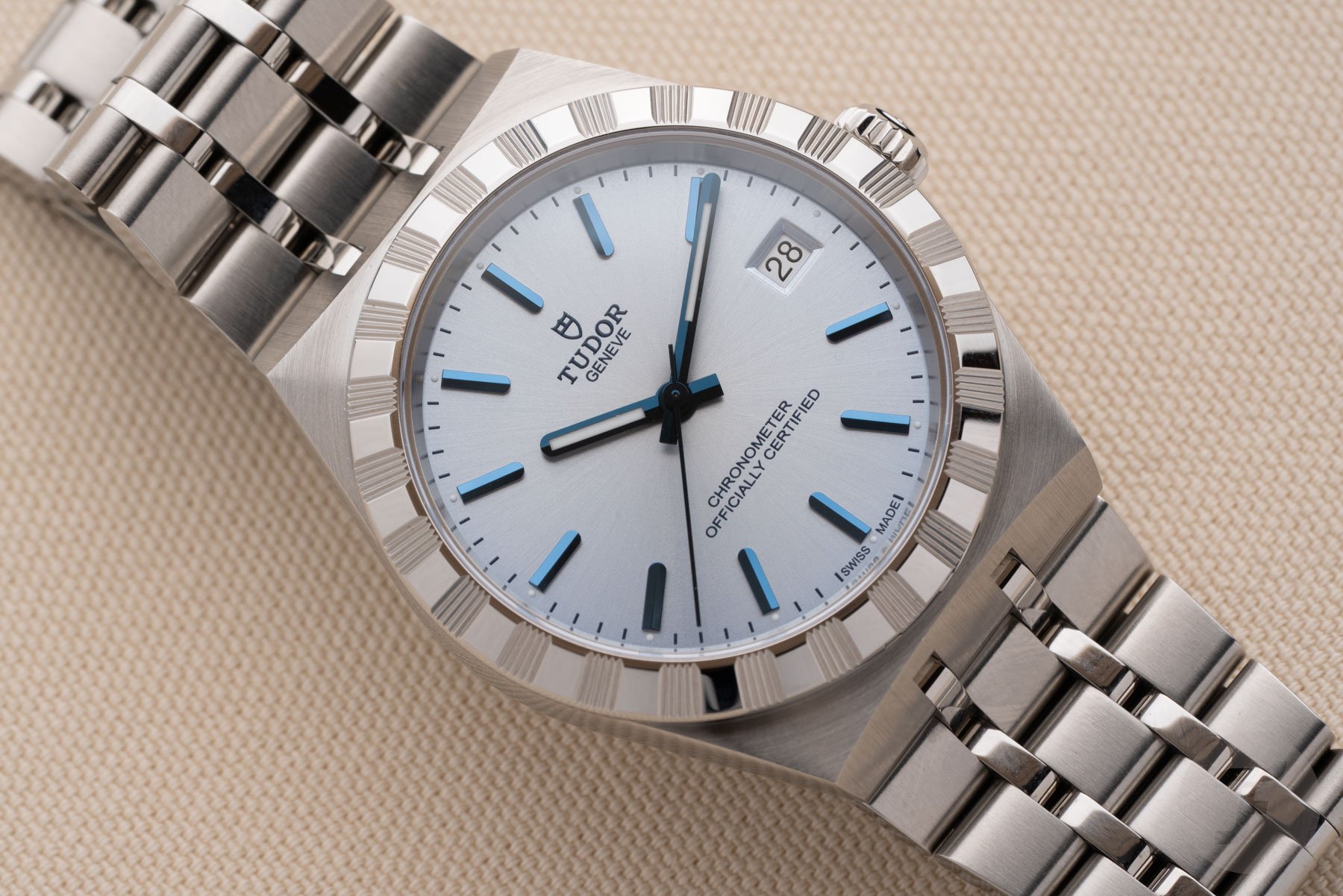
Sure, there are also the recently reintroduced Northflag and the Monarch, which debuted during Watches and Wonders. Both of these have a more distinctive character. However, I feel they also speak to a much narrower audience. The Tudor Royal is much more a friend to all without leaning too much on a Rolex sibling from the same generation to make itself popular. So yes, if I had to choose between the Rolex Oysterquartz and the Tudor Royal, I’d go for the Tudor Royal. And if I can be more specific, I’d go for the new 36mm reference with the light blue dial and blue hands and markers, just because it looks so great with jeans. By the way, did I already mention that the 36 × 9.7mm Tudor Royal is nearly four whole millimeters thinner than the Oysterquartz?
Cast your vote
There you have it — another Sunday Morning Showdown. We’ve had multiple Rolex-versus-Tudor matchups before, but so far, only the Pelagos 39 was able to beat the Rolex Submariner 14060. Let’s see what will happen during this week’s battle. Are you Team Niche Rolex Oysterquartz, or will you go for the updated Tudor Royal? Make sure to cast your vote, and tell us why you voted the way you did in the comments below.
Tudor Royal vs. Rolex Oysterquartz Datejust