Sunday Morning Showdown: Orient Flusso Vs. Tissot PRX

Howdy, folks! And welcome back to another Sunday Morning Showdown. This week, we’re putting up two watches that are similar in many ways, despite being produced in countries separated by just under 10,000 kilometers of land (and a little bit of sea). Both of them draw inspiration from 1970s design. They feature integrated bracelets and automatic movements, and both cost less than €1,000. You know it already, so there’s no point in beating around the bush: it’s the new Orient Flusso up against the OG Tissot PRX.
This new wave of integrated-bracelet watches has certainly come close to oversaturation, but the concept’s popularity remains unshaken. It shouldn’t surprise us that brands keep jumping on the bandwagon. Tissot was one of the first, and Orient is the latest to join in. And though these watches look rather similar at a glance, Jorg and Nacho will point out their many subtle differences. Subtle as they may be, they’re very likely to shift the outcome today. So, will the incredibly popular Tissot PRX hold its ground against this affordable newcomer? We’ll see, but first, let’s recap what transpired last week.
Last week, on Sunday Morning Showdown…
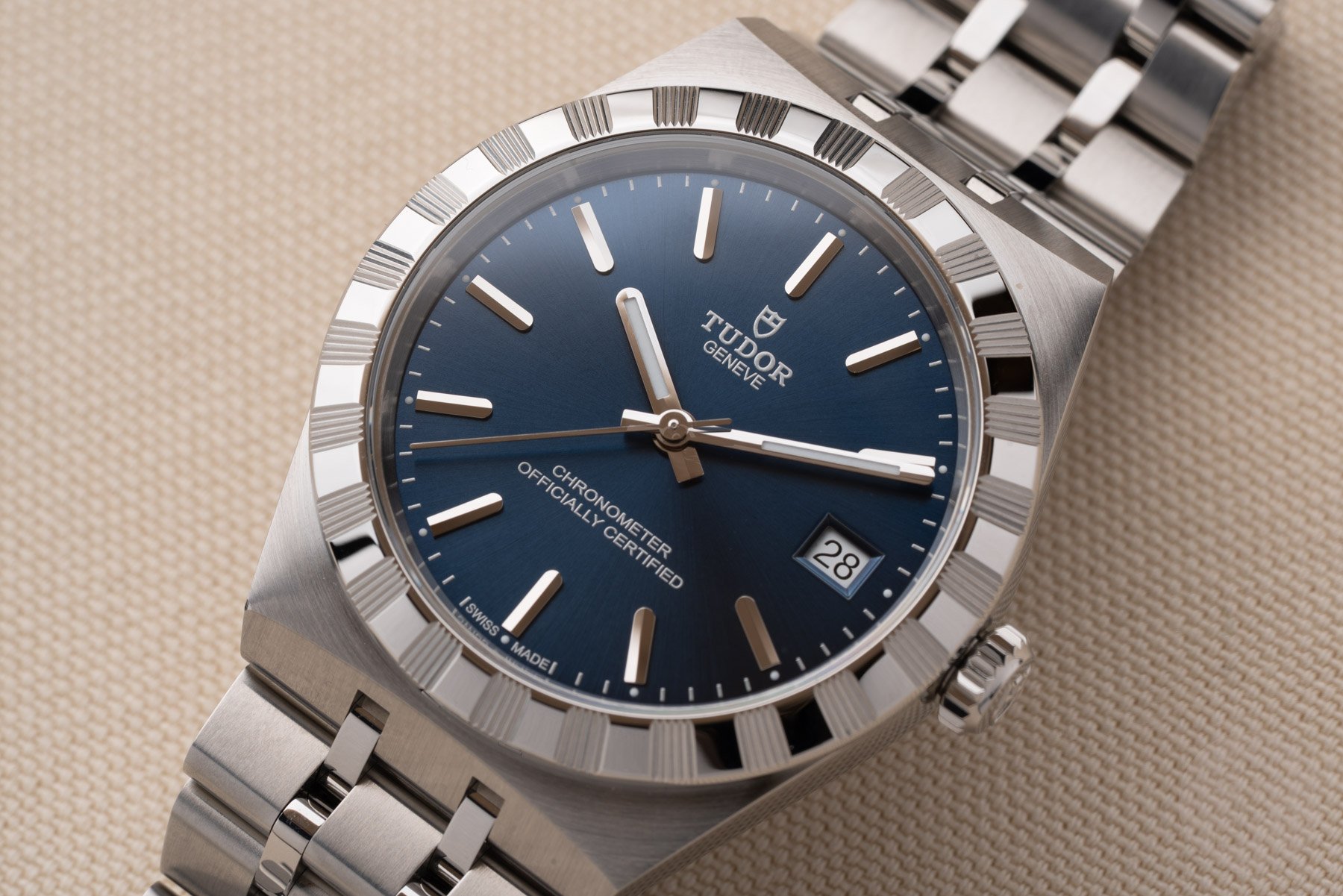
Talk about a Royal flush! It seems that the Oysterquartz, despite coming from “the people who own the building,” couldn’t withstand the Fratelli’s ravenous appetite for mechanical watches in last week’s showdown. The Tudor Royal took a healthy 57% of the votes, while the Rolex Oysterquartz limped in with 43%. This week, we’re changing the price point but sticking with integrated-bracelet watches, though both being mechanical doesn’t necessarily guarantee a closer result. Let’s hand it off to Nacho and Jorg; may the best affordable integrated-bracelet watch win!
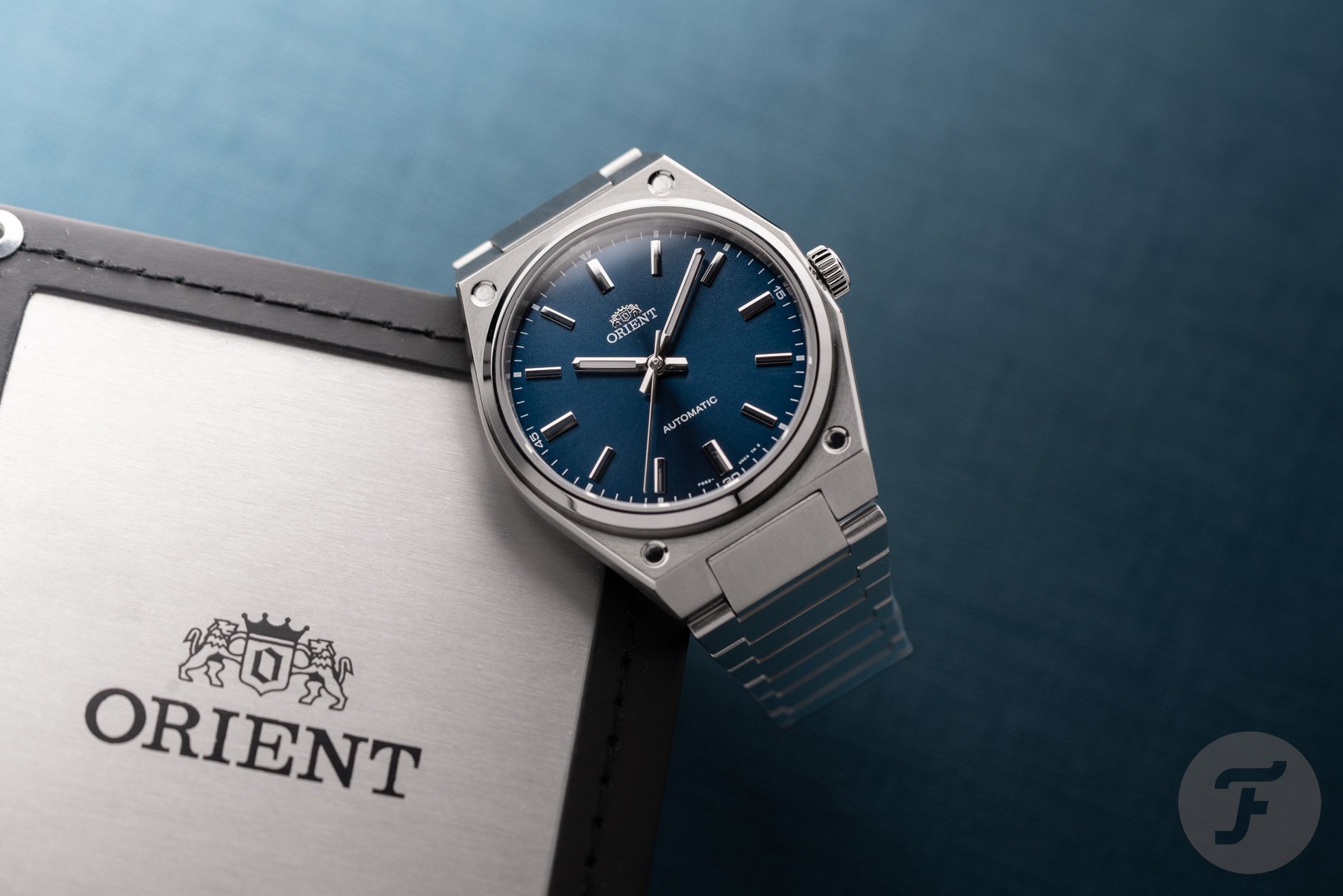
Nacho: Orient Flusso
By now, the Tissot PRX Powermatic 80 is the obvious choice when someone asks for an integrated-bracelet sports watch. It has the looks, the Swiss automatic movement, and an 80-hour power reserve. But does that mean it should win every showdown? I’m not so sure. Recently, many new rivals have entered the fray.


The Nivada F77 was one of the first, followed by the Citizen Zenshin and Tsuyosa models and, more recently, the Casio Edifice EFK-100 series. Now Japan has yet another one for us. Enter the new Orient Flusso, a watch that makes a compelling case for looking beyond the usual suspects.
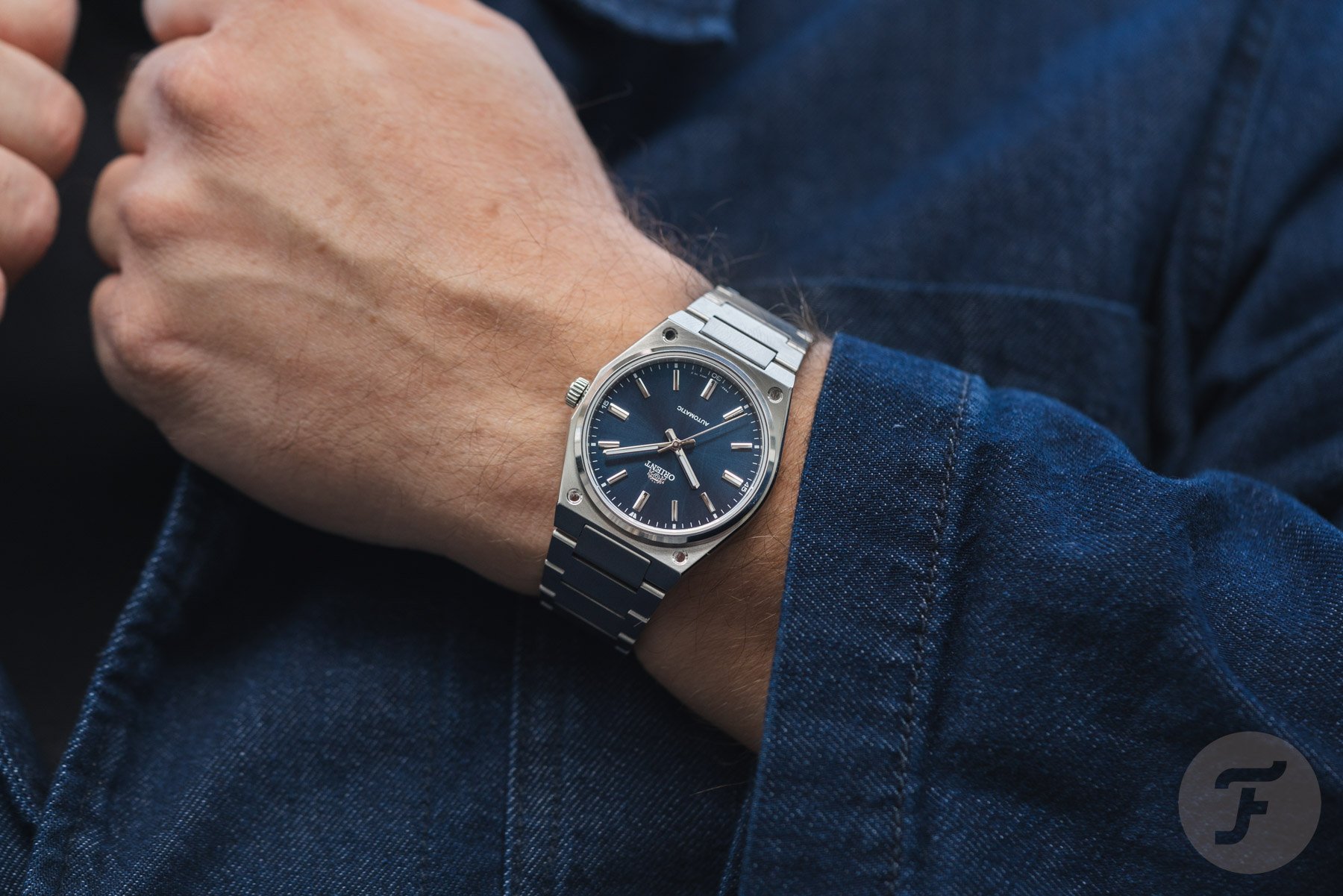
First, let’s talk about design. The Flusso is not just another lookalike that showed up late to the party. It actually takes inspiration from Orient’s 1970s and ’80s Super King (or “SK”) models. It brings that piece of heritage back to life in a modern 39mm stainless steel case.
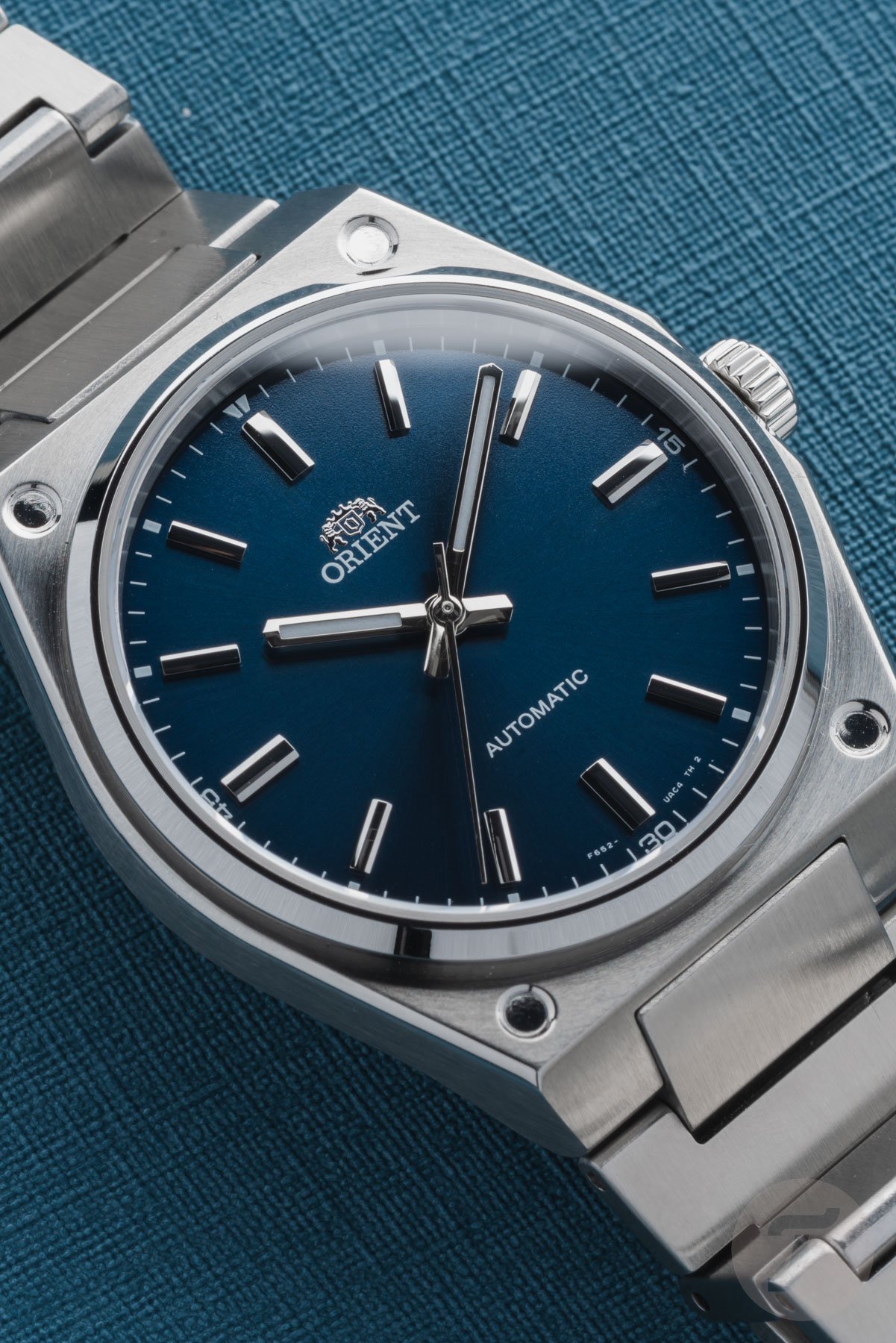
Four recessed accents reference the original watches’ protruding bolts, while the fully brushed integrated flat-link bracelet flows naturally from the case. It’s a distinctive design with a story of its own, and I appreciate that Orient has drawn on its archives rather than simply creating something from scratch. The PRX has history too, of course, but the Flusso offers a fresh alternative for anyone who wants that familiar silhouette with a different personality.
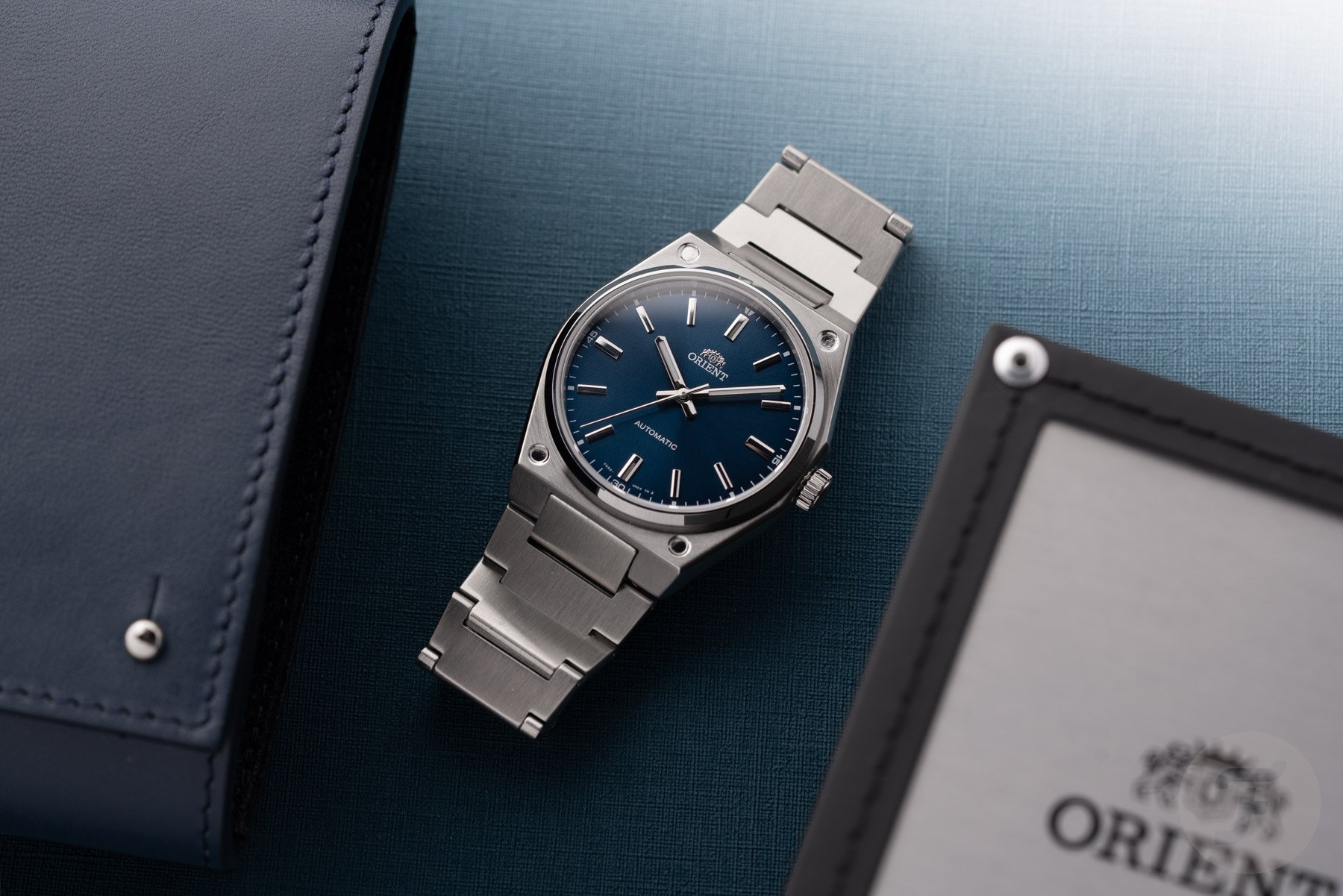
The PRX doesn’t have to win every time
Now, other than the PRX being a bit too ubiquitous, there’s not much to fault. All things considered, for the price, it’s a decent watch. So I consider the Flusso a thinking man’s alternative. When they all “zig,” you “zag.” Plus, who doesn’t love a nice, clean, date-free dial?
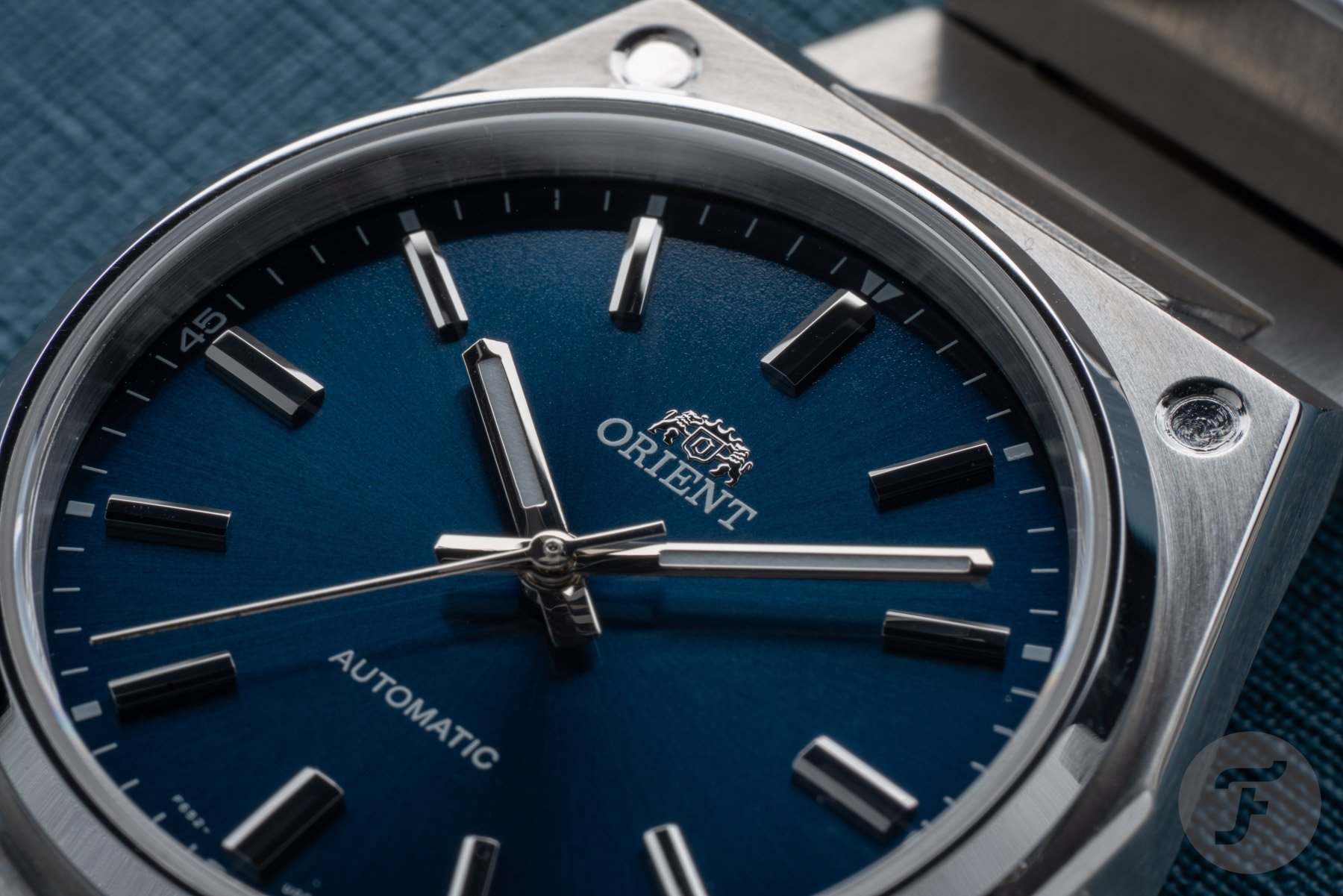
Another point worth noting is the size. With a 39mm diameter (a millimeter smaller than the standard PRX), 47mm length, and 10.9mm thickness (comparable to the PRX), the Flusso has good proportions that should work well on most wrists. The sunburst dial — available in blue, black, and silver for the regular steel models and white with a gold-PVD-coated case — is clean and legible, featuring an applied logo and indexes. The watch also has a sapphire crystal, 100m water resistance, and a solid steel case back. In other words, it’s perfectly equipped for everyday wear.
Go with the Flusso
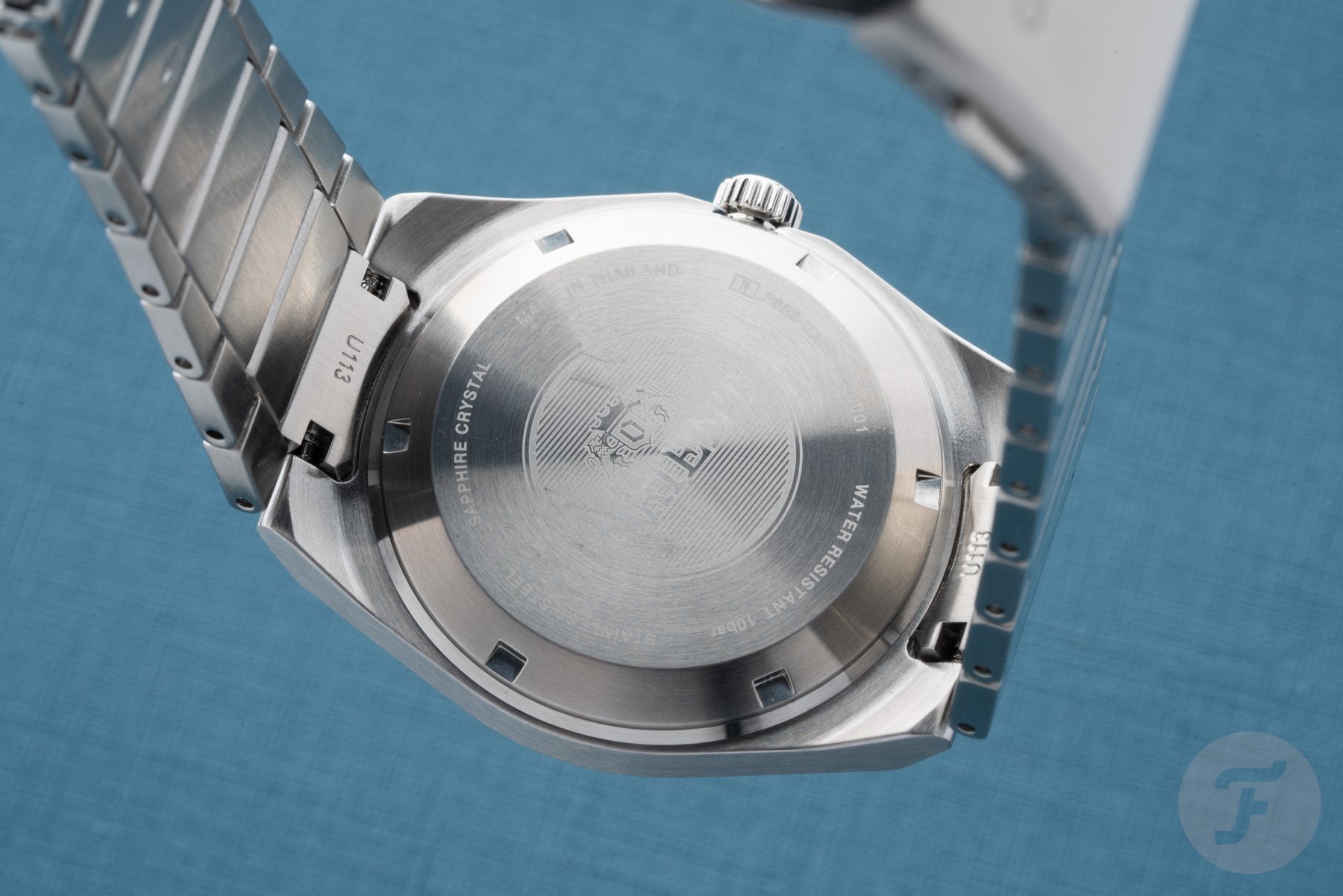
Inside the Flusso is the new Orient F6522 automatic movement. It offers manual winding, hacking seconds, and a power reserve of more than 40 hours. Sure, that doesn’t match the PRX’s impressive 80 hours, and the stated accuracy range (+25/-15 seconds per day) won’t win any spec-sheet contests. But the Flusso’s movement was developed in-house by Orient and designed to offer a serviceable entry point into mechanical watches without breaking the bank. It also sits behind an engraved stainless steel case back, meaning it doesn’t put a movement not worth seeing on display (take notes, PRX).
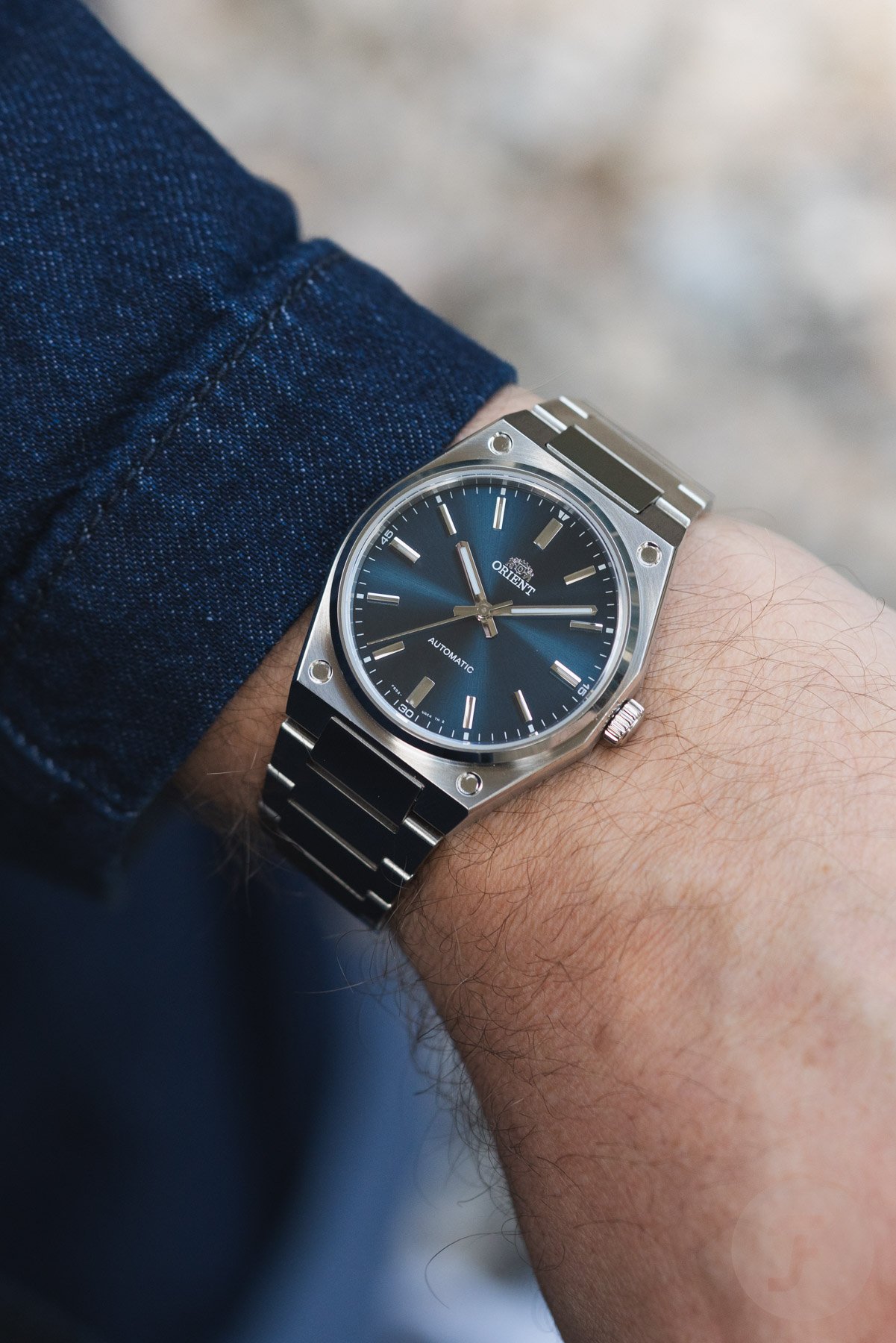
And that brings me to the biggest point — price. The Flusso starts at €299, while the standard steel PRX Powermatic 80 is considerably more expensive at €775. That’s a meaningful difference for a watch you might wear every day. It’s also quite impressive given the Flusso’s many great features. I’d happily put the savings toward a future watch purchase. After all, while both of these are good enough to be your one watch, realistically, they’ll just be a stepping stone to better things. And now, over to Jorg and the PRX.

Jorg: Tissot PRX
As a Tissot PRX owner, it only makes sense that I back this watch in today’s showdown. But I will make my case on more than sentiment alone. After owning a black-dial PRX Powermatic 80 and wearing the Flusso for some time, I can see several differences that make the Tissot the far superior choice. Therefore, I will gladly challenge your assessment that the Orient Flusso is “the thinking man’s alternative.” Think a little longer and harder, and you will realize that it’s strictly a price-driven classification rather than a thinking man’s actual pick. Let me elaborate.

When one watch’s price is more than double that of its competitor, you expect superiority in everything. After careful consideration, I could find only one aspect of the PRX that might be up for debate in this regard. But I’ll get to that in a bit. First, let me explain why the PRX is so much better. It all starts with the design. When Tissot launched the PRX, the brand cited a 1970s Seastar model as the inspiration. It wasn’t necessarily an influential one, though, and the design has the typical ’70s elements we know from the Audemars Piguet Royal Oak, Vacheron Constantin 222, and the Rolex Oysterquartz.

The Tissot PRX will always be the first…
So, what makes it more important than the Orient Flusso, which just came out and also has traceable roots in the brand’s history? In today’s horological landscape, the Tissot PRX is super relevant because it was the first significant affordable option for integrated-bracelet sports watches. It set a precedent that many other brands have followed, and consequently, every similar-looking design that comes after will be labeled “a copy of the Tissot PRX.” But I still want to give the Orient Flusso credit where it’s due because the inspiration is the Super King, as you also mentioned, Nacho.

One quick search shows that the new Flusso follows the case design of the Orient Super King. For the dial, the Orient designers adopted the familiar ’70s look that Tissot also used. The main difference is that Tissot followed a Seastar design from its archives, while Orient used a generic one that we know from many watches of that decade.

There’s nothing inherently wrong with that, but put the Flusso’s case and dial designs together in today’s context, and you end up with…a copy of the Tissot PRX. Largely, that’s because the PRX has become the benchmark for affordable integrated-bracelet watches. The Flusso’s four recessed accents cannot mask that, and I’m not particularly fond of them anyway.

Obvious differences in quality
The PRX’s proportions also give it the upper hand. Both watches are around 10.9 mm thick, but the Tissot’s slimmer mid-case makes it look more elegant. It’s a big part of the overall refinement we also see in the quality, finishing, and design details. It starts with the overall build quality.
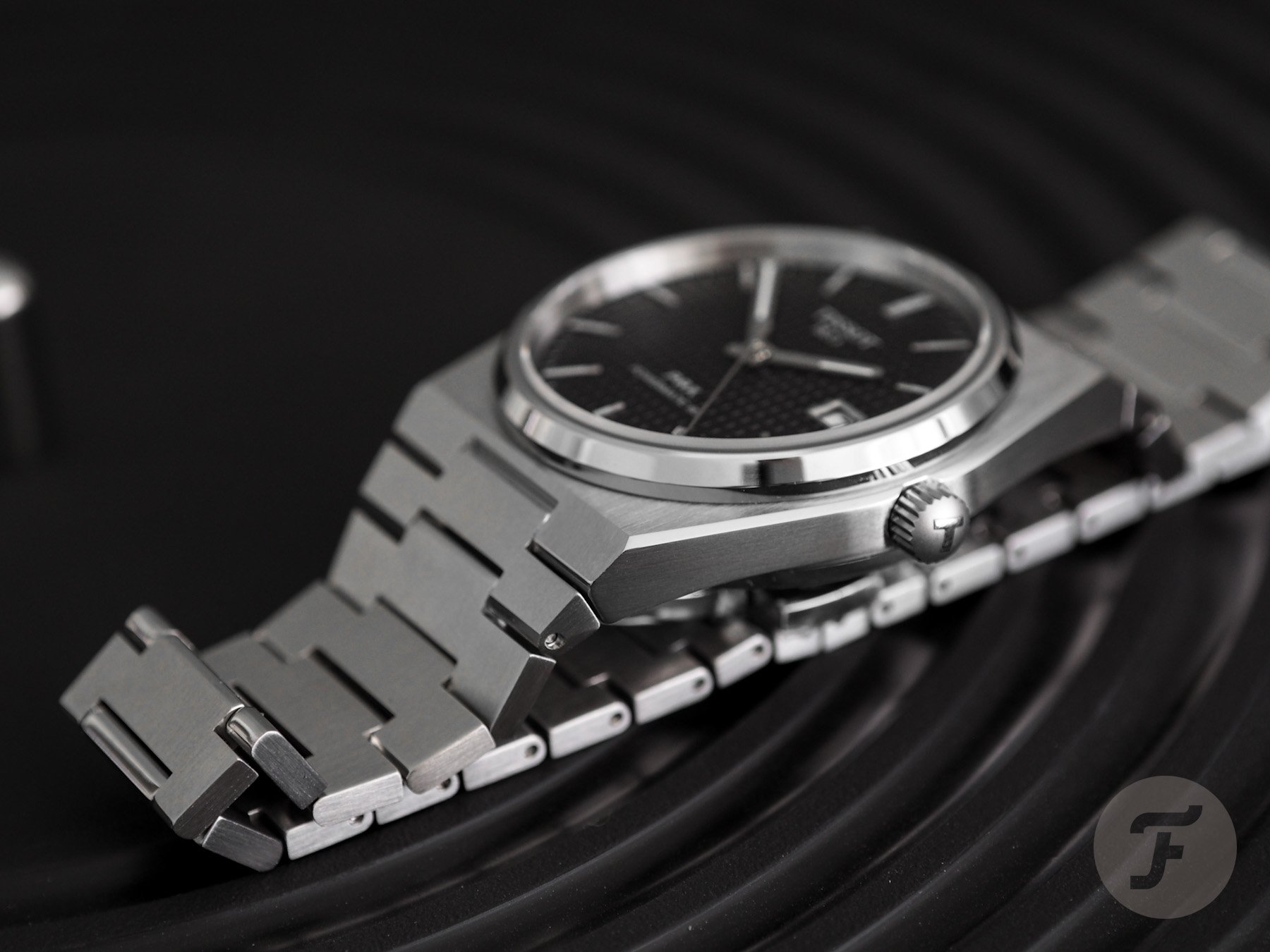
Pick up the two watches, and you’ll instantly feel and hear the difference. The Orient sounds rattly, and the bracelet even squeaks at times. It also doesn’t have the same heft and solid feel as the Tissot. I believe the bracelet is a defining element of the PRX’s superiority. As I explained in my hands-on review, the bracelet has a luxury feel that easily beats similarly priced watches, let alone the Flusso.

Additionally, the Tissot PRX’s overall finishing is much better, with a mix of brushed and polished parts amplifying the visual brilliance. A great example is the bracelet’s links. In addition to these being smaller than the Flusso’s, which makes the bracelet more comfortable, the short edges between the links are polished. As a result, when you wear the watch, it subtly shimmers in the light.
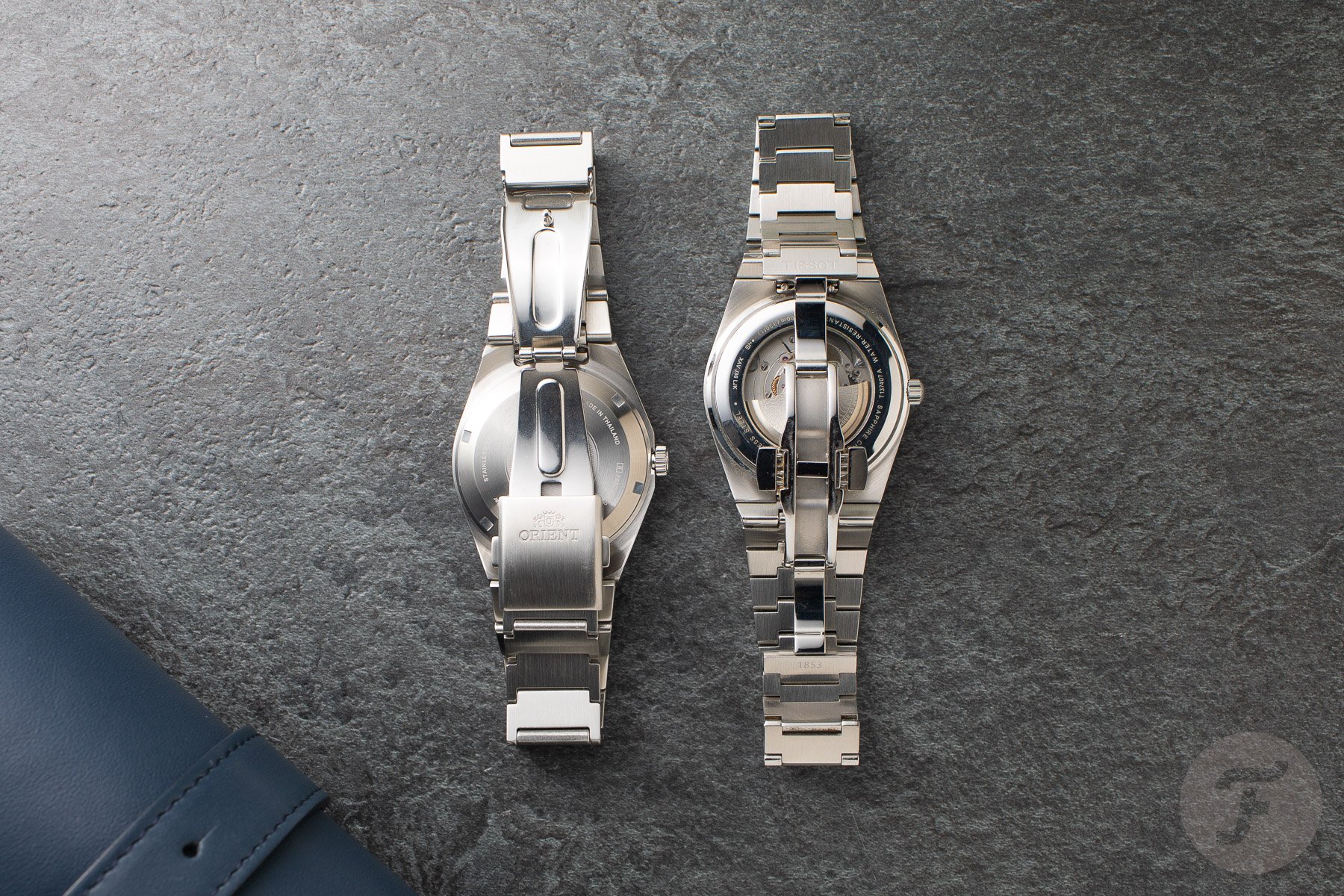
Tissot’s attention to detail makes the bracelet far better, and the clasp reflects this as well. The PRX has a nice hidden butterfly clasp, whereas the Orient has a stamped, cheap-feeling single-deployant clasp.

The luxurious dial
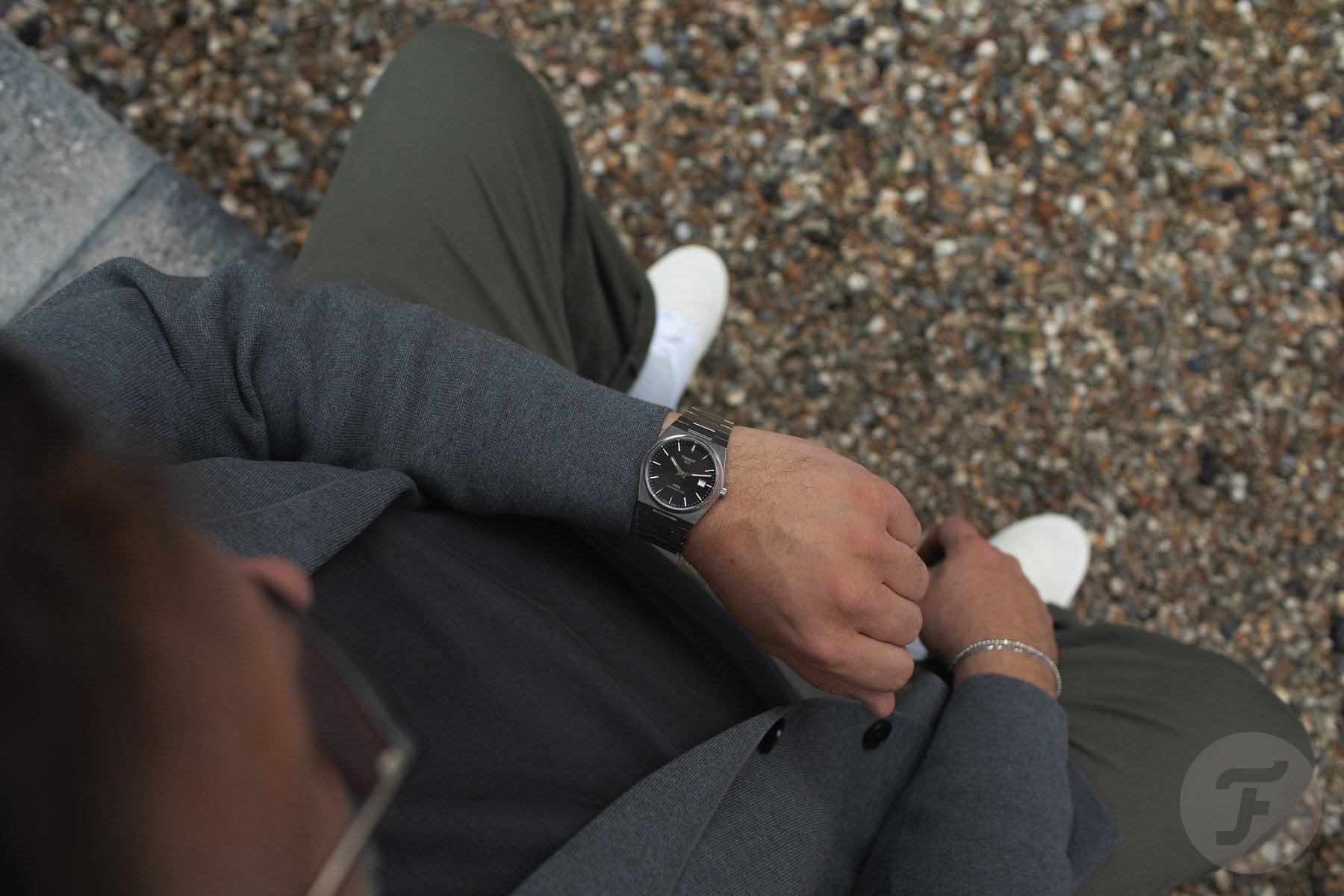
The difference in refinement continues on the dial. The PRX Powermatic 80 uses a block pattern that strongly reminds me of the Royal Oak’s Tapisserie dials. However, compared to the sunburst dial in the Orient Flusso, this dial’s refinement is striking. But that brings me to the one element that could be in the Orient’s favor. Its clean, dateless dial is definitely an advantage. A color-matched date disc could have saved the PRX, but as it is, the black-on-white disc stands out against all the dark dial colors.

Let’s close it out with the caliber. As you already pointed out, Nacho, the Powermatic 80 (ETA C07.111) is in a different league than the Orient’s F6522. It achieves a daily variation of +8/-2 seconds, which is significantly more accurate than the Orient’s rate of +25/-15 seconds per day. Considering the Powermatic 80’s higher 4Hz frequency and over-three-day power reserve, there’s no question that it is superior to the Orient F6522.
An easy choice in the end
And as I said, we would expect that from a watch that costs more than double its competitor’s price. I’ve stated in multiple articles that the PRX punches way above its weight and easily beats more expensive watches in quality, finishing, and design. Almost five years after I bought my PRX, that still stands.
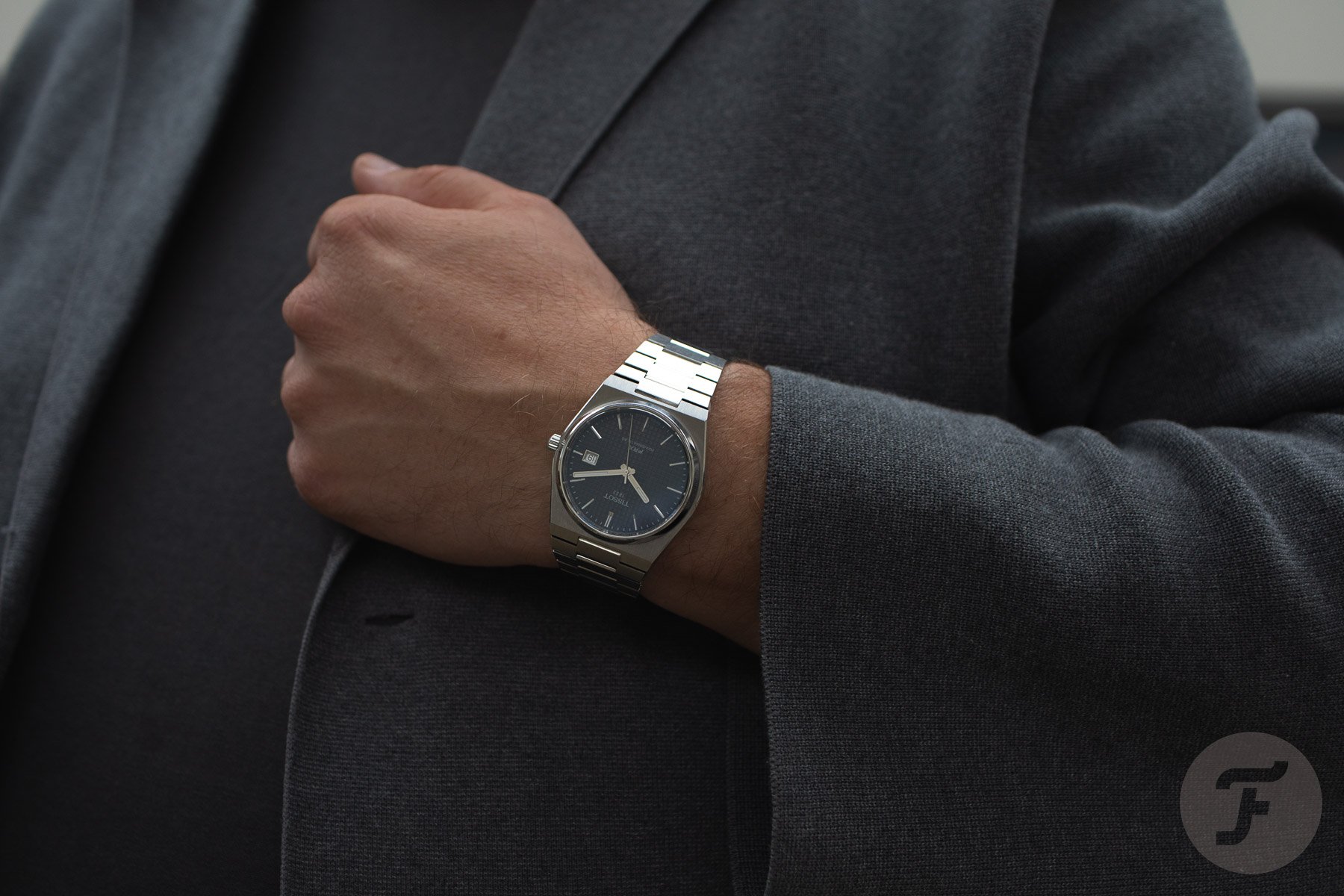
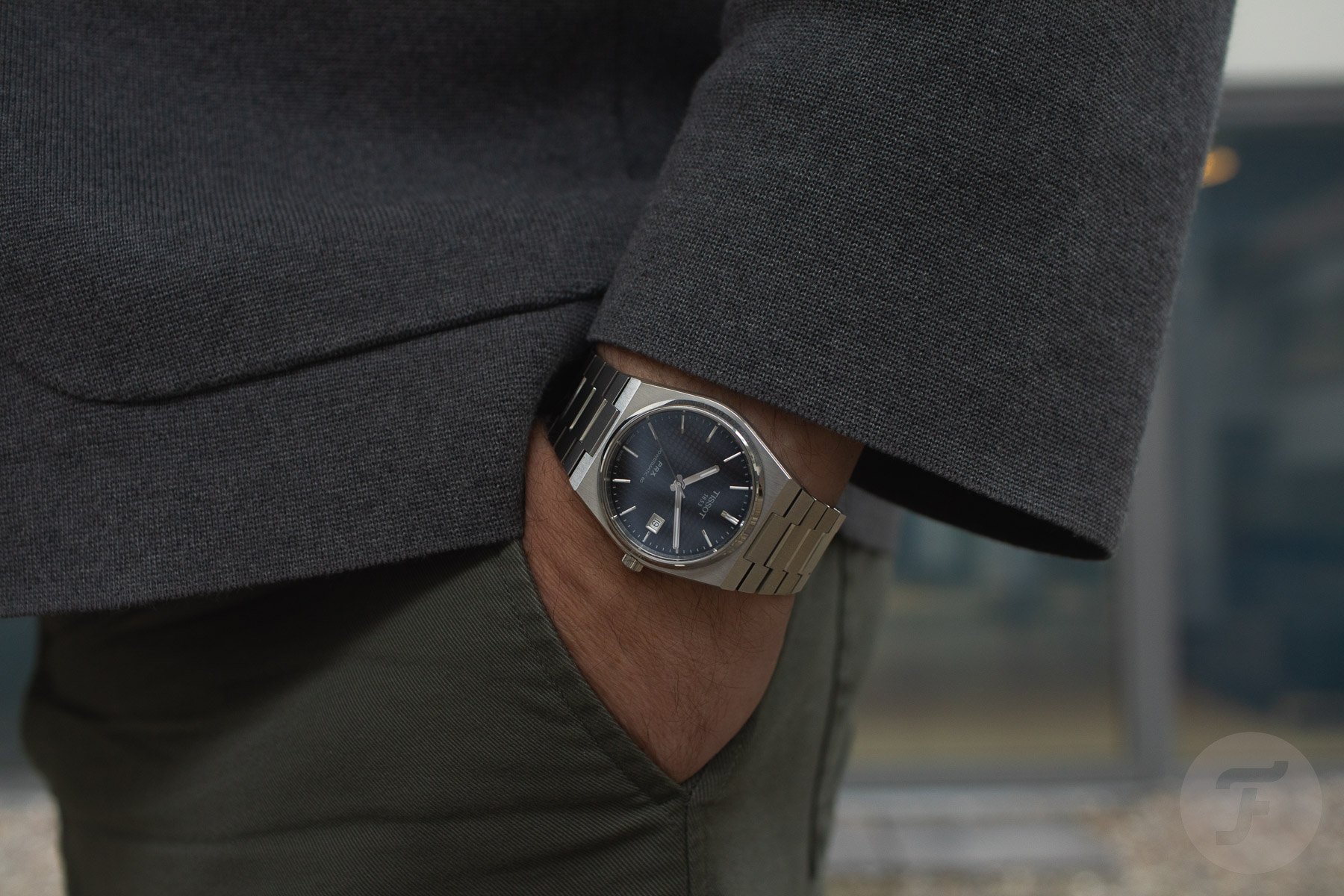
When it comes to the “thinking man’s alternative” title, I would debate your assessment based on the overall quality of the Tissot PRX Powermatic 80, Nacho. It is simply the better choice on almost all fronts. Sure, it costs €775 instead of €299, but that investment will pay off every time. It will buy you a watch that feels like a proper luxury timepiece and that you will enjoy for years to come. While the Orient Flusso might be fun to start with, the quality and detail will give it the PRX real longevity. That makes it a more serious option than the Flusso, which is why I would choose it every time.
Time to vote!
And just like that, the time to cast your votes has come. You’ve heard Nacho and Jorg make their cases for their contenders, but ultimately, the choice is yours. So, will the Swiss stalwart, the Tissot PRX, come out on top? Or will the Orient Flusso, this week’s underdog, take the win? Be sure to vote and comment below, and join us next week for another Sunday Morning Showdown!