The Caravelle Sea Hunter Vs. The Seiko SKX And SRPE93 “Turtle”

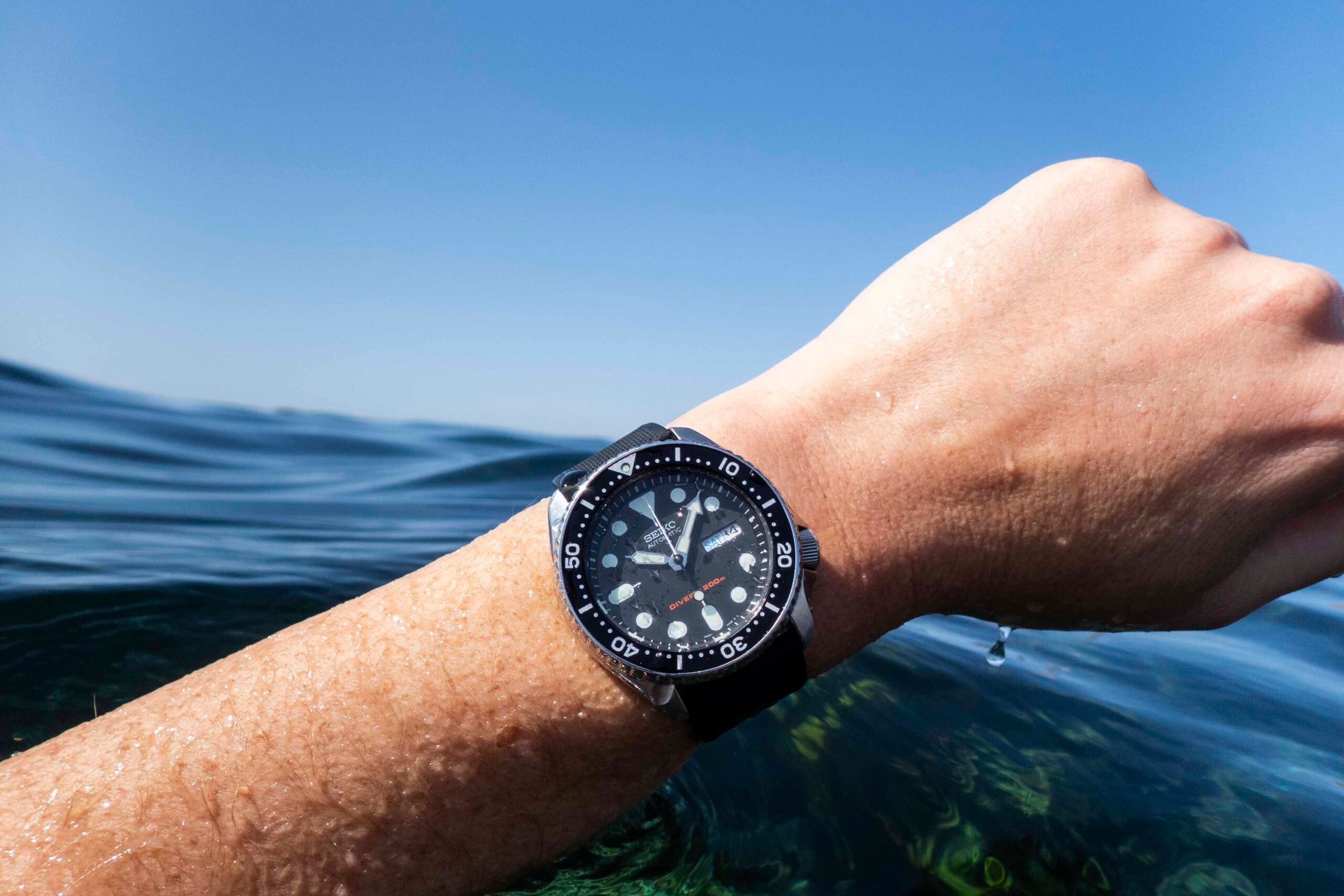
There is a very specific kind of watch that changed how I think about this hobby. This watch was not particularly expensive, and it was not Swiss. It did not come in a velvet-lined box or carry a story about a master watchmaker in some atelier within a Swiss valley. It came in a cardboard box, with a stiff rubber strap (or flimsy metal bracelet) included. I am talking, of course, about the Seiko SKX dive watch.
But today, I am not referring to the SKX007, which became the default entry-level dive watch for many until its discontinuation. Today, I am talking about the SKX173, another discontinued SKX reference that deserves considerably more respect than it typically receives. And I am talking about it now because something unexpected has arrived to challenge the SKX legacy — a Caravelle by Bulova Sea Hunter, of all things. I’m also looking at what has, in some ways, overtaken the SKX series in the Seiko lineup — the SRPE93 “Turtle.” You see, Citizen owns Bulova, which in turn manages Caravelle. In essence, then, we have the traditional competition between two Japanese watch titans playing out, although Citizen is doing this by proxy. Let’s dive in.
The SKX173: a forgotten SKX
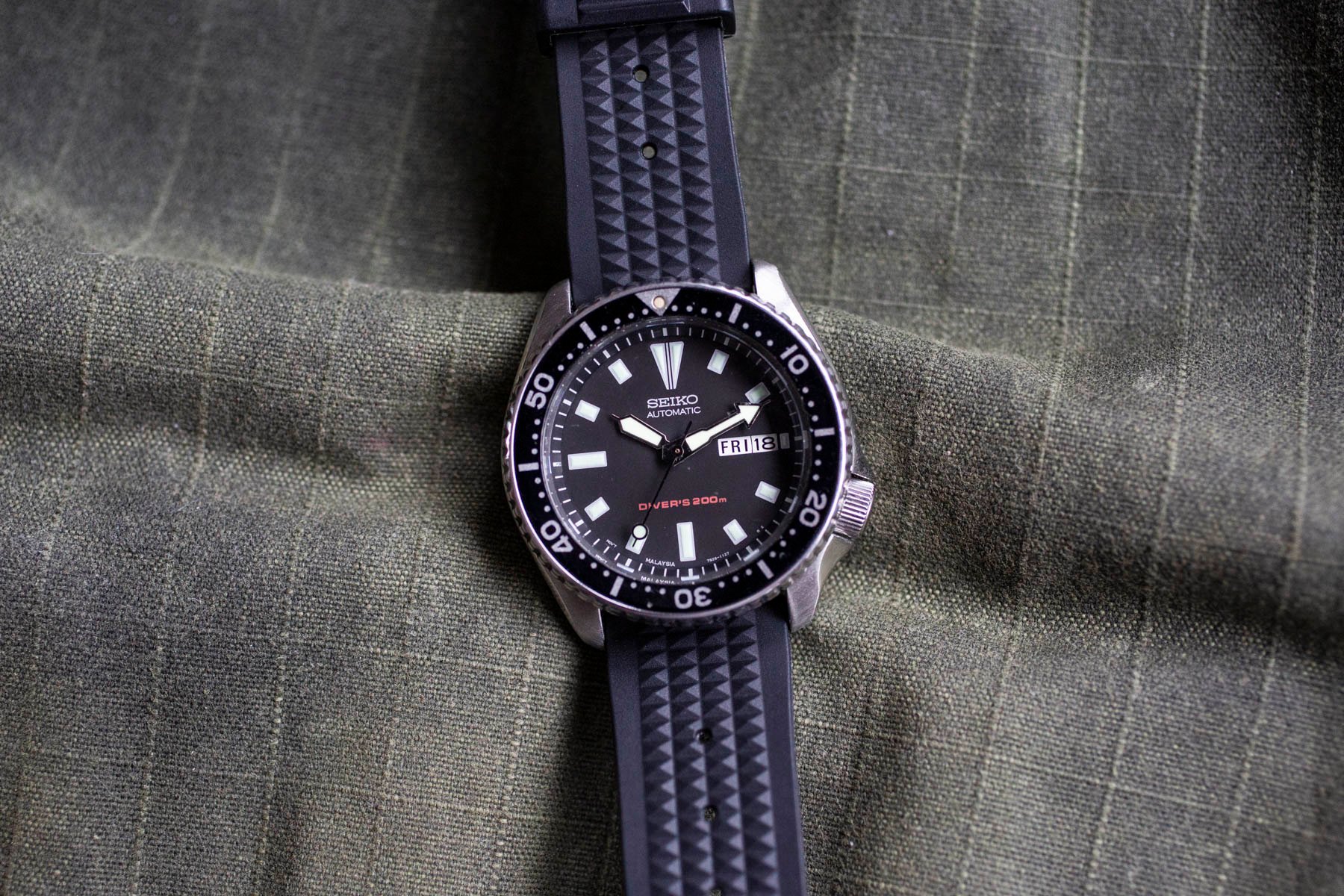
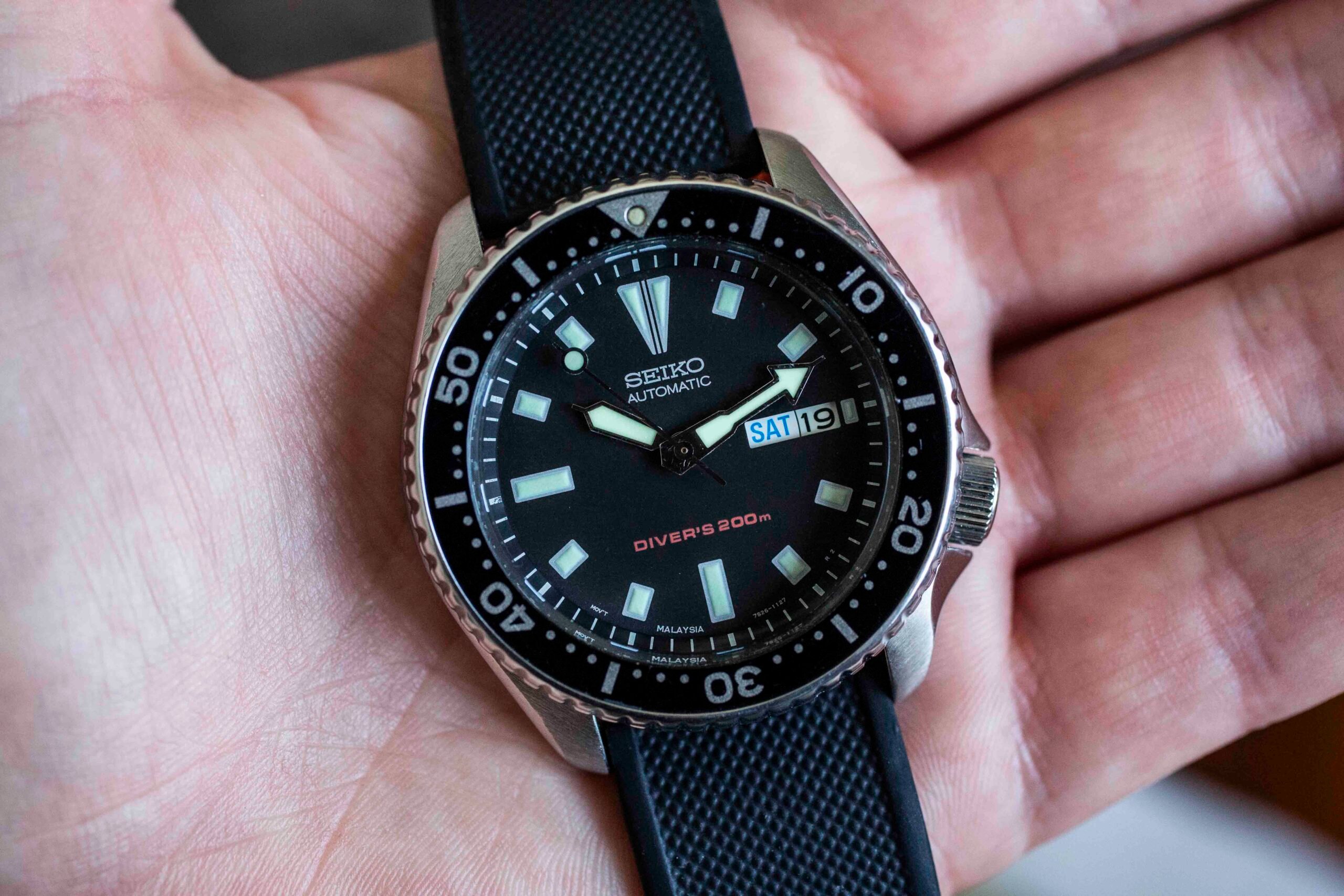
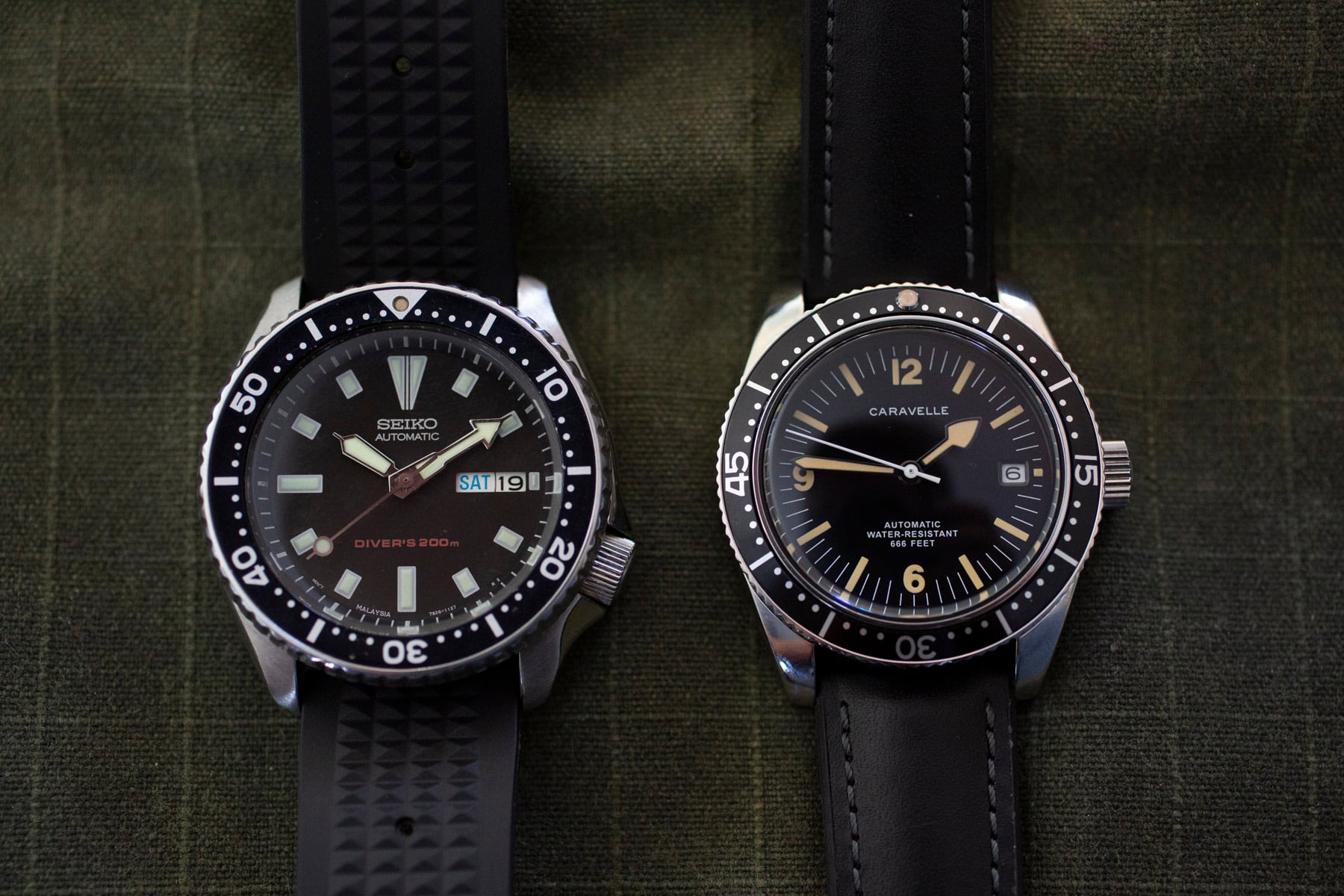
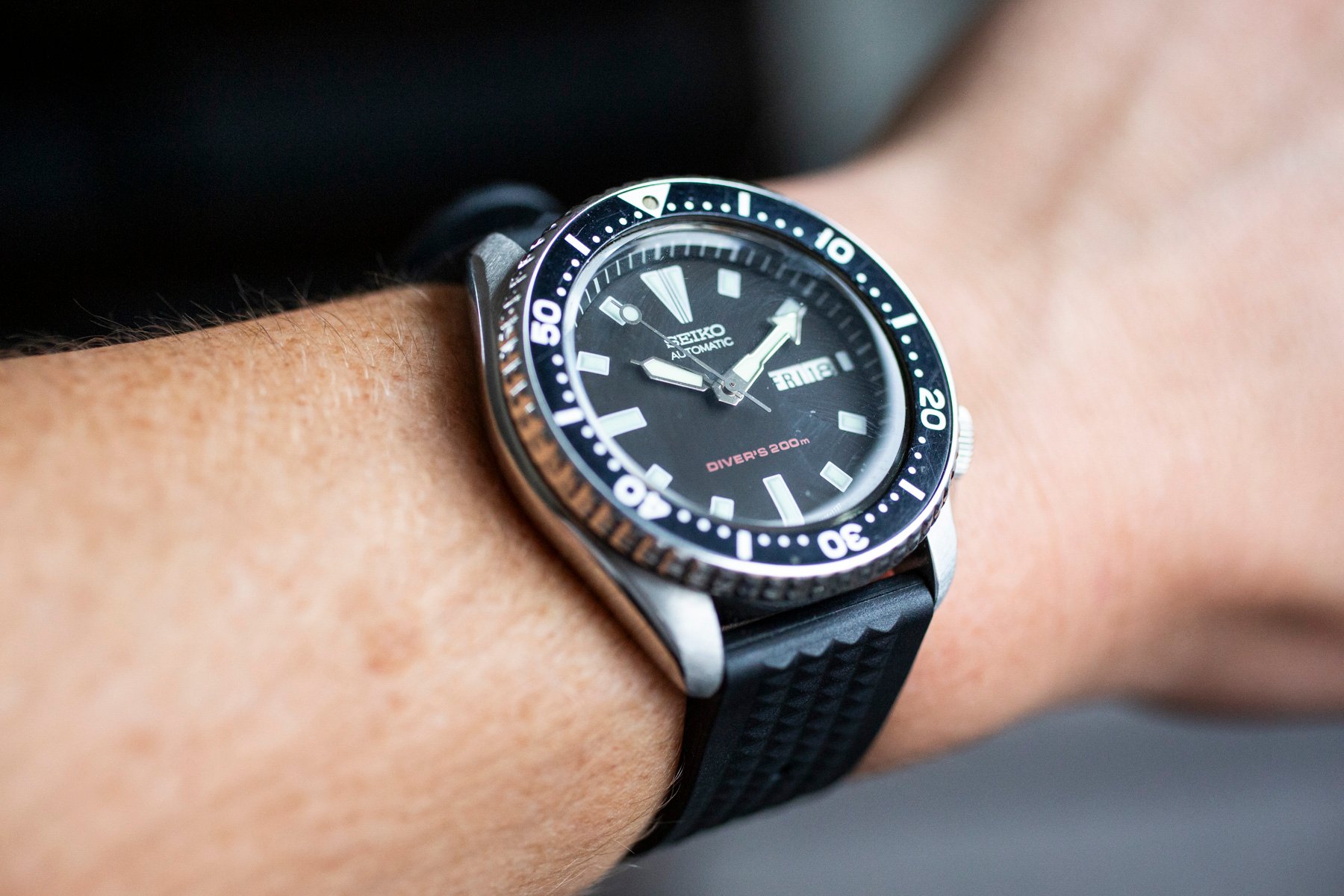
Let’s start with the SKX I am looking at today. You see, rather than go for an SKX007/009, I went for the SKX173 because of its dial, which features rectangular markers, providing a nice nod to the preceding 7002 series. The lume pip on the end of the seconds hand is also a nice bonus touch (as opposed to being on the opposite side with the SKX007/009).
The SKX173 is, in all measurable terms, a near-identical twin to the SKX007. It has the same 42mm stainless steel case, the same 13mm thickness, the same 20mm lug spacing. It also houses the same Seiko 7S26 shake-and-bake automatic movement, a 21-jewel workhorse running at 21,600 vph with roughly 40 hours of power reserve and no hacking seconds. The 200m water resistance, screw-down crown, and unidirectional rotating bezel remain identical, as does the Hardlex crystal, a detail the community both complains about and cherishes as part of the character. What separates the SKX173 is its dial.
Whereas the SKX007 has circular lume plots that have become so familiar they border on generic, the SKX173 takes a different approach with rectangular markers and a tall, narrow trapezoidal index at 12 o’clock that invokes a more military-watch-inspired aesthetic. It gives the watch a lineage that reaches back further, toward the 6105 and Seiko’s proper tool-watch era, before the brand started worrying about what Western markets wanted and simply built watches that worked.
An enchantingly quirky dial
The dial reads almost like a deep gray rather than pure black, with markings and hands in white and a light green hue, a pop of orange appearing only in the “Diver’s 200m” text at the bottom. Argue with me if you like, but it has a better-looking dial than the SKX007. The 7S26 inside, however, is not a movement that will win any precision awards.
You can expect an accuracy range of roughly -20 to +40 seconds per day, which is about standard for this type of movement. The caliber does not offer hacking seconds or manual winding. It will, however, keep ticking through decades of abuse, and that is precisely the point. The SKX173 was never meant to be coddled. It is a tool watch dressed as a tool watch, which is rarer than it sounds.
The Seiko SKX007
The gateway watch
This is the part I want to dwell on because it matters more than any spec comparison ever could. The SKX line served a function in this hobby that goes beyond telling the time. It was the watch new enthusiasts bought because they wanted a “real” automatic diver but could not yet justify or afford anything further up the food chain. It was an honest watch at an honest price, and it asked nothing of those who wore it except that they kept doing so.
You could take it diving, wear it to the office, swap the rubber strap for a NATO in five minutes, and spend the rest of the year reading about the watch community that gathered around it. Modding communities formed. Online forums became filled with SKX owners comparing lug-to-lug measurements and discussing chapter-ring patina. The watch became a culture.
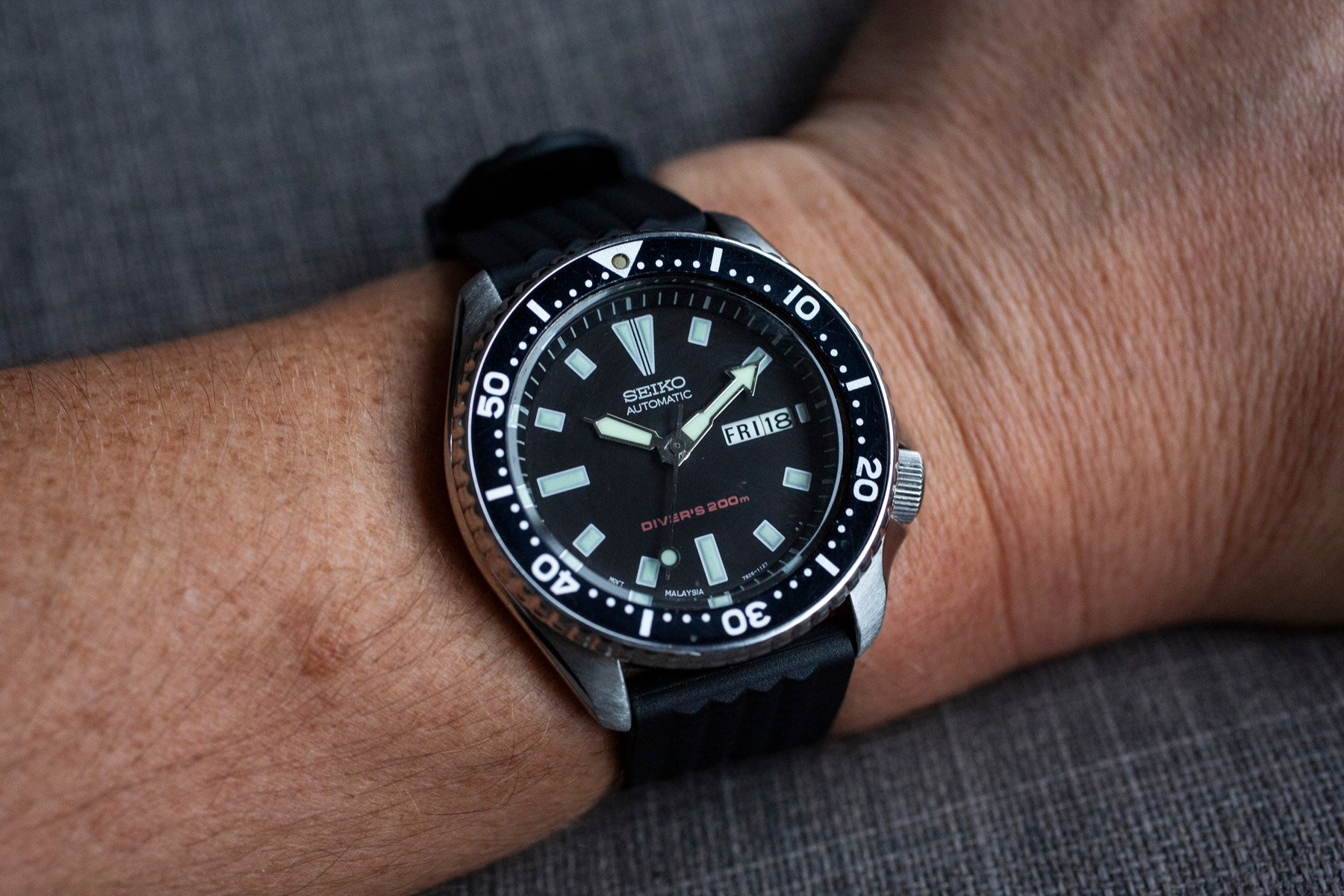
And then Seiko discontinued it. The SKX is dead; it will not come back. Seiko has moved on to the 5 Sports line, which offers more dial variety, and in the SKX Sports Style range, a nod to the original aesthetic but with 100m water resistance and a different feel. The soul of the thing is different. It is more modern, more polished, and consequently less interesting as a gateway watch.
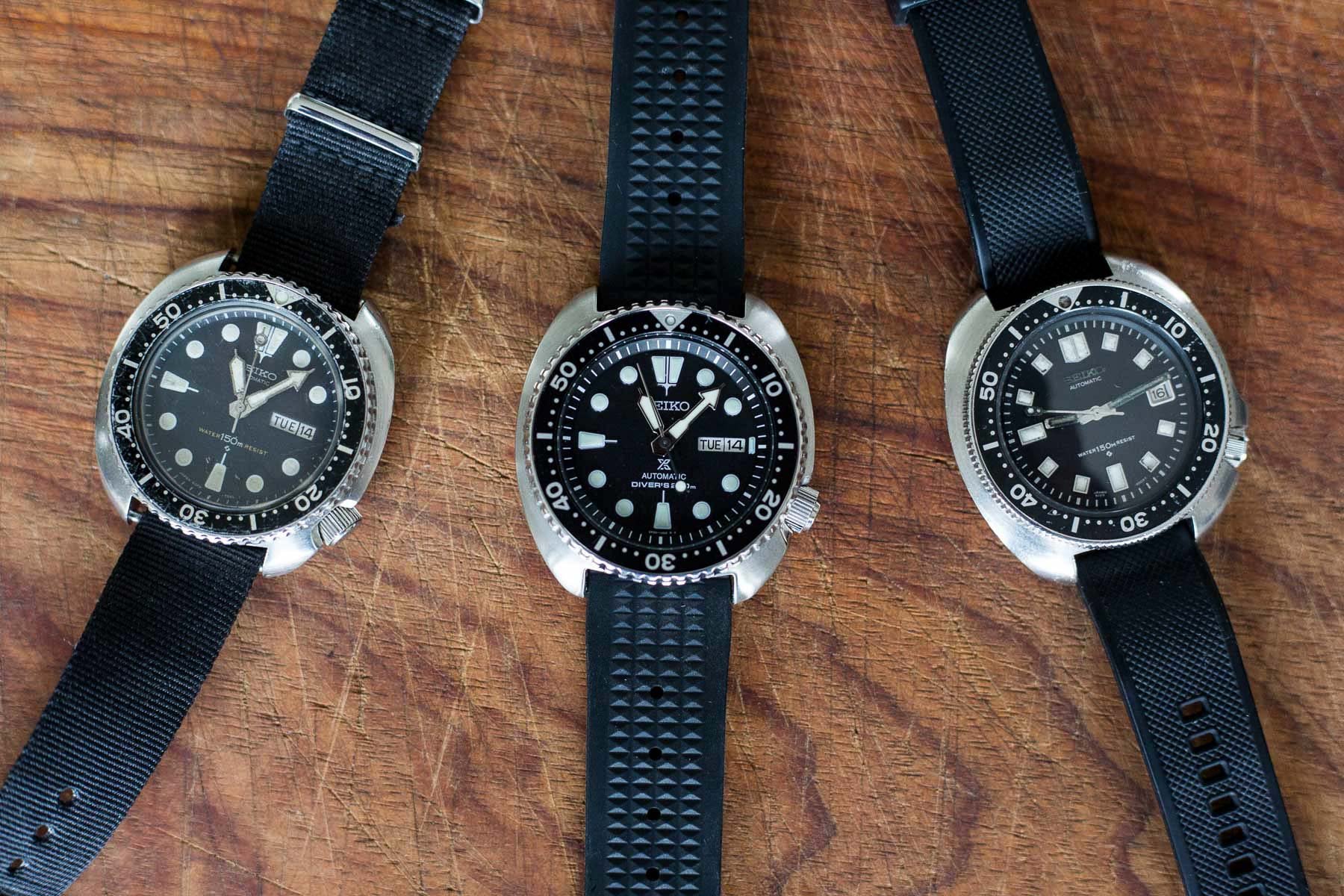
How the Seiko Turtle has taken over the role of the SKX
When Seiko discontinued the SKX line and brought out a similar watch design with the Seiko 5, it was a de-specced version. Gone were the screw-down crown and 200m water resistance. Thus, the Seiko Turtle overtook SKX’s role as the mainstay affordable, heritage-focused dive watch within the brand’s lineup. It has that heady mix of decent specifications, build quality, and excellent Seiko lume, plus a proper screw-down crown, and the heritage looks of the 6309 on which it is based.
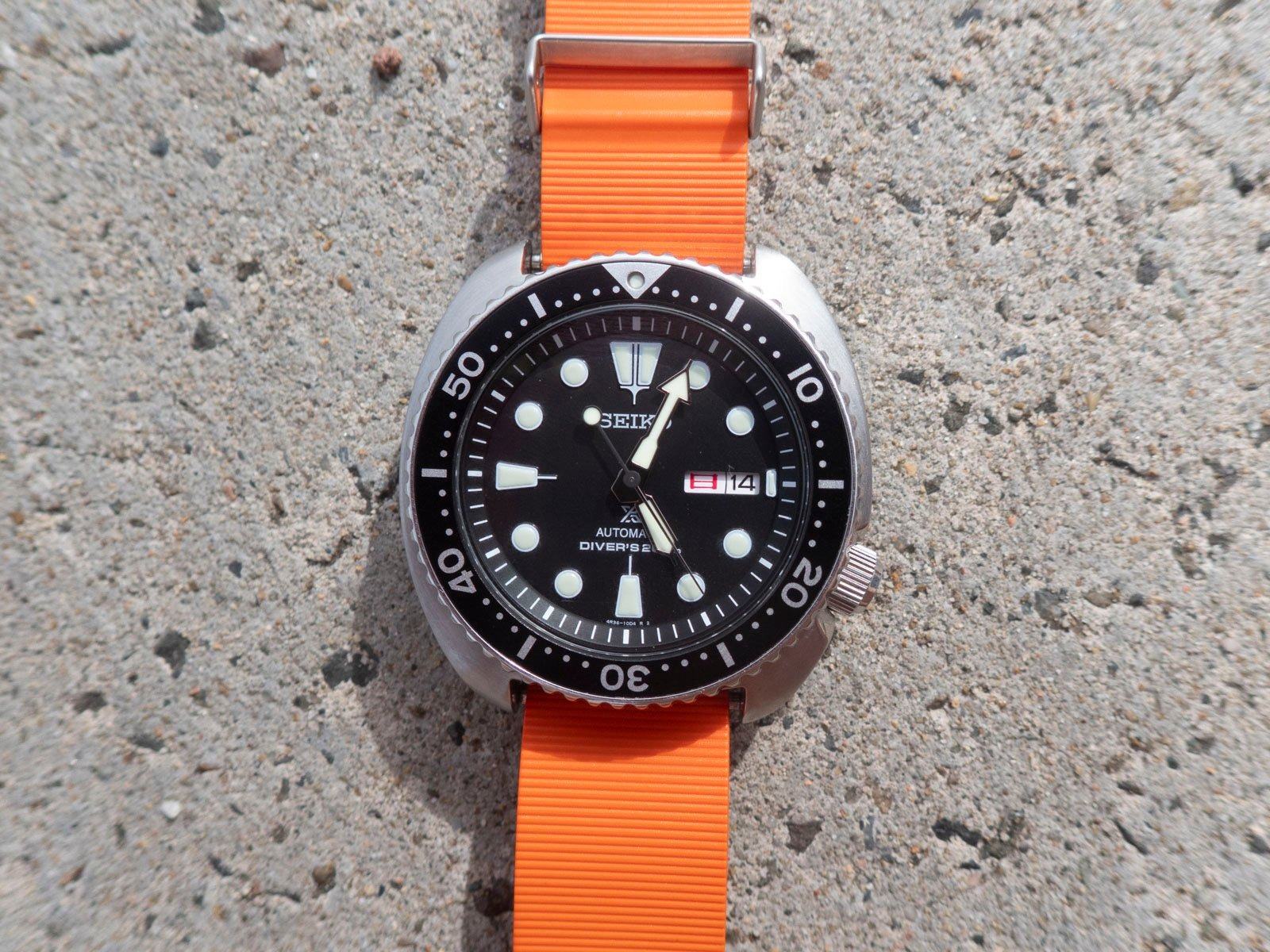
We have written multiple articles reflecting on the good design chops and value for money you get with the Seiko Turtle. This watch showcases some of the Seiko magic that has historically defined the brand as a maker of bulletproof dive watches that undercut Swiss offerings.
I believe it was Cole Pennington (ex-Hodinkee, now at Tudor) who once said that handling a Seiko Turtle was as if the Quartz Crisis never happened. By that, he meant that it was a bulletproof mechanical watch that ticked all the boxes at a justifiable price point for many folks around the world. It was a watch with serious heritage and class that so many of us could afford. Importantly, it was also a watch that hadn’t been carried away by the “luxufication” of tool watches from the 1980s onwards.
Enter the Caravelle Sea Hunter
This is where things get genuinely interesting. Bulova, through its entry-level sister brand Caravelle, which itself carries a history of affordable American-market divers from the 1960s and ’70s, has released the Sea Hunter reissue. Bulova has dusted off the Caravelle nameplate for a watch that enthusiasts actually want — a reborn Sea Hunter based on a 1969 Devil Diver reference that gained particular acclaim among vintage collectors for its aesthetically pleasing design and 666-foot depth rating.
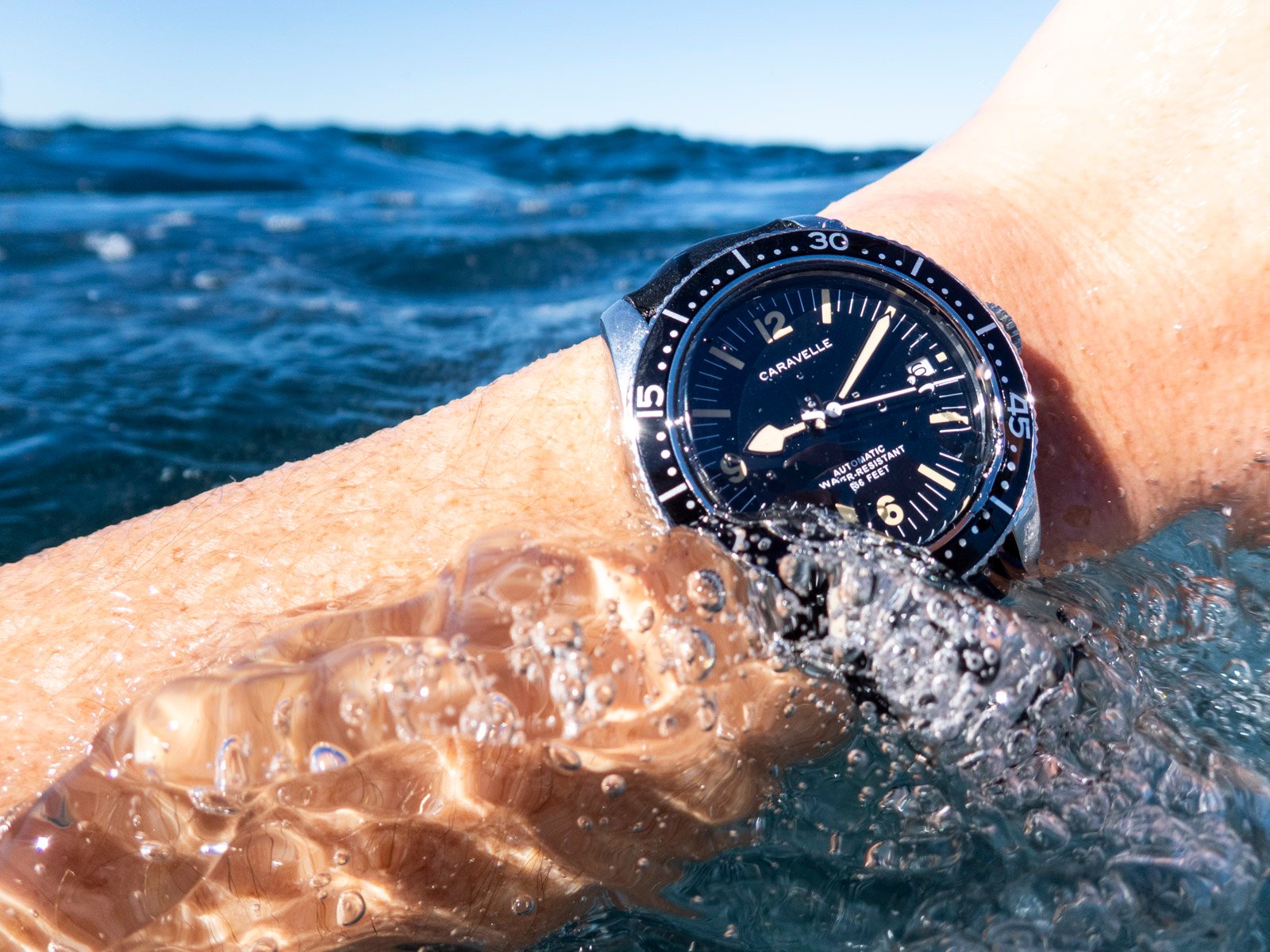
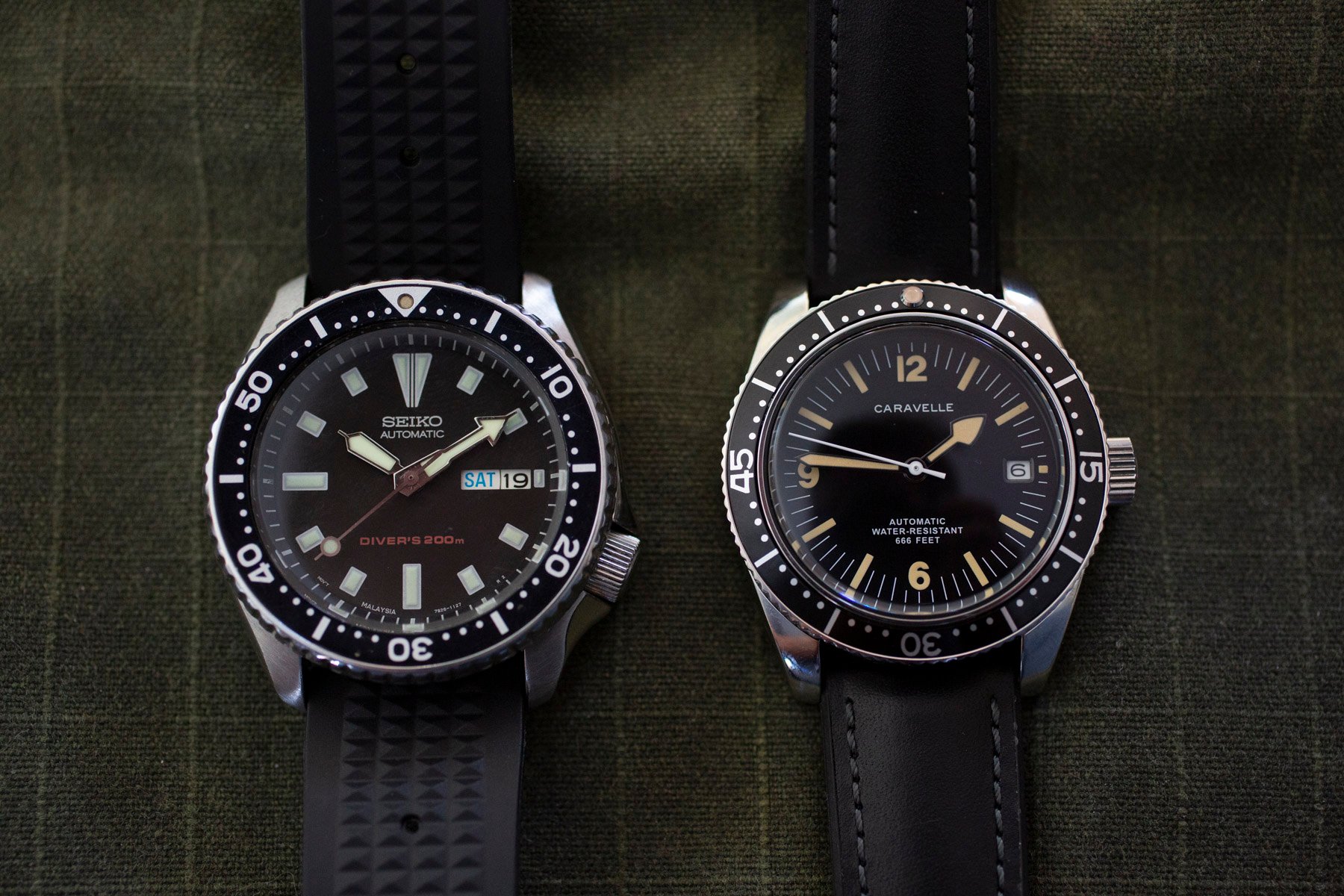
The design hits familiar notes right away — black dial, oversized minute track, retro Arabic numerals at 12, 6, and 9, all feeling plucked straight out of the late ’60s. Caravelle kept the quirky handset intact, with the spade-tipped hour hand and sword-shaped minute hand looking just as sharp now as they did in old catalog scans. The aged lume treatment is a choice that will divide opinion, but I find it gives the dial a lived-in quality. This is not a fashion watch pretending to have patina. It is a historically grounded design that happens to look good wearing its age on its sleeve. Nevertheless, as is always the case when I encounter designs with tan lume, I would still prefer to have stark white lume here.
Proportions brought up to date
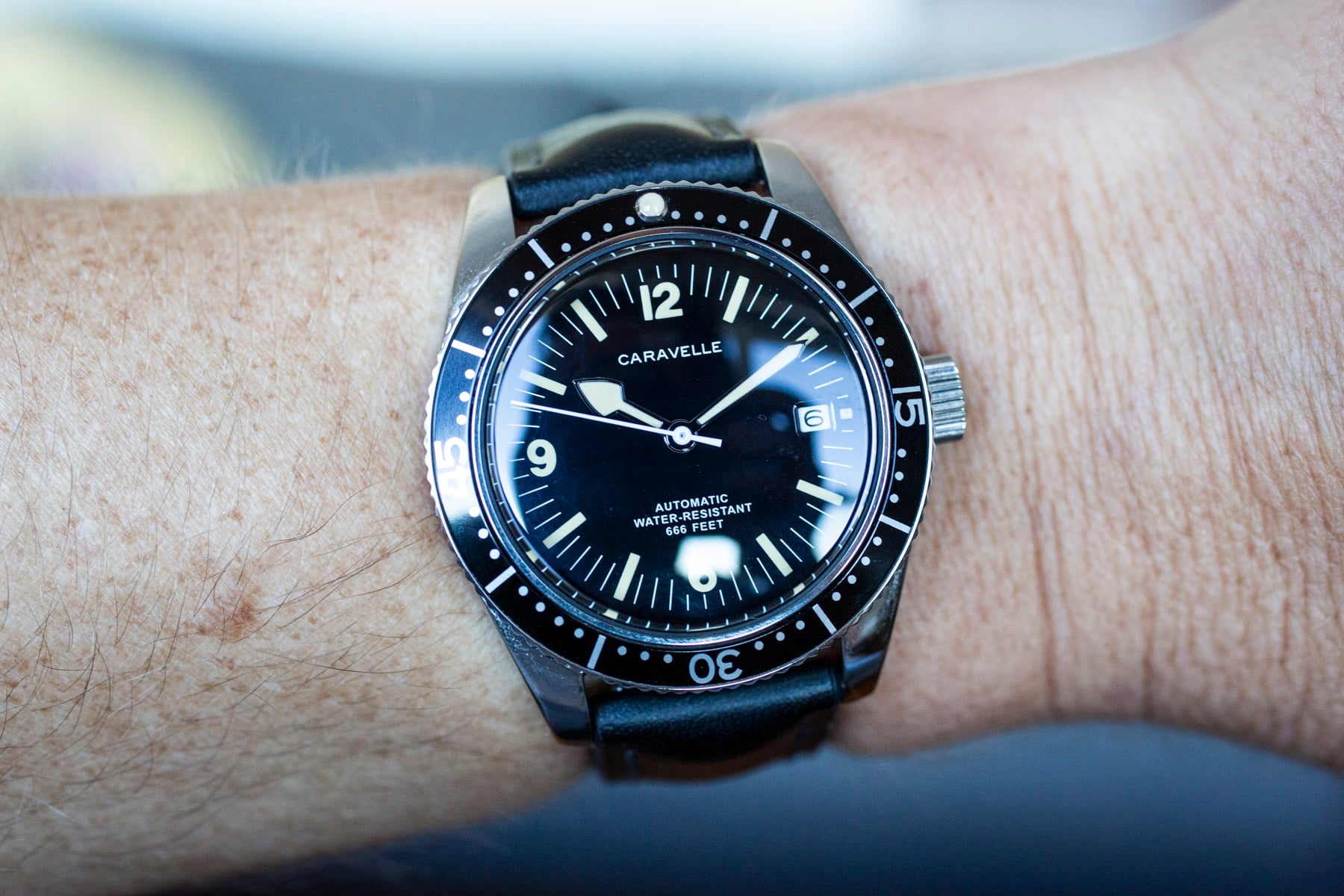
With a 39mm diameter, the Sea Hunter undercuts the SKX173 in case size, making it arguably more wearable on a wider range of wrists. The specs are solid, including a 21-jewel Miyota 8215 automatic movement with hacking seconds, a date indicator, and a 42-hour power reserve. Accuracy is rated at -20 to +40 seconds per day. Crucially, unlike the old 7S26 movement in the SKX series, it hacks; you can stop the seconds hand to set the time precisely, which is a small but meaningful upgrade for a watch in this category. In many ways, the Sea Hunter fits the same bill as the beloved yet discontinued Seiko SKX. They carry similar movement specifications, though the Sea Hunter has slightly better accuracy and offers hacking. One thing I should say about the size of the SKX is that it wears smaller, so they roughly feel the same in this regard.
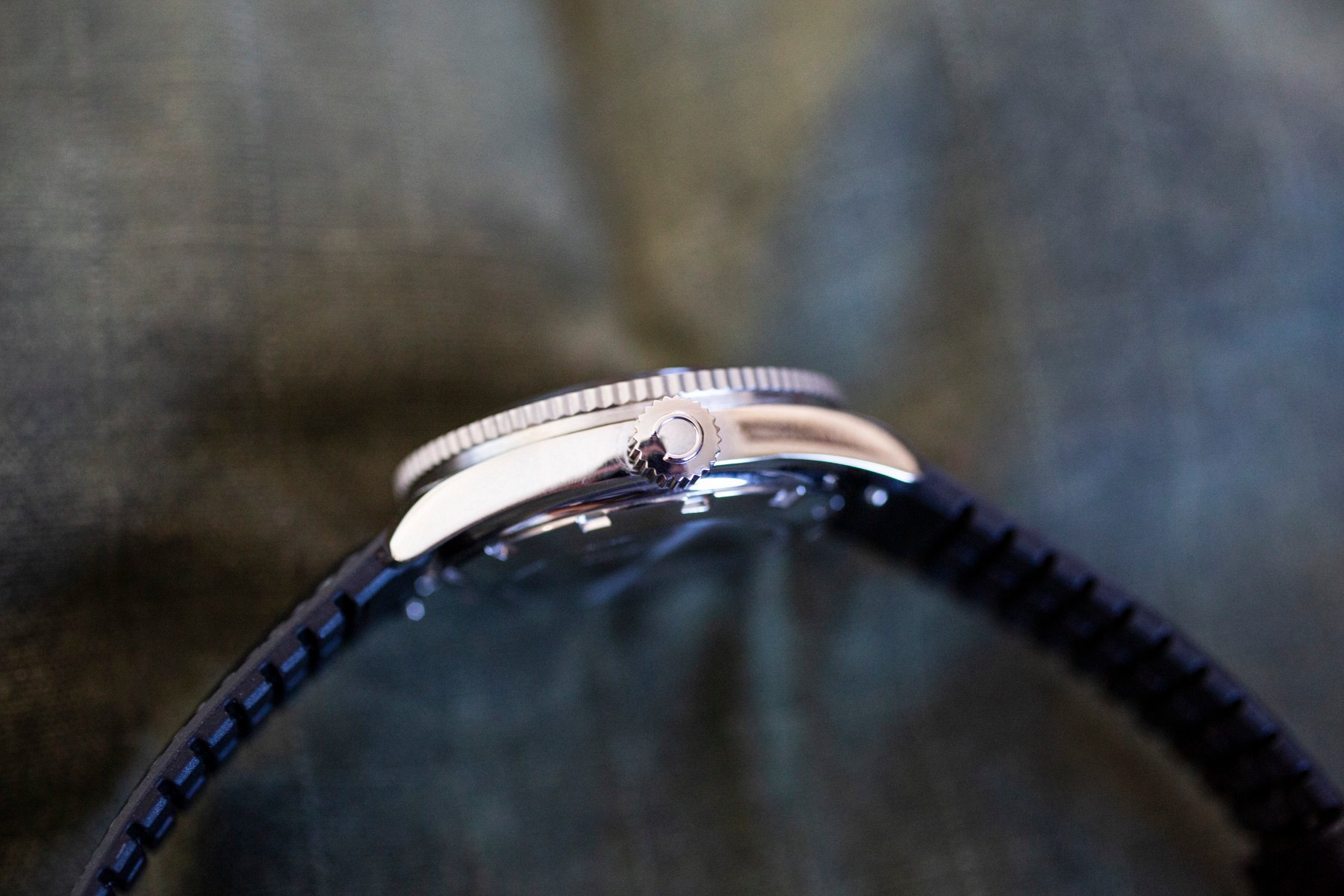
Since Bulova and Caravelle are now owned by the Citizen Group, their most affordable automatic watches are powered by Citizen’s Asian-made Miyota movements. Indeed, the 8215 is not Swiss, but it is dependable, easy to service, and, at the Sea Hunter’s price point, entirely appropriate. For US$375, you get a 39mm automatic dive watch with a great design, real history, legit specs, and the kind of wearability most reissues miss by a mile. That positions it within a few dozen dollars of what the SKX173 fetched before discontinuation and squarely in the territory where gateway-drug watches live. Oh, and that retail price is usually more like US$280–300. My particular example cost roughly US$310, including shipping from the United States to my door in Australia, which I feel is quite reasonable.
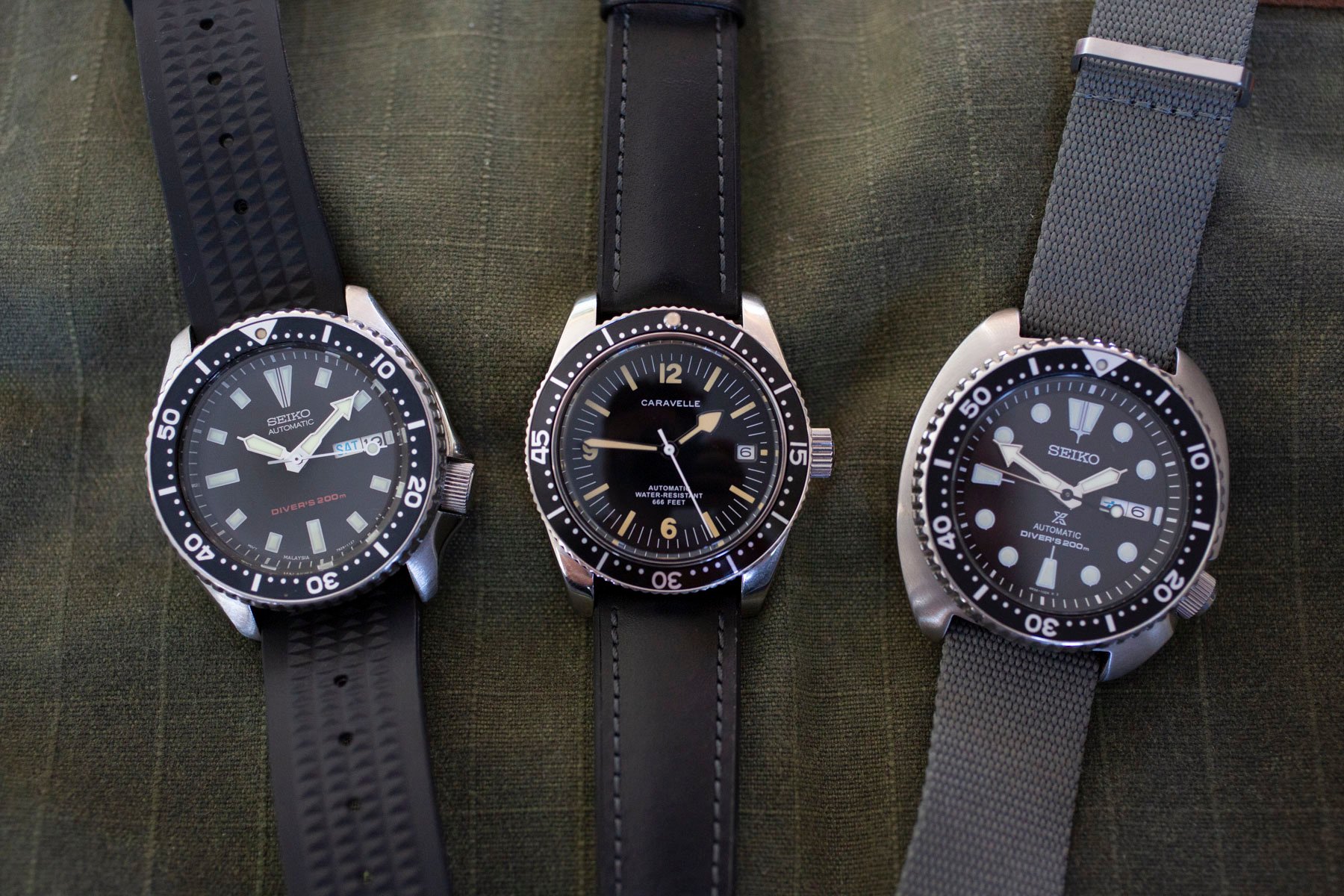
The problem no one wants to talk about
And yet, there is a caveat I must point out, as the Sea Hunter’s viability as the SKX’s spiritual successor depends entirely on something Caravelle cannot control through design alone — distribution. Part of what made the SKX so effective as a gateway watch was ubiquity. You could find it at any authorized Seiko retailer, order it from any major online watch retailer, and pick it up in department stores across multiple continents. It was everywhere. When new enthusiasts came along and asked where to buy their first serious diver, the answer was easy and universal. The SKX had mindshare because it had shelf space. The Sea Hunter is set for sale through Bulova’s website and a range of authorized dealers, including Amazon, Kay Jewelers, and Worn & Wound’s Windup Watch Shop. That is a respectable start, but it’s nowhere near the reach that Seiko had with the SKX series.
But the questions of how deeply it will penetrate the broader retail ecosystem, whether it’ll end up in independent watch boutiques alongside Seiko’s current offerings, if it’ll build a community of owners who can compare notes and recommend it to newcomers, and whether it has staying power or will quietly disappear after the initial enthusiast wave remain genuinely open. Caravelle was originally an entry-level feeder to Bulova, and it still is today, which means the brand lacks the institutional weight that Seiko carries into any conversation about affordable automatic watches.
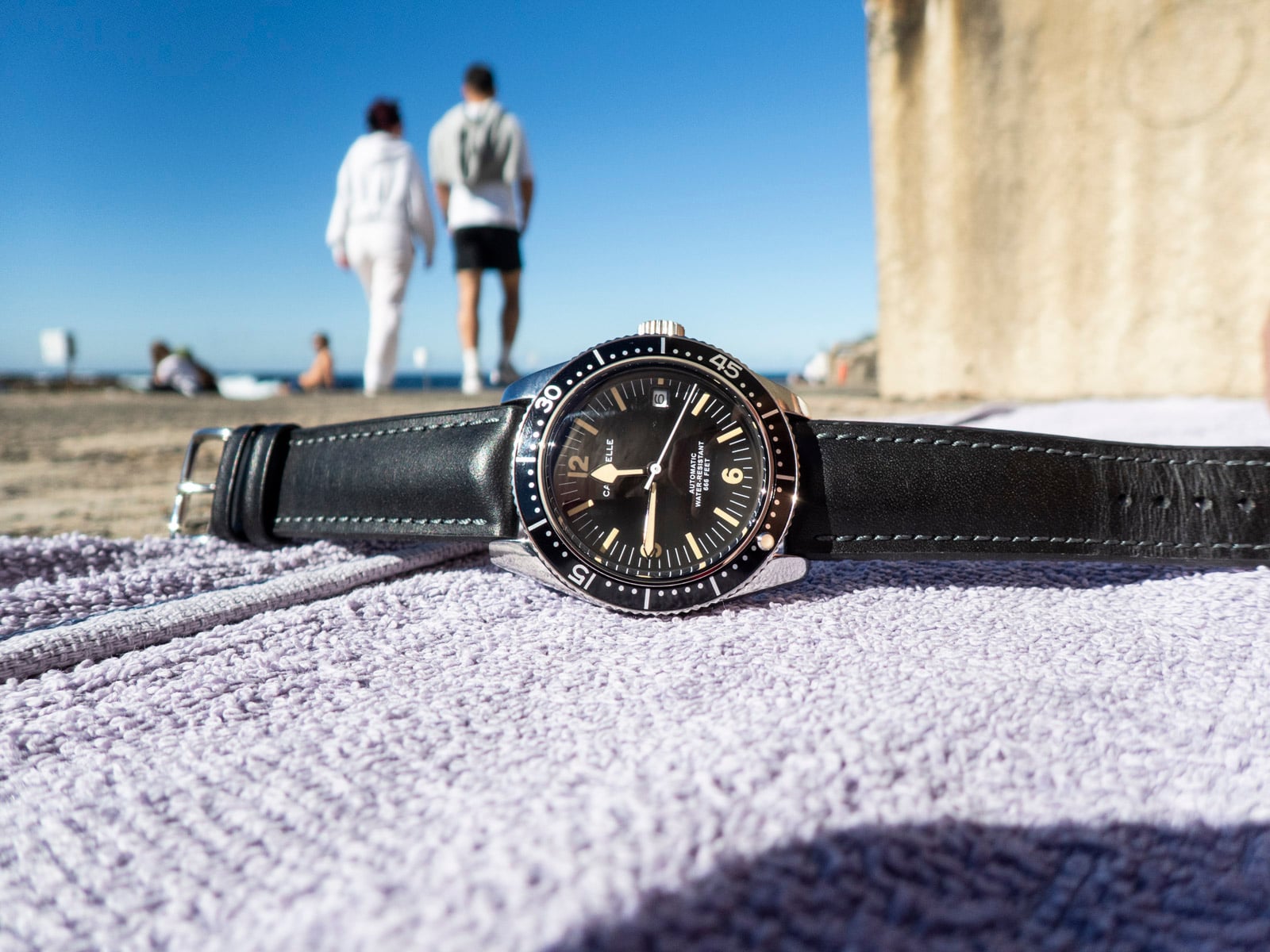
The Seiko SKX was attainable all around the world
The SKX173 never needed to be marketed. It sold itself through forum posts, YouTube comparisons, and the simple fact that it existed in the right place, at the right price, and at the right time for years. The Sea Hunter has arrived with considerable enthusiasm on watch forums and other online places where enthusiasts congregate. Can it sustain that enthusiasm and get enough distribution to reach regular, non-watch-obsessed people? Those factors will determine whether Caravelle has genuinely reclaimed something or merely produced a very nice watch that collectors will admire and then move on from.
I want it to be the former. The Sea Hunter is the right watch with the right story at the right price. It just needs to show up everywhere the SKX used to be.
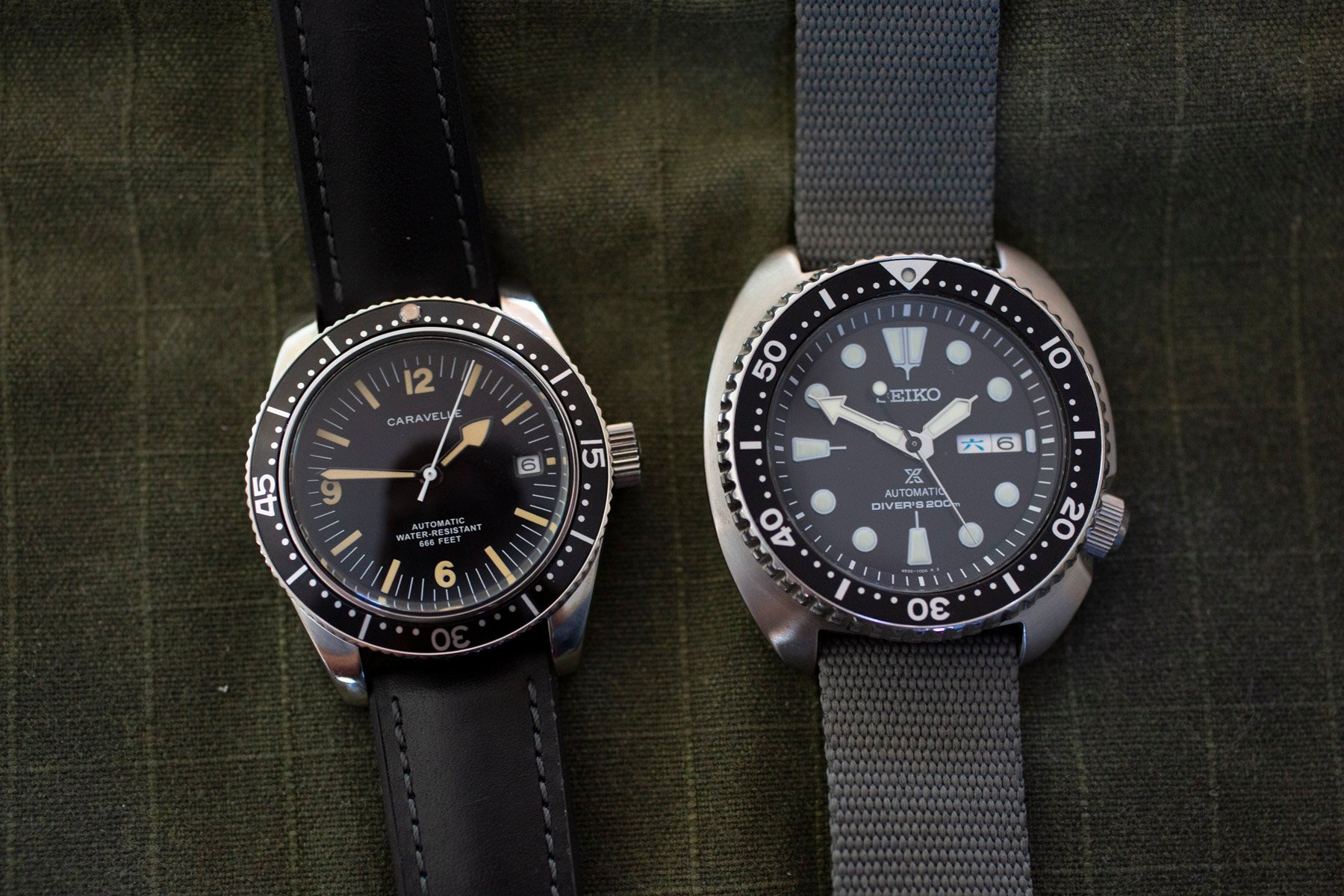
The Seiko Turtle SRPE93 vs. the Caravelle Sea Hunter by Bulova
As I mentioned earlier, with the discontinuation of the SKX line and the introduction of “SKX lite” watches in the Seiko 5 line, the Turtle has effectively taken over the SKX’s role. It matches the SKX with heritage and design, given that it is a re-edition of a Seiko classic, the 6309. Slightly more expensive than the SKX, the Seiko Turtle brought with it the upgraded 4R36 caliber, which had hacking and a beefier case construction. I would argue that it would form the natural spiritual competitor to the Caravelle in the modern market. Both can be found for similar prices, though the Caravelle’s pricing on watch websites seems to undercut the Seiko by around US$50–100.
Owning both the Caravelle Sea Hunter and the Seiko Turtle, I can see they are of similar build quality. However, the Seiko definitely wins on the lume front. The bezel action is also better. I would give higher marks to the Seiko Turtle for build quality, as it just seems a little more robust than the Caravelle Sea Hunter. Where the latter wins out is sheer versatility. The Sea Hunter would look just as perfectly at home on your wrist during a fancy dinner out as it would strapped over a wetsuit while you bodyboard waves off the Pacific coast. This is the Caravelle’s biggest trump card.
Concluding thoughts
This all boils down to what you’re after. The Caravelle Sea Hunter feels like a watch designed with enthusiasts in mind. While enthusiasts constitute a small portion of the market, they are influential. The Seiko SKX’s success was partly buoyed by the fact that enthusiasts adopted it as a default recommendation to their friends as a solid starter watch. Today, the Seiko Turtle frequently tops that list and, in that sense, forms the spiritual successor to the SKX line.
If the Caravelle Sea Hunter becomes more widely available beyond the US market, I can envision it eventually replacing the Seiko Turtle as the first recommendation enthusiasts make to their friends. It looks sufficiently classy and has good-enough specifications to back that up. This watch appeals to us enthusiasts to the point where we could freely recommend it to a non-enthusiast friend as a one-and-done mechanical sports watch. That friend could wear it out in any setting, look down, see the design from the late 1960s, and smile. Surely, that’s a good thing. Bravo, Caravelle/Bulova/Citizen. But what do you think, Fratelli? Could this watch ever rival the role that the SKX has played in our hobby? Let me know in the comments.