Three Times Tudor Got The Design Brief Completely Right

After writing about Tudor’s habit of arriving at a genuinely excellent design and then quietly undercutting it, it felt only fair to go looking for counterexamples. I wanted to find watches that show Tudor committed fully, finished the thought, and ended up with something that competes on its own terms rather than gesturing at somebody else’s. It did not take long to come up with three.
This month, I wrote a thought piece that got quite a few comments. Today, I’d like to expand on that idea by examining some examples of Tudor watches that I feel have on-point designs. I would argue the Black Bay 54, the black-dial Pelagos 39, and the brand-new Monarch each solve the same underlying problem differently. None of the three softens a strong design idea or leaves an obvious flaw sitting in an otherwise great watch. These are Tudor at its most confident, and they’re worth examining precisely because they show the “design tease” problem is a habit, not a limitation.
Tudor’s unique role
This is particularly attractive as a design concept, given Tudor’s role in modern watchmaking and its traditional role. In the past, Tudor was a more attainable entry point into the world of Rolex, offering watches with Rolex cases, crowns, and case backs but third-party movements inside, which helped lower the price.
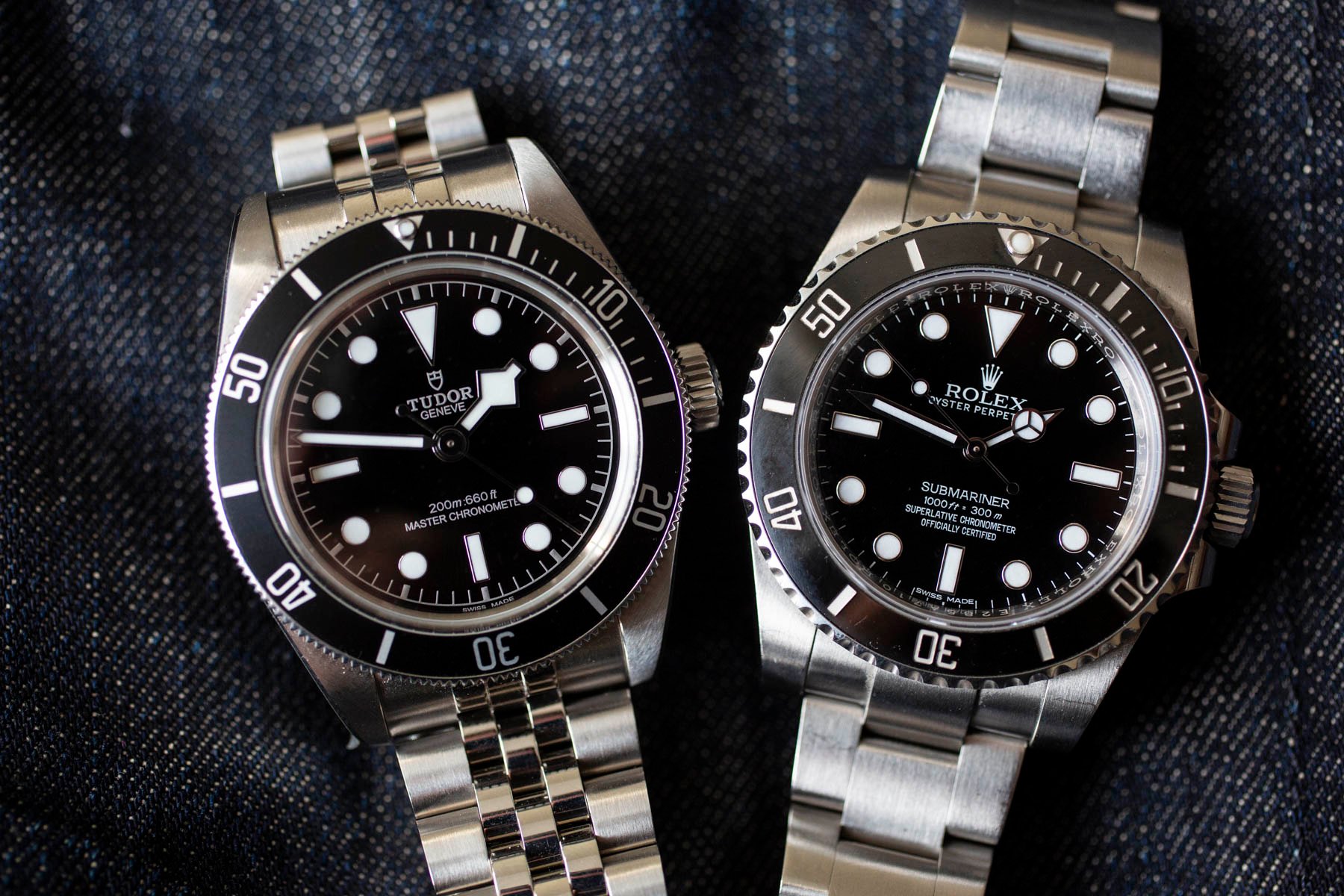
In today’s market, Tudor has continued that tradition, even if it has dropped the use of Rolex components. Nowadays, you can pick up an excellent sports watch from Tudor that provides a good amount of the Rolex charm but without some of the luxury baggage. In some cases, I would contend, you can even get a watch that surpasses a Rolex if that baggage concerns you; in other words, a Tudor can provide a better equilibrium of quality and ruggedness without some of the emotional hang-ups we can project onto Rolex. I myself am guilty of this. Yes, this notion comes from emotion rather than a cold look at specs, but there you have it.

Image: Zvonimir Svalina
The Black Bay 54’s uniquely honest size
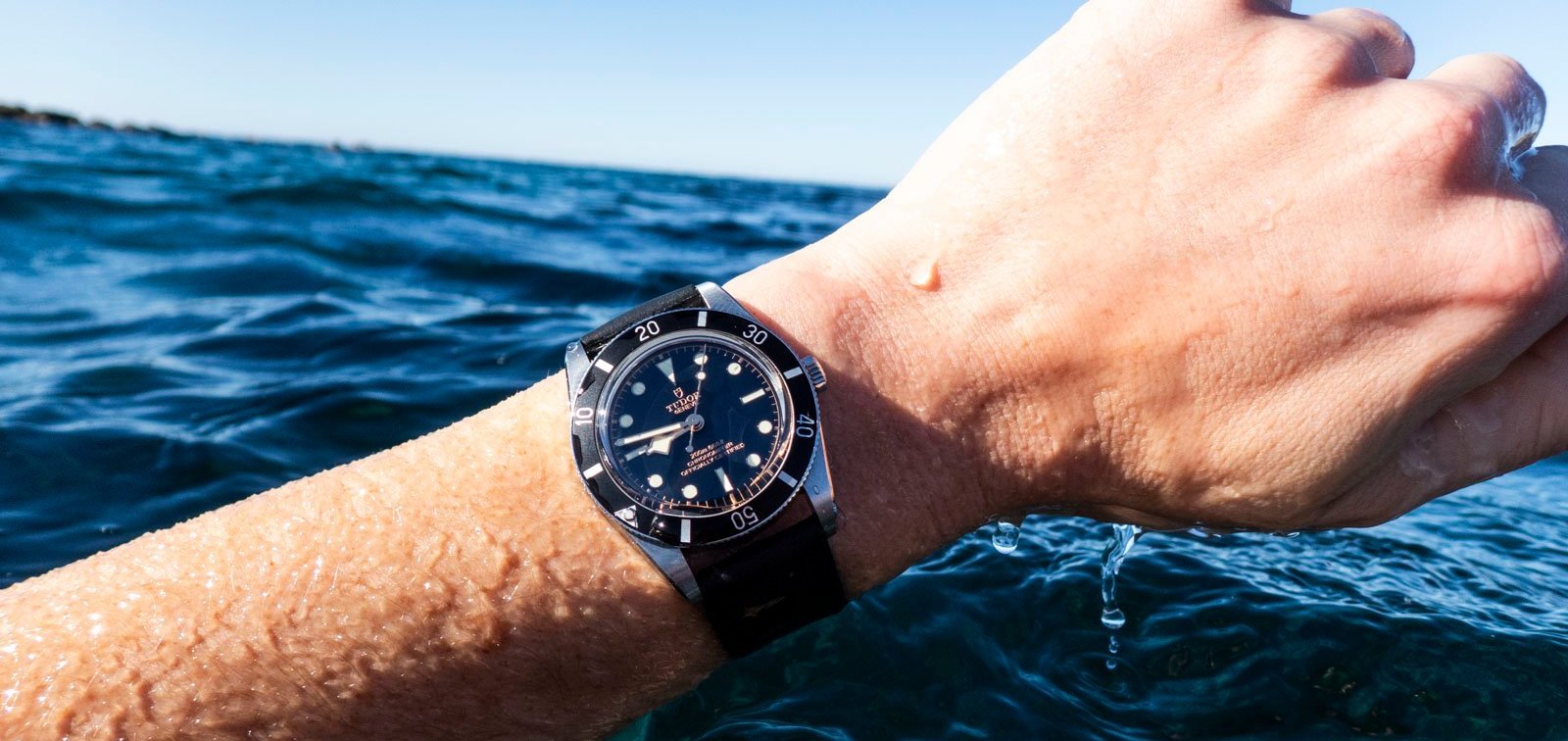
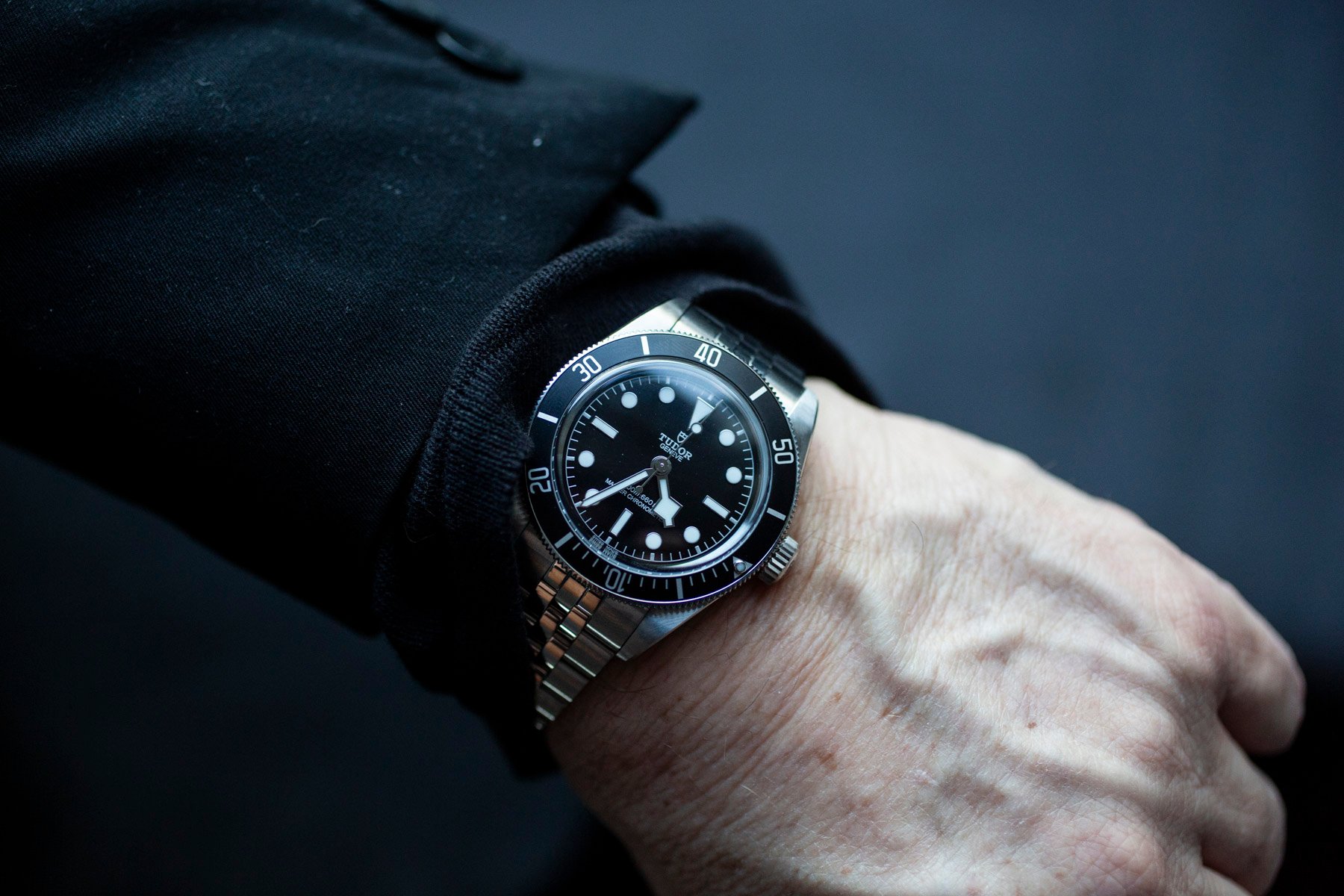
The Black Bay 54 does something genuinely rare within the Wilsdorf Foundation’s two watchmaking brands: it offers a dive watch in a size that Rolex does not. With a beautifully compact 37mm case, rebuilt around the exact proportions of Tudor’s first-ever dive watch, the 1954 reference 7922, the Black Bay 54 is the most compact watch in Tudor’s current dive lineup, and no equivalent Submariner sits anywhere near that size in Rolex’s current catalog.
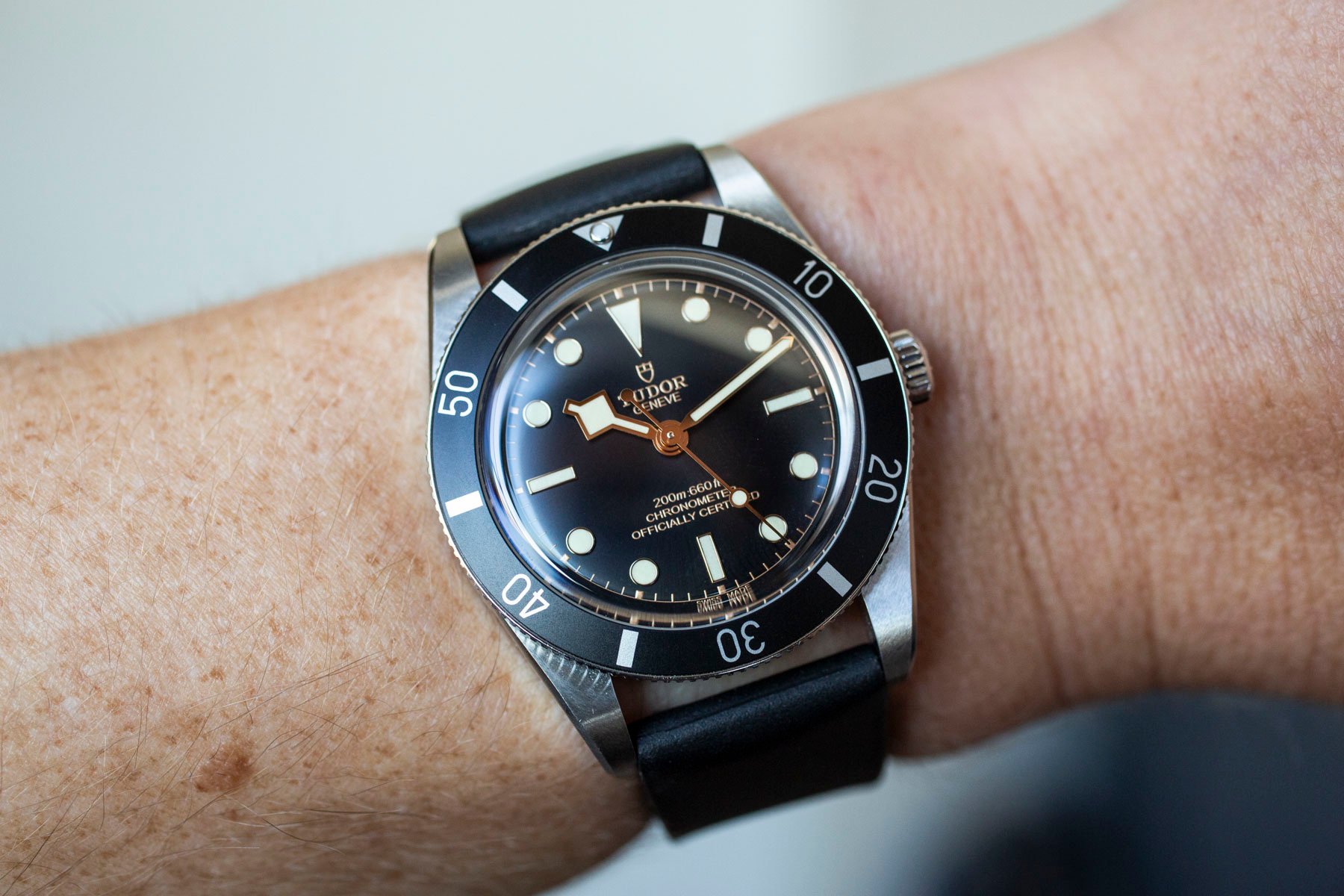
That matters because it is not a restrained or softened version of anything. The bezel eschews full graduations for the first 15 minutes, exactly as the 1954 original did, and the case retains genuinely vintage proportions rather than a modern case merely dressed in vintage styling. It still carries Tudor’s manufacture caliber MT5400 and a 200m depth rating, so nothing about the specification apologizes for the smaller size. With this watch, Tudor filled a real gap in its family’s dive-watch range instead of tiptoeing around one, and it did so without waiting to see whether Rolex might get there first.
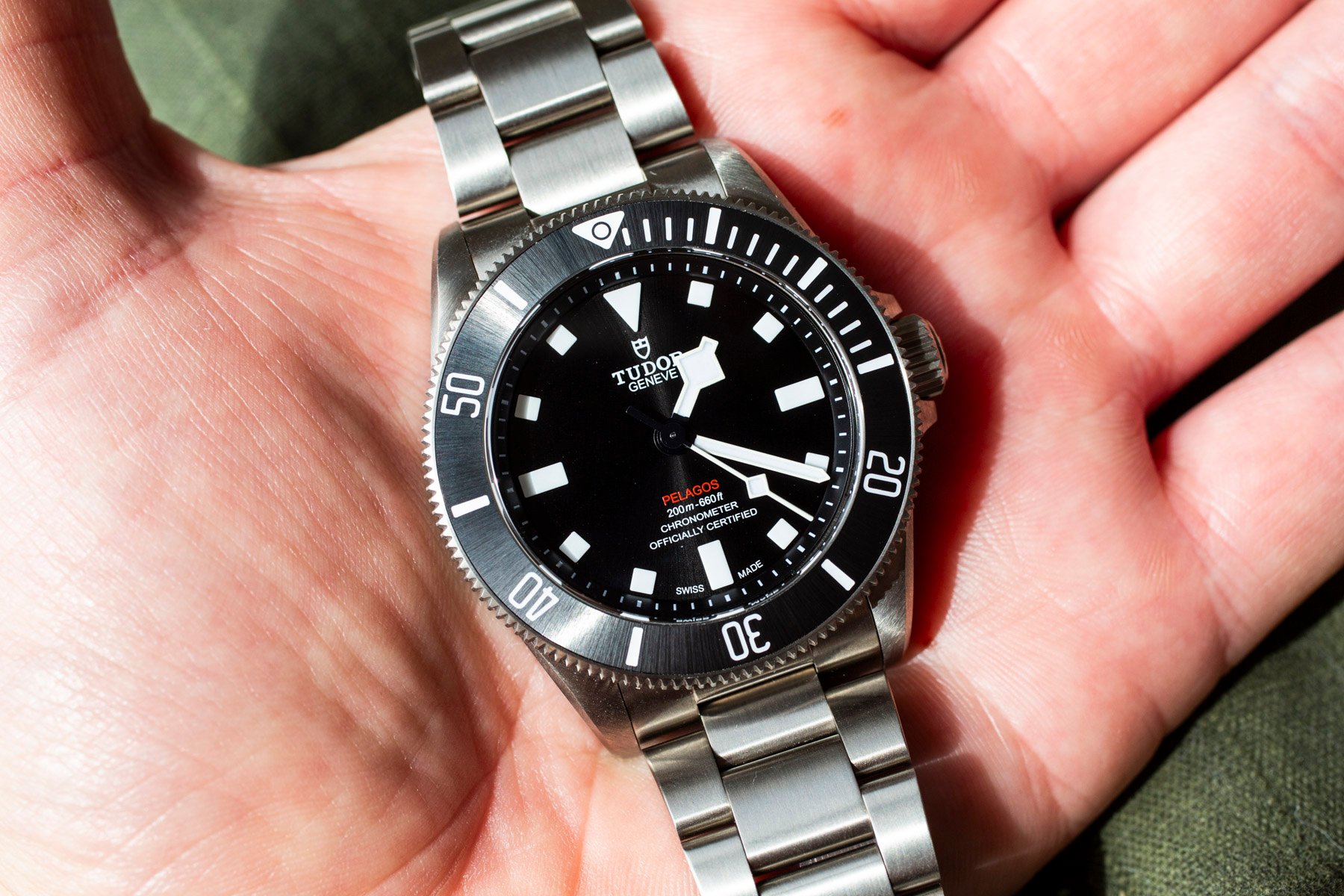
The Pelagos 39’s case built on specs, not borrowed silhouette
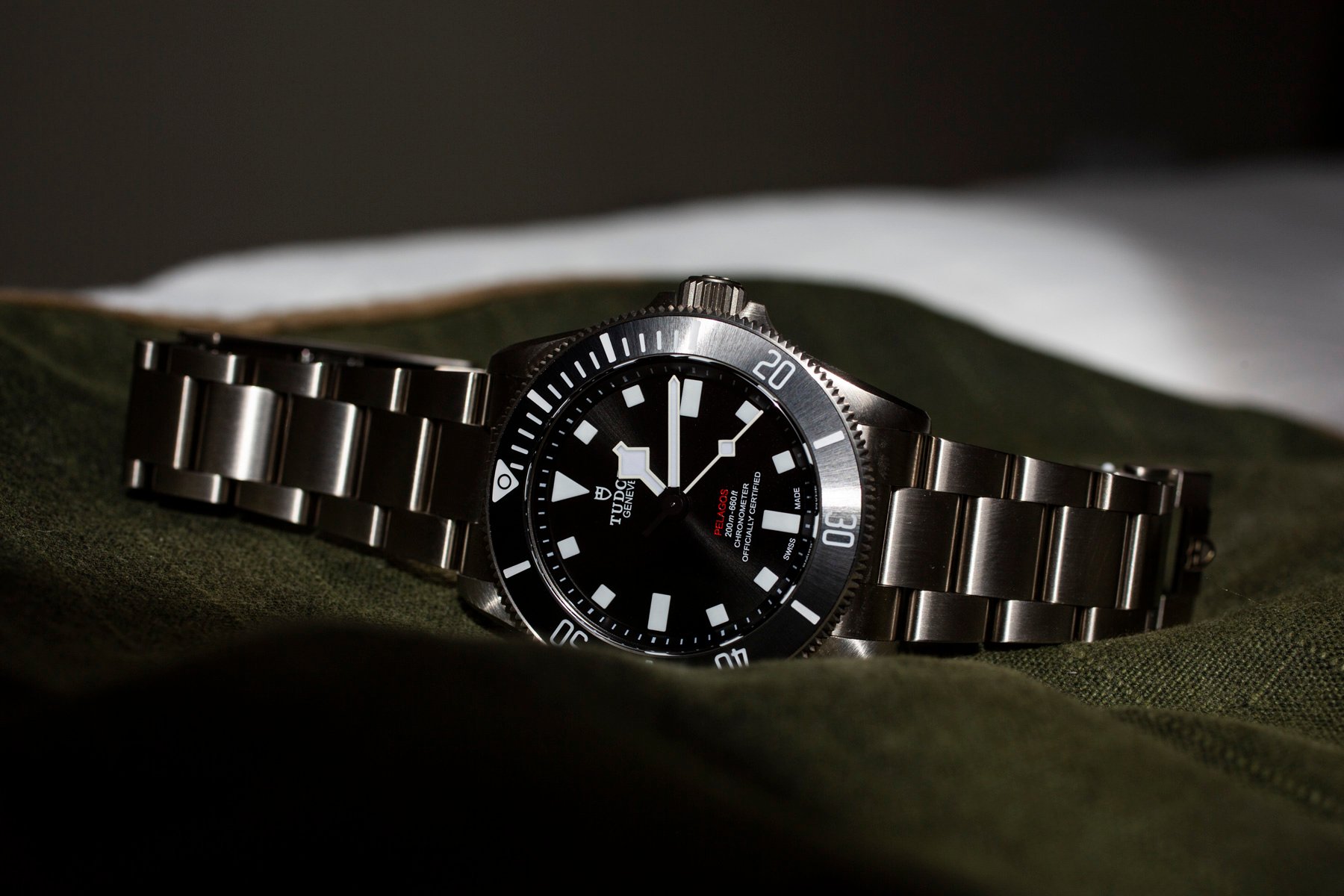
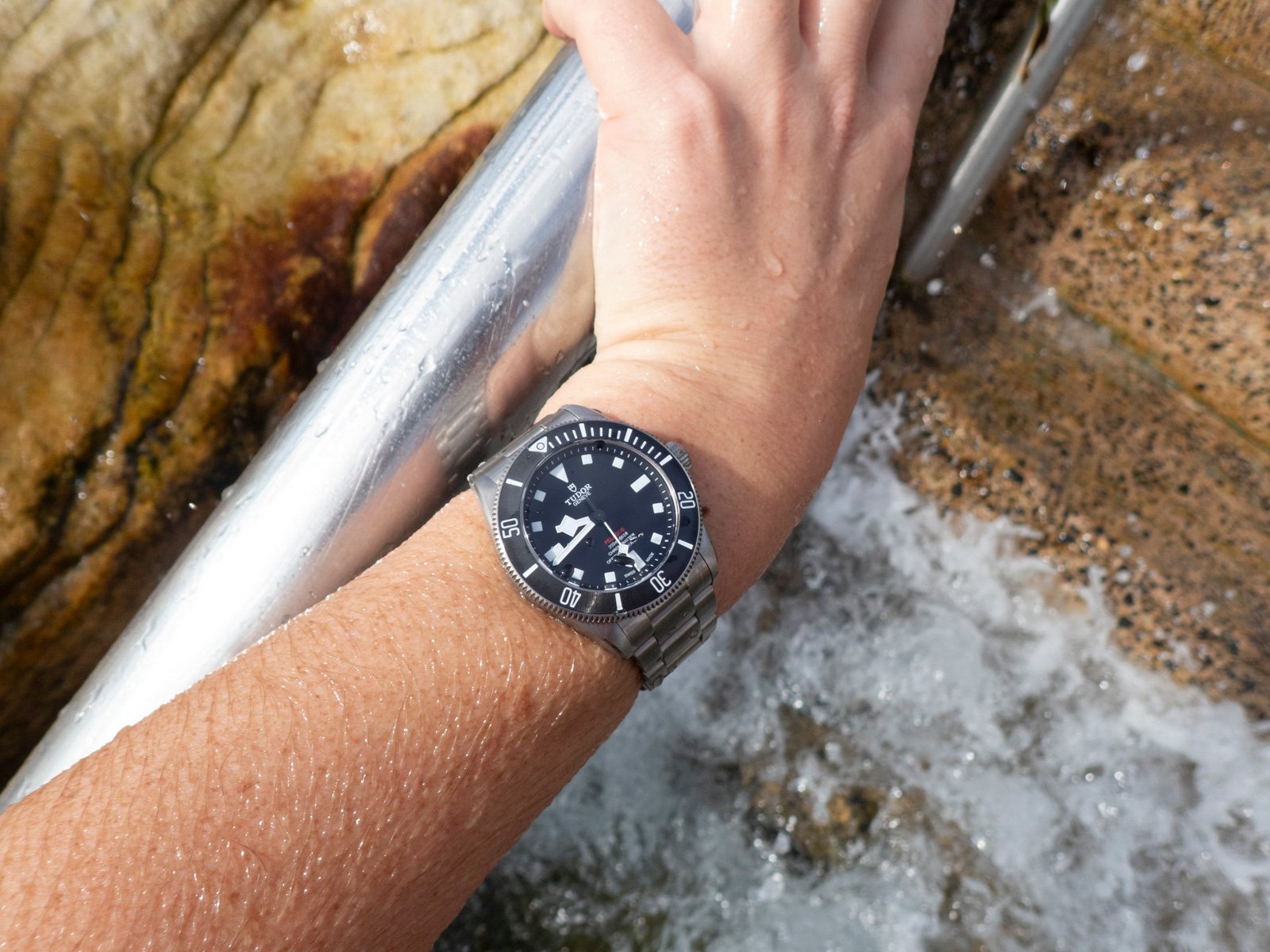
The Pelagos line has never needed to reference a Rolex diver to justify itself, and the 39mm black-dial version makes that case as clearly as anything Tudor currently sells. Its titanium case, 200m depth rating, and manufacture COSC-certified movement stand on genuinely competitive footing against the Submariner rather than gesturing toward it. This watch actually undercuts the Rolex on weight thanks to its titanium construction, something no amount of styling could fake. It is a watch built to win a spec comparison outright rather than simply survive one.
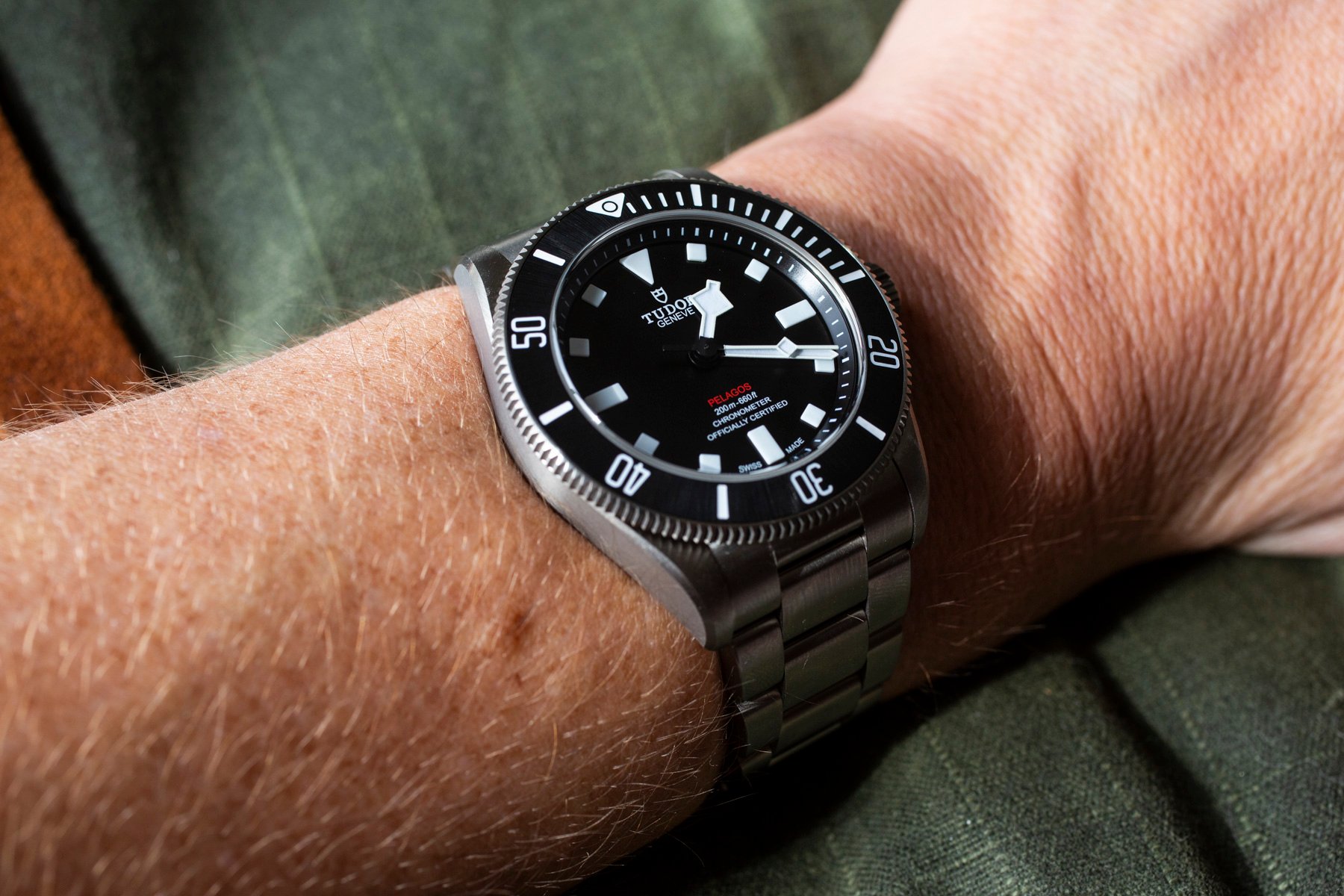
The dial is where the Pelagos 39 makes its real design statement. Rather than the mixed circular, triangular, and rectangular markers that define most classic dive watches, including the Black Bay 58, the Pelagos 39 uses distinctly modern, squared, monobloc ceramic composite hour markers that are distinctly Tudor’s. It is a dial that could not be mistaken for a Rolex at a glance, built by a brand that clearly felt no need to make it look like one. This choice reads as deliberate rather than incidental once you compare it directly against the Black Bay 58’s more vintage-leaning dial. This is Tudor being loud and proud about its unique design language and history, and I am all for it.
The Monarch: further proof that Tudor can do something special
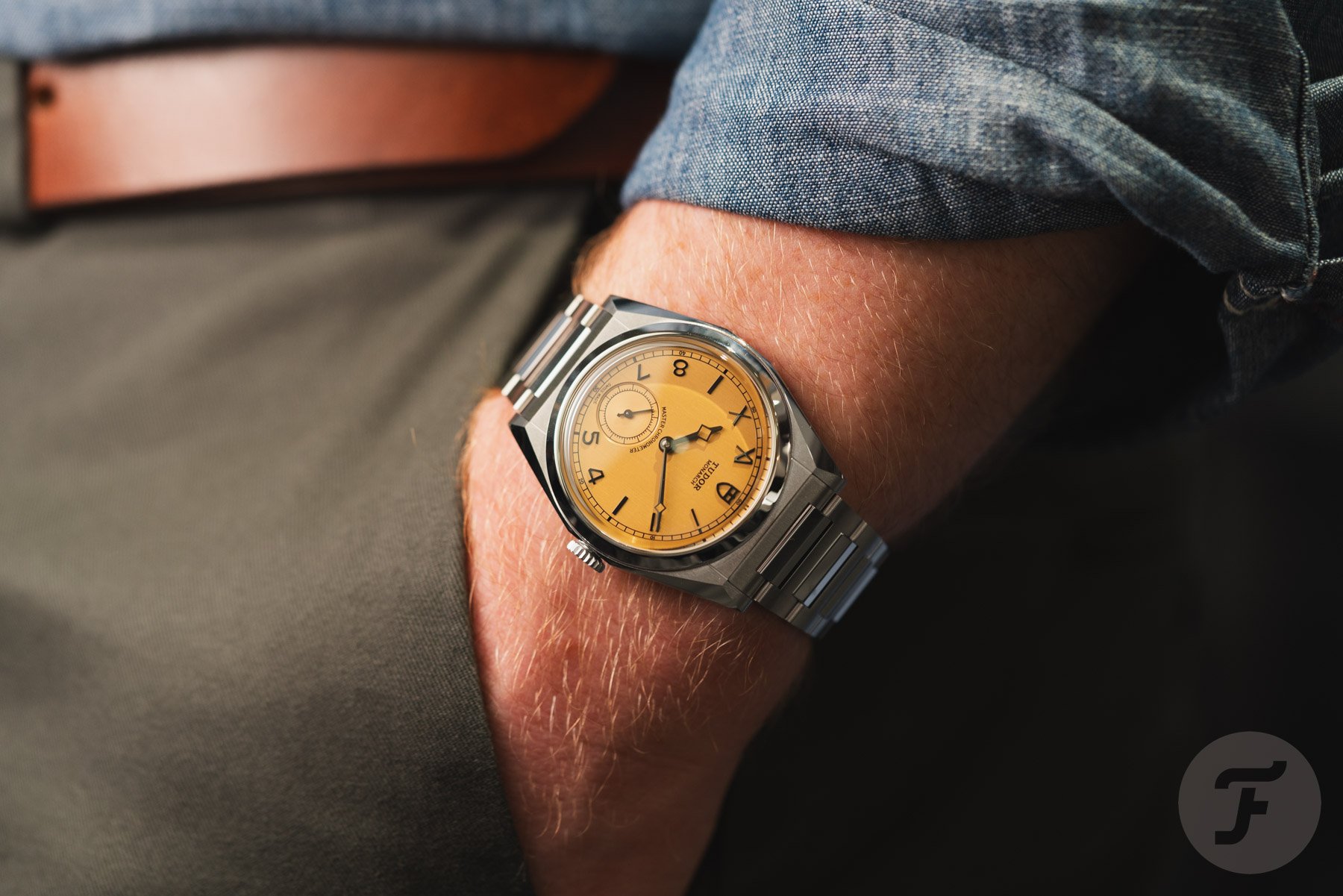
If the first two watches show restraint applied correctly, the Monarch shows the opposite instinct entirely — total commitment to a bold shape that hints at some of the oldest Tudor and Rolex references. Launched to mark Tudor’s centenary, and arriving in the same year as the 100th anniversary of the Rolex Oyster case itself, the Monarch’s faceted, almost octagonal case and integrated-look bracelet share nothing with the Oyster silhouette that defines both brands’ sports watches today.
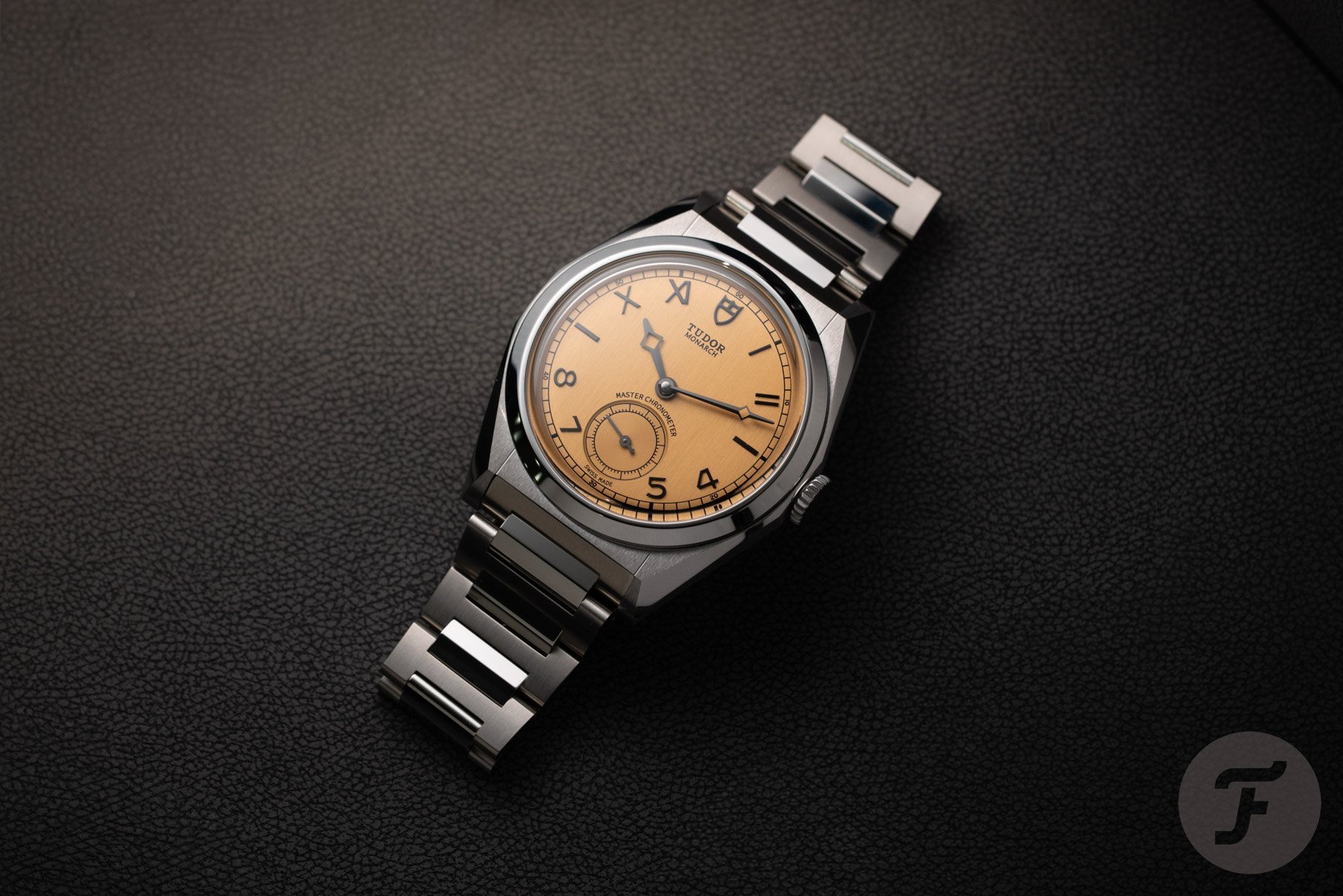
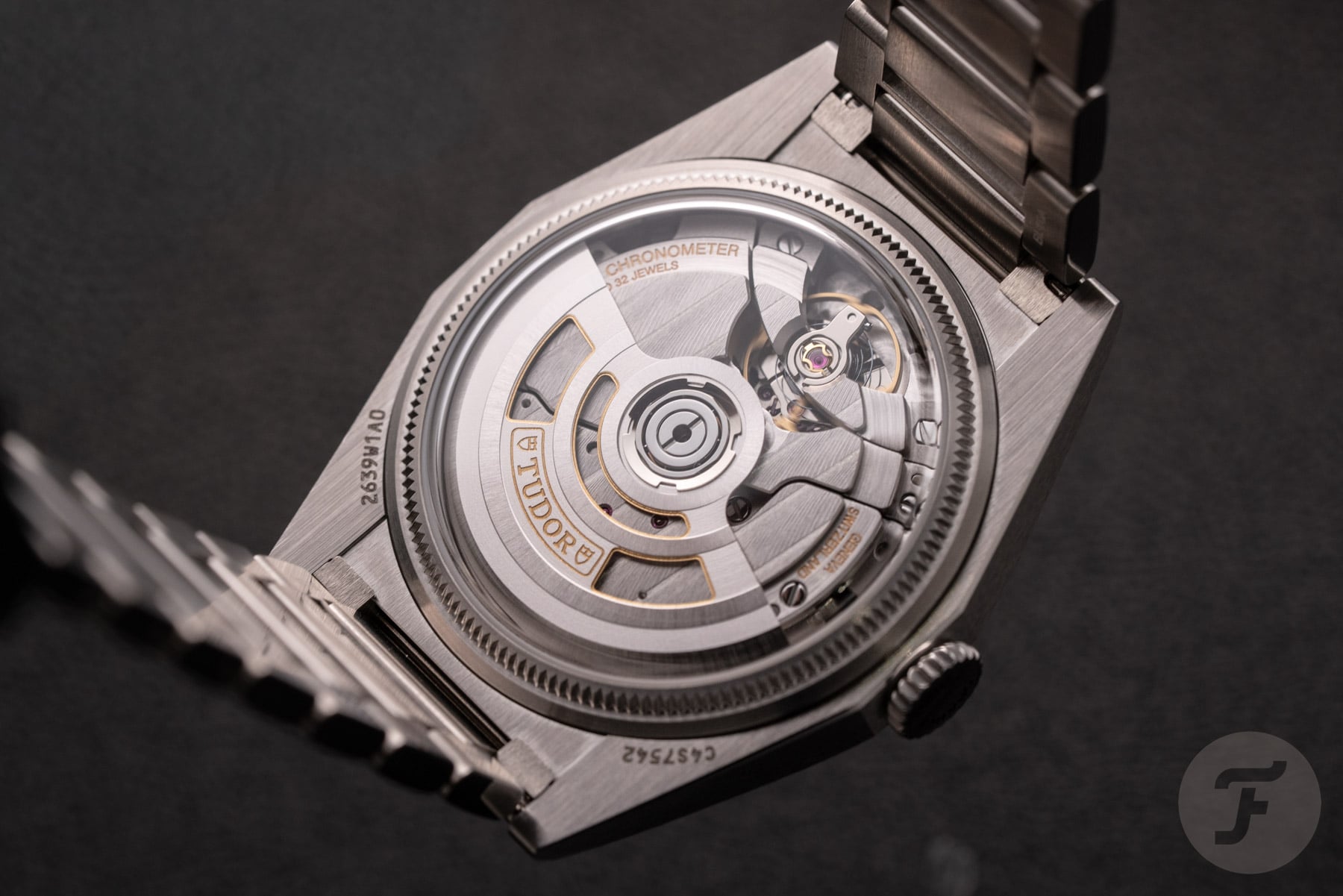
The dial pushes the same point further. A California-style layout, with Roman numerals across the top half and Arabic numerals across the bottom, paired with a sub-seconds register and a papyrus-toned finish, is a combination nothing in Rolex’s current catalog attempts. Powered by a METAS-certified Master Chronometer movement with genuine decorative finishing, the Monarch revives a Tudor name from the brand’s 1960s history rather than borrowing from someone else’s, and it commits to that identity completely rather than hedging partway through.
What these three have in common
Each of these watches solves the “design tease” problem the same way — by finishing the thought instead of stopping short. The Black Bay 54 does not apologize for its size with a slightly compromised spec sheet. The Pelagos 39 does not borrow a Rolex dial layout to feel familiar, and it has strong historical reference points to the Tudor Submariner of old. Finally, the Monarch does not hedge its new case shape with a safely recognizable dial. In each case, Tudor picked a strong idea and simply let it be strong.
That is the difference worth naming. The “design tease” pattern is not a permanent limitation baked into how Tudor operates. It is a habit that shows up often enough to notice, and the brand clearly is capable of breaking it whenever it commits fully to an idea rather than softening it on the way out the door.
Concluding thoughts
Taken together, these three watches are a genuinely useful answer to the question the last article raised. Tudor does not have to make watches that stop just short of their best version. When the brand commits, whether to an honest vintage size, a dial with a distinct identity, or a shape borrowed from nobody, the result stands entirely on its own. The Monarch, in particular, feels like a statement of intent, a watch built with no safety net and no need for one, and it is worth watching closely to see whether that same confidence carries over into whatever Tudor releases next or if the old habit quietly returns with next year’s catalog.
Which of these three do you think best proves Tudor can compete on its own terms? Let me know in the comments!